
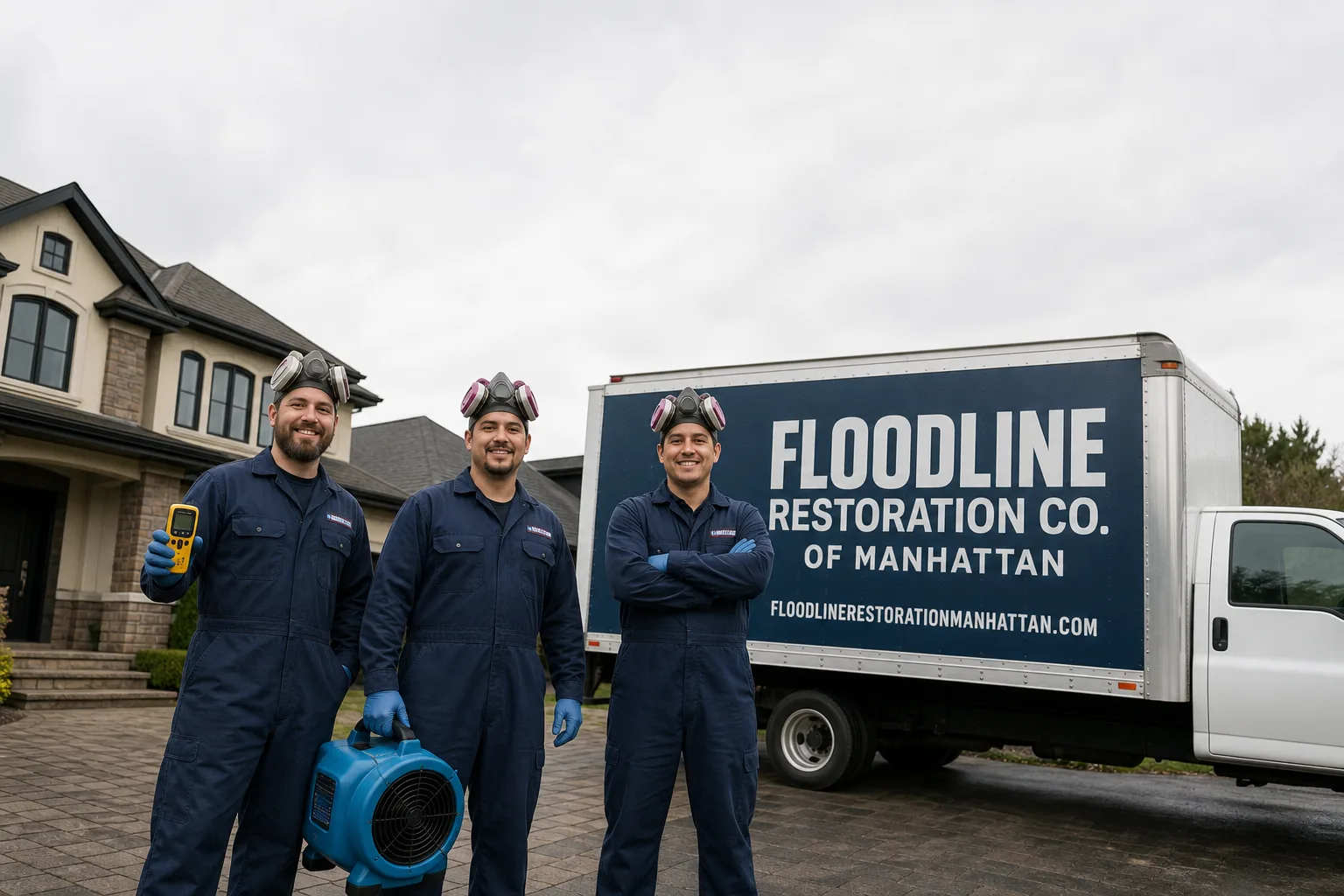
Free visual inspection and a written scope of work before any mitigation begins - photos, moisture readings, and drying logs go in your claim file
The scope we write is the scope we bill. Anything new gets shown to you, in writing, before we touch it.
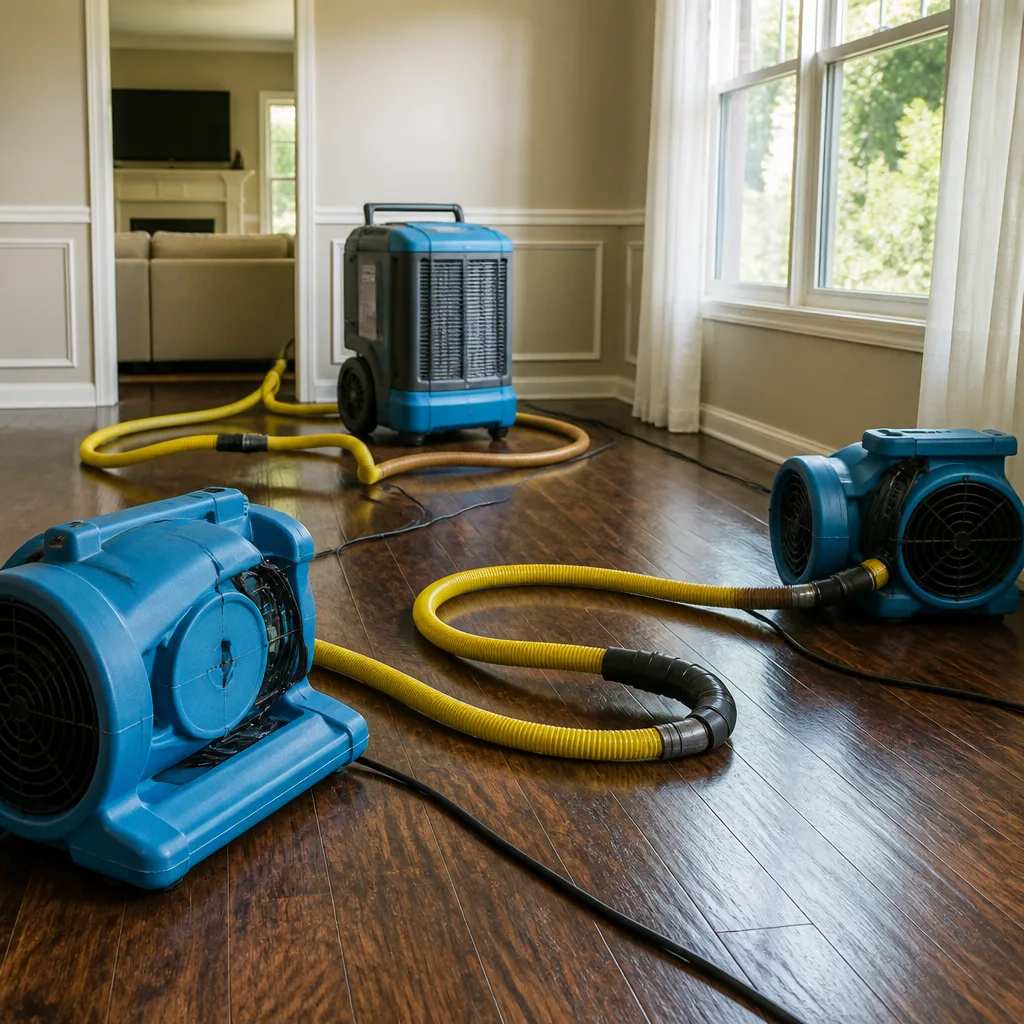
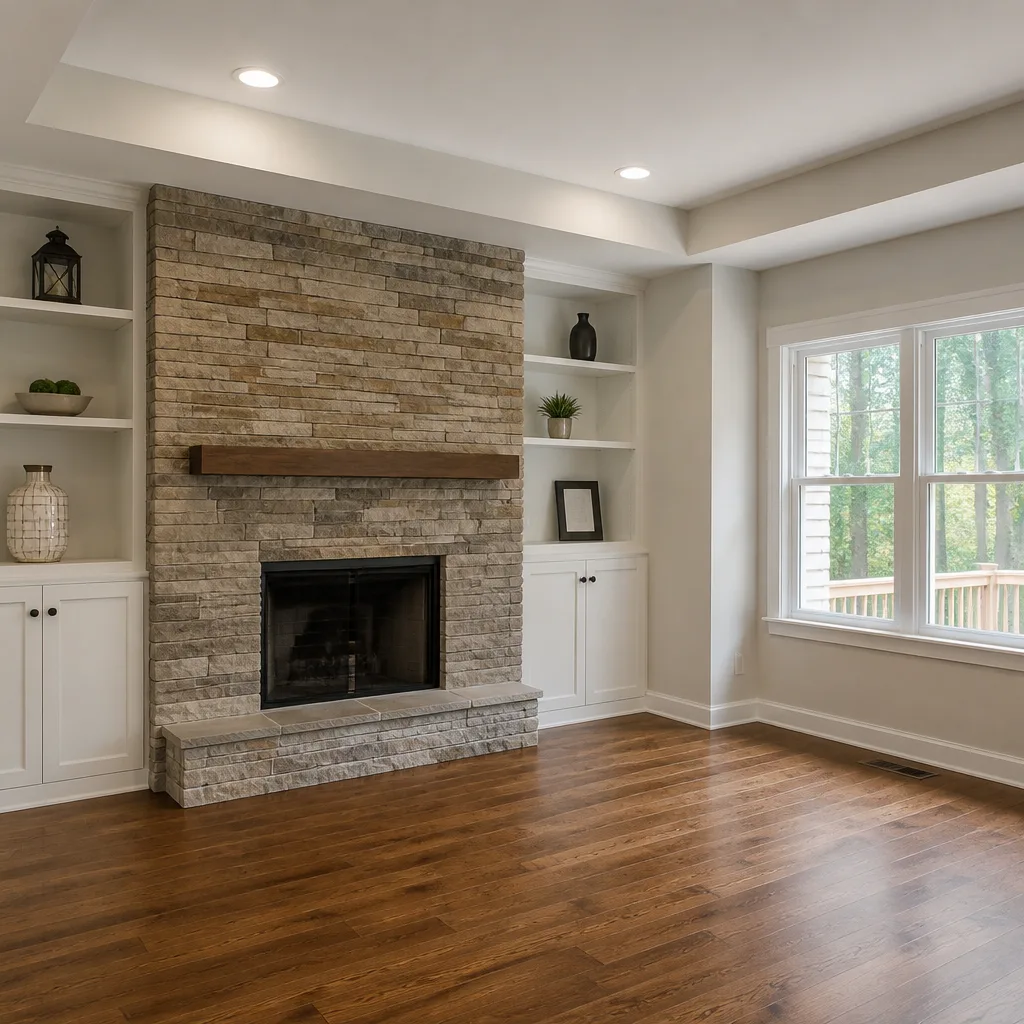
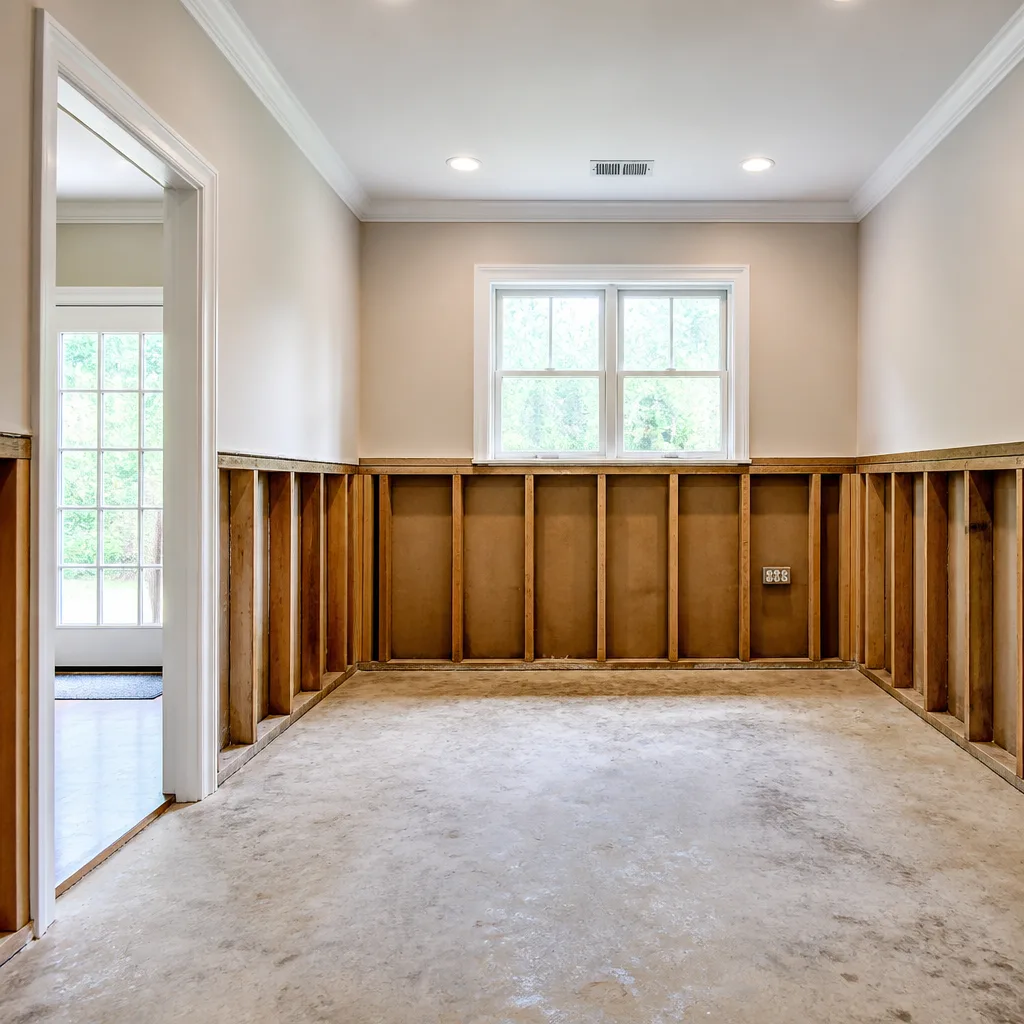
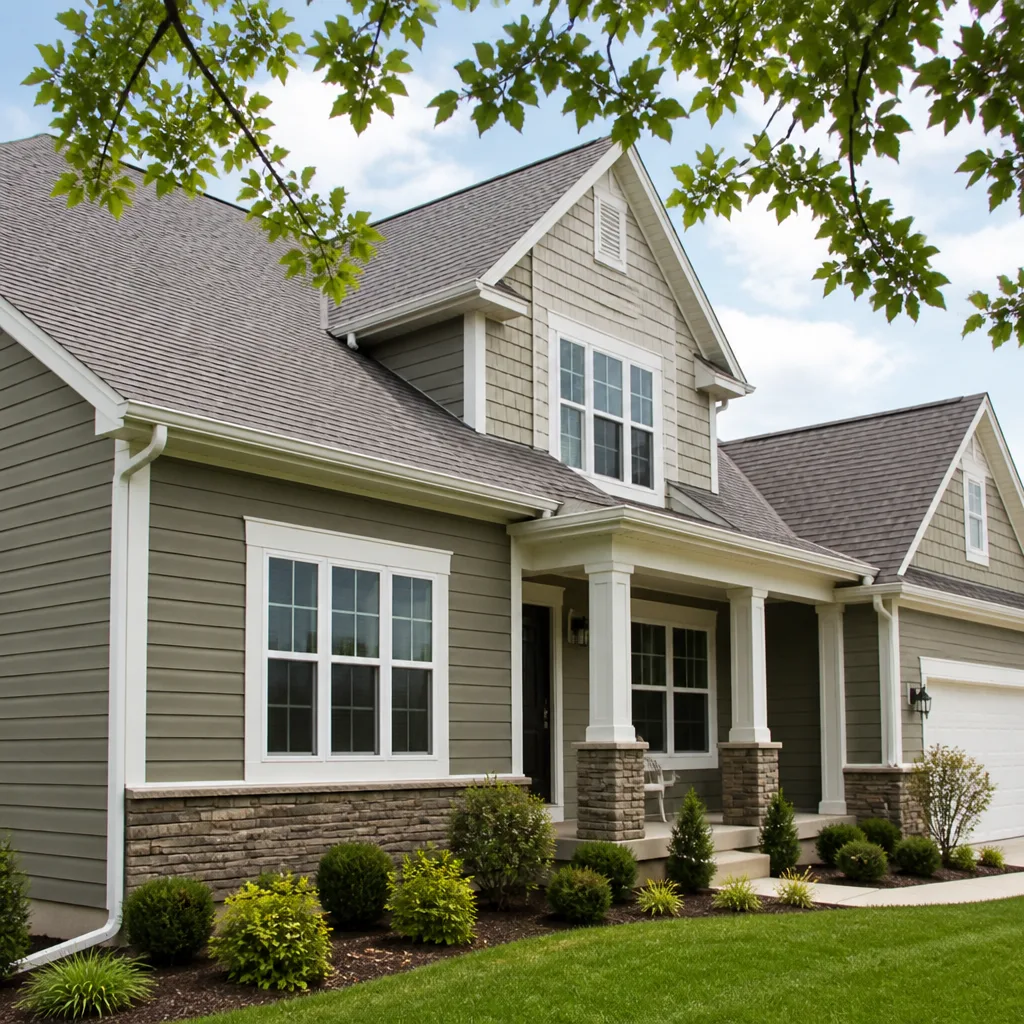
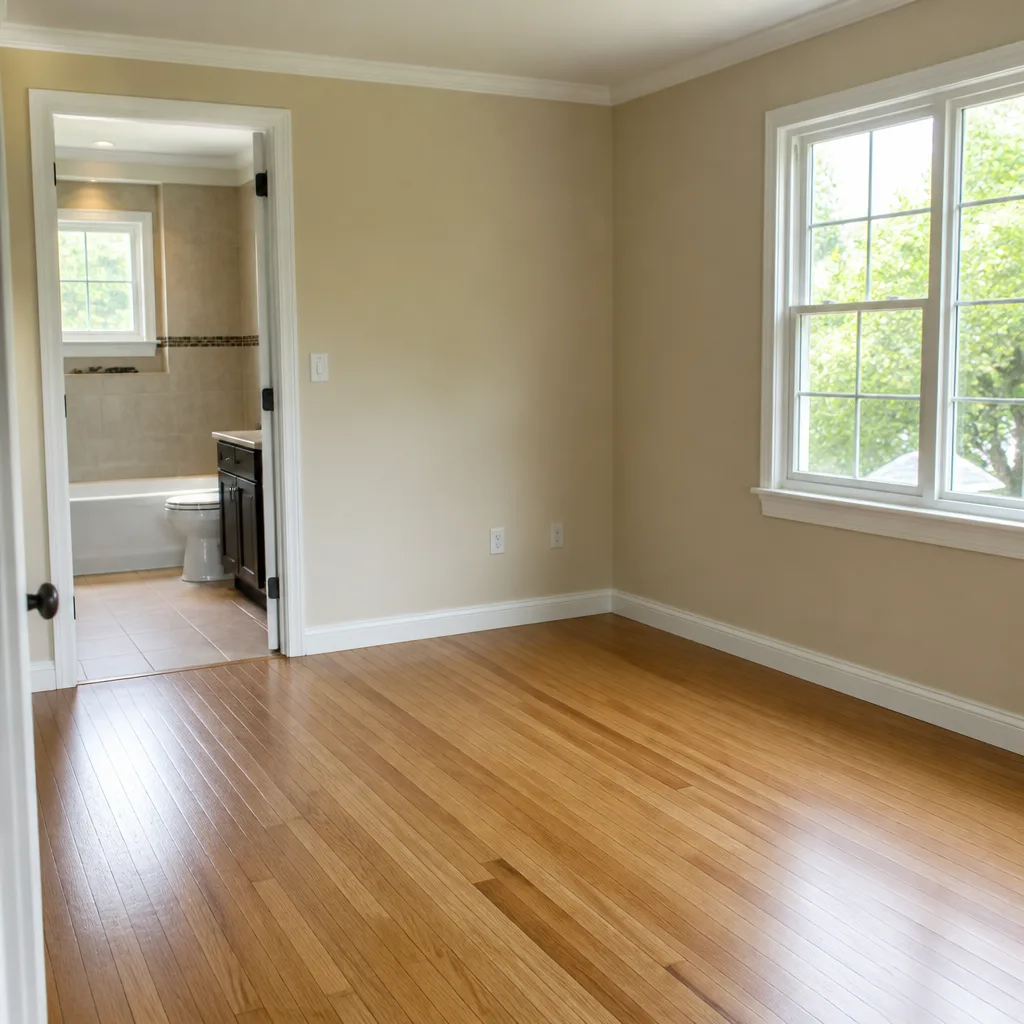
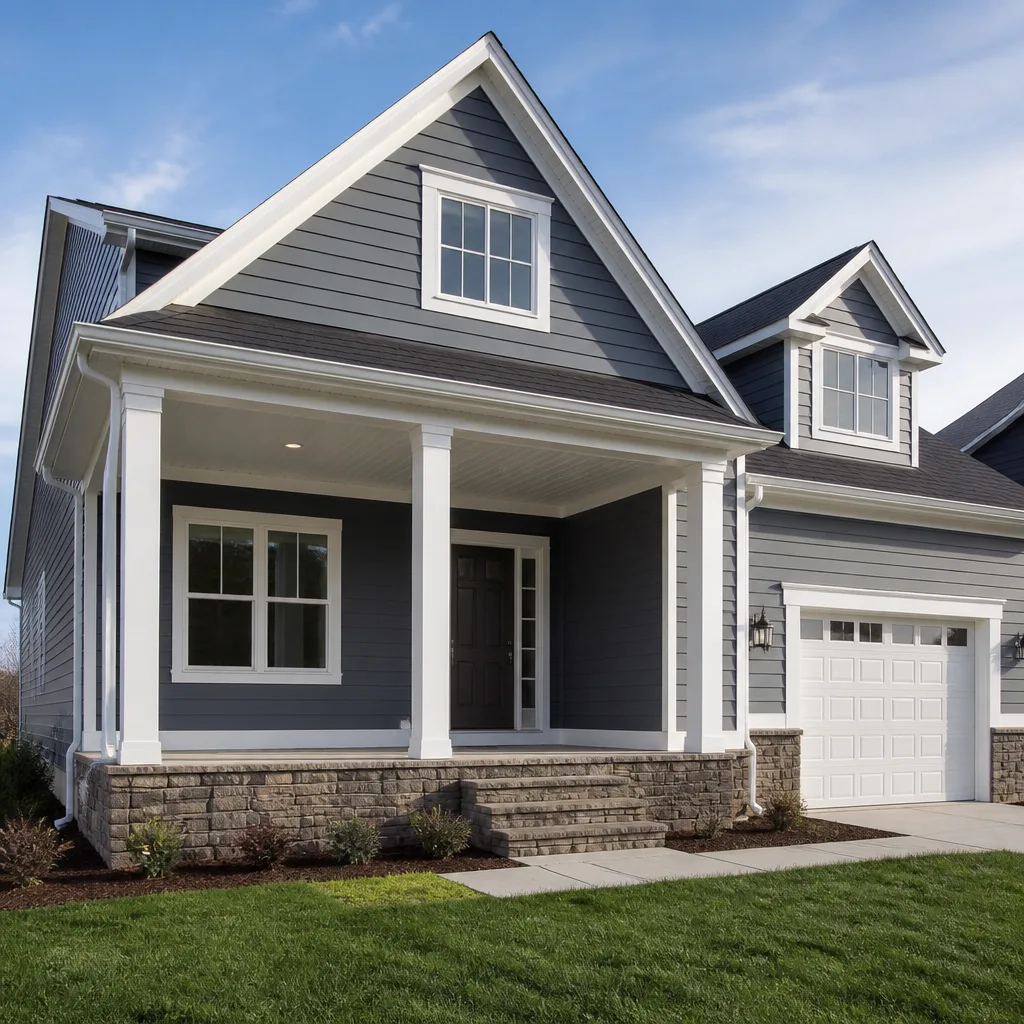
 Before
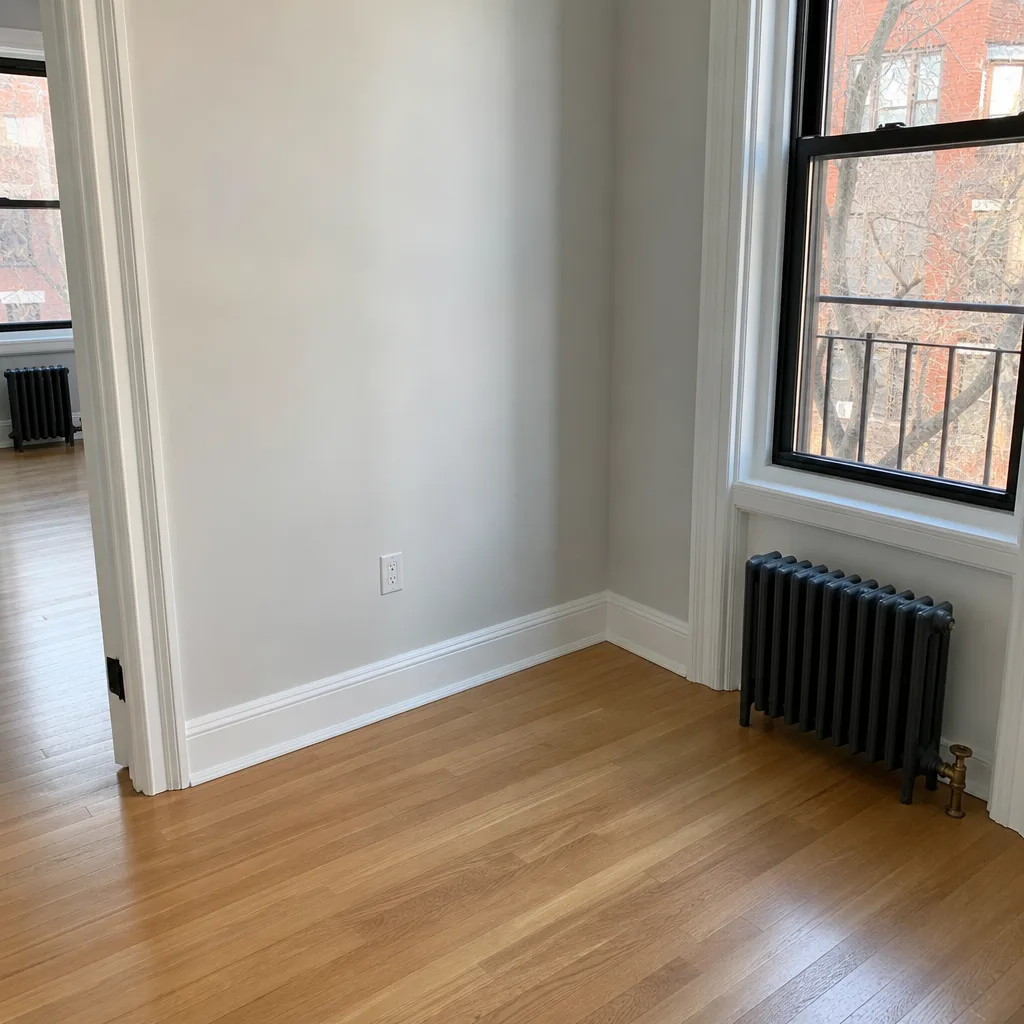 After
After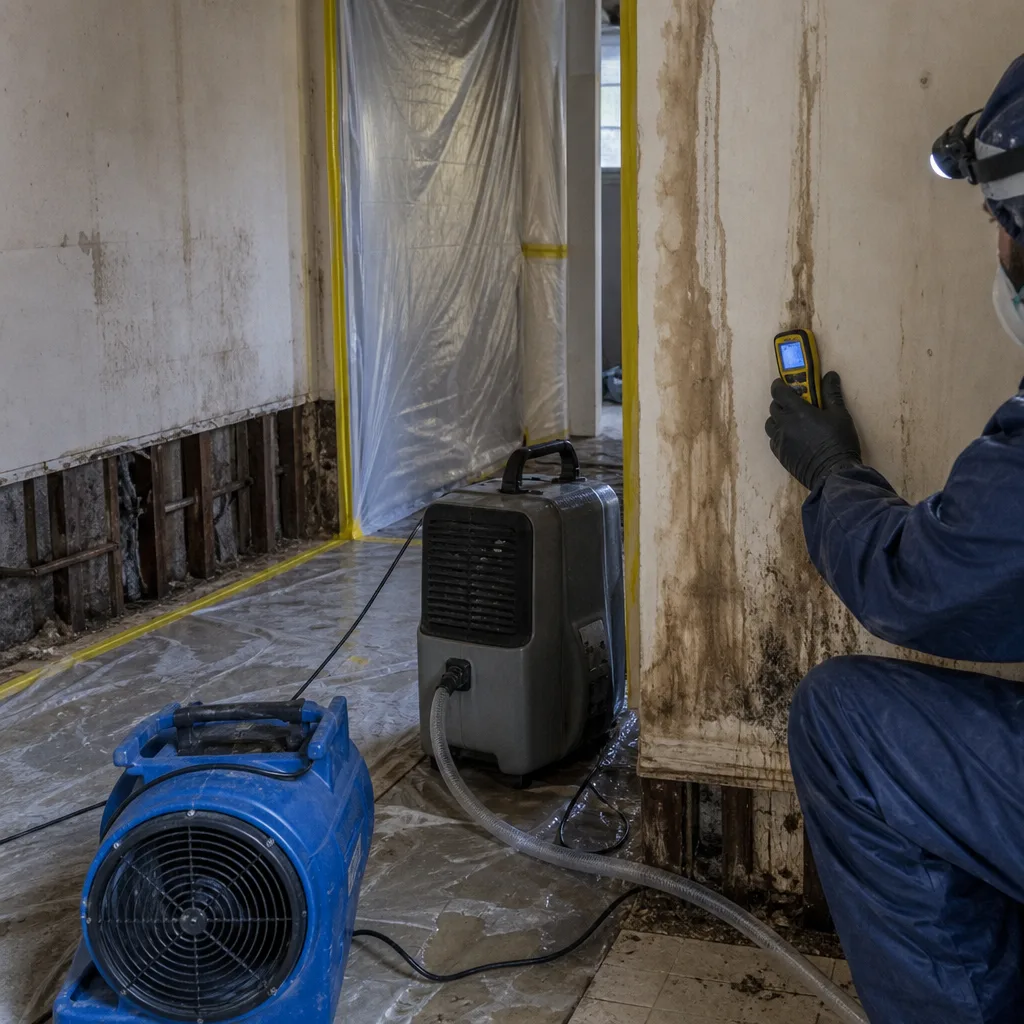 Before
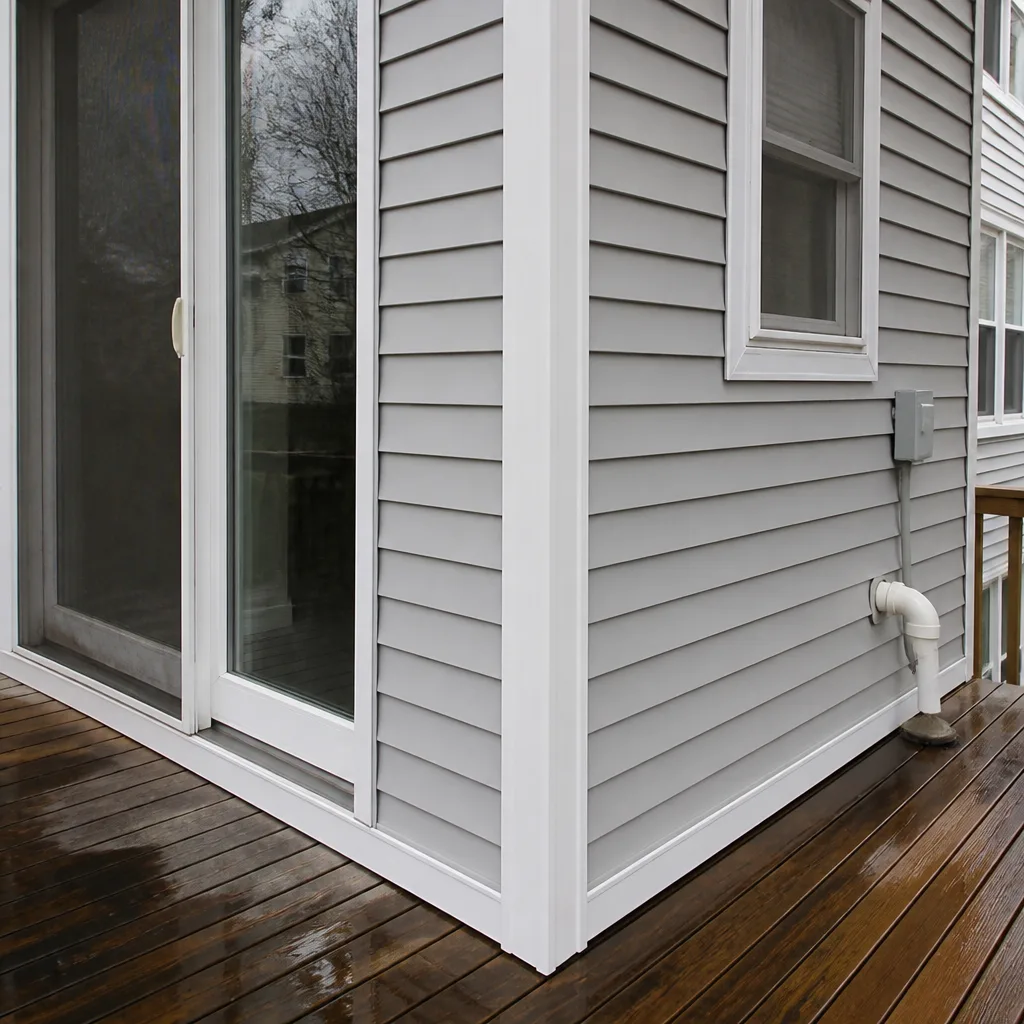 After
After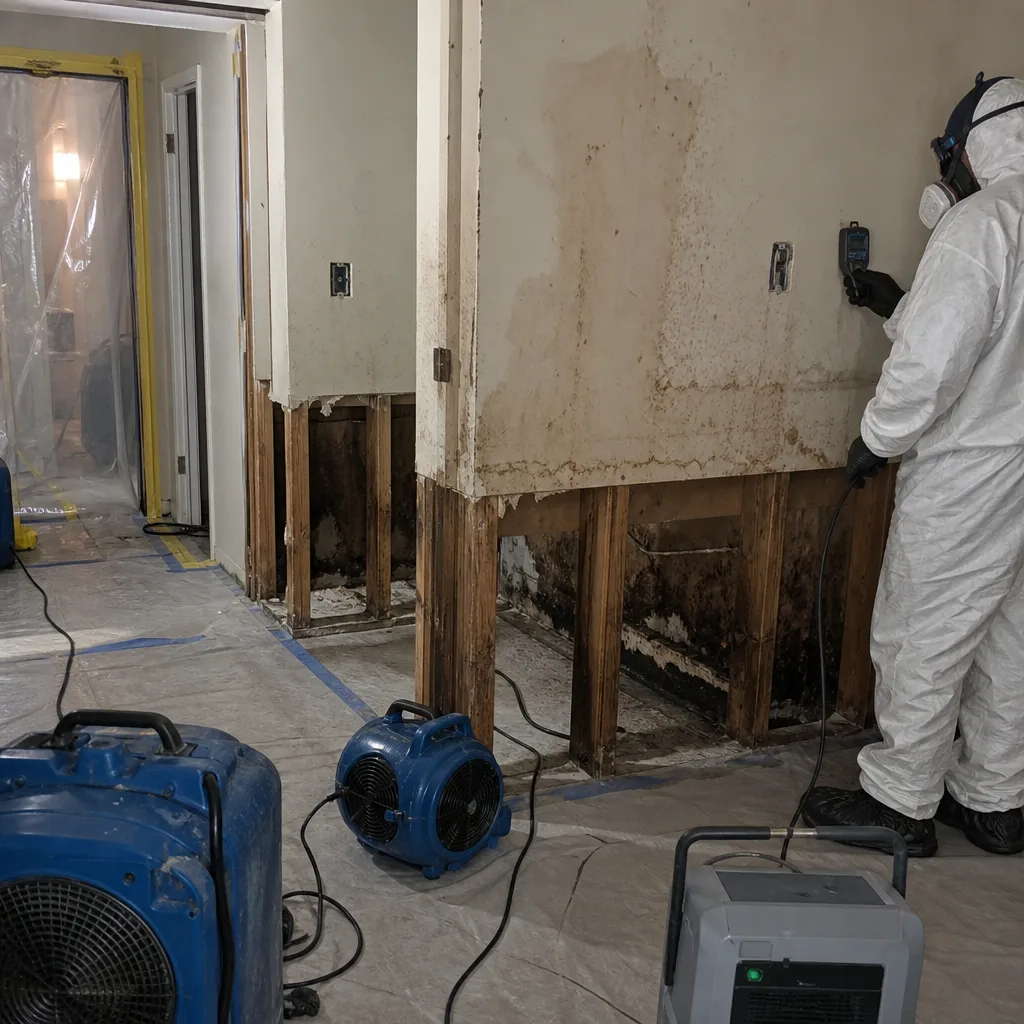 Before
 After
After24/7 Emergency Water Damage Restoration in Queens Village
When a pipe lets go inside a 1930s brick twin on 217th Street or a nor’easter pushes category-3 sewage up through a finished basement floor drain off Springfield Boulevard, the first call should reach a live person who can dispatch a crew into Queens Village immediately. Floodline Restoration Co. of Manhattan answers the phone around the clock with a real dispatcher, not a recording. Call (917) 924-4221 and a uniformed, background-checked technician will walk you through the first thirty minutes over the phone, then arrive for a free visual inspection. In Queens Village, where so many homes are attached and share masonry party walls, the first hour determines whether you’re drying one room or negotiating a two-property claim with your neighbor’s insurance carrier. Extraction equipment running the same visit means less demolition, fewer contents lost, and a firm scope of work before anything gets torn out.
Understanding Water Damage Restoration Severity in Queens Village Properties
Not all water is the same, and Queens Village’s housing stock makes categorization particularly unforgiving. Category 1 water comes from a clean supply line, an overflowing sink, or a burst radiator feed. Category 2 carries significant contamination, common when a washing machine drain backs up or a sump pump fails below grade. Category 3 is black water, what you’re looking at when nor’easter storm surge or a combined sewer backup pushes groundwater and sewage into a finished basement. That scenario demands full containment, HEPA air scrubbing, and disposal of saturated porous materials, because the aerosols from black water spread through connected semi-detached living spaces fast. Our crews use thermal imaging to find water hidden behind plaster-over-lath walls, which in these 1925-to-1955 Queens Village homes wicks moisture laterally and holds it far longer than modern drywall assemblies. Moisture mapping on day one and daily readings after are how we know the drying is actually working.
Why Queens Village Property Owners Choose Floodline Restoration Co. of Manhattan
- 45-minute response commitment: When you call about standing water in a Queens Village basement, a crew is dispatched immediately and reaches most addresses in the neighborhood within 45 minutes.
- 24/7 live answer: A person picks up at 2 a.m. Not an answering service, not a callback queue. A live dispatcher who can start the process while you’re still on the phone.
- IICRC-certified crews: Our technicians hold WRT and ASD certifications and are trained to RIA and IFA standards, so the drying plan is written around moisture science, not guesswork.
- Free visual inspection: Before any equipment is staged or any wall is opened, we assess the loss and tell you what’s wet, what’s salvageable, and what it will take to hit dry standard.
- Direct insurance billing: We work from your policy, document everything line by line, and communicate with your adjuster directly, so you’re not chasing paperwork while your basement sits wet.
- One team from extraction to reconstruction: The same certified crew that pulls the water also handles the drying log, the rebuild, and the 90-Day Done Right Promise in writing.
Our Water Damage Restoration Process
Inspection & Assessment
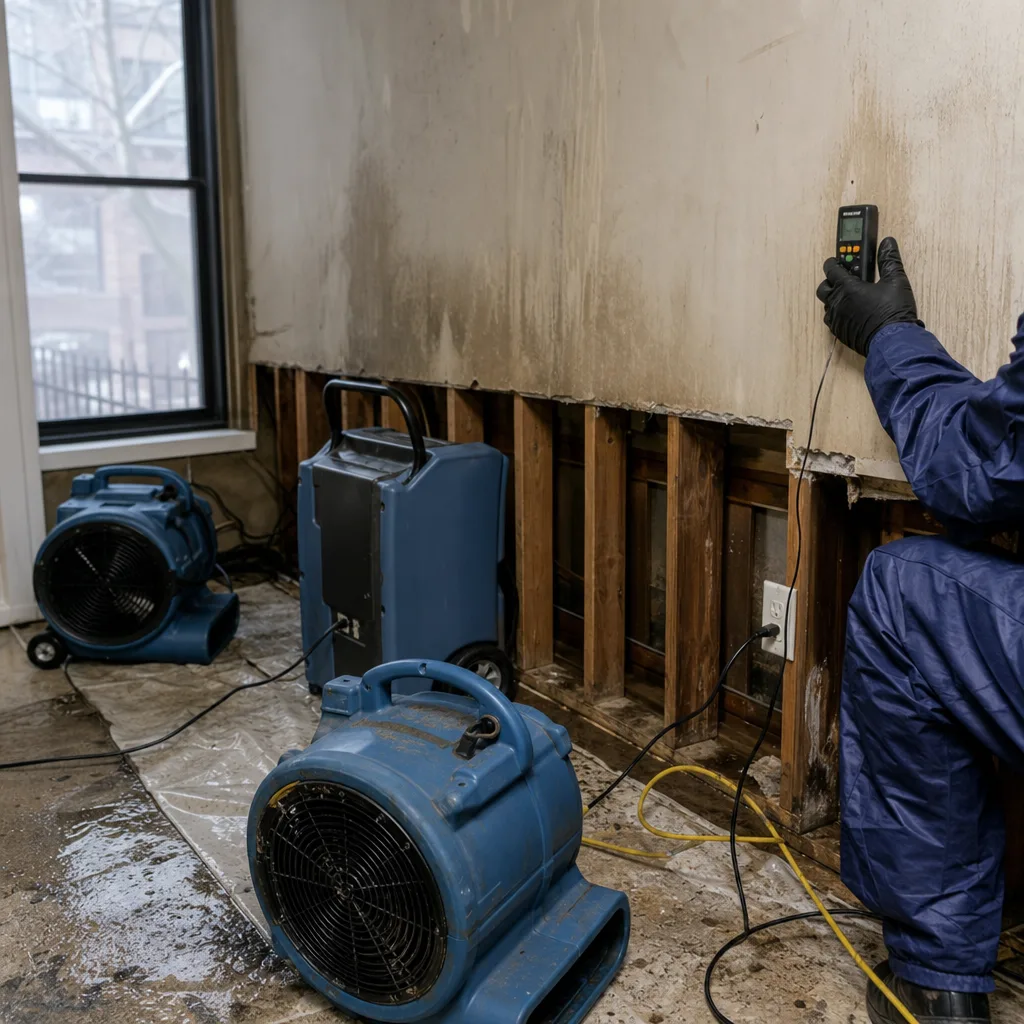
We arrive, identify the water category, and run thermal imaging alongside penetrating moisture meters to find what’s wet behind plaster and under flooring. You get a written scope before any containment or demolition begins.
Extraction & Stabilization
Professional-grade truck-mounted and portable extraction units pull standing water from carpet, hardwood, and the concrete slab. In Queens Village basements, this includes addressing the bell trap and any floor drains that backed up.
Drying & Dehumidification
We install Dri-Eaz and Phoenix air movers and low-grain refrigerant dehumidifiers sized to the affected cubic footage. Daily hygrometer readings track progress until we hit the IICRC dry standard.
Cleaning & Sanitization
Category 2 and 3 losses get antimicrobial application and HEPA scrubbing. This step is non-negotiable when sewage or contaminated groundwater has touched finished Queens Village basement space.
Moisture Verification
We don’t pull equipment on a schedule, we pull it when the numbers say the structure is dry. You receive the full moisture log for your records and your carrier’s file.
Repairs & Restoration
The same Floodline crew handles sheetrock, flooring, and any structural remediation so you’re not coordinating a second contractor or waiting on a handoff. What we open, we close.
Need Emergency Water Damage Restoration in Queens Village Now?
Crews minutes away, answering live 24 hours a day. The sooner we start, the less it costs.
Working With Your Insurance Company
The most common hesitation we hear from Queens Village homeowners is that they don’t want to get stuck between the restoration company and the insurance carrier. You won’t. From the first hour, we document everything with time-stamped photos, moisture readings, and a line-item scope that uses industry-standard estimating software your adjuster recognizes. We send the documentation directly to your carrier, speak with the adjuster on your behalf, and bill the agreed scope directly. When a loss crosses the shared party wall in a semi-detached twin and involves two policies, we’re experienced at coordinating with both carriers simultaneously, from initial notification to final drying verification. This is where the local knowledge matters most: a water damage restoration team that has handled dozens of Queens Village two-property claims knows what each insurer will ask for and has it ready before the question comes.
What We Provide Your Insurer
- Thorough documentation of the loss
- Photos of all damage, room by room
- Moisture readings and drying logs
- A detailed, line-item scope of work
- Direct coordination with your carrier
Built for Queens Village’s Loss Calendar
Queens Village sees water damage in the same seasonal rhythm every year, and a restoration plan has to account for it. January deep freezes split copper supply lines and radiator pipes in unheated crawlspaces and exterior-wall chases throughout these 1920s and 1930s brick twins. We respond to frozen, burst pipes along Jamaica Avenue and Hollis Avenue corridors every winter. Spring thaw saturates the clay-heavy, poorly draining glacial till under eastern Queens, and hydrostatic pressure forces groundwater through hairline cracks in poured concrete basement floors. Summer convective storms and fall nor’easters overwhelm the aging combined sewer network, and basement floor drains back up with black water while whole blocks on Braddock Avenue and 104th Avenue end up flooded. Queens Village’s finished basements, dens, laundry rooms, home offices, mean every one of these seasonal events carries real contents loss on top of structural water damage. A restoration crew familiar with this calendar knows what to expect in February versus September, and plans the drying strategy accordingly.
Water Damage Restoration Across Queens Village’s Neighborhoods
Queens Village isn’t one building type, it’s an older grid of attached and semi-detached homes with distinct conditions block by block. Around Hillside Avenue, you find a concentration of 1930s brick Colonial Revival twins, the classic Queens Village semi-detached pairs with shared masonry walls that wick moisture laterally. These are the jobs where a roof leak on one side shows up as wall staining in the neighbor’s living room three weeks later. Over toward the Bellerose border and Jamaica Avenue, the homes skew slightly later, 1940s and 1950s construction, many with the same finished basements and plaster walls, but often with boiler rooms tucked under front stoops where a burst feed line pools water against the foundation. Along Springfield Boulevard and closer to the Long Island Rail Road tracks, we see more attached rowhouses where a single sewage backup can move from unit to unit through connected floor drains. And in the blocks off 212th Place and 104th Avenue around the Belmont Park side, the fully finished basements are deeper, which means more water volume and longer dry times when the drains fail.
Specialized Water Damage Restoration Services We Offer in Queens Village
Emergency Water Extraction
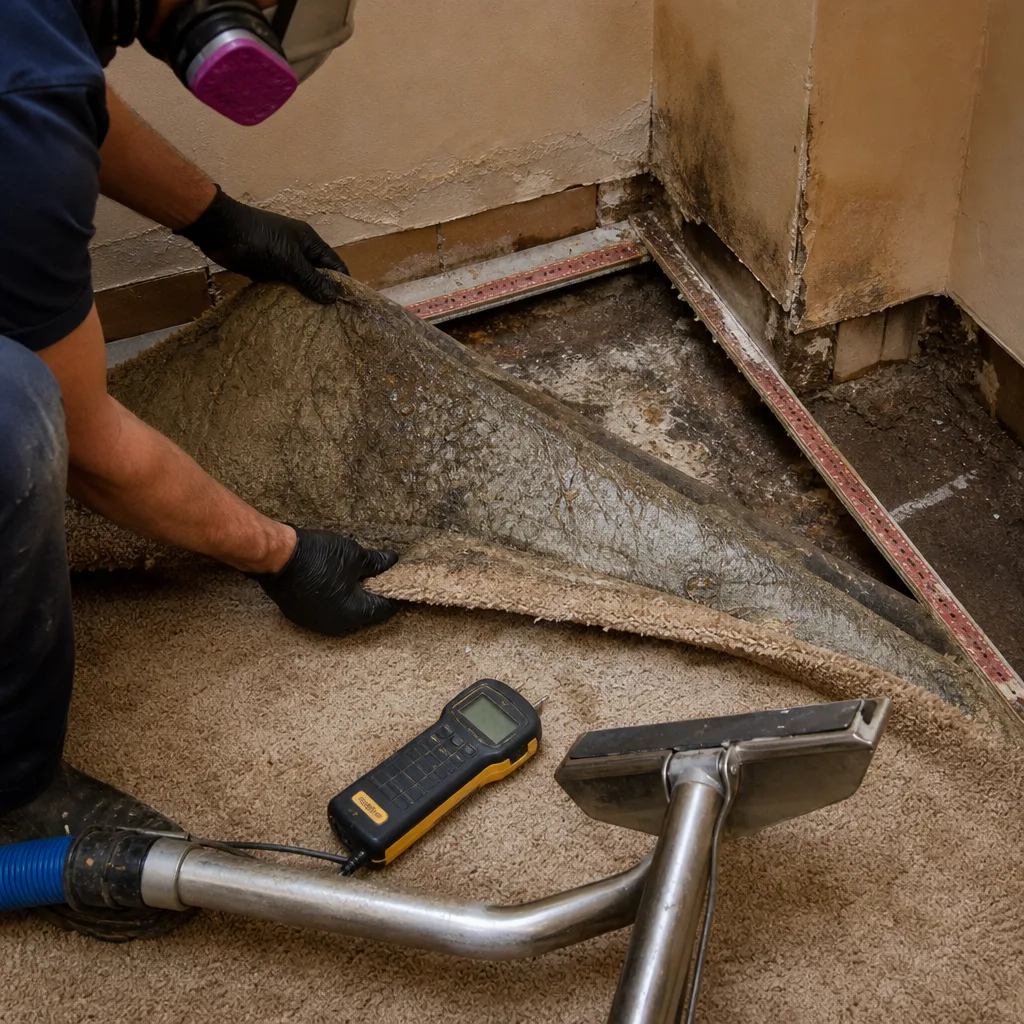
Standing water in a Queens Village basement needs professional extraction within hours, not days. We use truck-mounted and portable extraction systems to pull water from carpet, pad, hardwood, and concrete, then begin the drying plan immediately. In finished basements where a washer supply line has let go, quick extraction is often the difference between drying in place and pulling everything out.
Basement Water Removal
These 1920s-to-1950s-era Queens Village homes were built to store coal and canned goods, not to sit dry under hydrostatic pressure. When a nor’easter overwhelms the combined sewer and the floor drain backs up, this becomes a category-3 black water removal that requires containment before any drying begins. We handle the full sequence: extraction, contaminated material removal, sanitization, and drying verification.
Structural Drying & Dehumidification
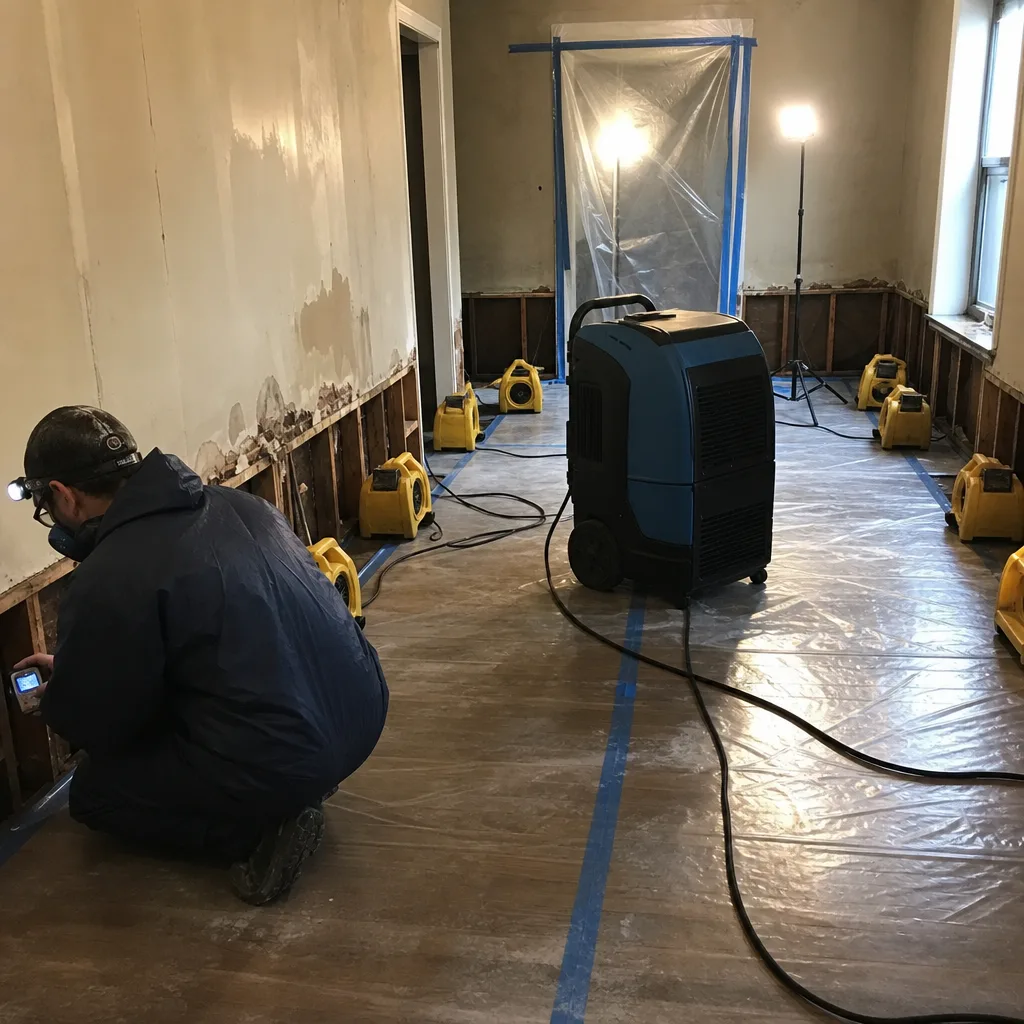
Plaster-over-lath walls in these older Queens Village twins hold moisture far longer than modern drywall, and the shared masonry party wall can keep feeding dampness from the neighbor’s side even after your side reads dry. Our structural drying plans run deep: probing moisture meters, daily hygrometer logs, and enough air movement to dry the wall cavity, not just the surface. We don’t pull equipment until the dry standard is met on both sides of the loss.
Flood Cleanup
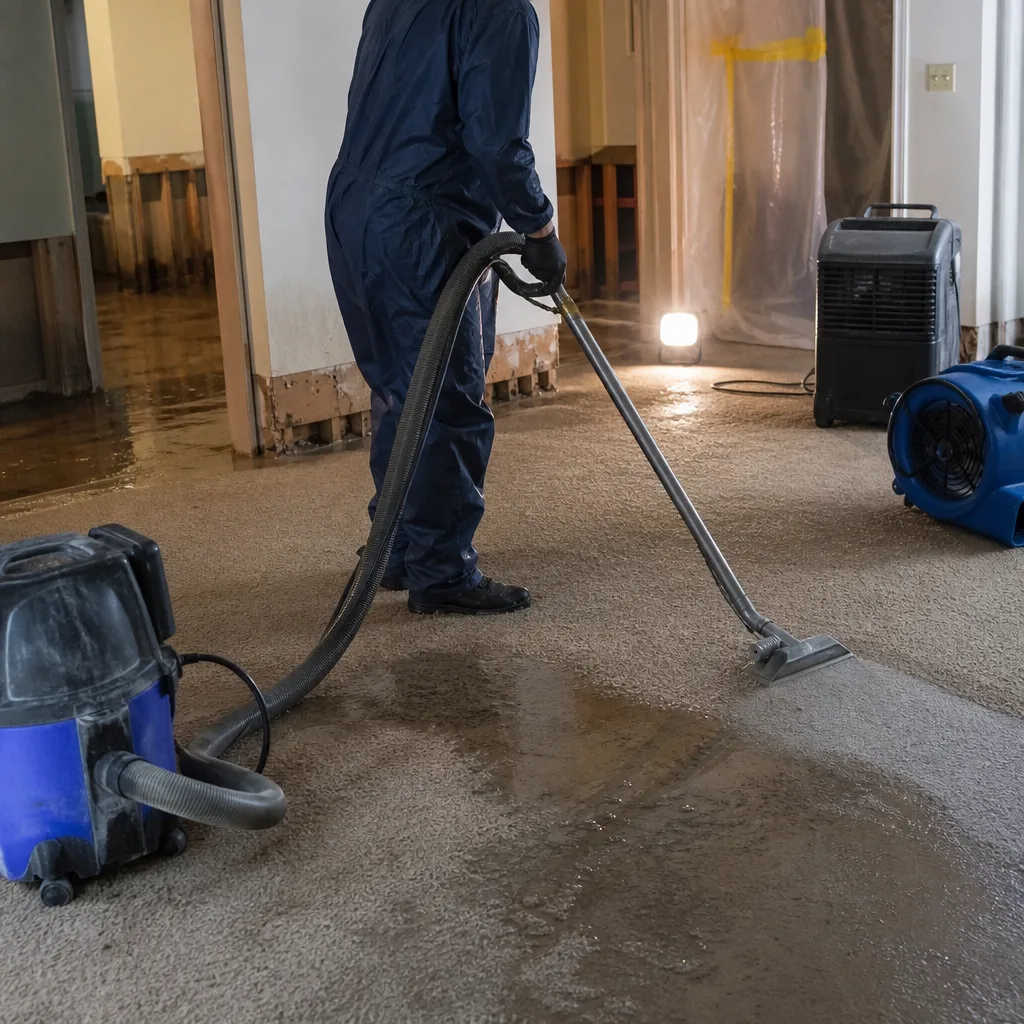
Whether it’s stormwater from a nor’easter or a sump pump failure during a summer thunderstorm, flood cleanup in Queens Village means dealing with whatever the flood brought in. That’s often silt, sewage, and groundwater contamination. We set containment to prevent aerosol spread through the semi-detached spaces, remove unsalvageable material, and sanitize everything that survives.
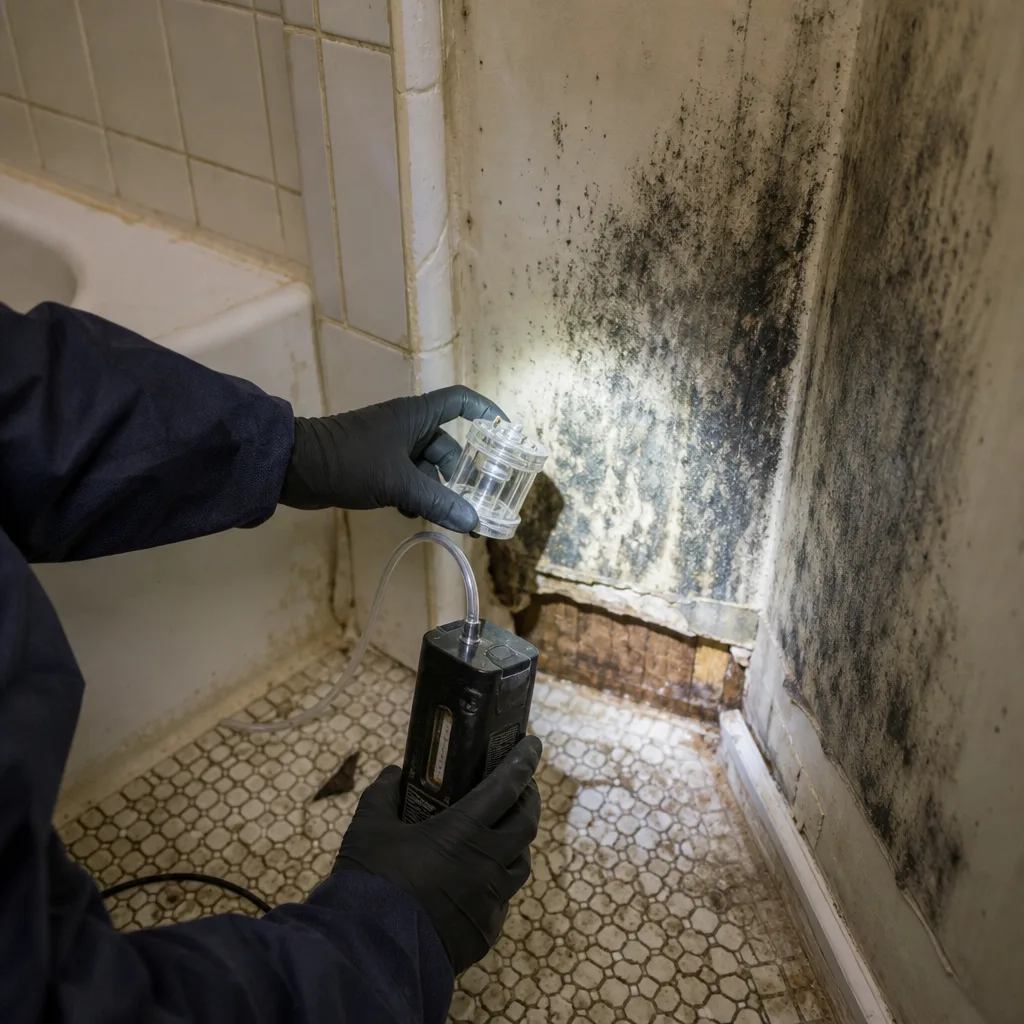
Burst Pipe Restoration
Radiator feeds and supply lines in these pre-war Queens Village homes are original in many cases, and the galvanized piping in untouched chases has seen ninety winters. When one splits in January, the water is category 1 clean, but it’s still destructive. We extract, dry the cavities, and repair the plumbing chase so the next freeze doesn’t find the same weak spot again.
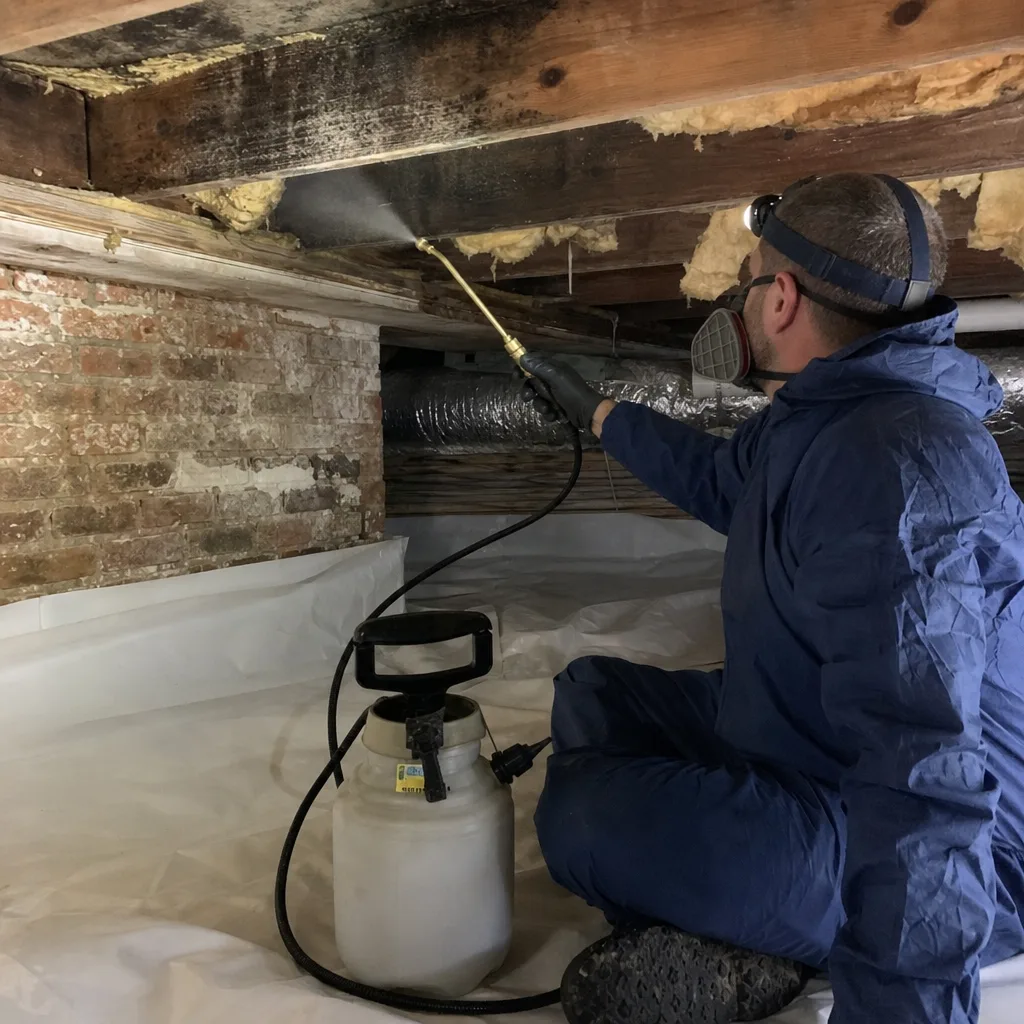
Ceiling & Roof Leak Water Damage
Flat-roofed brick twins over in the Hollis and Bellerose border blocks take rain and snowmelt differently than pitched-roof Colonials. Water finds its way into ceiling cavities and runs along joists before showing up as brown staining. We trace the migration with thermal imaging and dry the cavity correctly, often while coordinating with your roofer so we’re not drying a cavity that’s still taking water.
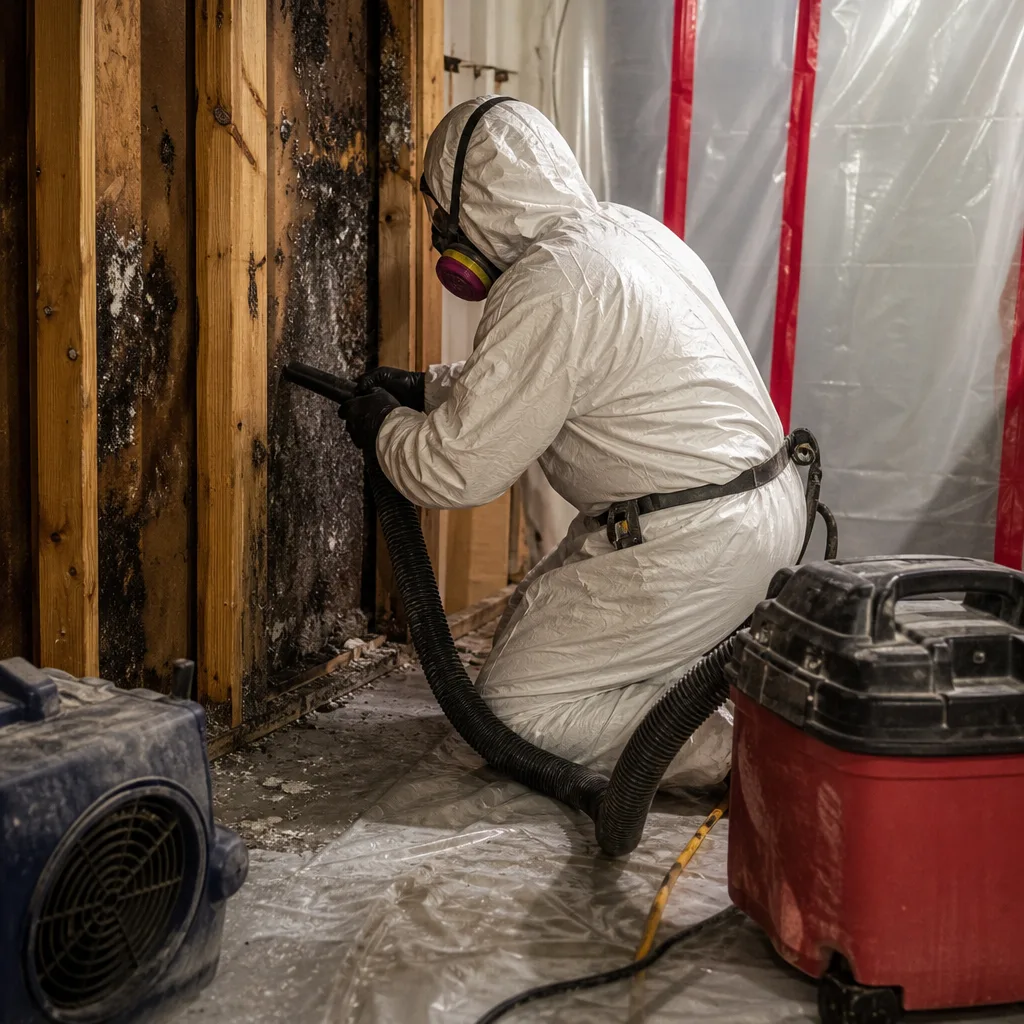
What happens when you call
- 1
A real person answersNo phone trees - you reach a local pro.
- 2
You get an upfront price rangeHonest numbers before anyone is dispatched.
- 3
A background-checked tech heads outLicensed & insured, dispatched right away.
- 4
You approve before work beginsNothing starts until you say go.
Water Damage Restoration Costs in Queens Village, NY
Honest numbers, so you know what to expect before anyone shows up with an estimate. A simple category 1 water extraction from a finished basement in Queens Village, no sewage, with drying equipment for three to five days, typically runs $2,800 to $4,600. When a combined sewer backup turns the same basement into a category 3 black water job with containment, material removal, antimicrobial application, and HEPA scrubbing, expect $6,500 to $12,000 depending on square footage and contents. Ceiling and roof leak drying in a single room with plaster-over-lath usually lands between $1,800 and $3,200. What moves the price: water category, square footage of affected area, how long the water sat before extraction, whether asbestos-containing plaster must be removed, and whether the loss crossed a shared party wall and needs coordination with a second carrier. Most Queens Village homeowner policies cover the extraction, drying, and mitigation phases. Some don’t cover the rebuild. We’ll walk you through what your policy says, line by line. Call (917) 924-4221 for a free visual inspection and a firm written scope before any work begins.
We Also Serve Cities Near Queens Village
Our crews work throughout eastern Queens, and we regularly handle water damage restoration in Queens Village and neighboring communities. The same 45-minute response and live dispatch applies to Oakland Gardens, Hollis, Bellerose, and Floral Park. Every nearby town gets the same certified crews, the same professional-grade drying equipment, and the same written 90-Day Done Right Promise.
Queens Village Water Damage Restoration Questions, Answered
How does a water leak in my semi-detached Queens Village twin affect my neighbor’s home, and who pays?
A leak that reaches the shared party wall will almost always migrate into the neighbor’s side, because the un-flashed masonry between the two homes acts like a wick. Who pays depends on causation and each policy’s language. When our Queens Village restoration team finds lateral moisture crossing the dividing line, we document it with moisture mapping on both sides, set containment before demolition, and coordinate directly with both insurance carriers so the source attribution is clear from day one.
Is my 1930s Queens Village basement water damage treated as category 1, 2, or 3?
It depends entirely on the source. A burst supply line or radiator feed is category 1, clean water. A sump pump failure or washing machine drain backup that carries soap, soil, or gray water is category 2. A floor drain that backs up from the combined sewer during a nor’easter or summer storm is category 3, black water. In these older Queens Village homes with finished basements, a category 3 event means full containment and removal of saturated porous materials. Call us and we’ll identify the category while you’re still looking at the water.
Why does my plaster-over-lath wall stay wet so long after a small ceiling leak?
Plaster-over-lath assemblies hold water very differently than modern drywall. The plaster itself is dense and slow to release moisture, and the lath behind it creates hundreds of small cavities where water pools and wicks. Add the shared masonry party wall in your Queens Village twin, and that same assembly can keep drawing moisture from the neighbor’s side even after your leak is fixed. This is why we use penetrating moisture meters and thermal imaging, not just surface checks, to write a drying plan that actually reaches the cavity.
Do I need containment for a water leak in my finished basement, or just fans and a dehumidifier?
For clean category 1 water, containment isn’t always necessary, but drying without proper moisture mapping is a gamble in these older Queens Village basements. For category 2 or 3 water, containment is not optional. Running fans on sewage-backed-up water spreads black-water aerosols through your finished basement, up the stairs, and potentially into the connected neighbor’s half. IICRC protocols require containment, air scrubbing, and controlled negative pressure for category 3. We’ll tell you honestly which you’re dealing with before any equipment goes in.
How fast does mold actually start on wet drywall in a Queens Village basement?
Mold colonization can begin within 24 to 48 hours on wet drywall in a humid finished basement, faster if the water is category 2 or 3. The wetter the material and the warmer the space, the faster it moves. That’s why same-day extraction and drying matters more than anything else when a supply line fails in your 1930s Queens Village brick twin. Waiting a week to start drying usually means replacing drywall, not salvaging it.
How fast can you actually get to Queens Village?
Most addresses in Queens Village are within 45 minutes of our crews. A live dispatcher answers at (917) 924-4221, figures out what’s happening in the first thirty seconds, and gets a certified team rolling immediately. For an active water loss in a semi-detached home, starting extraction the same visit is the difference between drying in place and a full pack-out.
Will my insurance cover water damage restoration and structural drying?
Most Queens Village homeowner policies cover the extraction, drying, and mitigation phases of a sudden and accidental water loss, like a burst pipe. What gets murky is long-term seepage or neglect, and what’s often not covered is the rebuild that comes after drying. We read your policy with you, document every phase to the standard your carrier expects, and bill the approved scope directly so you’re not out-of-pocket for covered work.
What should I do in the first 30 minutes after a water leak in Queens Village?
Turn off the water supply if the leak is from a fixture or appliance. Don’t run the furnace fan or central air, which can spread moisture through the house. Don’t walk through standing water in a basement where a sewer drain has backed up. Call (917) 924-4221 and get a live dispatcher on the line. The first thirty minutes of good decisions, shut off the supply, keep people out of the water, get extraction scheduled, will save thousands and shorten the drying time.
Serving Queens Village, NY - Our Local Coverage Area
We’re based in the Queens Village area and know this community well. Use the map below to see our service coverage - if you’re nearby, we can almost certainly help.
One Team, From the Floodline to the Finish
Queens Village is a neighborhood of attached homes and connected basements, where a water loss at 2 a.m. in one half of a brick twin on 211th Street becomes a two-property, two-carrier restoration by noon. That’s the job we’re built for. Floodline Restoration Co. of Manhattan handles the extraction, the drying, the structural remediation, and the rebuild with the same certified crew, the same company, and the same written promise. Curt Bowman founded this company around a dispatch board and the simple idea that a homeowner should be able to call at any hour, talk to a real person, and get a straight answer. That’s still how it runs. The 90-Day Done Right Promise is in writing on every water damage restoration job in Queens Village, and if it’s not done right, we make it right. No arguing, no paperwork battles. Call (917) 924-4221 for a free visual inspection and a scope of work you can hold in your hand before the first fan goes in.
Written by Curt Bowman, Owner at Floodline Restoration Co. of Manhattan, serving Queens Village and eastern Queens.