

Free visual inspection and a written scope of work before any mitigation begins - photos, moisture readings, and drying logs go in your claim file
The scope we write is the scope we bill. Anything new gets shown to you, in writing, before we touch it.






 Before
 After
After Before
 After
After Before
 After
After24/7 Emergency Water Damage Restoration in Richmond
Water damage in Richmond moves fast, and so do we. When a supply line lets go in a farmhouse off County Road 36 or a Honeoye Lake cottage thaws out to a burst pipe, the first hour decides whether you’re looking at drying or demolition. Our crews answer live at (917) 924-4221, around the clock, every day. We dispatch into Richmond immediately, run a free visual inspection, and get extraction started the same visit. Because every minute that Category 1 water sits in balloon-frame walls or on 1930s pine flooring, it’s wicking deeper into cavities no shop vac will ever reach.
If you’re standing in water right now, call. A real person picks up. A crew rolls. Done right, and backed in writing.
Understanding Water Damage Restoration Severity in Richmond Properties
Not all water is equal, and Richmond’s housing stock makes that distinction matter more than in most towns. We classify water by contamination level across three categories. Category 1 starts clean: a burst supply line, an ice-dam trickle, an overflowing tub. Category 2 carries significant contamination: washing machine discharge, sump pump overflow, groundwater from a failed perimeter drain. Category 3 is grossly contaminated: sewage backup, Honeoye Lake floodwater, anything that’s been sitting in a stone basement for days after spring thaw. The category determines everything downstream: what gets dried, what gets cut, what gets sanitized.
In Richmond, we see a lot of Category 1 calls in March and April, when seasonal cottages reopen and hidden burst pipes reveal themselves. But here’s the pattern we know too well: by the time a homeowner smells it, that Category 1 water has sat in a wall cavity for weeks and been reclassified. Moisture mapping, not guesswork, tells us the truth. We use thermal imaging and penetrating meters to find water in balloon-frame stud bays, behind lath and plaster, and under subflooring that looks bone-dry on the surface. Structural drying in a 19th-century farmhouse is a different animal than in a modern framed house. The cavities are deeper, the airflow paths are unusual, and the materials hold water differently. That’s exactly why we do daily readings and keep a drying log until the numbers prove it’s done, not until the surfaces feel dry.
Why Richmond Property Owners Choose Floodline Restoration Co. of Manhattan
- 45-minute response commitment: A live dispatcher confirms a crew ETA when you call, and we hold to it. For a burst pipe in Richmond, that means extraction is running before the water reaches the next room.
- 24/7 live answer: No automated system, no callback queue. A person picks up the phone at two in the morning, every day of the year, and that person can dispatch.
- IICRC-certified crews: Our technicians carry WRT, FSRT, and AMRT certifications, plus RIA and IFA training. Background-checked and uniformed, every job.
- Free visual inspection: We assess the damage before any work begins, so you know what you’re looking at and we can scope it accurately. No pressure, no obligation.
- Direct insurance billing: We bill your carrier directly and talk to your adjuster ourselves. You don’t become the middleman at the worst possible time.
- One team, start to finish: The same crew that extracts and dries also handles the rebuild. No handoff to a subcontractor you’ve never met, and the Water Damage Restoration work is covered by our 90-Day Done Right Promise.
For 42 years, Floodline Restoration Co. has built its reputation on a simple idea: hire local, train well, answer the phone, and stand behind the work. Curt Bowman founded this company in 2010 on that model, and it’s why Richmond homeowners call us when the water line is rising, not after the first contractor disappoints them.
Our Water Damage Restoration Process
Inspection & Assessment
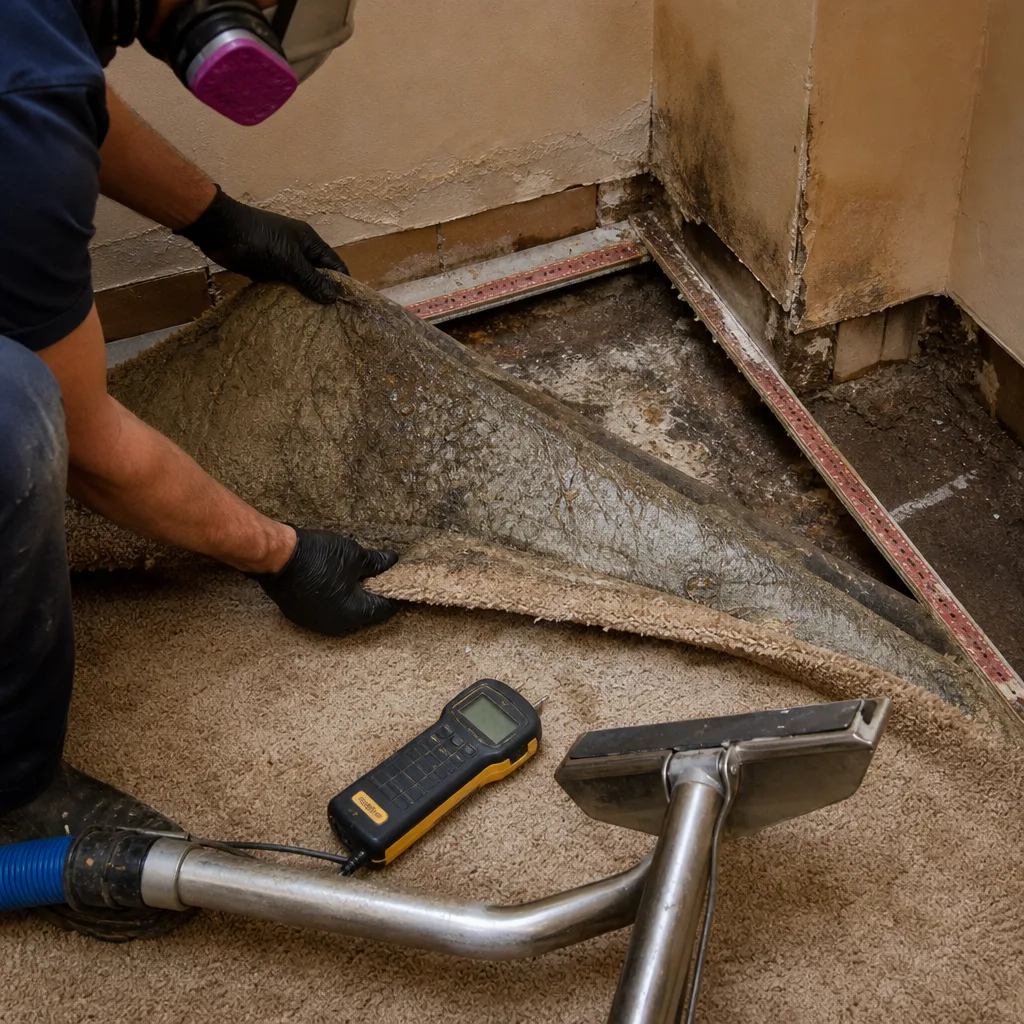
We arrive, walk the property with you, and find every wet surface, visible or not. Thermal imaging and penetrating moisture meters locate water in walls, under floors, and in structural cavities. We classify the water and document everything in writing before any work starts.
Extraction & Stabilization
Truck-mounted Dri-Eaz extraction units pull standing water out fast. We remove saturated materials that can’t be saved, shut off the water source, and stabilize the structure to prevent further spread. The line the water left is where we start.
Drying & Dehumidification
Phoenix air movers and dehumidifiers run continuously, and we visit daily to reposition equipment as drying progresses. We track readings with hygrometers and log everything, adjusting until the dry standard is met. Moisture mapping tells us when the cavities are truly dry.
Cleaning & Sanitization
Depending on water category, we apply antimicrobial treatments, HEPA-vacuum surfaces, and clean salvageable contents. We treat for odor at the source, not with masking sprays. For Category 2 or 3 water, we follow containment protocols before cleaning begins.
Structure-Specific Treatment
Richmond’s older buildings demand care you won’t see on a franchise checklist. Lath-and-plaster walls dry differently than drywall. Balloon-frame cavities need targeted airflow. Original beadboard and pine flooring require controlled drying to avoid cupping and warping. Our crews know these materials.
Repairs & Restoration
Once the property is dry and documented, the same crew rebuilds what came out: drywall, trim, flooring, insulation, paint. You get a finished room, a moisture log, and the 90-Day Done Right Promise in writing.
Need Emergency Water Damage Restoration in Richmond Now?
Crews minutes away, answering live 24 hours a day. The sooner we start, the less it costs.
Working With Your Insurance Company
Insurance is almost always in the room when water damage happens, even if nobody says it out loud. The fastest way to a settled claim is documentation that starts in the first hour and never stops. We photograph every room before and during extraction, log moisture readings daily, and produce a line-item scope of work your adjuster can verify line by line. We write estimates in the format carriers expect, and we talk to your adjuster directly, so you’re not translating between a restoration crew and an insurance desk. For Richmond homeowners who’ve been burned by a contractor once, this is the difference between a claim that drags and a claim that closes. We’ve been billing carriers directly for years, and we know what they ask for before they ask for it.
What We Provide Your Insurer
- Thorough documentation of the loss
- Photos of all damage, room by room
- Moisture readings and drying logs
- A detailed, line-item scope of work
- Direct coordination with your carrier
Built for Richmond’s Loss Calendar
Richmond’s water damage doesn’t happen randomly. It follows the weather, the lake, and the calendar. December through February, lake-effect snow off Lake Ontario piles onto roofs fast. Heavy, wet snow loads trigger ice dams along eaves, and we get calls from farmhouse owners whose ceilings are staining along exterior walls. January deep freezes burst supply lines in the seasonal cottages that ring Honeoye Lake, and the damage sits frozen until the first thaw. March is when the water table rises. Snowmelt and spring rain saturate the ground, and 19th-century stone foundations with outdated perimeter drains start weeping, or sump pumps fail and basements take on Category 2 water. April thunderstorms bring flash flooding to low-lying roads off West Lake Road. Summer is quieter, but not silent: roof leaks from worn flashing, failed water heaters, and the occasional washing machine hose that gives up. Every season has its signature loss, and we’re staffed for all of them. That’s what serving a lakeside rural town for 42 years teaches you.
Water Damage Restoration Across Richmond’s Neighborhoods
Richmond’s geography shapes how we respond and what we find. Along Honeoye Lake’s eastern shoreline, we reach seasonal cottages off East Lake Road and West Lake Road, many built in the 1940s and 1950s with shallow crawlspaces and uninsulated walls. These are the homes that wake up to burst pipes every spring, and our crews know the access roads and the tight driveways. Inland, the farmhouses spread across County Road 36 and the rural routes toward Canadice and Bristol are a different story entirely: 19th-century balloon-frame structures where ice dams let water travel from the roof to the first floor through wall cavities nobody’s opened in a century. Down near the hamlet center and along Route 64, we see a mix of older village homes and mid-century ranches with poured concrete basements and cast iron supply lines that fail at the joints. The lakefront, the farmland, the village center: three distinct building stocks, three distinct water damage patterns. Our crew lead who works the Honeoye shoreline knows how to dry a cottage without gutting it; the crew that works the farmhouses knows how to salvage original plaster when the alternative is a lot of demo. That specificity matters when the goal is saving your house, not tearing it apart.
Specialized Water Damage Restoration Services We Offer in Richmond
Emergency Water Extraction
Standing water in a Richmond basement or a burst pipe flooding a cottage floor needs truck-mounted extraction, not a shop vac. We arrive with Dri-Eaz equipment that removes hundreds of gallons per hour, and we start the moment we walk in. The goal is simple: get the water out before it migrates into walls and subflooring.
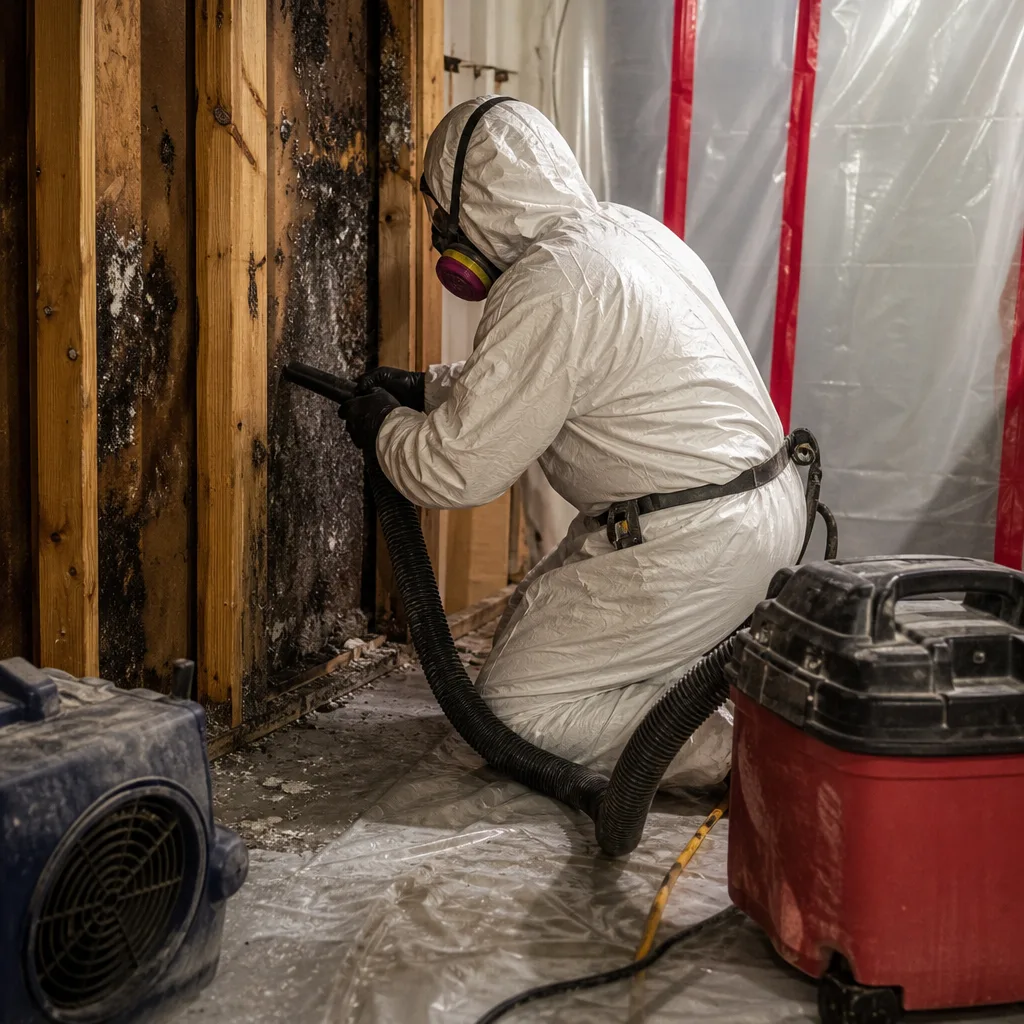
Structural Drying & Dehumidification
Drying a balloon-frame farmhouse or a 1930s lakefront cottage correctly requires controlled airflow and daily monitoring. We place Phoenix air movers and dehumidifiers to create air paths through wall cavities and under floors, and we reposition them daily as readings change. The drying log we hand you at the end is a record of exactly when the structure hit dry standard.
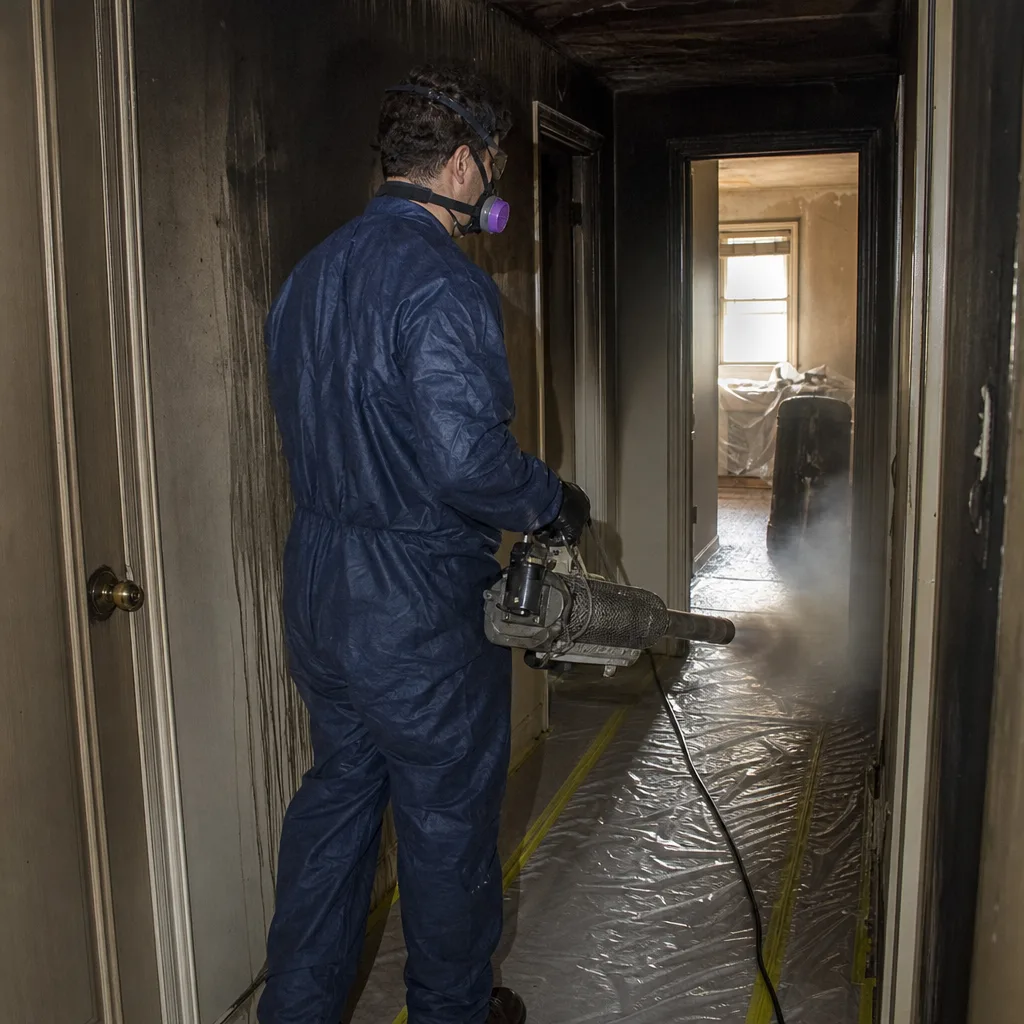
Flood Cleanup
When the Honeoye Lake water table rises every March or a summer thunderstorm overwhelms your basement, you’re dealing with Category 2 or 3 water. We extract, remove contaminated porous materials, sanitize hard surfaces, and dry the structure. We also address the source: failed perimeter drains, missing sump backups, or grading that sends water toward your foundation.
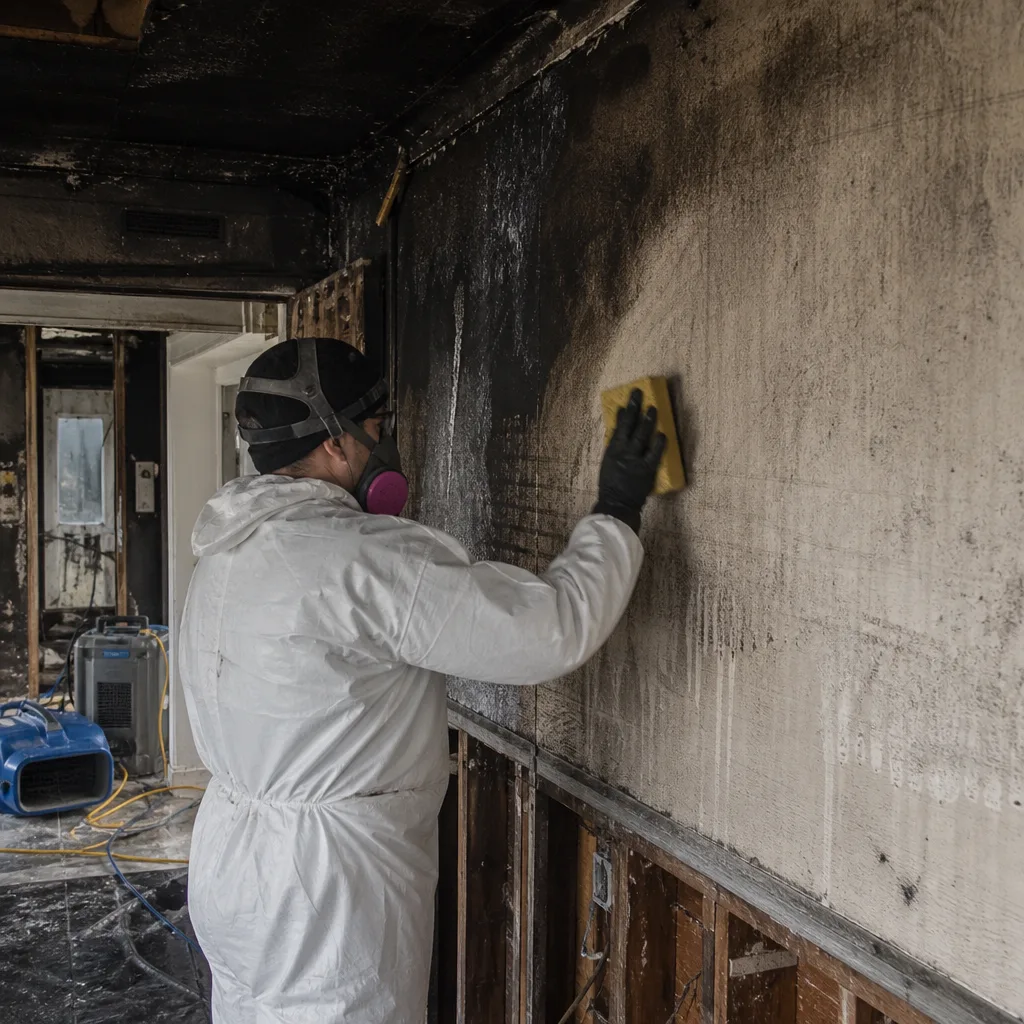
Burst Pipe Restoration
This is the signature Richmond call in late winter and early spring, especially for the seasonal cottages on Honeoye Lake. Copper supply lines freeze, split, and dump Category 1 water into unheated rooms. We find the break, isolate it, extract, dry, and rebuild. The original pine flooring in these cottages can often be saved if extraction happens the same day.
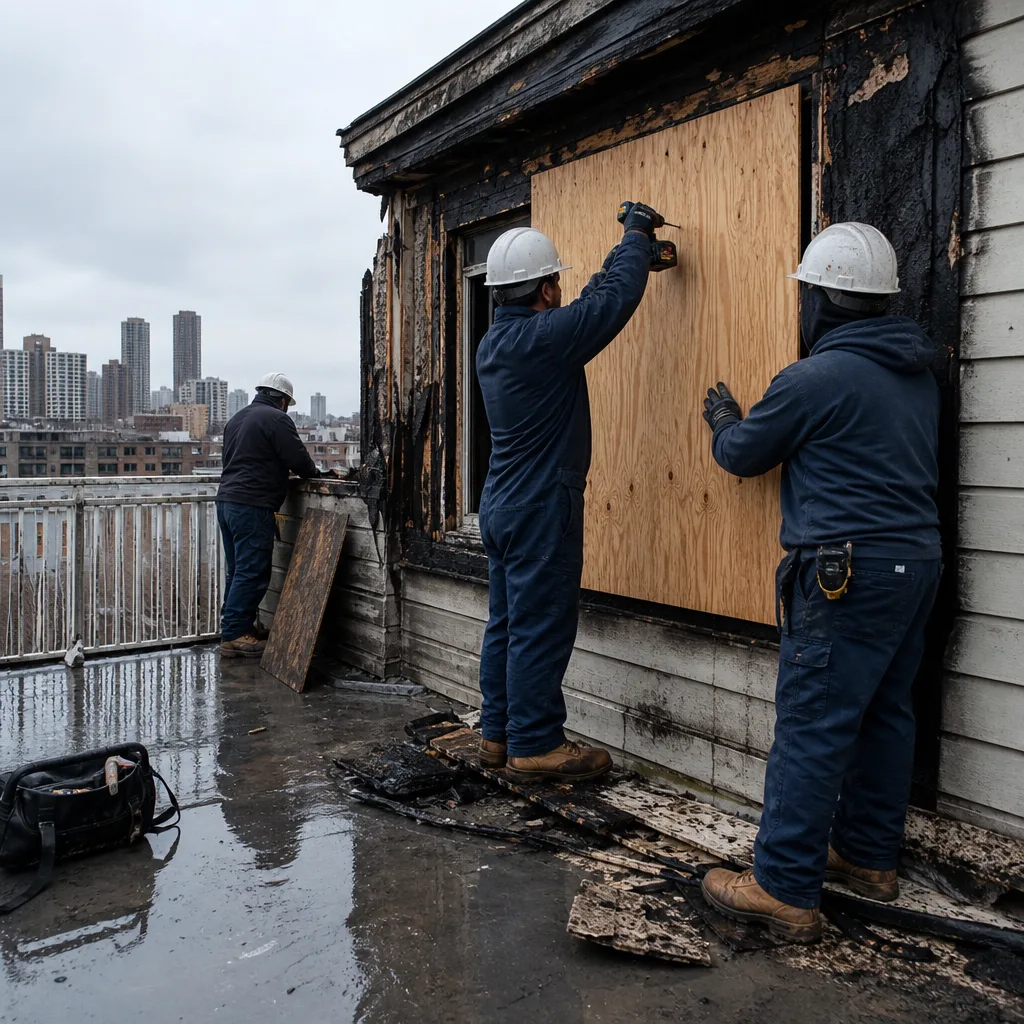
Basement Water Removal
Richmond’s older homes often have rubble stone foundations and no modern waterproofing. When the water table rises in March and April, those basements take on water through the joints and the floor. We remove it, dry the space, and recommend the right long-term fix: a working sump pump, interior drain tile, or re-grading around the foundation.
What happens when you call
- 1
A real person answersNo phone trees - you reach a local pro.
- 2
You get an upfront price rangeHonest numbers before anyone is dispatched.
- 3
A background-checked tech heads outLicensed & insured, dispatched right away.
- 4
You approve before work beginsNothing starts until you say go.
Water Damage Restoration Costs in Richmond, NY
What you’ll pay depends on the water category, the size of the affected area, and how far the water traveled. For a typical burst pipe in a Richmond cottage involving one room and the hallway, structural drying with extraction runs $2,400 to $5,800. A basement flood from failed perimeter drains with Category 2 water and 400 to 800 square feet of affected space typically lands between $3,200 and $7,500, including removal of saturated materials and sanitization. A full-scale ice-dam leak that requires drying multiple wall cavities and rebuilding a plaster ceiling can reach $6,500 to $12,000. If you catch a supply line break immediately and call us within the hour, you’re likely looking at the low end of these ranges, because drying is cheaper than demolition. Your insurance carrier covers most of this when the cause is sudden and accidental, which burst pipes and roof leaks are. The free visual inspection is the path to a firm number: we scope it in writing before any work begins, and we bill your carrier directly. No surprises on the bill, and in writing.
We Also Serve Cities Near Richmond
Our crews serve Richmond and the surrounding communities throughout the region. If you’re in Richmond, Fairview, Harrison, East Bronx, or Hunts Point, the same live dispatch and 45-minute response commitment applies. Call the number, speak to a person, get a crew. That’s the whole arrangement.
Serving Richmond, NY - Our Local Coverage Area
We’re based in the Richmond area and know this community well. Use the map below to see our service coverage - if you’re nearby, we can almost certainly help.
Richmond Water Damage Restoration Questions, Answered
How quickly can Floodline Restoration Co. reach my Honeoye Lake cottage after a burst pipe when it’s still snowed in?
We reach Honeoye Lake cottages within 45 minutes of your call if the roads are passable, and we carry the equipment to handle snow-blocked driveways. If county plows are behind, our crew coordinates with you to access the property. The sooner extraction starts, the better the chance of saving pine floors and original beadboard. Call (917) 924-4221 and a live dispatcher will give you a real ETA.
My Richmond farmhouse had an ice dam leak over the winter-do I need to remove the original lath and plaster ceiling?
Not necessarily. Lath and plaster can often be dried in place if the water didn’t saturate the plaster keys and the lath is still sound. We use moisture mapping to determine whether the plaster can be saved, and we’ve done it many times in Richmond farmhouses. If the plaster has detached from the lath, we’ll tell you straight, and we’ll save as much of the original material as possible during repair.
Why does mold keep returning in my seasonal Honeoye Lake cottage even after I wipe it down each spring?
Because wiping visible mold off the surface doesn’t remove the moisture source, and in uninsulated Honeoye Lake cottages, that moisture source is condensation inside wall cavities all winter. Surface mold comes back because the wall cavity is still wet. We treat the cavity, not just the surface, using controlled drying and antimicrobial application, and we verify with moisture readings. Wiping is temporary. Drying is permanent.
The Honeoye Lake water table rises every March and my basement gets damp-is that Category 2 or 3 water?
Groundwater that enters through foundation joints and floor cracks is Category 2 when it carries soil bacteria and dissolved organics. If sump pump overflow or sewage backs up, that’s Category 3. For a Richmond basement taking on water during spring thaw, Category 2 is the more common classification. We’ll sample, classify, and tell you before we start work.
Can your crew handle pack-out and content restoration for my Richmond farmhouse while we stay elsewhere?
Yes. We pack out salvageable contents, inventory them, clean and deodorize them off-site, and return them when the structure is dry and restored. This is common in Richmond farmhouses where whole rooms need to be dried and rebuilt. We document everything for your insurer, and you get a content inventory so nothing goes missing.
Will my insurance cover water damage from a burst pipe in a seasonal cottage that was unheated?
Most homeowners policies cover sudden and accidental discharge from a plumbing system, even if the property was unheated, as long as the damage wasn’t caused by long-term neglect. Abandonment clauses and maintenance exclusions can apply, so we document the failure point and the damage thoroughly, and we coordinate directly with your adjuster. Photo documentation from the first hour is the strongest evidence you can have.
What certifications do your Richmond technicians hold?
Our technicians are certified to IICRC standards in WRT, FSRT, and AMRT, and trained to RIA and IFA guidelines. They’re background-checked and uniformed on every job. The crew leader who works the Honeoye Lake shoreline and the farmhouse specialist both carry these credentials, and we don’t send anyone who isn’t certified.
What should I do in the first 30 minutes after discovering water damage in my Richmond home?
Shut off the water source if you can do so safely, kill the electricity to the affected area if water is near outlets or wiring, and call (917) 924-4221. Don’t use a shop vac on Category 2 or 3 water, and don’t try to dry the space yourself with fans and hope. The first 30 minutes determine whether you’re drying or replacing. Call us, and a crew is on the way.
For water damage in Richmond, call (917) 924-4221 for a free visual inspection and a written scope before any work begins. We answer live, 24 hours a day, every day.
Written by Curt Bowman, Owner at Floodline Restoration Co. of Manhattan, serving Richmond and the Honeoye Lake region.