

Free visual inspection and a written scope of work before any mitigation begins - photos, moisture readings, and drying logs go in your claim file
The scope we write is the scope we bill. Anything new gets shown to you, in writing, before we touch it.






 Before
 After
After Before
 After
After Before
 After
After24/7 Emergency Fire & Smoke Damage Restoration in Richmond
Fire damage in Richmond moves fast, and so do we. A live dispatcher answers (917) 924-4221 at any hour, every day, and a certified crew reaches your property inside the Richmond area within about 45 minutes. The first hour after the fire is out determines how much smoke odor can be removed versus permanently sealed in. Wet soot from a suppressed fire turns acidic and etches glass, corrodes metal fixtures, and works into plaster within 48 to 72 hours. We arrive with commercial air scrubbers, thermal imaging, and a clear scope of work, and we start emergency board-up and tarping the same visit so weather does not widen the loss. The call is free, the inspection is free, and we do not start anything until you approve the plan in writing.
Understanding Fire & Smoke Damage Restoration Severity in Richmond Properties
Richmond’s older farmhouses burn and hold smoke differently than modern stick-built homes. The reason is structural. Most 19th- and early 20th-century houses here use balloon-frame construction, meaning wall cavities run open from foundation to attic with no fire blocking. Soot and smoke from a small kitchen or chimney fire travel vertically through those channels and settle in attic insulation, behind plaster and lath, and inside floor cavities, often 20 or 30 feet from the original flame. We read soot residue as an evidence map. Dry soot from a fast, hot fire is mostly surface work. Oily or wet soot from a slow, smoldering fire or a suppression hose means deeper penetration into porous materials. The same fire in a Honeoye Lake cottage with uninsulated walls behaves differently again: cold surfaces condense smoke vapor, driving residue into wood grain and behind paneling. Correct classification, using IICRC FSRT standards, tells us whether a wall gets cleaned or cut out, whether plaster gets sealed or removed, and whether hydroxyl treatment or thermal fogging will actually kill the odor. Guessing at this stage is how homeowners end up with a house that still smells like smoke every humid July.
Why Richmond Property Owners Choose Floodline Restoration Co. of Manhattan
- 45-minute response commitment: Our Richmond crews are dispatched the moment you hang up, not after a callback from a sales rep. We track response times and we keep the promise.
- 24/7 live answer, never a recording: A real person picks up at 2 a.m. That matters when a tarp has torn in a lake-effect squall and the attic is taking on snowmelt.
- IICRC-certified crews: Technicians hold FSRT and WRT certifications, so the fire-and-water overlap on a suppressed fire is handled by one trained team, not two subcontractors with two opinions.
- Free visual inspection: We walk the property, document what we find, and give you a written scope before any work starts. No pressure, no surprise line items.
- Direct insurance billing: We bill your carrier directly and talk to your adjuster ourselves. You are not the messenger between us and them.
- One team from board-up to rebuild: Floodline handles structural repair, drywall, paint, and trim, so you never face a mid-job handoff to a crew you have never met.
Our Fire & Smoke Damage Restoration Process
Inspection & Assessment
We document every affected room with photos and thermal imaging, map soot type and smoke travel paths, and identify water damage from suppression. You get a written scope and a firm price before anything is touched.
Emergency Board-Up & Tarping
Boarding windows, tarping roof breaches, and securing entry points happens first. Richmond’s lake-effect weather will not wait for an adjuster’s schedule, and neither will we.
Water Extraction & Structural Drying
Fire suppression always leaves water. We extract standing water, then run Dri-Eaz dehumidifiers and XPOWER air movers with daily moisture readings tracked on a log you and your insurer both receive.
Smoke & Soot Cleaning
Dry sponges, HEPA vacuuming, ultrasonic contents cleaning, and chemical sponge work remove soot from walls, ceilings, framing, and personal property. We test surfaces before and after so you know the residue is gone, not just invisible.
Odor Removal & Deodorization
Thermal fogging, hydroxyl generators, or Injectidry injection into wall cavities, depending on how the smoke moved through your particular structure. For balloon-frame Richmond farmhouses, cavity treatment is almost always required.
Repairs & Restoration
We rebuild what the fire and the water damaged: framing, plaster, drywall, flooring, trim, paint. The same certified crew that ran the drying equipment finishes the job, and the 90-Day Done Right Promise covers it in writing.
Need Emergency Fire & Smoke Damage Restoration in Richmond Now?
Crews minutes away, answering live 24 hours a day. The sooner we start, the less it costs.
Working With Your Insurance Company
We have handled fire claims in Ontario County for long enough to know what adjusters need on the first pass. From the first hour on site, we photograph every room, every surface, every piece of damaged material. We write estimates in the industry-standard format your carrier expects, with line items tied to actual measurements and current regional pricing. We send moisture logs and drying records as they are produced, not as a single dump weeks later. And we talk to your adjuster directly, so you are not translating between two parties who speak different dialects. When questions come up about whether smoke-damaged plaster should be sealed or replaced, our project manager is on the call with the adjuster, walking them through the evidence. That has closed more claims cleanly than any amount of arguing.
What We Provide Your Insurer
- Thorough documentation of the loss
- Photos of all damage, room by room
- Moisture readings and drying logs
- A detailed, line-item scope of work
- Direct coordination with your carrier
Built for Richmond’s Loss Calendar
Richmond has a fire-and-water calendar that repeats every year, and anyone who has lived through a couple of winters here can predict it. January and February bring deep freezes that burst supply lines in unheated Honeoye Lake cottages, often discovered only when a neighbor calls about water running out the front door. March and April bring the spring thaw, when snowmelt and rising lake levels push groundwater into basements and crawlspaces that sat dry all winter. Summer is the quiet season for fires, but not for mold: humidity climbs, and any water that was not fully dried six months earlier starts showing itself as musty odor or visible growth. And from November onward, lake-effect snow events off Lake Ontario dump heavy, wet snow that collapses roofs, snaps branches onto power lines, and occasionally starts chimney fires in houses that have not been cleaned since last winter. We staff and stock equipment around this calendar, because responding at 2 a.m. in February to a cottage with a burst line is not an emergency for us. It is Tuesday.
Fire & Smoke Damage Restoration Across Richmond’s Neighborhoods
Richmond’s fire damage patterns read like a map of its building stock. Along Honeoye Lake Road and the shoreline lanes like East Lake Road and West Lake Road, we see mid-century cottages with minimal insulation and seasonal occupancy, where a small fire in a wall heater or electrical panel means smoke that has penetrated tongue-and-groove pine and open rafter cavities. In the older farmhouse corridors off County Road 33 and around the hamlet center, balloon-frame construction sends smoke from a first-floor kitchen fire straight into the attic, and plaster walls pull soot deep into the lime and horsehair matrix. Homes in the Millers Corners area and up toward the Richmond-Fairview line tend to be newer or heavily renovated, but many still carry legacy additions with original framing, meaning the fire stops you assume are there might not be. Each of these areas gets a different drying plan and a different deodorization approach, and we adjust our equipment package accordingly.
Specialized Fire & Smoke Damage Restoration Services We Offer in Richmond
Odor Removal & Deodorization
The single hardest part of fire restoration in Richmond is not the char, it is the smell. Balloon-frame walls give smoke a direct path into every cavity, and once odor molecules settle into wood fiber and plaster, surface cleaning will not reach them. We run thermal fogging for open areas and hydroxyl generators for occupied spaces, and when the framing has channels, we use Injectidry to force odor counteractants directly into the wall cavities. The test is not whether the house smells fine today. It is whether it still smells fine next August when the humidity comes back.
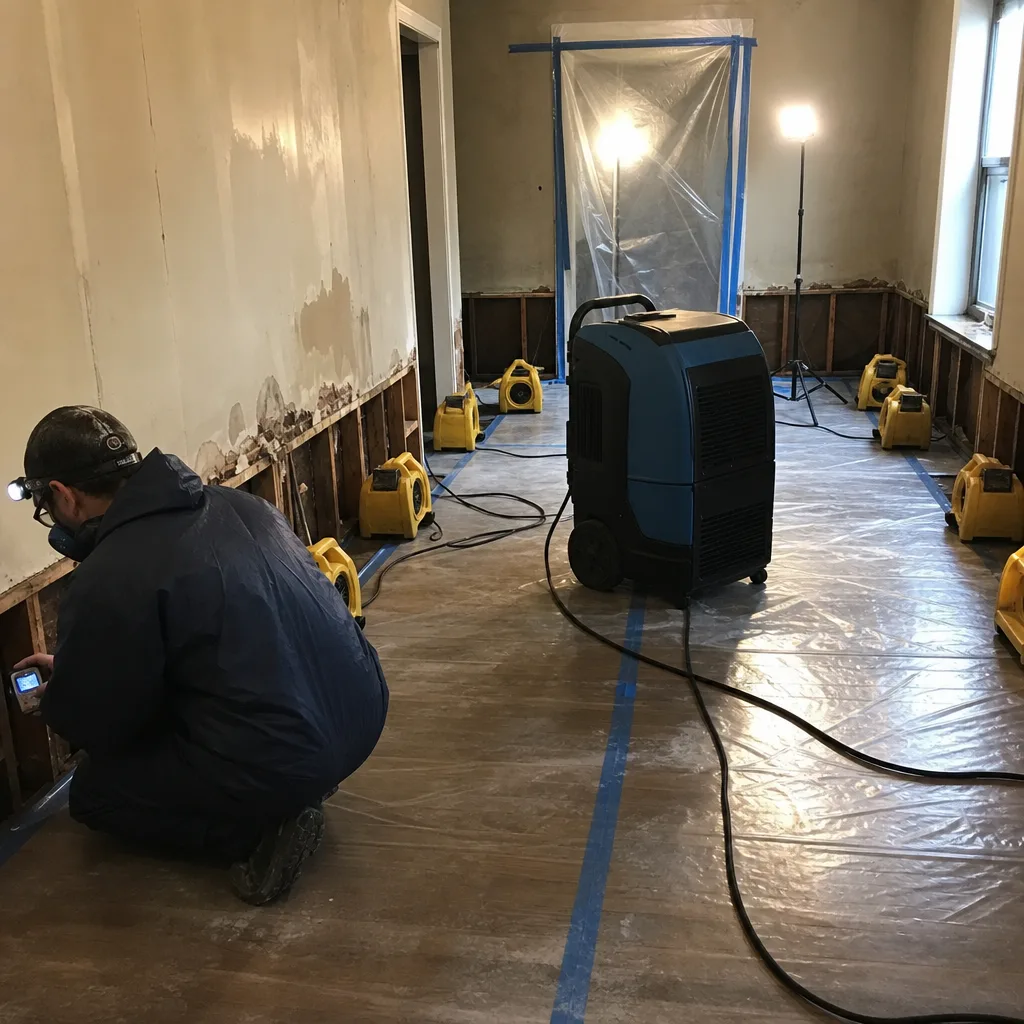
Emergency Board-Up & Tarping
After a fire, your house is an open wound. A roof breach over a balloon-frame farmhouse in Richmond is an invitation for lake-effect snow, rain, and animals to make the damage dramatically worse within 48 hours. We board windows with solid framing and secure tarps over roof openings the same day we arrive, then document everything so your insurer sees exactly what we protected and when. In Richmond’s winter, a properly secured tarp is the difference between a contained loss and a second disaster.
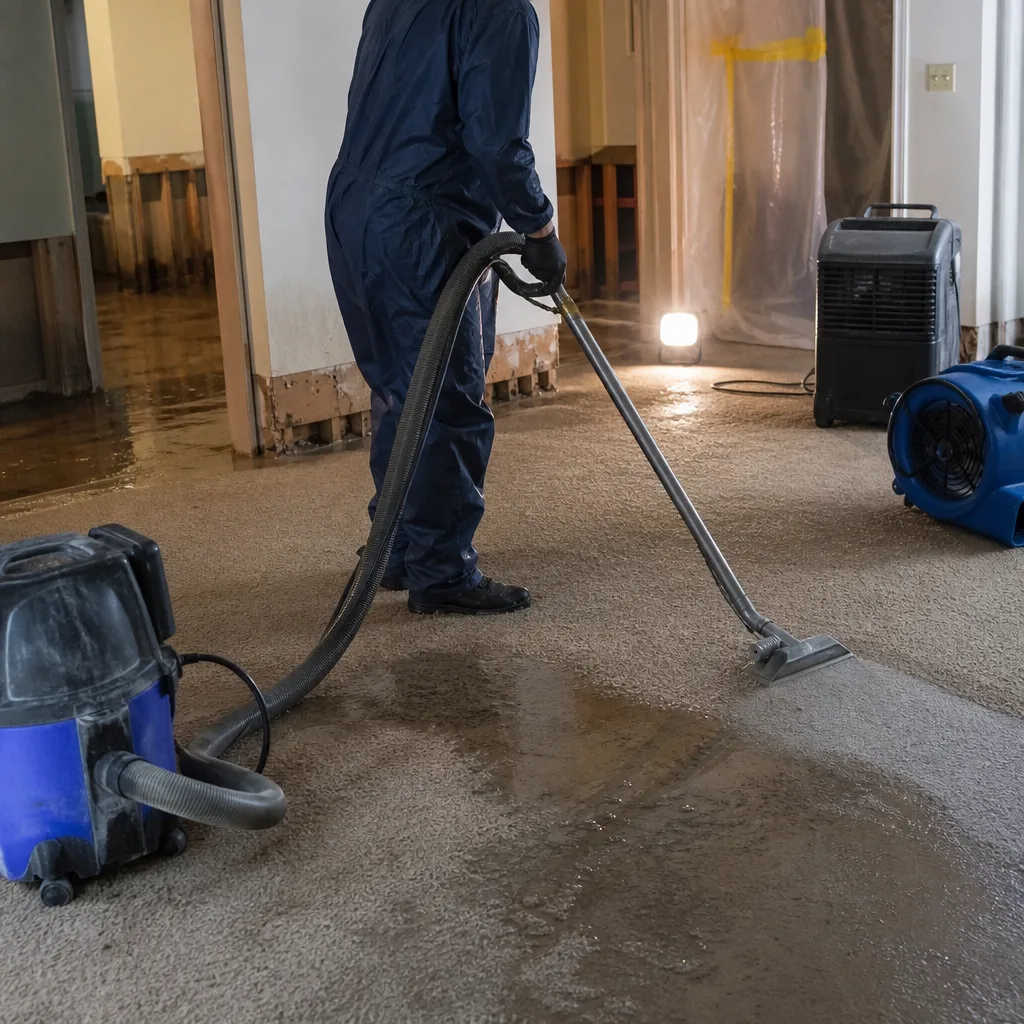
Contents Cleaning & Pack-Out
When we pack out contents, we are not just moving boxes. We inventory every item, photograph it before it leaves the house, and clean it at our facility through ultrasonic baths, HEPA vacuuming, and ozone or hydroxyl treatment depending on the material. Antique furniture, wool rugs, and books from an old Richmond farmhouse need different handling than modern laminate furniture, and our contents team knows which is which. When the house is rebuilt, we bring everything back and place it where it came from.
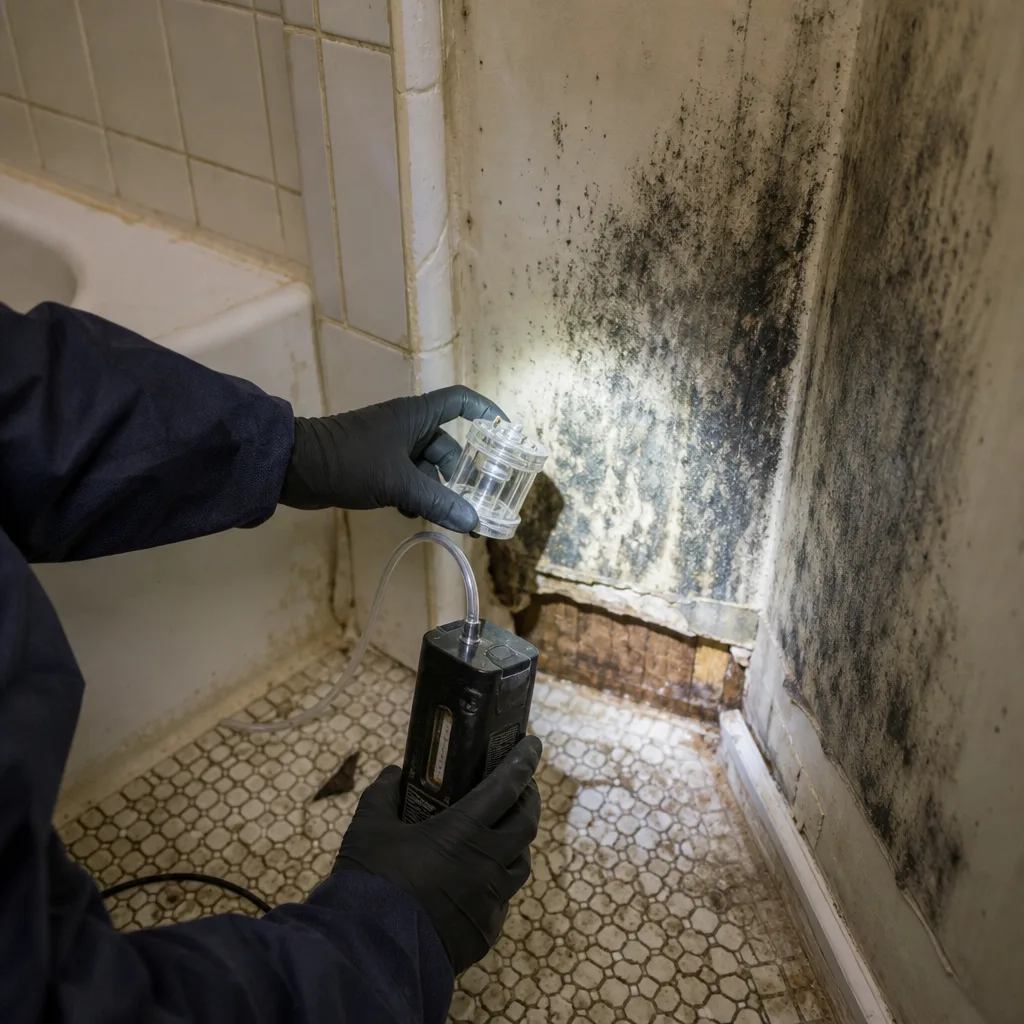
What happens when you call
- 1
A real person answersNo phone trees - you reach a local pro.
- 2
You get an upfront price rangeHonest numbers before anyone is dispatched.
- 3
A background-checked tech heads outLicensed & insured, dispatched right away.
- 4
You approve before work beginsNothing starts until you say go.
Fire & Smoke Damage Restoration Costs in Richmond, NY
Costs in Richmond run a little differently than in Rochester or Canandaigua, mostly because the housing stock is older and the damage paths are longer. A small kitchen fire with moderate smoke cleanup in a Honeoye Lake cottage typically runs $1,800 to $4,200 when no structural repair is needed. A roof collapse from a lake-effect snow event with fire involvement, where we are tarping, removing wet insulation, drying framing, and rebuilding a section of roof, usually lands between $12,000 and $35,000 depending on how much of the attic and ceiling assembly is involved. Content cleaning and pack-out for a whole house adds $3,000 to $9,000. Odor removal alone, when the smoke traveled through balloon-frame cavities, runs $800 to $2,500 depending on how many rooms need cavity injection. Most fire losses in Richmond are covered under homeowners policies, and we bill your carrier directly. We offer a free visual inspection, and our Fire & Smoke Damage Restoration team gives you a firm written scope before anything starts. We also honor a Senior & Veteran 5% discount on any repair work, and $50 off any repair over $250.
We Also Serve Cities Near Richmond
Our crews regularly run calls in Fairview, Harrison, East Bronx, and Hunts Point. Fire damage does not respect town lines, and a balloon-frame farmhouse in Richmond shares more with a farmhouse in Fairview than it does with a suburban split-level in the same zip code.
Serving Richmond, NY - Our Local Coverage Area
We’re based in the Richmond area and know this community well. Use the map below to see our service coverage - if you’re nearby, we can almost certainly help.
Richmond Fire & Smoke Damage Restoration Questions, Answered
How do you handle smoke odor in Richmond’s old balloon-frame farmhouses where there are no fire stops in the walls?
We treat the cavities directly, not just the room surfaces. Balloon framing lets smoke travel from a first-floor fire into the attic, and that path is hidden inside the walls. We run Injectidry hoses into the wall cavities to deliver odor counteractant into the exact channels the smoke used, then follow with thermal fogging or hydroxyl treatment for the open rooms. If we skip the cavities, the odor comes back every humid season.
My Honeoye Lake cottage is unheated in winter. If a fire starts and the fire department uses water, what should I expect for restoration?
Expect more water damage than fire damage in many cases. The suppression water saturates uninsulated walls, soaks insulation, and freezes inside wall cavities if the cottage is still unheated. That frozen water expands and splits framing. We run moisture mapping before we do anything else, then extract, dry with Dri-Eaz dehumidifiers, and document every reading. Whether you are in Richmond full-time or seasonally, we will not close a wall until the moisture log shows it is dry. Call (917) 924-4221 and we will walk the property with you.
Do I need emergency board-up after a fire in Richmond even if the roof collapse is due to lake-effect snow?
Yes, and immediately. A tarp over a roof breach in Richmond is not optional, especially between November and April. Lake-effect snow deposits heavy wet loads quickly, and an open roof lets that weight, plus rain and wildlife, into your attic and down through the walls. We tarp and board the same day we arrive and document the condition before and after so your insurer knows what was secured.
Can you dry out antique wide-plank floors after a fire in an old Richmond farmhouse, or do they need to be replaced?
Usually we can save them, but it depends on how long they sat wet. Old-growth wide-plank pine has tight grain and responds well to controlled drying with low-grain refrigerant dehumidifiers and gentle air movement. We take moisture readings daily and watch for cupping and cracking. If the boards are delaminating or the finish has trapped moisture underneath, we will tell you honestly whether refinishing will save them or whether replacement is the cheaper long-term path.
How fast can mold start on wet plaster after a fire in a Richmond home?
Within 24 to 48 hours in warm months. Wet plaster and lath hold enough food and moisture for mold spores to colonize quickly, particularly in spring and summer when Richmond humidity runs high. That is why we treat every fire with a water component as an urgent drying job, not just a cleaning job. The clock starts when the fire department packs up.
How fast can someone actually get here?
We commit to a 45-minute response within Richmond, and usually we are faster. Live dispatch means the call is answered by a person in the New York City office, and the crew is rolling immediately. There is no answering service delay and no callback wait. Call (917) 924-4221 and you will get a real person on the line.
Does insurance cover fire and smoke damage in Richmond?
Most standard homeowners policies cover fire, smoke, and the water used to suppress the fire, minus your deductible. What they fight over is scope of work. That is where our documentation and adjuster communication matter most. We photograph everything from the first hour, write industry-standard estimates, and talk to your adjuster directly so the cause, extent, and drying plan are never left to guesswork. Your out-of-pocket should be your deductible, nothing hidden.
What should I do in the first 30 minutes after a fire in Richmond?
Call your insurer to open the claim, then call us. Do not re-enter the house until the fire department clears it. If the power is off, assume any food in the refrigerator is compromised. Do not wipe soot off walls or fabrics, that grinds residue deeper into the surface. Do not run any electrical appliances or turn on the furnace. The less you touch, the cleaner our restoration job is. (917) 924-4221 is the number to call now.
Written by Curt Bowman, Owner at Floodline Restoration Co. of Manhattan, serving Richmond, NY since 2010.