
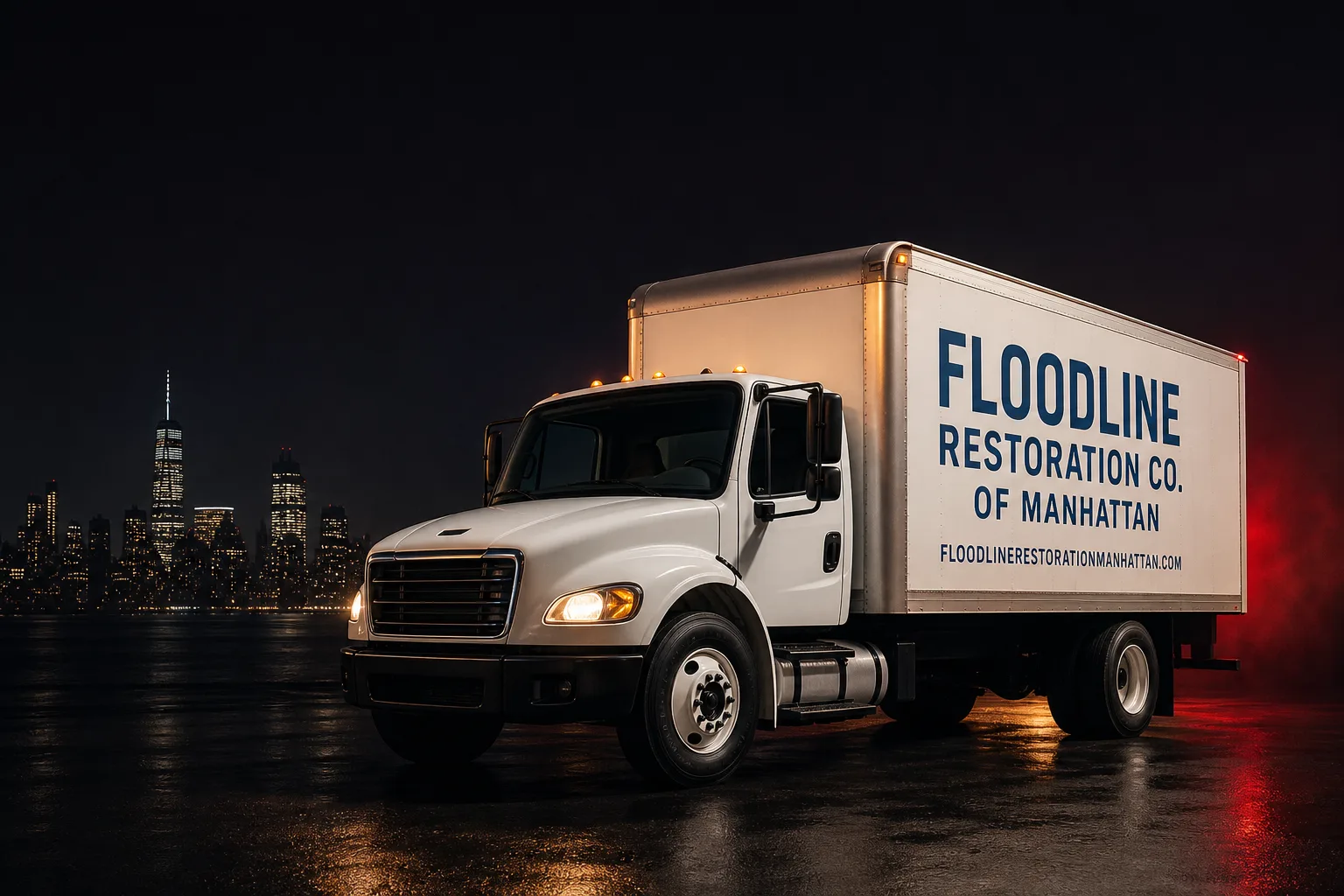
Free visual inspection and a written scope of work before any mitigation begins - photos, moisture readings, and drying logs go in your claim file
The scope we write is the scope we bill. Anything new gets shown to you, in writing, before we touch it.






 Before
 After
After Before
 After
After Before
 After
After24/7 Emergency Water Damage Restoration in Upper Manhattan
Water damage restoration in Upper Manhattan runs $1,800 to $7,500 for a typical pre-war apartment loss, with basement floods from sewer backflow landing between $3,000 and $9,000 depending on contamination level and how much plaster wall needs opening. A certified crew from Floodline Restoration Co. of Manhattan can reach most addresses in Harlem, Washington Heights, and Inwood within 45 minutes of your call to (917) 924-4221. The first hour matters because water inside three-coat plaster and wood lath spreads laterally behind walls long before it shows on the surface. We answer live, 24 hours a day, every day. That means a real person at two in the morning, not a recording. Our techs arrive with moisture meters, thermal imaging, and extraction equipment running the same visit. The line the water left is where we start.
Understanding Water Damage Restoration Severity in Upper Manhattan Properties
Severity breaks into three water categories, and in Upper Manhattan the building stock rarely gives you a forgiving version of any of them. Category 1 water comes from a clean supply line, like a burst radiator feed or a failed washing machine hose. Category 2 carries contaminants, common when a sink or shower drain backs up into a neighboring unit. Category 3 is the serious one: sewage, storm surge, or Hudson and Harlem River floodwater pushing up through basement drains in Inwood and East Harlem during heavy rain. In a drywall building, Category 1 means opening some baseboards and running fans. In a 1910 brick walk-up with three-coat plaster over wood lath, the same loss means moisture mapping wall cavities, extended structural drying, and often asbestos testing before demolition can even start. Plaster reads differently on a moisture meter than gypsum board. Surface readings lie. We log daily readings until the dry standard is met, not until the wall feels dry to the back of a hand.
Why Upper Manhattan Property Owners Choose Floodline Restoration Co. of Manhattan
- 45-minute response commitment across Upper Manhattan. Our local dispatch board has crews staged near major corridors like Broadway, St. Nicholas Avenue, and the Harlem River Drive so we reach Washington Heights and Inwood walk-ups fast.
- Live answer, 24/7, from a person. No phone tree, no answering service that takes a message. A dispatcher picks up, gathers the details, and a uniformed, background-checked crew is rolling.
- IICRC-certified technicians with WRT and ASD credentials. Our crews are trained to IICRC, RIA, and IFA standards. Certification matters most on plaster-and-lath buildings where drying curves mislead untrained hands.
- Free visual inspection with a written scope. Before any work starts, we walk the loss, explain what needs opening and what can stay, and put the scope in writing. No surprises on the bill.
- Direct insurance billing. We bill your carrier directly and send daily photo documentation and drying logs. You never play messenger between us and an adjuster.
- One team from extraction to reconstruction. No handoff to a third-party contractor after the drying is done. The same crew that reads the moisture map on day one handles the rebuild, and Curt Bowman’s name is on the work.
Our Water Damage Restoration Process
Inspection & Assessment
We locate the water source, identify the category, and map moisture through walls, ceilings, and floors using thermal imaging and penetrating moisture meters. In Upper Manhattan pre-war buildings, we check cavity depths behind plaster, not just surface dampness.
Extraction & Stabilization
Truck-mounted and portable extraction units remove standing water fast. For burst radiator lines in walk-ups, we shut the riser, contain the spill, and bag wet plaster debris in sealed containment before it spreads dust through occupied hallways.
Drying & Dehumidification
Dri-Eaz and Phoenix dehumidifiers paired with XPOWER air movers create a closed drying system. We drill drying holes only after abatement clearance where asbestos or lead is present. Daily moisture readings are logged until every cavity meets the dry standard.
Cleaning & Sanitization
Category 2 and 3 losses get antimicrobial treatment and HEPA air scrubbing. We remove contaminated cast-iron drain pan debris in basement mechanical rooms and sanitize affected surfaces before any rebuild begins.
Plaster-Specific Drying Verification
This is the step that prevents mold callbacks six months later. We run extended drying protocols and re-read wall cavities with penetrating meters before signing off, because three-coat plaster releases moisture slowly and lies on surface readings.
Repairs & Restoration
From patching lath and replastering to full reconstruction of a flooded basement unit, the same crew handles it. We write the rebuild scope, coordinate directly with your carrier, and back the finished work with the 90-Day Done Right Promise in writing.
Need Emergency Water Damage Restoration in Upper Manhattan Now?
Crews minutes away, answering live 24 hours a day. The sooner we start, the less it costs.
Working With Your Insurance Company
Upper Manhattan co-op and condo boards almost always require a paper trail, and your carrier does too. That works in your favor when the restoration company documents everything from hour one. We photograph the loss room by room before demolition, record moisture readings daily, and write a line-item scope of work that matches industry-standard estimating software your adjuster already recognizes. When a burst pipe in a 1920s Washington Heights building requires asbestos abatement clearance before we open walls, we put that cost in the claim so you are not left arguing about it later. We speak directly with your adjuster, send them the drying logs, and bill your carrier directly. You get one less thing to manage at 2 a.m.
What We Provide Your Insurer
- Thorough documentation of the loss
- Photos of all damage, room by room
- Moisture readings and drying logs
- A detailed, line-item scope of work
- Direct coordination with your carrier
Built for Upper Manhattan’s Loss Calendar
Upper Manhattan’s water damage season never really ends, but it shifts shape. January and February bring deep freezes that split cast-iron and galvanized supply lines in unheated stairwells and behind kitchen cabinets in pre-war walk-ups. March and April thaw stresses old steam radiator fittings, and we see a spike in burst radiator supply lines across Harlem and Washington Heights. Summer thunderstorms overwhelm the combined sewer system along the Harlem River corridor, backing Category 3 water into basement apartments and mechanical rooms in Inwood and East Harlem. September and October bring remnants of tropical systems, and low-lying streets near the river hold water against foundations that have not been waterproofed in seventy years. Knowing the seasonal pattern means we staff the dispatch board accordingly, so a live person always answers and a crew is never far from your block.
Water Damage Restoration Across Upper Manhattan’s Neighborhoods
Washington Heights has the densest concentration of six-story elevator buildings from the 1920s and 1930s, and when a supply line goes on the fifth floor along Fort Washington Avenue or Broadway, water moves down through kitchens and bathrooms in a straight vertical column. We know those riser layouts. Harlem’s brownstones along Strivers’ Row and Hamilton Heights hide plaster over brick party walls, and a burst pipe in one rowhouse will sometimes weep through into the adjoining parlor floor. Inwood’s low-lying streets near Dyckman Street and the Harlem River see the worst stormwater backflow, especially in basement-level units with original cast-iron drain pans. East Harlem, from 96th up past 125th, mixes pre-war walk-ups with post-war housing projects, and the pipe materials change block to block. Our crews know which blocks have galvanized steel that is eighty years old and which have copper retrofits from the 1980s, because that changes where water finds its path.
Specialized Water Damage Restoration Services We Offer in Upper Manhattan
Emergency Water Extraction
Standing water in a plaster-walled apartment does not wait. We bring truck-mounted and portable extraction units into walk-ups, often through narrow stairwells and small elevators, and remove water before it wicks up into lath and baseboards.
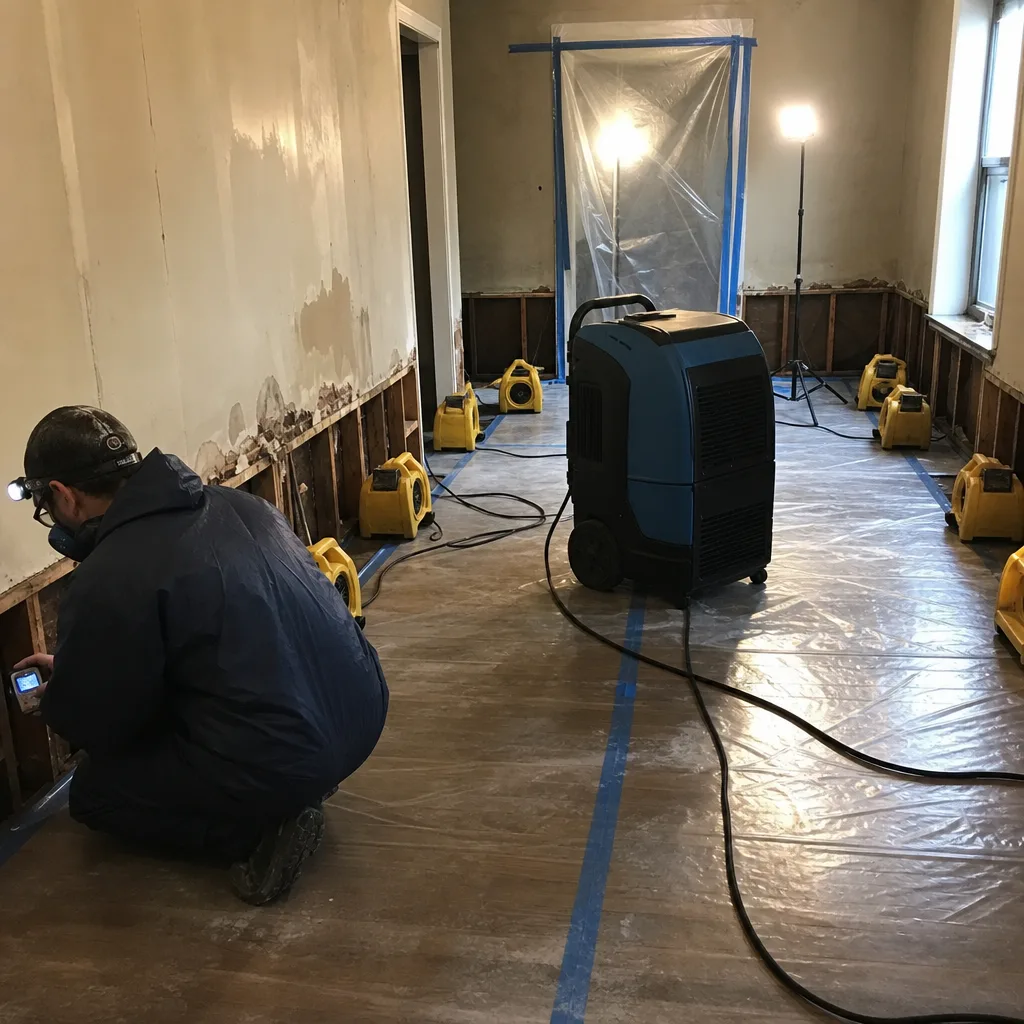
Structural Drying & Dehumidification
The critical service in Upper Manhattan. We set Dri-Eaz and Phoenix dehumidifiers with XPOWER air movers and run extended structural drying protocols because three-coat plaster needs moving air and time, not just surface heat. Daily moisture logs prove the cavities are dry before we rebuild.
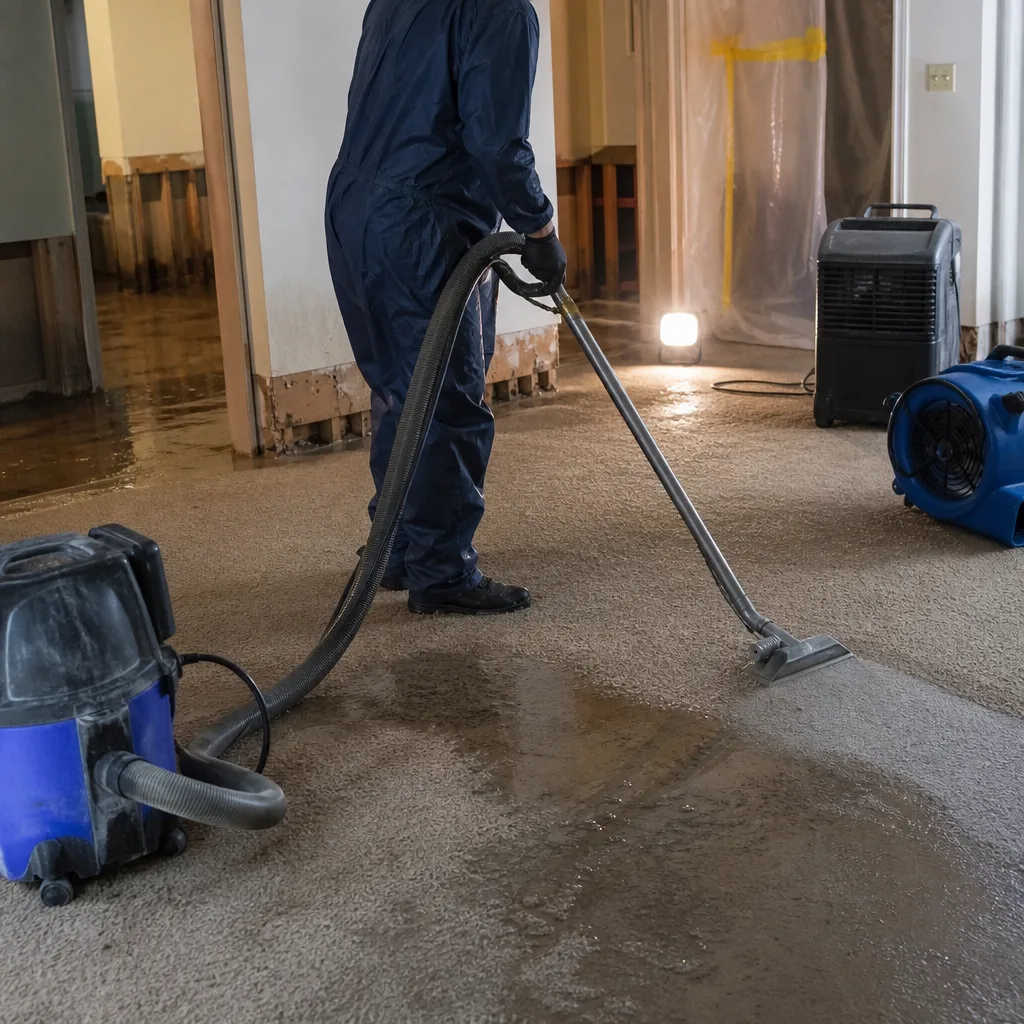
Flood Cleanup
Stormwater and sewer backflow in Inwood basements and East Harlem cellar units require Category 3 handling: containment, antimicrobial treatment, HEPA air scrubbing, and removal of contaminated cast-iron drain pan debris before drying begins.
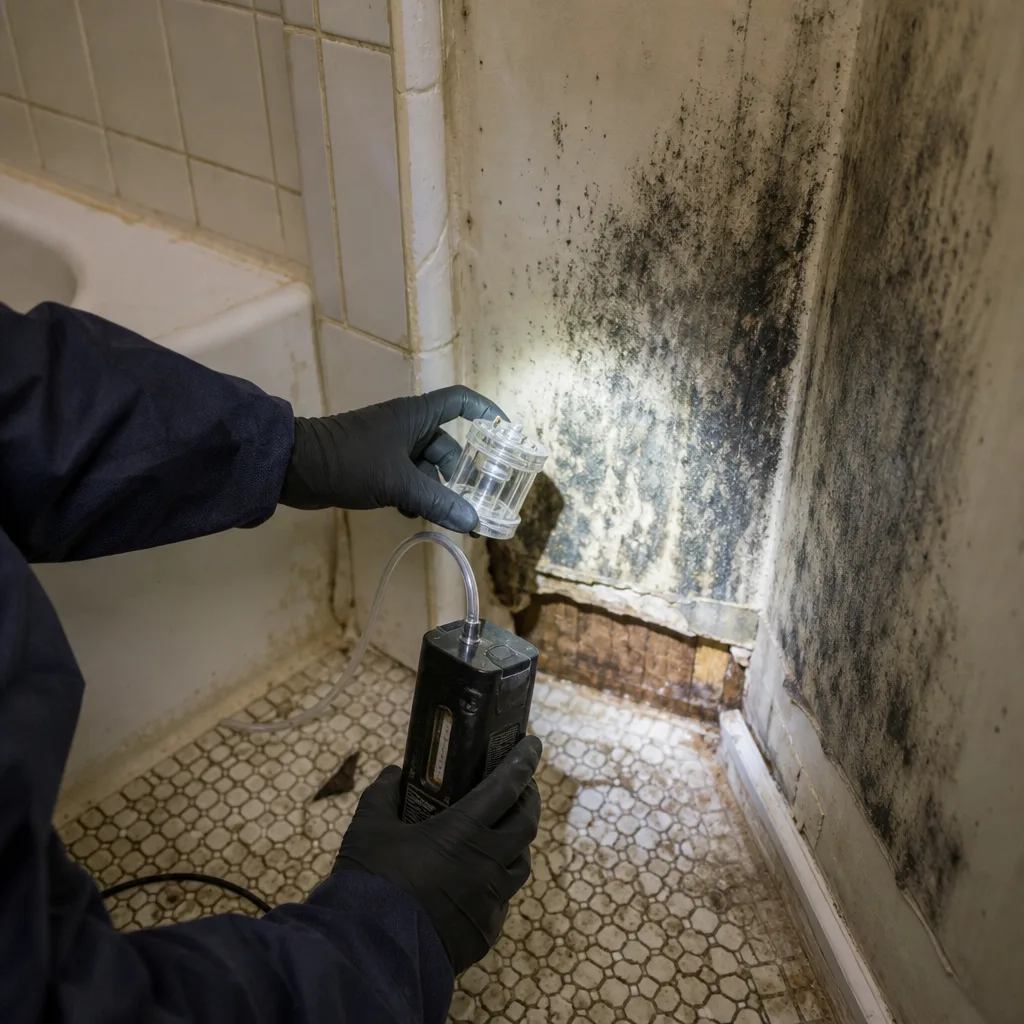
Burst Pipe Restoration
A split supply line on an upper floor of a Washington Heights elevator building sends water through multiple units. We stop the source, coordinate building shut-offs with the super, and extract from every affected floor the same day.
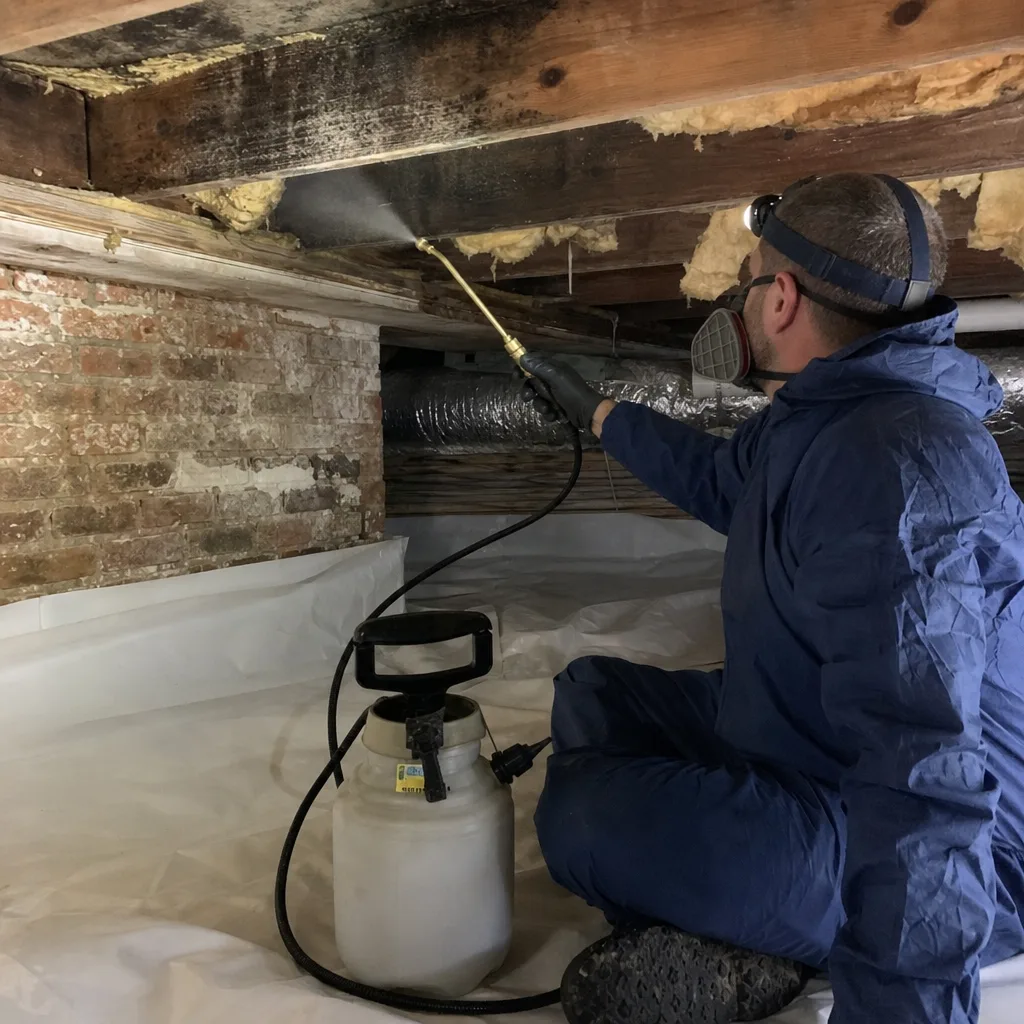
Basement Water Removal
Basement apartments in Harlem and Inwood are the first to flood and the last to dry. We pump, extract, dry, and rebuild, and we handle the Category 3 contamination that stormwater brings up through the drains.
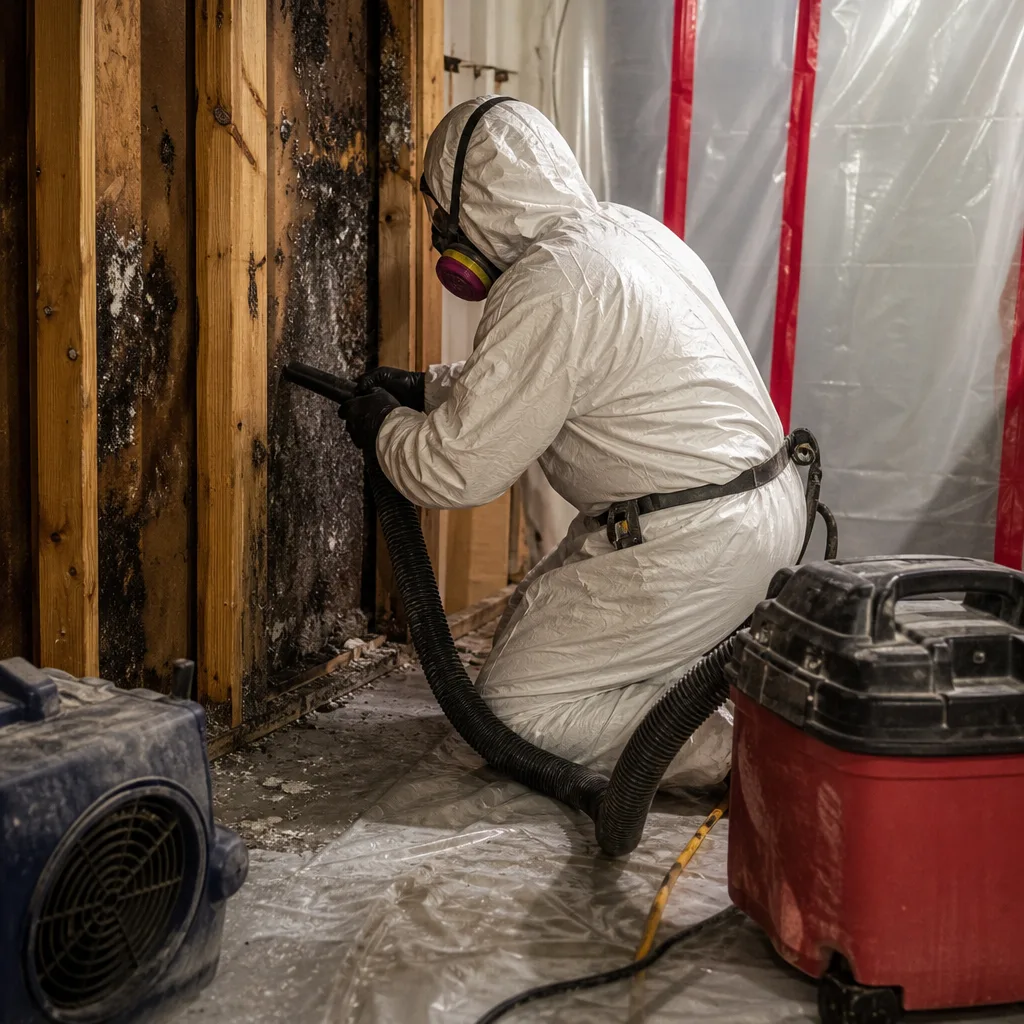
What happens when you call
- 1
A real person answersNo phone trees - you reach a local pro.
- 2
You get an upfront price rangeHonest numbers before anyone is dispatched.
- 3
A background-checked tech heads outLicensed & insured, dispatched right away.
- 4
You approve before work beginsNothing starts until you say go.
Water Damage Restoration Costs in Upper Manhattan, NY
Expect a straightforward Category 1 pipe burst in a single Upper Manhattan apartment to run $1,800 to $4,500 for extraction, drying, and minor plaster repair. Plaster wall and ceiling replacement pushes that to $5,000 to $7,500 when multiple rooms are involved. A basement sewer backup in Inwood with Category 3 water, full containment, and replacement of the bottom two feet of plaster and flooring lands between $3,000 and $9,000 depending on square footage and whether asbestos abatement is required before demolition. Burst radiator supply lines that cascade through three floors of a Washington Heights walk-up frequently hit $6,000 to $12,000 across all affected units. The free visual inspection gets you a written scope, so you know the number before committing. Insurance-covered losses with a standard deductible leave most owners paying $500 to $1,000 out of pocket. Call (917) 924-4221 and we will walk it with you.
We Also Serve Cities Near Upper Manhattan
Our crews regularly cross into Fairview, Harrison, East Bronx, and Hunts Point for water losses that need the same pre-war plaster expertise. Same response commitment, same live dispatch, same written scope.
Serving Upper Manhattan, NY - Our Local Coverage Area
We’re based in the Upper Manhattan area and know this community well. Use the map below to see our service coverage - if you’re nearby, we can almost certainly help.
Upper Manhattan Water Damage Restoration Questions, Answered
Why does water damage restoration in a Washington Heights pre-war building take significantly longer to dry than the same loss in a newer Manhattan high-rise?
Plaster over wood lath holds water in wall cavities and releases it slowly; a “wet plaster” job in a Washington Heights building runs 60 to 80 percent longer drying time than a drywall loss. We map moisture behind the surface and keep dehumidifiers moving air through the cavities until penetrating meters read dry, not just the surface.
What happens when a steam radiator supply line bursts on an upper floor of a Harlem walk-up?
Water cascades down through kitchens and bathrooms, saturating plaster and lath across multiple floors. We shut the riser, contain the affected units, extract standing water, and open only what needs opening after DEP-compliant asbestos and lead clearance. Then we dry every affected cavity and rebuild what we opened.
My Inwood basement flooded with water that backed up from the sewer during a heavy rain. Can you still dry it out, or does everything need to be removed?
Category 3 water means the bottom two feet of affected plaster, flooring, and baseboards almost always needs removal, not just drying. Contaminated water in cast-iron drain pans and subfloor cavities breeds pathogens. We remove the contaminated material, sanitize, and dry what remains before rebuilding.
How do you know when the plaster walls in my 1910 Harlem brownstone are actually dry enough to rebuild after a pipe burst?
We use penetrating moisture meters and thermal imaging to read deep inside wall cavities, not just the plaster surface. Daily readings are logged until every cavity meets the dry standard for plaster over lath. Surface readings lie; our logs do not.
Do I need asbestos or lead testing before water damage repairs can start in a pre-war Upper Manhattan apartment?
If we are opening plaster walls or disturbing painted surfaces in a building constructed before 1980, yes. NYC DEP-compliant testing and abatement clearance is mandatory before demolition in most pre-war Upper Manhattan buildings. We handle that coordination as part of the scope and include it in the insurance claim.
How fast can your crew actually get to my Upper Manhattan apartment?
Most addresses in Harlem, Washington Heights, and Inwood get a crew on site within 45 minutes of your call to (917) 924-4221. Live dispatch is running 24 hours a day, every day. Extraction equipment is running the same visit.
Will my insurance cover water damage restoration in Upper Manhattan?
Most standard policies cover sudden pipe bursts, radiator failures, and storm damage. Sewer backup from heavy rain usually requires an endorsement. We document everything from hour one, bill your carrier directly, and coordinate with your adjuster so the coverage question gets answered fast. Call (917) 924-4221 for a free inspection and we will help you through it.
What should I do in the first 30 minutes after water starts spreading in my Upper Manhattan apartment?
Shut the water source if you can reach it safely, kill power to affected areas at the breaker, move what you can off the floor, and call (917) 924-4221. Do not attempt to open plaster walls yourself; pre-war buildings need abatement clearance before any demolition. The faster we extract, the less plaster gets replaced.
Written by Curt Bowman, Owner at Floodline Restoration Co. of Manhattan, serving Upper Manhattan since 2010. Done right, and backed in writing.