
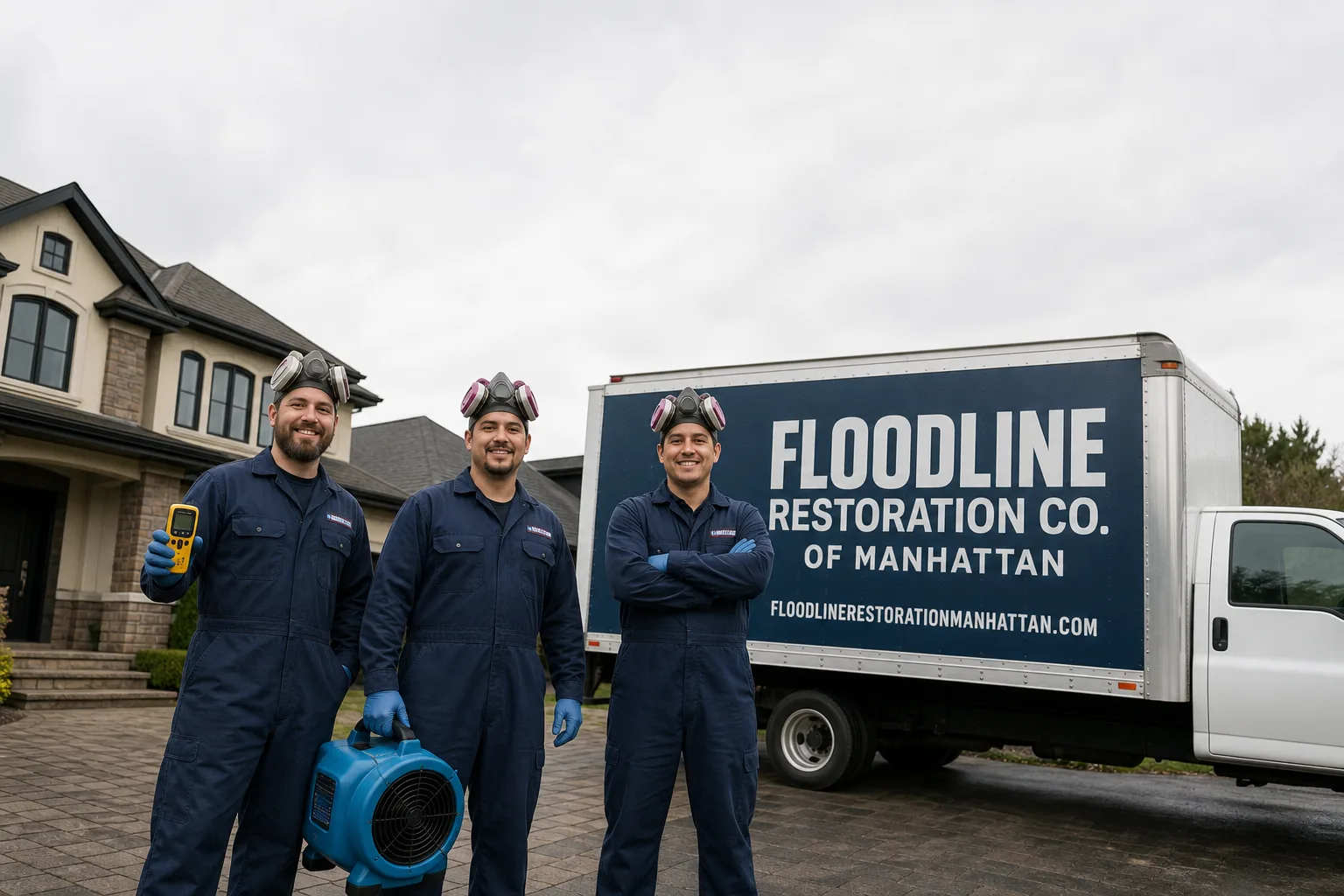
Free visual inspection and a written scope of work before any mitigation begins - photos, moisture readings, and drying logs go in your claim file
The scope we write is the scope we bill. Anything new gets shown to you, in writing, before we touch it.
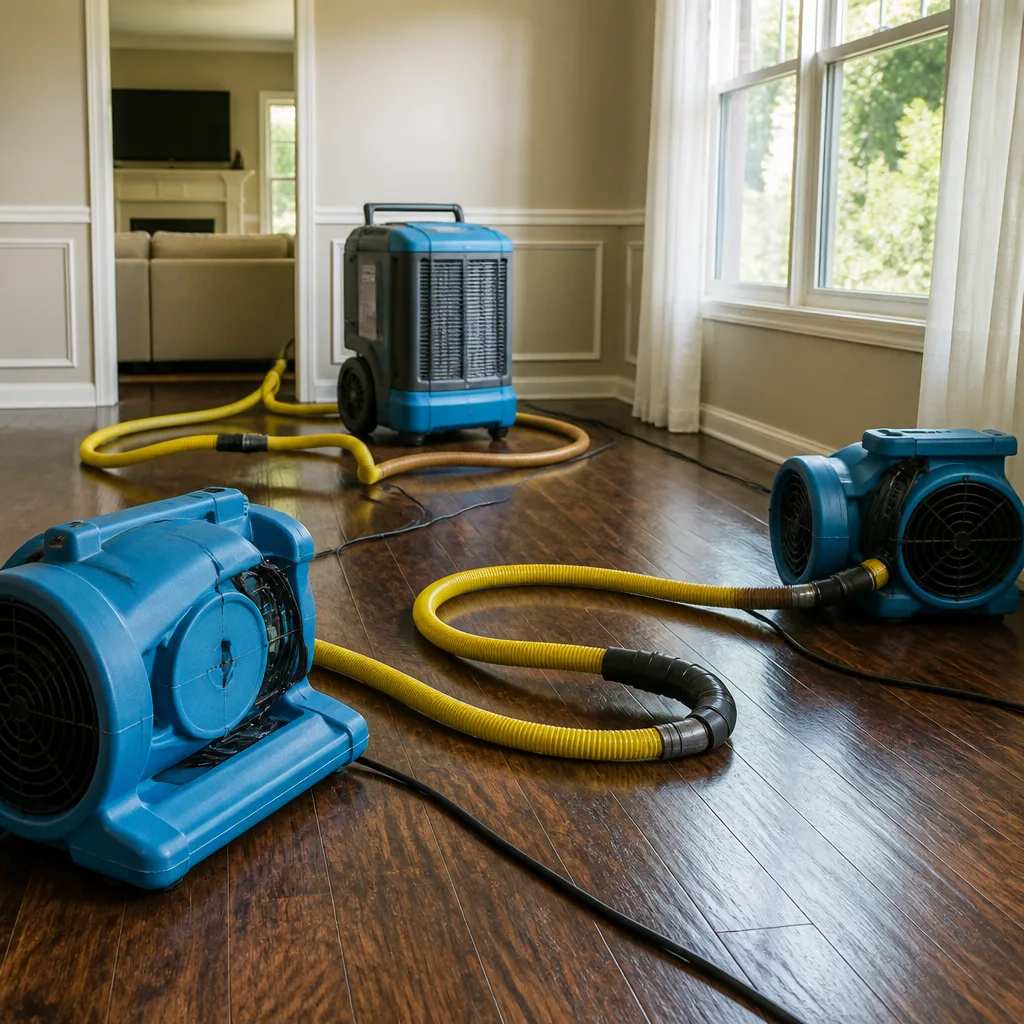
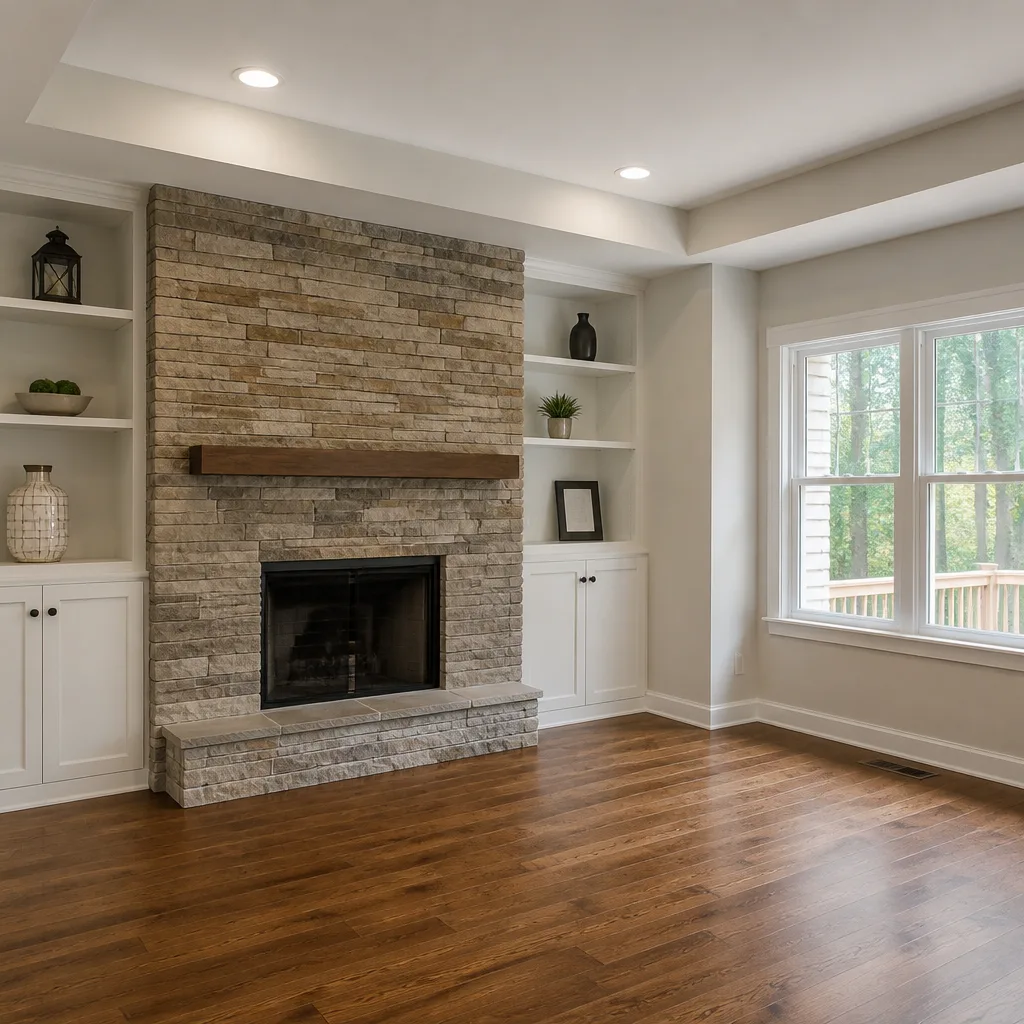
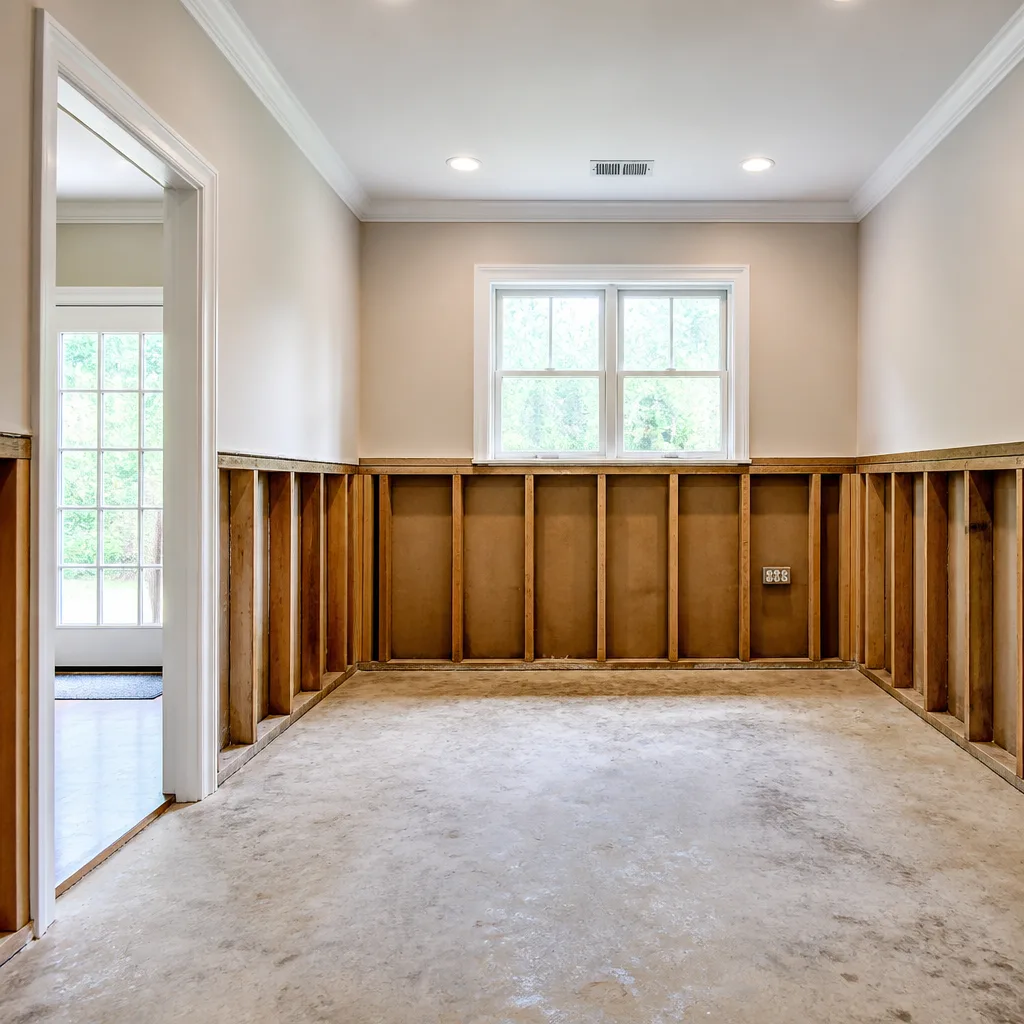
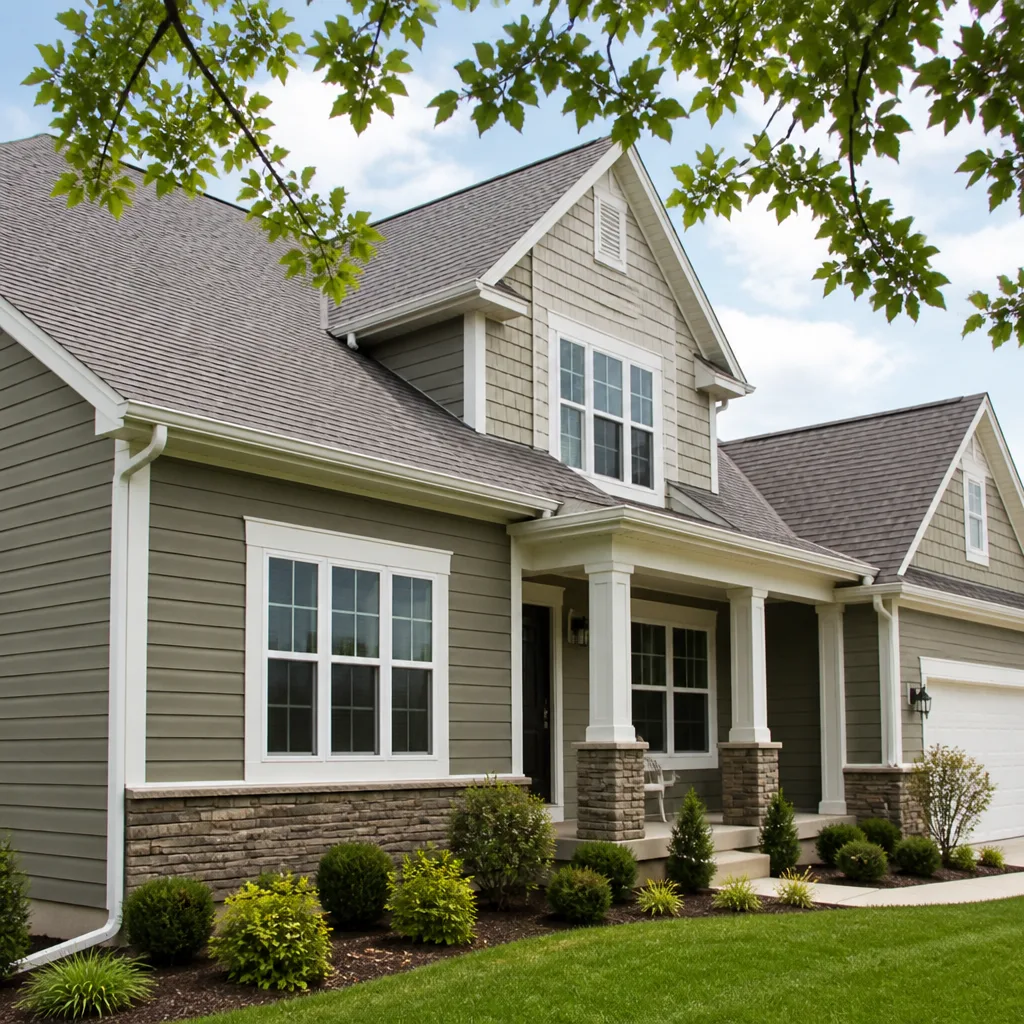
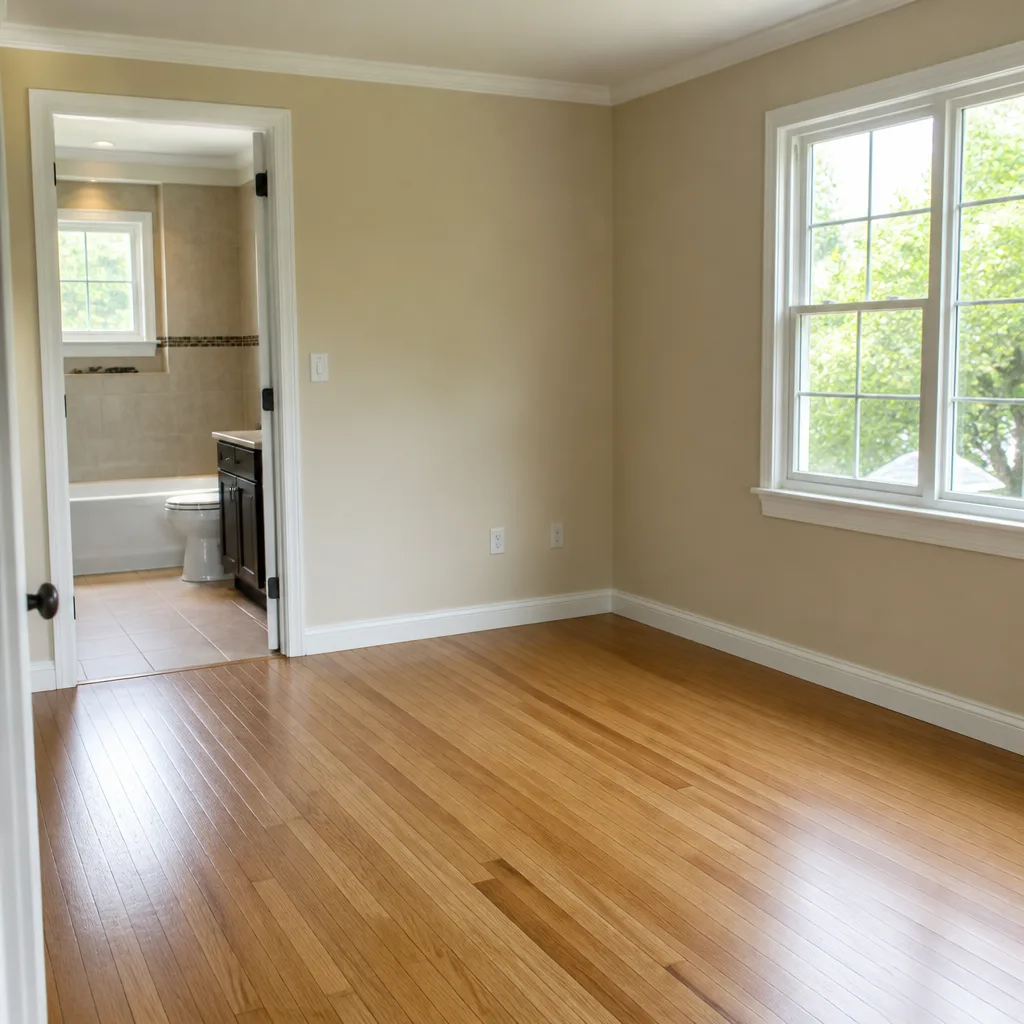
 Before
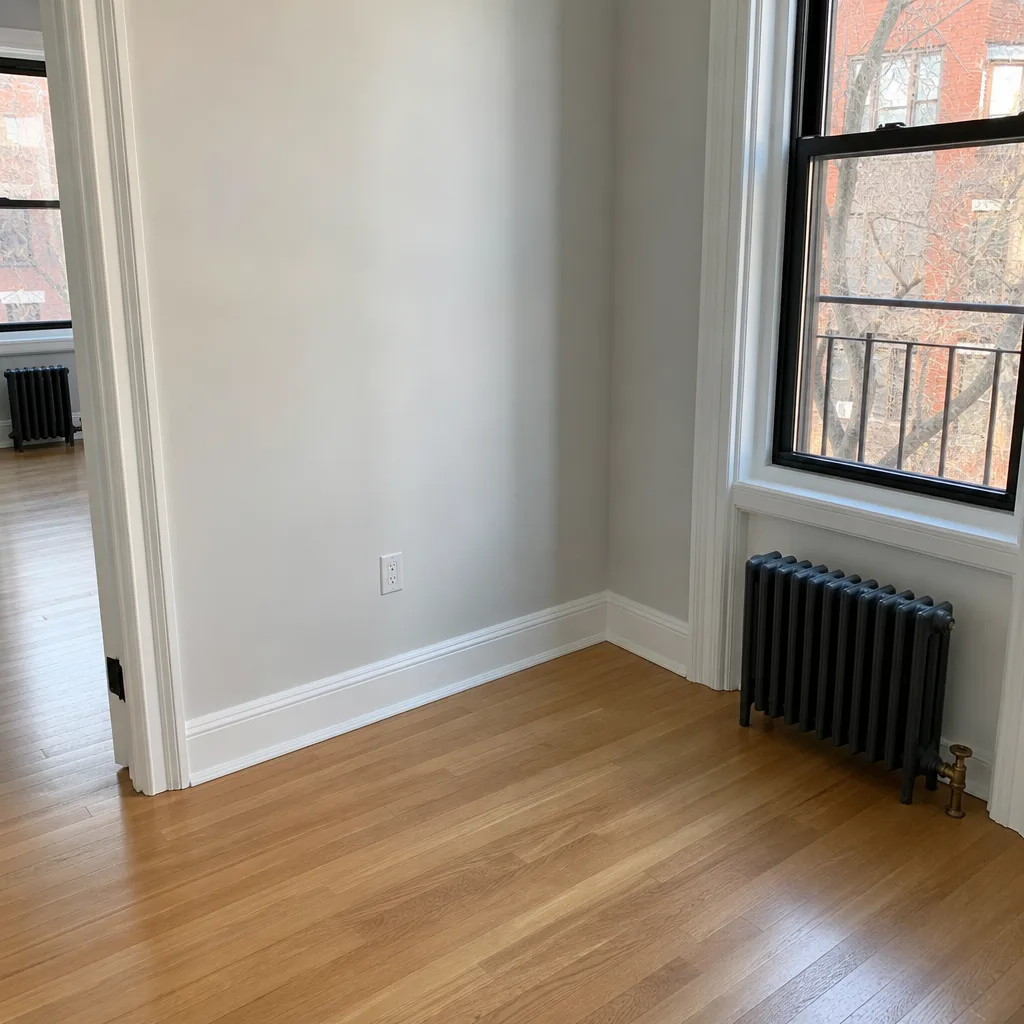 After
After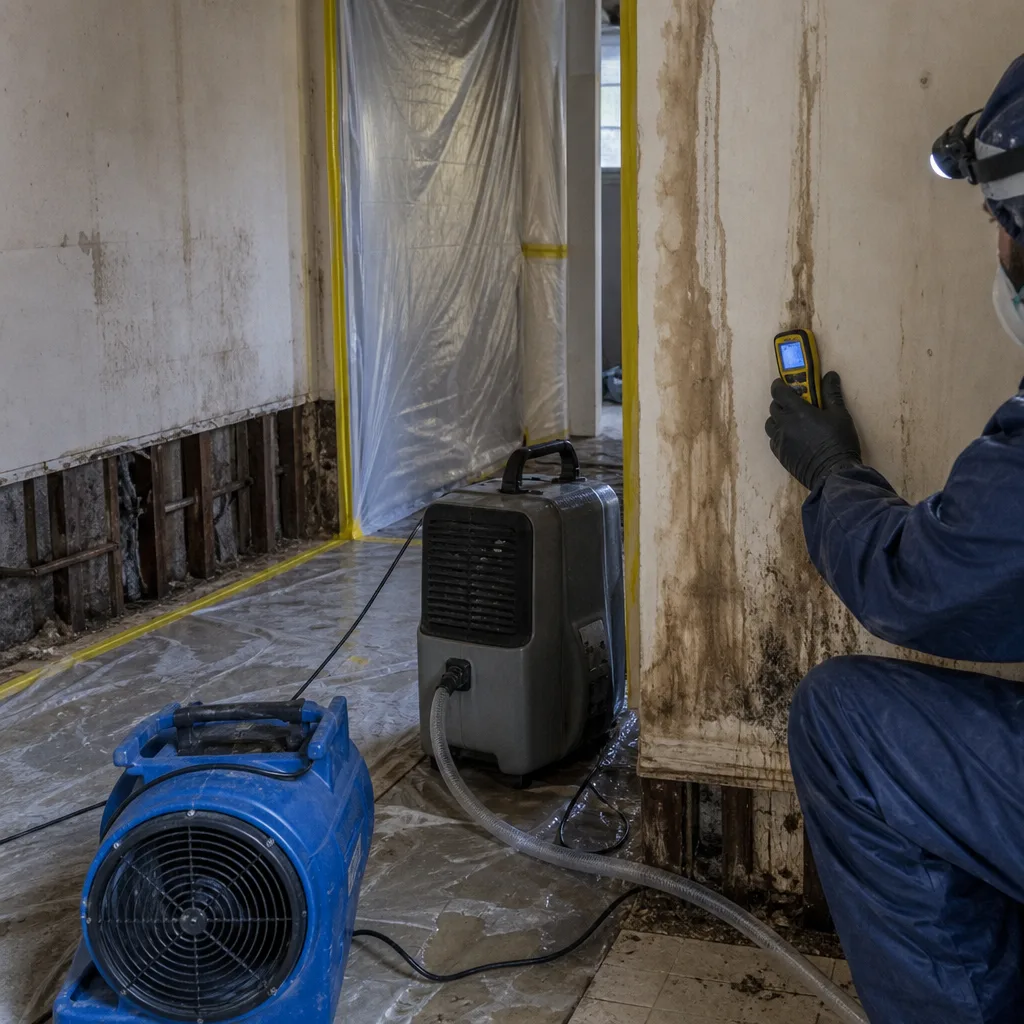 Before
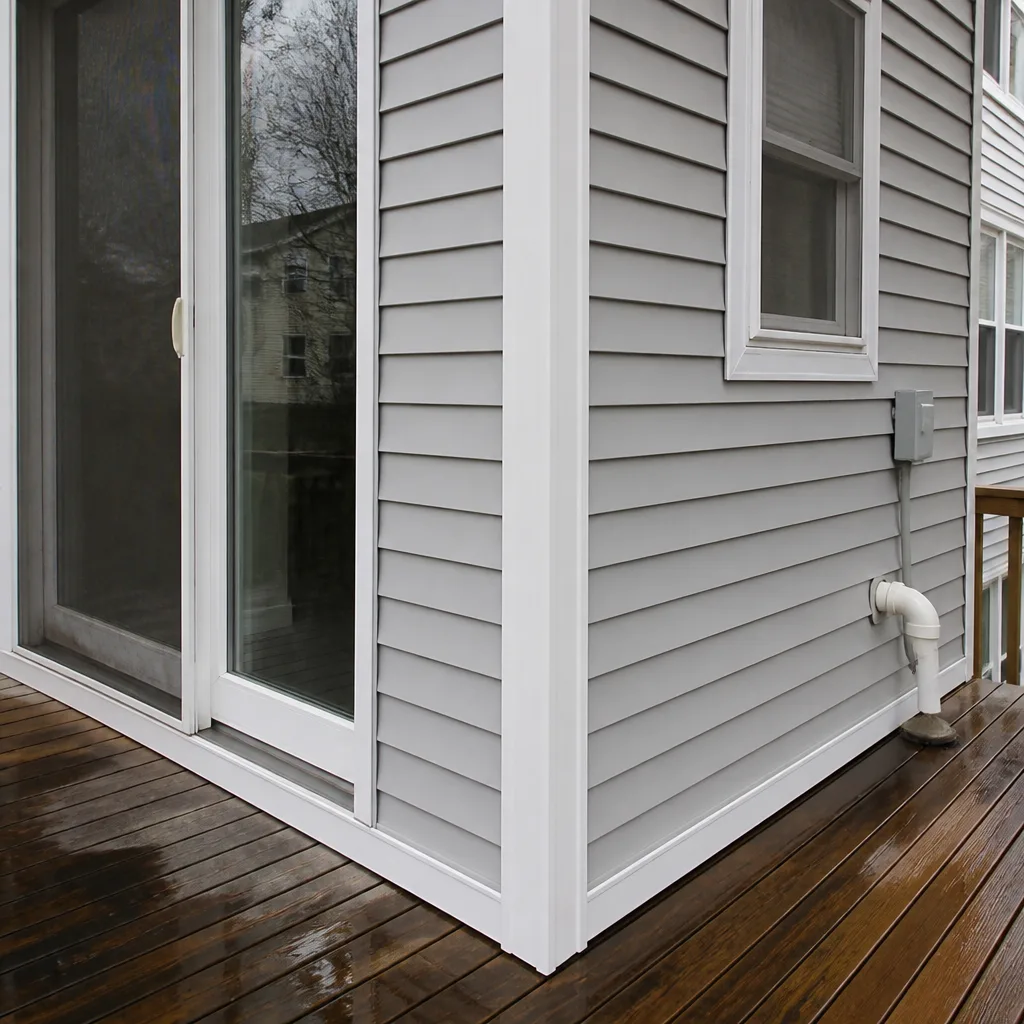 After
After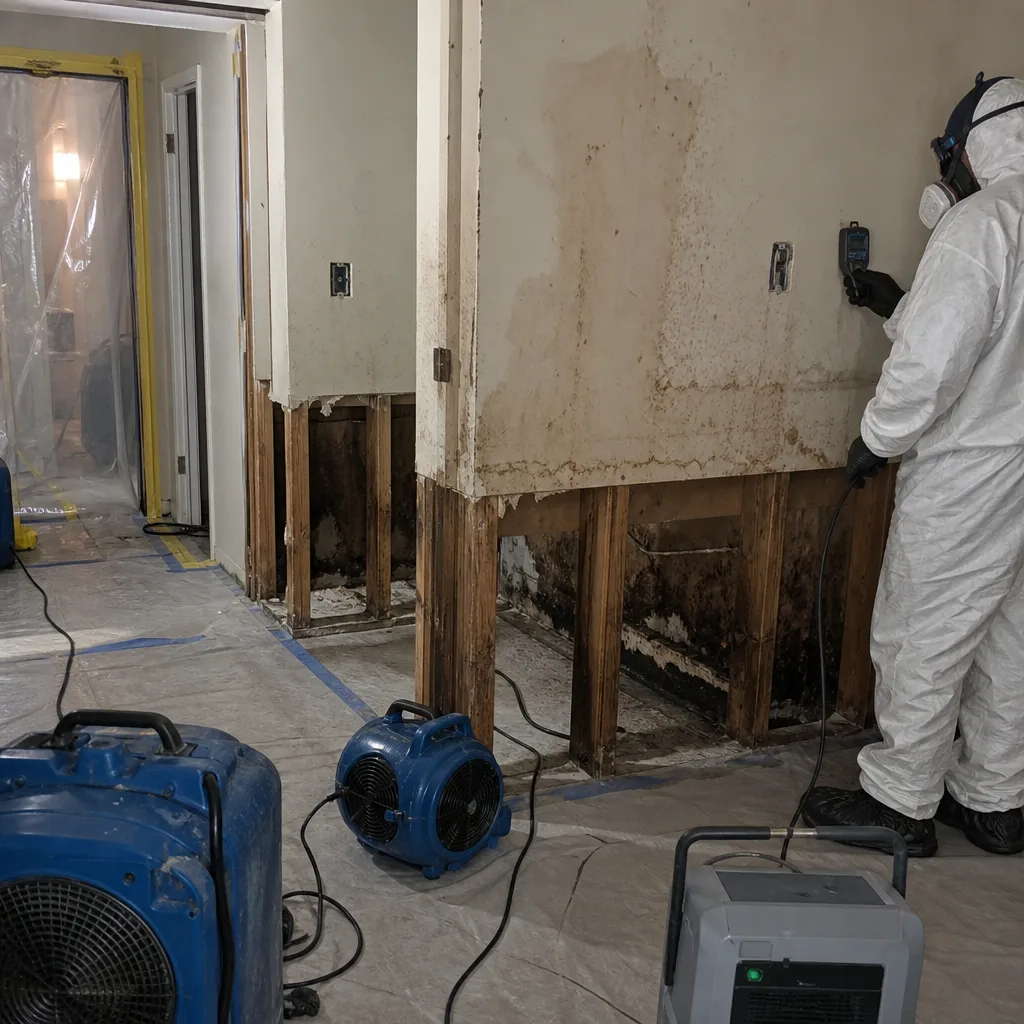 Before
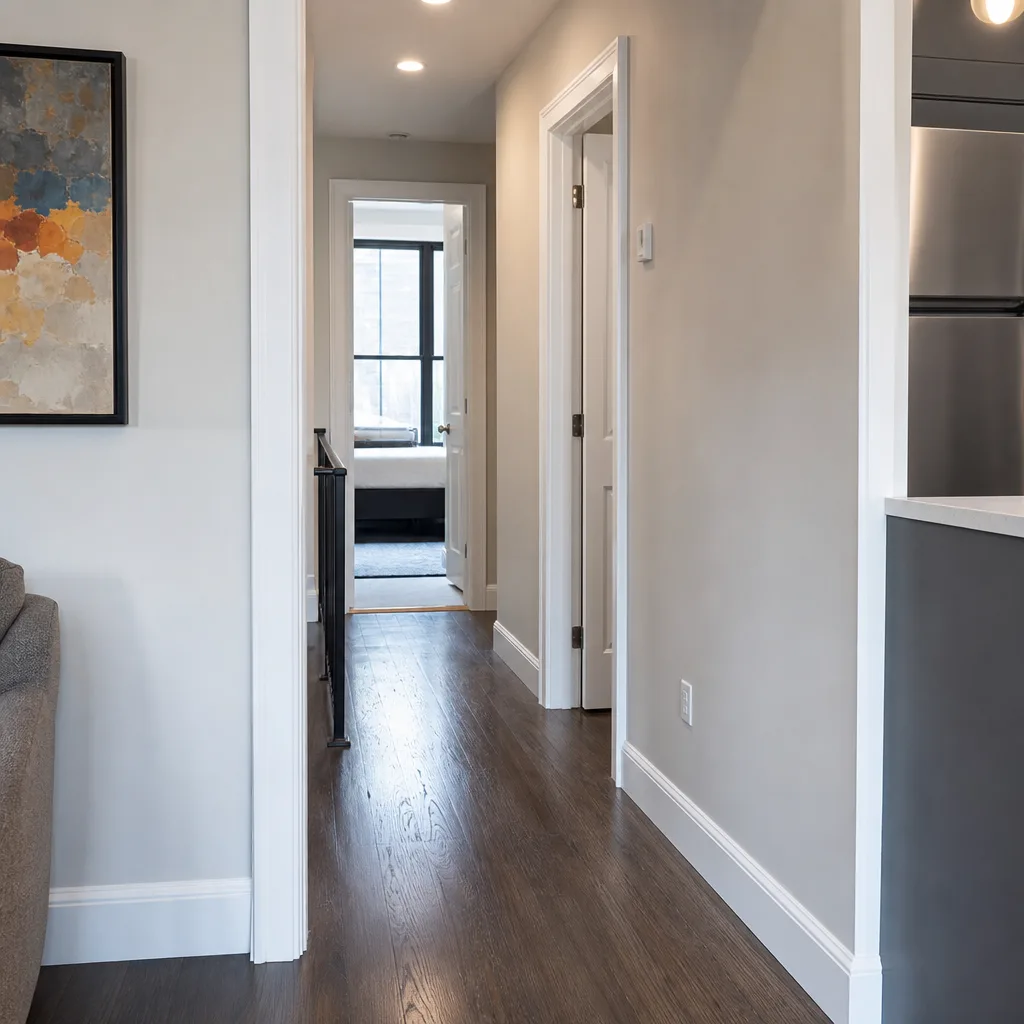 After
After24/7 Emergency Water Damage Restoration in Upper Nyack
Water damage restoration in Upper Nyack typically costs between $2,800 and $9,500 depending on how far the water traveled and what it touched. When the Hudson rises or a supply line lets go, the first hour determines whether you’re dealing with extraction or a full gut-and-rebuild. Our crews answer live at (917) 924-4221 around the clock and dispatch into Upper Nyack immediately, with truck-mounted extraction units running the same visit. We start with a free visual inspection, document everything for your carrier, and get water moving out before it finds its way into plaster, subflooring, and the stone foundation walls these older river homes are built on.
Understanding Water Damage Restoration Severity in Upper Nyack Properties
Water damage gets classified by source, and that classification drives everything downstream. Category 1 water comes from a clean supply line, a burst pipe, or an overflowing tub. Category 2 carries contaminants, think washing machine discharge or sump pump failures. Category 3 water, what we see after a Hudson storm surge or sewage backup, is untreated and biologically active. It carries bacteria, river sediment, and whatever it picked up along the way. In Upper Nyack’s late-19th and early-20th century homes, that distinction matters more than it does in a modern drywall-and-vapor-barrier build. Plaster-and-lath walls and fieldstone foundations absorb Category 2 and 3 water deep into their structure. You cannot simply dry them the way you would a sheetrock wall in a newer house. Proper moisture mapping with thermal imaging and hygrometers tells us where the water actually went, often far beyond the visible stain line. Structural drying then becomes a measured process, with daily readings logged until we hit the dry standard, not a guess based on how the surface feels.
Why Upper Nyack Property Owners Choose Floodline Restoration Co. of Manhattan
- 45-minute response commitment: We dispatch crews the moment you call, and our trucks reach Upper Nyack fast because our teams stage throughout the lower Hudson Valley. The sooner extraction starts, the less damage spreads.
- 24/7 live answer, always a person: No recordings, no call centers. A live dispatcher picks up at 2 a.m. and stays on the line until a crew is on the road.
- IICRC-certified crews: Our technicians hold WRT and ASD certifications through the IICRC and train to RIA and IFA standards, so the person holding the moisture meter knows what the numbers mean.
- Free visual inspection: We walk the property with you, explain what we’re seeing, and give you a written scope before any work begins. No pressure, no surprises.
- Direct insurance billing: We deal with your adjuster, your carrier, and your paperwork. You don’t carry messages between anyone.
- One team from extraction to reconstruction: The same crew that pulls the water and runs the drying logs is the crew that rebuilds your baseboards, studs, and finished rooms. No mid-job handoff.
Our Water Damage Restoration Process
Inspection & Assessment
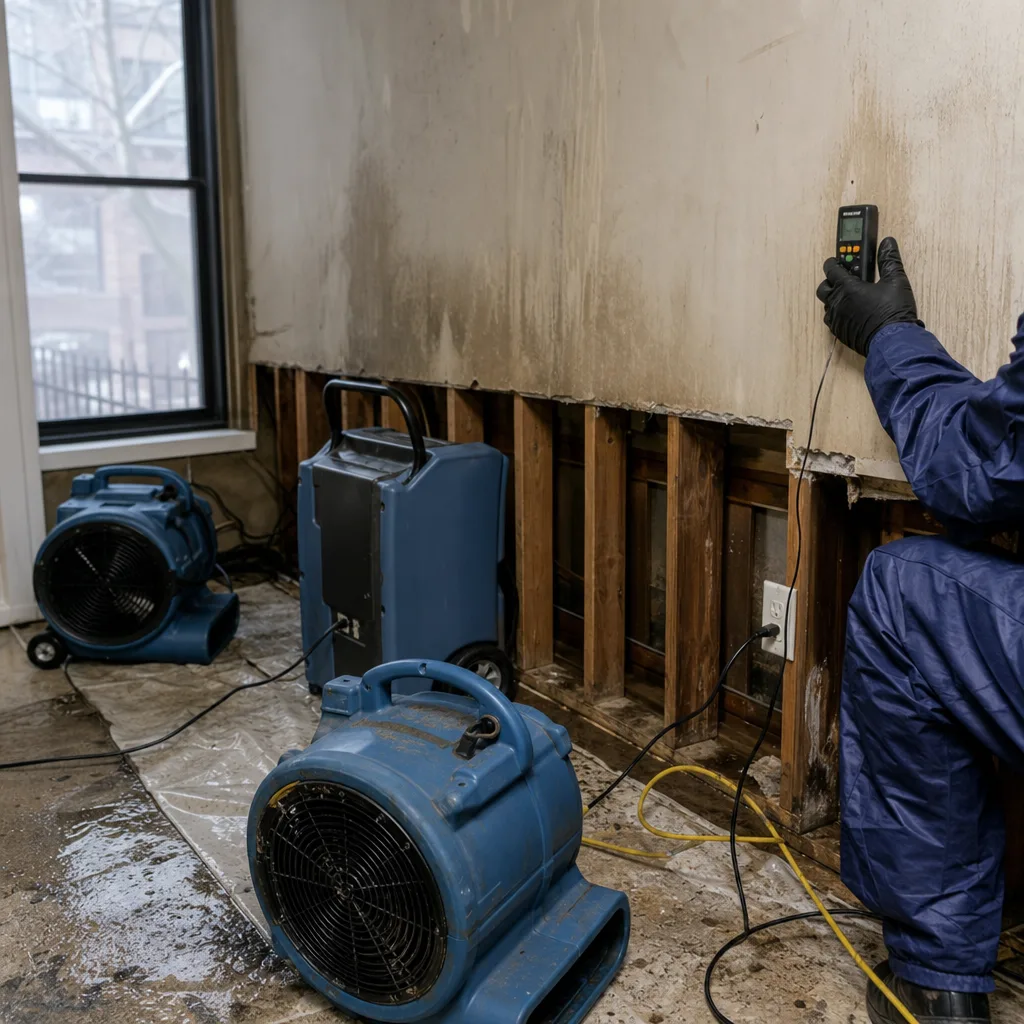
We arrive, walk the damage with you, and document everything with photos and thermal imaging. Moisture readings tell us exactly how far water has traveled into walls, floors, and the foundation. We classify the water and build a written scope before any equipment comes off the truck.
Extraction & Stabilization
Truck-mounted Dri-Eaz extraction units pull standing water fast, including from basement slabs and riverfront crawlspaces. We remove saturated porous materials that cannot be dried, especially anything touched by Category 3 floodwater. The goal in hour one is stopping the water’s migration.
Drying & Dehumidification
We set Phoenix and Dri-Eaz air movers and dehumidifiers in a calculated arrangement based on your home’s actual materials, not a generic template. In Upper Nyack’s plaster-and-lath and stone foundation homes, drying takes measurably longer. We take daily hygrometer readings and log them for you and your insurer.
Cleaning & Sanitization
After drying, every affected surface gets cleaned and treated. For floodwater or sewage, that means antimicrobial application on structural wood, concrete, and masonry. HEPA air scrubbers run during the process to keep airborne particles from settling in unaffected rooms.
Flood-Specific Treatment
For Hudson River or Hook Mountain runoff events, we address what the water left behind: river silt, fuel-oil residue, and salt contamination from brackish tidal surge. These require specialized rinsing and sealing steps that a standard pipe-burst drying job never calls for.
Repairs & Restoration
The final phase returns your home to whole. We rebuild studs, floors, millwork, and plaster as needed, and we do it with the same crew that has been on site since day one. Every job carries the 90-Day Done Right Promise in writing.
Need Emergency Water Damage Restoration in Upper Nyack Now?
Crews minutes away, answering live 24 hours a day. The sooner we start, the less it costs.
Working With Your Insurance Company
Most flood and water damage claims in Upper Nyack involve more than one interested party: your insurance carrier, possibly FEMA under the National Flood Insurance Program, and sometimes New York State DEC if river water carried fuel oil or sediment into your basement. We handle the documentation trail from the first hour so you never have to reconstruct what happened weeks later from memory. We photograph every affected room, log moisture readings daily, and write line-item scopes in the same format adjusters expect. Our team communicates directly with your adjuster and carrier, and we bill them directly for covered work. If your home sits in a NFIP flood zone near the Hudson, we document everything to NFIP standards from the start, which saves weeks of back-and-forth.
What We Provide Your Insurer
- Thorough documentation of the loss
- Photos of all damage, room by room
- Moisture readings and drying logs
- A detailed, line-item scope of work
- Direct coordination with your carrier
Built for Upper Nyack’s Loss Calendar
Upper Nyack’s water damage season never really ends. The deep freezes of January and February split supply lines in unheated crawlspaces and old kitchens, and the freeze-thaw cycle works on already-compromised pipes all through March. Spring brings the thaw, and with it, basement seepage through the stone foundation walls of homes along North Broadway and the lower village streets. Summer thunderstorms dump inches of rain in an hour, and Hook Mountain’s steep slopes channel that runoff directly toward riverside yards and foundations faster than drains can carry it. The real threat, the one most restoration companies north of us never see, is the nor’easter. The Hudson at Upper Nyack is a tidal estuary. A strong coastal storm pushes a surge upriver that overtops bulkheads and floods basements with brackish, sediment-heavy river water. Each season has its failure mode, which is why we keep crews staged within reach of Upper Nyack all year.
Water Damage Restoration Across Upper Nyack’s Neighborhoods
Upper Nyack’s geography divides its water damage profile into distinct zones. Along the river side of North Broadway, the 1920s fieldstone and wood-frame homes sit low and close to the Hudson. Their basements are the first to take storm surge, and their original stone foundations wick moisture upward for weeks after the water recedes. On the lower slope streets running down from Hook Mountain, homes deal with a different problem: runoff. Heavy rain moves fast over the steep terrain and enters through foundation cracks, window wells, and old bulkheads, often carrying silt and debris into finished basement spaces. The homes off Old Mountain Road and along the village’s interior lanes tend to be slightly newer or more recently renovated, but many still carry the original plaster-and-lath walls and aged plumbing that make even a small supply-line break spread quickly. Wherever the water shows up in Upper Nyack, our crews know the building stock and the access routes, including the narrow riverfront lanes where parking and setup take planning.
Specialized Water Damage Restoration Services We Offer in Upper Nyack
Flood Cleanup
When the Hudson tops its banks or overtopping occurs during a coastal storm, the cleanup is not just about water. Brackish river water leaves salt, silt, and organic material soaked into everything it touches. We extract the standing water, remove contaminated porous materials, flush salt residue from masonry and framing, and apply antimicrobial treatment before drying begins. Homes along Upper Nyack‘s riverfront need this full sequence done correctly the first time, because salt left in wood and stone keeps attracting moisture for years.
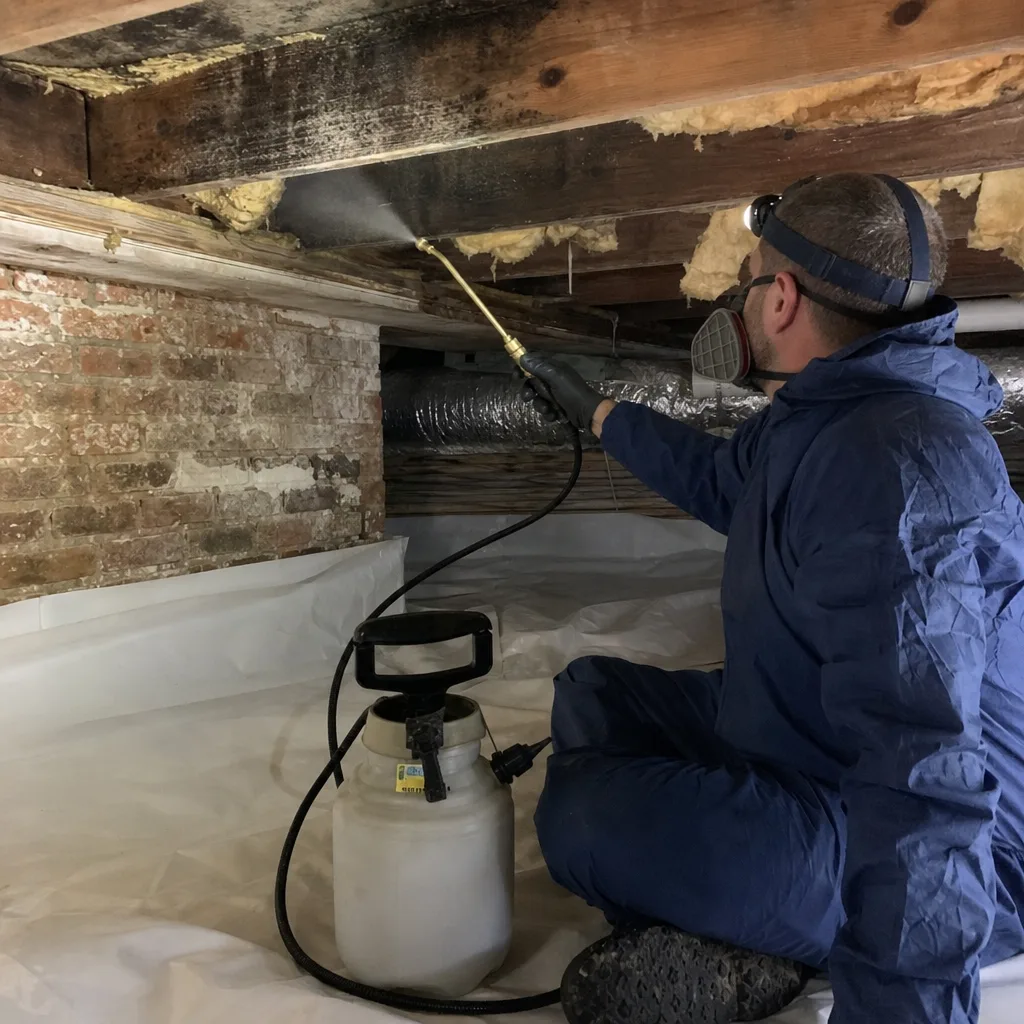
Basement Water Removal
Upper Nyack basements, whether finished living space or old storage rooms with stone walls, are the most common place we work. We use truck-mounted extraction to pull water from concrete slabs and crawlspace floors quickly, then set drying equipment sized to the actual cubic volume and materials in the room. In stone foundation basements, we pay special attention to the mortar joints and the foundation-to-sill connection, where water hides and mold takes hold out of sight.
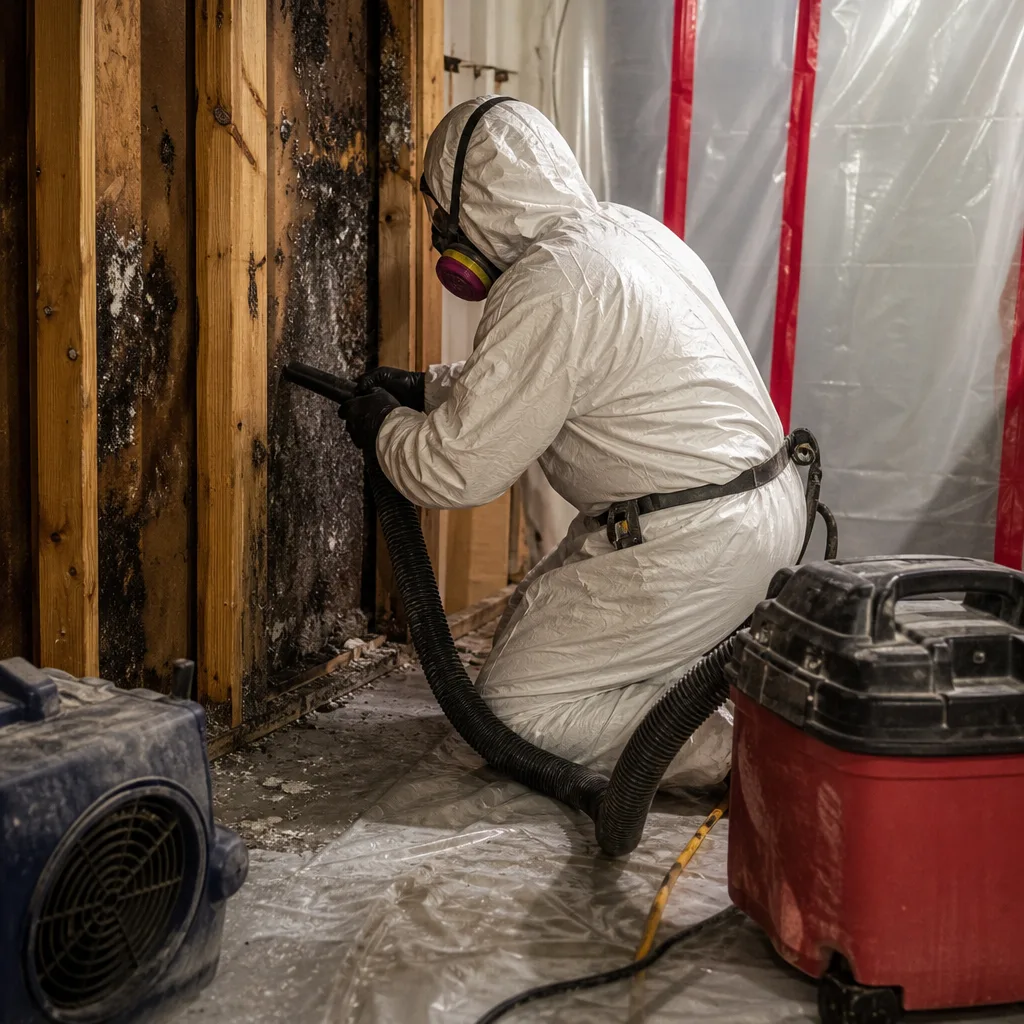
Structural Drying & Dehumidification
Drying a plaster-and-lath wall is not the same as drying drywall. The old materials hold water deep and release it slowly, which is why we run daily moisture readings and adjust air mover placement as the drying curve moves. In a modern house, structural drying might take three to four days. In a 1910s Upper Nyack home with stone walls and original lath, five to seven days is realistic, sometimes longer after river flooding. We tell you that up front and we log every reading so your insurer sees the progress.
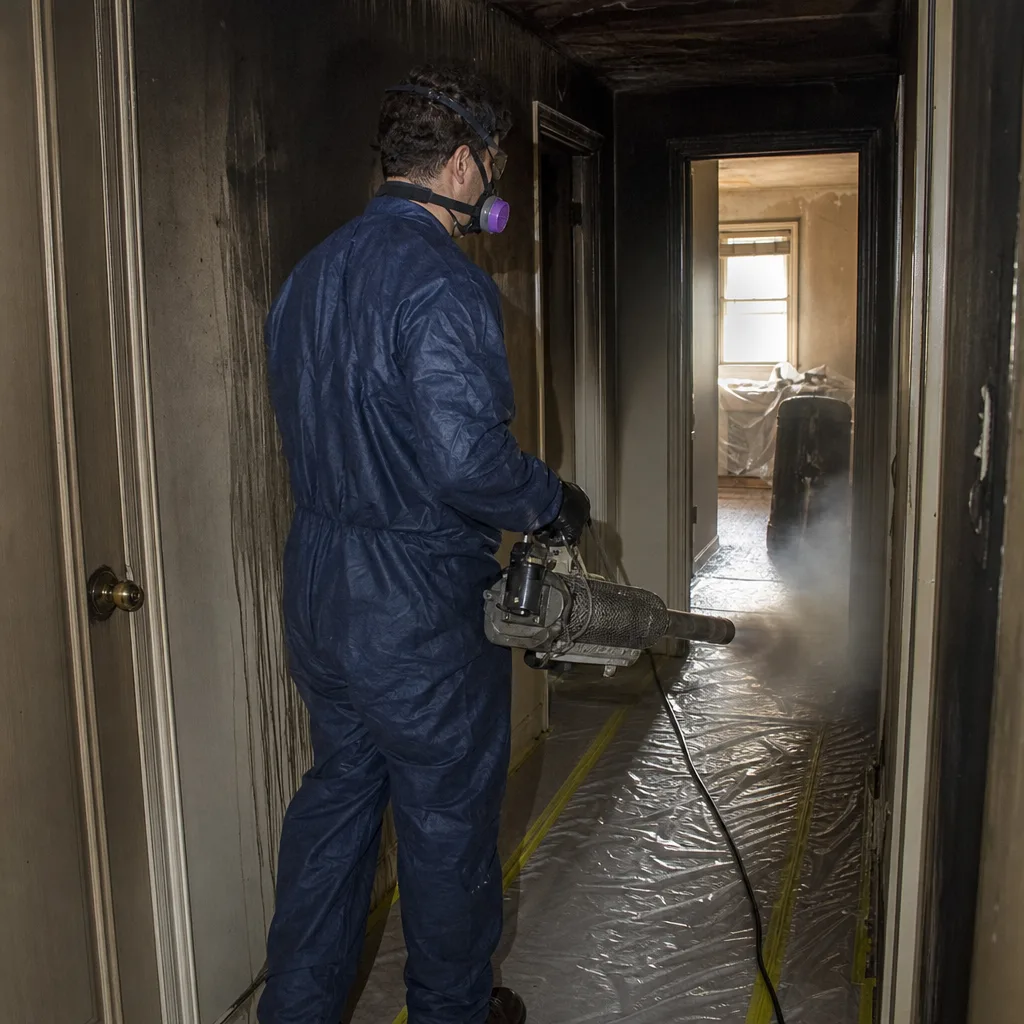
Emergency Water Extraction
When a supply line bursts at 3 a.m. or the river finds a way into your basement, the first call should be to a crew that can move fast. We run Dri-Eaz truck-mounted units and portable Phoenix extractors for tight Upper Nyack basements and riverfront crawlspaces. The goal is simple: remove as much water as possible in the first visit so the structure doesn’t keep absorbing it overnight.
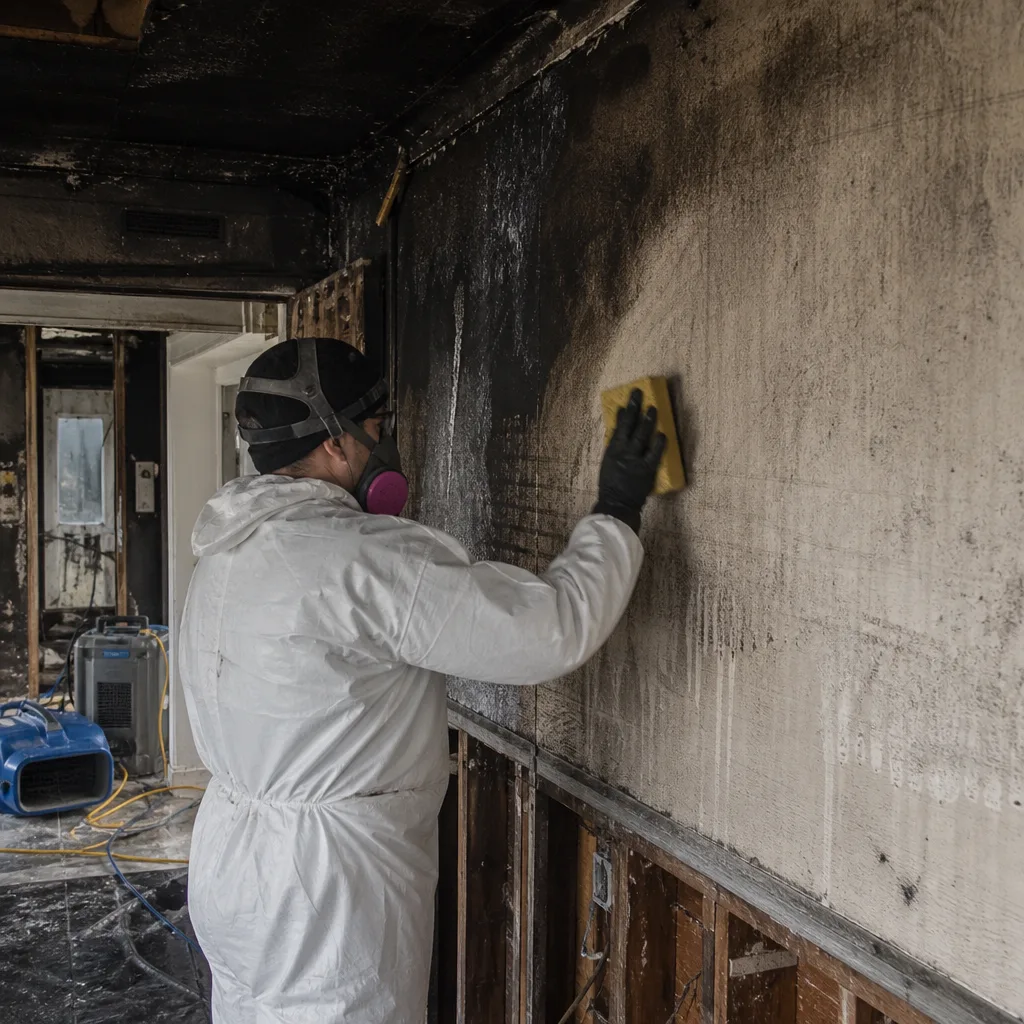
Burst Pipe Restoration
Frozen and failed pipes are a January and February constant in Upper Nyack, especially in homes where original plumbing runs through uninsulated exterior walls or unheated crawlspaces. We extract the released water, map the migration into adjacent rooms and flooring, and dry the structure. Then we repair the pipe, the wall, and the finish work so the same crew sees the job through from break to paint.
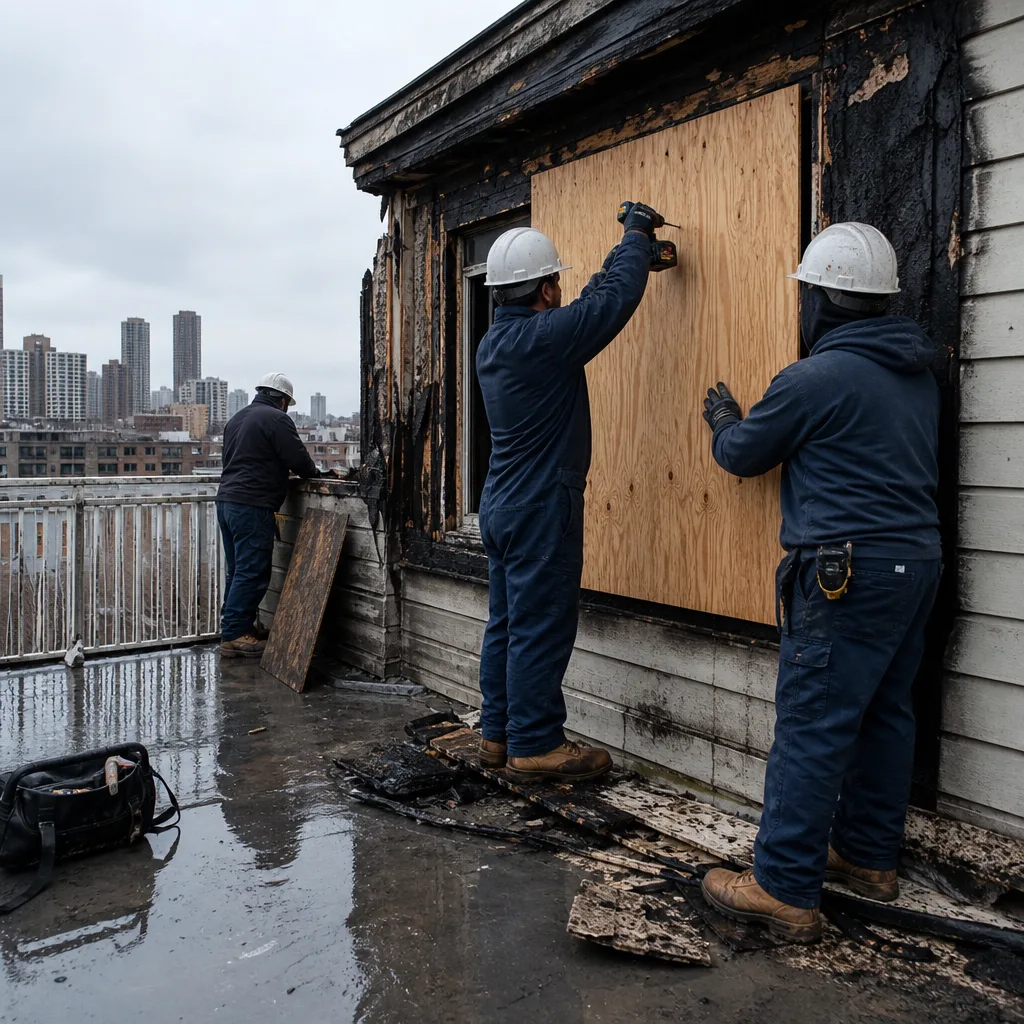
Ceiling & Roof Leak Water Damage
Upper Nyack’s winter ice dams and spring rains find their way through older roofs and into ceilings, attics, and top-floor rooms. The damage often reveals itself as staining, sagging plaster, or a sudden drip during a nor’easter. We extract, dry the cavity, check for hidden moisture behind the plaster, and repair the ceiling so you’re not left with a patch job that peels a month later.
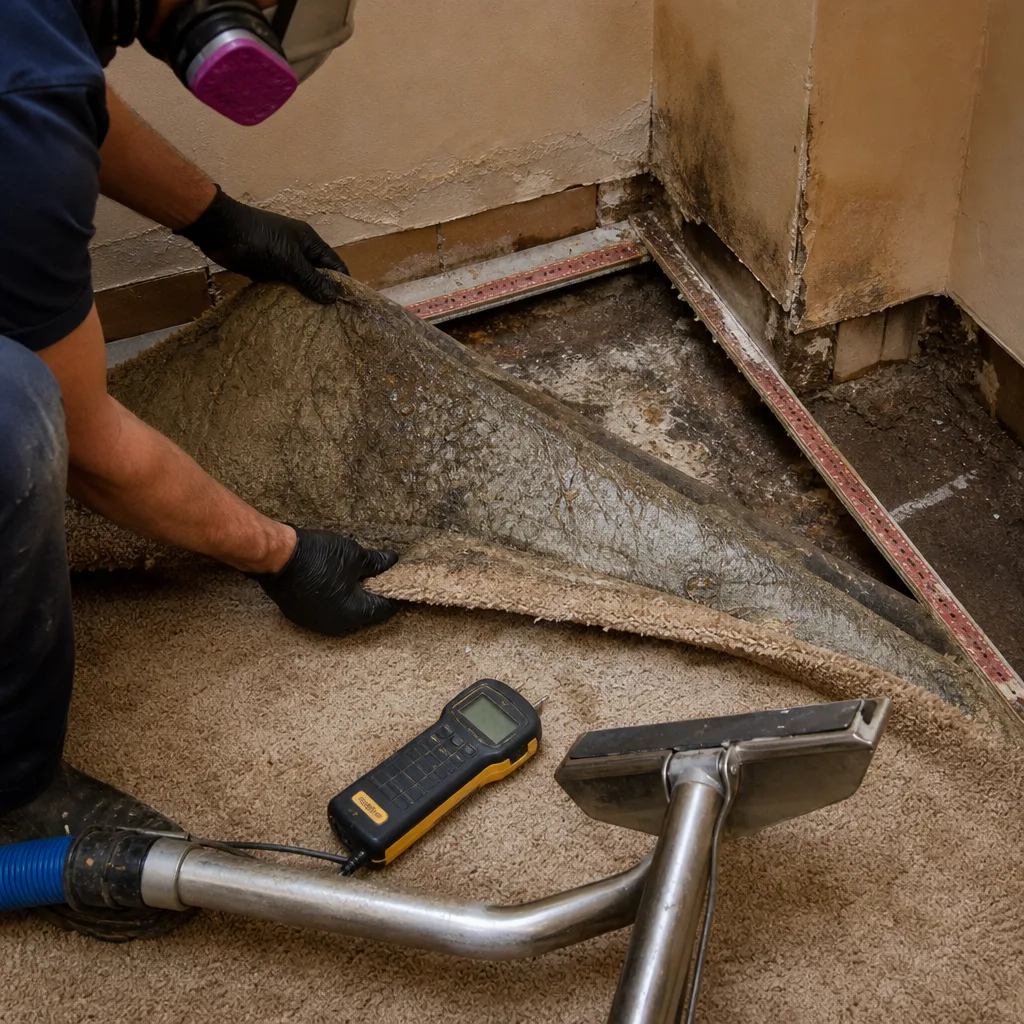
What happens when you call
- 1
A real person answersNo phone trees - you reach a local pro.
- 2
You get an upfront price rangeHonest numbers before anyone is dispatched.
- 3
A background-checked tech heads outLicensed & insured, dispatched right away.
- 4
You approve before work beginsNothing starts until you say go.
Water Damage Restoration Costs in Upper Nyack, NY
A burst supply line with clean water confined to a single room in Upper Nyack usually runs $2,800 to $4,600, including extraction, drying, and repairs. A basement flood from Hudson tidal surge or heavy runoff pushing Category 3 water through a finished basement typically lands between $6,000 and $12,000, because porous materials must be removed, not dried, and the stone foundation itself needs treatment. Whole-home river flood events run higher, often $15,000 to $40,000 or more, depending on how far the water traveled and what the adjuster’s scope covers. What moves the price: water category, square footage affected, whether plaster and original millwork are involved, and how long the water sat before extraction. We give you a written, line-item scope after our free visual inspection, before any work starts. With direct insurance billing, you’re not floating the cost and waiting for reimbursement. We bill your carrier for covered work and you pay your deductible. And every job, from the smallest pipe break to a full NFIP flood claim, carries our 90-Day Done Right Promise in writing. Call (917) 924-4221 for an exact quote, estimates are free.
We Also Serve Cities Near Upper Nyack
Our crews also serve Fairview, Harrison, East Bronx, and Hunts Point. If you’re in a neighboring community and dealing with water damage, the same live dispatch, certified crews, and written-scope approach applies. Call us from anywhere in the lower Hudson Valley and we’ll route the nearest team your way.
Upper Nyack Water Damage Restoration Questions, Answered
How does Hudson River tidal flooding affect the drying timeline in an older Upper Nyack home compared to a modern house?
Hudson River tidal flooding extends drying timelines significantly because older Upper Nyack homes are built with plaster-and-lath walls, thick wood framing, and stone or fieldstone foundations that absorb water deeply and release it slowly. A modern drywall home with vapor barriers might dry in three to four days. An older riverfront home with original plaster and stone typically needs five to seven days of active structural drying, sometimes longer after a brackish surge because salt in the materials continues attracting moisture until it’s properly flushed. We log daily moisture readings and adjust equipment until the dry standard is met, not a calendar estimate.
After a Hudson storm surge, do I need to treat floodwater differently if it came from the river versus a broken pipe?
Yes, absolutely. River floodwater is Category 3 water: biologically active, carrying bacteria, sediment, and salt. It cannot be dried in place the way clean pipe water can. Saturated porous materials like carpet, insulation, and plaster must be removed and disposed of, not dried. Structural wood and masonry need antimicrobial treatment, and salt residue requires flushing to prevent years of wicking and re-wetting. A broken supply line with clean water is a drying job; a Hudson surge is a remove, treat, and rebuild job.
What should I do about my original stone foundation walls after floodwater recedes?
The first step is professional moisture mapping to find out how deep the water penetrated into the stone and mortar. Stone foundations wick moisture upward for weeks, and visible surface dryness hides wet cores. After extraction, the walls need cleaning, antimicrobial treatment where Category 3 water was present, and slow, controlled drying with dehumidification and air movement at the foundation line. Then we check the mortar joints and sill connections, because floodwater weakens old mortar and lets water into the frame. We don’t seal walls until they’re fully dry, otherwise you trap moisture and set up mold inside the masonry.
Does flooding from Hook Mountain runoff require different restoration steps than tidal flooding?
Yes. Hook Mountain runoff is typically Category 2 water: it carries soil, silt, and debris but is not brackish or sewage-contaminated unless it passes through a compromised area. The restoration focus is sediment removal, foundation cleanup, and drying. Tidal flooding from the Hudson is Category 3 and requires the full remove-treat-rebuild sequence, plus possible NYS DEC coordination if fuel oil or other contaminants were picked up. Both need fast extraction, but the contamination classification changes the material decisions.
Will my FEMA flood claim cover the cost of removing contaminated river sediment from my basement?
FEMA NFIP flood claims generally cover the cost of removing river sediment and debris that entered your home during a flood, but documentation drives approval. Photos taken before cleanup, the classification of the water, and a line-item scope tying the sediment removal to the flood event all matter. We document everything to NFIP standards from the first hour and work directly with your NFIP adjuster, so the claim covers what the policy says it covers.
How fast can a crew actually get to Upper Nyack?
We commit to a 45-minute response time from the moment you call. Our crews stage throughout the lower Hudson Valley specifically so Upper Nyack riverfront lanes and steep streets don’t slow us down. For active flooding, the dispatcher stays on the line with you until the crew is on the road, and extraction equipment arrives on the same visit.
Do I really need full restoration or just a cleaning?
That depends on the water source and how far it traveled. Clean water from a pipe leak confined to a tile floor may only need extraction and drying. But river water or runoff that soaked into porous materials, plaster walls, or a stone foundation requires restoration, not just cleaning, because what’s left behind grows mold inside walls where you can’t see it. Our free visual inspection with moisture mapping tells you the truth, and we give you a written scope so you can see exactly what’s needed and why.
Who deals with my insurance adjuster?
We do. Our team communicates directly with your adjuster, provides the documentation, photos, moisture logs, and line-item scope they need, and bills your carrier directly for covered work. You stay informed, but you’re not the messenger. For Upper Nyack homes with NFIP flood policies or potential NYS DEC involvement after river flooding, we handle the paperwork trail on both tracks so nothing gets missed. Call (917) 924-4221 and we’ll start the claim documentation the same visit.
Serving Upper Nyack, NY - Our Local Coverage Area
We’re based in the Upper Nyack area and know this community well. Use the map below to see our service coverage - if you’re nearby, we can almost certainly help.
The Upper Nyack Water Damage Playbook
Here’s the thing most restoration companies outside this stretch of Rockland County don’t understand about Water Damage Restoration in Upper Nyack: the village sits directly on the tidal Hudson at the base of Hook Mountain, which creates a dual flood threat that inland towns like Spring Valley or Suffern never face. A nor’easter pushes a surge up the tidal estuary and floods riverfront basements with brackish, contaminated water at the same time that storm rainfall is channeling downhill from Hook Mountain into the lower residential streets. Two water sources, two contamination profiles, sometimes in the same property on the same night. Add the housing stock, late-19th and early-20th century wood-frame and fieldstone homes with full basements, plaster-and-lath walls, and no modern vapor barriers, and you have a restoration job that requires a completely different approach than the one used on a 1980s split-level in a dry inland subdivision. We’ve been answering calls from Upper Nyack homeowners long enough to know that the water line on these old walls is where the real work starts.
On a riverfront lane off North Broadway, our crew responded to a 1920s fieldstone home where a tidal surge from Hurricane Sandy had pushed Category 3 water across the basement floor, saturating plaster-and-lath walls and an oil-fired boiler. We performed emergency water extraction with truck-mounted Dri-Eaz units, set up containment and air movers, and after moisture mapping confirmed saturation behind original wainscoting, we removed contaminated plaster and applied antimicrobial treatment before structural drying. That job involved two tracks of paperwork: the homeowner’s NFIP claim and a NYS DEC notification for the fuel-oil release from the flooded basement tank. We coordinated with the adjuster on one side and DEC on the other, so the homeowner never had to sort out which agency needed what.
That’s the dual regulatory path that makes Upper Nyack unique. After any significant Hudson flood event, riverside homes here trigger simultaneous FEMA National Flood Insurance Program claims and New York State DEC notification requirements if floodwater carries river sediment or fuel-oil contamination from basement tanks. Restoration crews working inland Rockland towns simply never encounter that combination. We do, regularly, and we know how to keep both tracks moving without letting one stall the other.
The older homes in this village also punish shortcuts. Plaster-and-lath walls and fieldstone foundations hold water far longer than modern drywall, which means drying times that get underestimated by crews who’ve never worked these materials. Hidden mold colonies form behind original millwork when you stop drying too early. And hudson storm surge must be classified correctly from the first visit: it’s Category 3 water, which means saturated porous materials come out, they don’t get dried. Get that wrong and you fail clearance tests, cross-contaminate the house, and leave the homeowner holding a rebuild the insurance company won’t pay for. We’d rather tell you the truth on day one and do the job correctly than rush a dry-out that fails in three months. That’s why every job we do carries the 90-Day Done Right Promise in writing, and why we stand behind it without arguing.
If you’re facing water in your Upper Nyack home, or you’ve already soaked it up and you’re wondering whether the wall behind the baseboard is drying or molding, call us. We answer live, we show up fast, and we give you a straight answer before any work begins. (917) 924-4221.
Written by Curt Bowman, Owner at Floodline Restoration Co. of Manhattan, serving Upper Nyack, NY.