
Free visual inspection and a written scope of work before any mitigation begins - photos, moisture readings, and drying logs go in your claim file
The scope we write is the scope we bill. Anything new gets shown to you, in writing, before we touch it.
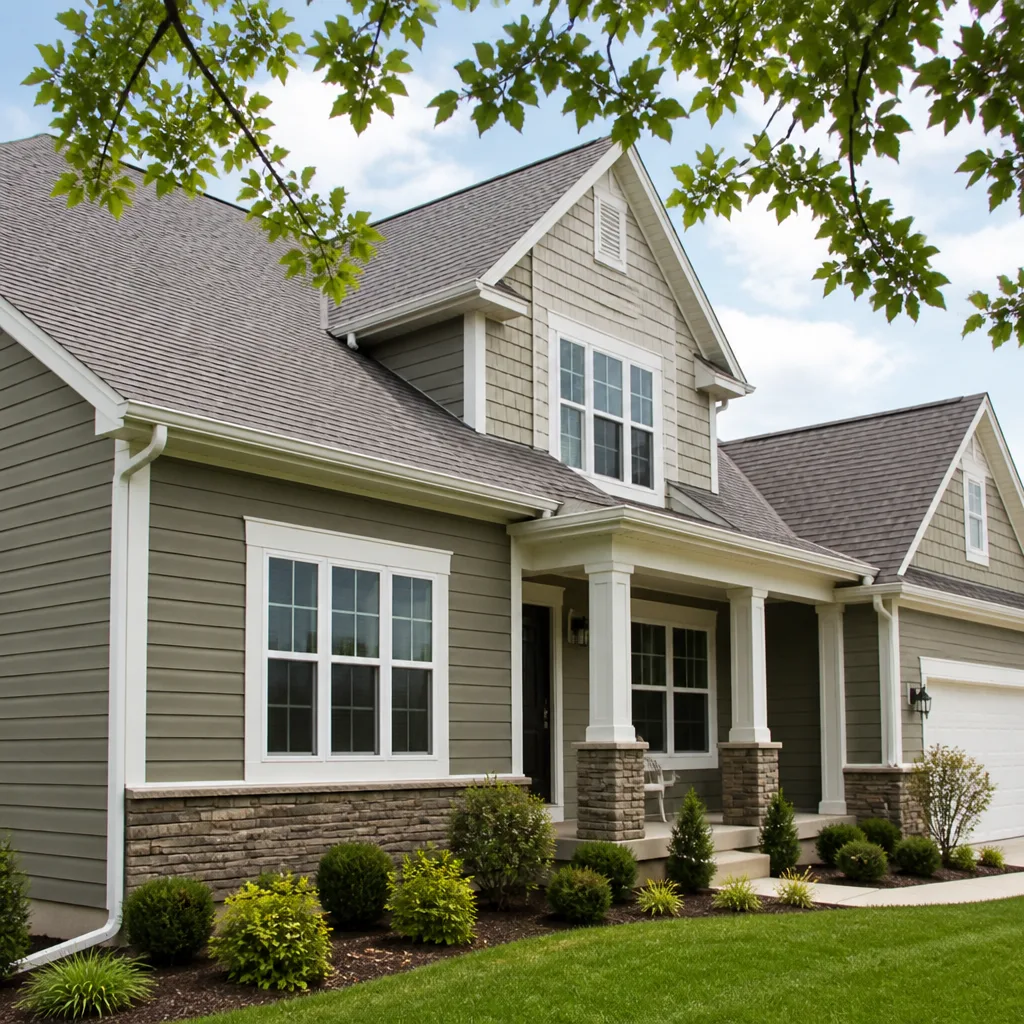
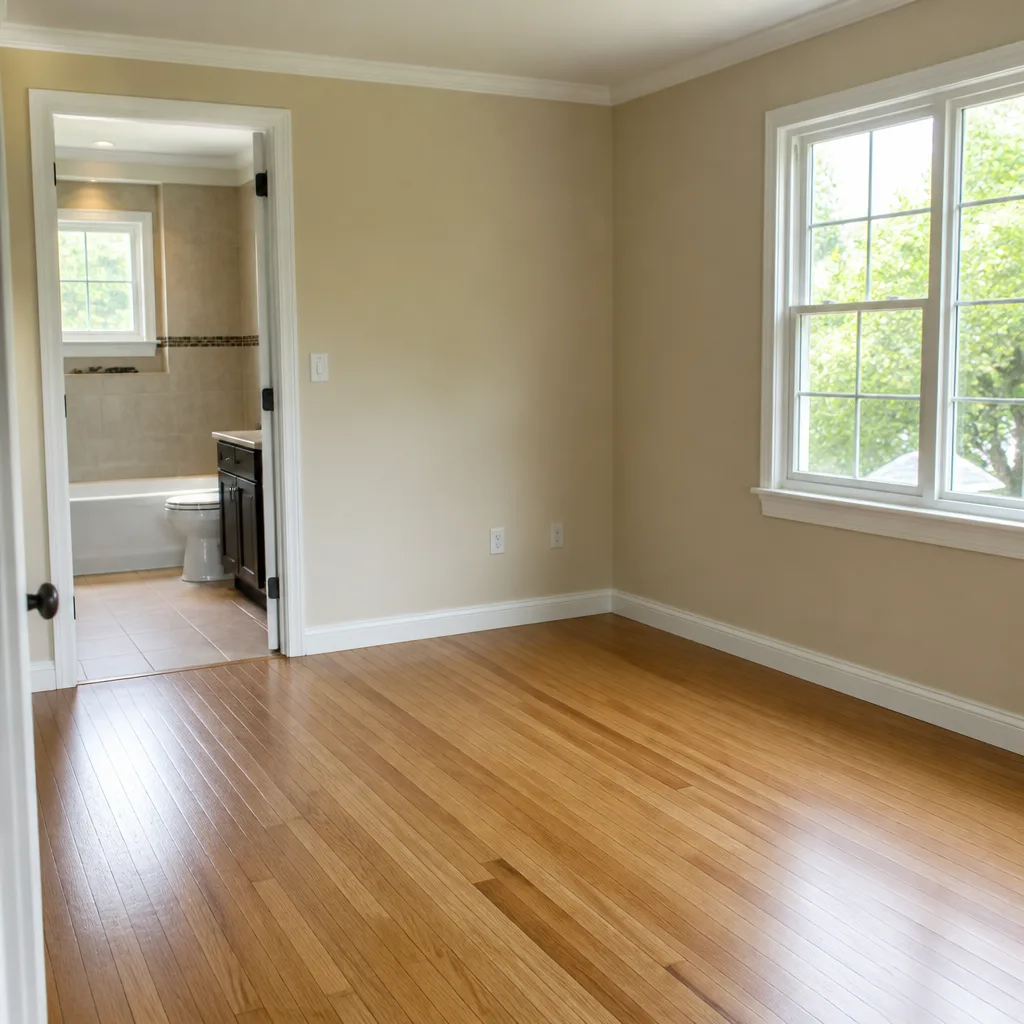
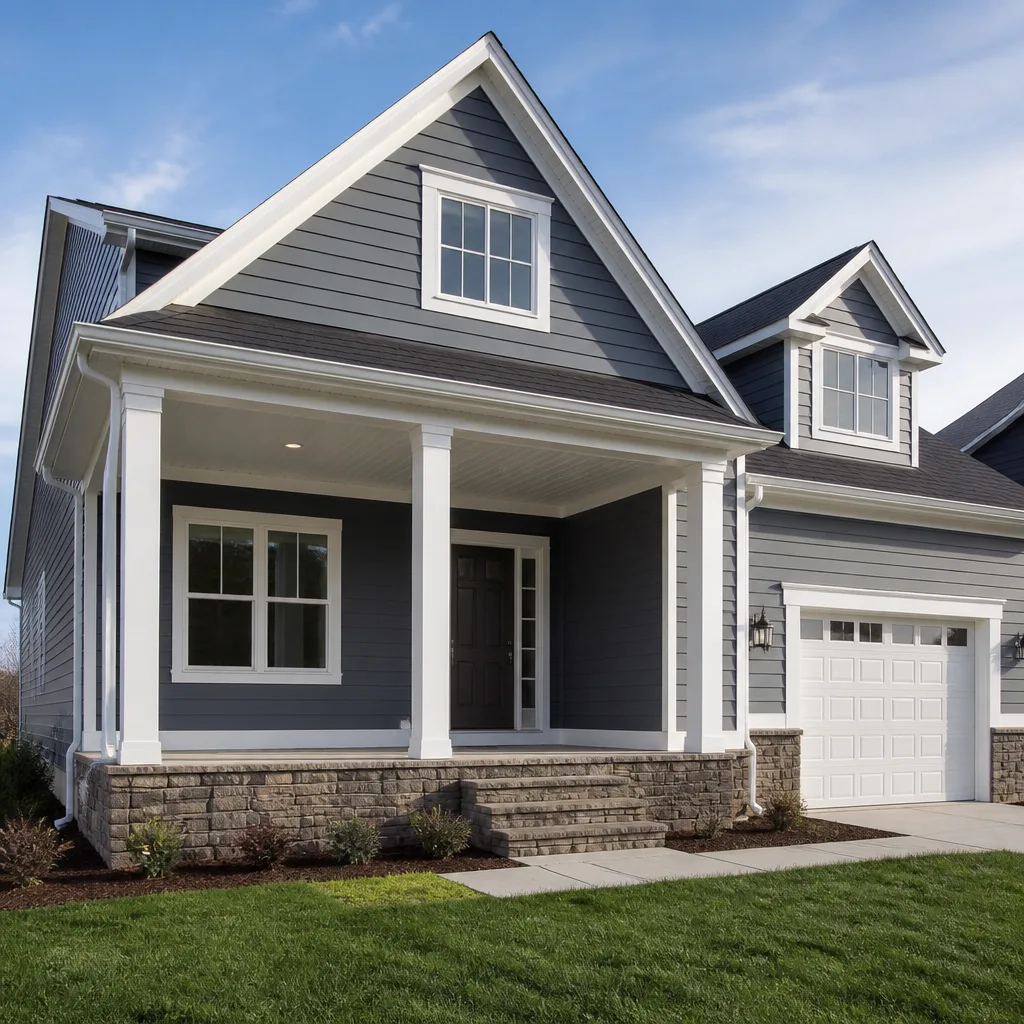
 Before
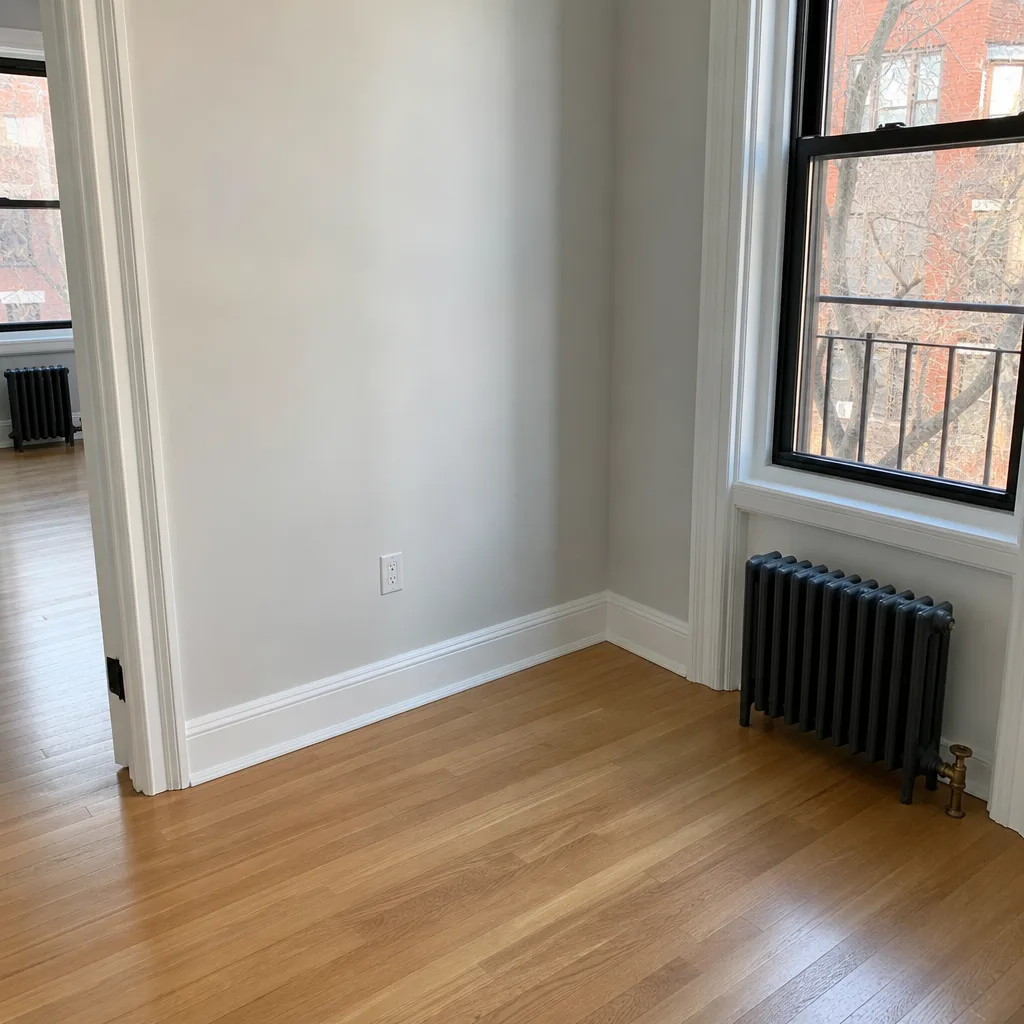 After
After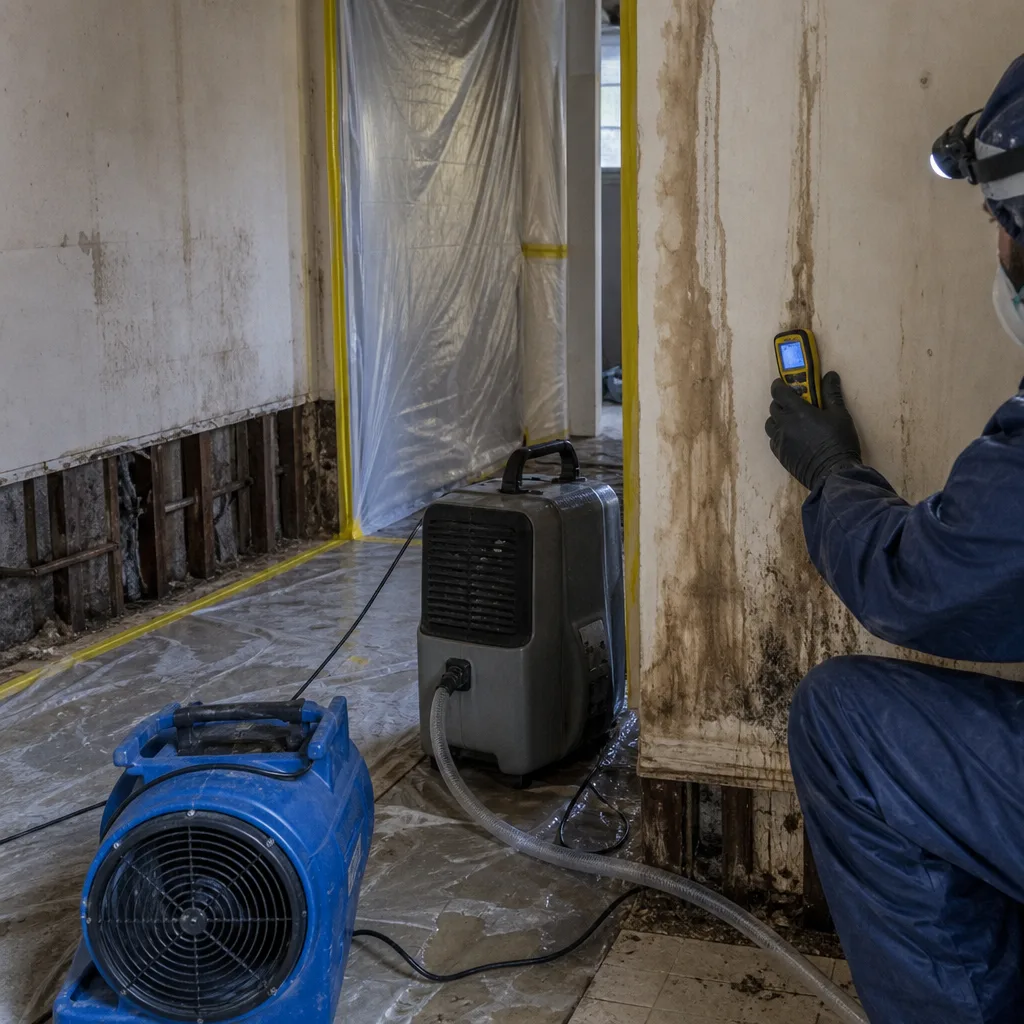 Before
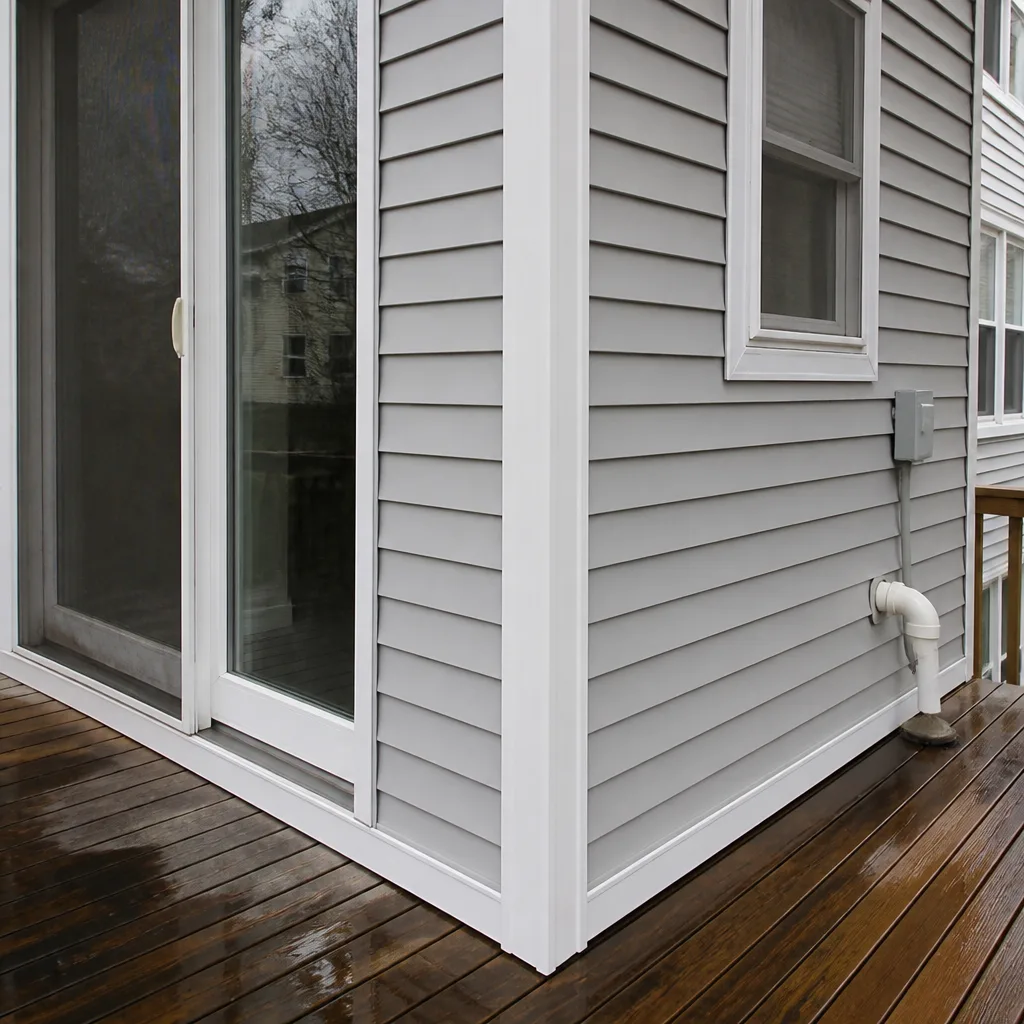 After
After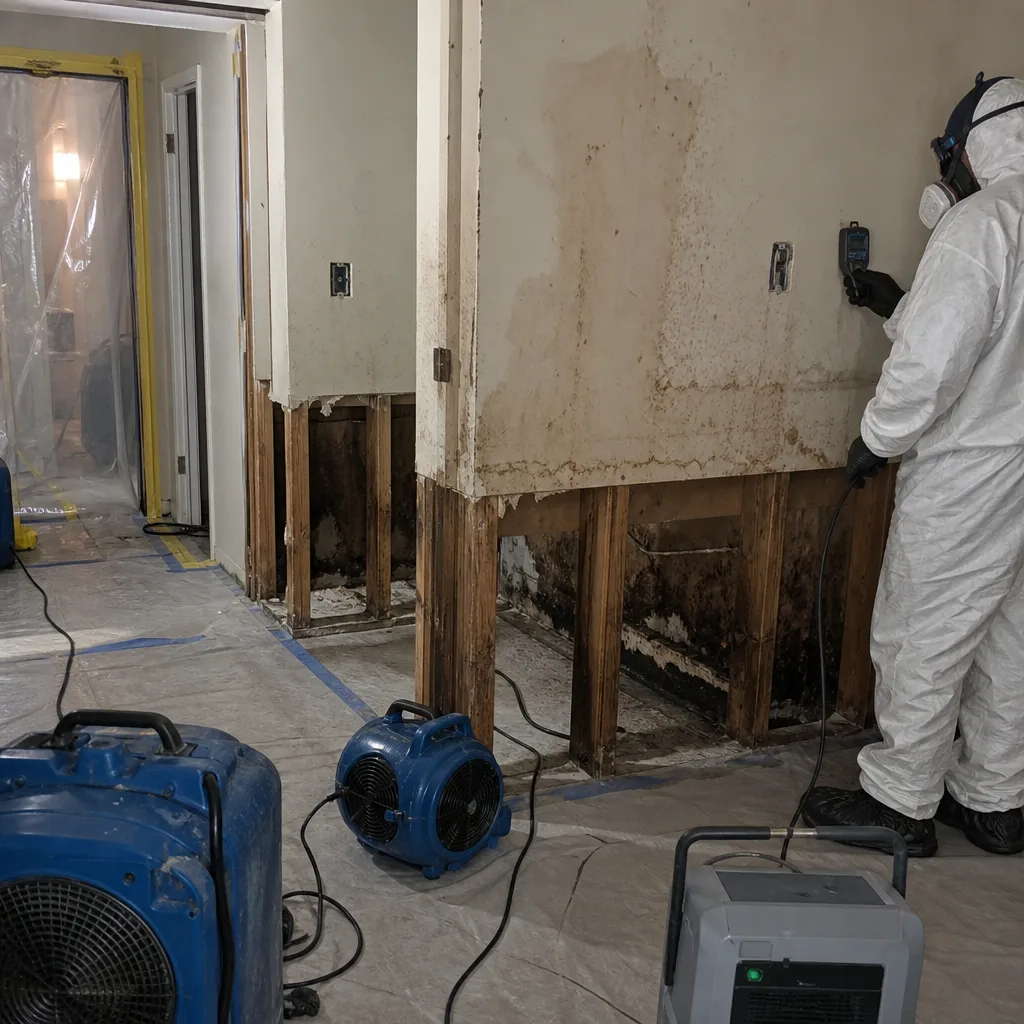 Before
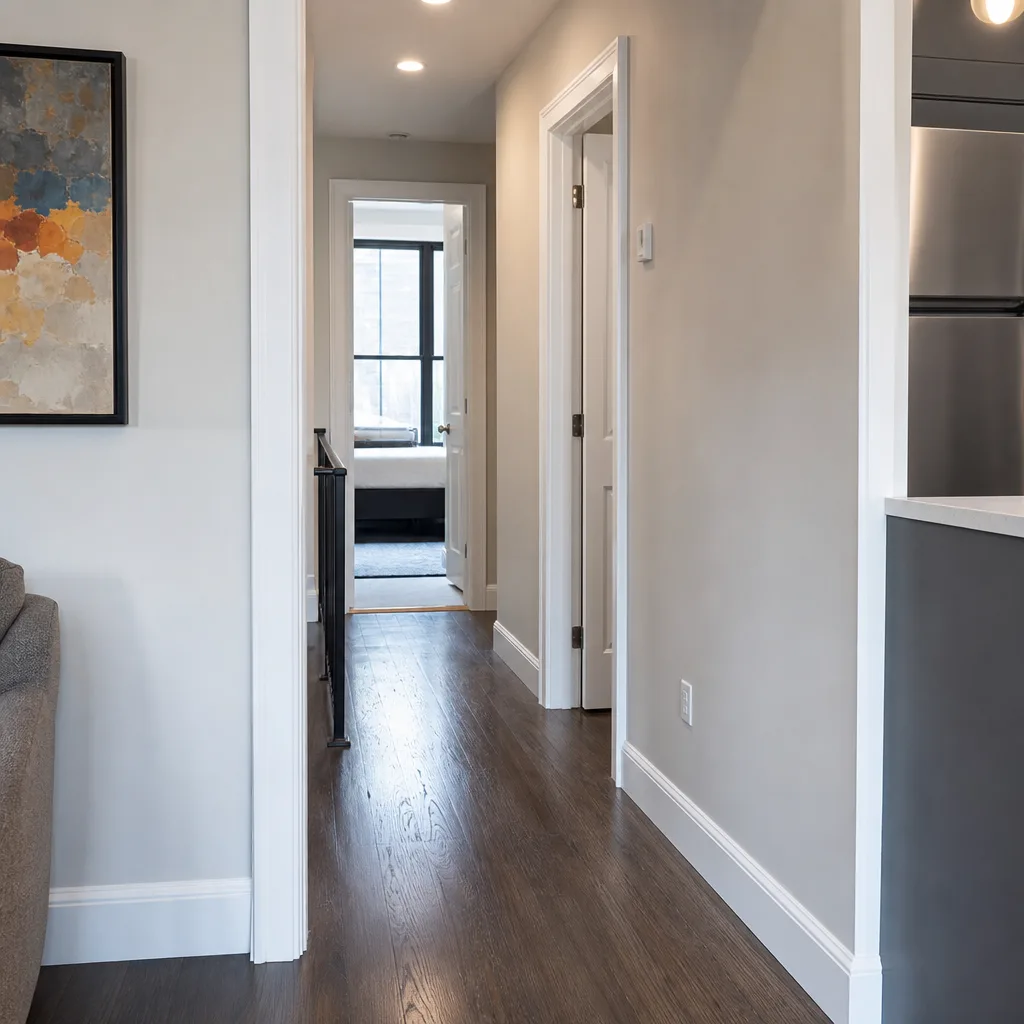 After
After24/7 Emergency Biohazard & Crime Scene Cleanup in Flatbush
When a biohazard event happens in a Flatbush home, the first call needs to reach a live person who can act. We answer the phone 24 hours a day at (917) 924-4221, and our Biohazard & Crime Scene Cleanup crews reach Flatbush addresses fast, usually within 45 minutes of your call. Blood, bodily fluids, sewage, and unattended death scenes cannot wait. The longer biological material sits inside a Flatbush rowhouse or basement apartment, the deeper it penetrates into original plaster walls, wood subfloors, and shared building cavities. The first hour determines whether the loss stays contained or spreads into structural remediation. If you are standing in a basement on East 21st Street right now, watching sewage back up through a floor drain, call us. We will walk you through the first steps while a crew heads your way.
Understanding Biohazard & Crime Scene Cleanup Severity in Flatbush Properties
Not every biohazard call in Flatbush carries the same severity, but the neighborhood’s housing stock raises the stakes on nearly all of them. A Category 3 water loss, what the industry calls black water, contains pathogens from sewage, and it demands full PPE, containment, and antimicrobial treatment before drying can even begin. In Flatbush, that Category 3 water routinely enters homes built between 1910 and 1935, moving through original plaster-on-lath walls and sitting against shared brick party walls. Newer drywall wicks and dries predictably. Flatbush’s plaster and old-growth framing do not. Moisture hides behind lath, trails along cast-iron drain stacks, and travels into the neighbor’s wall cavity through mortar joints. That is why a basement backup on a row of attached homes on Cortelyou Road or Flatbush Avenue is never a one-unit job. We classify every biohazard loss by the water or biological material’s category, the building’s construction type, and the exposure path through shared structures. An unattended death scene in a second-floor bedroom of a wood-frame two-family home requires a different containment strategy than a hoarding cleanup in a garden-level apartment with a single exterior door. Flatbush basements are also below grade and poorly ventilated by design. Biological aerosols settle into steam-heat pipes and radiators. Without HEPA air scrubbing and containment, the smell and the contamination return weeks later.
Why Flatbush Property Owners Choose Floodline Restoration Co. of Manhattan
- 45-minute response commitment to Flatbush. Our dispatch board tracks crews by current location, not by zone, so a certified technician already working in or near Flatbush reaches your door fast. We do not quote response times we cannot keep.
- A real person answers, 24/7. You will never reach a recording when you call (917) 924-4221 at 2 a.m. A live dispatcher picks up, asks the right questions, and gets a crew moving.
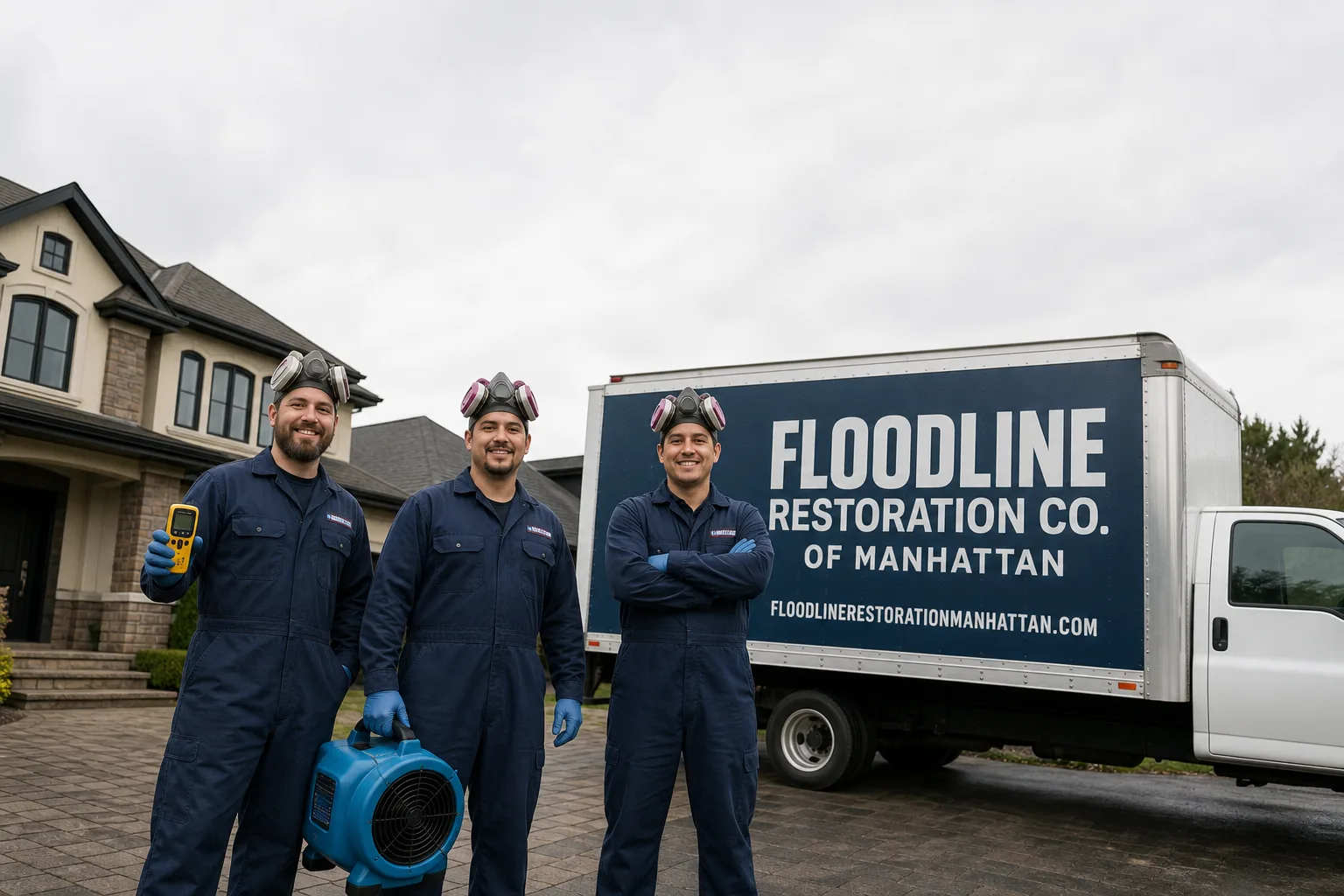
- IICRC-certified crews with WRT and AMRT training. Biohazard and Category 3 water jobs demand water restoration technician and applied microbial remediation certification. Every crew member on a Flatbush biohazard call carries that training, and we are also trained to RIA and IFA standards.
- Free visual inspection. Before any equipment comes off the truck, we assess the scene, identify the contamination path, and give you a clear written scope. No one starts cutting or treating before you understand what we found.
- Direct insurance billing. We document everything from the first hour, speak directly with your adjuster, and bill your carrier. You are never the messenger between us and the insurance company.
- One team from extraction to reconstruction. Floodline Restoration Co. does not hand your job off to a third-party rebuild contractor. The same certified crew that sets containment also handles the repair and reconstruction when the time comes.
Our Biohazard & Crime Scene Cleanup Process
Inspection & Assessment
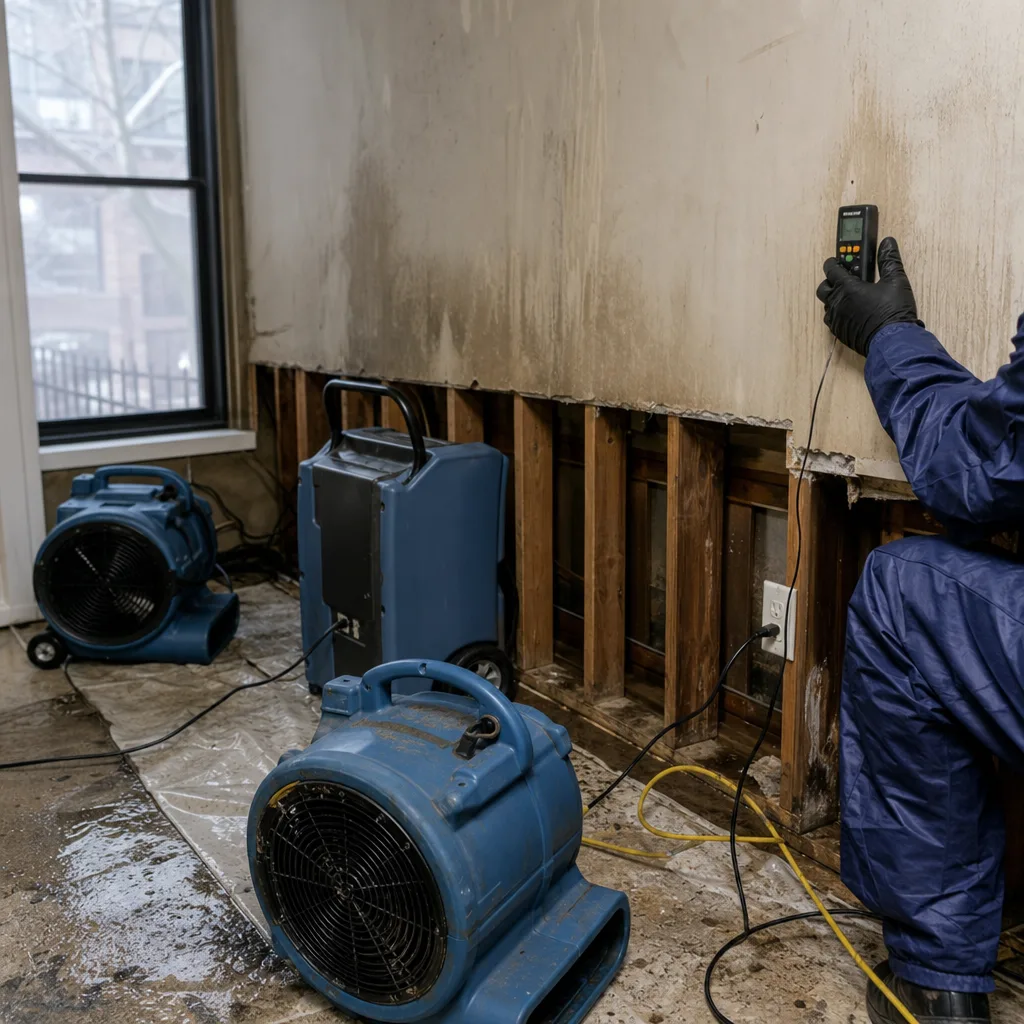
We walk the full affected area in Flatbush, including shared walls, stairwells, and below-grade spaces. Thermal imaging and moisture meters tell us where biological material has traveled inside plaster, framing, and flooring. We identify the contamination category and build the containment plan around the building’s actual layout.
Containment & Source Control
Before remediation starts, we seal the affected zone with negative air pressure and HEPA air scrubbers. In an attached Flatbush rowhouse, this step includes checking for shared cavities and notifying adjacent occupants when contamination has crossed the wall line.
Removal & Stabilization
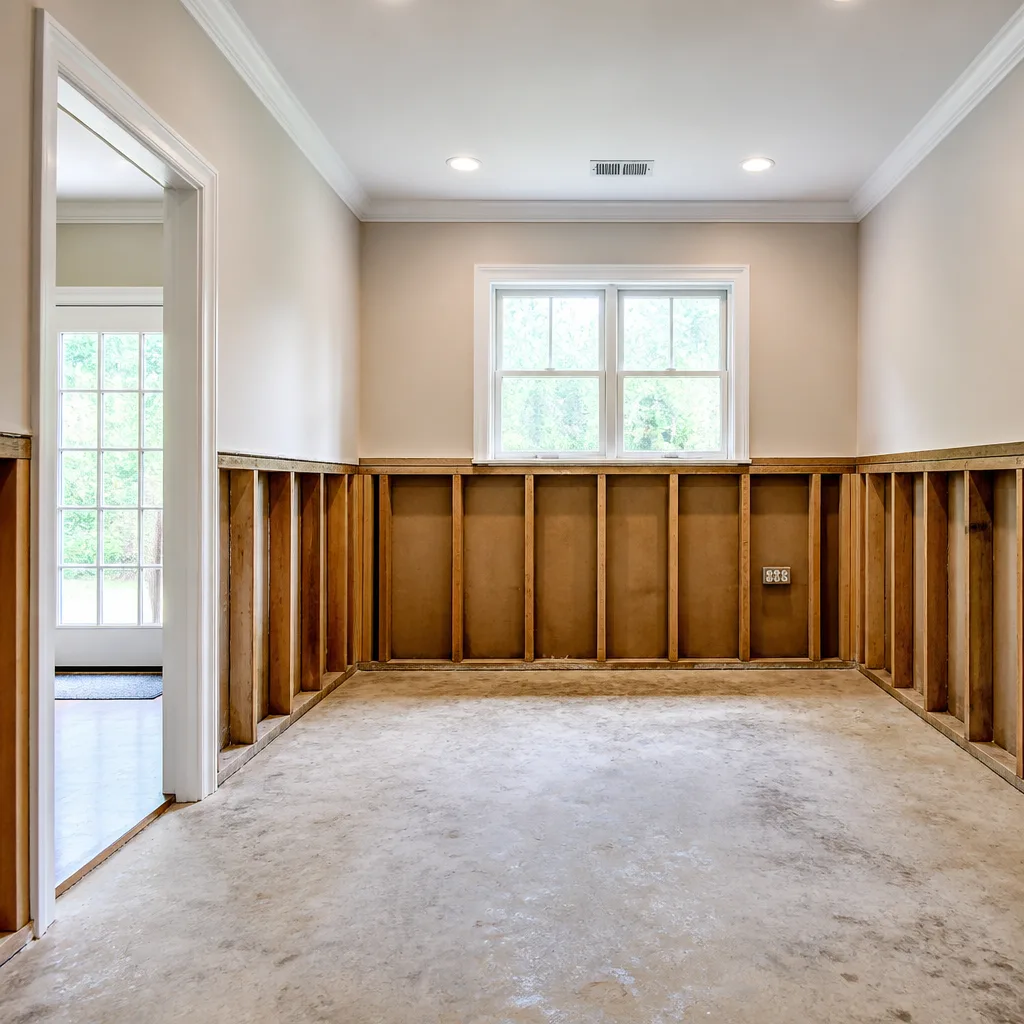
Saturated carpet, pad, porous furniture, and contaminated drywall or plaster come out under controlled conditions. Sewage and bloodborne pathogens are removed at the source, not merely covered. All material is bagged, labeled, and disposed of under New York State biohazard waste rules.
Cleaning & Antimicrobial Sanitization
Hard surfaces are cleaned with hospital-grade antimicrobial agents. We treat stud cavities, subfloors, and masonry with enzyme-based treatments where organic matter has penetrated. This is where a Flatbush basement job differs from a modern suburban build, old plaster and brick need more aggressive treatment, then verification.
Drying & Dehumidification
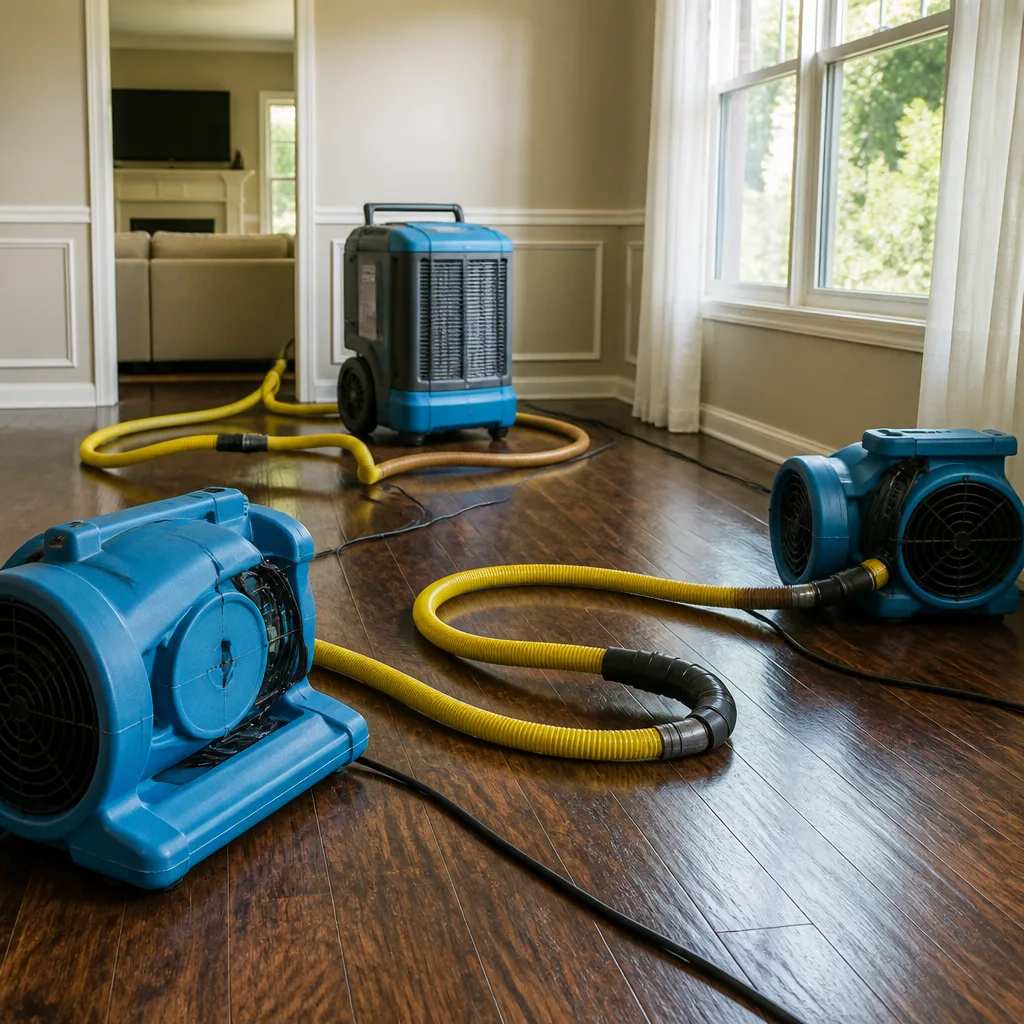
We place Dri-Eaz and Phoenix dehumidifiers with XPOWER air movers, and monitor daily with hygrometers. Flatbush’s plaster-on-lath construction releases moisture slowly, so we run drying equipment longer than a drywall job would require, and we log readings until the dry standard is met, not guessed at.
Repairs & Restoration
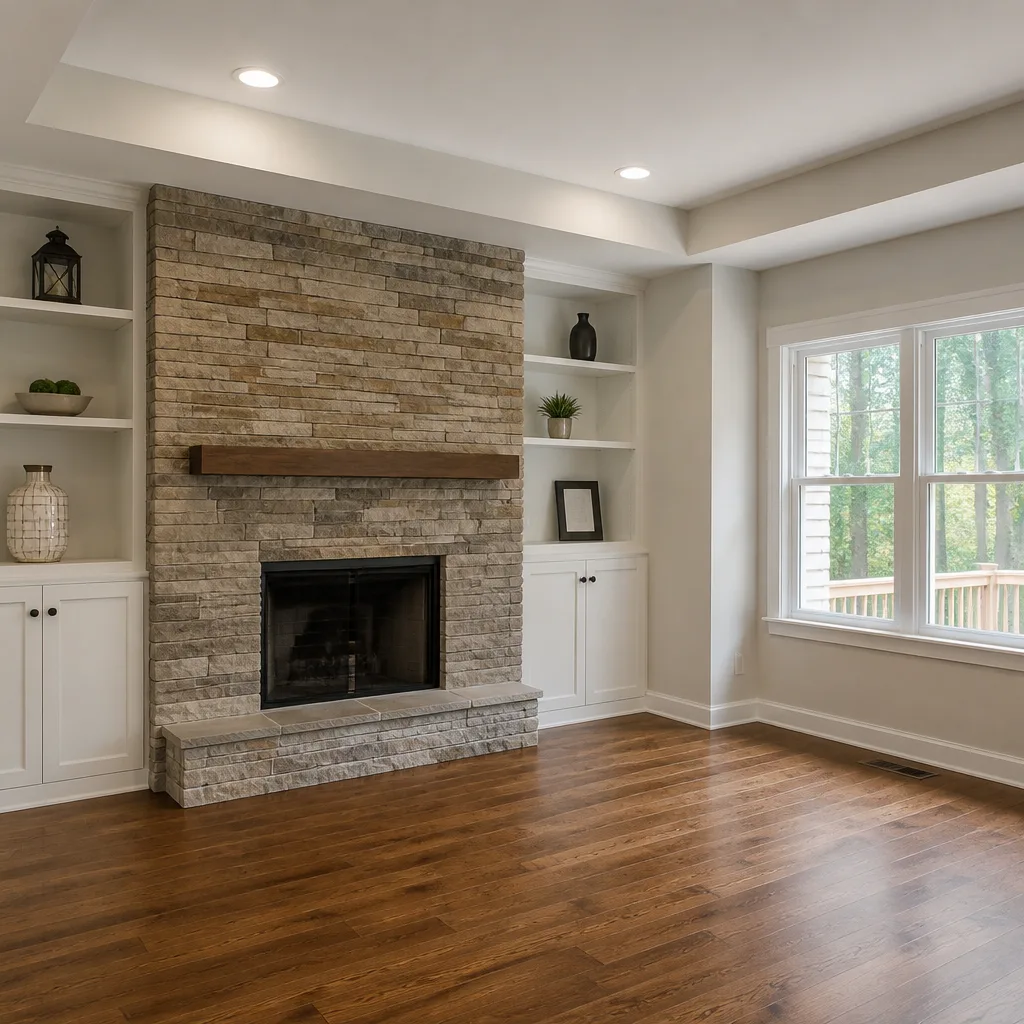
Once the affected area passes clearance verification, the same Floodline Restoration Co. crew rebuilds what came out. Drywall, plaster patching, flooring, paint, and trim. The job does not get handed off, and the 90-Day Done Right Promise covers it in writing.
Need Emergency Biohazard & Crime Scene Cleanup in Flatbush Now?
Crews minutes away, answering live 24 hours a day. The sooner we start, the less it costs.
Working With Your Insurance Company
Biohazard and sewage losses in Flatbush are usually covered losses, but carriers move on documentation. We start building the claim file during the first walkthrough. Our technicians photograph every affected room, log moisture readings and drying records, and write a line-item scope that your adjuster can verify. We also coordinate directly with your carrier, so you do not spend your day on the phone with a claims department. If your Flatbush basement apartment has a sewage backup that also affected the adjacent rowhouse, that documentation becomes the legal difference between a covered loss and a dispute. We provide it all, from the first hour through final repair.
What We Provide Your Insurer
- Thorough documentation of the loss
- Photos of all damage, room by room
- Moisture readings and drying logs
- A detailed, line-item scope of work
- Direct coordination with your carrier
Built for Flatbush’s Loss Calendar
Flatbush does not have a single biohazard season. The losses change with the calendar. January deep freezes burst supply lines inside uninsulated exterior walls of 1920s rowhouses, sending clean water through plaster and then turning it into a secondary mold risk if not dried fast. Spring thaw raises the groundwater table across the neighborhood’s flat glacial-outwash topography, and hydrostatic pressure pushes against old foundation walls already cracked by decades of freeze-thaw cycling. Summer thunderstorms overwhelm New York City’s combined sewer system, and the same low-lying blocks near Flatbush Avenue and the Junction see repeated sewage backups into basement apartments. Nor’easters in fall and early winter bring the same pattern, but heavier. The real Flatbush difference is the below-grade finished basement. Tens of thousands of them exist here, and during any significant rain event, multiple homes on the same block can push sewage through floor drains at the same time. That is why our crews keep Category 3 PPE and enzyme treatments staged for Flatbush specifically, not as a generic van stock. The same blocks tend to go first, and we know which ones they are.
Biohazard & Crime Scene Cleanup Across Flatbush’s Neighborhoods
Response in Flatbush means navigating a tight grid of one-way streets, double-parked cars, and narrow alley approaches. We know the routes that still work during a nor’easter, when Church Avenue and Flatbush Avenue slow to a crawl. The housing stock changes block by block. Along the East 21st Street corridor, finished basement apartments sit below grade in attached rowhouses, which is where our crews see the most shared-lateral sewage backups. Around Ditmas Park, large Victorian wood-frame homes have original plaster walls and detached garages, meaning slower drying and more careful containment around ornate trim that homeowners want preserved, not demoed. The blocks near Brooklyn College run to brick rowhouses with garden-level rentals and shared drain stacks, so a blood or bodily fluid cleanup in one unit often means checking the neighbor’s wall cavity for contamination that traveled through the party wall. Over by Prospect Park’s southern edge, the larger pre-war apartment buildings have central drains and cast-iron stacks that carry contamination vertically, not horizontally. Every one of these conditions changes where we set containment, how long we run HEPA scrubbing, and what documentation we give the owner and the carrier. A national franchise template will not tell you that. We just told you.
Specialized Biohazard & Crime Scene Cleanup Services We Offer in Flatbush
Blood & Bodily Fluid Cleanup
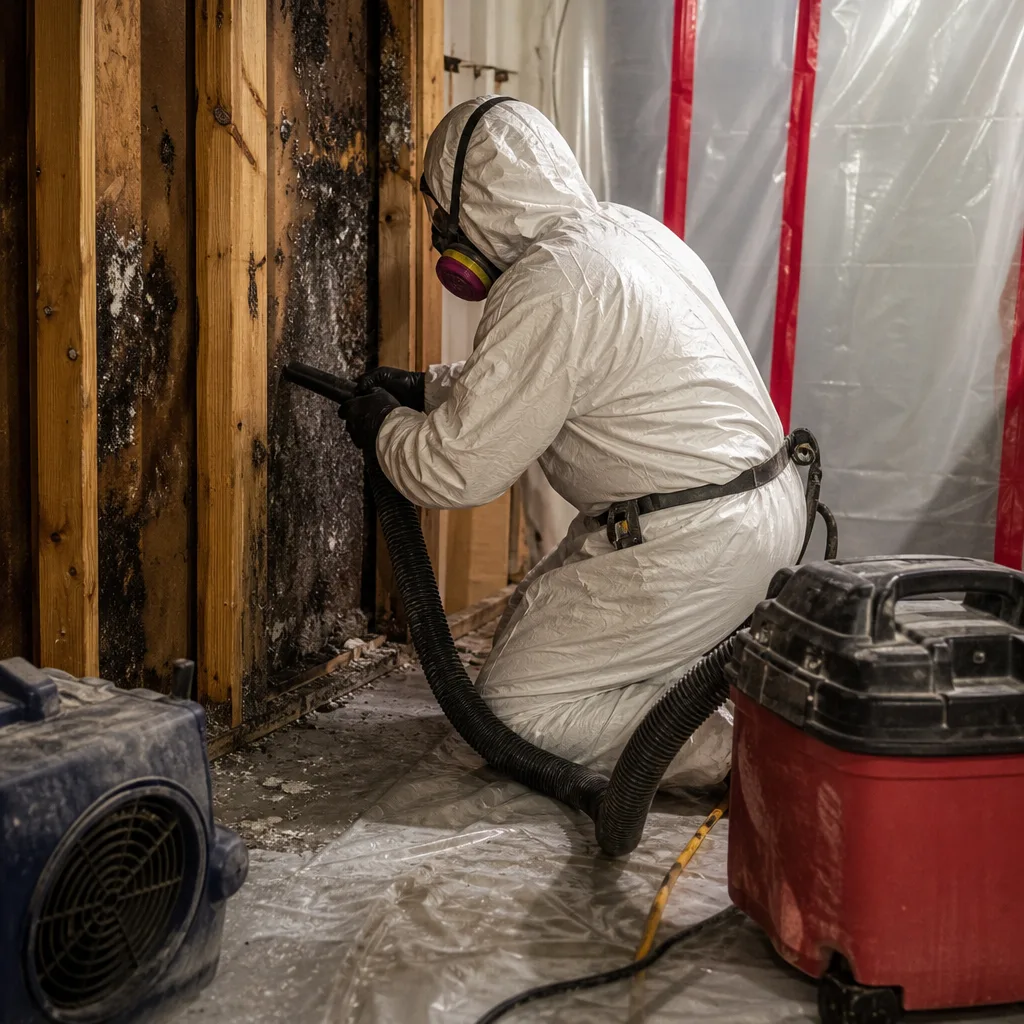
Blood and bodily fluids in a Flatbush apartment or rowhouse require OSHA-compliant cleanup under bloodborne pathogen standards. We remove contaminated porous materials, treat hard surfaces with appropriate disinfectants, and bag all waste for proper disposal. In an attached building on a street like Rugby Road, that also means checking whether fluid has seeped through shared floor joists into the unit below.
Infectious Disease Disinfection
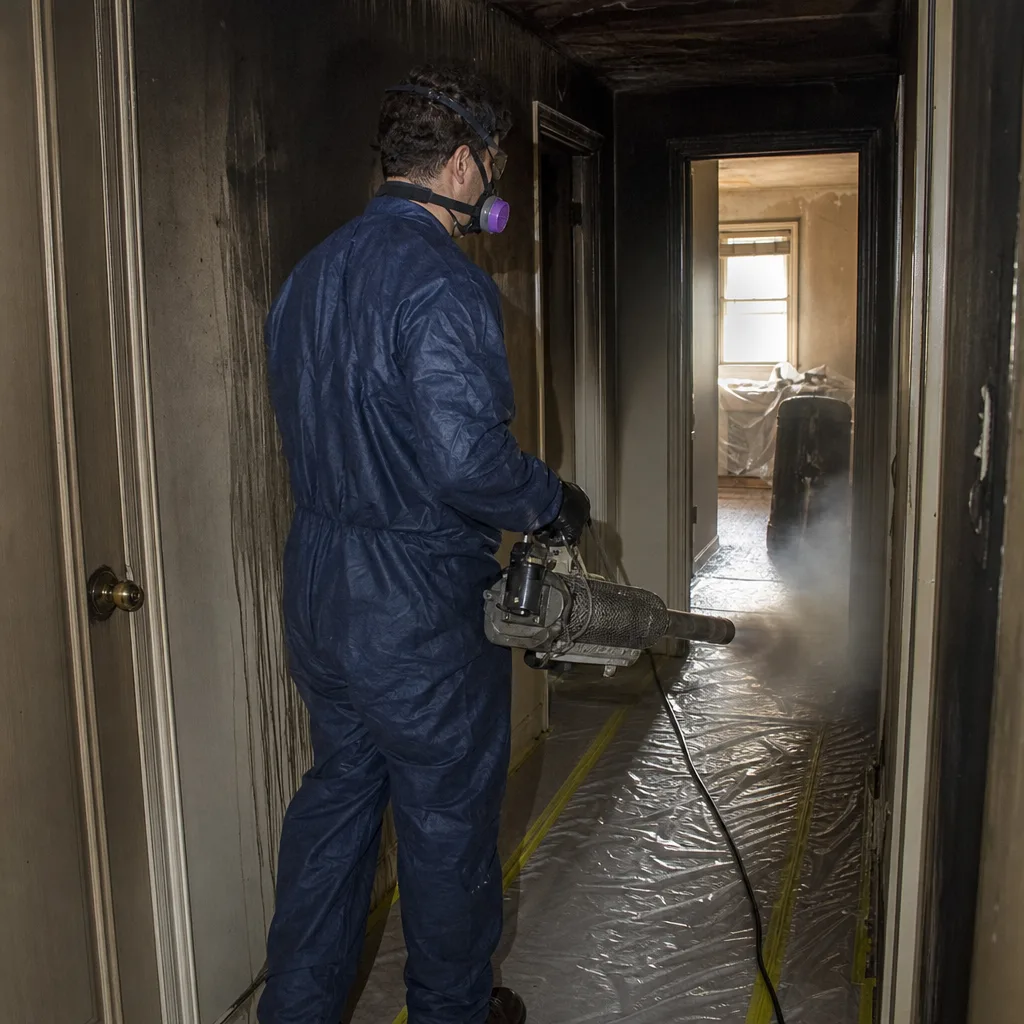
When a home has been exposed to a reportable infectious disease, surface cleaning alone is not enough. We fog affected rooms with EPA-registered disinfectants, scrub high-touch surfaces, and run HEPA air scrubbers to pull residual aerosols from the air. Flatbush homes with radiators and old ductwork need this extra step, because pathogens settle into those systems and recirculate for weeks.
Trauma & Unattended Death Cleanup
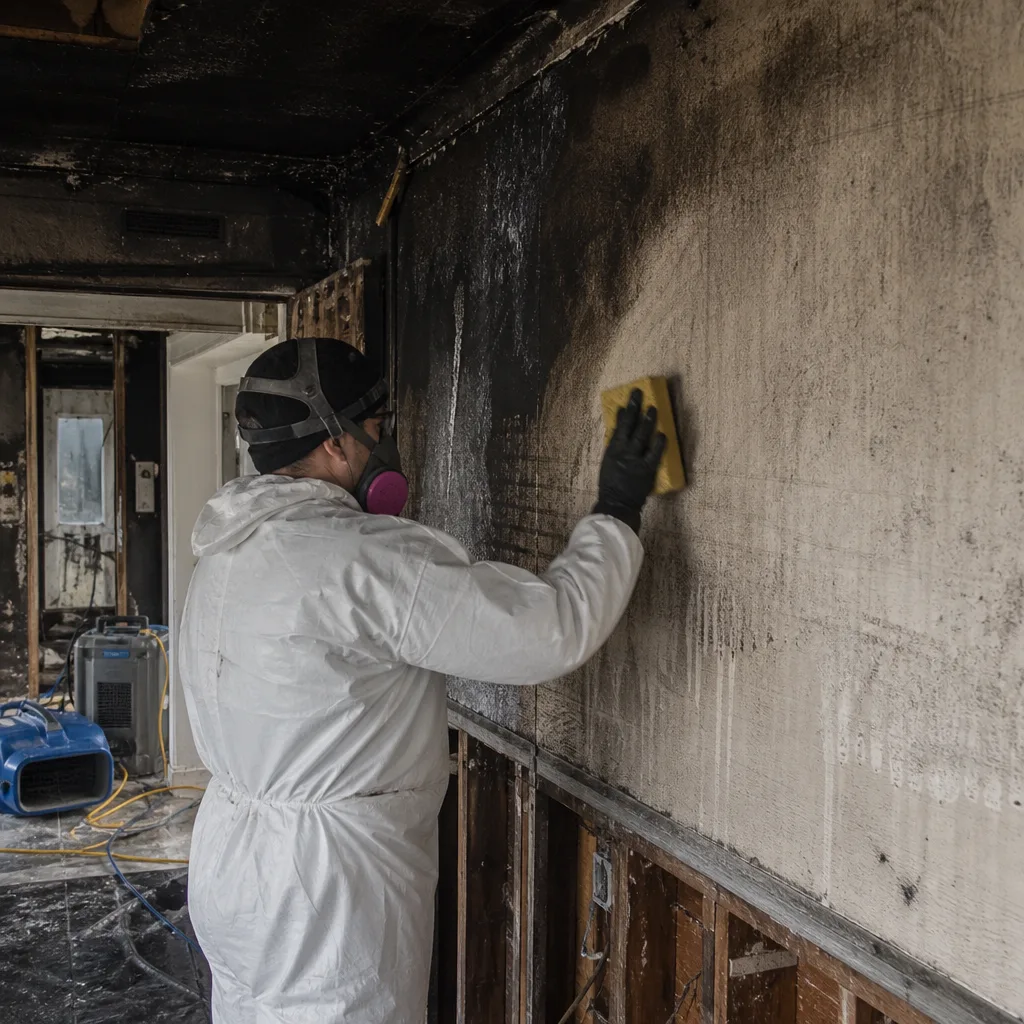
We handle these calls with the same technical rigor as any Category 3 loss, but with an awareness that the person on the other side of the door is often a family member. Containment, removal of affected materials, enzyme treatment for odor, and air scrubbing until the space is safe. In a Flatbush two-family home, we also coordinate with any tenants who may have been exposed, and we document everything for the property owner’s insurance claim.
Hoarding Cleanup
Flatbush hoarding situations often involve garden-level apartments with one narrow entrance and decades of accumulated material blocking the windows. We clear the space methodically, separate salvageable items from biohazard-contaminated waste, and work with the owner on what stays and what goes. The process is slower than a standard cleanup, and that is the point. Rushing a hoarding job buries important items and leaves contamination in the walls.
Sewage Backup (Category 3 Water)
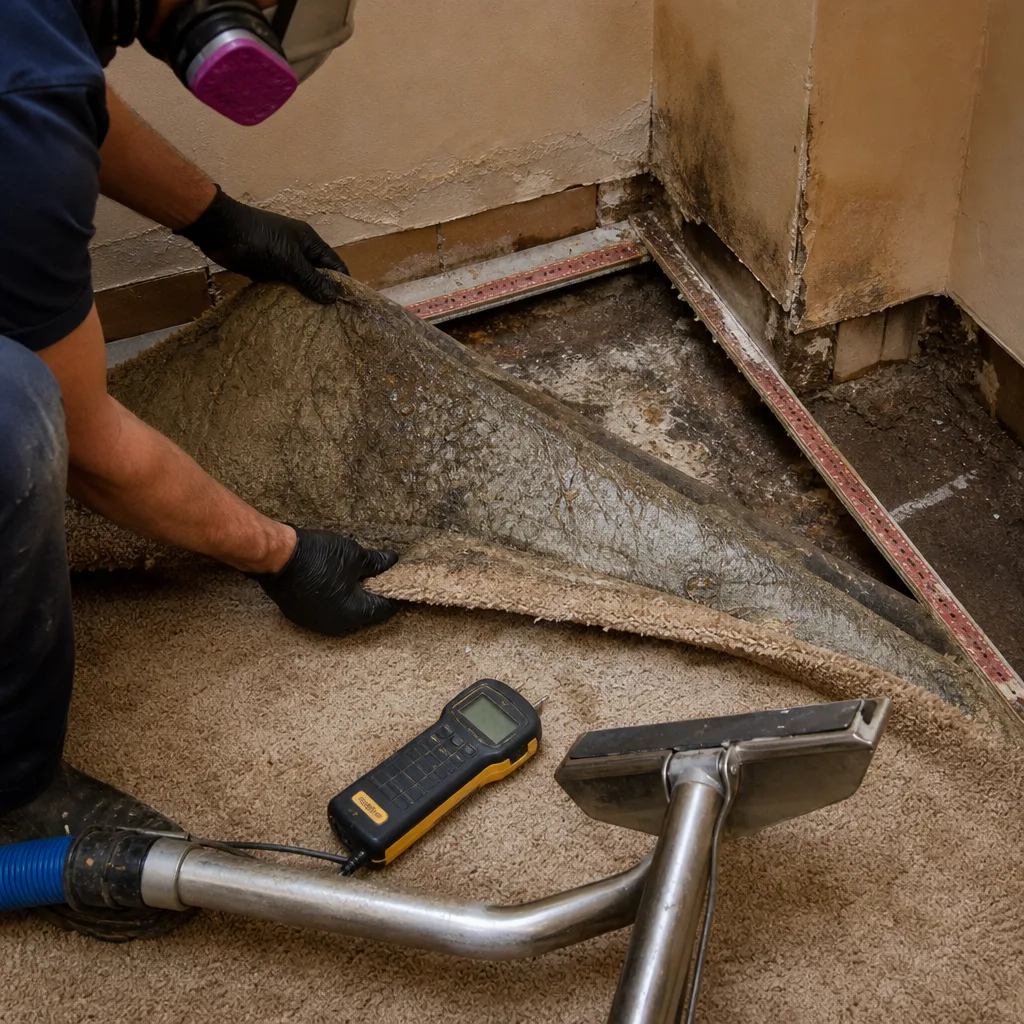
This is the most common serious biohazard call in Flatbush, and the most commonly under-treated. A basement floor drain that backs up during heavy rain is not a mop-up job. It is Category 3 black water, and it requires full PPE, containment, and antimicrobial treatment before drying starts. In attached rowhouses, the contamination also travels under shared footings and into neighboring basements. We have seen this exact pattern on block after block near the East 21st Street corridor.
What happens when you call
- 1
A real person answersNo phone trees - you reach a local pro.
- 2
You get an upfront price rangeHonest numbers before anyone is dispatched.
- 3
A background-checked tech heads outLicensed & insured, dispatched right away.
- 4
You approve before work beginsNothing starts until you say go.
Biohazard & Crime Scene Cleanup Costs in Flatbush, NY
Blood and bodily fluid cleanup in a Flatbush apartment typically runs $1,200 to $3,500, depending on the size of the affected area and whether contamination reached subfloor or wall cavities. An unattended death scene with odor remediation and enzyme treatment commonly lands between $2,500 and $6,000. Sewage backup cleanup in a finished basement starts around $2,000 for a single room and climbs toward $8,000 to $12,000 when a full basement apartment needs flooring removal, drywall cutting, and structural drying. Hoarding cleanups are bid by volume and complexity, usually $3,000 to $10,000 or more in Flatbush’s garden-level apartments. What moves the price: the age of the building, whether contamination crossed a shared wall, the number of affected rooms, and how long the biological material sat before we arrived. Most Category 3 and crime scene losses are covered by homeowner’s insurance. We provide a free visual inspection, write a firm scope before any work begins, and bill your carrier directly. Call (917) 924-4221 and we will look at it at no cost to you.
We Also Serve Cities Near Flatbush
Floodline Restoration Co. of Manhattan provides biohazard and crime scene cleanup across the surrounding area, including Fairview, Harrison, East Bronx, and Hunts Point. If your property sits just outside Flatbush proper, the same live dispatch, certified crews, and direct insurance billing still apply.
Flatbush Biohazard & Crime Scene Cleanup Questions, Answered
Does a sewage backup in a Flatbush basement apartment always require full biohazard cleanup?
Yes, if the water came from a sewer line or floor drain. That is Category 3 black water, and it carries bacteria, viruses, and parasites regardless of how clear it looks. In a Flatbush basement apartment with finished walls and flooring, skipping full biohazard protocols leaves pathogens inside the wall cavity and under the floor, where they stay active for weeks. Call (917) 924-4221 and we will assess it properly.
Why do Flatbush rowhouse basements flood with sewage during heavy rain?
Flatbush sits on New York City’s combined sewer system, where stormwater and raw sewage share the same pipes. During heavy nor’easters or summer thunderstorms, the system overloads and sends mixed sewage backward through the path of least resistance. In many Flatbush blocks, that path is the original clay-tile laterals from the 1910s and 1920s, now cracked and root-clogged, leading into below-grade basement apartments. The result is a Category 3 backup that repeats on the same blocks every few years.
How fast can mold grow after a biohazard spill in a Flatbush basement?
In a Flatbush basement with steam heat and no dehumidification, mold can begin colonizing within 24 to 48 hours after a biohazard spill. The plaster-on-lath walls and old wood subfloors in these pre-war homes hold moisture longer than modern drywall, which pushes the real timeline even shorter. That is why we start drying and antimicrobial treatment on the first visit, not days later.
Do I need to worry about lead or asbestos during a Flatbush biohazard cleanup?
Yes. Most Flatbush homes built between 1900 and 1940 contain lead paint and asbestos in floor tiles, pipe wrap, or plaster additives. If a biohazard cleanup requires cutting into walls or pulling up flooring, EPA RRP rules and asbestos testing may apply before we disturb those materials. We handle that compliance as part of the job, and we will tell you up front if it adds time or cost to the scope.
What happens if a biohazard cleanup in one rowhouse affects my neighbor’s unit?
This happens more often in Flatbush than almost anywhere else, because attached rowhouses share wall cavities, floor joists, and sometimes a single sewer lateral. If contamination from your unit traveled into a neighbor’s space, we document the path, coordinate with the adjacent owner, and coordinate with both insurance carriers. NYC housing rules also require tenant notification when a multi-unit building is affected. We handle that coordination so you do not have to manage it alone.
How quickly can a crew actually reach my Flatbush address?
Our dispatch board tracks crews by current location, and biohazard calls receive priority. Most Flatbush residents see a certified technician within 45 minutes of calling (917) 924-4221. A live dispatcher answers, confirms the address, and sends the closest available crew. We are not an answering service that forwards a message to a scheduler in another time zone. The person who picks up is the person who sends help.
Can we stay in our Flatbush home during the cleanup?
It depends on the contamination type and where it sits. For a contained Category 3 sewage backup in one basement apartment, the upper floors may be safe to occupy with containment in place. For a bloodborne pathogen scene or an infectious disease disinfection, we generally recommend vacating the affected unit until clearance is complete. We will give you a straight answer during the inspection, not a guess.
What should I do in the first 30 minutes after discovering a biohazard spill?
First, keep people and pets away from the affected area. Do not try to mop sewage or blood, and do not run a household fan, which spreads aerosols. If the source is an active sewage backup, shut off water to the affected fixture if you can do so safely. Then call (917) 924-4221. A live dispatcher will talk you through immediate steps while a crew heads toward Flatbush. The first 30 minutes decide whether the contamination stays in one room or spreads through the building.
Serving Flatbush, NY - Our Local Coverage Area
We’re based in the Flatbush area and know this community well. Use the map below to see our service coverage - if you’re nearby, we can almost certainly help.
Contact Our Flatbush Biohazard & Crime Scene Cleanup Team
If you are dealing with a biohazard situation in Flatbush, you are not waiting on an answering service. You are talking to a dispatcher who can send a certified crew to your block now. Curt Bowman founded Floodline Restoration Co. in 2010 around a simple idea: answer the phone with a person, get the crew there fast, and stand behind the work in writing. That is the 90-Day Done Right Promise, and it applies to every biohazard cleanup we perform in Flatbush. No mid-job handoffs. No unexplained bills. No phone tag with an adjuster. Call (917) 924-4221 for a free estimate, and we will be there when we say.
Written by Curt Bowman, Owner at Floodline Restoration Co., serving Flatbush and surrounding communities.