
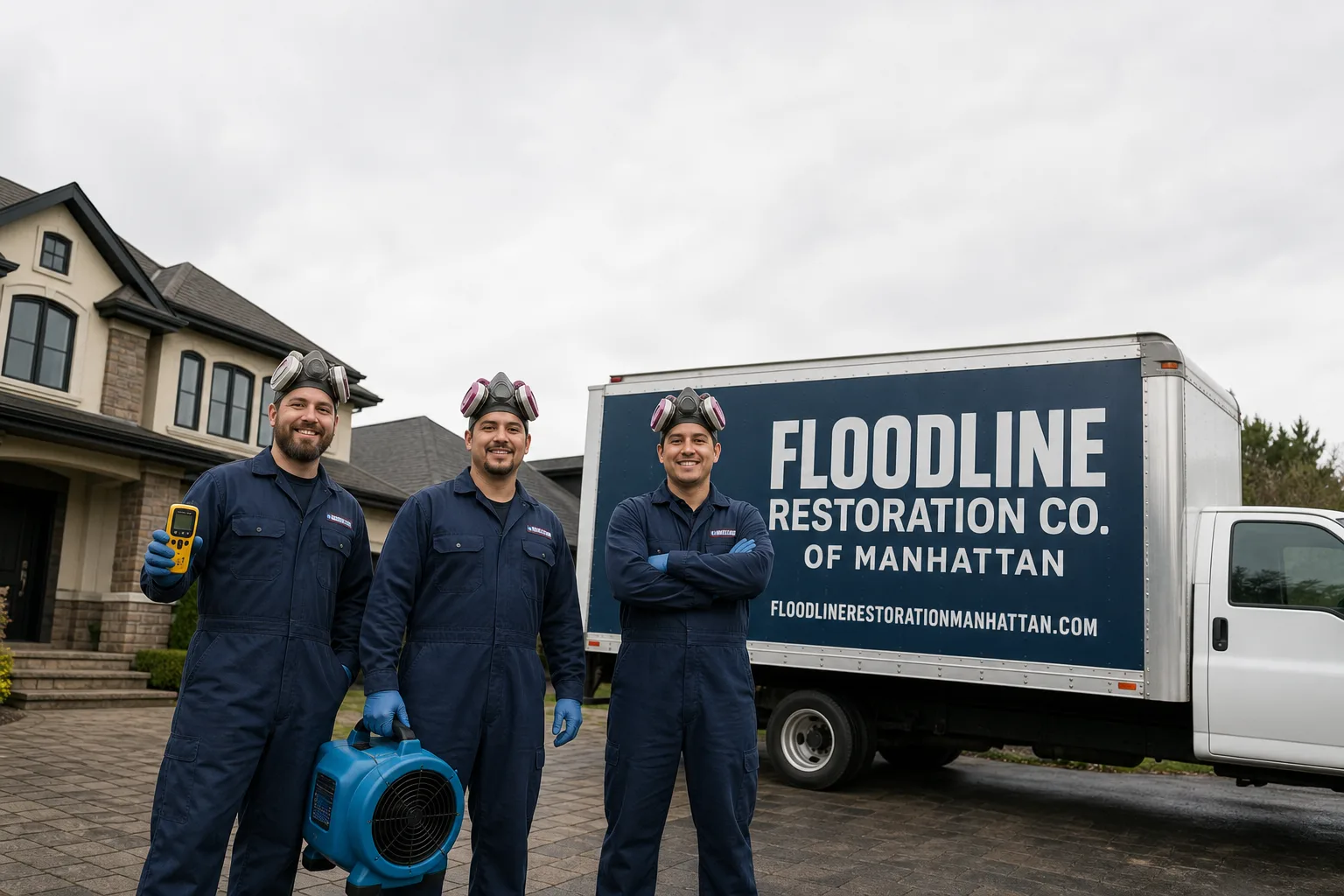
Free visual inspection and a written scope of work before any mitigation begins - photos, moisture readings, and drying logs go in your claim file
The scope we write is the scope we bill. Anything new gets shown to you, in writing, before we touch it.






 Before
 After
After Before
 After
After Before
 After
After24/7 Emergency Biohazard & Crime Scene Cleanup in Flatlands
Crime scene and trauma cleanup in Flatlands requires fast, discreet, and medically sound handling that respects both the scene and the people who remain. Our Biohazard & Crime Scene Cleanup crews are available around the clock, and a live dispatcher answers every call, including calls that come in at two in the morning. When you call (917) 924-4221, you reach a person who can dispatch a background-checked, uniformed team to any address in Flatlands the same visit. Blood, bodily fluids, and decomposition byproducts begin penetrating porous materials like drywall, concrete, and carpet within hours, not days. The first hour is when containment matters most, before airborne particles migrate through the home’s ventilation or into the attached spaces common in Flatlands’s postwar brick homes.
Understanding Biohazard & Crime Scene Cleanup Severity in Flatlands Properties
In most of Flatlands, the decisive variable is not just what happened at the scene, but what the building itself is doing underneath it. The neighborhood’s 1950s-to-1970s one- and two-family brick homes sit on former tidal marshland with high water-table soil, and finished basements there are chronically damp even on dry days. That means biological material on a concrete slab or behind drywall behaves differently than it would in a higher-ground Brooklyn neighborhood even a mile away. Blood and decomposition fluids can rehydrate in porous concrete, wicking below the visible surface and reactivating bacteria days after a surface wipe-down if the slab is not moisture-mapped and dried below 15 percent. Same story with finished walls: a post-Sandy cosmetic repair that never addressed the original groundwater intrusion can conceal a hidden cavity that absorbed biohazard material. Proper assessment in Flatlands starts with hygrometer and thermal-imaging readings, not a rag and a spray bottle. If the moisture log shows 20 percent or higher in studs, drywall, or slab, we treat those materials as Category 3 water, meaning removal and disposal rather than drying in place.
Why Flatlands Property Owners Choose Floodline Restoration Co. of Manhattan
- 45-minute response commitment. A live dispatcher confirms the job, and crews already staged in the Brooklyn area reach Flatlands addresses fast, including the blocks between Flatbush Avenue and Ralph Avenue.
- 24/7 live answer, never a machine. Calls at 2 a.m. reach a person who can dispatch. No recorded prompts, no call center runaround.
- Certified and trained crews. Technicians hold IICRC, RIA, and IFA certifications, including WRT and AMRT designations relevant to water and biohazard contamination work.
- Free visual inspection. We assess the scene at no cost so you understand the scope before any work is approved.
- Direct insurance billing. We photograph everything, document the loss room by room, and bill your carrier directly. You never play messenger between us and the adjuster.
- One team from start to finish. The same Floodline Restoration Co. crew that contains the scene also handles drying, sanitization, and reconstruction. No mid-job handoff.
Our Biohazard & Crime Scene Cleanup Process
1. Inspection & Assessment
We arrive at the Flatlands property and conduct a full visual and moisture assessment, including hygrometer readings of concrete slabs and lower wall cavities. Because groundwater seepage is common here, we read the building before we touch the scene.
2. Containment & Stabilization
We set up full containment with negative air pressure and HEPA air scrubbers, typically Dri-Eaz or Phoenix units, before any materials are disturbed. In attached homes, we seal party-wall gaps and soffit penetrations so biohazard particles don’t migrate into a neighboring unit.
3. Extraction & Drying
Blood, fluids, and any water from cleanup or groundwater intrusion are extracted using professional-grade equipment. We run dehumidifiers and air movers until moisture logs show the dry standard is met, including below 15 percent in concrete where biohazard material was present.
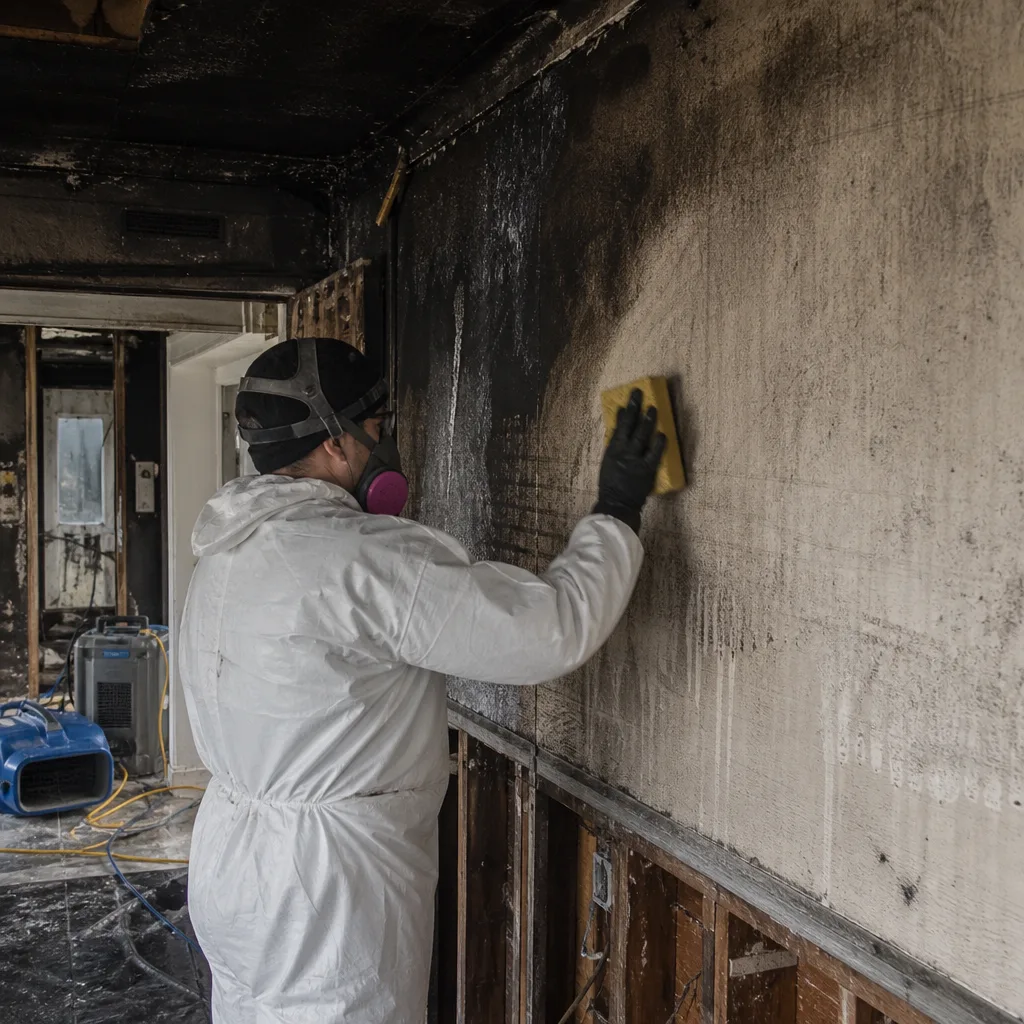
4. Cleaning & Sanitization
Affected surfaces are cleaned with hospital-grade antimicrobial agents. This is done after containment is established and moisture readings are known, not as a stand-alone wipe-down that misses concealed contamination.
5. Specialty Biohazard Treatment
Where fluids penetrated drywall, carpet, padding, or block foundations, we remove the porous material as Category 3 waste, treat the exposed structure, and document every step with photos and moisture readings for your insurer.
6. Repairs & Restoration
The final phase rebuilds what we removed to pre-loss condition, using materials suited to Flatlands’s damp below-grade environment. This is covered by the 90-Day Done Right Promise, in writing.
Need Emergency Biohazard & Crime Scene Cleanup in Flatlands Now?
Crews minutes away, answering live 24 hours a day. The sooner we start, the less it costs.
Working With Your Insurance Company
Most biohazard and crime scene cleanups in Flatlands involve an insurance claim, and the faster the documentation is solid, the faster the claim moves. Our crews photograph everything before any material is disturbed, including moisture readings from the slab and lower wall cavities that show why the biohazard spread beyond the visible stain. We generate line-item scopes of work using industry-standard estimating software, and we communicate directly with your adjuster so you are not relaying questions back and forth. Where groundwater seepage contributed to the saturation of biohazard material, the documentation often supports treating the affected area as a covered water loss alongside the biohazard claim.
What We Provide Your Insurer
- Thorough documentation of the loss
- Photos of all damage, room by room
- Moisture readings and drying logs
- A detailed, line-item scope of work
- Direct coordination with your carrier
Built for Flatlands’s Loss Calendar
Flatlands does not get a quiet season. January deep freezes crack supply lines and burst pipes in uninsulated basement utility rooms. Spring thaw and the neighborhood’s naturally high water table push groundwater up through foundation walls in the lower blocks near the former marsh edge. Summer thunderstorms overwhelm the flat terrain’s poor drainage gradient, ponding water against foundation walls and pouring into basement stairwells and window wells. Nor’easters in fall and winter bring wind-driven rain that finds every crack in those 1950s and 1960s block foundations. And always in the background is what our techs call the Sandy sandwich: the original pre-2012 block wall with active efflorescence, covered by cosmetic drywall repairs that were never waterproofed, now hiding a second generation of moisture damage behind fresh paint. For biohazard work this matters because decomposition fluids and blood in a Flatlands basement don’t sit in a dry room. They sit in a room that is already damp, on a slab that is already wicking moisture, behind drywall that already has a moisture history. That changes how far contamination travels and how much material must come out.
Biohazard & Crime Scene Cleanup Across Flatlands’s Neighborhoods
The blocks east of Flatbush Avenue, where pre-1960s homes pack tightly together, present the same challenge on every trauma call: attached garages and shared party walls mean odor and airborne particles don’t respect property lines. We run negative-air containment not just in the room where the incident occurred but along any shared wall cavity. Near the Flatlands Reformed Church and the older homes around Avenue N, we see more original block foundations with chronic efflorescence, which means slab moisture readings almost always come back above the dry standard during biohazard jobs. Over in the blocks closer to Ralph Avenue and down toward the former marsh edge near Avenue K, the finished basements sit lower and wetter, and decomposition fluids move faster into porous surfaces. The 11234 zip code’s ranch-style homes, built in the 1960s and early 1970s, often have concrete slabs poured directly on the old marsh substrate. We check those slabs with thermal imaging before we decide what gets dried and what gets cut out. Across all of Flatlands, the pattern is the same: the groundwater makes a hard job harder, and the contractor who ignores it leaves a smell that comes back in three weeks.
Specialized Biohazard & Crime Scene Cleanup Services We Offer in Flatlands
Trauma & Unattended Death Cleanup
Unattended deaths in Flatlands basements are the jobs where groundwater change everything. A finished basement near Avenue L with 22 percent moisture in the slab and lower studs from chronic seepage will absorb decomposition fluids far beyond visible staining. We treat those porous materials as Category 3 and remove them, then antimicrobial-treat the foundation before reinstalling. The odor comes from what soaked in, not what is on the surface.
Blood & Bodily Fluid Cleanup
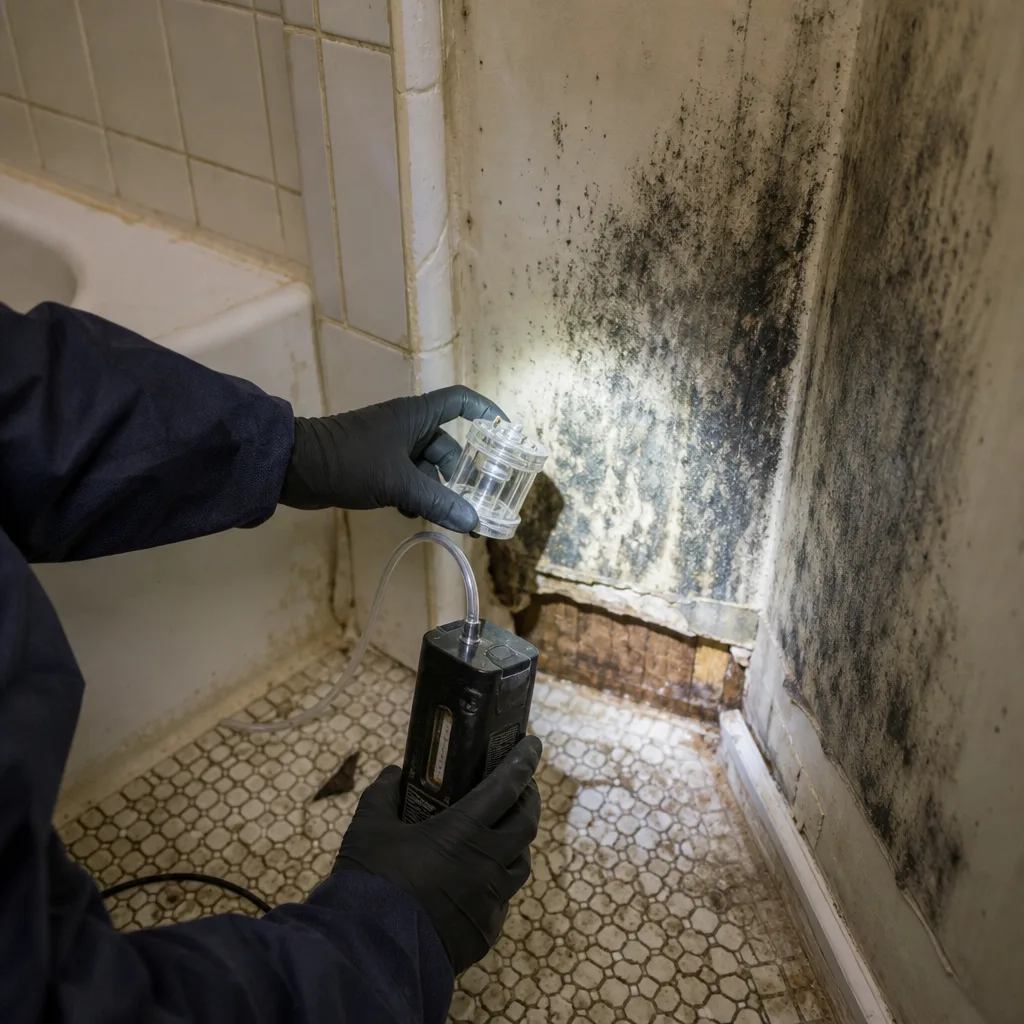
Blood on a Flatlands basement floor cannot be wiped clean if the concrete is damp from the water table. The moisture reactivates bacteria and pulls contamination deeper into the slab. We moisture-map every affected area, dry it below 15 percent, and remove any porous material that cannot be effectively decontaminated.
Infectious Disease Disinfection
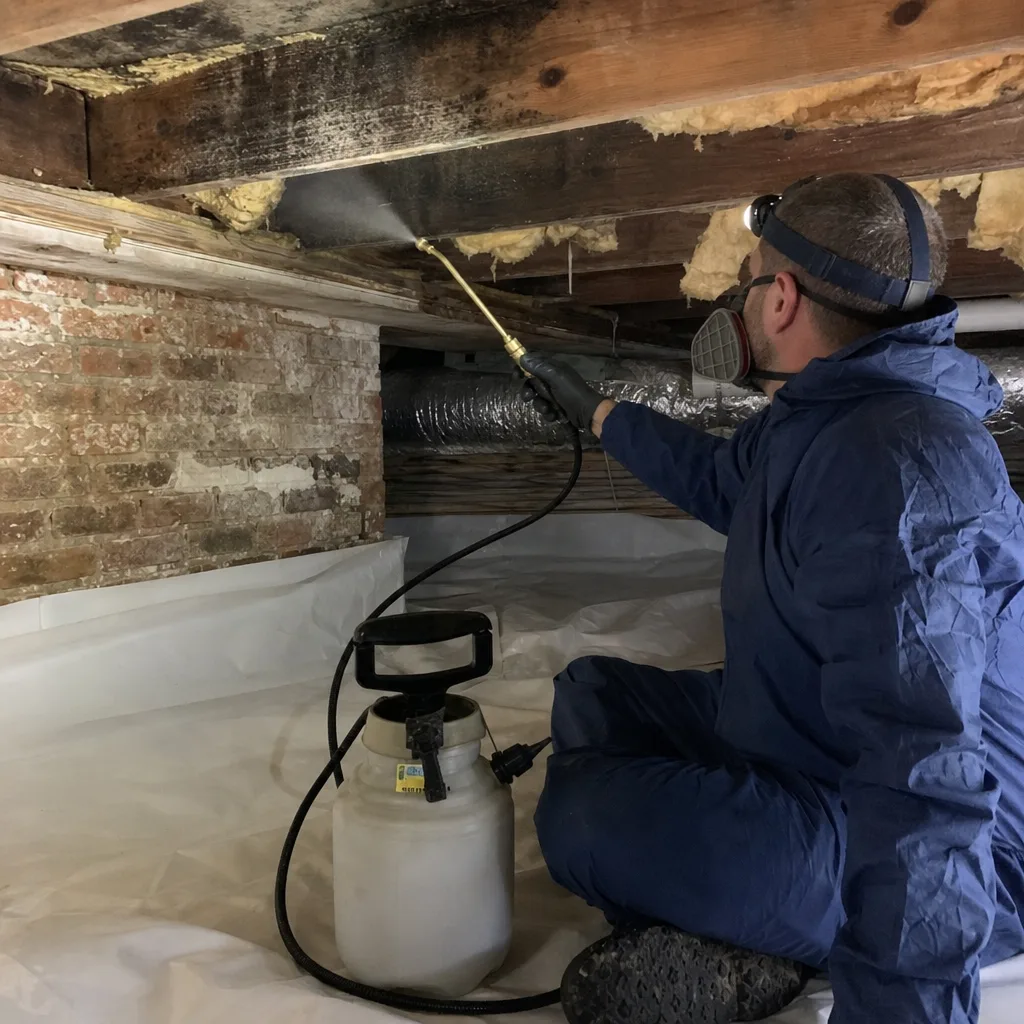
After a confirmed or suspected infectious disease event, our crews apply hospital-grade disinfectants under containment using HEPA-filtered negative air machines, typically Dri-Eaz or XPOWER units. High-humidity basements common in Flatlands require longer dwell times, and we verify with ATP surface testing before we release the area.
Hoarding Cleanup
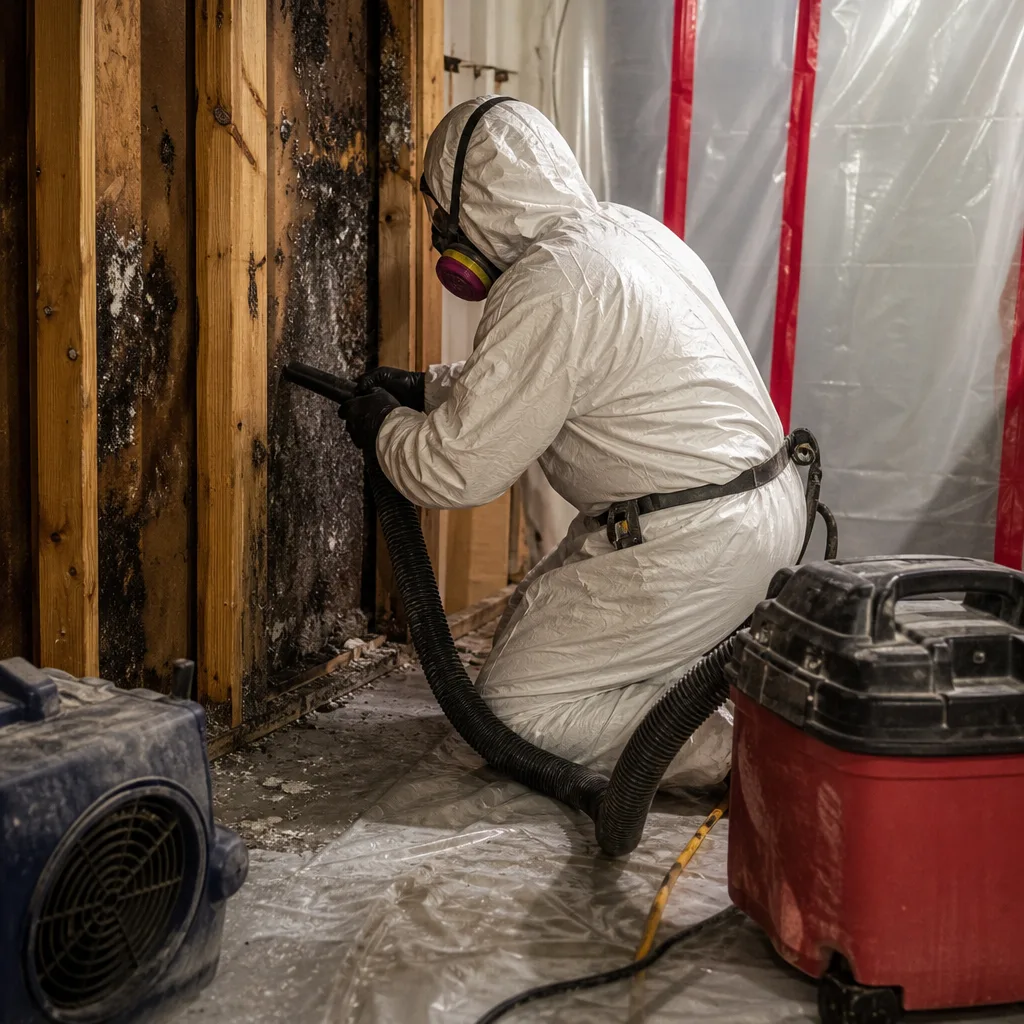
Hoarding conditions in Flatlands basements multiply the biohazard risk because chronic dampness accelerates mold, pest activity, and pathogen growth inside accumulated materials. We remove content with discretion, sort for any items the family wants preserved, and dispose of biohazard waste under proper protocols.
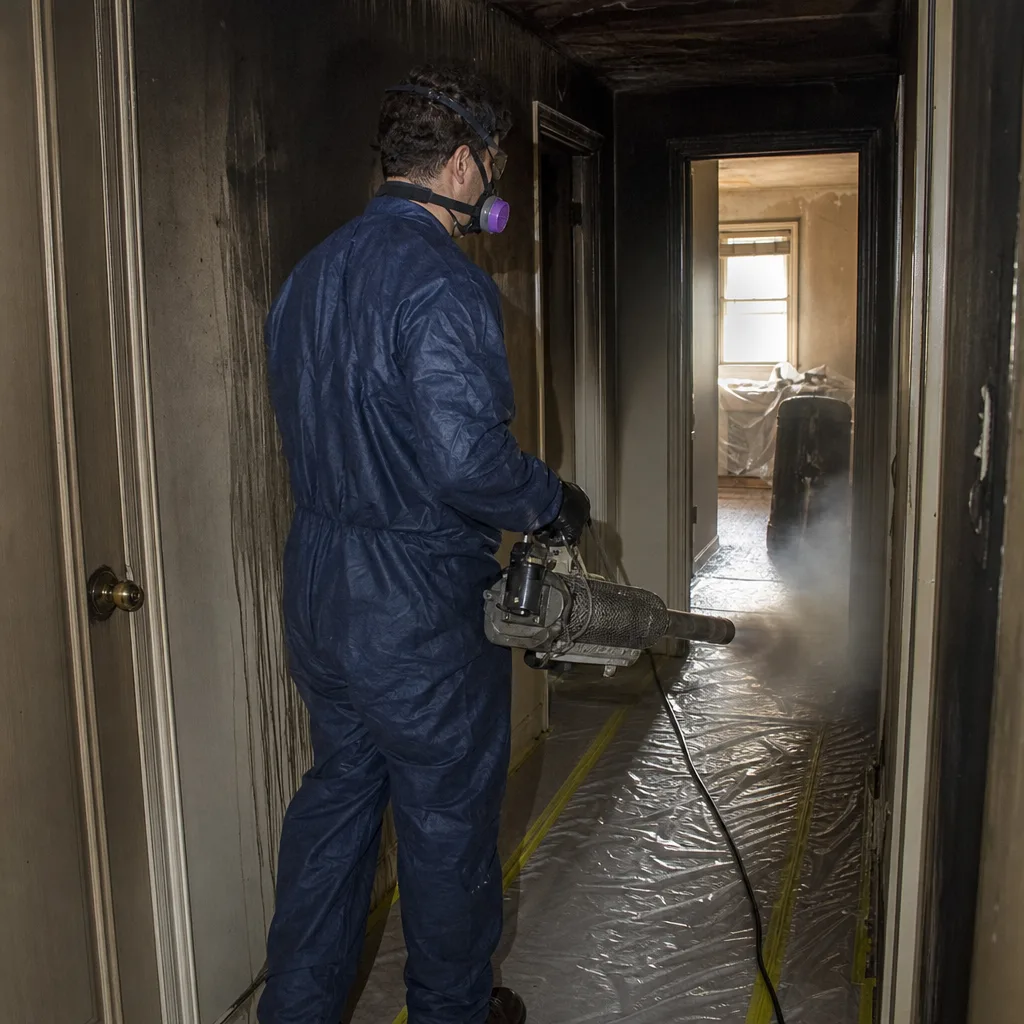
Crime Scene Cleanup
Police release the scene, and we handle the rest. That means blood, tissue, fingerprint dust, and any chemical residues are removed under full containment, with every step documented. In an attached Flatlands home, we also assess whether airborne particles reached the neighboring unit through soffit gaps or wall cavities.
What happens when you call
- 1
A real person answersNo phone trees - you reach a local pro.
- 2
You get an upfront price rangeHonest numbers before anyone is dispatched.
- 3
A background-checked tech heads outLicensed & insured, dispatched right away.
- 4
You approve before work beginsNothing starts until you say go.
Biohazard & Crime Scene Cleanup Costs in Flatlands, NY
A trauma or unattended death cleanup in Flatlands typically runs $2,500 to $7,500 depending on how far fluids traveled and whether groundwater saturation forced material removal. Blood cleanup on a contained area, such as a bathroom or single room, runs $1,200 to $3,500. Hoarding cleanup with biohazard components ranges from $3,000 to $15,000 on severe cases. Infectious disease disinfection usually falls between $1,800 and $5,000. What moves the price in Flatlands specifically is the moisture question: if the basement slab or lower walls are already saturated from groundwater, the removal zone expands. Insurance frequently covers these losses under homeowner’s policies, especially where water intrusion contributed, and we bill your carrier directly. The free visual inspection gives you a written scope before any work is approved.
We Also Serve Cities Near Flatlands
Floodline Restoration Co. crews serve Flatlands and the surrounding Brooklyn and Bronx communities, including Fairview, Harrison, East Bronx, and Hunts Point. A live dispatcher answers around the clock, and crews stage from the NYC metro office to reach your neighborhood quickly.
Serving Flatlands, NY - Our Local Coverage Area
We’re based in the Flatlands area and know this community well. Use the map below to see our service coverage - if you’re nearby, we can almost certainly help.
Flatlands Biohazard & Crime Scene Cleanup Questions, Answered
How fast can a biohazard crew actually reach a Flatlands address?
Our 45-minute response commitment applies across Flatlands, including the blocks east of Flatbush Avenue and down toward Avenue K. A live dispatcher confirms your address and the nearest staged crew. Call (917) 924-4221 any hour.
Does the high water table in Flatlands basements mean a crime scene cleanup will require removing the concrete floor?
Not always. We moisture-map the slab first. If readings are below 15 percent and the biohazard material did not penetrate, the concrete can often be cleaned and sealed. If groundwater has kept the slab saturated and fluids wicked in, we remove and replace the affected section as Category 3 material. The free inspection tells you which path applies.
After an unattended death in a finished basement near Jamaica Bay, do we need to tear out all the drywall?
Only the drywall that absorbed fluids or sits in a cavity with moisture readings above the dry standard. We cut out what is contaminated and test adjacent sections with moisture meters and thermal imaging before deciding. In Flatlands basements with chronic seepage, the removal zone is often larger than the visible stain.
Why do biohazard jobs in Flatlands smell worse or linger longer than in higher-ground Brooklyn neighborhoods?
Because the basements are wetter. Groundwater-driven humidity accelerates decomposition and keeps porous materials damp, which lets odor molecules release slowly over weeks. That is why containment and full material removal matter here more than in drier areas. A surface wipe-down in a damp Flatlands basement almost guarantees the smell returns.
Can groundwater seepage in my Flatlands basement be treated as Category 3 water during a biohazard cleanup?
Yes. When groundwater has saturated porous materials that also absorbed blood or decomposition fluids, those materials are treated as Category 3 contaminated water under IICRC standards. We document the moisture readings and include them in the insurance scope of work. This is common in Flatlands basements built on the former marsh.
What should Flatlands homeowners do before our crew arrives for a trauma or crime scene cleanup?
Stay out of the affected area. Do not open windows or run HVAC fans, which can spread airborne particles through a Flatlands basement’s low ceiling and connected rooms. If the scene is in a finished basement with groundwater dampness, note any standing water or wet carpet and tell the dispatcher. Then wait for our team to set containment.
Will insurance cover biohazard and crime scene cleanup in Flatlands?
Most homeowner’s policies cover trauma and crime scene cleanup under the dwelling or personal property provisions, especially when water intrusion contributed to the contamination. We photograph everything before work begins, generate line-item estimates, and coordinate directly with your adjuster. You never relay paperwork between us and the carrier.
How long does a typical unattended death cleanup take in a Flatlands basement?
A contained single-room cleanup runs one to two days. A finished basement with groundwater saturation and widespread fluid penetration can run three to five days including controlled demolition, drying, and rebuild. The moisture log drives the timeline, not the calendar.
On a dead-end block near the former marsh edge, our techs responded to an unattended death in a 1960s ranch with a finished basement. We set up full containment with negative air and HP air scrubbers before assessing the scene. Because moisture readings showed 22 to 24 percent moisture content in the concrete slab and lower studs from chronic groundwater seepage, the decomposition fluids had wicked into porous materials beyond visible staining. We cut out affected drywall and carpet as Category 3 water, removed the padding and underlayment, then applied an antimicrobial treatment to the block foundation before reinstalling with pre-loss-condition materials. That is the difference between a Flatlands cleanup done right and one that leaves a smell behind the new drywall.
If you are facing a biohazard or crime scene cleanup in Flatlands, call Floodline Restoration Co. of Manhattan at (917) 924-4221. A live person answers, the inspection is free, and crews under Curt Bowman’s direction arrive ready to contain, document, and restore. Done right, and backed in writing with the 90-Day Done Right Promise.
Written by Curt Bowman, Owner at Floodline Restoration Co. of Manhattan, serving Flatlands and surrounding communities.