
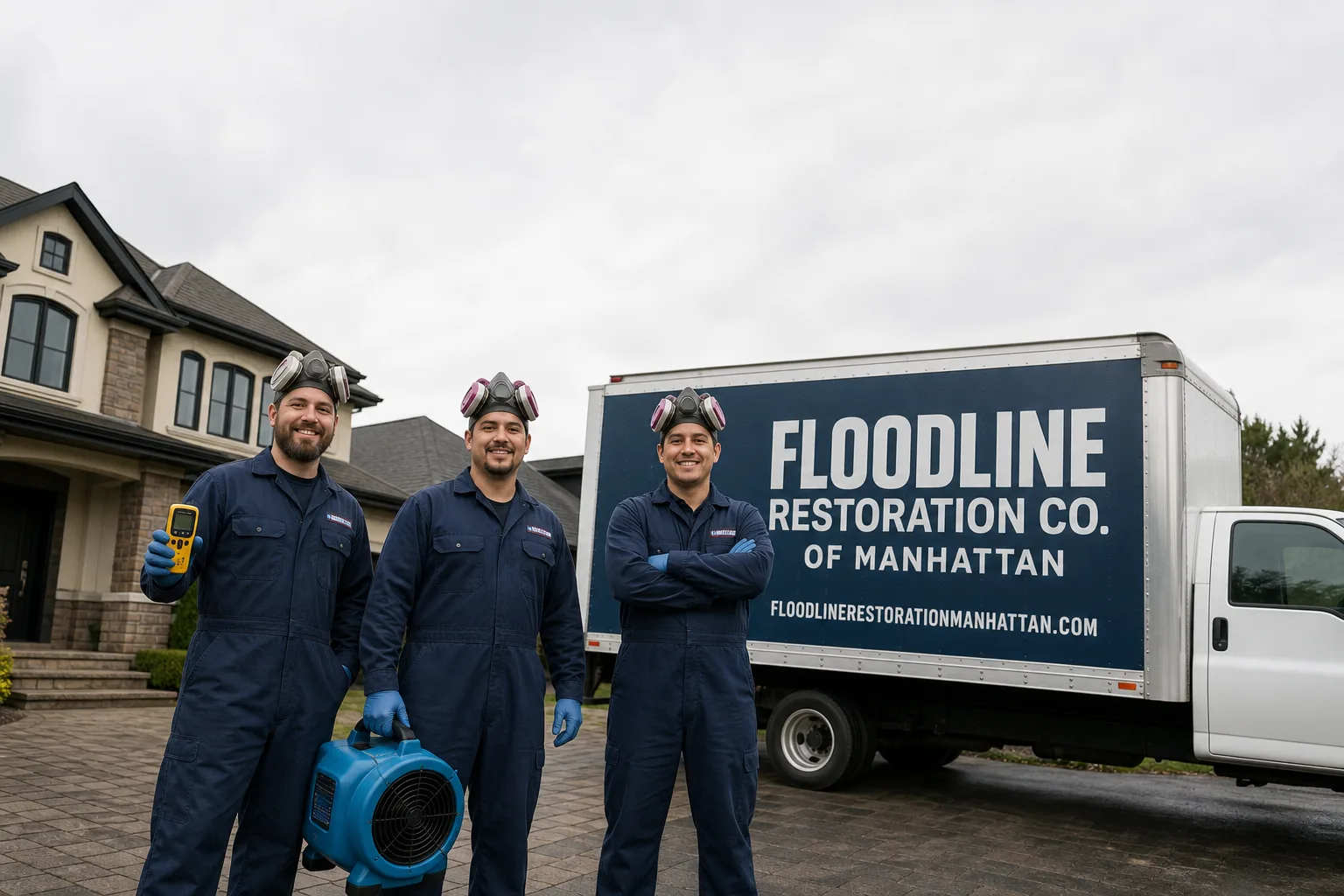
Free visual inspection and a written scope of work before any mitigation begins - photos, moisture readings, and drying logs go in your claim file
The scope we write is the scope we bill. Anything new gets shown to you, in writing, before we touch it.
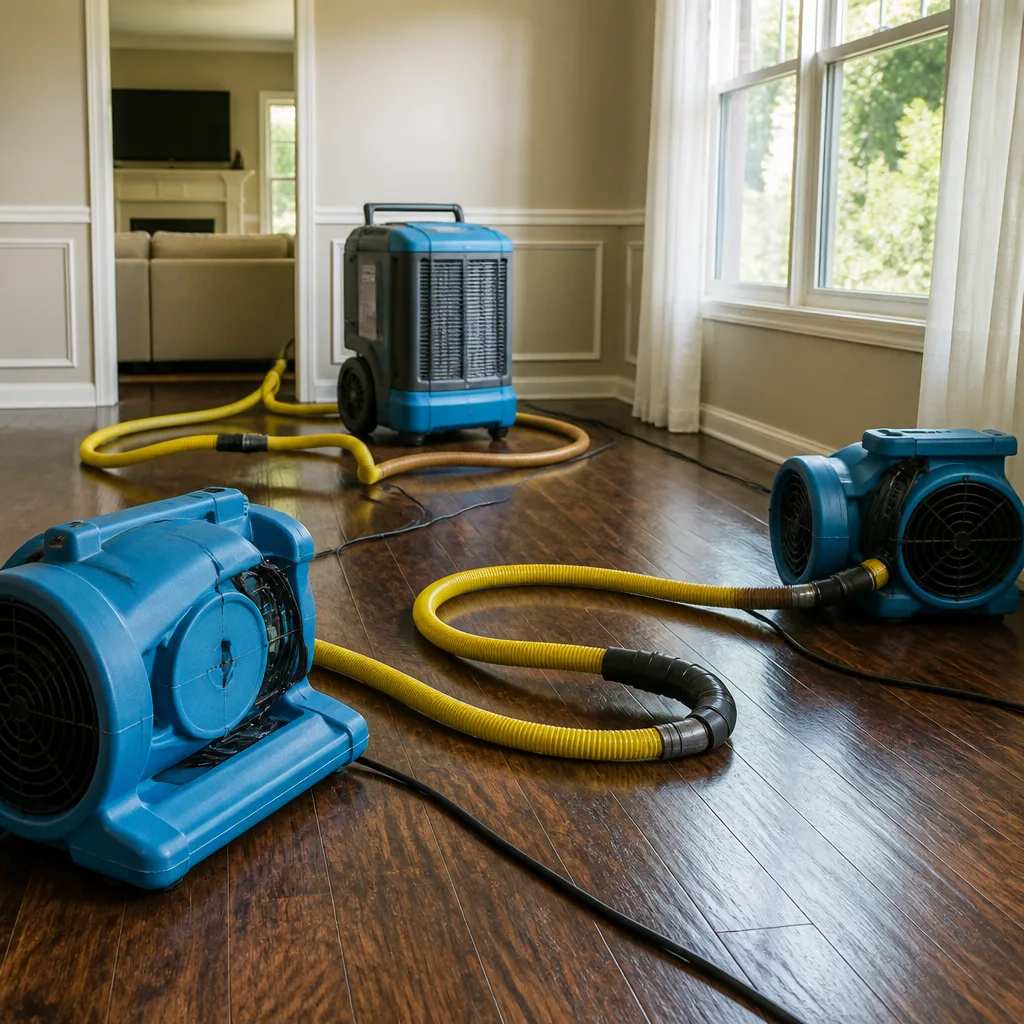
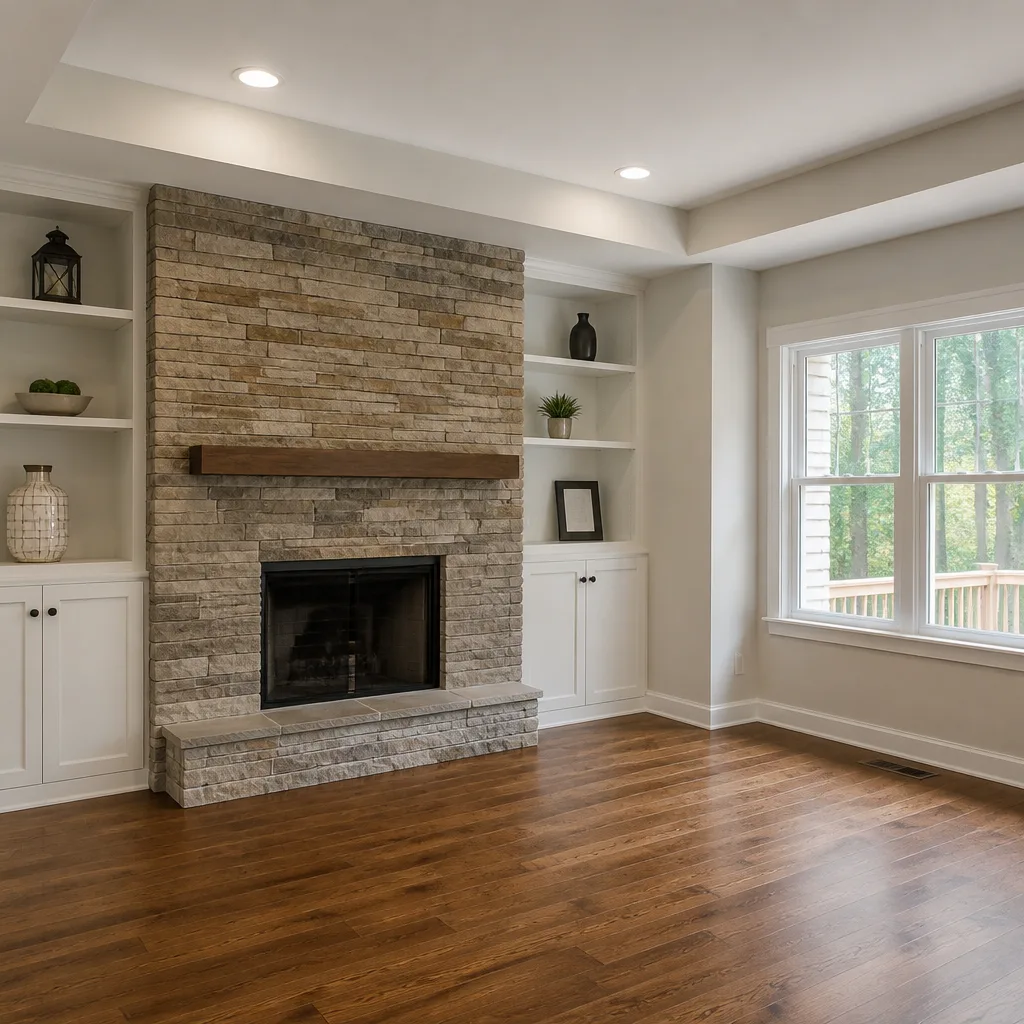

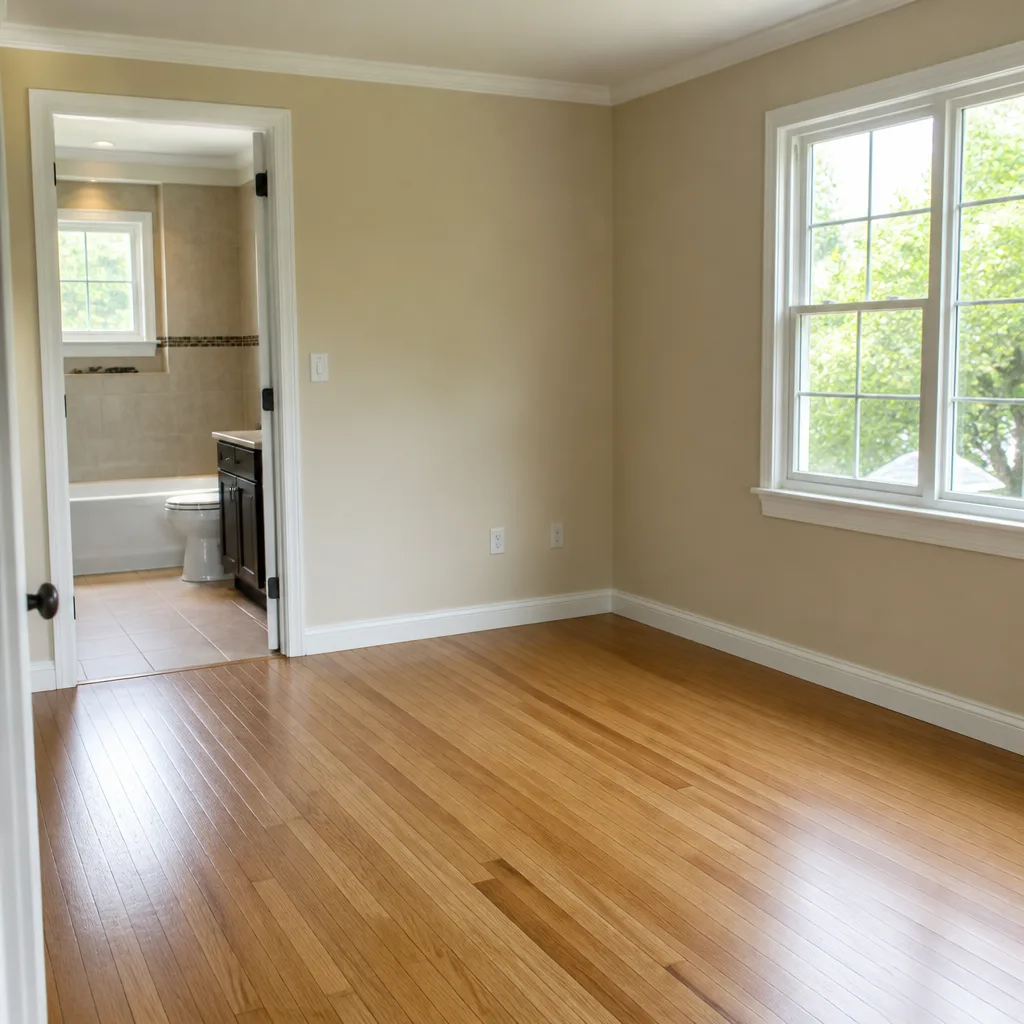
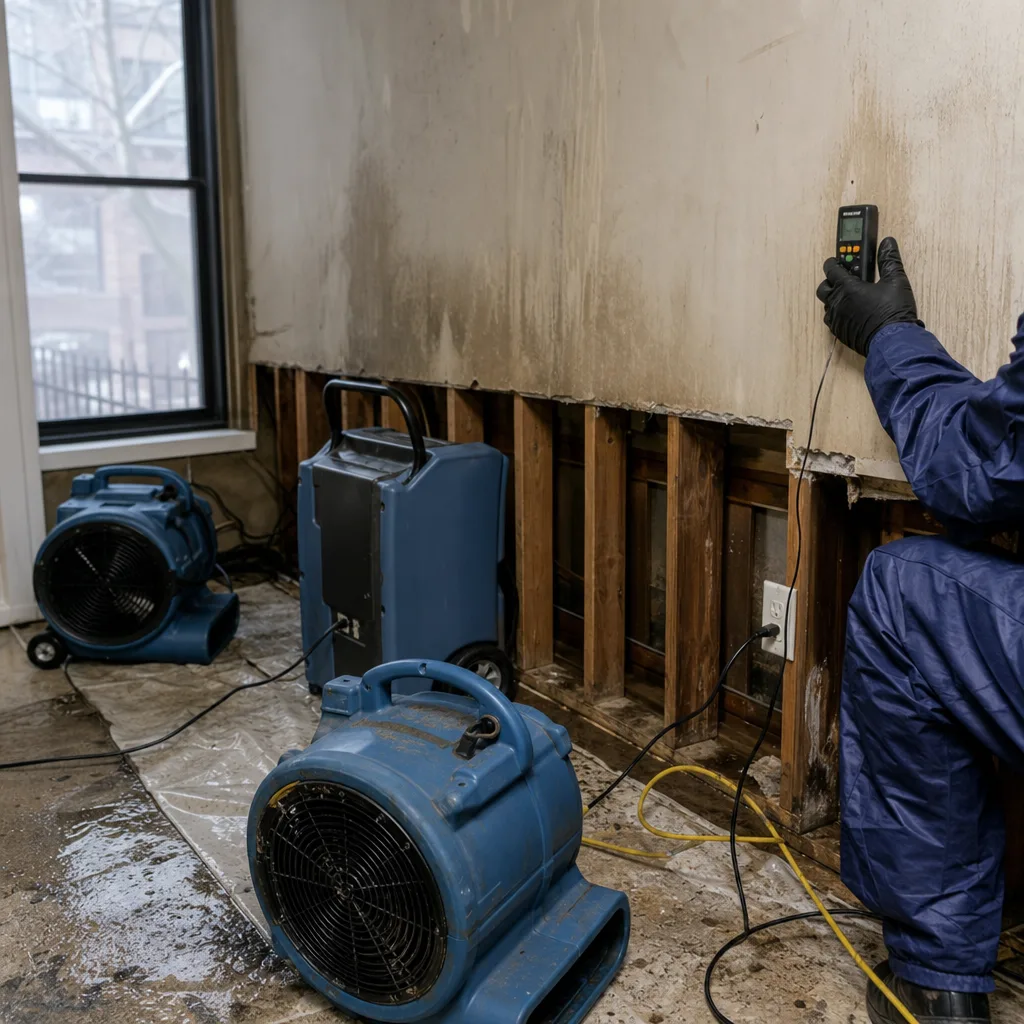 Before
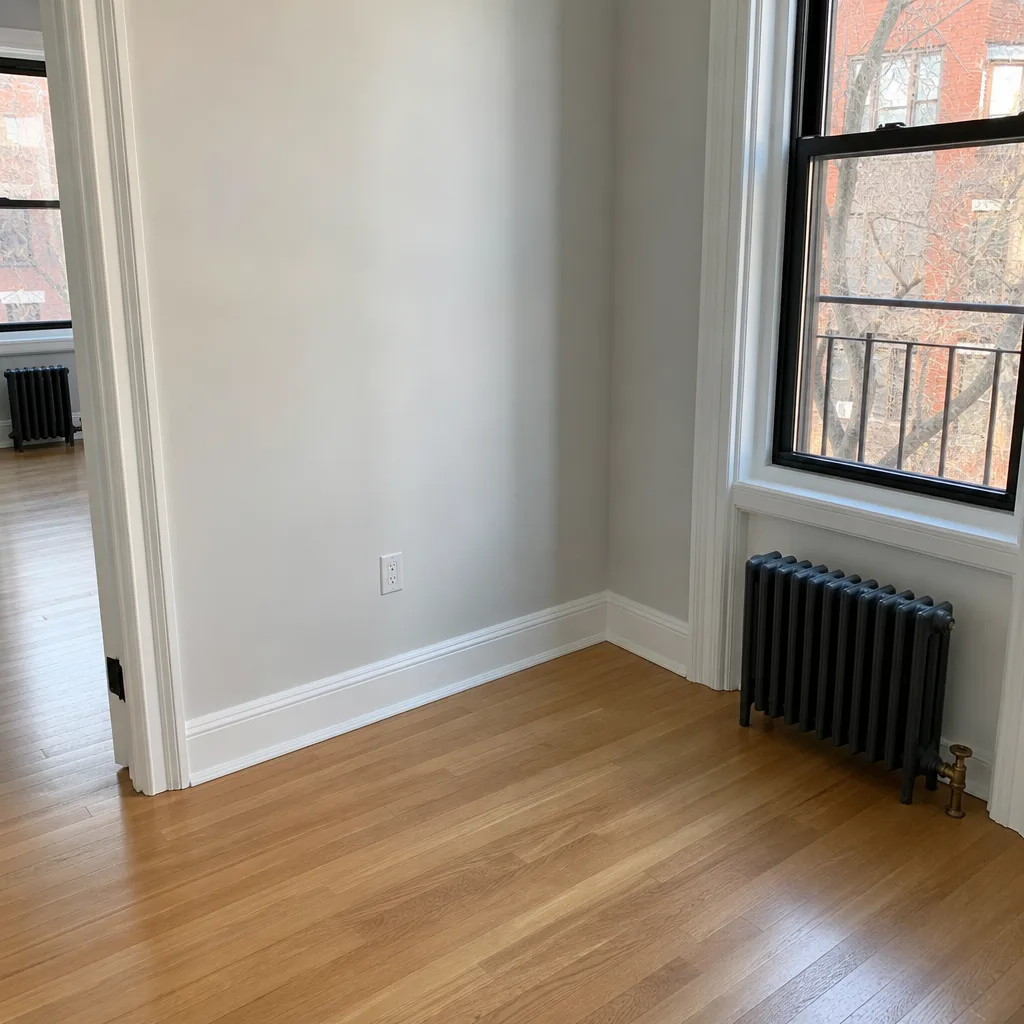 After
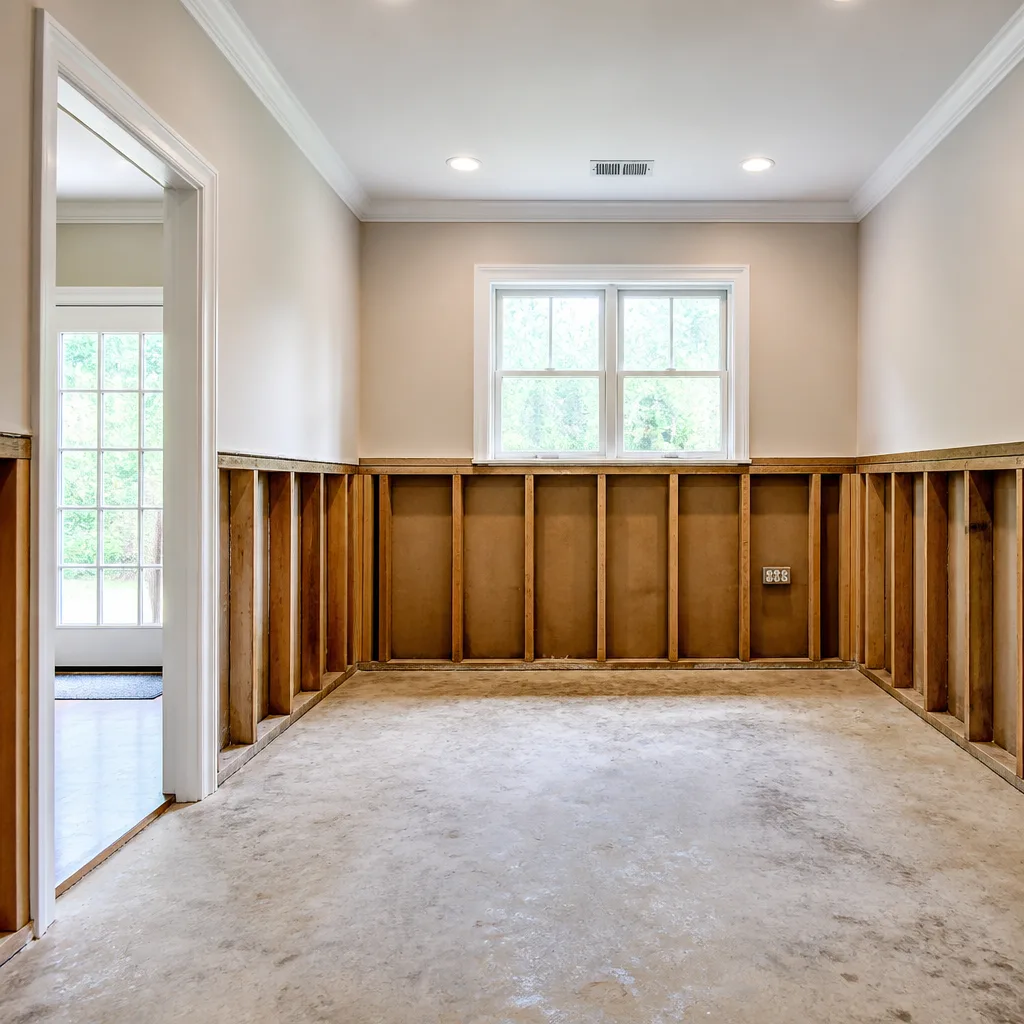
After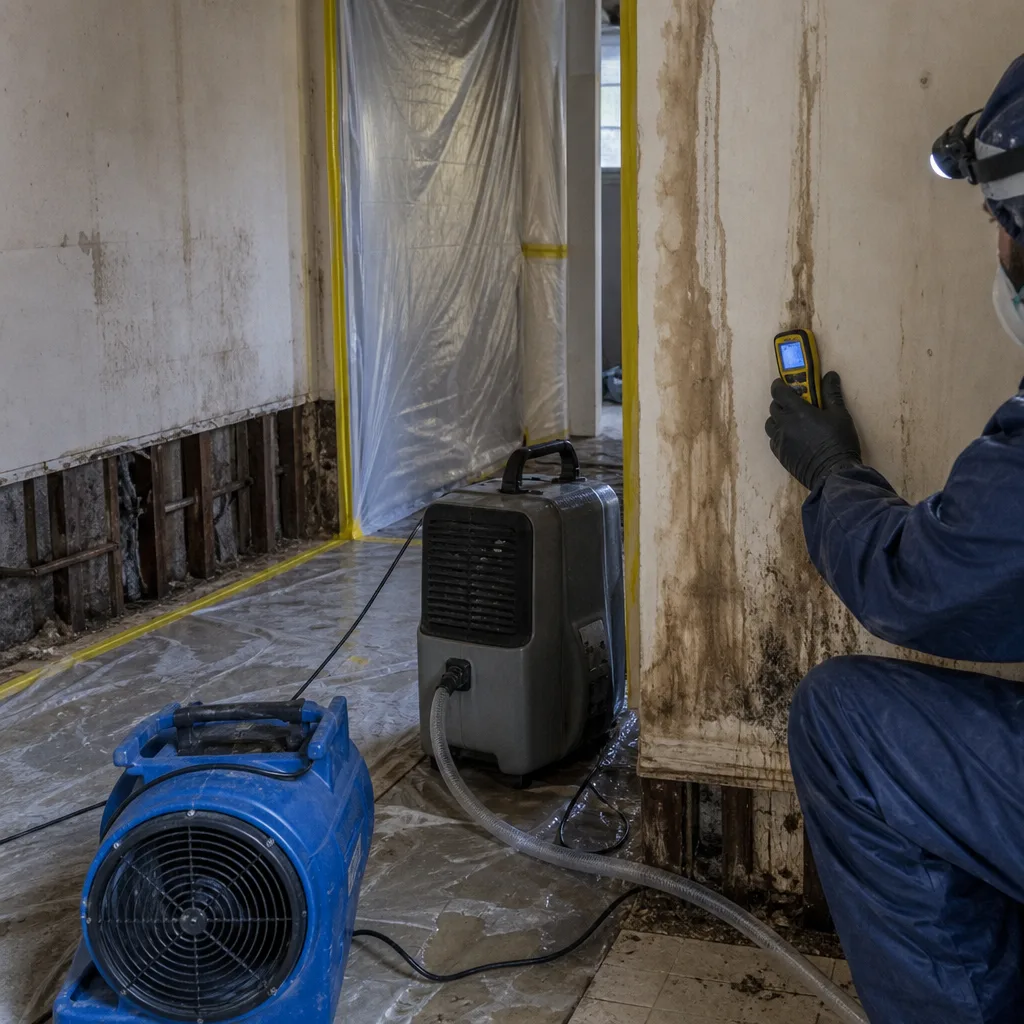 Before
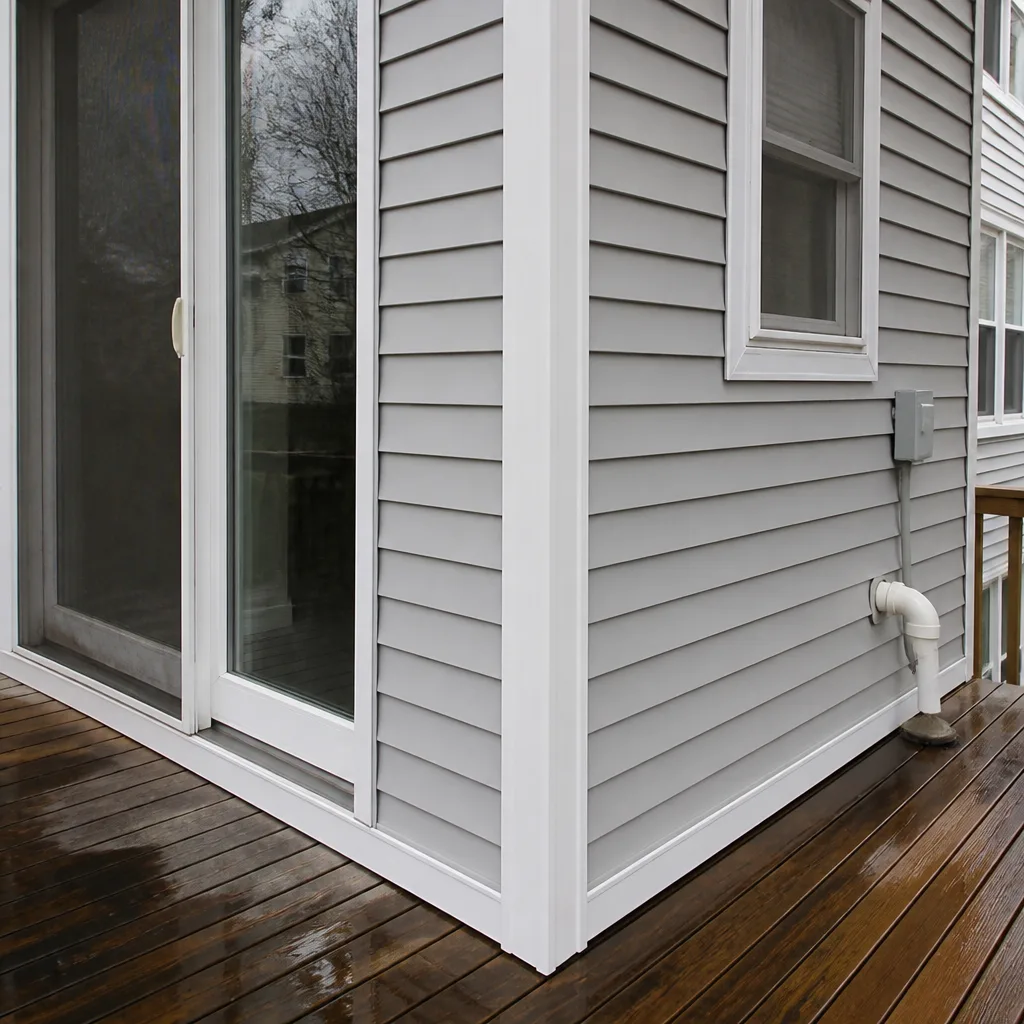 After
After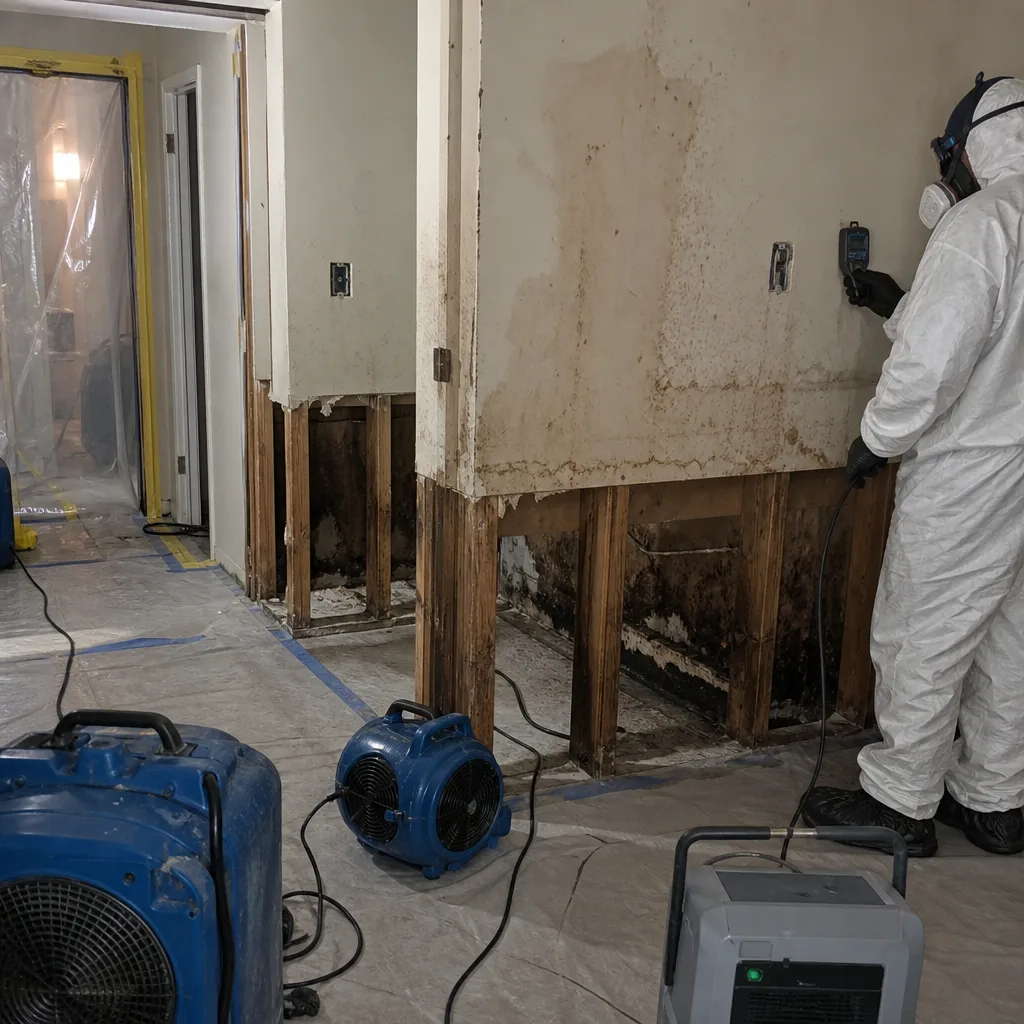 Before
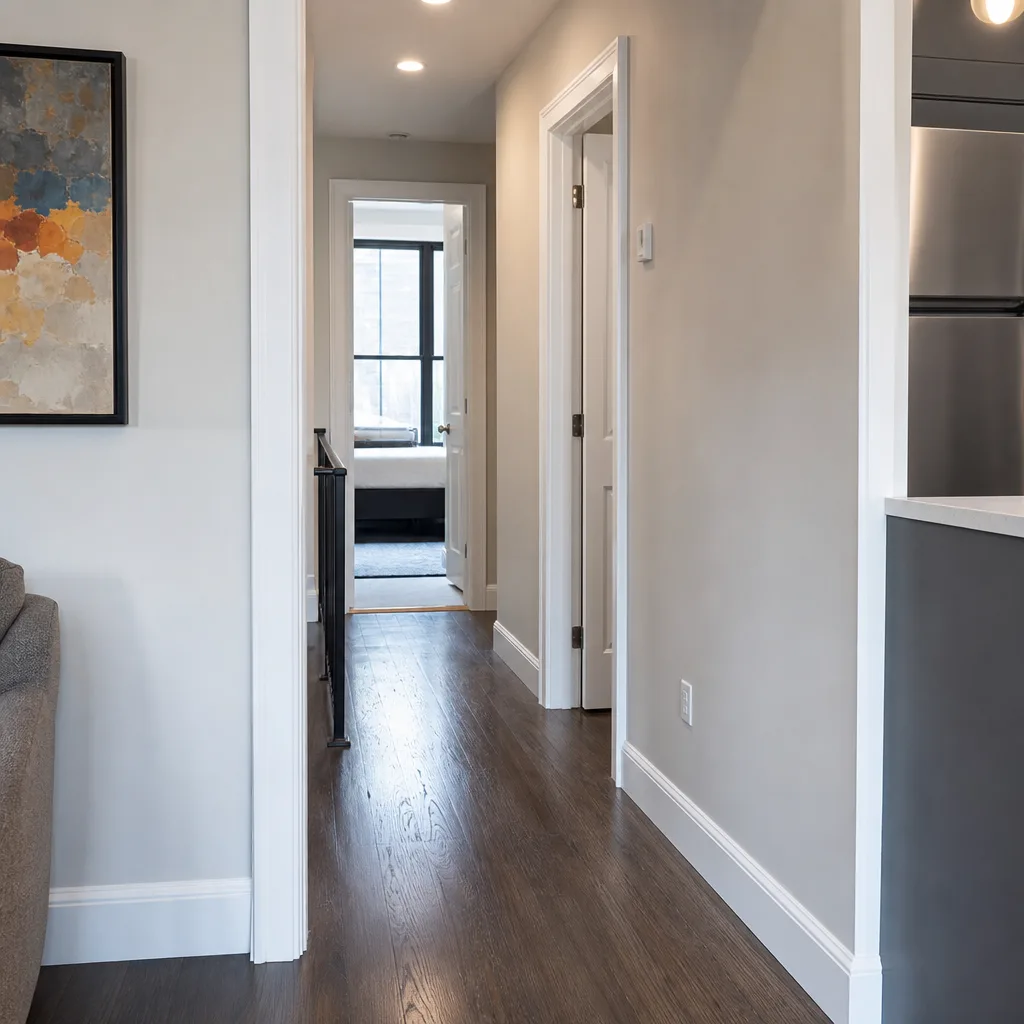 After
After24/7 Emergency Biohazard & Crime Scene Cleanup in Upper West Side
When a biohazard event happens in a Upper West Side co-op or brownstone, the first call should be to a team that answers live and knows this neighborhood’s buildings. Floodline Restoration Co. of Manhattan dispatches certified biohazard crews inside the Upper West Side area around the clock, every day of the year. We never route you to a recording. A real person picks up at (917) 924-4221, and we can have a uniformed, background-checked technician on site for a free visual inspection, usually within 45 minutes. The first hour matters: blood, bodily fluids, and other biological material migrate quickly through original wood flooring, lath-and-plaster walls, and the shared chases common in pre-war buildings. The longer the material sits, the deeper the contamination goes, the harder the odor is to remove, and the more units are at risk of cross-contamination. We start when you call.
Understanding Biohazard & Crime Scene Cleanup Severity in Upper West Side Properties
Biohazard contamination is categorized by the risk it poses to occupants and by how far it has traveled through a building. Blood and bodily fluids from a trauma, crime scene, or unattended death are regulated biological waste: they carry bloodborne pathogens such as hepatitis B, hepatitis C, and HIV, and they are never something to clean with household products. In Upper West Side buildings, the severity question is rarely just about the surface you can see. The real issue is what sits beneath. Original oak parquet, installed over pine or fir subflooring in buildings from the 1900s through the 1930s, wicks fluids downward and sideways. Lath-and-plaster walls pull liquids into the keyed plaster. Shared steam riser chases and air shafts, common in pre-war co-ops along Central Park West, Riverside Drive, and the cross streets, act as vertical channels that carry odors and aerosolized particulates from one apartment to units above and below. A hoarding condition in one unit inside a classic six can harbor category 3 contamination behind walls and under floors that have not been opened in eighty years. Containment, HEPA air scrubbing, and controlled demolition of only the affected materials are the minimum standard here. Surface cleaning alone is not remediation. We use containment barriers, negative air pressure, antimicrobial treatment, and structural drying equipment from Dri-Eaz and Phoenix to bring a unit back to pre-loss condition without disturbing the apartments around it.
Why Upper West Side Property Owners Choose Floodline Restoration Co. of Manhattan
- 45-minute response commitment: We dispatch crews from the New York City metro office to Upper West Side addresses around the clock. When we say a technician is on the way, the clock starts.
- 24/7 live answer: A real dispatcher answers at 2 a.m., not an automated system. You tell us what happened; we start the logistics before you hang up.
- IICRC-certified crews: Our technicians hold IICRC certifications including AMRT (Applied Microbial Remediation Technician) and WRT (Water Damage Restoration Technician), and are trained to RIA and IFA standards. They are background-checked and uniformed.
- Free visual inspection: We walk the unit, assess the contamination, map affected materials, and give you a written scope of work before anything is torn out.
- Direct insurance billing: We bill the carrier directly and document the loss from the first hour. You do not play messenger between us and the adjuster.
- One team, start to finish: Our Biohazard & Crime Scene Cleanup crews handle extraction, decontamination, drying, and the structural rebuild that follows. There is no mid-job handoff to an unknown subcontractor.
Our Biohazard & Crime Scene Cleanup Process
Inspection & Assessment
We walk the affected unit and surrounding spaces, identify the biological material, and map moisture movement through flooring, walls, and chases. We pull the building’s governing documents early because co-op lease classifications drive the scope and who pays.
Containment & Stabilization
We seal the affected area with 6-mil containment barriers and establish negative air pressure with HEPA air scrubbers. This stops cross-contamination into adjacent units, hallways, and shared shafts before any material is disturbed.
Removal & Decontamination
We remove affected porous materials, including sections of parquet, plaster, and subflooring where fluids have penetrated. Non-porous surfaces are cleaned and treated with EPA-registered antimicrobial agents. All regulated waste is double-bagged and transported under applicable disposal rules.
Drying & Dehumidification
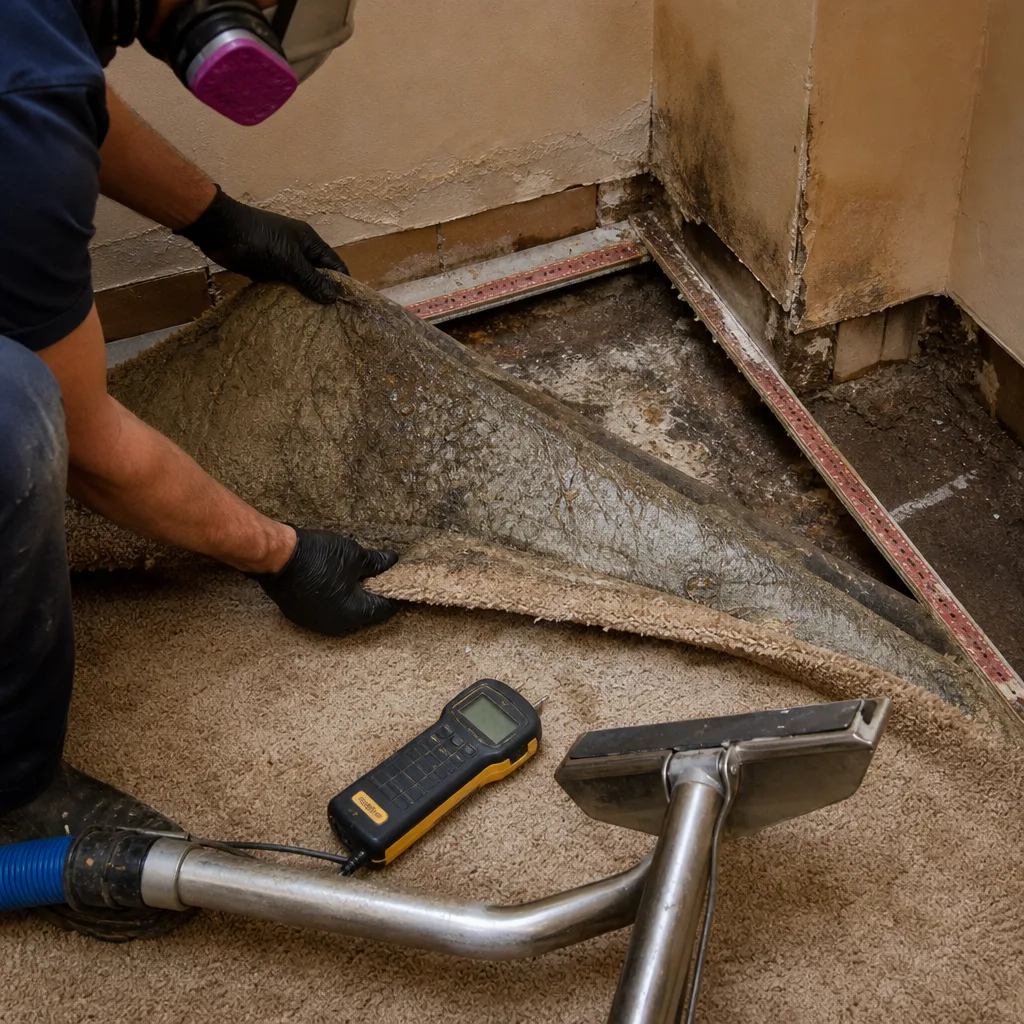
We place Dri-Eaz and Phoenix dehumidifiers and air movers to dry the remaining structure to a documented standard. Daily moisture readings are logged and shared with the unit owner, the building’s management, and the carrier.
Odor Neutralization & Air Scrubbing
We treat the source of the odor, not just the smell. Hydroxyl generators and HEPA filtration remove particulates, while persistent odors in original plaster or wood are addressed with targeted treatments, not masking agents.
Repairs & Restoration
We restore the unit, matching century-old plaster detailing, herringbone or oak parquet, and period trim where required. In a Upper West Side co-op, restoration means historic-sensitive work, not a standard drywall swap. The job includes a written 90-Day Done Right Promise.
Need Emergency Biohazard & Crime Scene Cleanup in Upper West Side Now?
Crews minutes away, answering live 24 hours a day. The sooner we start, the less it costs.
Working With Your Insurance Company
In Upper West Side co-ops, insurance claims for biohazard events involve at least two policies: the building’s master policy and the unit owner’s HO-6 policy. The line between them is defined by the proprietary lease, and that line shifts from building to building. We have worked on enough of these claims to know that documentation wins. From the first hour, we photograph every affected room, log moisture readings, and produce a line-item scope of work that an adjuster can read without arguing over what was torn out and why. We communicate directly with the carrier so the unit owner and the estate or family are not left translating restoration terminology. Every document is dated, every photo is time-stamped, and every decision is recorded. That is what keeps a claim moving.
What We Provide Your Insurer
- Thorough documentation of the loss
- Photos of all damage, room by room
- Moisture readings and drying logs
- A detailed, line-item scope of work
- Direct coordination with your carrier
Built for Upper West Side’s Loss Calendar
Biohazard and crime scene events do not follow a season the way a burst pipe does, but Upper West Side’s building conditions shape how often and how severely they occur. January deep freezes stress the aging cast-iron and galvanized supply lines inside pre-war buildings, and a ruptured line in a bathroom or steam riser can saturate floors and walls, creating conditions that complicate a biohazard cleanup with simultaneous water damage. Spring thaw brings sewer backups into basements and cellars, particularly along the Riverside Drive corridor where century-old drains meet elevated ground conditions. Summer thunderstorms overwhelm the city’s combined sewer system quickly, and nor’easters in late winter drive water through cornice lines and roof flashing into top-floor units on taller apartment towers. In buildings where residents have lived for decades, a medical event or unattended death often involves a unit where hoarding or deferred maintenance has been present for years. That combination of biological contamination, saturated structure, and dense contents is exactly what makes this work in Upper West Side different from a suburban house with a single-family footprint. We respond to every call with the building’s age and systems in mind, not just the visible stain.
Biohazard & Crime Scene Cleanup Across Upper West Side’s Neighborhoods
Response time on the Upper West Side depends on which building we are heading to, and we know the routes by heart. Along Central Park West, the grand Art Deco and Beaux-Arts towers like the Beresford and the San Remo have service entrances, freight elevators, and strict management protocols that we coordinate with before staged equipment crosses a lobby. Riverside Drive properties, including the older elevator buildings between West 72nd and West 96th Streets, often have steam heat and original hardwood that transmits odor through plaster keyways faster than anyone expects. The cross streets in the West 80s and low 90s are dense with brownstone rowhouses, many converted to multi-unit co-ops, where a biohazard event on a parlor floor can migrate through original pine subfloor into the garden level below. Around Columbia University and Morningside Heights, student-occupied apartments in older walk-ups present a different challenge: smaller units, narrower stairwells, and shared air shafts that make containment critical. Each corridor has its own building type, its own management culture, and its own failure patterns. Our crews know the difference between a service entrance on West End Avenue and a stoop on West 87th Street, and that local knowledge is what keeps a job moving on schedule.
Specialized Biohazard & Crime Scene Cleanup Services We Offer in Upper West Side
Crime Scene Cleanup
Crime scenes in Upper West Side co-ops require cooperation with building management from the first hour. We do not enter until law enforcement has released the scene, and we never disturb evidence. Once cleared, we contain the unit, remove affected materials, and decontaminate surfaces to a standard that protects the next resident and every unit sharing the hallway.
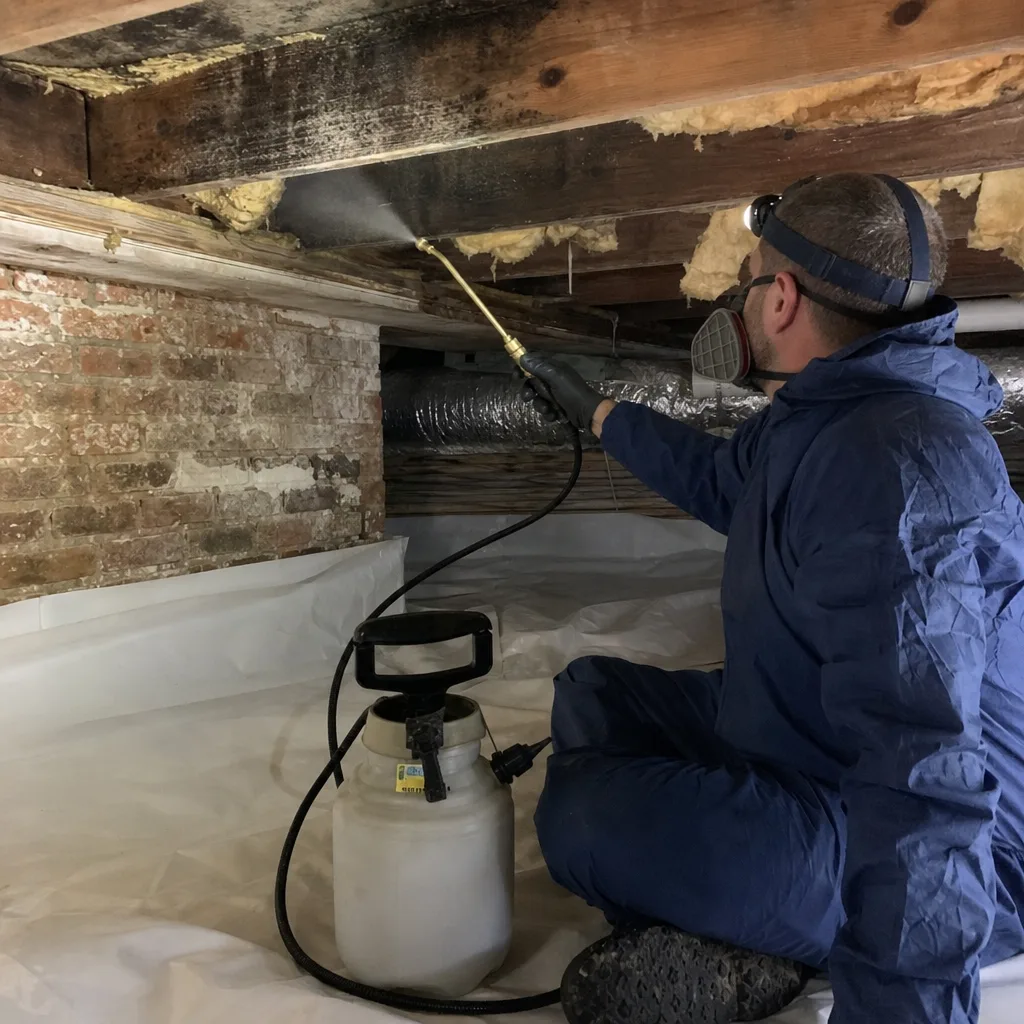
Trauma & Unattended Death Cleanup
This is the call we handle with the most care. In a classic six on West 86th Street, our crew responded to an unattended death where fluids had saturated original oak parquet and migrated into the subfloor. We used moisture mapping and containment to isolate the affected rooms, then performed antimicrobial treatment and structural drying with Dri-Eaz dehumidifiers, coordinating with the building’s management and the estate’s HO-6 carrier to restore the unit without disturbing adjacent apartments. Odor, fluids, and biological material are removed at the source, and we treat the family with the same plainspoken respect we would want in their position.
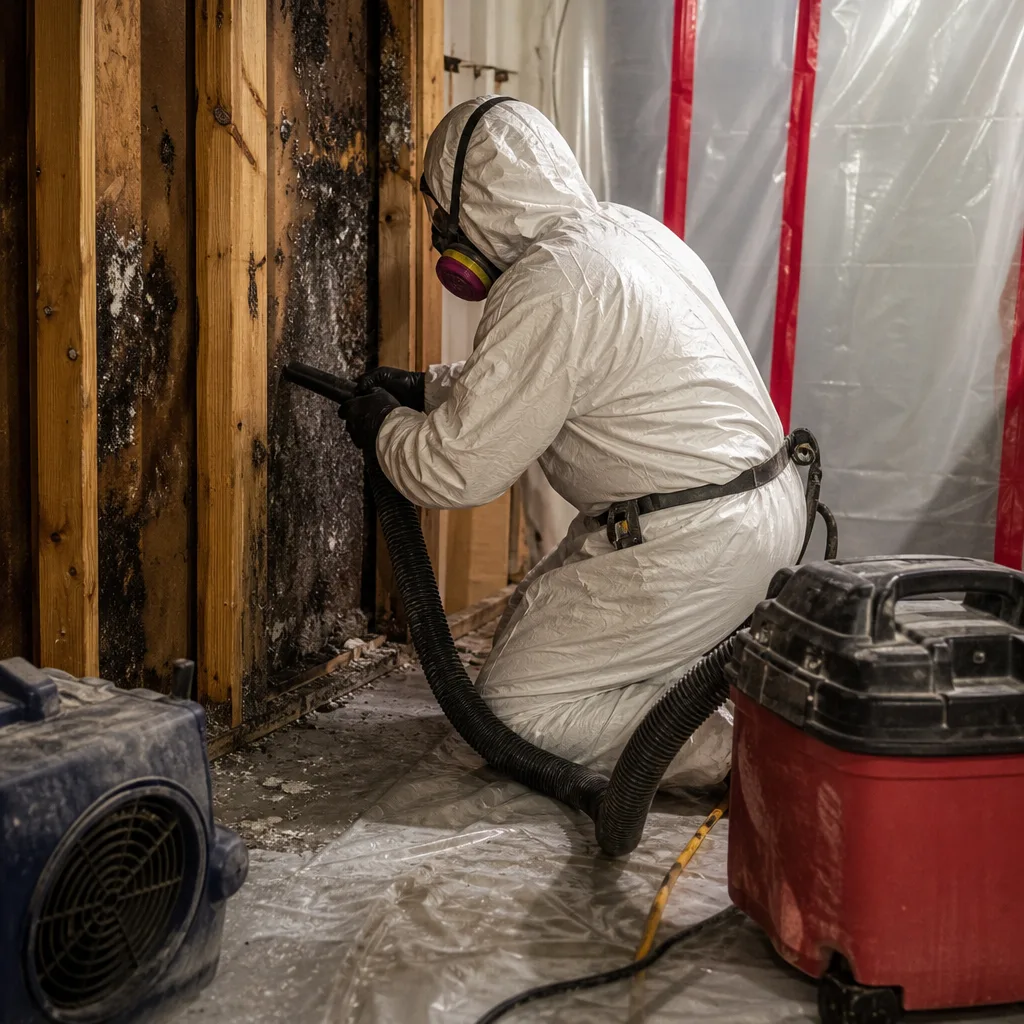
Hoarding Cleanup
Hoarding conditions in a Upper West Side co-op are rarely contained to one room. They often sit behind lath-and-plaster walls, under original flooring, and inside closets that have been closed for a decade. We separate salvageable items, remove category 3 contaminated materials, and work with the building’s management on waste removal logistics, including freight elevator scheduling and Department of Sanitation coordination. The goal is a unit that is safe, clean, and ready for whatever comes next.
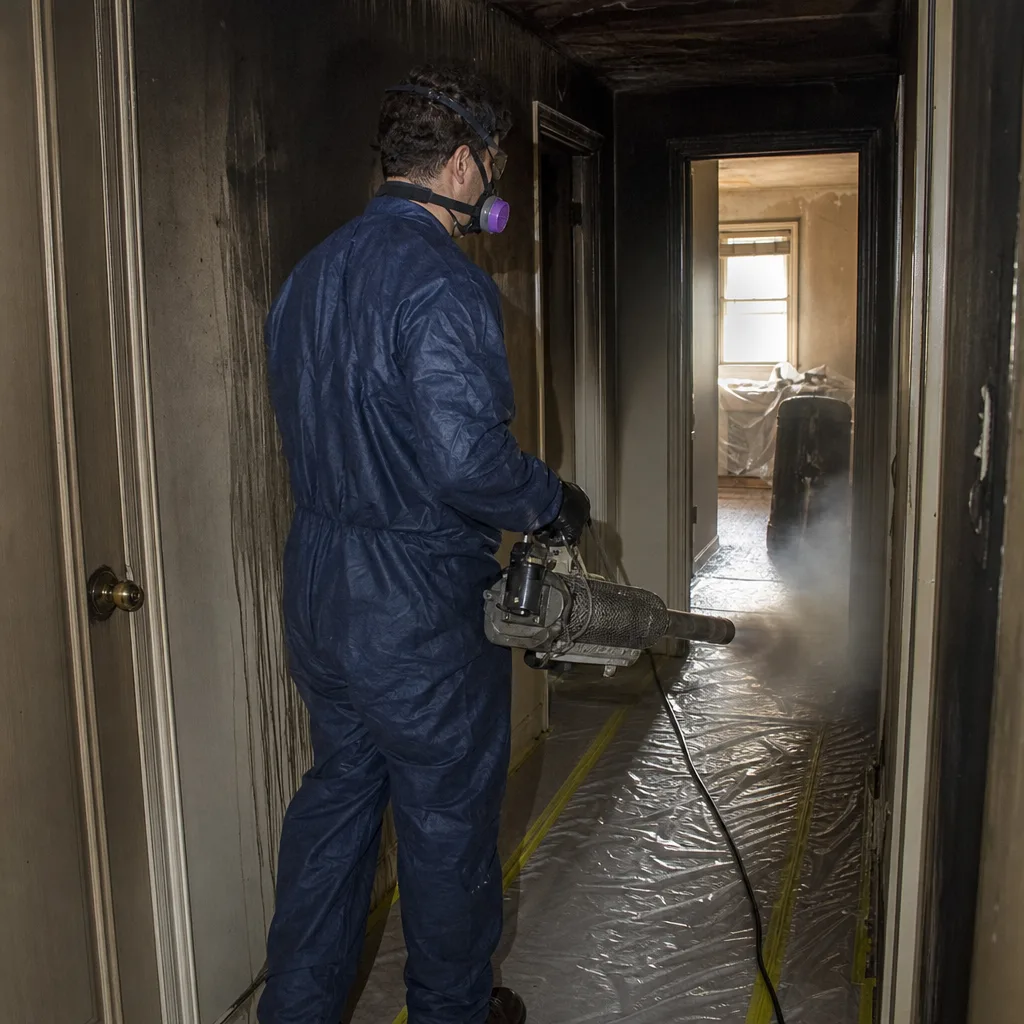
Blood & Bodily Fluid Cleanup
Bloodborne pathogen exposure is a regulated risk, and household bleach is not a remediation plan. In pre-war buildings, blood can seep through wood flooring and into the plaster below. We remove affected materials, treat non-porous surfaces with EPA-registered antimicrobials, and document everything for the insurance carrier. The work is done to IICRC AMRT standards, and the unit is tested before it is released.
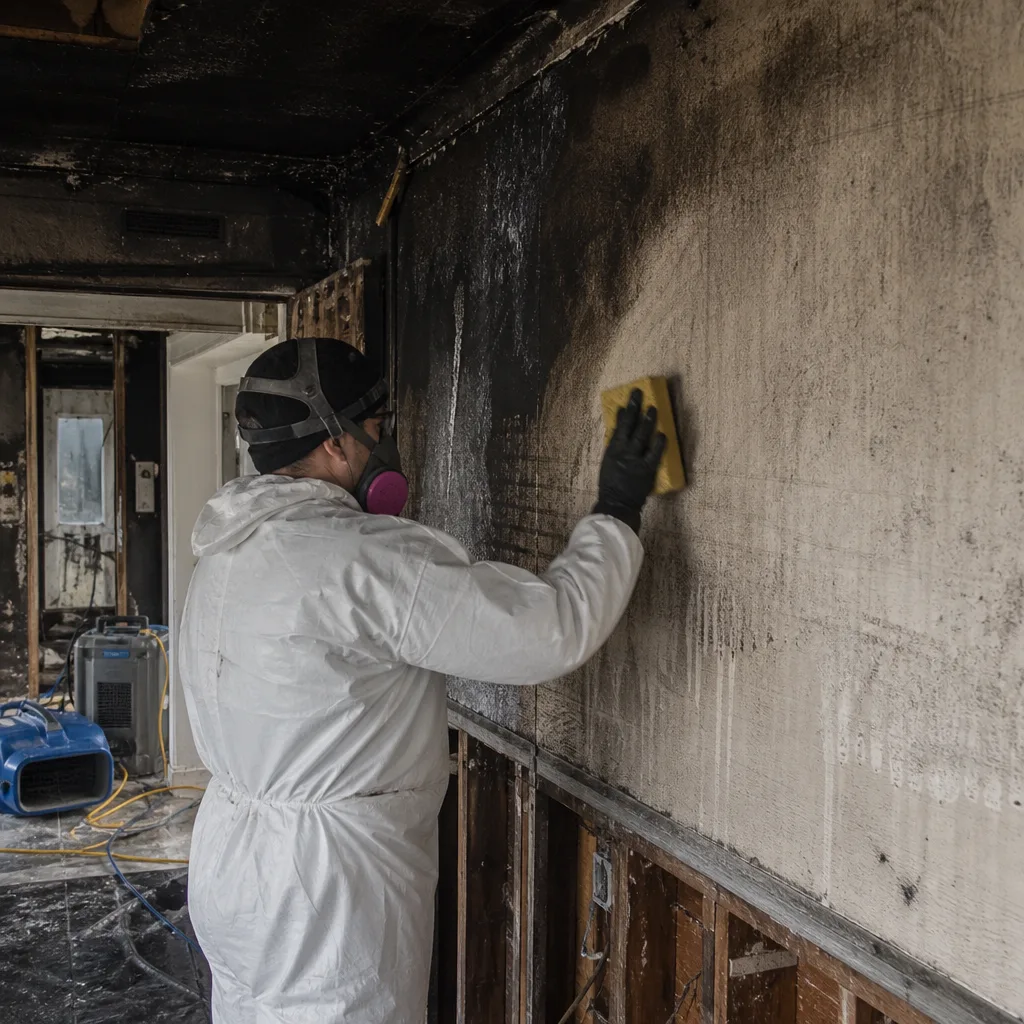
Infectious Disease Disinfection
When a tenant or owner has a confirmed infectious disease, the building’s management needs a documented disinfection that covers every surface the person contacted. We use EPA-registered disinfectants with appropriate dwell times, treat high-touch surfaces, and provide written confirmation of the scope. In a Upper West Side building with shared hallways, elevators, and laundry rooms, the common areas are often part of the request.
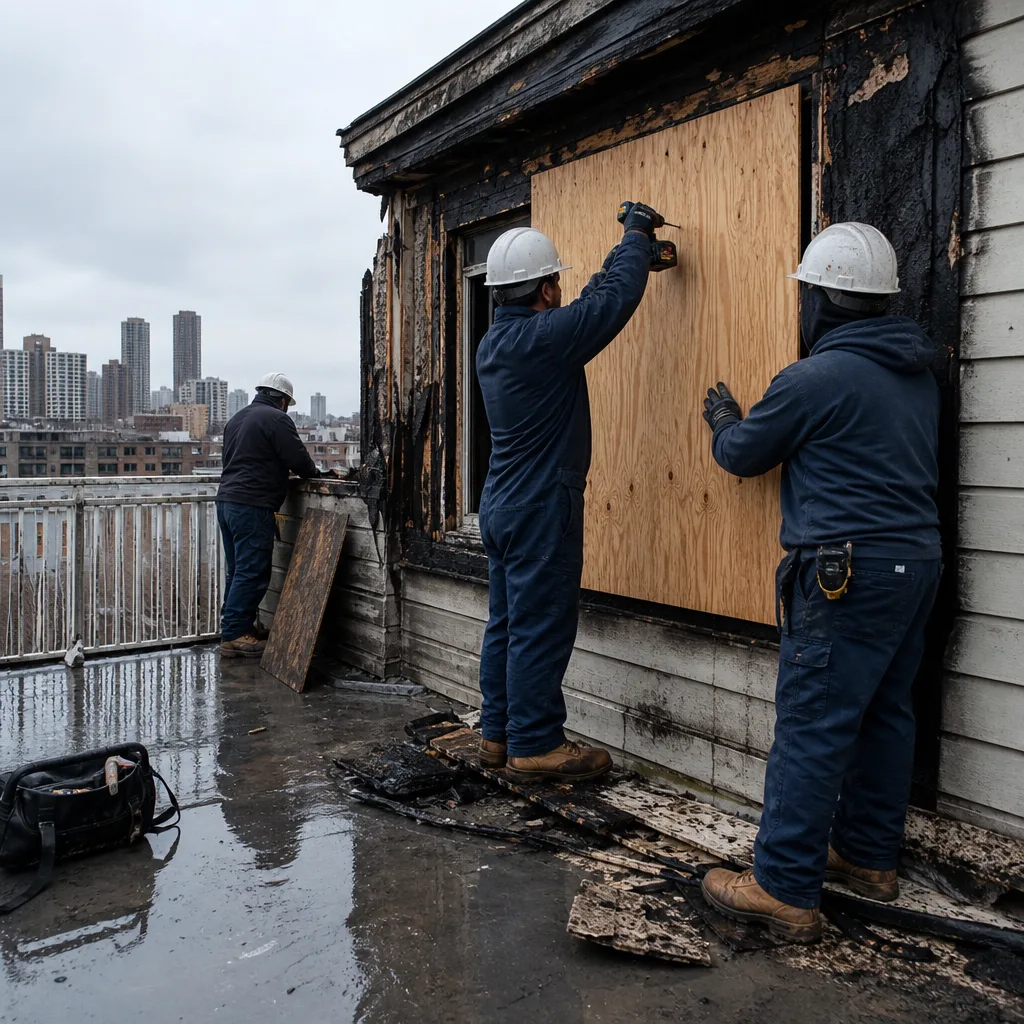
Tear Gas & Chemical Cleanup
Tear gas residue binds to plaster, wood, and fabric, and it reactivates with humidity. Upper West Side apartments with steam heat and original windows present multiple surfaces that hold the chemical. We remove affected porous materials, clean non-porous surfaces, and run HEPA air scrubbing until the unit tests clear.
What happens when you call
- 1
A real person answersNo phone trees - you reach a local pro.
- 2
You get an upfront price rangeHonest numbers before anyone is dispatched.
- 3
A background-checked tech heads outLicensed & insured, dispatched right away.
- 4
You approve before work beginsNothing starts until you say go.
Biohazard & Crime Scene Cleanup Costs in Upper West Side, NY
Costs for biohazard and crime scene cleanup in Upper West Side run higher than in many parts of the city because the buildings are older, the materials are denser, and the logistics are more complicated. A contained blood and bodily fluid cleanup in a single room, where flooring and wall surfaces are non-porous, typically runs $1,500 to $3,500. A trauma or unattended death where fluids have saturated hardwood, subfloor, and plaster, and where containment, removal, drying, and some structural restoration are required, commonly runs $5,000 to $12,000. Hoarding cleanup in a Upper West Side co-op, depending on the volume of contents, the number of rooms, and the extent of contamination behind original finishes, can run $8,000 to $25,000 or more. What moves the price is the depth of contamination, not the square footage alone. A pre-war apartment with lath-and-plaster walls and original parquet costs more to restore correctly than a drywall apartment in a newer building. Insurance often covers a substantial portion, especially when the HO-6 policy includes biohazard or mold riders and when the source is classified as a building common element. The only way to get a firm number is a visual inspection, which is free. Call (917) 924-4221 and we will walk the unit, map the affected areas, and put a written scope in your hands before any work starts.
We Also Serve Cities Near Upper West Side
Our crews also respond across the surrounding metro area, including Fairview, Harrison, East Bronx, and Hunts Point. The same live dispatch, the same certified technicians, and the same 90-Day Done Right Promise apply wherever the call comes from.
Serving Upper West Side, NY - Our Local Coverage Area
We’re based in the Upper West Side area and know this community well. Use the map below to see our service coverage - if you’re nearby, we can almost certainly help.
Upper West Side Biohazard & Crime Scene Cleanup Questions, Answered
Who pays for crime scene cleanup in a Upper West Side co-op-the building or the unit owner?
The answer is in the proprietary lease, and no two Upper West Side co-op buildings draw the line the same way. If the biohazard source is classified as a building common element, such as a steam riser or a shared drain line, the building’s master policy typically pays. If the source is inside the unit and tied to the owner’s personal property or the occupant’s body, the unit owner’s HO-6 policy pays, often subject to the owner’s deductible. We pull the governing documents before we scope the job so there is no guessing later. Call (917) 924-4221 with the building’s name and we will walk you through what applies.
How do you handle biohazard cleanup in a pre-war building with original plaster and parquet?
We treat the original materials as part of the building, not as disposable drywall. Fluids that have penetrated parquet and soaked into the plaster below require selective removal, not wholesale demolition. We map moisture with thermal imaging and hygrometers, remove only the affected sections, and restore with period-appropriate materials. The goal is a unit that matches the building, not a patch job that shows. In Upper West Side co-ops, that is what the board and the neighbors expect.
What challenges do hoarding cleanups present in Upper West Side co-op apartments?
The biggest challenge is hidden contamination. In a pre-war unit, hoarding conditions often conceal category 3 biological material behind lath-and-plaster walls, under original flooring, and inside closets that have not been opened in years. We also face narrow stairwells, freight elevator scheduling, and building rules about waste removal. We work with management from day one and separate salvageable items from contaminated waste. A written scope and a clear timeline keep the job moving.
Can you decontaminate a steam radiator line that leaked sewage into multiple stacked units?
Yes. A failed steam riser or radiator connection that carries sewage and contaminated condensate through multiple floors requires coordinated containment on each affected level. We isolate each unit, establish negative air pressure at each opening, and decontaminate the shared chase with antimicrobial treatment and structural drying using Dri-Eaz equipment. The master policy usually covers this because a riser is a common element. We document every unit separately for the adjuster.
How quickly should a biohazard cleanup be completed in a Upper West Side luxury co-op to prevent secondary damage?
The cleanup should start the day the scene is released. Biological fluids migrate through original wood and plaster within the first 24 to 48 hours, and shared air shafts begin transmitting odor to other units almost immediately. A delay of a weekend can turn a two-room cleanup into a five-unit problem. We respond with containment, HEPA air scrubbers, and extraction running on the first visit, and we keep the building’s management informed the whole time.
How fast can you actually get to a Upper West Side address?
Most calls get a crew on site within 45 minutes to an hour, depending on where the unit is and what floor it is on. Central Park West buildings with freight elevator protocols can add a few minutes, but we coordinate with the doorman or super while the crew is en route. A live dispatcher answers at (917) 924-4221 and starts the dispatch immediately, not after leaving a message.
Do I really need full remediation or just a cleaning?
If biological fluids have penetrated any porous material, such as wood, plaster, or fabric, a surface cleaning is not enough. The contamination sits beneath the surface and will continue to produce odor and pathogen risk until removed. We do a free visual inspection and tell you honestly what needs to be removed and what can be cleaned and saved. No overselling, no unnecessary demolition. A written scope tells you the difference before any work starts.
What should I do in the first 30 minutes after a biohazard event in Upper West Side?
Do not enter the affected area. Do not attempt to clean blood, fluids, or contaminated materials with household products. Close the door to the room or unit, keep other residents away, and call (917) 924-4221. We will tell you what to do next, contact the building’s management if needed, and dispatch a crew. The first hour decides how far the contamination spreads and how much the claim costs.
Written by Curt Bowman, Owner at Floodline Restoration Co. of Manhattan, serving Upper West Side with biohazard and crime scene cleanup since the company’s founding.