
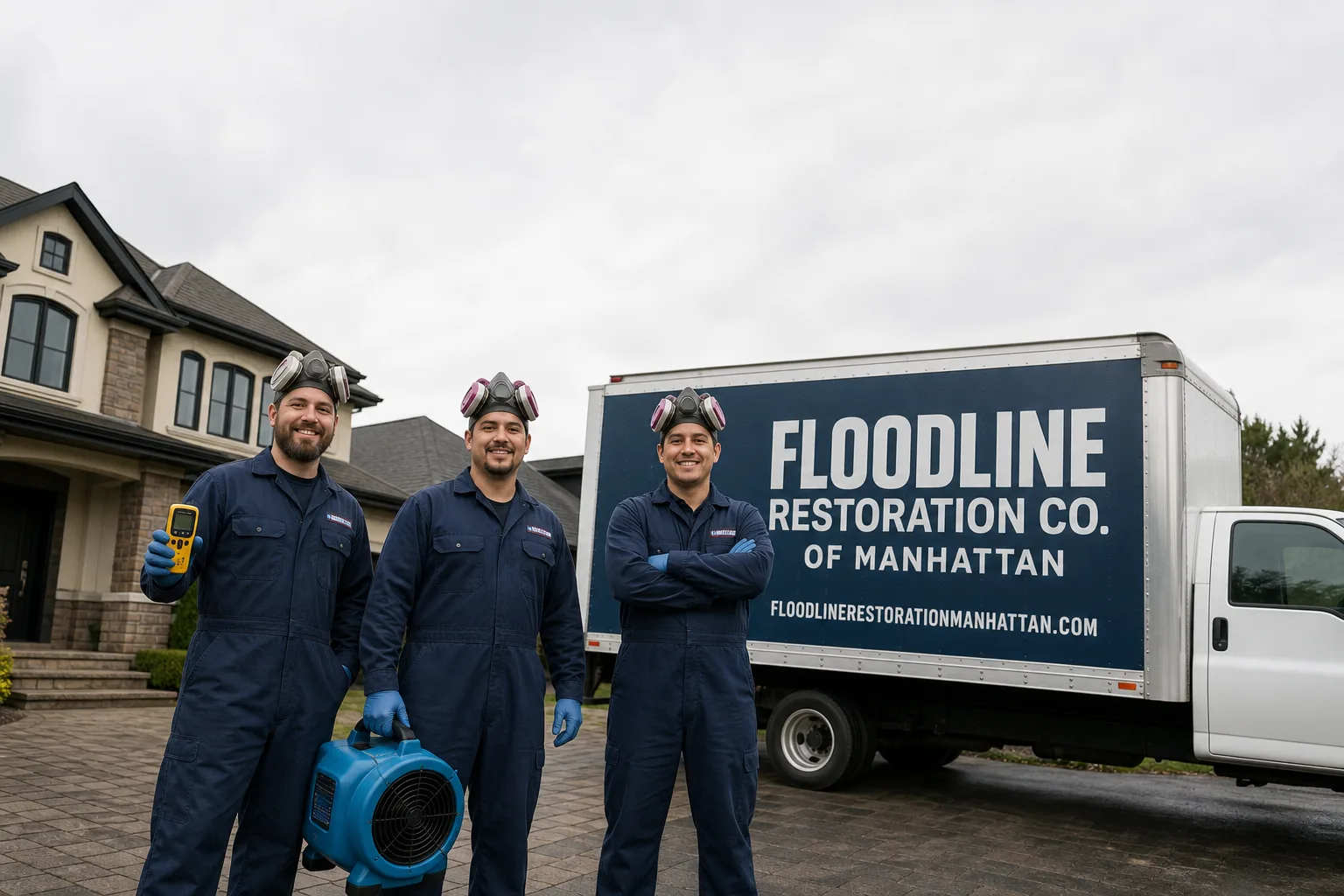
Free visual inspection and a written scope of work before any mitigation begins - photos, moisture readings, and drying logs go in your claim file
The scope we write is the scope we bill. Anything new gets shown to you, in writing, before we touch it.
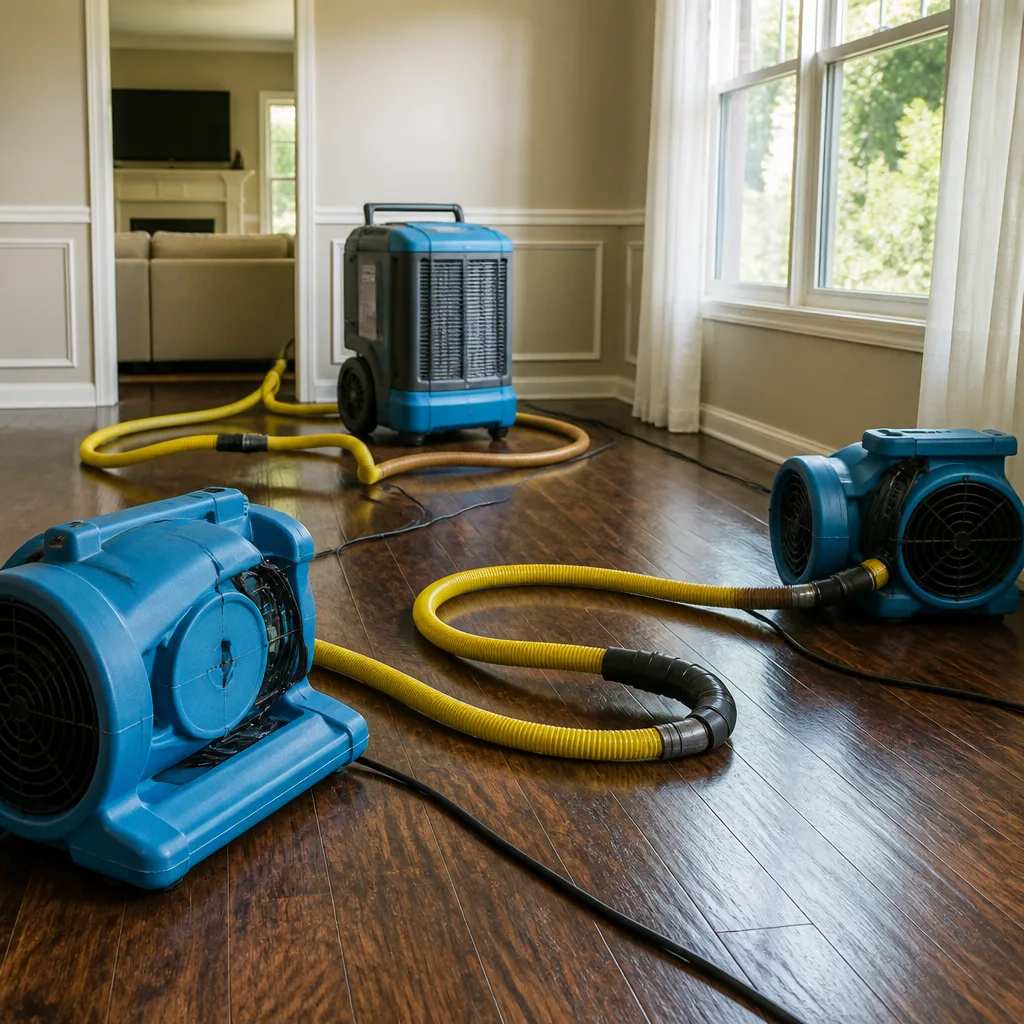
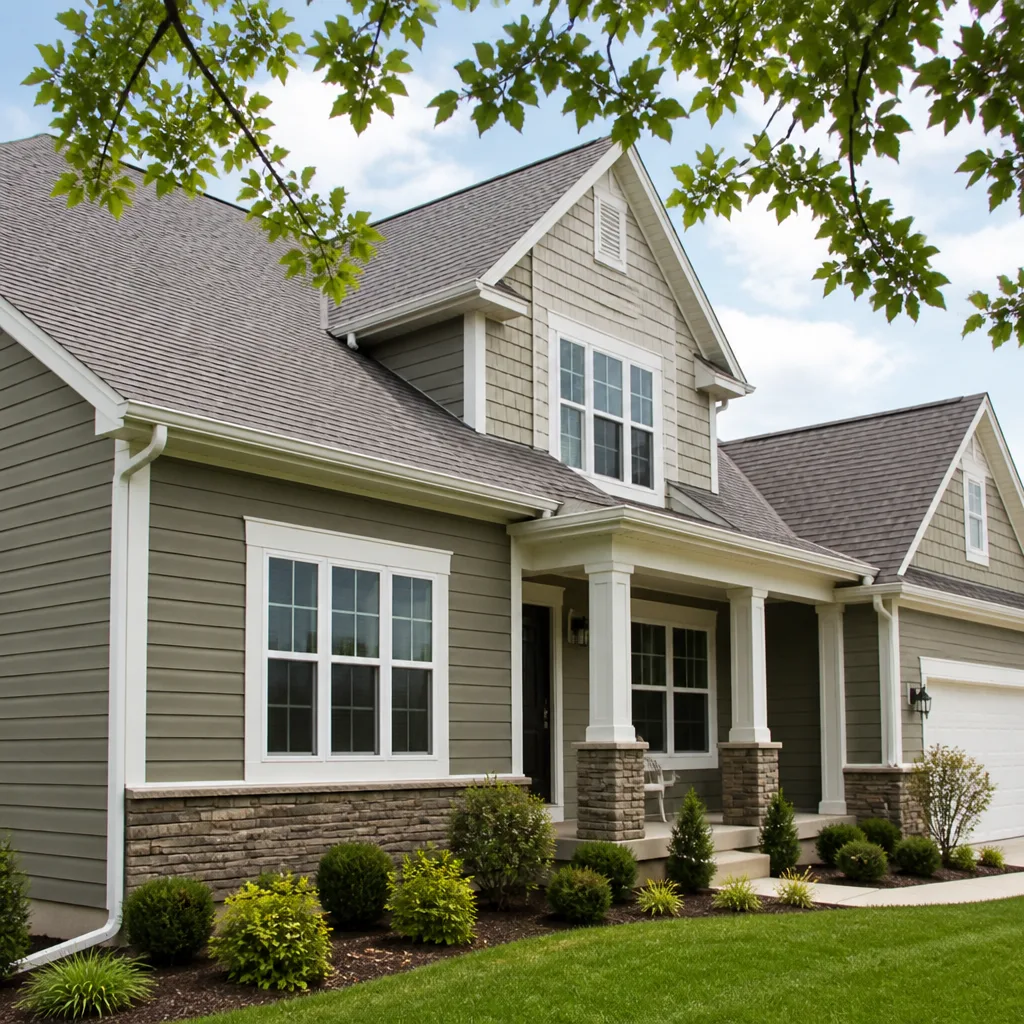
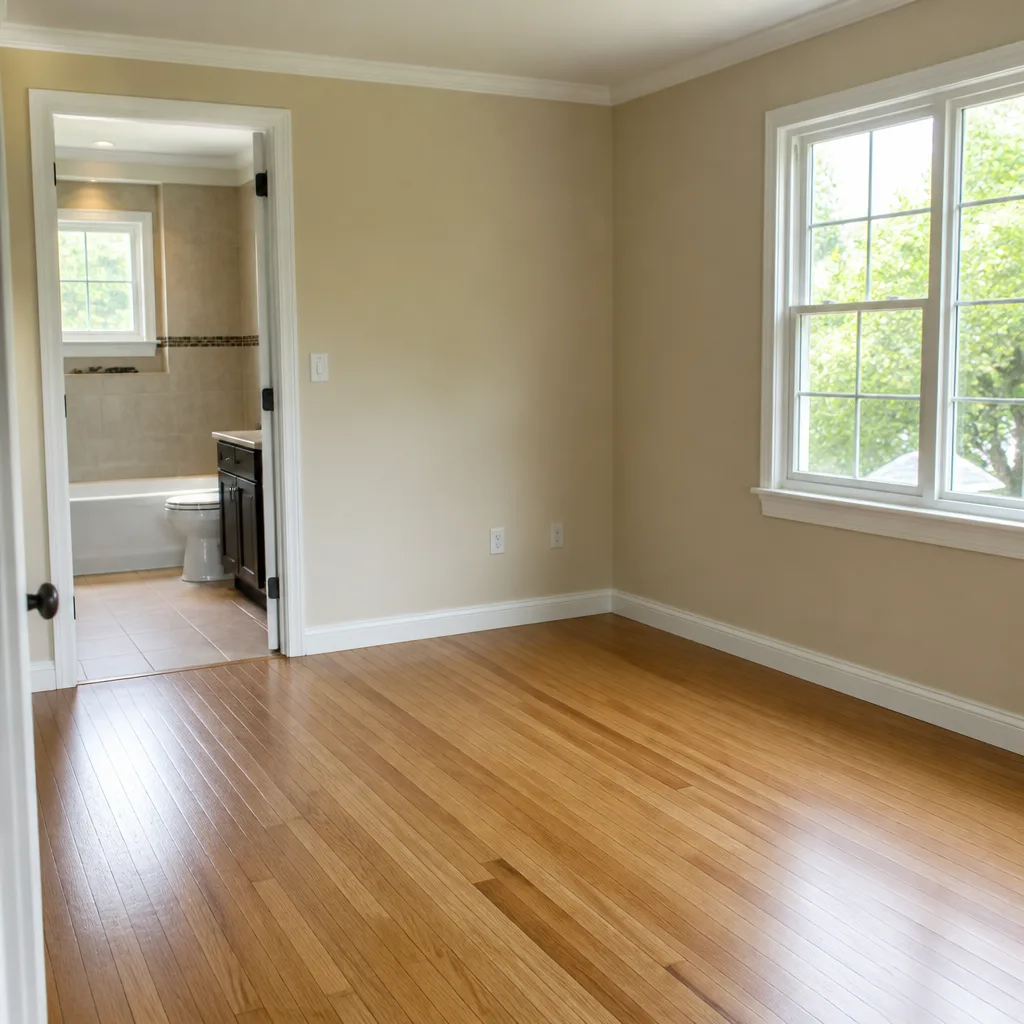
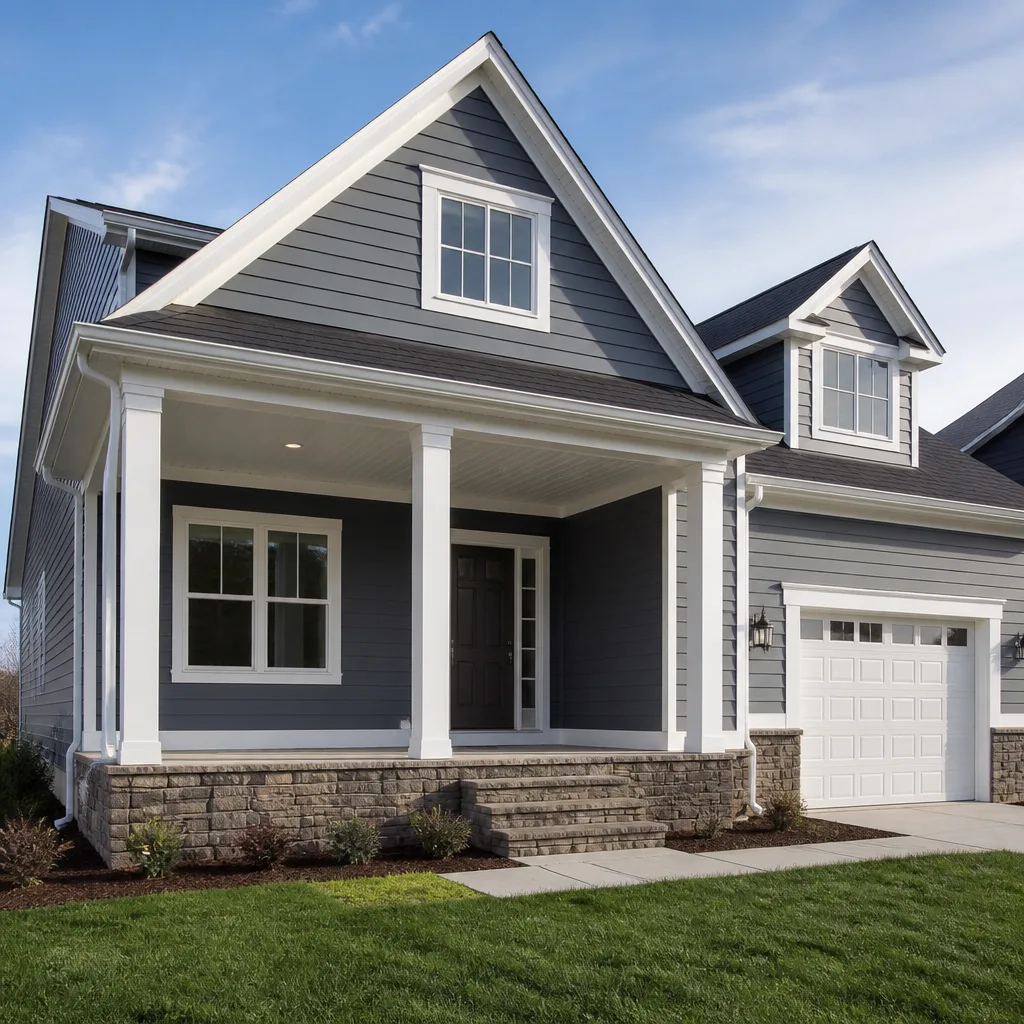
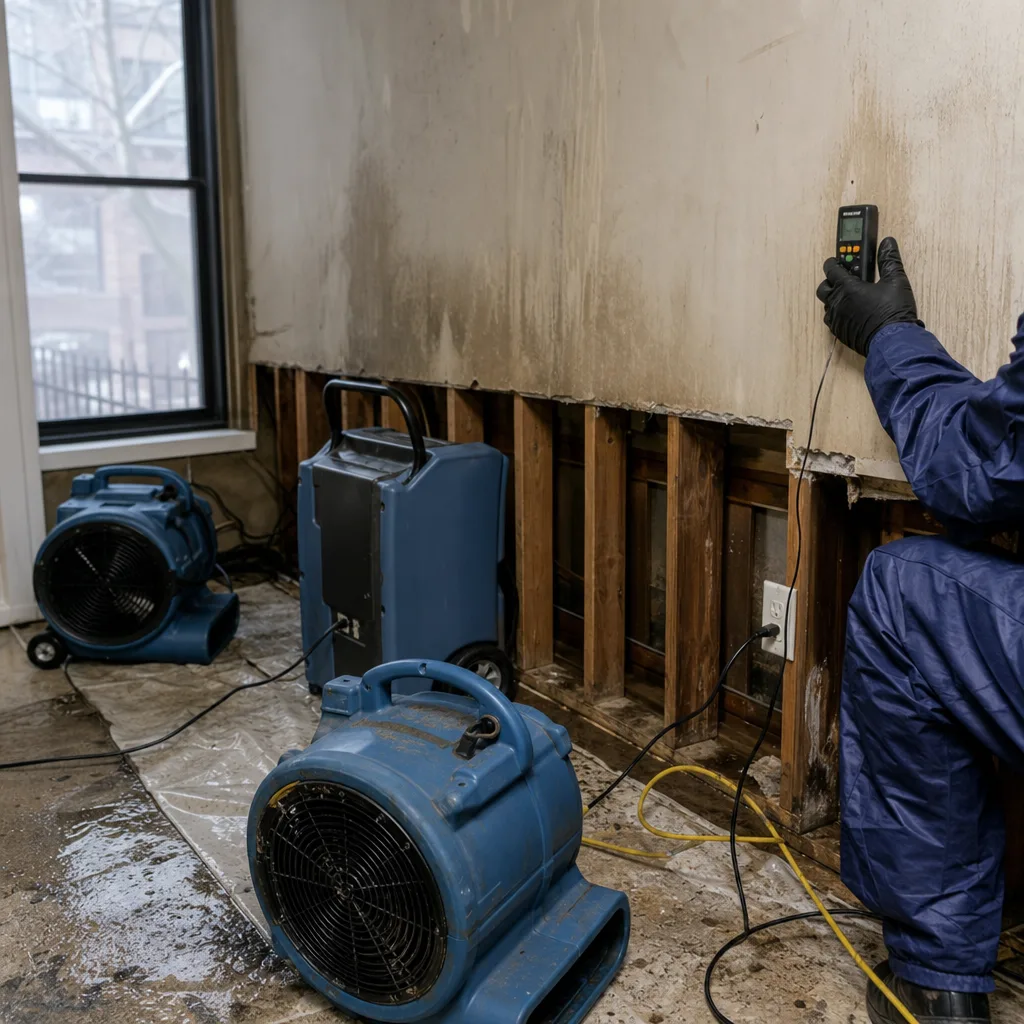 Before
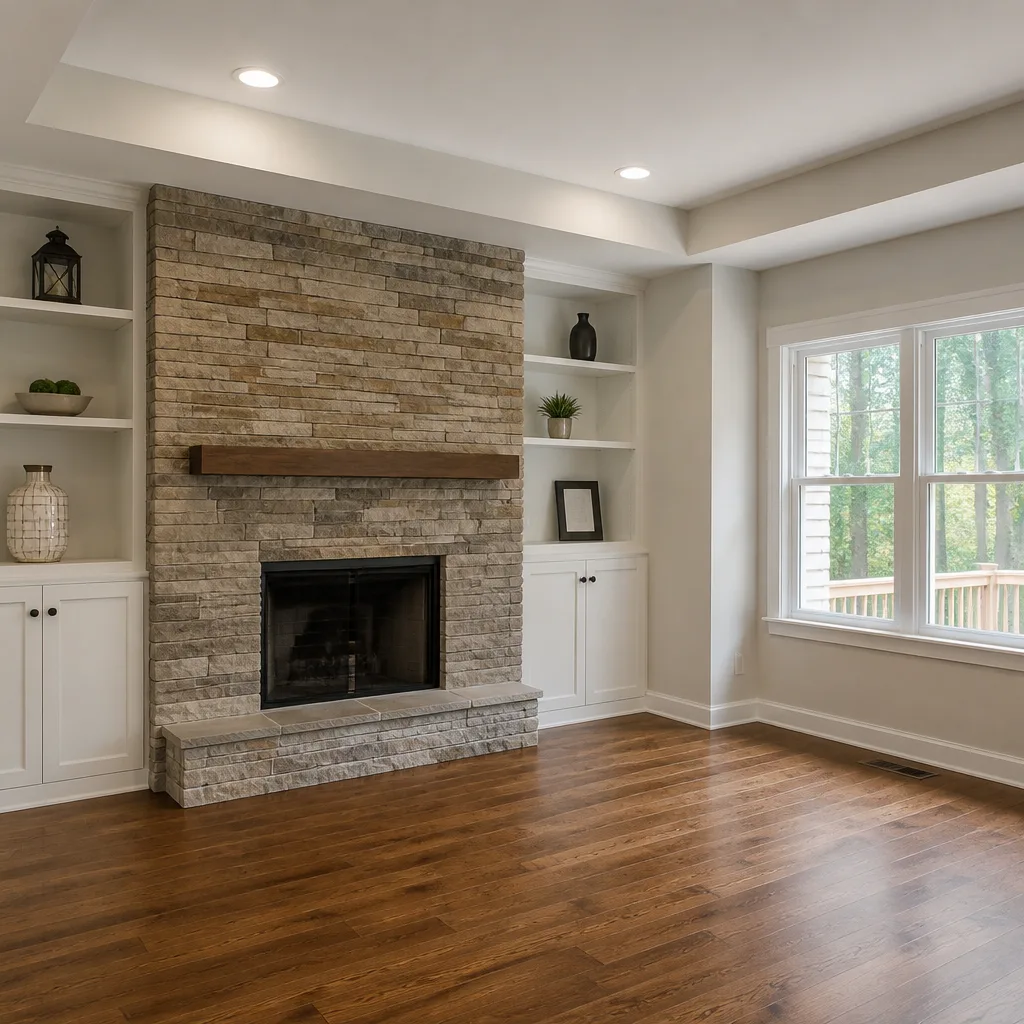
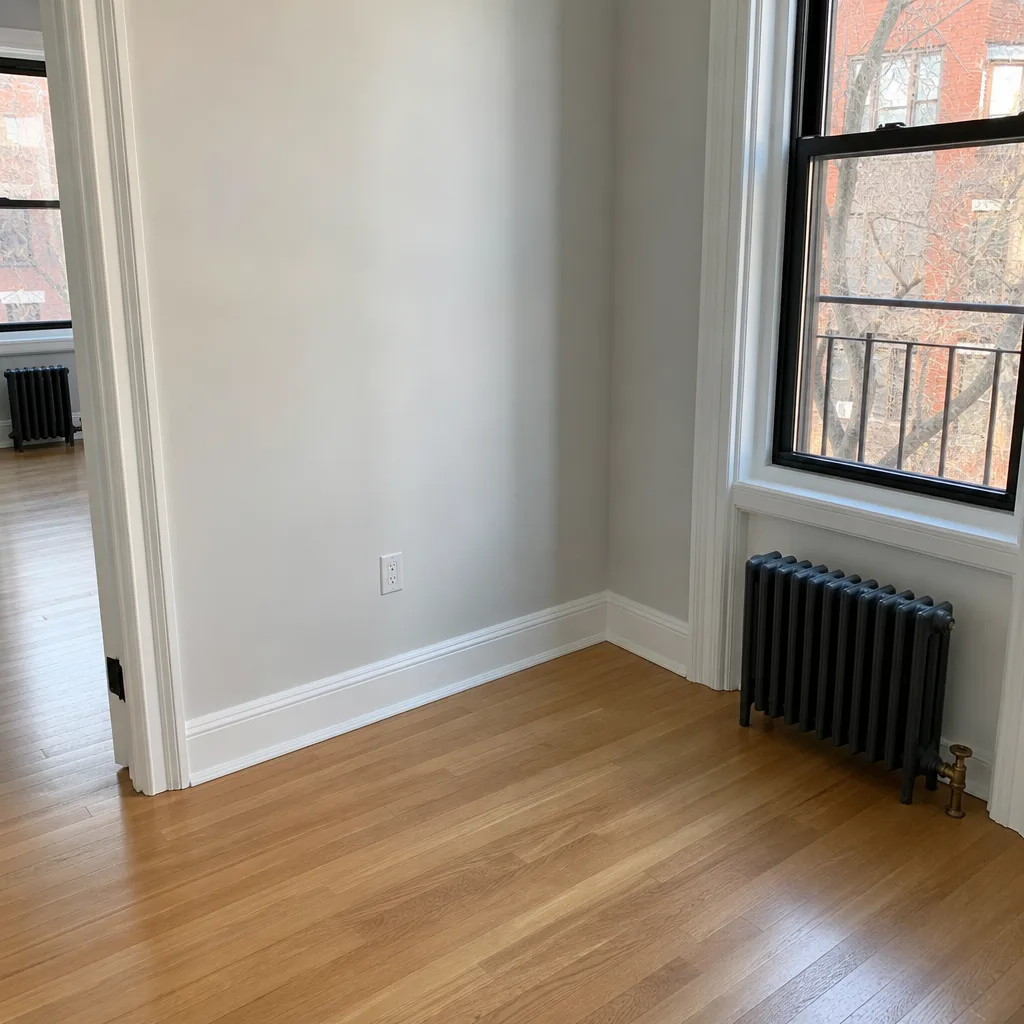 After
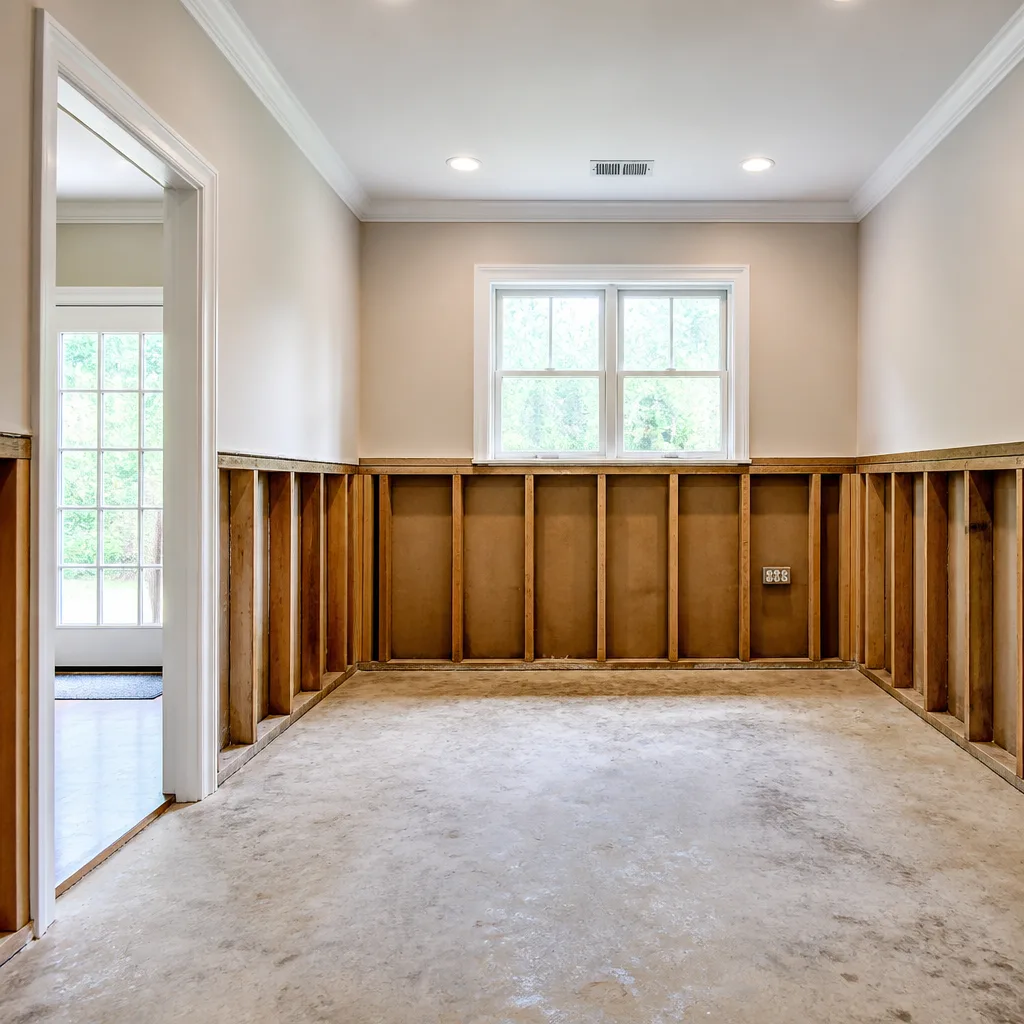
After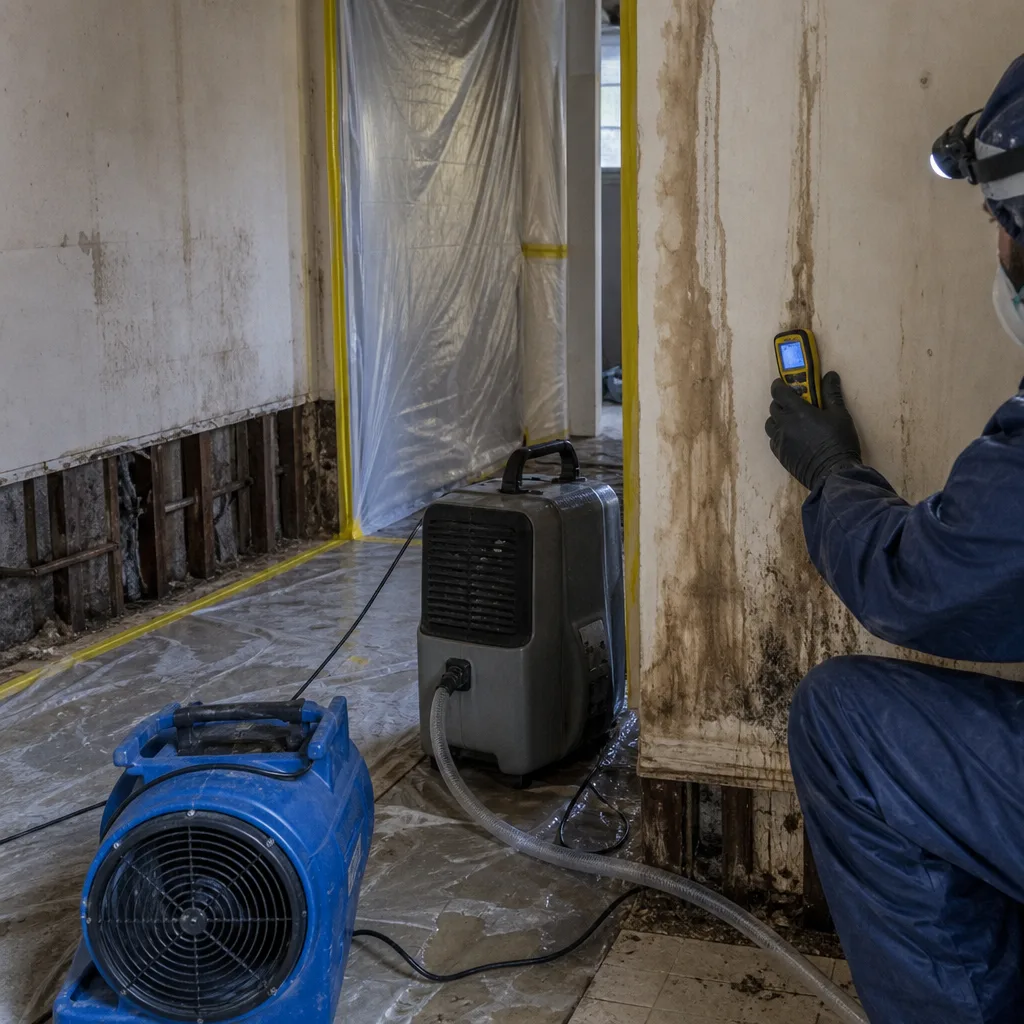 Before
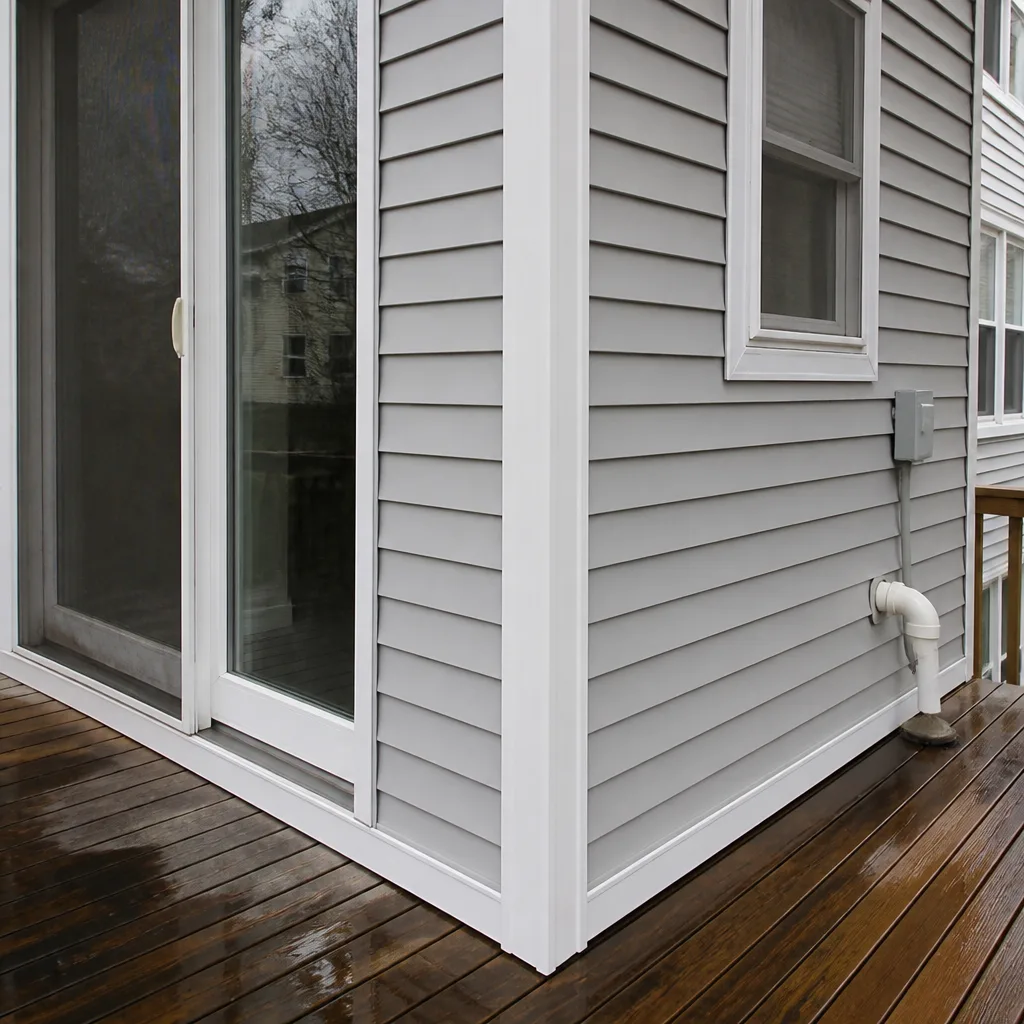 After
After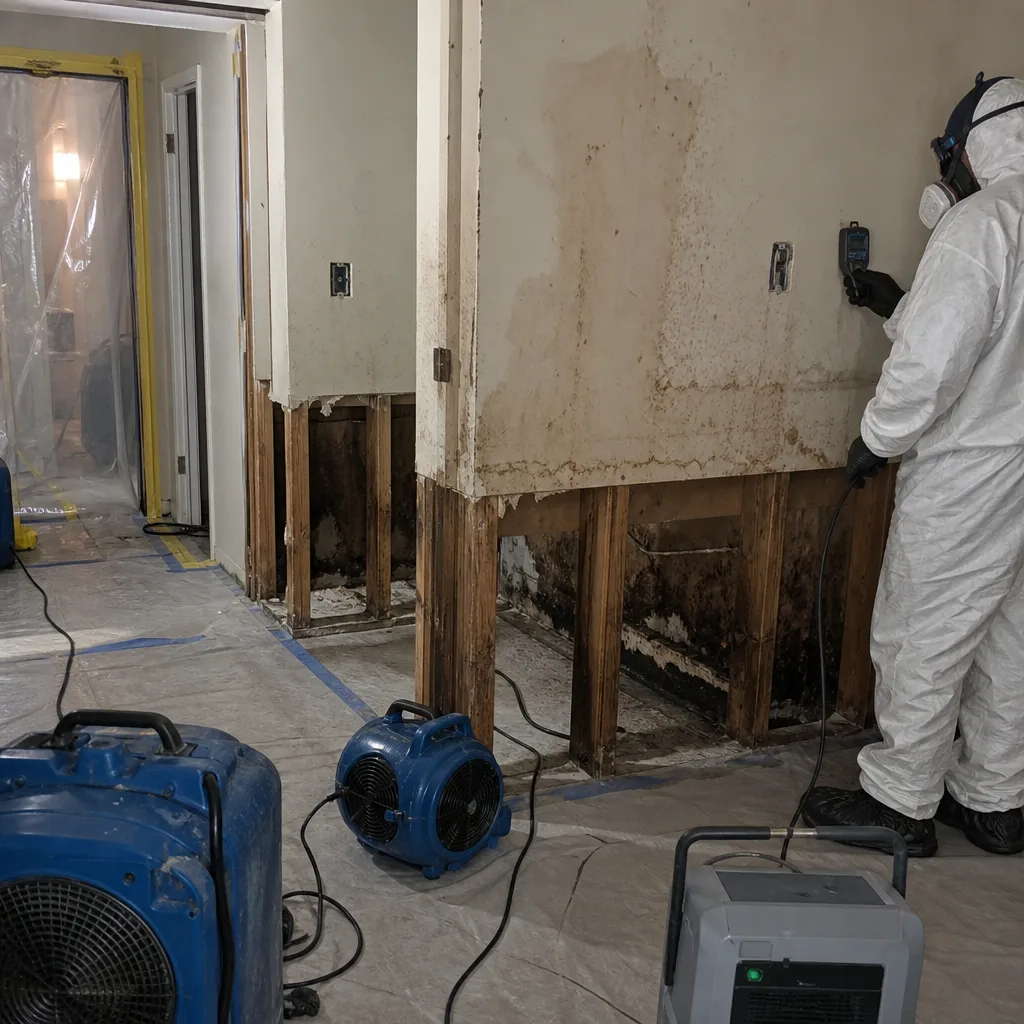 Before
 After
After24/7 Emergency Commercial Restoration in Chappaqua
Commercial water or storm damage in Chappaqua rarely waits for business hours, and neither do we. Floodline Restoration Co. answers every call with a live dispatcher, 24 hours a day, seven days a week. When a supply line bursts in a retail space on King Street or wind tears a section of roofing off a converted estate office on Quaker Road, you reach a real person who starts a crew toward Chappaqua immediately. The first hour determines how much flooring, millwork, and inventory can be saved after a water event, and our 45-minute response commitment means extraction is usually running the same visit. Call (917) 924-4221 the moment you see standing water, a sagging ceiling, or storm debris on a roof. The line the water left is where we start.
Understanding Commercial Restoration Severity in Chappaqua Properties
Commercial water damage is classified into three categories, and Chappaqua’s building stock makes that classification matter more than it does in a standard office park. Category 1 is clean water from a supply line or broken pipe. Category 2 is gray water, typically from appliance overflows or sump failures, carrying some contaminants. Category 3 is black water, from sewage backups or river flooding along the Saw Mill River corridor. When Category 2 or 3 water saturates the original plaster-and-lath walls common in Chappaqua’s converted estate buildings, we cannot simply dry the surface and call it done. Plaster holds water differently than drywall, wicking moisture upward into wood lath and trapping it behind built-in millwork. Our crews use thermal imaging and moisture mapping to find every hidden pocket, then set professional-grade Phoenix air movers and Dri-Eaz dehumidifiers running on a daily reading schedule until the dry standard is met. Seasonal storms add a second layer: Nor’easters strip slate tiles and let rain into high-ceilinged retail spaces, while hillside runoff channels water into basements that stay wet until drainage is addressed. Quick surface drying without those structural and drainage checks is how a minor loss becomes a mold claim in Chappaqua.
Why Chappaqua Property Owners Choose Floodline Restoration Co. of Manhattan
- 45-minute response commitment. From the moment you call, a crew is dispatched toward Chappaqua. For commercial losses, that speed keeps inventory dry and doors reopening sooner.
- A live person answers, day and night. No automated system, no answering service that takes a message. A dispatcher who knows Westchester geography picks up at 2 a.m. and starts moving resources.
- IICRC-certified crews. Our technicians hold WRT, FSRT, and AMRT certifications through IICRC, and train to RIA and IFA standards. They read moisture maps, build containment, and document every step.
- Free visual inspection. We assess the full extent of damage before any work is approved. You get a written scope, not a verbal guess.
- Direct insurance billing. We work with your carrier from the first hour, sending photos, readings, and line-item estimates. You never play messenger between us and the adjuster.
- One team from extraction to reconstruction. The same certified crew that pulls water on day one handles drying, decontamination, and rebuild. No mid-job handoff to a different outfit.
Our Commercial Restoration Process
Inspection & Assessment
We arrive within the response window and walk the entire affected area. Thermal imaging, hygrometers, and moisture probes map the full extent of water migration, not just what is visibly wet. You receive a written scope before any work starts.
Extraction & Stabilization
We remove standing water using truck-mounted and portable extraction units. Bulk water comes out first, then we stabilize the structure: containment where needed, content triage, and salvage decisions made on the spot with your input.
Drying & Dehumidification
Professional-grade air movers and dehumidifiers run continuously, not intermittently. Daily moisture readings log the drying curve until every surface meets the dry standard. For Chappaqua’s high-ceilinged spaces and plaster walls, we set equipment based on cubic footage, not floor area alone.
Cleaning & Sanitization
Affected surfaces get antimicrobial treatment appropriate to the water category. HEPA air scrubbers run during any demolition or mold-adjacent work so we are not pushing dust and spores into your occupied spaces.
Document & Inventory Recovery
Paper files, electronics, and inventory get triaged in the first 24 hours. Freeze-drying, desiccant chambers, and content cleaning stations are brought in where salvage is economically justified. We log what is recoverable and why, with photos for your claim.
Repairs & Restoration
The rebuild phase matches what was there, not whatever is cheapest. In Chappaqua, that often means a plasterer who can replicate an 80-year-old finish coat, a millworker rebuilding custom cabinetry, or a roofer matching slate. We stay through the final coat of paint.
Need Emergency Commercial Restoration in Chappaqua Now?
Crews minutes away, answering live 24 hours a day. The sooner we start, the less it costs.
Working With Your Insurance Company
Commercial property claims move faster when the carrier receives documentation it can verify, not a narrative it has to argue over. We build that documentation from the first hour on site. Every affected room gets photographed before and after extraction. Moisture maps show the progression of drying across your timeline. Line-item scopes distinguish between water damage from a covered event and pre-existing conditions that are not part of the claim. We send these directly to your adjuster and speak with them by phone, so you are not translating technical findings on your own. For business owners in Chappaqua running a store or office out of a converted estate, that documentation also protects you if the carrier questions whether original plaster walls or custom millwork qualify for replacement. We advocate for the full scope of what the policy covers, backed by industry-standard software and 42 years of company experience behind every estimate.
What We Provide Your Insurer
- Thorough documentation of the loss
- Photos of all damage, room by room
- Moisture readings and drying logs
- A detailed, line-item scope of work
- Direct coordination with your carrier
Built for Chappaqua’s Loss Calendar
Chappaqua’s commercial losses follow a pattern that any local property owner can set a clock by. January and February bring deep freezes that burst supply lines in unheated spaces and vacant tenant areas, especially in older commercial buildings with original plumbing. March and April send snowmelt downhill through the Saw Mill River watershed, and basements that stayed dry all winter suddenly take water from over-saturated slopes. June through August brings thunderstorm cells that drop two inches of rain in an hour, overwhelming undersized drains near King Street and Quaker Road storefronts. September through November is Nor’easter season, when high winds take down limbs from Chappaqua’s mature oaks and maples onto flat commercial roofs. Each of these seasons demands a different response. A frozen pipe in February needs controlled thawing and inspection of every run of pipe, not just the split section. A July flash flood needs drain and slope checks before drying can ever finish. That is why Floodline keeps crews trained for all of it, not just one narrow specialty.
Commercial Restoration Across Chappaqua’s Neighborhoods
Chappaqua is shaped by its geography, and so is the work we do here. Along King Street, the commercial spine of the hamlet, we regularly respond to retail storefronts housed in buildings that started as private homes before anyone in Westchester used the word “adaptive reuse.” These spaces have original plaster ceilings, old-growth wood floors, and stairwells built for residential foot traffic. When a boiler lets go upstairs, water runs through the old structure in ways a modern commercial build never would. Up on steeper lots off Quaker Road and Douglas Road, drainage matters more than most owners realize. Basement and ground-floor commercial spaces built into the slope get hit by hillside runoff during any heavy rain event, and a mitigation that ignores the outside grading is a mitigation that fails. Down near the Saw Mill River, the low-lying corridor from Route 117 toward the train station floods on schedule. Businesses there need permanent response plans, because the water returns whenever the river rises. And in the quieter professional buildings north of town around Hardscrabble Road, the challenge is different: more modern construction, but larger square footage and longer discovery delays when a problem starts over a weekend. Our crews know every one of these patterns, because we work them season after season.
Specialized Commercial Restoration Services We Offer in Chappaqua
Office & Retail Restoration
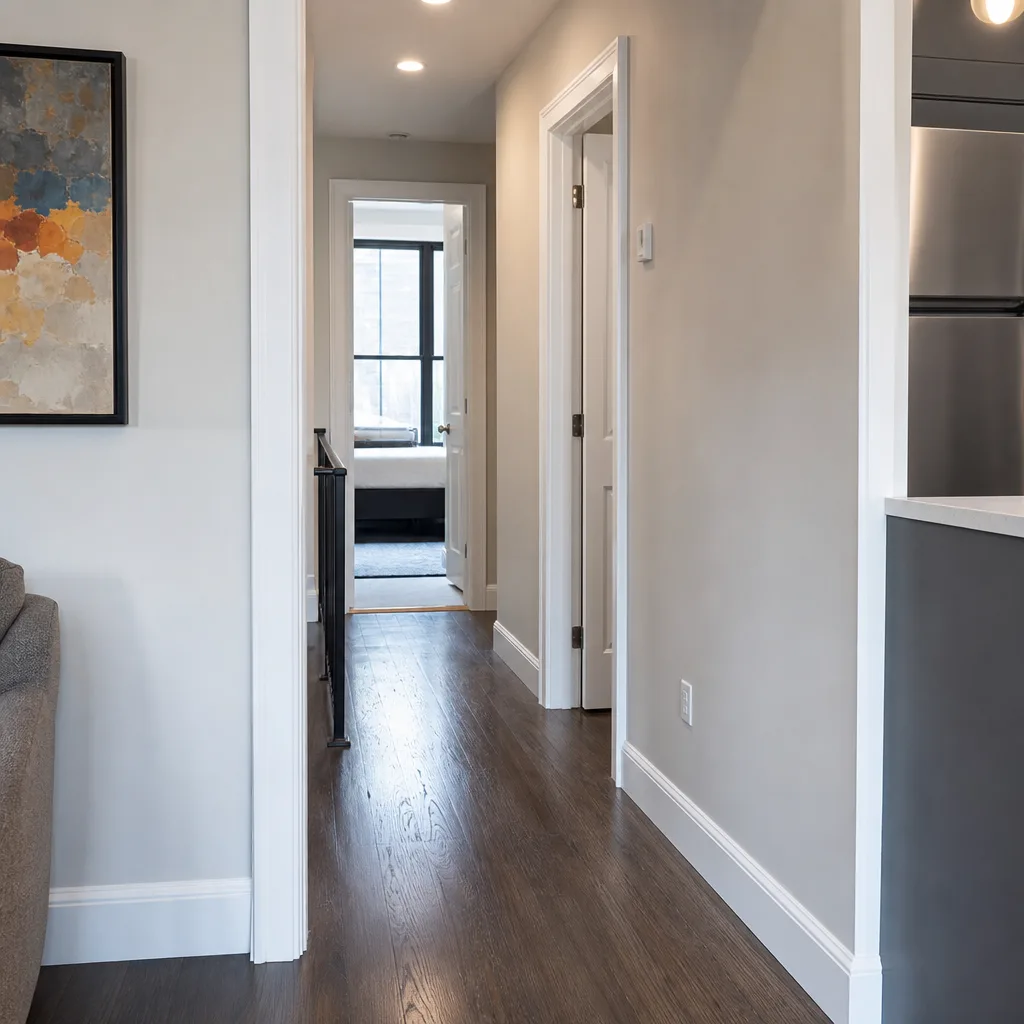
When a Chappaqua boutique or professional office takes water, the loss is measured in missed patient appointments, unserved customers, and payroll that keeps running while the door stays locked. We treat those spaces as the operating businesses they are. The goal is reopening in days, not weeks, with documentation that satisfies the leaseholder, the insurer, and the health department where applicable. Retail spaces in converted homes off King Street need Commercial Restoration work that respects original finishes while meeting modern code.
Multi-Unit & HOA Restoration
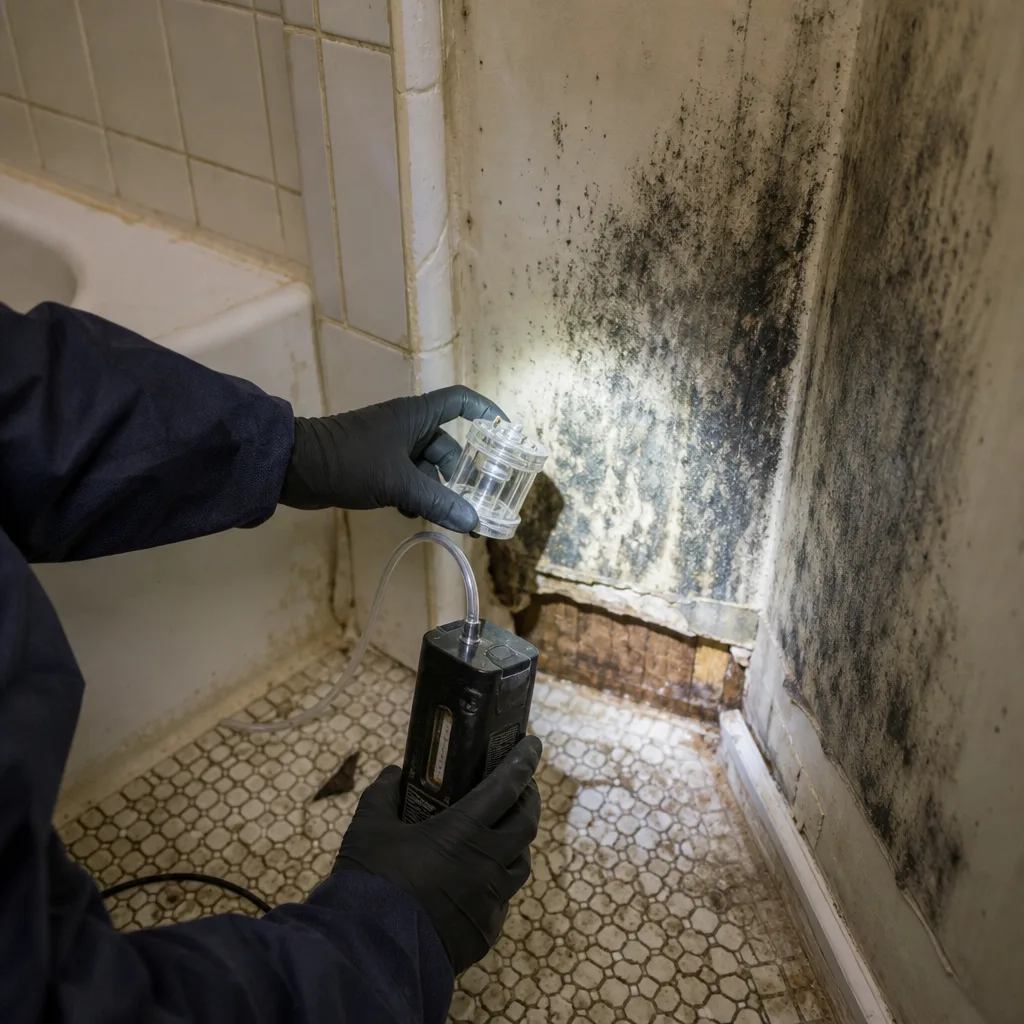
Condominium and cooperative buildings in Chappaqua mix original residential construction with commercial-grade systems installed over decades of renovations. A common-area flood or roof leak affects multiple units, each with different finishes and different levels of loss. We scope every unit individually while coordinating drying as one building-wide effort, keeping containment isolated so unaffected residents can stay in place. Board members get a single point of contact and one set of documentation for the association’s carrier.
Industrial Facility Cleanup
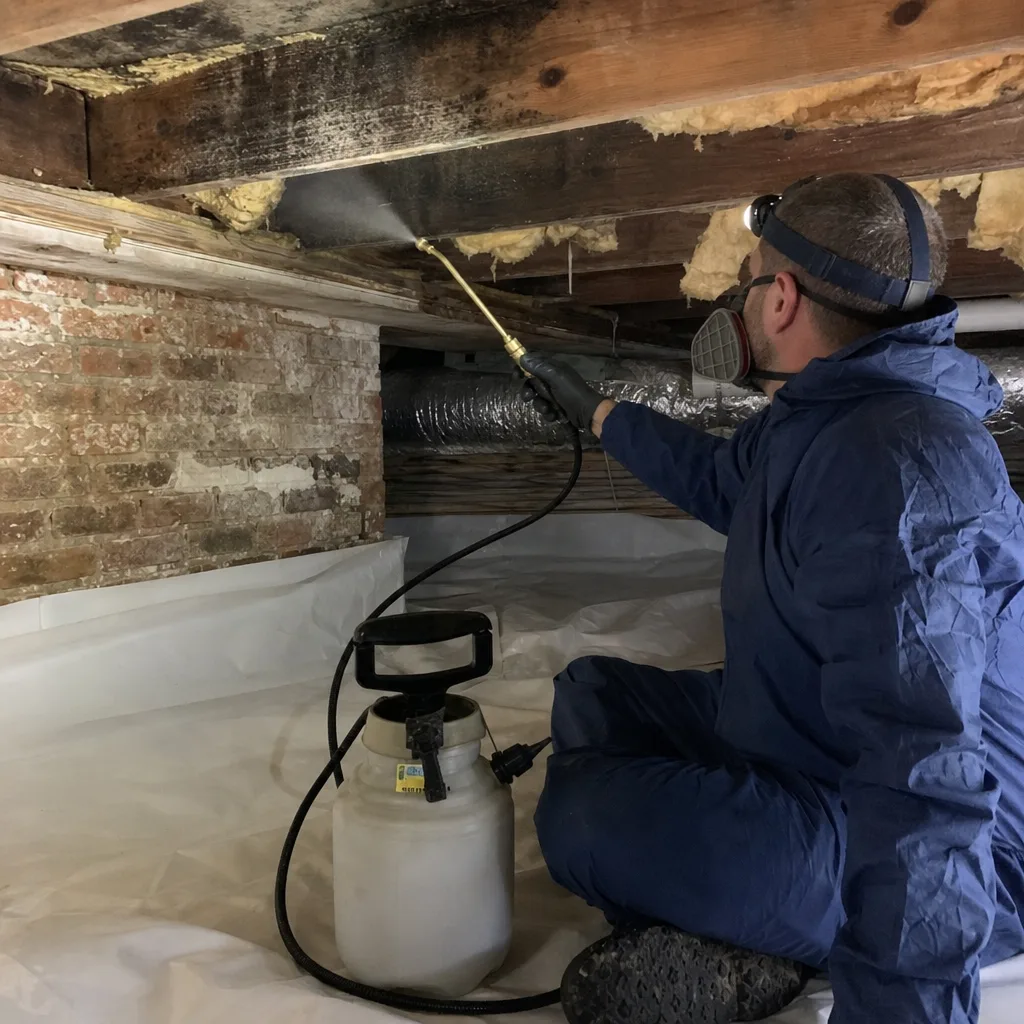
Though Chappaqua is not an industrial town, several legacy facilities and public works buildings along Route 117 and near the train corridor still house equipment, vehicles, and maintenance operations. Water in those spaces carries oil, hydraulic fluid, and years of accumulated residue. Our crews handle Category 2 and 3 contamination with full PPE, proper containment, and disposal per Westchester County regulations, not ad-hoc cleanup.
Large-Loss Response
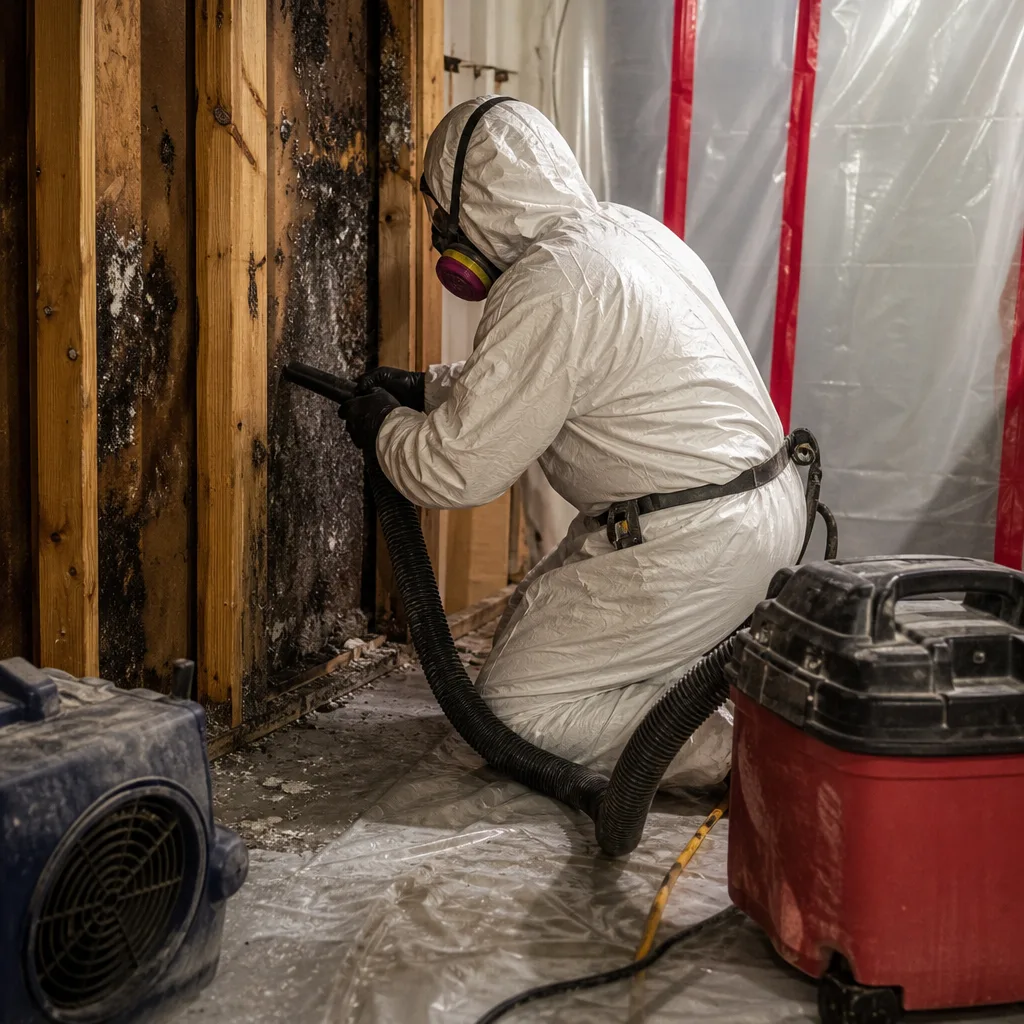
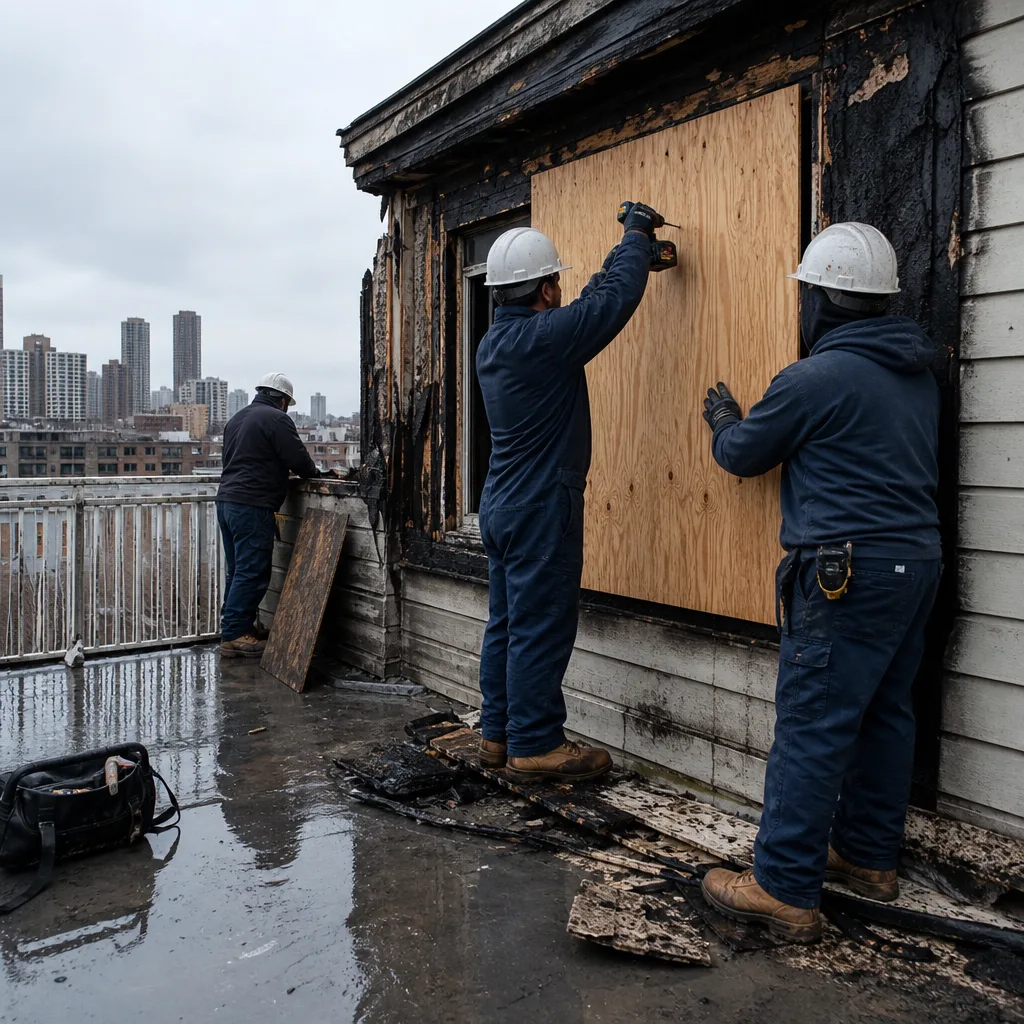
When a Nor’easter brings a tree through a roof, or a fire sprinkler head fails and dumps thousands of gallons through three floors, a two-person crew is not enough. Floodline can scale a response team within hours, with additional equipment from our regional inventory. Large losses require job-site management, security coordination, and daily written updates to all stakeholders. We run those jobs the way an insurer wants them run: measured, documented, and defensible.
Business Interruption Minimization
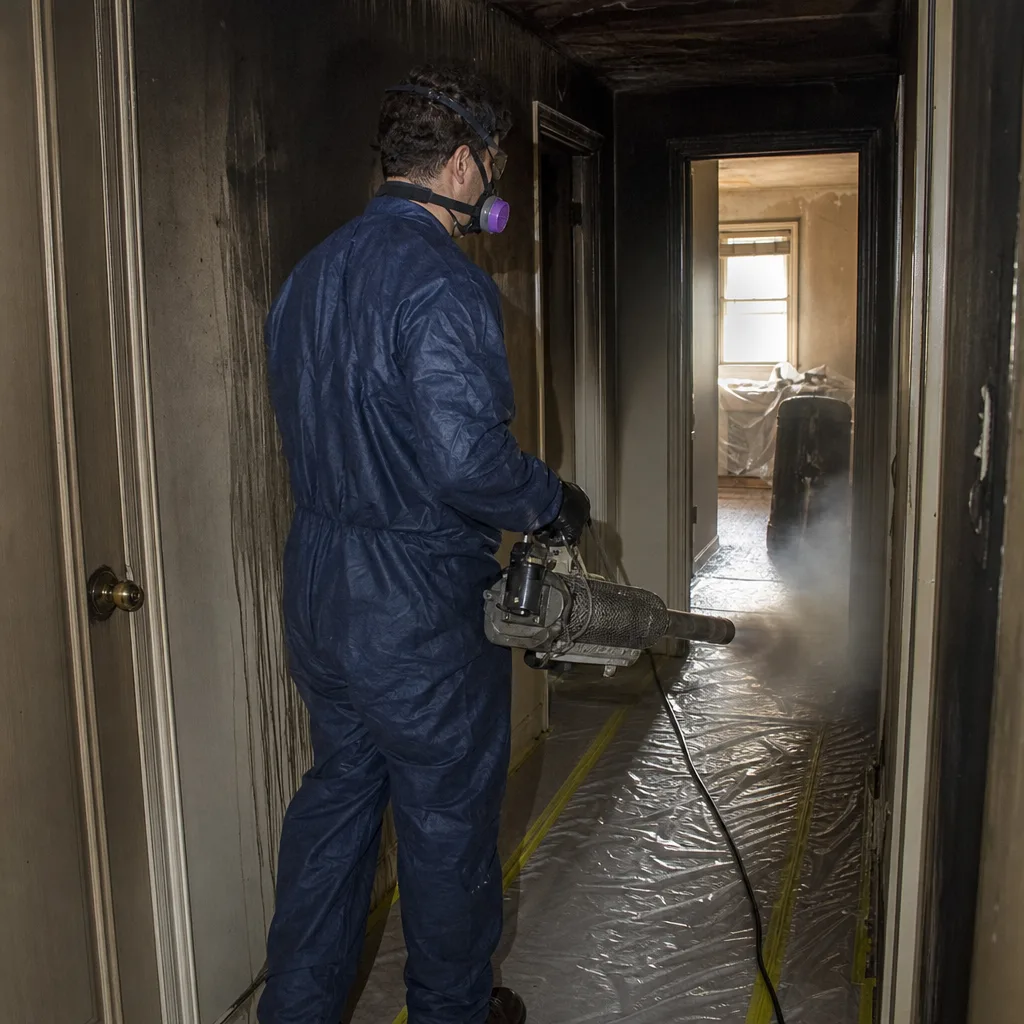
Every day a Chappaqua business is closed after water or fire damage is a day of revenue that is not coming back. We compress the time between first call and reopening through fast extraction, aggressive drying, and phased restoration that gets critical areas operational first. Where a whole build is involved, we sequence work so the public-facing portions reopen before back-of-house areas finish. This is our most requested service among Chappaqua retailers, and it is where the 45-minute response commitment saves real money.
Document & Inventory Recovery
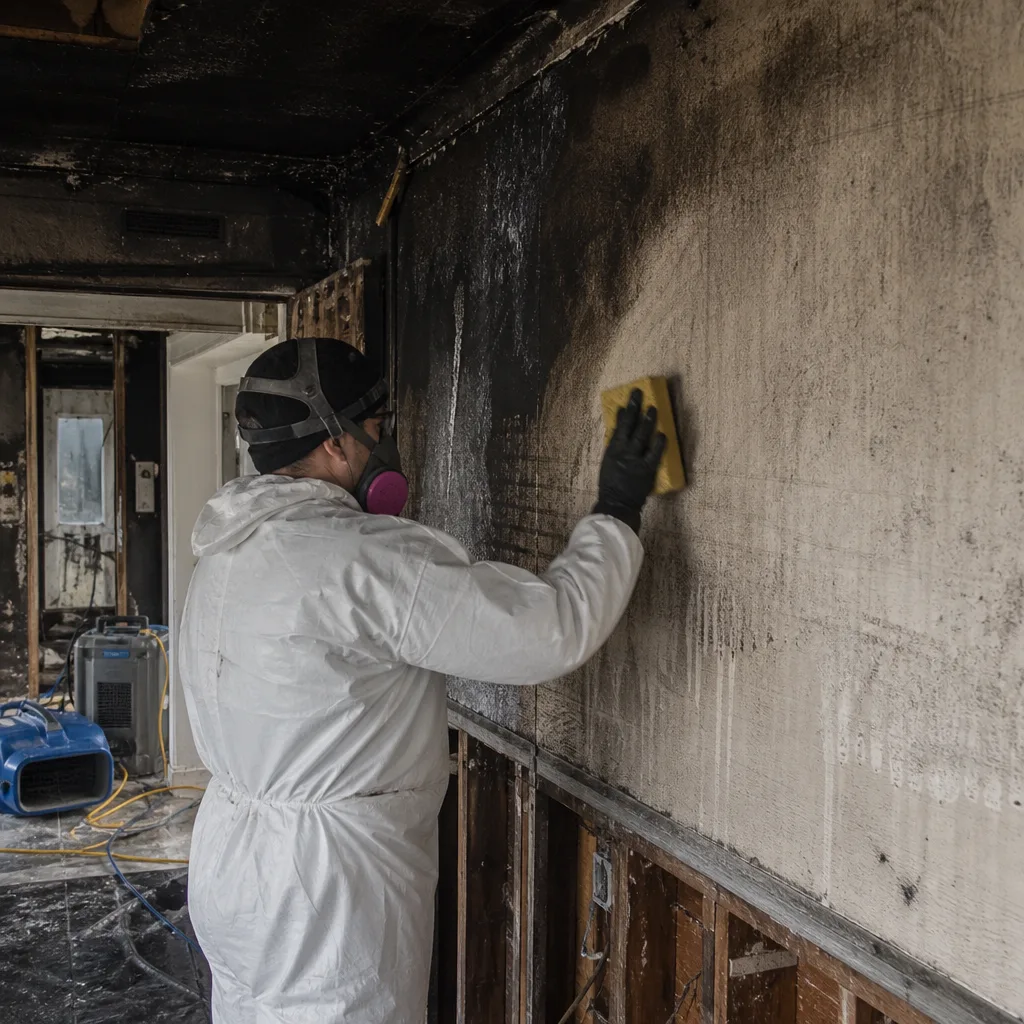
Chappaqua’s professional offices, title companies, and medical practices keep paper records and inventory that no insurance check can replace. We triage wet documents immediately: freeze-drying for saturated files, desiccant drying for damp records, and content cleaning for salvageable stock. Every item gets photographed and logged before processing, so your claim includes a defensible salvage schedule, not an abandonment notice. This is the difference between “total loss” and “we got it back” when the adjuster reviews your file.
What happens when you call
- 1
A real person answersNo phone trees - you reach a local pro.
- 2
You get an upfront price rangeHonest numbers before anyone is dispatched.
- 3
A background-checked tech heads outLicensed & insured, dispatched right away.
- 4
You approve before work beginsNothing starts until you say go.
Commercial Restoration Costs in Chappaqua, NY
Commercial restoration pricing in Chappaqua runs above the Westchester average, and the reason is structural. A straightforward water extraction and dry-out in a standard commercial suite runs $3,500 to $8,000. When original plaster walls, custom millwork, or hand-laid tile enter the equation, mitigation and rebuild costs routinely land in the $12,000 to $45,000 range depending on square footage and finish quality. Document and inventory recovery adds $800 to $4,000 per pallet of materials depending on drying method and volume. Large-loss response for a tree-through-roof event or multi-floor flood starts around $20,000 and climbs with structure and access. Business interruption minimization costs are embedded in the scope but typically reduce total downtime cost by 30 to 50 percent compared to unmanaged restoration. Policies covering most of these losses are common, and we bill your carrier directly. The free visual inspection gives you a firm written scope before you commit to anything.
We Also Serve Cities Near Chappaqua
Floodline Restoration Co. provides emergency and planned Commercial Restoration in Chappaqua plus same-day response to surrounding Westchester communities: Millwood, Pleasantville, Mount Kisco, and Thornwood. If your building sits within twenty minutes of Chappaqua, our crews reach it on the same dispatch schedule.
Serving Chappaqua, NY - Our Local Coverage Area
We’re based in the Chappaqua area and know this community well. Use the map below to see our service coverage - if you’re nearby, we can almost certainly help.
Chappaqua Commercial Restoration Questions, Answered
What makes commercial water damage in Chappaqua different from nearby towns like Mount Kisco?
Chappaqua’s commercial buildings are disproportionately housed in converted early-20th-century estate structures with original plaster-and-lath walls, old-growth wood framing, and steeply sloped sites. Mount Kisco has more modern commercial construction on flatter lots. When water hits Chappaqua plaster, it wicks upward into the wood lath and saturates in a way drywall never does, which changes drying time, equipment placement, and rebuild scope. Hillside drainage also affects more Chappaqua buildings than Mount Kisco ones, especially along the Saw Mill River corridor.
How quickly can you respond to a flood in a retail store near the Saw Mill River?
Our commitment is 45 minutes from call to crew dispatch toward Chappaqua, and a live dispatcher answers around the clock. For a retail store near the Saw Mill River corridor, we prioritize extraction because river water typically carries soil, fuel residue, and sewage components that classify it as Category 3. Fast extraction and aggressive drying are what keep a one-day closure from turning into a two-week one. Call (917) 924-4221 and a crew is on the way while you are still on the line.
Do you handle document and inventory recovery for offices in old Chappaqua buildings?
Yes. We triage documents, files, and inventory in the first 24 hours, then route them to freeze-drying, desiccant chambers, or content cleaning stations depending on saturation and material type. Every item gets photographed and logged before processing, and the salvage schedule goes to your insurance carrier as part of the claim. For a Chappaqua title office or medical practice with irreplaceable paper records, this is often the difference between a covered restoration and an uninsurable loss.
Can you restore after a large tree falls on a commercial roof during a Nor’easter?
Yes. Chappaqua’s mature oak and maple canopy drops big limbs onto roofs every storm season, and the damage pushes beyond roofing into structural framing, insulation, and interior finishes. We stabilize the building with temporary tarping and shoring on the emergency call, then bring in a structural assessment before any interior work proceeds. The rebuild matches the building’s existing materials: slate or clay-tile roofing, period trim, and original plaster repaired by a tradesperson who knows how to match a 90-year-old finish.
What does business interruption minimization look like for a Chappaqua shop?
It means we sequence the restoration so your public-facing space reopens before every back-room detail is finished. Extraction happens within the first hours, drying runs aggressively while containment keeps the retail area sealed or partially operational, and phased reconstruction opens the cash register while non-critical work continues. Most Chappaqua retailers we serve lose days, not weeks, of revenue because the mitigation was fast and the sequencing was planned for the business calendar. The 90-Day Done Right Promise backs the work in writing if anything is not right after reopening.
Will my commercial insurance cover this type of restoration in Chappaqua?
Most standard commercial property policies cover sudden and accidental water damage, storm damage, and fire suppression system failures. Coverage questions in Chappaqua usually hinge on two things: whether the building’s original plaster and custom finishes are properly valued, and whether slow drainage or deferred maintenance contributed to the loss. We photograph everything, document the progression with moisture logs, and speak directly with your adjuster to advocate for the full covered scope. The free inspection gives you a written scope you can send to your carrier for pre-authorization.
How long does commercial drying take on a Chappaqua building with plaster walls?
Standard drywall commercial spaces dry in three to five days with proper equipment. Chappaqua’s converted estates with original plaster-and-lath walls typically take five to ten days, because the plaster pulls moisture into the wood lath and behind built-in millwork where airflow does not reach easily. We set equipment based on cubic footage and wall assembly type, not just floor area, and daily moisture readings tell us when the dry standard is actually met. Rushing this phase produces hidden moisture and mold claims a year later.
What should I do in the first 30 minutes after water appears in my Chappaqua business?
Call (917) 924-4221 first. While you are on the line, stay out of standing water if it is near electrical equipment. If the source is a burst pipe, shut the main valve if you know where it is and can reach it safely. Do not attempt to pull up carpet from a Category 2 or 3 loss yourself. Move electronics and paper records out of the water path only if you can do so without stepping into it. Then leave the rest to our crew, because the first hour of extraction is the most important factor in whether your space reopens in days or weeks.
Written by Curt Bowman, Owner at Floodline Restoration Co. of Manhattan, serving Chappaqua and the surrounding Westchester communities.