
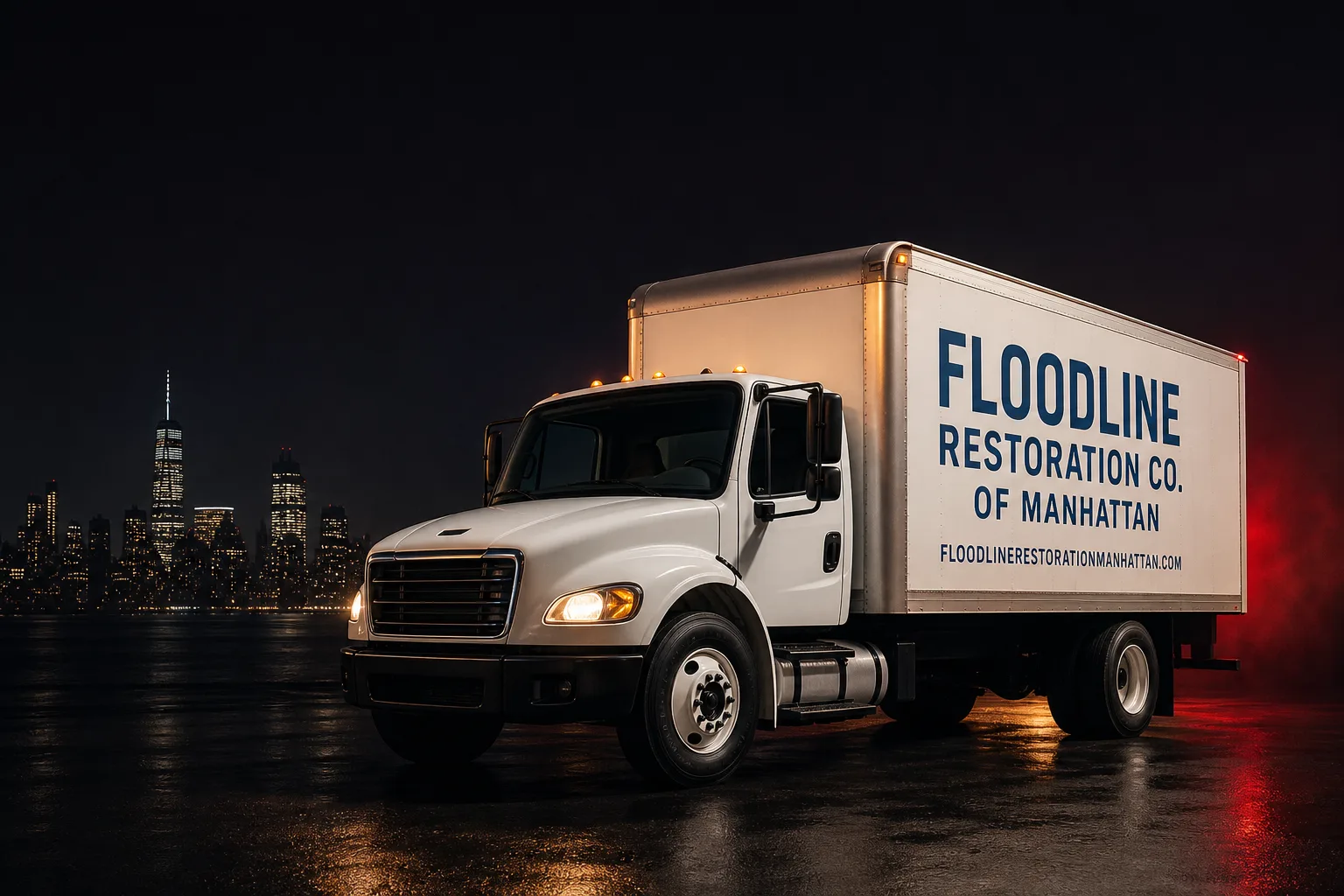
Free visual inspection and a written scope of work before any mitigation begins - photos, moisture readings, and drying logs go in your claim file
The scope we write is the scope we bill. Anything new gets shown to you, in writing, before we touch it.






 Before
 After
After Before
 After
After Before
 After
After24/7 Emergency Commercial Restoration in Glendale
Commercial water, fire, and mold damage in Glendale demands a response team that understands the neighborhood’s attached brick row houses and shared party walls. Floodline Restoration Co. of Manhattan answers live 24 hours a day at (917) 924-4221. A certified crew reaches Glendale fast, with a free visual inspection on arrival and a written scope before any work starts.
When a supply line ruptures in a 1930s two-family brick building off Myrtle Avenue, water doesn’t respect property lines. It moves through masonry, under finished basement floors, and into the adjoining commercial space before you’ve finished mopping. The first hour determines whether you’re dealing with extraction and drying or a full Category 2 contamination event. We dispatch immediately. Extraction runs the same visit. That’s the difference between a bad week and a closed storefront.
Understanding Commercial Restoration Severity in Glendale Properties
Glendale’s commercial stock presents a specific set of restoration challenges. Most buildings along Myrtle Avenue, Cooper Avenue, and 80th Street date from the 1920s through the 1940s, built as attached brick two-family row houses later converted to mixed commercial and residential use. Those original structures carry original galvanized and cast-iron supply lines, much of it past its design life, and full basements informally finished into tenant spaces. When a pipe lets go, water enters cavities that were never designed for modern plumbing access.
We classify water damage by category. Category 1 comes from clean supply lines: a failed fitting, a split section of galvanized pipe, an overpressure event. Category 2 carries significant contamination, typical when water passes through walls, floors, or ceiling assemblies. Category 3 is grossly contaminated: sewage backups, exterior floodwater, or a long-standing crawlspace intrusion. In Glendale’s older attached commercial spaces, category rarely stays at 1 for long. Shared wall cavities hold decades of dust, rodent debris, and deteriorated plaster. Moisture mapping with thermal imaging and penetrating meters shows us the full migration path, not just the visible wet spot. That’s the difference between a cleaning and a full structural drying protocol.
For fire losses, Glendale’s brick party walls do something useful: they slow flame spread. But smoke has no such respect. Soot residue and odor migrate through shared attic spaces, floor joist bays, and electrical chases drilled decades ago. Restoration here means sealing and cleaning both the source unit and any adjoining space sharing a wall or ceiling assembly. We run HEPA air scrubbers and hydroxyl generators until clearance testing confirms the air is clean, then we rebuild what the fire damaged.
Why Glendale Property Owners Choose Floodline Restoration Co. of Manhattan
- 45-minute response commitment. A live dispatcher takes your call and a crew is rolling toward Glendale immediately, not after a call-back from a sales rep.
- 24/7 live answer, every time. You reach a person at 2 a.m., not a recording. The dispatcher can tell you exactly which certified techs are on shift and how fast they can be at your door.
- IICRC-certified crews. Our water techs hold WRT and ASD certifications; our fire techs hold FSRT; our mold techs hold AMRT and CMR. Background-checked and uniformed, on every job.
- Free visual inspection with no obligation. We assess the damage, explain what we see, and give you a written scope before any equipment comes off the truck.
- Direct insurance billing. We coordinate with your adjuster, document everything, and bill the carrier directly. You don’t play messenger between us and your policy.
- One team from extraction to reconstruction. The same certified crew that runs extraction handles daily moisture readings, air scrubbing, drywall replacement, and trim. No mid-job handoff to a subcontractor you never vetted.
Our Commercial Restoration Process
Inspection & Assessment
We walk the loss site with you, map moisture with thermal imaging and penetrating meters, and determine the full extent of damage including hidden cavities. You get a written scope and a clear explanation of what’s needed and why before work begins.
Extraction & Stabilization
We remove standing water with truck-mounted and portable extraction units, then stabilize the site. That means shutting off water sources, isolating affected electrical circuits, and setting containment where Category 2 or 3 water is present.
Drying & Dehumidification
We place Dri-Eaz and Phoenix dehumidifiers with XPOWER and B-Air air movers, calculated by cubic footage and moisture load. Hygrometers and thermal cameras guide placement. We take daily readings and log them until the dry standard is met.
Cleaning & Sanitization
Affected surfaces get cleaned with professional-grade antimicrobials and HEPA vacuuming. For mold, we establish full containment with negative air pressure and run HEPA air scrubbers through the project.
Specialty Commercial Treatment
For commercial spaces in Glendale, this means deodorizing smoke from shared wall cavities, treating wood framing with anti-fungal solutions, and documenting every step for multi-party insurance claims involving adjoining property owners.
Repairs & Restoration
We rebuild what the loss damaged: drywall, trim, flooring, paint, and any structural repairs the masonry envelope requires. The crew that started the job finishes it. You get the 90-Day Done Right Promise in writing.
Need Emergency Commercial Restoration in Glendale Now?
Crews minutes away, answering live 24 hours a day. The sooner we start, the less it costs.
Working With Your Insurance Company
Most commercial restoration claims in Glendale involve at least one insurance carrier, and in attached buildings, often two or three. We’ve handled enough multi-policy losses to know what adjusters need and when they need it. From the first hour on site, we document everything: photos of the source of loss, room-by-room damage, moisture readings, drying logs, and a line-item scope that matches industry-standard estimating software. We speak directly to your adjuster so you don’t have to translate restoration terms into insurance language. Direct billing means the carrier pays us for covered work. You focus on keeping your business running.
What We Provide Your Insurer
- Thorough documentation of the loss
- Photos of all damage, room by room
- Moisture readings and drying logs
- A detailed, line-item scope of work
- Direct coordination with your carrier
Built for Glendale’s Loss Calendar
Glendale’s commercial restoration calls follow a seasonal pattern as predictable as the M train schedule. January and February bring deep freezes that split aging galvanized supply lines in uninsulated exterior walls. When a cold snap hits and a section of 1940s pipe lets go behind a display case on Myrtle Avenue, water spreads fast through finished basement spaces before anyone notices the pressure drop. Spring thaw sends groundwater against foundation walls, and in Glendale’s older brick buildings, water finds its way through deteriorated mortar joints and into basement commercial spaces. We see chronic moisture in shared wall cavities that homeowners and tenants have lived with for years, only addressed when a new leak pushes it over the line.
Summer thunderstorms overwhelm the local storm drains. Flash flooding in low-lying sections near the Fresh Pond Road corridor backs up into basement entries and utility rooms. Nor’easters in fall and early winter test every flat-roofed rear extension on Glendale’s brick row houses. The 1950s-era membrane roofs pond water, and when they finally fail, the leak runs silently into finished ceilings and walls below. By the time a tenant notices the stain, mold colonies are often well established. Our restoration approach accounts for this: we evaluate the masonry envelope and roofing system as part of any interior water loss, not as a separate afterthought.
Commercial Restoration Across Glendale’s Neighborhoods
Glendale runs on a grid of brick and commerce, and each corridor has its own restoration fingerprint. Myrtle Avenue is the commercial spine, lined with two- and three-story mixed-use buildings where storefronts sit below residential units. A kitchen fire above a deli on Myrtle sends smoke into the retail space through shared joist bays, and we contain and clean both floors. Cooper Avenue carries similar mixed-use stock, and its older buildings often show the same chronic rear-addition roof failures we see across the neighborhood. The blocks around Glendale’s public school, PS 91, hold dense rows of attached two-family homes with finished basement units, where water scoping requires penetrating meters and a willingness to open walls to find hidden migration paths. Over near the Glendale MTA yard on 73rd Street, commercial buildings share walls with active rail infrastructure, and dust control during restoration matters more than usual. Each zone has distinct access and building-age patterns, and our crews know them.
Our techs drive these streets daily. They know which blocks hold 1920s construction with original plumbing and which corners saw 1960s renovations with Roma-era supply lines. That local knowledge shaves hours off the initial assessment and means we stage equipment for the building we’re actually entering, not a generic commercial space.
Specialized Commercial Restoration Services We Offer in Glendale
Office & Retail Restoration
A burst pipe above a Myrtle Avenue storefront at 10 a.m. means lost sales every minute the doors are closed. We prioritize extraction and structural drying to get commercial spaces dried fast, with containment that lets foot traffic return to unaffected areas while we finish the back room. You stay open. We work around your hours where possible.
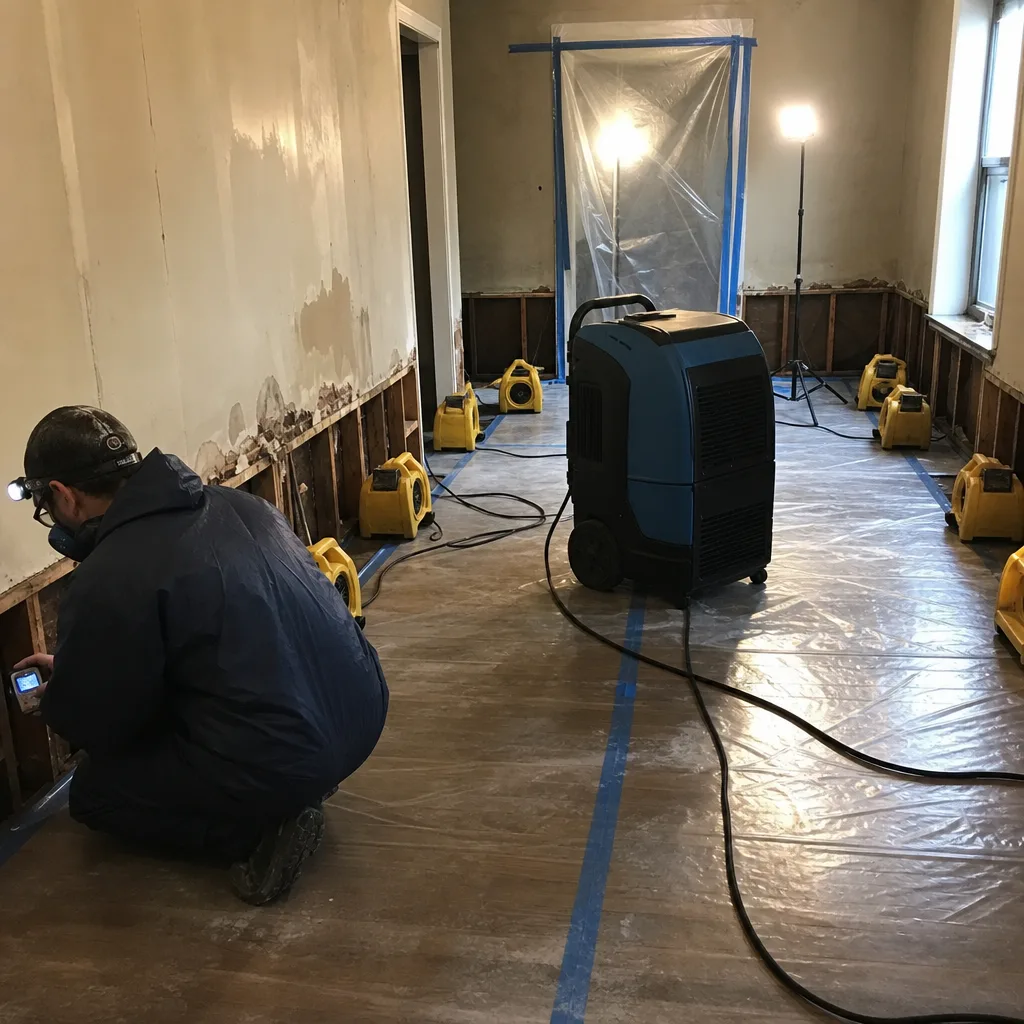
Multi-Unit & HOA Restoration
This is where Glendale’s attached construction makes us indispensable. A single loss in one unit of a brick row building on 71st Avenue routinely involves the adjoining property’s owner and insurance carrier. Commercial Restoration in attached buildings means managing containment, drying, and documentation across multiple ownership lines at once. We’ve done it hundreds of times.
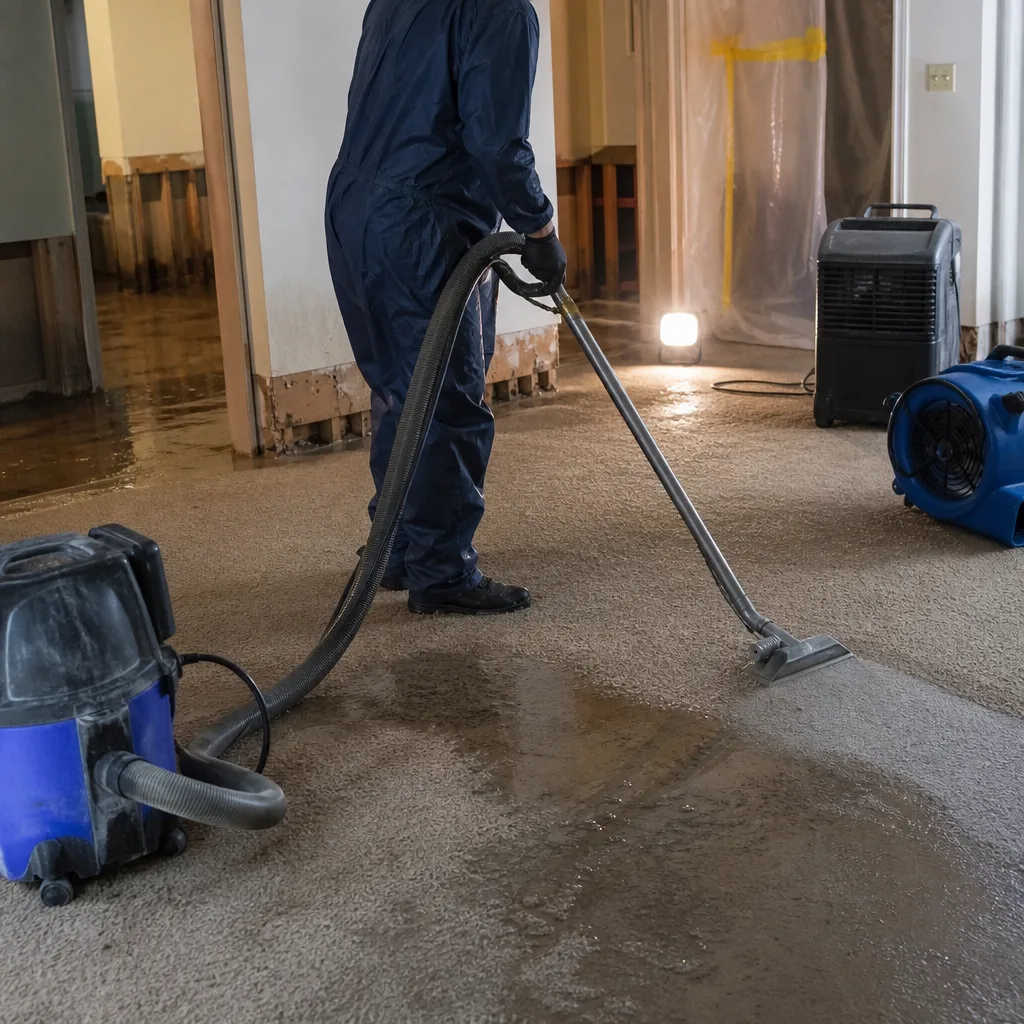
Industrial Facility Cleanup
Glendale’s industrial pockets near the rail yards and along Fresh Pond Road face heavier soot, chemical residue, and large-format spaces. Our crews bring the same certified process at industrial scale: bigger air movers, extended dry-down protocols, and clearance testing suited to occupied production environments.
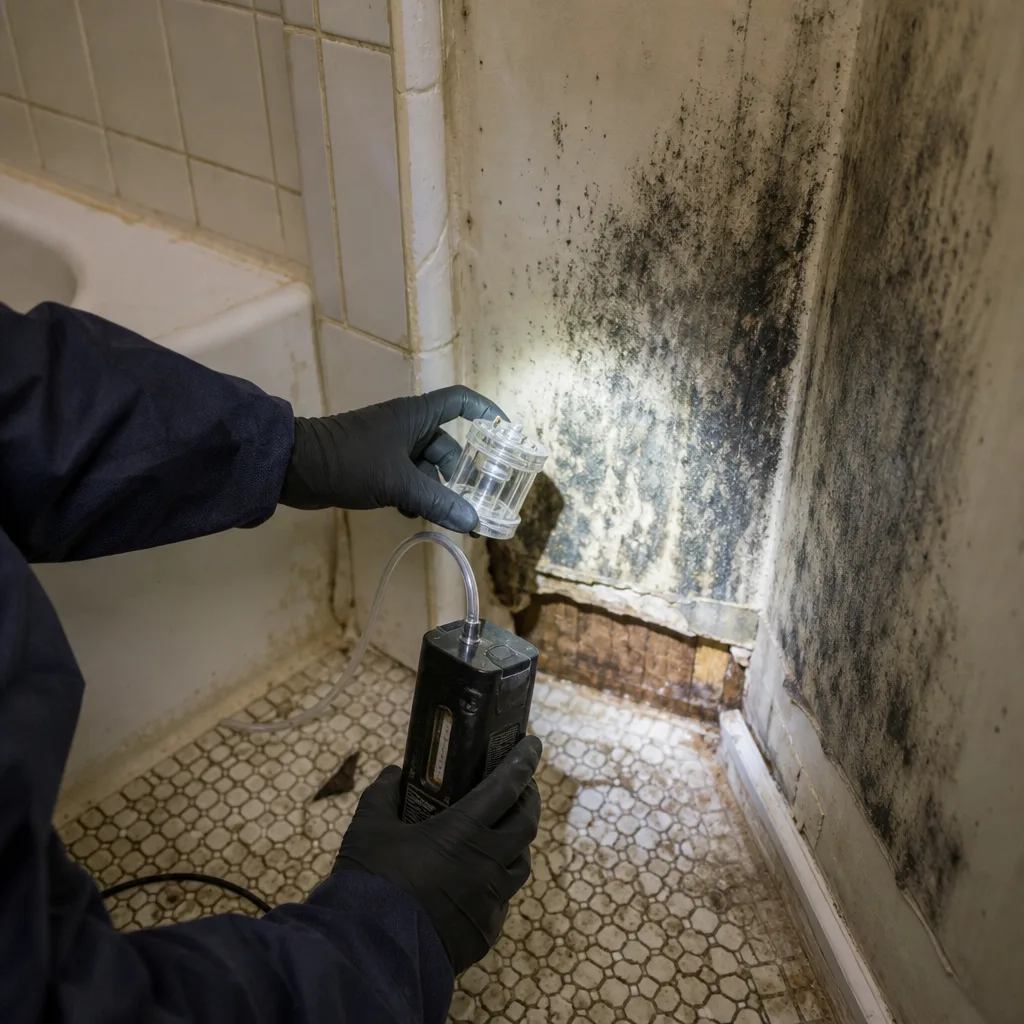
Large-Loss Response
When a fire spreads through two storefronts or a sewer line floods an entire block of connected basements, you need a restoration team that can scale up within hours. Floodline Restoration Co. has the equipment inventory and certified personnel to run multiple drying chambers and containment zones simultaneously across Glendale.
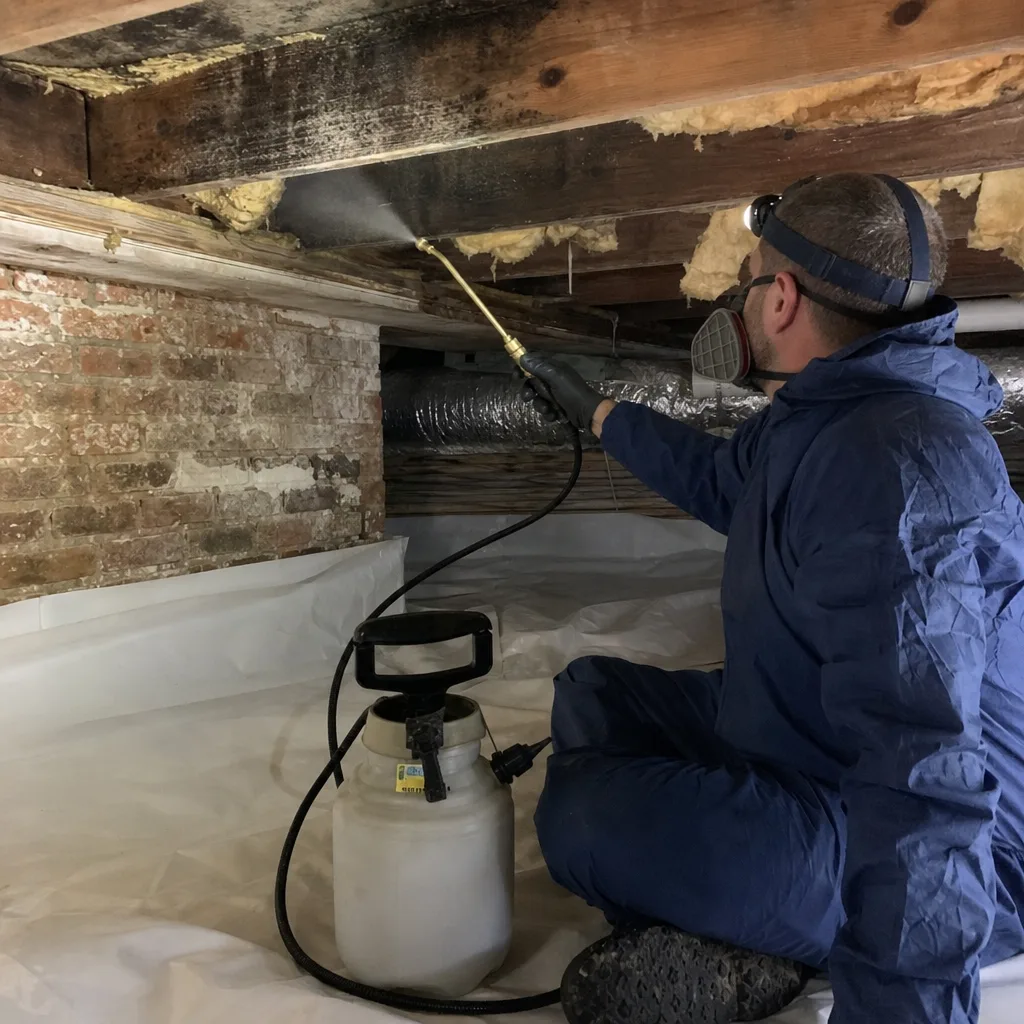
Business Interruption Minimization
Every day your doors are closed is revenue you don’t get back. Our process is built to minimize that interruption: fast dispatch, parallel drying of multiple spaces, after-hours work where it helps, and documentation that supports your business interruption claim. We know what carriers need, and we get it to them fast.
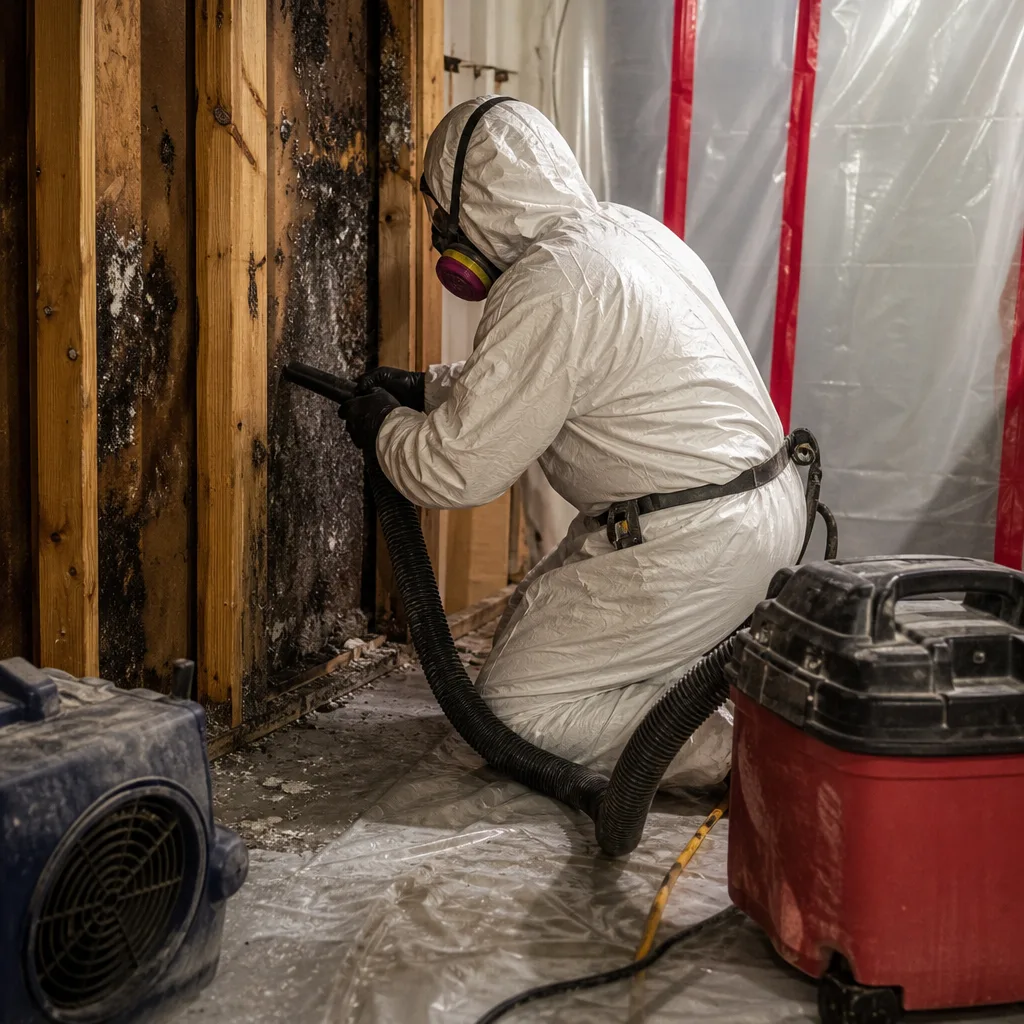
Document & Inventory Recovery
Water and smoke damage hit paper records, inventory, and equipment. We coordinate freeze-drying and document restoration services where salvage is possible, and we document unsalvageable items thoroughly for your claim. In Glendale’s older commercial buildings where decades of records live in basement storage, this matters more than most restoration companies admit.
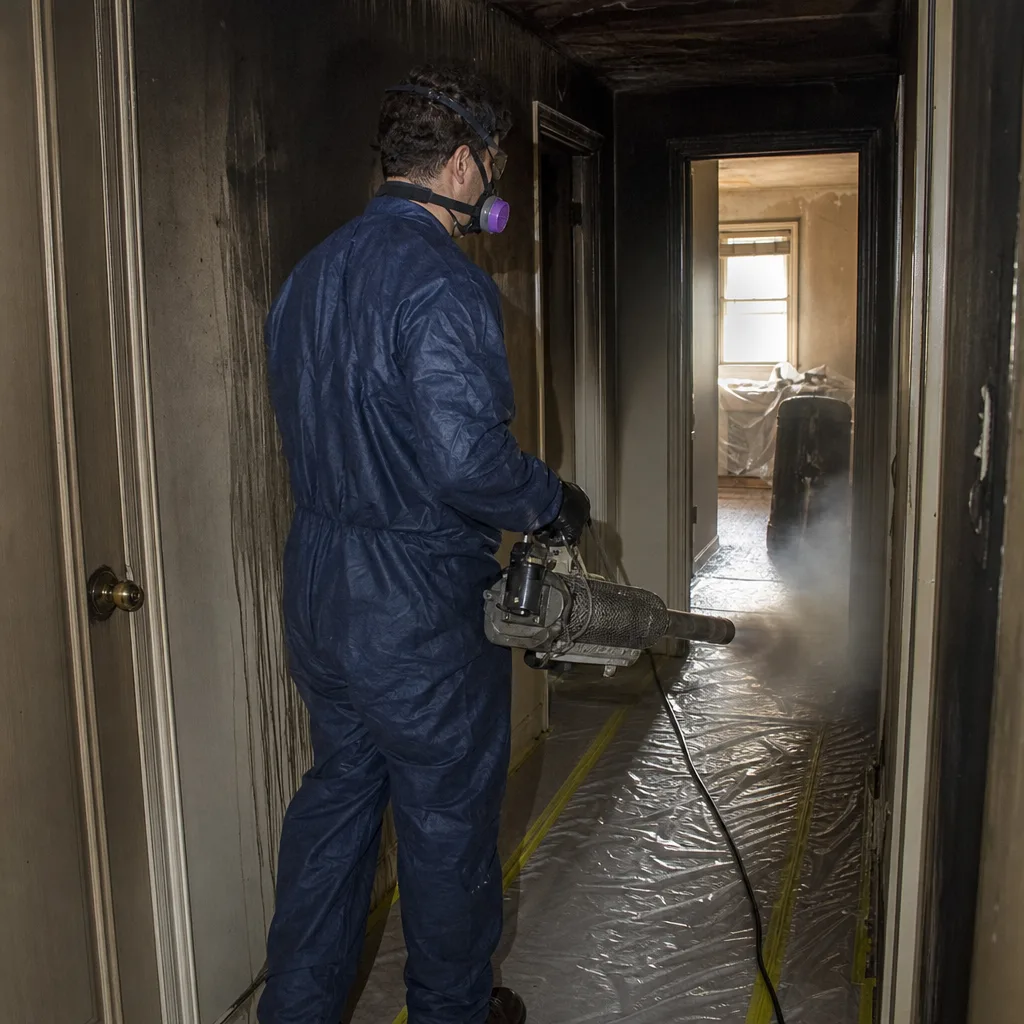
What happens when you call
- 1
A real person answersNo phone trees - you reach a local pro.
- 2
You get an upfront price rangeHonest numbers before anyone is dispatched.
- 3
A background-checked tech heads outLicensed & insured, dispatched right away.
- 4
You approve before work beginsNothing starts until you say go.
Commercial Restoration Costs in Glendale, NY
What does commercial restoration actually cost in Glendale? A typical Category 1 water extraction with structural drying in a single storefront runs $3,200 to $6,800, depending on square footage and how far water migrated. Category 2 or 3 losses, where containment and antimicrobial treatment are required, typically run $6,000 to $14,000. Fire and smoke restoration in an attached Glendale commercial building, including odor sealing and surface cleaning, commonly lands between $9,000 and $28,000 based on the extent of soot migration into shared cavities. Mold remediation with full containment and clearance testing runs $4,500 to $15,000 for a typical rear-addition commercial space.
What moves the price: the number of adjoining units affected, whether finished basement spaces need demolition, and whether the masonry envelope requires repair before interior work can close out. Insurance covers most covered losses, and we bill the carrier directly. For owners who want a firm number, the free visual inspection turns into a written scope with line-item pricing. Call (917) 924-4221 and we’ll come assess the loss and hand you a number.
We Also Serve Cities Near Glendale
Our crews regularly respond to commercial losses in Glendale and the surrounding Queens neighborhoods, including Fairview, Harrison, East Bronx, and Hunts Point. If your building sits just outside Glendale proper, the same certified team and 45-minute response commitment apply. Call and ask for dispatch.
Serving Glendale, NY - Our Local Coverage Area
We’re based in the Glendale area and know this community well. Use the map below to see our service coverage - if you’re nearby, we can almost certainly help.
Glendale Commercial Restoration Questions, Answered
How do you handle a burst pipe that floods multiple attached Glendale storefronts at once?
We set containment and extract in every affected unit simultaneously, treating each storefront as its own drying chamber while coordinating the shared wall cavities between them. Each property owner gets separate documentation for their own insurance carrier, but one restoration team manages the whole loss. This is exactly the scenario Glendale’s attached construction creates, and it’s the scenario we’re built for.
Can mold from a slow roof leak in our 1950s rear extension affect the neighboring commercial unit?
Yes. In Glendale’s attached brick row buildings, a slow leak in one unit’s flat-roof rear extension can saturate the shared masonry wall and create mold conditions in the adjoining space’s wall cavities. Mold moves through shared building assemblies, not just the unit where the leak started. If you suspect a rear-extension leak, call (917) 924-4221 for an inspection before it spreads.
What category of water damage is typical for Glendale basement floods in commercial spaces?
Most Glendale basement floods start as Category 1 from a failed supply line, then degrade to Category 2 as water passes through finished walls, old plaster, and flooring. Sewer backups and storm drain overflows are Category 3 and require full containment, antimicrobial treatment, and specialized disposal protocols. We classify and treat accordingly.
Do you need to access the neighboring property to dry a shared wall after a fire or water loss?
Usually yes. When moisture or smoke has migrated into a shared party wall, proper restoration requires access to the adjoining unit to place drying equipment or set odor-sealing measures. We coordinate that access with the neighboring owner and their insurer. If access is refused, we document the limitation and adjust the protocol. Most Glendale owners cooperate because they understand the shared risk.
What should a Glendale business owner do if a rear flat-roof addition starts leaking into occupied office space?
Move electronics and paper records out of the wet zone first, then call (917) 924-4221. We’ll respond with extraction and containment quickly, but long-term the flat-roof membrane has to be addressed or the leak will return. We evaluate the roof condition as part of the restoration scope and coordinate the repair so the interior work isn’t done twice.
How fast can you actually get to a commercial property in Glendale?
Most calls in Glendale see a crew arrive within 45 minutes. Live dispatch confirms the call immediately, and our technicians stage from service areas that cover Glendale and the surrounding Queens neighborhoods. At 3 a.m. on a Sunday, the same answer applies.
Will my insurance cover commercial restoration in Glendale?
Most standard commercial property policies cover sudden water, fire, and storm losses, and many cover mold remediation when it results from a covered loss. We document everything from the first hour and bill your carrier directly. The free visual inspection gives you a clear scope to submit, and we speak with your adjuster throughout.
Can we stay open during restoration, or do we need to close?
It depends on the loss. For water extraction in a back storage room, we can often contain the affected area and let the sales floor stay open. For fire or Category 3 water, closure is usually necessary during the active remediation phase. We’ll tell you honestly, and we structure the work to reopen you as fast as the situation allows.
Written by Curt Bowman, Owner at Floodline Restoration Co. of Manhattan, serving Glendale commercial property owners with 24/7 emergency restoration and reconstruction.