
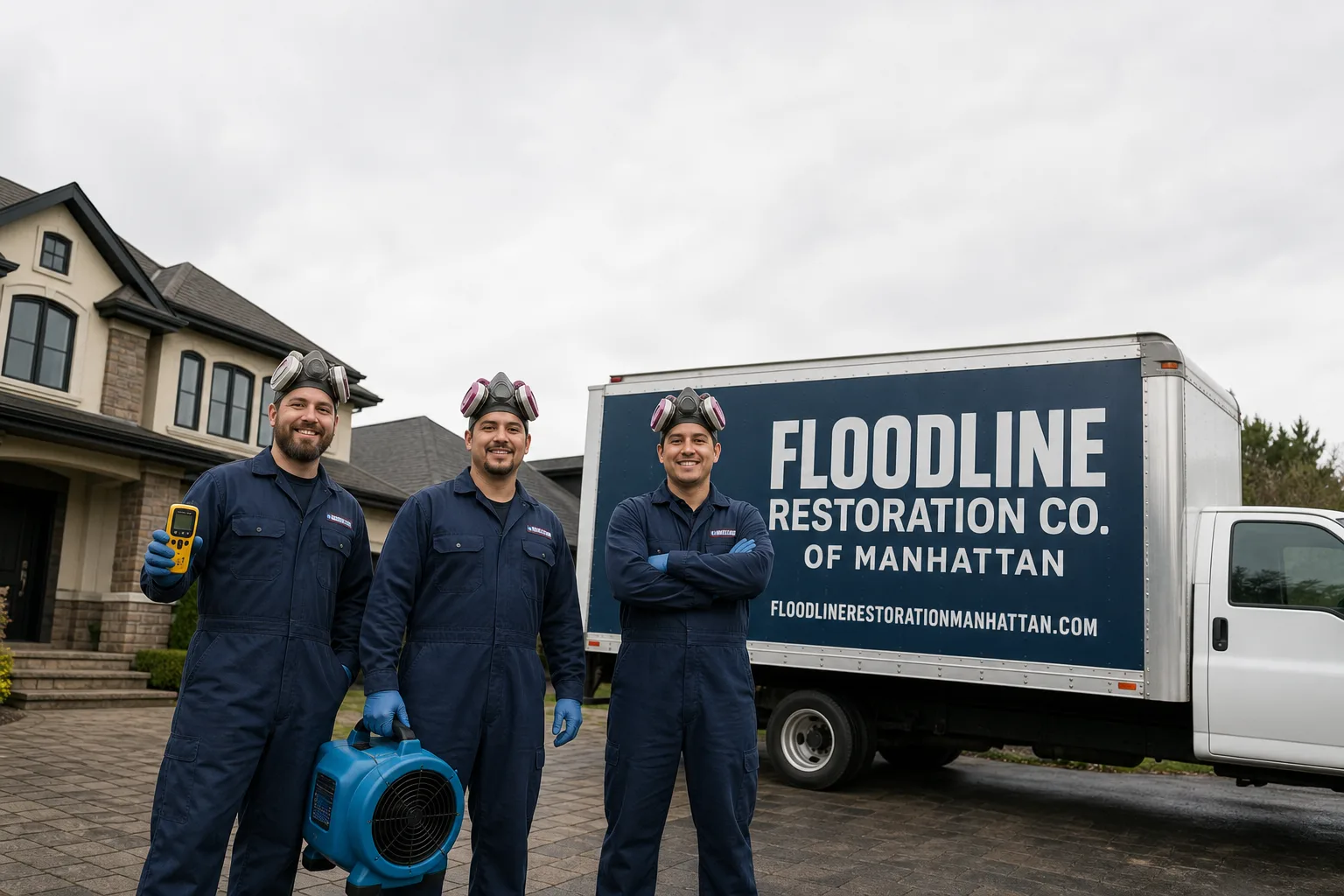
Free visual inspection and a written scope of work before any mitigation begins - photos, moisture readings, and drying logs go in your claim file
The scope we write is the scope we bill. Anything new gets shown to you, in writing, before we touch it.
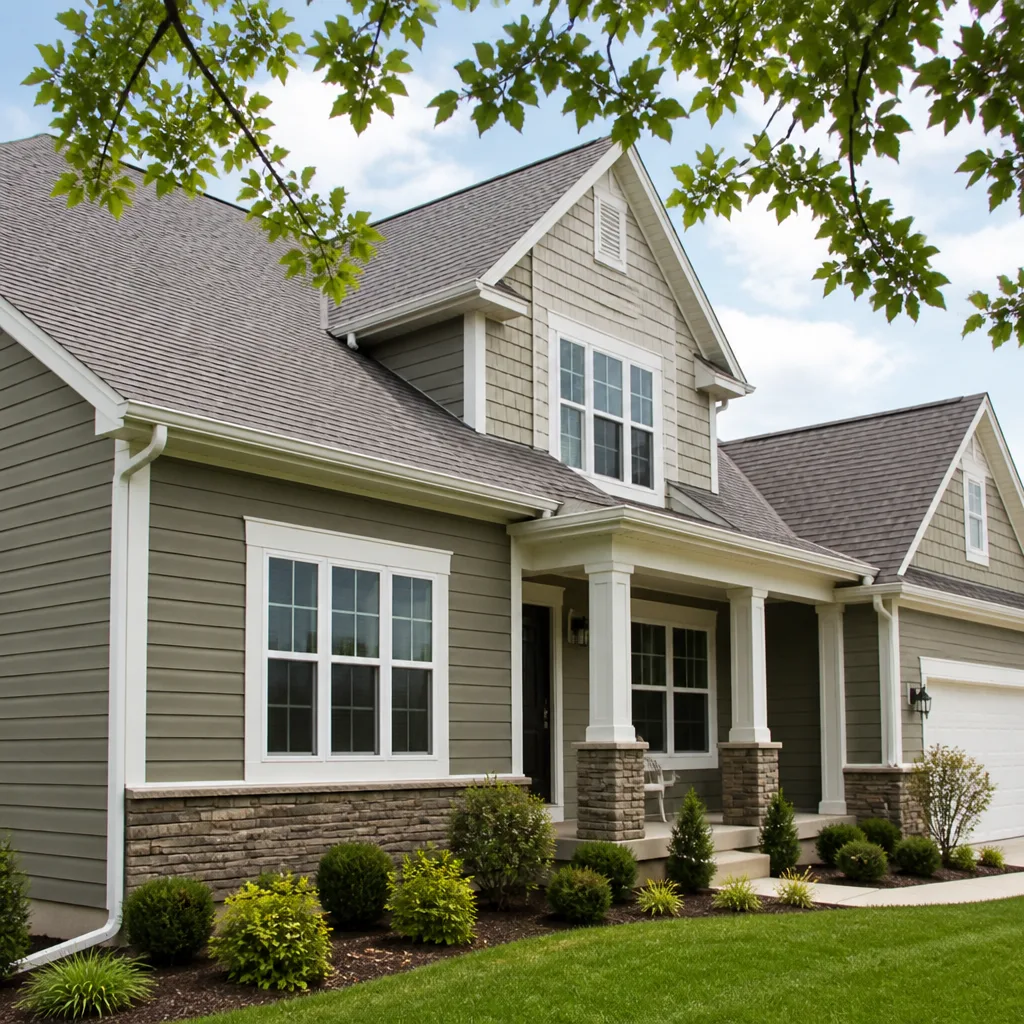
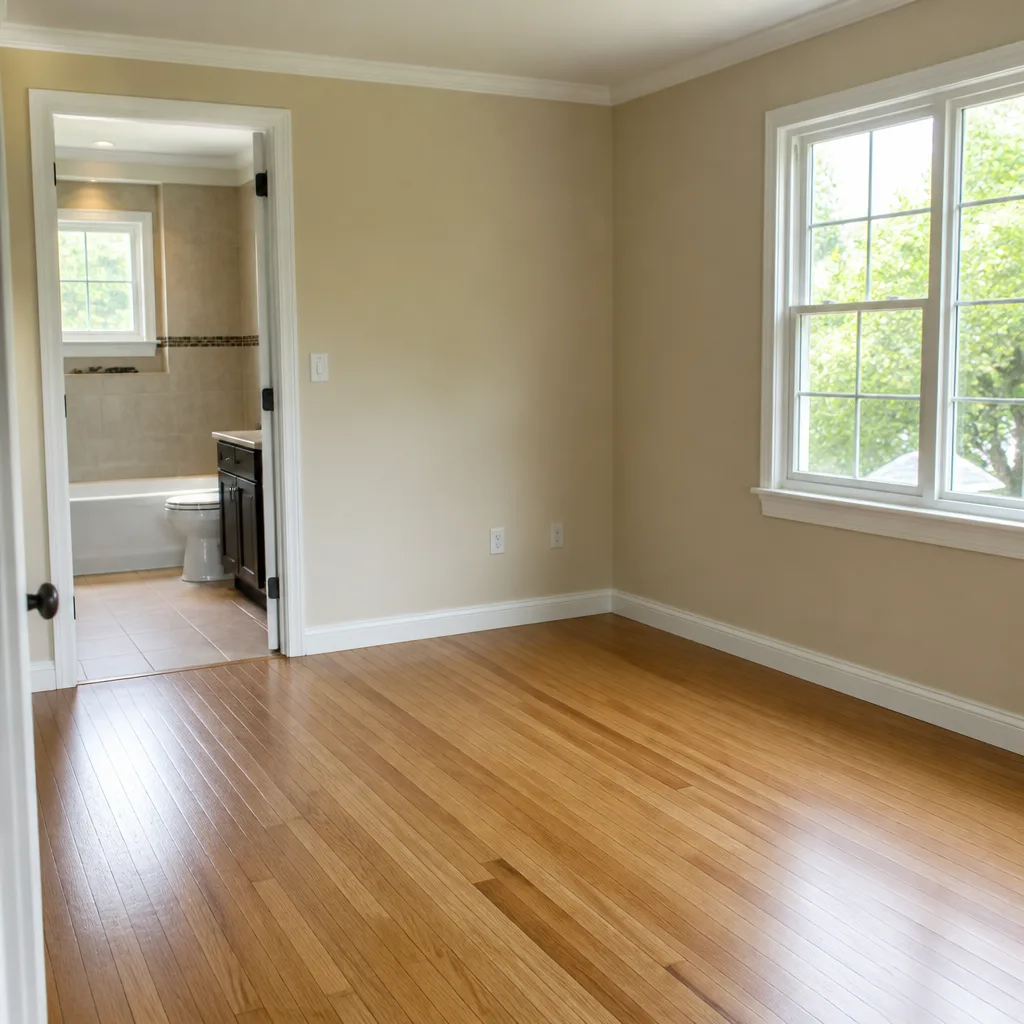
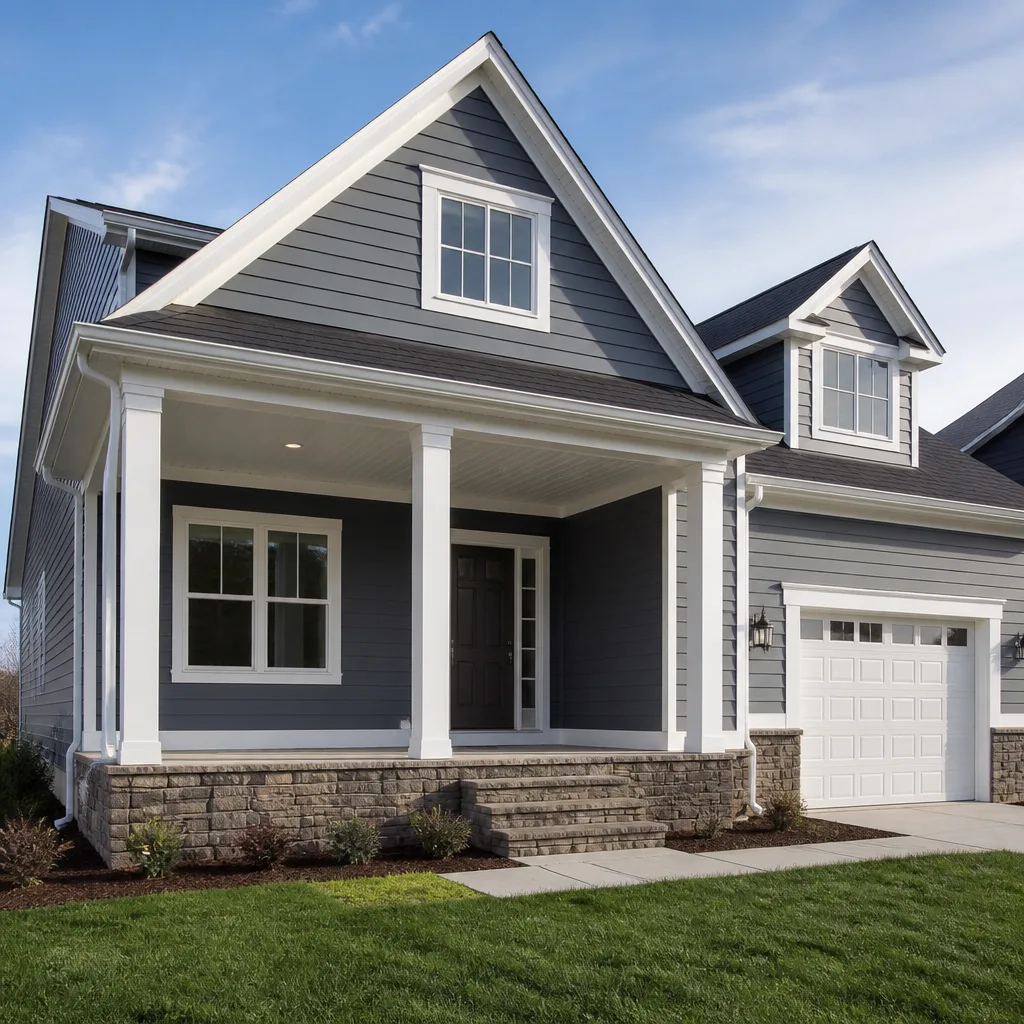
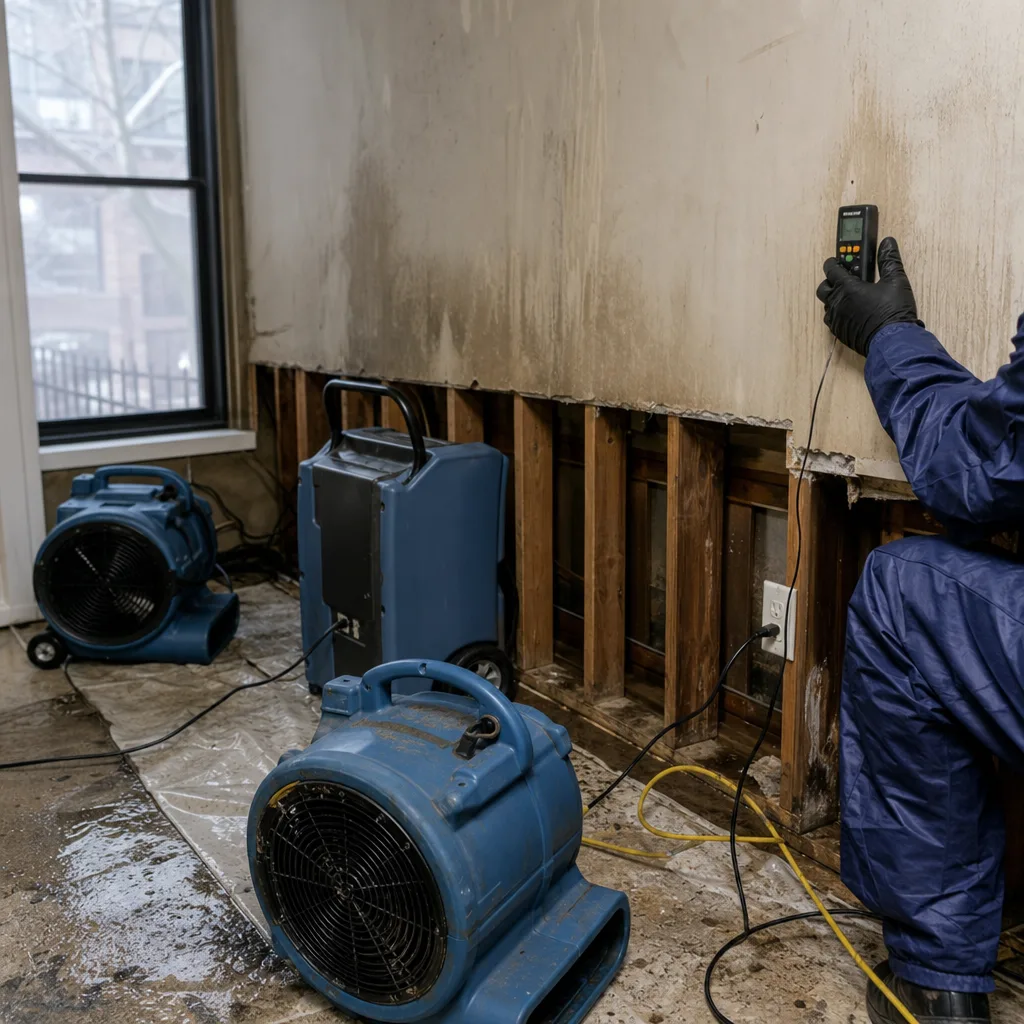 Before
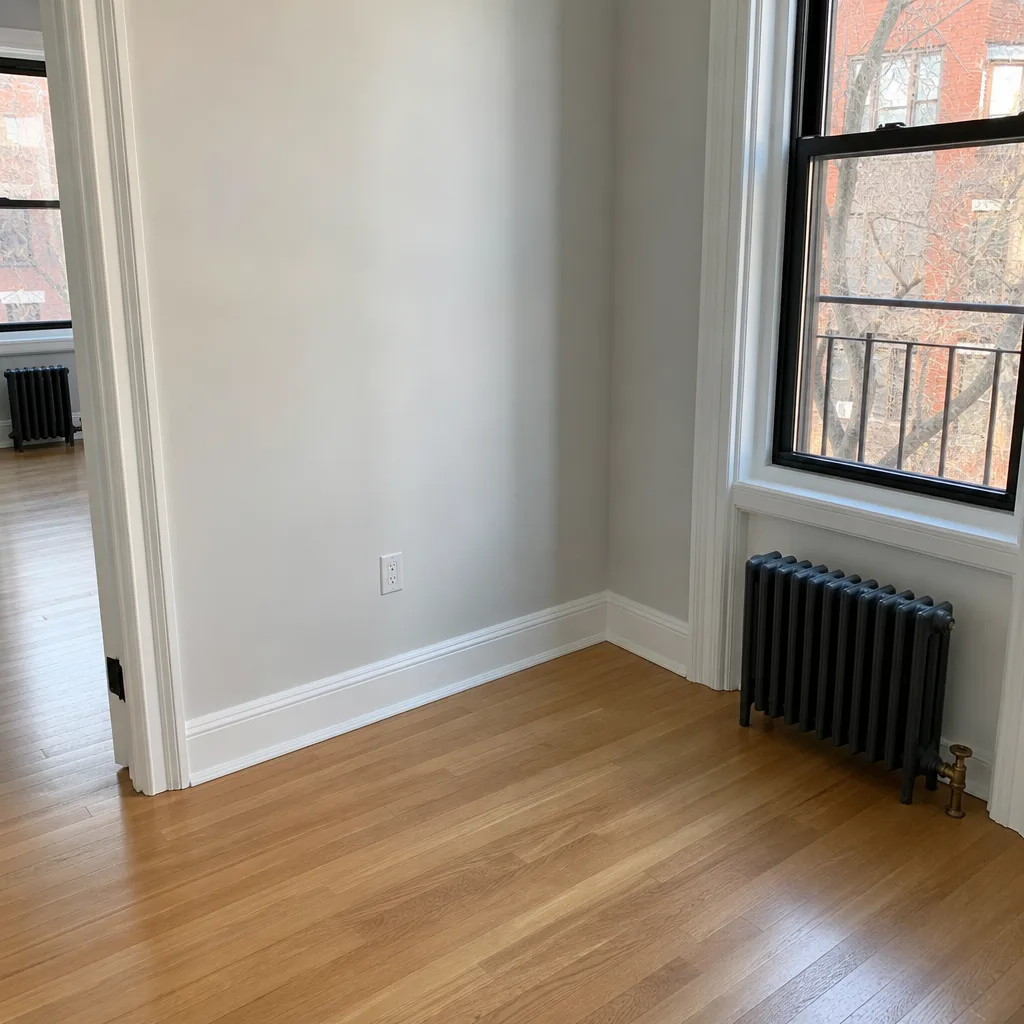 After
After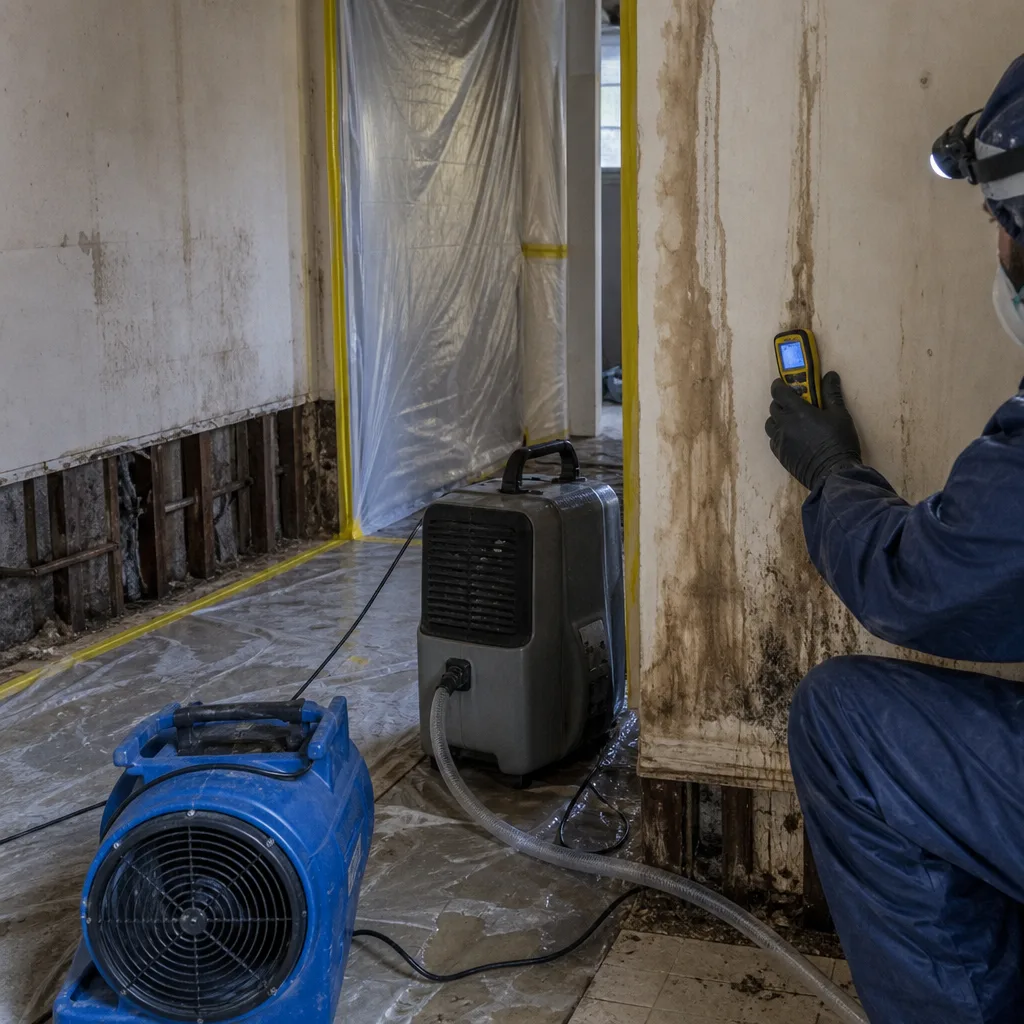 Before
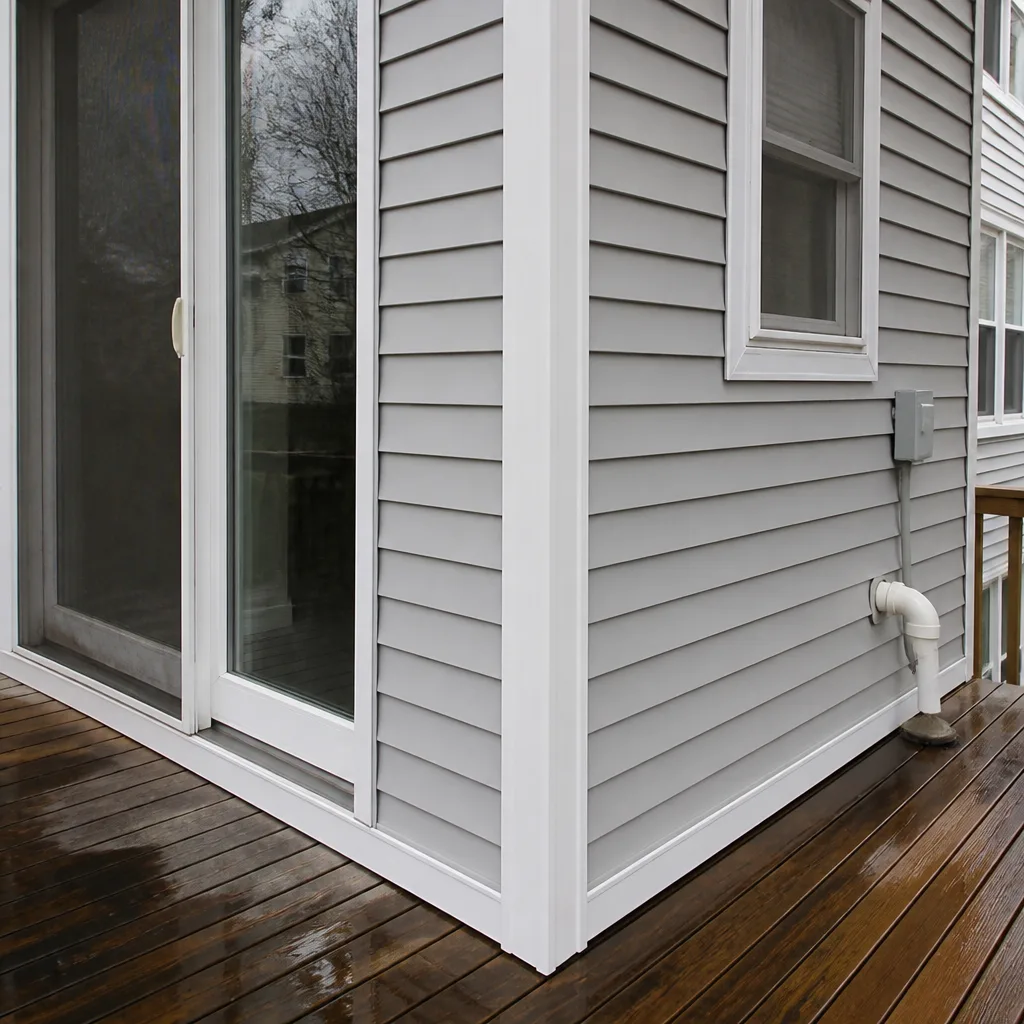 After
After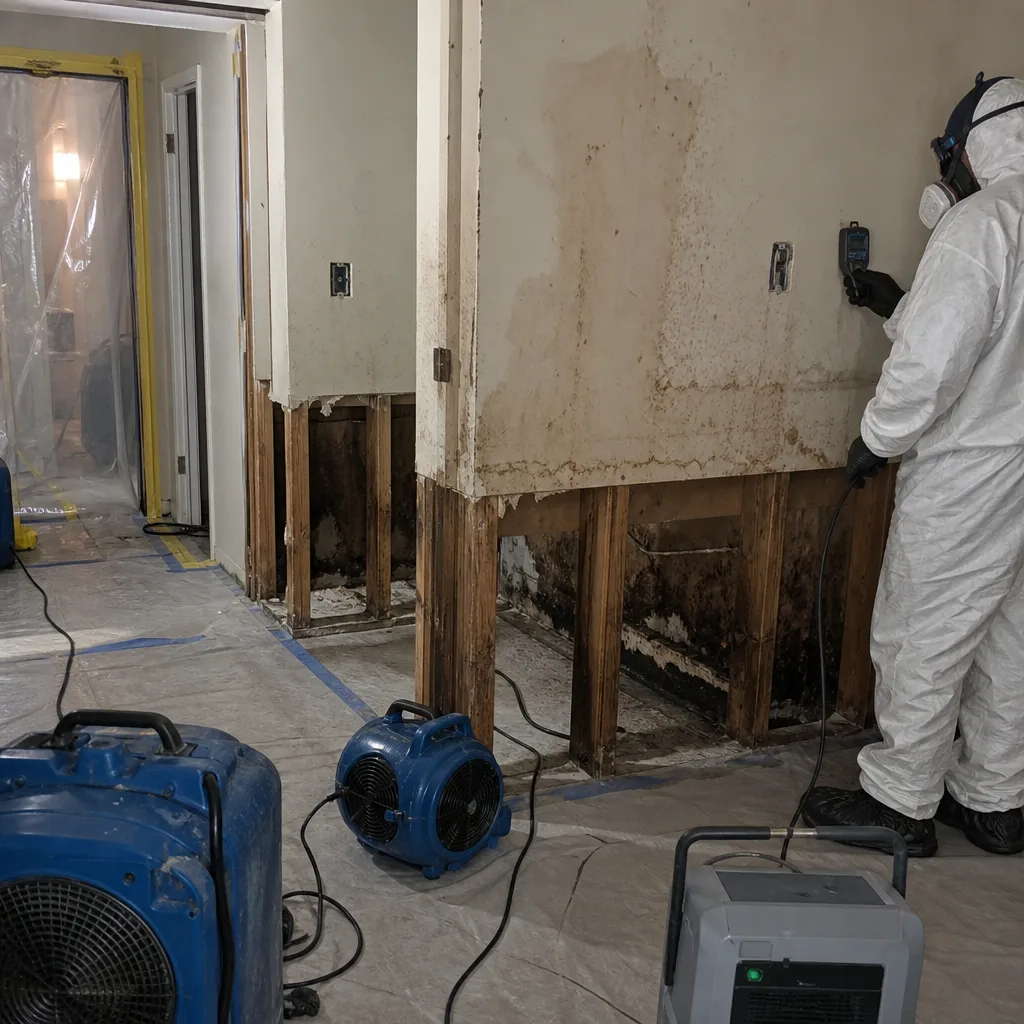 Before
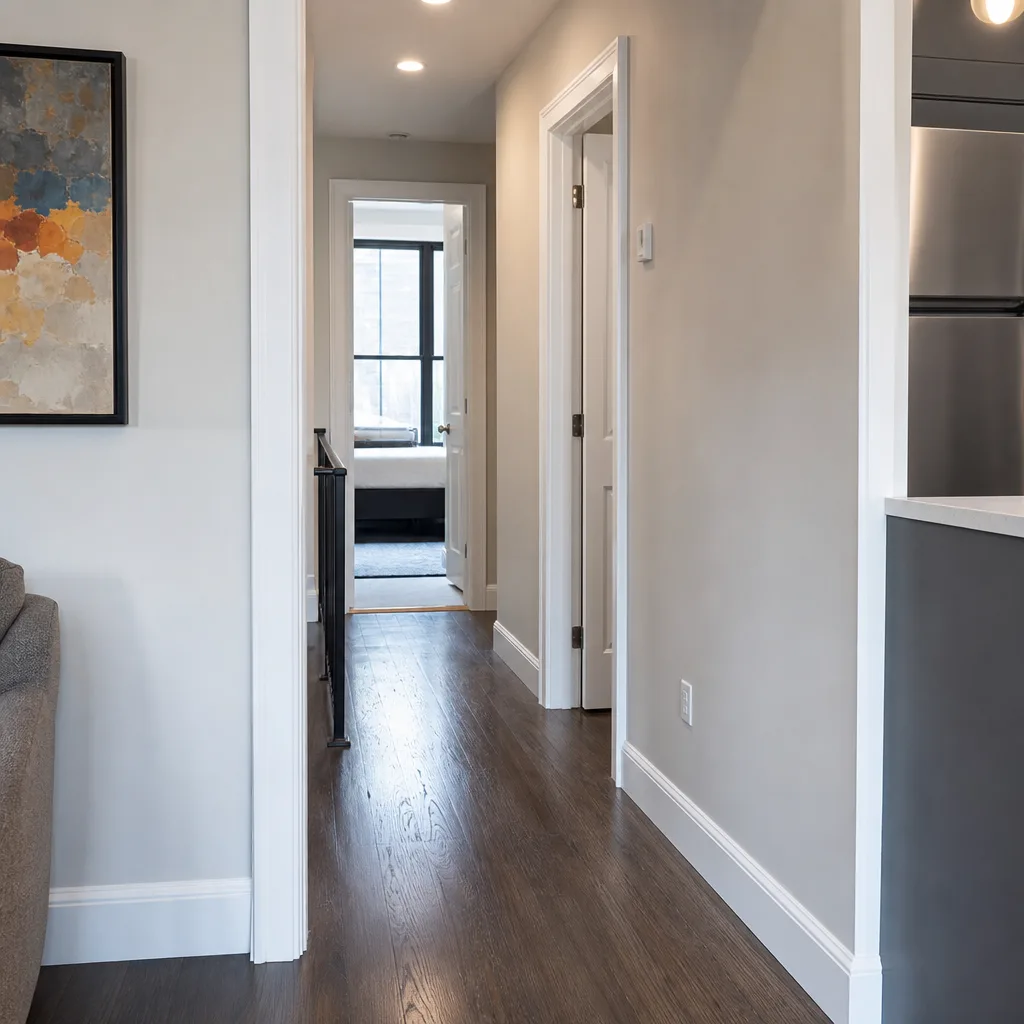 After
After24/7 Emergency Commercial Restoration in Port Washington North
Commercial restoration in Port Washington North means dealing with a specific kind of damage: saltwater intrusion from two harbors at once. When Manhasset Bay and Hempstead Harbor surge together during a nor’easter, a storefront or office building can take on Category 3 water from both sides within hours. That’s not a cleanup. That’s a structural event. Floodline Restoration Co. of Manhattan answers live at (917) 924-4221 around the clock, every day of the year. A certified crew reaches Port Washington North properties fast, starts extraction the same visit, and documents everything for your carrier from the first hour. The longer saltwater sits in commercial wall cavities and under slab-on-grade flooring, the more aggressive the corrosion and mold cycle becomes. We don’t wait for adjusters to call back. We start the scope, log the moisture, and keep the business interruption clock from running longer than it has to.
Understanding Commercial Restoration Severity in Port Washington North Properties
Commercial losses in Port Washington North break down differently than inland water jobs. A clean-water supply line rupture is a Category 1 event: extraction, drying, done. A storm surge off Manhasset Bay is Category 3 water by definition. That means salt, harbor sediment, sewage from overwhelmed municipal lines, and fuel residue all enter the building together. The salt is what changes the entire scope. Salt crystallization inside gypsum board and wood framing creates an ionic pull that wicks new moisture out of the air, so a wall cavity that reads dry on day one can read above acceptable moisture content on day four. That’s why we run moisture mapping with thermal imaging and hygrometers longer on Port Washington North commercial jobs than we would on a burst pipe in an inland town. Commercial buildings along Shore Road that sit in the FEMA AE zone and were never elevated after Sandy are repeat customers, and the repeat file changes how we write the scope: we don’t guess at the damage. We know the failure mode from the prior event, and we cut to the demolition depth the first time.
Why Port Washington North Property Owners Choose Floodline Restoration Co. of Manhattan
- 45-minute response commitment to Port Washington North: Live dispatch coordinates crews from staging points minutes away, not an hour away. The first call gets a real person and an ETA that holds.
- 24/7 live answer, never a recording: At 2 a.m. during a nor’easter, a dispatcher picks up. Not a voicemail. Not an answering service that says someone will call back. A person who can move a crew.
- IICRC-certified crews on every job: Our technicians carry WRT, FSRT, and AMRT certifications and work to IICRC, RIA, and IFA standards. Background-checked, uniformed, and trained for saltwater-specific demolition and drying protocols.
- Free visual inspection and written scope: Before any work starts, you get a written scope of work agreed to up front. No surprise change orders, no scope creep. The Keystone Standard: done right, backed in writing.
- Direct insurance billing and adjuster coordination: We bill the carrier directly and communicate with your adjuster from the first moisture reading to the final line item. You never play messenger.
- One team from first extraction to final rebuild: The same certified crew that reads the moisture map on day one handles daily readings, logs the dry standard, and rebuilds what needs rebuilding. No mid-job handoff, no inherited crew that doesn’t know the file.
Our Commercial Restoration Process
Inspection & Assessment
We arrive with thermal imaging cameras and moisture meters, map the full affected area, and pull any existing flood file records for your Port Washington North building. The assessment identifies Category 1/2/3 water classification, salt intrusion depth, and what gets salvaged versus demoed.
Extraction & Stabilization
We run truck-mounted and portable extraction units to pull standing water fast, then stabilize the structure with containment barriers and targeted demolition of salt-crystallized drywall and insulation. Electrical shut-off and safety checks happen before any equipment goes in.
Drying & Dehumidification
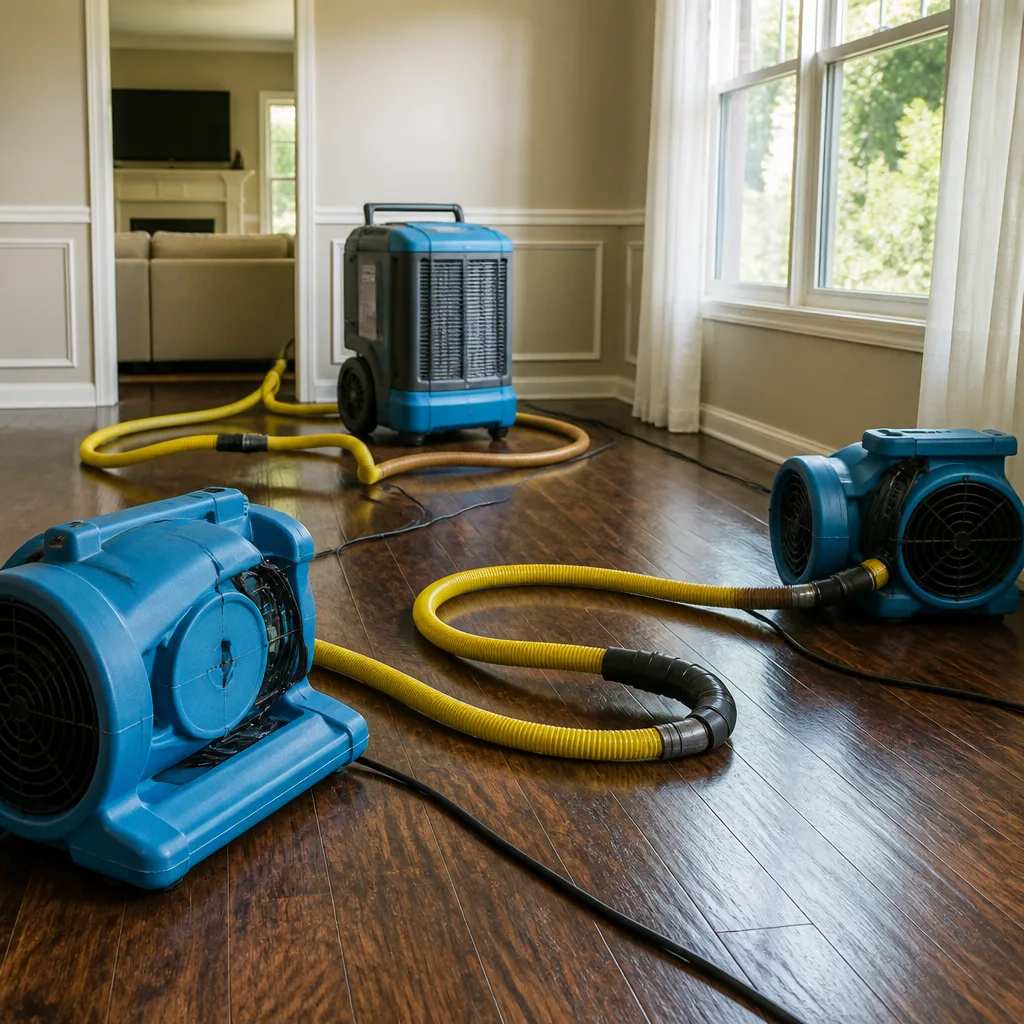
Professional-grade Dri-Eaz, Phoenix, and XPOWER air movers and dehumidifiers run on a moisture map, not a timer. In Port Washington North’s coastal climate, drying logs get checked daily because freeze-thaw cycles and harbor humidity slow the dry-down on slab and framing.
Cleaning & Sanitization
HEPA air scrubbers run during the entire mitigation phase. All affected surfaces receive antimicrobial treatment rated for saltwater-intrusion environments. Category 3 water means we sanitize everything in the containment zone, including ductwork and electrical chase ways.
Salt-Specific Specialty Treatment
This is the step most restoration companies skip in Port Washington North. We treat salt-crystallized wall cavities, framing, and slab edges with chloride-neutralizing agents before rebuilding. Without this step, salt keeps wicking moisture and mold regrows within weeks.
Repairs & Restoration
Rebuild to pre-loss condition or better, by the same crew that did the mitigation. Electrical, drywall, flooring, storefront finishes. The 90-Day Done Right Promise applies to every phase, in writing, with no paperwork battles.
Need Emergency Commercial Restoration in Port Washington North Now?
Crews minutes away, answering live 24 hours a day. The sooner we start, the less it costs.
Working With Your Insurance Company
Commercial restoration claims in Port Washington North have a wrinkle: flood damage from storm surge is a different coverage line than a burst supply pipe. If your building sits in the FEMA AE zone and the water came over the bulkhead from Manhasset Bay, your claim likely falls under flood coverage, not standard commercial property. We know this split. We don’t submit the wrong paperwork and stall your recovery. From the first hour, we document everything: photos of the waterline, moisture readings, salt intrusion mapping, and the exact demolition boundaries. We write industry-standard estimates that adjusters recognize on sight. Your adjuster calls us directly, not you. Direct billing keeps the claim moving while you run your business. Commercial Restoration claims don’t get better by waiting, and neither does the building.
What We Provide Your Insurer
- Thorough documentation of the loss from the first hour
- Photos of all damage, room by room, with time stamps
- Moisture readings and daily drying logs until the dry standard is met
- A detailed, line-item scope of work agreed to before demo starts
- Direct coordination with your carrier and adjuster
Built for Port Washington North’s Loss Calendar
Port Washington North takes its water on a schedule. January and February bring deep-freeze burst events, when supply lines in older commercial buildings let go at two in the morning and flood retail floors before anyone notices. March and April mean thaw and seepage, when saturated coastal-zone soils push groundwater into at-grade mechanical rooms and storage basements. Summer brings the thunderstorm flash floods that overwhelm the village’s drainage along Shore Road and the lower commercial corridors. But the real season runs October through December: nor’easters that stack storm surge from both Manhasset Bay and Hempstead Harbor at once. Those are the events that put four feet of Category 3 water into a waterfront restaurant and push brine into wall cavities ten feet back from the waterline. The freeze-thaw cycles that follow keep slab moisture levels elevated well past what an inland drying chart predicts. That’s why Port Washington North commercial jobs need longer dry-downs, more aggressive initial demo, and salt-specific treatment built into the scope from day one.
Commercial Restoration Across Port Washington North’s Neighborhoods
Shore Road is where we run the most Large-Loss Response in Port Washington North. Waterfront commercial buildings there sit close to the bulkhead and take the first surge. We know which addresses have post-Sandy flood files and which ones never elevated their mechanicals. Fast response routes come down Soundview Drive and out along the harbor-side corridors. Building types shift quickly: mid-century one-story retail strips with at-grade slab floors near the village center, older two- and three-story mixed-use buildings with finished basements along the older commercial stretches, and a few 1950s-era office suites with original cast-iron waste lines that saltwater intrusion destroys fast. Around the Manhasset Bay side, restaurant and marina-adjacent storefronts deal with double-side surge exposure. Multi-tenant buildings there need containment zoned per unit, not per floor, because salt wicking travels through shared partition walls. We plan response routes into Port Washington North from the west and south, so whichever road is passable first, a crew gets through.
Specialized Commercial Restoration Services We Offer in Port Washington North
Office & Retail Restoration
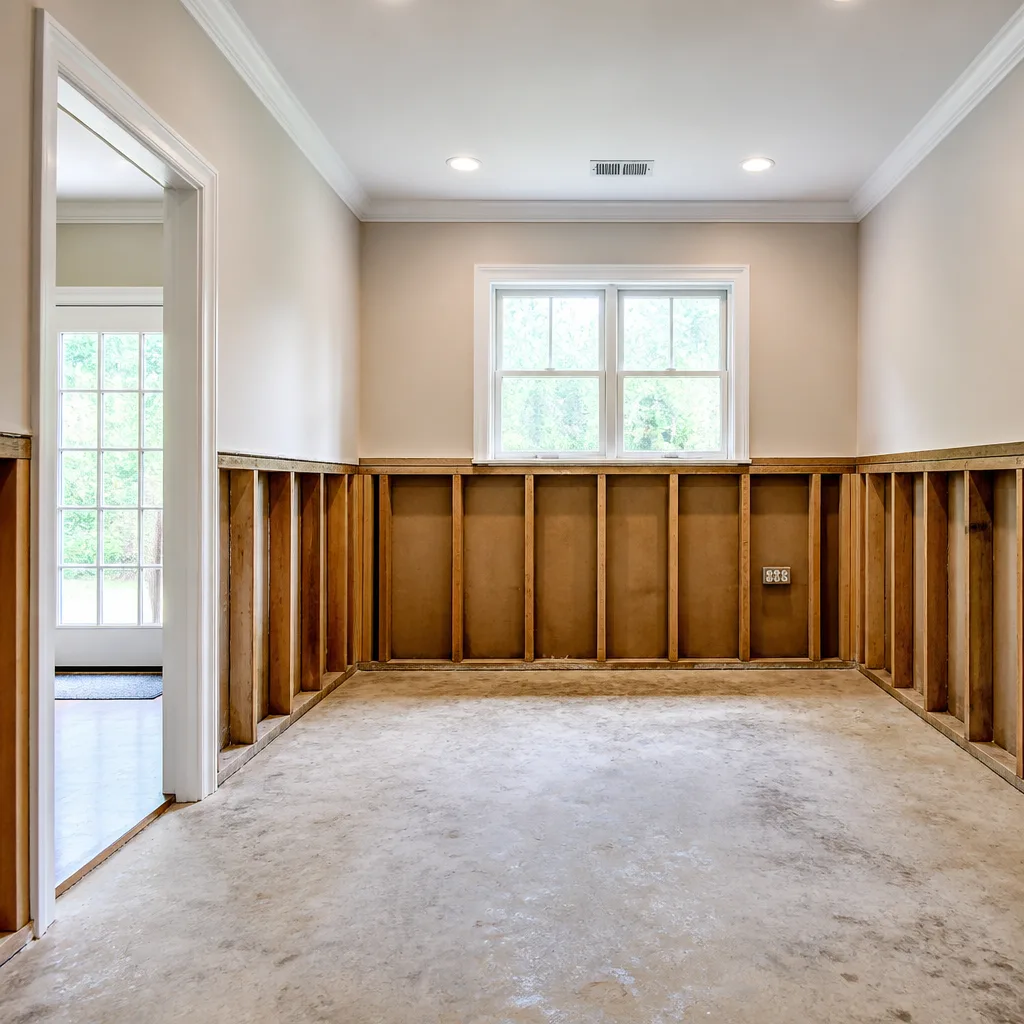
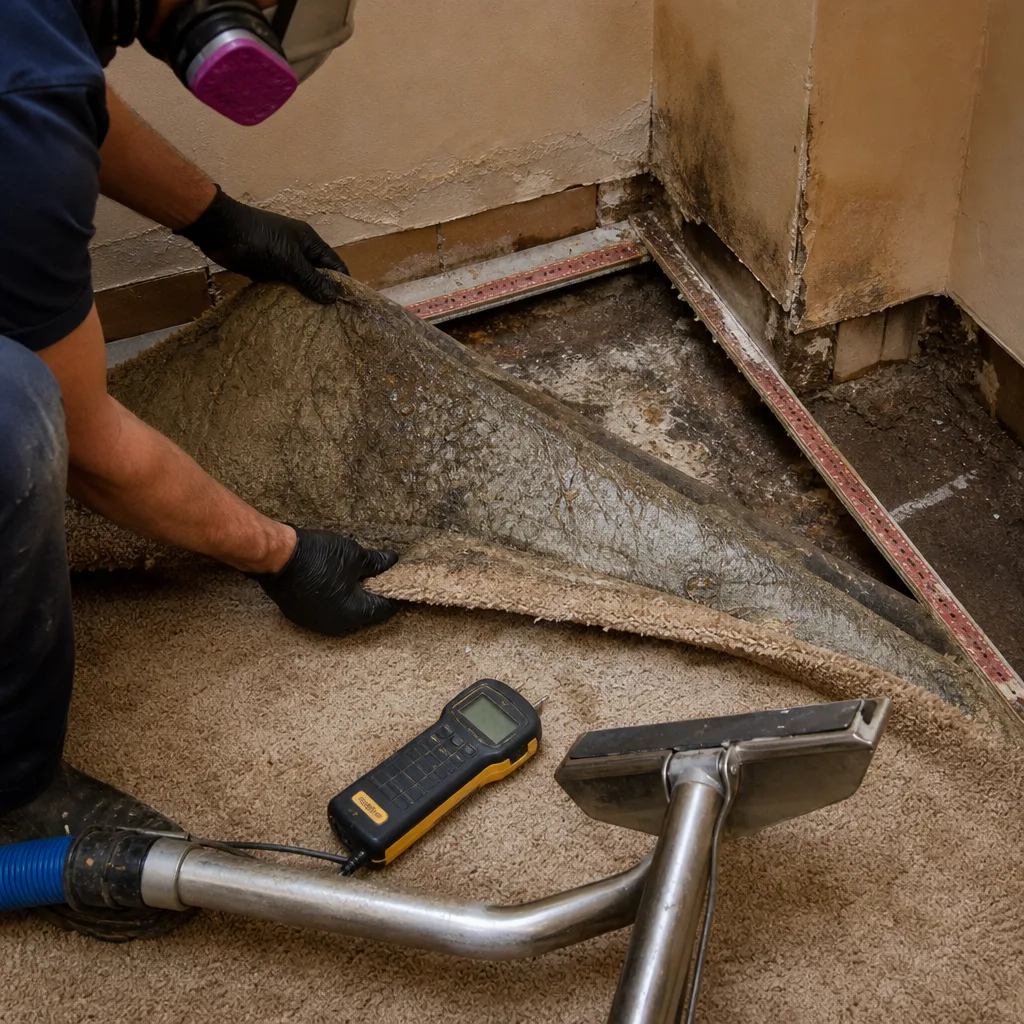
Storefront and office losses in Port Washington North usually mean a sales floor or tenant suite down for days, not weeks, if the salt is handled right on day one. We pack out undamaged inventory, set containment across the retail floor, and cut salt-crystallized drywall to the correct height before drying starts. On Shore Road after a surge, that lower demolition line runs two to four feet, not the trim-and-dry approach an inland company might try.
Multi-Unit & HOA Restoration
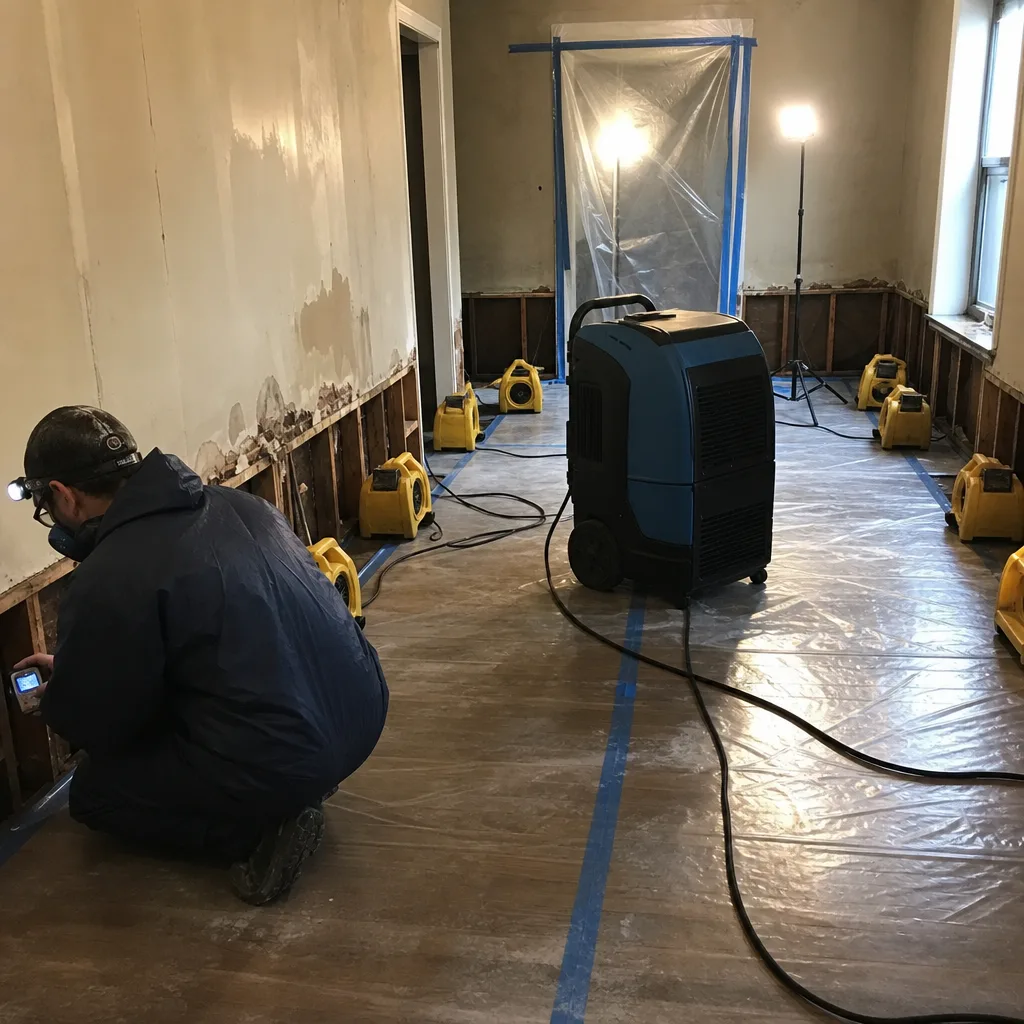
Multi-tenant buildings in the AE zone need a different scope entirely. Shared partition walls means one tenant’s saltwater intrusion becomes the neighboring unit’s odor problem within a week if the cavities aren’t opened and treated. We zone containment per unit, run HEPA air scrubbers in shared corridors, and write scopes that HOAs and property managers can hand directly to their carriers. Direct insurance billing keeps board members out of the claims fight.
Industrial Facility Cleanup
Industrial spaces along the Port Washington North waterfront hold a harder problem: heavy equipment, electrical rooms, and inventory that sits at grade. Saltwater from Hempstead Harbor surge gets into switchgear and motor housings fast. Extraction alone won’t save that equipment. We map the intrusion, isolate energized systems, and dry equipment internals with Injectidry systems before corrosion locks the bearings.
Large-Loss Response
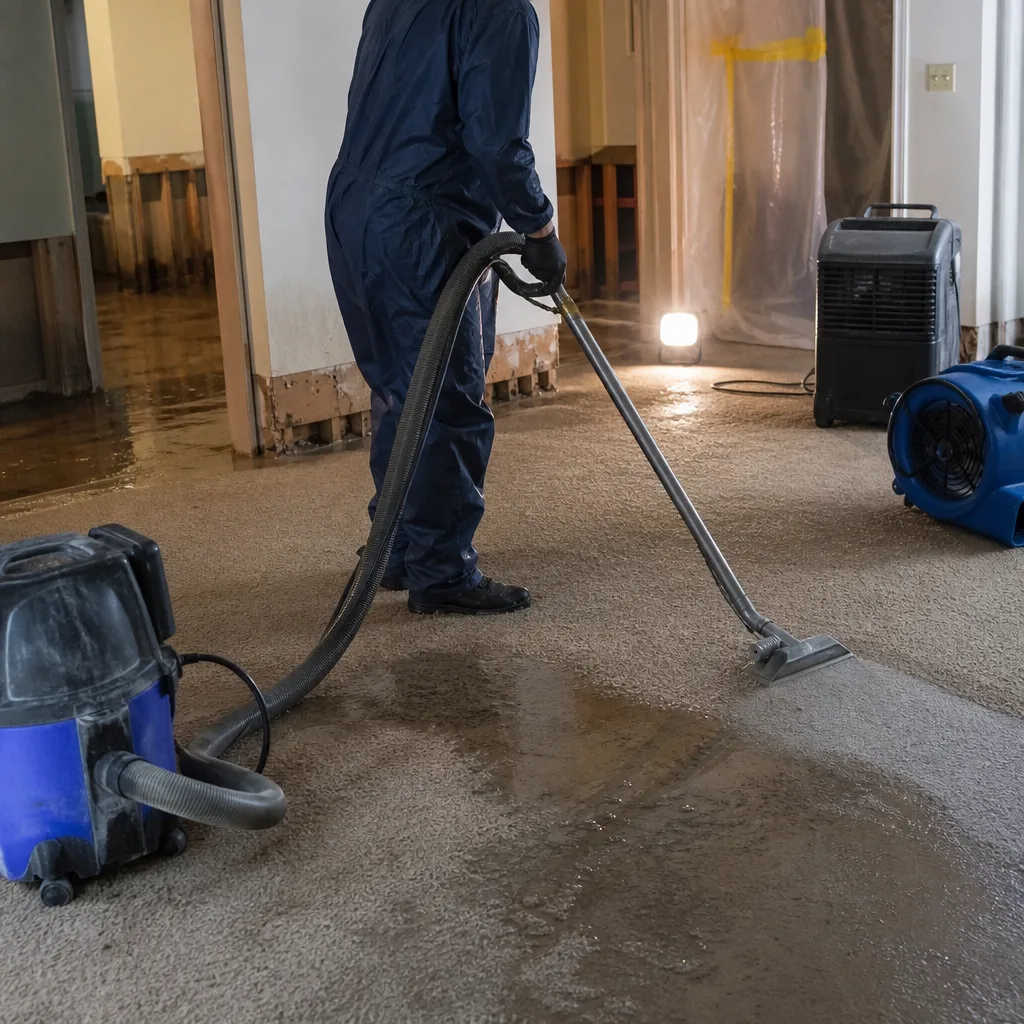
Some Port Washington North commercial losses can’t be handled by a two-person crew. When a nor’easter pushes surge over the bulkhead and three storefronts take water in one night, we stage multiple crews, truck-mounted extraction, and temporary power and drying equipment at scale. The 42-year-old buildings along the harbor side don’t forgive a slow start. Neither do the business owners watching the waterline rise on the drywall.
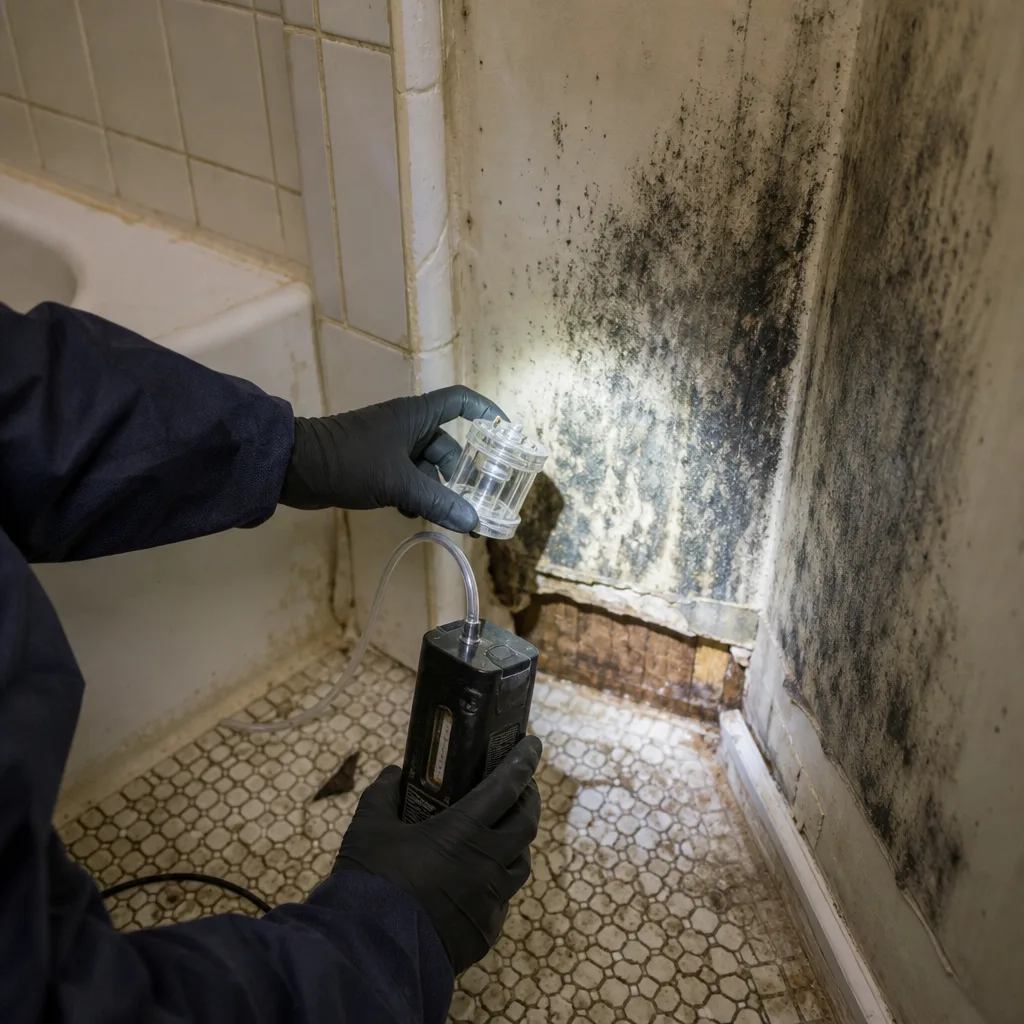
Business Interruption Minimization
Every day a Port Washington North storefront stays closed is revenue that doesn’t come back. Our job is to compress the timeline: fast extraction, aggressive initial demo, salt-specific treatment, and a rebuild scope that starts while drying finishes. On a recent Shore Road retail job, we pulled 4,200 gallons of Category 3 water after a nor’easter pushed surge over the bulkhead. Our crew set containment across the sales floor, cut the lower two feet of drywall, and ran 18 air movers with 3 dehumidifiers for 6 days. Moisture readings on the concrete slab dropped from 99% to 14% before we rebuilt the electrical and finished the pack-out of undamaged inventory.
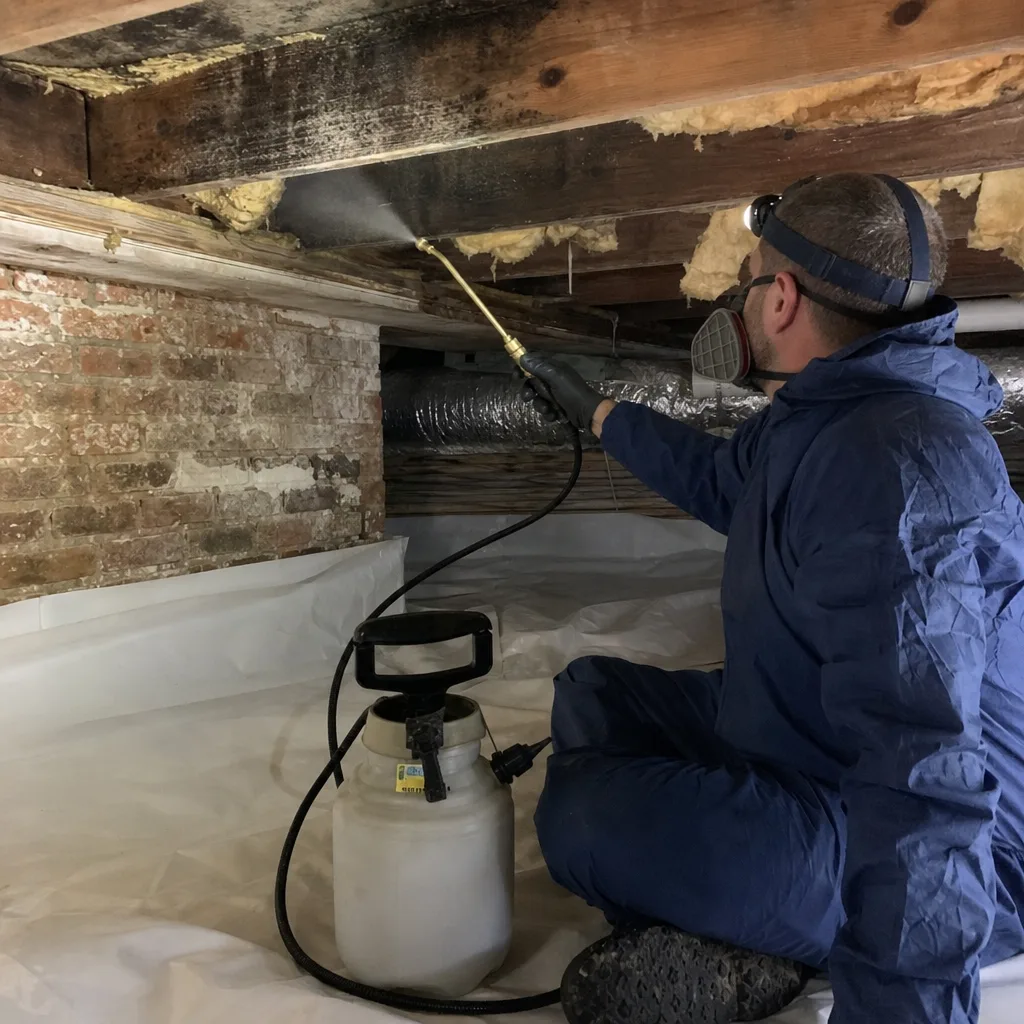
What happens when you call
- 1
A real person answersNo phone trees - you reach a local pro.
- 2
You get an upfront price rangeHonest numbers before anyone is dispatched.
- 3
A background-checked tech heads outLicensed & insured, dispatched right away.
- 4
You approve before work beginsNothing starts until you say go.
Commercial Restoration Costs in Port Washington North, NY
Commercial restoration pricing in Port Washington North runs higher than inland Long Island towns because saltwater scopes are bigger. A typical Category 3 storm surge loss in a Port Washington North retail space runs $12,000 to $45,000, depending on square footage and how high the salt line rode. Office suite water mitigation from a supply line break runs $4,500 to $18,000. Large-loss waterfront restaurant events with full kitchen pack-out and structural drying run $50,000 to $150,000 or more. What moves the price: how much demolition the salt demands, whether concrete slab drying requires Injectidry systems or just air movement, and how much inventory needs pack-out and climate-controlled storage. A free visual inspection gives you a firm written scope before any work starts, so you know the number before you sign. Call (917) 924-4221 to get a crew on site and a scope in your hand. Insurance-covered events mean direct billing and no out-of-pocket surprise. Out-of-pocket jobs get the same written scope and the same 90-Day Done Right Promise.
We Also Serve Cities Near Port Washington North
Floodline Restoration Co. of Manhattan runs commercial restoration crews to Port Washington North and the surrounding North Shore communities. Commercial response in Fairview, Harrison, East Bronx, and Hunts Point follows the same live-dispatch model and the same salt-aware protocols where waterfront buildings are involved. If your building is within reach of Manhasset Bay or Hempstead Harbor, the scope rules from this page apply.
Serving Port Washington North, NY - Our Local Coverage Area
We’re based in the Port Washington North area and know this community well. Use the map below to see our service coverage - if you’re nearby, we can almost certainly help.
Port Washington North Commercial Restoration Questions, Answered
How does a Category 3 storm surge from Manhasset Bay change the scope of work for a commercial space in Port Washington North compared to a clean-water pipe break?
Category 3 water from Manhasset Bay contains salt, harbor sediment, sewage, and fuel residue, so the scope goes beyond extraction and drying. Wall cavities and framing have to be opened to inspect for salt crystallization, because that salt keeps wicking moisture and breeds mold within 48 hours. Clean-water pipe breaks don’t require demolition of lower drywall by default; saltwater jobs almost always do. Call (917) 924-4221 for an exact scope on your building.
Can you dry a basement in a Port Washington North commercial building without gutting it if the flooding came from the harbor?
Almost never. Salt from Hempstead Harbor or Manhasset Bay intrusion penetrates gypsum board and insulation, and once it crystallizes inside the wall cavity, it holds moisture indefinitely. You can run air movers for a month and still read elevated moisture content on the framing. Aggressive demolition of the lower wall sections is usually the only correct scope. We’ll show you the moisture readings before we cut anything.
What does “repeat customer” mean for commercial restoration in the FEMA AE zone along Shore Road?
Many Shore Road commercial buildings were never elevated after Sandy and hold post-event flood records on file with the village for FEMA’s CRS program. That means when we arrive for a new loss, we often already know the exact prior scope: where the salt line ran, what was demoed, what was rebuilt. We don’t guess at the damage. We use the file to write a faster, more accurate scope the first time.
How do you handle business interruption for a storefront that floods from both Hempstead Harbor and Manhasset Bay in the same nor’easter?
Double-side surge means two intrusion points and usually a faster, deeper flood event. We stage multiple crews and extraction units simultaneously, contain both entry zones, and start structural drying while the last water is still being pulled. The goal is to compress the closed-for-business window: every day saved is revenue saved. Direct billing with your carrier keeps the claim moving while the rebuild starts.
Why do you run air movers and dehumidifiers longer in Port Washington North than in inland towns like Great Neck?
Port Washington North’s coastal-zone soils hold moisture longer, and the freeze-thaw cycles in late fall through spring keep pulling moisture back into slabs and foundation walls. Harbor humidity slows evaporation rates. Inland towns like Great Neck dry down on standard charts. Port Washington North commercial buildings need longer dry-downs and daily moisture readings until the dry standard is actually met, not until the calendar says it should be.
How fast can a crew actually reach my Port Washington North commercial building?
Our commitment is 45 minutes from dispatch to arrival for commercial properties in Port Washington North. Crews stage from nearby points, not from Manhattan, so the ETA holds even in storm conditions. A live dispatcher answers at (917) 924-4221 and can confirm a crew is rolling before you hang up.
Do you really bill the insurance company directly for commercial restoration?
Yes. Floodline Restoration Co. of Manhattan bills carriers directly for covered losses and communicates with your adjuster from the first moisture reading to the final rebuilt wall. You sign the authorization, we handle the claim paperwork. No homeowner or business owner plays messenger between us and the insurance company.
What should I do in the first 30 minutes after saltwater enters my Port Washington North commercial space?
Kill the power to affected areas if you can do so safely, move what inventory you can above the waterline, and call (917) 924-4221. Do not run fans or attempt to dry it yourself. Saltwater needs professional extraction and salt-specific demolition, and every hour it sits makes the scope bigger. Take photos of the waterline for your claim, then let our crew take over.
Written by Curt Bowman, Owner at Floodline Restoration Co. of Manhattan, serving Port Washington North commercial properties with certified crews and direct insurance billing.