
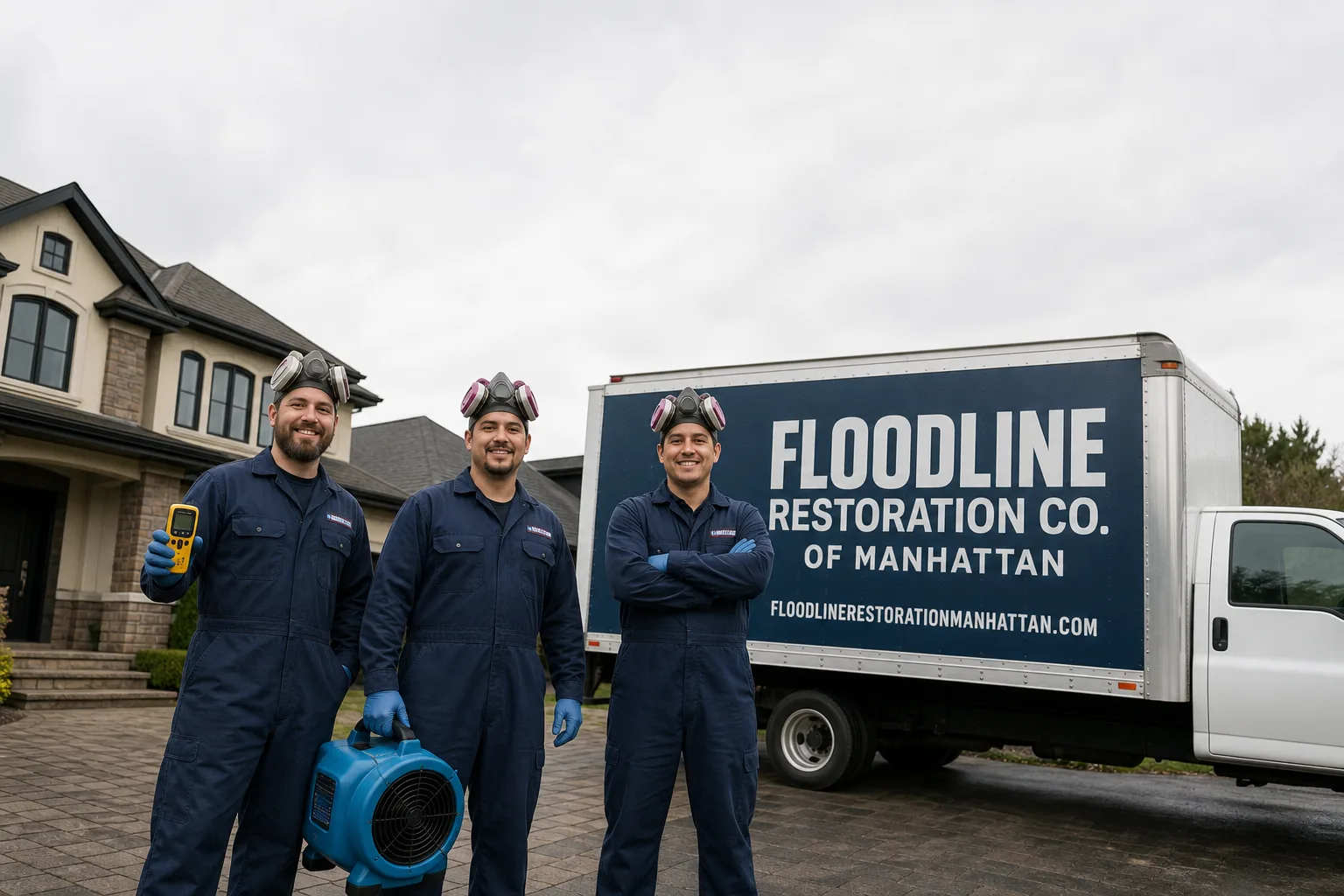
Free visual inspection and a written scope of work before any mitigation begins - photos, moisture readings, and drying logs go in your claim file
The scope we write is the scope we bill. Anything new gets shown to you, in writing, before we touch it.
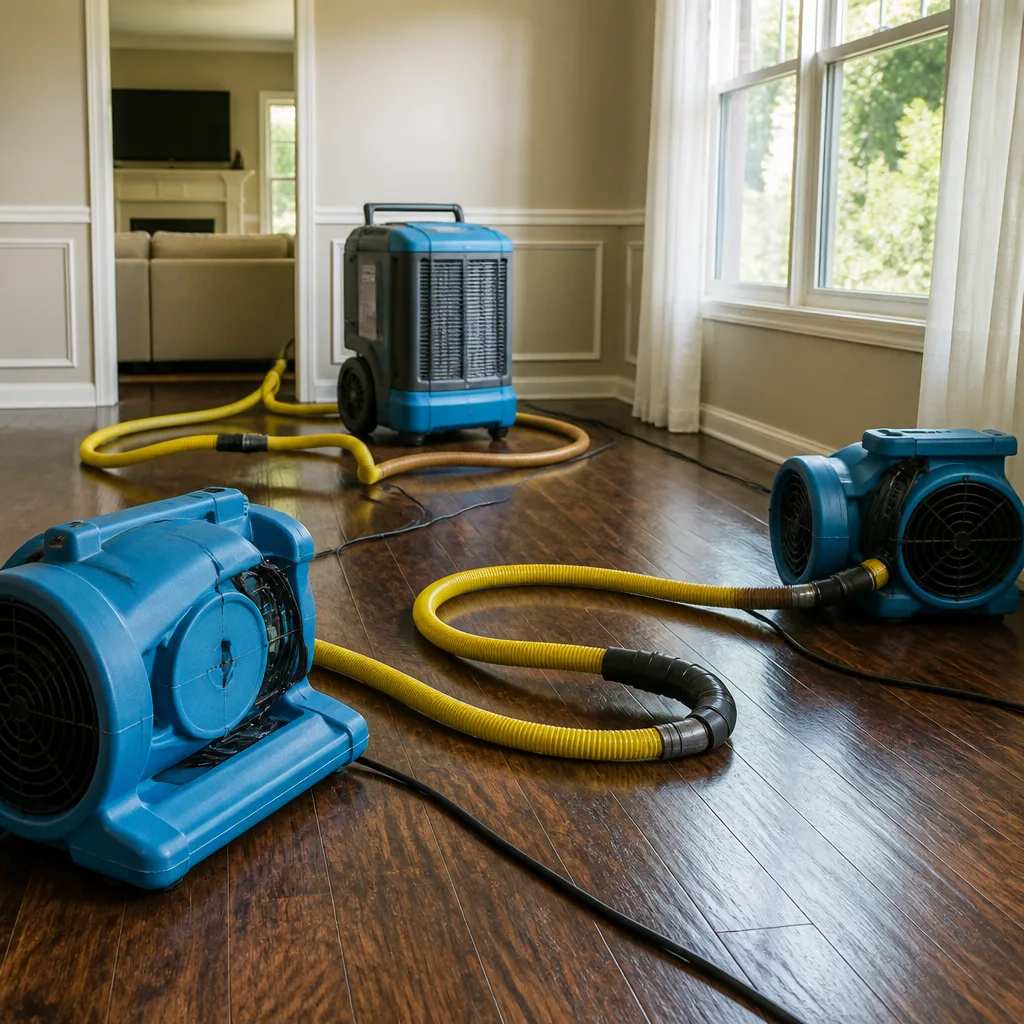
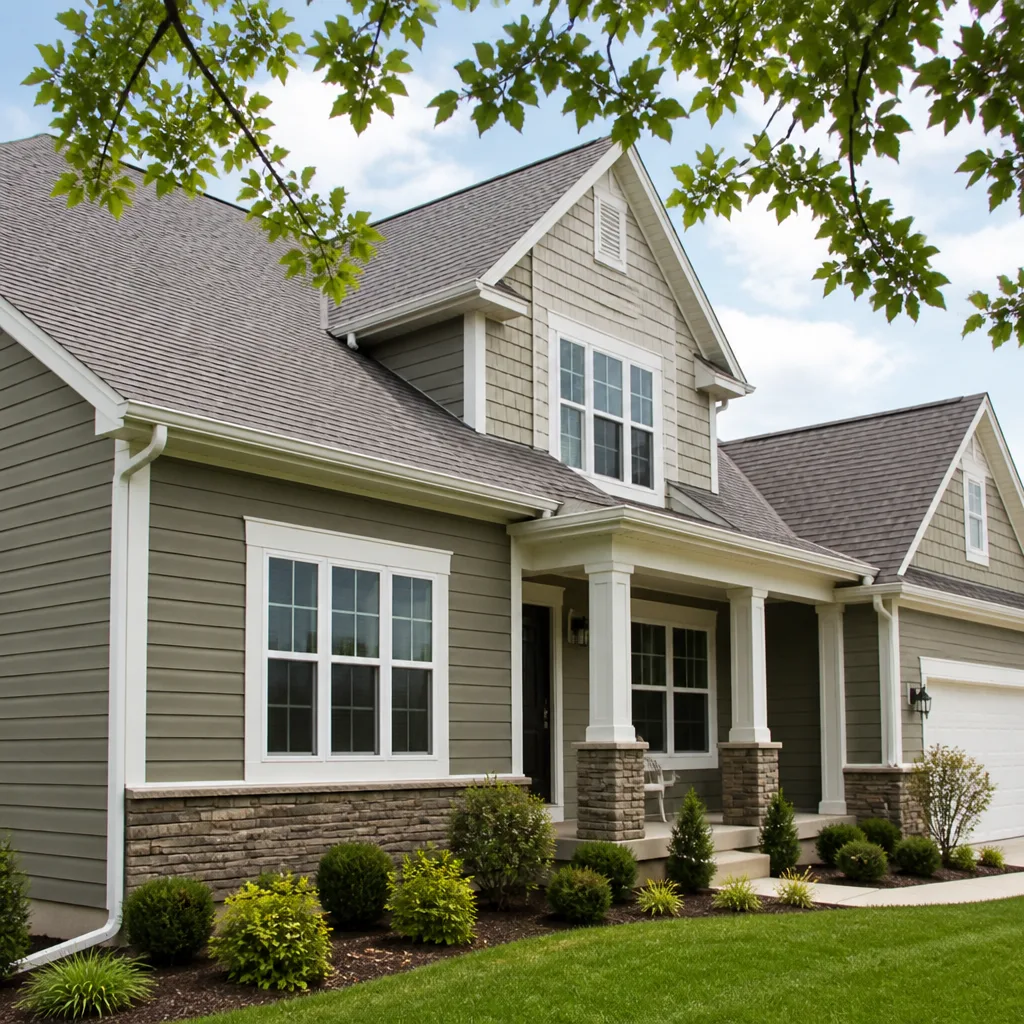
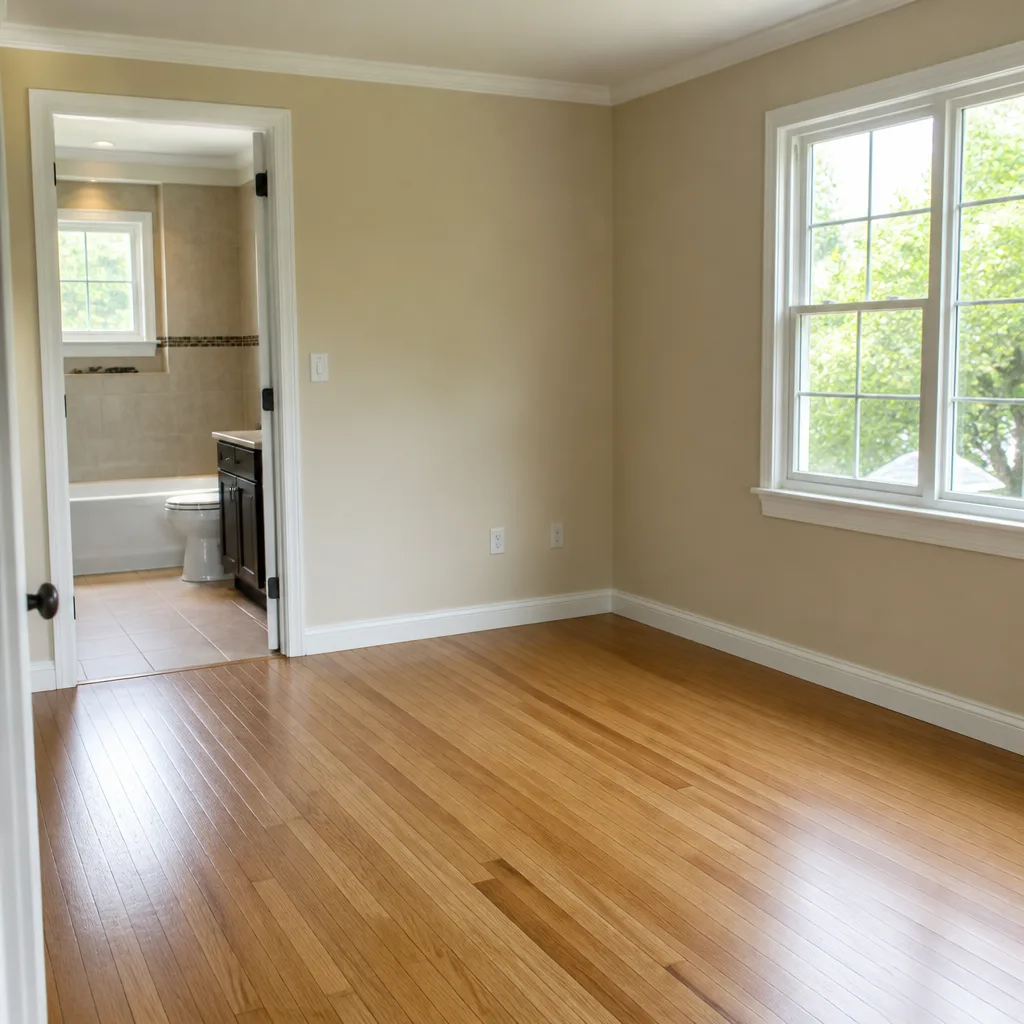
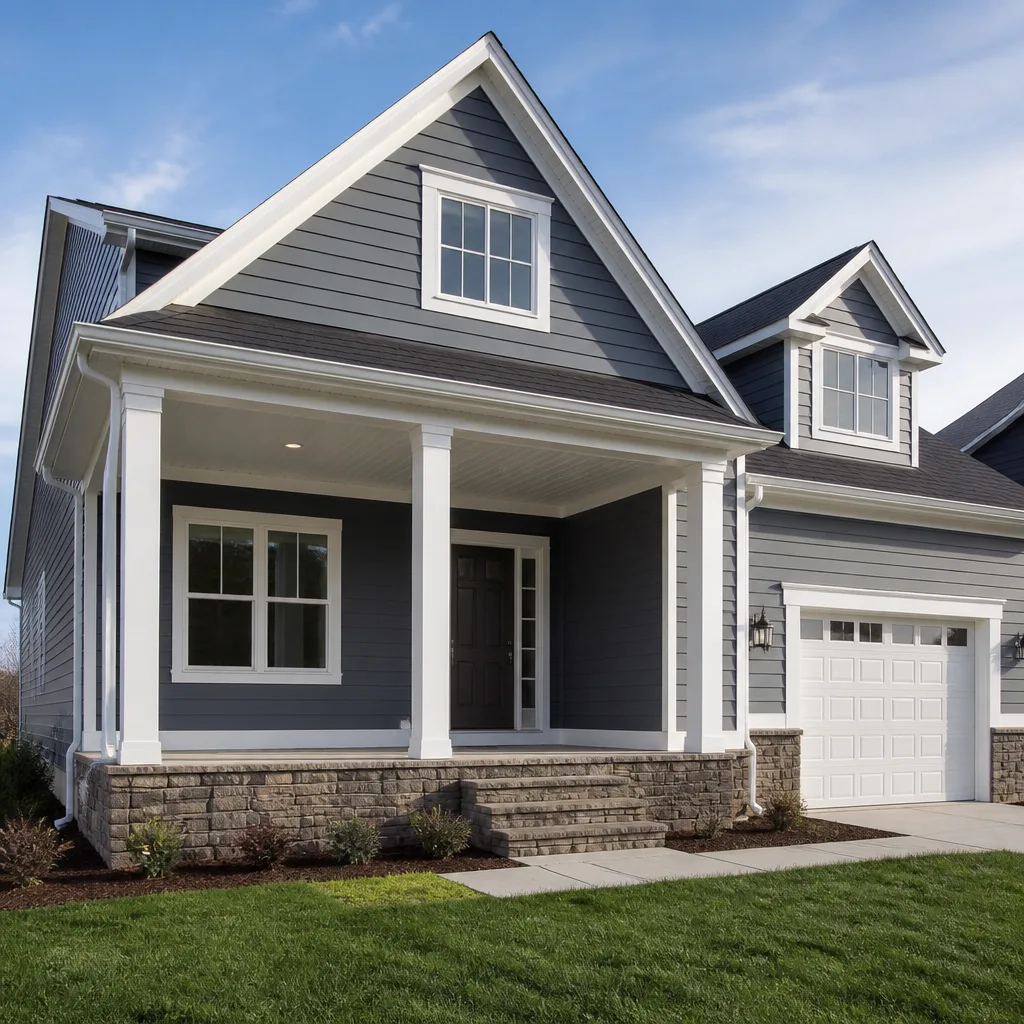
 Before
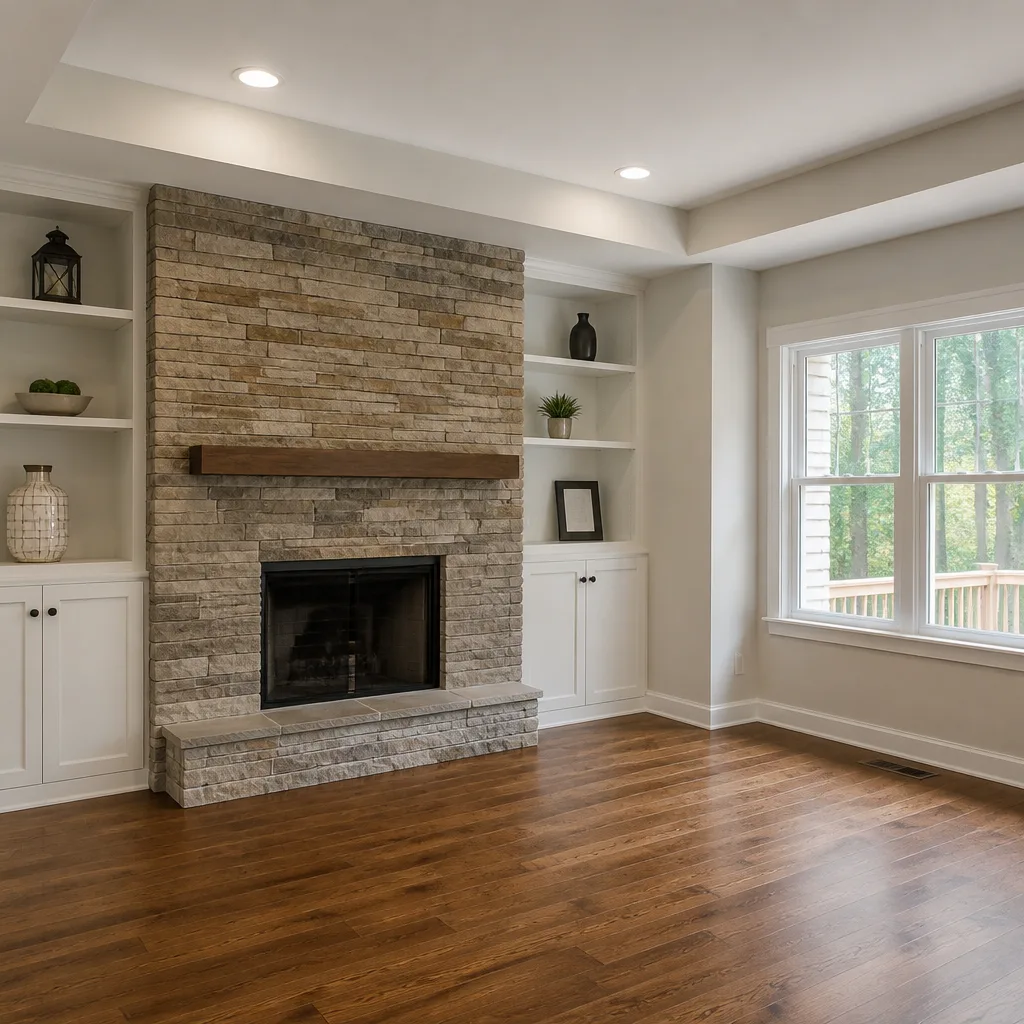
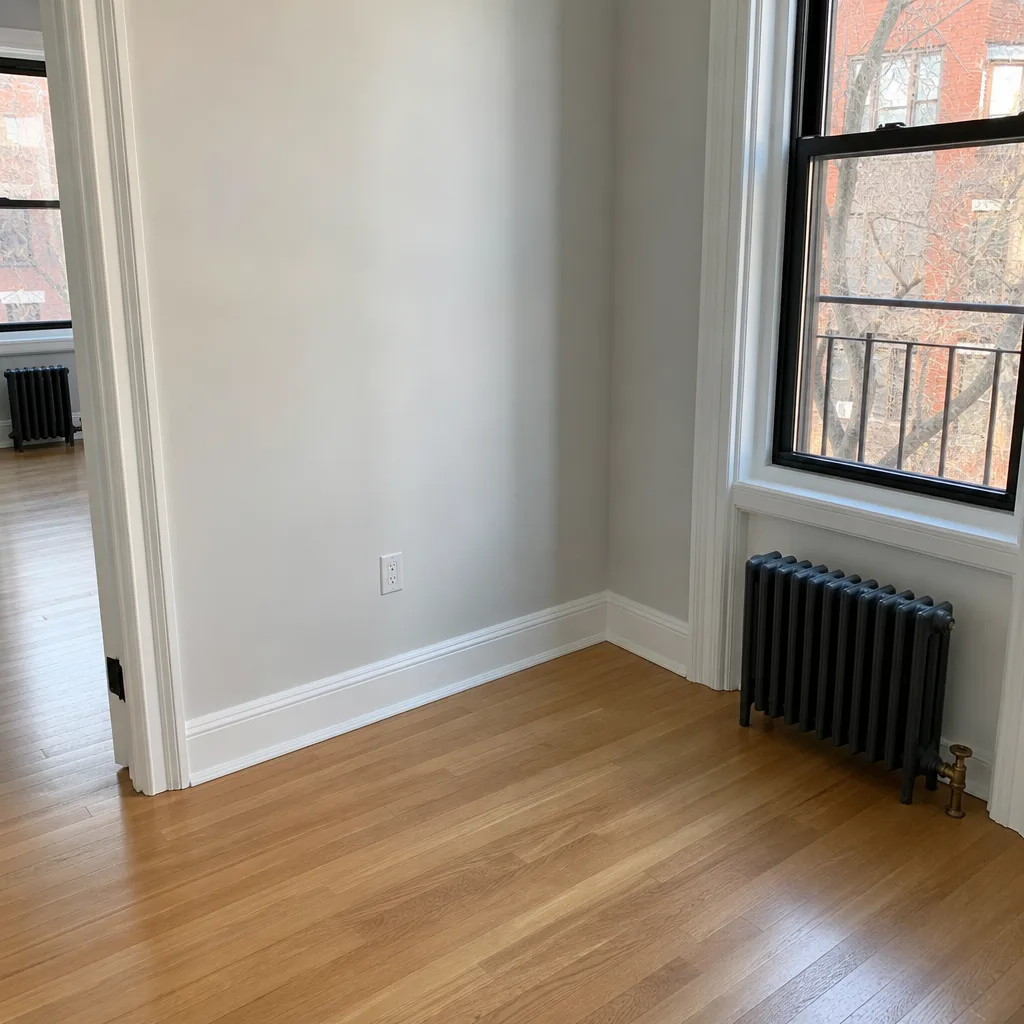 After
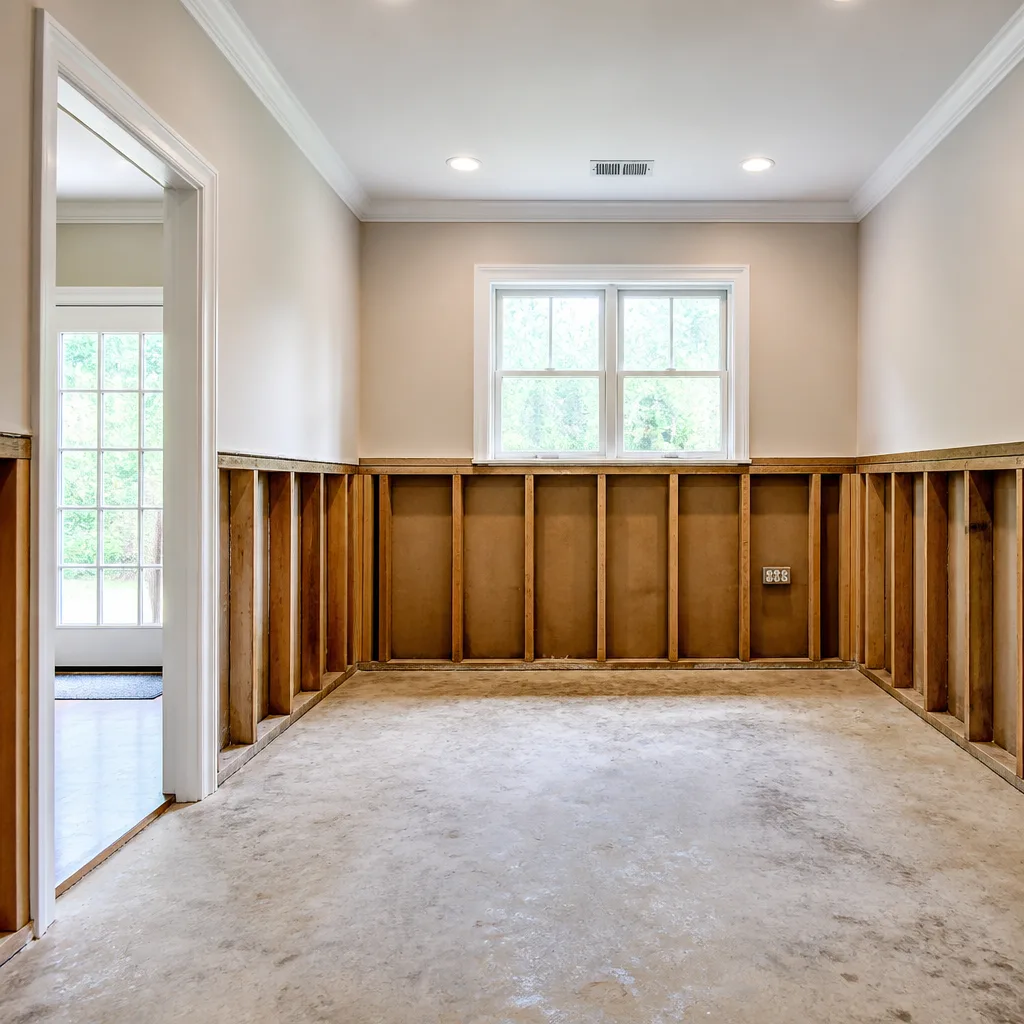
After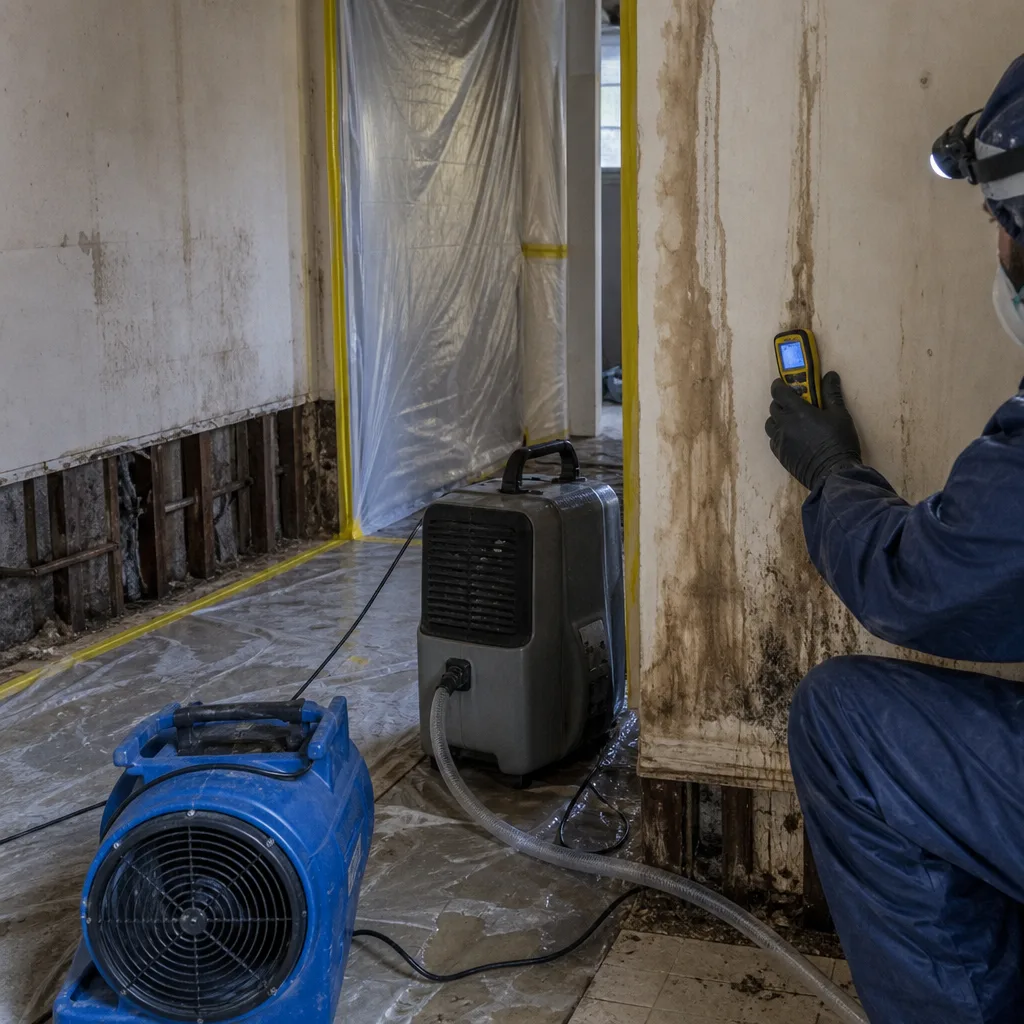 Before
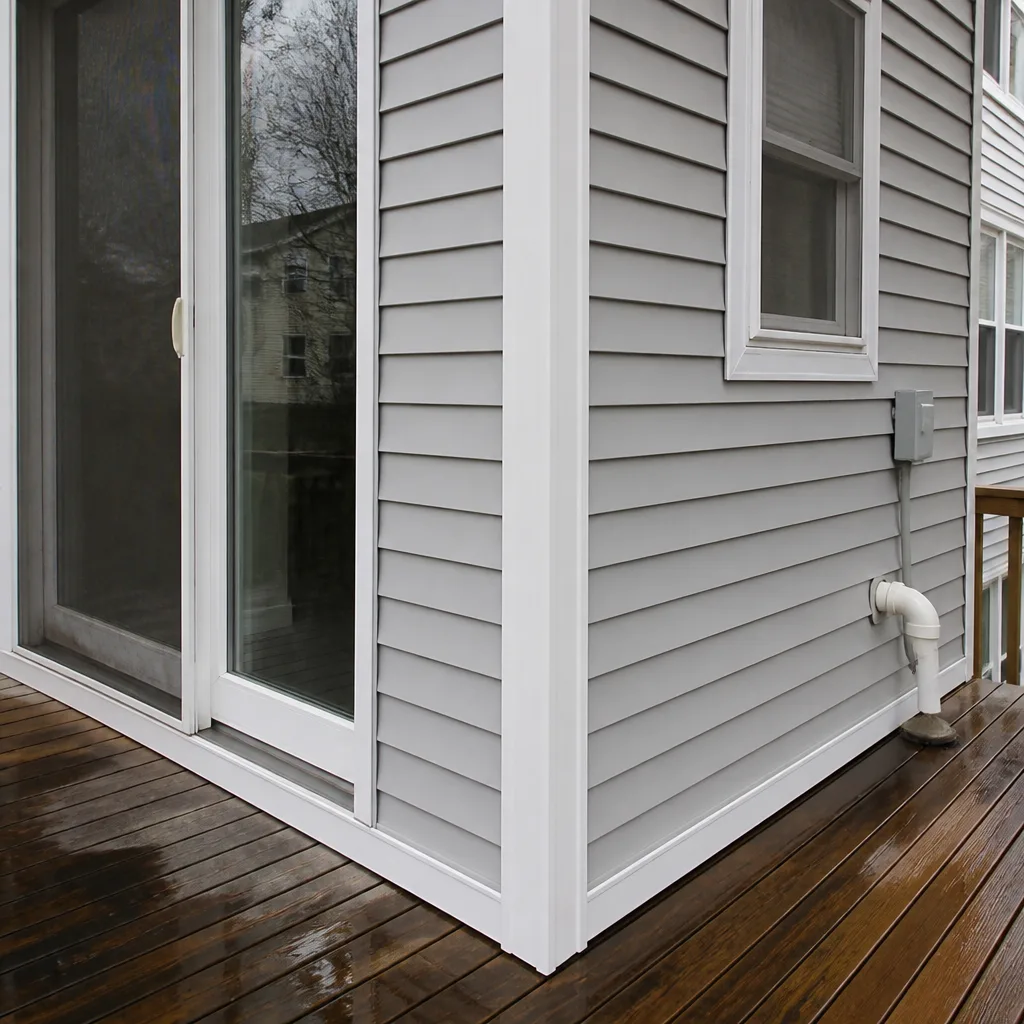 After
After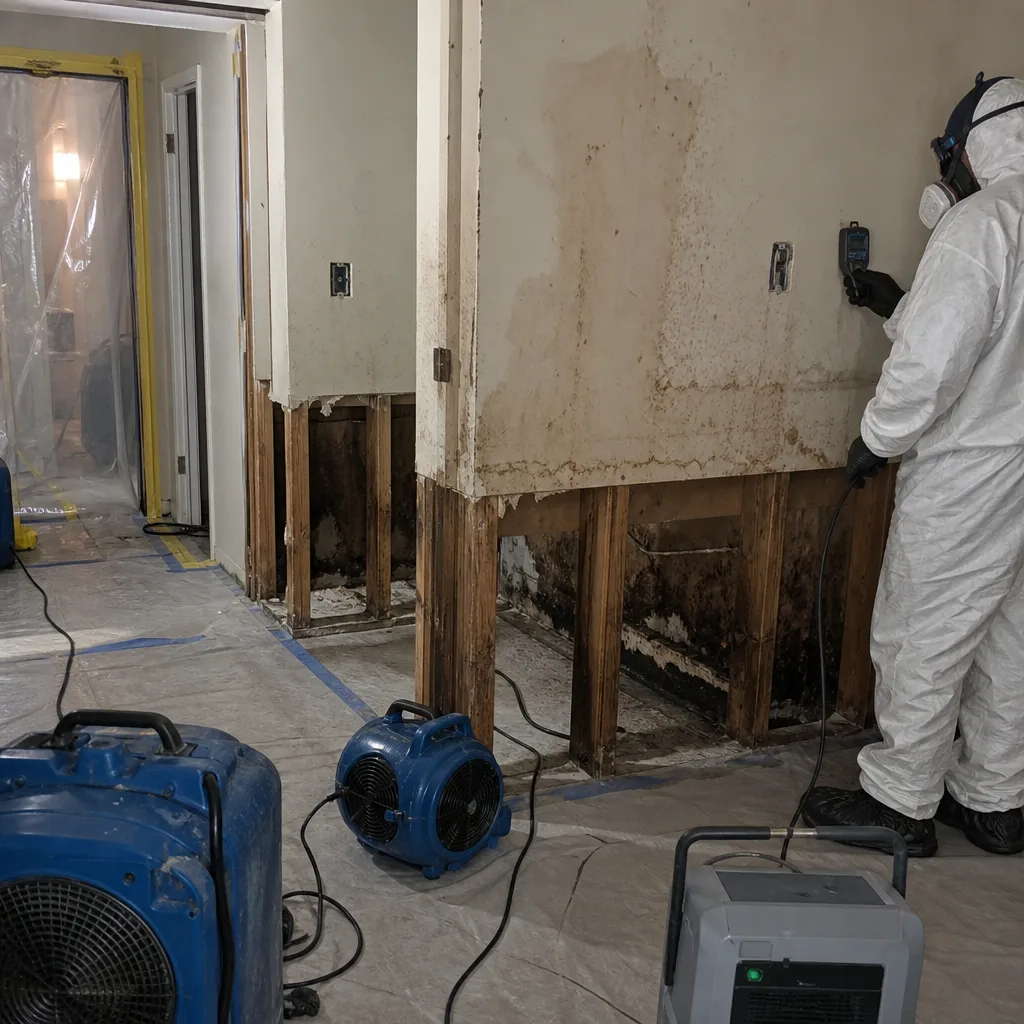 Before
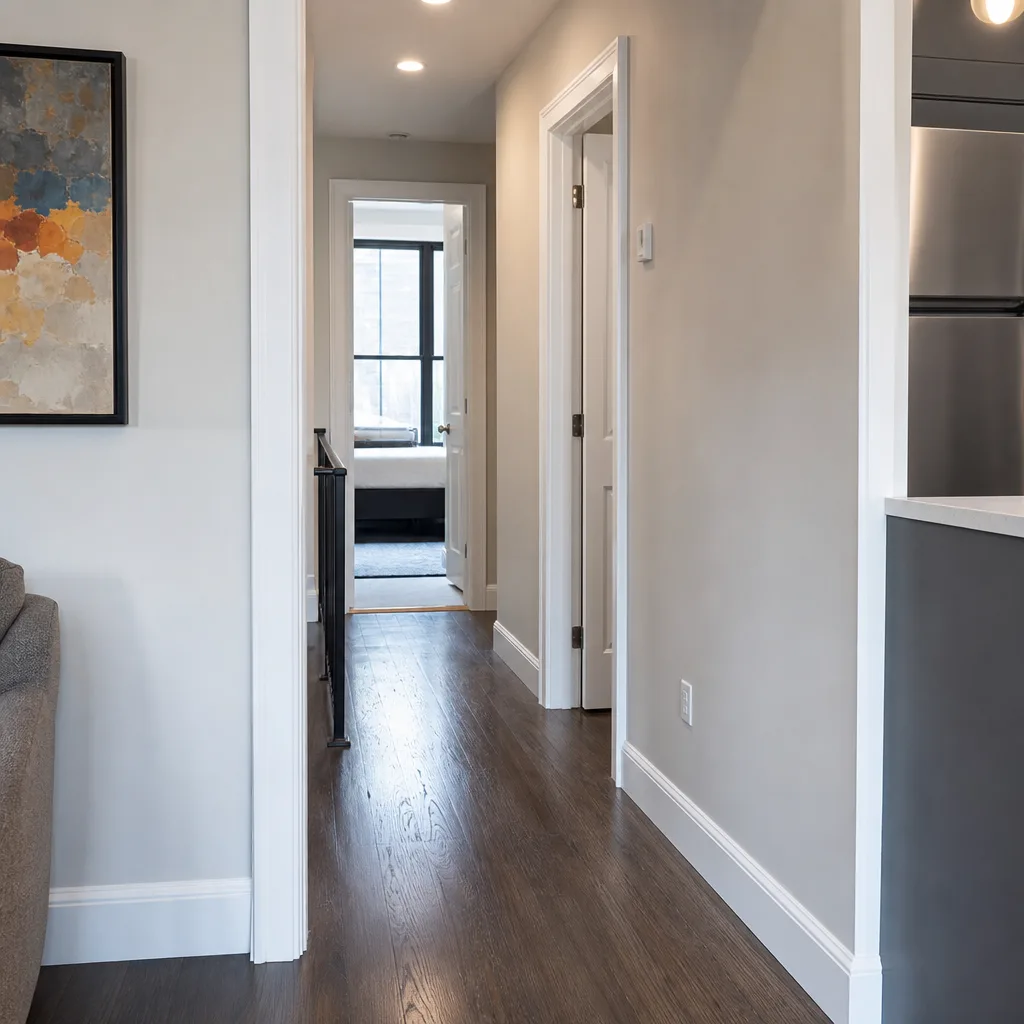 After
After24/7 Emergency Commercial Restoration in Ridgefield Park
Commercial flood damage in Ridgefield Park typically requires Category 3 black-water protocol within the first hour of intrusion, and our crews are dispatched from the metro office into the village around the clock. A live person answers at (917) 924-4221 at 2 a.m. the same way they answer at noon. When the Hackensack River spills over River Road or a nor’easter pushes brackish water through a loading dock, the window before secondary mold colonization begins is measured in hours, not days. We arrive, assess, and start extraction the same visit. The free visual inspection tells you exactly what you’re facing before any work is approved.
Understanding Commercial Restoration Severity in Ridgefield Park Properties
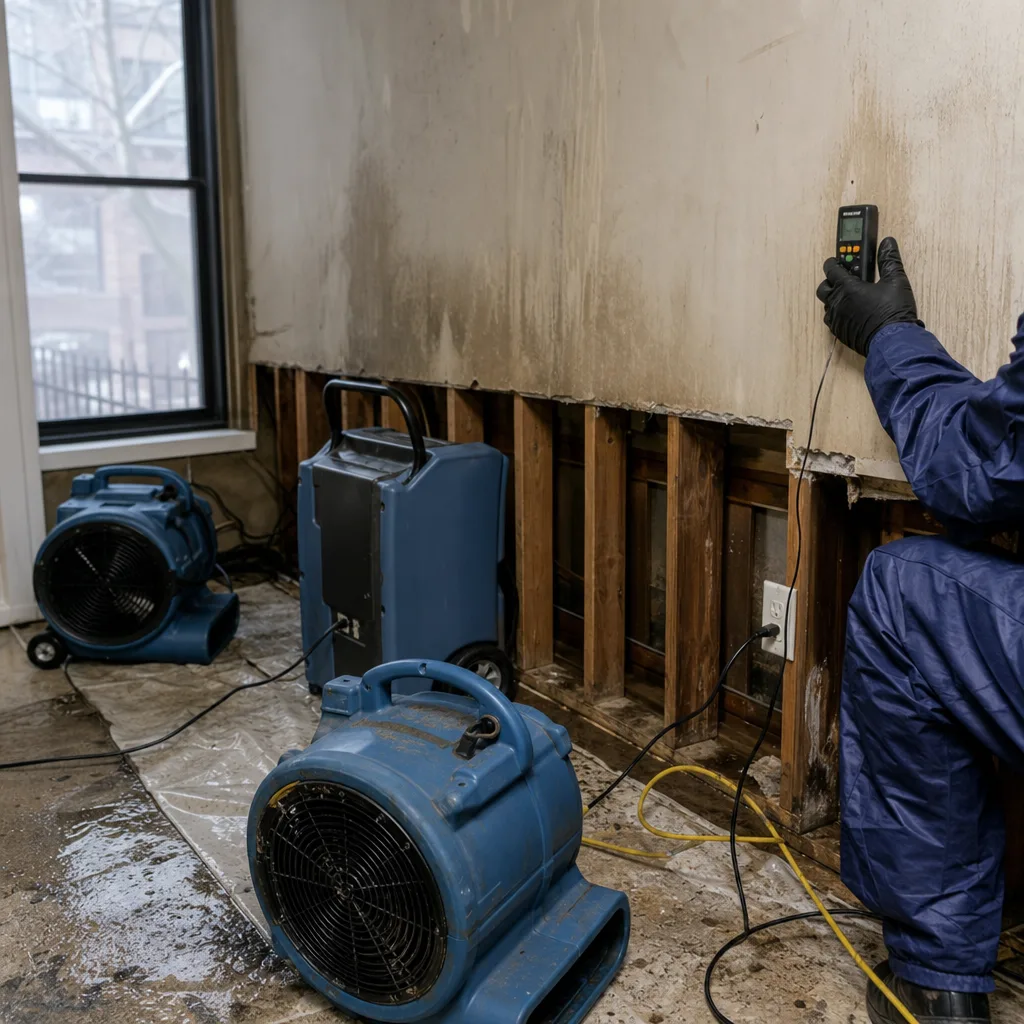
Ridgefield Park’s commercial buildings sit in tidally influenced flood terrain, which means the water entering your structure isn’t clean rainwater. It’s brackish, organically contaminated Category 3 water carrying salt, silt, and sewage. That salinity changes everything about the restoration protocol. It accelerates corrosion of structural fasteners, electrical conduit, and HVAC components behind finished walls. Moisture mapping with thermal imaging and hygrometers tells us where the water traveled, not just where it pooled. On older commercial buildings along Main Street and River Road, original plaster-and-lath walls act as capillary wicks, pulling contaminated water upward into cavities where drying is slow and hidden mold takes hold fast. Our IICRC-certified crews classify water correctly on arrival because getting that wrong means leaving a building that looks dry but isn’t.
Why Ridgefield Park Property Owners Choose Floodline Restoration Co. of Manhattan
- 45-minute response commitment to Ridgefield Park addresses, with a live dispatcher tracking the crew’s route and arrival.
- 24/7 live answer: a real person picks up every call. No recordings, no answering service script. A certified dispatcher gets a crew moving.
- IICRC-certified crews holding WRT, FSRT, and AMRT certifications on every commercial job, backed by RIA and IFA training standards.
- Free visual inspection before any scope is written. You get a firm, line-item plan, not a vague promise.
- Direct insurance billing with open adjuster communication from the first moisture reading to the final rebuild walkthrough.
- One team from extraction to reconstruction. No mid-job handoff to a subcontractor you’ve never met. The same crew that extracts the water rebuilds the space.
Our Commercial Restoration Process
Inspection & Assessment
We walk the full affected area with infrared imaging and moisture meters. On commercial buildings in Ridgefield Park, this includes checking for hidden intrusion behind plaster walls and under original hardwood, where salinity causes accelerated corrosion. You get a written scope and the 90-Day Done Right Promise in writing before we begin.
Extraction & Stabilization
Standing Category 3 water comes out first with truck-mounted extraction and submersible pumps. We contain the affected zone immediately to stop cross-contamination into untouched areas of the business. All extracted water is disposed of per Bergen County’s hazmat standards for contaminated floodwater.
Drying & Dehumidification
Professional-grade Dri-Eaz and Phoenix dehumidifiers paired with XPOWER air movers create cross-flow drying inside cavities and under floors. We take daily readings and log them. You and your insurer get a complete moisture log from day one until the dry standard is met.
Cleaning & Sanitization
Antimicrobial treatment follows structural drying on any surface that touched Category 3 water. HEPA air scrubbing pulls airborne mold spores and odors from the workspace. We clean, we don’t just dry. The difference matters in tidal flood zones where contamination is persistent.
Specialty Treatment for Commercial Losses
Multi-unit buildings, retail floors, and industrial facilities each need different containment and sequencing. Document and inventory recovery, electronics cleaning, and stock stabilization fall under this step. We coordinate with your HOA, tenants, or facility manager so business interruption is minimized.
Repairs & Restoration
Once the dry standard is met, the same Floodline crew rebuilds. Drywall, flooring, paint, trim, electrical, and HVAC restoration happen under one scope. Your 90-Day Done Right Promise covers the completed job. If it’s not done right, we make it right.
Need Emergency Commercial Restoration in Ridgefield Park Now?
Crews minutes away, answering live 24 hours a day. The sooner we start, the less it costs.
Working With Your Insurance Company
Commercial flood claims in Ridgefield Park get complicated fast, especially when brackish water is involved. We photograph every affected area before demolition begins, log moisture readings daily, and provide your adjuster with a detailed, line-item scope of work in industry-standard format. Our crews document pre-loss condition so your carrier sees exactly what existed before the water came in. You never play messenger between us and the carrier. We talk to the adjuster directly, submit the documentation, and send the bill to the insurer per your policy’s terms. No surprises on the bill means no fights over what was necessary.
What We Provide Your Insurer
- Thorough documentation of the loss
- Photos of all damage, room by room
- Moisture readings and drying logs
- A detailed, line-item scope of work
- Direct coordination with your carrier
Built for Ridgefield Park’s Loss Calendar
Ridgefield Park’s commercial properties face a predictable but aggressive loss calendar. January deep freezes burst supply lines in older unheated storage areas and utility closets, sending clean Category 1 water through ceilings and across finished floors. The spring thaw raises the water table beneath full basements, and tidally influenced groundwater pushes up through foundation cracks as Category 2 seepage. Summer thunderstorms overwhelm the village’s drainage along Main Street and Teaneck Road, sending flash runoff into loading docks and below-grade entrances. Nor’easters, which hit hardest from October through April, push Hackensack River water over River Road and into the lowest-lying commercial footprints. Each event has its own protocol, and our Commercial Restoration teams sequence every job based on the season’s actual risk to your building type.
Commercial Restoration Across Ridgefield Park’s Neighborhoods
Response routes through Ridgefield Park follow the village’s compact street grid, and we know the patterns. Commercial buildings along Main Street and near the Ridgefield Park Station sit higher, but aging cast-iron sewer laterals still fail during heavy rain, sending backflow through floor drains. Properties near River Road and the Hackensack riverbank take the brunt of tidal flooding, with Category 3 water reaching loading docks and lower-level mechanical rooms during nor’easters. The industrial corridor near Industrial Avenue and the Overpeck Creek side carries a different risk: older slab-on-grade warehouse settings where water migrates under racking and pallets, creating hidden moisture pockets. Multi-unit buildings along Poplar Street and Euclid Avenue, many built between the 1920s and 1950s, hold original plaster-and-lath walls that wick floodwater upward far beyond the visible waterline. We stage equipment and route crews based on which part of Ridgefield Park called, knowing that a River Road loading dock and a Euclid Avenue storefront require entirely different initial moves.
Specialized Commercial Restoration Services We Offer in Ridgefield Park
Large-Loss Response
When a nor’easter floods an entire commercial floor or a warehouse fire displaces inventory, Ridgefield Park businesses need more than a couple of air movers. Floodline Restoration Co. stages full crews, multiple truck-mounted extraction units, and enough Phoenix and Dri-Eaz equipment to handle thousands of square feet in one mobilization. We coordinate with your facility manager and carrier so the loss is addressed as one continuous operation, not a series of short visits.
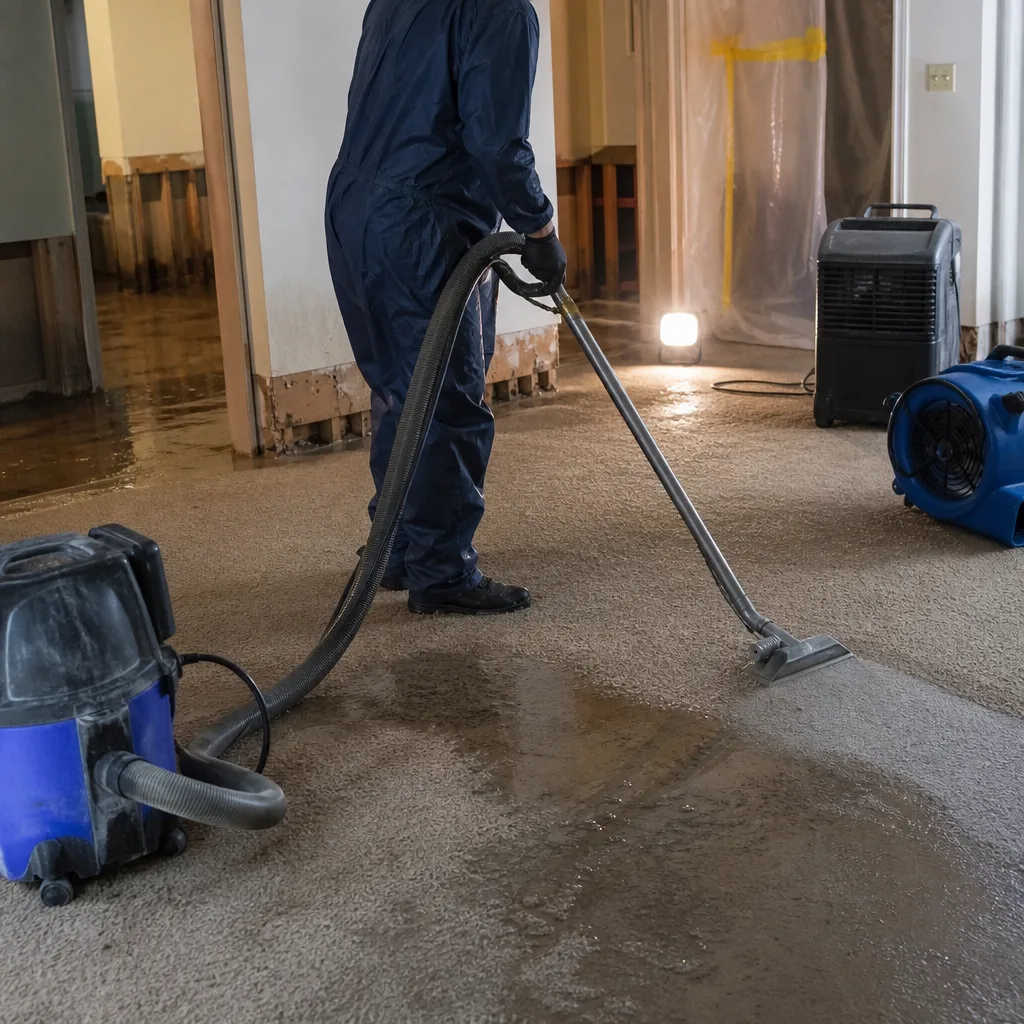
Business Interruption Minimization
Every day a Ridgefield Park business stays closed costs real revenue. Our crews sequence work so the least-damaged areas reopen first. We build temporary containment walls, set drying zones, and work around your operating hours where possible. For restaurants and retail spaces off Main Street, that often means night-shift drying and weekend rebuild work. Less downtime means a smaller claim’s impact on your annual revenue.
Industrial Facility Cleanup
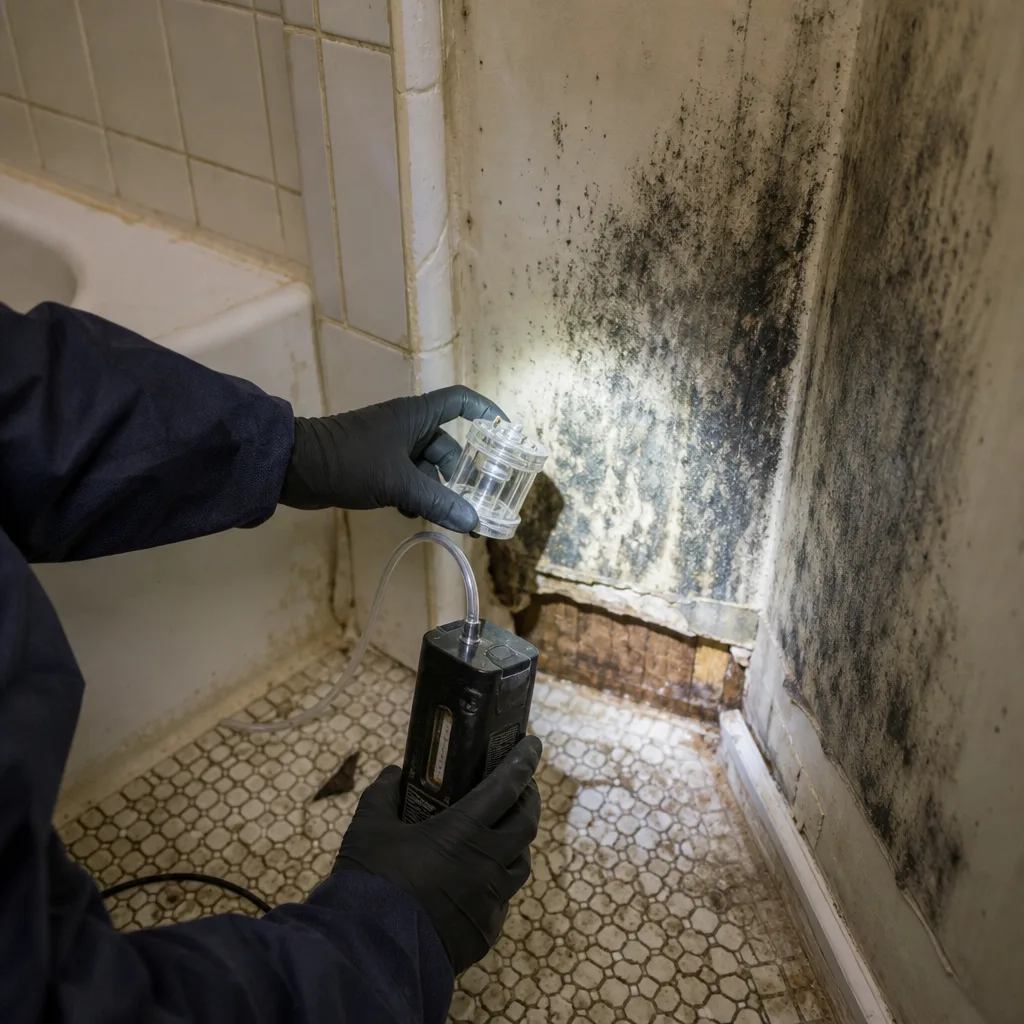
Industrial buildings near the Hackensack River and Overpeck Creek need specialized protocols. Salinity from tidal intrusion attacks structural steel fasteners, electrical conduit, and HVAC coils behind the scenes. We document pre-loss condition, apply corrosion-inhibiting treatments where appropriate, and run aggressive structural drying with B-Air and XPOWER equipment placed inside wall and ceiling cavities. The goal is a facility that passes inspection, not one that looks dry on the surface.
Office & Retail Restoration
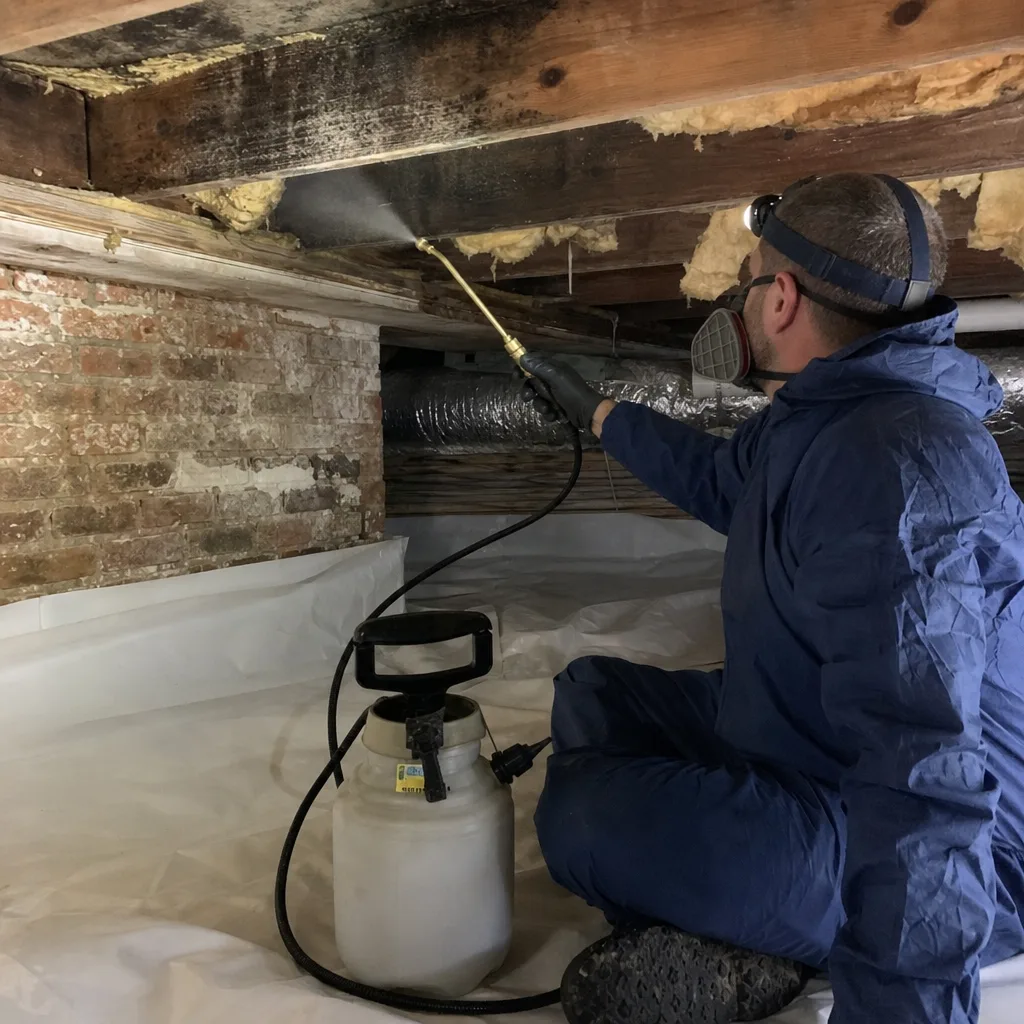
Water follows the path of least resistance through commercial grade sheetrock, which means an office flood on the second floor of a Ridgefield Park mixed-use building often becomes a first-floor retail ceiling loss within hours. Our crew traces the water path with moisture meters and thermal imaging, contains both zones, and dries in place wherever possible to keep your storefront or office operational. Original hardwood under tile entries, common in prewar commercial buildings here, requires special drying protocols to prevent cupping and salvageable flooring loss.
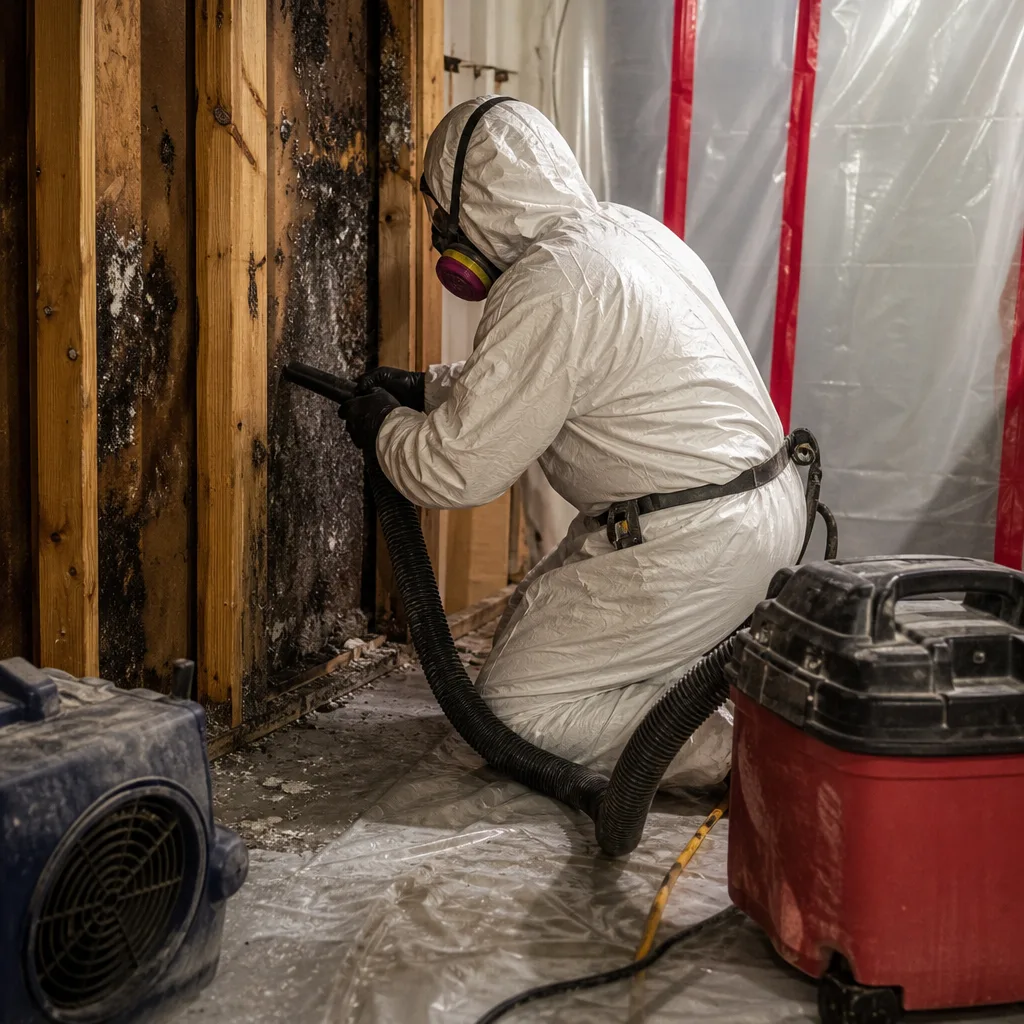
Multi-Unit & HOA Restoration
Ridgefield Park’s dense two-family and small apartment stock means one unit’s flood is never just one unit’s problem. Water travels between floor joists and down common walls. We coordinate with the HOA or property manager, document each affected unit separately for insurance purposes, and keep tenants informed without violating any party’s claim confidentiality. The cleanest path is one contractor handling the whole building, so nobody points fingers at a different vendor.
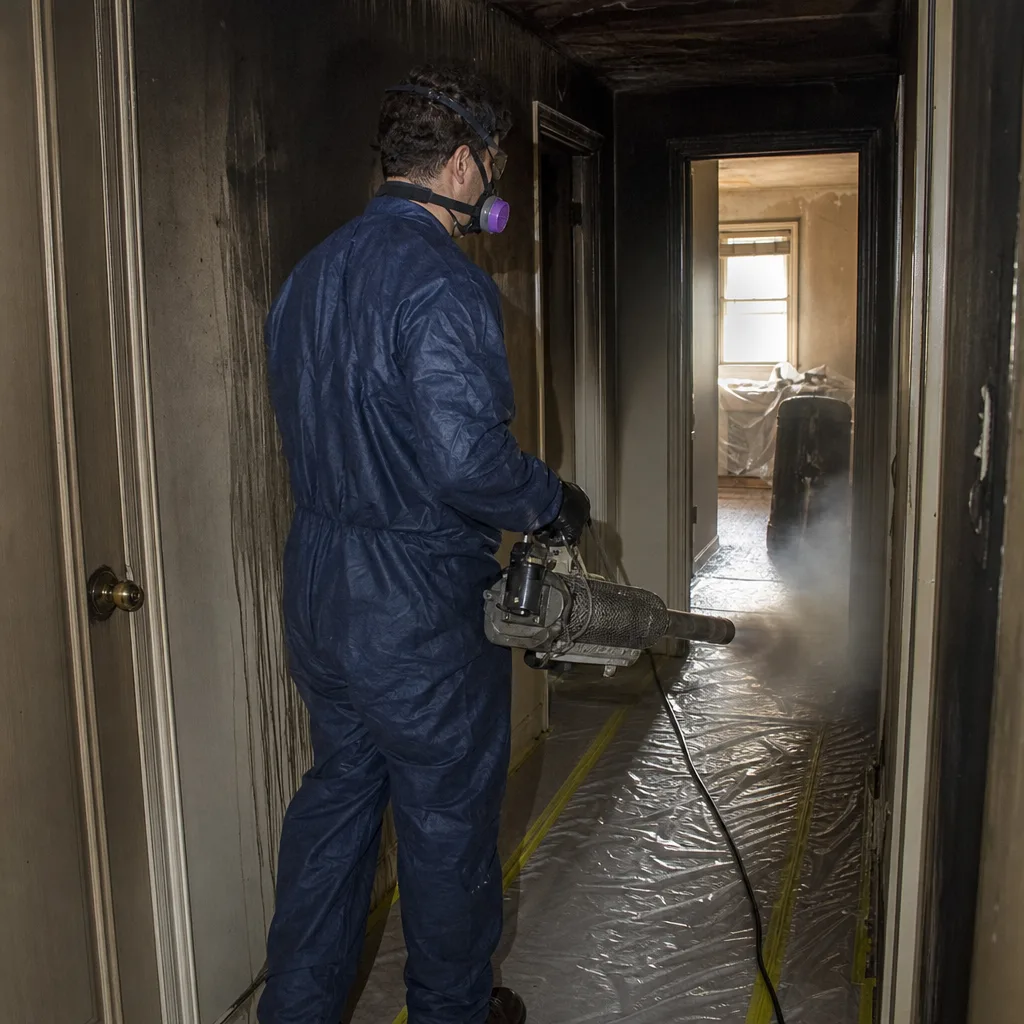
Document & Inventory Recovery
Paper files, server rooms, and retail inventory all have their own salvage clock after floodwater enters. We triage on arrival, move salvageable materials to dry zones, and build freeze-drying or desiccant-drying plans for critical records. Electronics get corrosion-stabilizing treatment before they’re powered back on. For Ridgefield Park businesses that have weathered two or three flood events, protecting what remains is as important as drying what got wet.
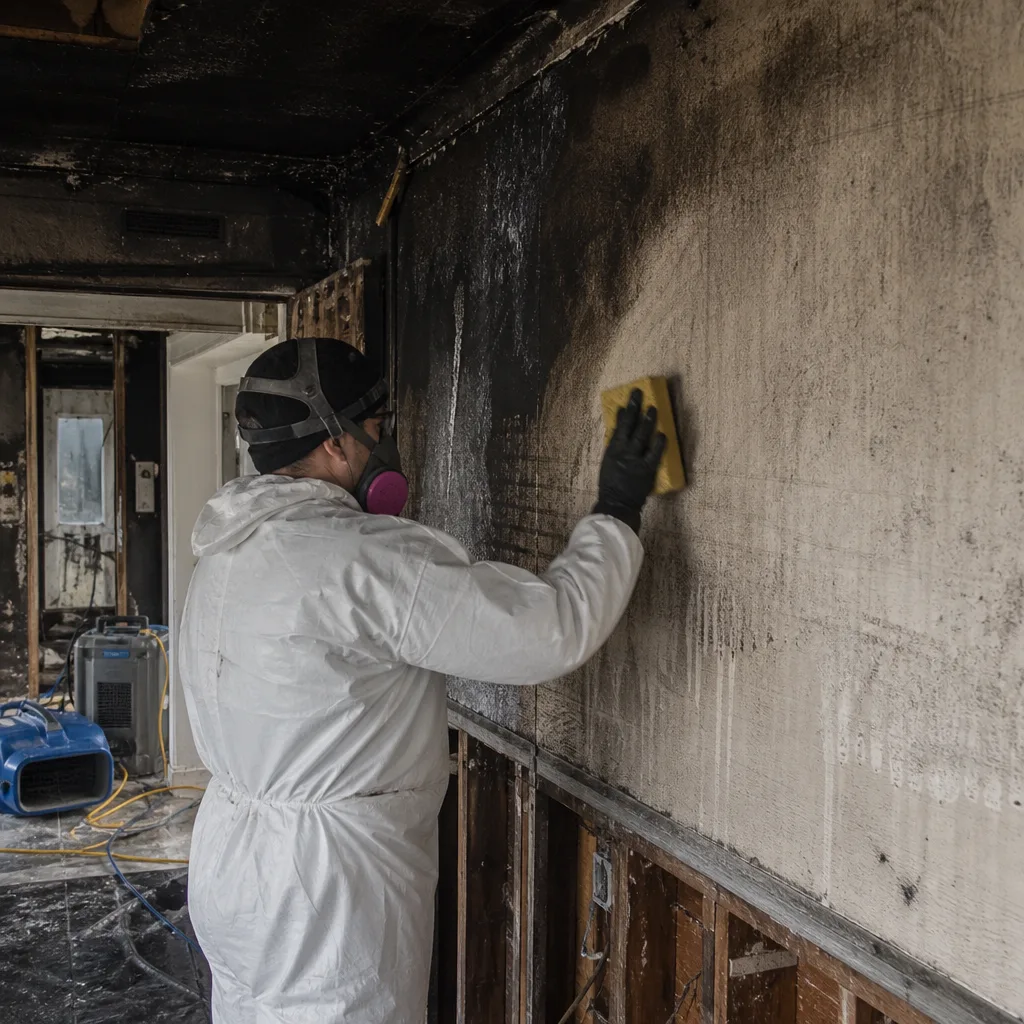
What happens when you call
- 1
A real person answersNo phone trees - you reach a local pro.
- 2
You get an upfront price rangeHonest numbers before anyone is dispatched.
- 3
A background-checked tech heads outLicensed & insured, dispatched right away.
- 4
You approve before work beginsNothing starts until you say go.
Commercial Restoration Costs in Ridgefield Park, NJ
A typical commercial water loss in a Ridgefield Park storefront or office runs $4,200 to $11,800 when Category 1 or 2 water is involved and the affected area is under 1,000 square feet. Once Category 3 brackish water enters the picture, which it does on every tidal or river flood near River Road, the range jumps to $9,500 to $28,000 because of the containment, antimicrobial treatment, and full removal protocols required. Industrial facility cleanup involving salinity contamination and corrosion mitigation commonly falls between $14,000 and $45,000 depending on square footage and whether structural drying can happen in place or requires selective demolition. Insurance covers the vast majority of flood-related claims in Ridgefield Park when the carrier has proper documentation, which is why we hand over a line-item scope before work begins. The free visual inspection gives you firm numbers, not a range with a shrug.
We Also Serve Cities Near Ridgefield Park
Our commercial restoration crews travel to Little Ferry, South Hackensack, Bogota, and Palisades Park with the same 45-minute response commitment and live 24/7 dispatch. If your business sits in one of those neighboring towns and you’re watching water rise, call (917) 924-4221. We’ll route the nearest available certified crew your way.
Serving Ridgefield Park, NJ - Our Local Coverage Area
We’re based in the Ridgefield Park area and know this community well. Use the map below to see our service coverage - if you’re nearby, we can almost certainly help.
Ridgefield Park Commercial Restoration Questions, Answered
Why does commercial flood damage in Ridgefield Park require different drying protocols than upland Bergen County towns?
Ridgefield Park’s floodwater is brackish Category 3 water from the tidally influenced Hackensack River, not clean Category 1 rainwater. Salinity accelerates corrosion behind walls and shortens the mold window. Drying protocols here require antimicrobial treatment, salinity inspection, and more aggressive structural drying than upland towns face.
How quickly must a Ridgefield Park business begin water extraction after tidal floodwater enters the building?
Within the first hour. Brackish water begins attacking structural fasteners and fueling mold inside plaster cavities almost immediately. Extraction should be running the same visit. Calls into our dispatch at any hour route a crew into Ridgefield Park with equipment moving the same day, not the next morning.
What should a Ridgefield Park commercial property owner do if a previous restoration job left hidden mold behind plaster walls?
Request a free visual inspection with thermal imaging and moisture mapping to find where prior drying left wet cavities. We remove false drywall patches over original plaster, open the affected cavities under containment, and run HEPA air scrubbing while treating the hidden mold. Call (917) 924-4221 to get started accurately.
Can our industrial facility near the Hackensack River continue operating during a commercial restoration after a nor’easter?
In most cases, yes. We build containment zones around the affected areas and sequence drying so your active production, warehousing, or shipping areas stay operational. Temporary partitions keep dust and airborne spores out of clean zones, and night-shift work is available when daytime operations need open floor space.
Why do Ridgefield Park commercial properties need moisture mapping before any demolition begins?
Because water travels through original plaster-and-lath walls far beyond the visible waterline. Moisture mapping with thermal imaging and hygrometers tells us which cavities are wet, which are dry, and where hidden contamination sits. Skipping this step means leaving brackish water sealed behind fresh drywall.
Will insurance cover commercial restoration after a tidal flood in Ridgefield Park?
Most commercial policies have provisions for flood and storm damage, though coverage depends on your specific policy’s flood endorsement. We photograph all damage, document pre-loss condition, and submit a line-item scope directly to your adjuster. You’re never left negotiating alone.
How long does commercial drying and remediation take in Ridgefield Park?
Most commercial losses here are dry and ready for rebuild in 3 to 5 days when we start extraction the same day. Larger tidal losses, particularly those with salinity contamination in an industrial facility, may take 5 to 10 days of active drying and daily monitoring before the dry standard is met.
What should I do in the first 30 minutes before your crew arrives?
Call (917) 924-4221 first. Then, if it’s safe, shut off power to the affected area at the breaker. Do not walk through standing floodwater with electric equipment running. Move laptops, files, and inventory to dry ground if you can do so without entering contaminated water. Leave everything else untouched for our documentation.
At a two-story commercial building off River Road, our crew responded after a nor’easter pushed brackish Hackensack water through the loading dock and into the lower level. We extracted standing Category 3 water, performed moisture mapping to track intrusion into original plaster-and-lath walls, and set up containment before removing saturated baseboards and flooring. Because salinity had already begun attacking HVAC fasteners and electrical conduit, we documented pre-loss condition and adjusted our scope of work to include antimicrobial treatment and accelerated structural drying with Dri-Eaz dehumidifiers and air movers. The business reopened eleven days later with a written guarantee behind every line of the job.
Ridgefield Park’s low-lying position along the tidally influenced Hackensack River means commercial properties here face recurring brackish Category 3 water intrusion, not just storm-driven flooding. That condition accelerates corrosion behind walls and shortens the mold window far faster than in neighboring upland towns. This page gives Ridgefield Park business owners the exact protocol for repeated brackish-flood commercial restoration, not generic water damage advice, so you know which materials must be removed, which can be dried, and how to stop hidden mold from a prior job. Our crews are trained to IICRC, RIA, and IFA standards, background-checked, and uniformed on every job. If floodwater has entered your building, call (917) 924-4221 now and get a live dispatcher, not a recording. We’ll be there when we say.
Written by Curt Bowman, Owner at Floodline Restoration Co. of Manhattan, serving Ridgefield Park since 2010.