
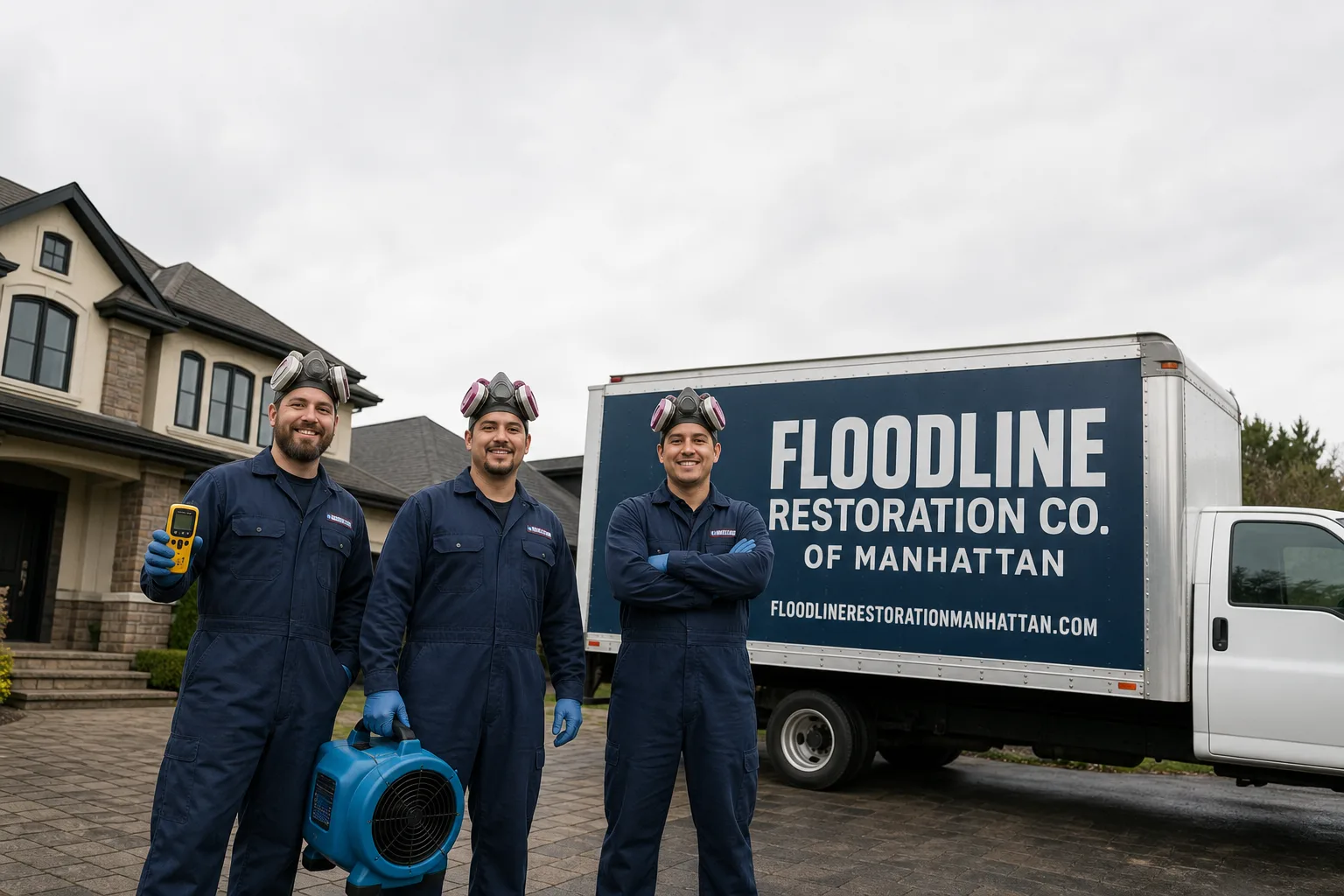
Free visual inspection and a written scope of work before any mitigation begins - photos, moisture readings, and drying logs go in your claim file
The scope we write is the scope we bill. Anything new gets shown to you, in writing, before we touch it.






 Before
 After
After Before
 After
After Before
 After
After24/7 Emergency Fire & Smoke Damage Restoration in Glenville
A house fire in Glenville leaves behind more than charred framing. Soot works into plaster, smoke migrates through forced-air ductwork, and water from the fire department soaks into 60-year-old subfloor. Our crews answer the phone live at (917) 924-4221, any hour, and we dispatch into Glenville the same call. The first hour matters because acidic soot residues begin etching metal, pitting glass, and staining walls within days, not weeks. A free visual inspection gets a trained eye on the damage before cleanup starts, and we give you a written scope before any tear-out begins. If you’re standing in a smoky kitchen off Potter Road or a flooded ranch near the Mohawk, call now. We’ll walk you through the next twelve hours, step by step.
Understanding Fire & Smoke Damage Restoration Severity in Glenville Properties
Fire damage in Glenville rarely stays where the flames were. Smoke follows the home’s air paths, and in the area’s 1950s and 60s Cape Cods and ranches, those paths run through original plaster-over-lath walls, balloon-framed cavities, and aging forced-air ductwork. We classify soot by residue type: dry soot from fast-burning paper and wood, oily soot from synthetic materials and kitchen grease fires, and protein-based residues from food fires that can look invisible while clinging to every surface. Each requires a different cleaning chemistry and a different level of containment. When a fire is in a home along the Mohawk River flood corridor near Scotia, we also have to assess what’s behind the fire-damaged drywall. Older flood damage, prior mold remediation, or hidden microbial staining changes the entire protocol. You can’t clean what you can’t see, and you can’t see through charred sheetrock, so we open walls where the smoke path indicates spread and log what we find.
Why Glenville Property Owners Choose Floodline Restoration Co. of Manhattan
- 45-minute response commitment. When you call Glenville dispatch, a crew is routed immediately. We tell you when we’ll arrive and we get there.
- A real person answers, day or night. No automated system, no callback queue. A live dispatcher picks up at 2 a.m. and starts coordinating.
- IICRC-certified crews. Our technicians hold FSRT and OCT certifications for fire and smoke restoration, and they follow odour-control protocols from day one.
- Free visual inspection. We assess the loss, locate smoke migration, and give you a straight read on scope before any billing begins.
- Direct insurance billing. We document, we photograph, we speak to your adjuster directly. You don’t chase paperwork between us and the carrier.
- One crew, start to finish. The team that boards up tonight is the same team that rebuilds the kitchen in six weeks. No handoff, no inherited crew.
Our Fire & Smoke Damage Restoration work is built around one fact: Glenville homeowners want it done right the first time, and they want a name they can hold accountable. Floodline Restoration Co. is led by Curt Bowman, and every job carries the 90-Day Done Right Promise in writing. If it isn’t done right, we make it right. No paper chase, no argument.
Our Fire & Smoke Damage Restoration Process
Inspection & Assessment
We walk the whole loss path, not just the burn site. Thermal imaging, moisture meters, and cavity inspection maps show where heat and smoke travelled and where water from suppression settled.
Extraction & Stabilization
Water comes out first, using the same extraction equipment we run on flood jobs. Standing water in a burned kitchen or basement accelerates corrosion and makes soot acidic. We also board up or tarp any openings that same visit.
Drying & Dehumidification
Dri-Eaz and Phoenix dehumidifiers and air movers pull moisture from framing, subfloor, and wall cavities. In Glenville’s older homes, this step takes longer: plaster holds water deeper than modern drywall and releases it slower. Daily moisture readings are logged until we hit dry standard.
Cleaning & Sanitization
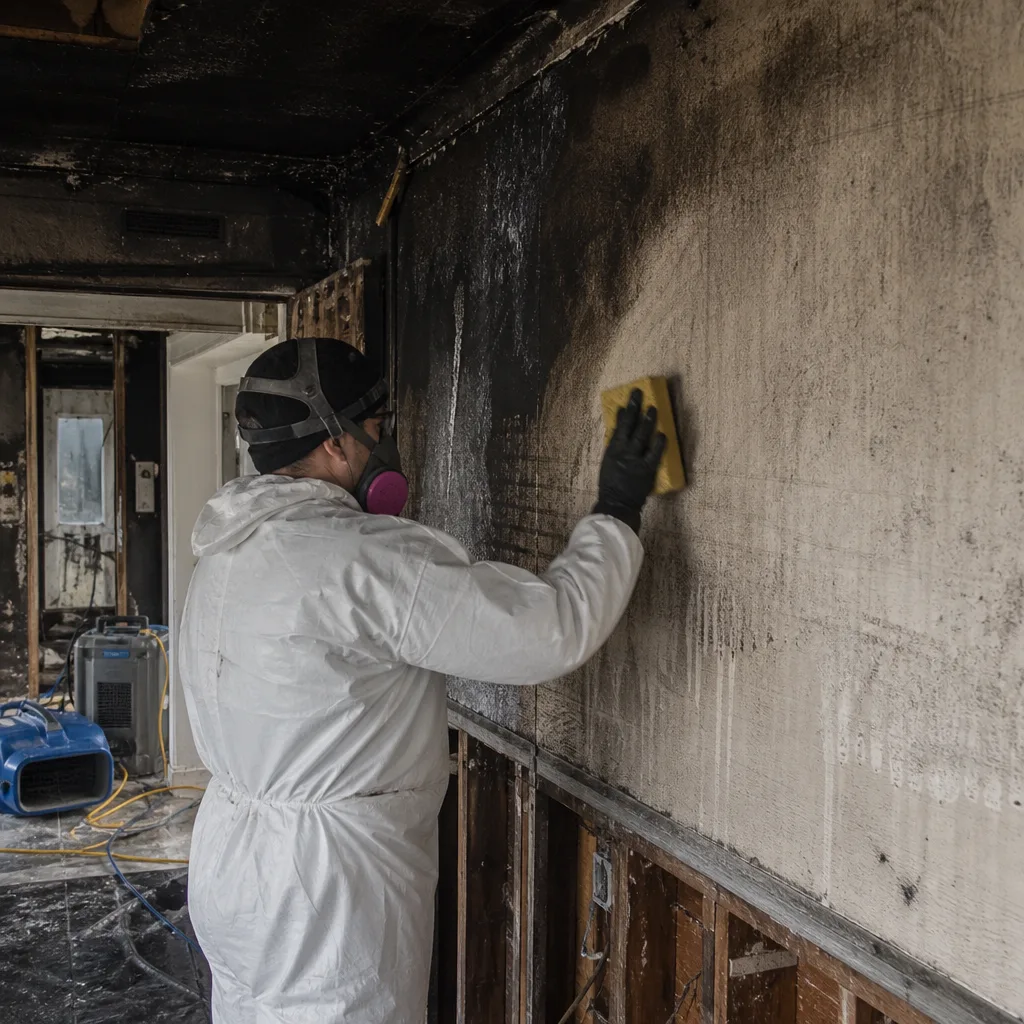
Soot removal starts with HEPA vacuuming, followed by chemical sponge cleaning on plaster, drywall, and trim. B-Air negative air machines and air scrubbers stay running through this phase to keep airborne soot from cross-contaminating clean rooms.
Odor Treatment
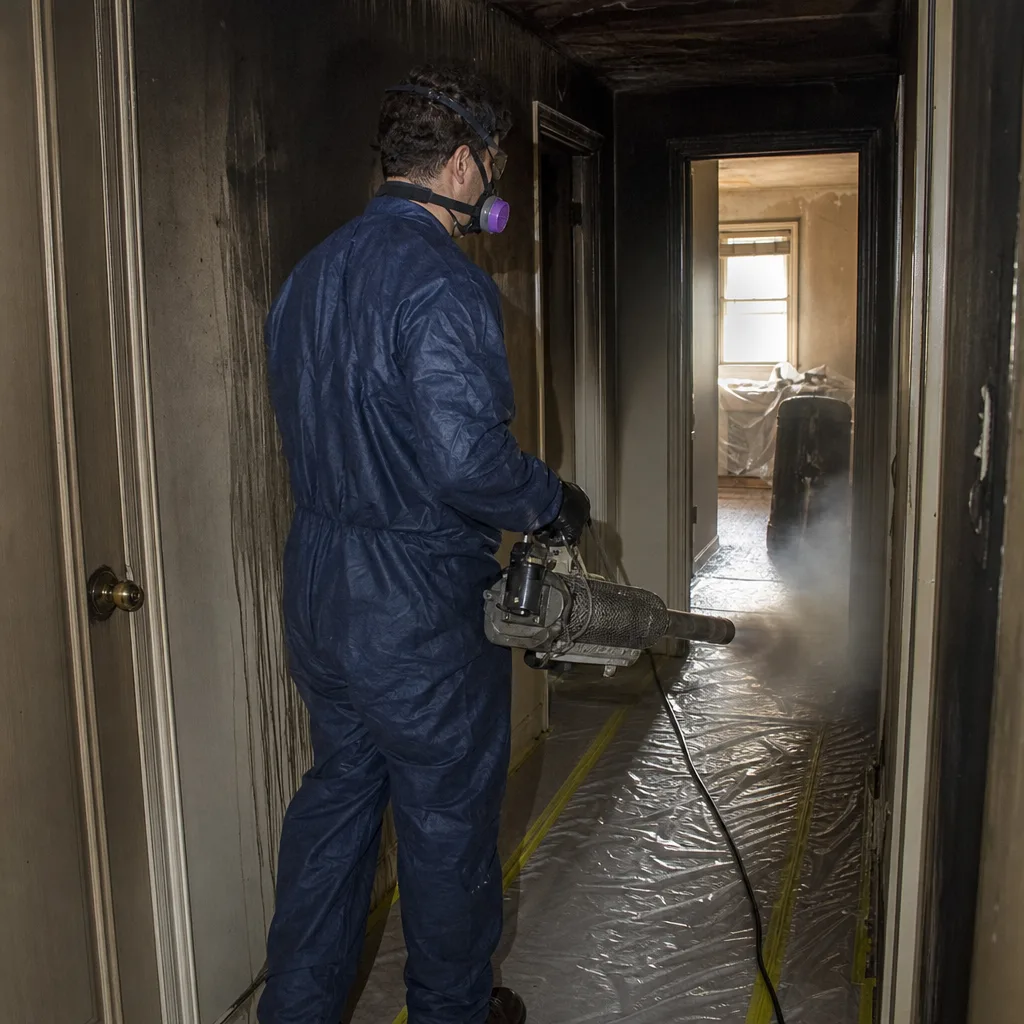
Smoke odour in Glenville’s mid-century homes sinks into plaster, insulation, and ductwork. We use thermal fogging and hydroxyl treatment where needed, and we camera-inspect forced-air ducts rather than assume they’re clean.
Repairs & Restoration
Anything torn out gets rebuilt: drywall, plaster, trim, cabinets, flooring. The same crew that extracted water on day one handles the finish work, and the 90-Day Done Right Promise applies to the rebuild too.
Need Emergency Fire & Smoke Damage Restoration in Glenville Now?
Crews minutes away, answering live 24 hours a day. The sooner we start, the less it costs.
Working With Your Insurance Company
Fire claims in Glenville move faster when the documentation is assembled from the first hour. We photograph every room before tear-out, log moisture readings, and write a line-item scope that matches standard insurance estimating software. Your adjuster gets a clear, sober accounting of what burned, what got wet, and what needs to come out. We speak with the carrier directly, so you’re not relaying messages between a claims department and a restoration crew. Direct billing means the check goes where it should. You get a copy of every log, every photo, every scope line. Transparency isn’t a courtesy here. It’s the whole job.
What We Provide Your Insurer
- Thorough documentation of the loss
- Photos of all damage, room by room
- Moisture readings and drying logs
- A detailed, line-item scope of work
- Direct coordination with your carrier
Built for Glenville’s Loss Calendar
Glenville’s fire and smoke damage calls follow a seasonal pattern that anyone who’s lived here twenty years will recognize. January and February bring chimney fires and electrical overloads from overtaxed baseboard heat in those mid-century ranches off Van Buren Boulevard and Inman Road. Spring thaw at the Mohawk’s edge means basement water intrusion, and if a sump pump shorts or a dehumidifier wiring fails, that’s a water-driven electrical fire with smoke pushing up through the house. Summer brings lightning strikes and attic fires, especially where old knob-and-tube wiring still hides under blown-in insulation. And in the flood-prone blocks near Scotia, every major storm event carries the possibility of a generator backfeeding, a stove left running during an evacuation, or a candle knocked over when the power flickers. Restoration here is never just fire. It’s fire plus water plus whatever came before, and the crew has to see all of it.
Fire & Smoke Damage Restoration Across Glenville’s Neighborhoods
The response route changes depending on where you are in Glenville, and so does the building type we’re walking into. Down near Scotia and the blocks closest to the Mohawk River, we see repeated-flood homes whose fire damage often sits right above or beside older water-damage repairs. Opening a wall there means we’re ready for mold behind the fire line. Around Inman Road and the ranch developments running west toward the town line, the homes are overwhelmingly 1960s single-story construction with original plaster, low-pitched roofs, and forced-air furnaces in the crawlspace or utility closet. Potter Road and the corridor up toward Route 50 give us a mix of raised ranches and split-levels where smoke travels up through open stairwells and settles in upper bedrooms. Out near Glenville Center and the older streets around the town hall, we’re working inside Capes and small colonials with tighter room layouts and chimney runs that have seen seven decades of use. Each area demands a different containment plan and a different conversation with the homeowner about what’s salvageable.
Specialized Fire & Smoke Damage Restoration Services We Offer in Glenville
Smoke & Soot Removal
Soot on plaster and trim isn’t just cosmetic. It’s acidic. Left alone, it etches glass, pits chrome, and turns paint yellow within a week. In Glenville’s older Capes and ranches, we clean soot from original plaster rather than defaulting to tear-out, because the plaster itself is usually sound underneath. That saves you thousands and keeps the house’s original bones intact.
Odor Removal & Deodorization
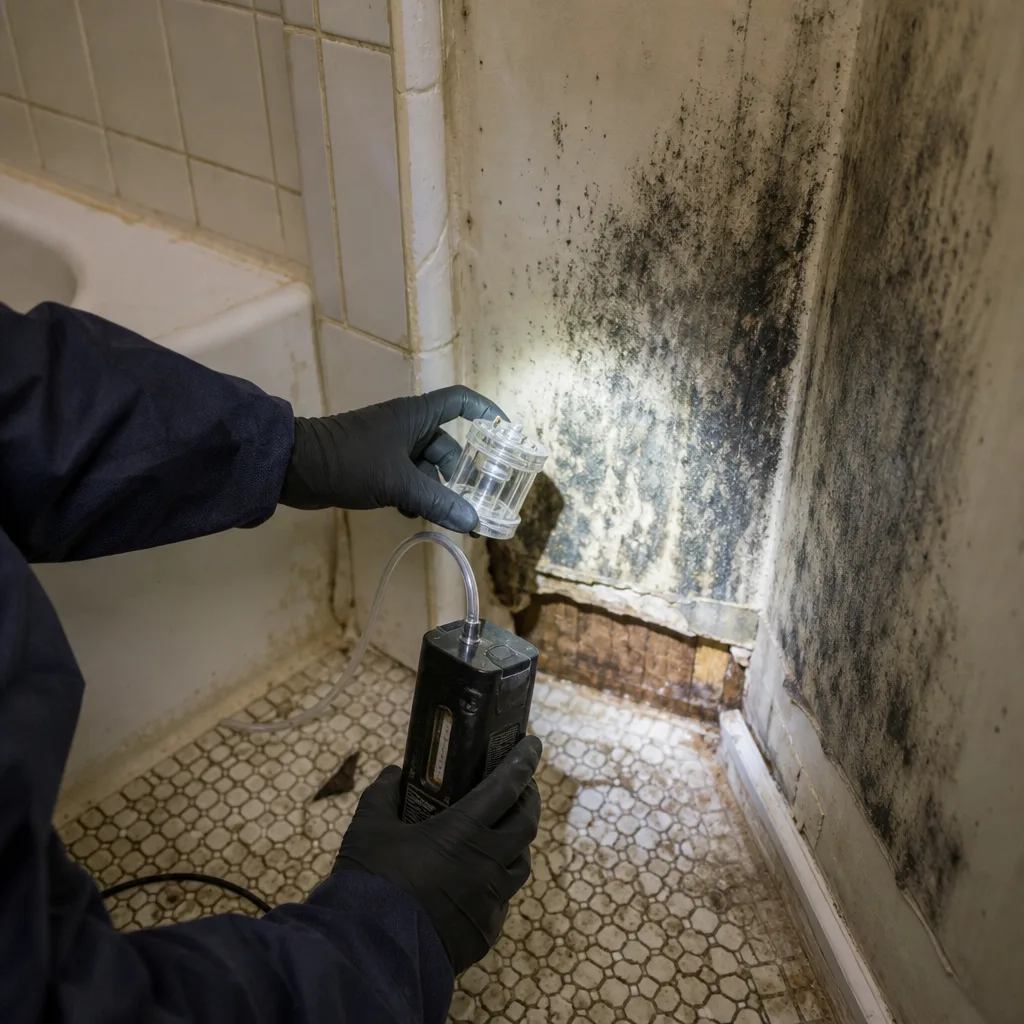
Smoke smell in a mid-century Glenville home lingers because the odor particles embed in plaster, insulation, and the interiors of forced-air ducts. We treat all three, with thermal fogging in sealed rooms, duct interior cleaning where camera inspection shows deposition, and sealant where necessary. A surface spray won’t do it. The smell comes back in humid weather if the job was done halfway.
Emergency Board-Up & Tarping
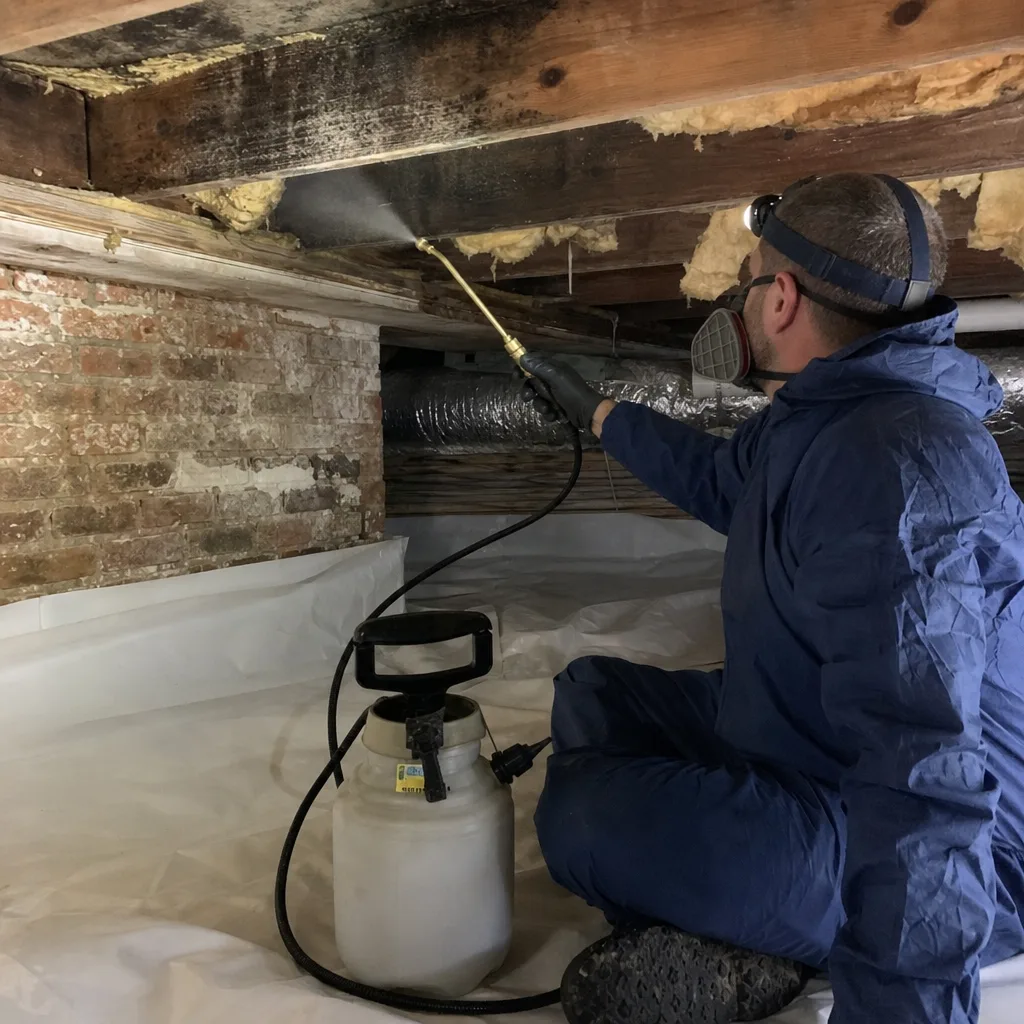
After a fire in January, an open roof in Glenville is an invitation for ice damming, meltwater, and freeze-thaw damage. Meltwater mixing with soot creates a corrosive slurry that eats into framing and subfloor. We board and tarp same-visit, with materials cut and secured for Mohawk Valley winter conditions, not a temperate-climate patch job.
Contents Cleaning & Pack-Out
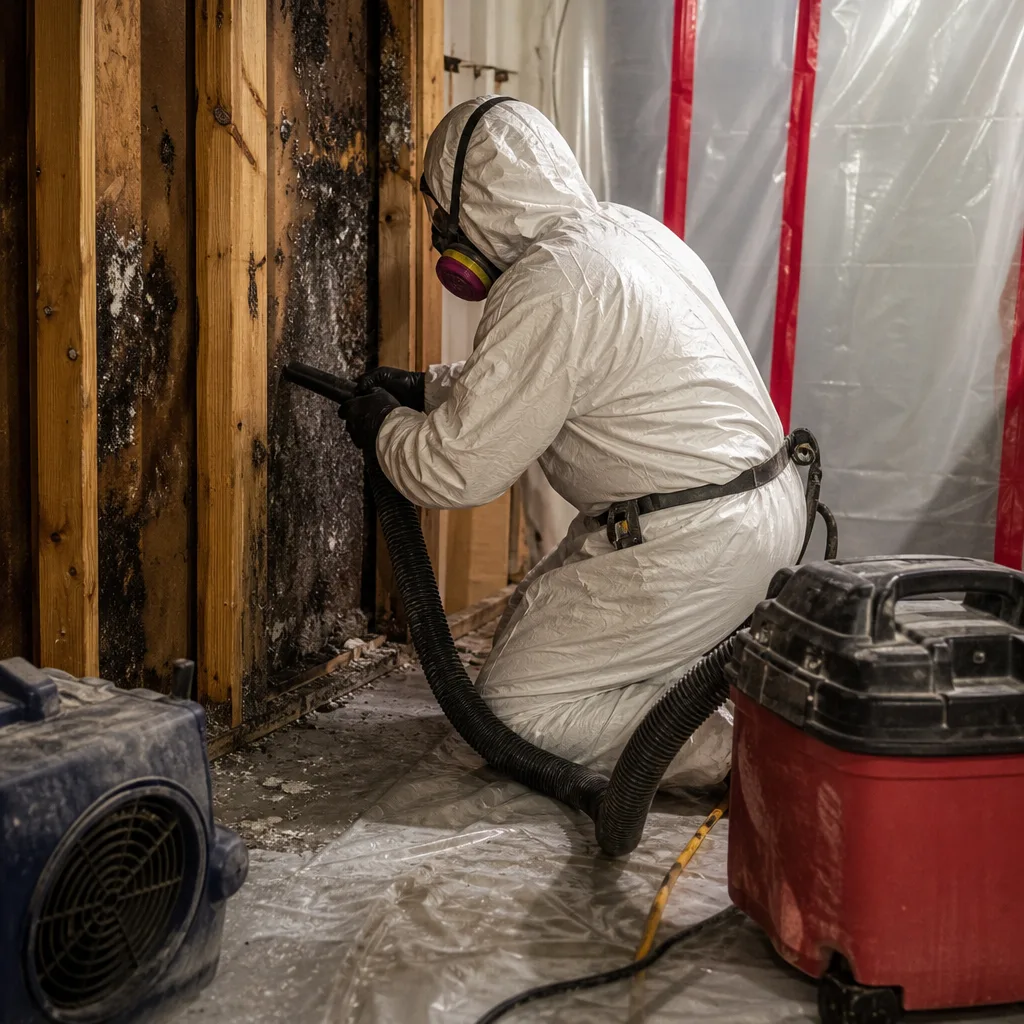
Clothes, books, furniture, dishes: smoke penetrates everything. We pack out contents to a controlled environment, clean what can be cleaned with the right chemistry for the residue type, and document everything by room and item. Curtains and upholstery from a kitchen grease fire need different treatment than dry soot from a chimney smoke-back. We inventory as we go.
Fire Damage Cleanup
This is the demolition-and-stabilization phase: removing charred drywall and plaster, pulling wet insulation, scrubbing framing, and preparing the envelope for drying. In Glenville’s older stock, this step regularly reveals galvanized plumbing, cast-iron waste lines, or knob-and-tube wiring that needs evaluation before reconstruction starts. We surface it early and put it in the scope, not in a surprise change order later.
What happens when you call
- 1
A real person answersNo phone trees - you reach a local pro.
- 2
You get an upfront price rangeHonest numbers before anyone is dispatched.
- 3
A background-checked tech heads outLicensed & insured, dispatched right away.
- 4
You approve before work beginsNothing starts until you say go.
Fire & Smoke Damage Restoration Costs in Glenville, CT
Nobody wants a vague price, so here’s the straight version. A small kitchen fire in Glenville with smoke and soot cleanup but no structural rebuild typically runs $3,500 to $9,000, depending on how far the smoke migrated. A larger fire with partial tear-out, full deodorization, and rebuild of one or two rooms usually lands between $15,000 and $45,000. Emergency board-up and tarping alone runs $400 to $1,200 for a typical ranch or Cape. The biggest variables are whether smoke reached the ductwork, whether original plaster has to come out, and whether flood history behind the fire line adds containment requirements. Most Glenville fire claims are covered by homeowner’s policies, subject to deductible. The free visual inspection gets you a firm written scope before you commit to anything, and we bill the carrier directly wherever coverage applies. You’ll know the number before the tear-out starts, and the number won’t move without your approval.
Homeowners aged 55 and up qualify for our Senior & Veteran 5% discount, always. If your fire loss is smaller, there’s $50 off any repair over $250. And if you want to be ready before anything happens, the $89 Seasonal Tune-Up covers a systems check on furnace exhaust, chimney draft, and smoke detector placement. We’d rather prevent a fire than bill for one.
We Also Serve Cities Near Glenville
Our Glenville crews run the same routes into Byram, Greenwich, Indian Field, and Pemberwick. Same live answer, same equipment, same written guarantee. If you’re in one of those towns and you’ve had a fire, call the same number: (917) 924-4221.
Serving Glenville, CT - Our Local Coverage Area
We’re based in the Glenville area and know this community well. Use the map below to see our service coverage - if you’re nearby, we can almost certainly help.
Glenville Fire & Smoke Damage Restoration Questions, Answered
Why does smoke odor linger longer in Glenville’s mid-century Capes than in newer homes?
Because smoke embeds in original plaster-and-lath walls, which are far more porous than modern drywall, and because older forced-air ductwork carries odor particles into every room. A mid-century Glenville Cape also typically has less insulation in the attic and wall cavities, which means smoke travels farther and settles deeper. Cleaning has to address plaster, insulation, and duct interiors, not just surfaces. A spray-and-paint job won’t hold.
After a kitchen fire in a flood-zone home near Scotia, do we need to worry about old mold behind the fire damage?
Yes. Many Glenville homes near the Mohawk have been through two or three flood events, and fire restoration in those properties routinely uncovers evidence of prior mold remediation behind fire-damaged walls. If we don’t inspect for it and contain it, the tear-out can cross-contaminate the rest of the house. We treat flood-history homes with aggressive containment from the first day, before any soot wiping begins.
Can you really clean smoke damage from original plaster walls in a 1960s ranch, or does it all have to come out?
Original plaster is often salvageable. We clean it with chemical sponges and HEPA vacuuming first, then evaluate. If the plaster is sound and the smoke residue is on the surface, it stays. If smoke wicked into the lath behind it or the plaster cracked from heat, that section comes out. In our experience, most Glenville plaster walls from the 60s survive fire exposure better than modern drywall, as long as they didn’t get soaked during suppression.
What should a homeowner do right after a fire before restoration starts in Glenville during winter?
Get the heat off or contained, get the water shut down if pipes are involved, and get the property boarded up. Winter in the Mohawk Valley is brutal on an open house: freeze-thaw cycles, ice dams, and meltwater turning soot into an acidic slurry. Then call us at (917) 924-4221. Don’t wipe anything with a wet rag, don’t run the furnace until the ducts are inspected, and don’t walk through soot and then into clean rooms. We’ll get there fast and set containment before further damage spreads.
How do you remove smoke smell from ductwork in a Glenville ranch that has forced-air heat?
First we camera-inspect the ducts to see how much smoke deposited inside. If the deposition is light, brushing and HEPA vacuuming may be enough. If it’s heavy, the ducts need agitation cleaning and possibly a sealant coating on the interior surfaces. We also check the furnace filter slot and the blower wheel, which usually hold significant soot after a fire. Running the heat before the ducts are addressed just bakes the odor in further.
How fast can you get to Glenville after I call?
We commit to a 45-minute response window for Glenville calls, day or night. A live dispatcher routes the nearest crew the moment you hang up. In most Glenville cases, a technician reaches the property and starts board-up, extraction, or containment within the same visit, not the next morning.
Will insurance cover fire and smoke restoration on my Glenville property?
Most homeowner’s policies cover fire, smoke, and the water damage from fire suppression, subject to your deductible. The question is whether the coverage amount matches the actual scope. We document everything, write a line-item estimate using standard insurance estimating software, and work directly with your adjuster. When there’s a gap between the adjuster’s number and the real scope, we put the documentation in front of them and make the case. You’re not the messenger.
Can we stay in the house during fire damage cleanup?
It depends on the burn site and the smoke migration path. A small contained kitchen fire with no structural damage and no duct contamination usually allows you to stay, with containment separating the work zone. A larger fire, or one where smoke reached the ductwork or bedrooms, demands relocation until air scrubbers finish and clearance testing comes back clean. We’ll give you a straight answer after the walkthrough, not a hopeful guess.
Written by Curt Bowman, Owner at Floodline Restoration Co. of Manhattan, serving Glenville with fire and smoke restoration crews that answer the phone live, 24 hours a day.
If you’ve had a fire in Glenville, call (917) 924-4221 now. A real person answers. We’ll get moving, and you’ll have a written scope before anything gets torn out. Free visual inspection, direct insurance billing, and the 90-Day Done Right Promise in your hands. We’ll be there when we say.