

Free visual inspection and a written scope of work before any mitigation begins - photos, moisture readings, and drying logs go in your claim file
The scope we write is the scope we bill. Anything new gets shown to you, in writing, before we touch it.
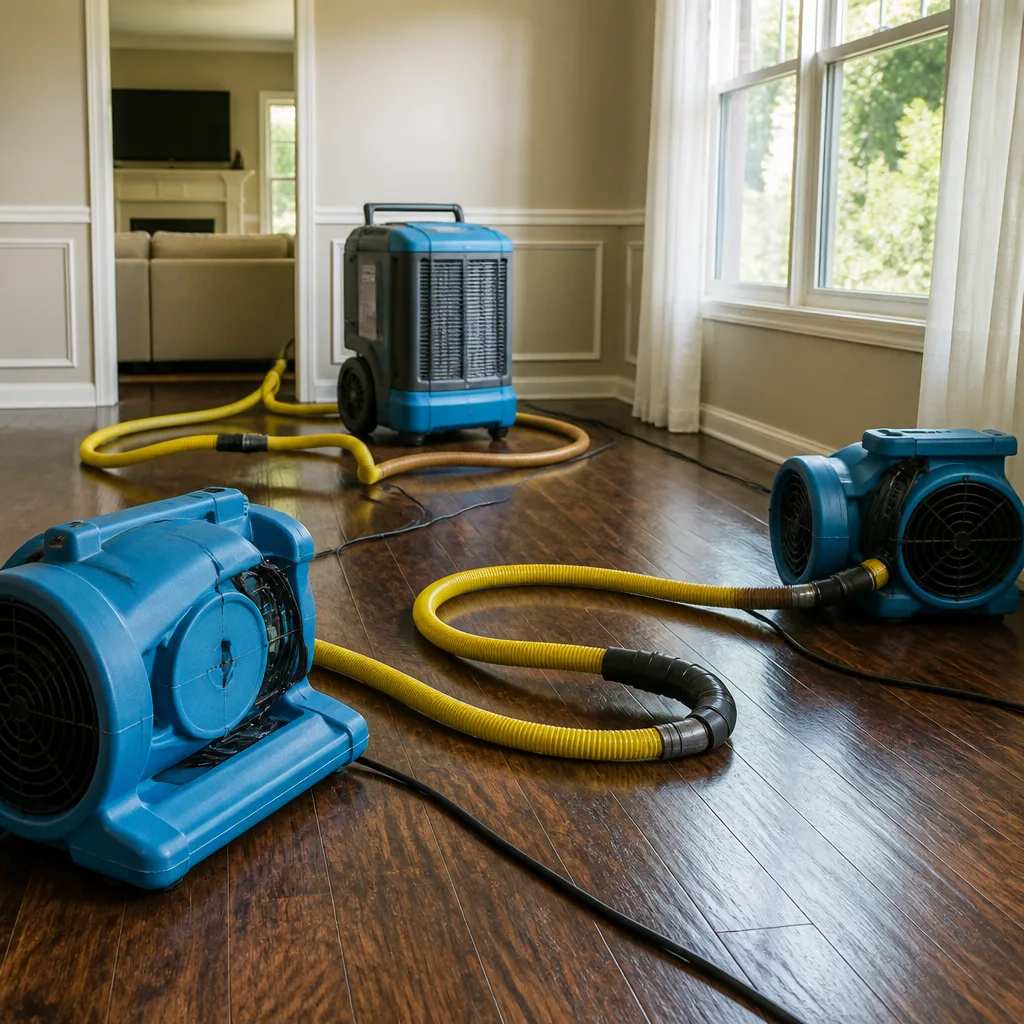
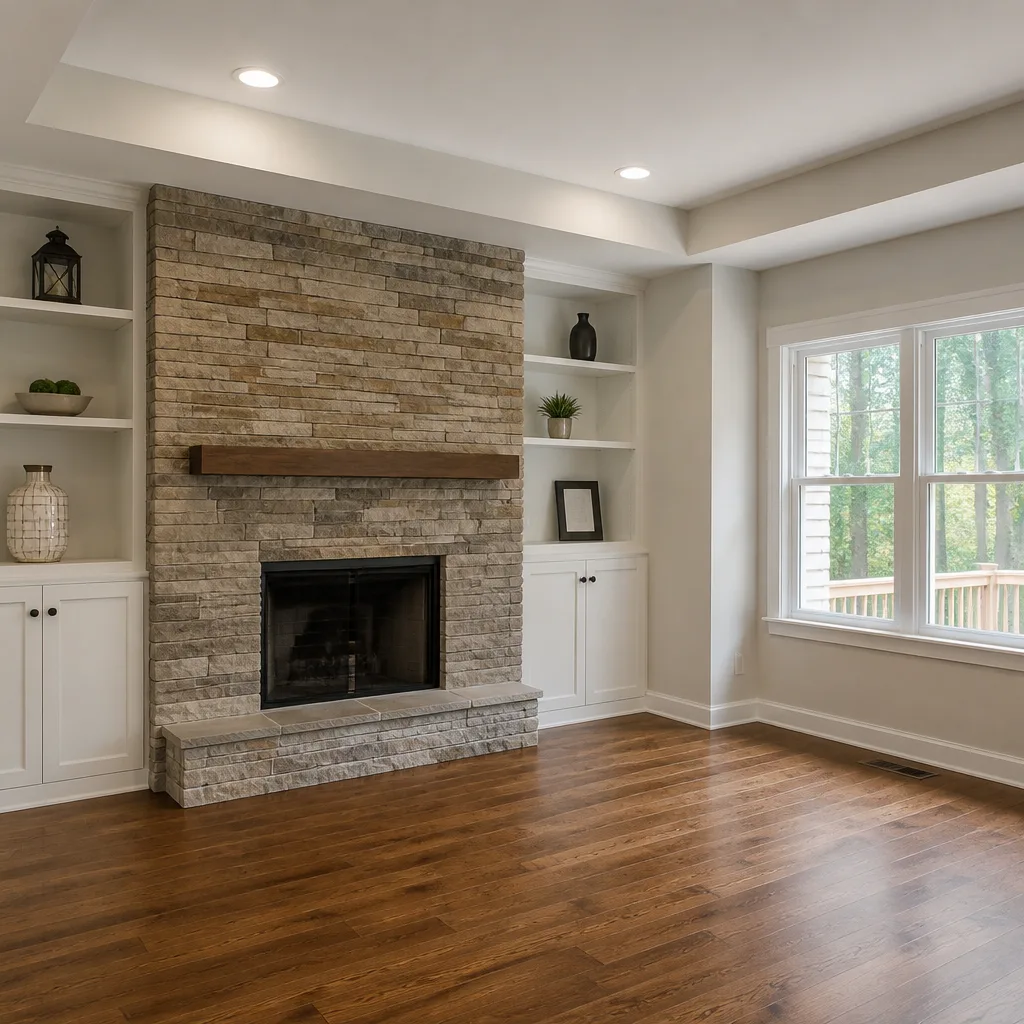
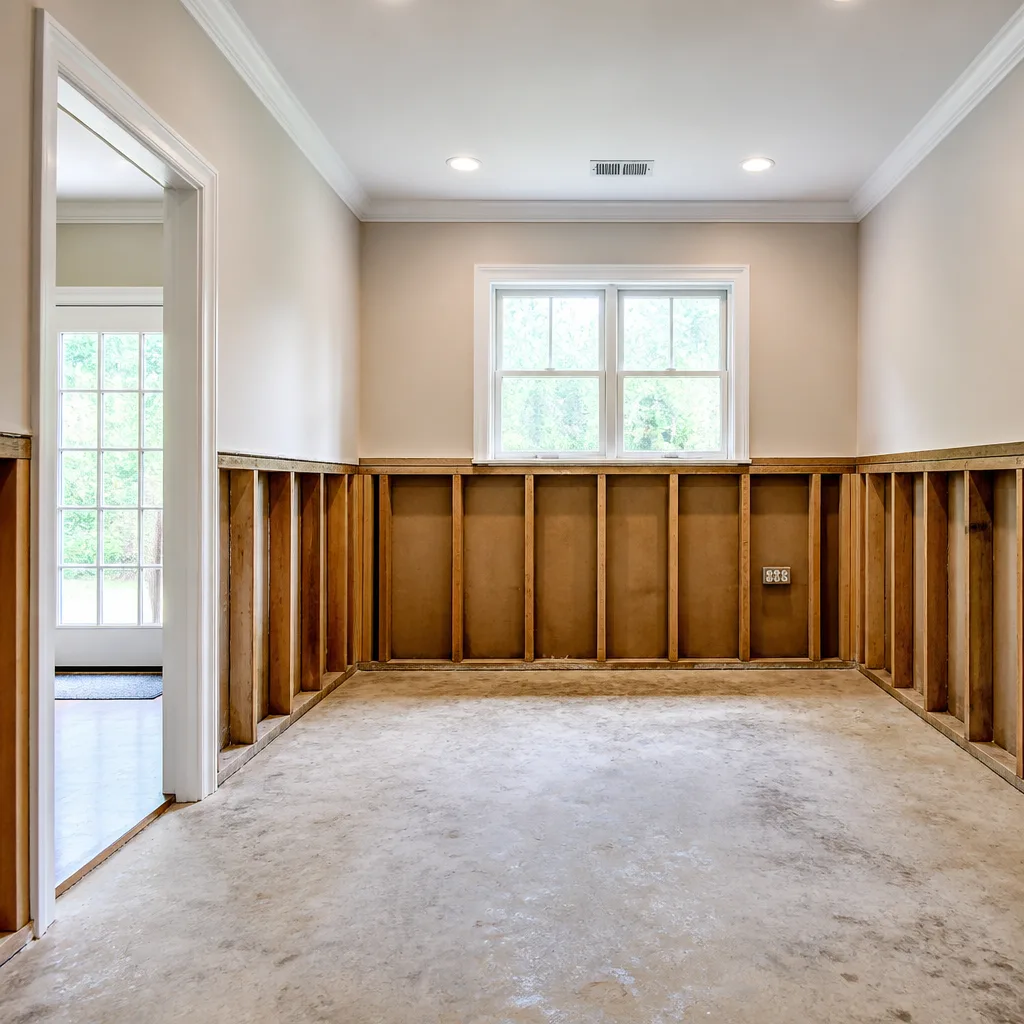

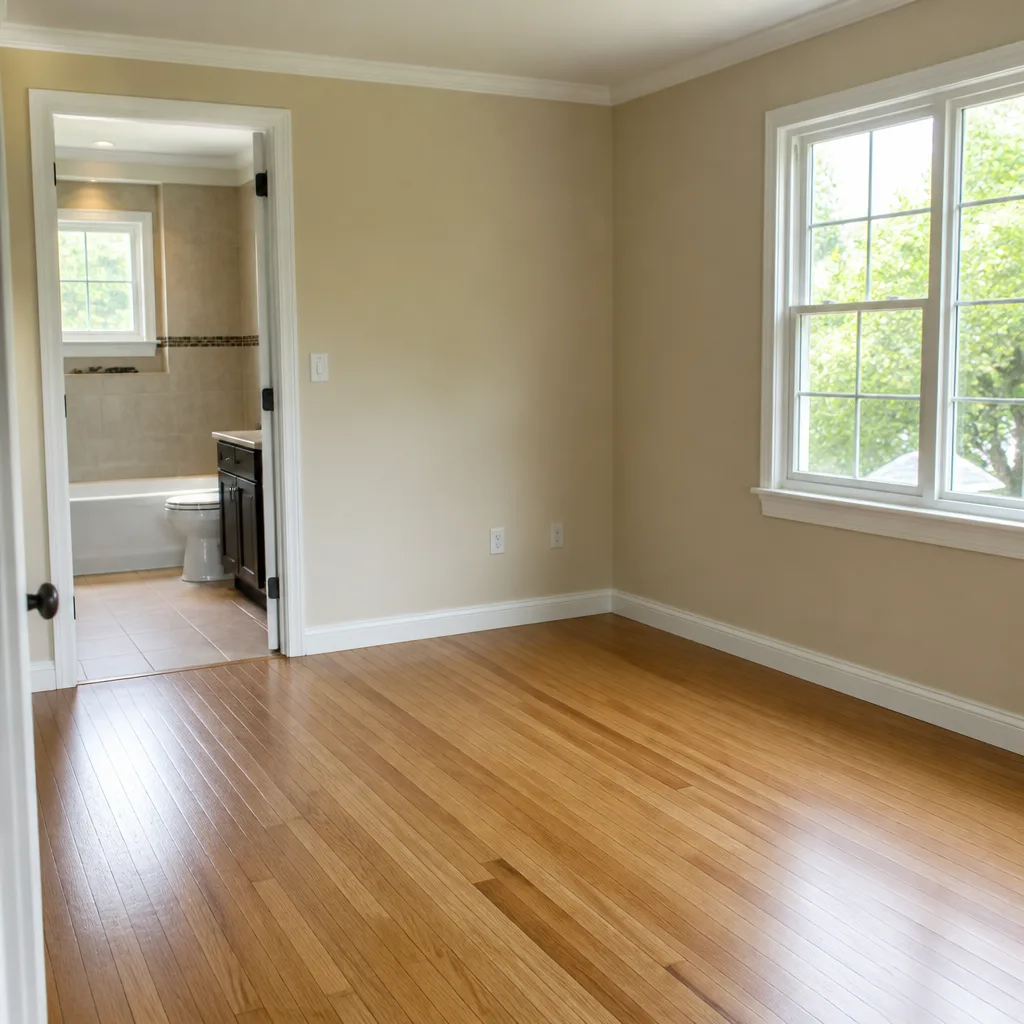

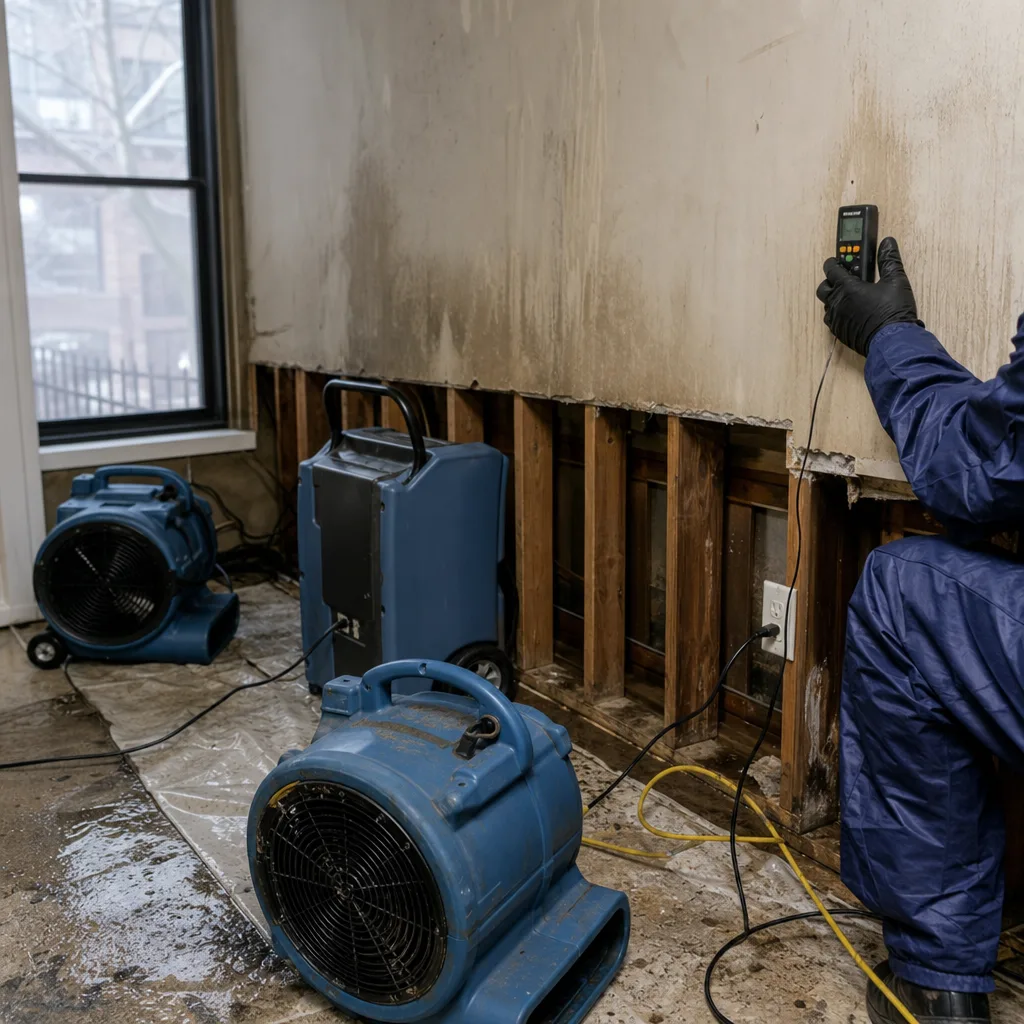 Before
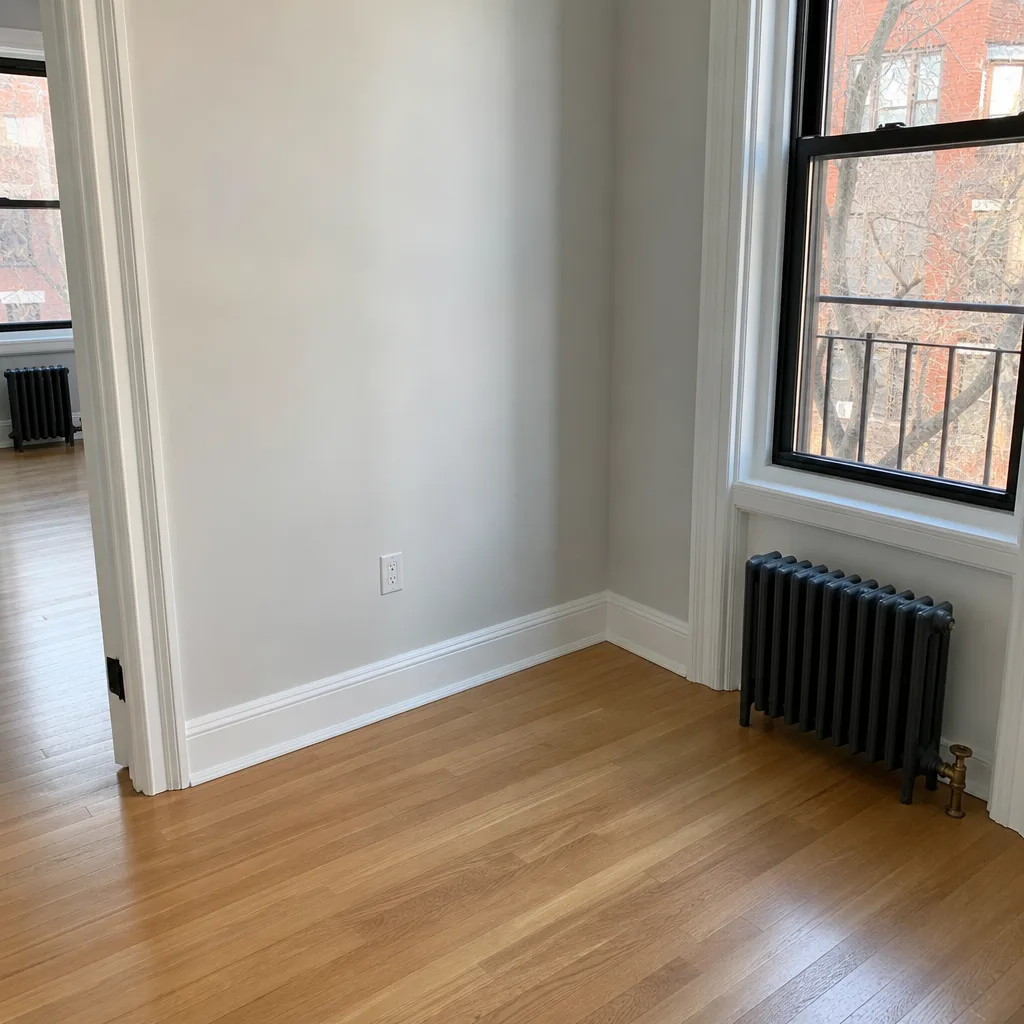 After
After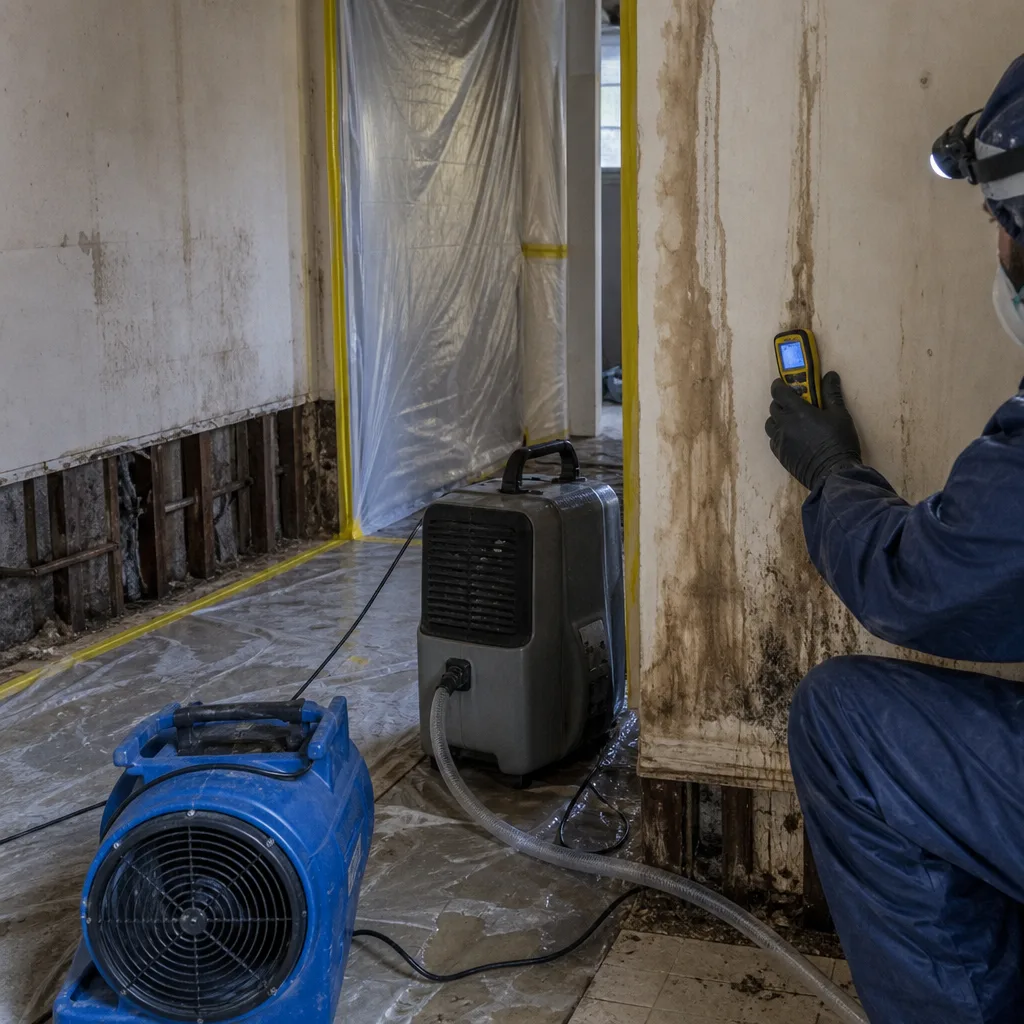 Before
 After
After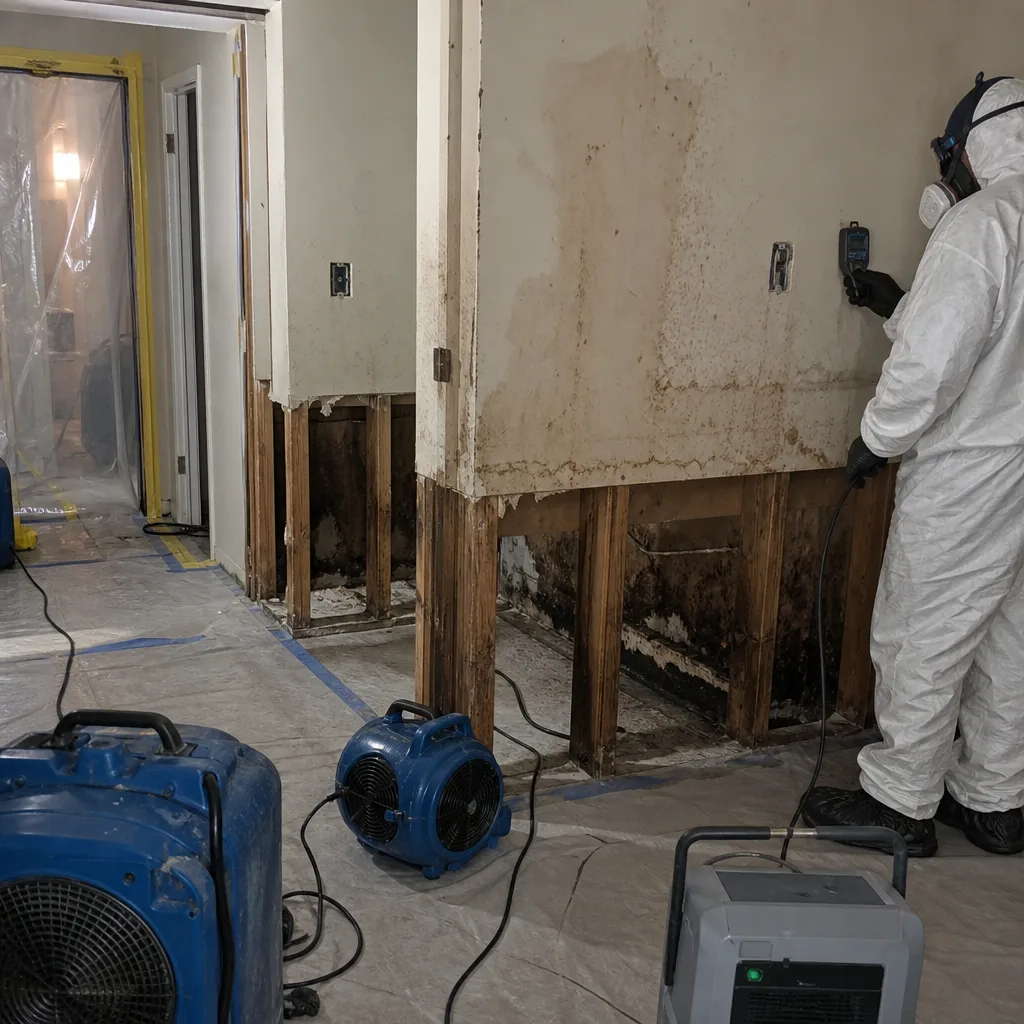 Before
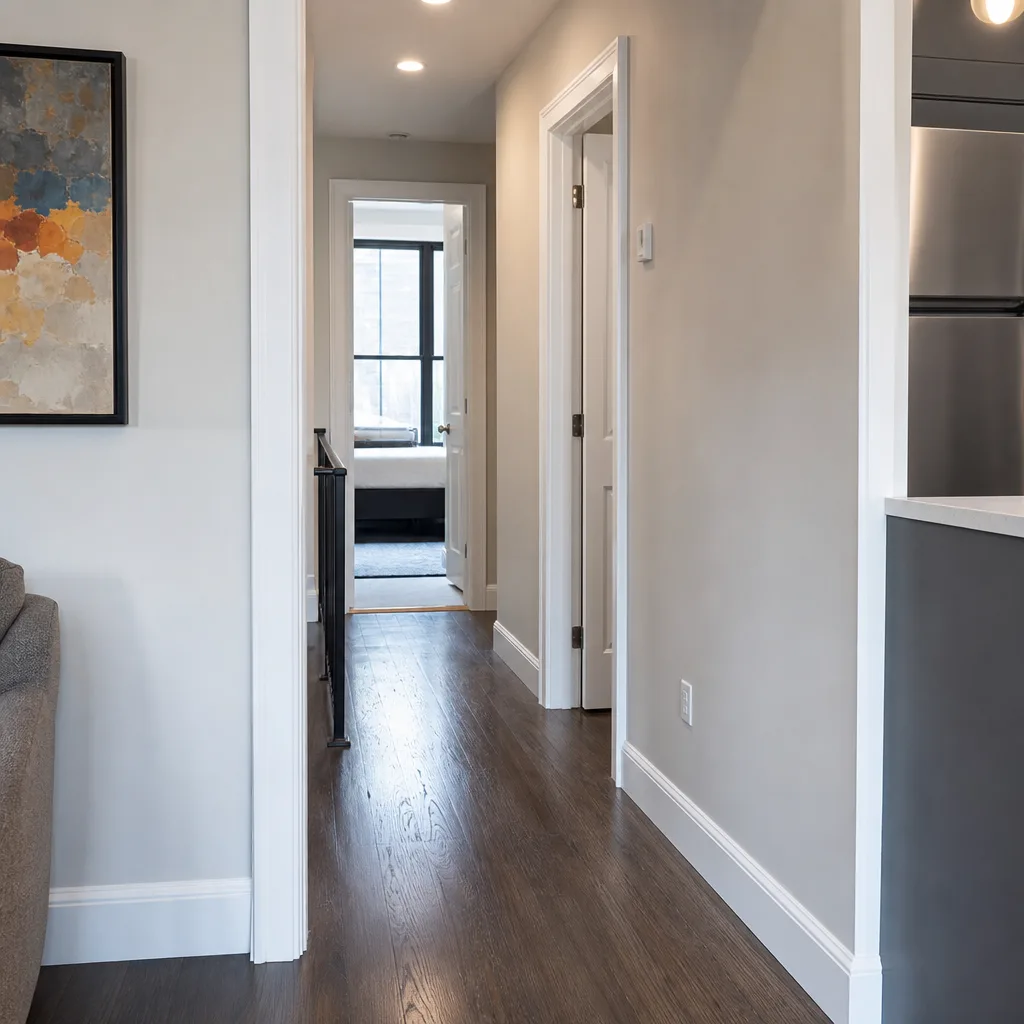 After
After24/7 Emergency Fire & Smoke Damage Restoration in Little Italy
Fire and smoke damage restoration in Little Italy typically costs $2,800-$9,500 depending on how far smoke traveled through the building, and we dispatch crews to Mulberry, Mott, and Elizabeth Streets around the clock. A live person answers at (917) 924-4221 any hour, any day. The first hour after a fire matters because smoke residue is acidic. It etches glass, corrodes metal fixtures, and drives odor permanently into plaster within 72 hours. Our crews reach Little Italy fast, start containment that same visit, and walk the unit with you before anything gets torn out.
Understanding Fire & Smoke Damage Restoration Severity in Little Italy Properties
Fires in Little Italy’s pre-1920s tenements behave differently than fires in drywall-and-stud construction. Soot here is rarely a surface problem. In a five-story brick tenement on Mott Street, smoke travels the path of least resistance: chase walls, pipe gaps, floor joist bays, and the continuous masonry party walls that separate one building from the next. We classify soot residue by type: dry soot from fast-burning kitchen fires settles as a fine film, while wet soot from smoldering fires bonds to surfaces and requires chemical agitation before removal. Protein residues from stove fires are nearly invisible but produce the worst odor, clinging to horsehair plaster and tin ceilings with a bond that standard cleaning will not break. Severity also depends on how long smoke sat in the unit. After 48 hours, porous materials including original plaster, lath, and unfinished wood begin absorbing odor at a depth that requires sealing or replacement. Little Italy’s older stock does not give you the margin of error that newer drywall construction does. That is why we treat every fire here as a structural event, not a cleaning job.
Need Emergency Fire & Smoke Damage Restoration in Little Italy Now?
Crews minutes away, answering live 24 hours a day. The sooner we start, the less it costs.
Why Little Italy Property Owners Choose Floodline Restoration Co. of Manhattan
- 45-minute response commitment. Dispatch is coordinated from our New York City office, and crews serving Little Italy are staged minutes from Mulberry Street. We will be there when we say.
- 24/7 live answer, always a person. A dispatcher picks up at 2 a.m., not a recording. You speak to someone who can send help on the spot.
- IICRC-certified crews. Our technicians hold FSRT and OCT certifications and follow IICRC S740 standards for fire and smoke restoration on every job.
- Free visual inspection. Before we touch anything, we walk the unit with you, document what we see, and explain what needs to happen and why.
- Direct insurance billing. We bill your carrier directly and handle adjuster communication so you are not the messenger between two parties.
- One team from extraction to reconstruction. The same certified crew that runs containment on day one handles drying, cleaning, and the rebuild. No mid-job handoff.
Our Fire & Smoke Damage Restoration Process
Inspection & Assessment
We document every affected surface in the unit and any adjacent spaces smoke reached. Thermal imaging, moisture meters, and a written scope of work come before any demolition.
Extraction & Stabilization
Standing water from firefighting gets extracted same-visit. We board up openings, tarp where needed, and secure the property against weather and entry.
Drying & Dehumidification
High-capacity air movers and dehumidifiers pull moisture from wall cavities, flooring, and structural lumber. In Little Italy tenements, brick party walls hold water longer than drywall, so drying logs matter.
Cleaning & Sanitization
HEPA air scrubbers run continuously while we clean soot from surfaces, sanitize affected areas, and neutralize residue. Contents get separated: clean, cleanable, and documented loss.
Smoke Odor Removal & Deodorization
Thermal fogging, ozone, and hydroxyl generators treat wall cavities and porous materials that hold odor. In old-law tenements with continuous party walls, this step often involves sealing chase spaces to stop odor from migrating back.
Repairs & Restoration
We restore damaged plaster, tin ceilings, trim, and structural elements to functional condition, then rebuild what cannot be saved. The 90-Day Done Right Promise covers the work in writing.
Working With Your Insurance Company
Fire claims in Little Italy are rarely single-policy events. A fire in one tenement on Mulberry or Mott Street often reaches two or three adjacent buildings through shared walls, which means multiple landlords, multiple carriers, and one restoration company that has to document everything clearly enough for all of them. We start documentation the first hour: photos before anything moves, moisture readings, containment locations, and a line-item scope that separates fire damage from pre-existing conditions. Our project managers speak directly with adjusters, submit supplements when hidden damage emerges, and hand you a drying log your carrier can verify. You get one team managing the whole claim, not a new voice every week.
What We Provide Your Insurer
- Thorough documentation of the loss
- Photos of all damage, room by room
- Moisture readings and drying logs
- A detailed, line-item scope of work
- Direct coordination with your carrier
Built for Little Italy’s Loss Calendar
Kitchen fires in Little Italy spike from late September through December, when restaurants and home cooks push stoves harder and older gas lines in tenement buildings carry the full load. The Feast of San Gennaro in September closes Mulberry Street to vehicle traffic for roughly eleven days. Any restoration project scheduled during that window needs dumpsters and equipment staged before the street shuts down, because NYC DOT permits will not be issued mid-festival. Winter brings a different problem: nor’easters drive wind-blown rain through deteriorated mortar joints on century-old facades, saturating wall cavities that a fire already compromised. That water feeds mold growth within 24 to 48 hours if drying is not already running. Spring thaw exposes roof ponding on aging tar-and-gravel systems, which finds its way down through the same chase spaces smoke traveled months earlier. In Little Italy, fire restoration is never just about the fire. It is about the building behaving the way old brick buildings behave in this exact climate.
Fire & Smoke Damage Restoration Across Little Italy’s Neighborhoods
Little Italy runs roughly from Canal Street north to Houston, bounded by the Bowery on the east and Lafayette on the west. Within that grid, each corridor has its own restoration fingerprint. The blocks along Mulberry Street between Broome and Grand carry the heaviest commercial load: restaurants with range hoods, decades of grease in ductwork, and older electrical service. A kitchen fire there means smoke moving through shared cocklofts above the storefronts before it ever reaches an apartment. On Mott and Elizabeth Streets, the buildings are more residential, with four- and five-story tenements whose original cast-iron soil stacks and horsehair plaster walls absorb smoke fast. East of Mulberry, toward the Bowery, mixed-use blocks bring ground-floor retail fires that expose upper-floor apartments to rising smoke through shared stairwells. The firehouse response and street widths vary block by block, and a crew that knows which streets allow truck access without a permit, and which ones do not during festival season, gets equipment on site faster. That is the difference between cleanup starting the same evening or the next morning.
Specialized Fire & Smoke Damage Restoration Services We Offer in Little Italy
Our Fire & Smoke Damage Restoration team handles the full sequence, but these are the services Little Italy properties need most often.
Smoke & Soot Removal
Soot on original tin ceilings and horsehair plaster is a different animal than soot on painted drywall. We test surfaces before aggressive cleaning to determine whether lead paint or asbestos is present. When it is, the job shifts from restoration to controlled abatement, and we handle that transition without handing you to another contractor.
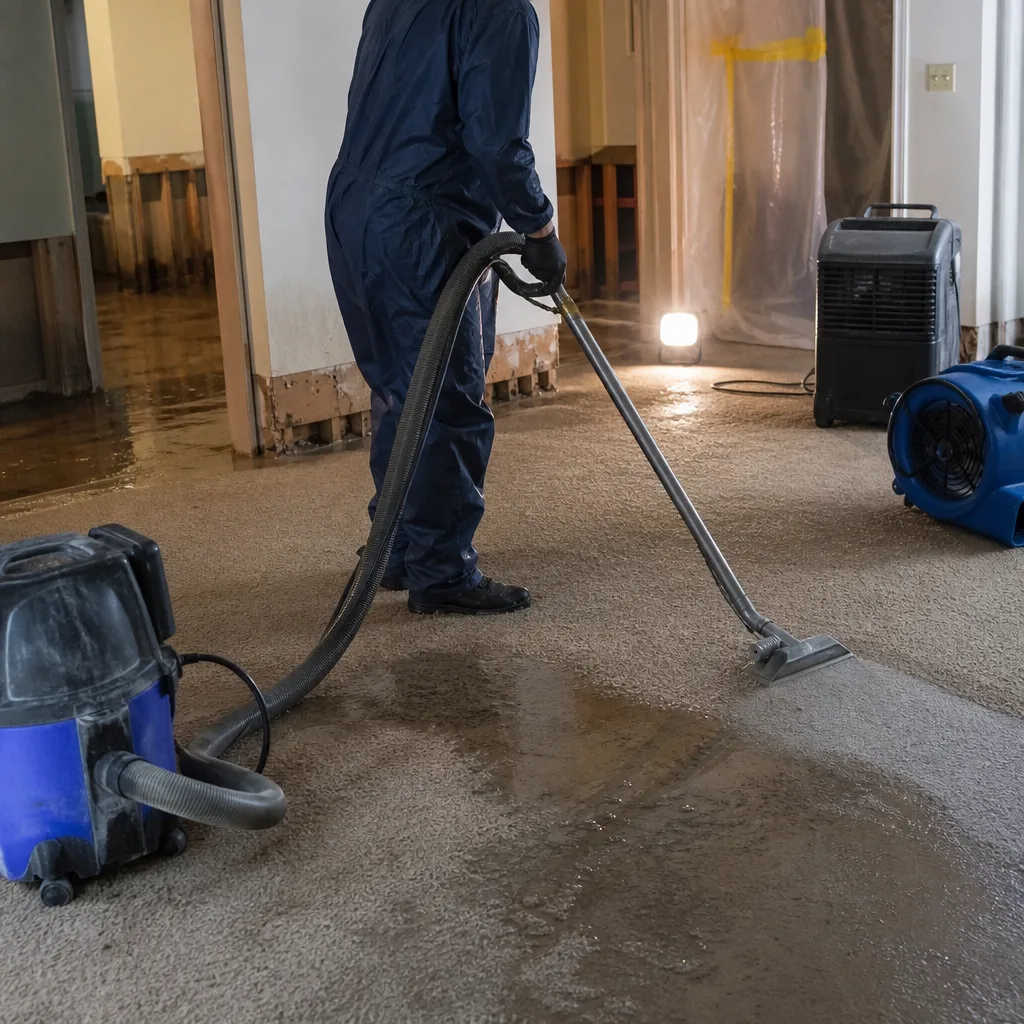
Odor Removal & Deodorization
Smoke odor in old-law tenements hides in wall cavities, behind lath and plaster, and inside the continuous masonry party walls that connect neighboring buildings. Thermal fogging pushes deodorizing agents into those same paths smoke used, while hydroxyl generators treat occupied spaces safely. We seal chase openings to keep odor from migrating back in from adjacent units that may not have been treated, a common problem when one landlord cleans and the neighbor does not.
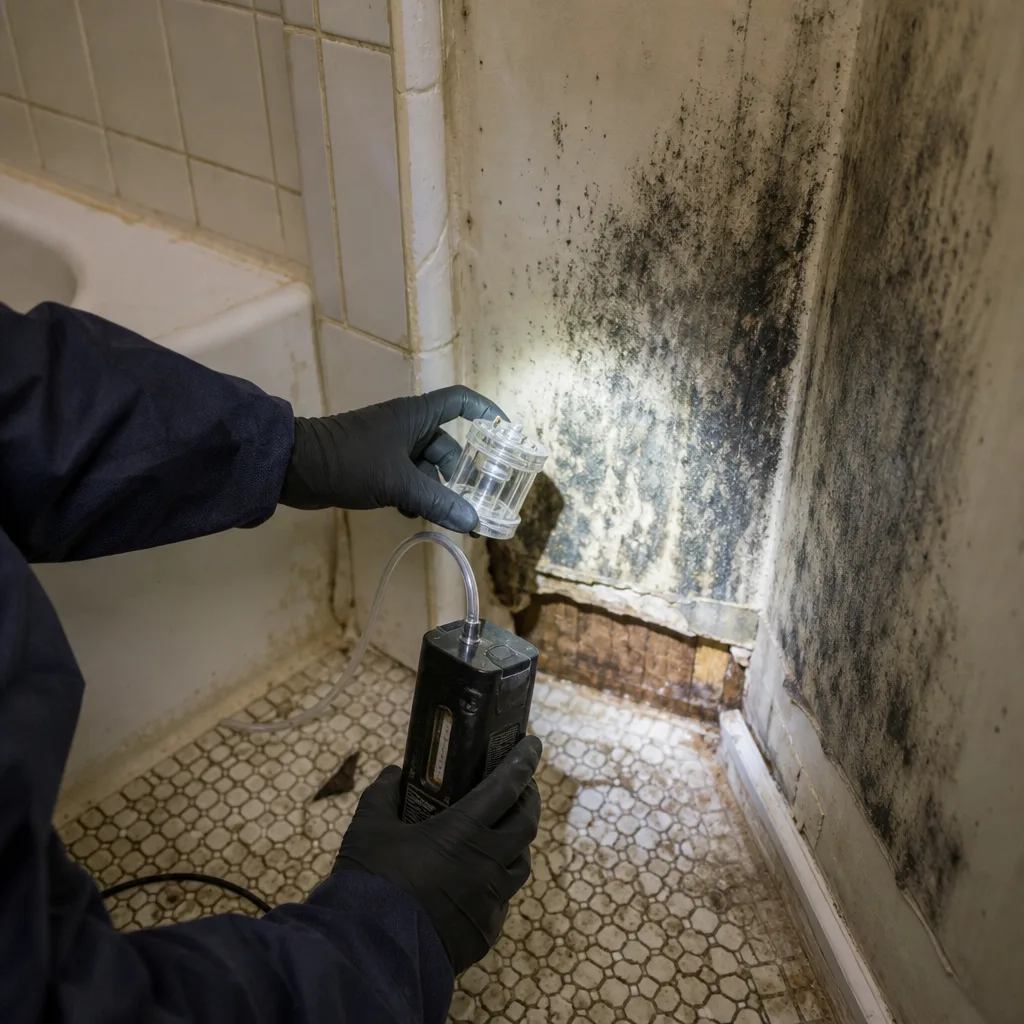
Emergency Board-Up & Tarping
Fire-damaged windows and doors on a Mulberry Street tenement face immediate exposure risk. We board up same-visit, securing the property against weather, entry, and the curious. During festival season, we coordinate with NYC DOT and the San Gennaro committee to stage materials where permits allow, so your building is not left open while the street party runs.
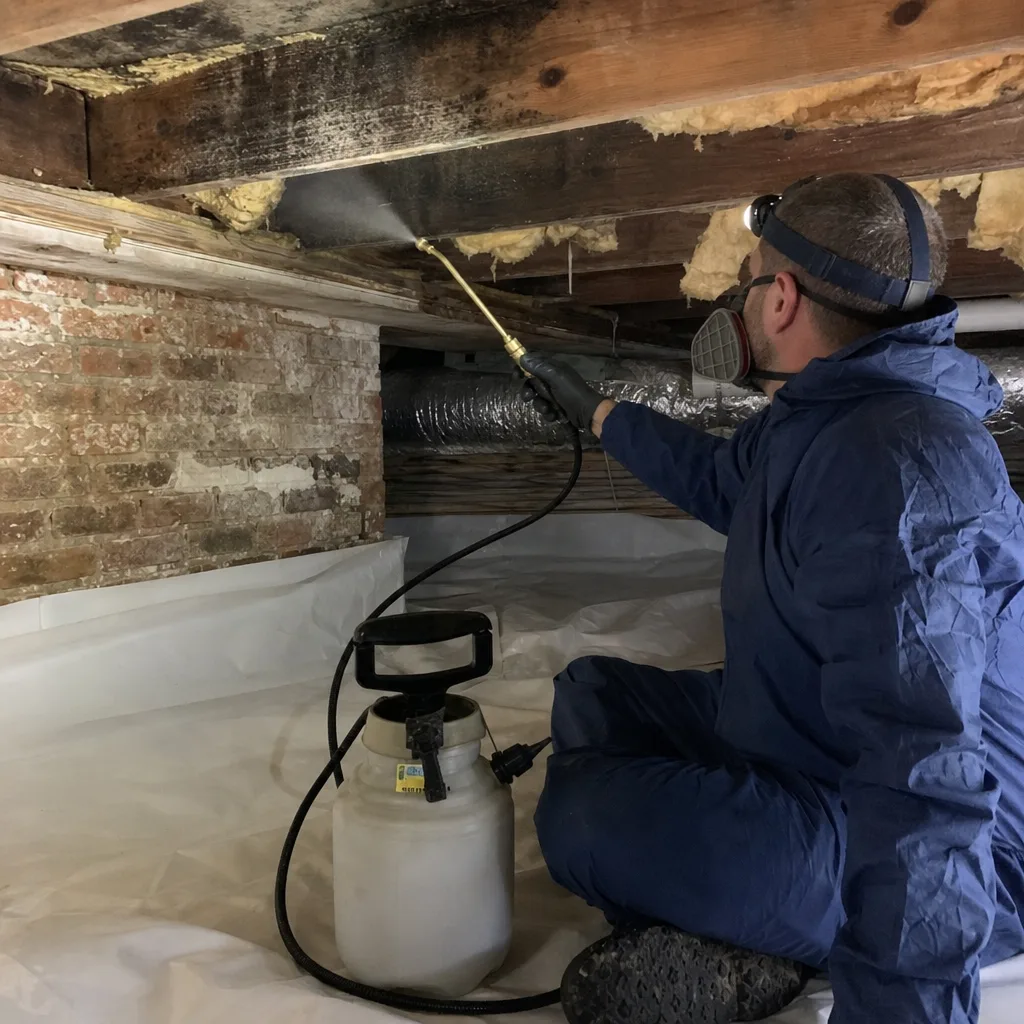
Contents Cleaning & Pack-Out
Smoke clings to clothing, upholstery, and paper. We inventory, pack, and transport salvageable contents to our cleaning facility, cataloging everything for your carrier. Items that cannot be restored get documented for claim purposes. You get a full room-by-room inventory, which matters when a fire in one unit touches three separate households.
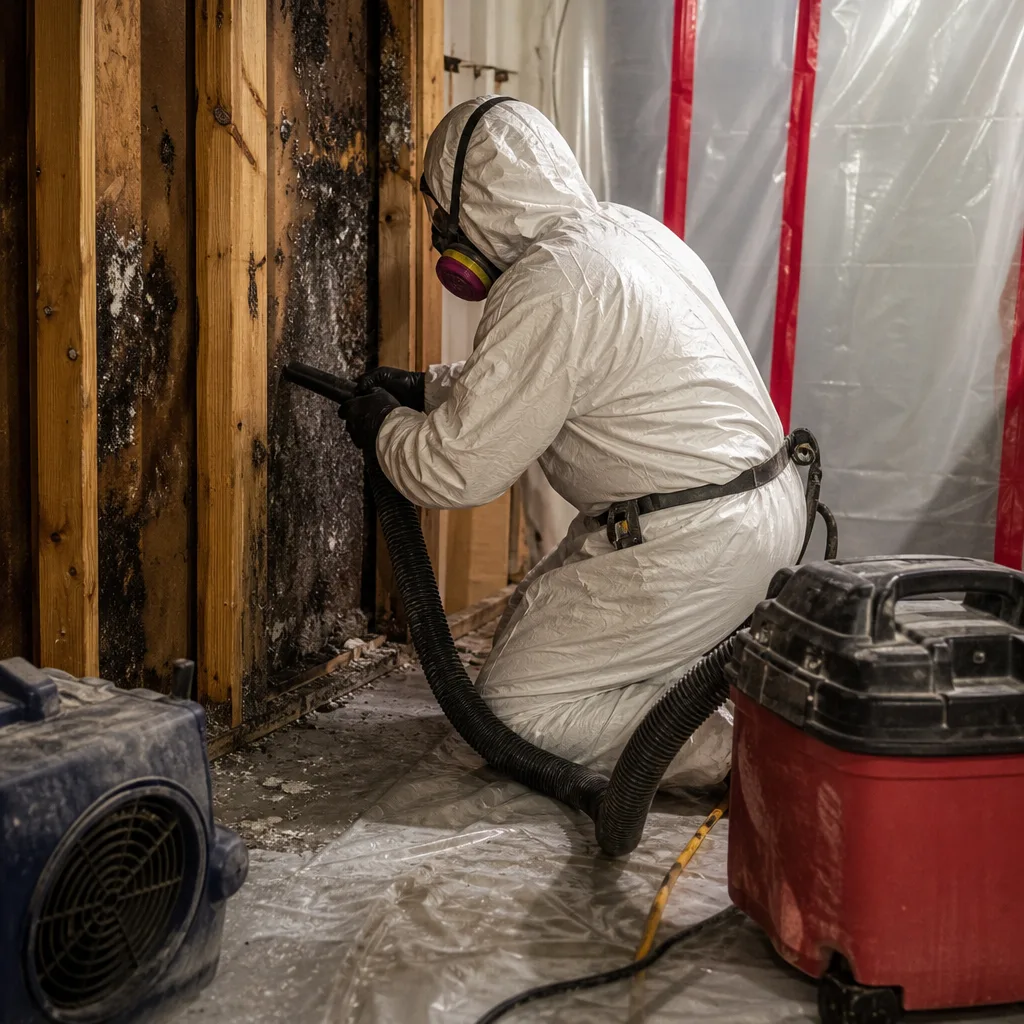
Fire Damage Cleanup
Charred structural members, damaged plaster, broken glass, and waterlogged flooring all come out in the right order. We cut only what must go, document everything before removal, and keep the workspace contained so soot does not spread into undamaged areas.
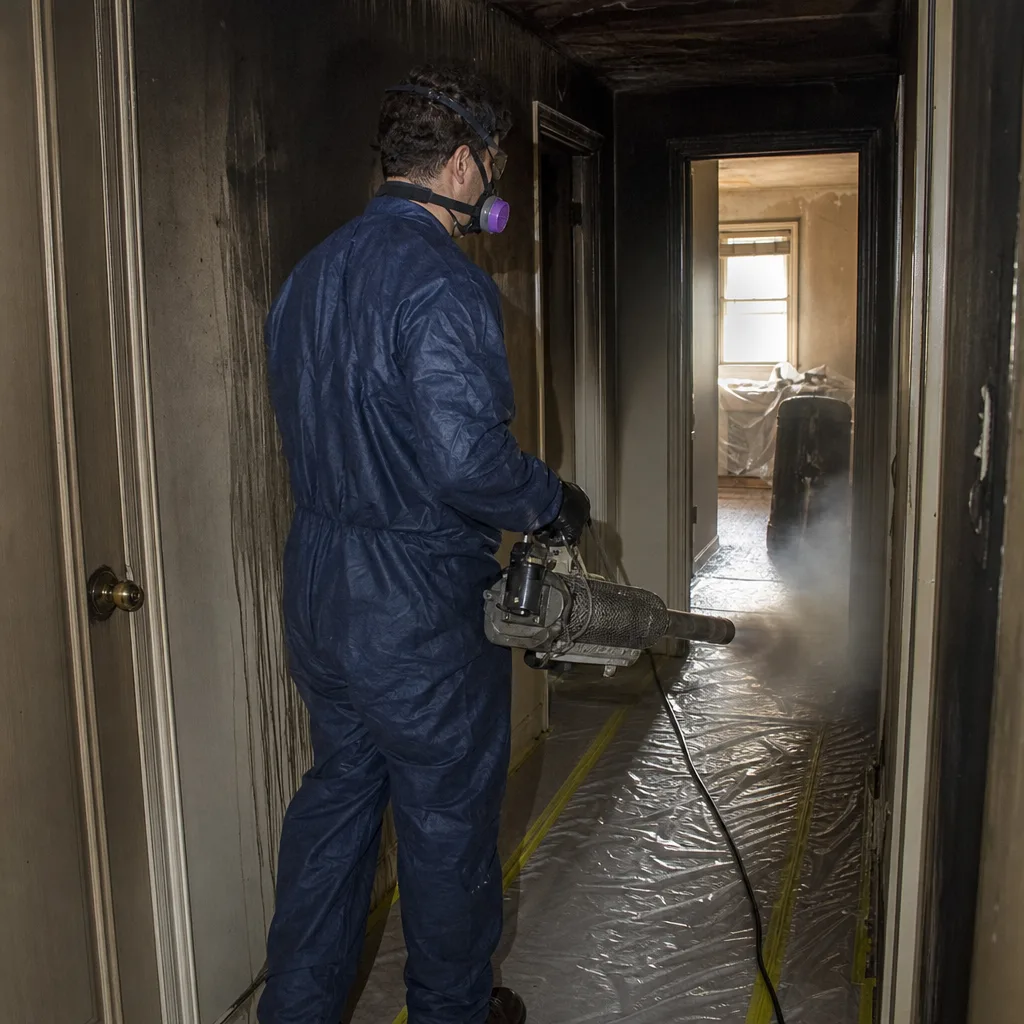
Structural Fire Repair
This is where the full-cycle model matters. The same crew that runs drying and cleaning also rebuilds. No new faces showing up with a new estimate. Scorched joists get sistered or replaced, plaster walls get patched or rebuilt, tin ceilings get restored or replicated. The 90-Day Done Right Promise applies to the repair work, in writing.
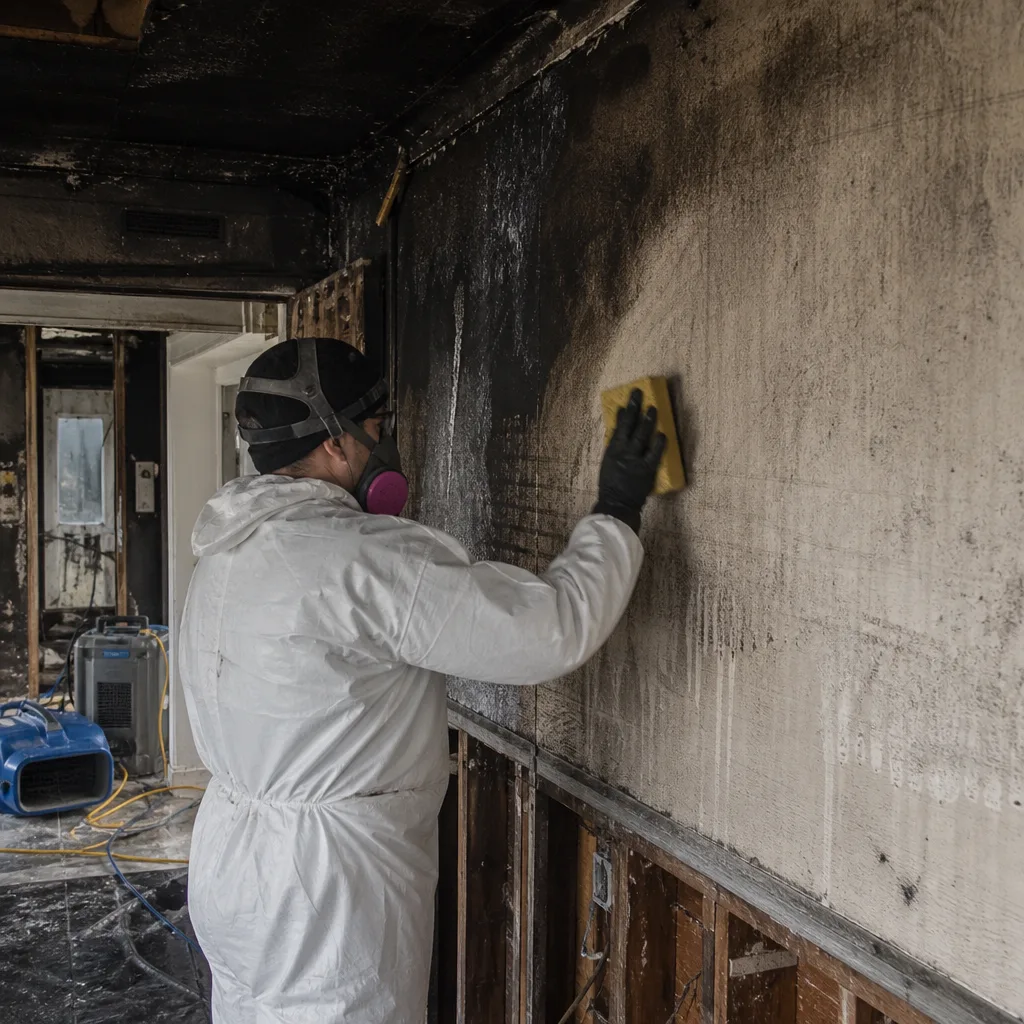
What happens when you call
- 1
A real person answersNo phone trees - you reach a local pro.
- 2
You get an upfront price rangeHonest numbers before anyone is dispatched.
- 3
A background-checked tech heads outLicensed & insured, dispatched right away.
- 4
You approve before work beginsNothing starts until you say go.
Fire & Smoke Damage Restoration Costs in Little Italy, NY
Costs in Little Italy run higher than in newer construction areas because the building stock demands it. A standard single-room smoke cleanup with no structural damage typically runs $2,800-$4,500. Add contents pack-out for a full apartment and the range moves to $6,500-$11,000. Jobs involving multiple units through shared party walls, Landmarks Preservation Commission review, or asbestos and lead abatement can reach $18,000 or more. What moves the price: how far smoke traveled, whether original plaster and tin ceilings need specialized treatment, how many floors were affected, and whether structural framing was charred. Insurance covers most fire restoration claims, and we bill your carrier directly. You are responsible for your deductible, typically $1,000-$2,500 on standard homeowner policies. Before you commit to anything, we provide a free visual inspection and a written scope. You see the numbers on paper before work begins.
The fact that this neighborhood shares its party walls so completely means one fire can involve three insurance carriers. We have handled it. On a four-story tenement off Mott Street, our crew responded to a kitchen fire that had forced smoke through shared wall cavities into two adjacent buildings. Using containment and air movers from Dri-Eaz and Phoenix, we established negative air pressure while performing moisture mapping, then coordinated pack-out of smoke-damaged contents from three separate units. The job required simultaneous scope-of-work documentation for three landlords and two insurance carriers, all while navigating Landmarks Preservation Commission sign-offs on the affected cornice. That is normal here. We are built for it.
We Also Serve Cities Near Little Italy
Our crews work throughout the lower Manhattan area, including Little Italy and the neighborhoods immediately around it: Fairview, Harrison, East Bronx, and Hunts Point. If you live in one of these nearby communities and need fire restoration, the same live dispatch applies.
Little Italy Fire & Smoke Damage Restoration Questions, Answered
How does a fire in one Little Italy tenement affect neighboring buildings on Mulberry Street?
Smoke and water travel through shared masonry party walls and open cocklofts between tenements. A kitchen fire at number 186 Mulberry can push soot into number 184 and 188 within minutes. We set up containment that accounts for those shared walls, coordinate testing in adjacent units, and document everything so multiple landlords and carriers have a clear scope. Call (917) 924-4221 the moment you know a neighboring building had a fire, even if your unit looks fine.
What special protocols apply to smoke-damaged horsehair plaster and tin ceilings in Little Italy?
We test for lead paint and asbestos before any aggressive cleaning. Original horsehair plaster absorbs smoke odor deeply and cannot be simply wiped. Depending on the depth of absorption, we either seal the plaster with a vapor-barrier coating after cleaning, or remove and replace it. Tin ceilings get cleaned with non-abrasive agents that preserve the original patina. The wrong cleaner on a 1910 tin ceiling is worse than the smoke.
Can you schedule fire restoration around the Feast of San Gennaro on Mulberry Street?
Partly. The festival closes Mulberry Street to traffic for about eleven days each September, and NYC DOT will not issue street-use permits during that window. We stage dumpsters, drying equipment, and scaffolding before the closure, and schedule interior work to continue throughout. If your fire happens during the festival, we bring equipment to the nearest accessible cross street and transport it in by hand cart. It is slower, but it works.
How do you handle smoke odor trapped in old-law tenement wall cavities after a fire?
We use thermal fogging to push deodorizing agents into the same cavities smoke used. Then we seal chase openings between units so odor does not migrate back from adjacent properties that were not treated. Without sealing, the smell returns in two to three weeks. With proper treatment and sealing, it stays gone. Hydroxyl generators run throughout to neutralize airborne odor safely while occupants are present.
Why does fire restoration in Little Italy require moisture mapping even when flames were contained?
Firefighting water penetrates brick, plaster, and flooring long after the visible flame is out. In brick tenements, water travels down through the structure for days, showing up as swelling on lower floors while the fire was on an upper floor. Moisture mapping with thermal imaging and probes finds those hidden reservoirs. Skipping it means mold in wall cavities within 48 hours, and a fire claim that becomes a mold claim.
How fast can a crew actually reach my building in Little Italy?
Our response commitment is 45 minutes or less for Little Italy addresses, day or night. A live dispatcher answers at (917) 924-4221 and sends a certified crew immediately. In lower Manhattan traffic, we use smaller vehicles that can navigate Mott, Mulberry, and Elizabeth Streets without waiting on wide-load access. You will be on the phone with a person, not a recording, while the truck is rolling.
Will my insurance cover fire and smoke restoration in an older Little Italy building?
Most standard homeowner and landlord policies cover fire and smoke restoration. Coverage questions usually come down to whether the policy covers ordinance and law upgrades, which matter in pre-war buildings where code compliance adds cost. We bill your carrier directly, document everything to industry standard, and handle adjuster communication so you are not left explaining the difference between soot removal and structural repair.
What should I do in the first 30 minutes after a fire in my Little Italy apartment?
Call 911 if it is still burning. Then call us at (917) 924-4221. Do not enter a fire-damaged unit without professional assessment, structural members may be compromised. Do not wipe soot off walls, that pushes residue into the pores of old plaster and makes restoration harder. Do not turn on ceiling fans or HVAC, that spreads contaminants. Board-up and tarping should happen the same day, and the sooner containment goes up, the less of your building gets contaminated.
Serving Little Italy, NY - Our Local Coverage Area
We’re based in the Little Italy area and know this community well. Use the map below to see our service coverage - if you’re nearby, we can almost certainly help.
Done Right, and Backed in Writing
We are Floodline Restoration Co. of Manhattan, founded in 2010 by Curt Bowman. We built this company around a dispatch board, not a sales desk. Every job we do in Little Italy carries the 90-Day Done Right Promise: if the work is not right, we make it right. No paperwork battles, no arguing. Our crews are background-checked, uniformed, and certified to IICRC, RIA, and IFA standards. We use Dri-Eaz, Phoenix, XPOWER, B-Air, and Injectidry equipment because cheap equipment produces cheap drying logs. If you just had a fire, do not wait. Call (917) 924-4221 now. A live person answers. We will be there when we say, and we stand behind what we do.
Written by Curt Bowman, Owner at Floodline Restoration Co. of Manhattan, serving Little Italy and the surrounding lower Manhattan neighborhoods.