
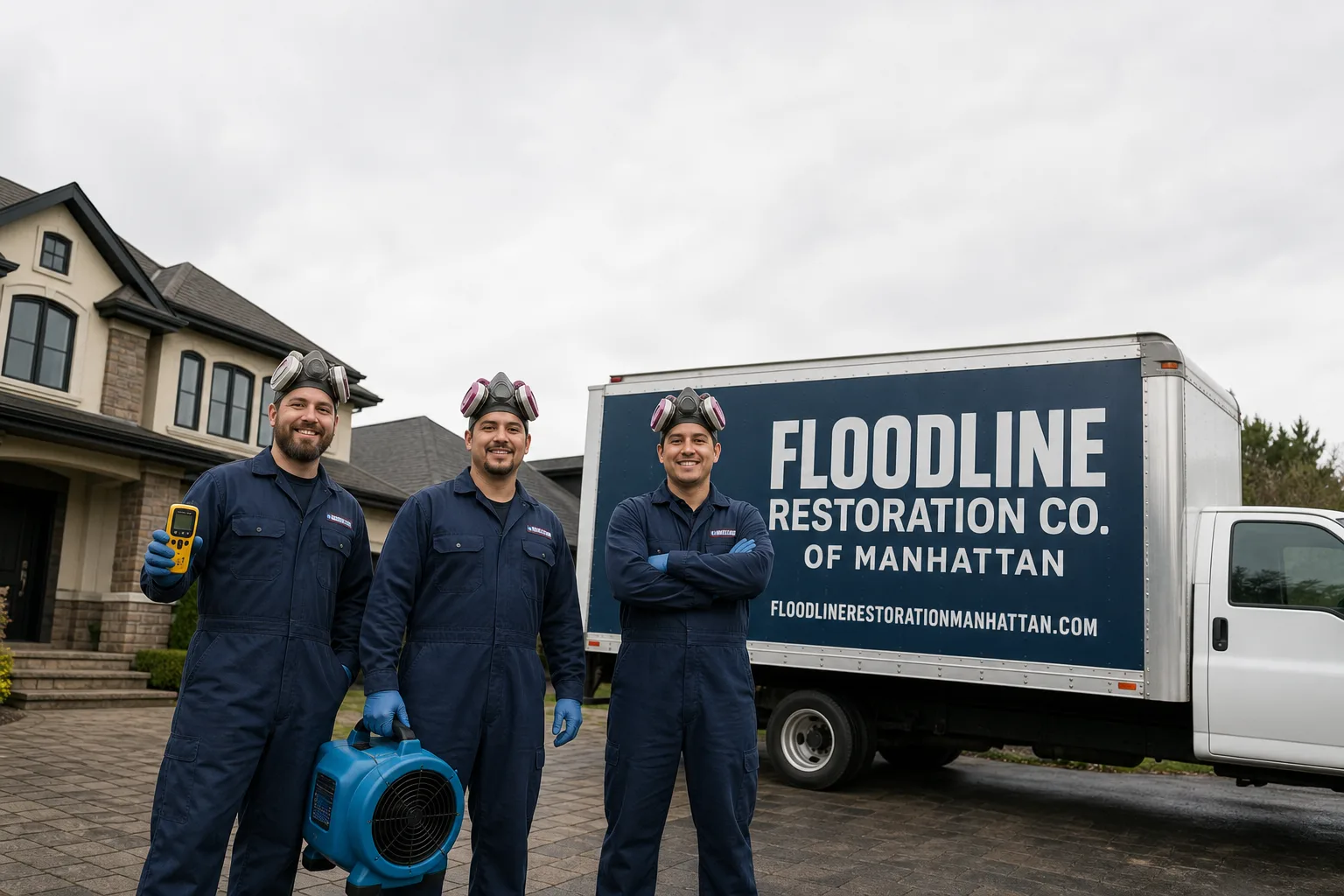
Free visual inspection and a written scope of work before any mitigation begins - photos, moisture readings, and drying logs go in your claim file
The scope we write is the scope we bill. Anything new gets shown to you, in writing, before we touch it.






 Before
 After
After Before
 After
After Before
 After
After24/7 Emergency Fire & Smoke Damage Restoration in Meatpacking District
Fire and smoke damage restoration in Meatpacking District typically runs $1,850-$11,400 depending on the fire’s size, soot type, and whether landmark restrictions slow demolition or board-up. A fire in one of these converted cold-storage or brick-and-timber buildings almost always spreads smoke through hidden industrial voids, so the first hour matters more here than it does in newer construction. Floodline Restoration Co. of Manhattan answers live at (917) 924-4221 around the clock. A certified crew reaches Meatpacking District fast, we complete a free visual inspection on arrival, and we start structural drying or containment the same visit, because acidic soot doesn’t wait for an LPC approval to start etching cast iron and brick.
Understanding Fire & Smoke Damage Restoration Severity in Meatpacking District Properties
Fire damage in Meatpacking District buildings rarely behaves the way it does in standard residential construction. Most structures here are late-19th to early-20th century brick-and-timber industrial buildings with thick masonry party walls, original cast-iron façades, and sub-grade cold-storage chambers that were sealed over during luxury conversion. Smoke follows hidden pathways: abandoned ammonia refrigeration chases, cast-iron column pockets, and the brick vaults that run beneath parts of Gansevoort and Little West 12th Streets. After a fire, soot residue migrates through those voids into units two or three floors away from the fire itself, even when fire walls held. Soot itself is grouped by type: dry protein soot from kitchen or electrical fires leaves a fine, smeary film that penetrates paint and stone; oily fuel soot from appliance or grease fires bonds to surfaces and requires degreasing agents; and wet smoke residue from low-heat, slow-burning fires forms a sticky, corrosive film that etches metal and attacks masonry. Sewage or firefighting water adds another layer, because the district sits in a FEMA AE flood zone and the Hudson River’s humidity slows drying in thick masonry walls by days compared to lighter construction a few blocks inland. Severity here escalates through what’s hidden: a small unit fire can require opening walls and floors that typical smoke protocols elsewhere in Manhattan would never touch.
Why Meatpacking District Property Owners Choose Floodline Restoration Co. of Manhattan
- 45-minute response commitment to Meatpacking District. We dispatch from our New York City office the moment you call, and we tell you when the crew will land before we hang up.
- 24/7 live answer, never an automated system. A dispatcher picks up at 2 a.m. Same on Sunday mornings. You talk to a person who can move a crew, not a recording that promises a callback.
- IICRC-certified crews trained to WRT, FSRT, and AMRT standards. Background-checked, uniformed technicians on every job, and the lead tech carries the moisture meter, not a sales binder.
- Free visual inspection before any work starts. You get a written scope and a straight answer about what needs doing and what doesn’t.
- Direct insurance billing. We document from hour one, we talk to your adjuster, and we bill the carrier directly so you’re not playing messenger.
- One team from first response to finished rebuild. The same crew that reads the moisture map on day one handles daily readings, dries the structure, removes smoke, and rebuilds what needs rebuilding.
We’ve been at this for over 42 years, and founded Floodline Restoration Co. in 2010 around a dispatch board, not a sales desk. The company today covers fire and smoke damage, water damage, mold remediation, storm response, sewage cleanup, biohazard work, and full reconstruction. Every job carries the 90-Day Done Right Promise, our written Keystone Standard, backed by the K.E.Y.S. code: Krafted right, Every time, Your home first, Standing behind it.
Our Fire & Smoke Damage Restoration Process
Inspection & Assessment
We walk the full structure, including sub-grade rooms and any sealed-over industrial chases, and identify exactly where smoke traveled. Thermal imaging helps us find heat-damaged areas behind walls, and we map soot severity room by room before we quote a dollar figure.
Emergency Board-Up & Stabilization
We secure openings with board-up or tarping that satisfies building management and LPC expectations where required, preventing further weather and vandalism damage to original cast iron and brick.
Water Extraction & Structural Drying
Firefighting water gets pulled with truck-mounted extraction and high-volume pumps. Then we set Dri-Eaz air movers and Phoenix dehumidifiers, and place hygrometers to track daily readings in masonry and below-grade chambers until the dry standard is met.
Smoke & Soot Removal
We clean surfaces by soot type: dry sponge for protein soot, degreasing for oily soot, and careful non-abrasive methods for wet smoke residue on original façades. The process opens hidden voids where smoke settled so odor doesn’t return in six months.
Odor Removal & Deodorization
We run HEPA air scrubbers and targeted deodorization, including inside sub-grade cold-storage chambers and abandoned ammonia chases, where standard treatment never reaches. That’s what stops the recurring smoke smell.
Repairs & Restoration
We rebuild what was torn out: framing, plaster, millwork, finishes. Because we handle fire, water, and reconstruction under one roof, there’s no mid-job handoff and no second crew learning the building from scratch.
Need Emergency Fire & Smoke Damage Restoration in Meatpacking District Now?
Crews minutes away, answering live 24 hours a day. The sooner we start, the less it costs.
Working With Your Insurance Company
Fire claims in Meatpacking District get complicated quickly, especially in landmarked buildings where remediation crosses historic materials. We handle the carrier side from the first hour. Our documentation starts on arrival: photos of every affected room, moisture readings from masonry and sub-grade spaces, and a line-item scope that matches what insurers expect. We coordinate directly with your adjuster, you never play messenger between Floodline and the carrier, and we bill insurance directly whenever coverage applies. If your policy covers full remediation and the rebuild, you’ll see the numbers before you sign anything. If you’re out of pocket, we keep the scope honest. The goal is a square deal, no surprises on the bill, and a finished job that stands behind itself in writing.
What We Provide Your Insurer
- Thorough documentation of the loss
- Photos of all damage, room by room
- Moisture readings and drying logs
- A detailed, line-item scope of work
- Direct coordination with your carrier
Built for Meatpacking District’s Loss Calendar
Fire losses in Meatpacking District follow a pattern that anyone who has worked the district long enough can predict. Winter brings space-heater fires and electrical overloads in buildings where original knob-and-tube was never fully replaced during conversion. January deep freezes burst supply lines in unheated sub-grade rooms, and the water finds the old industrial drains. Spring thaw and nor’easters push groundwater through below-cobblestone brick vaults into basements, which is a moisture problem before it’s a fire problem: damp wiring, failing sump pumps, and old panels under load. Summer thunderstorms bring flash flooding at the Hudson’s edge, and every flood that follows a firefight reactivates soot and creates conditions where smoke odor resurfaces. Our Fire & Smoke Damage Restoration team plans around these cycles because the district’s building stock doesn’t forgive delay. The thermal mass of thick brick means water from firefighting dries slowly, and humidity off the river works against every dehumidifier we set, so we watch daily readings longer than we would in Chelsea or the West Village.
Fire & Smoke Damage Restoration Across Meatpacking District’s Neighborhoods
Meatpacking District is small, but it contains several distinct response patterns. Around Gansevoort Street and Little West 12th Street, crews contend with Belgian-block streets and sub-grade brick vaults that channel groundwater during heavy rain, complicating every basement-level fire response. The stretch along Washington Street holds some of the district’s oldest cast-iron façades, where landmark restrictions slow board-up approvals and mean acidic soot gets more time to etch original metal. Over on West 14th Street near 9th Avenue, the mix of older walk-ups and converted lofts means tighter access, freight elevator limits, and stair-only equipment carries. Near Hudson Street and the lower West Side Highway blocks, buildings sit closer to the river, so salt air and higher humidity accelerate corrosion on exposed metal and complicate drying after firefighting extraction. Our crews know which addresses have hidden cold-storage chambers and which ones have ammonia chases that were sealed over, because those are the paths smoke takes after a fire, and sealing only finished surfaces is exactly how recurring odor starts.
Specialized Fire & Smoke Damage Restoration Services We Offer in Meatpacking District
Fire Damage Cleanup
We remove charred material, water, and debris from the fire area, then assess structural damage behind finished surfaces. In converted cold-storage buildings around Gansevoort Street, this often means opening floors and exposing abandoned industrial chases that need cleaning before rebuild can start.
Smoke & Soot Removal
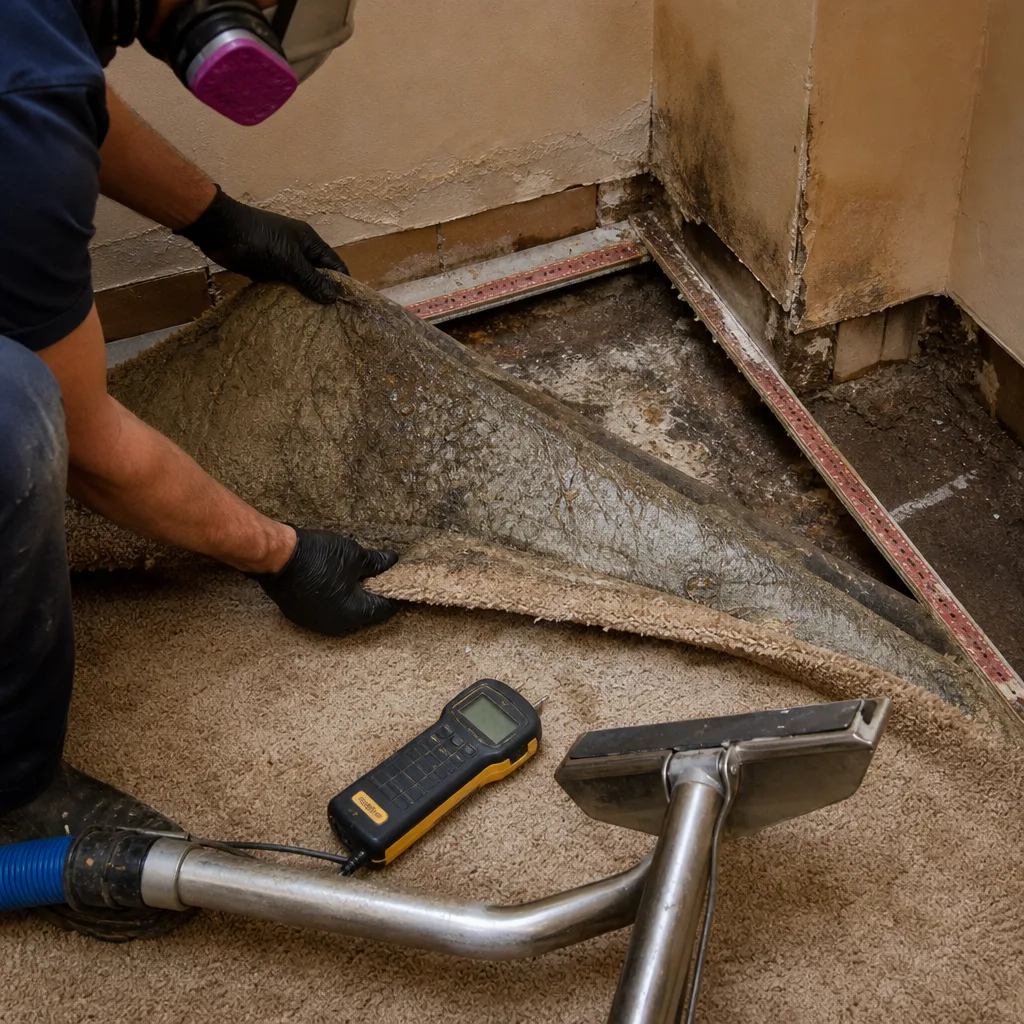
Smoke and soot in Meatpacking District properties settles inside original cast-iron column pockets, brick masonry, and sub-grade chambers, not just on painted walls. We remove soot by type, carefully on historic materials, and open hidden voids that generic protocols would leave sealed.
Odor Removal & Deodorization
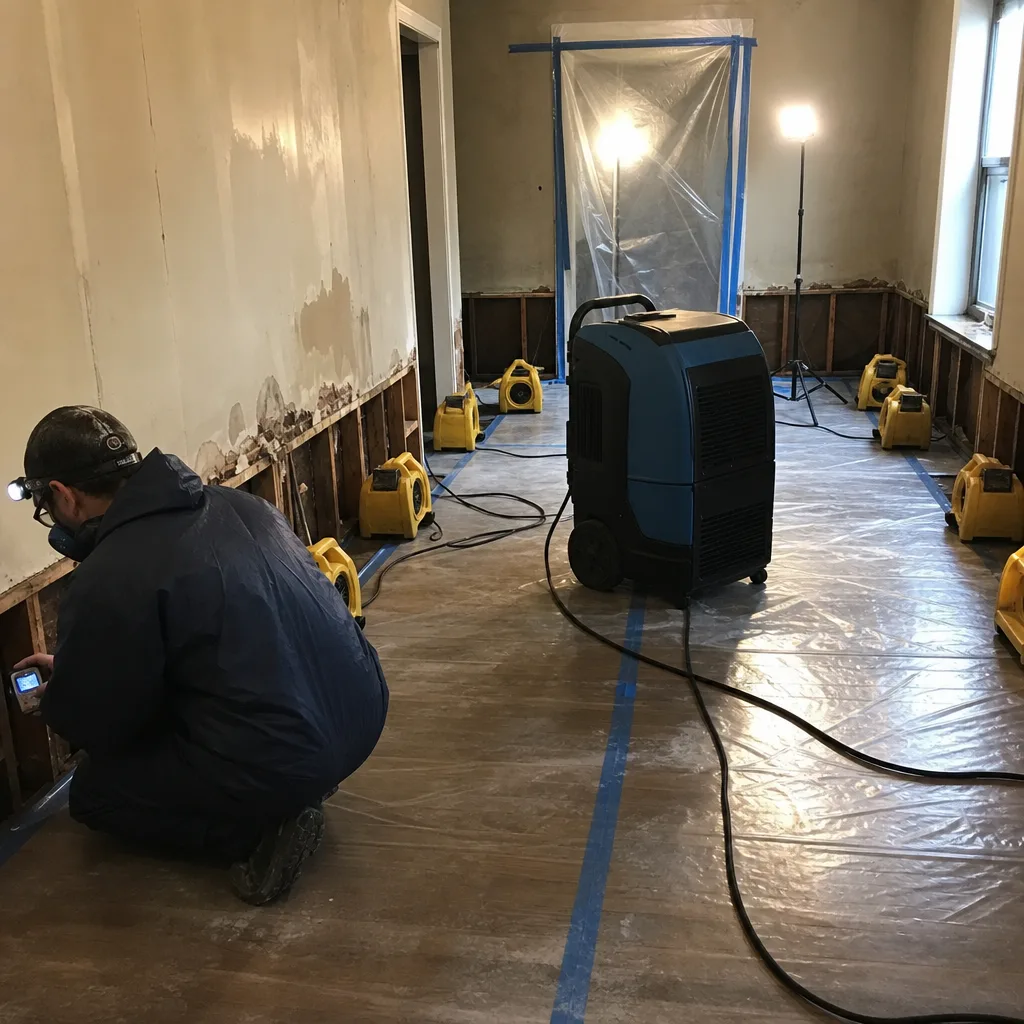
Odor recurs here because technicians seal only finished surfaces. We run HEPA air scrubbers and deodorization inside sub-grade cold-storage chambers and below-cobblestone brick vaults, which is where smoke odor actually lives in this district’s building stock. That’s the difference between a smell that returns and one that stays gone.
Contents Cleaning & Pack-Out
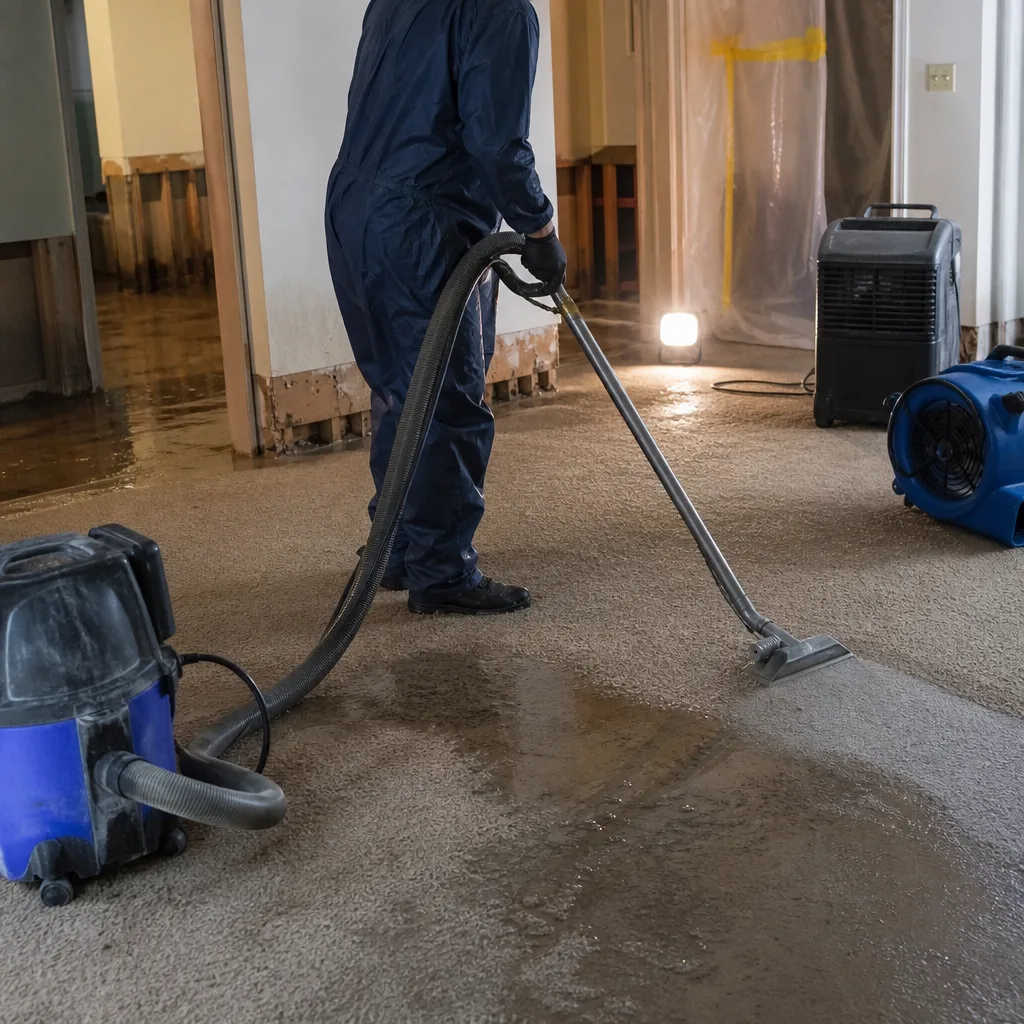
No freight elevator, Belgian-block streets, and narrow stairwells make contents handling in Meatpacking District slow and physical. We pack out carefully, inventory in writing, and clean contents off-site or in a contained area, then return them after the rebuild finishes.
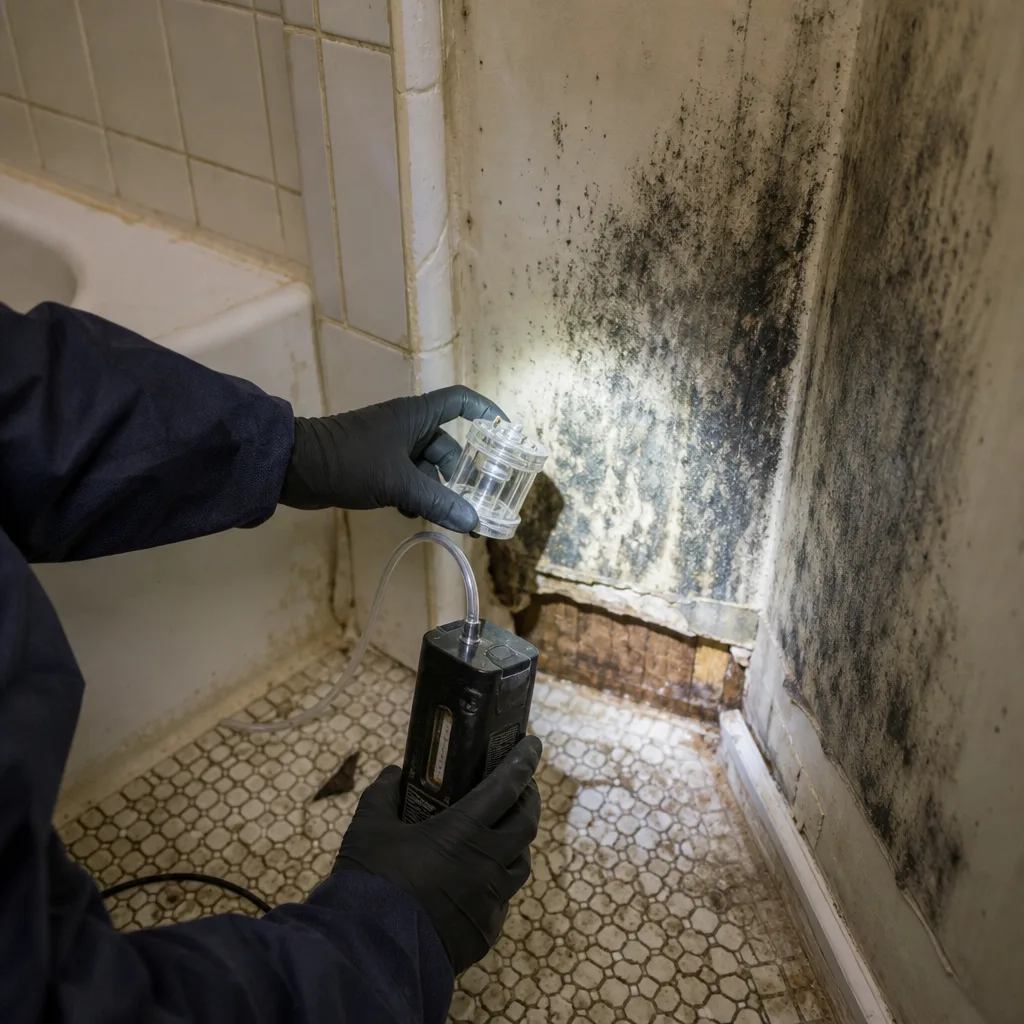
Emergency Board-Up & Tarping
After a fire, openings must be secured fast, but landmark restrictions can delay demolition. We board up and tarp in a way that protects original cast-iron façades and brick masonry while satisfying building management and LPC requirements where they apply.
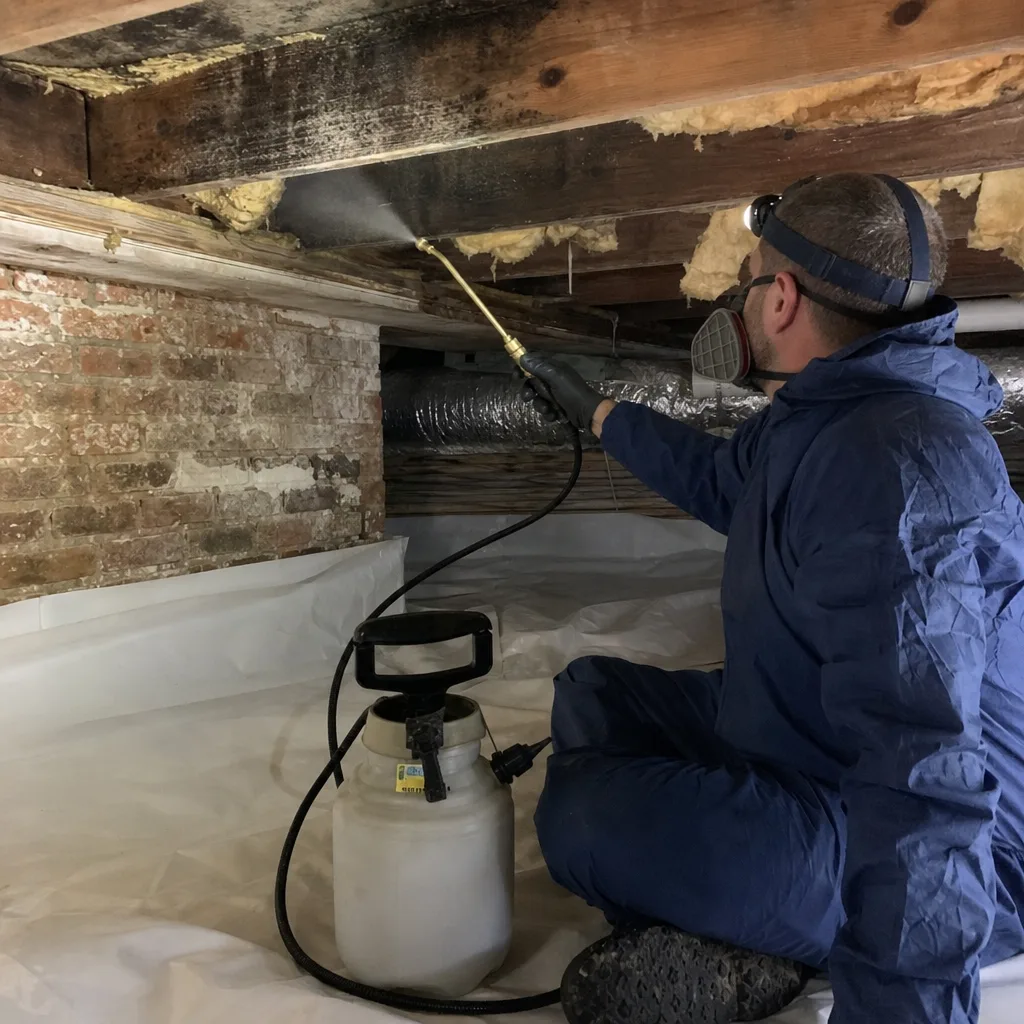
What happens when you call
- 1
A real person answersNo phone trees - you reach a local pro.
- 2
You get an upfront price rangeHonest numbers before anyone is dispatched.
- 3
A background-checked tech heads outLicensed & insured, dispatched right away.
- 4
You approve before work beginsNothing starts until you say go.
Fire & Smoke Damage Restoration Costs in Meatpacking District, NY
Fire damage cleanup in Meatpacking District runs $2,100-$6,800 for a contained kitchen or electrical fire with moderate soot coverage, including opening hidden voids and deodorizing sub-grade spaces. Smoke and soot removal throughout a converted loft typically lands between $3,400 and $9,700, depending on how far smoke traveled through abandoned chases and whether original cast iron needs careful cleaning. Full structural fire repair, including board-up, rebuild, and landmark-sensitive restoration, frequently starts around $8,500 and can exceed $25,000 in the district’s brick-and-timber buildings. What moves the price: the number of hidden voids smoke entered, how long soot sat on historic materials before remediation, whether firefighting water reached sub-grade rooms, and whether the building’s freight access slows the crew. Insurance covers most fire losses. Out of pocket, we provide a written scope before work starts, and estimates are free. Call (917) 924-4221 and we’ll send a certified crew to assess exactly what you’re facing, same day.
We Also Serve Cities Near Meatpacking District
Floodline Restoration Co. of Manhattan also serves Fairview, Harrison, East Bronx, and Hunts Point. Same live dispatch, same written guarantee, same certified crews. If your property is near Meatpacking District and you’re dealing with fire or smoke, call us at (917) 924-4221.
Serving Meatpacking District, NY - Our Local Coverage Area
We’re based in the Meatpacking District area and know this community well. Use the map below to see our service coverage - if you’re nearby, we can almost certainly help.
Meatpacking District Fire & Smoke Damage Restoration Questions, Answered
How do you dry a Meatpacking District brick-and-timber building after firefighting water extraction when the masonry walls hold moisture for weeks?
We keep drying equipment, including Dri-Eaz air movers and Phoenix dehumidifiers, running inside affected rooms and any sub-grade chambers while taking daily moisture readings from the masonry itself using penetrating meters, not just surface readings. Thick brick takes weeks to release trapped water, especially in the Hudson River’s humidity, and pulling equipment early is how mold grows behind restored walls. We set the dry standard based on the material, not the calendar, and we hand you and your adjuster the moisture log when it’s met.
Can you remove smoke odor from a landmarked cast-iron façade without damaging the historic material?
Yes, we clean original cast iron with the gentlest method that removes the soot type present: dry sponge for protein residue, mild degreasers for oily soot, and careful poulticing or non-abrasive cleaning for wet smoke residue that etches metal. We never sandblast or use acidic cleaners on historic façades. Our Fire & Smoke Damage Restoration team matches the cleaning method to the material, and we’ve done this on cast-iron column pockets and brick masonry throughout Meatpacking District.
Why does smoke travel through walls in these converted cold-storage buildings even when the fire was contained to one unit?
Because the original industrial structure left hidden pathways: abandoned ammonia refrigeration chases, cast-iron column pockets, and the brick vaults beneath Gansevoort and Little West 12th Streets. Smoke follows those voids, along with sub-grade cold-storage chambers that were sealed over during luxury conversion. Sealing only finished surfaces after a fire leaves soot inside those voids, and that is exactly why smoke odor returns months later. We open the voids and clean them.
What should we do immediately after a fire in a brick warehouse conversion before your crew arrives?
Do not enter areas with visible structural damage or active smoke. Do not wipe soot yourself; wiping embeds residues deeper into painted and porous surfaces. Call (917) 924-4221, tell dispatch the building type and the fire’s location, and we’ll talk you through the next 30 minutes while the crew is on the way. Keep doors closed between affected and unaffected areas to slow smoke migration through the building’s hidden voids.
How do you handle contents cleaning and pack-out when a building has no freight elevator and is on the Belgian-block streets?
We carry contents by stair, which in these buildings means narrow flights and tight turns between residential units and original industrial doors. We pack out in stages, inventory everything in writing, and move contents to a contained cleaning area or our facility for full treatment. Belgian-block streets mean trucks park close and crews stage equipment carefully, but it doesn’t change the care we take with your belongings.
How fast can someone actually get to Meatpacking District after I call?
We commit to a 45-minute response window in Meatpacking District, day or night. Our live dispatcher confirms the crew’s ETA before you hang up, and a certified technician arrives with moisture meters, HEPA air scrubbers, and the tools needed to start stabilization on the first visit. The sooner containment and drying start, the less soot etches original materials and the lower the final restoration cost.
Will insurance cover fire and smoke restoration in a landmarked Meatpacking District building?
Most homeowners and condo policies cover fire damage, including remediation of hidden smoke voids and landmark-sensitive cleaning. We document from the first hour with photos, moisture readings, and line-item scopes, then coordinate directly with your adjuster. Some landmark-related approvals slow demolition, which is a real cost driver, and we document that to the carrier so it’s covered. If you’re unsure what your policy does, call us at (917) 924-4221 and we’ll help you sort it before the claim gets complicated.
How long does drying and remediation take in one of these brick-and-timber buildings?
In standard construction, structural drying after firefighting water extraction takes 2-4 days. In Meatpacking District’s thick masonry walls and sub-grade chambers, 7-14 days is normal, and sometimes longer when river humidity stays high or smoke entered multiple hidden voids. We never rush the dry standard, because pulling equipment early is how mold colonizes behind restored walls. You’ll see daily moisture readings throughout, and we’ll hand the log to you and your carrier when drying is complete.
On Gansevoort Street, a fire in a converted cold-storage condo left smoke migrating through original cast-iron column pockets and an abandoned ammonia chase. Our crew opened the chase, ran containment, and used our Dri-Eaz air scrubbers with Phoenix dehumidifiers to pull smoke residues from the brick vaults before restoring finishes to pre-loss condition. That’s the work most companies don’t do, and it’s the work that keeps smoke odor from returning in this district.
Call (917) 924-4221 for a free visual inspection. Live dispatch, certified crews, and a written scope before any work starts. Done right, and backed in writing.
Written by Curt Bowman, Owner at Floodline Restoration Co. of Manhattan, serving Meatpacking District and the surrounding New York City area since 2010.