
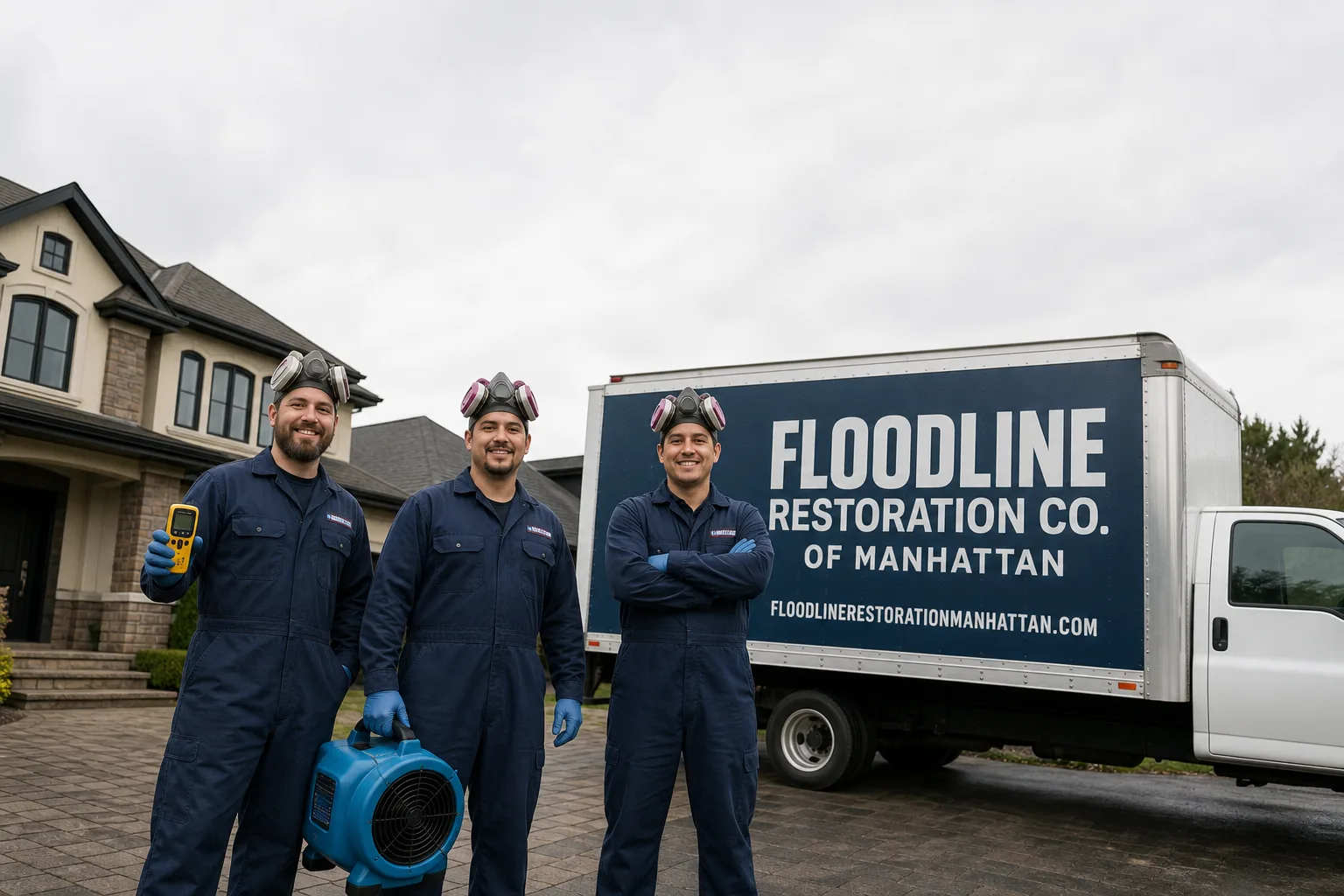
Free visual inspection and a written scope of work before any mitigation begins - photos, moisture readings, and drying logs go in your claim file
The scope we write is the scope we bill. Anything new gets shown to you, in writing, before we touch it.






 Before
 After
After Before
 After
After Before
 After
After24/7 Emergency Fire & Smoke Damage Restoration in Tappan
Fire damage in Tappan moves fast, and the first call you make determines how much of your home survives. Soot begins etching glass and corroding metal within hours. Odors sink into horsehair plaster and wide-plank flooring fast. That’s why our crews answer live around the clock and dispatch into Tappan the same visit. Call (917) 924-4221 now, and a certified tech will be at your door in about 45 minutes to start the free visual inspection. We don’t hand your claim off, and we don’t make you wait through a call center maze. A real person picks up, every time, day or night.
Understanding Fire & Smoke Damage Restoration Severity in Tappan Properties
Not all fire damage is equal, and Tappan’s housing stock makes the distinctions sharper than in newer subdivisions. Wet smoke residue from a smoldering fire leaves a sticky, acidic film that requires aggressive chemical action and ultrasonic cleaning. Dry smoke from a fast-burning fire produces a fine, powdery soot that infiltrates every gap and pore. Protein smoke from kitchen fires is nearly invisible but coats surfaces with an odor that activates on humid days. In Tappan’s older homes, the real problem is what firefighters leave behind. The water used to knock down a fire converts clean Category 1 water into Category 2 or even Category 3 contamination very quickly when it soaks into lime-mortar joints and fieldstone rubble foundations. A moisture meter tells the truth about that water in ways the eye cannot. Our crews map moisture with thermal imaging and hygrometers, because mold in those old foundation joints can establish itself within 24 to 48 hours if readings are missed.
Then there’s the plaster. Horsehair plaster in Tappan colonials breathes differently than drywall. Soot penetrates the porous lime binder, and a crew that only wipes surfaces will hand the odor right back to you after the first humid Rockland County summer.
Why Tappan Property Owners Choose Floodline Restoration Co. of Manhattan
- 45-minute response commitment to Tappan. Our local dispatch knows the fastest routes off Route 340 and down Washington Street, and we arrive with the equipment running, not just to take notes.
- Live answer, 24/7. A real dispatcher picks up at 2 a.m. Not a recording, not an answering service that calls back in the morning. The person who answers can send a crew.
- IICRC-certified crews, named WRT and FSRT. Our techs hold the Water Damage Restoration Technician and Fire & Smoke Restoration Technician certifications, trained to IICRC, RIA, and IFA standards. Background-checked and uniformed on every job.
- Free visual inspection, always. We walk the damage with you, explain what we see in plain English, and hand you a written scope before any tool comes off the truck.
- Direct insurance billing. You don’t carry messages between us and the carrier. We document from the first hour, bill the carrier directly, and speak with your adjuster as needed.
- One crew from first response to final rebuild. We are a Fire & Smoke Damage Restoration company that also handles structural repair and reconstruction. No mid-job handoff, no inherited subcontractors.
Our Fire & Smoke Damage Restoration Process
Inspection & Assessment
We arrive, walk the property, and document everything before touching a surface. Thermal imaging traces heat migration in the framing. Moisture mapping locates water from firefighting inside walls, floors, and foundation joints. You get a written scope, not a verbal estimate.
Emergency Board-Up & Tarping
In Tappan, open roof sections and burned-out windows attract weather and trespassers. We board and tarp the same visit so the site is secure and the damage stops spreading before cleanup begins.
Water Extraction & Structural Drying
Fire suppression water is the hidden second disaster. We extract standing water and set Dri-Eaz air movers, dehumidifiers, and Injectidry mats to pull moisture from lime-mortar joints and old framing. Daily readings are logged until the dry standard is met.
Smoke & Soot Removal
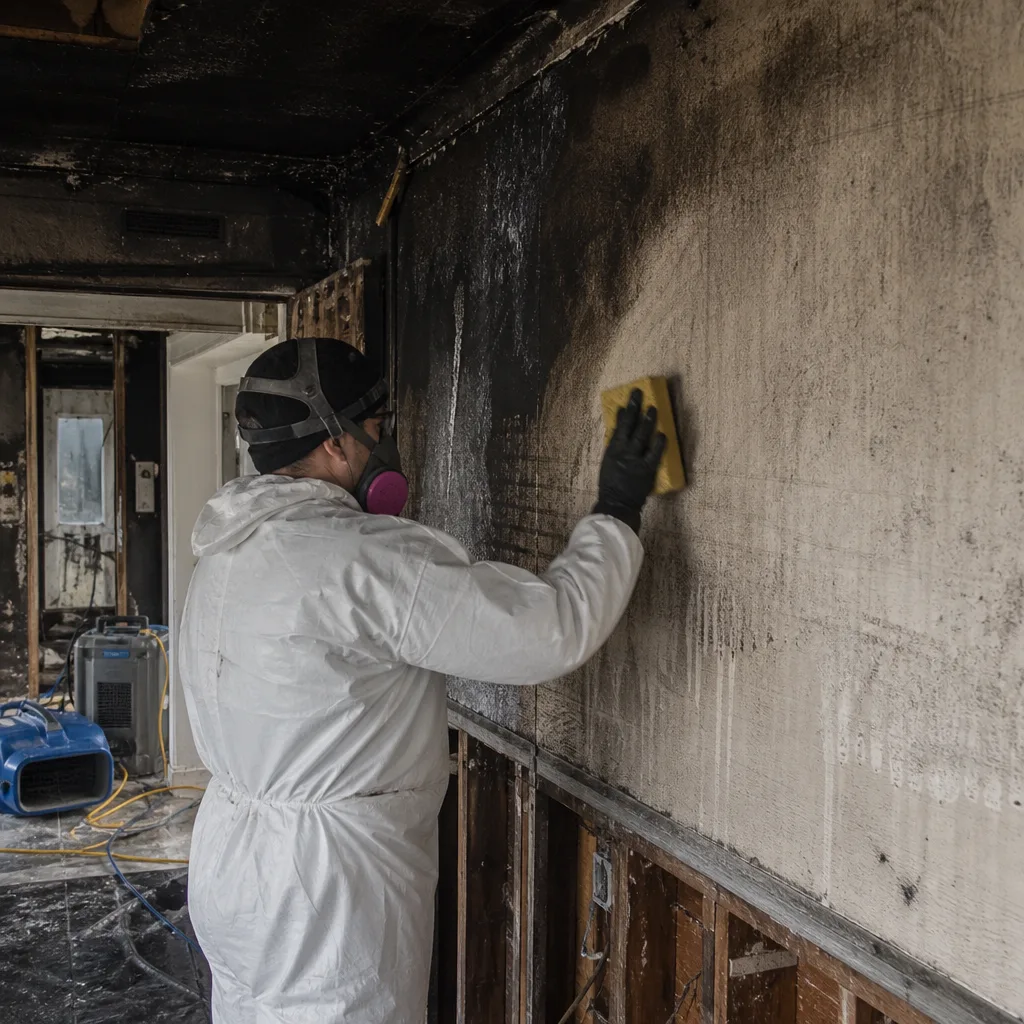
We remove soot residue from walls, ceilings, floors, and fixtures using HEPA vacuums and chemical sponges matched to the soot type. Hard contents get ultrasonic cleaning. Soft goods are inventoried for pack-out or on-site treatment depending on severity.
Odor Removal & Deodorization
Surface cleaning alone will not do it in Tappan’s older homes. We use thermal fogging, ozone, and hydroxyl generation as appropriate, and we treat the source material, including the plaster itself, not just the air inside the room.
Structural Fire Repair & Restoration
Charred framing gets evaluated section by section. We replace what must be replaced, sister what can be saved, and rebuild clean through our Reconstruction & Cleanup in Tappan. If it stays, we document it for the carrier. If it goes, we document it for the carrier and for any required preservation review.
Need Emergency Fire & Smoke Damage Restoration in Tappan Now?
Crews minutes away, answering live 24 hours a day. The sooner we start, the less it costs.
Working With Your Insurance Company
Fire claims are fact-driven, and the carrier’s adjuster will want a documented chain of work from the first hour to the last. That’s what we hand them. We photograph every room before and after demolition, log moisture readings daily, and write a line-item scope in the same format the carrier’s estimating software understands. We know what gets covered, what gets questioned, and how to document the difference. Our office speaks with your adjuster directly, so you aren’t the messenger relaying scope details and drying status. And because we are a full-cycle restoration company, the estimate we write covers what we actually do, not what a passed-off subcontractor later bills you for.
What We Provide Your Insurer
- Thorough documentation of the loss
- Photos of all damage, room by room
- Moisture readings and drying logs
- A detailed, line-item scope of work
- Direct coordination with your carrier
Built for Tappan’s Loss Calendar
Fire losses in Tappan follow a pattern that a homeowner in Phoenix or Tampa would never recognize. November through March, the Hudson Valley freeze-thaw cycle heaves the ground and stresses the old masonry. Furnaces run hard in the oldest homes, and space heaters appear in drafty additions built onto 18th-century frames. We see more electrical fires in January and February than any other season, often starting at overloaded circuits in postwar cape-cods that were never rewired for modern loads. Spring brings thunderstorms and the occasional lightning strike to tall, mature trees that stand close to older homes. Summer is kitchen fire season, and grill fires on wooden decks next to cedar-shingled walls. A Nor’easter can knock down power lines and drive electrical surges through the old knob-and-tube still hiding in some Tappan walls. Knowing the season tells us what we’ll likely find, but the moisture readings and the soot type tell us what actually happened.
Fire & Smoke Damage Restoration Across Tappan’s Neighborhoods
Tappan is not a uniform suburb. The historic core around Old Tappan Road and Revolutionary Road holds structures that predate the Republic, with hand-hewn beams and lime-mortar fieldstone foundations. A kitchen fire in one of those homes is a preservation concern as much as an insurance claim. The mid-century neighborhoods off Washington Street and Western Highway, built during Rockland County’s postwar boom, feature cape-cods and ranches with tighter framing but older electrical systems, and fires there produce damage patterns tied to drywall and modern hardwoods rather than plaster and wide plank. The sections closer to the Sparkill Creek sit low, and fire suppression water pools against foundations, turning a fire response into a water remediation job or Tappan Biohazard & Crime Scene Cleanup situation within hours. Homes along Clausland Mountain Road face wind-driven smoke migration through attics and ridge vents. Each area has its own failure mode, and our crews know them by street before we arrive.
Specialized Fire & Smoke Damage Restoration Services We Offer in Tappan
Emergency Board-Up & Tarping
A burned-out window on Old Tappan Road invites more than weather. It invites animals, vandals, and liability. We board and tarp the same visit, using materials that will not further damage the original trim or siding so the site stays stable until the rebuild scope is settled.
Fire Damage Cleanup
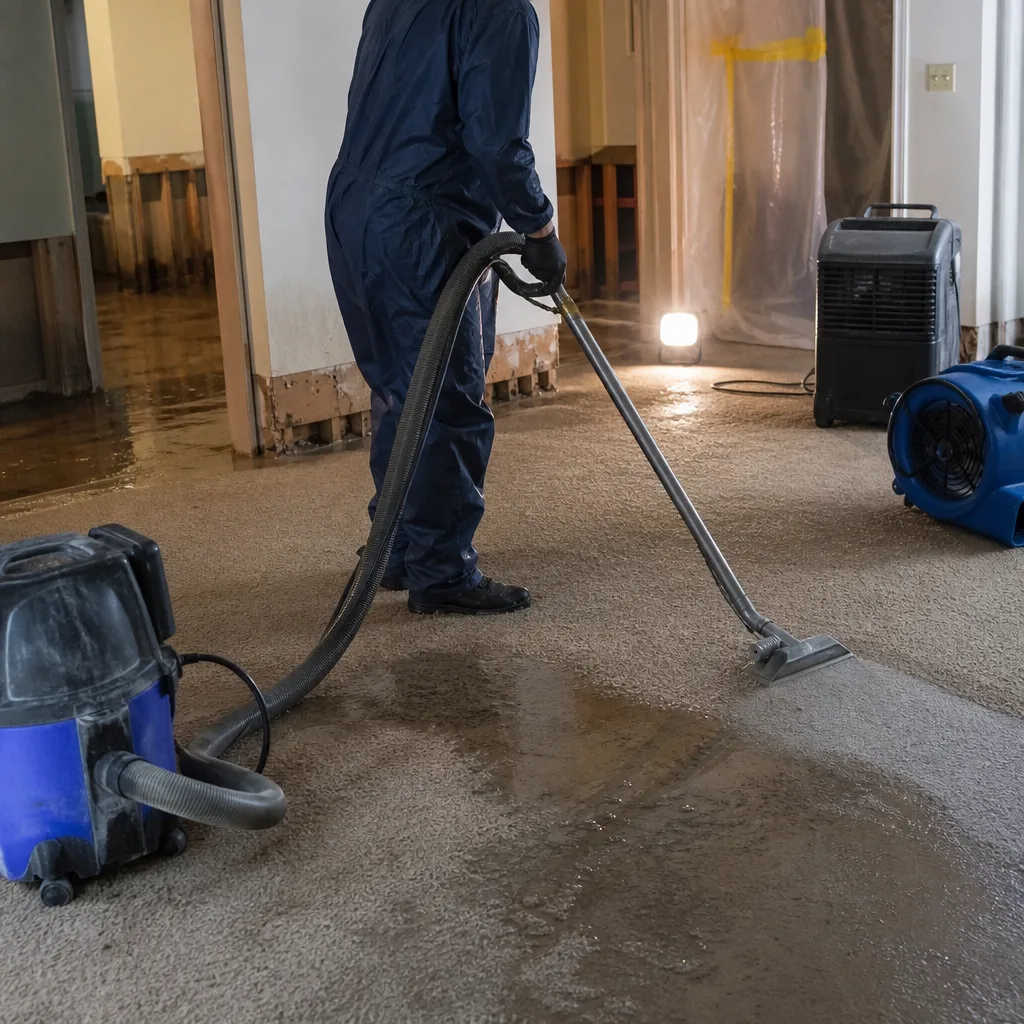
Debris removal, char removal, and structural cleaning, done with the preservation constraints of Tappan’s older homes in mind. We do not reflexively gut a room when the framing beneath the char is sound and the material is original to the house. We test, document, and clean or replace based on what the wood and the insurer’s scope agree on.
Smoke & Soot Removal
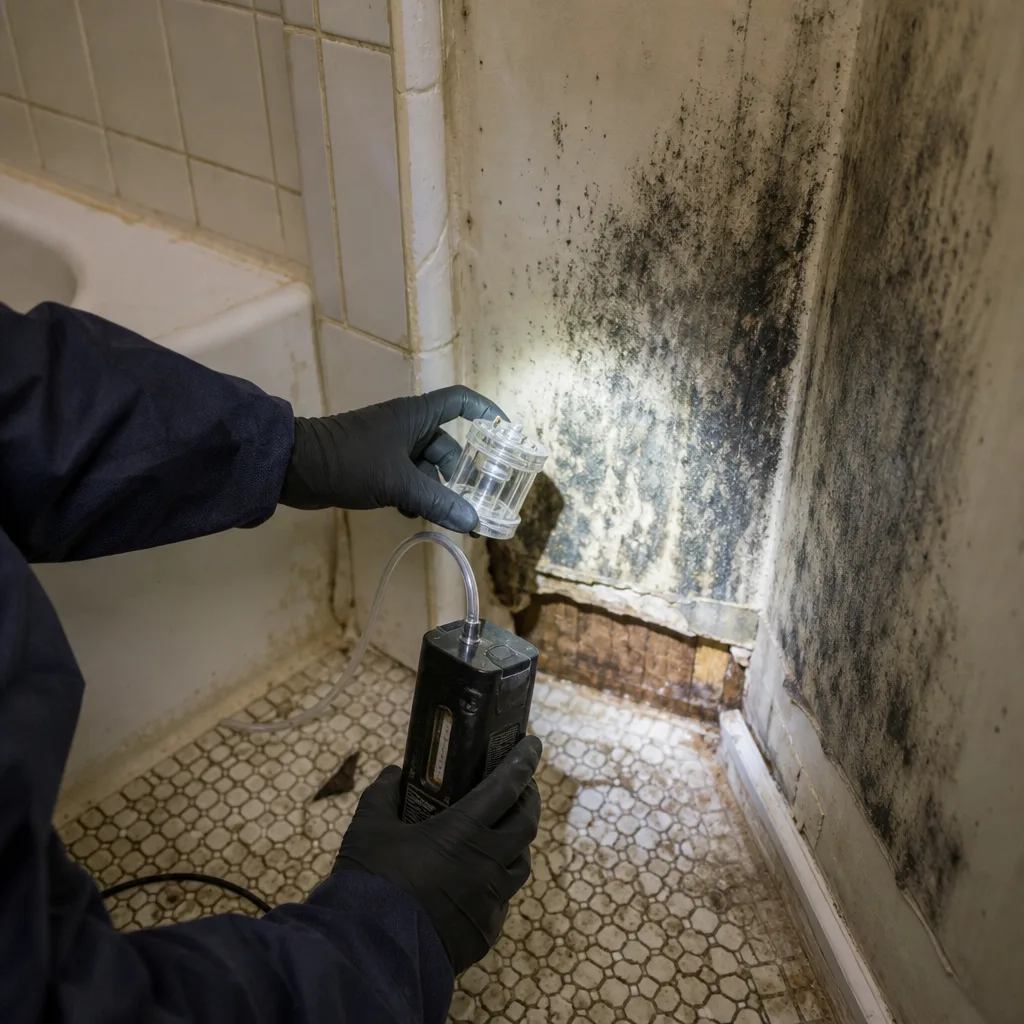
Porous horsehair plaster does not release soot with a wipe. We use dry chemical sponges suited to the soot type, HEPA vacuuming at the surface and in every crevice, and ultrasonic cleaning for hard contents pulled from the house. Surface-only cleaning leaves residue that reappears as odor and staining months later.
Odor Removal & Deodorization
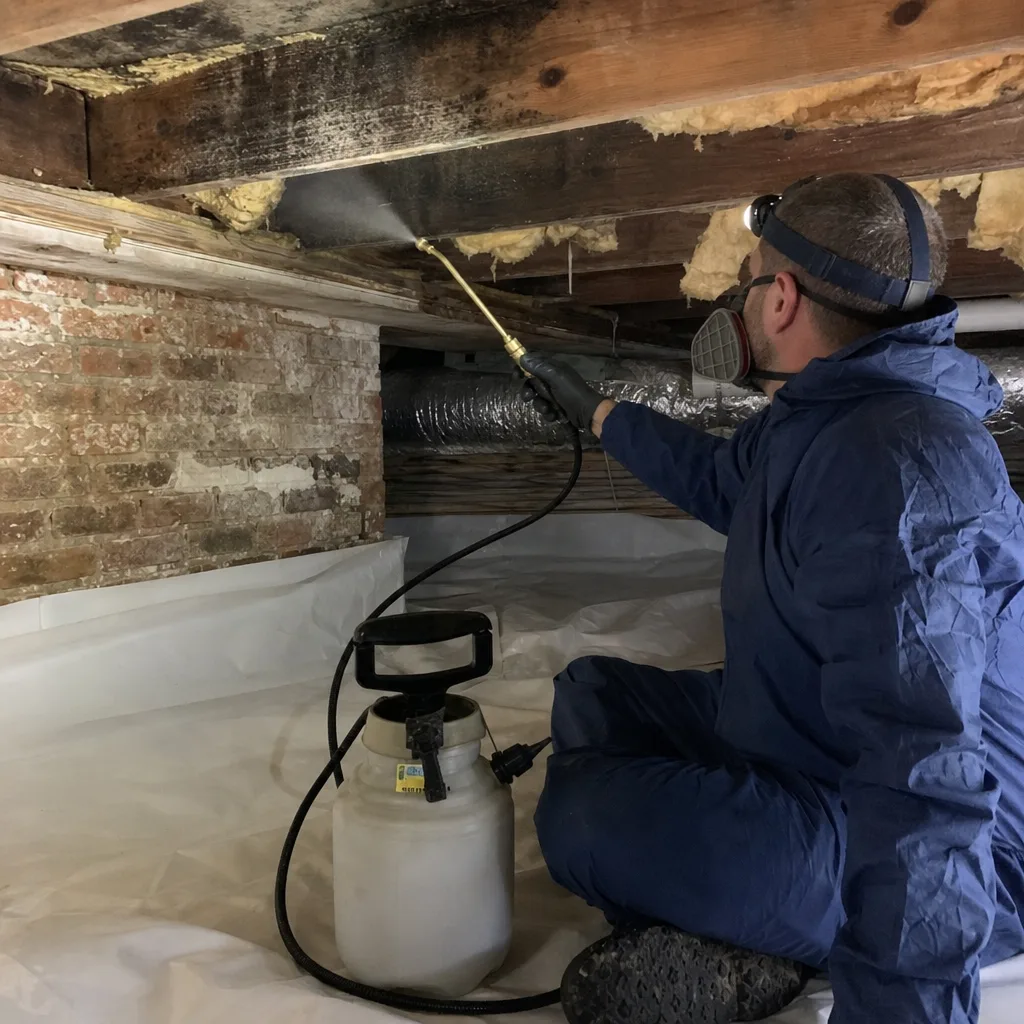
Odor lives in the material, not the air. In Tappan’s older construction, that means plaster, lath, flooring, and ductwork. We treat the sources with thermal fogging, hydroxyl generation, and targeted sealants where appropriate, and we verify the result before the job closes, not after the first hot, humid stretch of July.
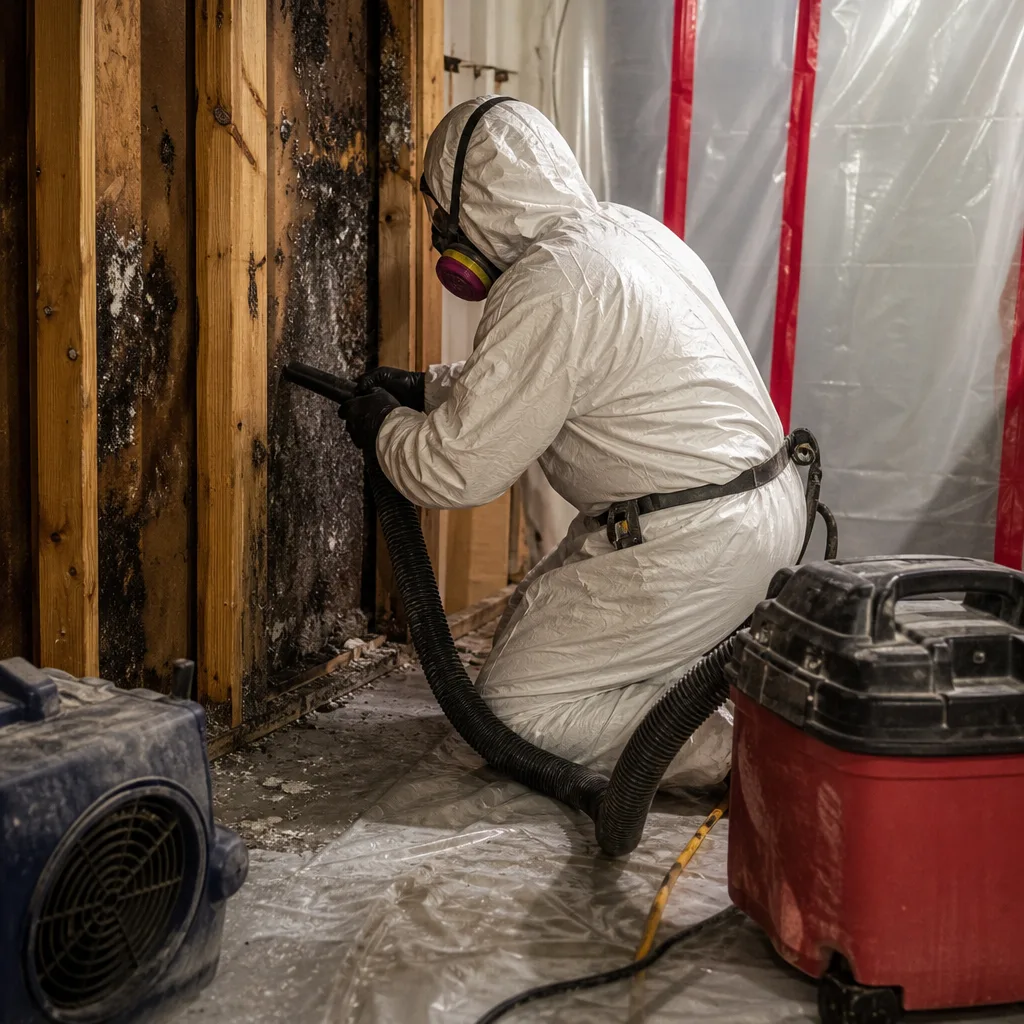
Contents Cleaning & Pack-Out
We inventory, photograph, and pack out smoke-damaged contents from Tappan homes, clean them in our facility, and return them in labeled boxes. For lighter contamination, we clean on-site with HEPA vacuums and chemical sponges. The documentation we hand your insurer meets the carrier’s requirement for itemized proof.
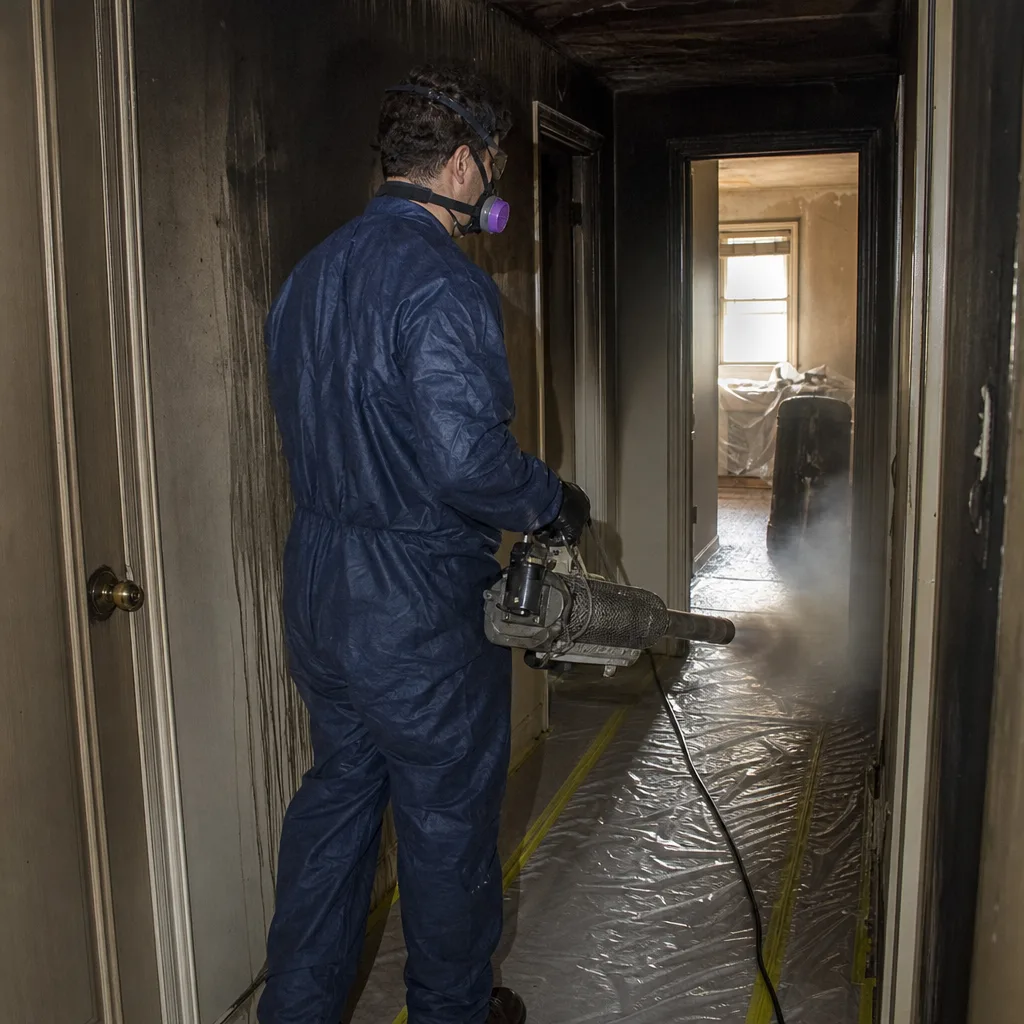
Structural Fire Repair
Charred beams, burned joists, and compromised header stock. We evaluate each framing member and replace or sister based on structural need, then match the rebuilt sections to the existing construction, including period-appropriate trim where the home’s age calls for it.
What happens when you call
- 1
A real person answersNo phone trees - you reach a local pro.
- 2
You get an upfront price rangeHonest numbers before anyone is dispatched.
- 3
A background-checked tech heads outLicensed & insured, dispatched right away.
- 4
You approve before work beginsNothing starts until you say go.
Fire & Smoke Damage Restoration Costs in Tappan, NY
Straight numbers, because you deserve them. Emergency board-up and tarping in Tappan generally runs $500 to $1,200 depending on openings and roof access. Smoke and soot removal for a contained room fire typically lands between $2,500 and $6,000, while a full kitchen fire with pack-out and structural drying runs $8,000 to $20,000. Odor removal and deodorization in an older home with horsehair plaster adds $1,500 to $5,000 depending on square footage and how deep the soot traveled. Structural fire repair is scoped per member, but plan on $75 to $150 per square foot of rebuilt living space in this market. Insurance covers the majority of these costs in most Tappan fire losses, subject to the policy and deductible. The free inspection gives you a firm written scope before any work gets approved, so the numbers never surprise you at the end. Call (917) 924-4221 and we’ll walk the damage with you.
We Also Serve Cities Near Tappan
Our crews also respond to fire and smoke losses in Tappan‘s neighboring communities, including Orangeburg, Sparkill, Piermont, and Blauvelt. Same live answer, same 45-minute response commitment, same crew from extraction to final rebuild.
Tappan Fire & Smoke Damage Restoration Questions, Answered
Does my Tappan home’s age affect whether fire-damaged plaster needs full removal?
Yes, and it cuts both ways. Horsehair plaster holds soot and odor deeper than drywall, so older Tappan homes often require more aggressive treatment, but full removal is rarely necessary if the plaster is still sound. We test the plaster’s bond and moisture content before deciding. If the plaster is lath-anchored and stable, we treat the surface and porosity with deodorization and sealing rather than demo, which also protects you from unnecessary replacement cost and from triggering review of original materials. The written scope reflects what the plaster actually needs, not a default demolition line.
How do you dry fieldstone foundations after a fire in Tappan without causing more damage?
Fieldstone and lime mortar wick moisture fast and release it slowly. We do not force them dry with high heat or oversized equipment. We set containment around the affected area, use Dri-Eaz dehumidifiers and low-grain refrigerant units to pull humidity down gradually, and take daily moisture readings with penetrating probes and thermal imaging. The goal is controlled desiccation, not rapid drying, because pushing a lime-mortar wall to dry too fast causes spalling and joint cracking. We log every reading and hand that log to you and your carrier.
What should I do immediately after a fire in my Tappan home before restoration crews arrive?
Stay out of the structure until the fire department clears it. Do not wipe soot or attempt cleaning, because improper wiping drives soot deeper into porous surfaces like plaster and unfinished wood. Turn off the HVAC system if you can do so safely, as it spreads soot through the ducts. If the weather permits, open windows to vent smoke. Do not touch electrical panels or turn on power. Then call us at (917) 924-4221. We will be there in about 45 minutes and start the documentation from the first walkthrough.
Can you clean smoke-damaged contents from a Tappan colonial without taking them off-site?
For light to moderate smoke exposure, yes. We clean hard contents on-site using HEPA vacuums and chemical sponges, and we treat soft goods with dry-cleaning sponges and ozone where appropriate. For heavy soot or contents affected by fire suppression water, pack-out to our facility is the better path. We inventory every item, photograph it, clean it, and return it in labeled containers. The inventory doubles as the documentation your insurer needs for contents claims, which matters in older Tappan homes with irreplaceable items.
How do freeze-thaw cycles affect fire-damaged masonry in Tappan?
Ice is a chisel. Water that gets into fire-damaged masonry, lime mortar, and fieldstone joints freezes and expands, widening cracks each time the temperature crosses the threshold. Tappan sees dozens of freeze-thaw cycles every winter. After a fire, the masonry has already been thermally stressed, and the water used to fight the fire puts it at higher risk of spalling. We address that by drying the masonry to a stable moisture content before winter, repointing damaged joints with compatible lime mortar, and where the fire exposed masonry to high heat, we assess for thermal spalling and document it for repair rather than waiting for a spring failure.
How fast can a crew actually reach my home in Tappan?
Our commitment is 45 minutes from your call to our arrival in Tappan. That includes response anywhere from the historic district to the Clausland Mountain Road corridor. A live dispatcher answers the phone at any hour and sends the nearest certified crew, fully equipped. For an active fire loss, the first hour shapes how much of your framing, flooring, and contents can be saved, so we do not schedule you for tomorrow morning. We come now.
Will my insurance cover fire and smoke restoration in Tappan?
Most standard homeowner policies cover fire, smoke, and the water damage from firefighting, including structural repair, contents cleaning, and additional living expenses if the home is uninhabitable. The details depend on your policy limits, deductible, and whether the loss was accidental or structural in origin. We document everything from the first hour in the carrier’s preferred format and coordinate directly with the adjuster. You pay the deductible, the carrier handles the covered scope, and we bill them directly.
Why is documentation of original Tappan building materials part of the restoration scope?
In Tappan’s historic core, the c.1700 DeWint House and surrounding structures still stand on hand-hewn timber and lime-mortar fieldstone. When a fire damages original materials in a historic district, the New York State Historic Preservation Office may need to review any demolition or replacement work before it happens. Tearing out charred hand-hewn beams or original wide-plank flooring without that documentation can expose a homeowner to compliance problems. Our crews photograph and scope original materials first, identify what can be saved, and document what cannot before any removal. It protects the house, the claim, and you.
Serving Tappan, NY - Our Local Coverage Area
We’re based in the Tappan area and know this community well. Use the map below to see our service coverage - if you’re nearby, we can almost certainly help.
The Tappan Preservation Reality: Why Generic Restoration Advice Fails Here
Every restoration company in Rockland County can set air movers and wipe soot. Almost none of them can tell you what the DeWint House construction means for your cape-cod off Washington Street. Tappan is one of the oldest continuously settled communities in New York State, and its historic core dates to Dutch colonial settlement in the 1680s. The housing stock spans genuine 18th-century colonials with rubble foundations and hand-hewn framing to the 1950s ranches built when Rockland County went suburban. When fire and water hit those old materials, the behavior is nothing like a modern sheetrock build. Fieldstone foundations wick moisture through lime-mortar joints, pulling Category 2 water from firefighting deep into the masonry. Horsehair plaster traps soot in its porous binder. Wide-plank flooring, once soaked and dried improperly, cups and splits beyond repair. A contractor who doesn’t know this sees dry walls and a dusty smell. We see a structure that needs a preservation-minded hand and an insurer who needs to understand why the scope looks different for a Tappan colonial than for a Nanuet split-level. That’s the Fire & Smoke Damage Restoration in Tappan reality we work in every day.
On a cape-cod off Washington Street in Tappan’s postwar section, our crew contained a kitchen fire that had pushed soot through horsehair plaster. Because moisture mapping showed Category 2 water from firefighting had wicked into the lime-mortar joints, we set containment and structural drying with Dri-Eaz air movers and dehumidifiers, then performed pack-out of smoke-damaged contents before antimicrobial treatment, restoring the home to pre-loss condition without triggering SHPO review. That job hinged on two readings the homeowner couldn’t see: the moisture percentage inside a mortar joint and the soot type on the plaster surface. Get either one wrong, and the house looks fine for six months, then smells like the fire came back.
This page exists because no generic restoration template covers Tappan properly. The combination of SHPO review triggers, fieldstone and lime-mortar behavior under fire and water, and the freeze-thaw cycle that attacks old masonry year after year changes how a fire loss should be scoped, dried, and rebuilt. Our crews are trained to IICRC, RIA, and IFA standards, use professional-grade Dri-Eaz, Phoenix, and XPOWER equipment, and understand what original materials in this town require. Every job carries the 90-Day Done Right Promise in writing. If the work is not done right, we make it right. No paperwork battles. No arguing. That’s the Keystone Standard, and it applies to every Tappan home we walk into.
If your Tappan home has fire or smoke damage, the next call matters. Call (917) 924-4221 and a live person will answer. We’ll be there in about 45 minutes, walk the damage with you, and hand you a written scope before any work begins. Floodline Restoration Co. has been serving local communities for over 42 years, and Tappan’s older homes are the reason we still do this work the slow, correct way.
Written by Curt Bowman, Owner at Floodline Restoration Co., serving the Hudson Valley’s fire and water losses since 2010.