
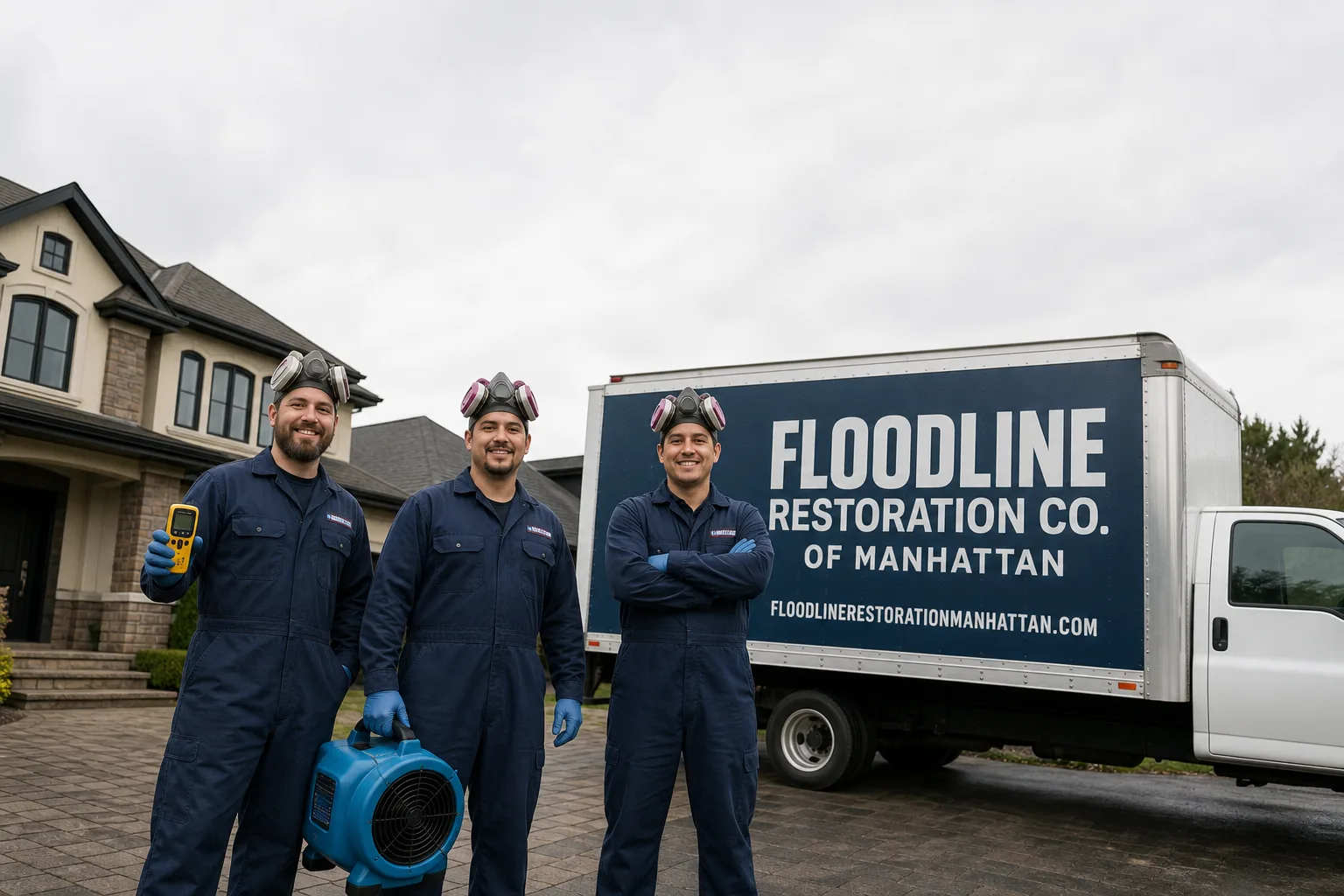
Free visual inspection and a written scope of work before any mitigation begins - photos, moisture readings, and drying logs go in your claim file
The scope we write is the scope we bill. Anything new gets shown to you, in writing, before we touch it.






 Before
 After
After Before
 After
After Before
 After
After24/7 Emergency Fire & Smoke Damage Restoration in West Haverstraw
Fire and smoke damage restoration in West Haverstraw typically runs $2,800-$7,500 for a contained kitchen fire and $12,000-$40,000+ when structural repair and full odor removal are required. Our crews answer live around the clock and can reach most West Haverstraw properties within 45 minutes of your call. The first hour matters because soot is acidic. It etches glass, corrodes metal fixtures, and drives into porous plaster and brick within days, not weeks. Call (917) 924-4221 and a real person answers, day or night. We’ll walk you through the first steps, dispatch a certified crew, and start the free visual inspection the same visit.
Understanding Fire & Smoke Damage Restoration Severity in West Haverstraw Properties
Most West Haverstraw homes fall into two groups, and each burns differently. The village’s late 19th- and early 20th-century brick-era houses have original plaster over wood lath. Smoke travels through those wall cavities like a chimney, depositing oily soot behind surfaces you can’t see. Mid-century wood-frame singles let smoke ride through shared attic spaces and open floor plans, but they also present a second problem: those homes sit on Hudson River clay that holds moisture, which extends how long smoke odor clings to framing. Soot residue falls into classes: dry soot from fast-burning paper and wood, oily soot from grease and synthetics, and protein-based soot from kitchen fires that’s nearly invisible but among the most aggressive. Each requires different chemistry and different dwell times. In West Haverstraw specifically, we account for salt-laden air from Haverstraw Bay compounding soot’s corrosive action on metal junction boxes, anchors, and original hardware. A restoration plan written for an inland Rockland County house misses that.
Why West Haverstraw Property Owners Choose Floodline Restoration Co. of Manhattan
- 45-minute response commitment to West Haverstraw addresses, from the waterfront streets near Haverstraw Bay up through the hillside neighborhoods. A live dispatcher confirms the crew’s ETA while you’re still on the phone.
- Live answer, 24/7. When you call at 2 a.m., a person picks up. Not an answering service, not a chatbot. A trained dispatcher who can start triage immediately.
- IICRC-certified fire and smoke technicians holding FSRT (Fire and Smoke Restoration Technician) and WRT (Water Damage Restoration) credentials, because every fire suppression leaves water behind. We’re also trained to RIA and IFA standards.
- Free visual inspection before any work begins. We walk the property with you, document what we see, and explain what needs doing and what can wait.
- Direct insurance billing. We document, photograph, and bill your carrier directly. You’re not playing middleman between us and an adjuster.
- One crew from first response to final rebuild. The same technicians who pull soot from your walls also coordinate the structural repair. No mid-job handoff to a subcontractor you’ve never met.
Our Fire & Smoke Damage Restoration Process
Inspection & Assessment
We map smoke travel paths through the home, identify soot type, test HVAC ductwork, and check for water damage from fire suppression. In West Haverstraw, we also look for evidence of prior Hudson surge events, because chloride contamination changes the drying and deodorization plan.
Stabilization & Board-Up
Broken windows, compromised doors, and roof openings get boarded or tarped the same visit. The structure is secured, and we set up containment to stop soot from migrating into untouched rooms.
Water Extraction & Structural Drying
Every fire suppression dumps gallons. We extract standing water, then run Dri-Eaz air movers and Phoenix dehumidifiers with hygrometer monitoring. On Hudson River clay foundations, drying takes longer, and we log readings daily until the dry standard is met.
Soot & Smoke Removal
Dry soot gets HEPA-vacuumed and dry-sponged. Oily soot requires chemical cleaning. Protein soot from kitchen fires often needs wet cleaning and odor treatment. We work surface by surface, including the back sides of original plaster walls where smoke traveled.
Odor Removal & Deodorization
HEPA air scrubbers run throughout treatment. For deep smoke odor in porous brick and plaster, we use thermal fogging and hydroxyl generation as appropriate. In salt-exposed properties, we add corrosion-inhibiting treatments to metal components before sealing walls.
Structural Repair & Restoration
Fire-damaged framing, electrical, sheetrock, trim, and finishes are rebuilt to pre-loss condition. The crew is the same one from day one, so the scope never gets lost in translation.
Need Emergency Fire & Smoke Damage Restoration in West Haverstraw Now?
Crews minutes away, answering live 24 hours a day. The sooner we start, the less it costs.
Working With Your Insurance Company
Most West Haverstraw homeowners file a fire claim, and we’re built for that. From the first hour we document everything: photos of every room, the fire’s origin area, soot deposition on every surface, and the condition of contents before anything is moved. We write estimates in the same software format carriers recognize, so the adjuster sees a line-item scope rather than a round number. When the adjuster visits, our lead technician walks the property with them and points out what’s visible and what’s hidden behind walls. You shouldn’t have to translate fire restoration between us and your carrier. We handle that directly.
What We Provide Your Insurer
- Thorough documentation of the loss
- Photos of all damage, room by room
- Moisture readings and drying logs
- A detailed, line-item scope of work
- Direct coordination with your carrier
Built for West Haverstraw’s Loss Calendar
West Haverstraw fires follow seasonal patterns, and our dispatch board reflects them. January and February bring space heater fires in the village’s older stock, especially the pre-war brick structures where original wiring carries winter loads it wasn’t designed for. Spring thaw gives us chimney-related fires and electrical shorts from water intrusion in walls. Summer thunderstorms blow transformers and send lightning strikes into homes on elevated lots along the hillside. But West Haverstraw’s defining season is autumn storm surge and nor’easter front, when a house already wetted by Hudson flooding becomes far more vulnerable to an electrical fire, and when a small fire becomes a much larger loss because the structure’s moisture content lets smoke odor penetrate deeper. We keep crews staged to reach the village quickly regardless of the season, because the dispatch board has seen these patterns for years and knows when West Haverstraw properties are most exposed.
Fire & Smoke Damage Restoration Across West Haverstraw’s Neighborhoods
Response routes change depending on where in West Haverstraw we’re heading. Homes along Riverside Avenue and the low streets near the Haverstraw Bay waterfront are the most storm-surge-exposed in the village; after a fire there, every restoration plan has to account for residual brackish moisture even if the fire itself had nothing to do with flooding. We respond faster to that corridor because the salt accelerates soot corrosion. Up the hill past the brick-era streets off Railroad Avenue, we’re working primarily in late 19th-century structures with stone foundation walls and original timber framing, homes where smoke migrated through balloon-framed cavities that run from basement to attic. Those jobs take longer and need more aggressive odor removal. The mid-century singles spread across the western slopes toward Thiells have different vulnerabilities: open truss attics that let smoke roll the full length of the house, and clay-heavy soil that holds water against foundation sills. Each neighborhood has its own failure pattern, and we read the job through that lens.
Specialized Fire & Smoke Damage Restoration Services We Offer in West Haverstraw
Fire Damage Cleanup
We remove charred materials, clean all surfaces, and dispose of debris safely. In West Haverstraw’s older brick and plaster homes, that means carefully cleaning original surfaces where possible rather than defaulting to gutting, because replacing period plaster with modern drywall changes the house permanently. We tell you what can be saved and what genuinely can’t.
Smoke & Soot Removal
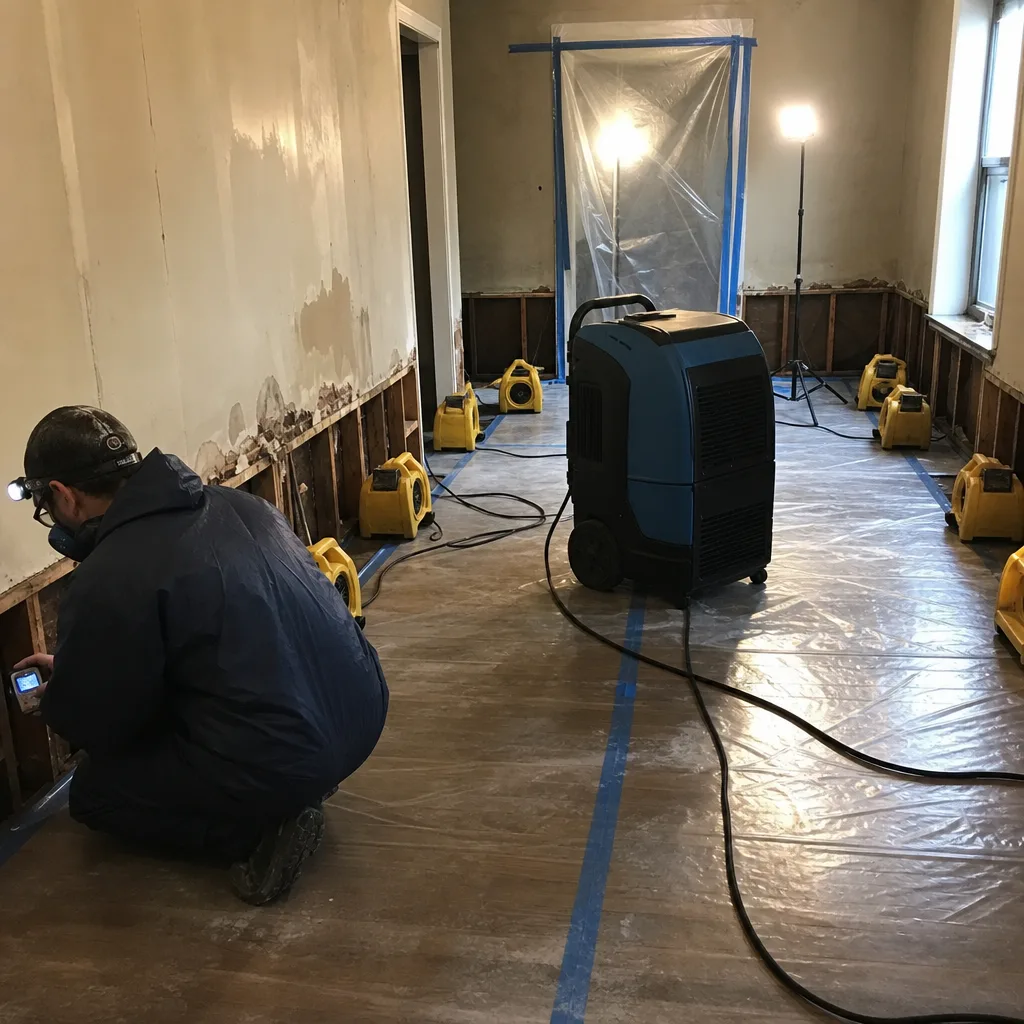
Soot removal in West Haverstraw carries a complication most inland restoration companies never face: the village’s riverfront air carries salt, and after a fire that salt mixes with soot on every surface. We use appropriate chemical agents and mechanical dry-removal so the corrosive combination doesn’t keep working on your metal hardware after we leave. This is the difference between a surface clean and a restoration.
Odor Removal & Deodorization
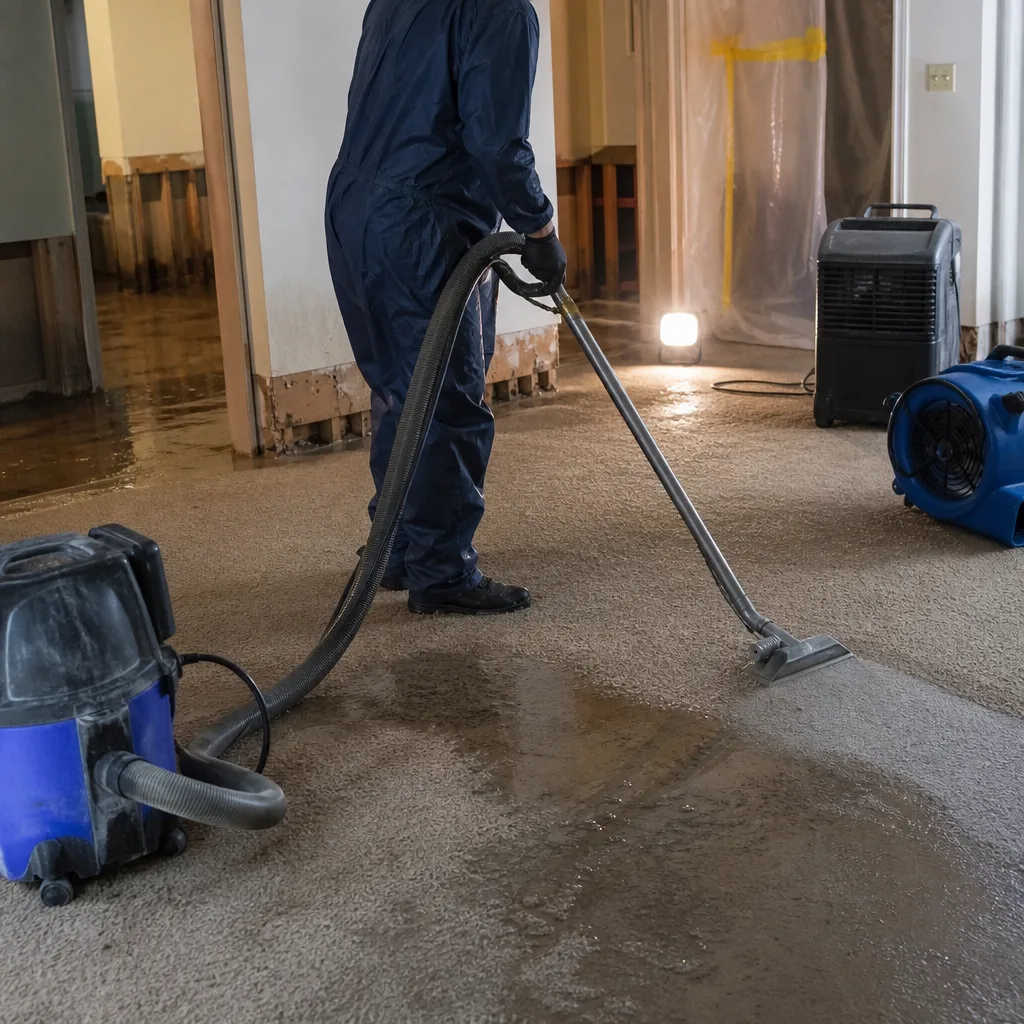
Smoke odor in older West Haverstraw homes is stubborn because original plaster and brick are porous. Fire odor embeds in those materials, and our thermal fogging and HEPA air scrubbing combined with hydroxyl generation is what breaks the bond. For homes near the bay, we add a salt-awareness check before sealing walls so the musty odor doesn’t return weeks later.
Contents Cleaning & Pack-Out
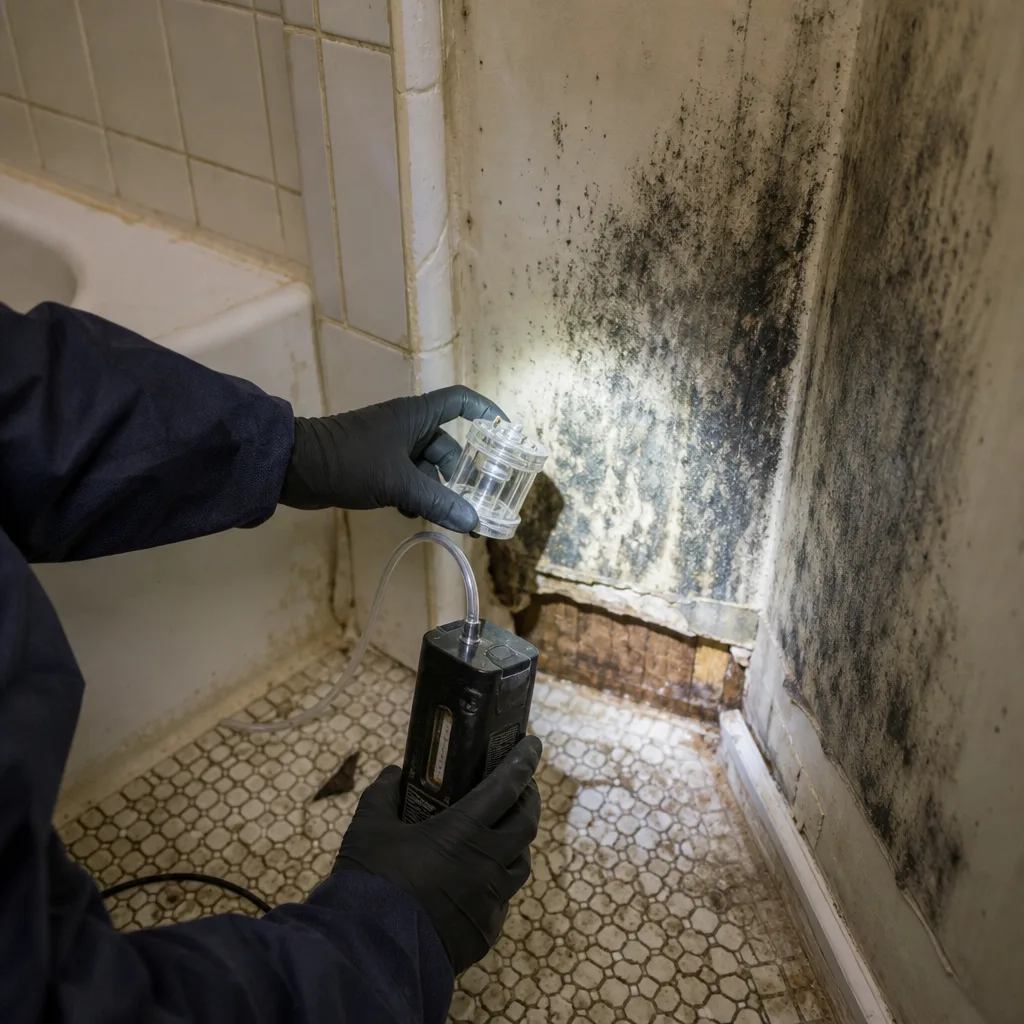
Furniture, clothing, books, and keepsakes get inventoried, packed, and cleaned at our facility, then returned when the home is ready. We use photo documentation before anything moves, and we coordinate the inventory with your carrier. Original family photographs and heirloom pieces are handled by technicians trained in content restoration, not by a moving crew.
Emergency Board-Up & Tarping
After a fire, an unsecured home is vulnerable to weather, vandalism, and animal entry. We board broken windows and tarp the roof line the same visit. In West Haverstraw’s exposed riverfront position, that speed matters, because nor’easter winds and bay spray can push additional moisture into the structure within hours.
What happens when you call
- 1
A real person answersNo phone trees - you reach a local pro.
- 2
You get an upfront price rangeHonest numbers before anyone is dispatched.
- 3
A background-checked tech heads outLicensed & insured, dispatched right away.
- 4
You approve before work beginsNothing starts until you say go.
Fire & Smoke Damage Restoration Costs in West Haverstraw, NY
West Haverstraw pricing tracks the age and density of its housing stock. A small kitchen fire with smoke cleanup and deodorization in a single room runs $2,800-$5,500. A whole-house smoke event with duct cleaning, contents pack-out, and odor removal on original plaster walls typically runs $8,000-$18,000. Structural fire repair, including framing replacement, electrical, and finish work, starts around $12,000 and commonly reaches $40,000 on the larger pre-war homes where original materials are involved. The biggest price movers are how much original plaster must be opened for inspection, whether ductwork needs replacement rather than cleaning, and whether prior Hudson surge events left chlorides that require additional corrosion control. Most homeowners in West Haverstraw are filing insurance claims, and we bill the carrier directly. Call (917) 924-4221 and we’ll do a free visual inspection, document everything, and give you a written scope before any work starts.
We Also Serve Cities Near West Haverstraw
Our crews regularly respond across Rockland County. We serve West Haverstraw’s neighboring communities including Haverstraw, Stony Point, Thiells, and Verplanck, with the same 45-minute response commitment and 24/7 live dispatch.
Serving West Haverstraw, NY - Our Local Coverage Area
We’re based in the West Haverstraw area and know this community well. Use the map below to see our service coverage - if you’re nearby, we can almost certainly help.
West Haverstraw Fire & Smoke Damage Restoration Questions, Answered
Does West Haverstraw’s proximity to Haverstraw Bay make fire and smoke damage restoration more complex than inland Rockland County?
Yes. Brackish tidal air and the salt it carries accelerate soot corrosion on metal components, and homes previously exposed to Hudson surge events may hold chlorides inside wall cavities that reactivate smoke odor later. We test for those conditions rather than assuming a standard inland protocol is enough.
How do we handle smoke odor in older West Haverstraw homes with original plaster walls and brick foundations?
Smoke odor in original plaster and brick is physically embedded, not just surface-level. We use thermal fogging, HEPA air scrubbing, and hydroxyl generation with longer dwell times, and we inspect wall cavities behind the plaster because balloon-framed construction carries smoke and soot from the fire floor to the attic in a way newer platform framing doesn’t.
What documentation is needed for a fire damage insurance claim on a West Haverstraw waterfront property?
You need photos of the fire’s origin, soot deposition everywhere, water damage from suppression, and the condition of the home before anything is moved. For waterfront properties in FEMA AE flood zones, carriers often also need elevation-certificate awareness and documentation of any prior flood exposure. We build that file for you starting the first hour on site.
Can we restore original wood framing after a fire in a mid-century West Haverstraw home, or does it need replacement?
Original framing can often be restored if the char depth is shallow and the structural engineer confirms integrity. We assess each member and clean it with appropriate methods, then document the condition before refinishing. Where deep char or compromised load bearing exists, we replace only what’s required and match materials to the original rather than defaulting to full reframing.
Why do we need to test for salt and chloride contamination after a fire near the Hudson River?
Chlorides from prior brackish surge events accelerate corrosion of metal fasteners, junction boxes, and anchors, and they reactivate musty odor after walls are closed. Testing before sealing tells us whether additional corrosion-inhibiting treatment is necessary. This step is standard for us on any West Haverstraw waterfront restoration and almost never appears on inland Rockland County fire jobs.
How fast can a crew actually reach my house in West Haverstraw?
Our 45-minute response commitment applies across West Haverstraw, from Riverside Avenue down by the bay up to the hillside streets off Railroad Avenue. A live dispatcher confirms the crew’s ETA while you’re still on the line, and the technician arrives in a marked vehicle with equipment on board.
Can we stay in our home during fire damage restoration?
Depends on the fire’s location, the amount of soot in the living areas, and whether HVAC ductwork is contaminated. Kitchen fires where the smoke stayed localized often allow you to remain in the home with containment set up. Whole-house smoke events or compromised electrical typically mean staying elsewhere for safety. We tell you frankly during the inspection.
What should we do in the first 30 minutes after a fire?
Call 911 first if you haven’t already, then call us at (917) 924-4221. Don’t touch soot-covered surfaces with bare hands, don’t run the HVAC system, and don’t attempt to clean walls yourself. The sooner a certified crew begins, the less the soot etches and the more of your original surfaces can be saved.
Call Floodline Restoration Co. of Manhattan at (917) 924-4221 for a free visual inspection and a written scope of work. We answer live, 24 hours a day, and our crews serve West Haverstraw with the same discipline we’ve brought to fire and smoke damage restoration across Rockland County for over 42 years, as Fire & Smoke Damage Restoration specialists. One team, one scope, done right, backed by a written 90-Day Done Right Promise. If you’re in West Haverstraw and you need us at 2 a.m., a real person is already on the line.
Written by Curt Bowman, Owner at Floodline Restoration Co. of Manhattan, serving West Haverstraw since 2010.