
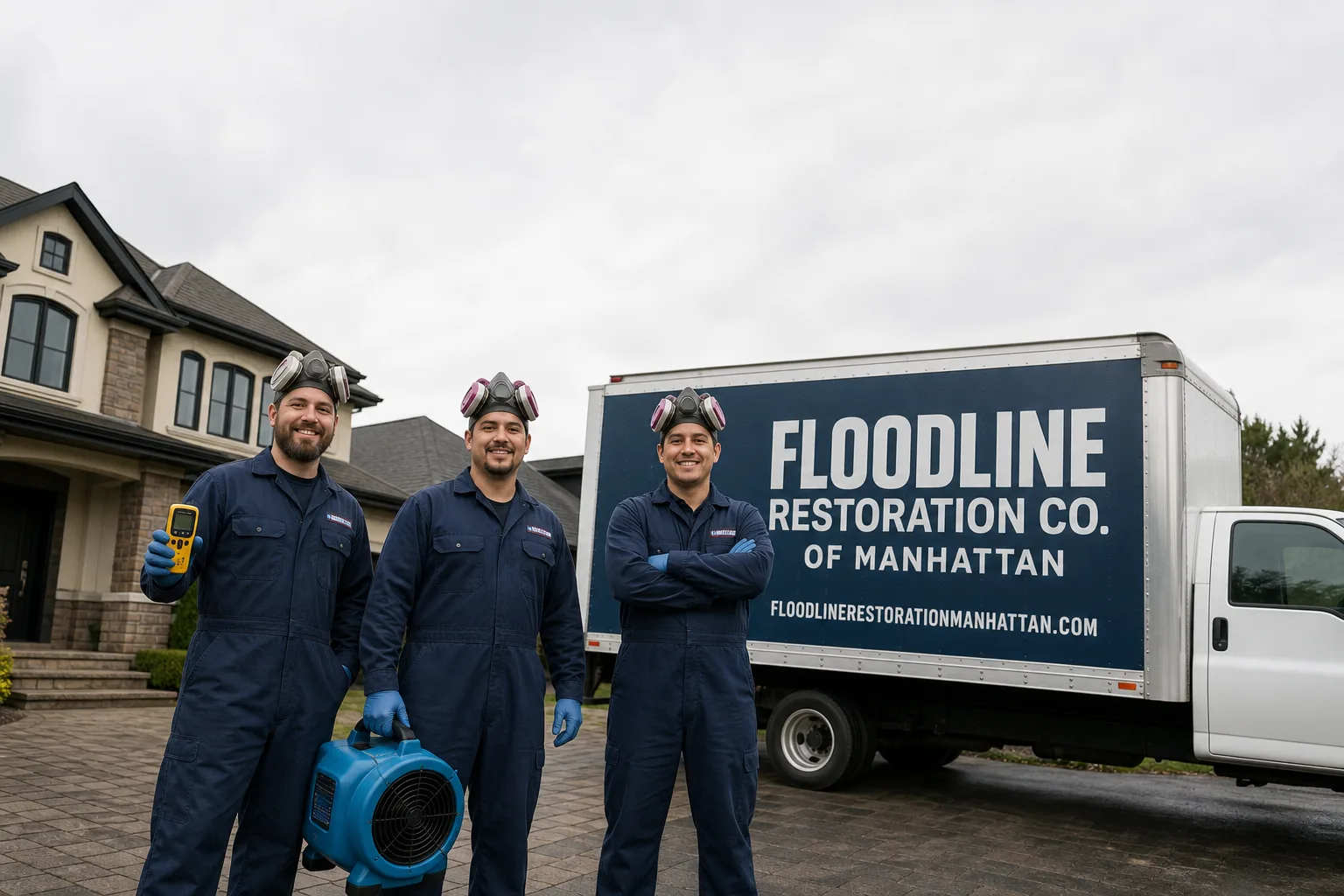
Free visual inspection and a written scope of work before any mitigation begins - photos, moisture readings, and drying logs go in your claim file
The scope we write is the scope we bill. Anything new gets shown to you, in writing, before we touch it.
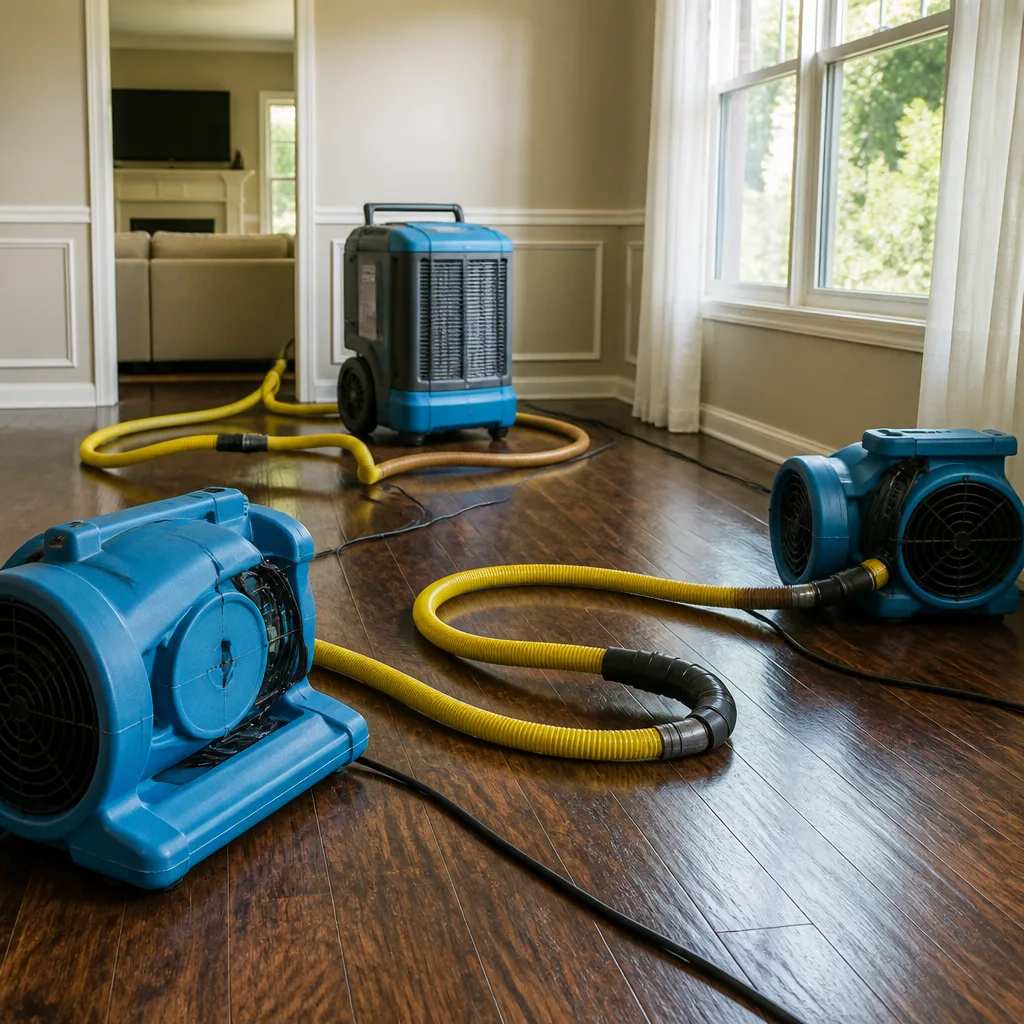
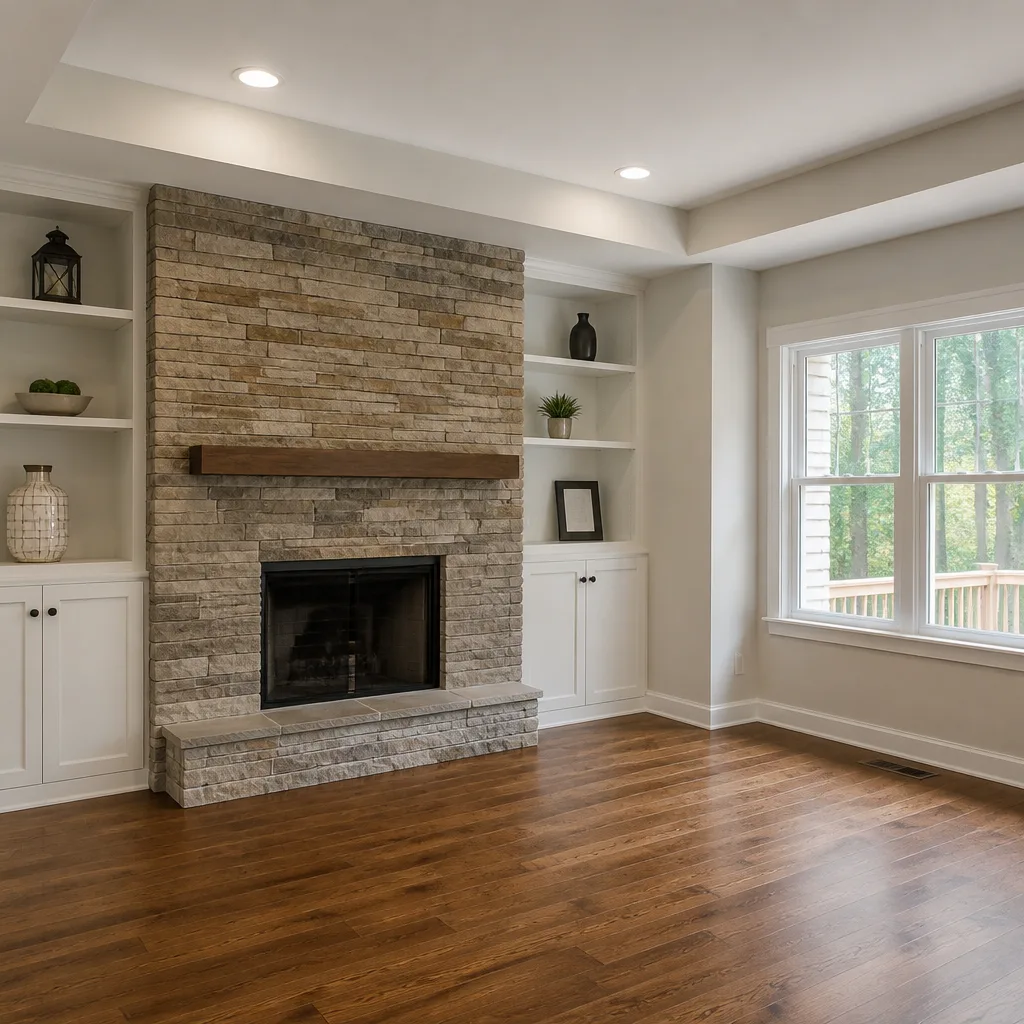
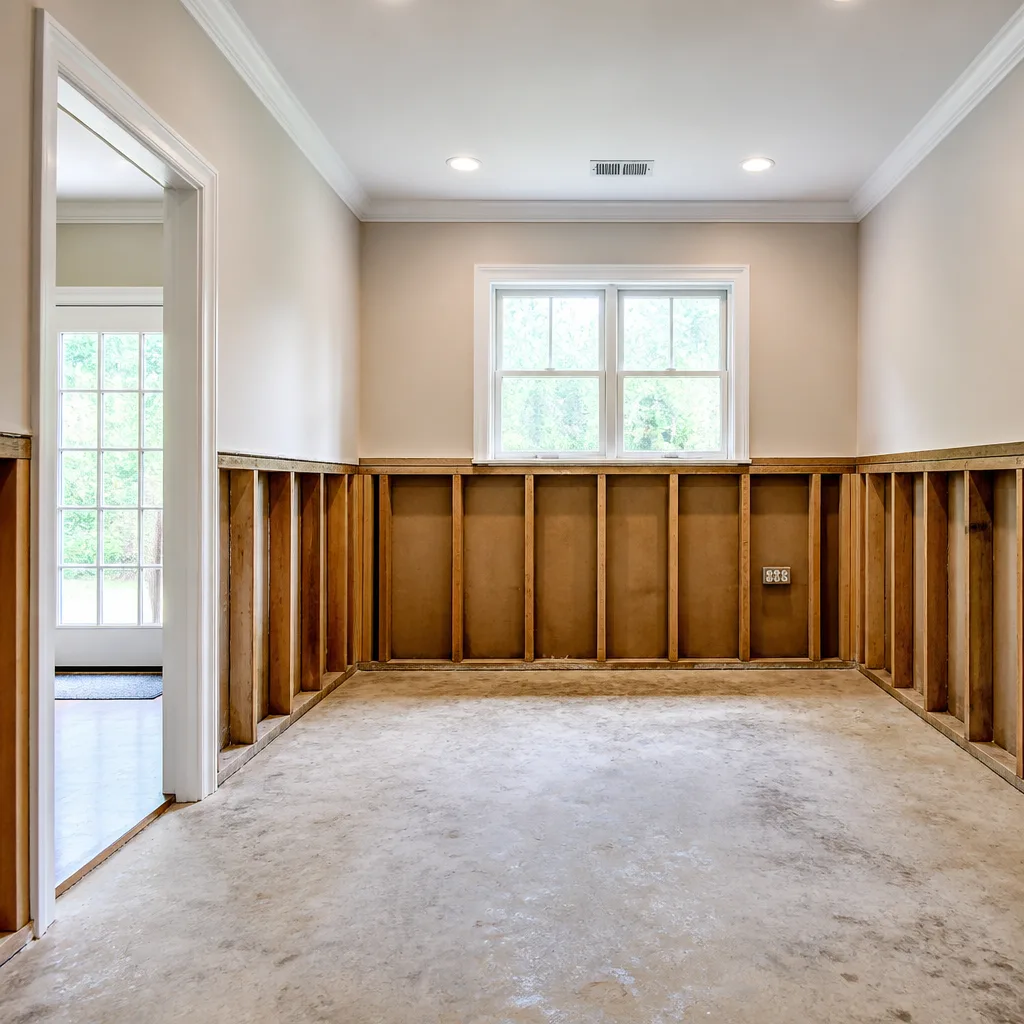
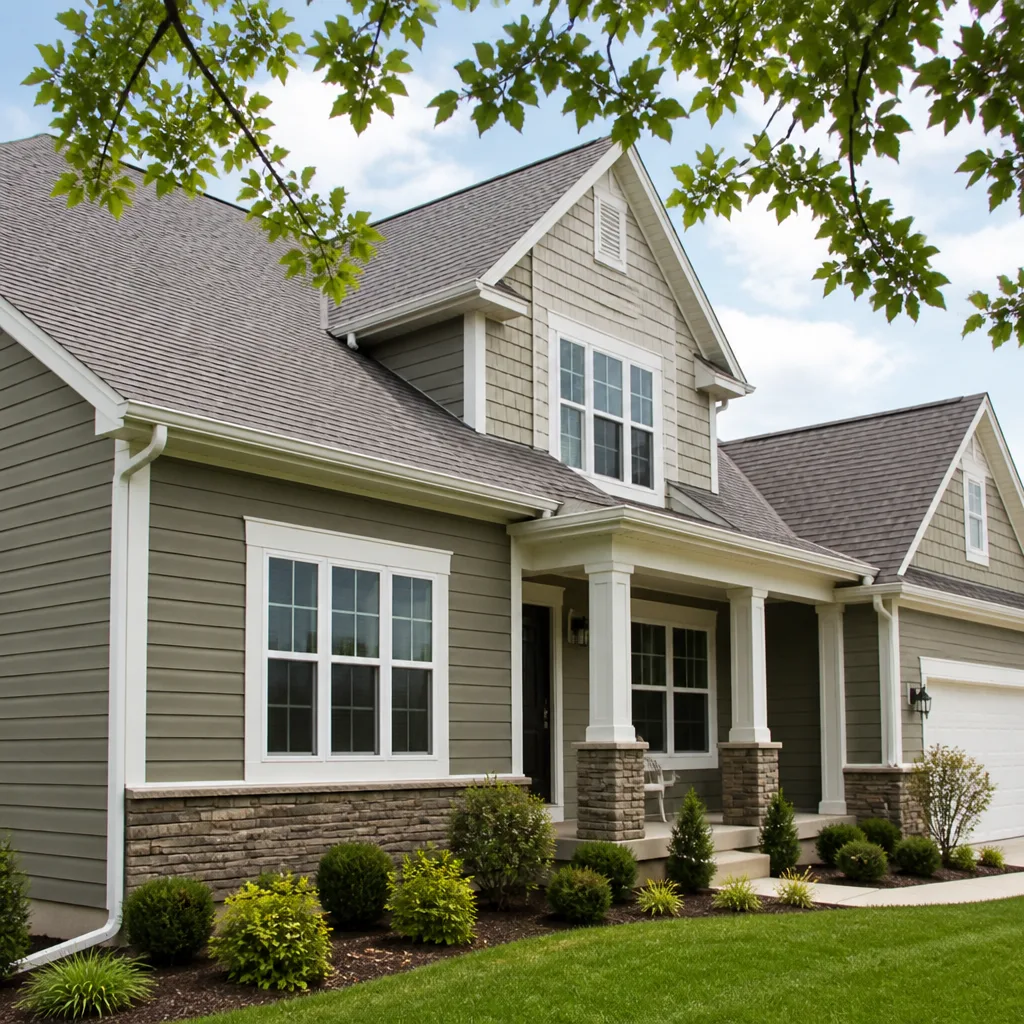
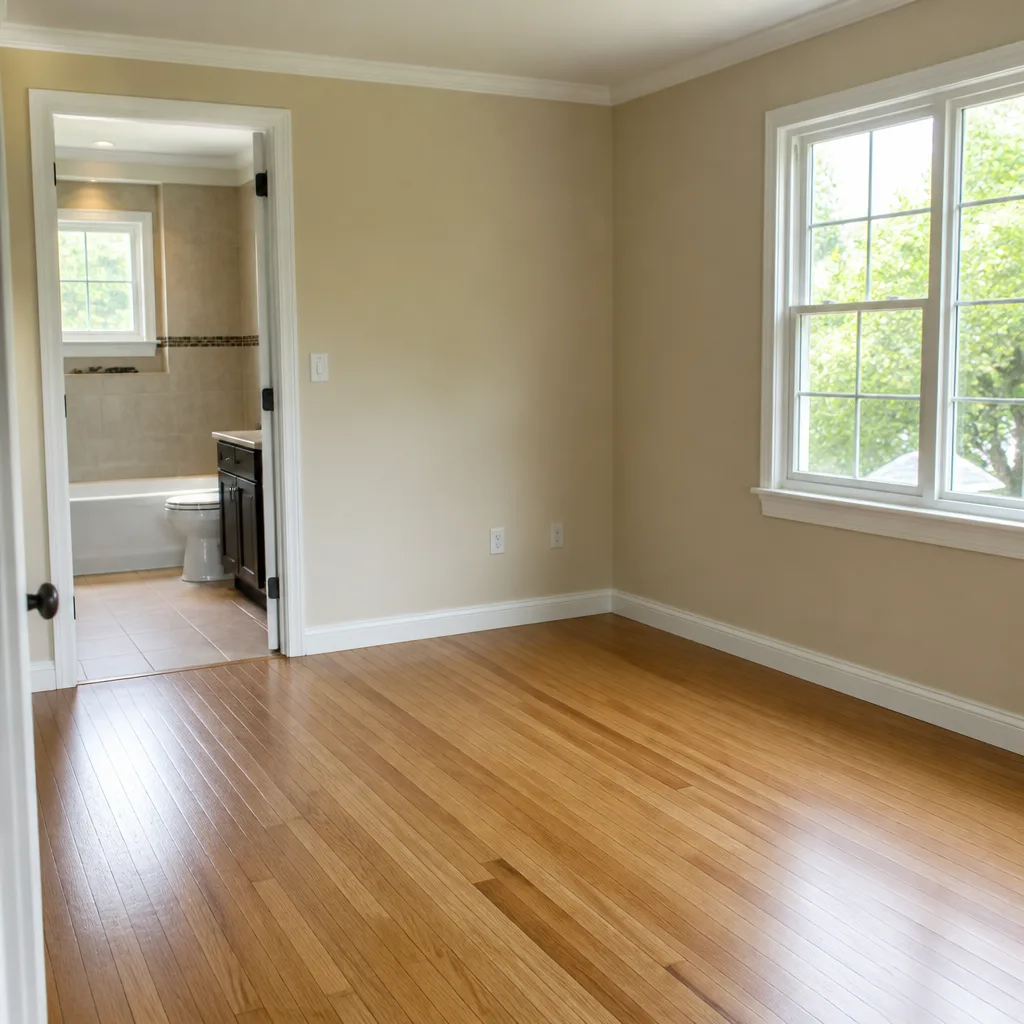
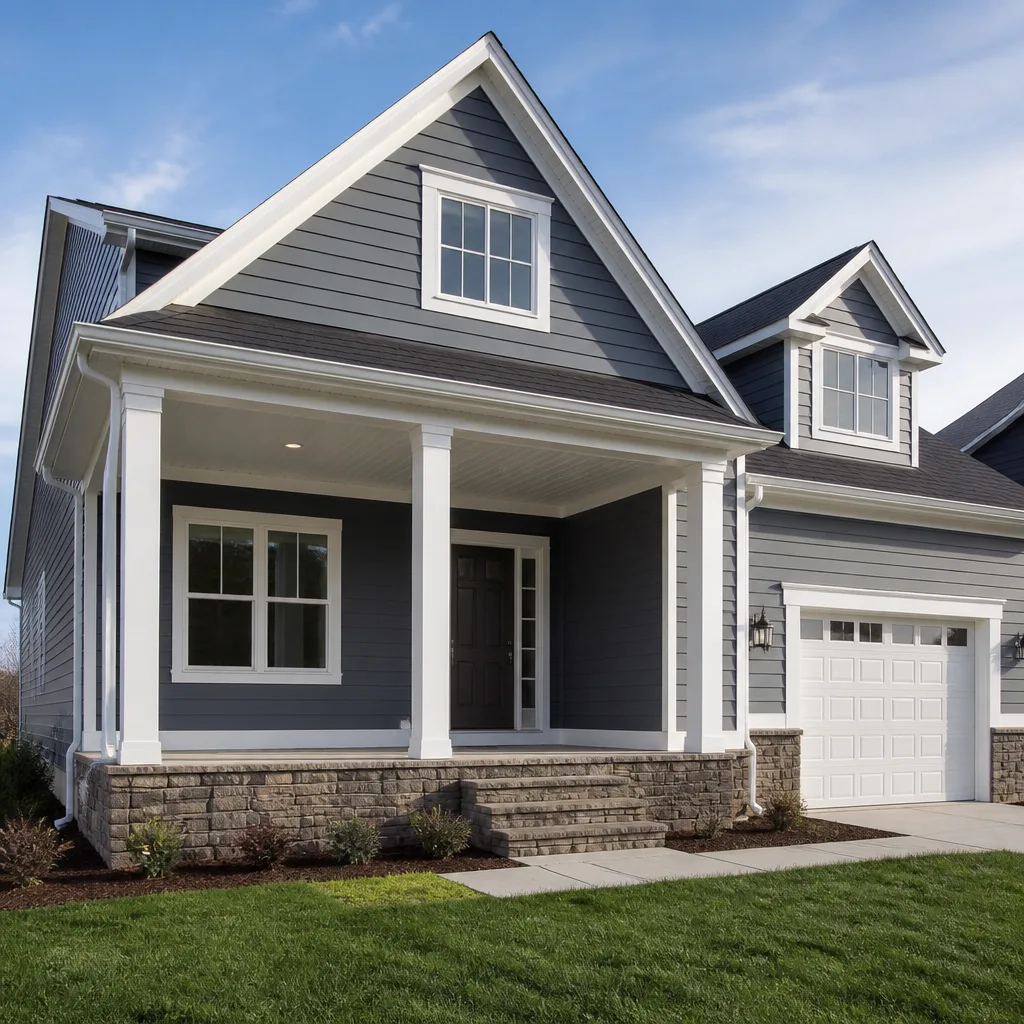
 Before
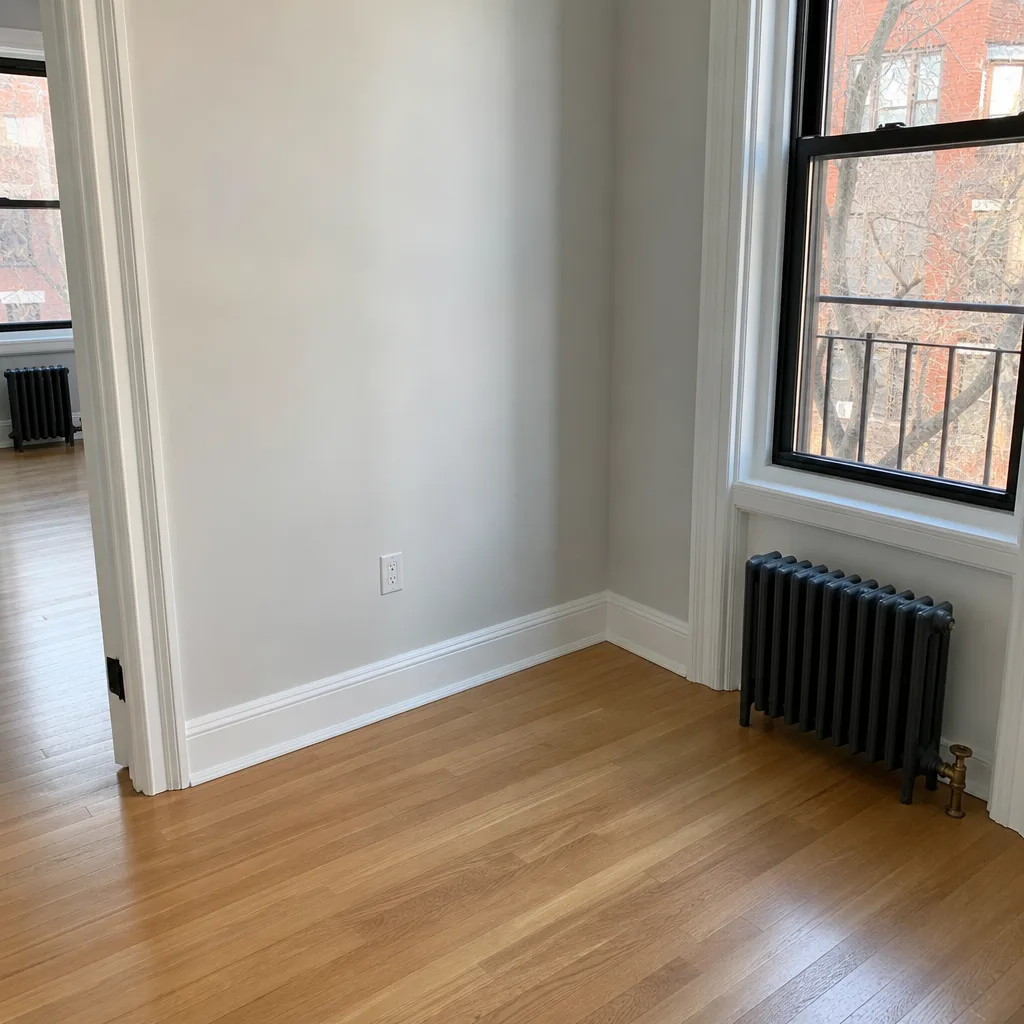 After
After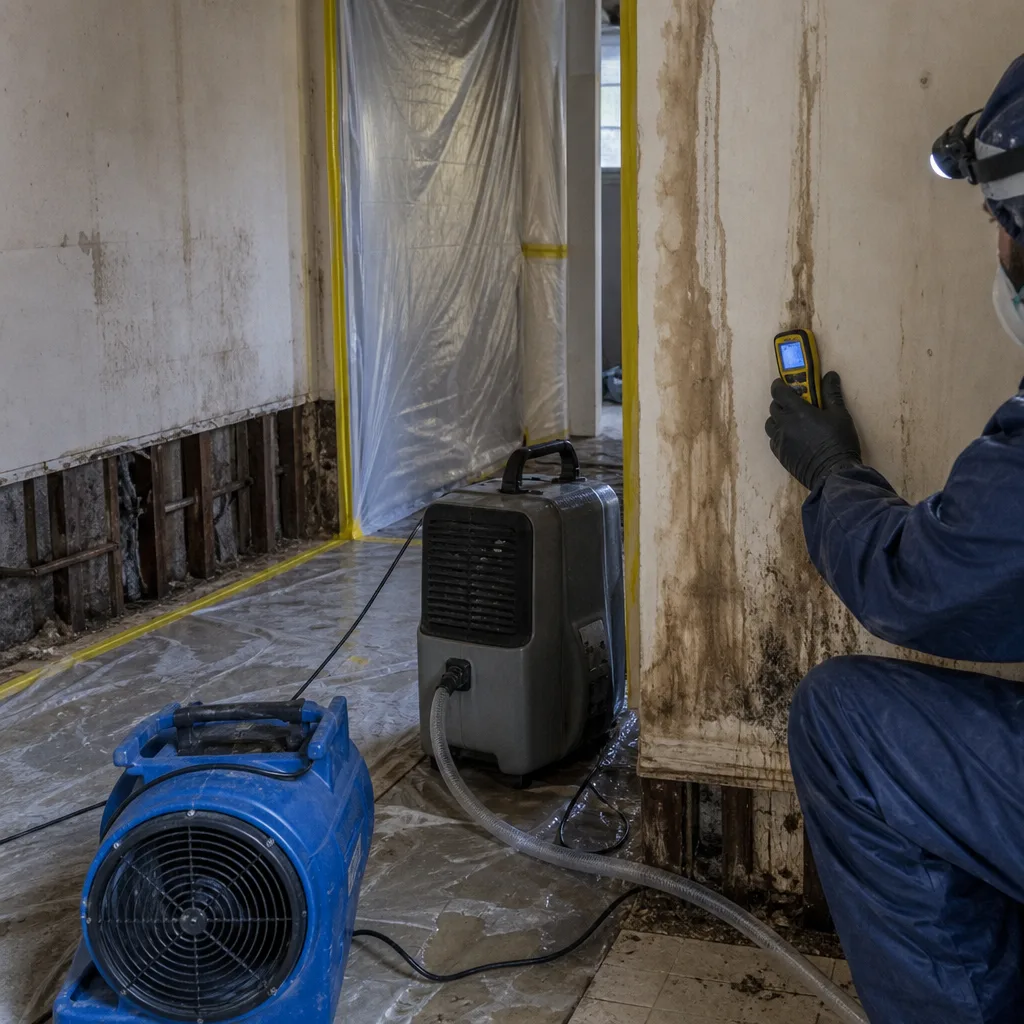 Before
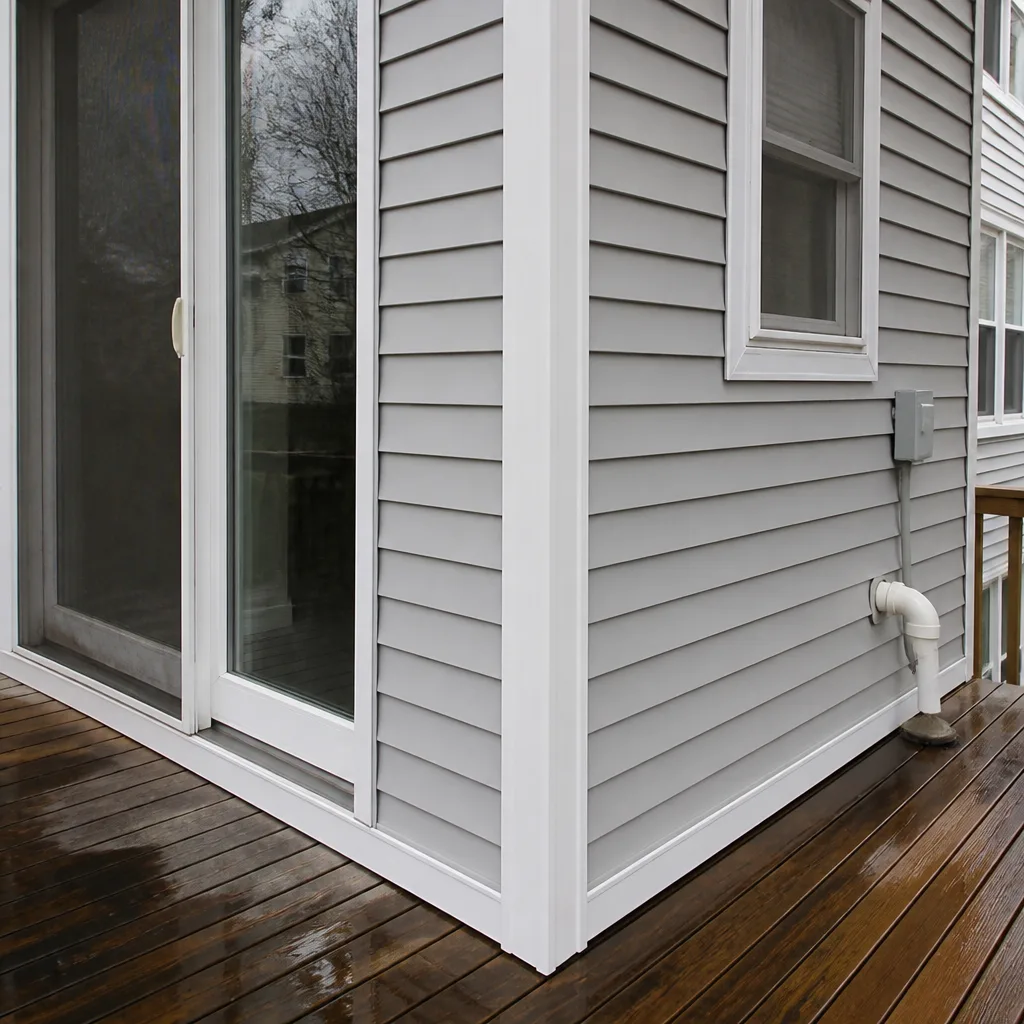 After
After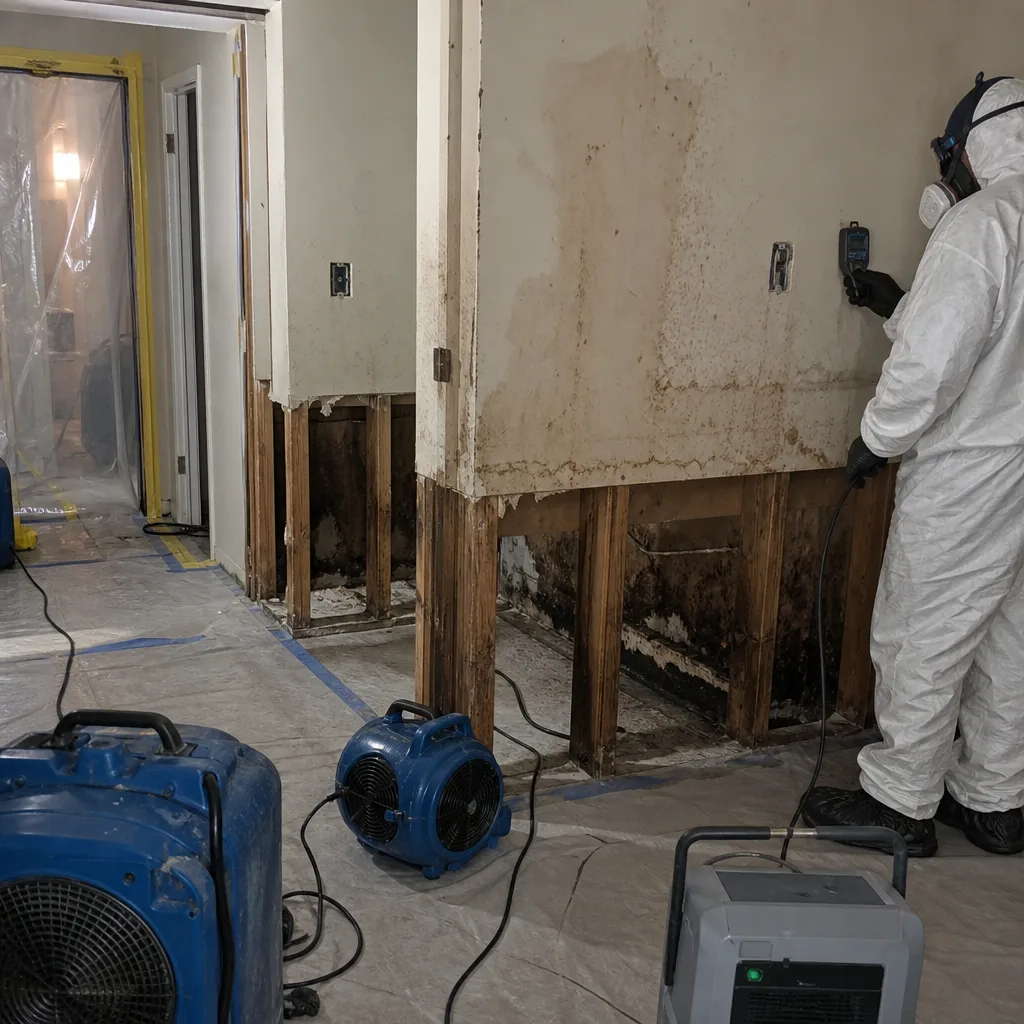 Before
 After
After24/7 Emergency Mold Remediation in Cambria Heights
Mold remediation in Cambria Heights usually costs between $1,800 and $6,500 depending on how far the colony has spread and whether it’s behind finished walls. We answer the phone live at (917) 924-4221 any hour, any day, and we can have a certified crew at your door in Cambria Heights within 45 minutes for a free visual inspection. The first hour matters because mold that’s been wet for 48 hours in a warm basement starts releasing spores into the air your family breathes. Don’t wait until you can smell it in the upstairs hallway.
Understanding Mold Remediation Severity in Cambria Heights Properties
Cambria Heights was built on former marshland, and that fact shapes every mold job we do here. The water table sits unusually high beneath these streets, which means water pushes up through foundation walls and floor drains even when there’s no storm. Most of the housing stock is single-family Cape Cods and brick colonials built between 1945 and 1965. Those homes have plaster-and-lath walls that hold moisture far longer than modern drywall, and many finished basements were converted decades ago without waterproofing membranes. When we perform Mold Remediation in this neighborhood, we’re almost always dealing with a moisture source that’s been feeding the colony for weeks, not days.
Severity breaks down in ways that matter to your bill and your health. A small patch of surface mold on a basement wall from condensation usually runs a few hundred dollars to clean and treat. Mold that’s colonized inside a wall cavity after a sump pump failure requires containment, air scrubbing, and cutting out affected material, which we do with HEPA-filtered equipment and negative air pressure. The worst cases involve what we call Category 3 water: sewage backup that’s soaked into carpet, drywall, and framing. That’s not just mold anymore; it’s a contamination event that requires full antimicrobial treatment and clearance testing before anyone should live in that space again.
Why Cambria Heights Property Owners Choose Floodline Restoration Co. of Manhattan
- 45-minute response commitment: When you call about mold in Cambria Heights, a live dispatcher confirms the address and a crew leaves immediately. We don’t put you in a queue behind Manhattan jobs.
- 24/7 live answer, never an automated system: At 2 a.m. you get a person who knows the neighborhoods and can tell you what to do in the next hour.
- IICRC-certified crews: Our technicians carry AMRT and WRT certifications and follow IICRC S520 standards for mold remediation, which means containment first, every time.
- Free visual inspection: We walk the space, check moisture readings with thermal imaging and hygrometers, and tell you honestly whether you need remediation or just ventilation.
- Direct insurance billing: We document everything from the first hour and bill your carrier directly. You never play messenger between us and the adjuster.
- One team from assessment to rebuild: The same certified crew that cuts out the mold handles drying, treatment, and reconstruction. No mid-job handoff to strangers.
Our Mold Remediation Process
Inspection & Assessment
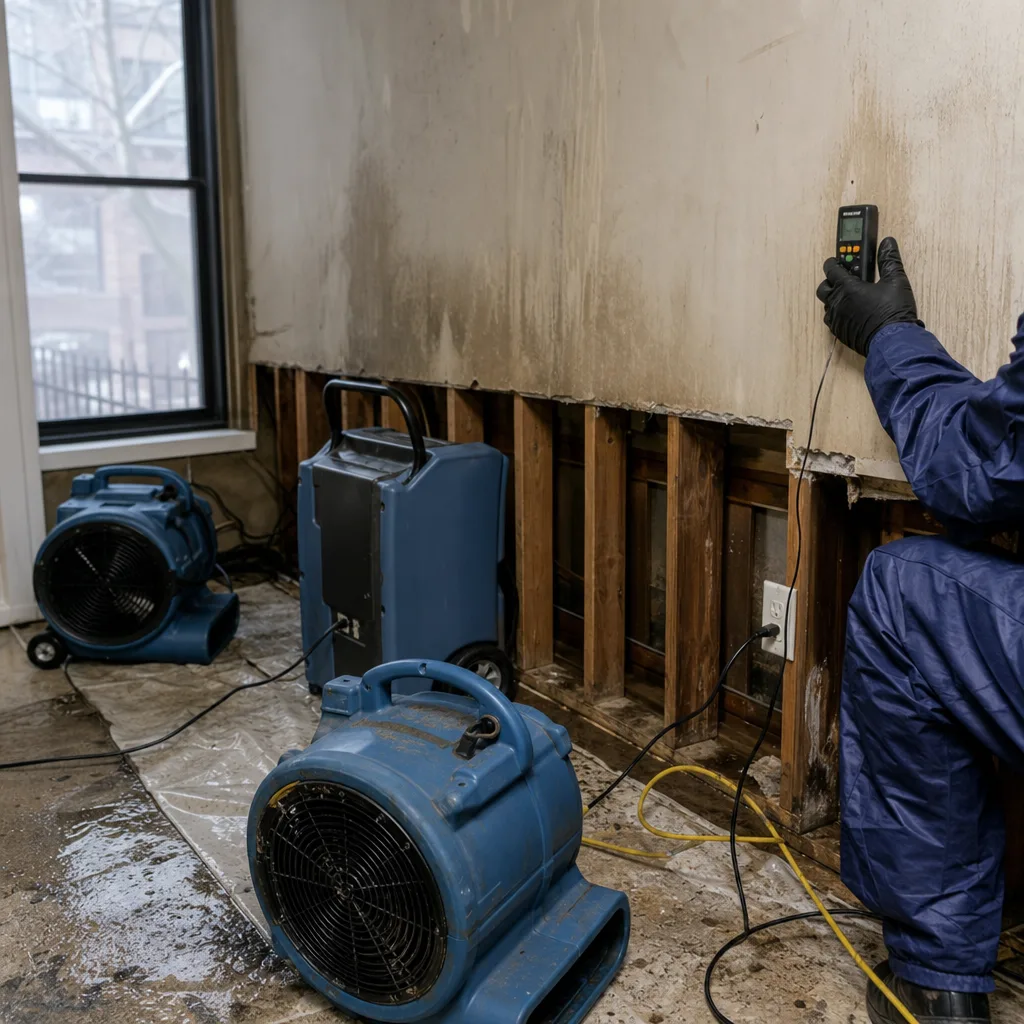
We start with thermal imaging and moisture meters to map where water is actually sitting, not just where mold is visible. In Cambria Heights basements, that often means finding moisture wicking up behind wood paneling that looks dry on the surface.
Containment & Source Control
We seal off the affected area with 6-mil poly sheeting and run HEPA air scrubbers to create negative pressure. The goal is simple: spores don’t leave the work zone and drift into your living room.
Drying & Dehumidification
Dri-Eaz dehumidifiers and high-velocity air movers pull moisture out of framing, plaster, and concrete until we reach the dry standard for your specific materials. We log readings daily and hand you the log.
Cleaning & Antimicrobial Treatment
We HEPA-vacuum all surfaces, then apply an EPA-registered antimicrobial to framing and concrete. For plaster walls, we treat inside the cavity, not just the face.
Removal & Disposal of Affected Material
Drywall that’s been wet over 48 hours gets cut out and bagged on site. We follow Queens disposal rules and document every cut for your insurance file.
Repairs & Restoration
We rebuild what we removed: drywall, insulation, trim, flooring. The same crew that did the containment does the finish work, so there’s no second team learning the job halfway through.
Need Emergency Mold Remediation in Cambria Heights Now?
Crews minutes away, answering live 24 hours a day. The sooner we start, the less it costs.
Working With Your Insurance Company
Most Cambria Heights homeowners have never filed a mold claim before, and the process feels opaque. We’ve handled hundreds. We document the loss from the first visit: photos of every affected room, moisture readings before and during drying, a line-item scope of work, and a drying log that shows we hit the target. Then we submit directly to your carrier and talk to the adjuster ourselves. If the adjuster calls with questions, they call us, not you. You get a written scope before work starts, so there are no surprises on the back end. The 90-Day Done Right Promise stays in writing in your hands regardless of how the claim is settled.
What We Provide Your Insurer
- Thorough documentation of the loss
- Photos of all damage, room by room
- Moisture readings and drying logs
- A detailed, line-item scope of work
- Direct coordination with your carrier
Built for Cambria Heights’s Loss Calendar
Mold in Cambria Heights doesn’t follow a clean seasonal schedule the way a burst pipe does. The neighborhood’s high water table means basement dampness is a year-round condition, but the worst outbreaks cluster around specific patterns. Summer thunderstorms overwhelm the aging combined sewer system, and finished basements take on water through floor drains that can’t keep up. Remnant tropical systems in August and September push that further. Winter nor’easters bring the double hit: surface flooding plus saturated soil that takes weeks to drain back from the former wetland ground these homes sit on. And when the spring thaw arrives, water that’s been sitting against foundation walls all winter finally finds a way through mortar joints and over the top of floor slabs.
What makes Cambria Heights different from drier parts of Queens is that the water sticks around. In neighborhoods built on glacial till or higher ground, a wet basement dries out in a few days. Here, the water table keeps the bottom plates of stud walls damp for weeks. That’s why we tell homeowners: if your basement felt damp after the last rain, don’t wait for visible mold. A moisture reading now costs nothing.
Mold Remediation Across Cambria Heights’s Neighborhoods
Cambria Heights runs roughly from Linden Boulevard north to the Nassau County line, and the housing stock changes subtly from block to block. The streets west of 229th Street tend toward post-war Capes with shallow basements and original cast-iron drains. Those drains are corroding at predictable rates now, and a slow crack in an iron pipe behind a finished wall is one of the most common mold sources we find. Homes along Francis Lewis Boulevard and east toward Elmont often have brick colonials with deeper basements and older oil tanks, where condensation on galvanized lines drips onto stored boxes and paneling.
Near Springfield Boulevard, you find a mix of attached brick homes and small commercial storefronts with shared party walls. A sewer backup in one unit there can push Category 3 water through a common wall into the neighbor’s basement, which means containment has to account for the whole shared structure. Around the edges of Montefiore Cemetery, the terrain flattens out and drainage slows even more; those blocks see water against foundation walls longer than anywhere else in the zip code. On 227th Street and the side streets off 120th Avenue, finished basements are the rule, and almost none have modern waterproofing. A sump pump failure there isn’t a rare event; it’s a matter of when.
Specialized Mold Remediation Services We Offer in Cambria Heights
Mold Inspection & Testing
We use thermal imaging and moisture meters to find water you can’t see, then air sampling to confirm what species we’re dealing with. In Cambria Heights, we commonly test behind wood paneling in finished basements because that’s where high-water-table moisture hides for weeks before anyone notices a musty smell.
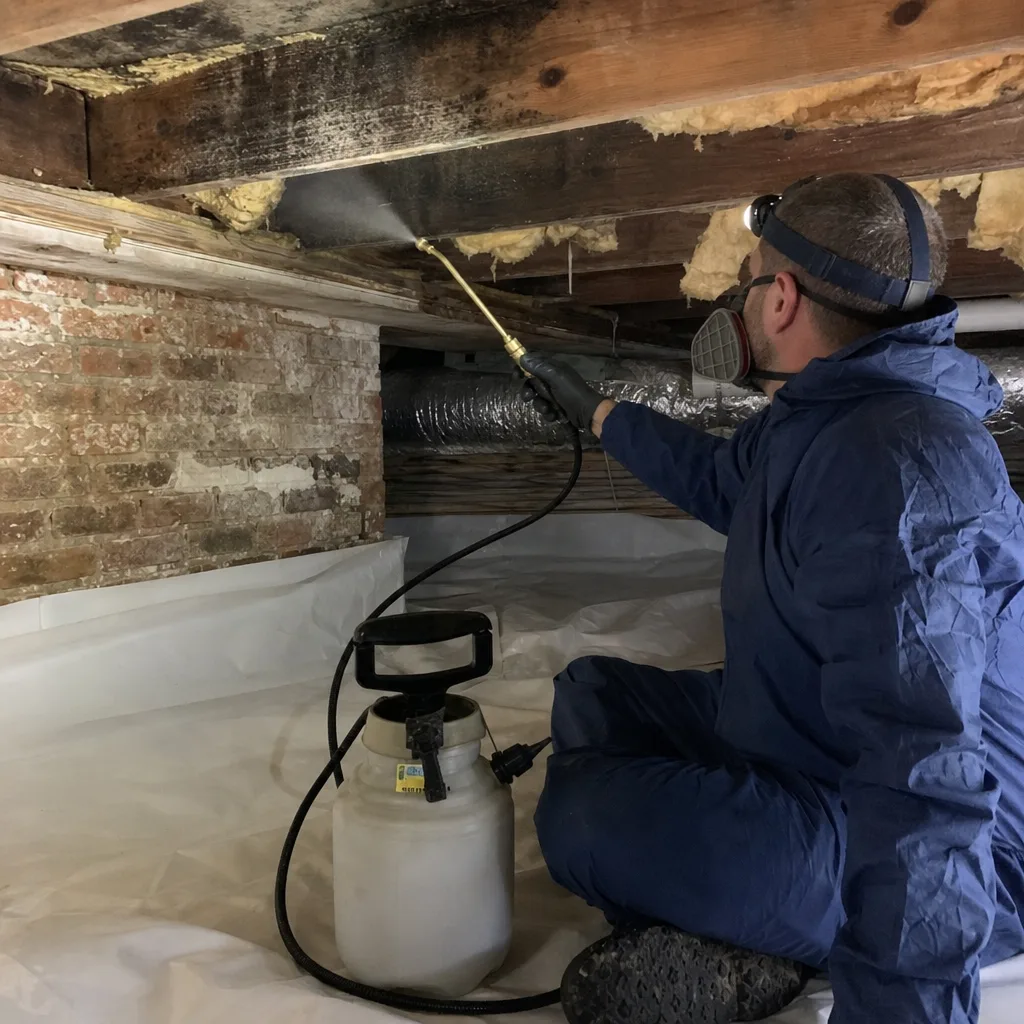
Mold Removal
Removal in these mid-century homes means cutting out wet drywall, treating framing, and keeping containment tight so spores don’t travel through forced-air ducts. We handle every permit and disposal requirement for Queens.
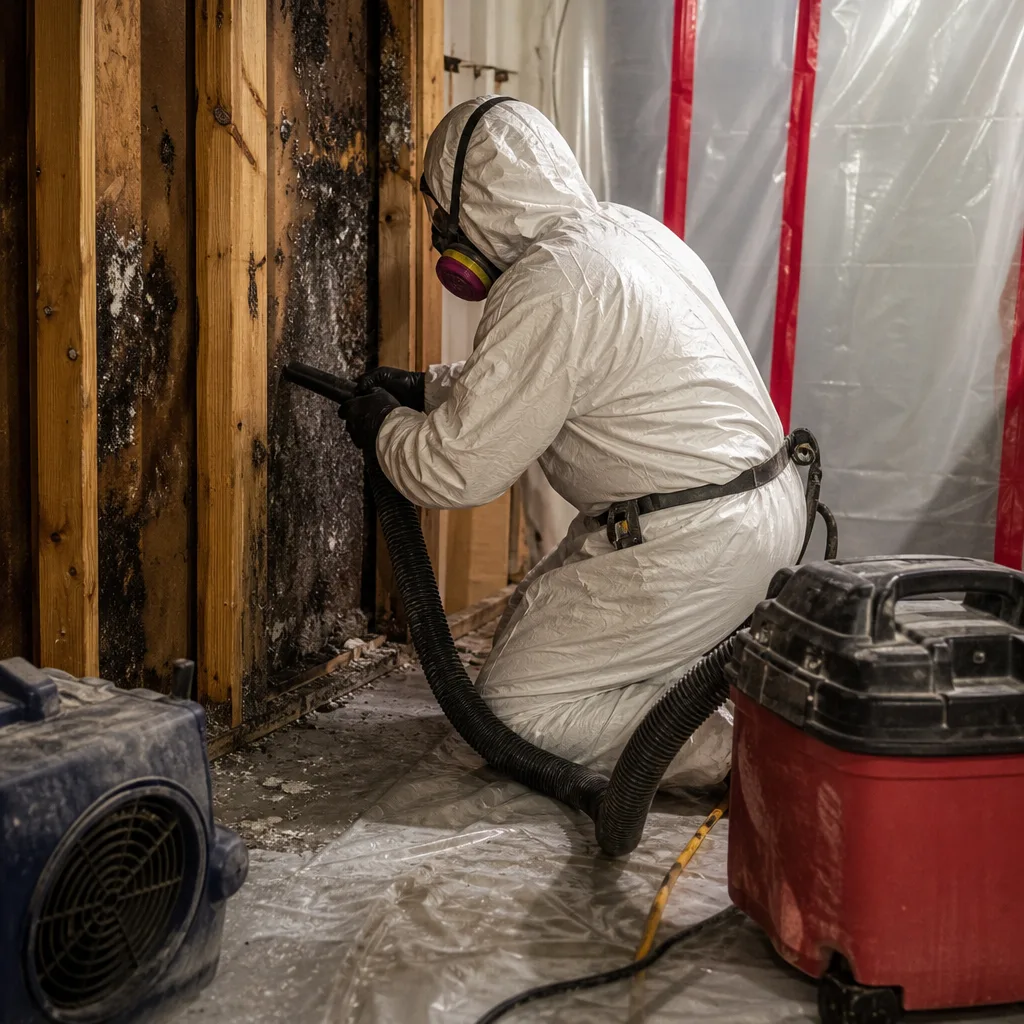
Black Mold Remediation
Stachybotrys, the “black mold” people worry about, thrives on cellulose that’s been wet for days: drywall, ceiling tiles, cardboard boxes. We’ve removed it from Cambria Heights basements where a slow leak behind paneling went unnoticed for months. Full containment and clearance testing are standard here, no exceptions.
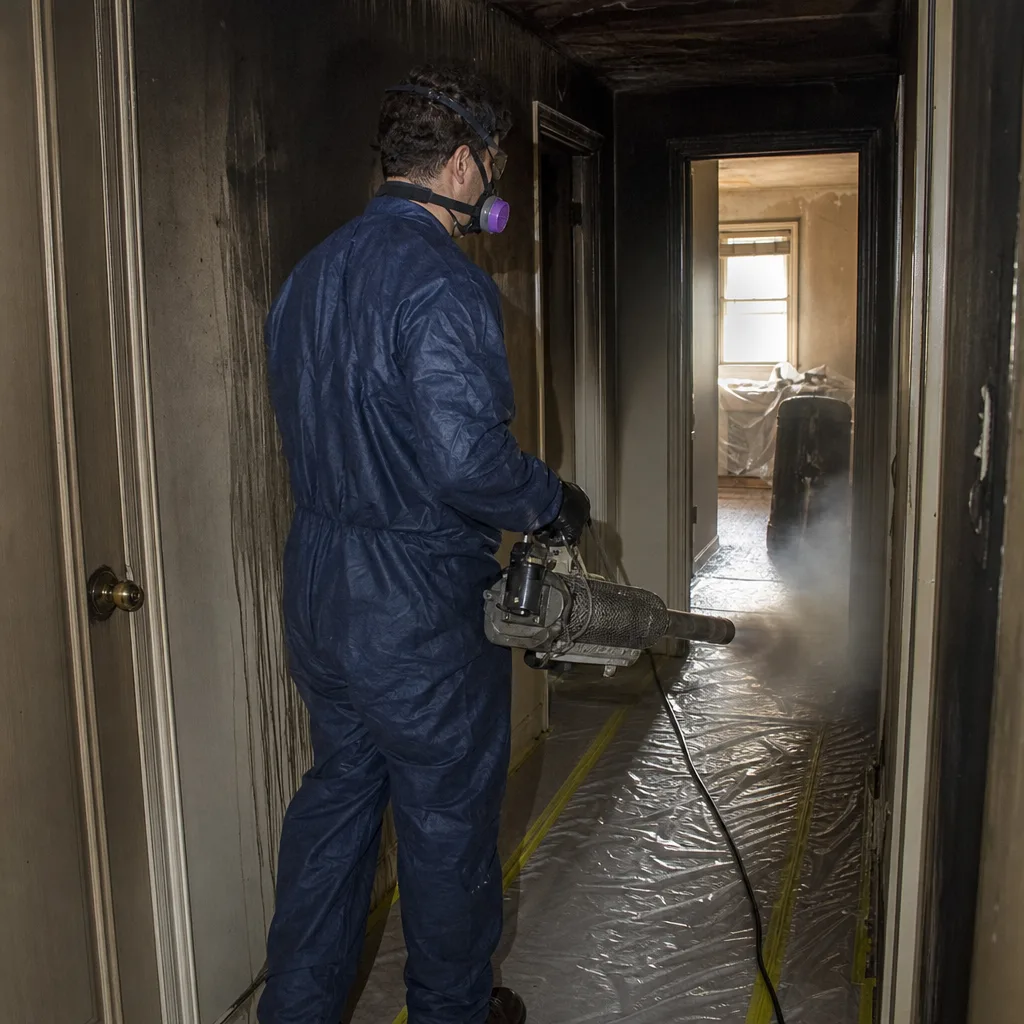
Air Quality Restoration
After physical cleanup, we run HEPA air scrubbers long enough to clear airborne spore counts, then verify with before-and-after air samples. In homes with old plaster, this step matters more because spores settle into textured surfaces that can’t be vacuumed completely.
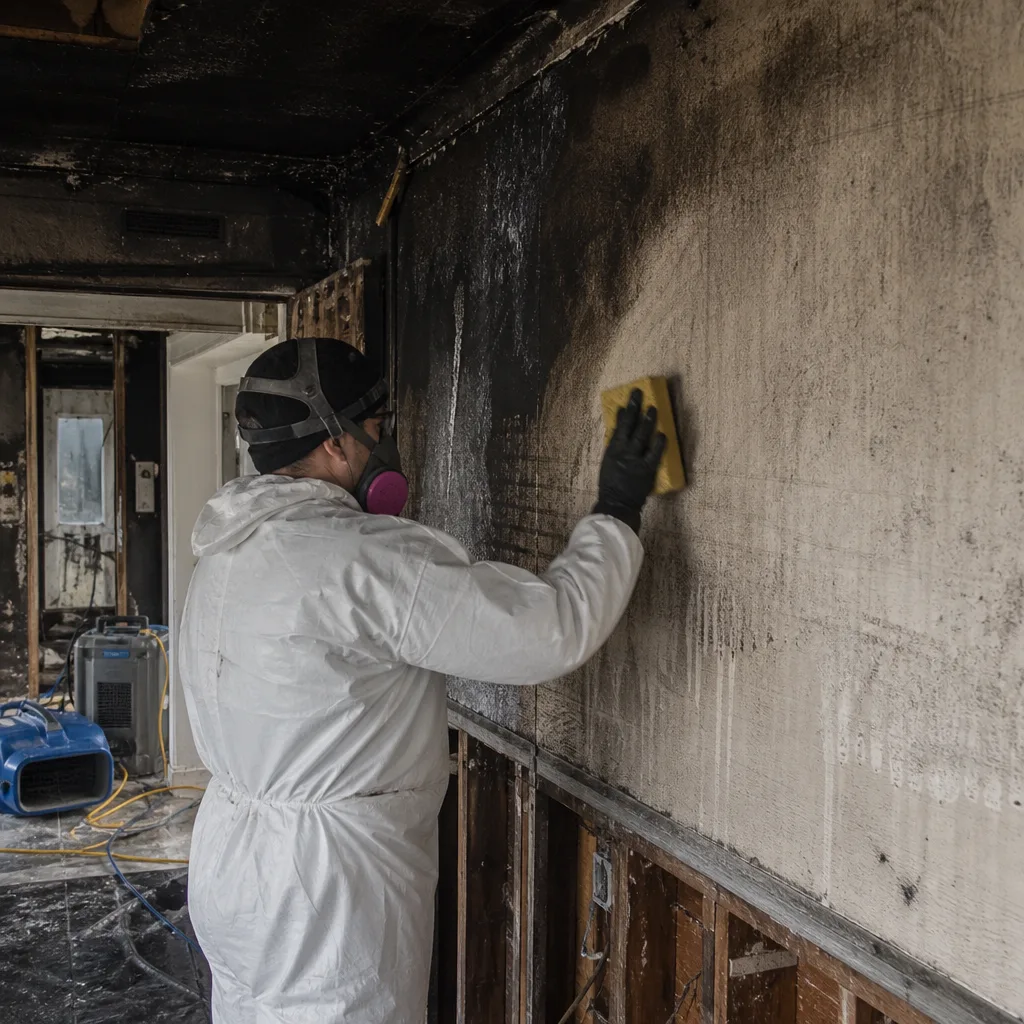
Crawl Space Treatment
Some Cambria Heights Capes have crawl spaces under rear additions or raised porches. Those spaces breathe humid air directly from the soil, and the marshland water table feeds that humidity constantly. We install vapor barriers, seal rim joists, and treat framing so the crawl space stops being a mold factory under your living room.
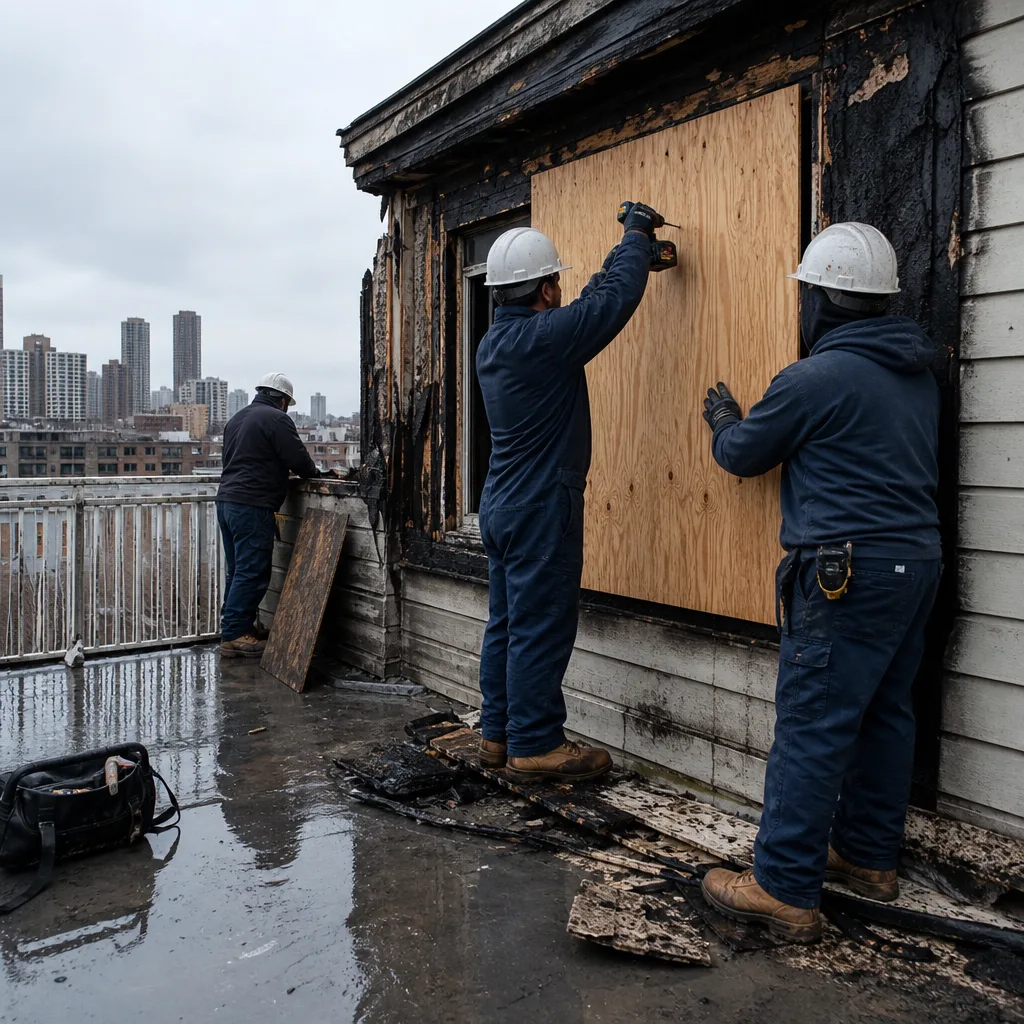
Moisture & Humidity Control
This is the service we recommend most in Cambria Heights because it addresses the root cause. We spec dehumidifiers sized for your square footage, seal basement walls where water vapor passes through, and fix the grading and downspout issues that keep soil saturated against your foundation. Without this step, mold removal is just buying time.
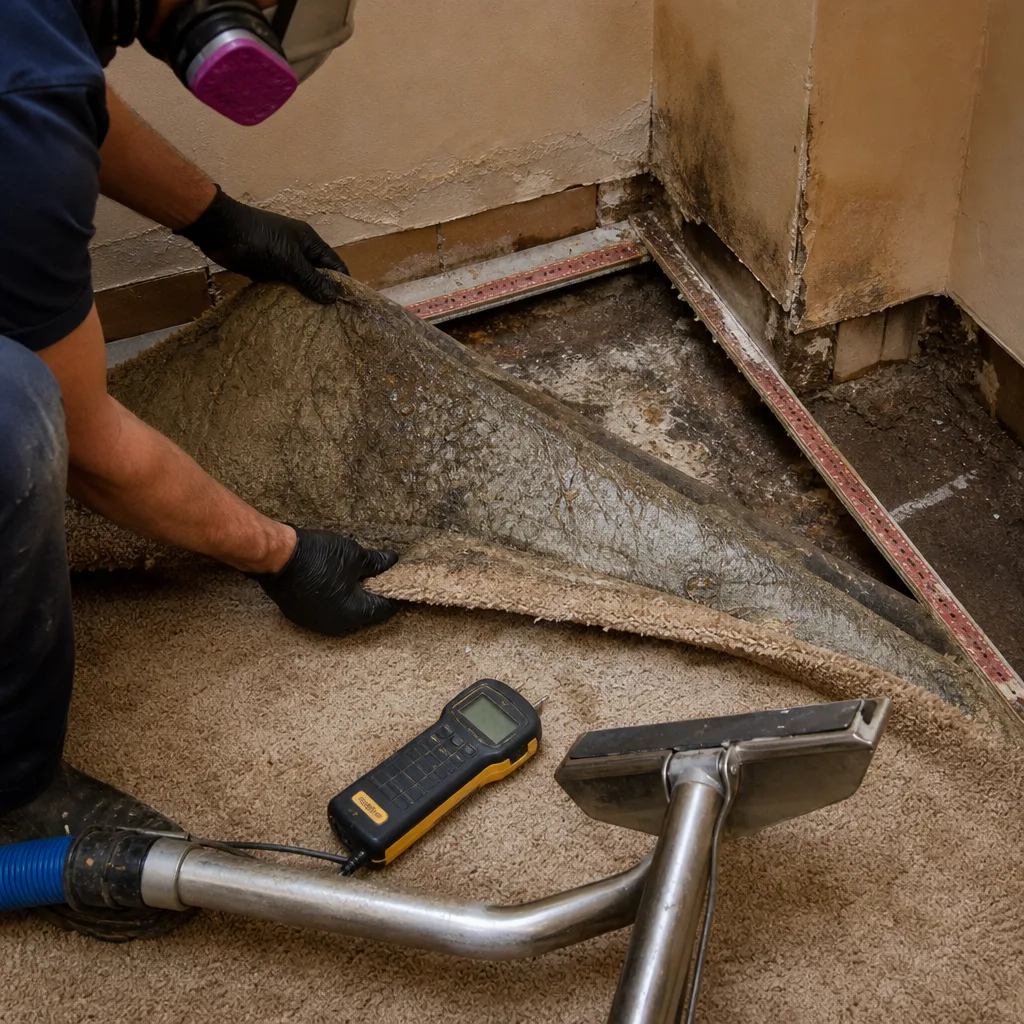
What happens when you call
- 1
A real person answersNo phone trees - you reach a local pro.
- 2
You get an upfront price rangeHonest numbers before anyone is dispatched.
- 3
A background-checked tech heads outLicensed & insured, dispatched right away.
- 4
You approve before work beginsNothing starts until you say go.
Mold Remediation Costs in Cambria Heights, NY
Here’s what we actually see in this market. A small surface mold job, under 10 square feet on a concrete wall, runs $400 to $900 in Cambria Heights. A typical finished-basement remediation after a sump pump failure, with containment, removal, drying, and treatment, lands between $2,500 and $6,500. Larger jobs involving Category 3 water, multiple rooms, or behind-wall colonies across a whole basement can run $8,000 to $15,000. What moves the price: whether we’re opening walls or just treating surfaces, whether asbestos-containing tiles require specialized handling, and how long the framing has been wet. Insurance covers many of these jobs when the moisture source is a covered peril like a burst pipe or stormwater backup. The free visual inspection gives you a firm scope with line items before you commit to anything. Call (917) 924-4221 and we’ll look at it within 45 minutes.
We Also Serve Cities Near Cambria Heights
Our crews regularly work in Cambria Heights and the surrounding communities. We handle mold remediation in Elmont, Hollis, Valley Stream, and Rosedale with the same 45-minute response commitment and the same written guarantee.
Serving Cambria Heights, NY - Our Local Coverage Area
We’re based in the Cambria Heights area and know this community well. Use the map below to see our service coverage - if you’re nearby, we can almost certainly help.
Cambria Heights Mold Remediation Questions, Answered
Why does mold keep coming back in my Cambria Heights basement even though I’ve scrubbed it?
Because you’re cleaning the symptom, not the moisture source. In Cambria Heights, the high water table keeps the bottom plates of your stud walls damp for weeks after any rain, even when the floor looks dry. Scrubbing the visible mold off drywall doesn’t fix the water wicking up behind it. You need moisture mapping to find where the water is actually sitting, then drying, treatment, and moisture control so the conditions stop feeding the colony. Call (917) 924-4221 and we’ll find the real source for free.
Can you remove mold from asbestos ceiling tiles in my 1950s colonial without disturbing them?
Yes, but not by cleaning them in place. Asbestos-containing ceiling tiles that are mold-damaged almost always need careful removal by trained techs following abatement protocols, not surface treatment. We contain the area, wet the tiles to control fibers, bag them for licensed disposal, and document everything for your insurer. In Cambria Heights colonials built before 1980, we check for asbestos before we cut or scrape anything.
My finished basement flooded with sewer backup. Is that Category 3 water, and what does that mean for mold?
Sewer backup is Category 3 water: grossly contaminated with bacteria, pathogens, and organic matter. Anything porous it touches, carpet, drywall, paneling, insulation, gets removed, not dried. The framing underneath gets antimicrobial treatment, and after drying we run clearance testing before anyone lives in that space again. In Cambria Heights, where combined sewers back up into basements during heavy rain, this is the scenario we see most often in summer and fall. Call us at (917) 924-4221 the moment you see sewage water.
How quickly can you start structural drying after a basement flood in Cambria Heights?
Within 45 minutes of your call, we’re on site with Dri-Eaz dehumidifiers, air movers, and moisture meters. Structural drying starts the same visit. The faster framing starts losing moisture, the less likely a mold colony gets established. In Cambria Heights, where the water table slows natural drying, that first-day response is the difference between a cleanup and a full remediation.
Will my old plaster walls need to come out if they get wet from a leaking pipe?
Not always. Plaster-and-lath holds water longer than drywall, but if we catch it early and run air movers against both sides, many plaster walls can be dried and saved. The key is getting moisture readings inside the wall cavity, not judging by the surface. In Cambria Heights Capes, we’ve saved original plaster more often than not when the leak was caught within 24 to 48 hours. After 72 hours of saturation, the plaster usually has to go.
Do I need to leave my home during mold remediation?
For small, contained jobs under 10 square feet, usually not. For larger remediations or Category 3 water jobs, we often recommend staying elsewhere while we run containment and air scrubbing, especially if you have respiratory issues, young children, or elderly family in the house. We’ll tell you honestly based on what we find, and we can seal off the work area from the rest of the house either way.
What certifications do your mold technicians hold?
Our crews are IICRC-certified in Applied Microbial Remediation (AMRT) and Water Damage Restoration (WRT), and trained to RIA and IFA standards. We follow IICRC S520 for every mold job, which means containment first, clearance testing last, and a written scope before any work starts.
What should I do in the first 30 minutes after I find mold in my Cambria Heights home?
Don’t disturb it. Don’t scrub it, don’t spray bleach on it, and don’t run a box fan near it: all of that lifts spores into the air. Shut the door to the room if you can, turn off the HVAC if it serves that space, and call (917) 924-4221. A live person answers and we’ll have a certified crew in Cambria Heights within 45 minutes for a free inspection. The less you disturb it, the smaller the job stays.
Mold in Cambria Heights isn’t a cosmetic issue. The neighborhood’s wetland past and high water table mean basement dampness that looks minor today can become a black mold problem behind your walls within weeks. We’ve built our whole process around this ground: moisture mapping before treatment, drying to a verified standard, and a written 90-Day Done Right Promise that says if we don’t get it right, we make it right. No arguing.
Call (917) 924-4221 for a free visual inspection and a firm scope in writing. Live dispatch, 24/7, since 2010.
Written by Curt Bowman, Owner at Floodline Restoration Co. of Manhattan, serving Cambria Heights and surrounding Queens communities.