

Free visual inspection and a written scope of work before any mitigation begins - photos, moisture readings, and drying logs go in your claim file
The scope we write is the scope we bill. Anything new gets shown to you, in writing, before we touch it.






 Before
 After
After Before
 After
After Before
 After
After24/7 Emergency Mold Remediation in Garment District
Mold remediation in Garment District loft buildings typically runs $2,800-$7,500 for a single showroom or production floor, and our crews can be on site within 45 minutes of your call. We answer the phone live at (917) 924-4221 at any hour, because a sprinkler discharge on the 12th floor at 3 a.m. doesn’t wait for business hours, and neither do we. The first hour after water release is when the mold clock starts: in the warm, humidity-controlled environments so many Garment District showrooms maintain for fabric integrity, mold colonization can begin in 24 to 48 hours. Once it does, irreplaceable pre-season samples, designer inventory, and pattern archives become disposal candidates rather than salvageable goods. We dispatch from our New York City office directly into the Garment District, with background-checked, uniformed technicians who understand that every hour of delay inside a stacked commercial loft building means water traveling down through floors, freight elevator shafts, and steam riser chases, spreading the loss to tenants below.
Understanding Mold Remediation Severity in Garment District Properties
Mold remediation in Garment District buildings carries a different severity profile than what you’d see in residential brownstones or modern high-rises. The typical 10-to-20-story pre-war loft structure, built between 1910 and 1940, was designed for light manufacturing: open floor plates, high ceilings, steam heat, and cast-iron plumbing that has now been in service for eight decades or more. When water releases in these buildings, it moves laterally across an entire floor before anyone notices, because there are no interior partitions to slow it. That’s why we don’t assess mold by square footage alone. We look at ceiling plenum depth, wall assembly composition, and whether the original freight elevator shaft is sealed or open. Open shafts span multiple floors and are a primary transport route for airborne mold spores, meaning a release on the 8th floor can contaminate the air quality on floors 6 through 10 without water ever touching them. Severity classification here hinges on three factors: the category of water that released, the number of floor plates involved, and the presence of textile materials that absorb and hold moisture long after structural drying targets are met. Fabric is hydroscopic. It pulls water out of the air and holds onto it, and in a showroom stocked with silk, wool, and cotton samples, the material load itself can keep relative humidity elevated for weeks. A job that looks like a straightforward Category 1 pipe burst on day one can become a Category 2 or 3 loss by day three if airflow isn’t managed across the entire plate, not just the visibly wet area.
Why Garment District Property Owners Choose Floodline Restoration Co. of Manhattan
- 45-minute response commitment. We’re minutes from the Garment District, not an hour away in the outer boroughs. When water is moving between floors, arrival time is the difference between a contained loss and a building-wide claim.
- A live person answers the phone, 24/7. No answering service, no callback promise. You call (917) 924-4221 and speak with a dispatcher who can commit a crew on the spot, every day of the year.
- IICRC-certified crews trained to AMRT standards. Applied Microbial Remediation Technician certification means our people know how to contain mold, not just spray it. They follow the S520 standard for professional mold remediation, and the S500 for water damage restoration.
- Free visual inspection with a written scope. Before any work starts, you get a written assessment of what’s wet, what’s contaminated, and what needs to happen. No work begins without your approval. No scope creep. No surprises on the bill.
- Direct insurance billing. We photograph everything, log every reading, and speak directly with your adjuster so you’re not relaying messages between us and the carrier. You have enough to manage without becoming a claims coordinator.
- One team from first extraction to final clearance. The same supervisor who sets containment on day one is the one who signs off on clearance testing. No handoff to a subcontractor who’s never seen the building.
Our Mold Remediation Process
Inspection & Assessment
We begin with thermal imaging and moisture meters across the full floor plate, not just the wet spot. In Garment District lofts, hidden moisture behind cast-iron plumbing chases and inside original steam riser insulation is common, and it will restart mold growth after containment comes down if we miss it. You get a written report covering the scope of contamination, affected materials, and a remediation plan that accounts for all adjoining tenant spaces.
Containment & Stabilization
We build containment barriers before any drywall is opened. That includes sealing the original freight elevator shaft if it spans multiple floors, because air moving through an open shaft will carry mold spores vertically into showrooms that never got wet. Negative air pressure holds within the affected zone while we work.
Drying & Dehumidification
We deploy Dri-Eaz LGR dehumidifiers and XPOWER air movers sized to the open footage, monitoring with hygrometers until structural drying targets per the IICRC S500 are met. Daily readings log every change and get shared with you and your carrier. We don’t pull drying equipment until the numbers support it, regardless of the calendar.
Cleaning & Sanitization
HEPA air scrubbers run continuously during and after material removal. Every surface in the affected area is cleaned with antimicrobial treatments appropriate to the materials present. Fabric surfaces receive different treatment than drywall or concrete, and showroom fixtures get documented photographically before anything is moved.
Textile & Material Salvage
Garment District mold remediation is as much about textile salvage as structural drying. We coordinate with content restoration specialists for fabric archives, sample lines, and pattern stocks affected by water or elevated humidity, prioritizing materials within the 24-48 hour window before mold makes them unrecoverable.
Repairs & Restoration
Once clearance testing confirms the space is clean, we rebuild what was removed: drywall, insulation, flooring, and any finish work necessary to return the space to pre-loss condition. The same crew that contained the loss handles the rebuild, under the same written scope you approved at the start.
Need Emergency Mold Remediation in Garment District Now?
Crews minutes away, answering live 24 hours a day. The sooner we start, the less it costs.
Working With Your Insurance Company
Mold remediation claims in Garment District commercial buildings come under closer adjuster scrutiny than residential losses, because the claim values are higher and the building systems are older. What shifts the claim in your favor is documentation from hour one. We photograph every affected area before anything is moved. We log moisture readings at every visit. We produce a line-item scope of work that matches the adjuster’s estimating format, not a lump-sum number with no backup. Our crew chiefs speak directly with your adjuster on site and by phone, which keeps the claim moving instead of sitting in a queue. If your carrier pushes back on a line item, we can explain why, structurally and materially, that work is needed in this specific building with its original steam risers, open freight shaft, and cast-iron plumbing. That’s the difference a 42-year-old company brings: we’ve been through enough Garment District claims to know what the carriers accept, what they question, and how to document the difference.
What We Provide Your Insurer
- Thorough documentation of the loss
- Photos of all damage, room by room
- Moisture readings and drying logs
- A detailed, line-item scope of work
- Direct coordination with your carrier
Built for Garment District’s Loss Calendar
Mold in the Garment District doesn’t follow a single season, but it does follow a predictable rhythm tied to building systems and the fashion calendar. January and February are frozen-pipe season: exterior-facing plumbing and older steam condensate lines in pre-war loft buildings freeze, crack, and release water into occupied showrooms during the quiet post-holiday weeks. Spring brings humidity creep, when steam heat winds down and the district’s interiors hold moisture against uninsulated brick and cast-iron, creating condensation points that have been feeding mold behind walls for years without anyone noticing. Summer thunderstorm season matters less for roof leaks in these mostly flat-roofed commercial buildings than for overloaded drainage and failed pump pits feeding water back through floor drains. Fall, just before February Fashion Week, is when we see the most urgent calls: a showroom that discovers a slow leak behind a sample wall two weeks before buyers arrive needs remediation that doesn’t shut the space down for a month. We schedule work around showings and buying events where we can, and we’ve learned that a midnight-to-6-a.m. containment and drying window is often the only window a showroom can give us. None of which changes the biology: mold in any of these seasons must be contained and remediated correctly, or it will be back in the next season, asking for a second claim.
Mold Remediation Across Garment District’s Neighborhoods
The Garment District runs roughly from West 34th to West 42nd Streets, between Fifth and Ninth Avenues, and every corridor in it has its own loss pattern. On West 37th Street, showrooms occupy nearly every floor of buildings that run through the block side to side, and we frequently handle multi-tenant contamination where a ceiling leak from one floor bled into the sample storage of the floor below. Along West 38th and 39th Streets, where production spaces and trim shops cluster, we see more slab-on-grade crawl spaces and older mechanical rooms with standing moisture that predates any single event. Eighth Avenue buildings with retail at grade and loft showrooms above tend to have basements that flood in heavy rain, and because those basements hold inventory and archive shelving, the mold risk is in the stored goods as much as the structure. Ninth Avenue has a mix of older pre-1910 walkups with converted floor-through units and newer commercial builds; the older buildings there have original gas lines and iron risers that make each pipe chase a potential moisture reservoir. Broadway frontage in the district carries the highest density of showrooms per building, and we’ve found that a single vertical riser failure on the 14th floor can mean containment areas on four separate floors by the time we arrive. Response routing across the district is straightforward once you know the block: cross streets between Seventh and Eighth are narrow for equipment staging, so we send smaller crews with compact drying setups, while the wider avenue frontages allow full-size air mover deployments.
Specialized Mold Remediation Services We Offer in Garment District
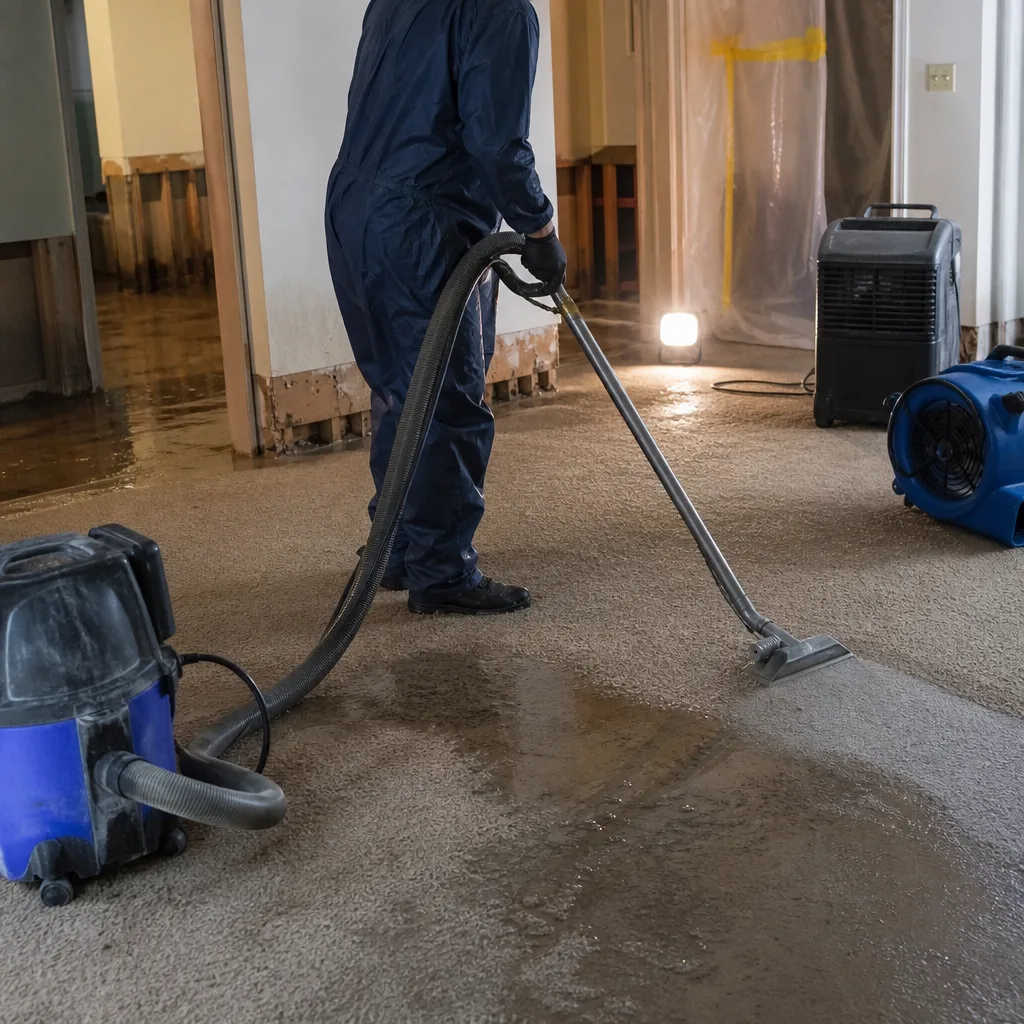
Mold Inspection & Testing
We conduct visual inspection, moisture mapping, and air sampling where the scope requires it, then explain the results in plain language before any remediation recommendation is made. In Garment District showrooms, a mold inspection often starts as a smell complaint behind a returned sample rack, and we trace the source before opening any walls. Testing is handled by the remediation team, but clearance testing after completion comes from an independent lab, so you’re not taking the cleaner’s word for the clean.
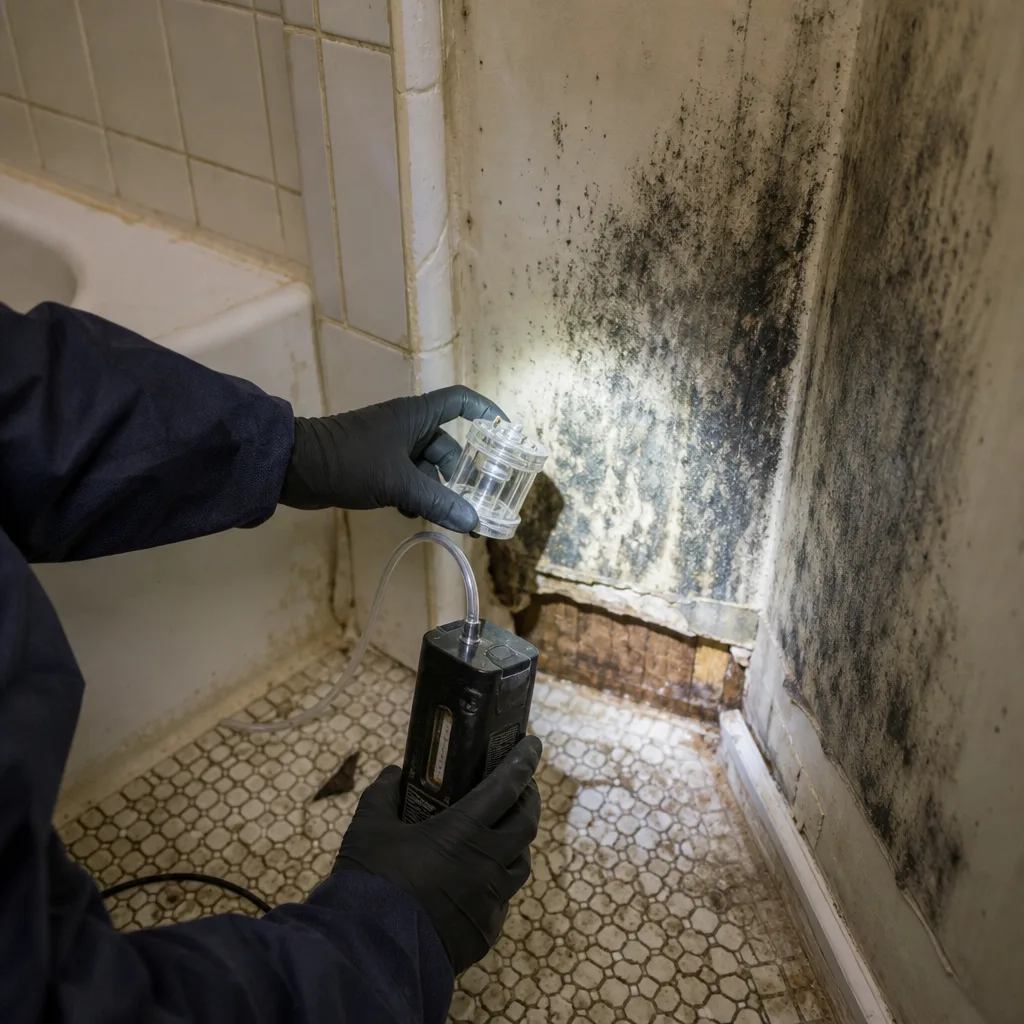
Mold Removal
Physical removal beats surface spray. In Garment District loft buildings, that means cutting out affected drywall and insulation, removing tile and backing where moisture penetrated, and taking out any material that can’t be dried to standard. We contain first, remove second, and clean what remains, with HEPA air scrubbing running from the first containment seal to the final clearance sample.
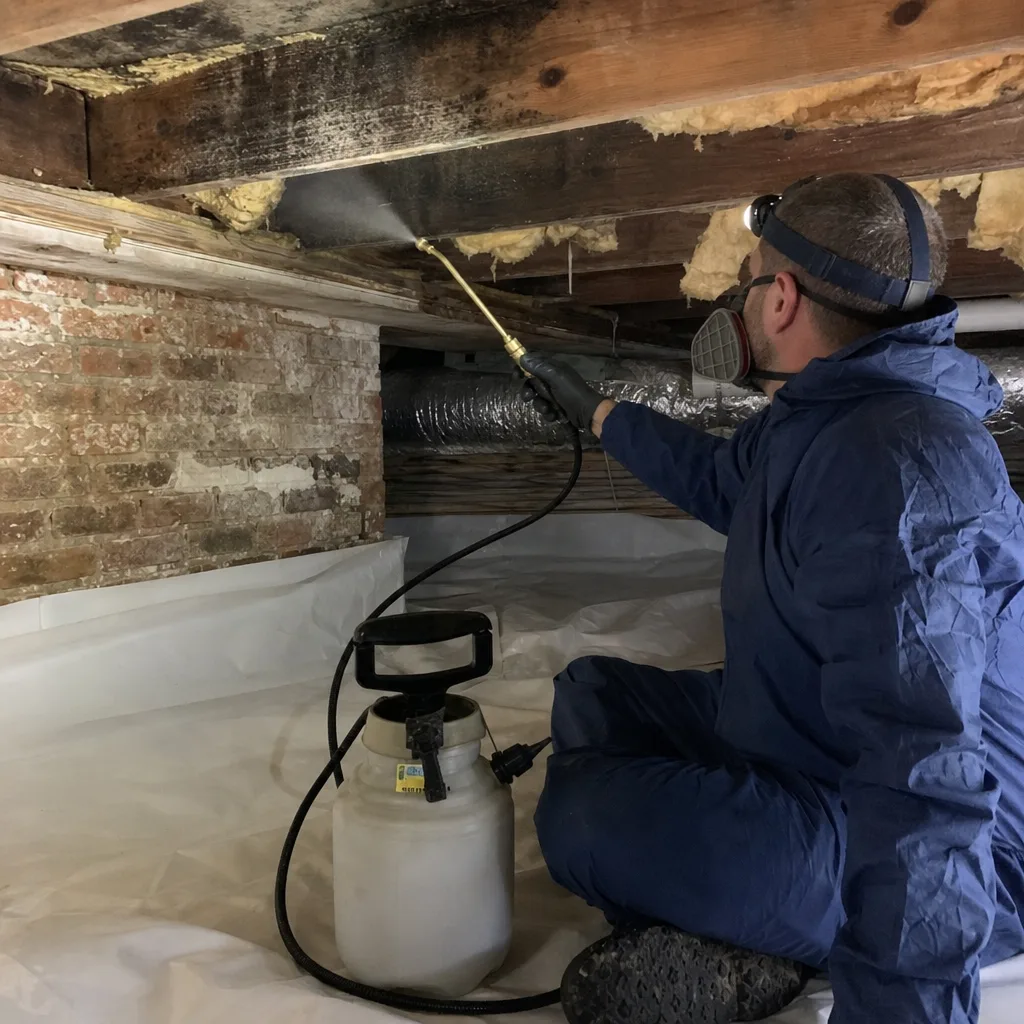
Black Mold Remediation
The black mold seen in Garment District buildings is usually Stachybotrys chartarum, and it thrives in the high-cellulose materials common to these pre-war lofts: paper-faced drywall, fiberglass insulation backing, and wood subflooring. We treat every black mold job as a full containment job, with negative air pressure, physical removal of affected materials, and post-remediation clearance testing. The color matters less than the material it’s feeding on, and in these buildings, the material is always old and absorbent.
Air Quality Restoration
After a water loss in an open loft, the air itself carries mold spores to floors that never got wet, especially when freight elevator shafts are open. We run HEPA air scrubbers during and after remediation, monitor airborne spore counts, and don’t declare the space ready until the numbers show the air is actually clean. Showrooms with fabric inventory benefit from continuous air scrubbing for several days after the visible mold is gone, because airborne spores settle into textiles and can restart a problem the moment humidity rises again.
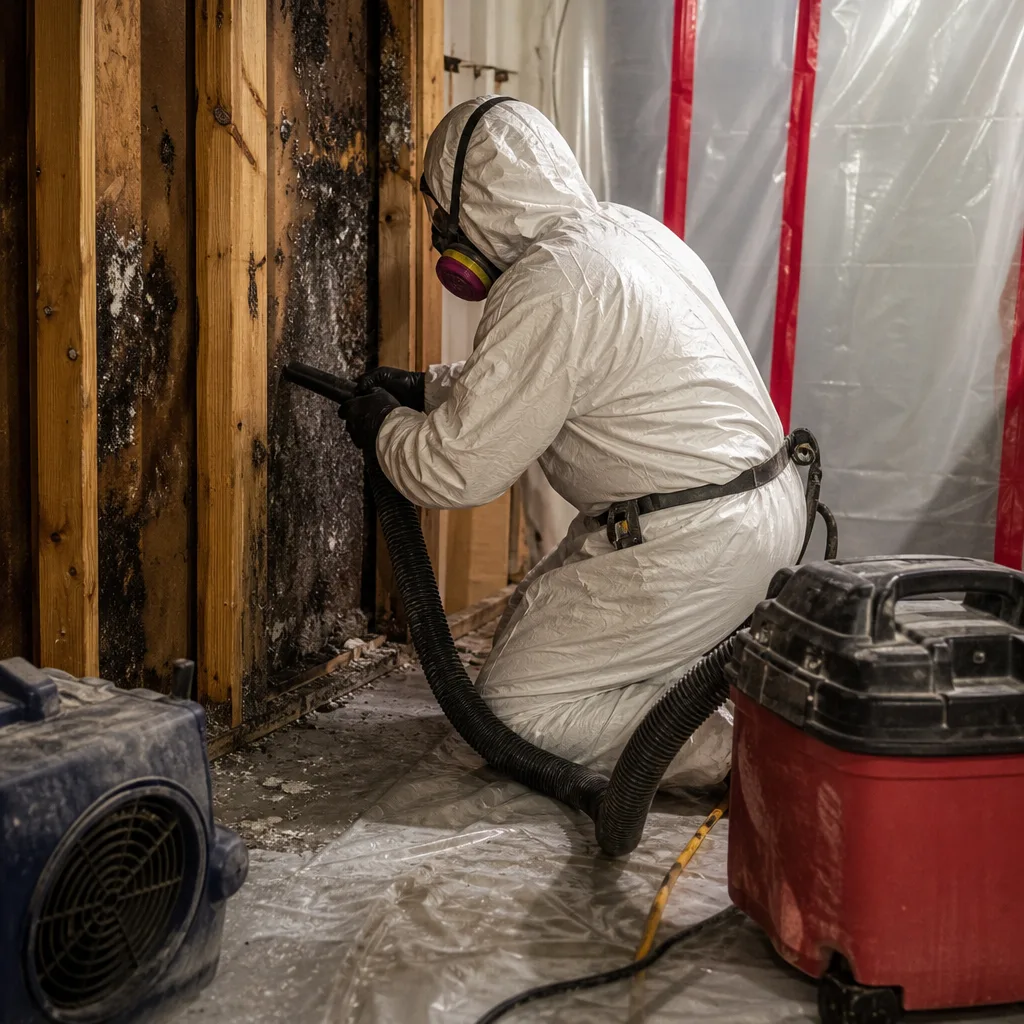
Crawl Space Treatment
Many Garment District buildings have basement vaults, sub-sidewalk crawl spaces, and mechanical pits that run wet all year without anyone looking at them. These spaces feed mold spores upward into the showroom above through floor cracks and pipe chases. We treat the crawl space itself: remove standing water, dry the space, clean and encapsulate surfaces where appropriate, and install or repair drainage that keeps it from coming back. A dry crawl space supports a dry showroom.
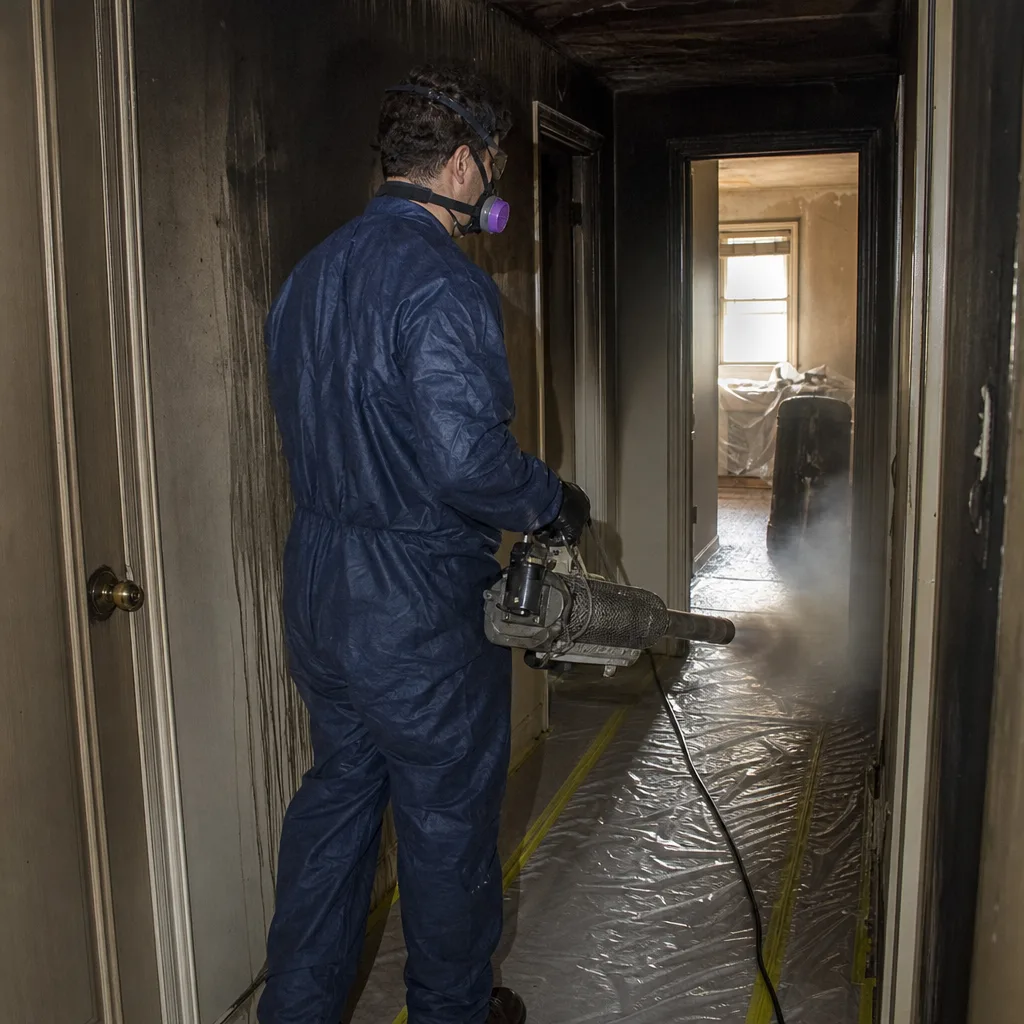
Moisture & Humidity Control
Garment District lofts run humid because fabric absorbs and releases moisture continuously, and the original steam systems were never designed to condition air for textile preservation. We assess the whole-floor humidity profile, not just the affected area, and recommend dehumidifiers, ventilation changes, or moisture barrier work that keeps the space stable after remediation. Containment and structural drying are part of this service, but the lasting fix is controlling moisture at the source: pipe insulation on steam lines, improved airflow, and sealing freight shaft penetrations that act as vertical air tunnels.
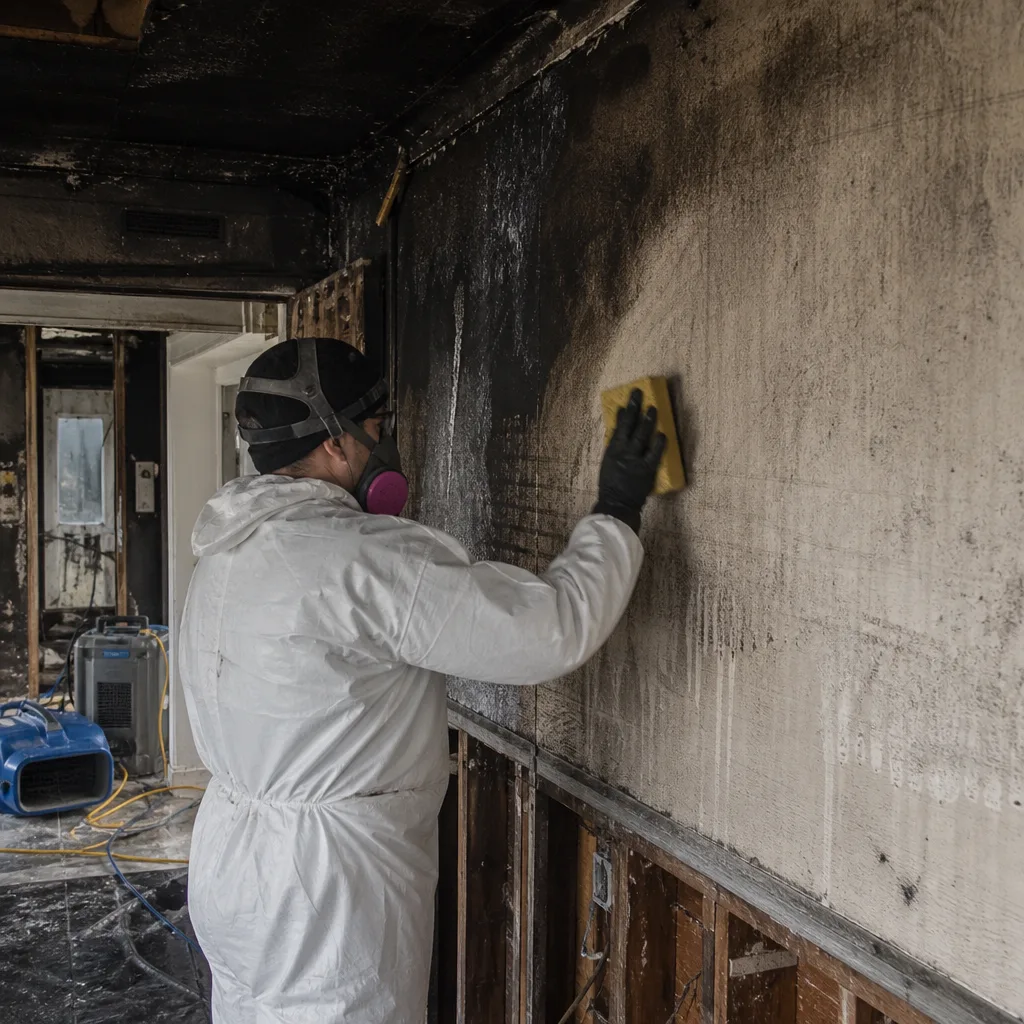
What happens when you call
- 1
A real person answersNo phone trees - you reach a local pro.
- 2
You get an upfront price rangeHonest numbers before anyone is dispatched.
- 3
A background-checked tech heads outLicensed & insured, dispatched right away.
- 4
You approve before work beginsNothing starts until you say go.
Mold Remediation Costs in Garment District, NY
A typical mold remediation job in the Garment District runs $2,800-$7,500 for a single showroom or production floor with moderate contamination and a contained, two-to-four-day scope. Small contained jobs on one wall or ceiling can start around $1,800. Full-floor multi-tenant contamination with textile salvage, multiple containment zones, and weeks of drying can exceed $20,000. What moves the price: the number of floors involved, whether the freight elevator shaft is open, the volume of fabric requiring content restoration, and the age of the plumbing that caused the release in the first place. If the carrier accepts the claim, payouts follow standard commercial restoration estimating; if the loss is below deductible or excluded, you’re looking at out-of-pocket. A free visual inspection with a written scope tells you exactly where your job lands before any money is committed, and we’ll give you that number before any work starts. Call (917) 924-4221 to schedule it.
We Also Serve Cities Near Garment District
Beyond the Garment District, our crews serve commercial and residential properties in Garment District and the surrounding area: Fairview, Harrison, East Bronx, and Hunts Point. If your building sits just outside the district boundary and you’re dealing with any category of water loss, we’ll have a crew to you quickly and with the same Mold Remediation standards we apply inside the district itself.
Garment District Mold Remediation Questions, Answered
How fast can mold start on wet drywall in my Garment District showroom?
Mold can begin colonizing wet drywall within 24 to 48 hours, and in the humidity-controlled, fabric-stocked environment of a Garment District showroom, that clock often runs faster than in a standard residential space. Wet fabric and paper-faced drywall together create a material-rich food source, and by the time a musty odor is noticeable, the colony is already well established. That’s why we recommend visual inspection and moisture mapping on the same call, not a callback three days later.
What’s the difference between category 1, 2, and 3 water from a broken standpipe in the Garment District?
Category 1 water is clean at the source: a supply line or standpipe carrying potable water. Category 2 has been contaminated with cleaning chemicals or minor biological material, which is what happens when water from a pressure failure runs across a production floor and picks up dyes, fabric treatments, and surface debris. Category 3 is grossly contaminated, usually from a sewage backup or a broken drain line under the slab. The category determines how aggressive our containment, disposal, and cleaning protocols need to be, and in old buildings with cast-iron lines, a Category 1 release can become a Category 2 loss quickly once it passes through a 90-year-old pipe interior.
If a sprinkler head goes off in the showroom above mine, how do you handle mold in my space?
We treat the floors below as potentially contaminated from the moment the water begins traveling downward. That means containment barriers on your floor even if no water is visibly present, because water moves through ceiling plenums, around cast-iron chases, and into the freight shaft before it shows up on your walls. We inspect your space at the same time as the source floor, document pre-loss condition, and run air quality monitoring so that if moisture did migrate into your space, we catch it before it becomes a mold problem regardless of what the source tenant does about theirs.
Can you do mold inspection and testing without disrupting our fashion showroom during business hours?
We can run visual inspection, moisture mapping, and air sampling in off-hours, including overnight, so showings and buyer appointments continue uninterrupted. Containment barriers are built to be minimally visible and can be centralized in mechanical rooms or behind existing display walls where possible. The photographers, buyers, and designers walking through your space during the work week won’t see remediation equipment if we can avoid it, and we’ll schedule drying runs around your show calendar.
What does ‘pre-loss condition’ mean for a Garment District loft that already had humidity issues before a pipe burst?
Pre-loss condition is the documented state of the space before the water event, and in Garment District lofts, that often includes pre-existing humidity, condensation on steam lines, and moisture that had been accumulating behind cast-iron plumbing chases for years. The insurance carrier’s obligation is to restore your space to pre-loss condition, not to fix pre-existing conditions. If a claim adjuster determines that mold existed before the pipe burst, treatment may be partially excluded. We document everything we find at the first inspection, including pre-existing moisture, so you have a clear picture before the claim is submitted.
How long does mold remediation take in a Garment District loft?
A contained single-floor mold job with moderate contamination typically takes three to seven days from first containment to clearance testing, depending on the extent of the affected area and how much drywall and insulation needs removal. Multi-floor contamination with textile salvage and drying in open loft plates can run two to four weeks. The drying phase never gets rushed to meet a calendar: we run equipment until moisture meters and independent lab results confirm the job is done, not the other way around.
Can we stay in the building while you remediate mold on one floor?
In most Garment District loft buildings, adjacent floors can remain occupied during remediation, but only if containment and negative air pressure are running correctly and the freight elevator shaft is sealed. If the contamination is in a shared riser or the open shaft has already spread spores vertically, we may recommend a broader containment footprint that temporarily closes adjoining spaces. We’ll tell you the truth about whether occupancy is safe, not just what’s convenient.
Does Floodline Restoration Co. of Manhattan hold certifications for mold remediation?
Our technicians are background-checked, uniformed, and trained to IICRC, RIA, and IFA standards. Mold work is done to the IICRC S520 standard for professional mold remediation, and water damage restoration follows the S500 standard. The company is led by Curt Bowman, who built Floodline Restoration Co. around a dispatch board, not a sales desk, and every job carries the 90-Day Done Right Promise in writing: if it’s not done right, we make it right, no arguing.
Mold Remediation in Garment District: The Fashion Calendar Is the Real Deadline
The Garment District’s stacked commercial loft buildings, most built between 1910 and 1940 with original cast-iron and galvanized plumbing, house dozens of fashion showrooms per building. A single sprinkler discharge or pipe failure on one floor can cascade water through several tenant spaces below, and because so many of those spaces hold pre-season fabric samples, designer inventory, and pattern archives worth millions, the mold clock doesn’t just threaten drywall. It threatens the season. We’ve learned that a water loss the week before New York Fashion Week means an all-hands, 24-hour extraction and drying push, because a showroom that can’t receive buyers on schedule can lose an entire season’s orders regardless of how clean the drywall looks afterward. That’s the work. When a pressure failure in a 1920s wet-column system released Category 2 water across a West 37th Street showroom floor two weeks before a major buying event, our crew ran containment across the entire open loft, used moisture mapping to identify spread into adjacent tenant spaces, and deployed Dri-Eaz LGR dehumidifiers and XPOWER air movers to hit structural drying targets from the IICRC S500, all without interrupting the showroom below, where pattern archives were packed out under negative air. We didn’t lose a sample, and the buyer appointments happened on schedule.
Serving Garment District, NY - Our Local Coverage Area
We’re based in the Garment District area and know this community well. Use the map below to see our service coverage - if you’re nearby, we can almost certainly help.
Mold Remediation Done Right in Garment District, Backed in Writing
Every job Floodline Restoration Co. of Manhattan performs in the Garment District carries the 90-Day Done Right Promise, known internally as the Keystone Standard. It’s a written guarantee: if the mold returns within 90 days because we missed something, we come back and make it right at our cost, no paperwork battle, no arguing. The K.E.Y.S. values code we work under is Krafted right, Every time, Your home first, Standing behind it. Our 42 years of service matter to you in one specific way: we still answer the phone with a person, we still show up when we say we will, and we still stand behind the work in writing. Senior and veteran discounts of 5% are always available. A $50 credit applies to any repair over $250. And if you need this handled now, call (917) 924-4221. You’ll get a live dispatcher, a straight answer, and a certified crew headed toward the Garment District within 45 minutes.
Written by Curt Bowman, Owner at Floodline Restoration Co. of Manhattan, serving the Garment District with 24/7 mold remediation and full-cycle restoration.