
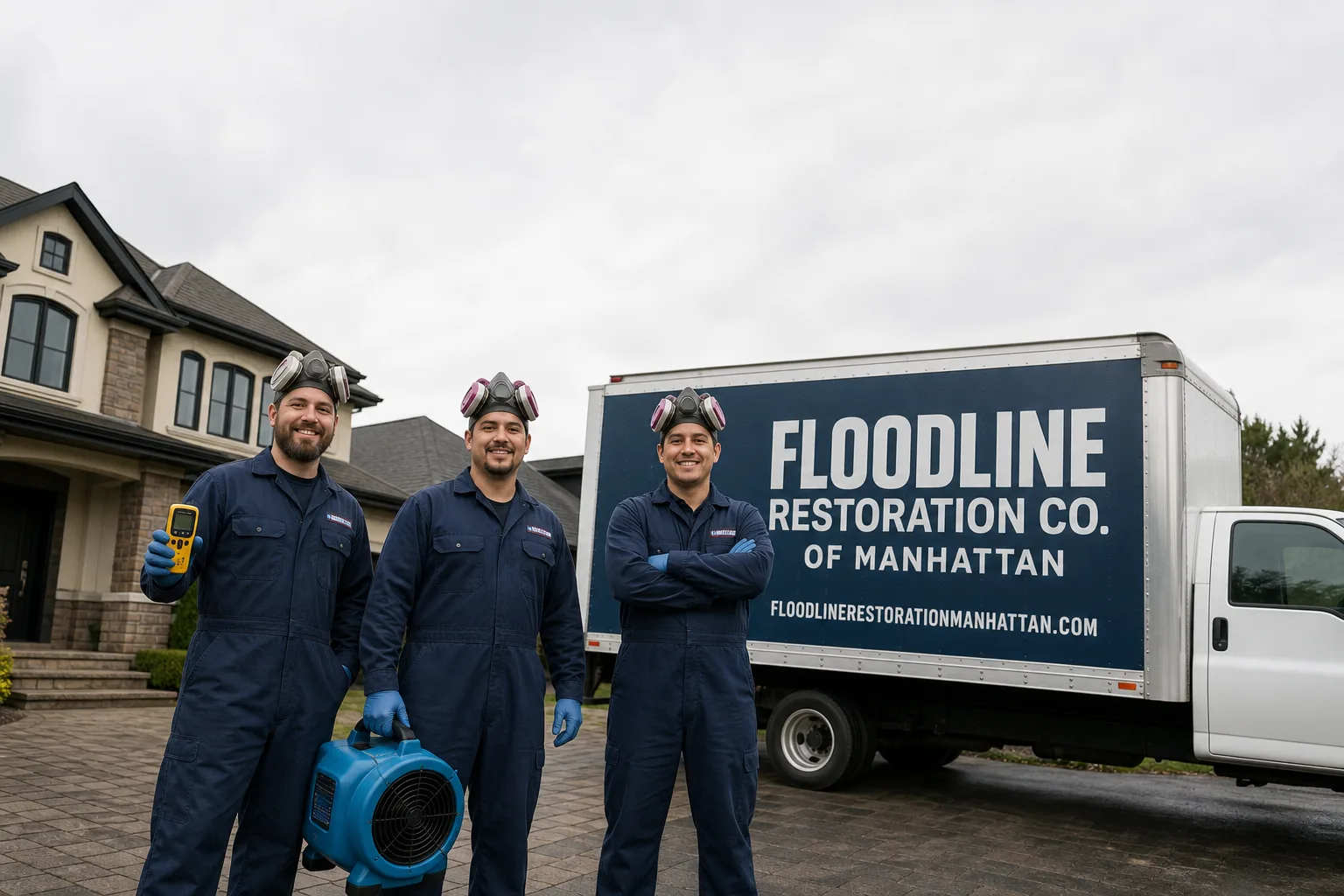
Free visual inspection and a written scope of work before any mitigation begins - photos, moisture readings, and drying logs go in your claim file
The scope we write is the scope we bill. Anything new gets shown to you, in writing, before we touch it.
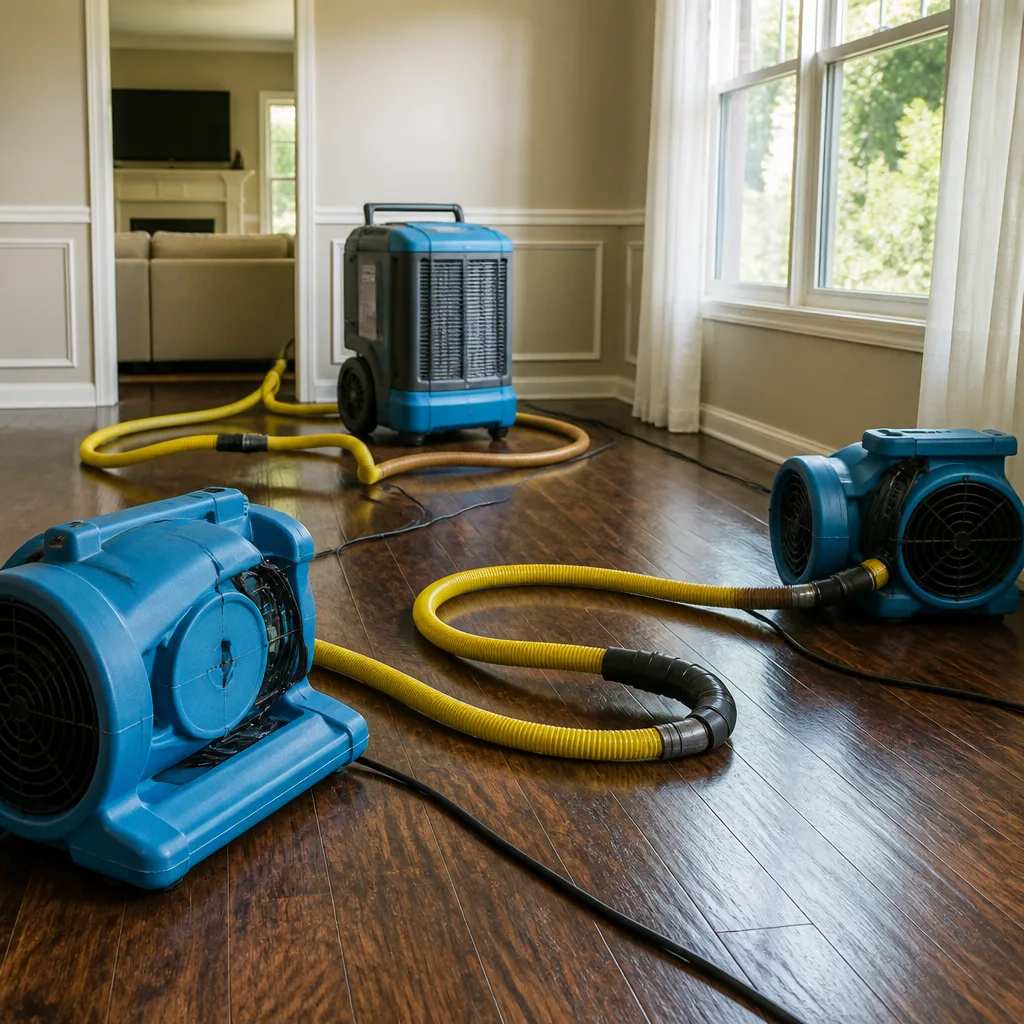
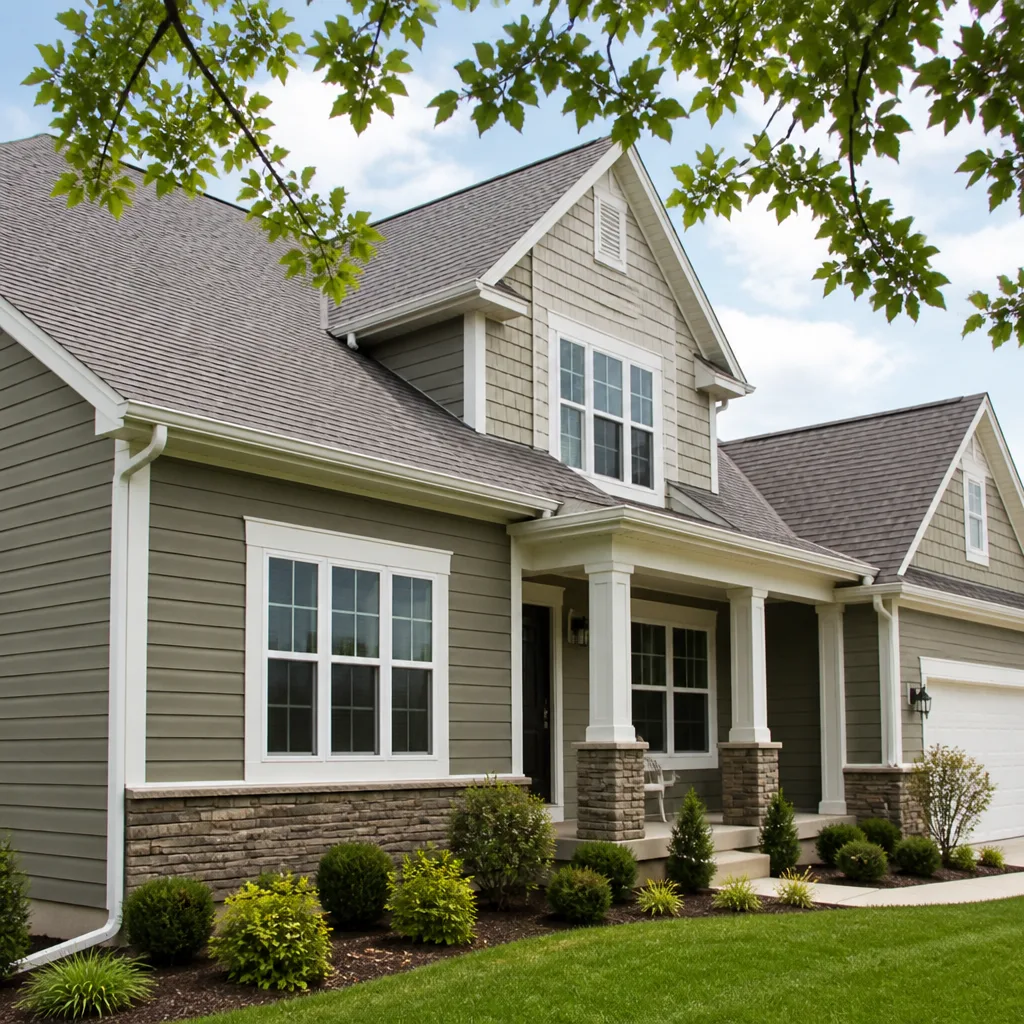
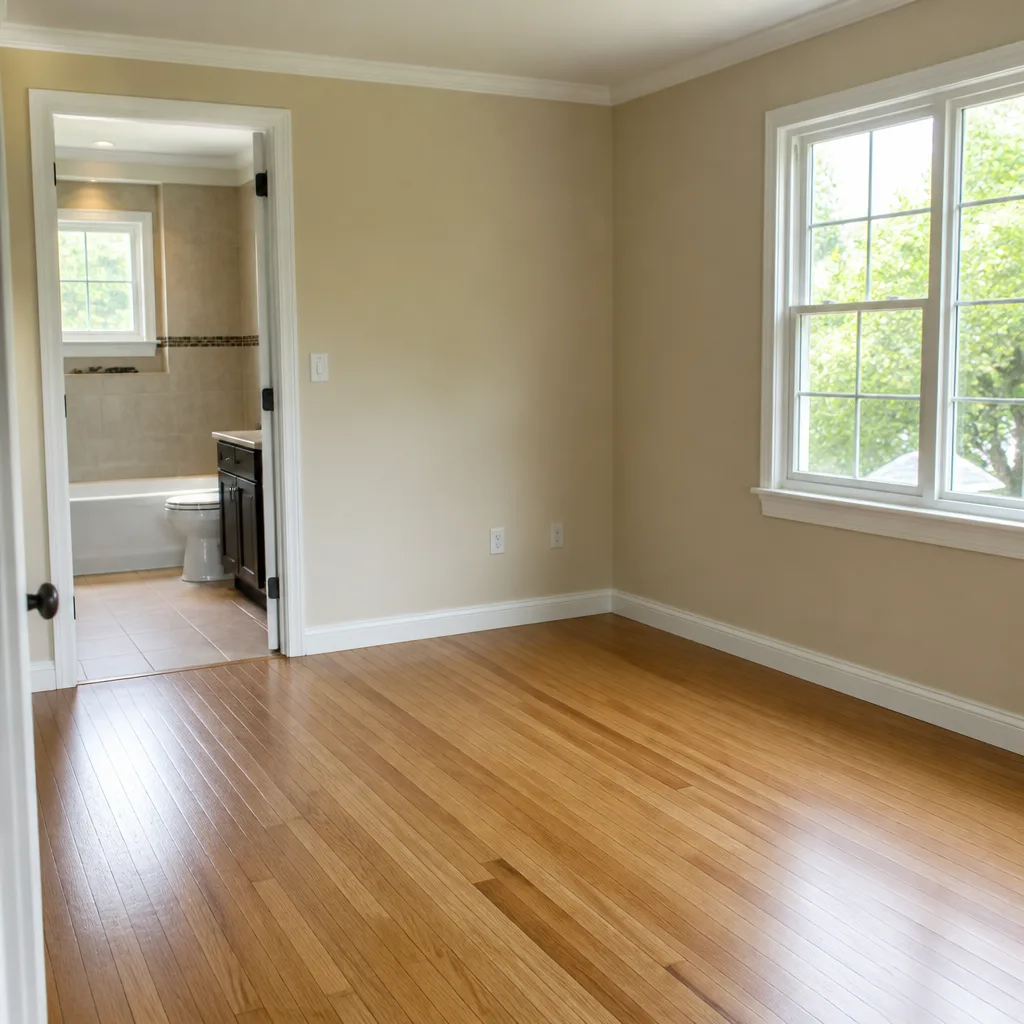
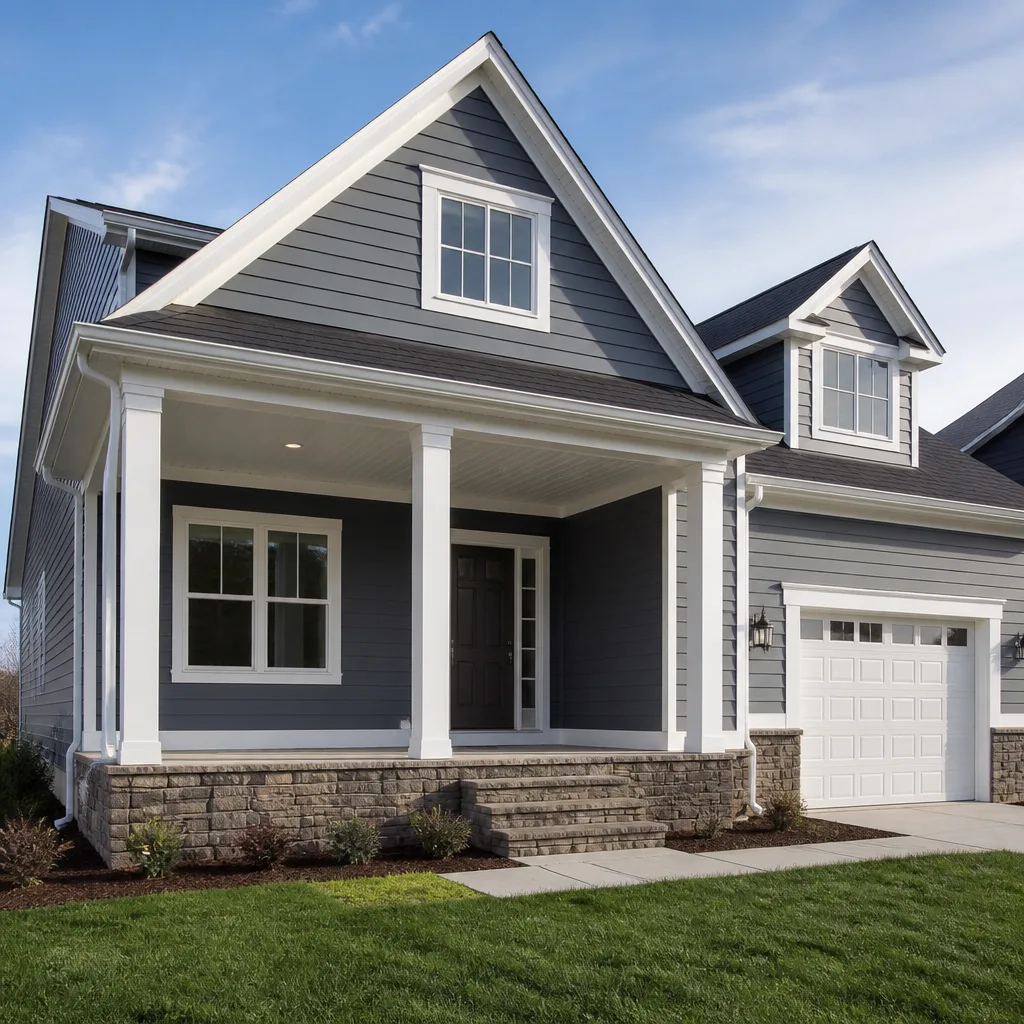
 Before
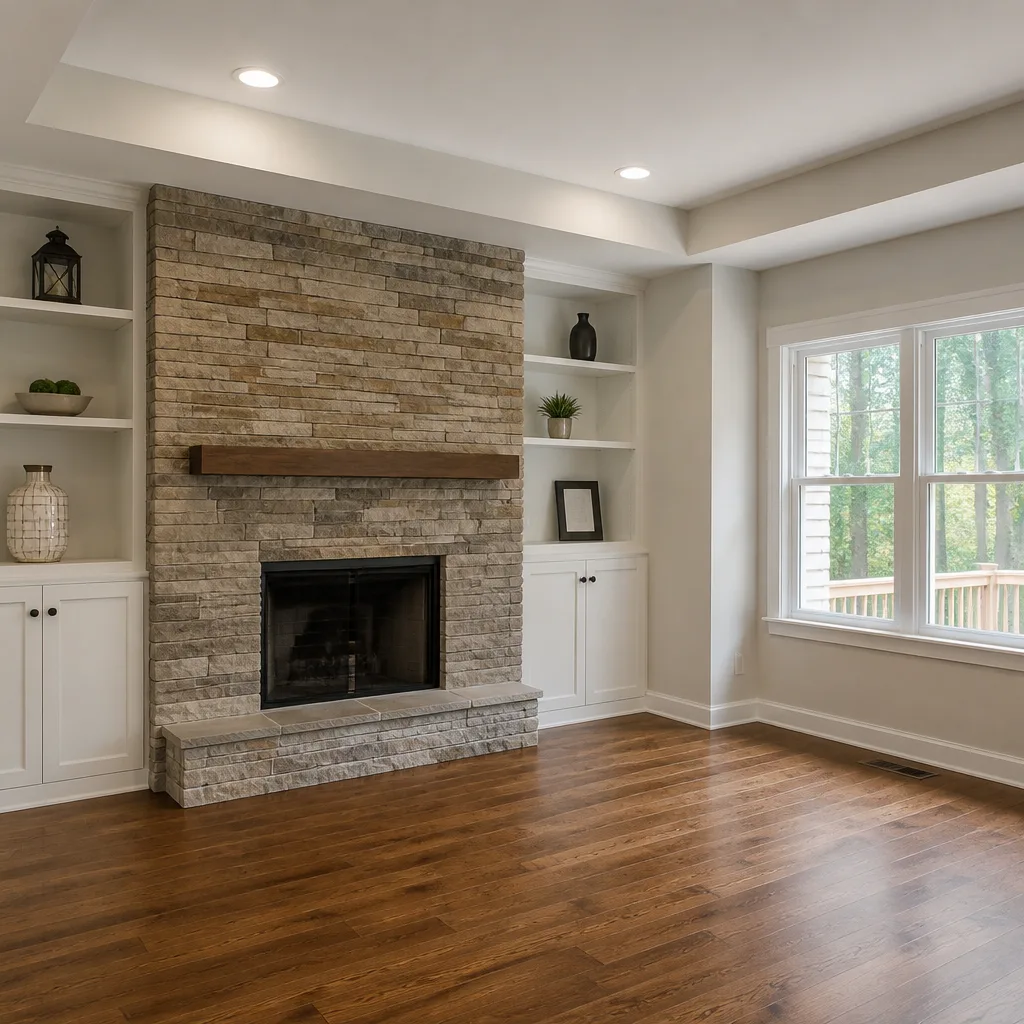
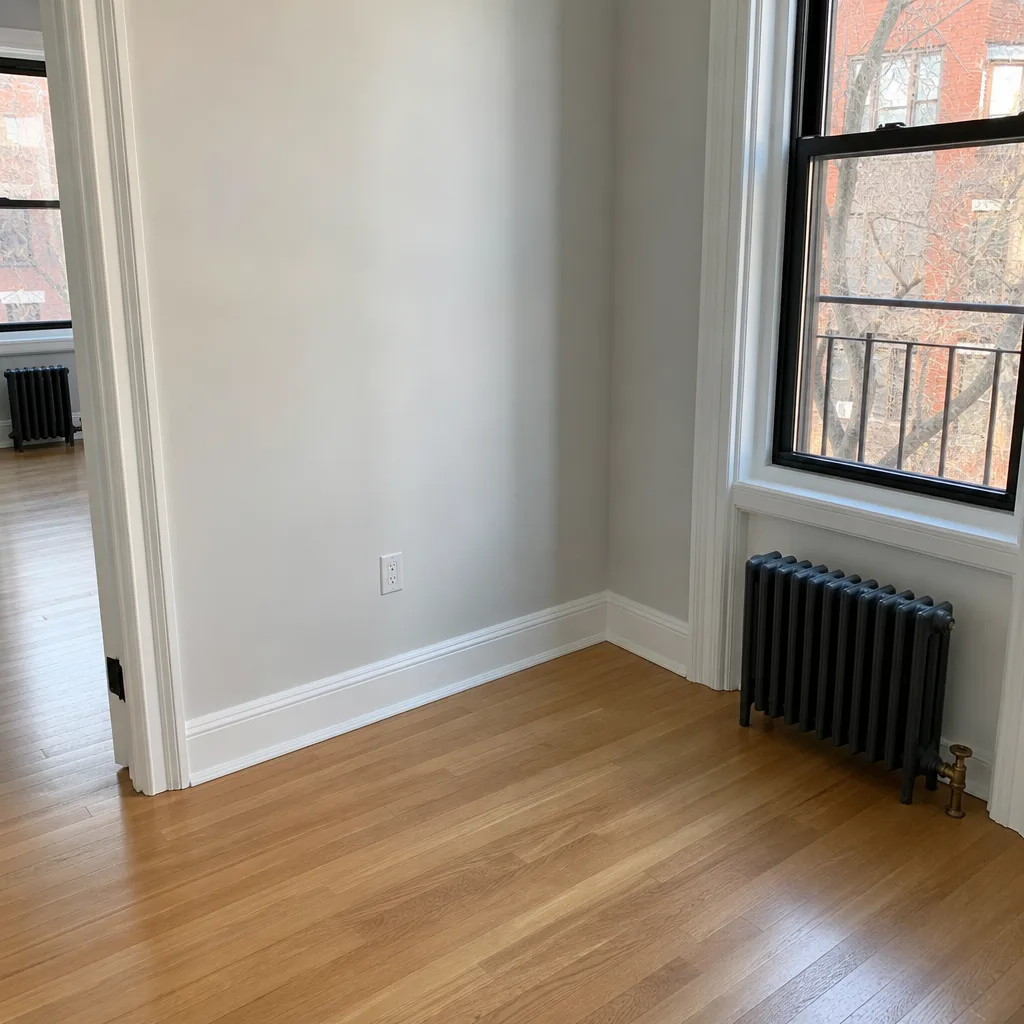 After
After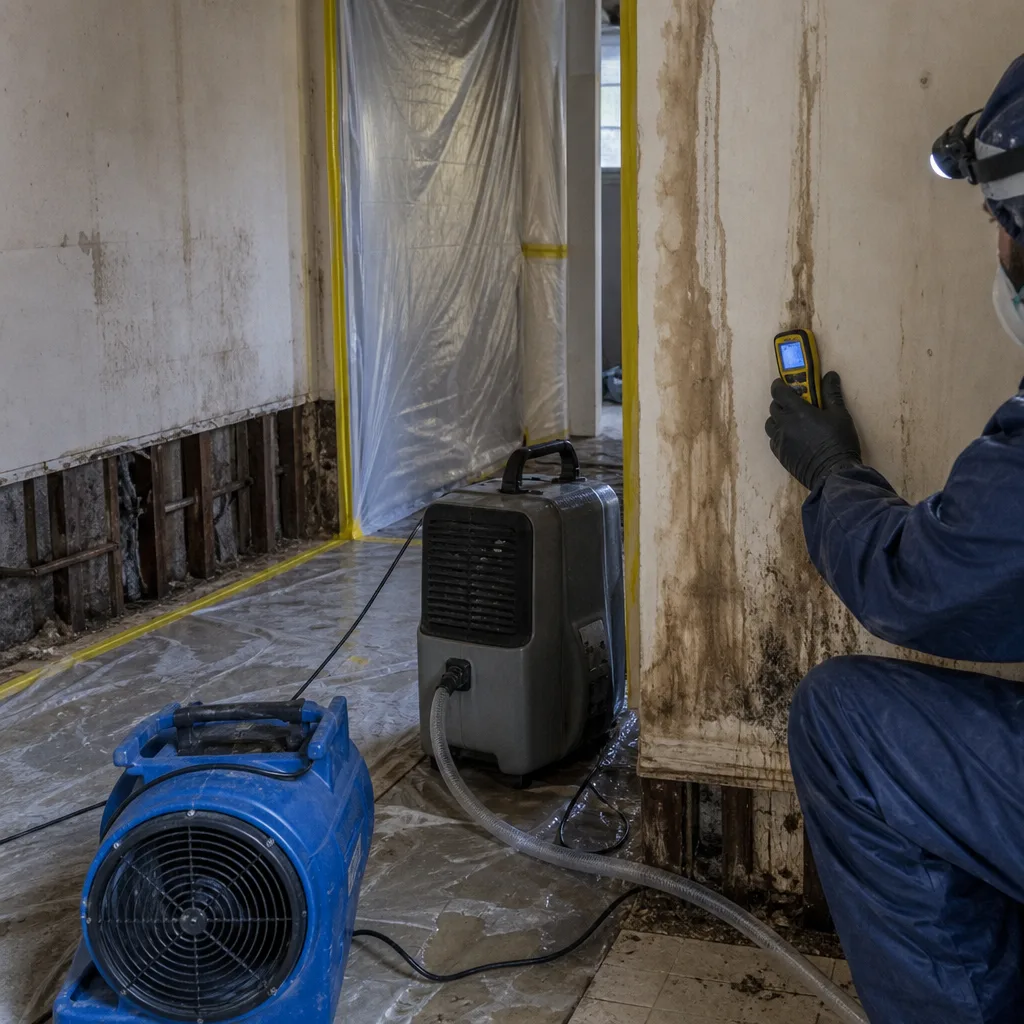 Before
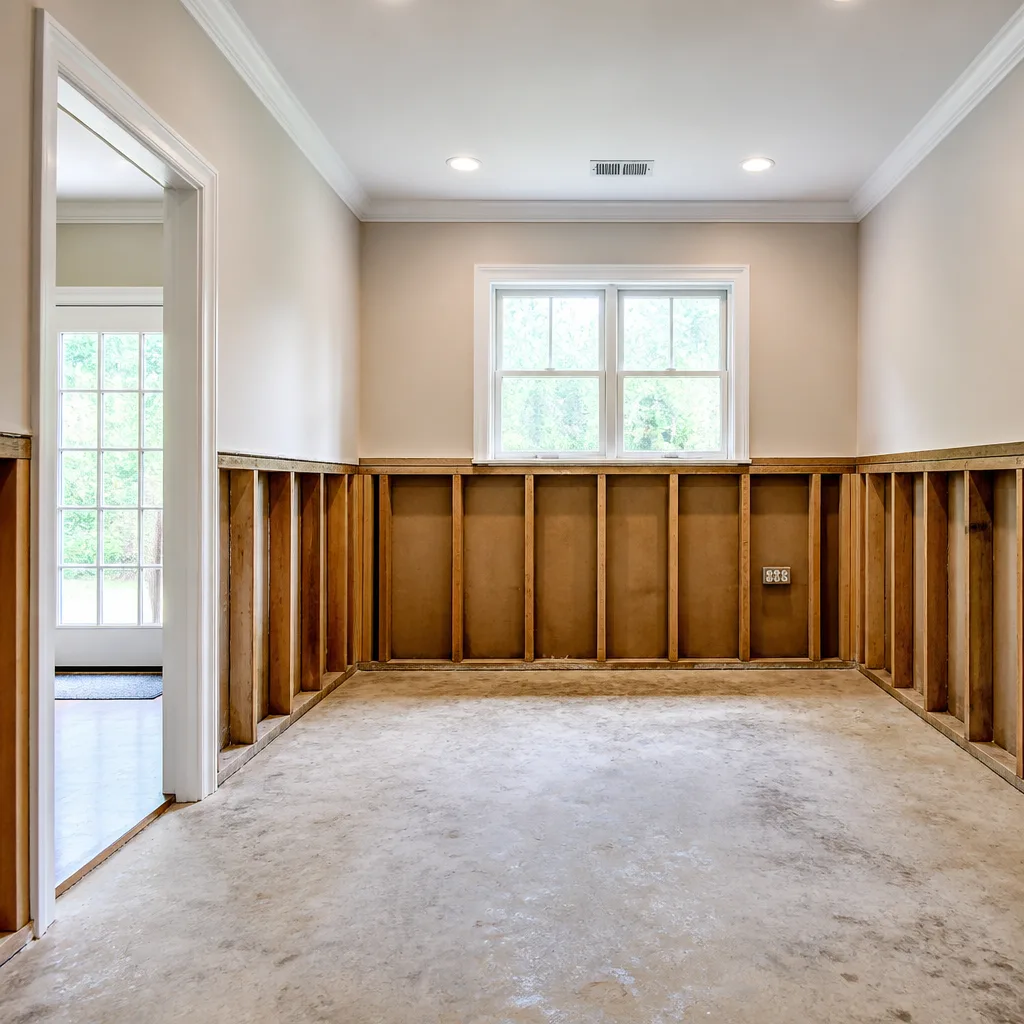
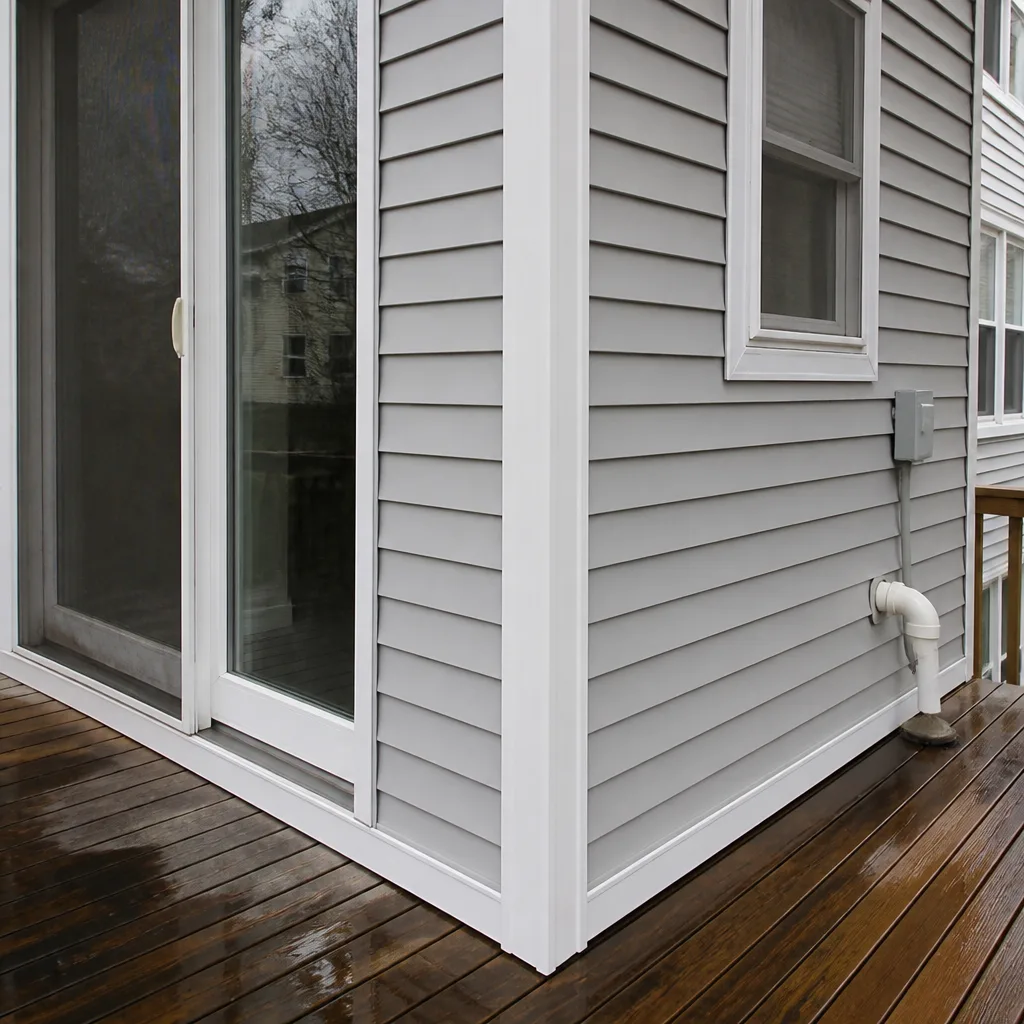 After
After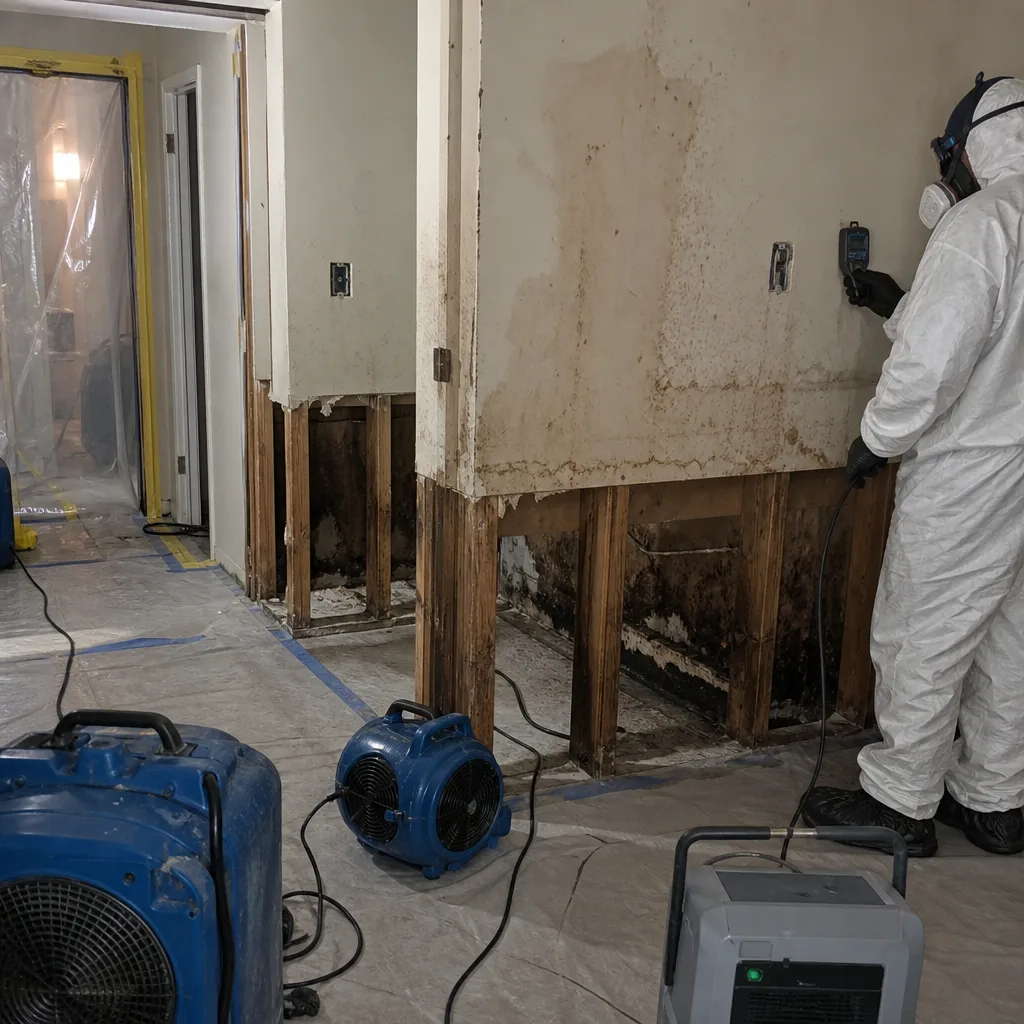 Before
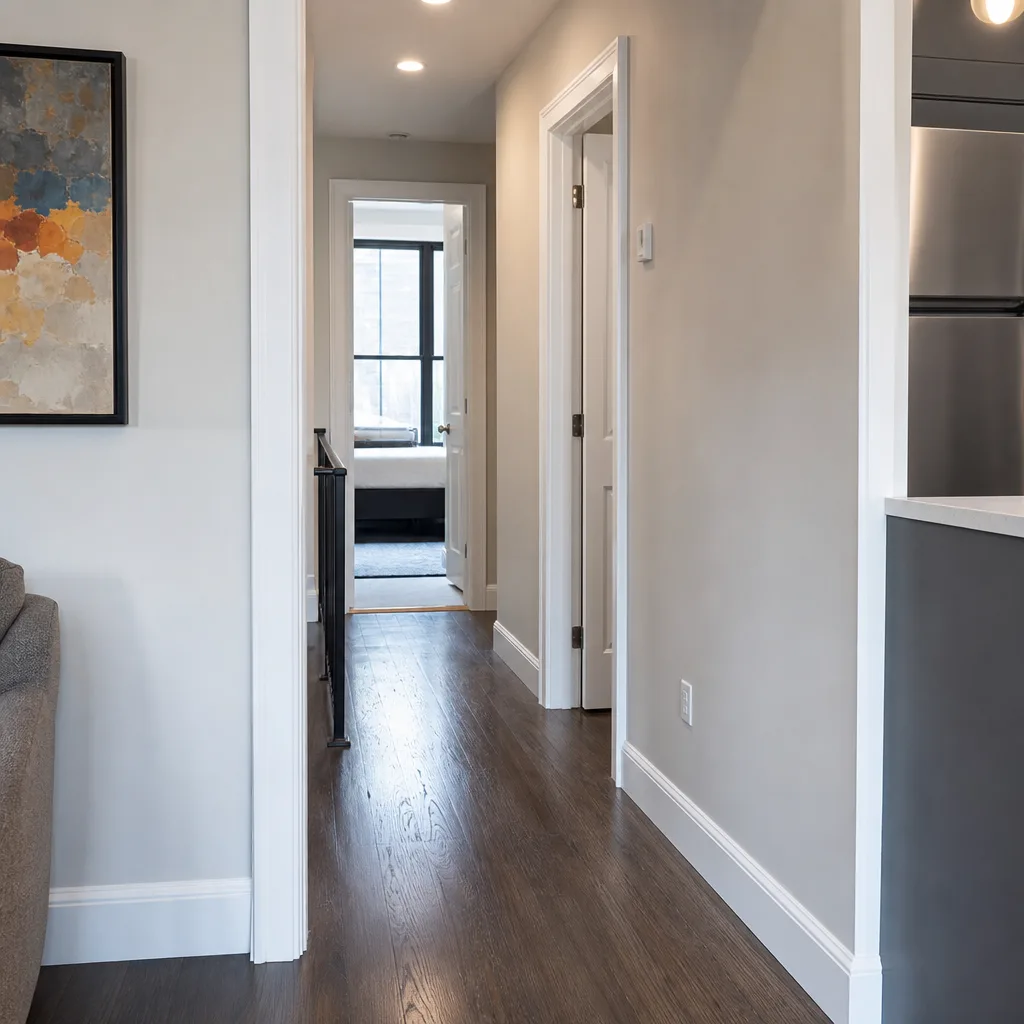 After
After24/7 Emergency Mold Remediation in Midwood
Mold remediation in Midwood typically costs $1,800 to $6,500 depending on how far moisture has traveled through the home’s original plaster-and-lath walls. If you’ve spotted staining, a ceiling bubble, or that musty smell that appears every time it rains, call (917) 924-4221 right now. A live dispatcher answers, not a recording, and a certified crew from Floodline Restoration Co. of Manhattan can reach your Midwood block within 45 minutes. The first hour matters because mold in pre-war construction doesn’t sit on the surface. It colonizes inside wall cavities, behind wood paneling, and under finished basement floors where you can’t see it. Every hour of delay lets the colony spread further through original framing lumber that’s been drying in place since the 1920s.
Understanding Mold Remediation Severity in Midwood Properties
Midwood’s housing stock runs overwhelmingly to large detached and semi-detached single-family homes built between roughly 1910 and 1945. These houses have full finished basements, original horsehair-plaster walls, wood-paneled basement finishes, and brick or wood-frame envelopes that breathe differently than modern construction. That matters for mold because the plaster wicks and holds moisture invisibly behind a dry-looking surface. What presents as a localized ceiling stain after a pipe burst frequently conceals a saturated, six-inch-deep cavity requiring full plaster demolition before any drying protocol can reach effective air flow. We classify mold work by the water source that fed it, and Midwood sees all three categories. Category 1 is clean water, usually from a burst supply line. Category 2 carries contaminants, from appliance overflows or sump failures. Category 3, black water, comes from sewage backups through basement floor drains, and it is the neighborhood’s most common damage-restoration call because Midwood sits on Brooklyn’s aging combined sewer infrastructure. Category 3 means full containment, HEPA air scrubbing, and removal of contaminated porous materials, not just drying.
Why Midwood Property Owners Choose Floodline Restoration Co. of Manhattan
- 45-minute response commitment: When you call about mold in a Midwood pre-war basement, our crew is on the road within minutes, not hours. Dispatch is coordinated from our New York City office, and crews serve Midwood locally.
- 24/7 live answer from a real person: A live dispatcher picks up at 2 a.m. on a Sunday. Every time. No automated system, no callback queue.
- IICRC-certified crews trained to WRT and AMRT standards: Our technicians are background-checked, uniformed, and certified in water restoration and applied microbial remediation. They know the difference between surface mold and a structural colony.
- Free visual inspection: We’ll walk your Midwood home, identify moisture sources, and tell you honestly whether you need full remediation or a targeted cleaning. No charge for the assessment.
- Direct insurance billing: We document everything from the first hour, bill your carrier directly, and you never play messenger between us and the adjuster.
- One team from extraction to reconstruction: The same certified crew that contains the mold rebuilds what needs rebuilding. No mid-job handoff to a subcontractor you’ve never met.
Our Mold Remediation Process
Inspection & Assessment
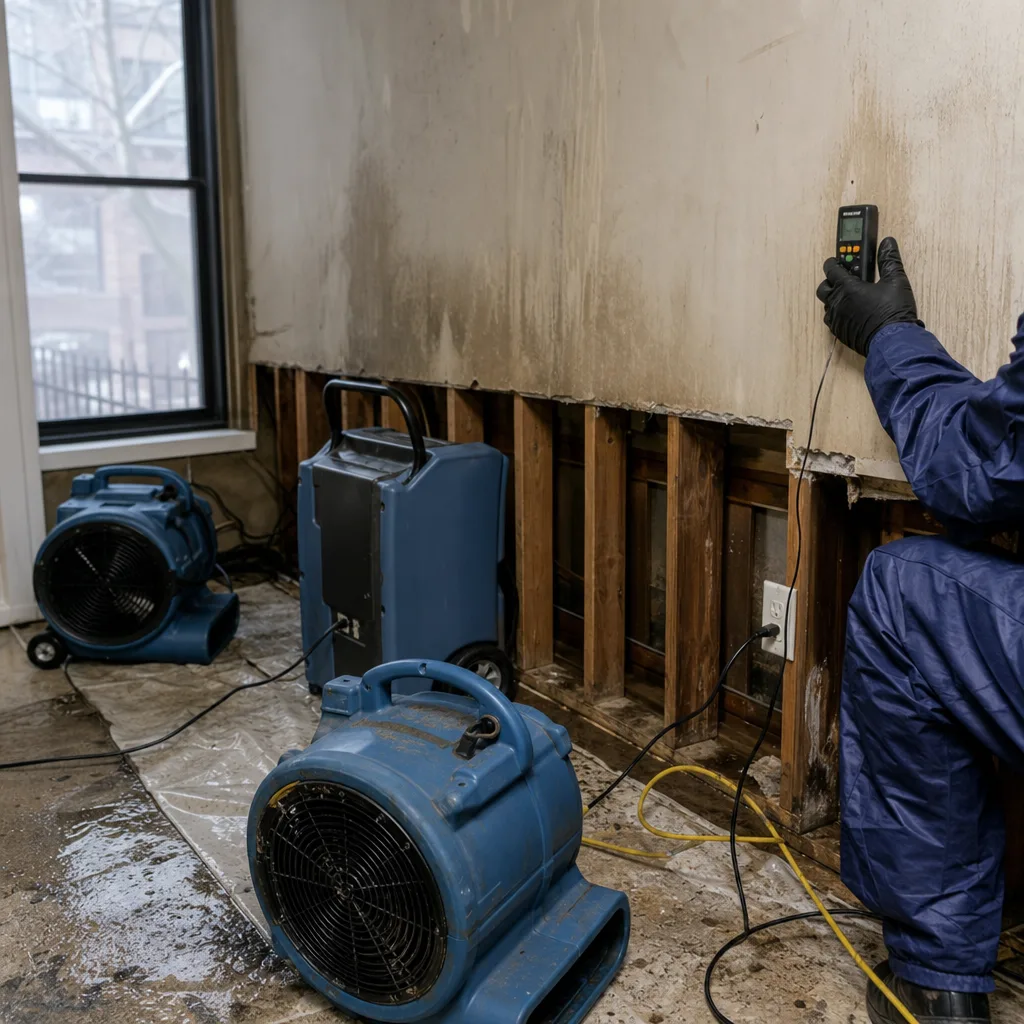
We start with moisture mapping and thermal imaging across your Midwood home’s walls, floors, and basement. In original horsehair-plaster construction, surface readings alone miss deep saturation, so we probe cavities and log every reading.
Containment & Stabilization
We seal affected areas with 6-mil polyethylene containment and establish negative air pressure with HEPA-scrubbed exhaust so spores don’t travel through the home’s original framing and HVAC system during demolition.
Drying & Dehumidification
Dri-Eaz dehumidifiers and XPOWER air movers run until the dry standard is met, with daily moisture readings logged and shared with you and your carrier. In Midwood’s pre-war homes, we expect longer dry times when original plaster holds deep moisture.
Cleaning & Sanitization
We remove contaminated materials, HEPA-vacuum every exposed surface, and apply antimicrobial treatment to remaining framing. Porous materials that absorbed Category 3 water come out, period.
Air Quality Restoration
HEPA air scrubbers run throughout remediation. After the work is complete, we conduct clearance testing so you have written confirmation the air is safe before anyone moves back into the space.
Repairs & Restoration
The same crew replaces the drywall or plaster, rebuilds damaged framing, and restores finishes to pre-loss condition. We stand behind the work with the 90-Day Done Right Promise, in writing.
Need Emergency Mold Remediation in Midwood Now?
Crews minutes away, answering live 24 hours a day. The sooner we start, the less it costs.
Working With Your Insurance Company
Mold claims in Midwood homes are usually tied to a covered water event: a burst pipe, a sewage backup, a roof leak. The insurer covers remediation when the mold is a direct result of that covered loss, but the burden of proof sits with the documentation. We build that file from the first hour. Photos of every affected room before demolition starts. Moisture readings logged daily. A line-item scope of work that matches industry-standard estimating software. And direct communication with your adjuster, so you never have to explain drying standards or Category 3 contamination protocols on your own. The claim goes smoother when the contractor and the carrier speak the same language, and we’ve been doing it for over 42 years across the metro area. Done right, and backed in writing.
What We Provide Your Insurer
- Thorough documentation of the loss
- Photos of all damage, room by room
- Moisture readings and drying logs
- A detailed, line-item scope of work
- Direct coordination with your carrier
Built for Midwood’s Loss Calendar
Mold in Midwood follows the weather and the neighborhood’s flat glacial-outwash terrain. January and February, the recurring freeze-thaw cycles burst aging cast-iron and galvanized supply lines throughout the pre-war housing stock, sending clean water into finished basements that then saturate original plaster walls. March and April, thaw and spring rain raise the water table against 1910s and 1920s foundations, and basement seepage feeds slow, invisible mold growth behind wood paneling. July and August, intense convective storms dump inches of rain in an hour on near-total impervious cover, overwhelming the combined sewer and forcing sewage up through floor drains, which is Category 3 water that demands full containment and antimicrobial treatment. Nor’easters in the fall and early winter bring the same pattern. Midwood homeowners deal with this cycle year after year, which is why our crews know to probe deep when a basement smells musty after any weather event.
Mold Remediation Across Midwood’s Neighborhoods
Response routes through Midwood shift block by block. Around Avenue J and East 14th Street, the large 1920s wood-frame homes with full finished basements are the ones we see most after sewage-backup flooding, where Category 3 water saturates original wood-paneled finishes and conceals moisture behind what looks like dry paneling. Up near Avenue M and Ocean Avenue, the brick semi-detached homes from the 1930s and 1940s bring more roof-leak driven mold, where water travels down interior walls and collects in plaster cavities before anyone notices a stain. East of Coney Island Avenue, the older detached homes with original horsehair plaster and multi-pitch dormered roofs hide mold in attic knee walls and under eaves. Near Kings Highway, the commercial corridors and mixed-use buildings see basement mold from combined sewer surcharges during summer storms. The pattern holds across the neighborhood: original plaster-and-lath construction hides moisture longer than modern drywall, and scopes expand once demolition begins. We plan for that from the first inspection.
Specialized Mold Remediation Services We Offer in Midwood
Mold Inspection & Testing
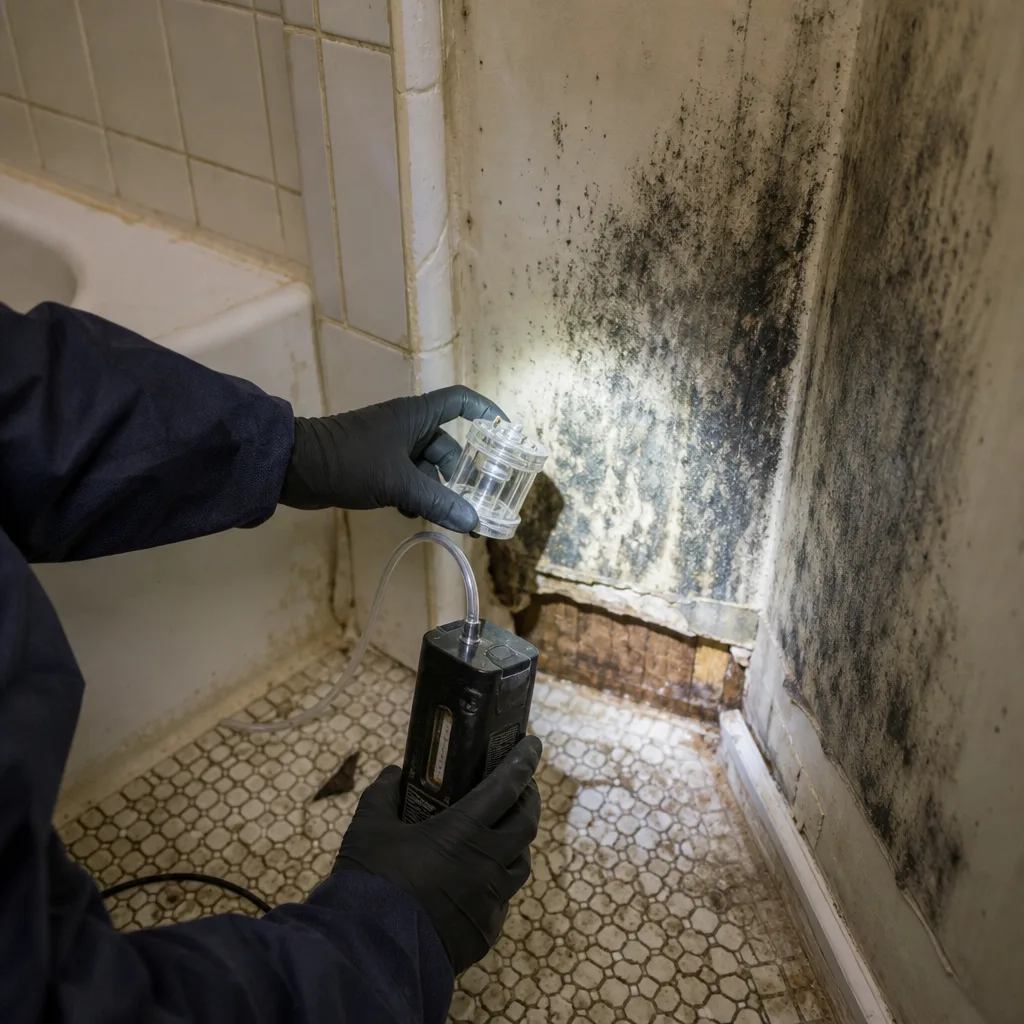
You don’t need visible staining to have a mold problem in a Midwood pre-war home. Our inspection begins with moisture mapping and thermal imaging across walls, floors, and basement cavities, and includes air sampling where warranted. We answer the question written on every homeowner’s face: is there mold, and how far did it travel?
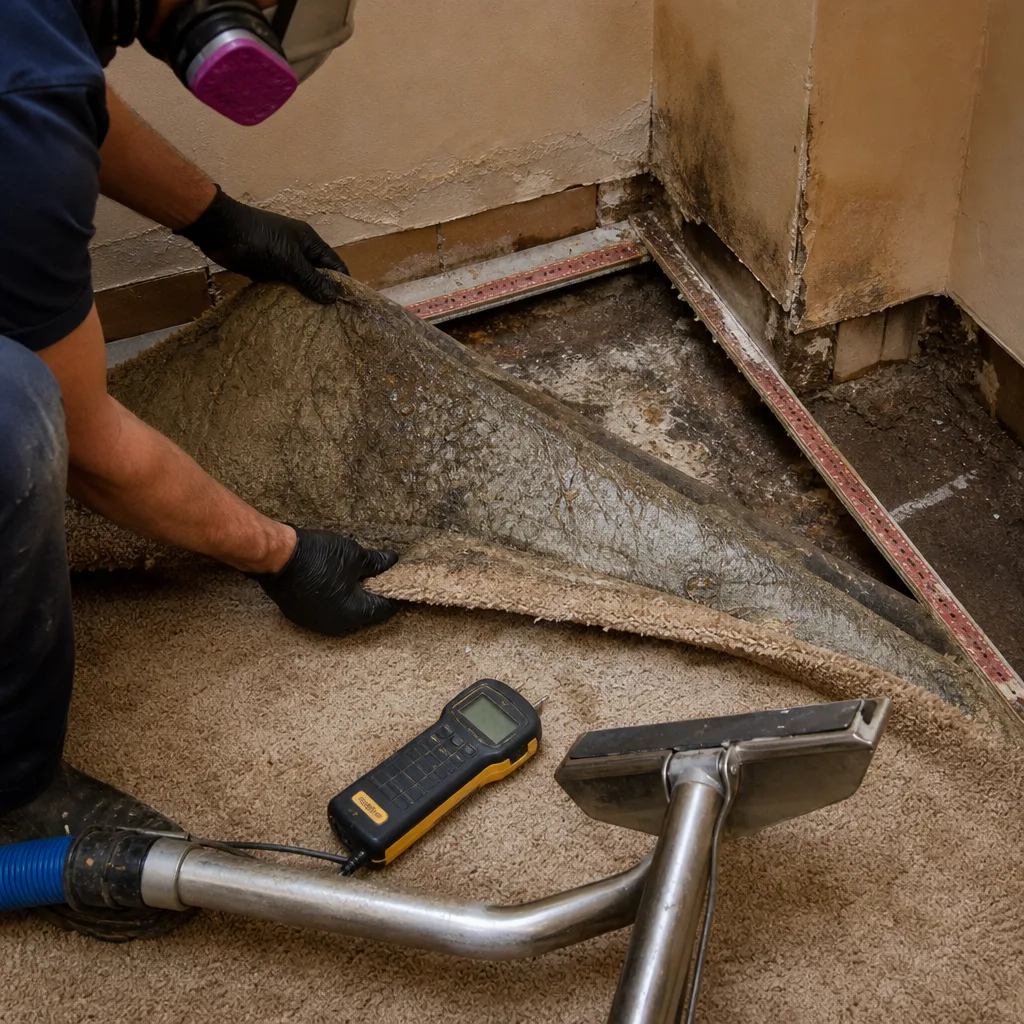
Mold Removal
Surface mold on non-porous materials gets HEPA-vacuumed and treated. Mold that has colonized porous materials like drywall, wood paneling, or original plaster comes out entirely. In Midwood’s older homes, that often means removing wood-paneled basement finishes that absorbed sewage moisture and cannot be reliably cleaned.
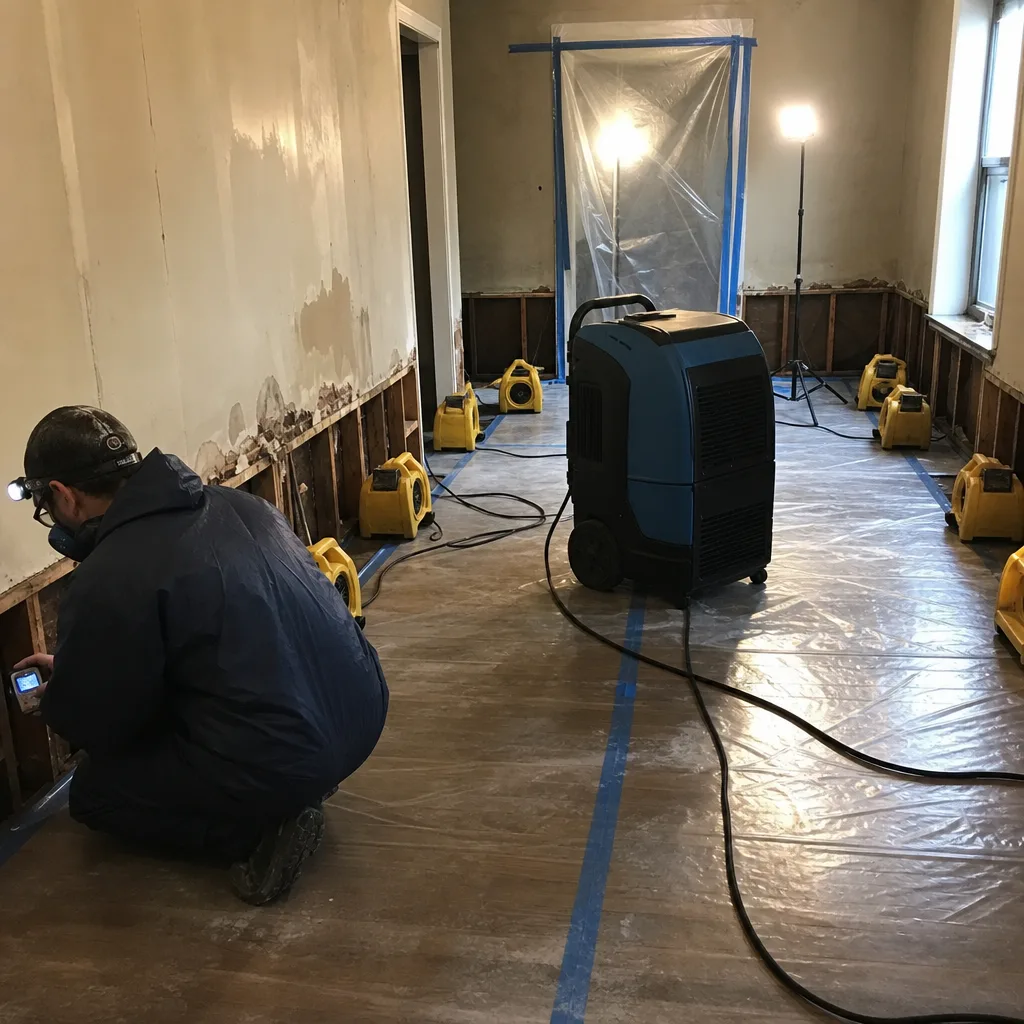
Black Mold Remediation
Stachybotrys, what people call black mold, grows on materials that stayed wet for days or weeks. It is common in Midwood basements after sewage backups sat unaddressed, and it requires full containment, HEPA air scrubbing, and removal of affected materials. Our crews handle it under negative pressure so spores never reach the rest of the house.
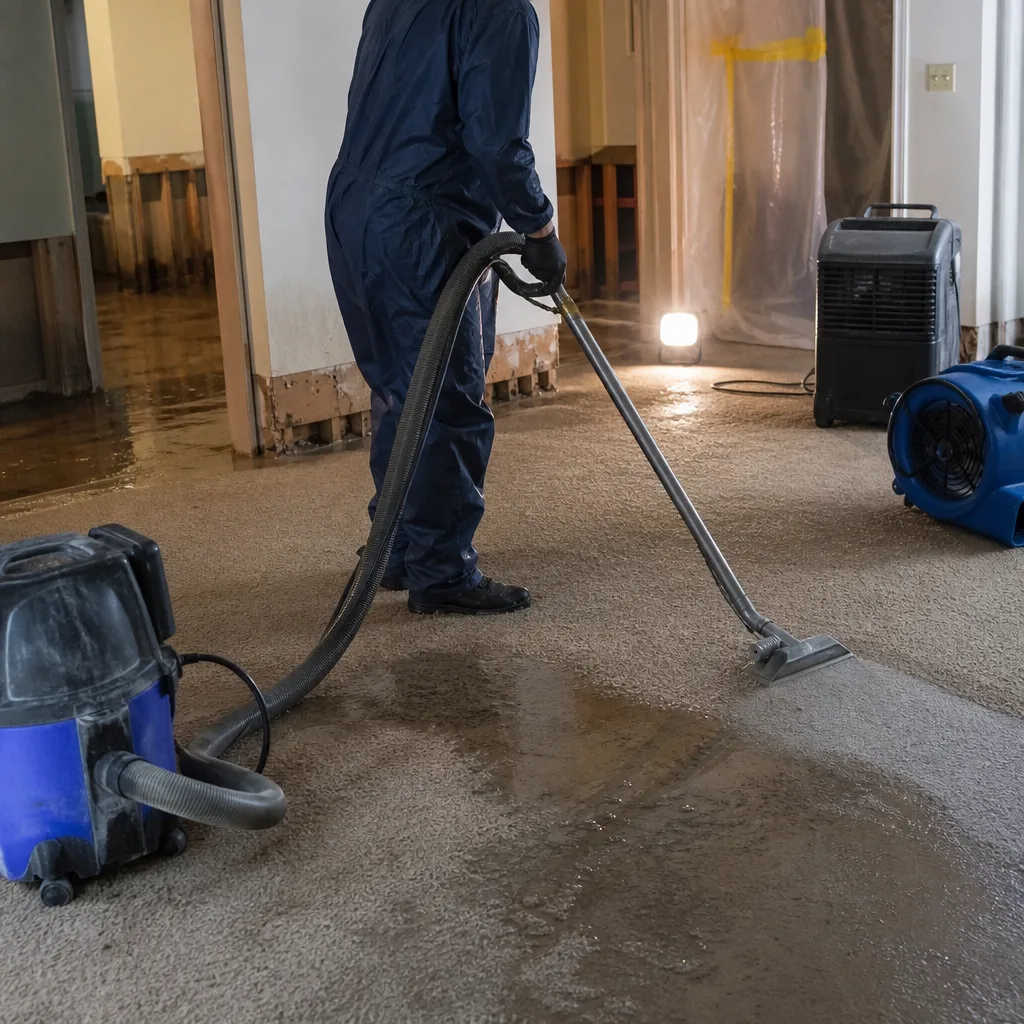
Air Quality Restoration
After remediation, we run HEPA air scrubbers and conduct clearance testing before anyone moves back into the space. The air in a Midwood basement that flooded with Category 3 water is not safe to breathe until the spore count comes down, and we prove it with written results.
Crawl Space Treatment
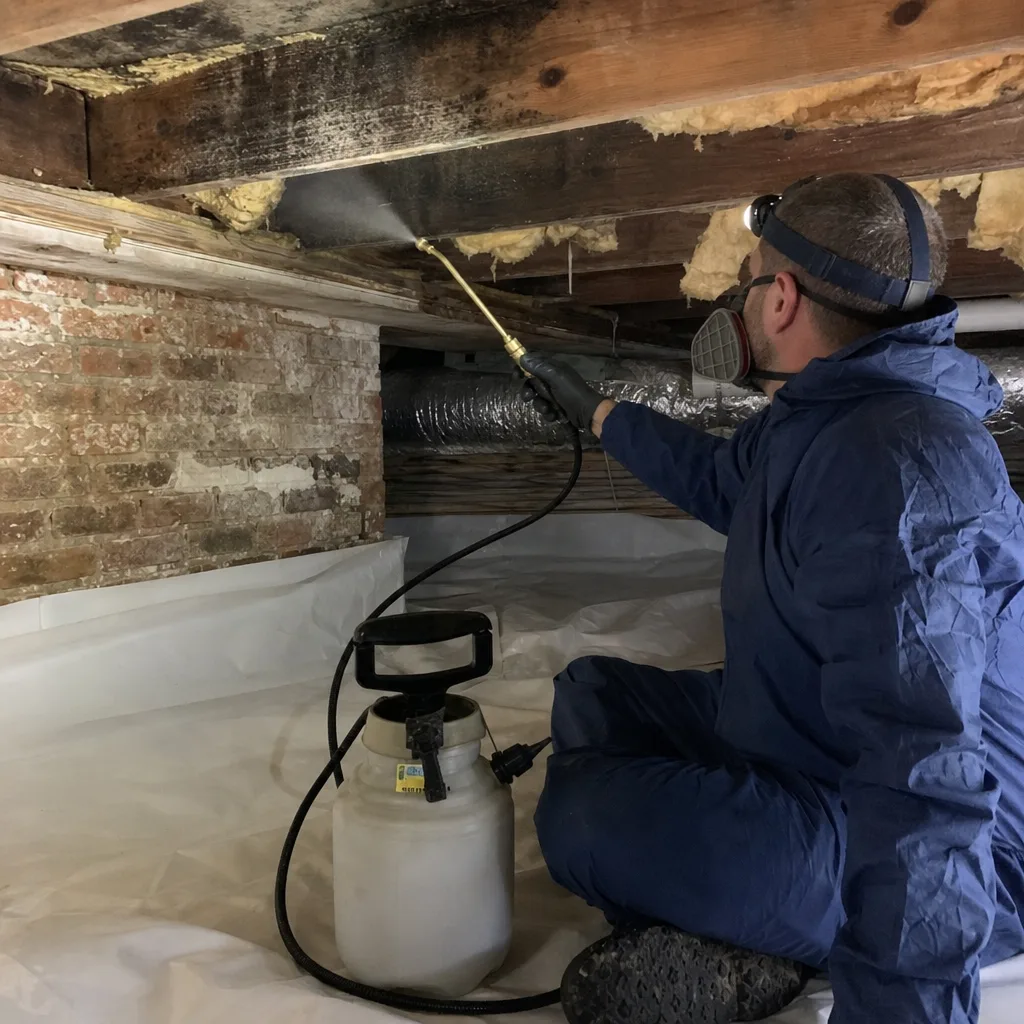
Many Midwood homes built between 1910 and 1945 have crawl spaces that stay damp year-round. We seal, dry, and treat those spaces so the musty smell stops rising into the living areas, and we address the moisture source rather than just treating the symptom.
What happens when you call
- 1
A real person answersNo phone trees - you reach a local pro.
- 2
You get an upfront price rangeHonest numbers before anyone is dispatched.
- 3
A background-checked tech heads outLicensed & insured, dispatched right away.
- 4
You approve before work beginsNothing starts until you say go.
Mold Remediation Costs in Midwood, NY
A typical mold inspection and testing call in Midwood runs $350 to $700. Targeted mold removal from a single wall cavity or ceiling stain runs $1,200 to $2,800 when the moisture source is identified early. Full black mold remediation after a basement sewage backup, with containment, demolition of wood-paneled finishes, antimicrobial treatment, and structural drying, runs $4,000 to $9,500 depending on square footage and how far the moisture traveled through original plaster walls. The price moves with three things: how deep the moisture went, whether Category 3 water was involved, and how much original plaster-and-lath demolition is required. Insurance covers most of this when the mold traces to a covered water event, and we handle that billing directly. Call (917) 924-4221 and we’ll schedule a free visual inspection, give you a written scope, and you’ll know exactly what you’re dealing with. A square deal: no surprises on the bill.
We Also Serve Cities Near Midwood
Our crews serve Midwood and the surrounding communities including Fairview, Harrison, East Bronx, and Hunts Point. If you’re in one of those neighborhoods and dealing with mold, the same 24/7 live dispatch and certified crews are available to you.
Midwood Mold Remediation Questions, Answered
Why does mold keep coming back in my Midwood pre-war basement after a sewage backup?
Mold returns because moisture remains trapped in original plaster-and-lath walls and wood-paneled finishes that were never fully removed or dried. A sewage backup is Category 3 water, and any porous material it touched must come out, along with the moisture behind it. If remediation only treats the visible surface, the colony recolonizes within weeks. Our phased demolition protocol probes deep, removes saturated materials, and dries framing to the standard before rebuilding. Call (917) 924-4221 for a free inspection if you’ve already been through one remediation and the musty smell is back.
How do you handle mold behind horsehair-plaster walls without gutting the whole room?
We use thermal imaging and invasive moisture probes to map exactly how far the saturation extends behind the plaster, then remove only the affected plaster and lath. In Midwood’s pre-war homes, a ceiling stain that looks localized often hides a six-inch-deep saturated cavity, so we cut back to dry, stable material. That containment-first approach keeps the rest of the room intact while ensuring no hidden moisture remains to feed future mold growth.
Are all basement floods in Midwood treated as black water?
No, only floods involving sewage are Category 3 black water. A burst supply line is Category 1 clean water. A sump failure or appliance overflow is Category 2. But in Midwood, where the combined sewer surges during nor’easters and summer storms, sewage up through floor drains is common, and we treat every basement flood with caution until we confirm the source. Category 3 means full containment, removal of contaminated porous materials, and antimicrobial treatment.
Can you test my Midwood home for mold even if I don’t see any stains?
Yes. We run moisture mapping and air sampling throughout the home, including basement cavities, crawl spaces, and attic knee walls. In Midwood’s original plaster-and-lath houses, mold often grows invisibly inside wall cavities for months before a stain appears. Our inspection answers whether mold is present, what type, and how far it has spread. Call (917) 924-4221 to schedule one.
Why does my Midwood basement get a musty smell every time it rains, even without visible water?
That smell is mold or mildew growing behind finishes that stay damp after water wicks through the foundation or rises from the crawl space. In Midwood’s flat glacial-outwash terrain, seasonal rain raises the water table against 1910s and 1920s foundations, and the original plaster and wood paneling hold that moisture invisibly. The smell is the first sign of a colony you can’t see yet. A free inspection will tell you how far it’s gone.
How fast can you get to a Midwood home for mold remediation?
Within 45 minutes. Our dispatch is live 24 hours a day, 7 days a week, and crews serve Midwood locally. When you call (917) 924-4221, a real person answers, and a certified technician is on the way. The sooner we start containment, the less the remediation ultimately costs, because the mold stops spreading.
Will my insurance cover mold remediation in Midwood?
Coverage depends on the source of the moisture. Mold that traces directly to a covered water event, like a burst pipe or sewage backup, is typically covered. Mold from long-term neglect or chronic seepage without a sudden event is usually not. We document everything from the first hour and bill your carrier directly, and our adjuster communication supports your claim. The free inspection gives you a clear written scope to submit.
Do I need full remediation or just a cleaning?
If mold covers less than 10 square feet on a non-porous surface and there is no hidden moisture, a targeted cleaning with HEPA vacuuming and antimicrobial treatment may be enough. In Midwood’s pre-war homes, the hidden moisture question is the problem, because plaster walls conceal saturation far longer than modern drywall. If we find deep moisture or Category 3 water involvement, full remediation is the only way to prevent recurrence. The free inspection tells you which path applies to your home.
Serving Midwood, NY - Our Local Coverage Area
We’re based in the Midwood area and know this community well. Use the map below to see our service coverage - if you’re nearby, we can almost certainly help.
Contact Floodline Restoration Co. of Manhattan for Mold Remediation in Midwood
If you suspect mold in your Midwood home, or if a sewage backup has left your finished basement damp, call (917) 924-4221. A live person answers, day or night. We’ll schedule a free visual inspection, give you a written scope of work, and handle the insurance billing directly. The 90-Day Done Right Promise backs every job in writing, and the same certified crew stays with you from first extraction to final rebuild. Mold Remediation in Midwood is all we do, and we stand behind it.
Written by Curt Bowman, Owner at Floodline Restoration Co. of Manhattan, serving Midwood and the surrounding communities since 2010.