
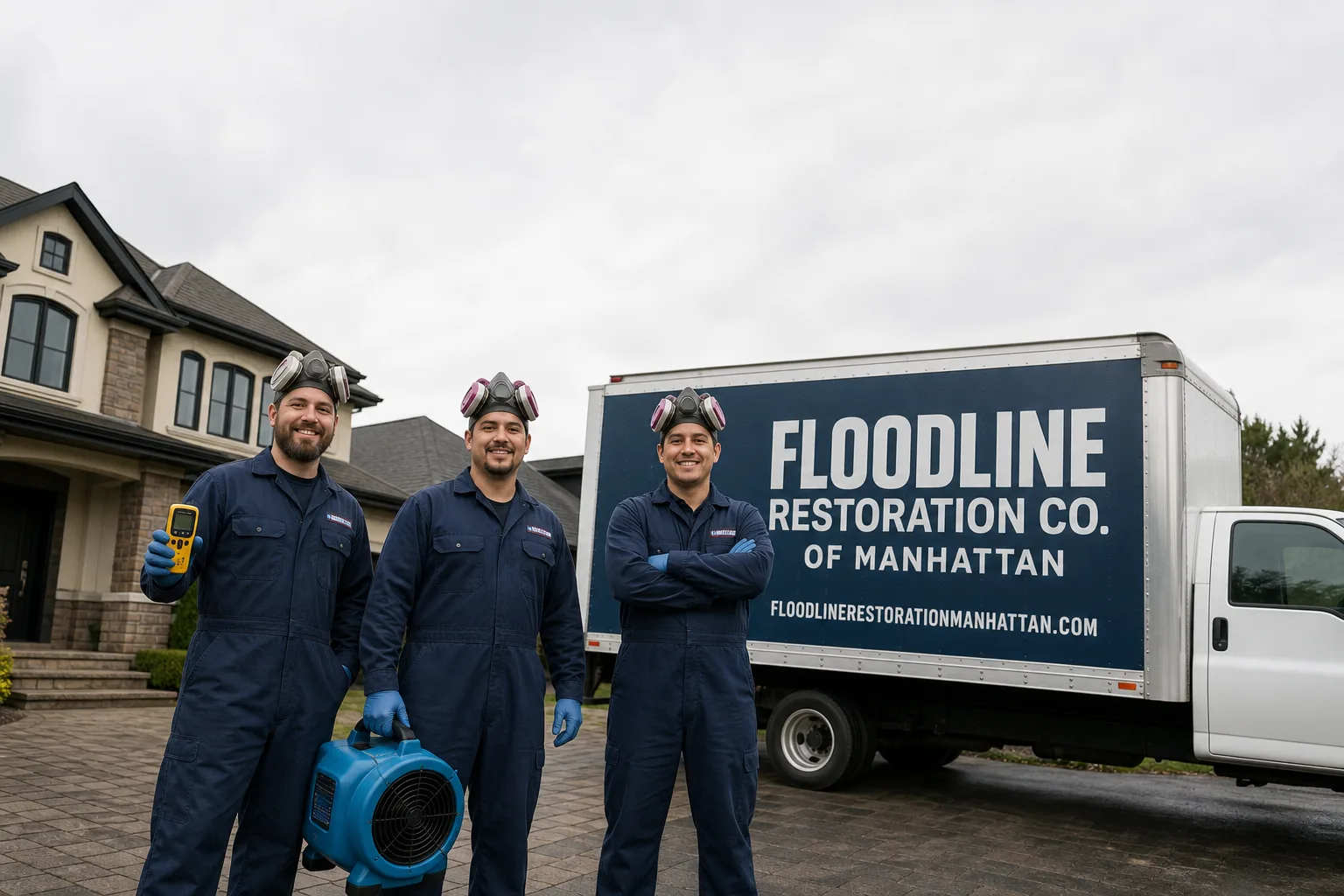
Free visual inspection and a written scope of work before any mitigation begins - photos, moisture readings, and drying logs go in your claim file
The scope we write is the scope we bill. Anything new gets shown to you, in writing, before we touch it.






 Before
 After
After Before
 After
After Before
 After
After24/7 Emergency Mold Remediation in Queens Village
Mold remediation in Queens Village typically costs between $1,800 and $6,500 depending on how far the mold has traveled through your home’s walls, and most jobs are completed in three to five days once containment is set. If you’ve spotted black staining on a basement wall or caught that musty smell that won’t leave, time matters: mold spreads through plaster and behind shared party walls faster than most homeowners expect. Call (917) 924-4221 now and a live dispatcher answers. Not a recording. We’ll send a certified crew to your Queens Village address, do a free visual inspection, and tell you exactly what we’re looking at before any work begins.
Understanding Mold Remediation Severity in Queens Village Properties
Queens Village isn’t full of vinyl-sided open-plan boxes. This is brick Tudor and Colonial Revival territory, most of it built between 1925 and 1955. Those homes share masonry party walls, plaster-over-lath assemblies, and finished basements that hide moisture for months before anyone sees a speck of mold. The severity levels we deal with break down like this. Minor surface mold, a few square feet on drywall or baseboard, can often be cleaned and treated in a single containment session. Moderate growth spreading across a basement wall or crawling through a closet usually means removing affected plaster sections, drying the cavity, and running HEPA air scrubbers for two to three days. Severe infestations, the kind that come from chronic sewer backup or a neighbor’s long-ignored roof leak, demand full containment, negative air pressure, demolition of saturated assemblies, and clearance testing before anyone reoccupies the space. In Queens Village specifically, we treat every moderate or severe case as a possible cross-party-wall condition until proven otherwise. That’s not paranoia. It’s the local building stock.
Why Queens Village Property Owners Choose Floodline Restoration Co. of Manhattan
You want a name you can hold accountable. Here’s what we put in front of every Queens Village homeowner:
- 45-minute response commitment for Queens Village addresses. Our dispatch board has crews staged near Hillside Avenue and Springfield Boulevard during storm season, so we’re not calling from across the river when you call us.
- A live person answers, 24 hours a day, every day. Two in the morning, Thanksgiving, doesn’t matter. A dispatcher picks up and starts moving a crew. No automated system, no “leave a message.”
- IICRC-certified crews on every job. Mold work means AMRT and WRT certification, not a handyman with bleach. Our techs train to IICRC, RIA, and IFA standards and show up in uniform, background-checked.
- Free visual inspection with no obligation. We’ll walk your basement, check the party wall line, and give you a straight answer about what you’re dealing with before you spend a dollar.
- Direct insurance billing. We document, we estimate to industry standards, and we talk to your adjuster so you don’t have to play messenger.
- One team from first extraction to finished rebuild. Floodline Restoration Co. doesn’t hand your job off to a sub after demo. The same certified crew that sets containment rebuilds the wall. That’s the whole point of our Mold Remediation model.
Our Mold Remediation Process
Inspection & Assessment
We start with thermal imaging and moisture meters on both sides of your party wall, not just the wall where you see staining. In a Queens Village twin, the source is often on the neighbor’s side. We map the full affected area before touching anything.
Containment & Stabilization
We seal the work area with 6-mil poly, run negative air pressure with HEPA-filtered scrubbers, and make sure spores can’t cross into your living space or through the shared wall while work proceeds. Stabilization comes first, always.
Drying & Dehumidification
Using Dri-Eaz and Phoenix dehumidifiers plus XPOWER air movers, we bring every cavity to the IICRC dry standard. Daily moisture readings get logged and handed to you and your carrier. No guessing, no “looks dry to me.”
Cleaning & Antimicrobial Treatment
We remove affected materials, HEPA-vacuum every surface in the containment zone, and apply EPA-registered antimicrobials to both sides of the party wall assembly. This is where the twin-home jobs differ: treating one side only is how mold comes back.
Crawl Space & Humidity Treatment
Queens Village basements sit on glacial till with poor drainage. We encapsulate crawl spaces, install or repair vapor barriers, and set humidity controls so the conditions that fed the mold don’t come back next nor’easter.
Repairs & Restoration
We rebuild what we removed: plaster, drywall, framing, trim, paint. The same crew that demo’d the wall hangs the new one. And before we leave, we run air quality sampling to confirm the space is clean.
Need Emergency Mold Remediation in Queens Village Now?
Crews minutes away, answering live 24 hours a day. The sooner we start, the less it costs.
Working With Your Insurance Company
Mold claims in Queens Village get complicated fast, especially when the source traces back to a neighbor’s roof leak or a combined sewer backup. Your carrier wants documentation, not stories. We build the file from the first hour: photos of the visible damage, thermal imaging showing what’s behind the walls, moisture readings from the party wall line, and a line-item scope of work that matches industry estimating standards. Our team talks directly with your adjuster, walks them through the source, and answers questions about scope so you don’t have to. Direct billing means the carrier pays us directly for covered losses. You’re not fronting money and chasing reimbursement.
What We Provide Your Insurer
- Thorough documentation of the loss
- Photos of all damage, room by room
- Moisture readings and drying logs
- A detailed, line-item scope of work
- Direct coordination with your carrier
Built for Queens Village’s Loss Calendar
Mold in Queens Village doesn’t happen on a schedule, but the calendar is real. January deep freezes split supply lines in the 90-year-old plumbing still running through these brick twins, and the water that pours into a finished basement feeds mold behind baseboards for weeks before it shows. Spring thaw saturates the glacial till under eastern Queens, pushing groundwater against foundations and through every crack in the lime mortar. Summer thunderstorms overwhelm the combined sewer lines along Springfield Boulevard and Jamaica Avenue, backing black water into basements through floor drains. Nor’easters drive wind-driven rain into brick facades and through unflashed party wall parapets, where it migrates laterally through the masonry and surfaces as staining in the neighbor’s bedroom. Every season has a mold pathway here. The houses don’t fail the same way twice, but they do fail predictably.
Mold Remediation Across Queens Village’s Neighborhoods
The response routes we run tell you a lot about how mold moves through this neighborhood. Up near Hillside Avenue and 220th Street, the brick Tudors sit shoulder to shoulder with shared roof lines, and we see ice dam water traveling laterally through the unflashed masonry wythe between units. One homeowner’s stained ceiling is often the neighbor’s leak. Over by the Bellerose border along Jamaica Avenue, the attached Colonials with finished basements face chronic sewer surcharge during summer storms, and that category 3 water demands full containment protocols before anyone touches a wall. The blocks around the Belmont Park side have more crawl spaces and partially excavated basements, where humidity climbs every July and mold colonizes the subfloor from below. And on the quieter residential streets west of Springfield Boulevard, the pre-1955 plaster-over-lath walls are a different animal entirely: moisture hides inside the lath cavity for months, and demolition during remediation means you’re likely disturbing asbestos-containing plaster. Every one of those jobs starts with testing.
Specialized Mold Remediation Services We Offer in Queens Village
Mold Inspection & Testing
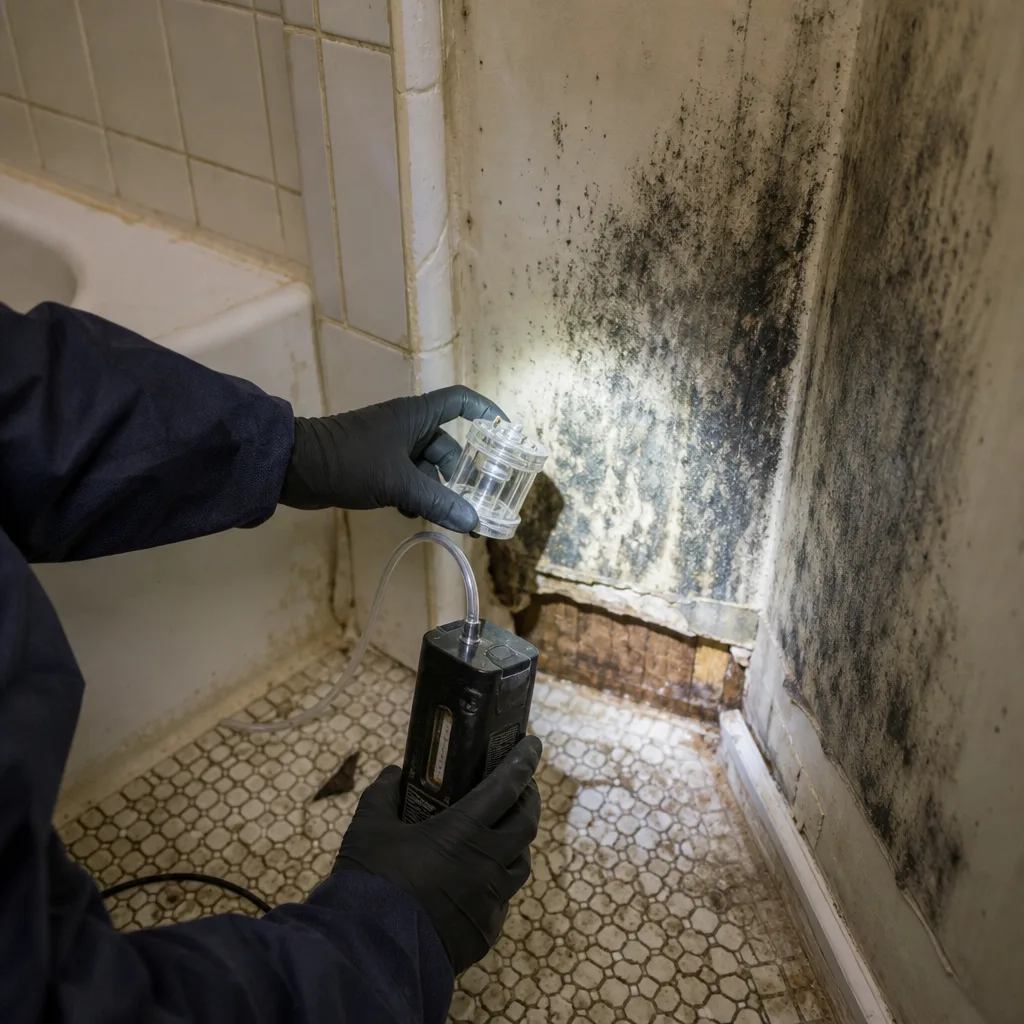
We don’t guess. Our inspectors use thermal imaging, moisture meters, and air sampling to find mold you can’t see, including what’s traveling through the shared party wall from your neighbor’s side. Every report includes source attribution so your insurance claim stands on something solid.
Mold Removal
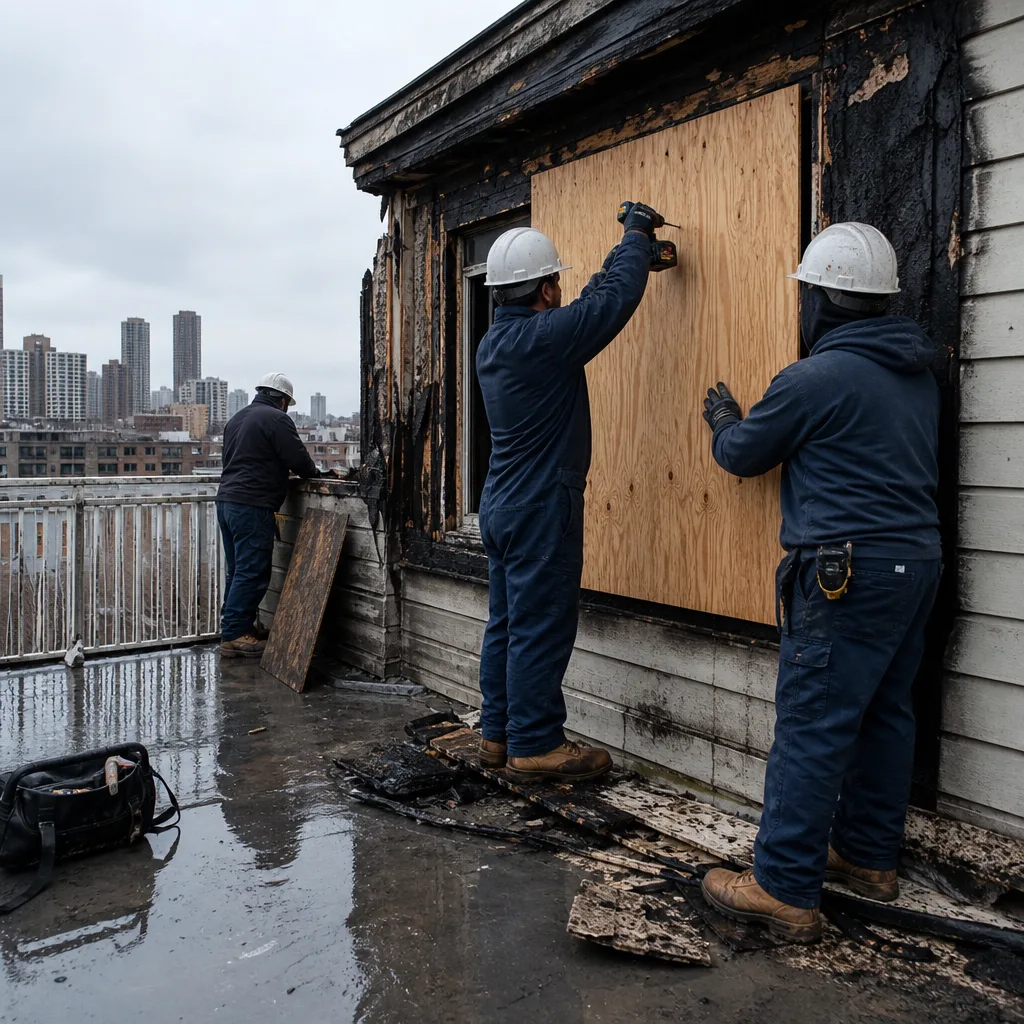
Physical removal beats spraying. We remove affected plaster, drywall, and insulation under containment, HEPA-vacuum every surface, and dispose of contaminated materials properly. Then we dry the cavity to the IICRC standard before any rebuild starts.
Black Mold Remediation
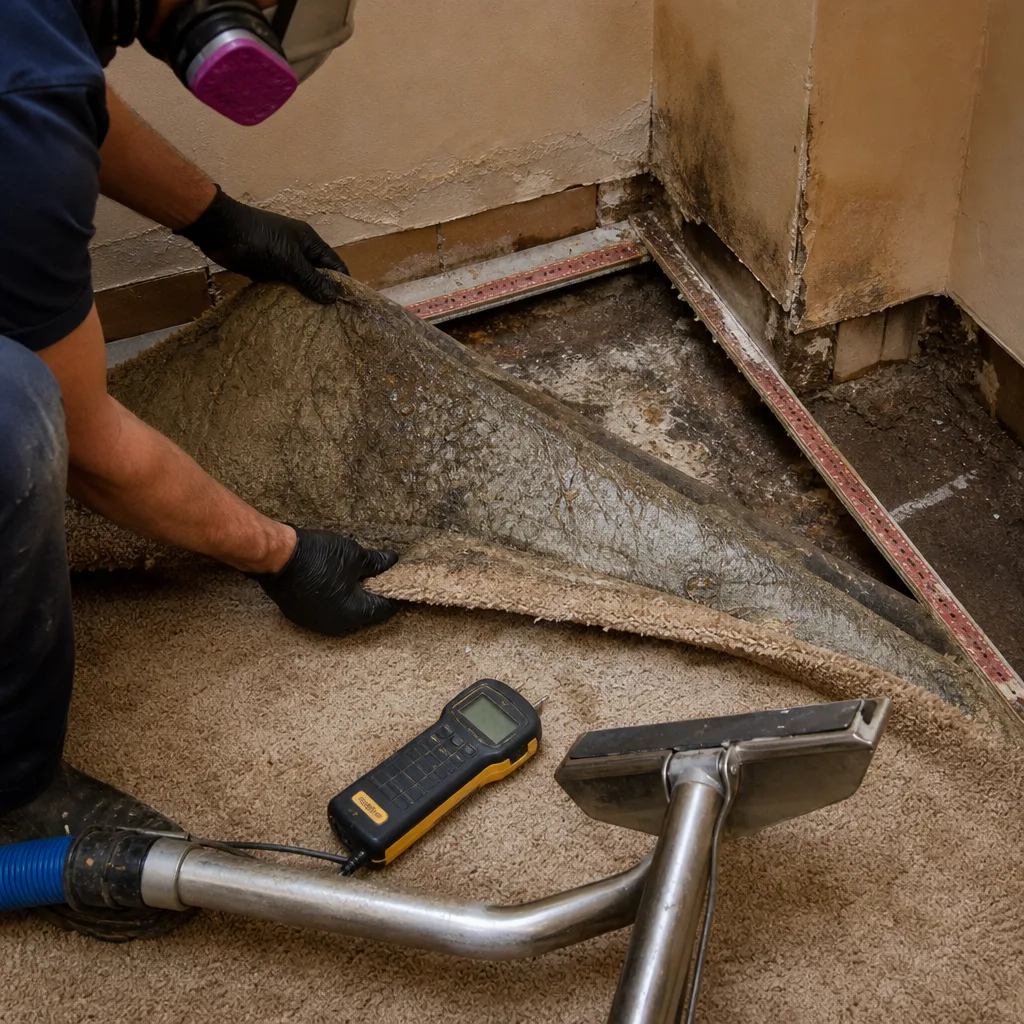
Stachybotrys gets attention for good reason. It’s toxigenic, and in a tightly sealed Queens Village twin, spores circulate through forced-air ducts fast. Full containment, negative air pressure, and clearance testing after treatment are non-negotiable on these jobs, and treating only one side of a shared wall is how you get a callback.
Air Quality Restoration
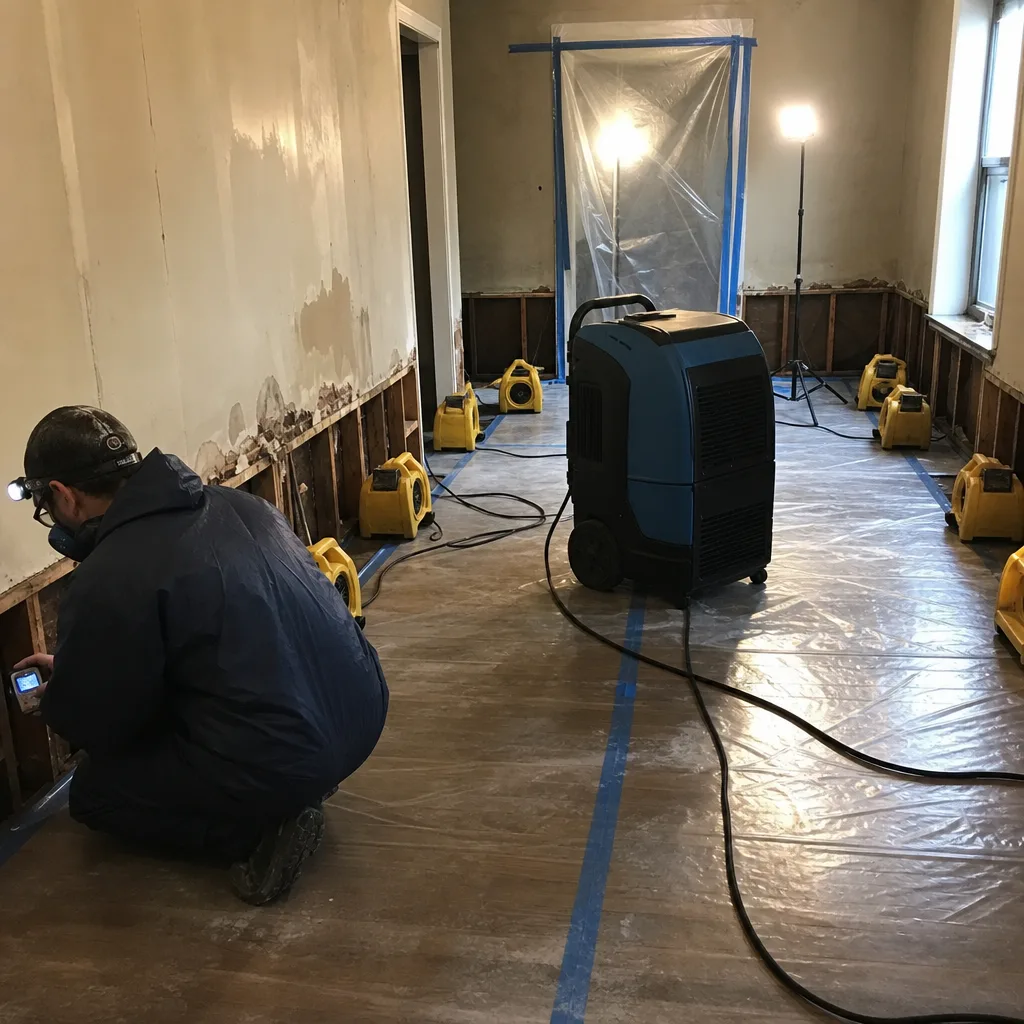
After remediation, your air should be cleaner than before the mold showed up. We run HEPA scrubbers during treatment, then verify with post-remediation air sampling. You get actual numbers, not a “smells better.”
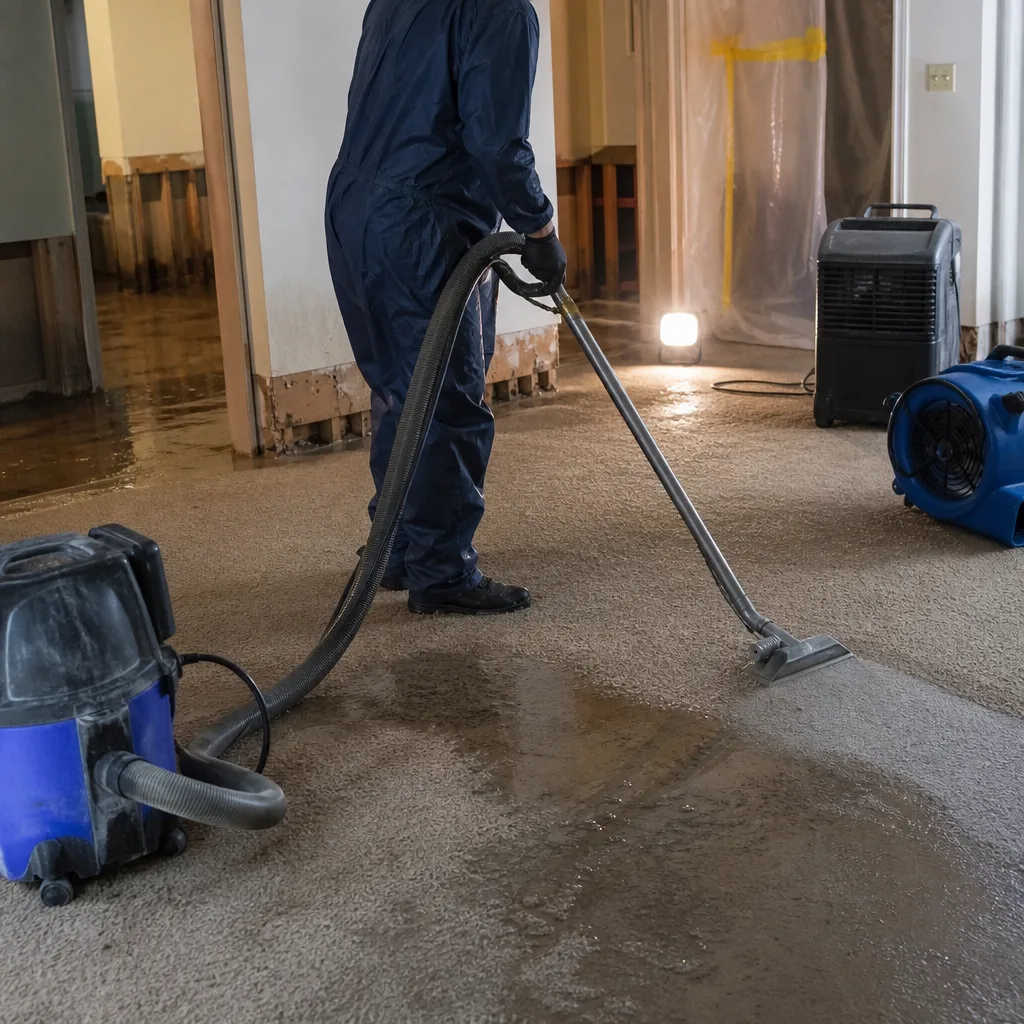
Crawl Space Treatment
Dirt crawl spaces in Queens Village sit over glacial till with nowhere for water to go. We encapsulate floors, seal foundation vents where appropriate, install vapor barriers, and set the humidity controls that stop mold from coming back year after year.
What happens when you call
- 1
A real person answersNo phone trees - you reach a local pro.
- 2
You get an upfront price rangeHonest numbers before anyone is dispatched.
- 3
A background-checked tech heads outLicensed & insured, dispatched right away.
- 4
You approve before work beginsNothing starts until you say go.
Mold Remediation Costs in Queens Village, NY
Here’s what you’re actually looking at in the Queens Village market. A contained surface mold cleanup on one basement wall typically runs $1,200 to $2,800. A full basement remediation with drywall removal, structural drying, and antimicrobial treatment lands between $3,500 and $7,500. The price climbs when we’re dealing with both sides of a party wall, when asbestos testing and abatement are required on pre-1955 plaster, or when a combined sewer backup means category 3 protocols and full contents pack-out. What moves the number: square footage of affected area, whether the mold reached structural framing, how much demolition is required, and whether crawl space encapsulation is part of the fix. Insurance covers mold when it’s the result of a sudden, covered water event, not when it grew from years of unaddressed humidity. The free visual inspection is how you find out which category you’re in without spending anything. Call (917) 924-4221 and we’ll walk you through it.
We Also Serve Cities Near Queens Village
Floodline Restoration Co. of Manhattan runs certified crews through the neighborhoods around Queens Village every day. That includes Queens Village, plus Oakland Gardens, Hollis, Bellerose, and Floral Park. If you’re anywhere in the eastern Queens border region, we can reach you fast and we know the building stock.
Queens Village Mold Remediation Questions, Answered
Why does mold keep returning in my Queens Village twin home even after remediation on my side?
Because the shared masonry party wall acts as a wick, and treating only one side does nothing to stop moisture or spores traveling through the connected assembly. Full remediation means drying and treating the wall cavity across the property line, coordinating with your neighbor, and often filing a claim against their policy when their leak is the source. Call us at (917) 924-4221 and we’ll trace the actual source before we remove anything.
Is mold from a combined sewer backup in a Queens Village basement treated differently than a clean water leak?
Yes, and the difference is category 3 water. Sewer backup carries bacteria, pathogens, and whatever else came up through the floor drain. Mold from that scenario demands full containment, antimicrobial treatment beyond standard cleaning, and often disposal of saturated materials rather than drying. Queens Village’s combined sewer system backs up often enough that we treat every such call as a potential pathogen event, not a standard water loss. Call (917) 924-4221 for an assessment.
Do I need to test for asbestos before mold removal in my 1930s Queens Village home?
If your home still has original plaster over lath, which most 1925-to-1955 Queens Village twins do, the short answer is you should assume asbestos-containing materials are present unless testing says otherwise. Disturbing that plaster during mold removal without testing can release fibers and trigger a stop-work order. We test before we demo, every time. It’s part of doing the job without inheriting a bigger one.
How does the shared party wall complicate mold inspection and testing in a twin?
The wall isn’t yours alone. Mold travels through the masonry wythe from whichever side has the moisture problem, so a single-side inspection misses the source about half the time in Queens Village’s semidetached stock. We inspect and sample both sides of the wall line, coordinate with the neighbor, and document everything so both insurance carriers see the same evidence. Call (917) 924-4221 to schedule a free visual inspection.
Can mold from a neighbor’s leak make me file an insurance claim against my own policy?
Often yes. If the source is on your neighbor’s side, their policy should respond, but subrogation between carriers can take months while the mold spreads in your wall. Your own policy may cover your damages first and pursue the neighbor’s carrier later. We document the source so the claim is clean from day one. Talk to your adjuster, and we’ll give them the evidence.
How fast can a crew reach a Queens Village address with water or mold damage?
Day or night, we aim for 45 minutes to reach any Queens Village address, with crews staged near Hillside Avenue and Springfield Boulevard during storm seasons. A live dispatcher answers every call at (917) 924-4221, and the crew that arrives starts containment and moisture mapping the same visit. The faster we start drying, the less material has to come out.
Can my family stay in the house during mold remediation?
It depends on the scope and your household’s health. Small contained jobs may not require leaving. Jobs involving black mold, full basement containment, or anyone with respiratory conditions in the home generally mean staying elsewhere for a few days. We’ll give you a straight answer after the initial inspection, before any work starts.
What certifications do your Queens Village mold crews carry?
Our technicians hold IICRC AMRT and WRT certifications, plus RIA and IFA training. Background-checked, uniformed, and trained on Dri-Eaz, Phoenix, XPOWER, and B-Air equipment. No day labor, no subcontractor roulette. One Floodline crew handles your job from first reading to final walkthrough.
Serving Queens Village, NY - Our Local Coverage Area
We’re based in the Queens Village area and know this community well. Use the map below to see our service coverage - if you’re nearby, we can almost certainly help.
Call Floodline Restoration Co. of Manhattan for Mold Remediation in Queens Village
If mold has already shown up in your Queens Village home, don’t wait for it to cross the party wall. Call (917) 924-4221 now and a live person answers. We’ll schedule your free visual inspection, put a certified crew on your street, and walk you through the whole job before anything gets touched. Led by Curt Bowman and his team, Floodline Restoration Co. has been doing this work since 2010, and every job is backed by the 90-Day Done Right Promise, in writing. That’s the Keystone Standard. Done right, and backed in writing. No surprises on the bill. We stand behind it.
Written by Curt Bowman, Owner at Floodline Restoration Co. of Manhattan, serving Queens Village and the surrounding eastern Queens communities.