
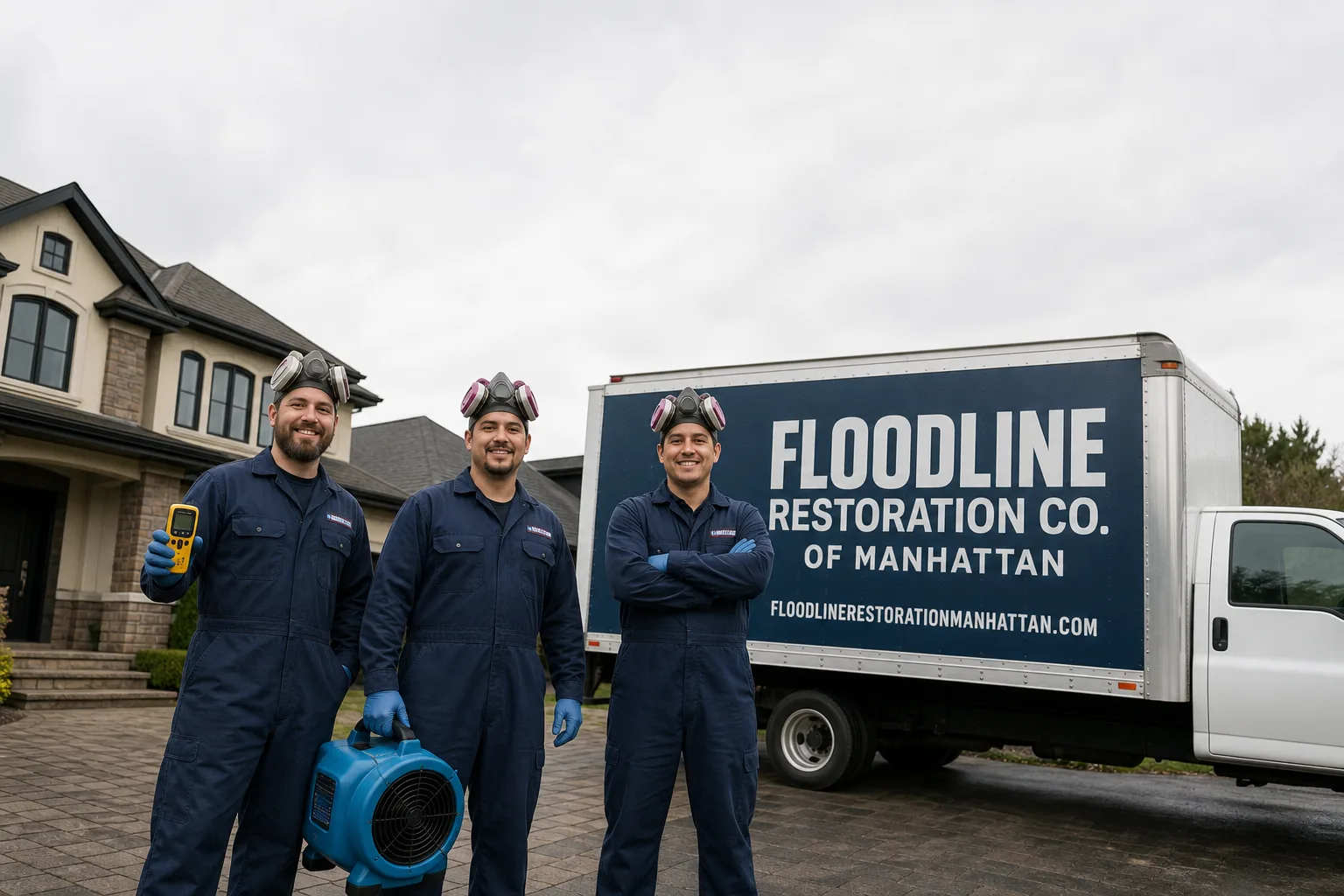
Free visual inspection and a written scope of work before any mitigation begins - photos, moisture readings, and drying logs go in your claim file
The scope we write is the scope we bill. Anything new gets shown to you, in writing, before we touch it.






 Before
 After
After Before
 After
After Before
 After
After24/7 Emergency Mold Remediation in Rockaway Park
Mold remediation in Rockaway Park typically runs $1,800-$6,500 depending on how far the growth has spread and whether salt-laden wall cavities from Sandy are involved. Most jobs we handle here begin with a free visual inspection and are scheduled within 24 hours. If you’ve spotted black staining along baseboards, smelled a persistent mustiness in a back bedroom, or noticed bubbling paint on a bay-side wall, call (917) 924-4221 now. A live dispatcher answers around the clock, every day of the year, and we’ll have a certified crew at your door inside 45 minutes anywhere on the peninsula. The sooner containment goes up, the less mold spreads through your home’s air, and the less it costs to fix.
Floodline Restoration Co. of Manhattan serves Rockaway Park with one team from first assessment to finished rebuild. We don’t hand your job to a subcontractor after the drying phase, and we don’t leave you playing messenger between us and your insurance carrier. We answer the phone with a person at 2 a.m., dispatch background-checked uniformed technicians, and back every job with the 90-Day Done Right Promise in writing. That’s the Keystone Standard, and it applies to every mold job we take on the Rockaway peninsula.
Understanding Mold Remediation Severity in Rockaway Park Properties
Mold severity is classified by the square footage of visible growth and whether the contamination is surface-level or embedded in wall cavities. Surface mold under 10 square feet on non-porous materials often calls for containment, HEPA vacuuming, and antimicrobial treatment. But in Rockaway Park’s older bungalows, what looks like a minor corner stain frequently traces back to something worse: a salt-laden wall cavity that has been quietly feeding mold since Hurricane Sandy’s surge in 2012.
Here’s what that means in practice. Saltwater pushes moisture into framing, insulation, and drywall far higher than the visible waterline. Even after a cosmetic restoration, residual chlorides inside those cavities attract and hold humidity. That creates a persistent moisture source that ordinary cleaning never addresses. We use moisture mapping with thermal imaging and penetrating meters to find those hidden reservoirs, then run containment and HEPA air scrubbing before we open any wall. On pre-elevation bungalows along the bay side, we routinely find stud bays holding above 20% moisture content years after the last flood event. That’s the difference between treating mold and curing it.
Why Rockaway Park Property Owners Choose Floodline Restoration Co. of Manhattan
- 45-minute response commitment on the peninsula. When you call about visible mold, a crew is dispatched from the NYC office and headed toward Rockaway Park immediately. We’ll be there when we say.
- 24/7 live answer, never an automated system. A dispatcher picks up at any hour. No phone tree, no “leave a message.” You reach a person who can schedule a crew the same call.
- IICRC-certified crews trained to WRT and AMRT standards. Our technicians hold Water Restoration and Applied Microbial Remediation certifications, plus RIA and IFA training, and they carry professional-grade Dri-Eaz and Phoenix equipment on every rig.
- Free visual inspection with no obligation. We assess the visible growth, check adjacent rooms, and give you an honest read on scope before any work is authorized.
- Direct insurance billing and adjuster coordination. We document the loss from hour one, send photos and moisture logs to your carrier, and bill them directly where coverage applies. You’re never the middleman.
- One team from containment to reconstruction. Extraction, drying, mold removal, and any rebuild are handled by the same certified crew. No mid-job handoff, no inherited subcontractors.
Our Mold Remediation Process
Inspection & Assessment
We walk the entire property with thermal imaging cameras and moisture meters, mapping the extent of visible growth and tracing moisture back to its source. In Rockaway Park, that means checking crawl spaces, shallow pier foundations, and original wall cavities for salt residue and hidden dampness. You get a written scope before any work starts.
Containment & Air Control
We seal affected areas with 6-mil polyethylene and run HEPA air scrubbers to create negative pressure, preventing mold spores from migrating to clean rooms through your HVAC system or open doorways. Containment goes up before we cut into anything.
Removal & Demolition
Contaminated drywall, insulation, trim, and flooring are removed and bagged inside containment. On pre-Sandy bungalows, we strip walls high enough to reach the salt wicking line, which often means opening cavities that were never touched during cosmetic repairs.
Drying & Dehumidification
Professional-grade Dri-Eaz dehumidifiers and Phoenix air movers run until moisture readings in framing and subflooring drop below 15%. We log daily readings and hand you the drying log, along with your carrier, so there’s a written record the cavity is actually dry, not just surface-dry.
Cleaning, Antimicrobial Treatment & Sanitization
Remaining framing and surfaces get HEPA vacuuming, wire brushing where corrosion is present, and antimicrobial treatment to prevent regrowth. We address corroded electrical components and salt-crystallized framing rather than covering them back up.
Repairs & Restoration
We replace removed materials, repair any structural damage, and restore finishes. If remediation uncovered hidden electrical corrosion, our scope includes rewiring affected runs and junction boxes. The job isn’t done until your home is whole and the moisture log says it’s dry.
Need Emergency Mold Remediation in Rockaway Park Now?
Crews minutes away, answering live 24 hours a day. The sooner we start, the less it costs.
Working With Your Insurance Company
Most mold remediation in Rockaway Park is tied to a covered water event: a nor’easter surge, a burst supply line, a bay-side seepage event, or the slow legacy of Sandy-era moisture. Your carrier expects documentation from the first hour, and that’s exactly what we provide. From the moment our crew arrives, we photograph every affected surface, log moisture readings, and build a line-item scope with industry-standard pricing. We then communicate directly with your adjuster so you don’t have to translate remediation jargon or chase a claim. When coverage is confirmed, we bill the carrier directly. You pay only what your policy says you owe.
What We Provide Your Insurer
- Thorough documentation of the loss
- Photos of all damage, room by room
- Moisture readings and drying logs
- A detailed, line-item scope of work
- Direct coordination with your carrier
Built for Rockaway Park’s Loss Calendar
Rockaway Park sits on a barrier peninsula with the Atlantic on one side and Jamaica Bay on the other. That geography writes our emergency calendar. Late summer and early fall bring hurricane and nor’easter threats that push surge flooding from both directions. January and February freeze events burst supply lines in uninsulated crawl spaces of older bungalows. Spring thaw and heavy rain saturate the sandy soil and push water up through shallow pier foundations. And the bay side stays humid year-round, which means crawl space mold never truly goes dormant here.
This double coastal exposure means mold in Rockaway Park is rarely a one-off event. It’s a recurring pressure on the building envelope. That’s why we approach every job here with an eye toward the next storm season and the next freeze, not just the visible growth in front of us. We inspect for the moisture source that will keep feeding mold if it’s not addressed now.
Mold Remediation Across Rockaway Park’s Neighborhoods
Rockaway Park’s streets tell the story of its housing stock. Along the ocean side, near Beach 116th Street and the boardwalk, newer elevated homes sit beside pre-Sandy bungalows still at grade. The elevated homes often have conditioned crawl spaces or enclosed ground floors, but those enclosures trap humidity if vents are blocked or drainage isn’t maintained. The older ocean-side bungalows, many built as summer cottages in the 1920s through 1940s, have original cedar siding and wall cavities that absorbed saltwater during Sandy’s surge.
Down toward the bay side, the blocks near Jamaica Bay hold some of the oldest stock on the peninsula. Shallow pier foundations and open crawl spaces draw bay moisture upward into subflooring every humid season. Around Beach 108th Street and the Neponsit border, we see larger rebuilt homes where improper post-Sandy reconstruction left sealed-in moisture that now feeds mold behind new drywall. And near the Cross Bay Veterans Memorial Bridge approach, homes weathered both surge and reconstruction traffic. Different blocks, different failure patterns, but the same rule applies across Rockaway Park: find the moisture source before you treat the mold, or you’ll be back in six months.
Specialized Mold Remediation Services We Offer in Rockaway Park
Mold Inspection & Testing
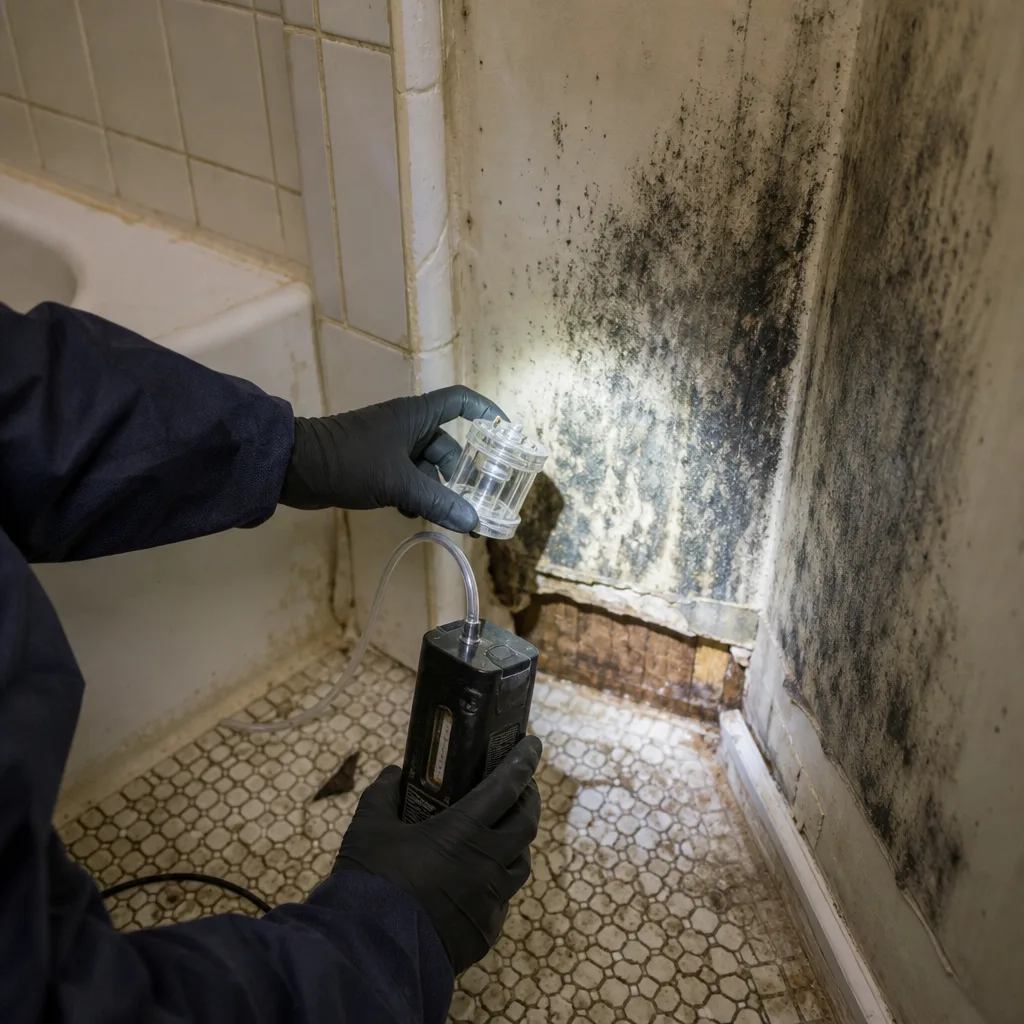
Every job starts with a free visual inspection. We use thermal imaging and penetrating moisture meters to find growth you can’t see and moisture sources you didn’t know existed. In Rockaway Park, that means checking original wall cavities, crawl spaces, and subflooring, especially in pre-elevation bungalows with a Sandy history. When testing is warranted, we take air and surface samples and use an independent lab for analysis.
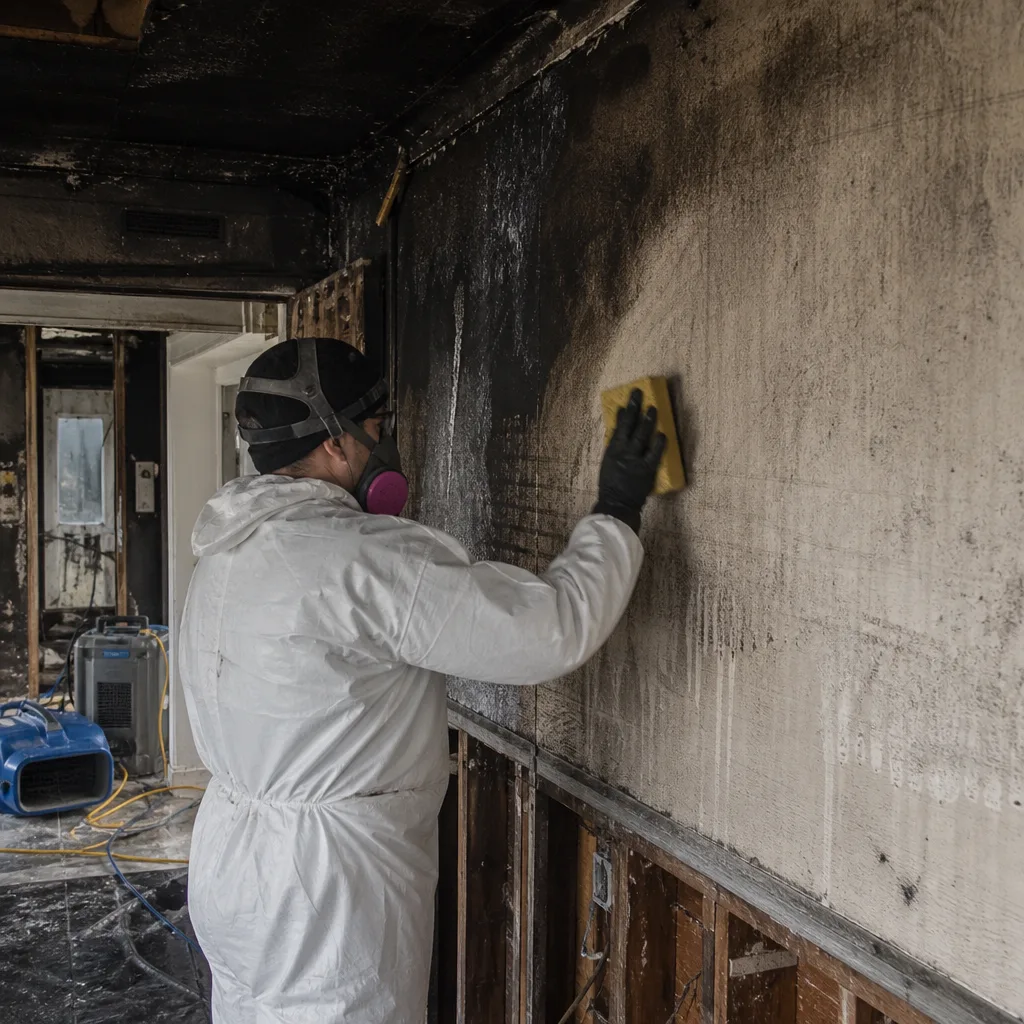
Mold Removal
Our Mold Remediation team removes contaminated materials under containment and runs HEPA air scrubbing throughout the process. The goal is not just to clean surfaces but to remove the mold reservoir entirely, including behind walls where Saltwater cavities still hold moisture.
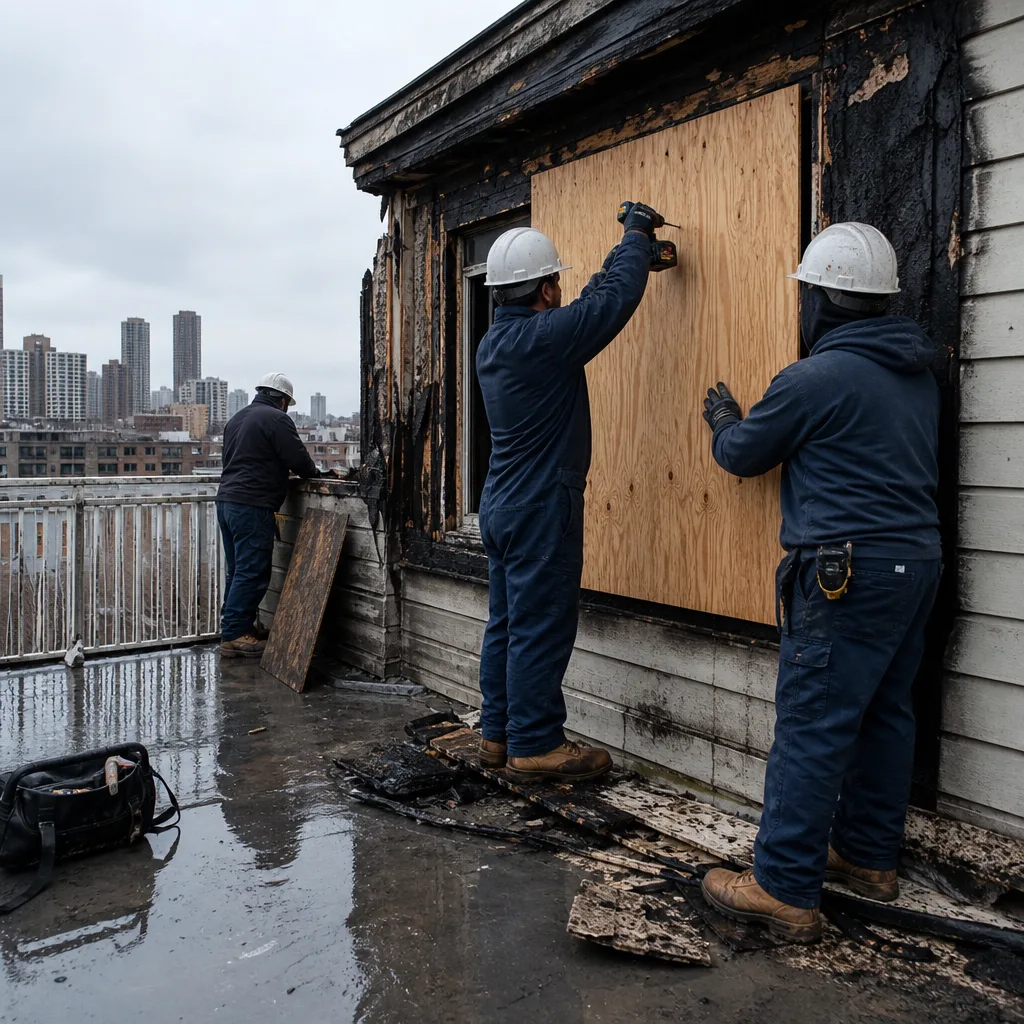
Black Mold Remediation
Stachybotrys chartarum, what most people call black mold, thrives on chronically damp cellulose: drywall, framing, subflooring. In Rockaway Park, we find it most often in hidden cavities behind original cedar siding and in crawl spaces with persistent bay-side humidity. We treat it with full containment, aggressive source removal, and antimicrobial application, then verify with moisture logs that the environment can’t support regrowth.
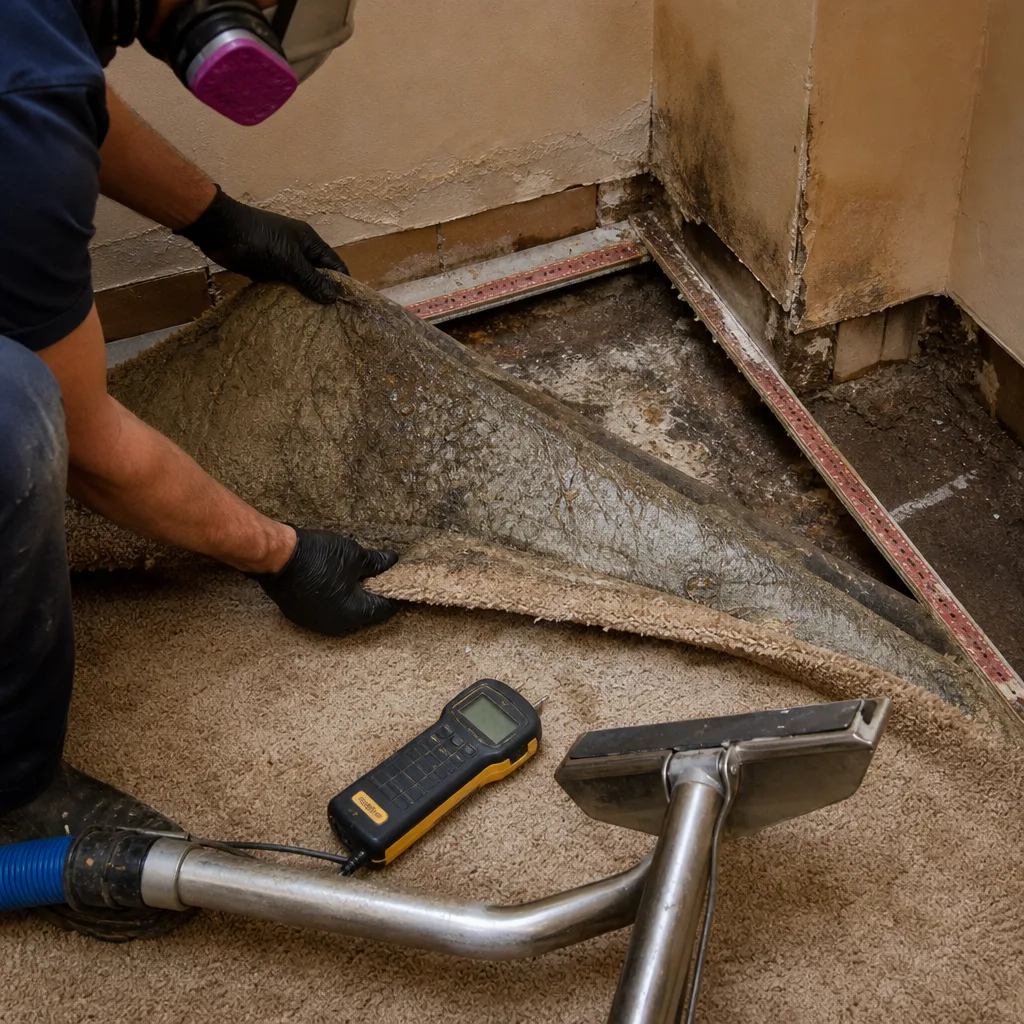
Air Quality Restoration
After source removal, we run HEPA air scrubbers and, where indicated, use air exchange to bring spore counts back to acceptable levels. On the peninsula, this step matters more because homes are closed up during hot summer months with high ambient humidity. We clear the air inside containment and then verify the rest of the home before we call the job done.
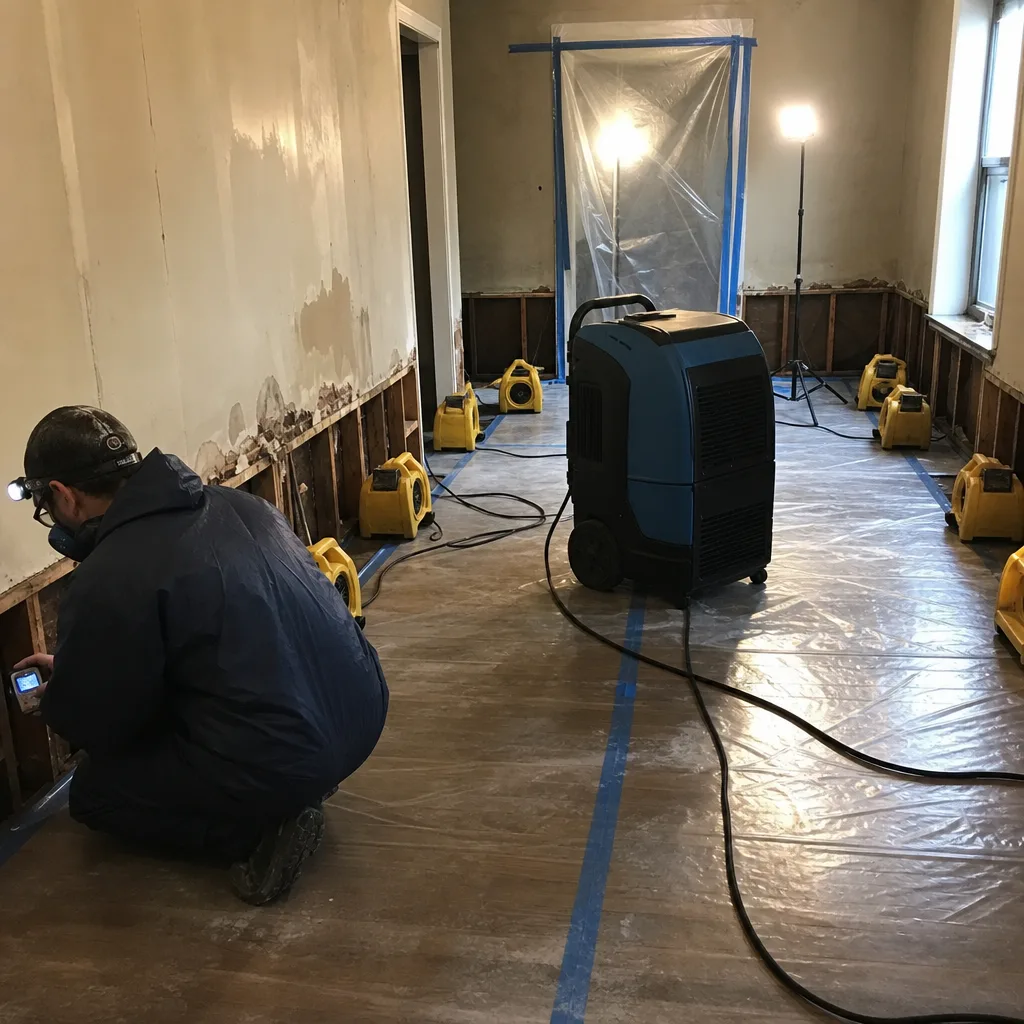
Crawl Space Treatment
Rockaway Park’s shallow pier foundations and open crawl spaces are a mold engine. We treat subflooring, joists, and sill plates with antimicrobial products, address drainage and standing water, and install vapor barriers where the structure allows. The goal is to cut off the moisture supply that keeps re-triggering mold inside the living space above.
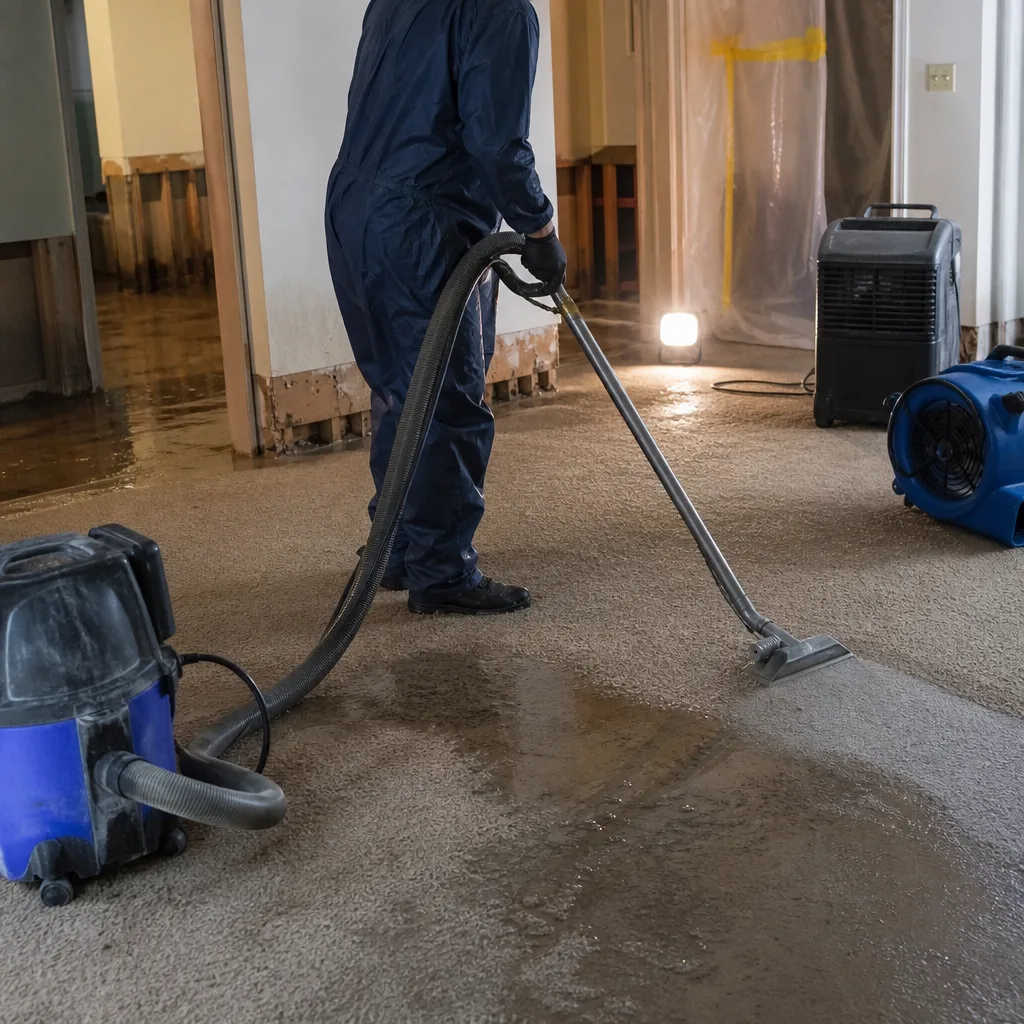
Moisture & Humidity Control
Sometimes the best mold remediation is preventing the next bloom. We assess your home’s ventilation, drainage, and humidity profile, then recommend and install dehumidification systems, rain gutters, and grading fixes appropriate to a barrier-peninsula property. A crawl space in Rockaway Park needs different handling than a basement in Howard Beach, and our recommendations reflect that.
What happens when you call
- 1
A real person answersNo phone trees - you reach a local pro.
- 2
You get an upfront price rangeHonest numbers before anyone is dispatched.
- 3
A background-checked tech heads outLicensed & insured, dispatched right away.
- 4
You approve before work beginsNothing starts until you say go.
Mold Remediation Costs in Rockaway Park, NY
A straightforward surface mold removal in a single room of a Rockaway Park home typically runs $1,800-$3,200. That includes containment, HEPA vacuuming, antimicrobial treatment, and disposal. If we’re opening walls to address hidden cavity growth, plan on $3,500-$6,500 depending on square footage and what we find inside: corroded electrical, salt-damaged framing, or rotted subflooring all move the number. Crawl space treatment on the bay side generally falls between $2,400 and $4,800, with vapor barrier installation additional. Full remediation of a heavily contaminated pre-Sandy bungalow can reach $12,000 or more when significant rebuild is required. The free inspection is how you get a firm line-item scope instead of a guess. Call (917) 924-4221 and we’ll walk the property with you before any work is authorized.
We Also Serve Cities Near Rockaway Park
Floodline Restoration Co. of Manhattan serves the entire Rockaway peninsula and surrounding Queens communities. We regularly handle Mold Remediation in Rockaway Park and schedule crews in Far Rockaway, Jamaica, Howard Beach, and Inwood. If you’re in a neighboring area and seeing mold, call the same number and we’ll get a crew headed your way.
Serving Rockaway Park, NY - Our Local Coverage Area
We’re based in the Rockaway Park area and know this community well. Use the map below to see our service coverage - if you’re nearby, we can almost certainly help.
Rockaway Park Mold Remediation Questions, Answered
Why does mold keep coming back in my Rockaway Park bungalow even after I cleaned it?
Because the moisture source was never removed. In Rockaway Park bungalows, that source is often a salt-laden wall cavity or crawl space that has held residual moisture since Hurricane Sandy. Surface cleaning removes visible mold but doesn’t dry the cavity or cut off the humidity feeding it. Until the salt-contaminated materials are removed and the framing is dried below 15% moisture content, mold will return. Call (917) 924-4221 and we’ll trace the source before recommending any treatment.
Is the mold in my elevated post-Sandy home less dangerous than in an older bungalow on a slab?
Not necessarily. Elevated homes have their own vulnerability profile: enclosed ground floors that trap humidity, blocked flood vents, and post-construction moisture sealed into new framing. Mold in an elevated home on Beach 116th Street can be just as aggressive as in a 1940s bungalow if the enclosure isn’t ventilated or if drainage is poor. We assess each structure on its own terms.
How do you handle mold behind the original cedar shake siding on a Beach 116th Street bungalow?
We contain the area, remove interior drywall or plaster to expose the wall cavity, and inspect for salt-damaged framing and corroded electrical. On a bay-side block near Beach 116th Street, our crew traced a stubborn musty odor in a 1940s bungalow to a hidden wall cavity behind original cedar siding. Moisture mapping showed elevated readings along a stud bay that had never been opened since Sandy’s surge. We cut containment, removed salt-crusted drywall, and found black mold feeding on corroded Romex sheathing. After HEPA vacuuming and antimicrobial treatment with Dri-Eaz equipment, we replaced the stud section, rewired the affected run, and verified with drying logs that the cavity stayed below 15% moisture content.
Does Rockaway Park require special permits or flood-zone documentation for mold remediation work?
Mold remediation itself doesn’t typically require a separate permit in NYC, but any structural repair or rebuild connected to the job does, and that’s where flood-zone compliance comes in. Most of Rockaway Park sits in FEMA AE or VE flood zones, and significant restoration work may require elevation certificates and flood-resistant materials documentation. We handle that with your carrier and the Department of Buildings so the paperwork doesn’t come back to bite you at resale.
What’s different about drying a crawl space in Rockaway Park versus inland Queens?
Inland Queens has basements. Rockaway Park has shallow pier foundations and open crawl spaces sitting near the water table. Bay-side humidity keeps subflooring damp even when the weather is dry, and nor’easter surges push water through from below. Drying a crawl space here means addressing standing water, installing or repairing vapor barriers, and often adding mechanical dehumidification, not just running air movers for a few days. The job isn’t done until the moisture reading under the floor says it’s done.
How fast can you actually get to Rockaway Park for a mold emergency?
Within 45 minutes of your call, any time of day, any day of the year. A live dispatcher answers at (917) 924-4221 and radios a crew from the NYC office straight to your door on the peninsula. No overnight hold, no callback in the morning.
Can we stay in our home during mold remediation?
It depends on the extent of contamination and where the work is happening. For contained removal in a single room or crawl space, most Rockaway Park families stay in the home, though we may recommend sleeping in a different part of the house while air scrubbers run. If contamination is widespread or black mold is present in multiple rooms, we’ll give you an honest recommendation about temporary relocation. Safety first, always.
What should I do in the first 30 minutes after I find mold in my Rockaway Park home?
Don’t disturb it. Don’t spray bleach on it, don’t scrub it, don’t run fans across it, and don’t open the wall. Disturbing mold releases spores into your air and spreads the contamination. Close the door to the room if you can, turn off any HVAC that serves that area, and call us at (917) 924-4221. We’ll walk you through the next steps on the phone and get a crew headed your way.
Written by Curt Bowman, Owner at Floodline Restoration Co. of Manhattan, serving Rockaway Park with full-cycle restoration since 2010.