
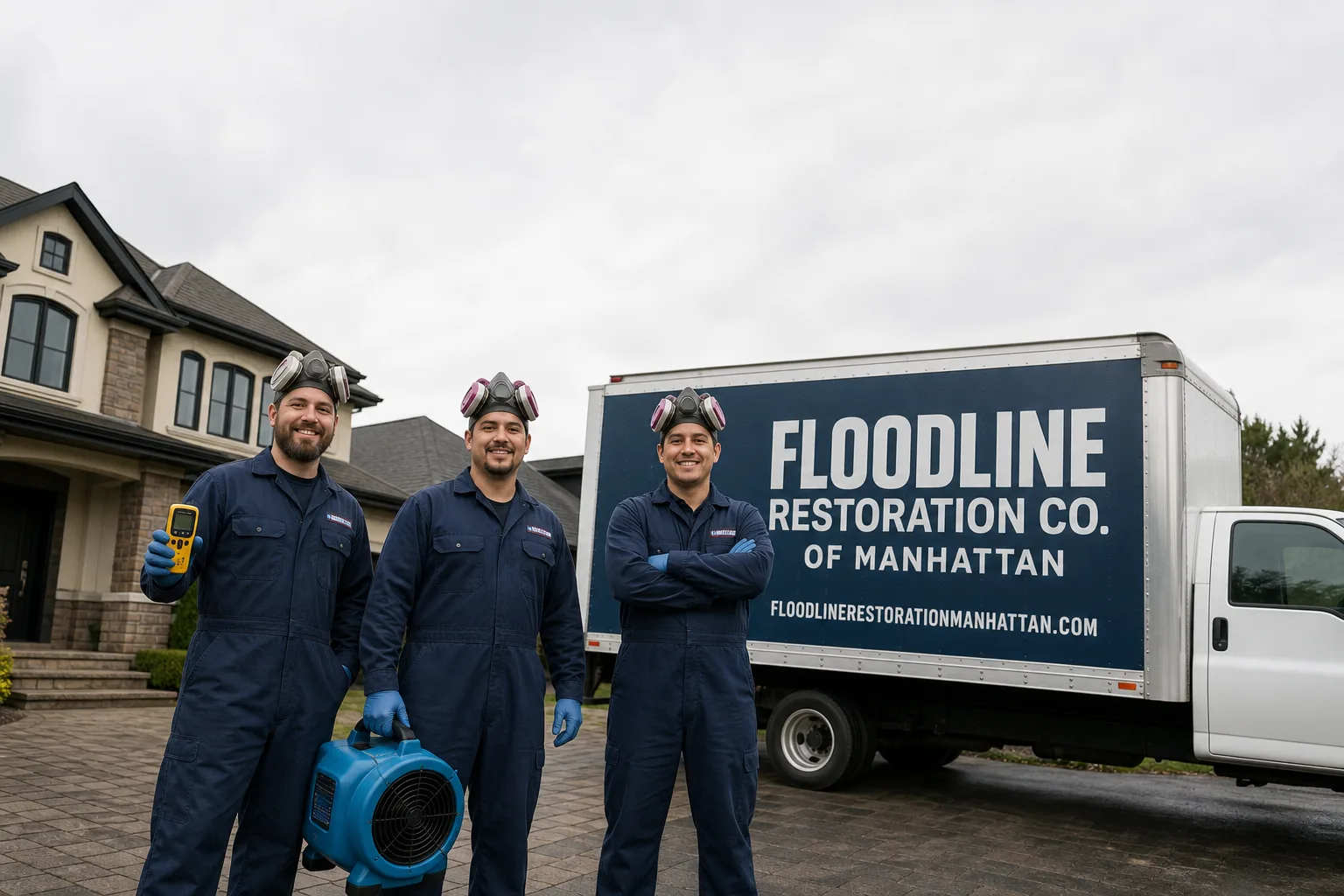
Free visual inspection and a written scope of work before any mitigation begins - photos, moisture readings, and drying logs go in your claim file
The scope we write is the scope we bill. Anything new gets shown to you, in writing, before we touch it.
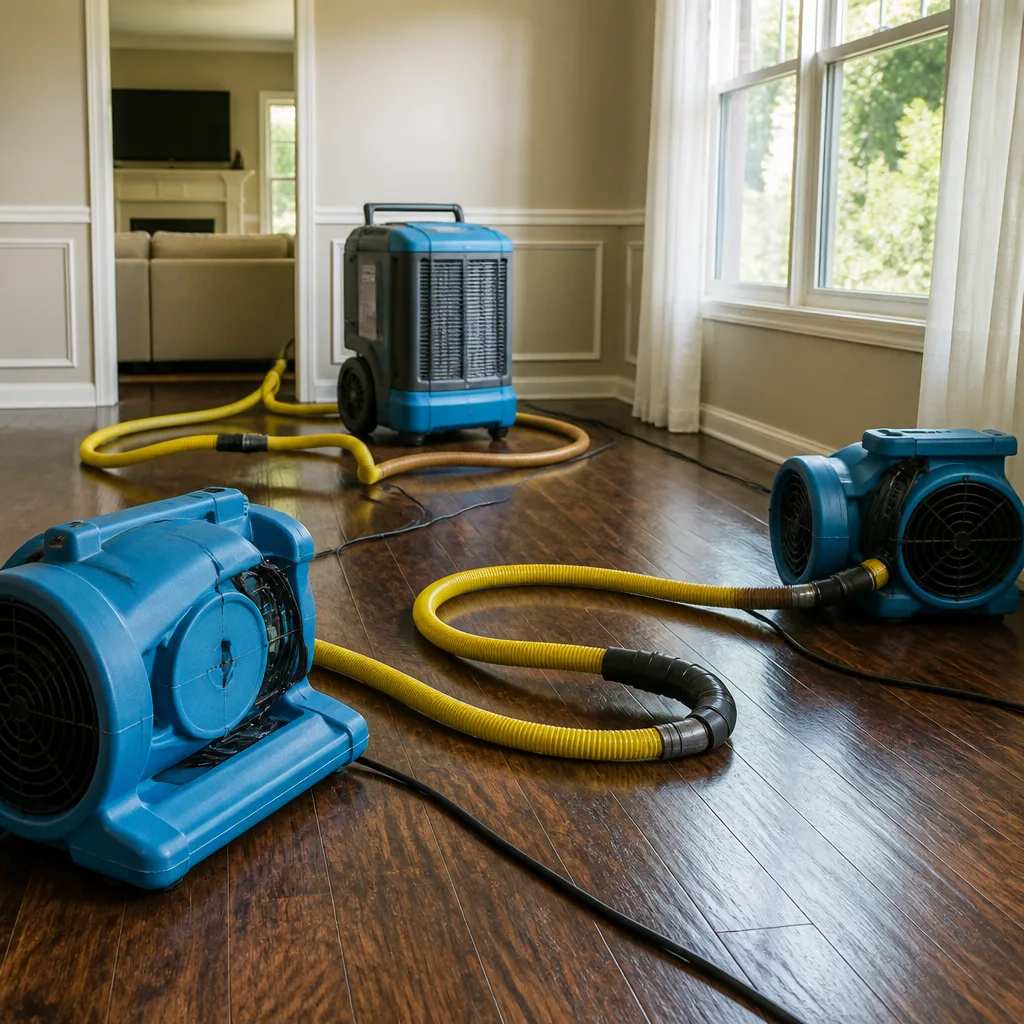

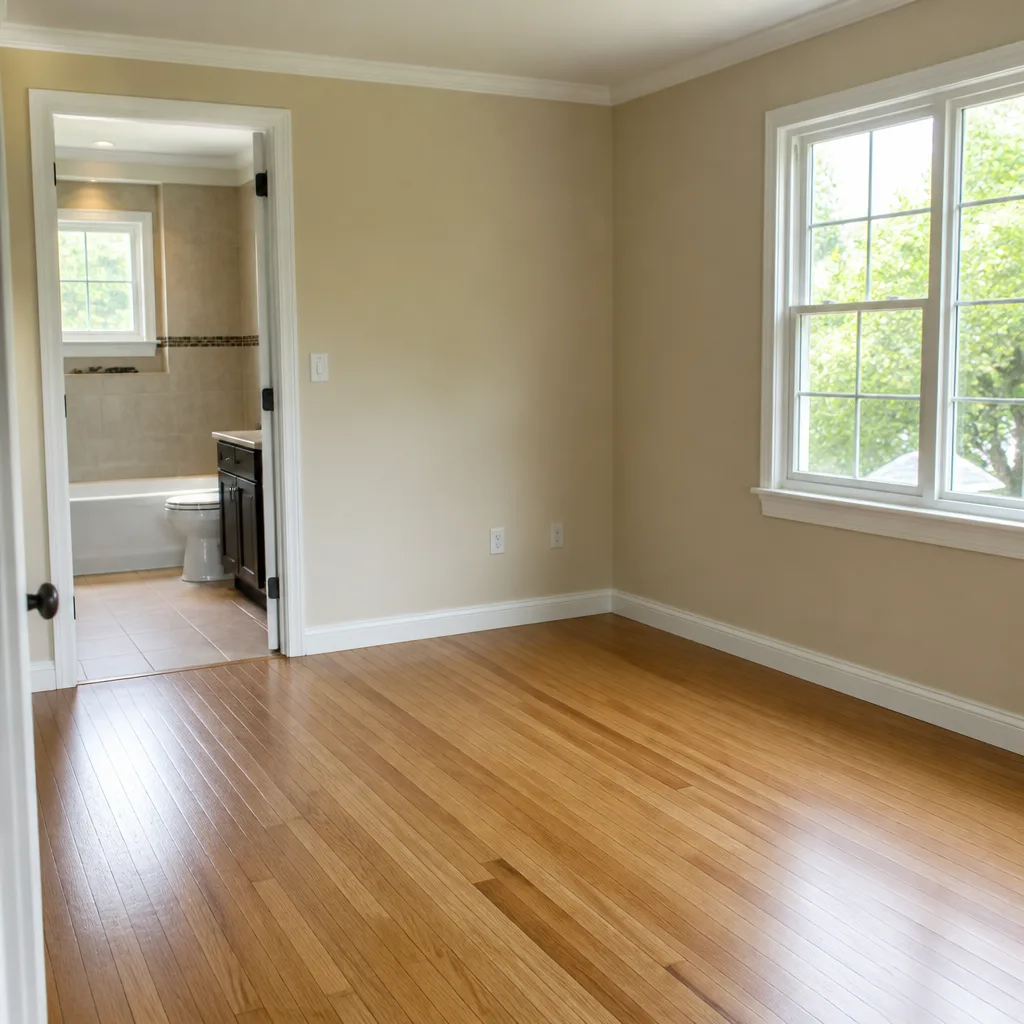
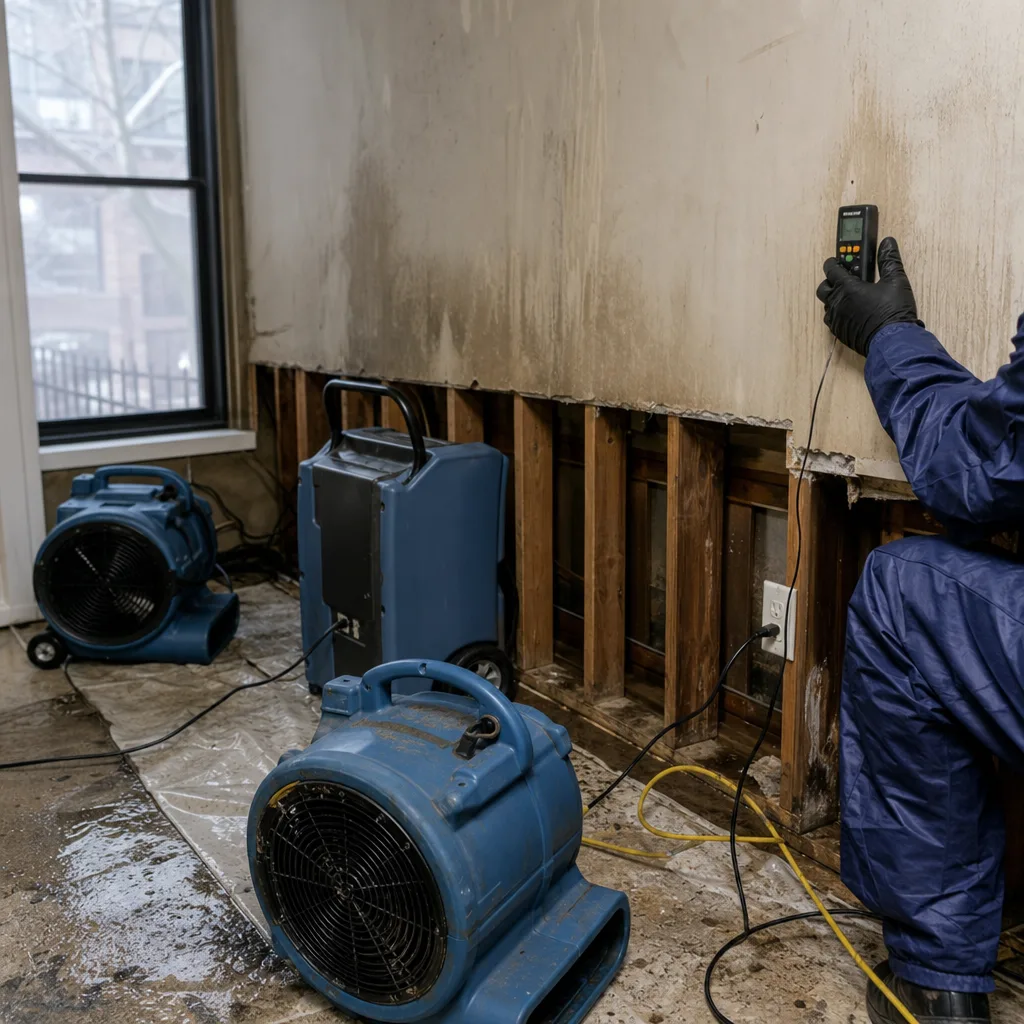 Before
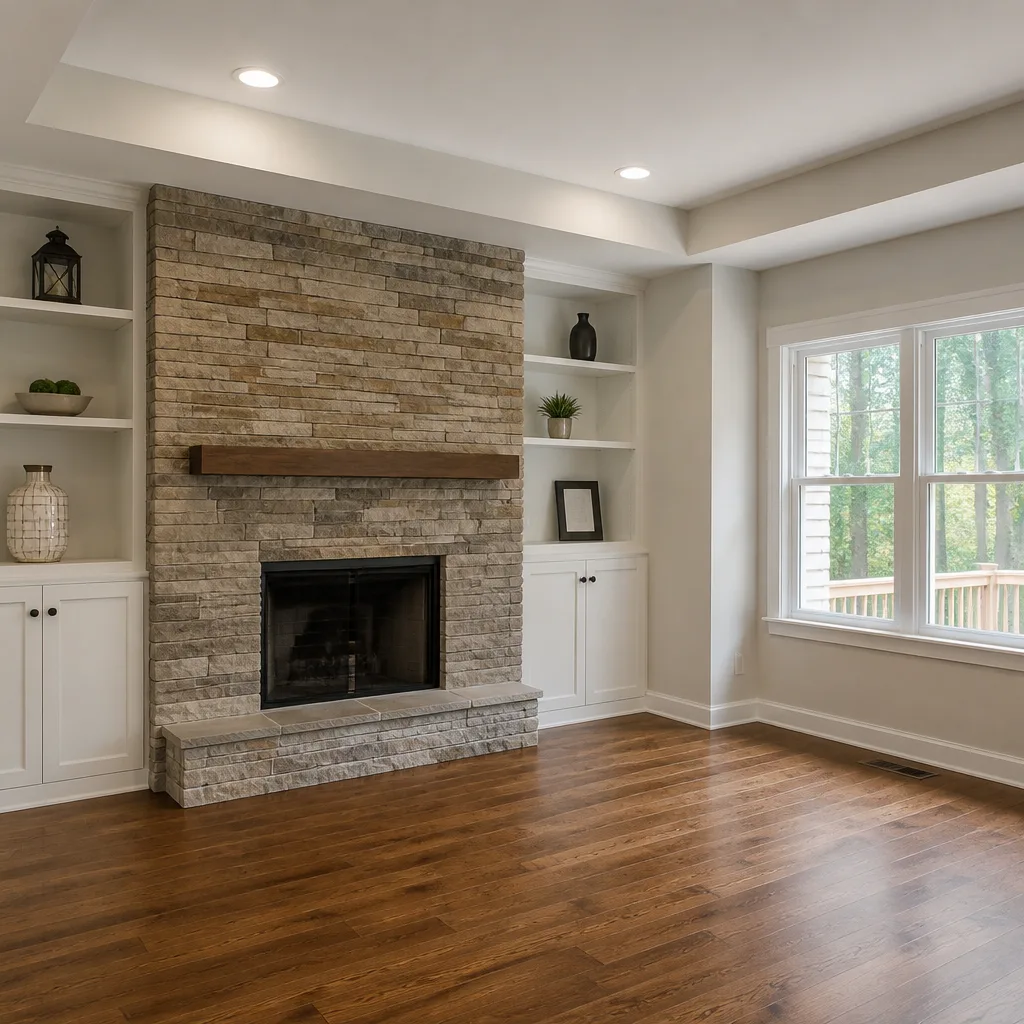
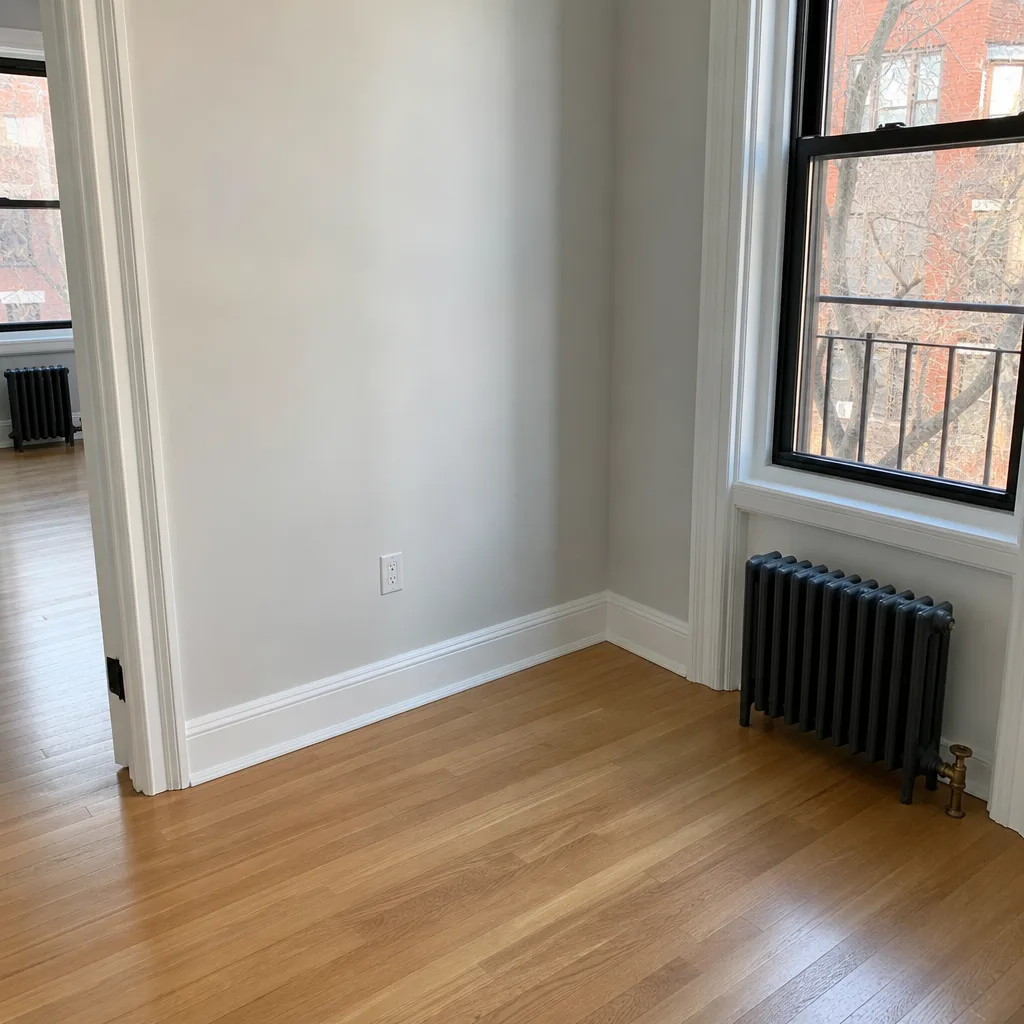 After
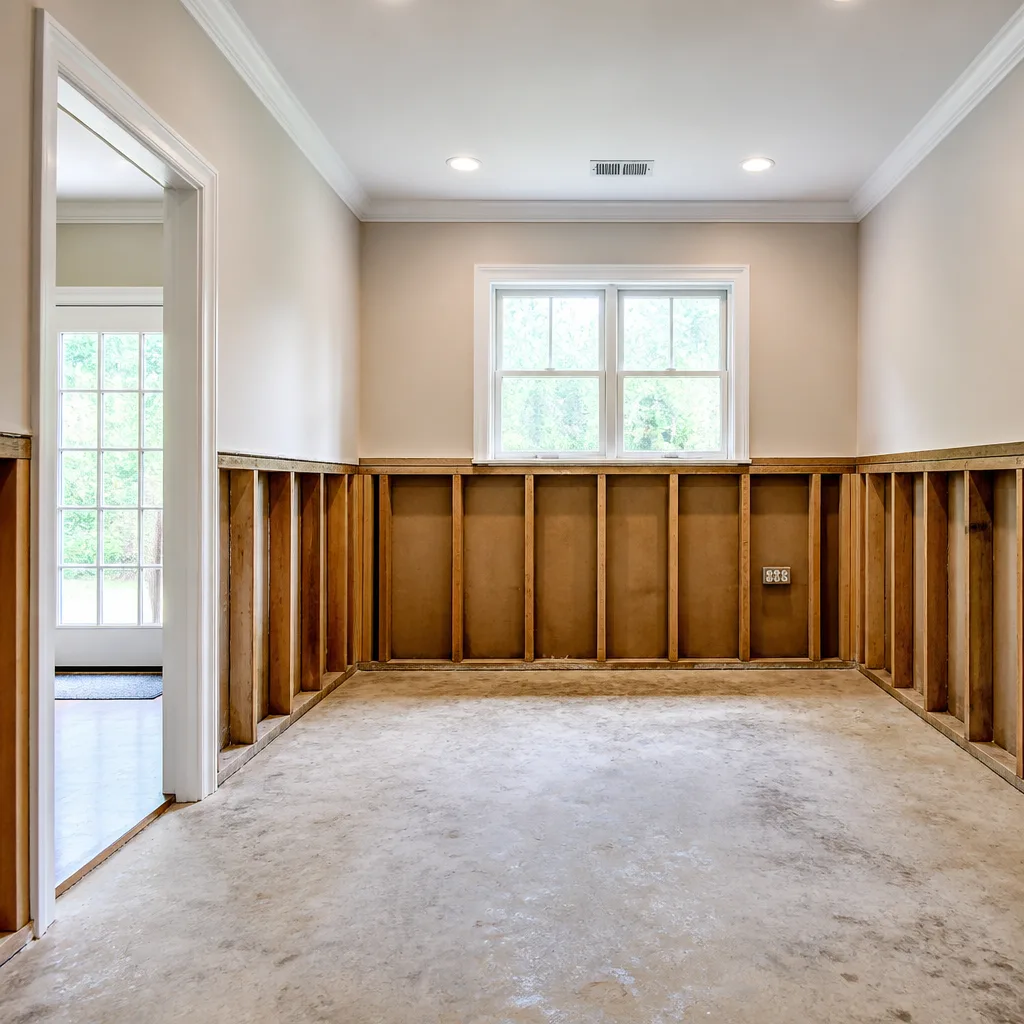
After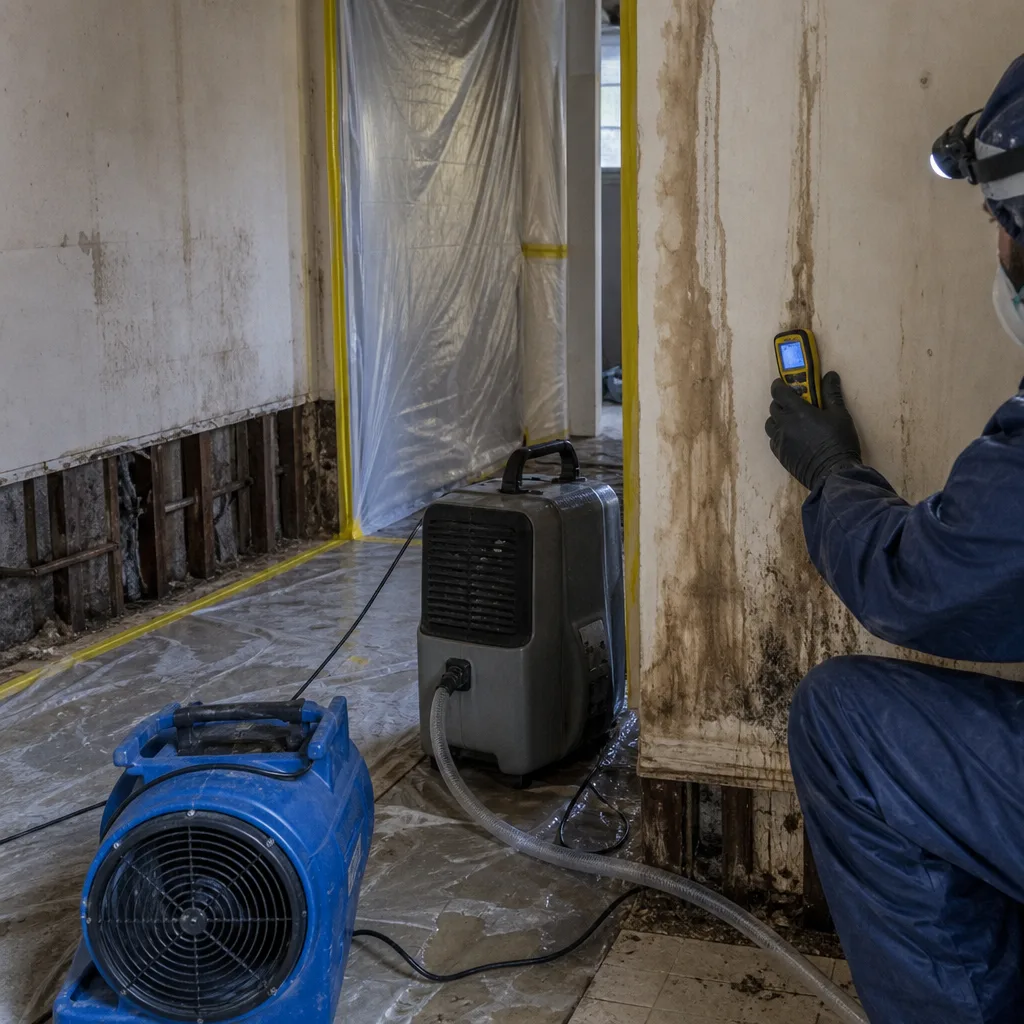 Before
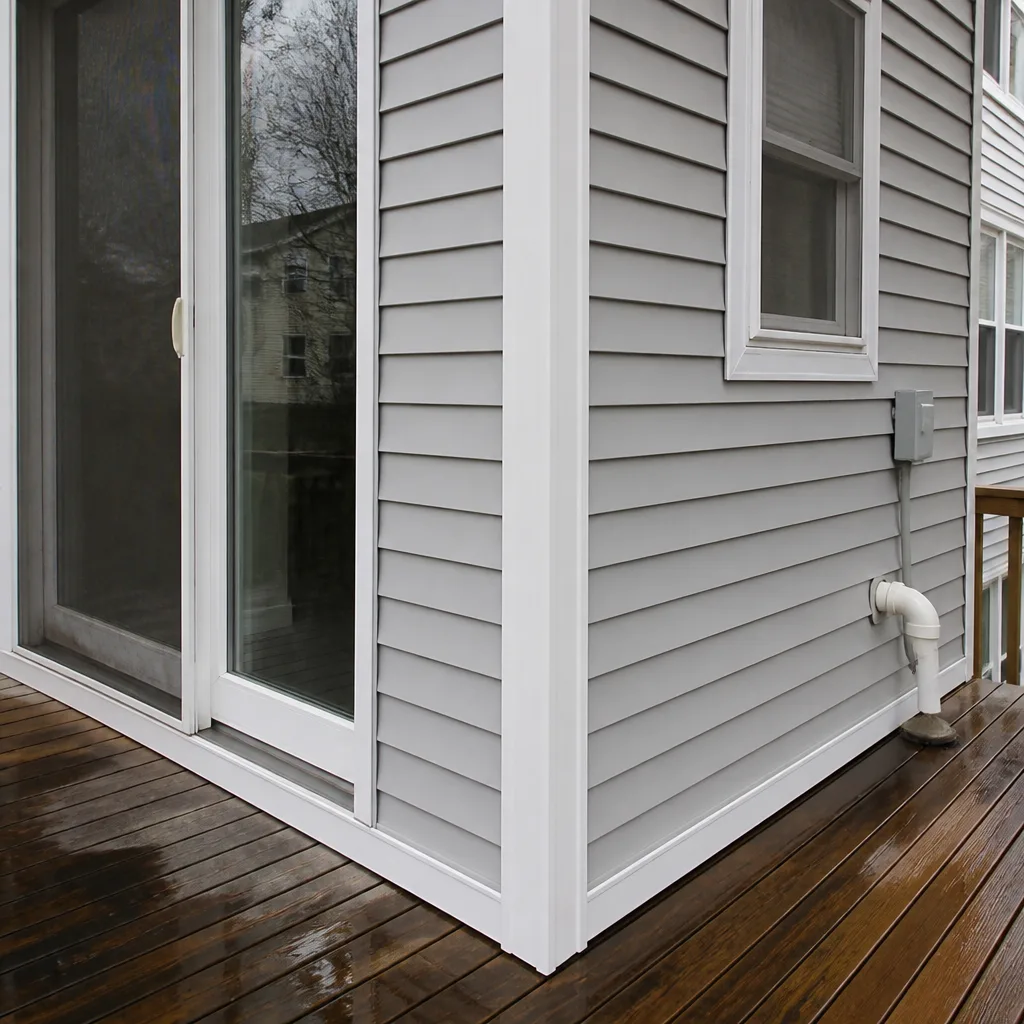 After
After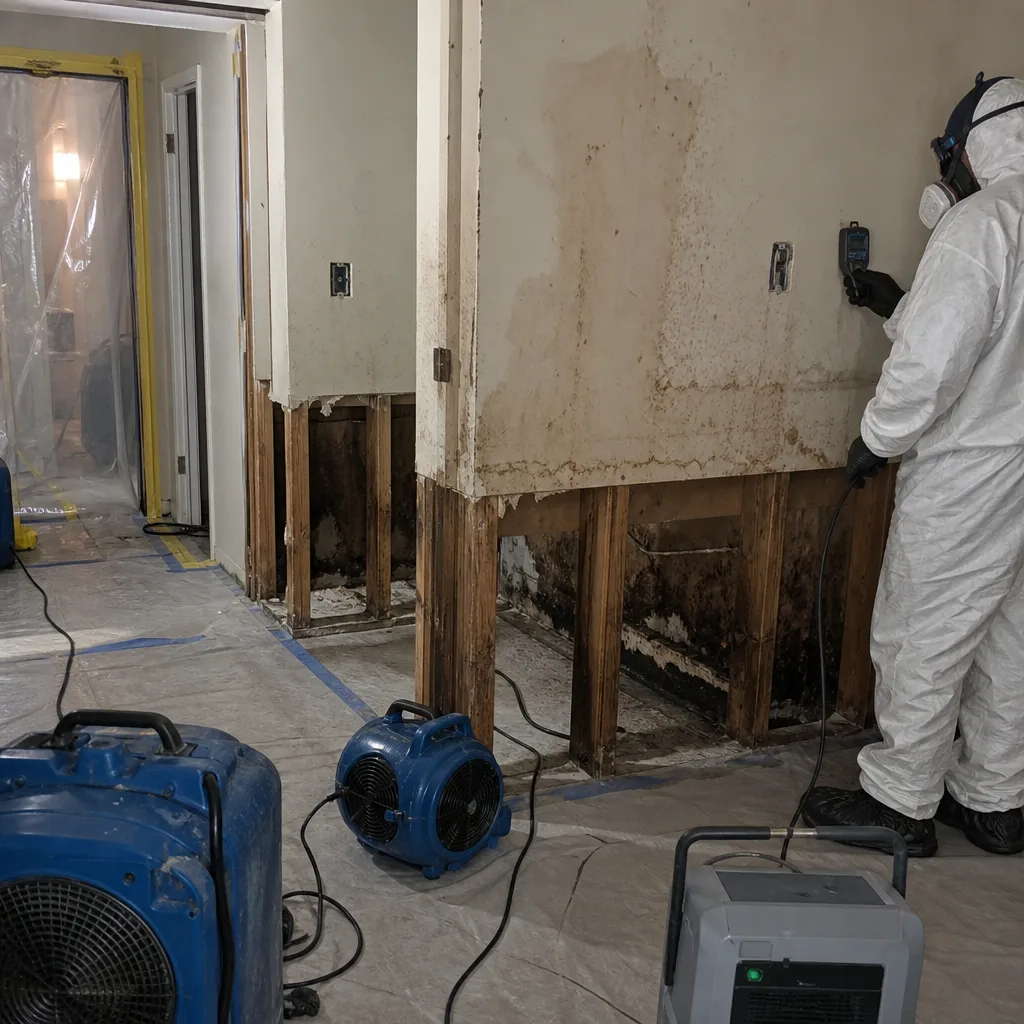 Before
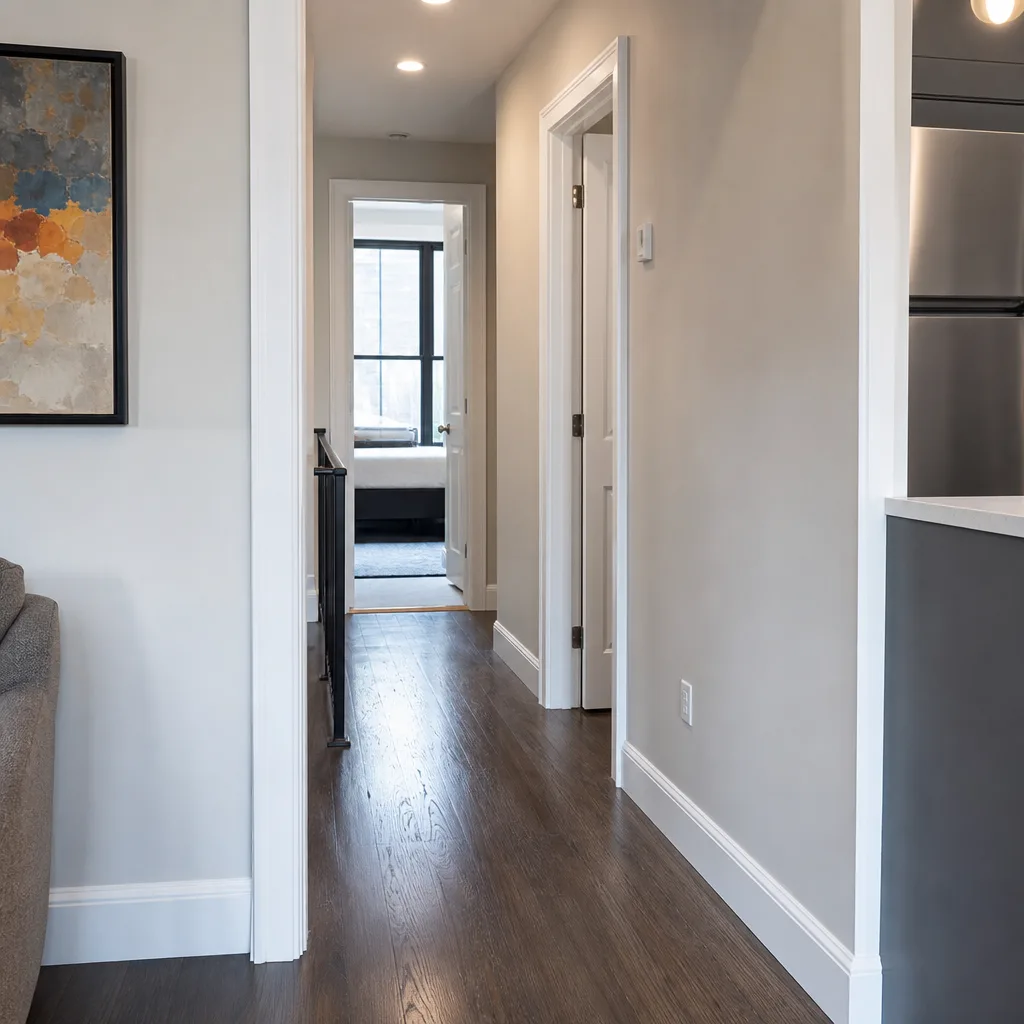 After
After24/7 Emergency Mold Remediation in Stony Point
Mold remediation in Stony Point typically costs $1,800-$6,500 depending on how far the contamination has spread, and emergency crews can usually reach riverfront homes within 45 minutes. If you’re seeing black staining on walls, smelling musty air, or dealing with a recent tidal surge, call (917) 924-4221 right now. A live person answers at 2 a.m., and our certified mold remediation team reaches Stony Point fast because brackish water from Haverstraw Bay doesn’t wait.
The first hour matters more in Stony Point than almost anywhere else in Rockland County. When tidal water pushes into a crawl space or basement, mold starts colonizing within 24 to 48 hours. Salt residue left behind keeps materials damp for weeks longer than freshwater. Every hour you wait means more drywall removed, more framing treated, and a bigger bill. We offer a free visual inspection, no obligation, and a written scope before any work starts.
Understanding Mold Remediation Severity in Stony Point Properties
Mold severity breaks down by water category, and Stony Point’s geography forces a higher classification than most towns. Under IICRC standards, water from Haverstraw Bay storm surge is Category 3: grossly contaminated, carrying sewage, marine organisms, and salt compounds. Compare that to a broken supply line in Thiells or West Haverstraw, where Category 1 clean water can often be dried in place. In Stony Point’s riverfront neighborhoods, that Category 3 designation means full removal of saturated drywall, insulation, and often flooring. Drying alone isn’t sufficient because salt pulls moisture from the air and holds it against framing for months.
Severity also tracks with housing stock. Many mid-century bungalows off River Road and along the lower streets near the bay were built as seasonal cottages. Their crawl spaces are shallow, unventilated, and often have no vapor barrier. Poured-concrete basements in the same area lack interior drainage. These construction details mean moisture intrusion doesn’t just wet surfaces; it climbs into wall cavities and sits there. We use moisture mapping, thermal imaging, and hygrometers to find what you can’t see, then set containment with HEPA air scrubbers before any material comes out. That’s the difference between remediation that lasts and remediation that fails in eighteen months.
Why Stony Point Property Owners Choose Floodline Restoration Co. of Manhattan
- 45-minute response commitment to Stony Point. Our dispatch board tracks the nearest certified crew, and we commit to being on scene fast when mold is spreading.
- A real person answers, 24/7. No phone tree, no voicemail at midnight. A live dispatcher picks up and starts moving a crew toward Stony Point immediately.
- IICRC-certified crews, trained to AMRT and WRT standards. Mold remediation requires applied microbial remediation technician training, not just general restoration certs. Our technicians carry both.
- Free visual inspection with a written scope. Before any work starts, you get a line-item scope in writing. No surprises on the bill, ever.
- Direct insurance billing. We send documentation and estimates straight to your carrier, and we talk to the adjuster so you don’t have to play messenger.
- One team from containment to reconstruction. We remove the mold, dry the structure, treat the crawl space, and rebuild what came out. No handoff to a different crew.
Our Mold Remediation Process
Inspection & Assessment
We start with a visual inspection, then use moisture meters and thermal imaging to map the full extent of contamination. In Stony Point, that includes checking wall cavities for salt-laden moisture that looks dry on the surface but isn’t. You get a written scope and a firm price before anything is touched.
Containment & Stabilization
We set up negative air pressure containment with HEPA air scrubbers to stop mold spores from spreading to clean rooms. Affected materials are stabilized, and we address the moisture source first. If tidal water is still entering, we stop it at the entry point.
Drying & Dehumidification
Dri-Eaz dehumidifiers and Phoenix air movers run continuously, with daily moisture readings logged until the dry standard is met. In Stony Point’s riverfront homes, salt residue can extend drying timelines by weeks. We don’t cut corners on the drying log.
Cleaning & Sanitization
HEPA vacuuming and antimicrobial treatment on all affected surfaces. Framing gets special attention in tidal surge cases, because salt holds moisture and creates a breeding ground for mold behind new drywall.
Crawl Space Treatment
Stony Point’s older bungalows need aggressive vapor barriers, dehumidification, and often encapsulation. Without this, relative humidity stays above 60% and mold returns. We treat the crawl space as part of the remediation, not an add-on.
Repairs & Restoration
The same crew that removed the mold rebuilds the drywall, insulation, and flooring. We’re a Mold Remediation contractor that finishes the job, not one that hands it off. The 90-Day Done Right Promise covers the work in writing.
Need Emergency Mold Remediation in Stony Point Now?
Crews minutes away, answering live 24 hours a day. The sooner we start, the less it costs.
Working With Your Insurance Company
Most Stony Point homeowners facing mold remediation after a tidal surge or nor’easter are dealing with a claim. We handle the documentation from hour one. Our crews photograph every affected room before, during, and after remediation. Moisture readings and drying logs are provided to your adjuster as we go. The estimate is written to industry standards, line by line, so the carrier sees exactly what the scope requires. We talk to adjusters directly, which means you aren’t relaying messages between us and the insurance company. Curt Bowman built this company on the idea that a homeowner should never be the messenger. That principle applies to every claim we touch.
What We Provide Your Insurer
- Thorough documentation of the loss
- Photos of all damage, room by room
- Moisture readings and drying logs
- A detailed, line-item scope of work
- Direct coordination with your carrier
Built for Stony Point’s Loss Calendar
Stony Point’s mold season follows a pattern tied to the Hudson River and the Highlands. Late winter brings a ground freeze that pushes shallow groundwater up against foundation walls. When the thaw hits in March, that water finds its way into riverfront crawl spaces. Spring snowmelt from the steep hillsides behind town runs fast down toward the bay, overwhelming storm drains that were sized for a smaller Stony Point. Summer brings thunderstorms that can dump two inches in an hour, and because the town sits at the mouth of Haverstraw Bay, tidal backpressure keeps that water from draining out. Then comes nor’easter season. When tropical remnants push up the Hudson Valley corridor, the pincer pattern takes hold: runoff from above, tidal surge from below. Houses along River Road and the lower streets get hit from both directions at once. Every one of these events leaves behind moisture in wall cavities and crawl spaces, and that moisture becomes mold within days if it isn’t aggressively dried.
Mold Remediation Across Stony Point’s Neighborhoods
Riverfront neighborhoods along River Road and the streets running down to Haverstraw Bay see the heaviest mold damage, because that’s where Category 3 tidal water enters homes. The mid-century bungalows here, many converted from seasonal cottages, have crawl spaces that flood repeatedly. We treat these differently than inland basements: aggressive dehumidification, vapor barriers, and often full encapsulation. Up toward the Thiells border along Route 210, the housing stock shifts to slightly newer construction, but the steep grade creates runoff problems that find basement walls. Near the Stony Point Battlefield and the streets climbing up from the water, older clapboard and wood-shingle exteriors absorb moisture after storms and hold it. Homes around the 9W corridor see fewer tidal issues but more groundwater intrusion from the Highlands slope. Each of these areas needs a different approach, and our crews know which one applies when the dispatch board lights up for Stony Point.
Specialized Mold Remediation Services We Offer in Stony Point
Mold Inspection & Testing
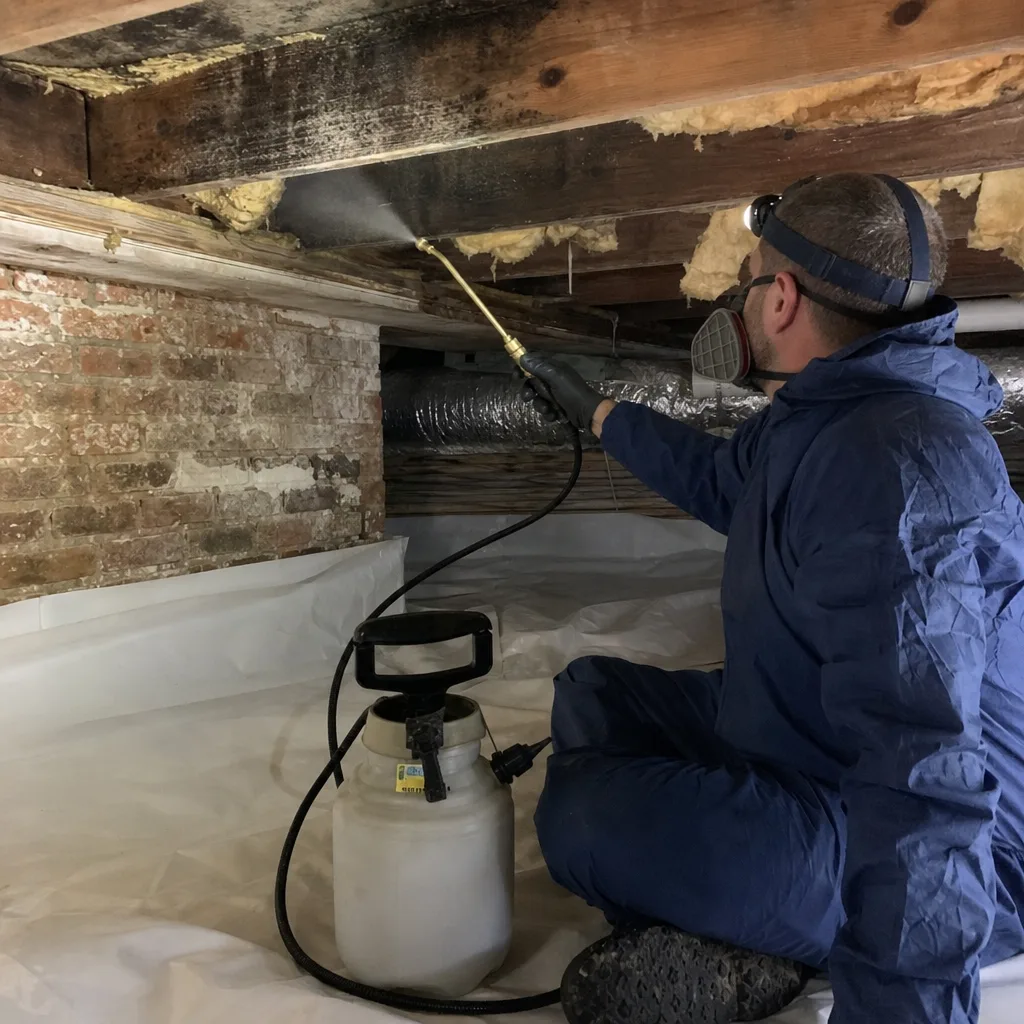
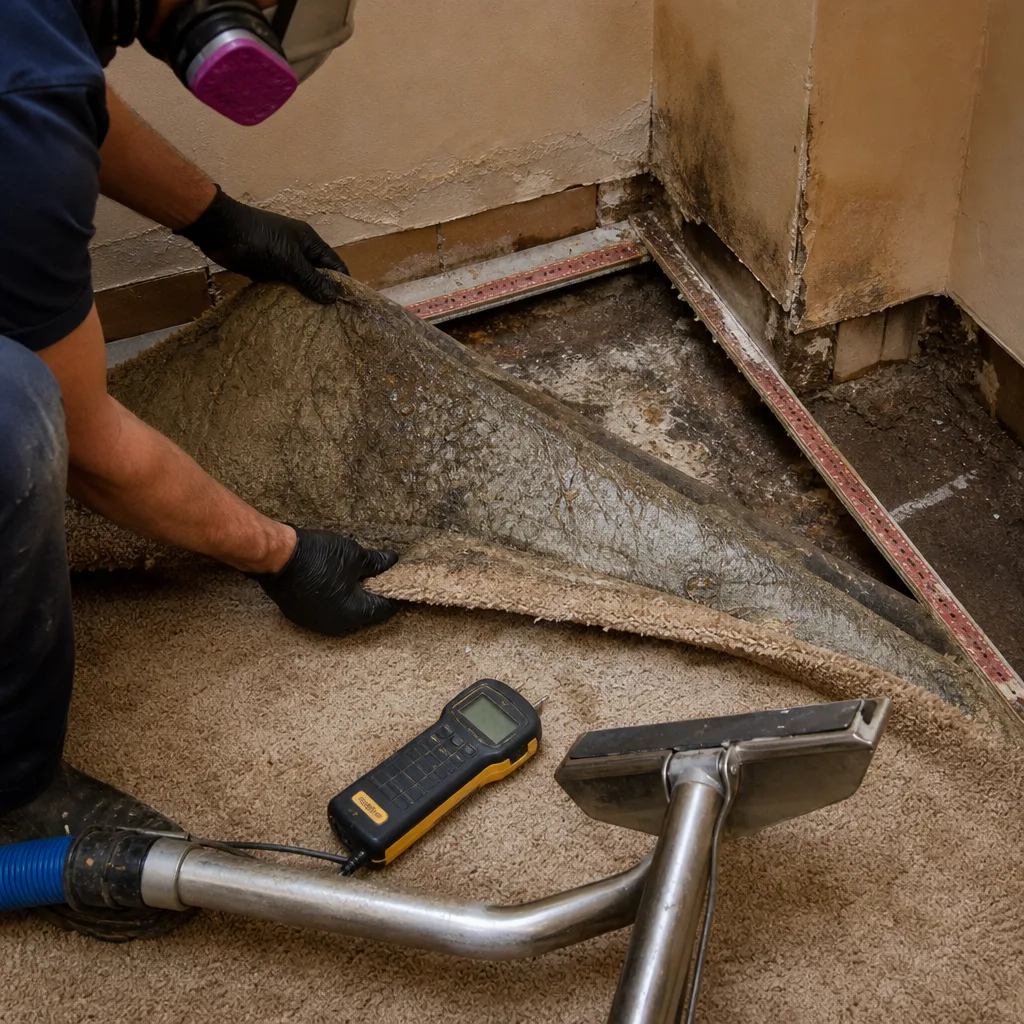
Before we remove anything, we find everything. That means thermal imaging on walls, moisture meters on framing, and air sampling when the situation calls for it. In Stony Point’s older homes, mold hides in places homeowners never look: behind baseboards, inside closet walls, under vinyl flooring that looked dry on top. A proper inspection gives you a map of the problem and a scope tied to that map.
Mold Removal
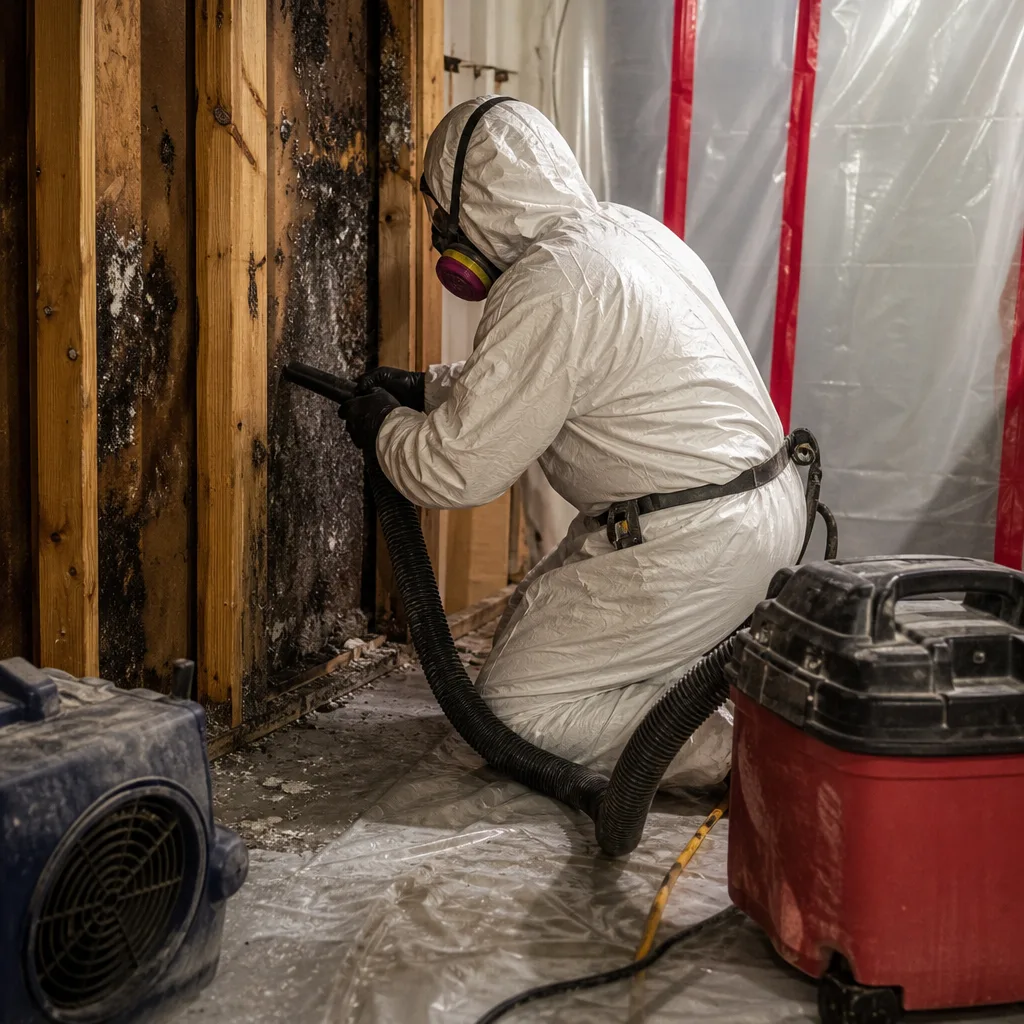
Removal means more than spraying bleach on a stain. We contain the affected area, remove contaminated drywall and insulation, HEPA-vacuum the framing, and run air scrubbers until the air tests clean. In Stony Point, removal often extends into crawl spaces that have been damp for years. Skipping that step guarantees the mold comes back.
Black Mold Remediation
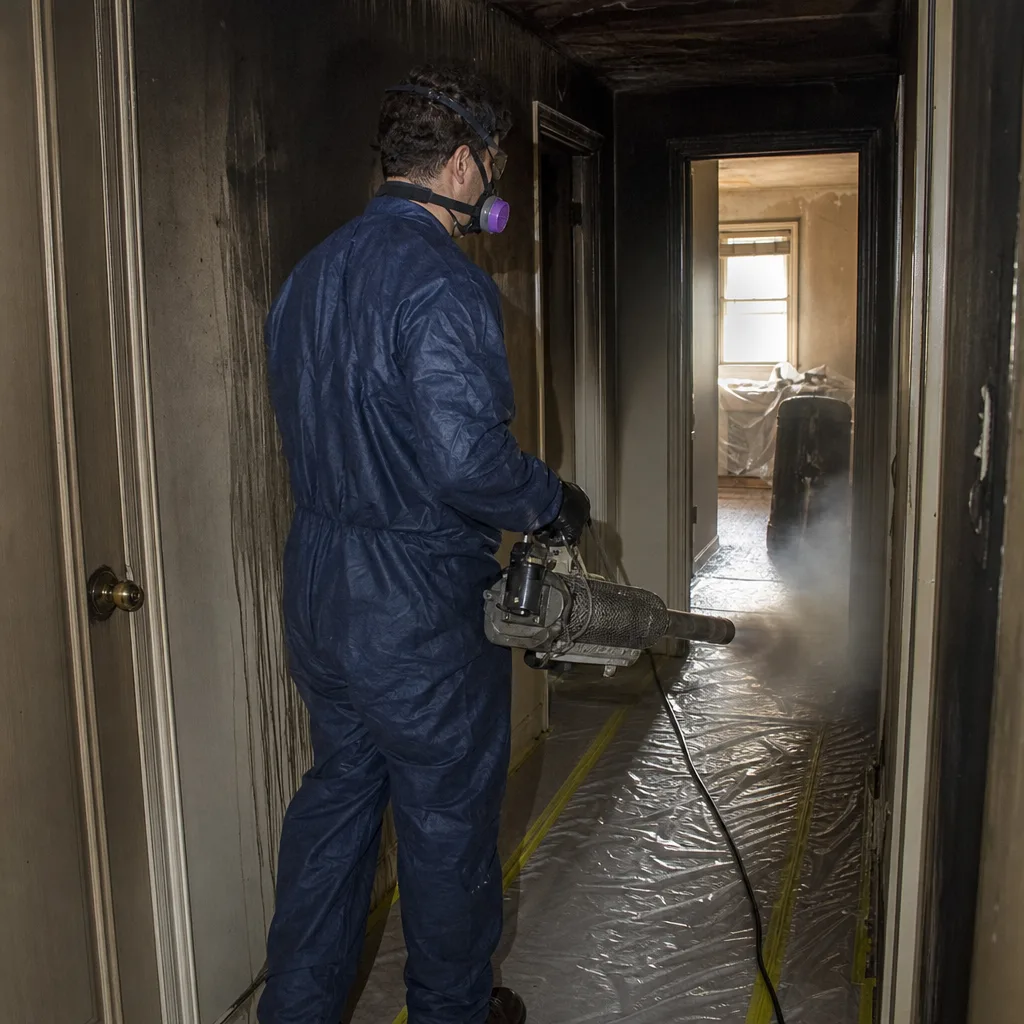
Stachybotrys, what most people call black mold, thrives on materials that stay wet for extended periods. That’s exactly what happens in a Stony Point bungalow after tidal water sits for days. We treat all mold with the same containment and removal protocols, but black mold gets extra attention on porous materials that can’t be cleaned and must come out entirely.
Air Quality Restoration
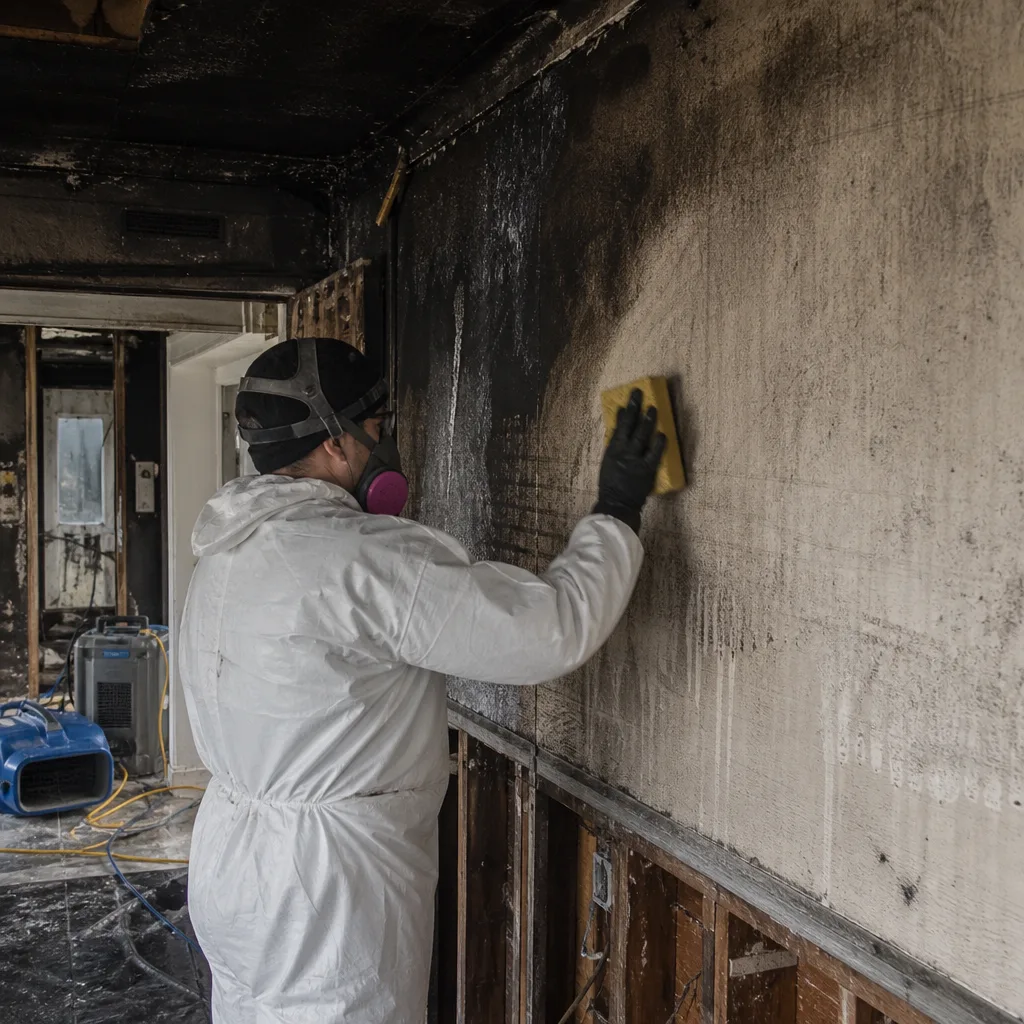
After remediation, the air in your home should test as clean as the surfaces. We run HEPA air scrubbers during the job and often for a day or two after, then take clearance samples. Stony Point’s humidity makes this step critical: if moisture isn’t fully controlled, mold spores in the air find new surfaces to colonize.
Crawl Space Treatment
Stony Point’s riverfront bungalows have crawl spaces that were never designed for year-round living. We install vapor barriers, seal foundation vents, and set dehumidifiers sized for the space. When we’re done, relative humidity stays below 60%, which is the threshold where mold stops growing and starts dying.
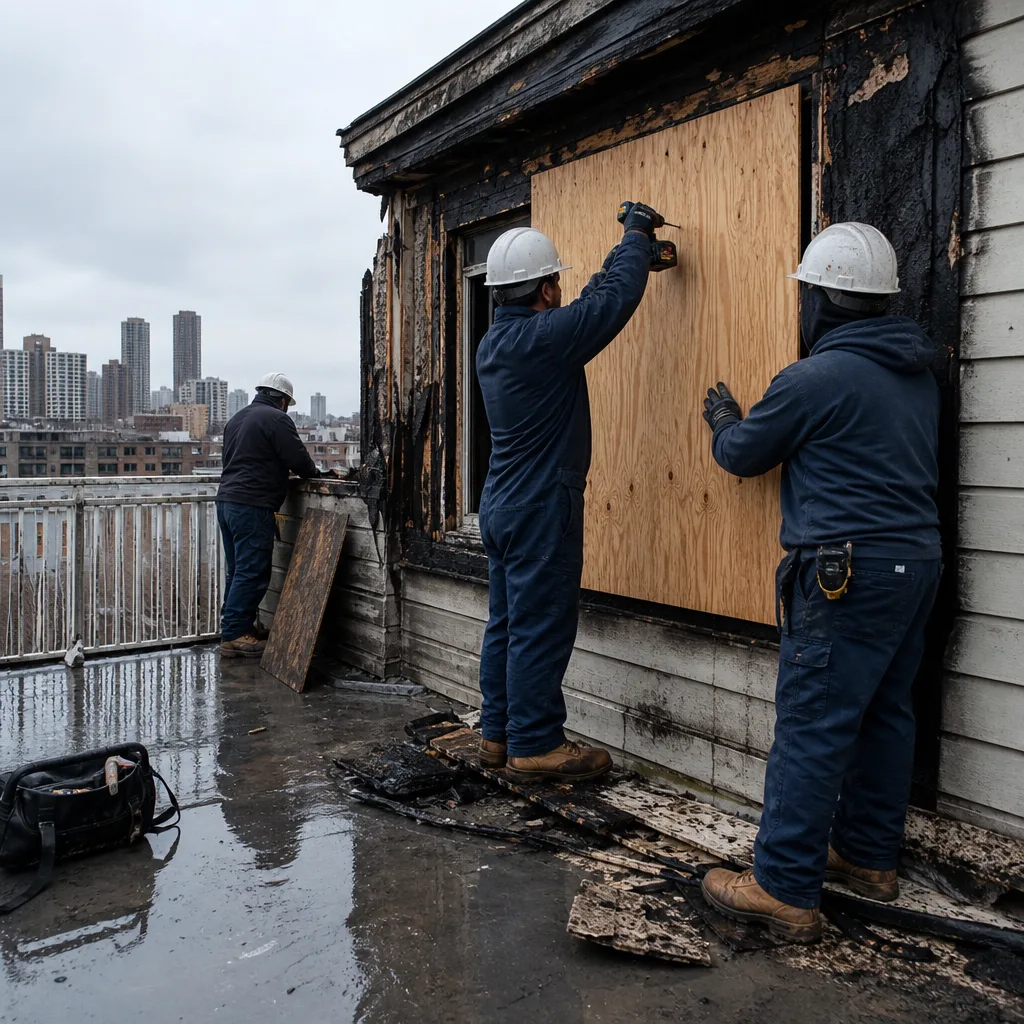
Moisture & Humidity Control
Mold is a moisture problem first and a mold problem second. We install dehumidifiers, improve drainage, and recommend the right fixes for your home’s specific water entry points. In Stony Point, that often means addressing surface runoff from the hillsides above town and sealing foundation walls against groundwater.
What happens when you call
- 1
A real person answersNo phone trees - you reach a local pro.
- 2
You get an upfront price rangeHonest numbers before anyone is dispatched.
- 3
A background-checked tech heads outLicensed & insured, dispatched right away.
- 4
You approve before work beginsNothing starts until you say go.
Mold Remediation Costs in Stony Point, NY
Mold remediation in Stony Point runs $1,800-$6,500 for most projects. A small bathroom or closet job with limited drywall removal typically lands between $1,800 and $3,000. A crawl space treatment with vapor barrier installation runs $2,500-$5,000 depending on square footage. Full basement remediation after Category 3 tidal flooding, including drywall removal, framing treatment, drying, and rebuild, runs $5,000-$12,000. Black mold remediation on load-bearing framing adds cost because the wood must be treated and often wrapped. Insurance covers most of this when the mold is tied to a covered water event, but not when mold grew from years of unaddressed humidity. Our free visual inspection gets you a written scope and a firm price, so you know the number before you commit. Call (917) 924-4221 and a live person will schedule it.
We Also Serve Cities Near Stony Point
Our crews work throughout northern Rockland County. If you’re in West Haverstraw, Thiells, Haverstraw, or Verplanck, the same certified teams answer the same phone number. The environmental conditions are similar along the river, but every town has its own water patterns and building stock. We send crews who know the difference.
Stony Point Mold Remediation Questions, Answered
Is mold from Stony Point’s tidal flooding treated differently than mold from a broken pipe?
Yes. Water from Haverstraw Bay storm surge is Category 3 under IICRC standards, meaning it’s grossly contaminated with salt, marine organisms, and possible sewage. Broken pipe water is Category 1 or 2. Category 3 water forces full removal of affected drywall and insulation, plus antimicrobial treatment on framing. Salt residue also keeps materials damp longer, so drying timelines extend significantly. Call (917) 924-4221 if you’ve had tidal water inside.
How long does salt residue from a tidal surge keep Stony Point framing damp?
Salt attracts and holds moisture, so framing that looks dry on the surface can stay damp for weeks longer than expected. In the lower streets off River Road, we treated a mid-century bungalow where tidal surge left salt-laden moisture inside wall cavities. Our crew used moisture mapping to track the brackish intrusion, then removed saturated drywall and installed containment before running Dri-Eaz dehumidifiers and air movers for structural drying. The homeowners didn’t realize that salt residue would keep framing damp for weeks, so we extended the drying logs and followed up with antimicrobial treatment to prevent mold from re-establishing in the crawl space. Expect extended drying times of two to six weeks when salt is present.
Why do crawl spaces in Stony Point’s older riverfront homes need special treatment?
Many of these bungalows were built as seasonal cottages with shallow, unventilated crawl spaces and no vapor barrier. When groundwater or tidal water enters, the space never fully dries. Relative humidity stays above 60%, which is exactly where mold thrives. Special treatment means installing vapor barriers, sealing vents, running dehumidifiers, and often full encapsulation. Without this, mold returns within a year.
What does the ‘pincer’ flooding pattern mean for mold remediation in Stony Point?
The pincer pattern happens when runoff from the Highlands slopes above town hits storm drains that are already backed up by tidal surge from Haverstraw Bay. Water comes from above and below at the same time, trapping homes in between. For mold remediation, this means the moisture source must be resolved before remediation starts, or next spring’s snowmelt re-soaks the same materials. We address drainage, sealing, and vapor barriers as part of the job.
Do Stony Point homes in FEMA flood zones require different mold remediation after a nor’easter?
Yes. FEMA flood zone homes along the river flats experience compound flooding, and the water is always Category 3. Remediation in these homes requires full containment, negative air pressure, HEPA air scrubbing, and removal of all porous materials that absorbed floodwater. The scope is larger, the drying is longer, and the documentation for insurance claims is more demanding. We’ve handled these claims for years and provide the logs and photos your adjuster needs.
How fast can a mold remediation crew reach a Stony Point home?
Our 45-minute response commitment covers most of Stony Point. When you call (917) 924-4221, a live dispatcher locates the nearest certified crew and sends them immediately. If mold is actively spreading or water is still entering the home, we treat it as an emergency. There’s no charge for the visual inspection, and the written scope comes before any work begins.
Will my insurance cover mold remediation in Stony Point?
Most policies cover mold remediation when the mold results from a covered water event: a nor’easter, tidal surge, broken pipe, or storm damage. They generally don’t cover mold from years of unaddressed humidity. We document everything from hour one, handle direct adjuster communication, and provide line-item scopes that meet industry standards. You won’t be left arguing with the carrier alone.
What should I do in the first 30 minutes after finding mold in my Stony Point home?
Don’t disturb the mold. Don’t wipe it, don’t spray it, don’t open walls. Disturbing mold releases spores into the air and spreads the contamination. Close the door to the affected room, turn off any fans or HVAC systems, and call (917) 924-4221. A live person answers, and we’ll walk you through exactly what to do until the crew arrives.
Serving Stony Point, NY - Our Local Coverage Area
We’re based in the Stony Point area and know this community well. Use the map below to see our service coverage - if you’re nearby, we can almost certainly help.
Contact Floodline Restoration Co. of Manhattan for Mold Remediation in Stony Point
If you’re dealing with mold in Stony Point, call (917) 924-4221 now. A live person answers 24 hours a day, every day. We’ll send a certified, background-checked crew to your door, do a free visual inspection, and hand you a written scope before any work starts. No pressure, no surprises, and no job too small to get done right. Floodline Restoration Co. has been restoring homes since 2010, and we stand behind every job with the 90-Day Done Right Promise in writing. The line the tide left is where we start.
Written by Curt Bowman, Owner at Floodline Restoration Co. of Manhattan, serving Stony Point and the Hudson Valley.