
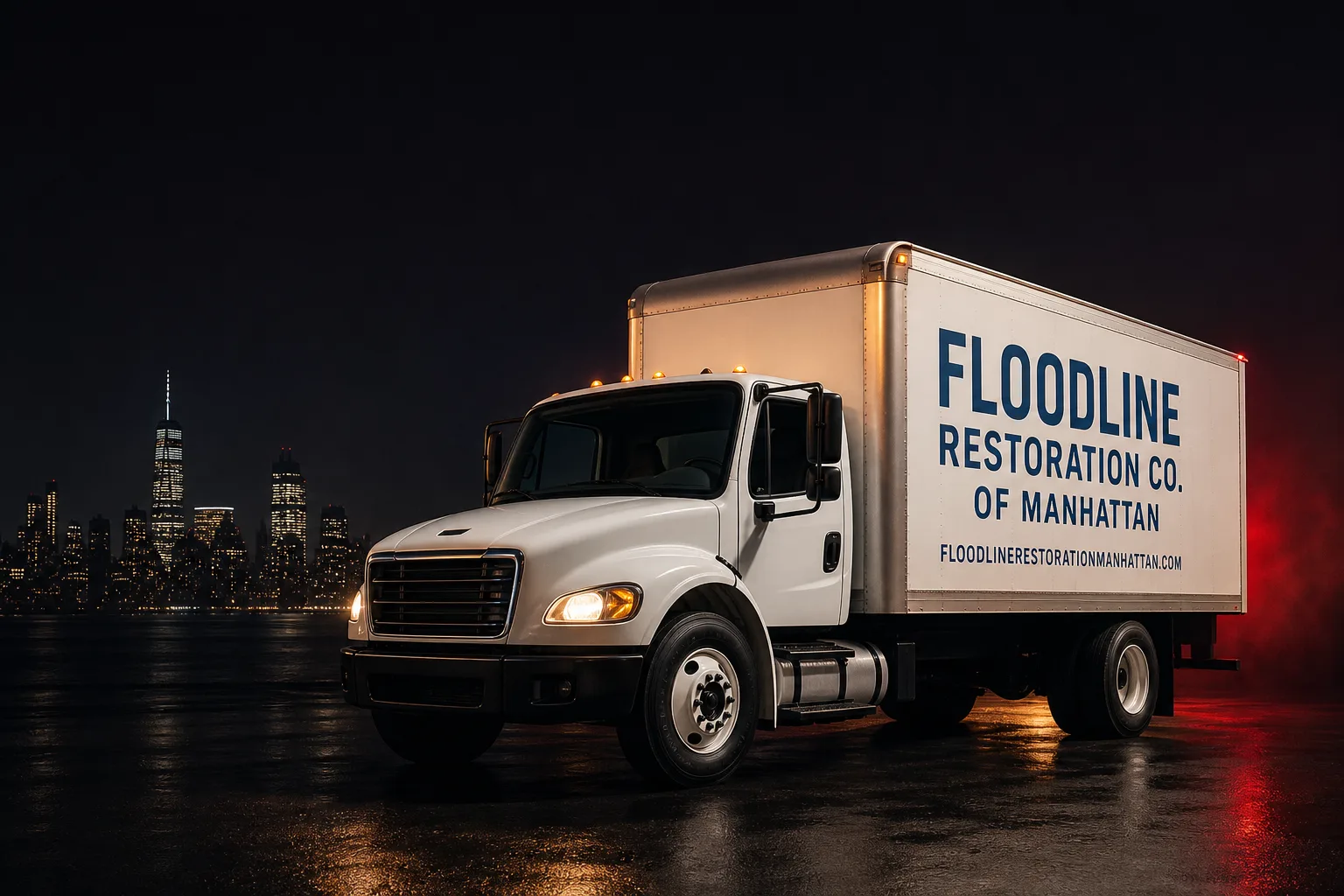
Free visual inspection and a written scope of work before any mitigation begins - photos, moisture readings, and drying logs go in your claim file
The scope we write is the scope we bill. Anything new gets shown to you, in writing, before we touch it.
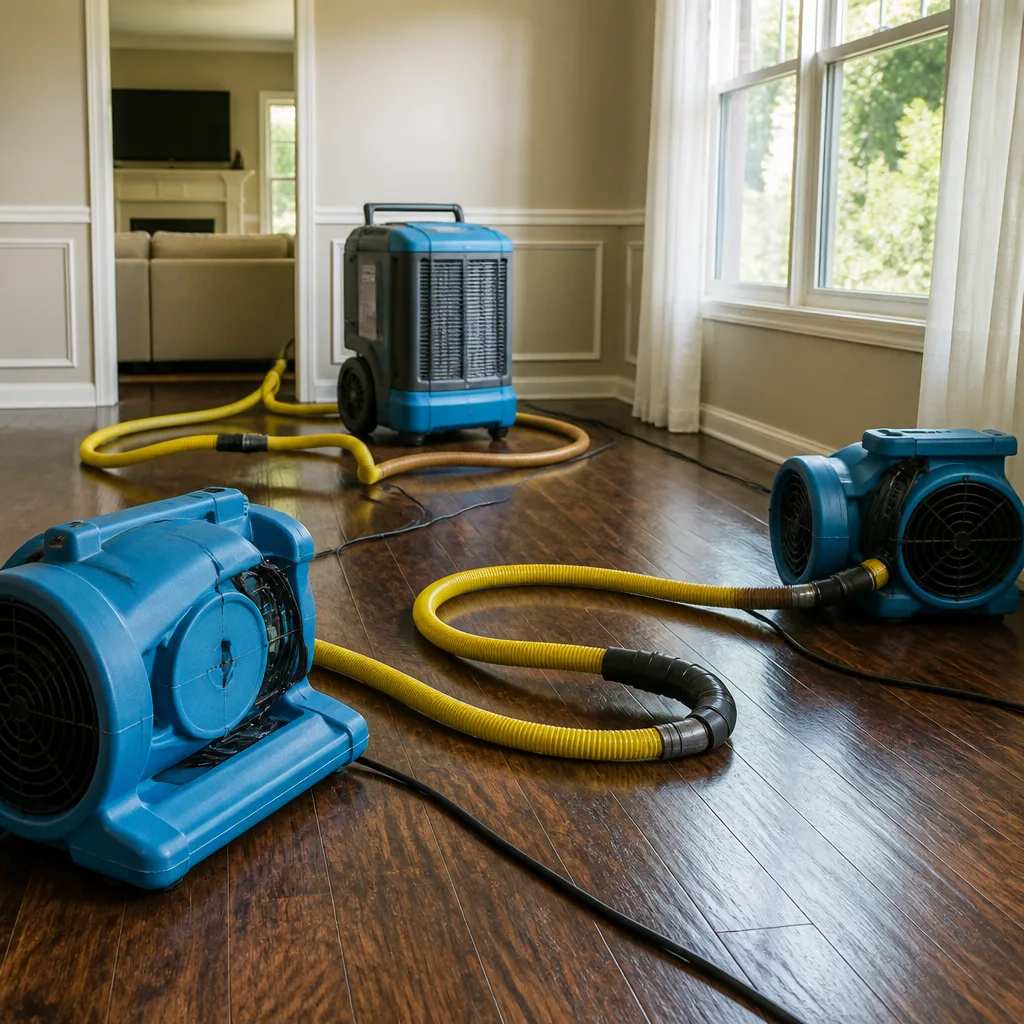
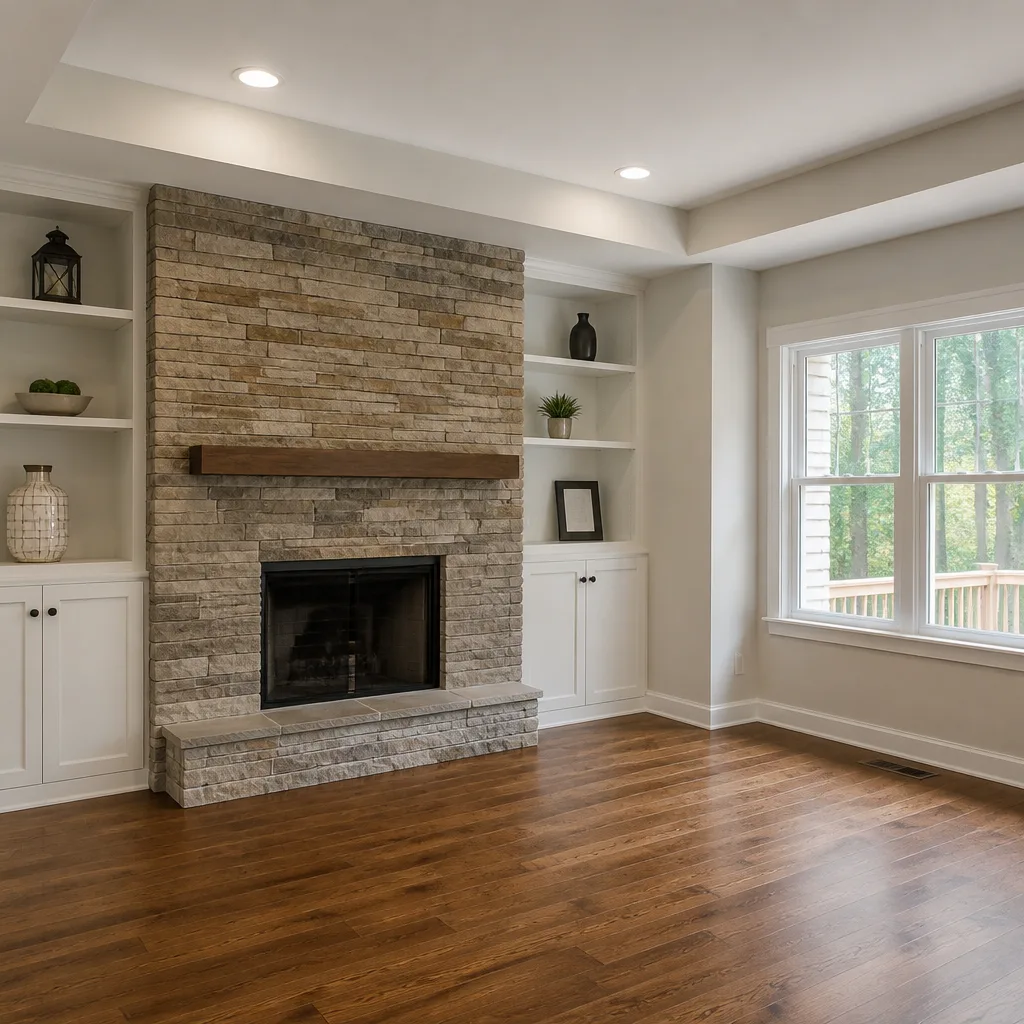
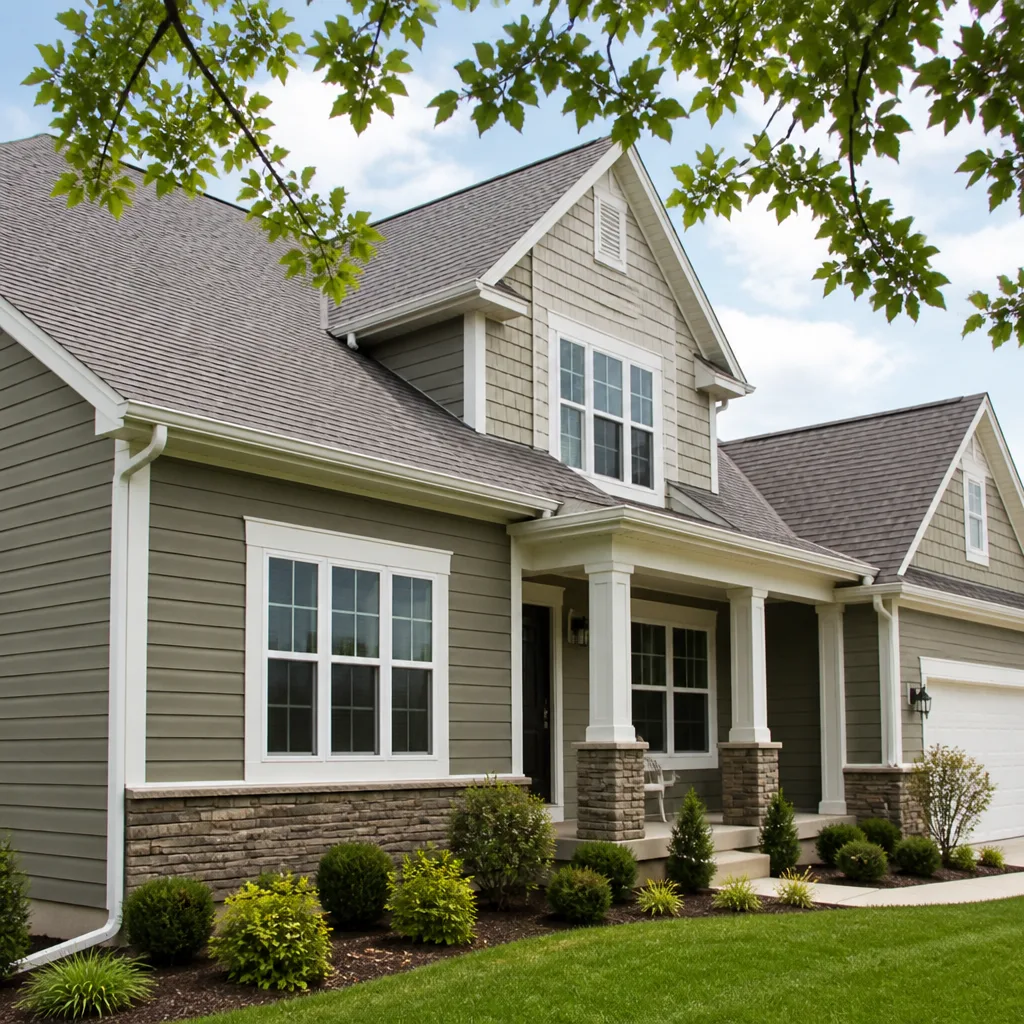
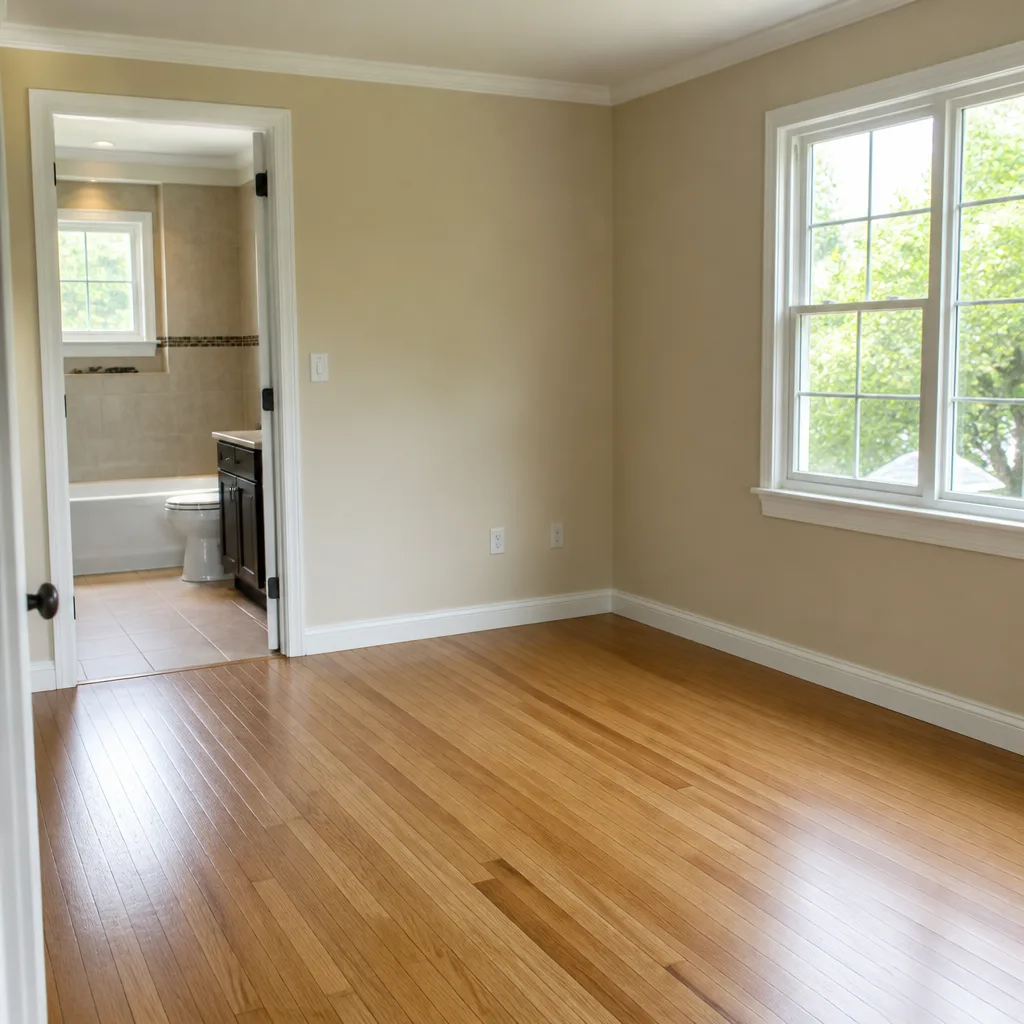
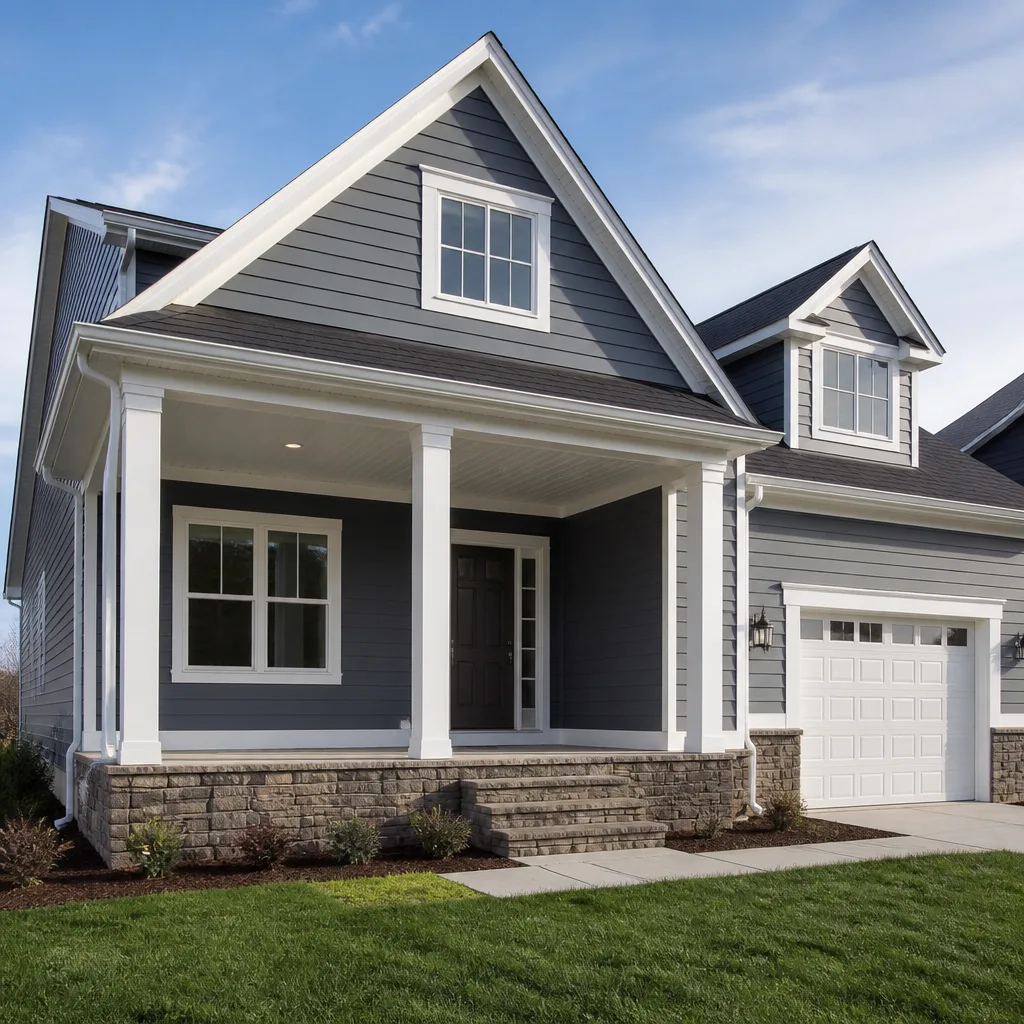
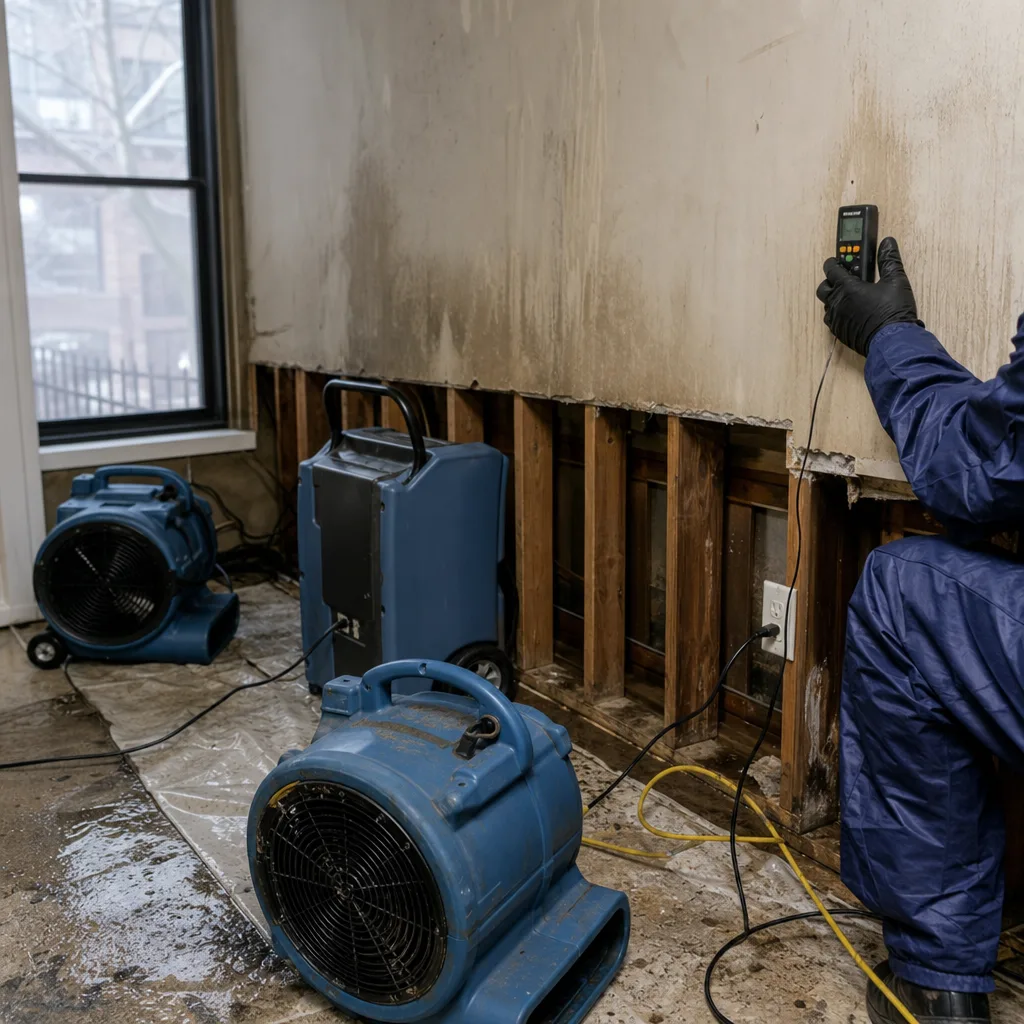 Before
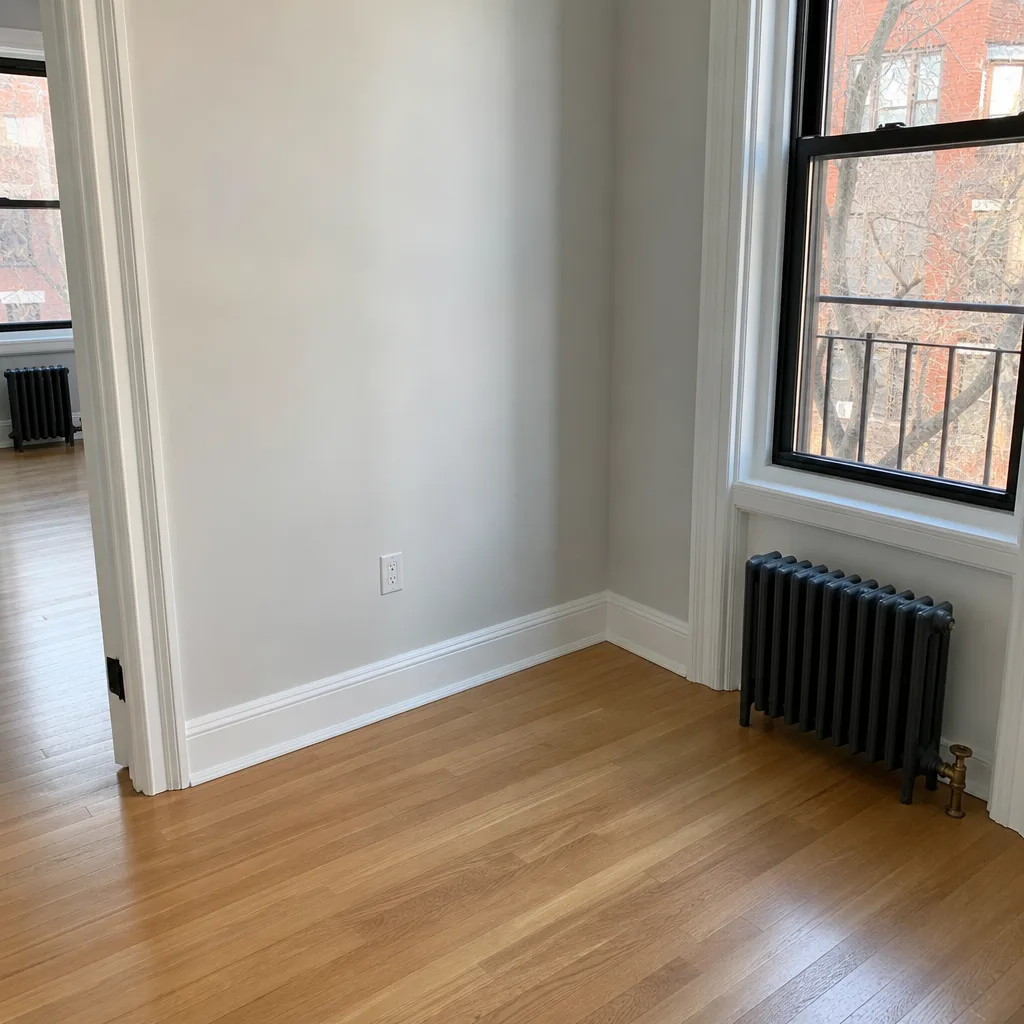 After
After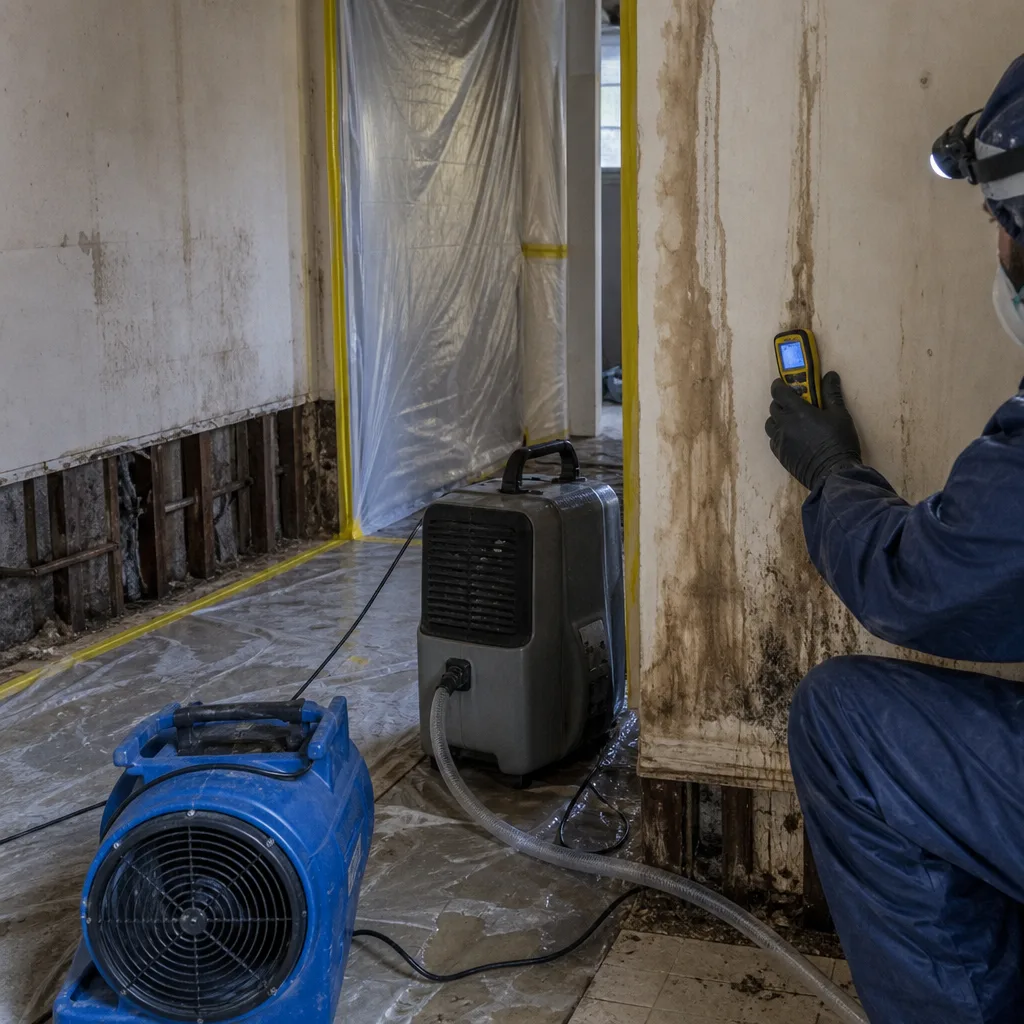 Before
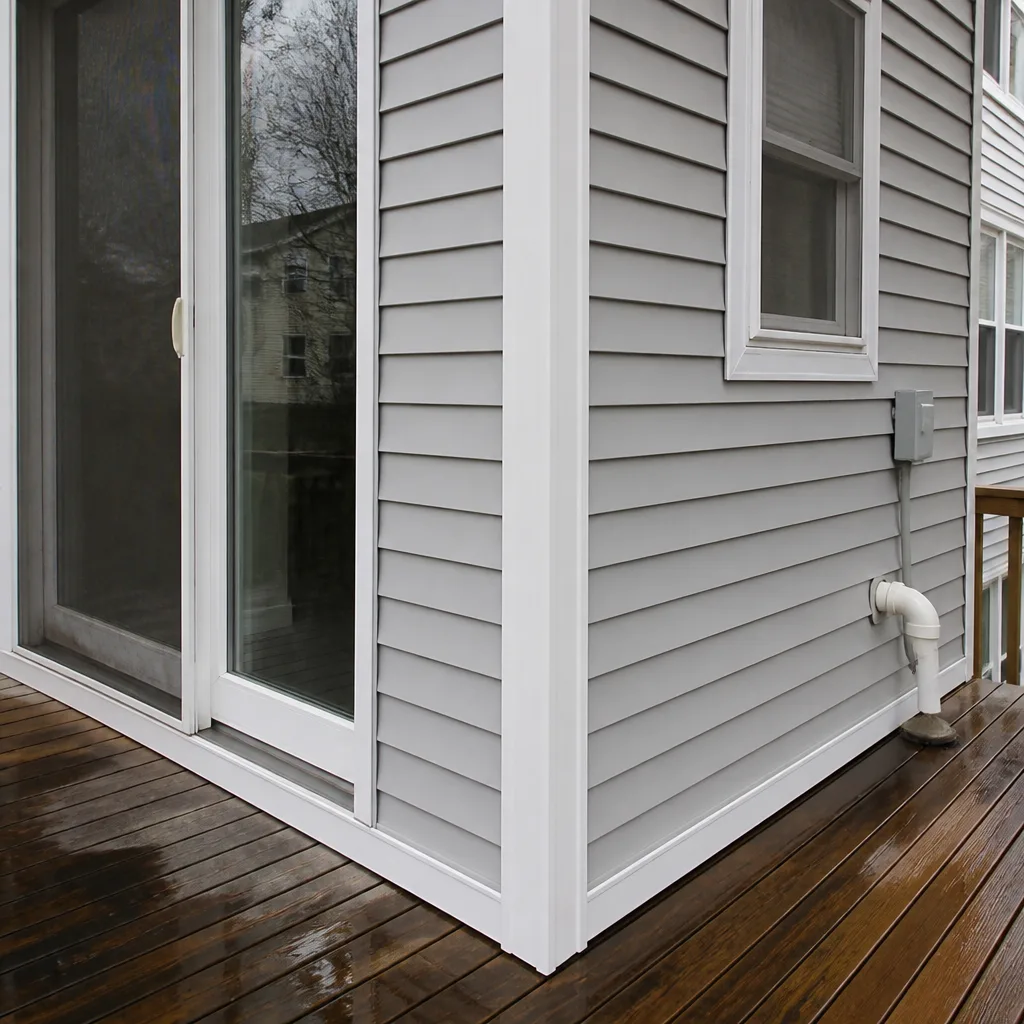 After
After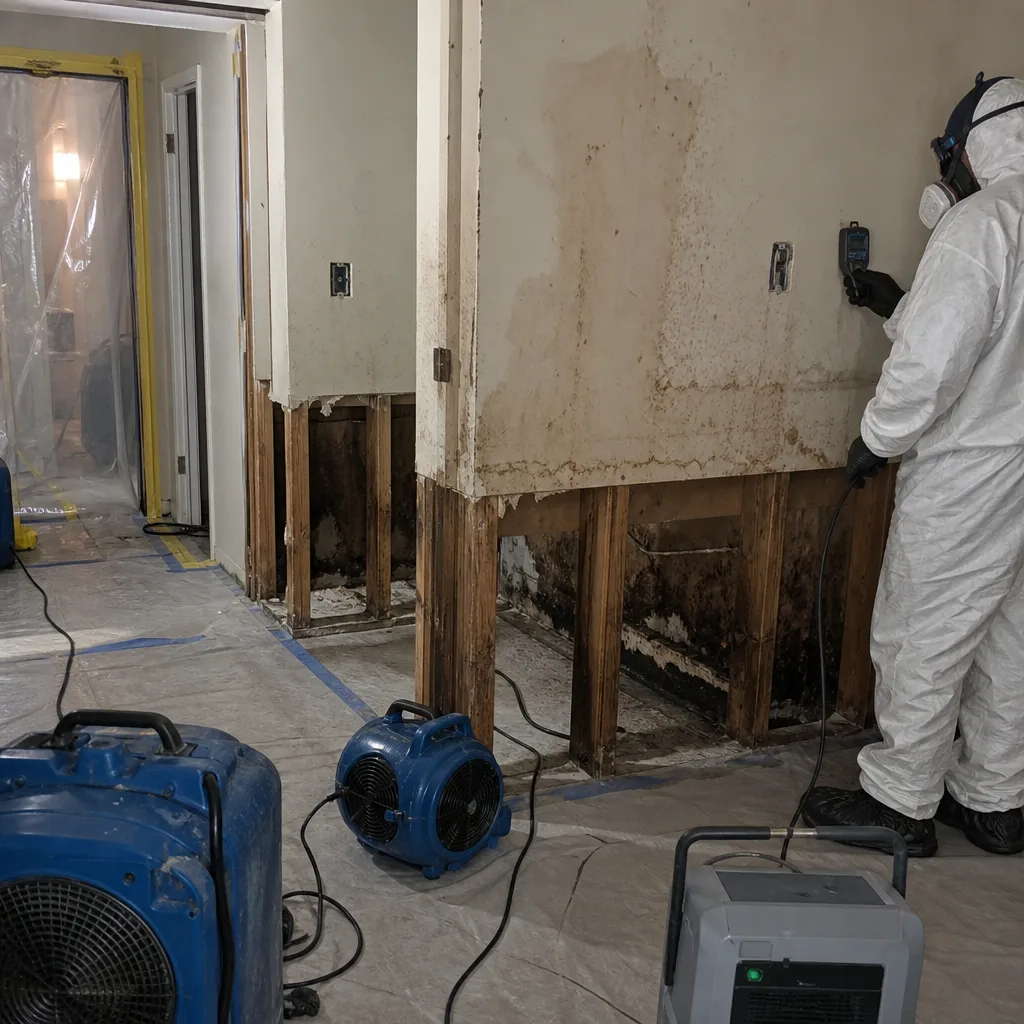 Before
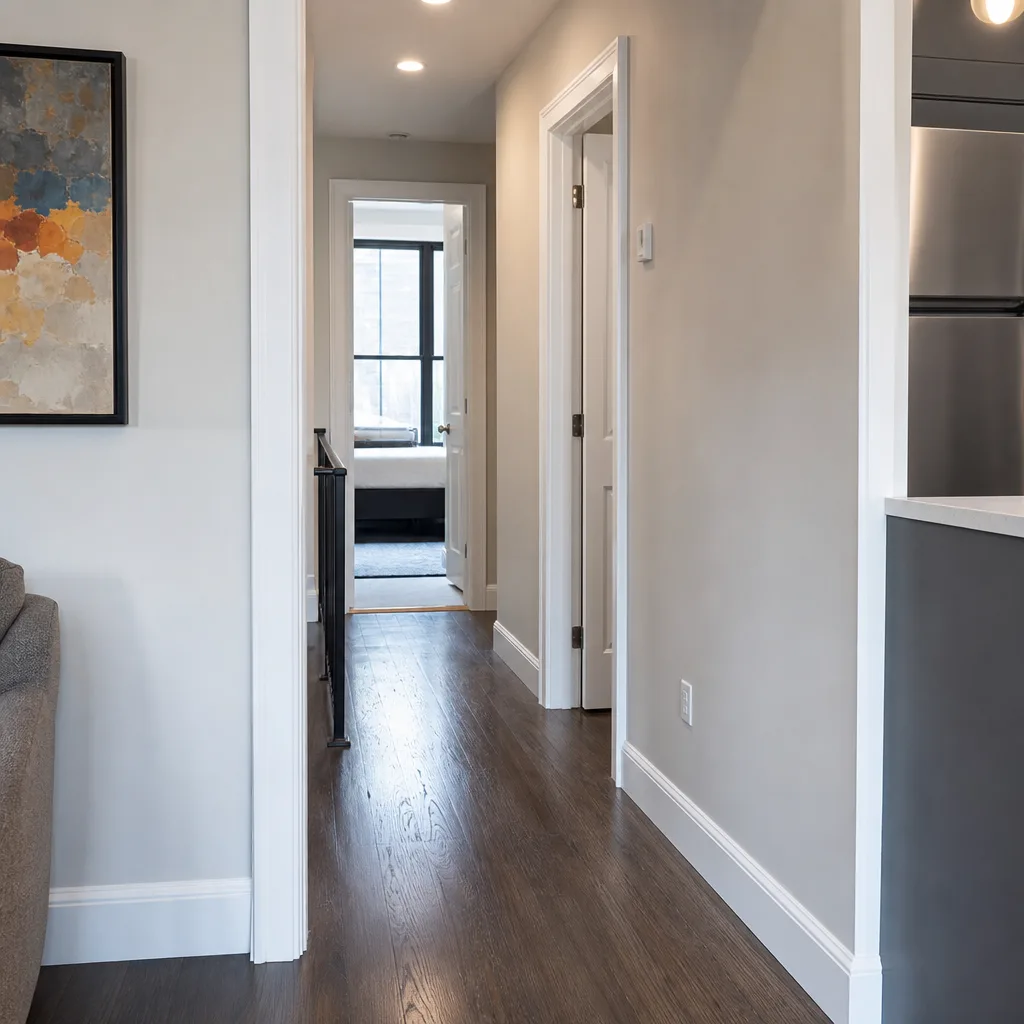 After
After24/7 Emergency Mold Remediation in Upper East Side
Mold remediation in Upper East Side prewar buildings typically runs $2,400-$8,500 for a standard one-apartment job, and most projects are completed in three to seven days once we start. That’s the honest range for this market, where horsehair plaster and original parquet demand specialty drying, not demolition. If you’re seeing dark staining on walls, catching a musty smell near baseboards, or have had a slow pipe leak in the past six months, call us at (917) 924-4221. A live dispatcher answers around the clock, every day of the year, and our crews are positioned to reach Upper East Side addresses fast. The first hour matters because mold colonies double every 24 to 48 hours inside wet plaster, and in buildings where shared risers carry moisture between floors, what starts as a 9th-floor stain can become a 7th-floor problem before the week ends.
Understanding Mold Remediation Severity in Upper East Side Properties
We classify mold by how far the moisture has traveled, what it’s feeding on, and whether it has reached the air. A surface-only issue on painted drywall in a Yorkville postwar building is a different job than mold established inside original horsehair plaster on Park Avenue. The latter requires containment, HEPA air scrubbing, and careful drying of materials that cannot be replaced without altering a landmarked interior. In Carnegie Hill and Lenox Hill co-ops, we regularly find that what building staff called “condensation staining” is actually slow saturation from a steam riser sweating inside a party wall. By the time it’s visible, the mold has colonized the plaster keys and the back of the parquet. That’s why we use thermal imaging and penetrating moisture meters, not just visual checks. Clearance testing at the end of a job confirms spore counts have returned to normal background levels, which matters in buildings where neighbors share air through original vent stacks and elevator shafts. Severity in Upper East Side is not about square footage. It’s about material age, wall construction, and how long water sat hidden. A small visible stain on horsehair plaster can be a larger job than a big one on modern drywall, because the plaster holds moisture longer and supports deeper root growth.
Why Upper East Side Property Owners Choose Floodline Restoration Co. of Manhattan
- 45-minute response commitment: We tell you when the crew will arrive, and the crew is on site on that schedule. Not a window. A time.
- 24/7 live answer, always a person: Call at 2 a.m. and a dispatcher picks up. No recording, no answering service that takes a message.
- IICRC-certified crews: Our mold technicians hold AMRT (Applied Microbial Remediation Technician) and WRT (Water Damage Restoration Technician) certifications, so the work meets the standard your co-op board and insurer expect.
- Free visual inspection: We look before we quote, and the quote is a written line-item scope. You see exactly what we’re doing and why.
- Direct insurance billing: We bill your carrier directly and we speak with your adjuster. You are not the messenger between us and the insurance company.
- One team, start to finish: Our Mold Remediation crew handles moisture mapping, containment, drying, treatment, and the rebuild. No handoff to a third party.
Our Mold Remediation Process
Inspection & Assessment
We start with moisture mapping across every surface of the affected room and adjacent spaces. Thermal imaging and penetrating meters find water you cannot see inside walls and under floors. Then we write the scope, with your co-op’s requirements and any Landmarks Preservation Commission considerations noted before work begins.
Containment & Stabilization
We seal the work area with 6-mil polyethylene and run HEPA air scrubbers to create negative air pressure, so mold spores do not spread to hallways, neighboring apartments, or your living space. We also stop the water source, whether that means coordinating with building management on a riser repair or capping a supply line.
Drying & Dehumidification
For horsehair plaster and hardwood parquet, we use low-grain refrigerant dehumidifiers and gentle, directed airflow from Dri-Eaz and Phoenix units. Daily moisture readings are logged and given to you and your carrier. We dry to a dry standard, not to a calendar date.
Cleaning & Sanitization
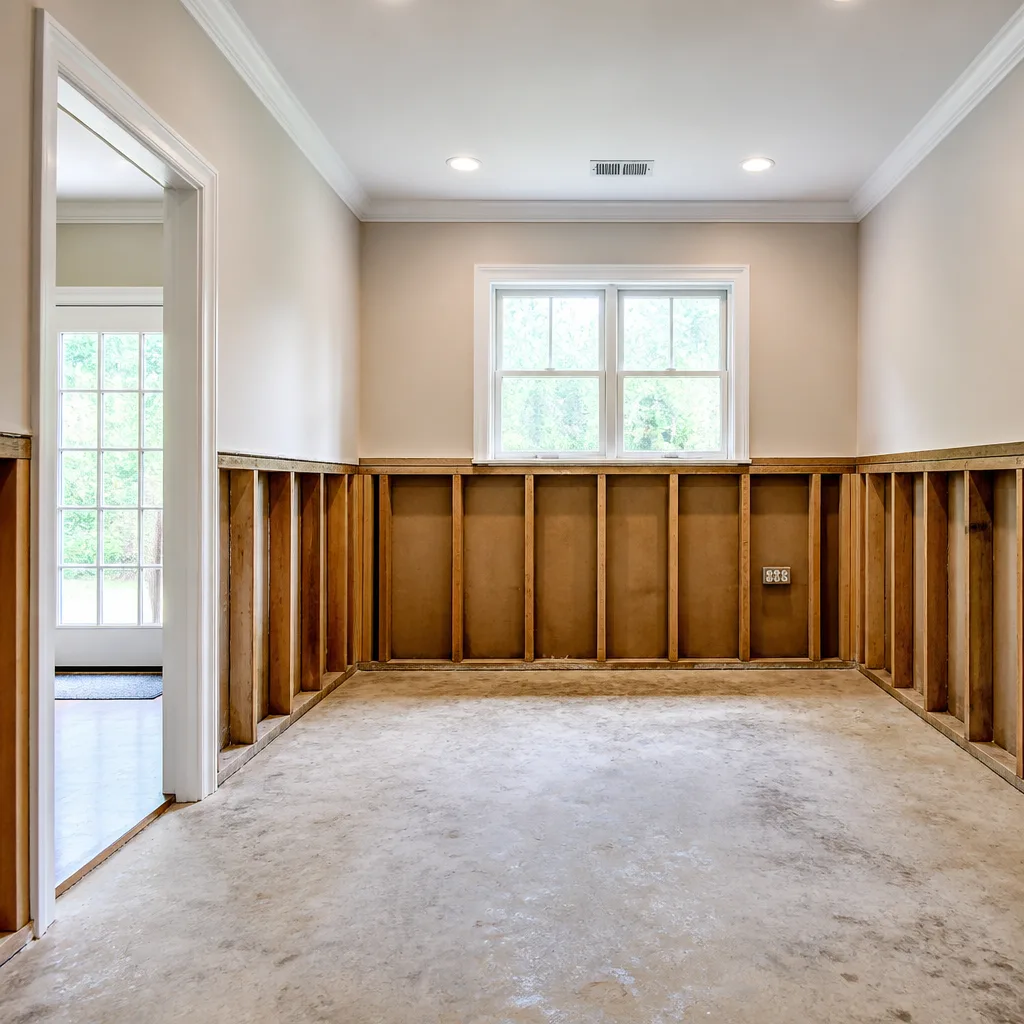
Mold-damaged materials are removed under controlled conditions. Remaining surfaces get HEPA vacuuming, wire brushing where appropriate, and an EPA-registered antimicrobial treatment. We do not fog and hope. We treat specific surfaces with a plan for each material.
Specialty Treatment for Upper East Side Materials
Original plaster, decorative moldings, and parquet each get different treatment. We may dry in place, remove and restore, or carefully cut away only what cannot be saved, documenting every decision. Your co-op board gets a written rationale for anything we remove.
Repairs & Restoration
Our reconstruction crew handles plaster repair, parquet replacement, painting, and trim matching. We match profiles and finishes to the original work, because this is Upper East Side, and a square patch of new drywall does not belong on a 1928 plaster wall. The job is done right, and the 90-Day Done Right Promise covers it in writing.
Need Emergency Mold Remediation in Upper East Side Now?
Crews minutes away, answering live 24 hours a day. The sooner we start, the less it costs.
Working With Your Insurance Company
Most mold remediation in Upper East Side co-ops is covered, at least in part, when the mold was caused by a sudden and accidental water event: a burst supply line, a failed radiator valve, an overflow from the apartment above. Slow leaks that went unreported for weeks can be a different story, and we give you a straight answer on that before you commit to anything. From the first hour, we photograph everything, room by room, and we log moisture readings daily. The documentation goes to your adjuster with an industry-standard line-item estimate. You never have to translate our work to your carrier. We handle that directly, because after 15 years of mold jobs in Manhattan co-ops, we know exactly what adjusters need to approve a claim. We also stand behind our work with the 90-Day Done Right Promise. If it is not done right, we make it right. In writing.
What We Provide Your Insurer
- Thorough documentation of the loss
- Photos of all damage, room by room
- Moisture readings and drying logs
- A detailed, line-item scope of work
- Direct coordination with your carrier
Built for Upper East Side’s Loss Calendar
January and February are the big months for frozen pipe bursts along Fifth Avenue and Park Avenue, especially in apartments where owners are away and thermostats drop. Water pours down through original plaster ceilings and finds its way into parquet on the floor below. By March, we see the aftermath: mold that got a six-week head start before anyone noticed. Spring brings rising groundwater into older basement-level storage areas in Yorkville walk-ups and postwar buildings east of Third Avenue. Summer thunderstorms overwhelm roof drains on flat-roofed co-ops, sending water down interior walls. And the steam-heat season, from October through April, is a quiet mold factory. Radiator valve leaks and riser sweating are common. Building staff often repaint over the stain and call it fixed. It is not fixed. The moisture is still in the plaster, and the mold is still growing. If your building has a history of “recurring stains” in the same spot every winter, that’s a moisture problem, not a paint problem. Call us at (917) 924-4221 for a free visual inspection. We’ll tell you what’s actually happening behind the wall.
Mold Remediation Across Upper East Side’s Neighborhoods
Response times and building access differ block by block, and we plan routes around it. Carnegie Hill, roughly from 86th to 96th between Fifth and Third, has the heaviest concentration of prewar co-ops with intricate plaster and landmarked facades. Jobs there almost always involve co-op board coordination and often Landmarks Preservation Commission sign-off. Lenox Hill, from 60th to 77th east of Park, mixes grand prewar buildings with postwar high-rises. The prewar buildings there share the same riser-leak patterns as Carnegie Hill, while the postwar buildings more often show pipe failures behind tiled bathroom walls. Yorkville, east of Third Avenue through the 80s and 90s, has smaller walk-ups and 1950s-70s brick buildings where cast-iron drains and galvanized supply lines corrode quietly behind tile. By the time the stain shows, the wall cavity has been wet for months. The Upper East Side Historic District, running through much of the area, adds another layer: any repair that affects a visible facade element or historically significant interior finish may require LPC review before our crew can proceed. We have managed that process with boards and the LPC, and we document every step so approvals move forward without unnecessary delay.
Specialized Mold Remediation Services We Offer in Upper East Side
Mold Inspection & Testing
Upper East Side co-op buyers are frequently advised by their attorneys to get a mold inspection before closing. We perform visual inspection with moisture mapping, and we can take air and surface samples as needed. The report is clear, specific, and useful for a board package or a purchase decision. We do not upsell testing where it’s not needed.
Mold Removal
Removal in Yorkville drywall apartments is often straightforward: contain, remove affected drywall, dry, treat, and rebuild. In prewar plaster buildings, removal is more careful. We cut out only what cannot be dried and saved, because replacing original plaster with drywall destroys the wall’s acoustic and historic character. Your board and your neighbors will hold you to that standard.
Black Mold Remediation
Stachybotrys, the mold commonly called black mold, grows where moisture has sat for a long time: behind walls with slow riser leaks, under parquet after repeated overflows, inside closet walls behind radiator risers. In Upper East Side buildings, slow leaks in shared wet columns are the most common source. We contain the area before opening it, so spores do not reach your neighbors through corridors or vent shafts. Then we remove the affected material, dry the cavity, and treat with antimicrobial. Clearance testing confirms the air is clean.
Air Quality Restoration
Mold spores settle in ductwork, drapery, upholstery, and carpets during an active growth period. After source removal, we run HEPA air scrubbers to pull airborne spores down to normal background levels. In prewar buildings with shared ventilation, this is not optional. It’s how you prevent a re-bloom in a neighboring apartment from drifting back into yours.
Crawl Space Treatment
Some Upper East Side townhouses and smaller buildings have crawl spaces or sub-basement storage areas that stay damp year-round. We inspect the source of the moisture, install or improve ventilation and dehumidification where possible, and treat framing and foundation surfaces. The goal is to dry the space so mold does not have a permanent home below your building.
What happens when you call
- 1
A real person answersNo phone trees - you reach a local pro.
- 2
You get an upfront price rangeHonest numbers before anyone is dispatched.
- 3
A background-checked tech heads outLicensed & insured, dispatched right away.
- 4
You approve before work beginsNothing starts until you say go.
Mold Remediation Costs in Upper East Side, NY
A typical mold removal job inside one Upper East Side apartment runs $2,400-$4,800 when the affected area is small and accessible: a bathroom wall, a closet ceiling, a section of baseboard. Larger jobs involving multiple rooms or shared riser damage in a prewar co-op run $5,000-$12,000. That range reflects containment setup, HEPA air scrubbing, daily moisture logging, careful demolition of original plaster or parquet, and skilled restoration to match. When a multi-floor riser leak spreads through multiple units, remediation across all affected apartments can run $20,000-$60,000, which is exactly why co-op boards and unit owners should trace water at the first sign, not the first visible stain. Insurance typically covers the remediation when a sudden event caused the water. Slow leaks are often partially covered, and we help you present the documentation that maximizes your claim. Every job starts with a free visual inspection and a written line-item scope, so you know the number before we open a single wall. Call (917) 924-4221 to schedule an inspection.
We Also Serve Cities Near Upper East Side
Our crews regularly handle mold remediation in Upper East Side and the surrounding area, including Fairview, Harrison, East Bronx, and Hunts Point. If your building sits just outside the neighborhood, call us. The same team, the same equipment, the same written guarantee.
Serving Upper East Side, NY - Our Local Coverage Area
We’re based in the Upper East Side area and know this community well. Use the map below to see our service coverage - if you’re nearby, we can almost certainly help.
Upper East Side Mold Remediation Questions, Answered
Can mold from a shared riser leak in a prewar UES co-op spread to floors below even if we don’t see water?
Yes, and it happens regularly. The wet-column risers in prewar Upper East Side co-ops run inside party walls, so a slow leak on the 10th floor can saturate plaster and parquet on the 9th, 8th, and 7th floors without any visible water in the hallway. Moisture wicks downward through plaster and old wood flooring. By the time someone sees a stain, mold has often been growing for weeks inside the wall cavity. If your building has a history of riser leaks on upper floors, we recommend moisture mapping on the floors below, even when nothing looks wrong. Call (917) 924-4221 to schedule it.
Does mold remediation in a landmarked UES building require Landmarks Preservation Commission approval?
Not always, but often. If the remediation requires removing or altering original decorative plaster, historic woodwork, or any visible facade element inside a landmarked district, LPC sign-off may be required before that portion of the work proceeds. Our team has managed this process on Carnegie Hill and Lenox Hill jobs, and we document every material we plan to remove so the board and LPC can review a clear, specific proposal. We do not cut first and ask later. That’s how you get a stop-work order.
How do we dry horsehair plaster and old parquet without causing more damage during mold remediation?
Slowly. Horsehair plaster releases moisture slowly and cracks if dried too fast. Old parquet curls and separates when hit with high heat or direct, aggressive airflow. We use low-grain refrigerant dehumidifiers and gentle air movement, not the high-velocity fans you see on standard water-damage jobs. Daily moisture readings tell us exactly when the material has reached the dry standard, and we do not rush that. Rushing destroys original finishes. Drying to the number, patiently, saves them.
Why does mold keep returning in our UES apartment after previous remediation?
Because someone treated the visible mold but never stopped the water source. In Upper East Side prewar buildings, the source is usually a shared riser, a radiator valve, or steam condensation inside a wall that building staff kept repainting over. If the moisture source is not fixed, the mold returns within months, and it often spreads further along the same wall cavity. Our first step is always finding and stopping the source. Then we remove, dry, and treat. That is the only sequence that works.
Can you handle mold remediation while our co-op board requires multi-unit approvals and scheduling?
Yes. We work with co-op boards and managing agents on a regular basis. We provide written scopes, insurance documentation, crew certifications, and a schedule for each phase. We coordinate access with building management and neighboring units when shared walls or risers are involved. Our crew is uniformed, background-checked, and accustomed to working in occupied prewar buildings where the neighbors are watching. The board gets daily documentation, and you get a single accountable team.
How fast can a mold remediation crew actually get to Upper East Side?
We commit to a 45-minute response time from the moment you call (917) 924-4221. A live dispatcher answers, confirms your address, and the crew arrives on the schedule we give you. For an active water source or visible mold growth, we start containment the same visit. For a standard inspection without an emergency, we can usually be on site the same day or next morning.
Will my insurance cover mold remediation in a UES co-op?
Most co-op and condo policies cover mold remediation when the mold was caused by a sudden and accidental water event: a burst pipe, a radiator valve failure, an overflow from an upstairs neighbor. Slow leaks that went unaddressed for months may be partially covered or denied, depending on your policy language. We document everything from the first hour and bill your carrier directly, and we speak with your adjuster so you don’t have to carry the claim back and forth. A free inspection gives us the information to give you an honest answer on coverage.
What should I do in the first 30 minutes after finding mold in my UES apartment?
Do not disturb the area. Do not scrub it, paint over it, or run a standard household fan near it, because that can release spores into your living space and neighboring units. If there is an active water source, shut the water off if you can. Then call us at (917) 924-4221. A live dispatcher answers 24/7, and we will tell you exactly what to do next based on what you describe. If you’re a tenant, notify your landlord or managing agent immediately, then call us for the remediation scope.
Written by Curt Bowman, Owner at Floodline Restoration Co. of Manhattan, serving Upper East Side with mold remediation, water damage restoration, and full rebuild services. Floodline Restoration Co. of Manhattan is a full-cycle restoration company that starts at the floodline and does not hand the job off until extraction, drying, and rebuild are finished by the same certified crew.