
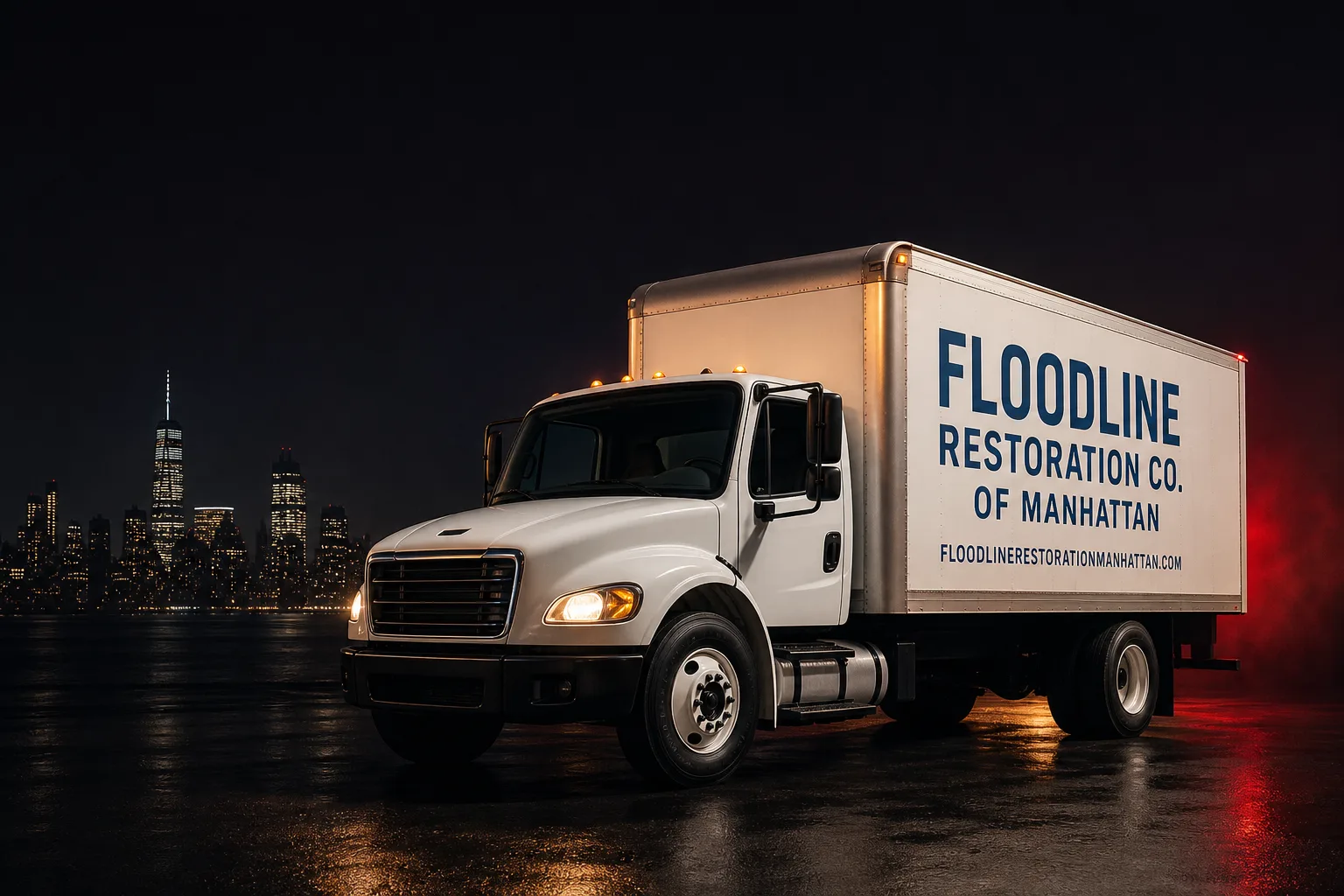
Free visual inspection and a written scope of work before any mitigation begins - photos, moisture readings, and drying logs go in your claim file
The scope we write is the scope we bill. Anything new gets shown to you, in writing, before we touch it.






 Before
 After
After Before
 After
After Before
 After
After24/7 Emergency Storm & Disaster Restoration in Upper East Side
Storm and flood damage on the Upper East Side rarely announces itself politely. A nor’easter backs storm drains along York Avenue, a riser pipe lets go on the 12th floor of a Fifth Avenue co-op, or a summer thunderstorm sends runoff through a bulkhead door on a Lenox Hill brownstone. When water is moving through prewar plaster, the first hour sets the price of everything after it. Our crews answer live at (917) 924-4221 at any hour, and dispatch reaches Upper East Side buildings within 45 minutes. We start with a free visual inspection, map the moisture with thermal imaging and hygrometers, and get extraction running the same visit. The goal is simple: stop the water before it crosses from one apartment into the next.
Understanding Storm & Disaster Restoration Severity in Upper East Side Properties
The Upper East Side’s building stock makes storm restoration a different trade here than in a vinyl-sided suburb. Ten-to-twenty-story prewar masonry co-ops run their supply and drain lines through shared wet columns inside party walls. When one of those risers fails, the water is rarely clean. Category 1 water from a burst supply line becomes Category 2 within 24 to 48 hours as it picks up plaster dust, old pipe scale, and whatever has accumulated inside wall cavities for ninety years. Category 3 water, the kind that backs up from a combined sewer overflow during a flash flood, can carry whatever the street pushed into the system. Each category changes the drying protocol, the containment plan, and what gets salvaged. In horsehair plaster walls, moisture hides. Surface readings on plaster can look dry while the lath behind it still holds enough water to grow mold. We map every affected room with penetrating and non-penetrating meters, log readings daily, and don’t sign off until the dry standard is met, not when the surface feels dry to a palm. Yorkville’s postwar brick buildings have their own failure mode: galvanized supply lines and cast-iron drains from the 1950s and 1960s that corrode quietly behind tile until a ceiling drops or a wall buckles.
Why Upper East Side Property Owners Choose Floodline Restoration Co. of Manhattan
Our Storm & Disaster Restoration team works one job at a time, start to finish, with the same crew that walked in on day one. For Upper East Side co-op owners and building managers, that continuity matters. Board approvals, LPC sign-offs, and occupied apartments above and below mean restoration here is a coordination problem as much as a drying problem. Curt Bowman founded the company in 2010 to run exactly these jobs: complex, multi-unit, high-value, and document-heavy.
- 45-minute response commitment to Upper East Side: We dispatch from the New York City office the moment you call (917) 924-4221. A certified crew is moving toward your building within the hour.
- 24/7 live answer, always a person: At 2 a.m. you’ll get a dispatcher who knows the difference between a riser leak and a roof drain failure. No recordings, no callbacks.
- IICRC-certified crews: Our technicians hold WRT, FSRT, and AMRT certifications, and they’re trained to RIA and IFA standards. Background-checked and uniformed on every job.
- Free visual inspection with moisture mapping: Before anything gets torn out, we show you the moisture map and explain what’s wet, how wet, and what that means.
- Direct insurance billing: We bill your carrier directly and speak to your adjuster ourselves. You’re not the messenger between Floodline and the insurance company.
- One team from extraction to reconstruction: The same crew that sets the drying equipment rebuilds the walls and floors. No mid-job handoff to a contractor you’ve never met.
Our Storm & Disaster Restoration Process
Inspection & Assessment
We arrive, walk the affected areas, and identify the water source and category. Thermal imaging shows what’s wet behind walls and under floors. We give you a written scope before any demolition starts.
Extraction & Stabilization
Standing water goes out with truck-mounted or portable extraction units. If a window, door, or roof penetration is open, we board up or tarp it immediately to stop new water from entering.
Drying & Dehumidification
We set Dri-Eaz and Phoenix air movers and dehumidifiers, plus Injectidry systems for cavity drying inside wet walls. Daily moisture readings are logged until the dry standard is met.
Cleaning & Sanitization
Affected surfaces get cleaned with EPA-registered antimicrobials where appropriate. For Category 3 water, we use containment and HEPA air scrubbers to prevent cross-contamination.
Specialty Plaster & Parquet Treatment
Horsehair plaster, coved ceilings, and hand-laid parquet get specialty drying and stabilization before any removal decisions are made. Salvage comes first; we only remove what cannot be saved.
Repairs & Restoration
The same Floodline crew handles the rebuild, from plaster repair and millwork to flooring and painting. Every job is backed by the 90-Day Done Right Promise, in writing.
Need Emergency Storm & Disaster Restoration in Upper East Side Now?
Crews minutes away, answering live 24 hours a day. The sooner we start, the less it costs.
Working With Your Insurance Company
Insurance on the Upper East Side is a different animal than anywhere else in the five boroughs. Policies on prewar co-ops often require shareholder coverage, building coverage, and sometimes an LPC rider for original decorative elements. We handle the documentation from the first hour so your adjuster has what they need without weeks of back-and-forth. Our estimates follow industry-standard line-item formats carriers expect. We speak to your adjuster directly, send photos and moisture logs, and walk them through the scope as it evolves. You get a copy of everything. You’re never left explaining why a drying plan on a 10th-floor riser leak affected three apartments below.
What We Provide Your Insurer
- Thorough documentation of the loss
- Photos of all damage, room by room
- Moisture readings and drying logs
- A detailed, line-item scope of work
- Direct coordination with your carrier
Built for Upper East Side’s Loss Calendar
Storm losses on the Upper East Side follow a seasonal rhythm, and we’ve seen enough of them to know what’s coming before the first call. January and February deep freezes burst supply lines in unheated mechanical rooms and along exterior walls, sending water down through multiple floors before anybody notices. The freeze-thaw cycles also work on old masonry, opening hairline cracks that let in wind-driven rain during March nor’easters. April and May bring the thaw, when saturated walls and roofs start showing the damage winter did quietly. Summer is thunderstorm season: cloudbursts overwhelm storm drains along First and Second Avenues, and combined sewer backups push Category 3 water through floor drains in Yorkville basements. Fall is the second nor’easter season, with wind damage to roof membranes, parapet walls, and old windows. Each season has its own restoration profile. A January riser burst is a flood job. An August sewer backup is a contamination job. We adjust the plan accordingly.
Storm & Disaster Restoration Across Upper East Side’s Neighborhoods
The response route changes by block. In Carnegie Hill, between Fifth and Park from the 90s down to the 80s, we’re working in grand prewar co-ops where a riser leak on the 10th floor means co-op board approvals at every apartment below. Our crews have done exactly that: moisture mapping showed elevated readings through the 9th, 8th, and 7th floors from a single weeping riser, with Category 2 water wicking through original plaster and cupping hand-laid parquet. We set containment and structural drying per floor, coordinated pack-out of saturated millwork with each board, and brought in an LPC-approved plaster specialist to preserve coved ceiling profiles before rebuild. In Lenox Hill, from East 60th to East 77th between Fifth and the river, the mix is older co-ops, postwar rentals, and townhouses. Bulkhead doors and roof drains are the weak points there. Yorkville, east of Third Avenue into the 80s and 90s, has more modest prewar walk-ups and 1950s-to-70s brick buildings where cast-iron drains fail behind tile. Along East End Avenue, river-facing buildings take wind-driven rain against window walls and terraces in nor’easters. Each area gets the same standard: written scope first, drying to the standard, rebuilt by the same crew.
Specialized Storm & Disaster Restoration Services We Offer in Upper East Side
Flood Damage Restoration
Whether the water came from a riser, a roof drain, or a backed-up sewer, the protocol starts the same: identify the category, map the moisture, contain the affected areas, and dry to the standard. In Upper East Side prewars, that means specialty cavity drying inside wet plaster walls, not just surface drying. Salvage comes first.
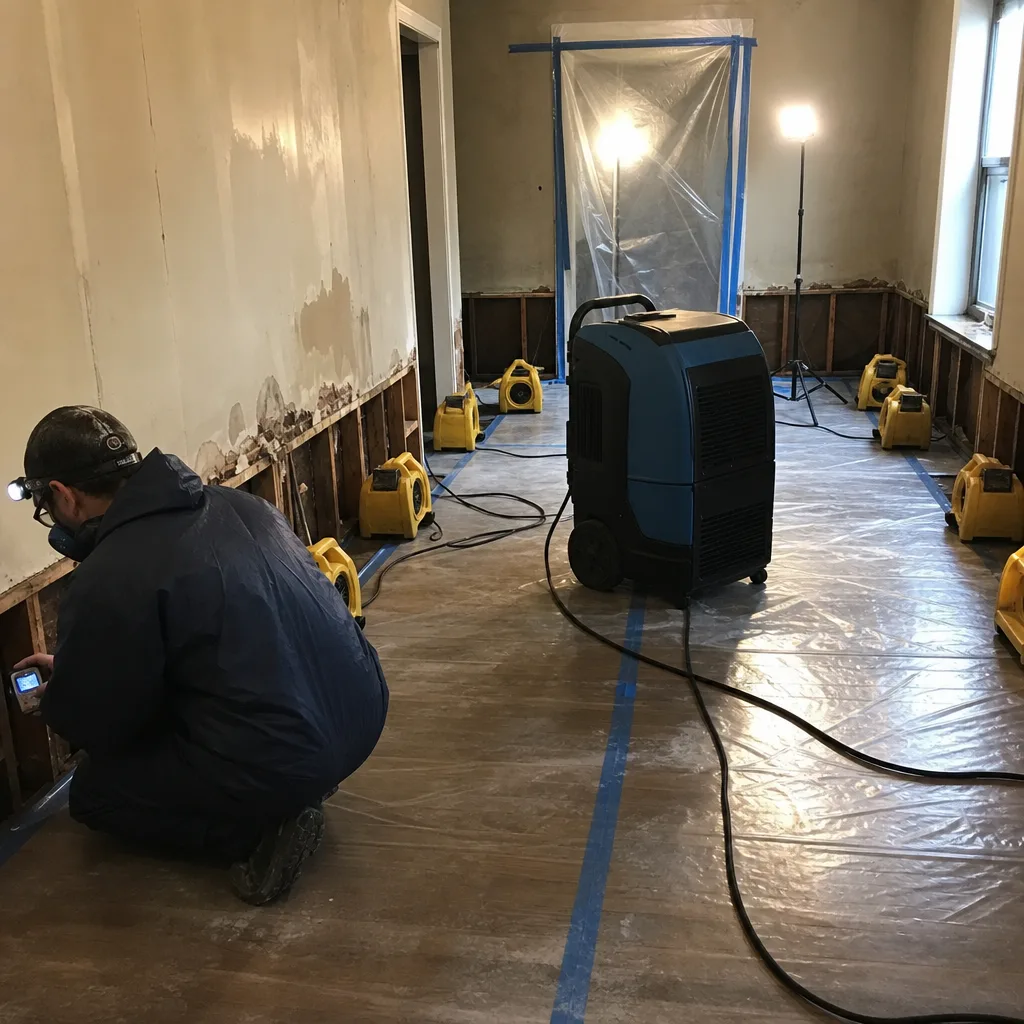
Storm Damage Cleanup
Wind-blown debris, flooded basements, soaked carpets, and water-stained plaster all get the same plainspoken treatment: documented, cleaned, dried, and restored. We handle pack-out of wet contents, including saturated clothing, books, and furniture, with cleaning and storage arranged through approved vendors.
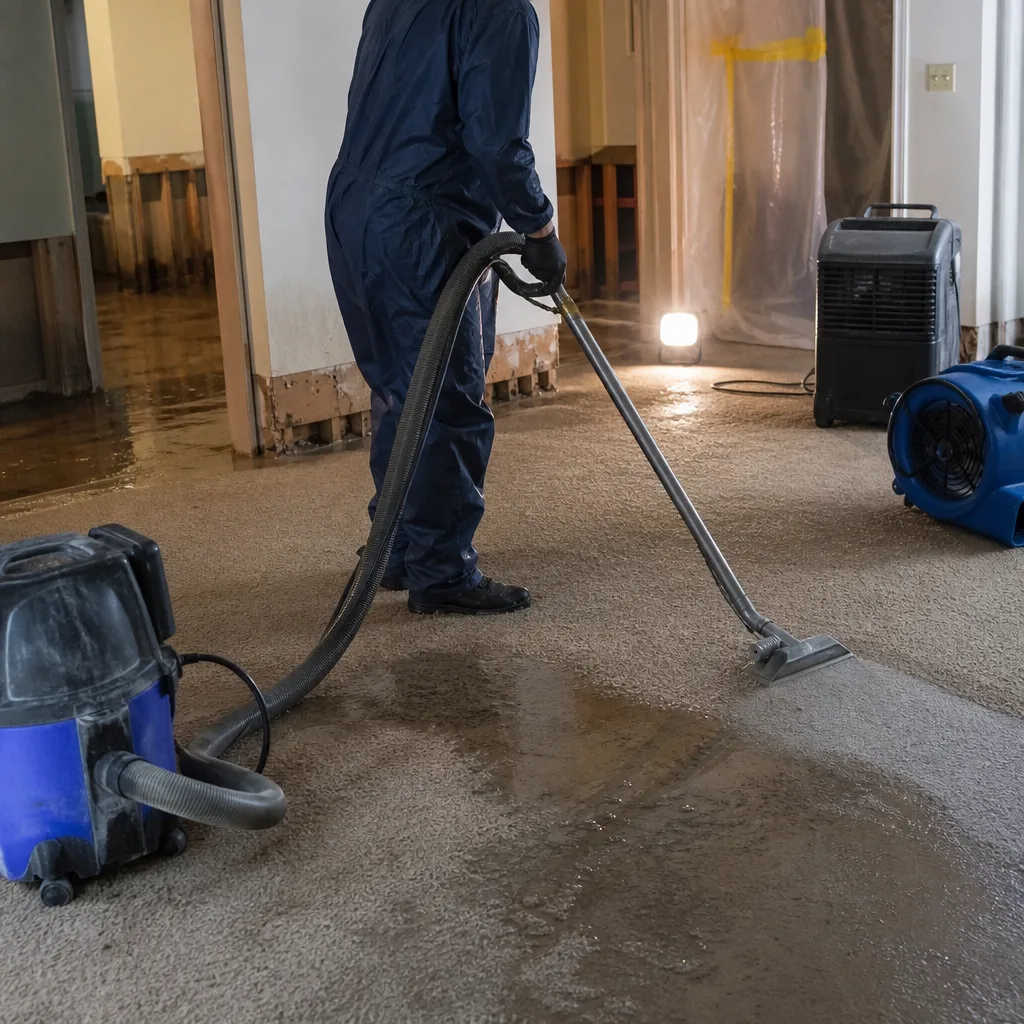
Emergency Board-Up
A broken window on a Fifth Avenue co-op or a blown bulkhead door in Yorkville needs securing before the weather changes. We board up openings the same visit, tarp damaged roofs, and make sure the building envelope is closed enough to start drying safely.
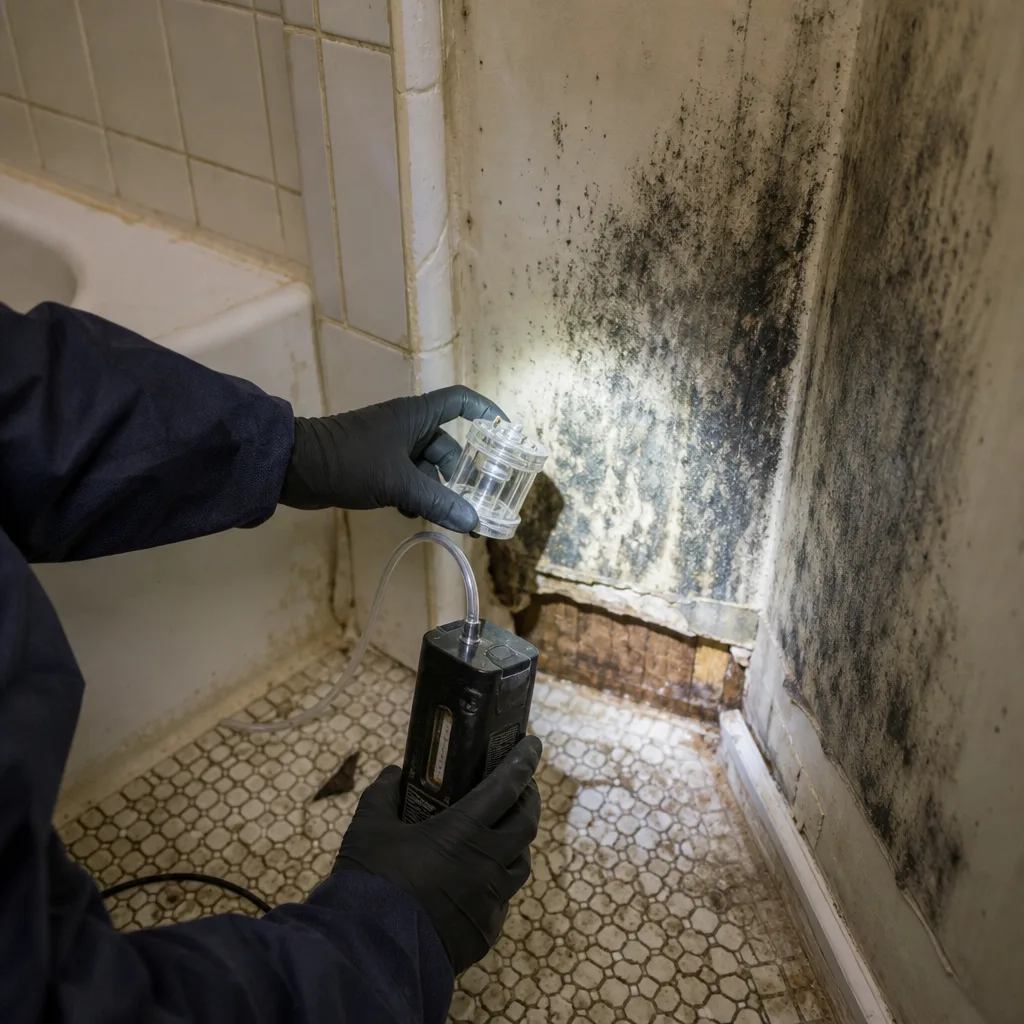
Roof Tarping
Wind damage to roof membranes and parapet flashing is a common nor’easter injury on flat-roofed prewar buildings. We tarp, secure, and photograph everything for your carrier, then coordinate permanent repairs through our reconstruction arm. No second contractor, no handoff.
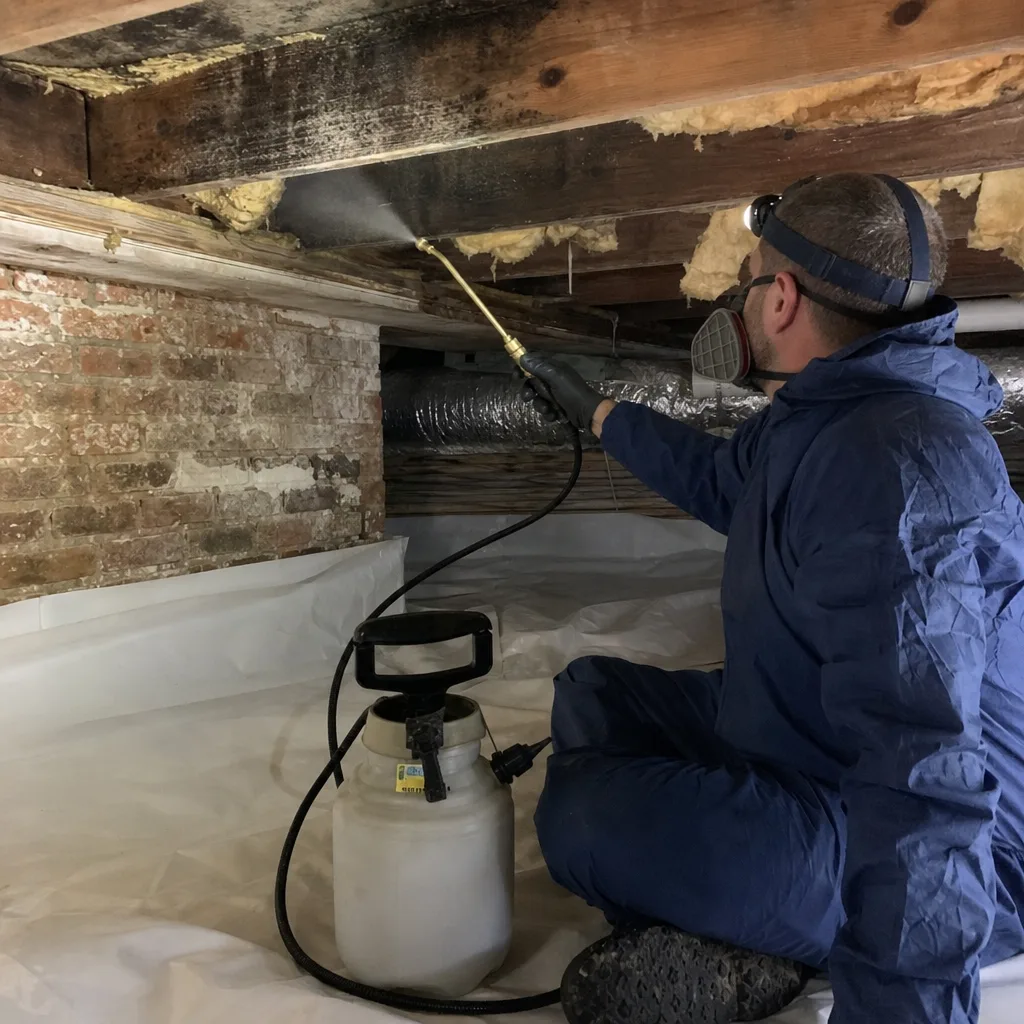
Debris Removal
After a storm, debris blocks drains, clogs roof scuppers, and hides damage. We clear it, document what we find, and report it to your building management or board so repair decisions can be made with facts, not guesses.
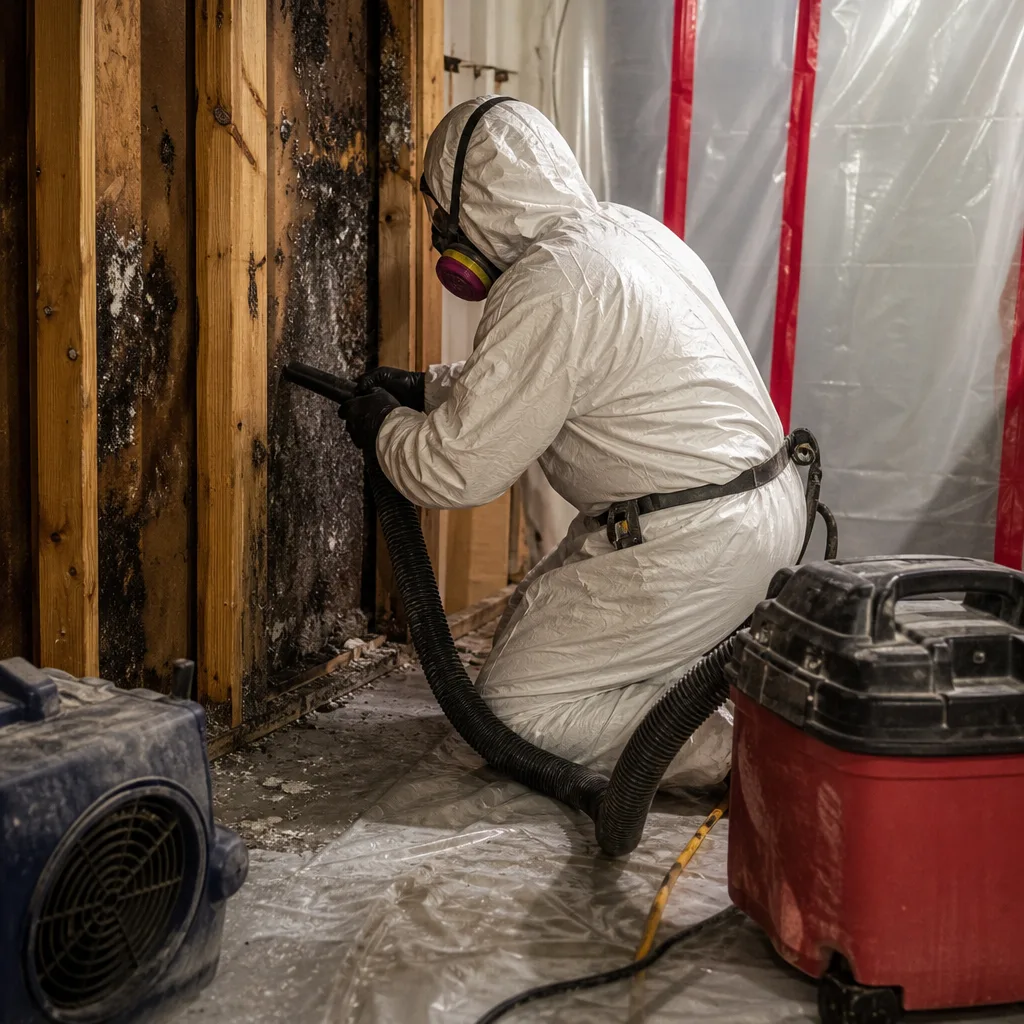
What happens when you call
- 1
A real person answersNo phone trees - you reach a local pro.
- 2
You get an upfront price rangeHonest numbers before anyone is dispatched.
- 3
A background-checked tech heads outLicensed & insured, dispatched right away.
- 4
You approve before work beginsNothing starts until you say go.
Storm & Disaster Restoration Costs in Upper East Side, NY
Upper East Side restoration costs run higher than other borough markets for a reason: the buildings are older, the finishes are original, and the approval layers are real. A single-apartment flood from a burst supply line in a Yorkville walk-up typically runs $4,000 to $12,000 for extraction, drying, and standard rebuild. A multi-floor riser leak in a Carnegie Hill or Lenox Hill co-op is a different animal: containment, specialty plaster drying, parquet stabilization, pack-out, board coordination, and LPC-compliant restoration routinely reaches $80,000 to $250,000 across affected units. Emergency board-up runs $400 to $1,200 per opening. Roof tarping runs $600 to $2,500 depending on access and roof type. Debris removal runs $300 to $1,500. Most of these costs are covered by the building’s policy or your individual co-op policy. The free visual inspection is how you get a firm scope instead of a guess. Call (917) 924-4221 and we’ll put numbers on paper.
We Also Serve Cities Near Upper East Side
Our crews regularly work across Fairview, Harrison, East Bronx, and Hunts Point. The same 45-minute response commitment, the same 90-Day Done Right Promise, and the same live-answer dispatch apply wherever we go.
Serving Upper East Side, NY - Our Local Coverage Area
We’re based in the Upper East Side area and know this community well. Use the map below to see our service coverage - if you’re nearby, we can almost certainly help.
Upper East Side Storm & Disaster Restoration Questions, Answered
How does water from a shared wet-column riser leak spread through a prewar Upper East Side co-op?
A riser failure inside a party wall lets water travel down through the wall cavity, wicking through horsehair plaster and running under hand-laid parquet on every floor below. It can saturate three or four apartments before the first stain appears on a ceiling. Moisture mapping with penetrating meters is the only way to see the full extent without unnecessary demolition.
Do I need co-op board or Landmarks Preservation Commission approval before starting storm or flood restoration in a prewar UES building?
Yes, in most cases. Co-op boards require notification and often approval before demolition or structural work begins in any unit. If the building is landmarked, any change to original decorative plaster, coved ceilings, or facade elements requires Landmarks Preservation Commission sign-off. Skilled contractors coordinate these approvals before the first wall is opened. Call (917) 924-4221 and we’ll map the approval path for your building.
Can original horsehair plaster and hand-laid parquet be saved after a flood, or do they always need replacement?
They can often be saved with a specialty drying approach. Horsehair plaster is dimensionally stable when dried slowly and correctly; hand-laid parquet can be stabilized, dried, and re-laid. The decision should be made by a restoration contractor who knows prewar materials, not by default. We salvage first and only remove what cannot be saved.
How long does a multi-floor riser-leak restoration in a Carnegie Hill or Lenox Hill co-op typically take?
Structural drying alone typically runs 5 to 14 days. Specialty plaster drying, parquet stabilization, and full reconstruction across three or four affected units usually runs 6 to 16 weeks from first extraction to final paint, depending on LPC approvals and co-op board scheduling. We provide a written timeline after the first inspection.
What should I do immediately if I see water staining on my ceiling in a prewar Upper East Side apartment?
Call (917) 924-4221. Don’t wait to see if it spreads. Take photos, move valuables away from the stained area, and note whether the stain feels damp or has been there for days. Then call your building management or super. The faster the source is found, the fewer floors below you get affected.
How fast can a crew actually reach my Upper East Side building?
Within 45 minutes for emergency storm or flood calls, around the clock. We dispatch from the New York City office, and crews are staged to reach the Upper East Side quickly at any hour. A live person answers, and a certified team starts moving immediately.
Will my insurance cover storm or flood restoration in a co-op building?
Most policies, building and shareholder, cover sudden and accidental water damage from storms or failed plumbing. Gradual leaks are often excluded, so documentation of the event and its timing matters. We bill your carrier directly, provide full photo and moisture documentation, and speak to your adjuster ourselves.
Do I need full restoration or just a cleaning?
If water has entered walls, floors, or ceiling cavities, you need professional drying, not just surface cleaning. Moisture trapped inside prewar plaster will grow mold within 48 to 72 hours. The free visual inspection with thermal imaging is how you get an honest answer. Call (917) 924-4221 and we’ll tell you straight.
Call Floodline Restoration Co. of Manhattan for Storm & Disaster Restoration in Upper East Side
If you’re seeing water stains on prewar plaster, smelling mustiness after a storm, or watching a riser leak spread from one floor to the next, call (917) 924-4221. A live dispatcher answers at any hour. We’ll be there when we say, we’ll put the scope in writing before work starts, and we’ll stand behind the result with the 90-Day Done Right Promise. Serving all of Upper East Side, from Carnegie Hill to Yorkville and East End Avenue to the Fifth Avenue co-ops. The line the water left is where we start.
Written by Curt Bowman, Owner at Floodline Restoration Co. of Manhattan, serving the Upper East Side with certified storm and disaster restoration crews since 2010.