
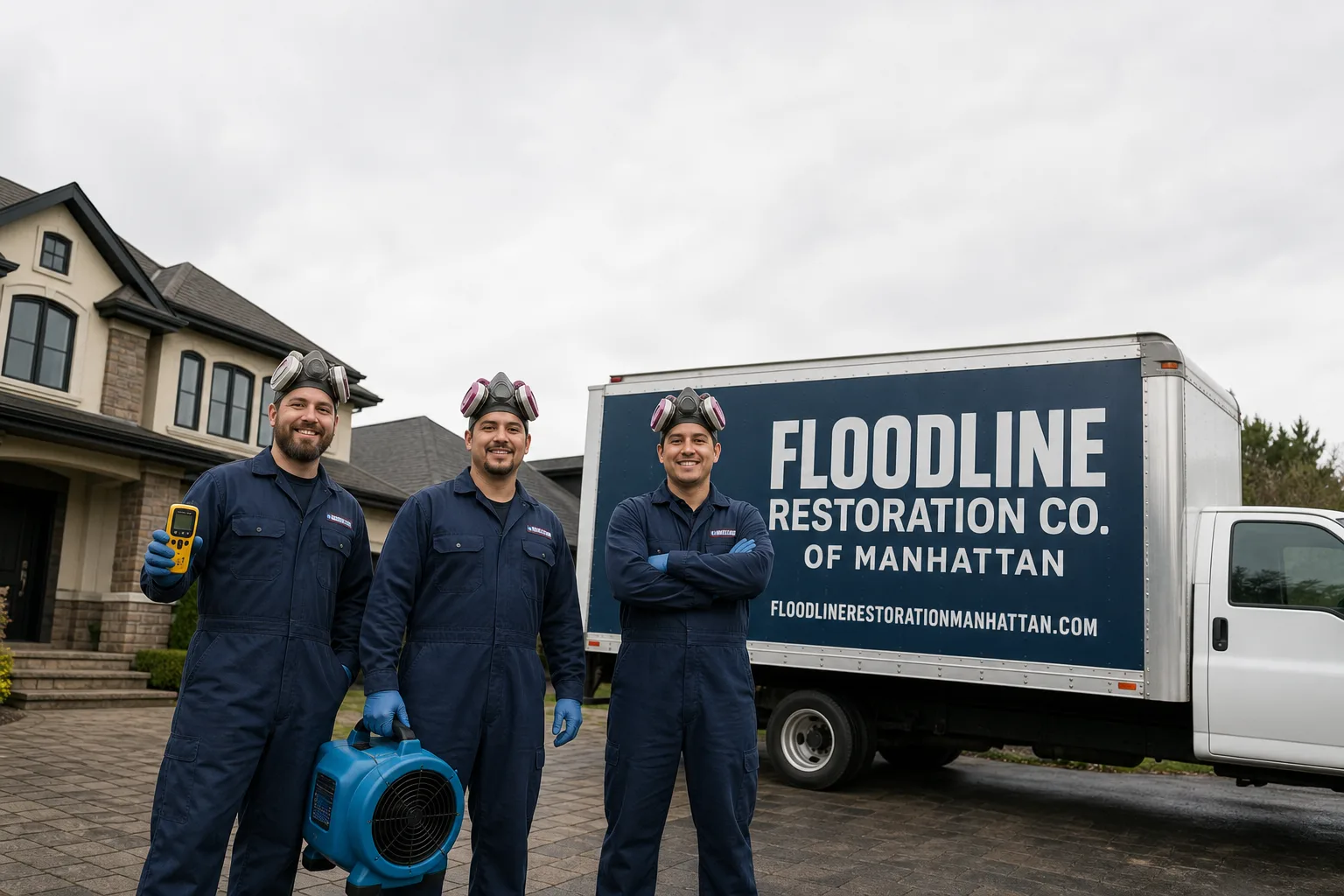
Free visual inspection and a written scope of work before any mitigation begins - photos, moisture readings, and drying logs go in your claim file
The scope we write is the scope we bill. Anything new gets shown to you, in writing, before we touch it.
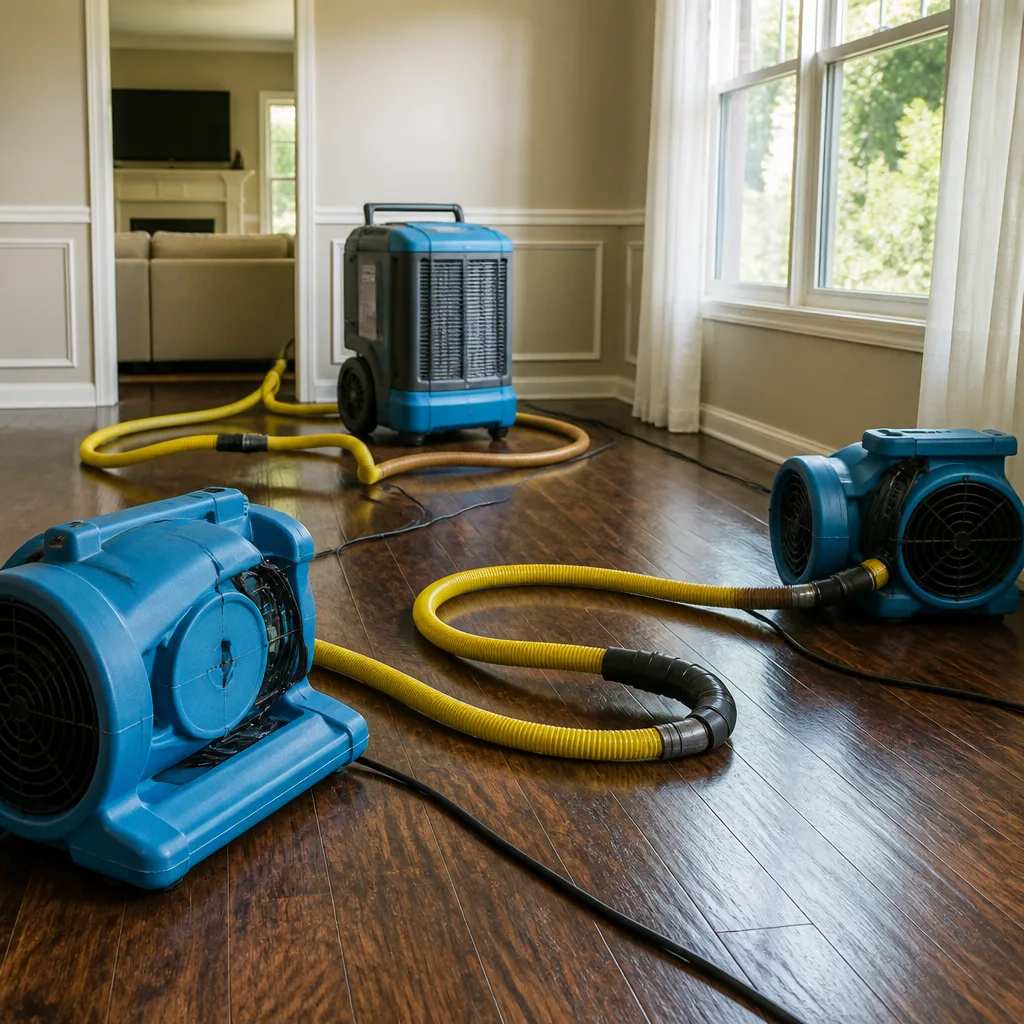
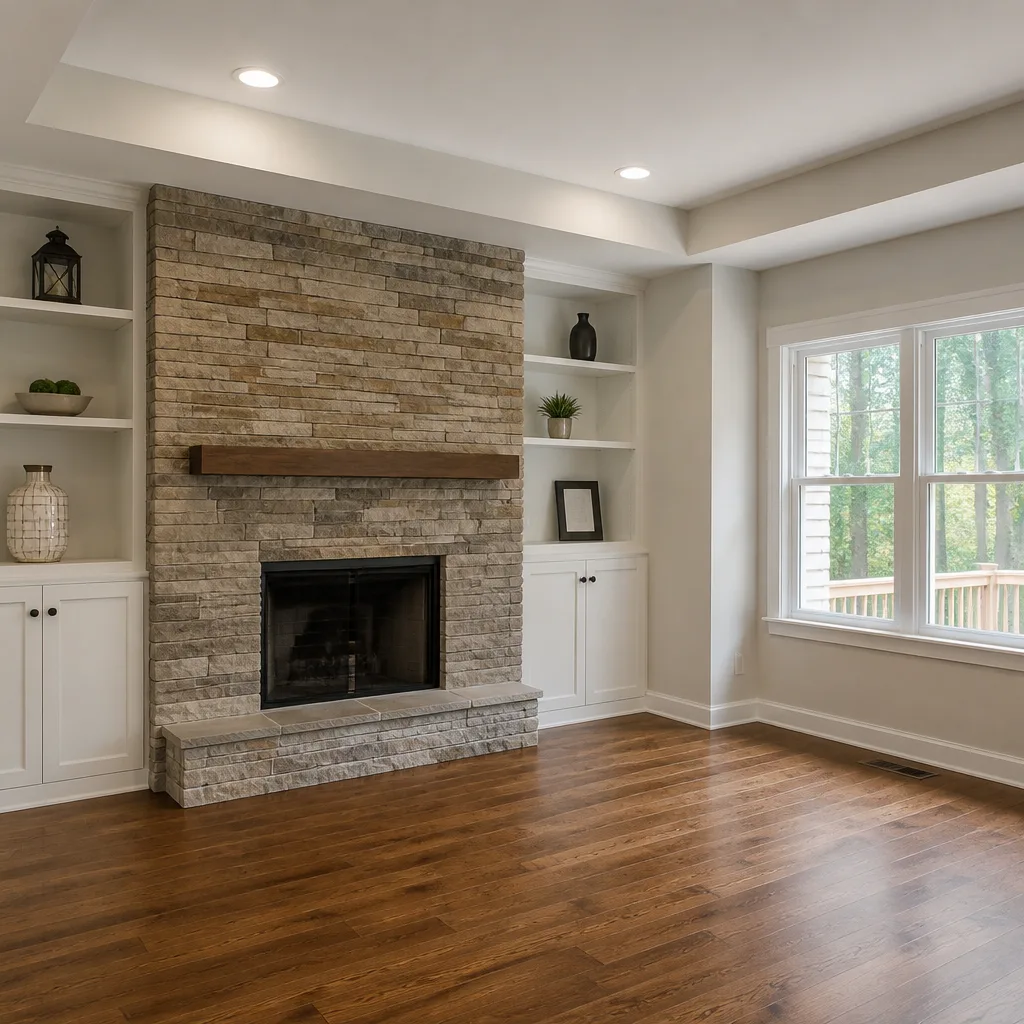
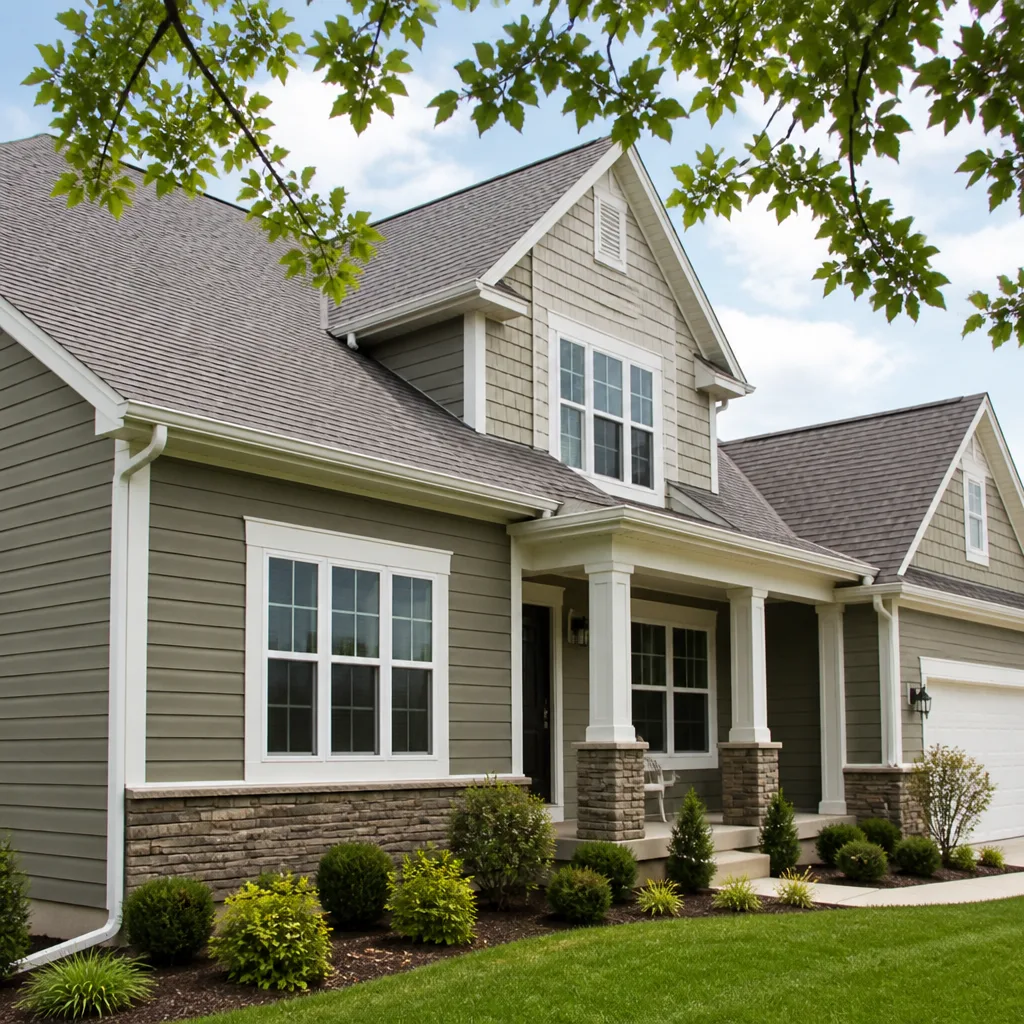
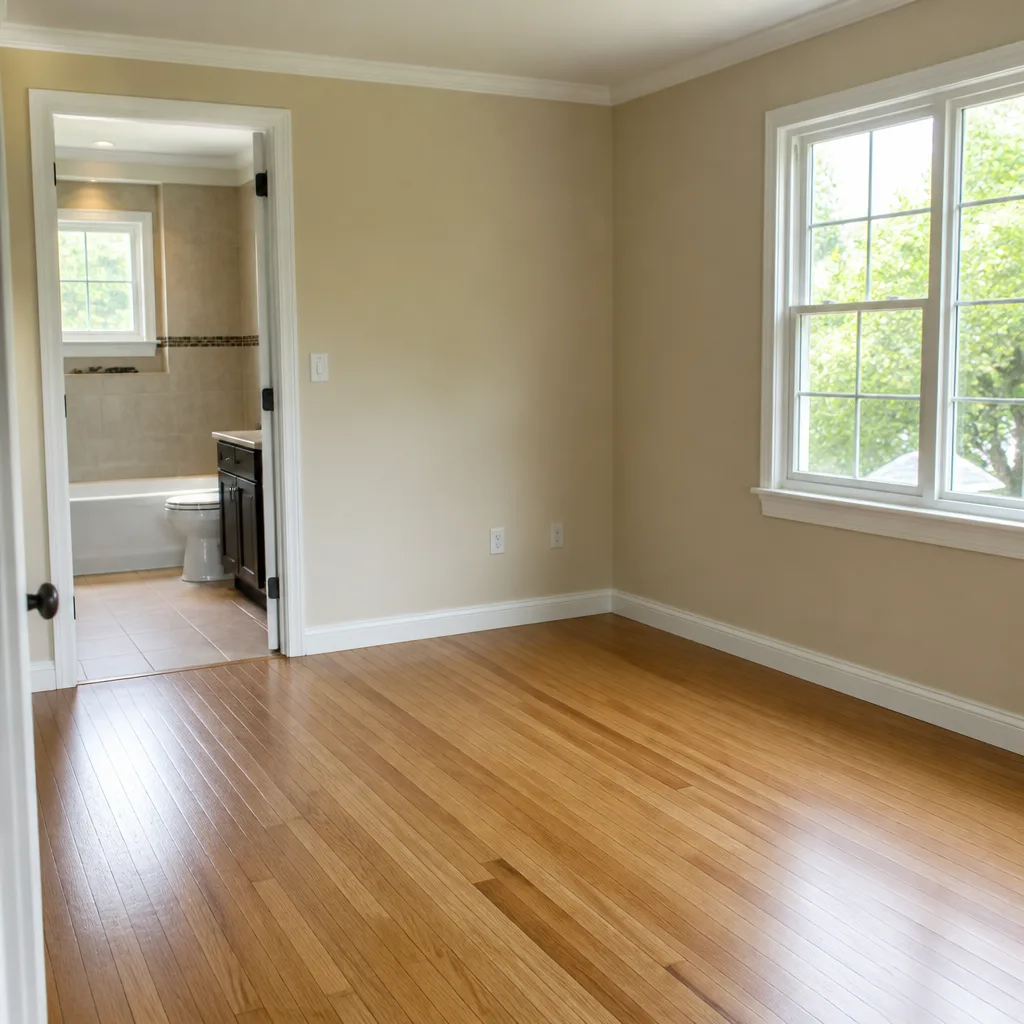
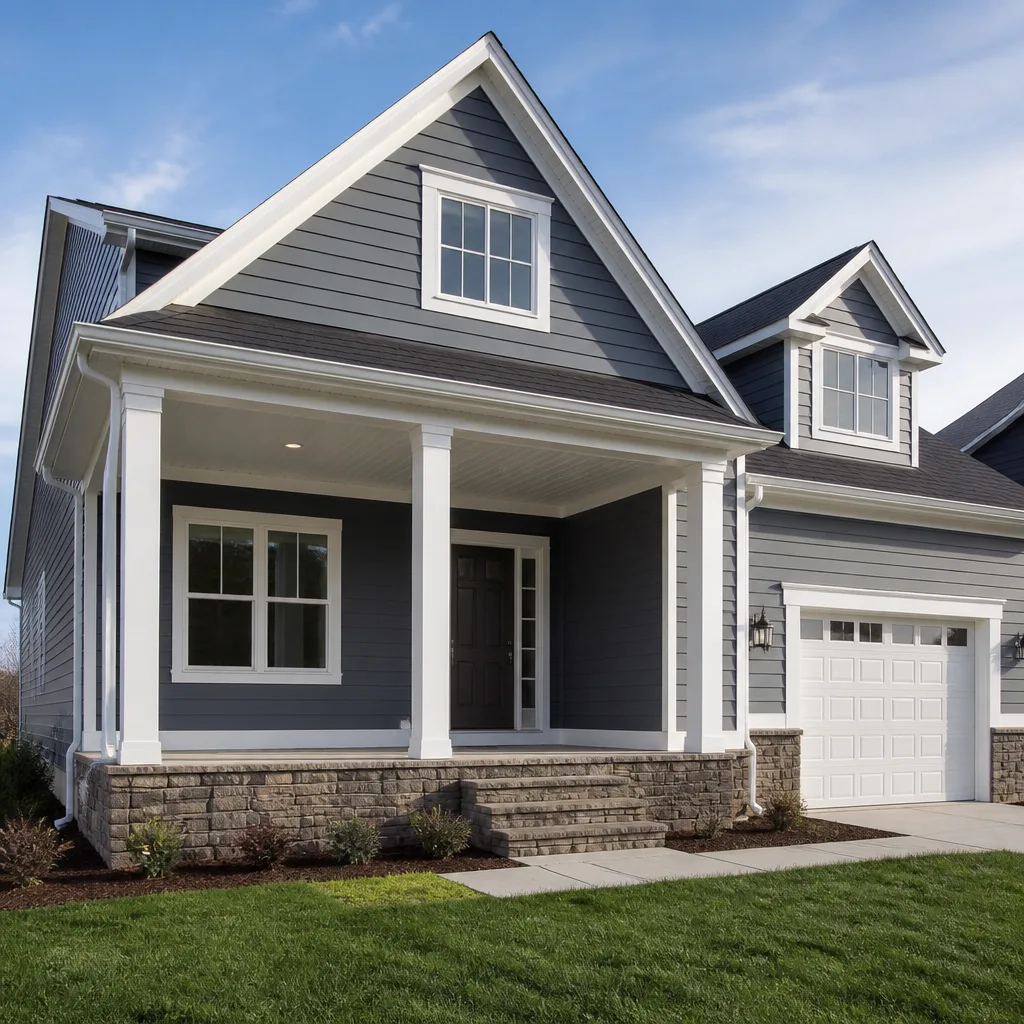
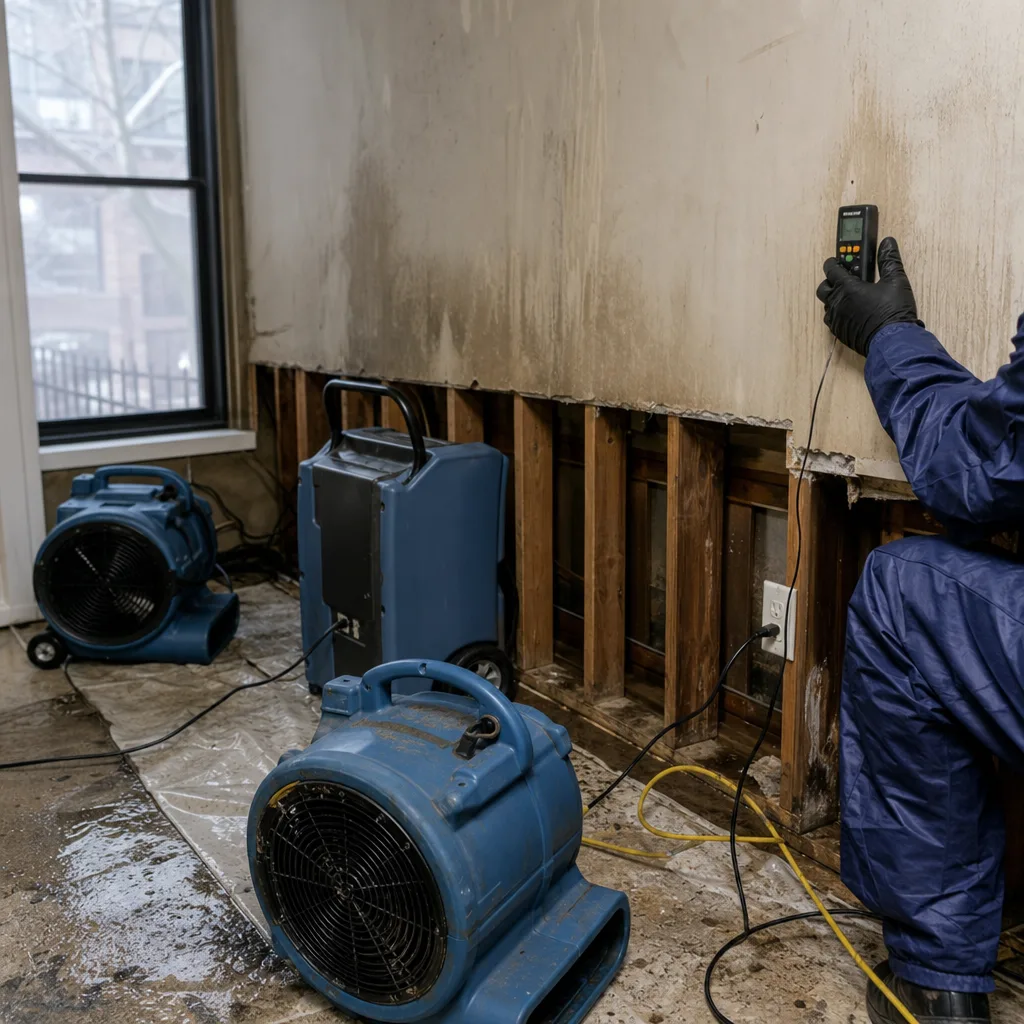 Before
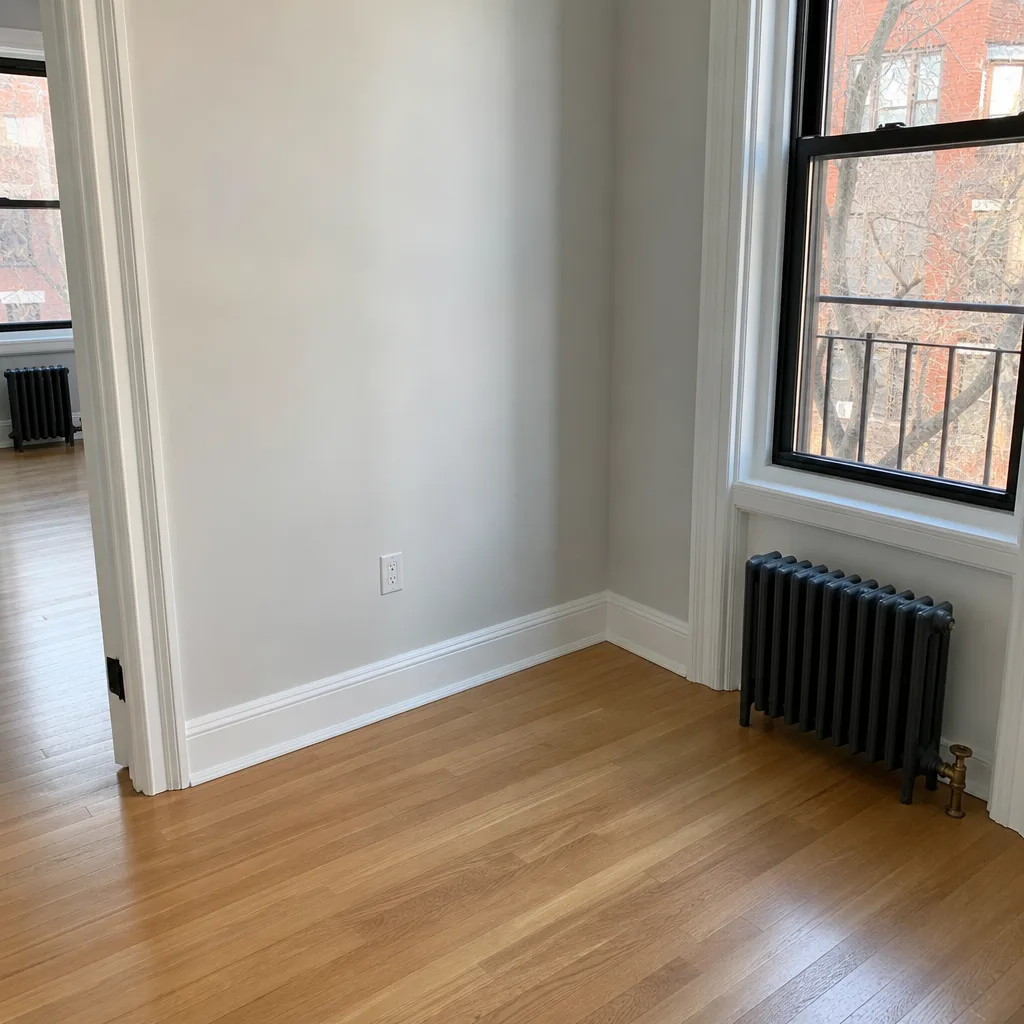 After
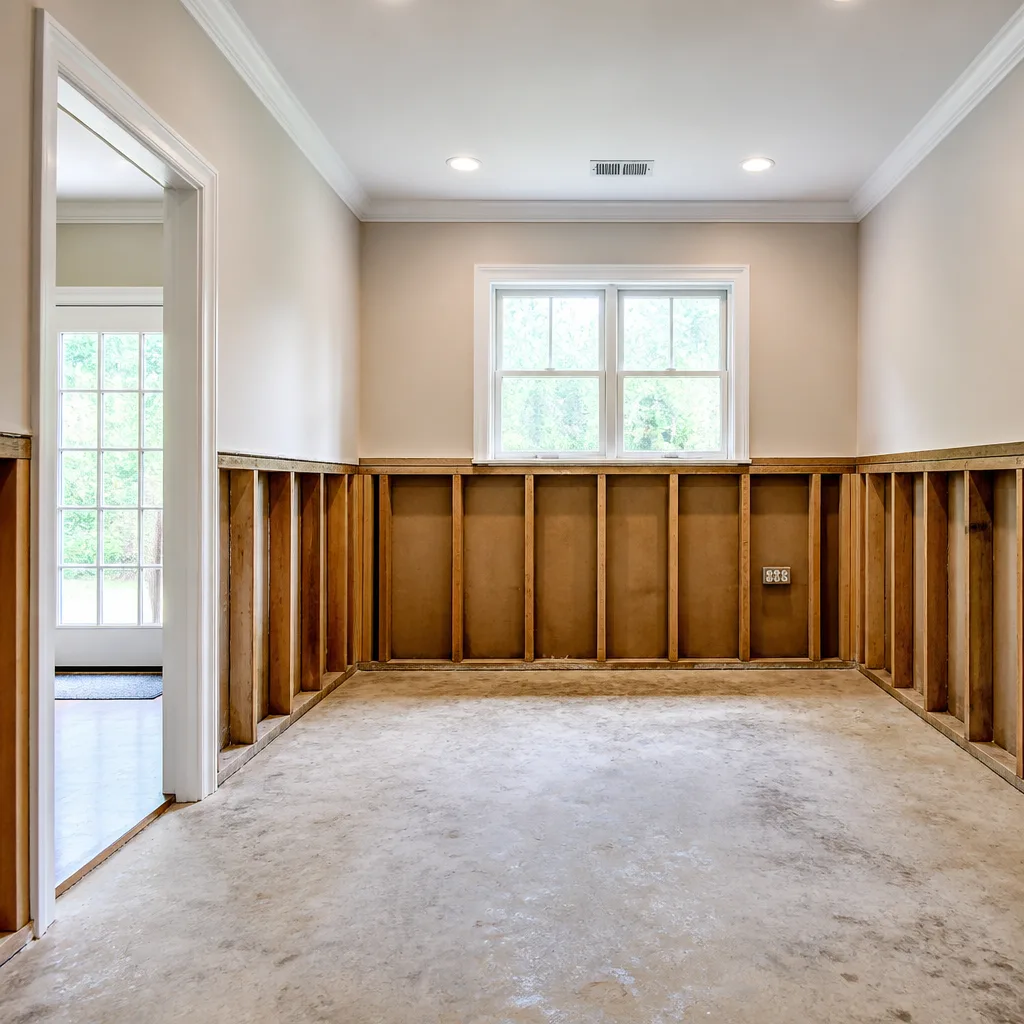
After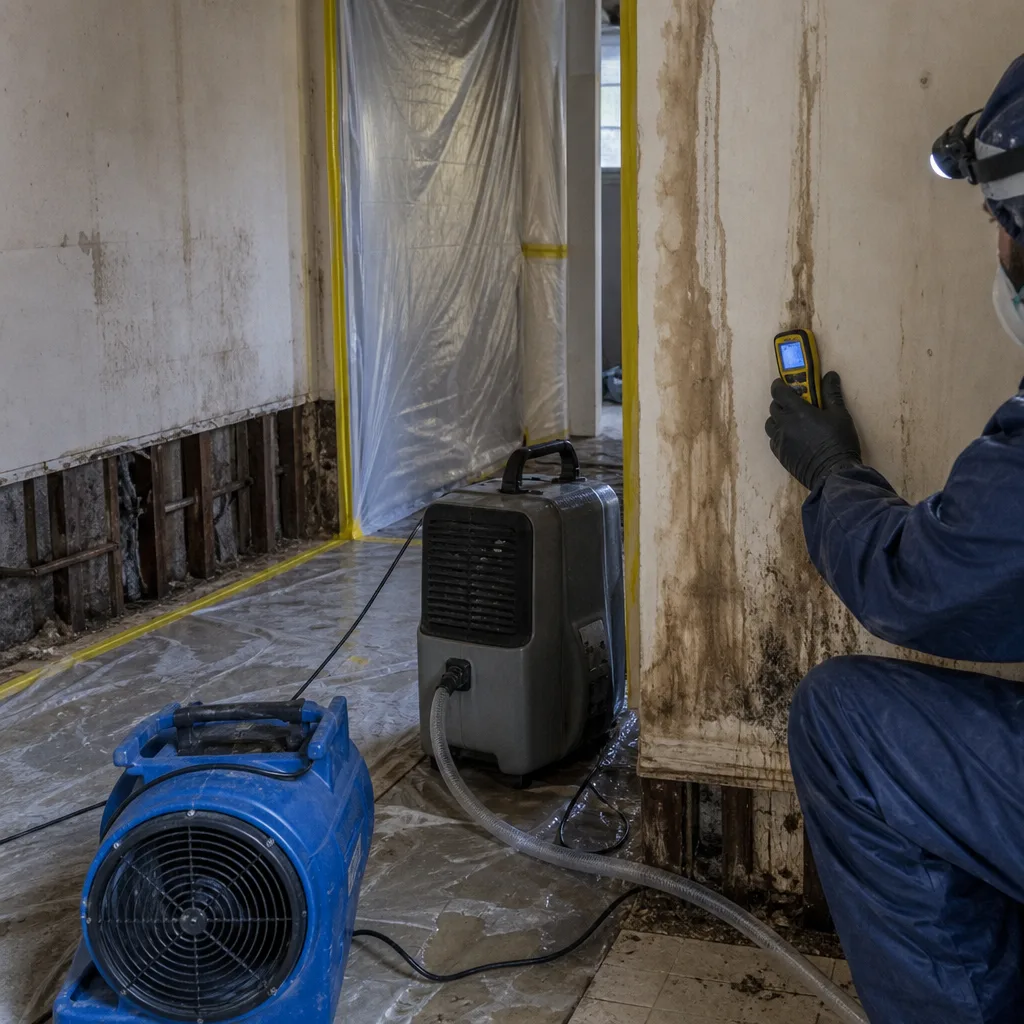 Before
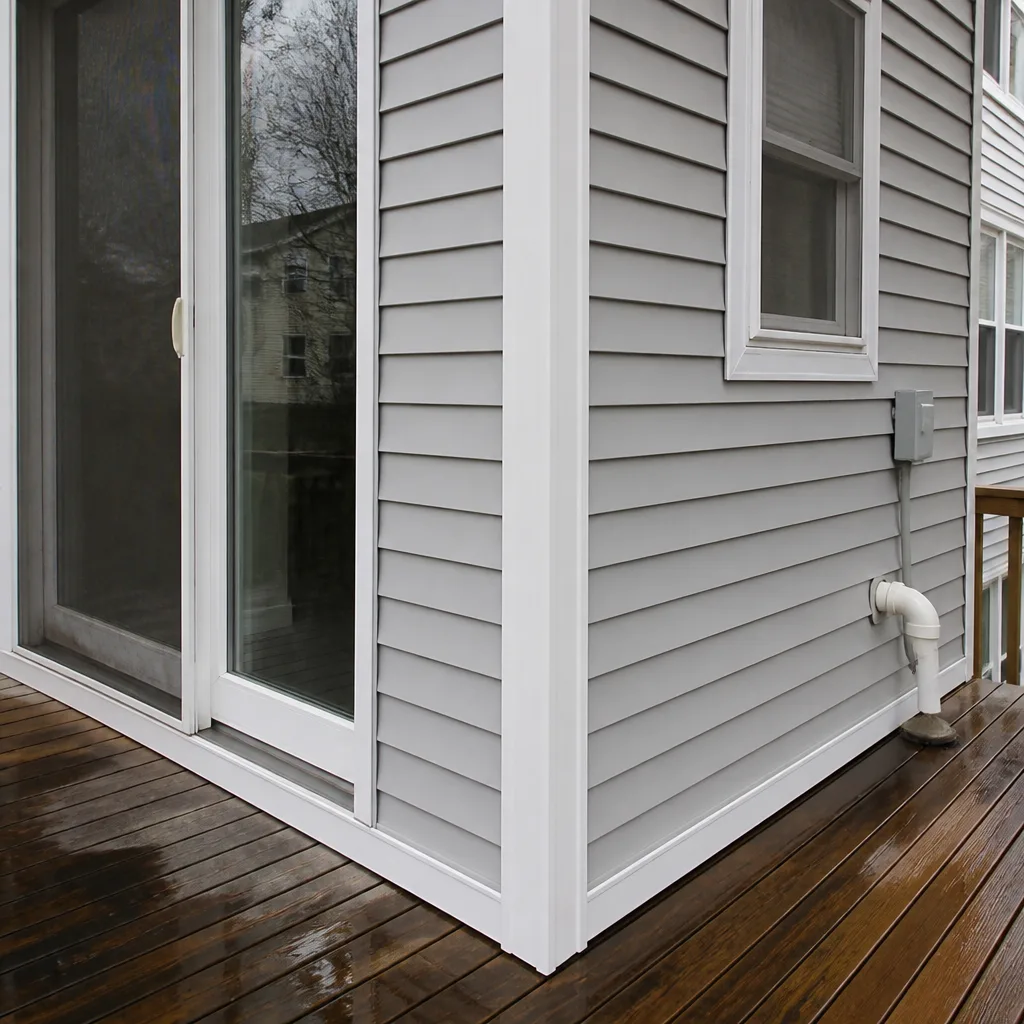 After
After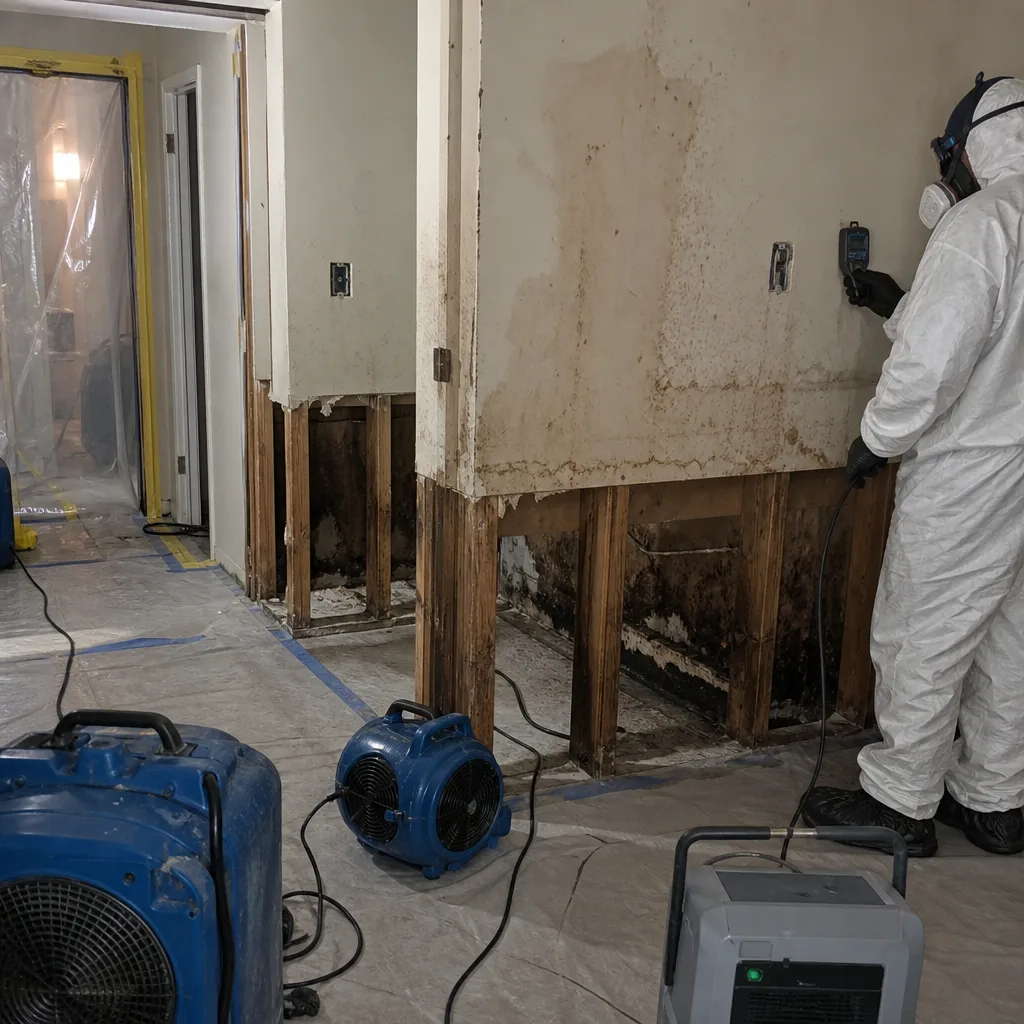 Before
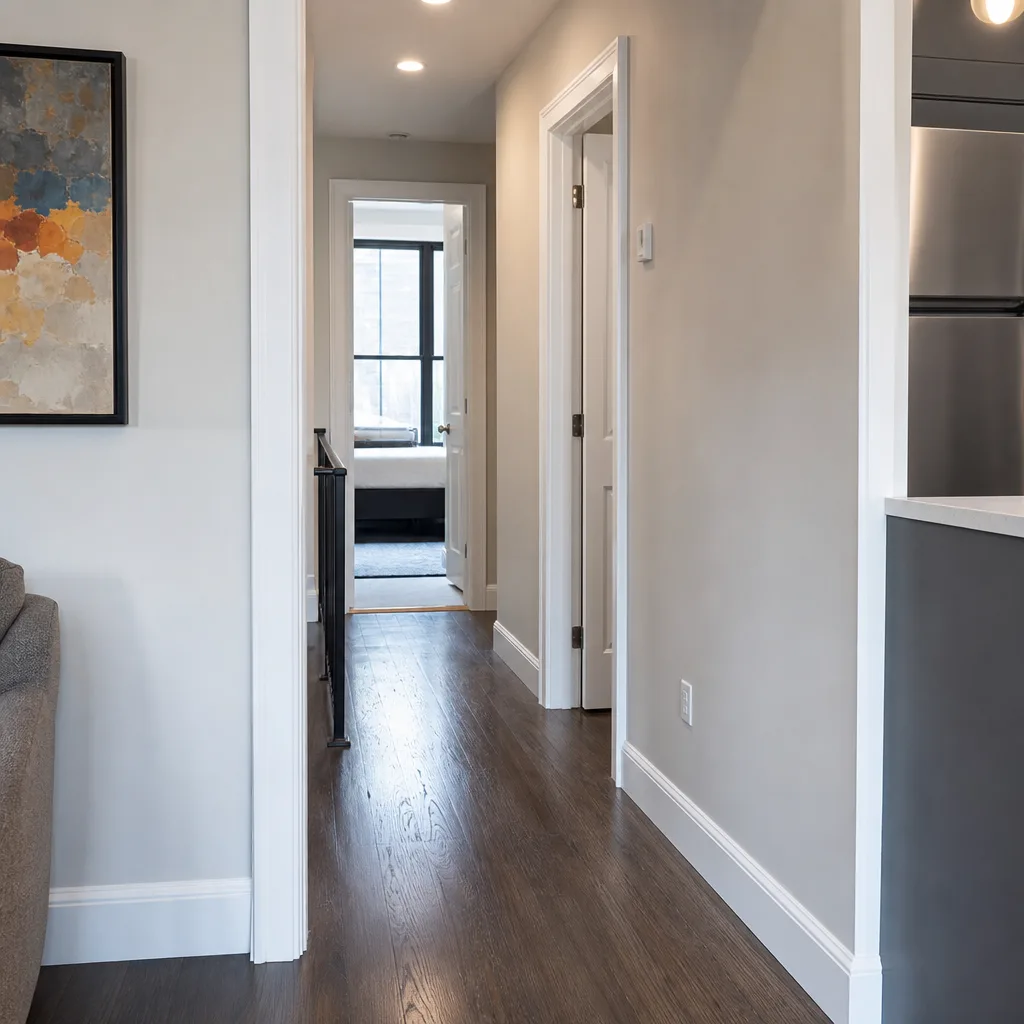 After
After24/7 Emergency Reconstruction & Cleanup in East Harlem
When a steam pipe lets go in an East Harlem tenement or a flat roof starts leaking into a railroad apartment, the clock starts before you even see the stain. Water moves through horsehair plaster fast – and quietly. Our crews answer live at (917) 924-4221 around the clock and dispatch into East Harlem immediately. We arrive, trace the full path of the damage with moisture mapping, and contain it the same visit. The first hour determines whether you’re looking at drywall repair or full plaster removal with lead-paint compliance under NYC Local Law 1. In this neighborhood, that distinction matters more than anywhere else in Manhattan.
Every East Harlem job starts with a free visual inspection and a written scope of work before we touch a wall. No pressure, no surprises on the bill.
Key Takeaways
- East Harlem’s pre-war tenements need lead-paint testing on nearly every plaster wall disturbed during reconstruction – this is non-negotiable under Local Law 1.
- Full-service Reconstruction & Cleanup runs $2,800 to $11,000+ depending on how many rooms and whether plaster is disturbed.
- We bill your insurance carrier directly and document everything from hour one.
- One team handles extraction, drying, and rebuild – no mid-job handoff to a different crew.
- Calls answered by a live dispatcher 24/7, including 2 a.m. on a Sunday.
Understanding Reconstruction & Cleanup Severity in East Harlem Properties
Reconstruction and cleanup severity in East Harlem breaks into three tiers, and the building stock here pushes jobs higher up the scale faster than anywhere else in Manhattan. A Category 1 water event – clean supply water from a burst radiator pipe – becomes Category 2 within 48 hours once it wicks through layered horsehair plaster, construction adhesive from old renovations, and decades of dust inside wall cavities. By the time a fifth-floor leak reaches the third floor, you’re usually dealing with Category 2 at minimum. Moisture mapping with thermal imaging shows us the full migration path, which is almost always wider than the visible stain because horsehair plaster acts like a sponge rather than a barrier.
Category 3 water – sewage or street flooding from a blocked line on First Avenue or a backed-up NYCHA riser – requires full containment, HEPA air scrubbing, and removal of every affected plaster surface. In East Harlem’s railroad apartments, where interior rooms have no exterior ventilation, humidity sits at 70-80% through summer and mold colonization can begin in 48 hours behind a wall with zero visible signs. We use Dri-Eaz dehumidifiers and XPOWER air movers placed on a moisture-map-driven layout, with daily hygrometer readings logged until the dry standard is met. The log goes to you and your carrier.
Why East Harlem Property Owners Choose Floodline Restoration Co. of Manhattan
- 45-minute response commitment for emergencies in East Harlem. We know the routes – the RFK approach from 125th, the FDR debouch at 96th, and the local street bottlenecks around Lexington Houses. A dispatcher knows exactly which crew is closest.
- A live person answers, every time. No phone tree, no “leave a message.” You talk to a human at 2 a.m., and that human dispatches a crew.
- IICRC-certified technicians trained to WRT, FSRT, and AMRT standards. Our crews are background-checked and uniformed. They work in NYCHA buildings and co-ops where credentials are checked at the door.
- Free visual inspection with a written scope before any work begins. In East Harlem, where Local Law 1 testing and NYCHA procurement rules can add steps, you’ll know exactly what’s required and what it costs before we open a wall.
- Direct insurance billing. We bill your carrier, coordinate with your adjuster, and document everything with photos, moisture logs, and line-item estimates.
- One team from first extraction to final trim. The same certified crew that tears out wet plaster rebuilds the room. No handoff, no inherited crew, no lost context.
Founded in 2010 and led by Curt Bowman, Floodline Restoration Co. has spent over 42 years collectively serving local communities. Every job carries the 90-Day Done Right Promise – the Keystone Standard – in writing. If it’s not done right, we make it right. No arguing. That’s a square deal, and it’s been our position since day one.
Our Reconstruction & Cleanup Process
1. Inspection & Assessment
We arrive, walk the full loss zone with you, and run thermal imaging plus moisture mapping to trace water migration through plaster, flooring, and subfloor. In East Harlem tenements, this often means scanning adjacent apartments because lateral wicking doesn’t respect property lines.
2. Extraction & Stabilization
Standing water comes out with truck-mounted extraction. Damaged plaster is removed to expose the framing. If Local Law 1 testing is required, we order it before disturbing any painted surface – and we don’t skip it, ever.
3. Drying & Dehumidification
We place Dri-Eaz dehumidifiers, Phoenix air movers, and XPOWER fans on a layout driven by the moisture map. Daily hygrometer and thermal readings track progress. The dry standard is a number, not a guess, and you get the log.
4. Cleaning & Sanitization
Affected surfaces receive antimicrobial application appropriate to the water category. HEPA air scrubbers run during work to protect the rest of the home from dust and spores. In railroad apartments, we isolate work zones with containment and negative air pressure.
5. Specialized Plaster & Surface Treatment
East Harlem pre-war walls get replastering rather than standard drywall replacement – matching old horsehair plaster texture and thickness so the repair doesn’t look like a patch. Lead-paint clearance documentation is completed before finish work begins.
6. Repairs & Restoration
Drywall, flooring, trim, and paint go back to pre-loss condition or better. We document everything for your carrier. The 90-Day Done Right Promise covers the full scope, in writing.
Need Emergency Reconstruction & Cleanup in East Harlem Now?
Crews minutes away, answering live 24 hours a day. The sooner we start, the less it costs.
Working With Your Insurance Company
Insurance claims in East Harlem move differently depending on the building type. A private co-op owner with a standard HO-3 policy has a straightforward path. A NYCHA tenant or unit owner faces a second layer of procurement and approval before work starts – and your carrier’s adjuster may be coordinating with the housing authority rather than directly with you. We’ve done this dance hundreds of times, and we handle it from the first hour. Our crews document the initial damage with photos, moisture readings, and a room-by-room inventory before anything gets moved. A line-item scope of work goes to your carrier in the format they expect. When the adjuster has questions, we talk to them directly – you don’t play messenger.
What We Provide Your Insurer
- Thorough documentation of the loss
- Photos of all damage, room by room
- Moisture readings and drying logs
- A detailed, line-item scope of work
- Direct coordination with your carrier
Built for East Harlem’s Loss Calendar
East Harlem’s damage season runs on two tracks. The winter track starts in late December when sustained deep freezes hit the neighborhood’s aging risers and supply lines. In tenement buildings along East 116th, Madison Avenue, and Pleasant Avenue, galvanized steel pipes from the 1950s and 1960s reach the end of service life and split. Steam-heat systems in pre-war buildings take this harder than any other system type because radiator condensate return lines carry hot, oxygen-rich water that corrodes iron from the inside. A January freeze that drives temperatures below 10°F for three nights will reliably produce burst-pipe calls across East Harlem’s walk-up stock.
The summer track belongs to flat roofs. East Harlem’s tenements and NYCHA towers accumulate ponding water on low-slope roofs that were never designed for the rainfall intensity the city now gets in July and August thunderstorms. That water finds every existing crack in the membrane, seeps into unventilated top-floor apartments, and sits behind horsehair plaster for weeks. Tenants often report “a smell” before any stain appears. By late summer, we’re running mold remediation containment jobs in units whose owners first noticed a musty odor in June. The loss calendar here is predictable. That’s why our dispatch board is built around it.
Reconstruction & Cleanup Across East Harlem’s Neighborhoods
East Harlem isn’t one housing type – it’s a patchwork, and each patch has its own loss pattern and Reconstruction & Cleanup demands. Lexington Houses and the wider NYCHA corridor around East 100th to East 104th between Park and Lexington Avenues are dense towers with centralized steam and water risers. A single riser failure floods apartments across multiple floors, and all work must clear housing authority procurement channels before containment starts – meaning water sits longer and mold risk compounds. We’ve worked inside NYCHA buildings frequently, and we know the access rules, the insurance documentation format, and the reality that a 45-minute dispatch doesn’t mean a 45-minute start when procurement approval is pending.
El Barrio proper – the historic core along East 106th to East 116th from Third Avenue to the river – is dominated by 1890s-1920s railroad tenements with horsehair plaster over wood lath. Here, Local Law 1 lead testing applies to nearly every wall we’d open. Pleasant Avenue and the blocks flanking Thomas Jefferson Park have a mix of older tenements and low-rise post-war infill. The East River Houses area and the blocks around East River Plaza at 117th Street see a different pattern: more ground-floor commercial water intrusion from street flooding during heavy rain, which then migrates upward into residential units. Marcus Garvey Park at the north end of the neighborhood anchors another band of pre-war walk-ups with flat-roof issues and radiator-pipe age. And East 125th Street’s commercial corridor sees post-construction cleanup tied to continuous retail turnover – dust, debris, and finish work inside buildings that remain occupied above the storefronts.
Our dispatch routes thread through the RFK approaches, 125th Street, and the FDR Drive exits at 96th and 116th. That local routing knowledge is why “45 minutes” is a commitment, not a marketing line.
Specialized Reconstruction & Cleanup Services We Offer in East Harlem
Full-Service Reconstruction
When East Harlem plaster is removed for water or mold, full-service reconstruction means replastering to match pre-war textures, rebuilding damaged lath, refinishing floors that absorbed moisture, and restoring trim profiles you can’t buy at a big-box store. This is not drywall-and-paint work. It’s preservation-grade rebuild in a neighborhood where the finish matters to co-op boards, landmark committees, and owners who’ve lived there for decades.
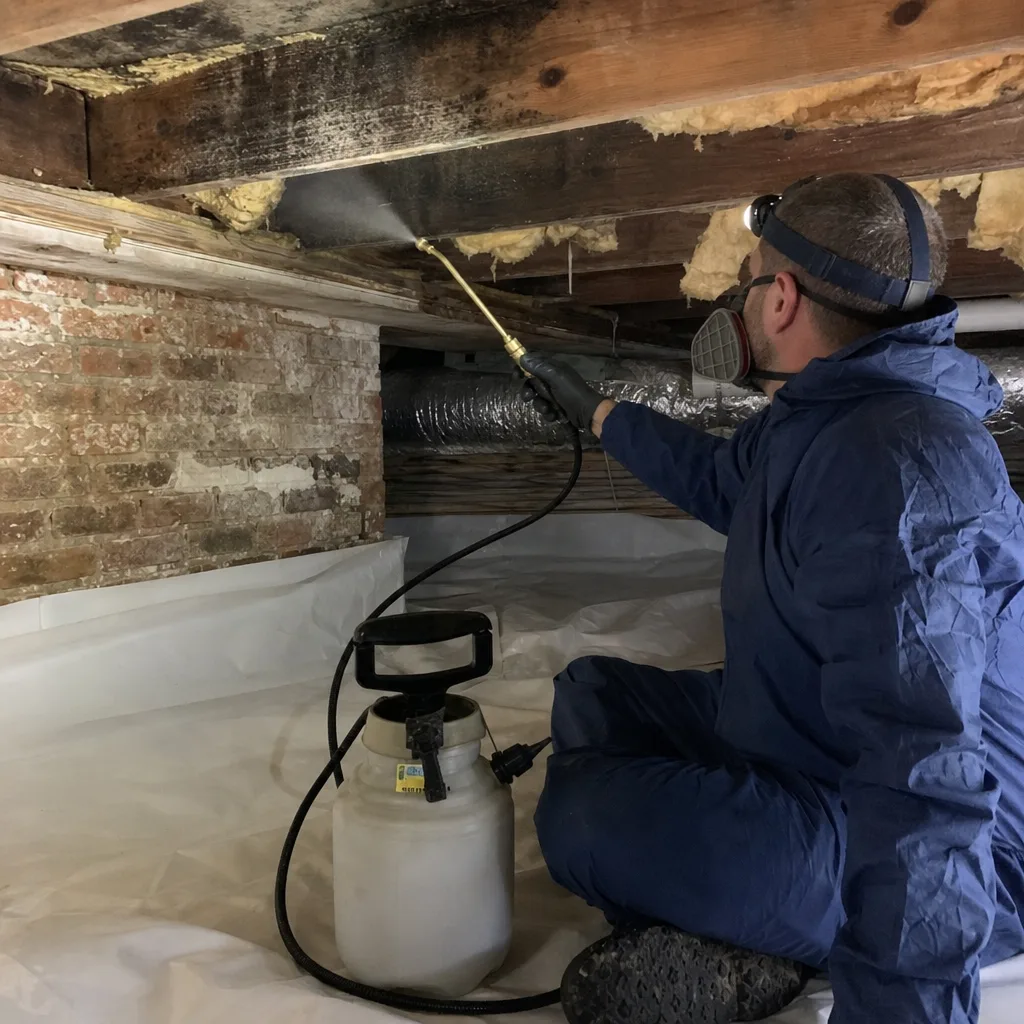
Drywall & Flooring Repair
Post-war East Harlem buildings and NYCHA units do have modern drywall and flooring systems, and repair in those settings is faster. We handle water-damaged gypsum, subfloor replacement where swelling or delamination occurred, refinishing of hardwood that took water through seams, and tile repair in kitchens and baths. Drying comes first, then scope is set – never the other way around.
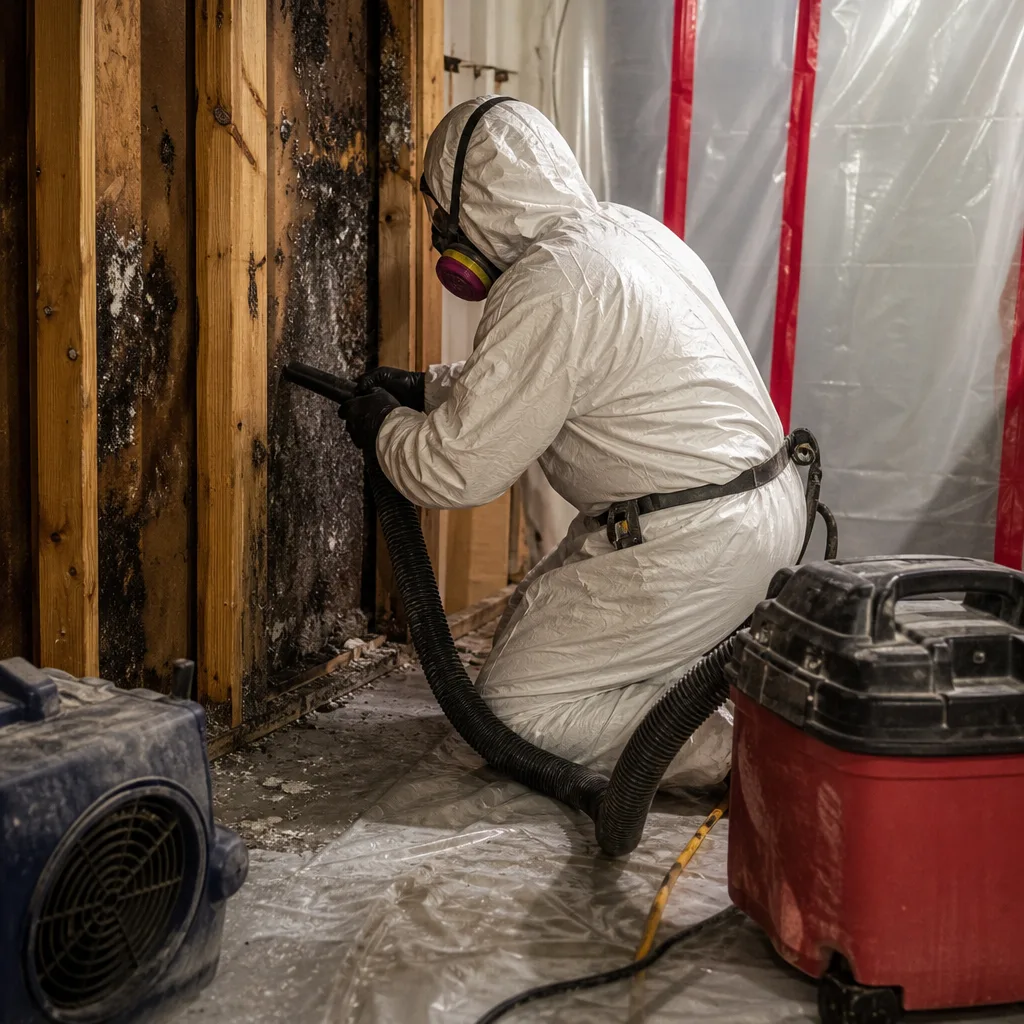
Contents Restoration & Pack-Out
When a tenement ceiling comes down or a radiator pipe floods a living room, contents need handling. We pack out, inventory, clean, and store belongings – with photo documentation for your carrier – and return them when the rebuild is done. In East Harlem’s smaller apartments, pack-out often means clearing one room at a time so you can keep living in the rest of the unit.
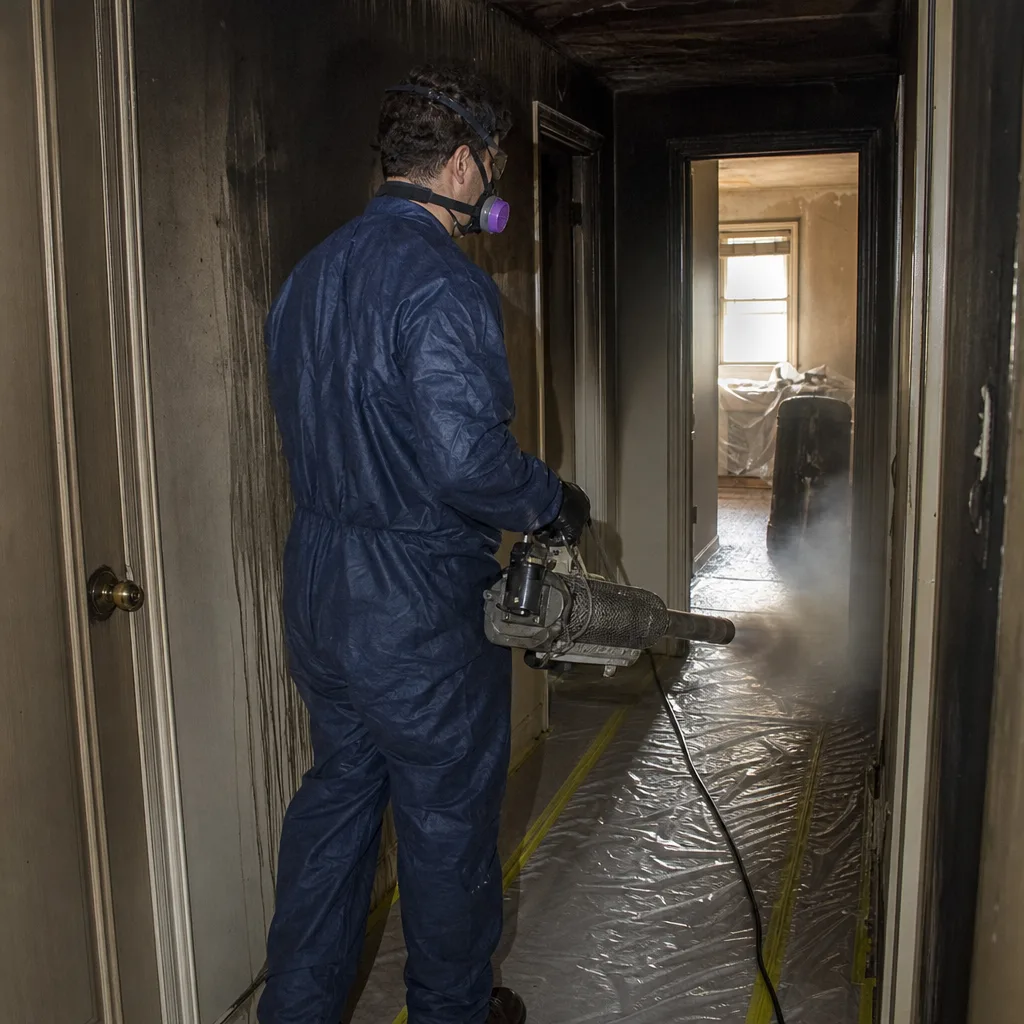
Carpet & Upholstery Cleaning
Post-construction dust and general water exposure leave carpets and furniture needing professional-grade cleaning. We use truck-mounted hot water extraction for carpets and appropriate methods for upholstery, handled after reconstruction is complete so no dust settles afterward.
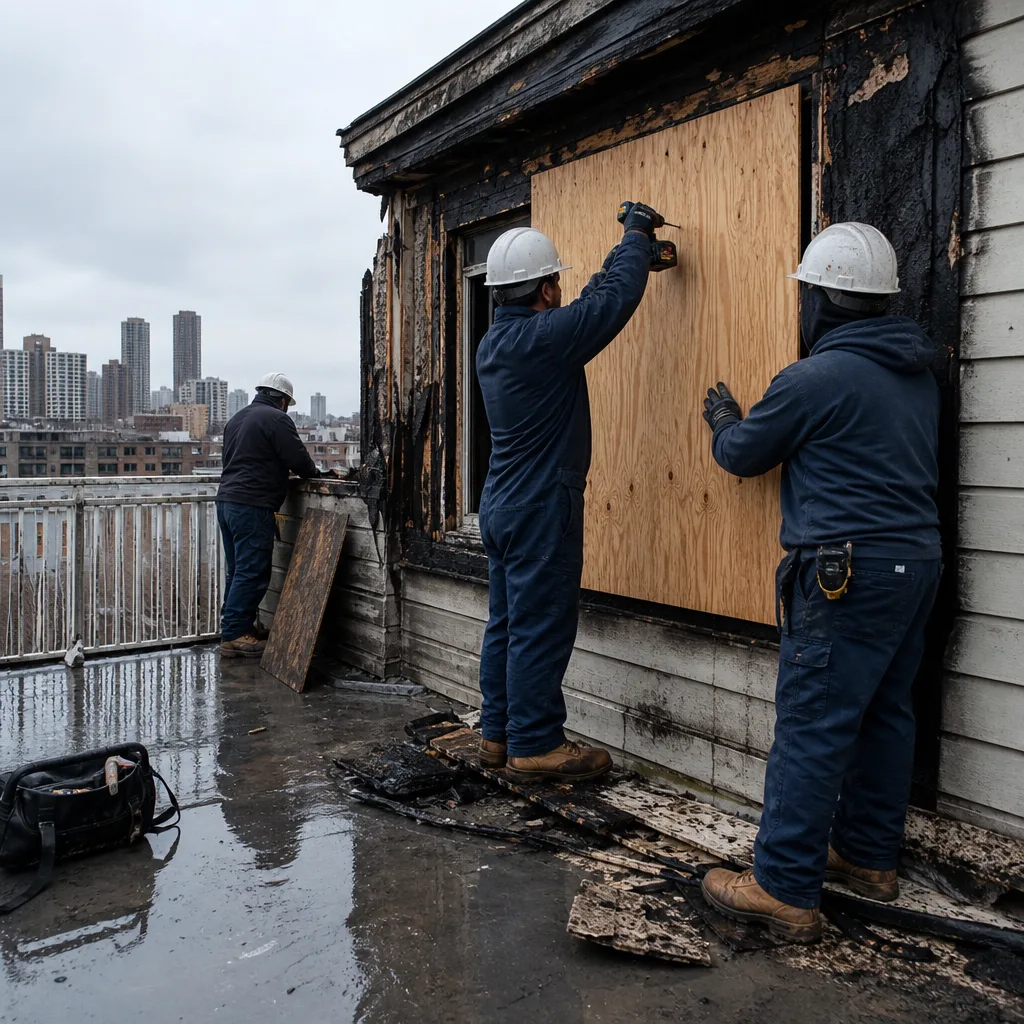
Post-Construction Cleanup
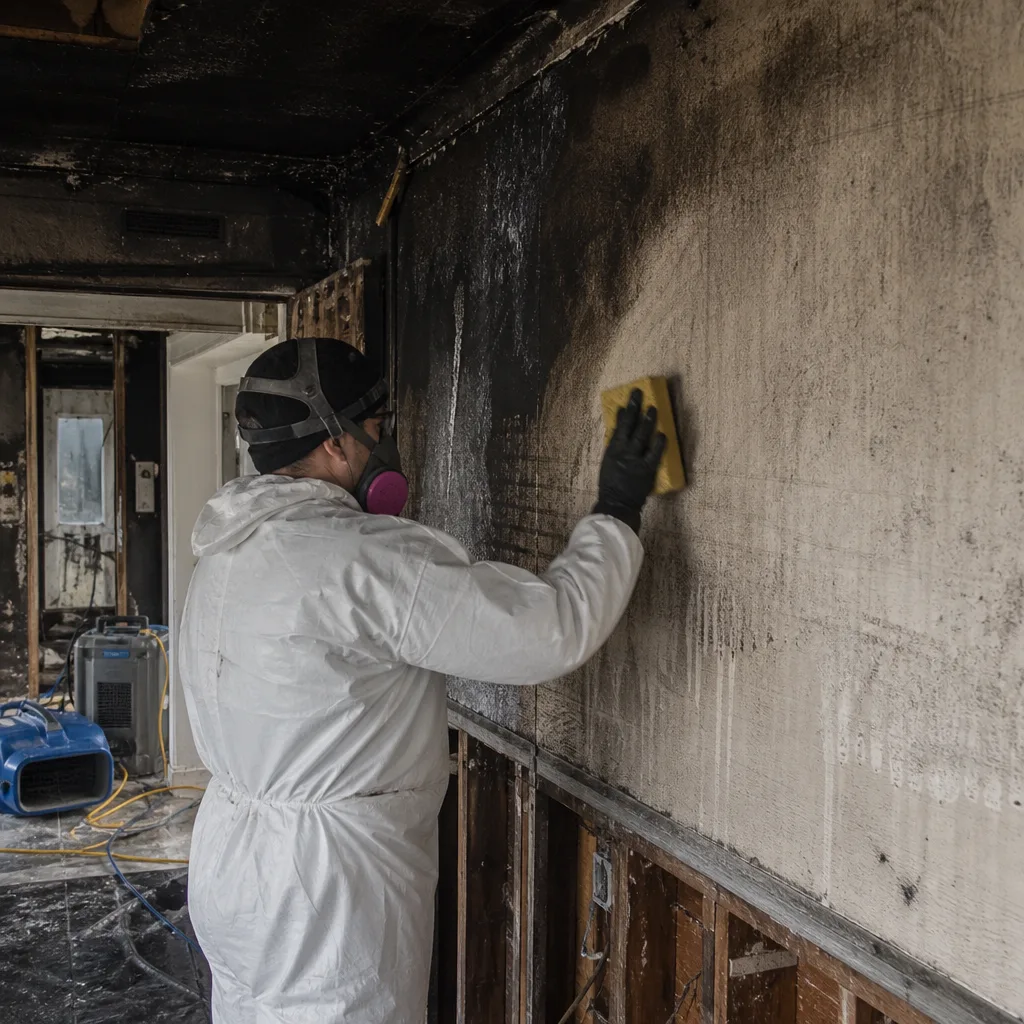
After rebuilds on East Harlem commercial strips or residential renovations, we run HEPA-filtered cleanup for dust and debris, clean inside HVAC vents where drywall dust collected, and leave the space ready for occupancy. This applies to full apartment rebuilds, retail turnover on 125th Street, and NYCHA unit turnovers between tenants.
What happens when you call
- 1
A real person answersNo phone trees - you reach a local pro.
- 2
You get an upfront price rangeHonest numbers before anyone is dispatched.
- 3
A background-checked tech heads outLicensed & insured, dispatched right away.
- 4
You approve before work beginsNothing starts until you say go.
Reconstruction & Cleanup Costs in East Harlem, NY
A full Reconstruction & Cleanup job in East Harlem typically runs $2,800 to $11,000+, with the spread driven by three factors: how many rooms are affected, whether horsehair plaster must be removed and replastered (rather than drywall patch), and whether Local Law 1 lead testing and clearance apply. A single-room drywall repair with drying might land at $1,400 to $2,200. A four-room tenement ceiling collapse with four floors of wicking, lead testing, containment, and full replaster typically starts at $9,000 and often exceeds $15,000 once finish work is counted. Insurance-covered losses shift the math – you’re responsible for the deductible, and we bill the carrier directly for the approved scope. Out-of-pocket jobs get a written quote before work starts, and we don’t add change orders without your written sign-off. The free inspection gives you a firm number, not a range posted on a website. Call (917) 924-4221 and we’ll look at it.
We Also Serve Cities Near East Harlem
Our crews handle Reconstruction & Cleanup in East Harlem and the surrounding area, including Fairview, Harrison, East Bronx, and Hunts Point. Same 24/7 live answer, same written-scope commitment.
Serving East Harlem, NY - Our Local Coverage Area
We’re based in the East Harlem area and know this community well. Use the map below to see our service coverage - if you’re nearby, we can almost certainly help.
East Harlem Reconstruction & Cleanup Questions, Answered
Why does NYC Local Law 1 apply to water-damage reconstruction in East Harlem tenements even if no paint is being disturbed?
Local Law 1 applies whenever work disturbs painted surfaces in pre-1978 buildings where a child under six resides – and in East Harlem’s tenements, the plaster behind that paint is the wall itself. Removing water-damaged horsehair plaster means disturbing the painted surface, full stop. Testing is mandatory before we open the wall, and clearance is required after. Skipping it is a compliance failure, not a shortcut.
How do NYCHA procurement rules change the way Reconstruction & Cleanup contractors operate in East Harlem’s public housing towers?
NYCHA jobs require procurement approval before work begins, which adds lead time between the loss and the start of mitigation. That delay allows Category 2 water to escalate toward mold. Contractors working in NYCHA buildings must be approved vendors, follow authority-specific access and documentation rules, and bill through channels that differ from private claims. We’ve worked in Lexington Houses, Jefferson, and Wagner, and we know those channels.
Can water-damaged horsehair plaster in an East Harlem tenement be dried in place, or does it always need full removal?
It depends on the water category and how long the plaster has been wet. Clean Category 1 water caught within 24-48 hours can sometimes be dried in place using air movers and dehumidifiers with the plaster intact. Category 2 or 3 water – or any plaster wet beyond 72 hours – usually requires removal because horsehair plaster harbors mold and loses structural integrity when saturated. Our moisture mapping determines which applies, and we’ll show you the readings.
What hidden mold risk do railroad-style apartments in East Harlem pose after a steam-radiator leak?
Railroad apartments have interior rooms with no exterior windows, so humidity from a radiator leak has nowhere to go. Behind horsehair plaster, that trapped moisture pushes relative humidity above 70% – mold’s threshold – within 48 hours, often before any visible staining appears on the surface. We run thermal imaging and moisture mapping across adjacent rooms, not just the visible wet spot, because the leak path is almost always wider than what you can see.
How does flat-roof ponding on East Harlem tenements lead to Reconstruction & Cleanup scope creep?
Ponding water on a flat roof doesn’t fall as a single leak – it seeps through membrane cracks over days, travels along beams and interior wall lines, and emerges far from the entry point. By the time a tenant sees a stain, multiple ceiling bays and wall cavities are usually wet. That’s scope creep: what looked like one room becomes three or four when we open the ceiling. We trace the full path before quoting, so the scope is real, not discovered later at your expense.
How fast can someone actually get to an East Harlem tenement after I call?
Our commitment is 45 minutes for emergencies within East Harlem. A live dispatcher answers immediately, identifies the nearest crew, and dispatch is confirmed while you’re still on the phone. Call (917) 924-4221 and you’ll get a live person, not a recording.
Will my insurance cover this, and who deals with the adjuster?
Most Reconstruction & Cleanup work triggered by sudden water events is covered under standard homeowners or co-op policies, subject to your deductible. NYCHA losses may route through a different channel, but the process starts the same way. We document everything from hour one, provide your carrier the photos, moisture logs, and line-item scope they need, and deal with the adjuster directly. Call (917) 924-4221 to start the claim conversation.
What should I do in the first 30 minutes after discovering water damage in East Harlem?
First, shut off the water source if you can safely reach the valve. Second, call us at (917) 924-4221 – we answer live and dispatch immediately. Third, move small valuables out of the wet zone but don’t cut into walls or ceilings yourself; opening plaster without Local Law 1 testing in an East Harlem tenement creates a lead-dust hazard. Let us arrive, map the damage, and contain it properly.
For Reconstruction & Cleanup in East Harlem, call (917) 924-4221. We answer live, 24 hours a day, every day. Free inspection, written scope before work starts, one team from first extraction to final trim, and the 90-Day Done Right Promise in writing. We’ll be there when we say.
Written by Curt Bowman, Owner at Floodline Restoration Co. of Manhattan, serving East Harlem and the surrounding area since 2010.