
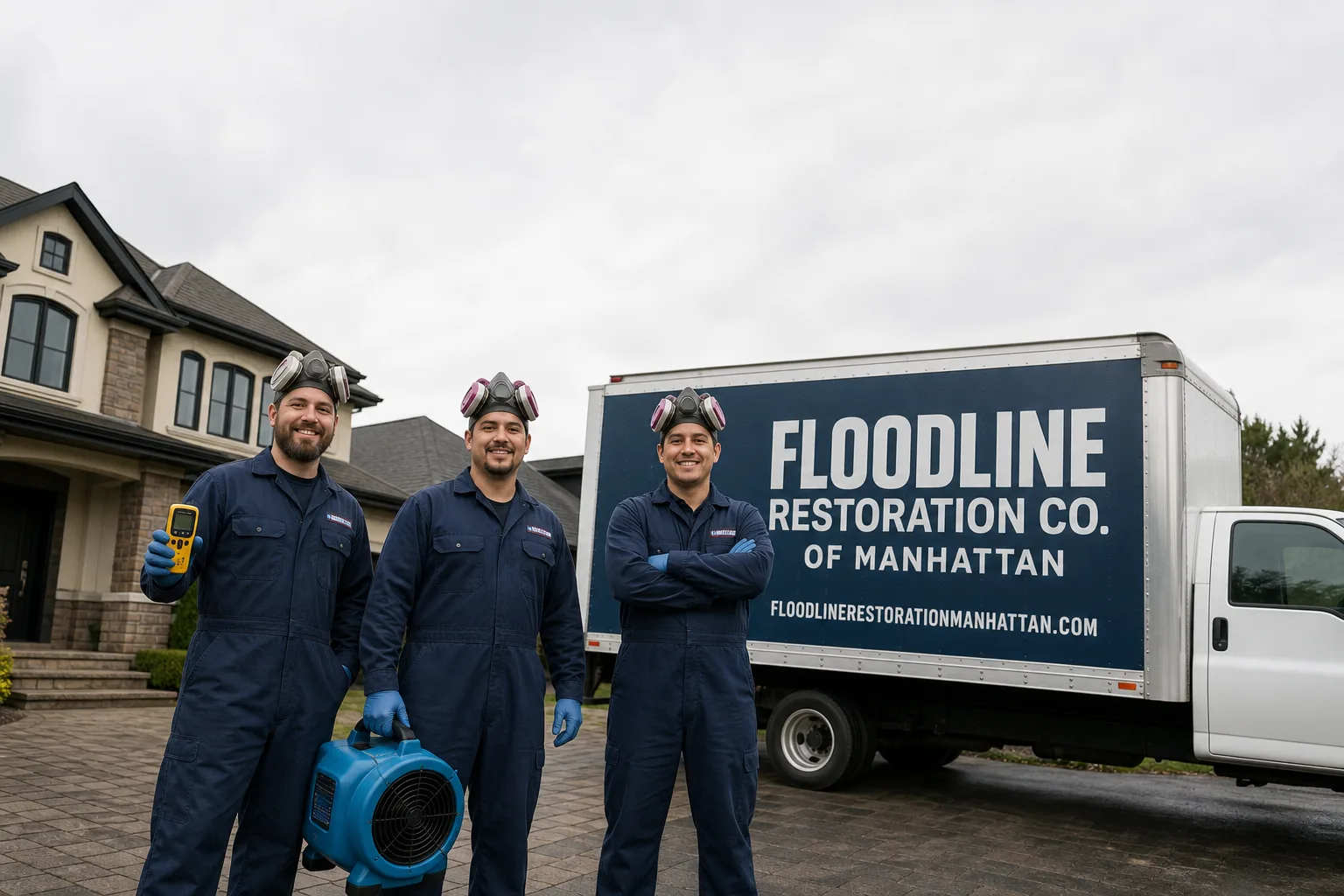
Free visual inspection and a written scope of work before any mitigation begins - photos, moisture readings, and drying logs go in your claim file
The scope we write is the scope we bill. Anything new gets shown to you, in writing, before we touch it.






 Before
 After
After Before
 After
After Before
 After
After24/7 Emergency Reconstruction & Cleanup in Millwood
When a tree limb goes through your roof on Millwood Road or a nor’easter pushes three inches of rain into your basement, our Commercial Restoration in Millwood starts the same hour the water stops rising. Floodline Restoration Co. of Manhattan keeps a live dispatcher on the phone at (917) 924-4221 around the clock, every day of the year, and our crews reach Millwood properties quickly because we know the roads and the wiring of these older homes. Call before you move anything. The first hour determines whether soaked drywall becomes a mold problem or a manageable repair, and our free visual inspection tells you exactly what you’re facing before any work begins.
We do not make homeowners wait through a recording. A real person answers, gathers the address, and dispatches a uniformed, background-checked team from our local service area. For storm damage, roof failures, flooded basements, and fire or smoke loss, the goal is containment within hours, not days. Millwood’s housing stock, much of it built from the 1950s through the 1970s, does not tolerate standing water or delayed structural drying. Neither do its homeowners.
Understanding Reconstruction & Cleanup Severity in Millwood Properties
Reconstruction and cleanup work splits into categories that determine everything from drying time to whether insulation gets replaced. Water Damage Restoration - Millwood projects typically start as Category 1 when a supply line bursts, Category 2 when a washing machine drainage line backs up into a finished lower level, and Category 3 when stormwater or sewage enters through a floor drain or foundation crack. Category 3 water carries bacteria and requires full containment, removal of porous materials, and antimicrobial application under strict DEP protocol. Our crews classify every loss the same way an adjuster would, and the class drives the drying plan.
Millwood’s mid-century colonials, split-levels, and ranches present a specific challenge: fieldstone and poured-concrete basement walls wick moisture up from saturated soil long after the standing water is gone. We use moisture mapping, thermal imaging, and hygrometers to find water behind paneling and under vinyl flooring where it is invisible to the eye. Without this level of inspection, hidden moisture feeds mold inside wall cavities for months. The age of the home matters too. Older farmhouse framing with original plank subfloors and minimal vapor barriers dries slower and spreads water further than modern construction, so structural drying on these properties often takes three to five days rather than one or two.
Why Millwood Property Owners Choose Floodline Restoration Co. of Manhattan
- 45-minute response commitment. When you call with an active water loss or storm breach, we aim to have a certified technician on site in Millwood within 45 minutes, day or night.
- 24/7 live answer, never an automated system. A dispatcher picks up at two in the morning. You describe the problem to a person who can actually dispatch a crew, not to a voicemail box.
- IICRC-certified crews trained to WRT, FSRT, and AMRT standards. Water damage, fire and smoke, and applied microbial remediation each have their own certification track, and our technicians carry the relevant credential for the loss type.
- Free visual inspection with a written scope. Before any work starts, you get a written scope agreed between you, us, and your carrier. No surprises on the bill.
- Direct insurance billing. We bill your carrier directly for covered losses and coordinate with your adjuster from first photo to final invoice, so you never play messenger.
- One team from extraction to reconstruction. The same Floodline crew that reads the moisture map on day one handles daily readings, dries the structure, and rebuilds what needs rebuilding. No mid-job handoff to an unknown subcontractor.
Our Reconstruction & Cleanup Process
Inspection & Assessment
We arrive, walk the property, and classify the loss: water category, affected square footage, and structural stability. Thermal imaging and moisture meters locate water you cannot see. You get a written scope before any demolition begins.
Extraction & Stabilization
Standing water comes out with truck-mounted extraction units. Roof breaches get temporary tarps and structural shoring. Damaged framing is assessed for load-bearing integrity before anything is cut.
Drying & Dehumidification
Dri-Eaz dehumidifiers and XPOWER air movers create a closed drying system. Daily moisture readings are logged and shared with you and your carrier. In fieldstone basements, we monitor wall moisture for days, not hours, because Millwood’s ground holds water long after the rain stops.
Cleaning & Sanitization
HEPA air scrubbers run during the entire drying phase for mold and soot losses. Category 3 water requires full removal of porous materials and EPA-registered antimicrobial treatment, applied under Millwood-specific DEP watershed protocol.
Specialty Treatment: Rafter Repair & Framing
Millwood’s mature oaks and tulip poplars do not just damage shingles. They split rafters and saturate insulation. Our carpenters reframe to code, replace sheathing, and restore structural integrity before insulation and drywall go back in.
Repairs & Restoration
Drywall, flooring, paint, trim, and contents restoration follow containment. The goal is pre-loss condition, documented with photos and a signed completion report. The 90-Day Done Right Promise backs every phase in writing.
Need Emergency Reconstruction & Cleanup in Millwood Now?
Crews minutes away, answering live 24 hours a day. The sooner we start, the less it costs.
Working With Your Insurance Company
Reconstruction and cleanup claims in Millwood move faster when documentation starts in the first hour. Our technicians photograph everything before and after extraction, log daily moisture readings, and write line-item scopes using the same estimating software your carrier uses. That means fewer adjuster callbacks and fewer delays. We talk to your adjuster directly. You do not wait on hold with a claims department while wet drywall sits in your living room.
Millwood homeowners with older policies on 1950s and 1960s homes often have replacement-cost coverage, not actual-cash-value, which matters enormously when a tree limb through a roof triggers a full rafter replacement. We document the loss so your carrier sees exactly what must be rebuilt, not just what got wet.
What We Provide Your Insurer
- Thorough documentation of the loss
- Photos of all damage, room by room
- Moisture readings and drying logs
- A detailed, line-item scope of work
- Direct coordination with your carrier
Built for Millwood’s Loss Calendar
Millwood’s position in the Hudson Valley funnel means the town takes weather from every direction. January and February bring deep freezes that burst supply lines in unheated crawlspaces and split-levels built without frost-proof sill plates. March and April thaw the ground and push snowmelt and rain into fieldstone basements through hydrostatic pressure. Summer thunderstorms roll down from the Highlands and drop two inches in an hour, overwhelming sump pumps and floor drains. And from late August through October, nor’easters and tropical remnants drive wind-driven rain through aging roofs and over mature oaks onto roof decks. We run calls in Millwood every month of the year, but the pattern is predictable. Our crews know which streets flood first and which roof lines trap leaves and ice.
Reconstruction & Cleanup Across Millwood’s Neighborhoods
The Route 100/Millwood Road corridor carries the heaviest storm-damage calls, where mature oaks and tulip poplars overhang rooflines from the Kensico Reservoir boundary up toward the Seven Bridges area. These lots, mostly 1950s and 1960s colonials and split-levels on sloping ground, see rafter splits and insulation saturation more often than surface shingle loss. Near the reservoir itself, DEP regulations shape every cleanup decision, from how we contain demolition dust to where rinse water goes. It changes the scope. A contractor who does not know these rules can finish a mold remediation and leave the homeowner holding a watershed violation notice.
West of the Taconic, the older farmhouse parcels on larger lots carry different risks: original plank framing, minimal vapor barriers, and septic fields that complicate wastewater discharge from cleanup work. Basement seepage here tends to run older, slower, and deeper into the framing. South toward the Chappaqua border, the split-levels on heavily wooded lots trap wet leaves in gutters and valley lines, sending water down interior walls during ice storms. Each area of Millwood has its own failure pattern, and our crews dispatch with that knowledge, not with a generic playbook.
Specialized Reconstruction & Cleanup Services We Offer in Millwood
Our Reconstruction & Cleanup team handles every phase of the loss, from first extraction to final coat of paint. These are the services Millwood homeowners call for most.
Full-Service Reconstruction
When water or fire damage goes beyond surface repair, we rebuild. Millwood’s older framing responds differently than new construction: original rafters may be full-dimension lumber worth sistering rather than replacing, and fieldstone foundations need specific flashing and drainage corrections before drywall goes back. Our carpenters understand both the DEP constraints near the reservoir and the structural realities of 1960s split-levels.
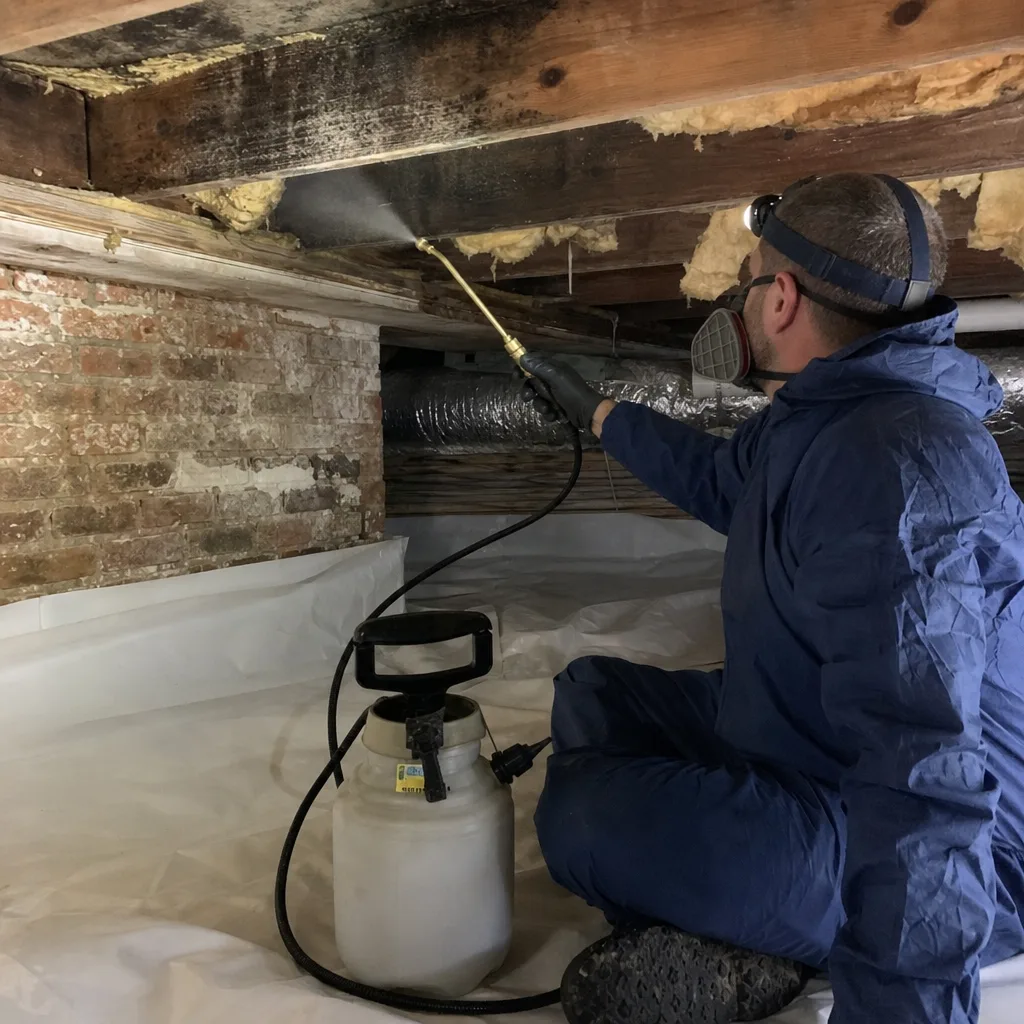
Insurance Claim Documentation
We photograph, log, and scope every loss in carrier-compatible format from the first hour. Millwood homeowners with replacement-cost policies on older homes benefit most from this: a documented rafter split and insulation saturation is a structural claim, not a cosmetic one. We coordinate with your adjuster directly so the paperwork never becomes your second job.
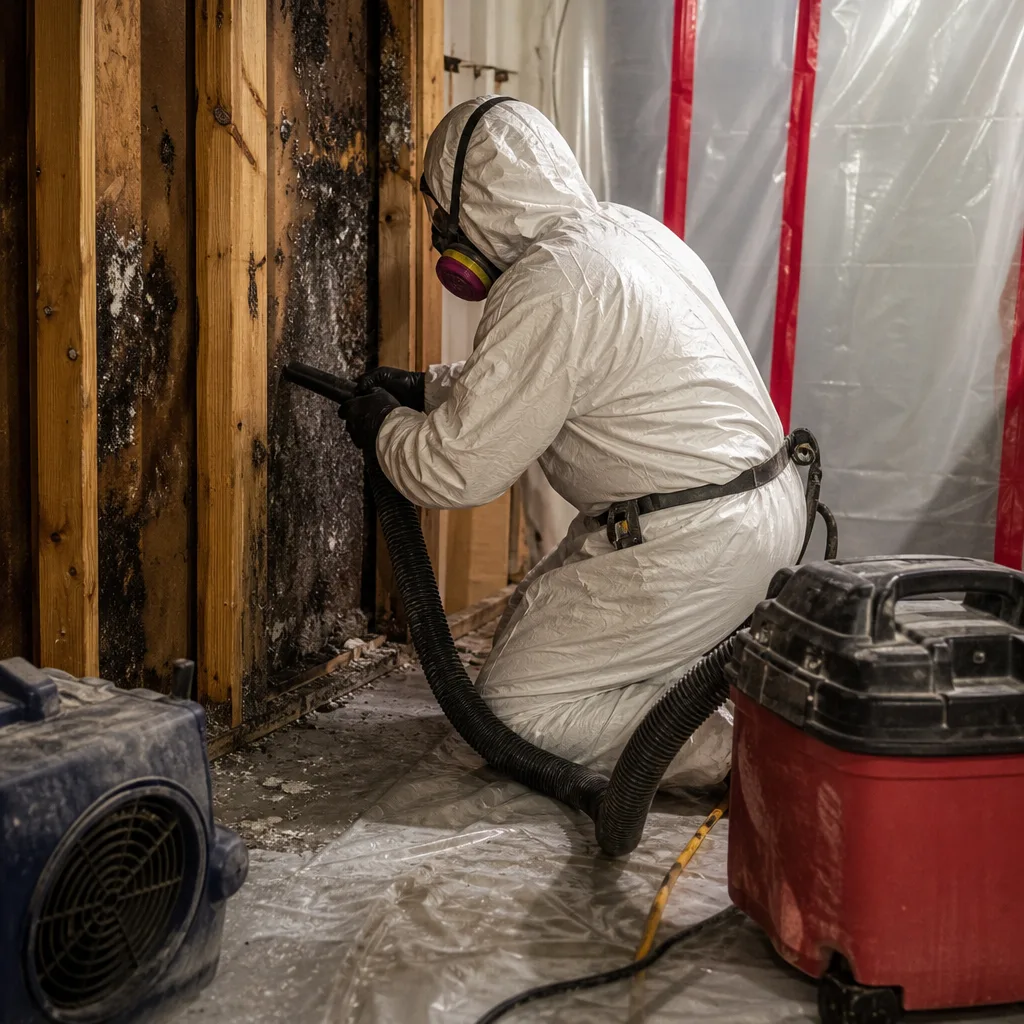
Contents Restoration & Pack-Out
Furniture, rugs, photo albums, and clothing from a flooded Millwood basement can often be restored rather than replaced. We pack out salvageable contents, clean and deodorize them off-site, and document everything for your claim. For homes near the reservoir, every pack-out follows DEP disposal and runoff rules in how we handle contaminated materials.
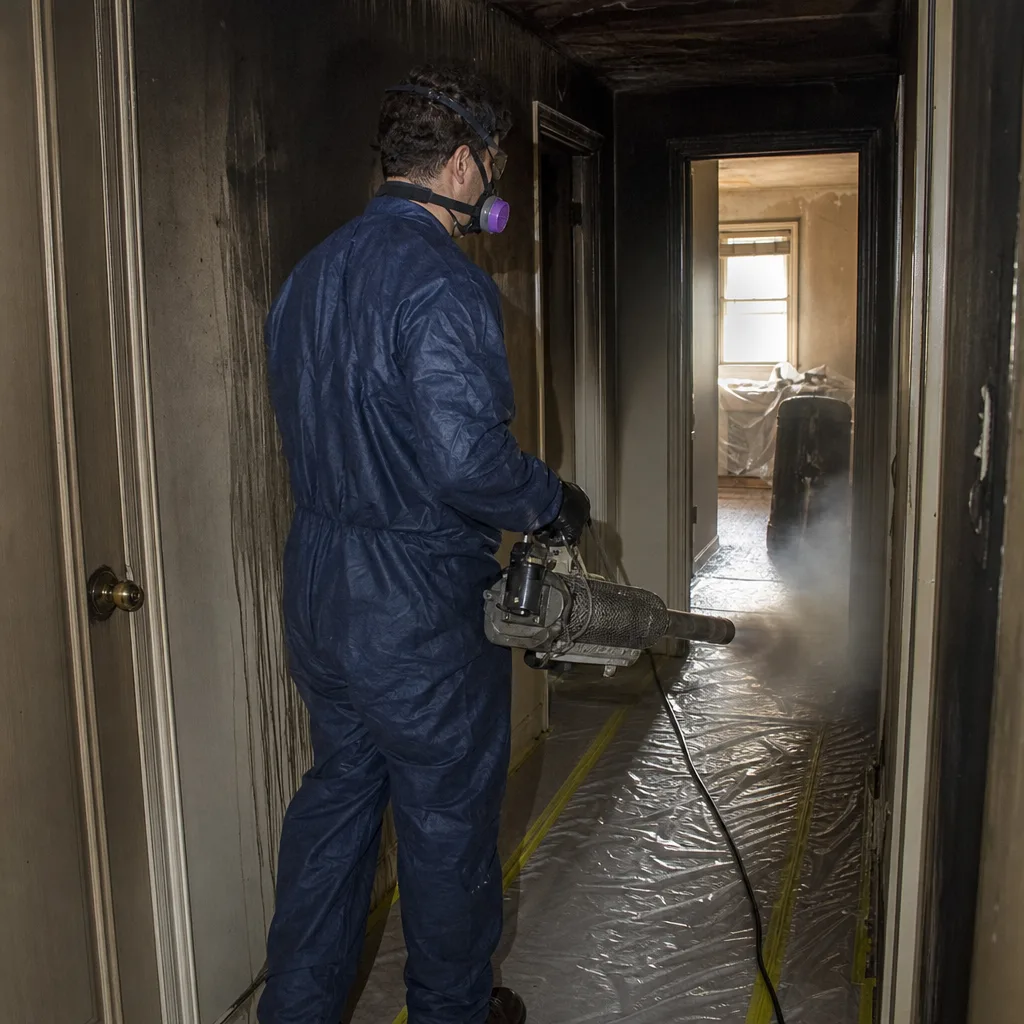
Drywall & Flooring Repair
Wet drywall in a Millwood basement wicks moisture upward, and cutting it at the visible waterline leaves mold behind inside the wall cavity. We cut above the moisture line, verified by meter readings, and replace damaged subfloor and flooring to match existing materials. Hardwood over concrete slabs, common in 1960s ranches, often requires slab vapor barrier correction before new flooring goes down.
Carpet & Upholstery Cleaning
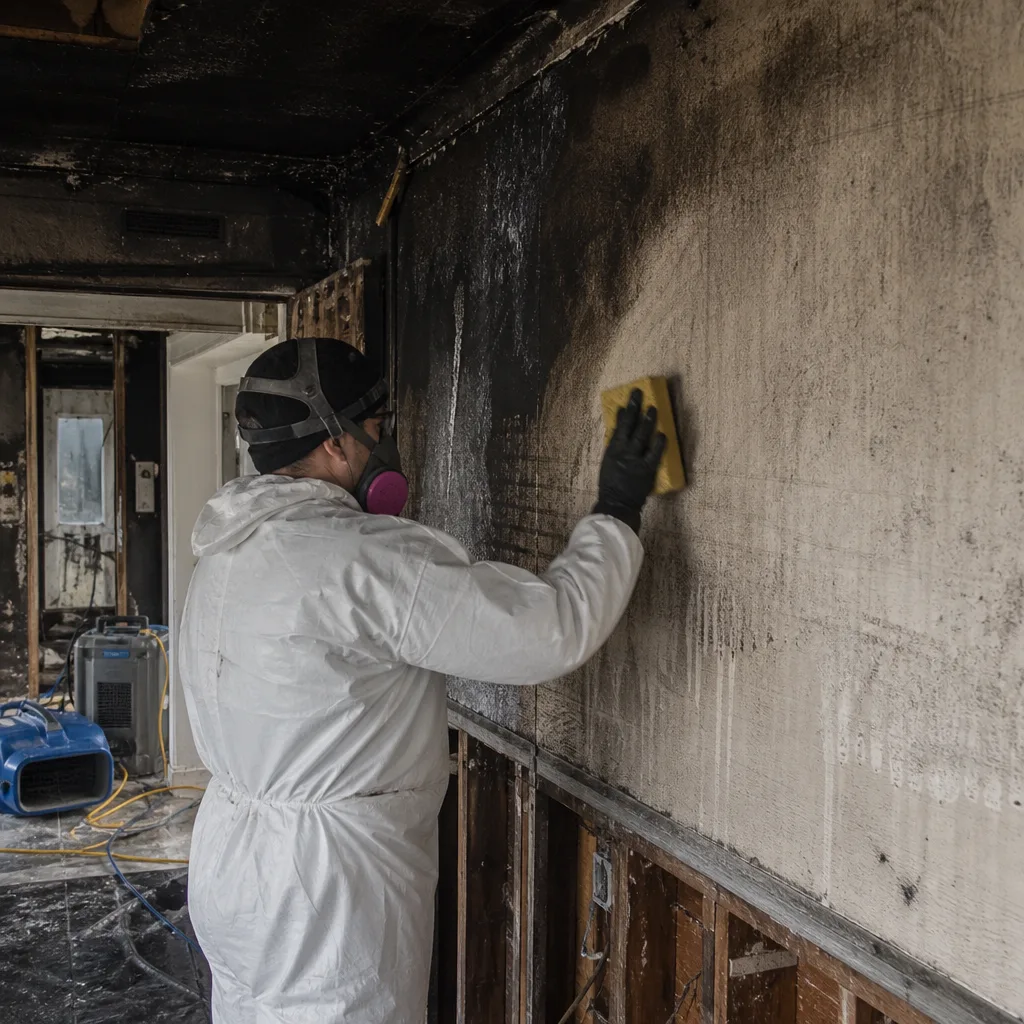
For Category 1 water losses that never touched the pad, professional extraction and drying can save carpet. We run Dri-Eaz extraction and air movers under the pad where possible. Category 2 or 3 losses require pad removal, subfloor treatment, and reinstallation or replacement. We give you an honest answer about what can be saved, not what is easiest to bill.
Post-Construction Cleanup
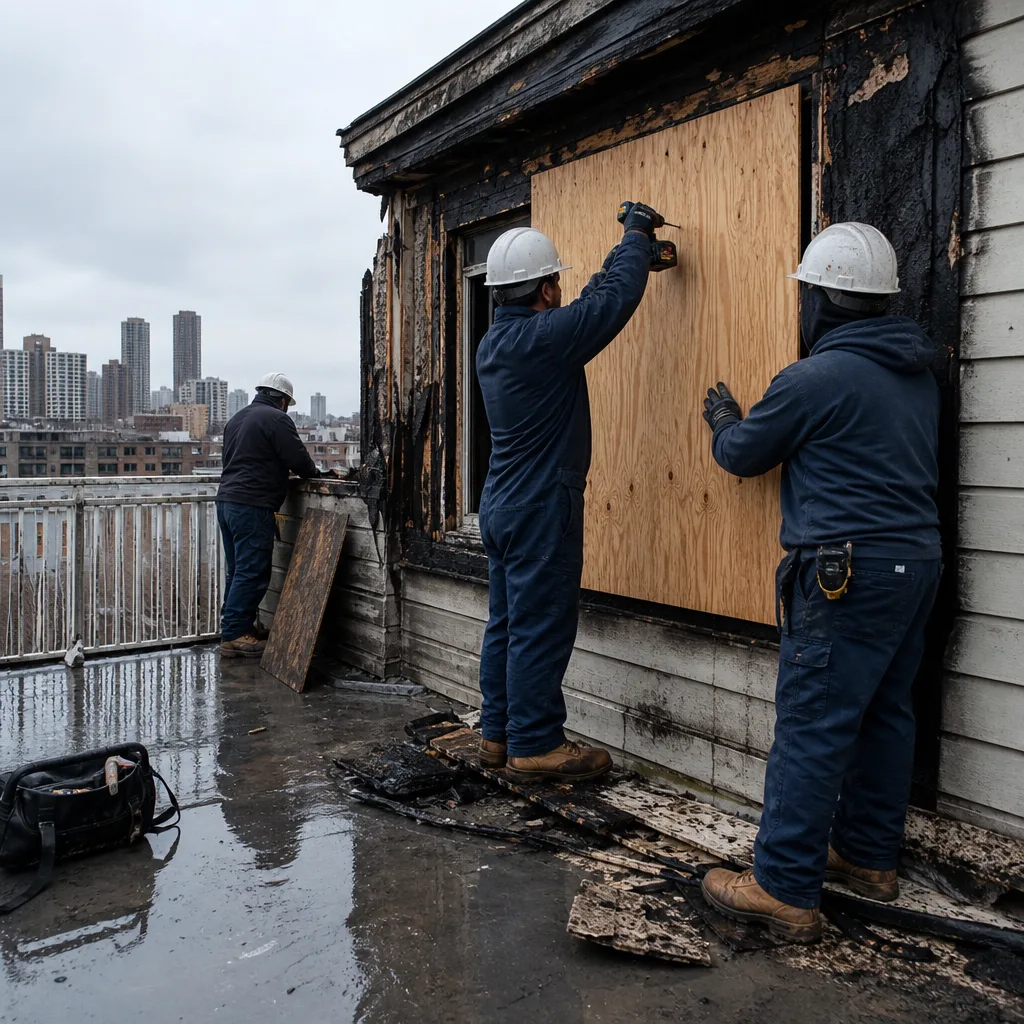
After a rebuild, the dust is not just cosmetic. Drywall sanding dust and demolition debris contain silica and other irritants, and near the reservoir, airborne particles are a compliance concern. We run HEPA air scrubbers during construction and perform a final cleaning that meets post-construction standards, not a broom-and-vacuum pass.

What happens when you call
- 1
A real person answersNo phone trees - you reach a local pro.
- 2
You get an upfront price rangeHonest numbers before anyone is dispatched.
- 3
A background-checked tech heads outLicensed & insured, dispatched right away.
- 4
You approve before work beginsNothing starts until you say go.
Reconstruction & Cleanup Costs in Millwood, NY
Reconstruction and cleanup costs in Millwood track with the age of the housing stock and the scope of structural repair. A simple Category 1 basement dry-out with one dehumidifier and two air movers typically runs $1,200 to $2,800. A full Category 3 basement remediation with containment, drywall removal, antimicrobial treatment, and rebuild of a finished room ranges from $7,000 to $18,000 depending on square footage and finish level. A tree limb through a Millwood roof with rafter splits, insulation replacement, and interior drywall repair falls in the $9,000 to $24,000 range once structural framing enters the scope.
What moves the price: the water category, whether DEP watershed rules require additional containment or disposal steps, the presence of original plaster or asbestos-containing materials in pre-1970 homes, and whether contents need pack-out. Most Millwood homeowner policies cover storm and water losses, but the deductible and the policy’s sewer-backup endorsement matter. Our free inspection gives you a firm scope and a real number before you commit to anything. Call (917) 924-4221 and we will walk the property with you.
We Also Serve Cities Near Millwood
Floodline Restoration Co. of Manhattan runs crews throughout northern Westchester. In addition to Millwood, we serve Reconstruction & Cleanup in Millwood work across Chappaqua, Mount Kisco, Ossining, and Briarcliff Manor, with the same live dispatch, certified crews, and written 90-Day Done Right Promise.
Serving Millwood, NY - Our Local Coverage Area
We’re based in the Millwood area and know this community well. Use the map below to see our service coverage - if you’re nearby, we can almost certainly help.
Millwood Reconstruction & Cleanup Questions, Answered
How do DEP watershed rules affect mold remediation in Millwood?
Millwood sits inside the New York City DEP watershed, which means biocides and antimicrobial rinses used in Mold Remediation in Millwood cannot simply be washed into storm drains or allowed to run onto the ground. Our crews apply EPA-registered products under containment, capture rinse water, and dispose of it through DEP-approved methods. A contractor who ignores this risks a watershed violation on your property, not just a bad cleanup.
What does full rafter split repair look like on a Millwood colonial after a tree limb falls?
When a mature oak limb splits a rafter, the repair starts with shoring the affected section so the roof structure is stable. We remove the damaged sheathing, sister the split rafter with matching dimensional lumber or an engineered equivalent, replace saturated insulation, and re-sheath before any interior drywall goes back. On Millwood’s 1950s and 1960s colonials, original lumber is often full-dimension, which changes how we match and fasten the new material.
Can you dry out a 1960s fieldstone basement in Millwood without removing the wall?
Sometimes, but not always. Fieldstone walls wick moisture from the soil behind them, and a surface-only drying approach leaves that moisture in place. We take meter readings behind panels and under baseboards. If the stone is dry enough after dehumidification and air movement, we can save the wall. If it is still saturated after three days of logged readings, the wall covering has to come off to dry the cavity. We show you the readings either way.
Will my insurance cover reconstruction after a Millwood storm?
Most Millwood homeowner policies cover storm-related roof and water damage, but the specifics depend on your policy’s wind and water endorsements and whether the loss is classified as flood versus stormwater. We document everything for your carrier from the first hour and write the scope in carrier-compatible format. The free inspection includes a frank conversation about what your policy will likely cover and what may fall to your deductible.
How fast do you respond to a flooded basement in Millwood after a nor’easter?
During and after a nor’easter, we prioritize active water losses in Millwood and aim to have a technician on site within 45 minutes of your call. A live dispatcher answers at (917) 924-4221, takes the address, and sends the nearest certified crew. Extraction and drying equipment run the same visit, not the next day.
How long does structural drying take in an older Millwood home?
Plan on three to five days for a 1960s split-level or colonial with fieldstone or poured-concrete basement walls. The ground in Millwood holds water long after the rain stops, and the walls keep wicking it upward. We log daily moisture readings and do not stop equipment until the dry standard is met, not the calendar.
Can we stay in the house during reconstruction and cleanup?
It depends on the loss type and scope. A contained, sealed-off basement dry-out with HEPA air scrubbers often allows you to stay upstairs. A full Category 3 remediation or a fire loss with smoke damage may require temporary relocation while equipment runs. We give you a straight answer at the inspection, and we coordinate relocation costs with your carrier when your policy covers additional living expenses.
What certifications do your Millwood reconstruction crews hold?
Our technicians are trained to IICRC standards including WRT for water damage, FSRT for fire and smoke, and AMRT for applied microbial remediation. We also train to RIA and IFA standards. Every crew member is background-checked and uniformed, and Curt Bowman, the owner, signs off on the 90-Day Done Right Promise for every job we run in Millwood.
If you are standing in a wet basement or looking at a hole in your roof on Millwood Road, call (917) 924-4221 now. A live person answers, and a certified Floodline crew starts the containment and documentation that keeps a bad night from becoming a months-long rebuild. Free visual inspection, written scope, direct insurance billing, and the 90-Day Done Right Promise in writing. Done right, and backed by a name you can hold accountable.
Written by Curt Bowman, Owner at Floodline Restoration Co. of Manhattan, serving Millwood and northern Westchester.