
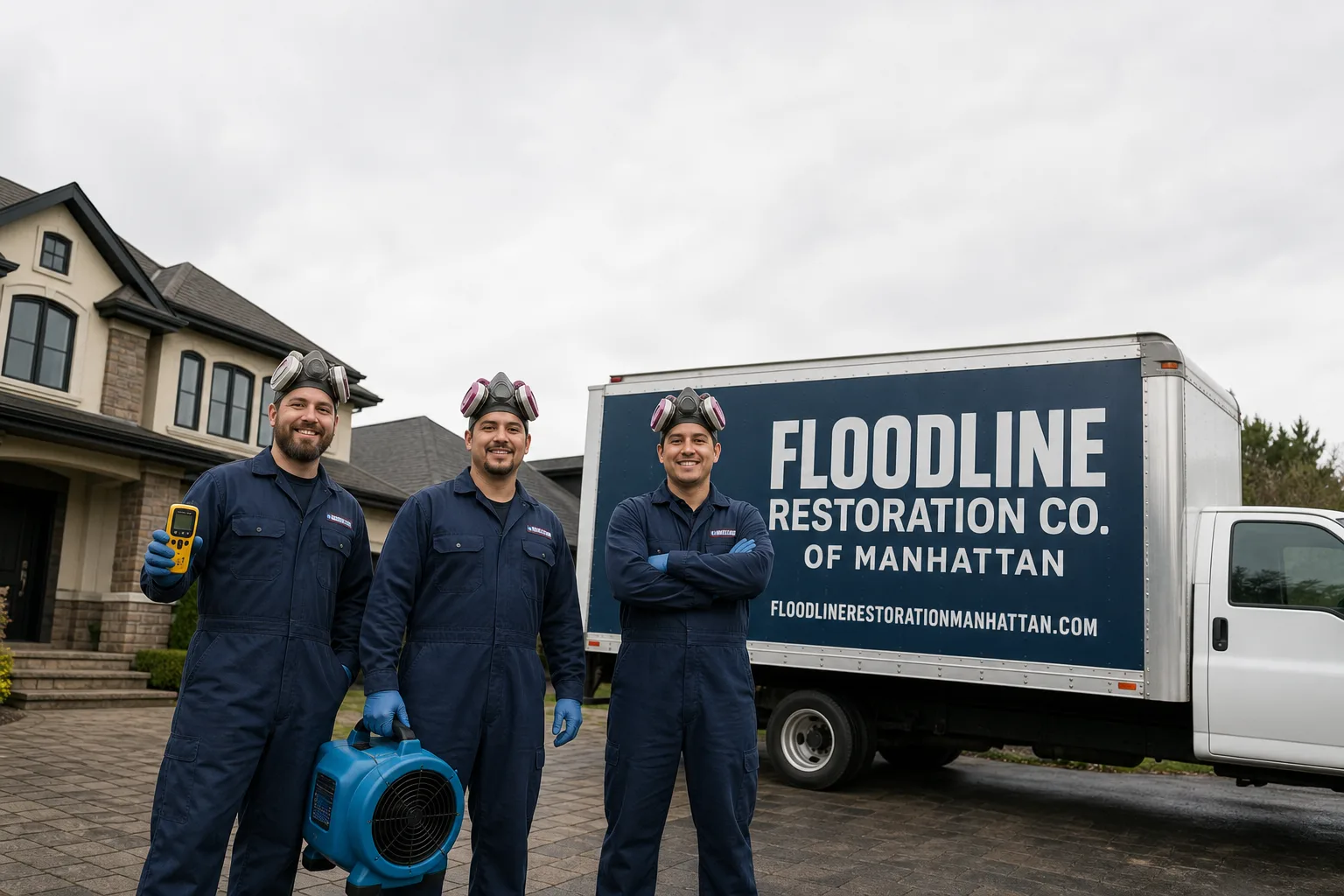
Free visual inspection and a written scope of work before any mitigation begins - photos, moisture readings, and drying logs go in your claim file
The scope we write is the scope we bill. Anything new gets shown to you, in writing, before we touch it.






 Before
 After
After Before
 After
After Before
 After
After24/7 Emergency Reconstruction & Cleanup in Pelham Bay
When a nor’easter pushes tidal surge through the storm sewers and into your Pelham Bay basement, the clock starts immediately. Saltwater and sewage saturate drywall, wick into original parging, and begin degrading cast-iron plumbing within hours, not days. Our crews are on call around the clock, dispatched inside the Pelham Bay area, and we answer the phone with a live person every time. Call (917) 924-4221 now for a free visual inspection. The first hour after a tidal backflow event determines whether you’re looking at a dry-out or a full Reconstruction & Cleanup, and we’ll tell you straight.
Understanding Reconstruction & Cleanup Severity in Pelham Bay Properties
Reconstruction severity in Pelham Bay follows a different scale than anywhere else in the Bronx. Category 1 water is clean supply-line water. Category 2 carries contaminants but not sewage. Category 3, what we see after a nor’easter pushes Eastchester Bay into the combined sewer and back up through basement floor drains, is black water: salt-laden sewage requiring full material removal, antimicrobial treatment, and structural drying before any reconstruction can start. The neighborhood’s 1920s to 1950s semi-detached brick rowhouses complicate the job further. Most have finished basements sitting at or near the local water table, with original parging on foundation walls and cast-iron or galvanized plumbing that fails faster under repeated saltwater exposure. A standard rain-intrusion call in Co-op City might mean drying and patching. A tidal backflow call near the park’s wetland edge means cutting to the studs. Understanding that difference before work begins is what keeps you from paying twice.
Why Pelham Bay Property Owners Choose Floodline Restoration Co. of Manhattan
- 45-minute response commitment: When tidal water is in your basement, we dispatch a certified crew to your Pelham Bay address within 45 minutes of your call. Not a salesperson. A technician with equipment.
- 24/7 live answer, never an automated system: A real dispatcher picks up at 2 a.m. during a nor’easter. We’re a company built around a dispatch board, not a sales desk, and it shows when the water is rising.
- IICRC-certified crews: Our technicians hold WRT, FSRT, and AMRT certifications and arrive in uniform, background-checked. They know the difference between Category 1 and Category 3 water before the first cut.
- Free visual inspection: We walk the damage, run moisture mapping, and show you exactly what we found. You decide with the facts in front of you, not a pressured phone estimate.
- Direct insurance billing: We document everything from the first hour, bill your carrier directly, and talk to your adjuster on your behalf. You don’t play messenger.
- One team from extraction to reconstruction: The same crew that extracts the water handles the drying, the demolition, and the rebuild. No mid-job handoff to a subcontractor you’ve never met.
Our Reconstruction & Cleanup Process
Inspection & Assessment
We arrive, run thermal imaging and moisture mapping to find how far the saltwater and sewage actually traveled. We classify the water category, document the loss with photos, and explain what must come out and why.
Extraction & Stabilization
Professional-grade extraction equipment removes standing water, including salt-laden sewage. We contain the affected area immediately to prevent cross-contamination to unaffected parts of your home.
Structural Drying & Dehumidification
Dri-Eaz dehumidifiers and high-velocity air movers run continuously, with daily moisture readings logged until pre-loss condition is hit. We hand you and your carrier the drying log.
Demolition & Material Removal
Category 3 water requires full removal of affected drywall, carpet, and insulation. In Pelham Bay rowhouses, that often includes chipping out compromised parging and inspecting cast-iron plumbing behind the walls.
Cleaning, Sanitization & Antimicrobial Treatment
HEPA air scrubbers run while we treat studs, floor plates, and remaining materials with antimicrobial agents as part of our Mold Remediation - Pelham Bay process. Salt residue is neutralized. Contaminated debris is bagged and removed under containment.
Reconstruction & Restoration
New drywall, flooring, trim, and paint are installed. Where original 1930s plaster detail was removed, we match profiles and materials so the rebuild looks like it belongs. Every step is documented for your claim. We stand behind the work with our 90-Day Done Right Promise, in writing.
Need Emergency Reconstruction & Cleanup in Pelham Bay Now?
Crews minutes away, answering live 24 hours a day. The sooner we start, the less it costs.
Working With Your Insurance Company
After a tidal surge floods your Pelham Bay basement, your insurance carrier will ask questions about the water category, the extent of demolition, and why specific materials were removed. We answer those questions with documentation, not opinions. From the first hour on site, we photograph every affected room, log moisture readings daily, and build a line-item scope of work that your adjuster can review line by line. We coordinate directly with your carrier, discuss the claim with your adjuster, and handle the paperwork so you’re not caught between a restoration company and an insurance desk. After Hurricane Sandy, carriers learned what tidal backflow in Pelham Bay means. A claim that starts with documented Category 3 protocols is a claim that gets paid. Here’s what we provide:
What We Provide Your Insurer
- Thorough documentation of the loss
- Photos of all damage, room by room
- Moisture readings and drying logs
- A detailed, line-item scope of work
- Direct coordination with your carrier
Built for Pelham Bay’s Loss Calendar
Pelham Bay’s Reconstruction & Cleanup losses follow the seasons, but the seasons here behave differently than inland Bronx. January brings deep freezes that freeze supply lines inside uninsulated 1920s rowhouse exterior walls, sending clean water through finished basement ceilings. Spring thaw lifts the water table and pushes groundwater through foundation joints and aging parging. Summer thunderstorms overwhelm the combined sewer along Shore Road and Stadium Avenue, backing stormwater into basements with no tidal component. But the real threat has always been the nor’easter. When a coastal storm pushes Eastchester Bay water south into the sewer outfalls, tidal backflow and surface runoff hit basements simultaneously. Sewage mixes with saltwater, and a standard dry-out becomes a legal mitigation. FEMA flood zone compliance matters here. The low-lying blocks nearest Pelham Bay Park’s wetland edge sit inside flood zones where reconstruction below the base flood elevation must meet specific material and elevation requirements. Ignore that, and the next surge voids the work. We plan around Pelham Bay’s calendar, not a generic one.
The Tidal Backflow Problem No One Talks About in Pelham Bay
Here’s what makes Reconstruction & Cleanup in Pelham Bay different from anywhere else in the Bronx. When a nor’easter coincides with a high tide, Eastchester Bay pushes water into the combined sewer system. The system, which handles both storm runoff and sewage, can’t expel it fast enough. What comes back up through basement floor drains, toilets, and sump pits near the low-lying streets by Pelham Bay Park is not rainwater. It’s tidal saltwater mixed with raw sewage. In many jobs that look like simple water damage when we arrive, our moisture mapping confirms Category 3 black water wicking up drywall and into the porous original parging behind it. That changes everything. You cannot dry Category 3 water in place. You remove all affected materials, treat the framing with antimicrobial agents, and rebuild. It’s why the demolition scope in Pelham Bay regularly runs larger than an identical-looking flood in Williamsbridge or Allerton. The salt accelerates hidden deterioration: cast-iron drains pit and crack, original parging separates from the foundation wall, and mold colonizes inside wall cavities within 48 hours. If a company quotes you a dry-out before confirming the water category, they don’t know Pelham Bay.
After a nor’easter pushed tidal surge up through the storm sewers near the wetland edge, our crew was called to a 1930s brick rowhouse on the low-lying blocks by the park. Our techs ran moisture mapping and found Category 3 water wicking up drywall and into original parging. We set containment, removed all affected drywall and carpet, applied antimicrobial treatment, and ran structural drying with Dri-Eaz dehumidifiers and air movers until moisture readings hit pre-loss condition, documenting every step for the insurance claim. That’s how the job gets done right. One visit, one crew, no argument about the scope.
Reconstruction & Cleanup Across Pelham Bay’s Neighborhoods
Pelham Bay’s building stock changes block by block, and each cluster has its own loss profile. The brick rowhouses along Amendola Place and the streets running east of Westchester Avenue toward the park were built in the 1920s and 1930s, most with finished basements and original parging. These homes take the worst of tidal backflow. Near Crosby Avenue and the commercial corridor, Pelham Bay Commercial Restoration is critical for mixed-use buildings that combine residential units above storefronts, where a basement flood complicates inventory, utilities, and access. The blocks around Pelham Parkway and Bruckner Boulevard sit slightly higher, but they face storm sewer backups during heavy rainfall. Along Shore Road, we see wind-driven rain intrusion through aging masonry and, after nor’easters, storm track damage to patio doors and windows facing the Sound. When we dispatch into Pelham Bay, the crew already knows which failure mode is likely before the truck parks. That local knowledge is not something a franchise template can teach.
Wind-Rated Doors and Storm Reinforcement in Pelham Bay
A failing patio door or unrated rear entry is a standing invitation to the next nor’easter. We see this pattern repeatedly in Pelham Bay. A storm damages the track or misaligns the panels. The homeowner thinks it’s a cosmetic issue. Then the next coastal storm hits, wind pressure tears the door loose, and rain and surge fill a freshly rebuilt basement. If you’re reconstructing after flood damage, now is the time to ask whether that rear door or basement entry should be upgraded to a wind-rated assembly. For homes in FEMA flood zones near the park’s wetland edge, local permits often require it. Municipal inspections after storm repair increasingly check door ratings, anchoring, and flashing details. We install impact-rated doors with proper reinforcement and document compliance for your carrier and the building department. Skipping this step is one of the three failure modes we see most in Pelham Bay, right next to treating tidal backflow as Category 1 water and missing FEMA flood zone compliance during reconstruction. These are all avoidable. We make them visible on day one.
Specialized Reconstruction & Cleanup Services We Offer in Pelham Bay
Full-Service Reconstruction
From stripped studs to finished trim, our crew rebuilds your Pelham Bay basement or affected rooms to code. We match the original 1920s to 1950s brick rowhouse character where it matters: plaster profiles, trim styles, door casing. The rebuild looks like a repair, not a patch.
Drywall & Flooring Repair
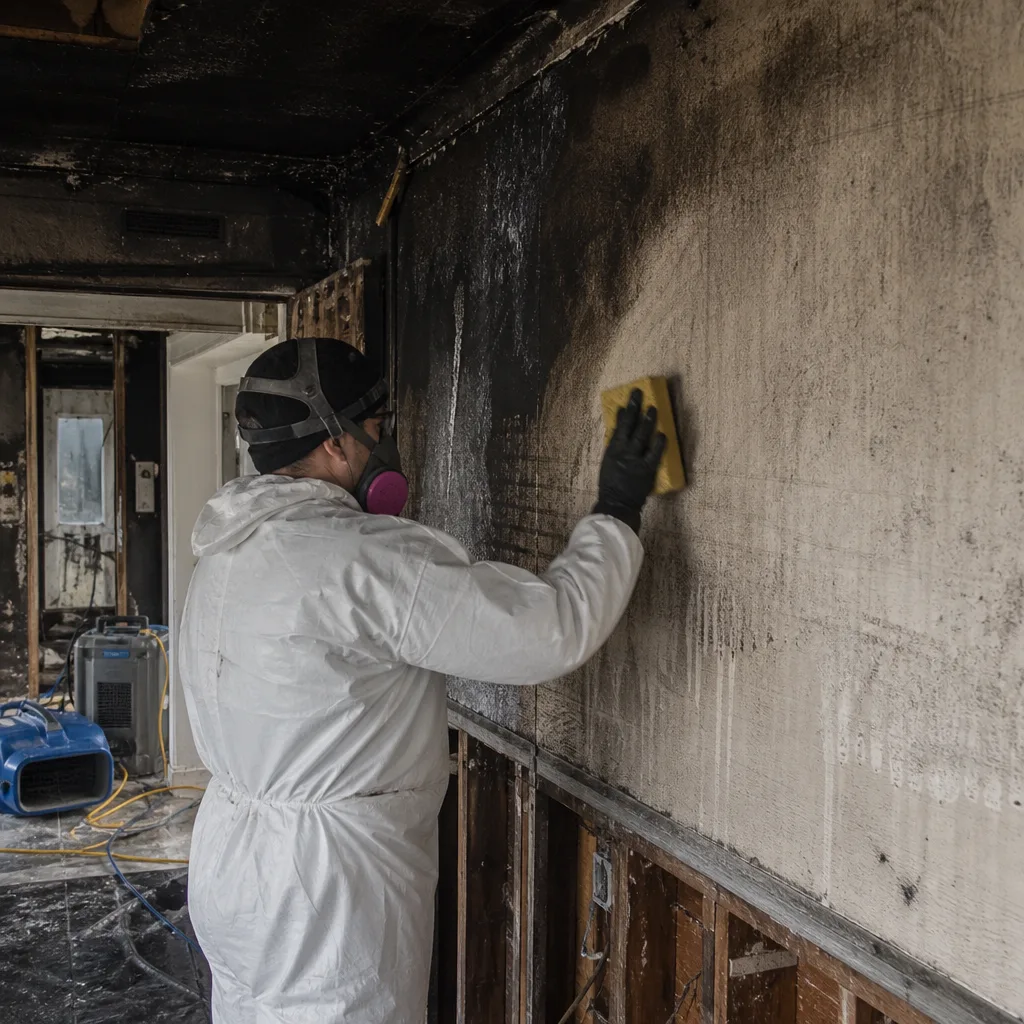
Tidal water destroys drywall and flooring fast. We remove damaged materials, treat the framing, and install new drywall, subfloor, and finished flooring. In Pelham Bay basements, we also check for hidden salt damage behind baseboards and under vinyl that looks intact.
Contents Restoration & Pack-Out
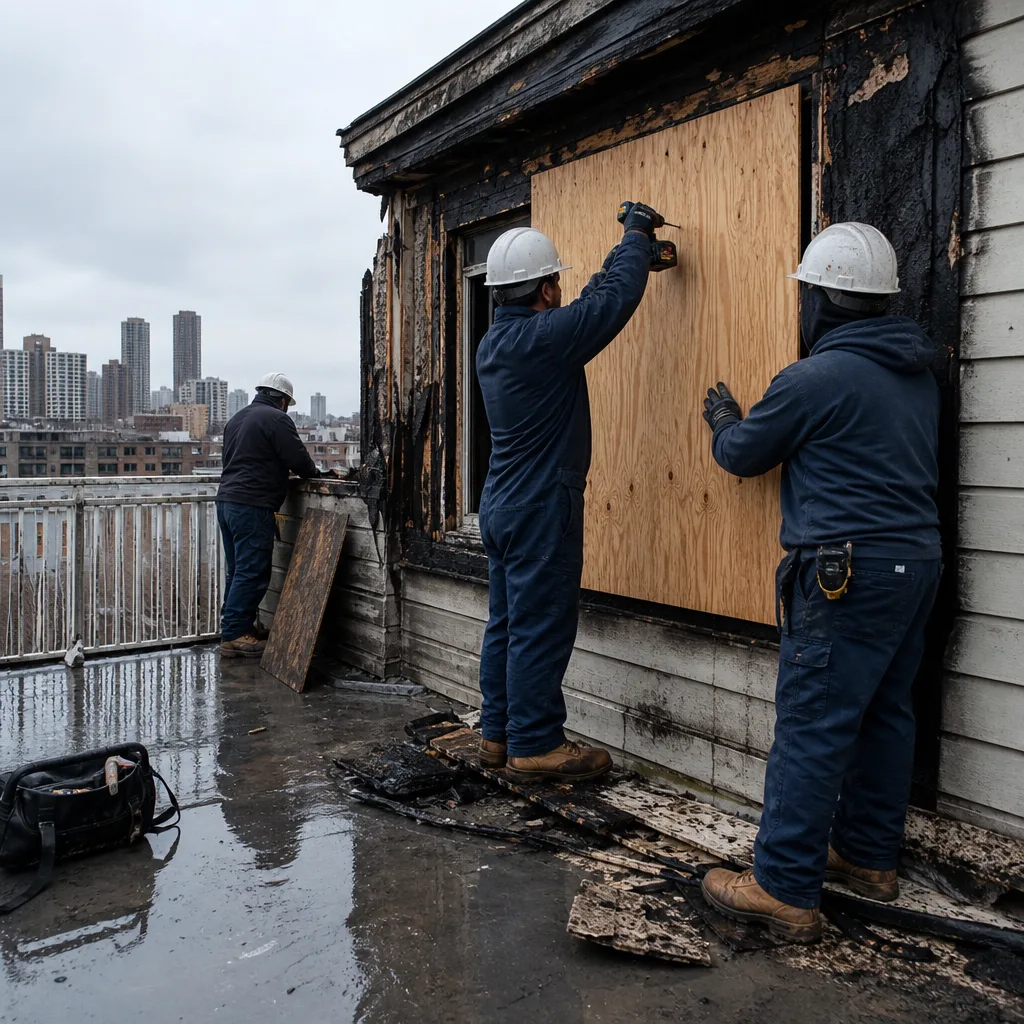
Furniture, boxes, keepsakes, tools. When Category 3 water hits your basement, we inventory, pack out, and restore or clean salvageable contents off-site. Everything is documented for your claim, so nothing disappears and nothing gets forgotten.
Carpet & Upholstery Cleaning
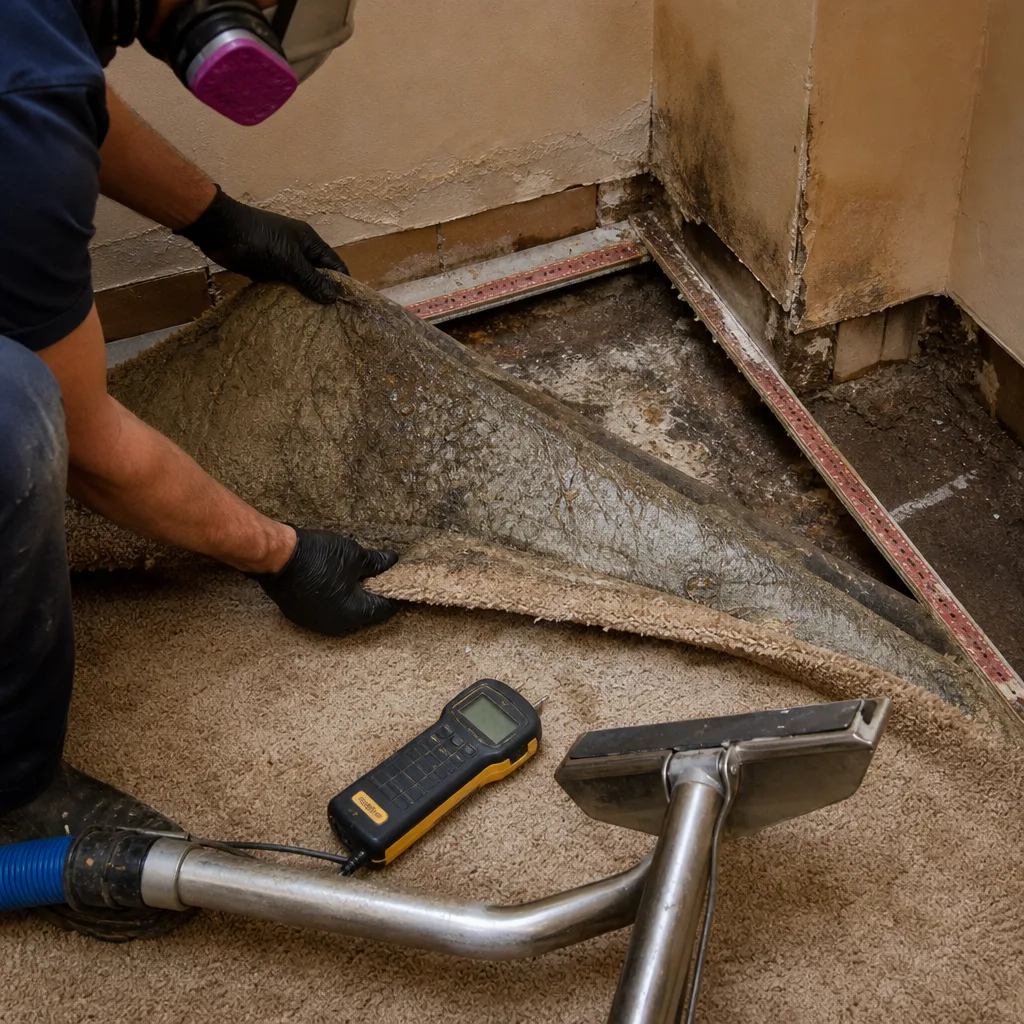
For Category 1 or 2 water, professional-grade extraction and drying with Dri-Eaz and B-Air equipment can often save carpet and upholstery. We test, clean, and dry to the standard, and we’re straight with you when replacement is the better call.
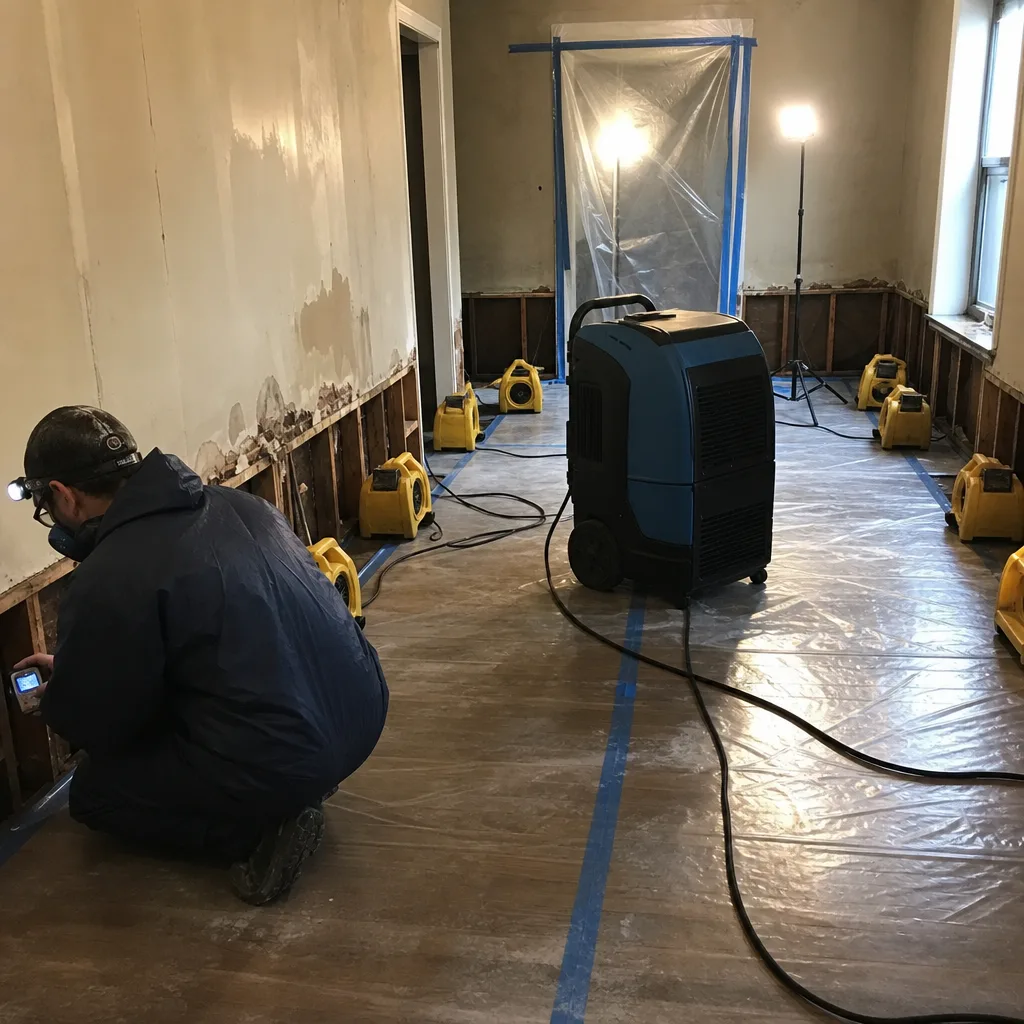
Post-Construction Cleanup
After we rebuild, we clean. Construction dust, drywall residue, paint drips, flooring adhesive. Your home is left in move-in condition, not jobsite condition. The same crew that started the job finishes it.
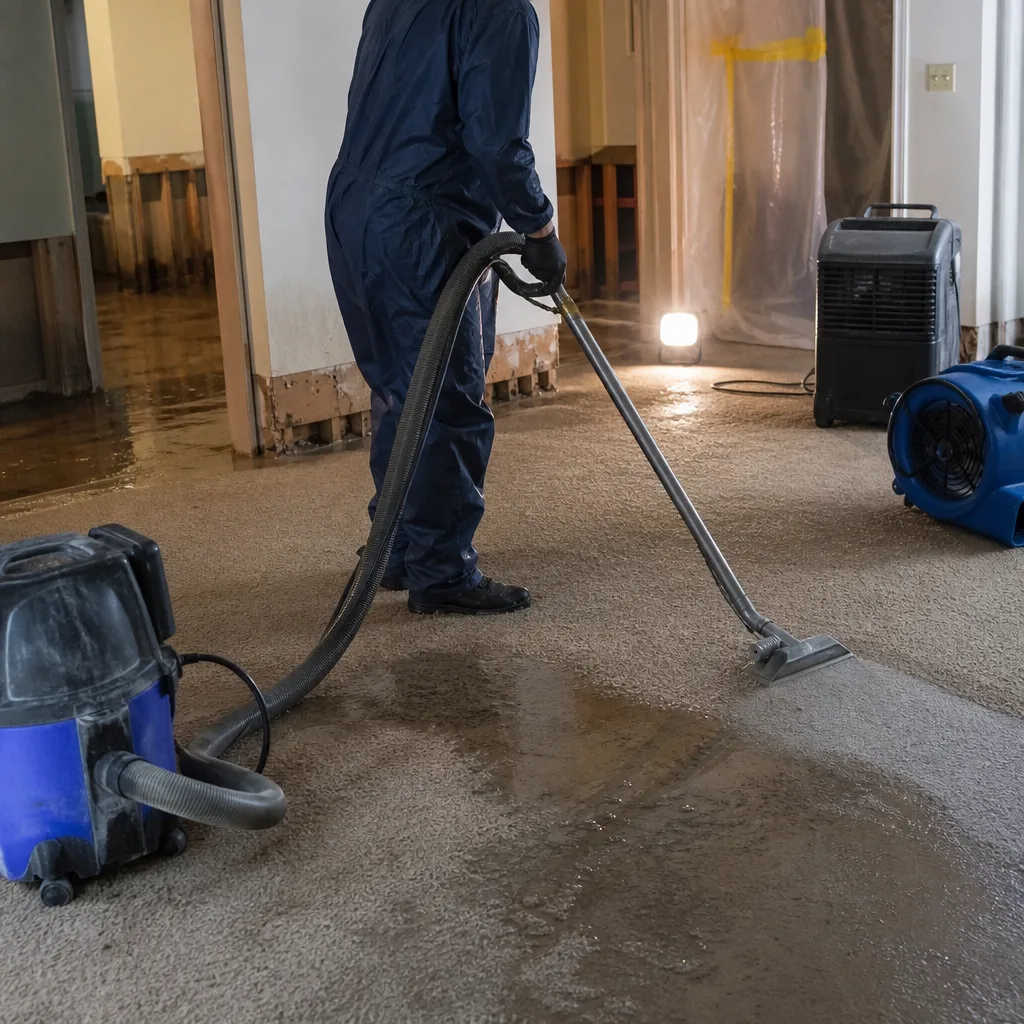
Insurance Claim Documentation
This is the service that keeps your rebuild paid for. Photos, moisture logs, line-item scopes, and direct adjuster coordination. We document everything from the first hour and bill your carrier directly.
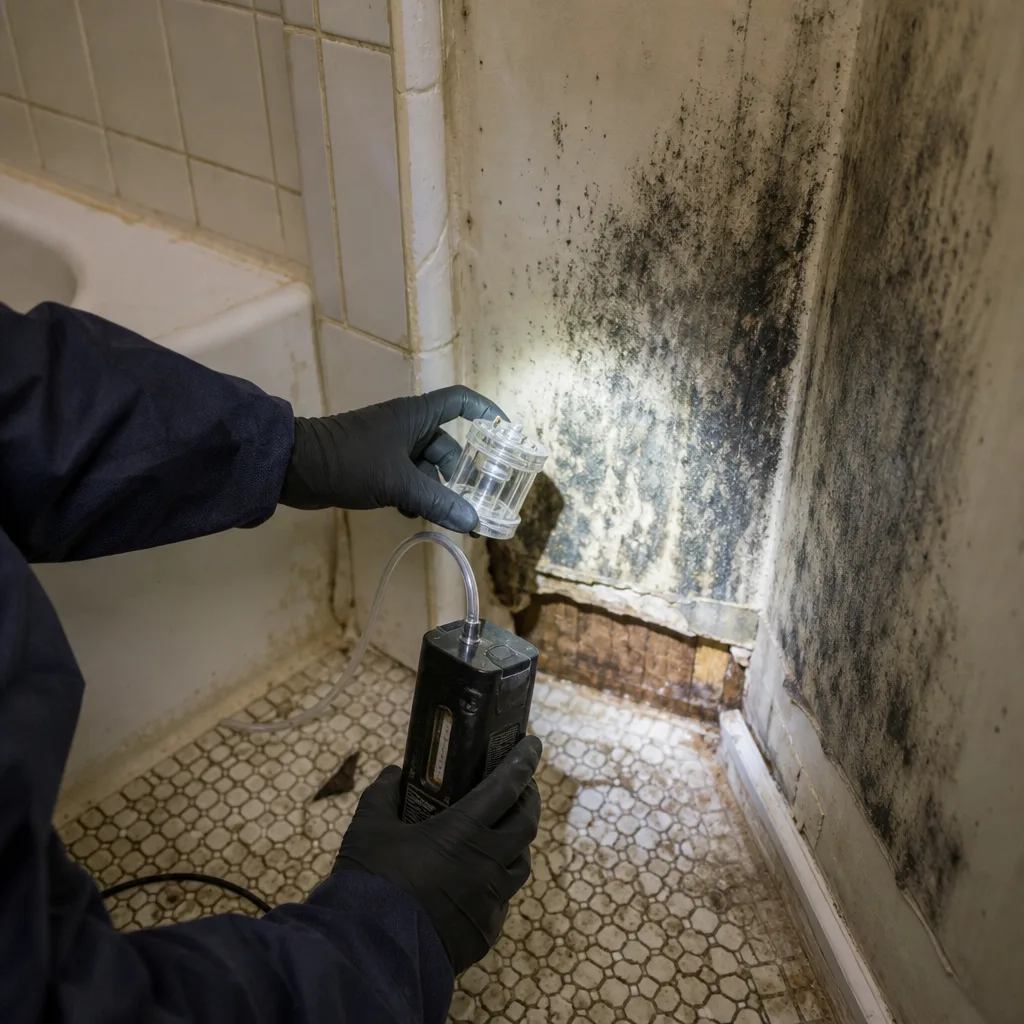
What happens when you call
- 1
A real person answersNo phone trees - you reach a local pro.
- 2
You get an upfront price rangeHonest numbers before anyone is dispatched.
- 3
A background-checked tech heads outLicensed & insured, dispatched right away.
- 4
You approve before work beginsNothing starts until you say go.
Reconstruction & Cleanup Costs in Pelham Bay, NY
Reconstruction and cleanup pricing in Pelham Bay is driven by the water category and the extent of demolition. A Category 1 water incident with dry-out and minimal repair typically runs $1,200 to $4,500 depending on square footage. A Category 2 job with partial drywall removal and drying lands between $4,000 and $9,000. The tidal backflow baseline in Pelham Bay, Category 3 with full material removal, antimicrobial treatment, structural drying, and reconstruction, starts around $8,000 and routinely reaches $18,000 to $30,000 depending on size, finish level, and whether original plaster detail must be matched. Wind-rated door replacement after storm damage adds $2,500 to $6,000 per opening. Full-service reconstruction after a significant surge event can reach $40,000 or more when FEMA flood zone compliance requires elevated materials and code-compliant assemblies. Your policy may cover most of this. We bill directly, document everything, and provide a free visual inspection so you can see the scope in writing before committing. Call (917) 924-4221 for an exact quote.
We Also Serve Cities Near Pelham Bay
Our crews serve the neighborhoods and communities around Pelham Bay, including Fairview, Harrison, East Bronx, and Hunts Point. If you’re just over the line, call anyway. If we can get a crew to you fast, we will.
Serving Pelham Bay, NY - Our Local Coverage Area
We’re based in the Pelham Bay area and know this community well. Use the map below to see our service coverage - if you’re nearby, we can almost certainly help.
Pelham Bay Reconstruction & Cleanup Questions, Answered
How does Pelham Bay’s tidal surge change the demolition scope after a basement flood compared to inland Bronx?
Tidal surge brings Category 3 water, salt-laden sewage, into the basement, which requires full removal of all affected drywall, carpet, insulation, and often the chipping out of compromised parging. Inland Bronx floods are often Category 1 or 2 water that can be dried in place. The demolition scope in Pelham Bay runs larger and costs more, and a company that quotes before confirming the water category is guessing.
Do wind-rated doors and reinforcement actually get inspected in Pelham Bay for storm repairs?
Yes. After storm-damage reconstruction, local building officials increasingly check door ratings, anchoring, and flashing details, especially in FEMA flood zones near Pelham Bay Park. If the door isn’t wind-rated and properly flashed, it can fail inspection and leave the next nor’easter an open invitation. We install rated assemblies and document compliance for your permit and carrier.
What’s the fastest safe way to get a flooded Pelham Bay basement back to pre-loss condition after a nor’easter?
Call (917) 924-4221 immediately for Water Damage Restoration in Pelham Bay. We confirm the water category with moisture mapping, set extraction running the same visit, and remove Category 3-contaminated materials before hidden damage spreads. The faster extraction and demolition start, the less material you lose and the shorter the dry-out runs. Speed without the Category 3 protocol just rebuilds a problem.
Can you match the 1920s-1950s brick rowhouse trim and plaster detail when doing reconstruction here?
Yes. Pelham Bay’s housing stock has a specific character: plaster profiles, milled trim, stair details, and door casings from the 1920s through the 1950s. We match those profiles and materials so the rebuild reads as original, not patched. It matters in this neighborhood, and we do it as a standard, not an upcharge.
Why does a simple-looking flooded basement near Pelham Bay Park often turn into a much bigger reconstruction job?
Because the water is usually Category 3, tidal saltwater mixed with sewage that wicks into drywall, parging, and cast-iron plumbing. By the time we open the wall, the hidden damage often extends far beyond what was visible at the surface. Treating it as a simple dry-out is the Pelham Bay false economy. Cut to the studs now, or cut again next season.
Will my insurance cover a tidal backflow flood in Pelham Bay?
Standard homeowners policies generally cover sewer and drain backups, but tidal surge from a coastal storm may fall under flood insurance, not standard coverage. Pelham Bay sits at the northeastern tip of the Bronx directly on Eastchester Bay, and many homes near the water are in FEMA flood zones. We document everything, classify the water correctly, and coordinate directly with your adjuster. Call (917) 924-4221 and we’ll help you understand what your policy says.
How long does full reconstruction take in a Pelham Bay rowhouse?
A Category 3 basement reconstruction typically runs 2 to 4 weeks from extraction to finish. Drying alone is often 4 to 7 days with Dri-Eaz dehumidifiers and air movers running continuously. Matching original trim and plaster detail adds time, and FEMA compliance work can extend the schedule further. We give you a written scope and timeline before we start.
What should I do in the first 30 minutes after water comes up through my basement floor drain?
Shut off electricity to the basement at the breaker if you can do so safely. Do not wade through the water; it may be sewage and saltwater. Call (917) 924-4221. We’ll dispatch a crew and tell you exactly what to check while you wait. Do not try to remove wet drywall yourself. The first 30 minutes are about safety and documentation, not amateur demolition.
Written by Curt Bowman, Owner at Floodline Restoration Co. of Manhattan, serving Pelham Bay and the surrounding communities with full-cycle restoration and reconstruction done right, and backed in writing.
If your Pelham Bay home has water in the basement, storm damage, or a rebuild that needs doing right, call (917) 924-4221 for a free estimate. We answer live, dispatch fast, and stand behind the work with the 90-Day Done Right Promise. Senior and veteran discounts always apply: 5% off, plus $50 off any repair over $250.