
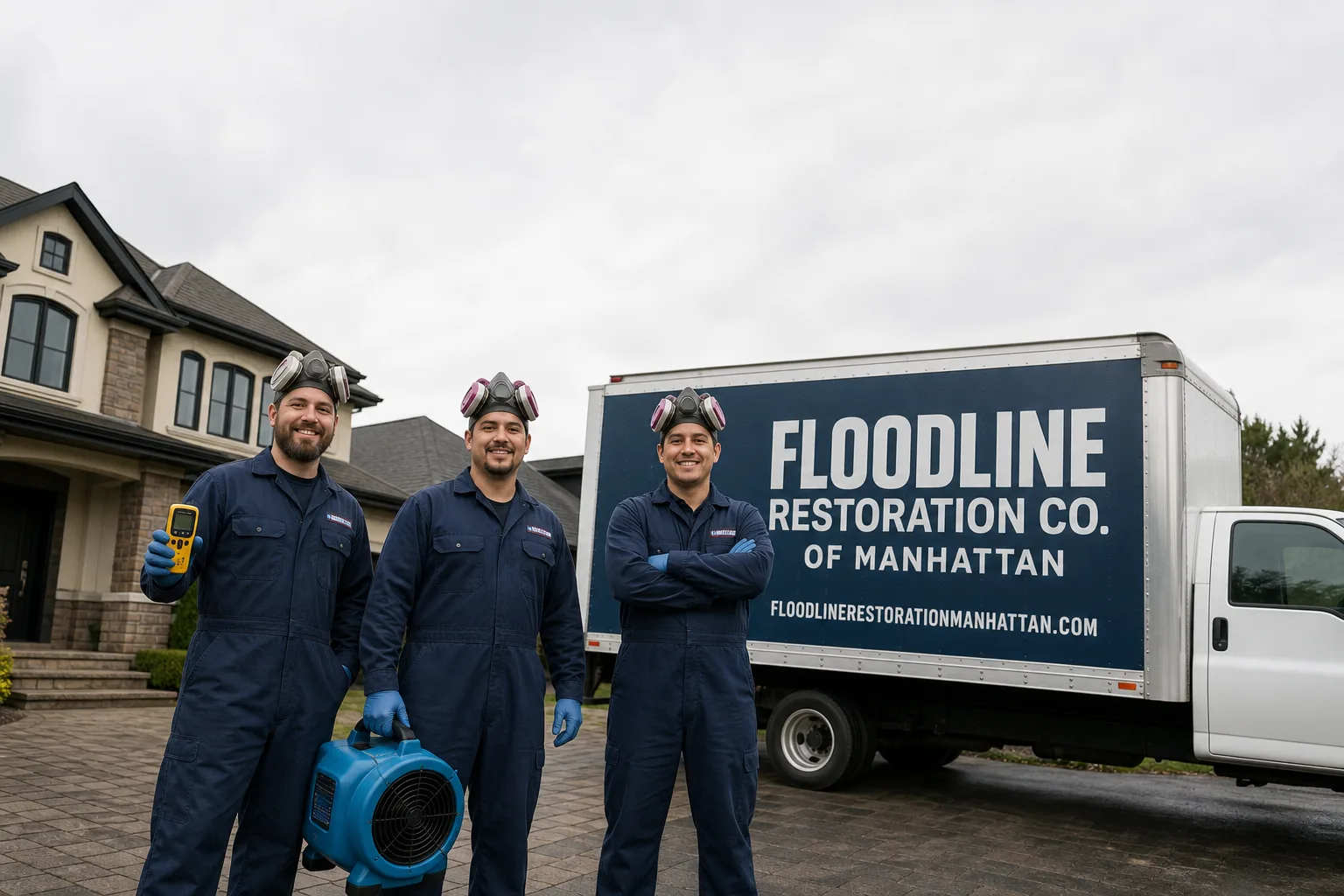
Free visual inspection and a written scope of work before any mitigation begins - photos, moisture readings, and drying logs go in your claim file
The scope we write is the scope we bill. Anything new gets shown to you, in writing, before we touch it.






 Before
 After
After Before
 After
After Before
 After
After24/7 Emergency Reconstruction & Cleanup in Verplanck
When a nor’easter pushes the Hudson over Verplanck’s seawalls or a supply line lets go in a 1940s home on 8th Street, the first call should be to someone who answers. We do, around the clock. Our live dispatchers take your call at 2 a.m. and have a certified crew moving toward Verplanck within 45 minutes, not leaving a message and hoping for the best. That first hour matters because river water doesn’t just sit on the surface - it wicks into plaster, under oak flooring, and through poured-concrete block before you’ve finished mopping. Call (917) 924-4221 the moment you see warping baseboards, smell damp drywall, or find water where it shouldn’t be. We’ll provide a free visual inspection, tell you straight what you’re dealing with, and put a written scope in your hands before any work begins.
Need Emergency Reconstruction & Cleanup in Verplanck Now?
Crews minutes away, answering live 24 hours a day. The sooner we start, the less it costs.
Understanding Reconstruction & Cleanup Severity in Verplanck Properties
Verplanck’s damage profile is different from almost anywhere else in Westchester, and severity here has less to do with how much water fell than with how long it stayed. The hamlet’s older single-family homes, most built between the 1920s and 1950s on small riverfront lots, sit on stone or poured-concrete block foundations that were never designed for modern waterproofing. When the Hudson overtops, you’re dealing with Category 3 water - meaning it carries river silt, sewage effluent, and whatever else the tide dragged in. That’s not a mop-and-fan situation. We use thermal imaging and moisture meters to map how far water traveled through the wall cavities, because in a Verplanck home the surface you can see is rarely the extent of the problem. Left unaddressed, Category 3 saturation turns to hidden mold inside baseboard cavities within 72 hours, and once mold colonies form in old plaster and lath, the remediation timeline triples. That’s why we don’t give ballpark estimates over the phone - we send a uniformed, IICRC-certified tech to read the actual conditions on your street.
Why Verplanck Property Owners Choose Floodline Restoration Co. of Manhattan
- 45-minute response commitment - when crawl spaces are filling on a tide schedule, every hour costs you flooring and drywall. We’re dispatched from the New York City office and keep crews staged for Verplanck’s weather events.
- A real person answers, always - our 24/7 dispatch means you talk to a human at 3 a.m. who can actually send a truck, not a service that kicks you to voicemail.
- Certified crews, named standards - our technicians hold IICRC certifications including WRT (Water Restoration Technician), FSRT (Fire & Smoke Restoration Technician), and AMRT (Applied Microbial Remediation Technician), plus RIA and IFA training. They’re background-checked and uniformed.
- Free visual inspection - no charge to assess the damage, map the moisture, and give you a straight answer about what needs doing and what can wait.
- Direct insurance billing - we document everything and bill your carrier directly. You don’t play messenger between us and an adjuster.
- One team from extraction to reconstruction - no mid-job handoff to a subcontractor who’s never seen your house. The same certified crew that pulls soaked drywall on day one rebuilds it on day twenty.
Our Reconstruction & Cleanup Process
Inspection & Assessment
We start with a room-by-room visual inspection, thermal imaging to find hidden moisture, and moisture meters on every wall, floor, and slab edge. In Verplanck’s older homes, that means checking crawl spaces even when upstairs looks dry. We give you a written scope and a firm price before any work starts.
Extraction & Stabilization
Category 3 water gets pumped and extracted immediately, then we pull saturated materials - carpet, pad, drywall, insulation - that won’t dry safely. We contain the affected area to prevent mold spores from moving through the rest of the house, including any first-floor living spaces over a saturated crawl.
Drying & Dehumidification
We place Dri-Eaz and Phoenix air movers and dehumidifiers strategically, including Injectidry panels for hardwood floors and wall cavities. Daily moisture readings are logged and shared with you and your insurer until the structure hits the dry standard - not just until the surface feels dry.
Cleaning & Sanitization
All affected surfaces get antimicrobial treatment. HEPA air scrubbers run during the entire remediation to capture airborne mold spores and particulate. We clean and sanitize what can be saved, and remove what can’t.
Contents Restoration & Pack-Out
We pack out, inventory, and restore your belongings - furniture, clothing, keepsakes, documents. Items that can be cleaned and restored are treated off-site; the rest are documented for your claim. You get a full itemized inventory, which your insurer needs.
Repairs & Reconstruction
We rebuild drywall, flooring, and trim; repair or seal foundations where freeze-thaw cracks let water back in; and finish the job to the standard you’d expect from a full-service Reconstruction & Cleanup team. One crew, start to finish, with the 90-Day Done Right Promise in writing.
Working With Your Insurance Company
Insurance claims in Verplanck get complicated because tidal flood damage and standard water damage are often covered differently under most homeowners policies, and the adjuster may not know these homes the way we do. We document from the first hour: photos room by room, moisture readings with time stamps, a line-item scope of work, and drying logs that show the full extent of what the river did. We talk directly to your adjuster, answer their questions, and bill your carrier directly so you’re not fronting thousands while the claim processes. Curt Bowman built Floodline around the idea that homeowners shouldn’t have to become insurance experts after a storm - we handle that side so you can focus on your family and your house.
What We Provide Your Insurer
- Thorough documentation of the loss
- Photos of all damage, room by room
- Moisture readings and drying logs
- A detailed, line-item scope of work
- Direct coordination with your carrier
Built for Verplanck’s Loss Calendar
Verplanck’s damage season doesn’t really have an off switch, but the shape of it changes. Late summer and early fall bring hurricanes and nor’easters - the Sandy-type events that push the Hudson over the seawalls and into the crawl spaces of homes along Broadway and the river side of 6th, 7th, and 8th Streets. Winter is the freeze-thaw cycle: saturated foundations from autumn floods crack further as temperatures swing, and supply lines in unheated crawl spaces let go during January deep freezes, flooding unfinished basements with clean water that still ruins whatever it pools under. Spring is the quiet threat - snowmelt and steady rain seep into those same compromised foundations, and homeowners who thought they’d dried out in November find mold behind baseboards by May. We sweep Verplanck constantly because our crews live and work in the area, and we’d rather catch a moisture problem in March than rebuild a wall in June.
Reconstruction & Cleanup Across Verplanck’s Neighborhoods
The homes closest to the riverfront - along Broadway, Riverside Avenue, and the dead-end streets that run toward the shore - take the direct hit. These are mostly 1920s and 1930s houses on small lots, many with original stone foundations and no modern drainage. Water comes in at the foundation line, sits in the crawl space through multiple tide cycles, and wicks upward through the sill plate into first-floor walls. Slightly inland, around 5th, 6th, and 7th Streets, the homes are a bit younger - 1940s and 1950s brick and frame - but they still sit low enough to catch the same storm surge on bad years. The difference is their foundations are sometimes block with a poured slab, so water moves differently: less saturation through the walls, more pooling at the slab edge where the floor meets the foundation. That’s where we consistently find hidden mold on Verplanck jobs - behind the baseboards in first-floor bedrooms that looked fine from the hallway. Our techs know these blocks. They know which homes have crawl spaces, which have shallow basements, and which streets drain last after a storm. That’s not knowledge you get from a franchise playbook; it comes from doing the work here.
Specialized Reconstruction & Cleanup Services We Offer in Verplanck
Full-Service Reconstruction
When Category 3 river water has saturated walls and floors, drying alone isn’t enough. We tear out what’s compromised - drywall, insulation, flooring - and rebuild it. In Verplanck’s older homes, that often means matching original trim profiles, working around plaster that’s not made anymore, and repairing the foundation cracks that let water in the first place. We do the full job, not just the emergency part.
Drywall & Flooring Repair
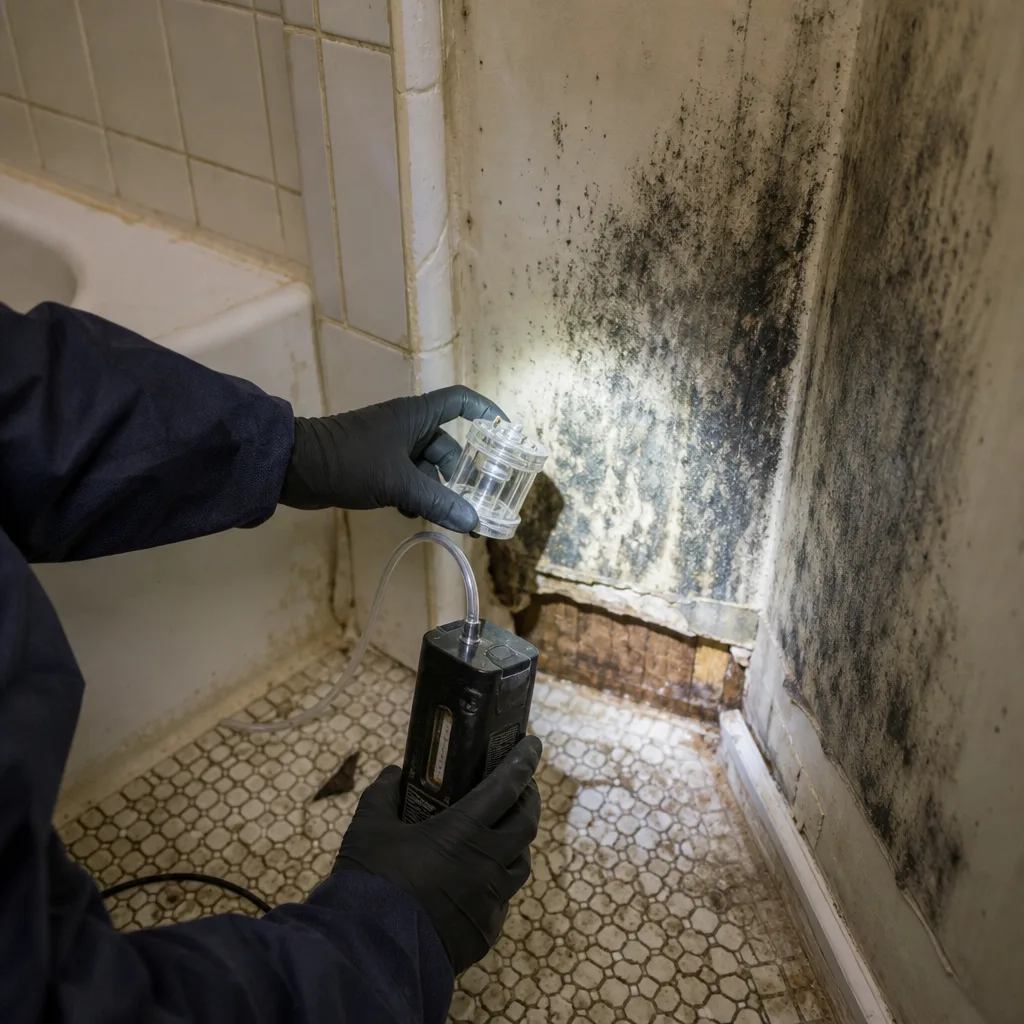
Flood-damaged drywall wicks water upward and begons to crumble within days. We cut to the dry line, replace with mold-resistant board, and match texture so the repair doesn’t look like a patch. For flooring, we assess whether the original oak or fir can be saved with Injectidry panels and careful drying - often it can, if we get there fast enough. If not, we replace it and match the original as closely as the current market allows.
Contents Restoration & Pack-Out
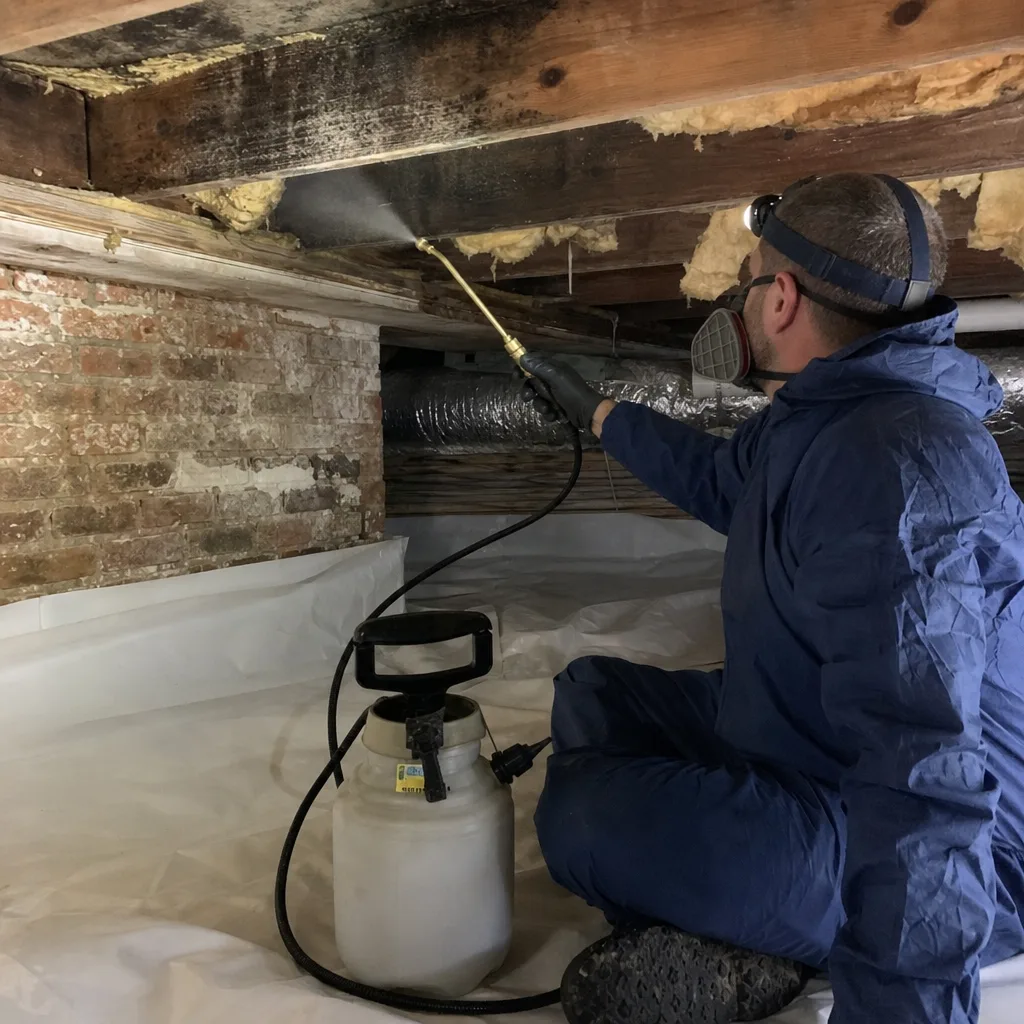
Your furniture, documents, clothing, and keepsakes matter more than the drywall. We inventory everything, pack out what needs cleaning or off-site treatment, and restore what’s salvageable. Anything beyond saving is documented photographically for your claim. If your Verplanck home has original built-ins or family pieces from the 1930s, we treat those with extra care - they’re part of the house, not just items in it.
Carpet & Upholstery Cleaning
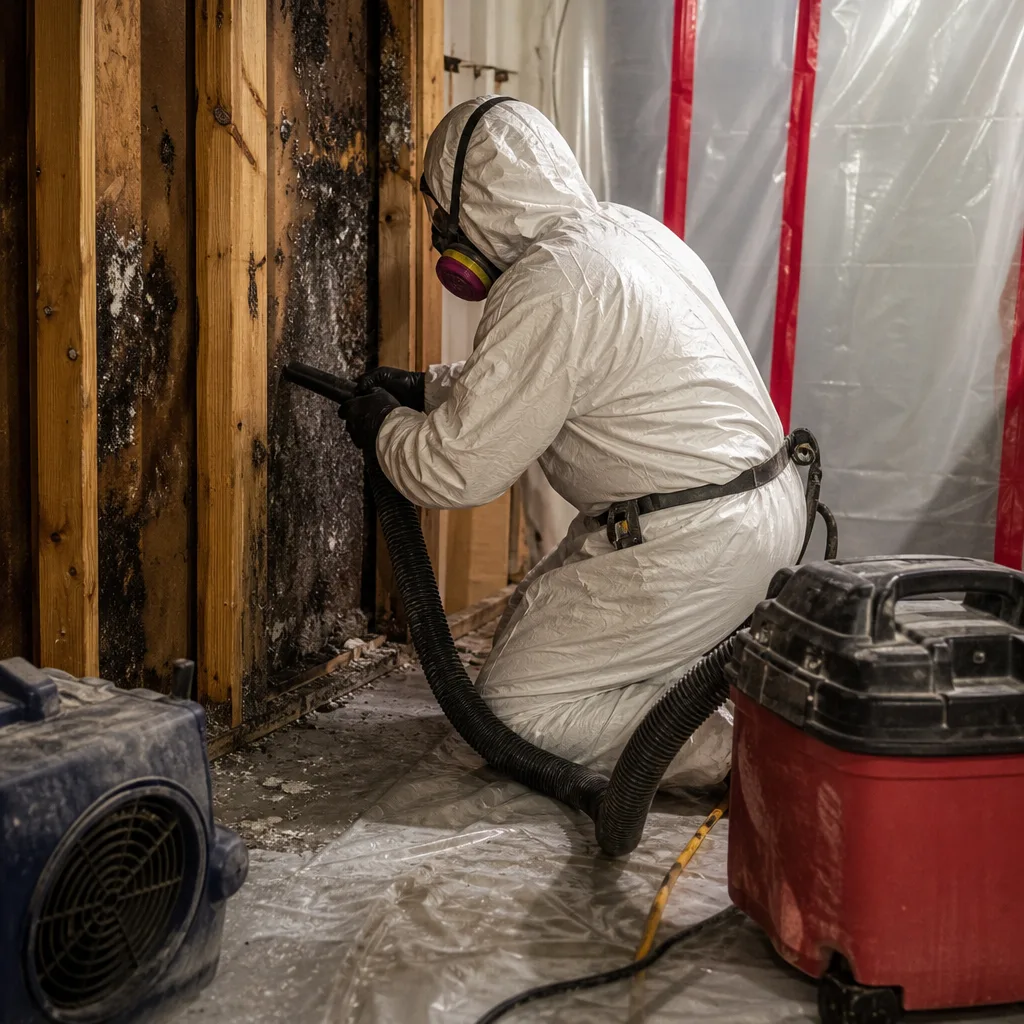
After Category 3 water, carpet and upholstery in the affected area usually need to go - but the rest of the house often needs a professional cleaning too. We clean and sanitize carpets, rugs, and upholstered furniture throughout the home, using HEPA-filtered equipment to capture mold spores and fine silt the river left behind.
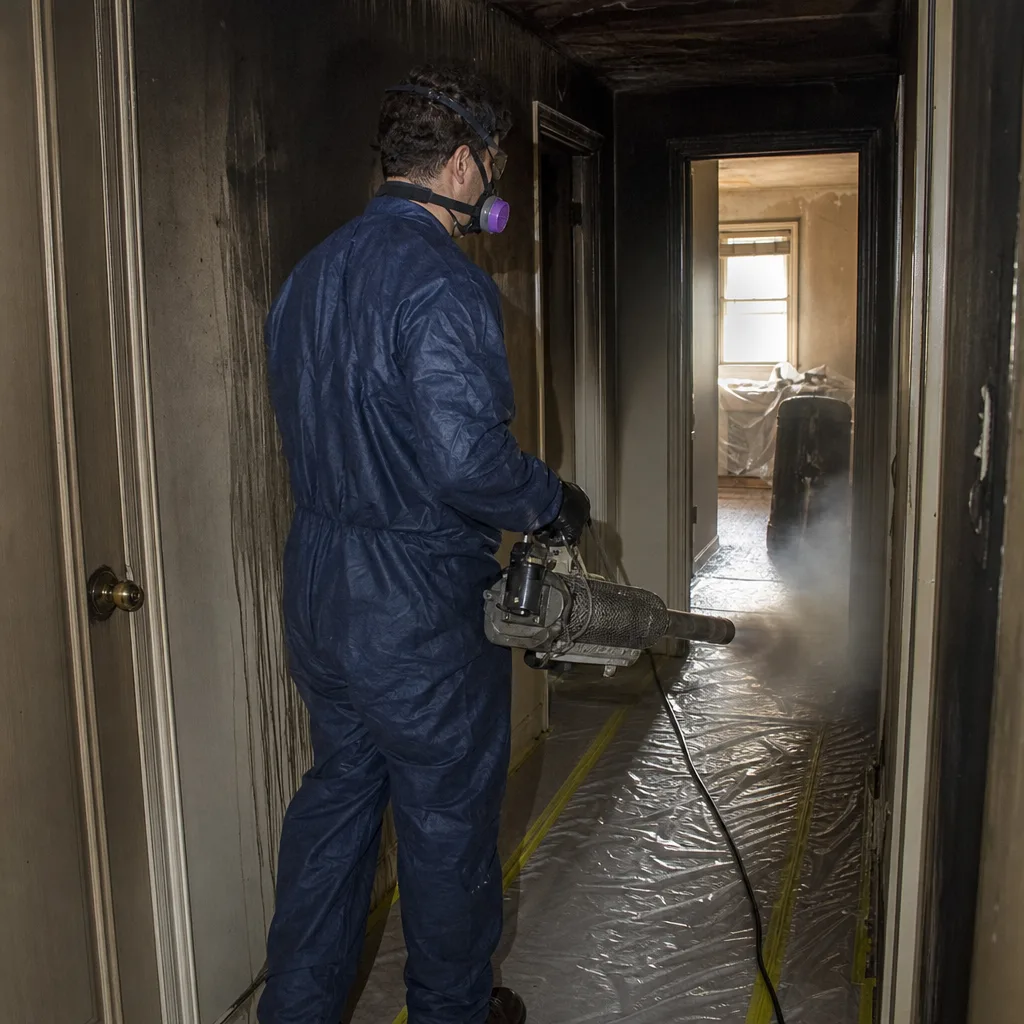
Post-Construction Cleanup
Reconstruction leaves dust, mud, and debris. We finish every job with a full post-construction cleanup: HEPA-vacuuming, surface wiping, and air scrubbing until the house is ready to live in again. You shouldn’t have to clean up after us.
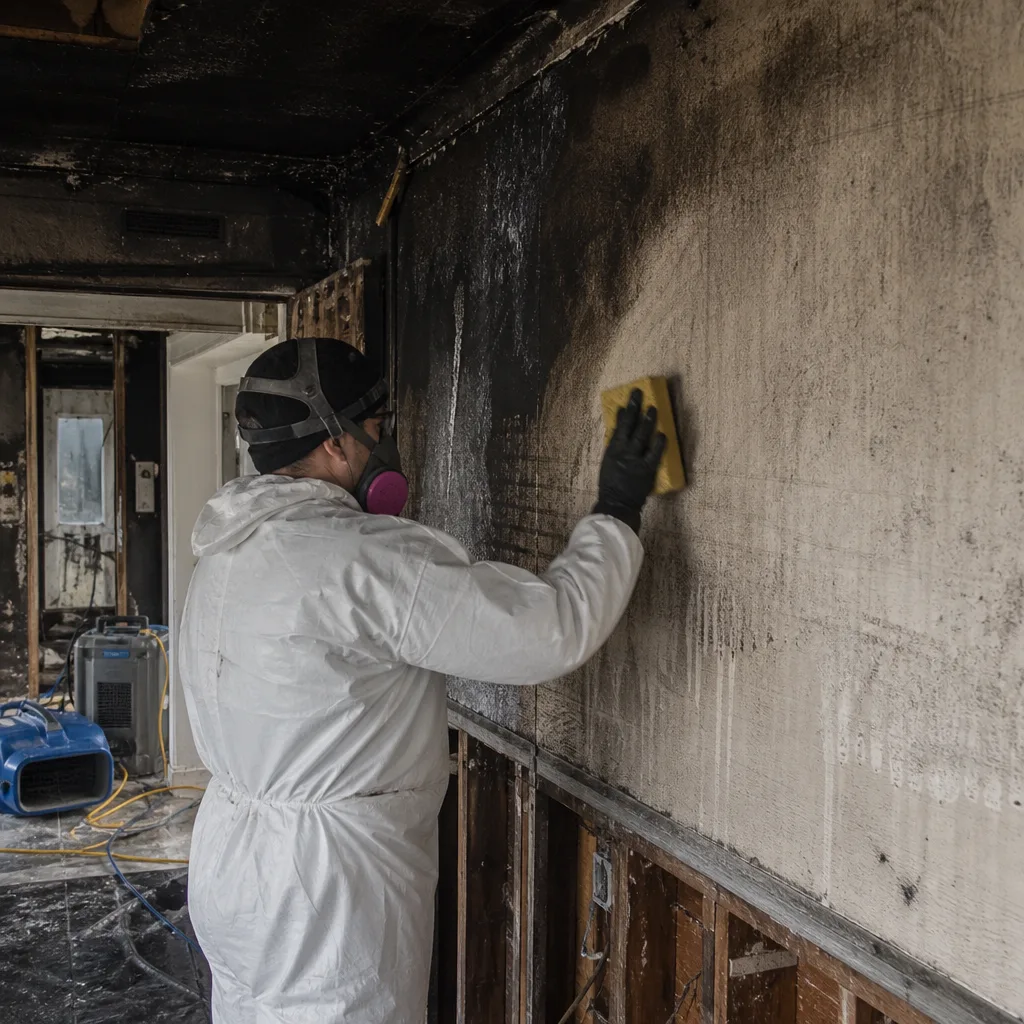
What happens when you call
- 1
A real person answersNo phone trees - you reach a local pro.
- 2
You get an upfront price rangeHonest numbers before anyone is dispatched.
- 3
A background-checked tech heads outLicensed & insured, dispatched right away.
- 4
You approve before work beginsNothing starts until you say go.
Reconstruction & Cleanup Costs in Verplanck, NY
Straight numbers: a typical Category 3 flood cleanup with containment, extraction, and structural drying in a Verplanck home runs $4,500-$9,000 depending on the square footage affected and how many rooms are involved. Full reconstruction after significant river intrusion - tearout, drying, rebuild - typically lands between $12,000 and $35,000 for the kind of 1920s-1950s homes that dominate this hamlet, with the upper end reflecting foundation work and custom trim replacement. Drywall and flooring repair alone, for a contained event, usually runs $1,800-$6,000. Contents restoration and pack-out adds $1,500-$5,000 depending on volume and specialty items. What moves the price most in Verplanck is how long the water sat before we got there - a crawl space that held river water for two tide cycles costs far more to remediate than one caught in the first hours. Insurance covers much of this when the event qualifies under your policy terms, and we bill your carrier directly. For an exact scope and price on your property, call (917) 924-4221 - the inspection is free.
We Also Serve Cities Near Verplanck
Floodline Restoration Co. of Manhattan provides Reconstruction & Cleanup throughout the lower Hudson Valley, including Montrose, Buchanan, Stony Point, and Peekskill. The same certified crews, the same 90-Day Done Right Promise, the same live-answer dispatch.
Serving Verplanck, NY - Our Local Coverage Area
We’re based in the Verplanck area and know this community well. Use the map below to see our service coverage - if you’re nearby, we can almost certainly help.
Verplanck Reconstruction & Cleanup Questions, Answered
Why does a Verplanck home with a dry living room still need Reconstruction & Cleanup after a storm?
Because the Hudson is a tidal river. Storm surge recedes on a tide schedule, not by gravity drain, so water sits in crawl spaces and at slab edges for days after the street looks dry. That saturation wicks upward through capillary action into wall cavities and subflooring. By the time baseboards warp or an odor develops, the structure has been holding water for days and mold is already colonizing inside the walls. A visual check of the living room tells you nothing about what’s happening underneath it.
Can our older home’s wood floors be saved after river water intrusion, or do they always need replacement?
Often, yes - if we get there fast enough. Original oak and fir floors in 1920s-1940s Verplanck homes respond well to Injectidry panel drying, which pulls moisture through the wood rather than just off the surface. But if the water sat for multiple tide cycles, the subfloor is soaked and the hardwood has begun to cup or buckle, replacement is usually the honest recommendation. The biggest mistake we see is homeowners insisting on surface-only drying, only to find the subfloor rotted a year later. We’ll tell you which situation you’re in.
What’s different about mold remediation in Verplanck compared to nearby inland towns like Cortlandt or Peekskill?
The difference is time and salinity. Because Verplanck’s storm water sits for days instead of hours, mold colonization starts earlier and penetrates deeper into old plaster and lath. The river water also carries organic silt that feeds mold growth more aggressively than clean rain water. Homes here need longer containment times, more aggressive air scrubbing, and clearance testing to verify the remediation worked - standard paint-over-a-stain approaches fail on these blocks.
Do we need to pack out and restore the contents of our Verplanck home before or after the structural drying starts?
Both, actually. We remove and inventory contents from the affected areas immediately, because wet belongings continue to deteriorate while they sit in a drying room, and they block airflow to the wet walls and floors. Items that can be cleaned and restored are treated off-site while the structure dries. You get a full inventory for your insurance claim either way. The order matters: contents out first, then structural drying, then restoration and return.
The flood water was only in our crawl space, but our first-floor baseboards are warping. Why?
Capillary action. Water in the crawl space saturates the foundation and the sill plate, then wicks upward through the wall assembly behind the baseboards. By the time you see warping at eye level, the wall cavity above it has been holding moisture for days. This is the most common hidden-mold situation we find in Verplanck homes, and it’s exactly why we don’t treat crawl-space water as a minor issue. We pull the baseboards, open the lower wall, and dry the full assembly.
How fast can someone actually get to a Verplanck home for an emergency?
We commit to 45 minutes for emergency dispatch within the Verplanck area, and our live dispatchers confirm a crew is en route while you’re still on the phone. Response time depends on where the crew is staged when you call and the severity of the weather event, but on a normal day we’re often there faster. The point is: you talk to a human, you get a commitment, and we keep it.
Will my homeowners insurance cover Reconstruction & Cleanup after river flooding?
It depends on your policy. Standard homeowners insurance covers sudden and accidental water damage - a burst pipe, a water heater failure - but tidal flood damage is typically excluded unless you carry a separate flood policy through NFIP or a private carrier. What surprises many Verplanck homeowners is that even when flood insurance applies, there are coverage limits and elevation requirements specific to this part of the Hudson. We provide the documentation your insurer needs and bill them directly, and we’ll walk you through what your policy likely covers before you commit to any work.

What should we do in the first 30 minutes after we discover water in our Verplanck home?
Call (917) 924-4221. Then, if it’s safe: shut off electricity to the affected area at the breaker, don’t wade into standing water that may be contaminated or charged, and move what valuables you can to higher ground. Don’t run fans on your own - that spreads mold spores through the house. Don’t pull up carpet or open walls yourself; you may be the one paying for the damage if it worsens before your insurer sees it. The single most valuable thing you can do is get us there fast, before the next tide cycle adds another day of saturation.
Written by Curt Bowman, Owner at Floodline Restoration Co. of Manhattan, serving Reconstruction & Cleanup in Verplanck and the lower Hudson Valley.