
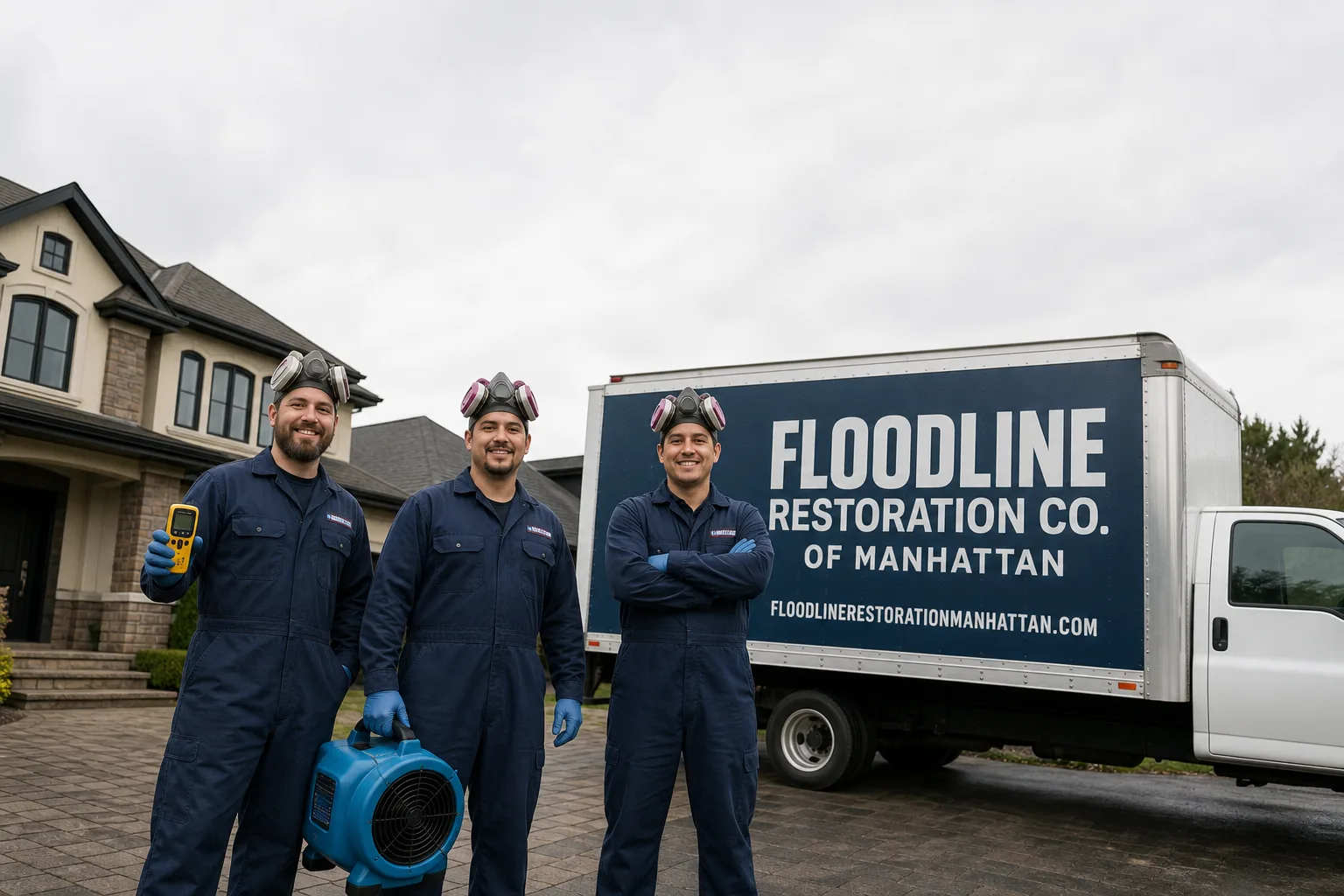
Free visual inspection and a written scope of work before any mitigation begins - photos, moisture readings, and drying logs go in your claim file
The scope we write is the scope we bill. Anything new gets shown to you, in writing, before we touch it.






 Before
 After
After Before
 After
After Before
 After
After24/7 Emergency Sewage Cleanup in Chinatown
Sewage cleanup in Chinatown cannot wait. When a waste line backs up into a tenement apartment on Mott Street or a grease trap fails under a restaurant kitchen on Canal, the contaminated water starts wicking into unreinforced brick within minutes. That means the difference between a contained cleanup and a full wall-and-slab remediation is measured in hours, not days. Our crews answer live at (917) 924-4221 around the clock, every day of the year. We dispatch from our New York City office into Chinatown immediately, and a certified team arrives to run extraction the same visit. The first hour matters because Category 3 water, the kind carrying raw sewage, moves fast through old mortar joints and shared floor penetrations. A free visual inspection tells you what you are actually facing before anything gets torn open.
Understanding Sewage Cleanup Severity in Chinatown Properties
We classify water damage by category. Category 1 is clean water from a supply line. Category 2 carries significant contamination, think washing machine overflow or sump pump discharge. Category 3, called black water, contains raw sewage, pathogens, and whatever was in the waste line when it failed. Chinatown buildings complicate every category. The tenement stock here, mostly 5 to 7 story brick walk-ups built between 1880 and 1930, uses unreinforced masonry with lime mortar and no vapor barrier. When a Category 3 release occurs in a ground-floor seafood market, the contaminated water does not sit politely on the tile. It saturates the wood joists, travels through gaps around cast-iron waste risers, and migrates upward into party walls. Moisture mapping with thermal imaging and pin-type hygrometers shows us exactly how far that water traveled, often three or four floors beyond what a visual check reveals. Structural drying in these buildings takes longer than in a modern high-rise because the bricks themselves hold moisture. We re-map daily until the dry standard is met, not when the surface feels dry.
Why Chinatown Property Owners Choose Floodline Restoration Co. of Manhattan
- 45-minute response commitment: When you call with a sewage backup in Chinatown, a crew is rolling within 45 minutes. A live dispatcher takes the call, not a recording, and we are honest about where we are and when we arrive.
- 24/7 live answer, every single time: Call (917) 924-4221 at 2 a.m. on a Sunday. A person picks up. Not a phone tree, not a chatbot, not a callback request. A live dispatcher who can send a crew.
- IICRC-certified crews: Our technicians train to IICRC standards, including WRT (Water Damage Restoration Technician), FSRT (Fire & Smoke Restoration Technician), and AMRT (Applied Microbial Remediation Technician). They are background-checked and uniformed.
- Free visual inspection: Before any work begins, we walk the loss with you. You see what we see, and you get a plain-English scope before equipment comes off the truck.
- Direct insurance billing: We bill your carrier directly and coordinate with the adjuster. You are not the messenger between your insurance company and the restoration crew.
- One team, start to finish: The same Floodline Restoration Co. crew that performs extraction also runs the drying logs, the sanitization, and the reconstruction. No mid-job handoff to a subcontractor you have never met.
Our Sewage Cleanup Process
Inspection & Assessment
We start with a full inspection of the affected unit and the areas below and above it. In Chinatown, that often means tracing the moisture path through shared chases and party walls. Thermal imaging and moisture meters show us what the naked eye misses.
Extraction & Stabilization
We remove standing black water with truck-mounted and portable extraction units. Affected porous materials, carpet, drywall, saturated insulation, are cut out and bagged for disposal. Containment is set before demolition begins to keep pathogens from going airborne.
Drying & Dehumidification
Professional-grade Dri-Eaz dehumidifiers and Phoenix air movers are placed based on a psychrometric reading of the space. In Chinatown’s older brick buildings, drying cycles run longer because masonry retains moisture. We log readings daily and give you and your insurer the full drying chart.
Cleaning & Sanitization
All remaining structural surfaces get cleaned with EPA-registered antimicrobials appropriate for Category 3 exposure. HEPA air scrubbers run during this phase to capture airborne bacteria and spores. We do not just clean what you can see.
Containment & Clearance Verification
For sewage work in occupied Chinatown buildings, we verify that containment held and that air sampling, where required, returns acceptable clearance levels. We hand you the documentation so there is no question the space is safe to reoccupy.
Repairs & Restoration
The same crew that extracted the water rebuilds what was removed. New drywall, baseboards, flooring, paint. We handle the whole scope so you are not juggling a separate contractor after the emergency is over.
Need Emergency Sewage Cleanup in Chinatown Now?
Crews minutes away, answering live 24 hours a day. The sooner we start, the less it costs.
Working With Your Insurance Company
Sewage damage in a Chinatown co-op or rental building creates paperwork. We handle it directly with your carrier. From the first hour, we document everything: photos of the loss, moisture readings, water classification, and a line-item scope of work written so an adjuster in a claims office understands exactly what happened and what it costs to fix. We coordinate with your adjuster, answer their technical questions, and speak their language. You do not have to translate restoration terminology into insurance claim language. If your policy covers sewage backup, we make sure the claim is built right the first time. If there is a coverage question, you will know early, not after demo is already done.
What We Provide Your Insurer
- Thorough documentation of the loss
- Photos of all damage, room by room
- Moisture readings and drying logs
- A detailed, line-item scope of work
- Direct coordination with your carrier
Written by the team at Floodline Restoration Co., serving Chinatown and greater Manhattan with full-cycle restoration and the 90-Day Done Right Promise.
Built for Chinatown’s Loss Calendar
Sewage backups in Chinatown follow the seasons, but the pattern is different from the rest of Manhattan. Late January through February, deep freezes put stress on the neighborhood’s original cast-iron and galvanized waste lines. The pipes have been in these buildings since before the subway opened, and New York’s hard water has spent a century coating the interiors with mineral scale. When a freeze hits, the lines contract, the scale cracks, and a slow leak becomes a full backup during a thaw. Spring brings heavier rain and rising water tables, which pushes groundwater into below-grade foundations and basement slabs along the old Collect Pond footprint near Canal Street. Summer thunderstorms send flash volumes through flat roofs and clogged leaders, overloading aging building drains. And any month with a nor’easter, storm surge pushes up through combined sewer outflows in low-lying blocks near East River. We plan our dispatch and equipment loads around this calendar, because after 42 years serving New York, we know what the water does here.
Sewage Cleanup Across Chinatown’s Neighborhoods
Chinatown is not one place. The response route down Mott Street past Canal is different from a call up by Columbus Park, and the building conditions change block by block. Along Mott Street between Canal and Worth, the dense cluster of seafood vendors and restaurant supply shops means we are frequently tracing moisture from a commercial ground floor up into occupied apartments. The cast-iron waste risers in these buildings are shared, and a blockage in one line backs up into multiple units. Up by Chatham Square and the Bowery, we see heavier vehicle traffic and older below-grade vaults under storefronts, where sewage backups pool in sub-grade crawl spaces and require full black water extraction. Along Bayard Street and Elizabeth Street, the tenements are narrower, the original plumbing chases are tighter, and access to the waste stack often requires opening a wall in a tight kitchen or bathroom. The NYCHA and Section 8 buildings in the area, many along the East River side, have their own drainage systems with long maintenance backlogs, and sewage problems there can involve multiple floors and coordinated building access. Our crews know which buildings have cast-iron stacks, which have been re-piped, and where the cleanouts actually are, because we have worked these blocks for years.
Specialized Sewage Cleanup Services We Offer in Chinatown
Sewage Backup Cleanup
When a waste line backs up into a Chinatown apartment, the water is Category 3 and the clock starts immediately. We extract, cut out saturated materials, and set containment before pathogens go airborne. The most common mistake we see in these older buildings is a crew that scopes only the visible mess and misses the source two floors down. We trace it.
Black Water Extraction
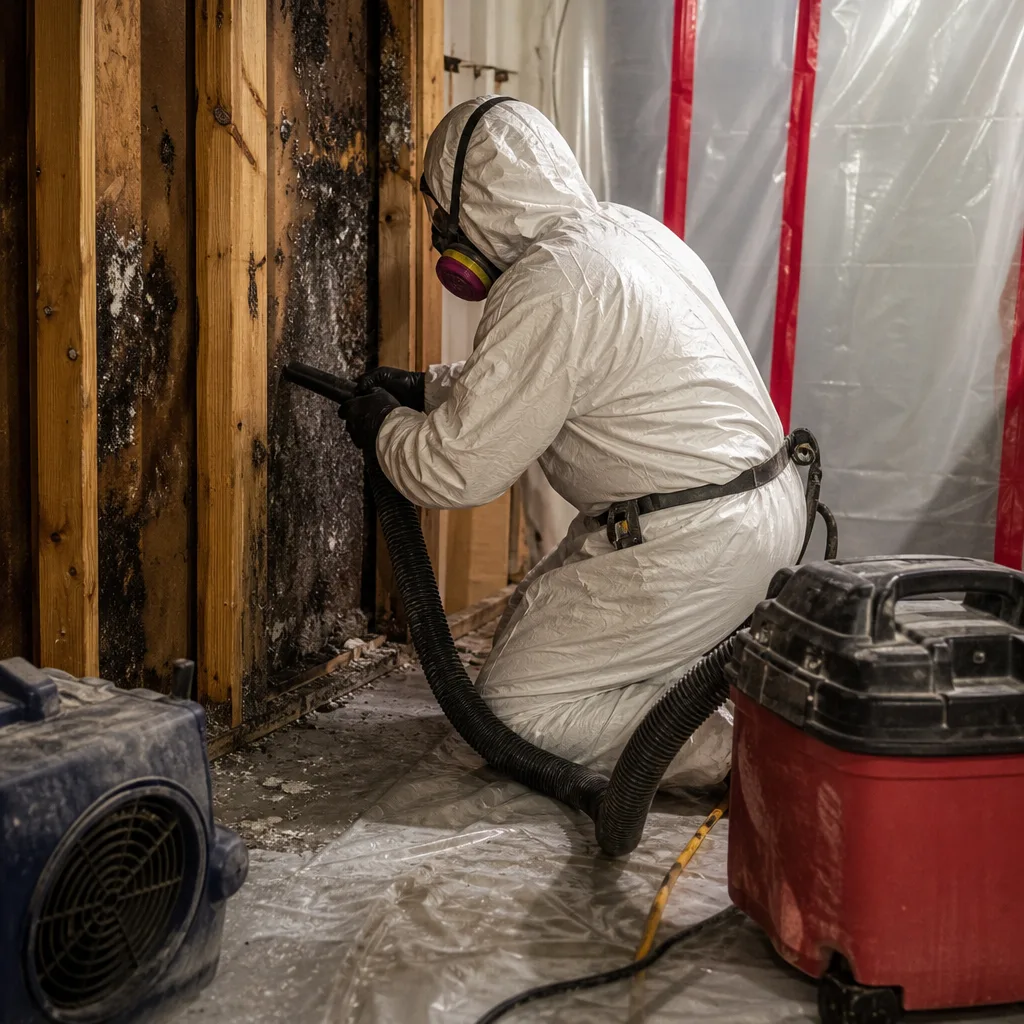
Black water from a broken sewer line or a failed grease trap carries bacteria, viruses, and whatever was in the pipe. In Chinatown, where ground-floor markets and restaurants share drainage with residential units above, this water often migrates through original wood joists and down into crawl spaces. We use truck-mounted extraction, negative air pressure, and full PPE. This is not a mop-and-bucket job. It is a Category 3 biohazard cleanup.
Toilet Overflow Cleanup
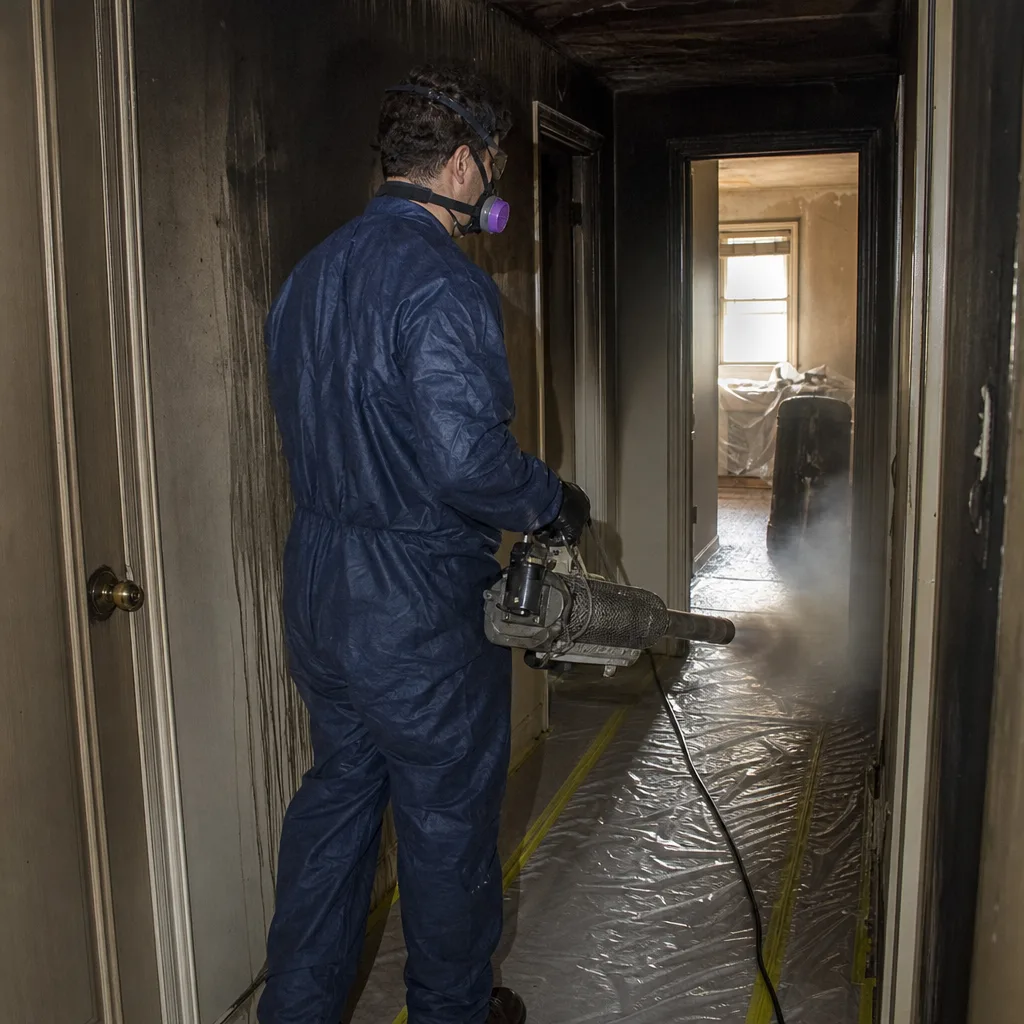
A toilet overflow in a Mott Street walk-up can flood the bathroom, the hallway, and the apartment below. The water may look clean but it is not. We treat every toilet overflow in these old buildings as contaminated, because the overflow often carries whatever was sitting in the trap and the branch line. We sanitize, dry, and check the joist bays below the bathroom.
Sanitization & Disinfection
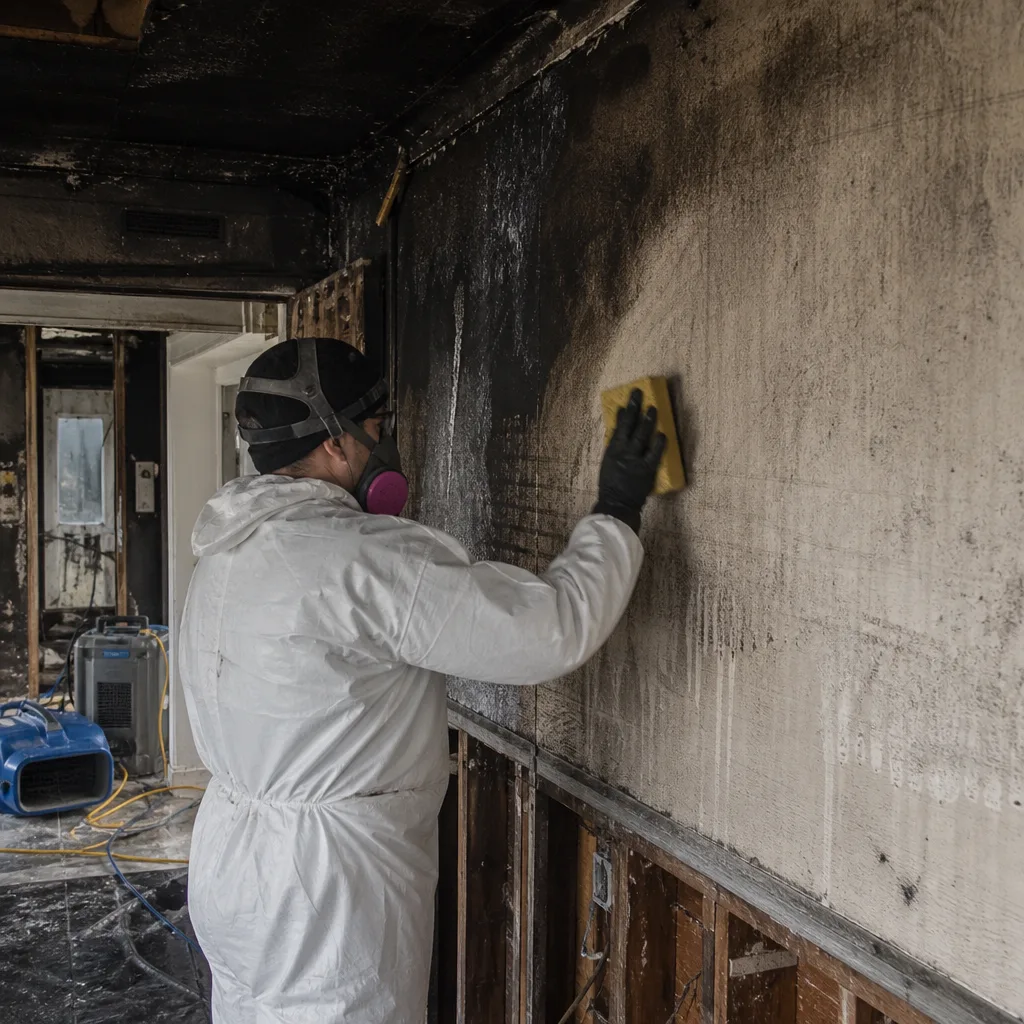
After black water extraction, every affected surface gets cleaned with EPA-registered antimicrobials rated for sewage contamination. In occupied Chinatown buildings, this phase matters as much for the neighbors as for the unit itself. Pathogens travel upward through shared chases. HEPA air scrubbers run during the entire sanitation process, and we verify clearance before anyone moves back in.
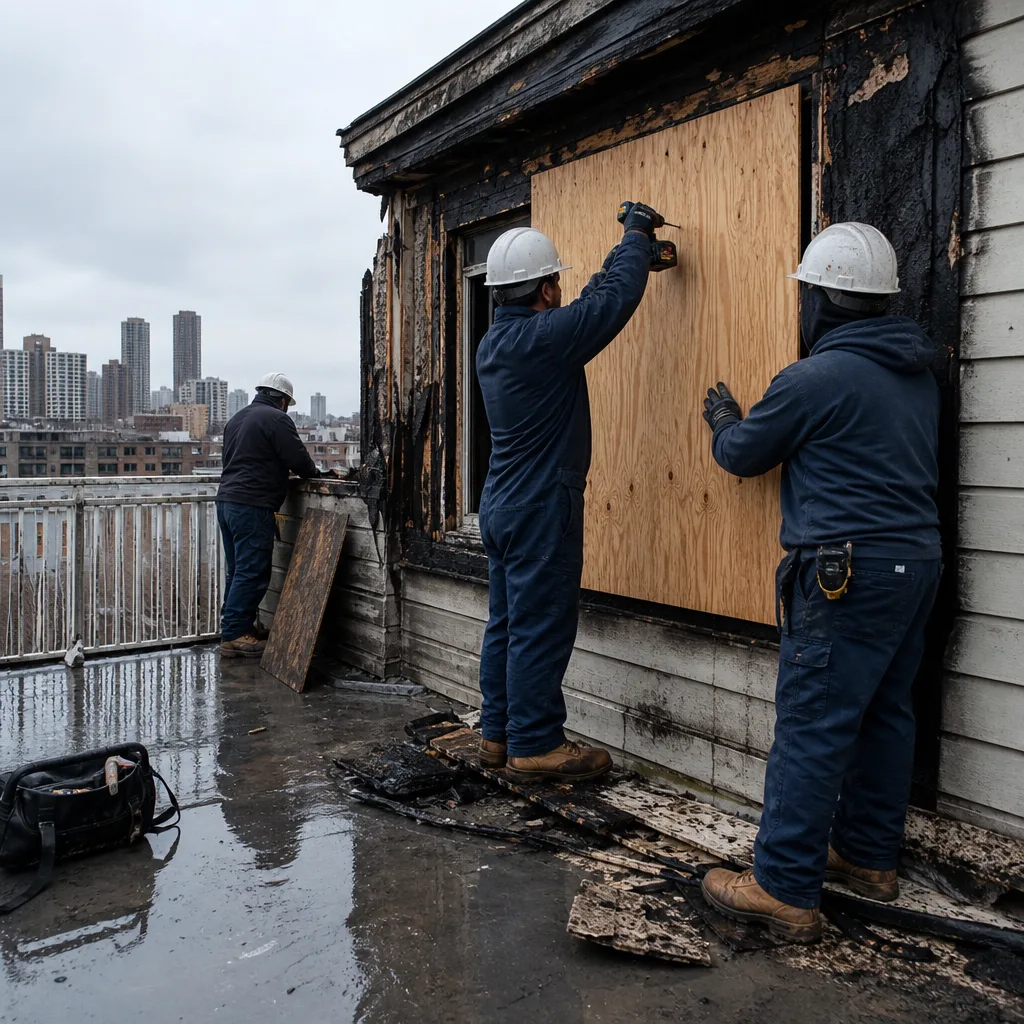
Septic Failure Cleanup
Some older Chinatown buildings still tie into legacy septic or cesspool systems, especially in the lower blocks near Canal. When a septic system fails, the backup contains settled solids and concentrated pathogens. We extract and dispose of the waste under proper hazmat protocols. The building’s plumbing may also need a scope, and we will tell you honestly if a plumbing contractor or an engineer is the right call before we start extracting.
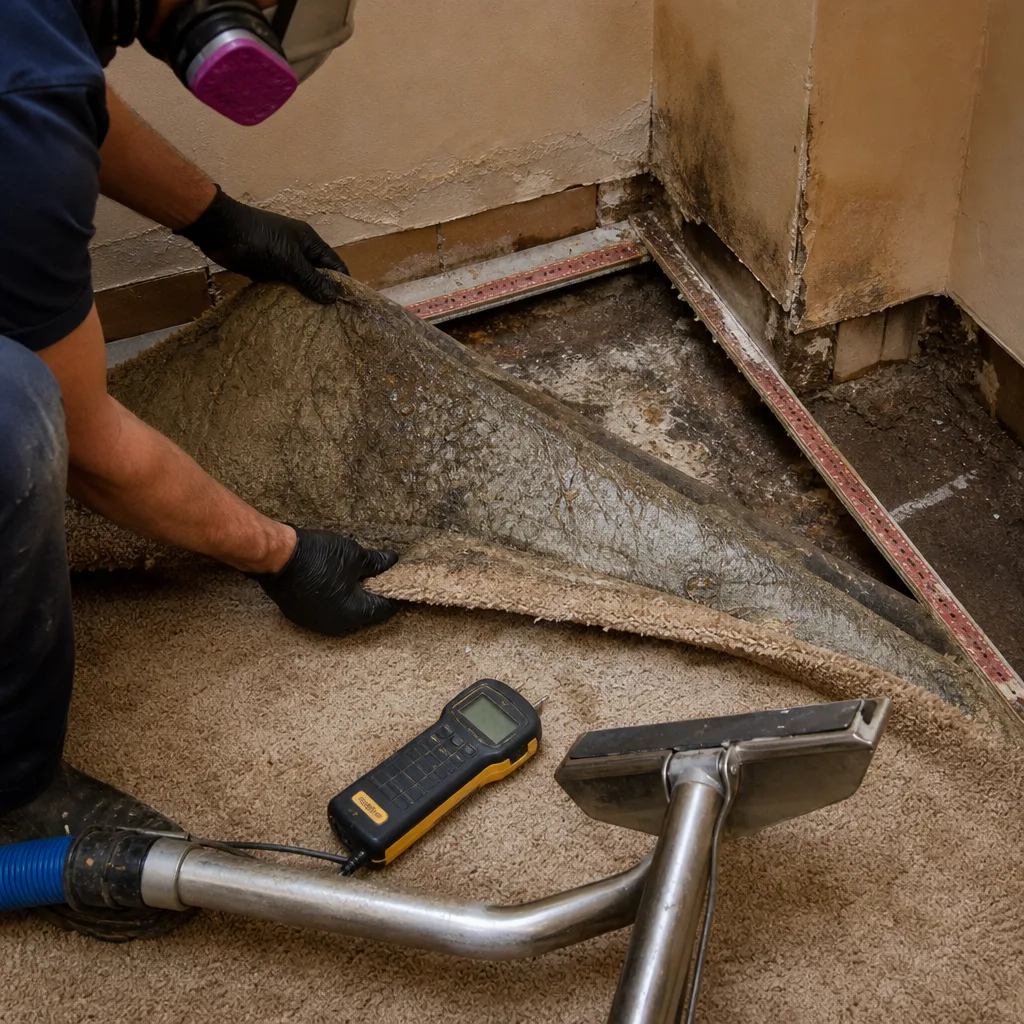
What happens when you call
- 1
A real person answersNo phone trees - you reach a local pro.
- 2
You get an upfront price rangeHonest numbers before anyone is dispatched.
- 3
A background-checked tech heads outLicensed & insured, dispatched right away.
- 4
You approve before work beginsNothing starts until you say go.
Sewage Cleanup Costs in Chinatown, NY
A straightforward sewage backup cleanup in a Chinatown apartment, single room affected, no demolition beyond baseboards and drywall cutouts, typically runs $1,200 to $3,500. If black water migrated through the floor and into the joist bays or a party wall, the scope expands to $4,000 to $9,000. A full ground-floor market-to-apartment migration involving containment, structural drying of masonry, pack-out of a kitchen, and reconstruction can land between $10,000 and $25,000 depending on square footage and the number of units affected. What moves the price: how long the water sat, whether the building is occupied, whether original plaster and lath need removal, and how far up the shared chases the moisture traveled. We provide a written scope and a firm price before work begins. If you are insured, we bill your carrier directly, and we do the adjuster coordination. No surprises on the bill. That is the square deal we have operated on since Curt Bowman founded this company in 2010.
We Also Serve Cities Near Chinatown
Floodline Restoration Co. of Manhattan responds to sewage cleanup calls across the lower Manhattan area and the neighboring communities. Our crews serve Fairview, Harrison, East Bronx, and Hunts Point with the same 45-minute dispatch commitment and the same written 90-Day Done Right Promise. If you are just outside the core Chinatown blocks, call (917) 924-4221 and a live dispatcher will tell you exactly when we can be there.
Chinatown Sewage Cleanup Questions, Answered
What makes sewage cleanup in Chinatown tenements different from a typical Manhattan apartment?
Chinatown tenements are built from unreinforced brick with lime mortar and no vapor barrier, so sewage water wicks deeply and quickly into structural masonry. The original cast-iron waste lines are shared, often between a commercial ground floor and residential units above, which means a backup on one floor migrates through chases into others. A typical Manhattan high-rise has steel or concrete floor decks and more modern risers. Chinatown requires more aggressive structural drying and far more careful containment.
Do we need permission from the ground-floor seafood market to clean a residential sewage backup upstairs?
Yes, often. If the source of the backup traces to a waste line shared with a ground-floor commercial tenant, we need access to the market or restaurant to inspect the line, set containment, and in some cases perform extraction on their side too. Our dispatch and field supervisors are used to coordinating these access situations in Chinatown, including working with Cantonese- and Mandarin-speaking operators, so the residential scope is not delayed by a miscommunication.
Can sewage from a ground-floor restaurant kitchen contaminate apartments two or three floors above?
Yes, and we see it regularly in Chinatown. Sewage and grease-trap overflows release Category 3 water that travels through floor penetrations, pipe chases, and shared wall cavities. In buildings where the waste riser is original cast iron with open joints or cracked hubs, contaminated water moves upward by capillary action and gravity. We moisture-map the entire vertical path, not just the unit that called us, and we recommend containment on every affected floor.
Will mold grow in our Chinatown apartment walls after a sewage backup if we wait a few days?
It can. Mold growth in damp organic material like old lath, plaster, and wood framing typically begins within 48 to 72 hours. In Chinatown’s brick buildings, the wall cavity stays wet longer because there is no vapor barrier and the masonry holds moisture. If you wait, you may be looking at a mold remediation scope on top of the sewage cleanup. Call (917) 924-4221 as soon as you see the backup, and we will get containment and drying started same day.
Why do some Chinatown sewage jobs require pack-out and removal of plaster instead of just drying?
Original plaster and lath in these tenements absorbs contaminated water and does not respond well to in-place drying. The lath is often covered in decades of paint, the plaster is thick and dense, and the lime mortar behind it holds moisture for weeks. In a Category 3 loss, leaving saturated plaster in place risks hidden mold and future health complaints. We cut out and bag the affected plaster, dry the masonry behind it, and then rebuild with modern materials.
How fast can you actually get to Chinatown for a sewage backup?
Typically within 45 minutes of your call. We maintain a live dispatch desk 24 hours a day at our New York City office, and Chinatown is inside our primary response zone. A certified crew arrives with extraction equipment on the truck, not just an estimator with a clipboard. We start removing black water on the first visit.
Will my homeowner’s insurance cover sewage cleanup in a Chinatown building?
Most standard homeowners and condo policies cover sudden and accidental sewage backup, often through a specific sewer backup endorsement. Commercial landlords may have different coverage for ground-floor market or restaurant losses. We document the loss from the first hour, photograph everything, and provide the adjuster with industry-standard line-item scopes. If coverage is in question, we tell you early and explain your options in plain English.
How long does sewage cleanup and drying take in a Chinatown tenement?
A contained single-room sewage loss typically dries in 3 to 5 days. A larger migration through brick party walls and shared chases can take 7 to 14 days, because the masonry releases moisture slowly. We take daily moisture readings and give you the log. Reconstruction follows drying. You are never guessing about the timeline, because we give you the readings and the scope in writing.
Serving Chinatown, NY - Our Local Coverage Area
We’re based in the Chinatown area and know this community well. Use the map below to see our service coverage - if you’re nearby, we can almost certainly help.
Call Floodline Restoration Co. of Manhattan for Chinatown Sewage Cleanup
If you have sewage water in a Chinatown apartment, a restaurant, or a commercial space, call (917) 924-4221. A live person answers, day or night. We will walk you through what to do in the next thirty minutes, dispatch a certified crew, and get containment and extraction running the same visit. Our work is backed by the 90-Day Done Right Promise, in writing, no arguing. The 90-Day Done Right Promise is the Keystone Standard we have operated under since Curt Bowman founded this company, and it means if it is not done right, we make it right. For property owners in this neighborhood, that written guarantee matters, because the work is behind walls and under floors where you cannot see it. We stand behind it anyway.
Written by the team at Floodline Restoration Co., serving Chinatown with full-cycle restoration, from first extraction to finished rebuild.