
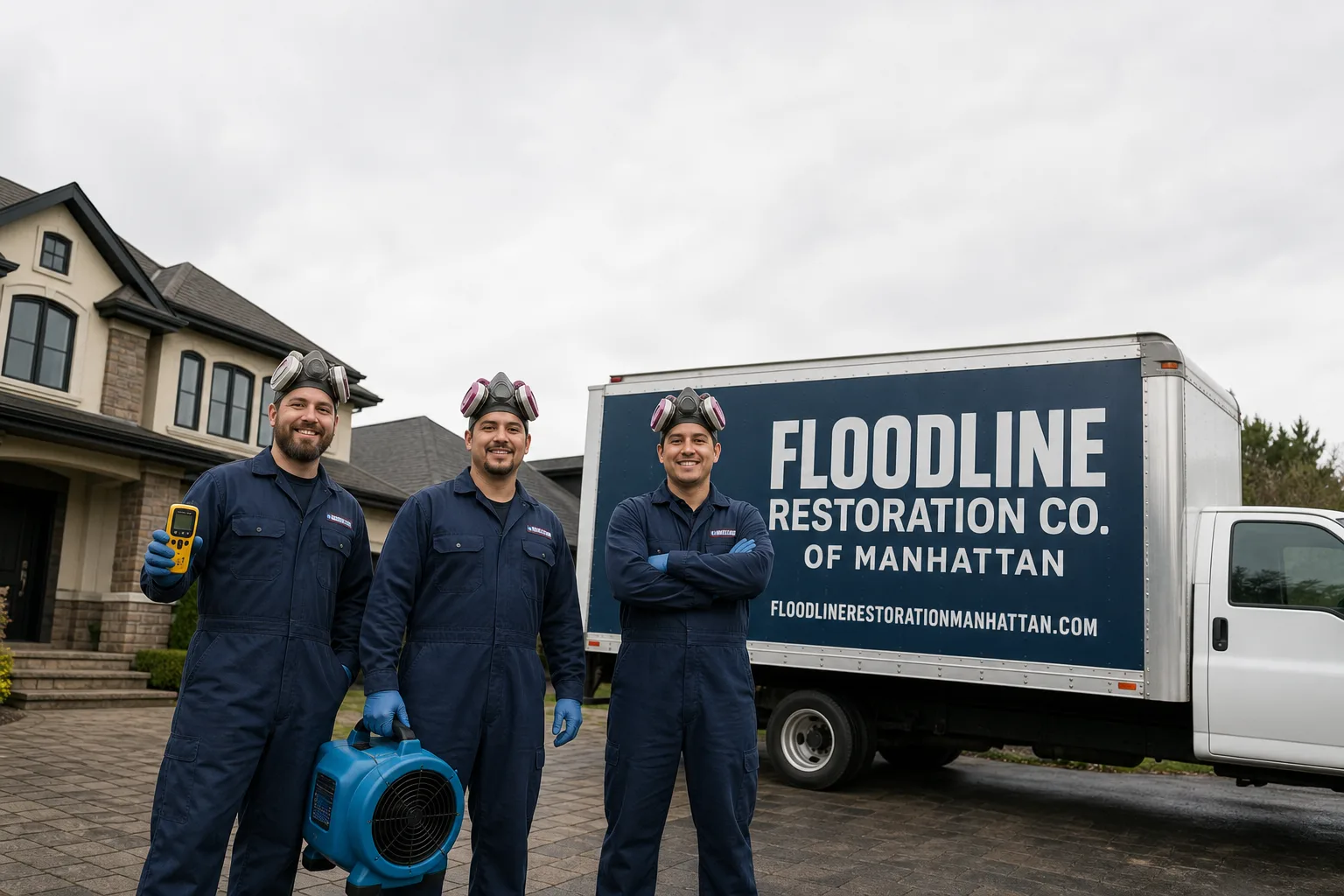
Free visual inspection and a written scope of work before any mitigation begins - photos, moisture readings, and drying logs go in your claim file
The scope we write is the scope we bill. Anything new gets shown to you, in writing, before we touch it.






 Before
 After
After Before
 After
After Before
 After
After24/7 Emergency Sewage Cleanup in Long Island City
A sewage backup in Long Island City is a Category 3 water event, which means the water carries bacteria, viruses, and waste that can make a home unsafe within hours. Call Floodline Restoration Co. of Manhattan at (917) 924-4221 any hour, any day. A live dispatcher answers, and a background-checked crew leaves for Long Island City immediately. The first hour matters because sewage water wicks into drywall, subflooring, and the original timber bones of converted lofts fast, and what starts as a contained toilet overflow becomes a floor-level contamination problem before sunrise.
Understanding Sewage Cleanup Severity in Long Island City Properties
Sewage cleanup is a different animal from clean-water extraction. We categorize water under IICRC standards. Category 1 is clean supply water. Category 2 carries significant contamination. Category 3, what we call black water, contains human waste, pathogens, and whatever the combined sewer system picked up along the way. In Long Island City, the combined storm-sanitary sewer means a heavy rain event can force Category 3 water up through basement floor drains without any flush being involved. That is the signature LIC failure mode: river surge pressure and a saturated combined system pushing sewage backward through the lowest opening in the building.
In Hunters Point’s converted pre-war lofts, the original wide-open floor plans work against you. There are no modern firebreaks or compartment walls in many of these buildings, so sewage aerosol, moisture vapor, and odor travel laterally across an entire floor before you know the backup happened. We treat every sewage loss in these buildings with containment first, not after. In newer waterfront high-rises, the problem is typically mechanical: ejector pumps in below-grade rooms that fail during storm surge and dump what they were holding. Same Category 3 water. Same urgency.
Why Long Island City Property Owners Choose Floodline Restoration Co. of Manhattan
- 45-minute response commitment to Long Island City. Our dispatch board tracks every crew. When you call, we know who is nearest to Vernon Boulevard, Jackson Avenue, or 47th Road and we commit to a real arrival window.
- A live person answers, 24/7. Not a recording. Not a call-back service. A dispatcher picks up at 2 a.m., logs your address, and starts the response.
- IICRC-certified crews trained to WRT and AMRT standards. Sewage work requires antimicrobial protocols and containment knowledge. Our technicians carry the certifications and use them daily.
- Free visual inspection before any work starts. No pressure. We show you what we found, explain the category of water, and hand you a written scope before anything gets torn out.
- Direct insurance billing. We document everything from the first hour, send the claim package to your carrier, and deal with the adjuster so you don’t have to play messenger.
- One team from extraction to reconstruction. The same Floodline crew that extracts the sewage builds back the bathroom, the basement, the mechanical room. No mid-job handoff.
Our Sewage Cleanup Process
Inspection & Assessment
We locate the source, identify the water category, and map moisture across every affected surface. In a Long Island City loft, that means checking the full open floor plan, not just the puddle. Thermal imaging and hygrometers show us where the water traveled invisibly.
Extraction & Stabilization
We remove standing sewage water using truck-mounted and portable extraction units. In LIC basements below the FEMA base flood elevation, we also assess whether the ejector pump or backwater valve failed so the problem does not repeat before we finish drying.
Drying & Dehumidification
Dri-Eaz dehumidifiers and XPOWER air movers get placed according to the moisture map, not by guesswork. Daily readings are logged, and we keep running equipment until materials hit the dry standard for their type and pre-loss condition.
Cleaning & Sanitization
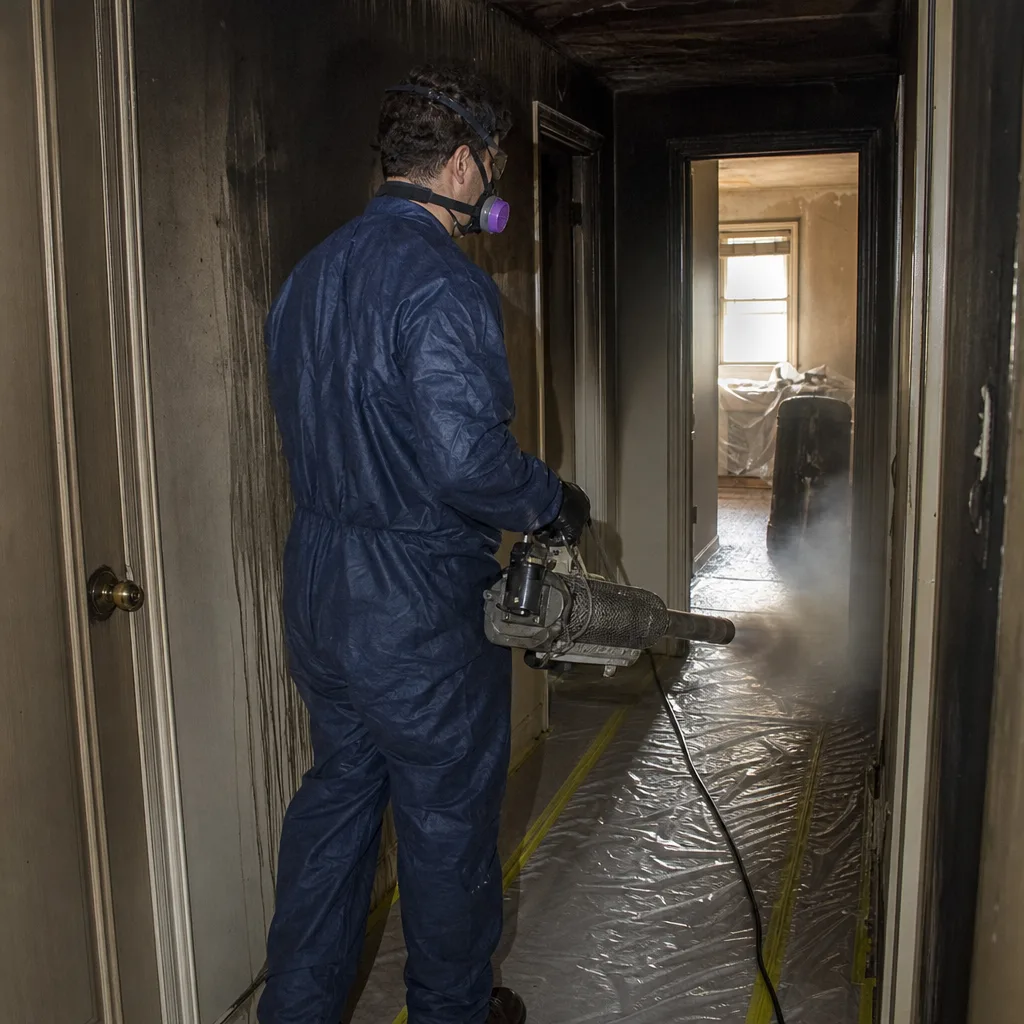
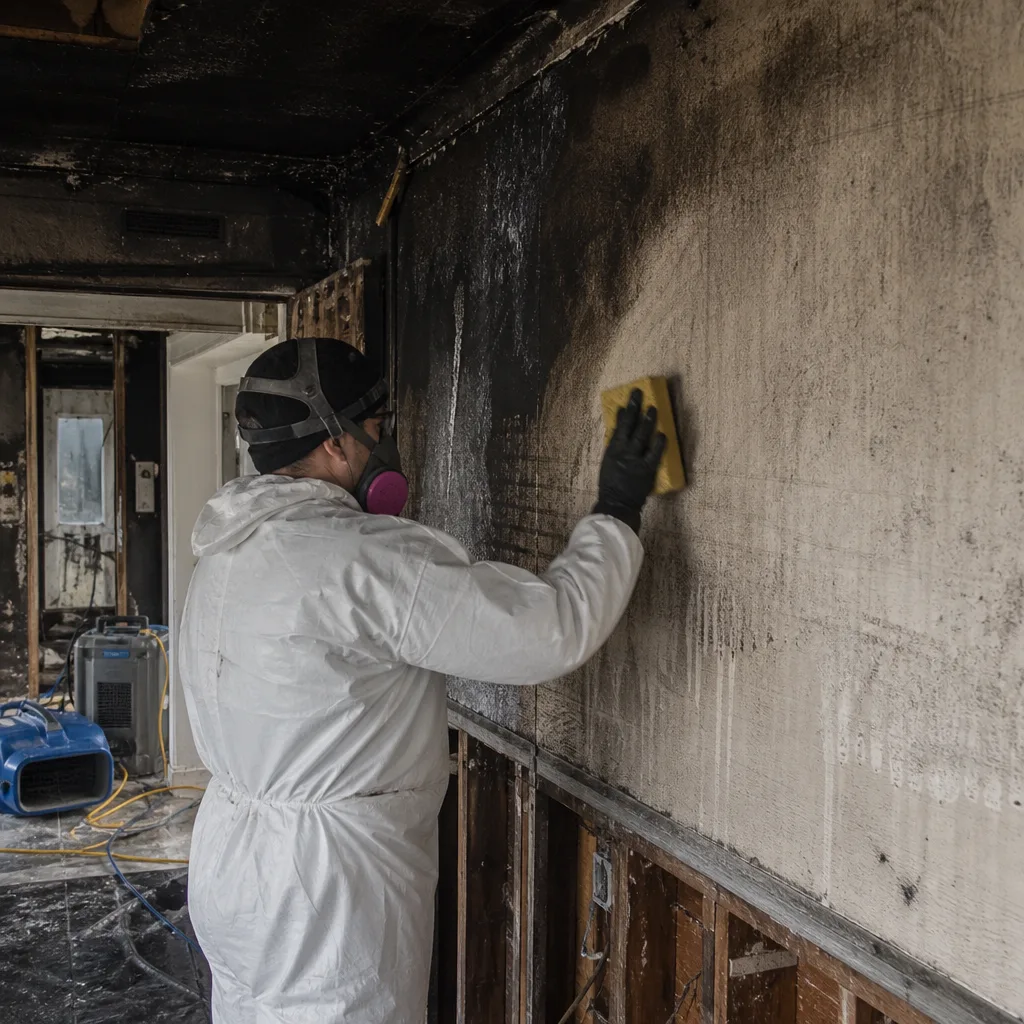
Every surface touched by Category 3 water gets cleaned with antimicrobial agents approved for sewage contamination. We remove saturated drywall, baseboards, and flooring that cannot be salvaged. Porous materials that absorbed sewage are cut out, not sprayed over.
Containment & Air Scrubbing
HEPA air scrubbers run in containment to capture sewage aerosol and mold spores before they spread to unaffected rooms. In Hunters Point lofts with open plans, we build containment at stairwells, doorways, and original brick party walls to protect adjacent units.
Repairs & Restoration
We rebuild what came out: drywall, flooring, baseboards, cabinetry, and mechanical components. If your building sits in FEMA Zone AE and the sewage system needs to be elevated to meet DOB flood-resilience rules, we coordinate with an expeditor and structural engineer so the final inspection passes.
Need Emergency Sewage Cleanup in Long Island City Now?
Crews minutes away, answering live 24 hours a day. The sooner we start, the less it costs.
Working With Your Insurance Company
Insurance claims for sewage cleanup turn on documentation. We build the file from the first hour: photos of the loss before anything is moved, moisture readings from every affected room, a line-item scope of work with equipment counts and drying days, and daily logs that show the property hit the dry standard. When your adjuster calls with questions, we answer directly. You get a copy of everything. That approach removes the most common source of claim friction in Long Island City: carriers push back when documentation is thin and the homeowner can’t prove what the contractor did or why. Our records close that gap.
What We Provide Your Insurer
- Thorough documentation of the loss
- Photos of all damage, room by room
- Moisture readings and drying logs
- A detailed, line-item scope of work
- Direct coordination with your carrier
Built for Long Island City’s Loss Calendar
Long Island City sees sewage losses on a predictable rhythm. Late summer and early fall bring the biggest spikes: warm Atlantic water fuels hurricanes and tropical remnants, and heavy rain over a few hours overwhelms the combined sewer along the East River corridor. Basement floor drains in Hunters Point and along Vernon Boulevard back up first because those blocks sit lowest. Winter brings a quieter set of failures where frozen pipes burst and then sewage lines are stressed by the sudden thaw. Spring’s nor’easters deliver storm surge again, though usually less than Sandy’s 2012 mark. In between those events, we see the slow burners: aging ejector pumps in converted industrial buildings running until they seize, old cast-iron waste lines failing at joints, and floor drains in below-grade units backing up during routine heavy rain. None of this is random. It is the neighborhood’s plumbing and geography interacting, and we plan our Long Island City response around that calendar.
Sewage Cleanup Across Long Island City’s Neighborhoods
Hunters Point is where we see the most complex sewage losses. The blocks between 47th Avenue and the East River hold some of LIC’s oldest converted industrial buildings, and their mechanical rooms sit below grade in structures that pre-date modern flood standards. When the combined sewer backs up there, the water finds the original timber beams and brick party walls fast. Dutch Kills, further inland along Jackson Avenue and 21st Street, mixes pre-war walkups with auto shops and light industrial spaces. The failure mode there is typically aging waste lines and floor drains in sub-grade storage areas. Queens Plaza and Court Square have the newer high-rises, where sewage work often involves ejector pump replacements and riser access through finished lobbies and corridors. Blissville and the southern blocks near Newtown Creek face their own surge and sewer pressure dynamics, with basement units particularly exposed. Each area requires a different approach to containment, access, and documentation, and our crews know the routes into all of them.
Specialized Sewage Cleanup Services We Offer in Long Island City
Sewage Backup Cleanup
When the combined sewer pushes waste back through a floor drain in Long Island City, the contamination is Category 3 by definition. We extract, remove affected materials, sanitize, and dry according to IICRC standards. This is our Sewage Cleanup core service, and it is the one most Long Island City homeowners need after a heavy rain.

Black Water Extraction
Black water means sewage, and it cannot be treated with a mop and bleach. We use professional extraction equipment to remove standing Category 3 water from basements, mechanical rooms, and below-grade apartments in Long Island City, then follow with antimicrobial treatment and structural drying.
Sanitization & Disinfection
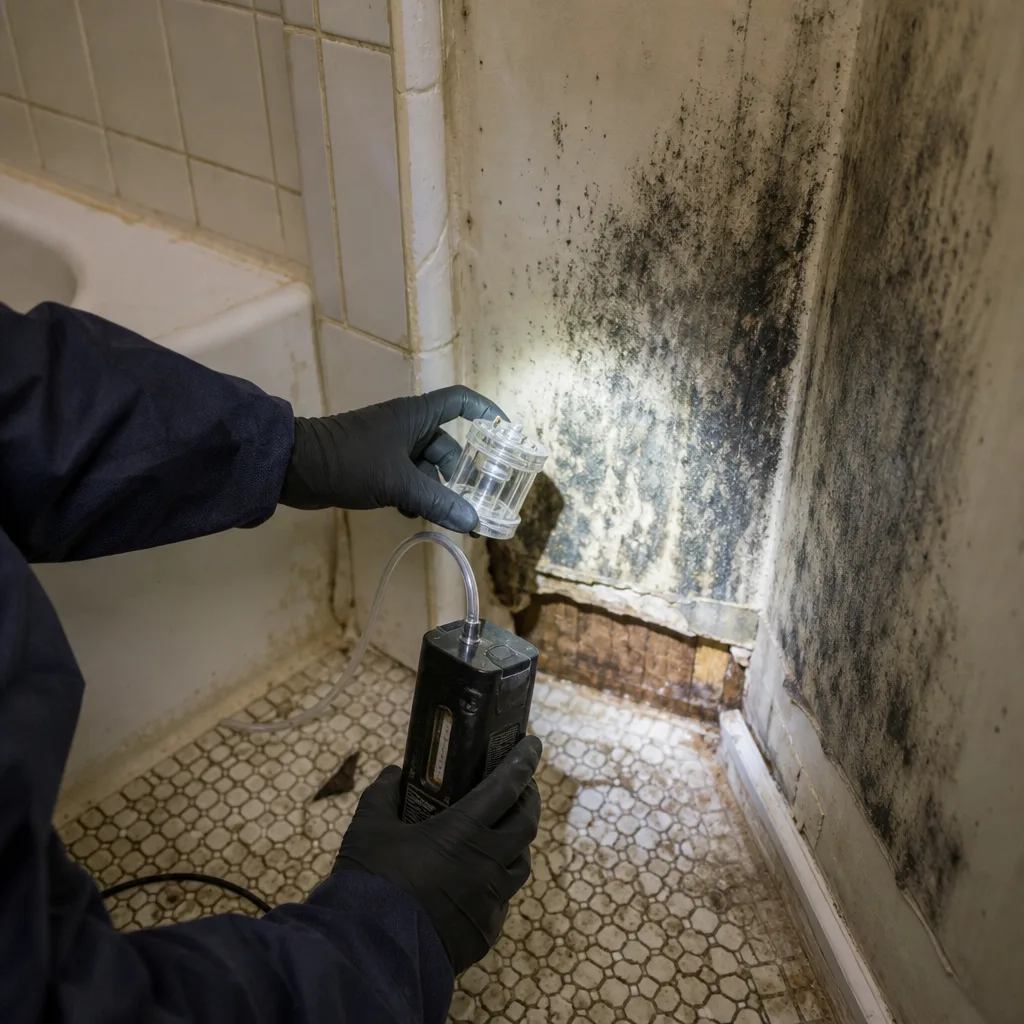
After extraction, every surface the sewage touched gets treated with hospital-grade antimicrobial agents. In LIC loft conversions with original wood floors and exposed brick, that means methodical, room-by-room application with containment in place so the treatment does not miss hidden cavities.
Toilet Overflow Cleanup
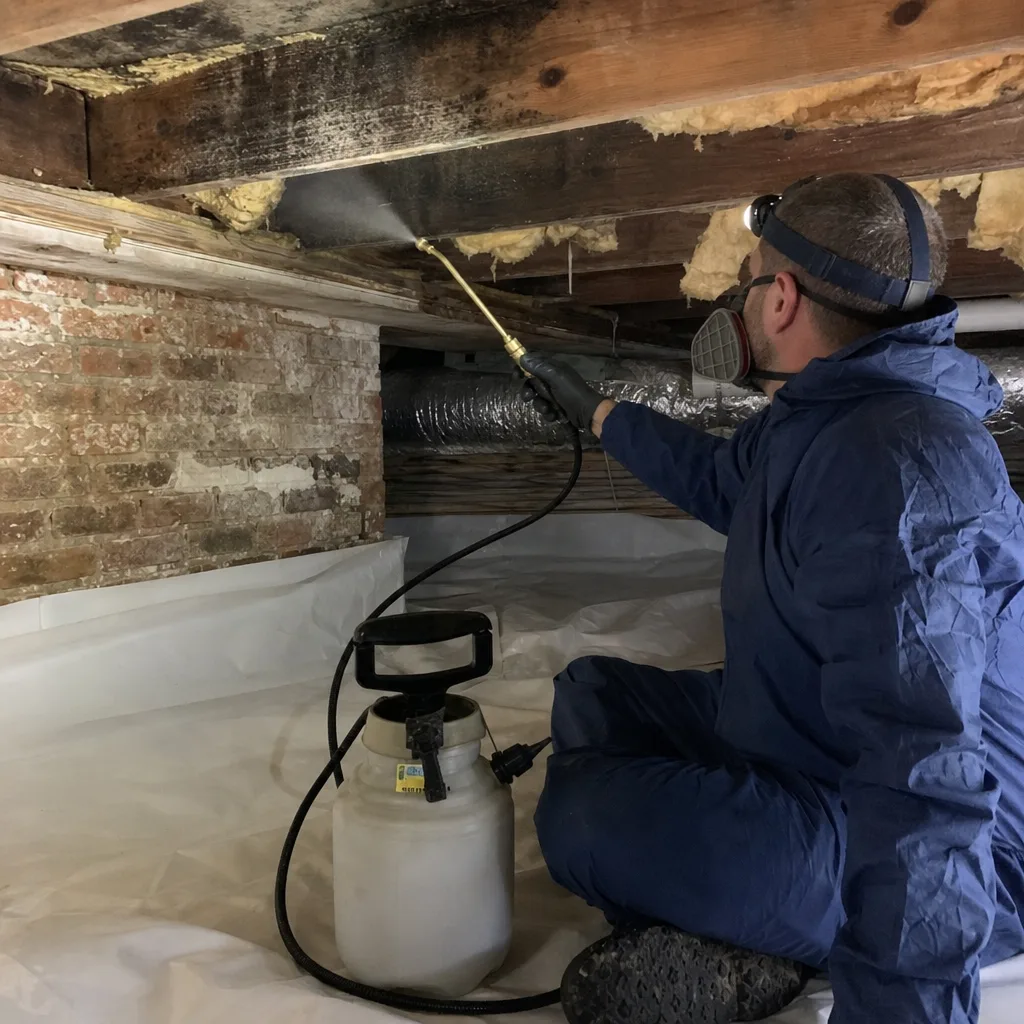
A toilet overflow in a Hunters Point loft bathroom is never a small thing. The water runs across open floors, under baseboards, and into the original timber structure below. We respond the same day, extract, dry, and rebuild the bathroom to its pre-loss condition.
Septic Failure Cleanup
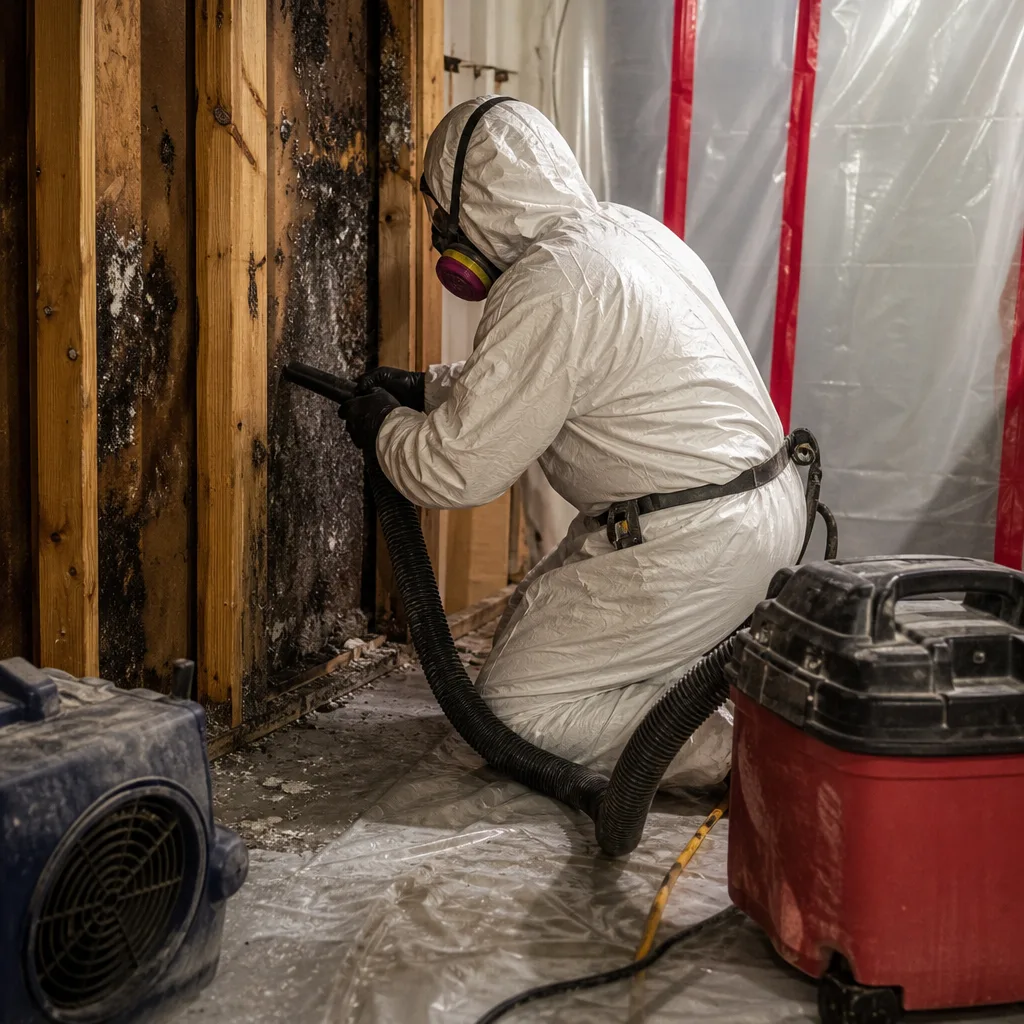
Fewer LIC properties run on private septic than on municipal sewer, but converted pre-war buildings on the neighborhood’s edges sometimes have legacy systems. When a septic field or holding tank fails, we handle the contamination the same way: extract, remediate, restore.
Crawl Space Sewage Removal
Below-grade crawl spaces are common in older Long Island City buildings and they are where sewage hides. We remove standing water, sanitize the space, and install drying equipment sized for the confined area. We also document the elevation and condition of any mechanicals in the crawl space for flood-compliance purposes.
What happens when you call
- 1
A real person answersNo phone trees - you reach a local pro.
- 2
You get an upfront price rangeHonest numbers before anyone is dispatched.
- 3
A background-checked tech heads outLicensed & insured, dispatched right away.
- 4
You approve before work beginsNothing starts until you say go.
Sewage Cleanup Costs in Long Island City, NY
A typical toilet overflow cleanup in a Long Island City apartment runs $800 to $2,400 depending on how far the water traveled and whether flooring or baseboards need removal. A basement sewage backup in a Hunters Point loft with full extraction, containment, drying equipment for four to six days, and antimicrobial treatment lands between $4,500 and $9,800. Black water extraction from a below-grade mechanical room where the ejector pump failed and drywall, insulation, and electrical need replacement typically exceeds $12,000. What moves the price: square footage affected, whether the water reached finished space or just a utility room, how much porous material must be cut out, and whether flood-compliance documentation with an expeditor is required for the rebuild. Insurance commonly covers sewage cleanup when the loss is sudden, but coverage depends on policy language around sewer backup endorsements. Call (917) 924-4221 for a free visual inspection and a written scope. No work starts until you approve the numbers.
We Also Serve Cities Near Long Island City
Floodline Restoration Co. serves Long Island City and the surrounding Queens neighborhoods. If you’re in Sunnyside, Woodside, Astoria, or Maspeth, the same live dispatcher answers at (917) 924-4221 and the same certified crews head your way.
Serving Long Island City, NY - Our Local Coverage Area
We’re based in the Long Island City area and know this community well. Use the map below to see our service coverage - if you’re nearby, we can almost certainly help.
Long Island City Sewage Cleanup Questions, Answered
Why does my Long Island City basement toilet back up with sewage during heavy rain, even when I haven’t flushed recently?
Long Island City runs on a combined storm-sanitary sewer system, meaning rainwater and household sewage share the same pipes. During heavy rain, the storm surge volume exceeds capacity and hydrostatic pressure pushes waste backward through the lowest opening in your plumbing, which is often a basement toilet or floor drain. The fix is usually a backwater valve or an upgraded ejector pump, and we can assess whether yours is up to current flood-zone standards. Call (917) 924-4221 for a free inspection.
After a sewage backup in a Hunters Point converted loft, how quickly do you need to start mold prevention?
Mold can begin forming on wet drywall and organic materials within 24 to 48 hours, but in a Hunters Point loft’s open floor plan, mold spores and sewage aerosol can spread laterally across the entire floor before visible growth appears. We start antimicrobial treatment and containment during the first visit, not days later. Call (917) 924-4221 and we will be on site within the hour.
What does Category 3 water mean for my LIC basement apartment in a flood-zone building?
Category 3 water is grossly contaminated with human waste, pathogens, and whatever the combined sewer carried. In a below-grade Long Island City apartment in FEMA Zone AE, that water arrives under pressure from the East River surge, saturating finished drywall, flooring, and furnishings. Full extraction, removal of porous materials, antimicrobial treatment, and structural drying are required. Insurance coverage for the loss depends on your policy, and we document everything to support the claim.
Do I need a structural engineer or expeditor for a sewage cleanup in a Hunters Point waterfront high-rise?
If the sewage loss damaged a below-grade mechanical room and the equipment must be rebuilt, NYC’s post-Sandy flood-resilience rules likely require the replacement systems to be elevated above base flood elevation. That means an expeditor and often a structural engineer must sign off before DOB approves the final inspection. We coordinate with both so the project does not stall mid-rebuild. Call (917) 924-4221 to discuss your building’s specific requirements.
How do you protect my custom wood floors and finishes in a Long Island City loft during sewage mitigation?
We protect what can be saved. Mechanical extraction removes standing water without dragging it across unaffected flooring. Saturated flooring that cannot dry gets cut out cleanly rather than pried up in splinters. Finishes that are salvageable get covered during the drying phase, and we use HEPA air scrubbers to keep sewage aerosol and construction dust off remaining surfaces. We also map moisture before and after to confirm the surrounding bones are dry.
What should I do in the first 30 minutes after I discover a sewage backup in my Long Island City home?
Do not flush toilets, run sinks, or use the washing machine. Keep people and pets away from the standing water. Shut off electricity to the affected area if water is near outlets or the panel and you can do so safely. Do not attempt to vacuum the water with a household vacuum. Call (917) 924-4221. A live dispatcher will walk you through the immediate steps and send a crew to your Long Island City address right away.
How long does sewage cleanup and drying take in a Long Island City loft?
Extraction and initial containment happen on the first visit. Drying in an open loft with original timber floors typically takes four to six days with Dri-Eaz dehumidifiers and XPOWER air movers running continuously. Repairs after drying depend on scope: a bathroom floor replacement might add two or three days, while a full basement mechanical room rebuild in a flood-zone building can run weeks because of DOB compliance documentation. We give you a written timeline before work starts.
Are your crews certified for sewage cleanup specifically?
Our technicians are background-checked, uniformed, and trained to IICRC standards including Water Damage Restoration (WRT) and Applied Microbial Remediation (AMRT). We also follow RIA and IFA protocols for sewage and black water losses. Certification means we handle Category 3 water with the containment, antimicrobial treatment, and safety procedures the job requires. Ask for credentials at the door; we will show them.
Written by Curt Bowman, Owner at Floodline Restoration Co. of Manhattan, serving New York City since 2010.