
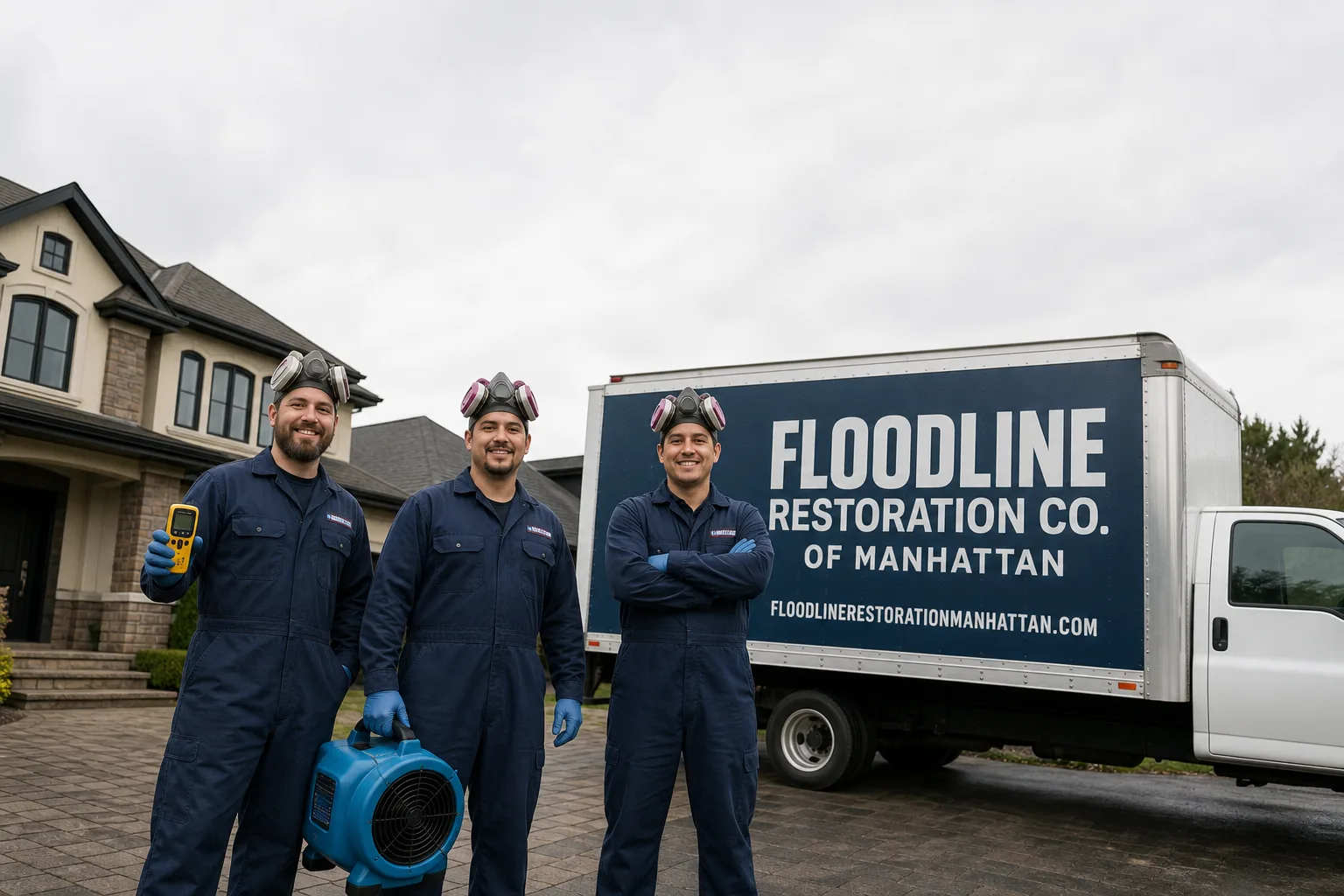
Free visual inspection and a written scope of work before any mitigation begins - photos, moisture readings, and drying logs go in your claim file
The scope we write is the scope we bill. Anything new gets shown to you, in writing, before we touch it.
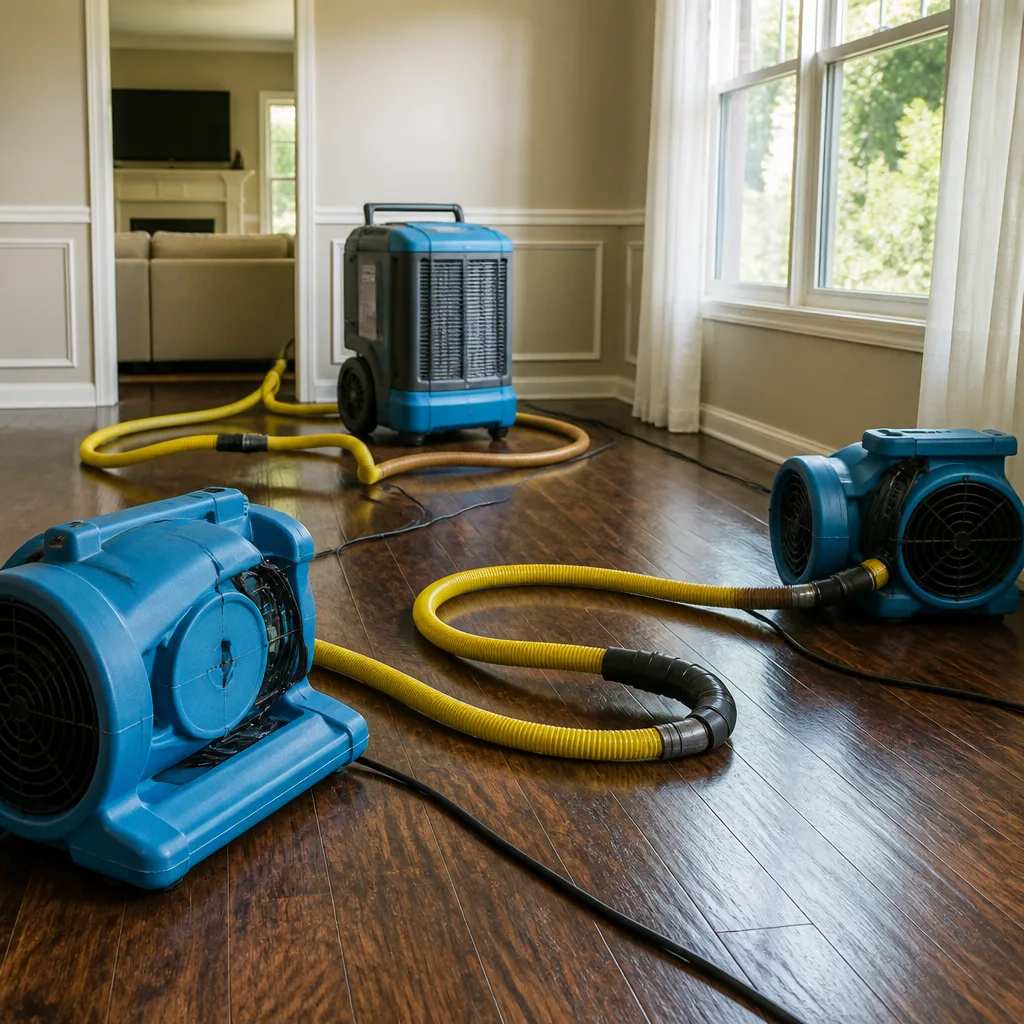
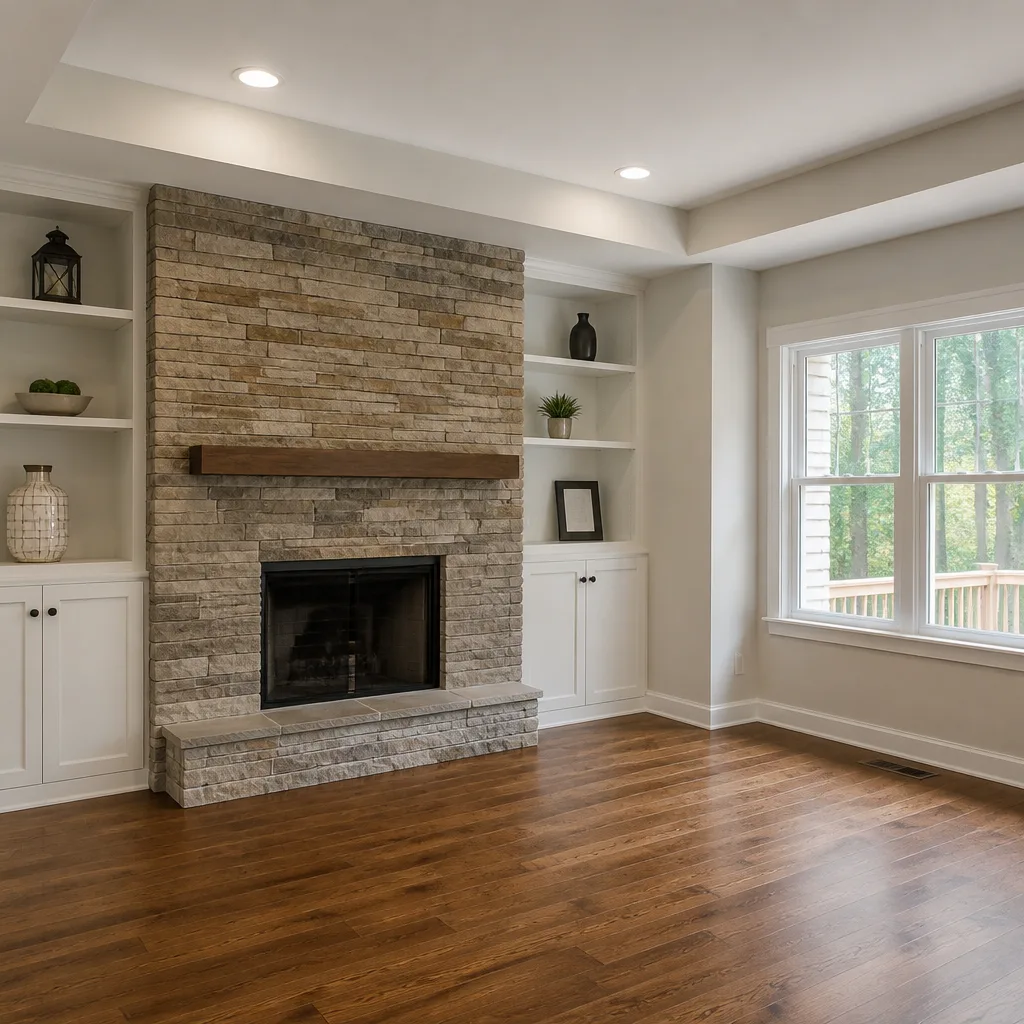
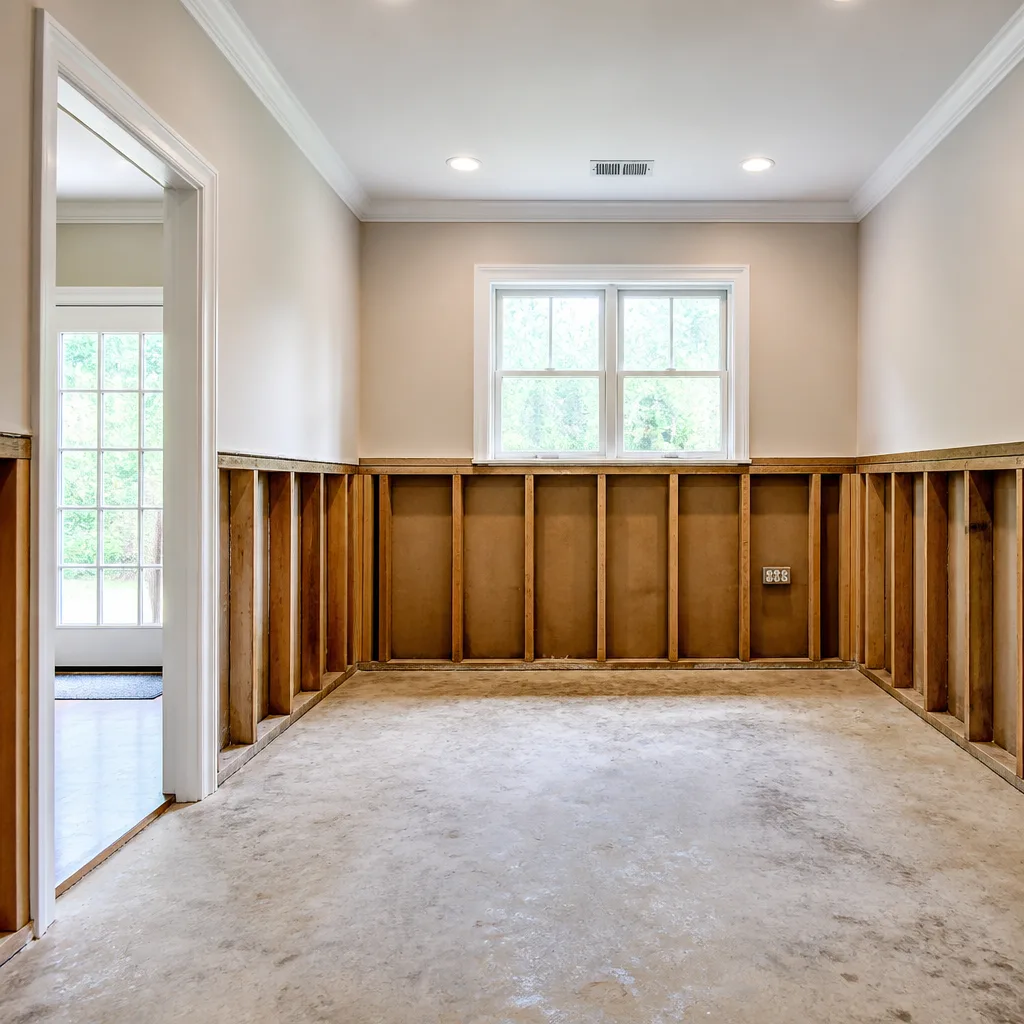

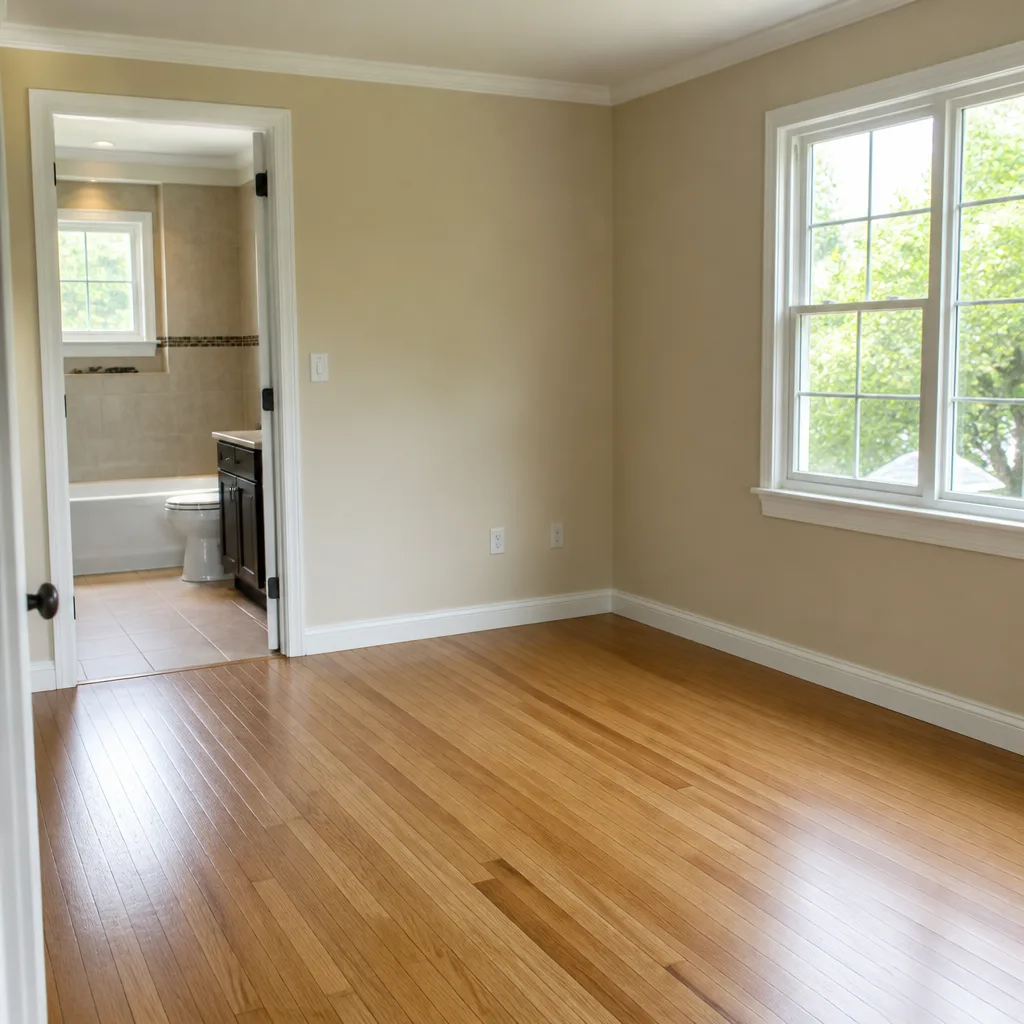
 Before
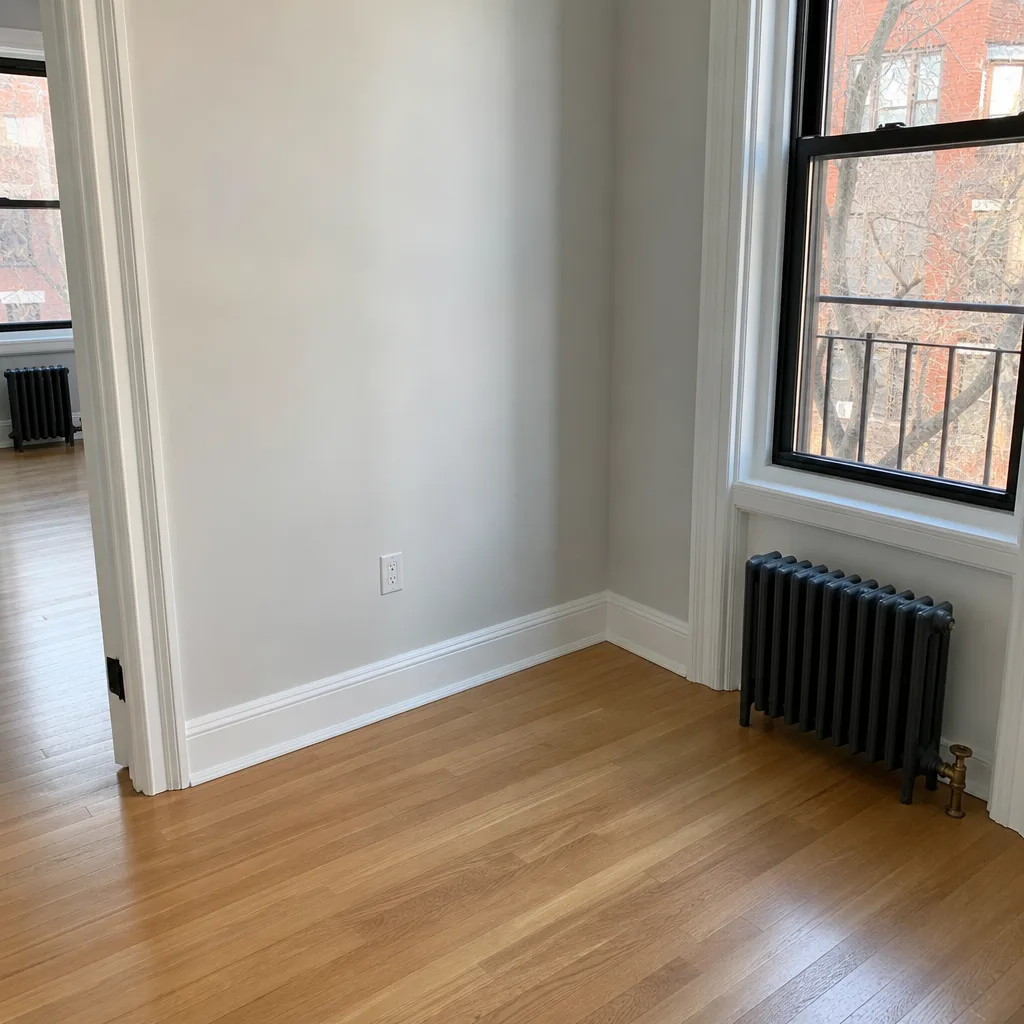 After
After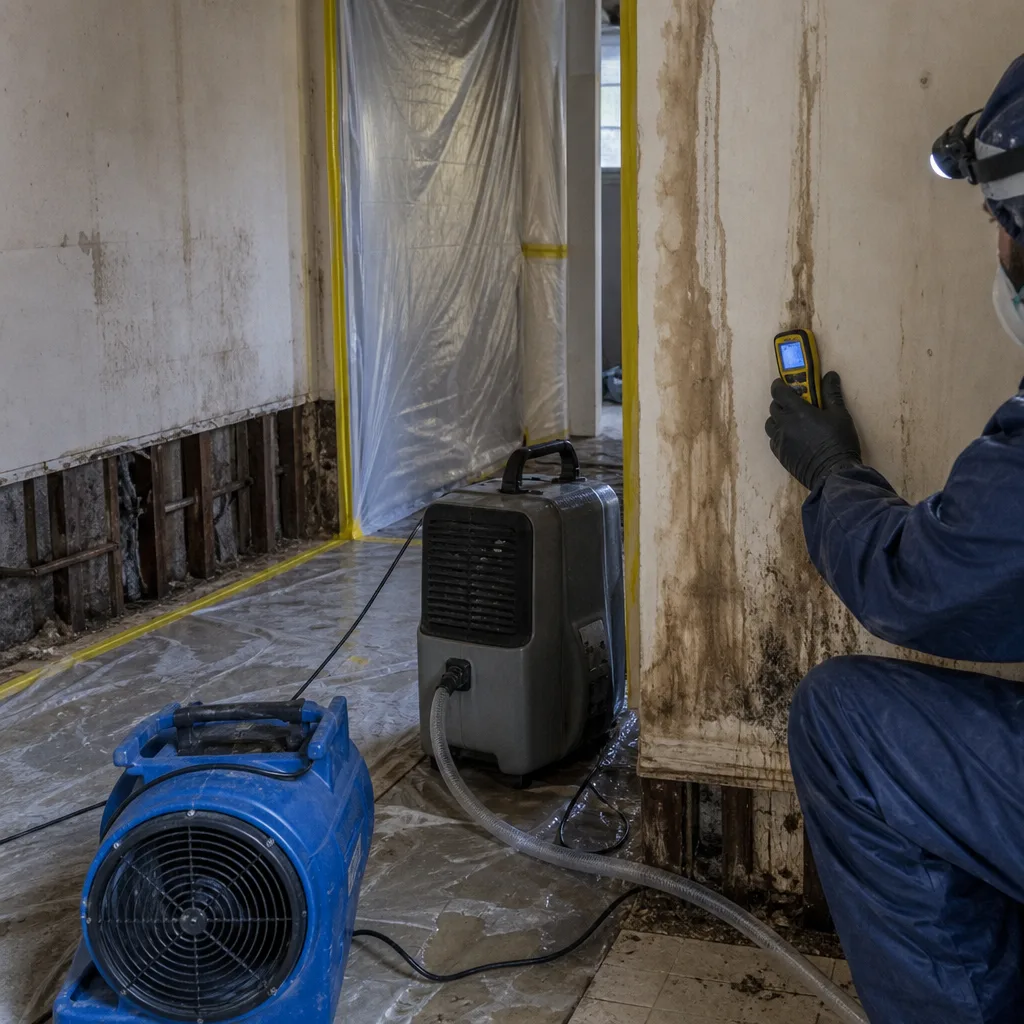 Before
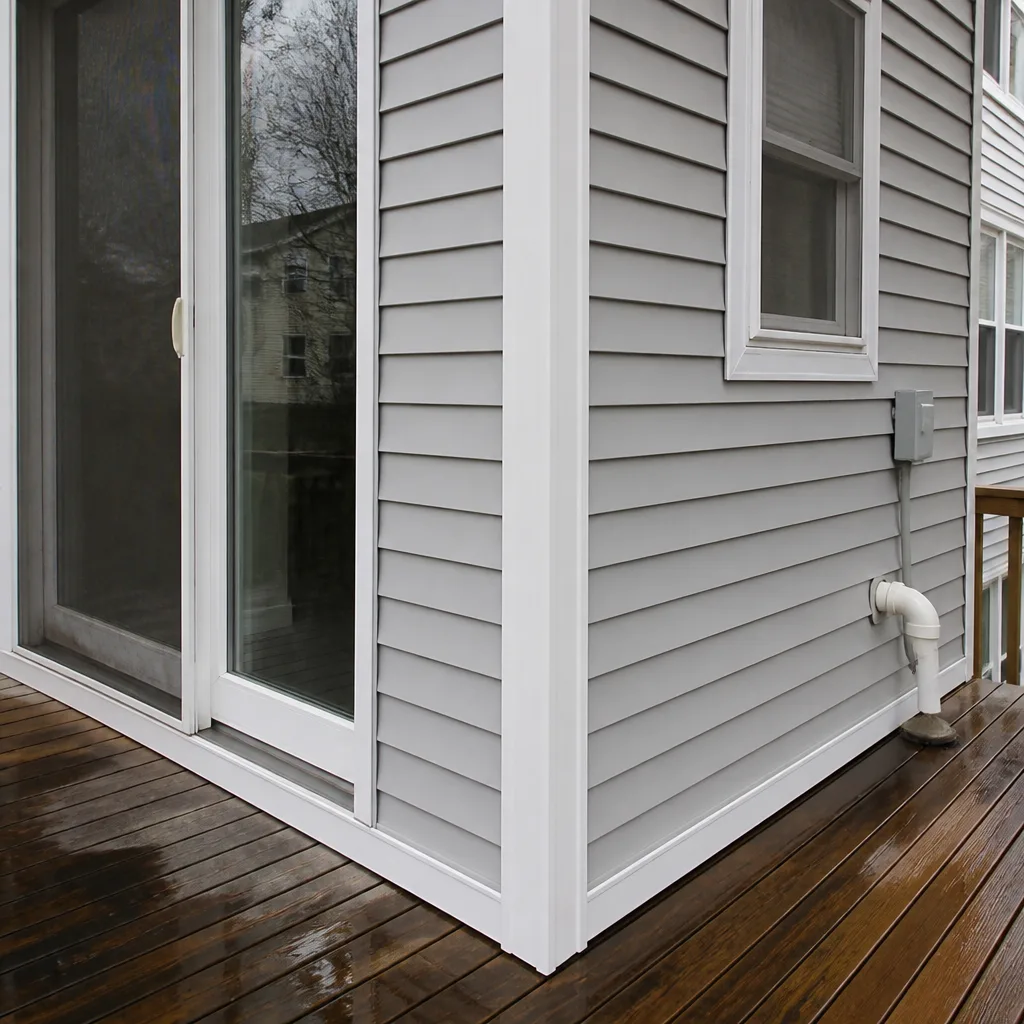 After
After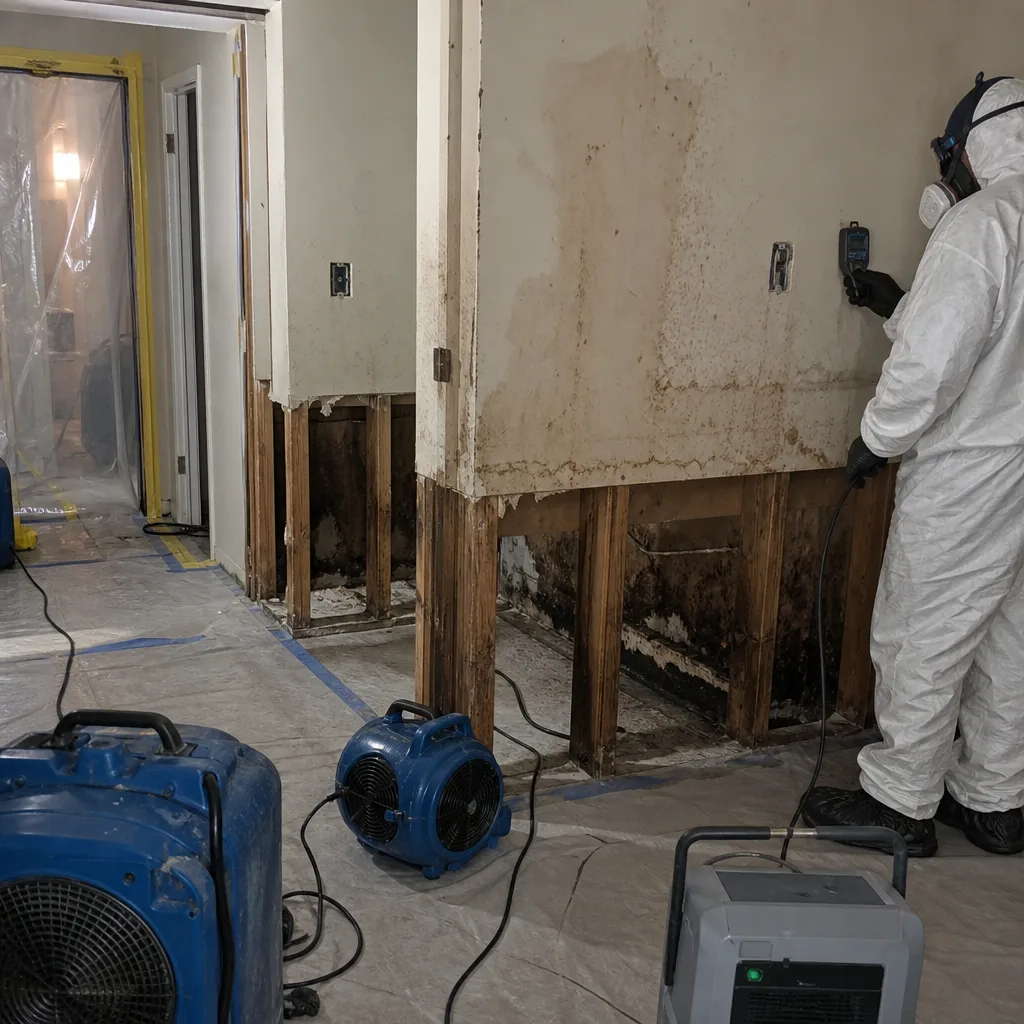 Before
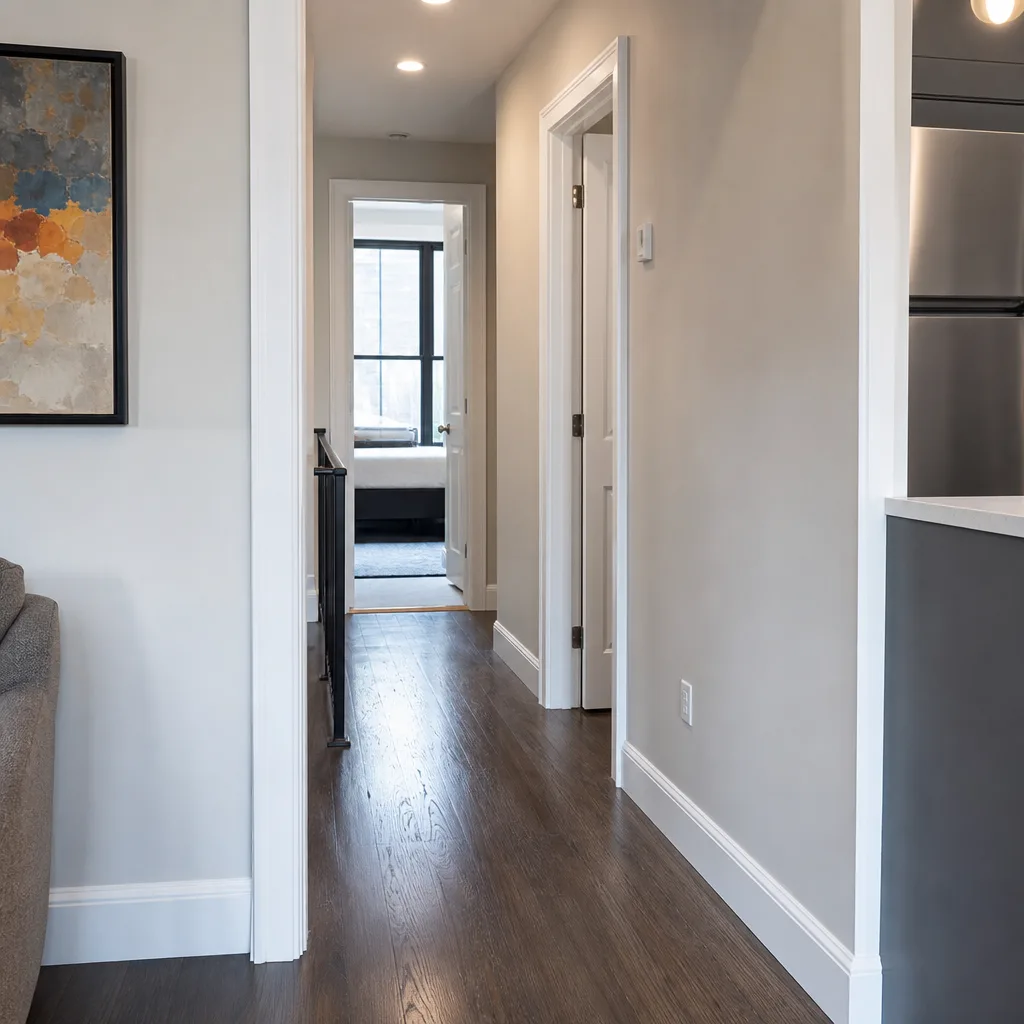 After
After24/7 Emergency Sewage Cleanup in Park Ridge
When a sewage line backs up into a Park Ridge home, the clock starts before you even find the standing water. Sewage carries bacteria, viruses, and waste that wick into drywall, baseboards, and subfloor within hours. Our crews answer live around the clock and can reach most Park Ridge streets within 45 minutes. Call (917) 924-4221 and a real dispatcher picks up, not a recording. The first hour determines whether you’re looking at extraction and drying or full drywall removal and rebuild. We offer a free visual inspection and a written scope before any work begins, so you know exactly what you’re dealing with and what it costs.
Understanding Sewage Cleanup Severity in Park Ridge Properties
Sewage cleanup is not one problem with one fix. Restoration professionals classify water by contamination level. Category 1 is clean water from a supply line, Category 2 carries significant contamination, and Category 3 is grossly unsanitary, meaning sewage, floodwater, or waste. Most backups in Park Ridge are Category 3 by the time we arrive because the water has sat in carpet, soaked through underlayment, and wicked into drywall. That changes the protocol entirely. You’re not just drying a floor; you’re removing porous materials that absorbed pathogens, then sanitizing hard surfaces and the air itself. In Park Ridge’s older housing stock, the construction method beneath the finish matters more than the finish itself. A 1950s split-level near Colony Road has cast-iron drain lines under the slab. A 1920s colonial near the Pascack Brook sits low on the grade with groundwater pressure working against the foundation. Each one fails differently, which means the cleanup plan has to be different. We moisture-map every affected room before writing the scope, because guessing in sewage work means mold thirty days later.
Why Park Ridge Property Owners Choose Floodline Restoration Co. of Manhattan
- 45-minute response commitment to Park Ridge. We’ll be there when we say. A live dispatcher coordinates the nearest crew the moment you call, so extraction starts the same visit.
- 24/7 live answer, always a person. No phone trees, no “leave a message.” At 2 a.m. on a January freeze or a July storm night, a human picks up and starts the dispatch.
- IICRC-certified crews trained to WRT and AMRT standards. Background-checked, uniformed technicians do the work, wearing the proper PPE for black water and using the right containment.
- Free visual inspection with a firm written scope. You get a line-item assessment before anything is torn out. No surprises on the bill, no upsell after the fact.
- Direct insurance billing. We document everything, bill your carrier directly, and handle adjuster communication so you never play messenger.
- One team from extraction to reconstruction. The same certified crew that reads the moisture map on day one handles daily readings, drying, sanitizing, and any rebuild. No mid-job handoff.
Our Sewage Cleanup Process
Inspection & Assessment
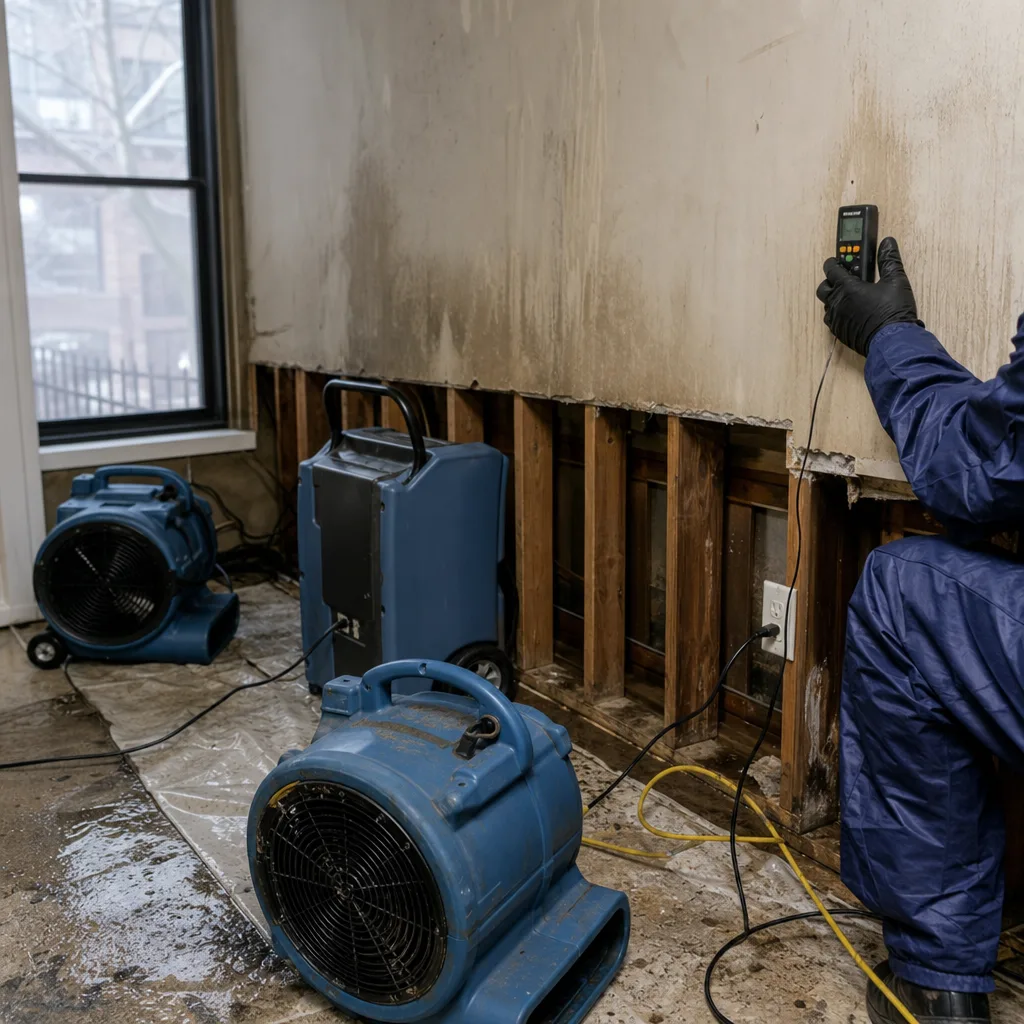
We locate the source, classify the water, and map the affected area with penetrating and non-penetrating moisture meters. You get a written scope that covers what’s being removed, what’s being dried, and what it costs.
Extraction & Stabilization
Black water comes out first. We use truckmount and portable extraction units, including XPOWER and Dri-Eaz equipment, to pull standing sewage from floors, crawl spaces, and carpet before it spreads further.
Containment & Drying
Contaminated rooms are sealed with containment barriers. Air movers and dehumidifiers from Dri-Eaz and Phoenix run continuously, with daily moisture readings logged until the dry standard is met. The log goes to you and your insurer.
Cleaning & Sanitization
Hard surfaces are cleaned and treated with EPA-registered antimicrobials. Porous materials that absorbed Category 3 water, including saturated baseboards, drywall, and carpet pad, are cut out and disposed of properly.
Odor & Air Quality Treatment
HEPA air scrubbers run during the drying phase to pull airborne particulates and bacteria. We treat remaining odors at the source, not with masking sprays, so the home smells like a home again, not a cover-up.
Repairs & Restoration
If the slab was opened for a cracked cast-iron line or drywall was removed, our own crews handle the rebuild, from pipe repair to finished paint. One team, one warranty, all backed by the 90-Day Done Right Promise.
Need Emergency Sewage Cleanup in Park Ridge Now?
Crews minutes away, answering live 24 hours a day. The sooner we start, the less it costs.
Working With Your Insurance Company
Most Park Ridge homeowner policies respond to sudden and accidental sewage backups, but coverage details vary by carrier and by endorsement. We document the loss from the first hour. That means photos of the standing water before extraction, moisture readings after drying, a line-item scope of work, and a clear narrative of what failed and why. Our team coordinates directly with your adjuster so you never have to translate restoration terminology or argue about line items. The goal is a smooth claim, not a paperwork battle.
What We Provide Your Insurer
- Thorough documentation of the loss
- Photos of all damage, room by room
- Moisture readings and drying logs
- A detailed, line-item scope of work
- Direct coordination with your carrier
Built for Park Ridge’s Loss Calendar
Sewage backups in Park Ridge follow a seasonal rhythm, and the root cause shifts with the weather. January deep freezes stress the borough’s older cast-iron lines. The ground shifts, frost penetrates around foundation walls, and brittle pipe joints crack under pressure. Spring thaw brings groundwater saturation. Homes near the Pascack Brook or along the lower sections of Park Avenue see hydrostatic pressure push groundwater into cracked sewer laterals, and that water carries whatever is in the soil. Summer thunderstorms drop inches of rain in an hour, overwhelming older municipal laterals and forcing sewage back through basement floor drains in low-lying homes. Fall brings root intrusion at its worst. Mature maples and oaks along Fremont Avenue and Colony Road send roots into older terra cotta and cast-iron lines seeking water. Each season has its own failure mode. Knowing which one you’re dealing with changes the cleanup and the repair. We see all of them in Park Ridge, and we plan the scope around the season, not just the spill.
Sewage Cleanup Across Park Ridge’s Neighborhoods
Park Ridge’s housing stock shapes how sewage damage behaves and where it hides. The older homes along Park Avenue and Fremont Avenue, many built in the 1920s and 1930s, sit on shallow foundations with original drain lines. When those lines fail, sewage often surfaces in the basement corner farthest from the stack, where water follows the grade. The split-levels and ranches built in the 1950s and 1960s around Colony Road and Glen Avenue have a different problem: cast-iron mains running under the slab, where a crack means black water pushing up through floor drains and cracks in the concrete. Homes along the Pascack Brook floodplain deal with municipal surcharge during heavy rain, when the public line can’t keep up and sewage backs into the lowest fixture, usually a basement toilet or laundry tub. Our crews know these blocks. We know which homes have crawl spaces instead of basements near the borough’s edges, and we know that a toilet overflow in a second-floor bathroom on a finished lower level means water traveled through the ceiling cavity before it ever touched the floor. Response isn’t just about speed. It’s about knowing where to cut and where to dry on a 1950s split-level versus a 1920s colonial.
Specialized Sewage Cleanup Services We Offer in Park Ridge
Sewage Backup Cleanup
A sewage backup in a Park Ridge basement usually means a failed line, not a simple clog. We extract the black water, cut out saturated drywall and baseboards, and sanitize hard surfaces before drying begins. The scope includes the source, so you’re not just cleaning the symptom and waiting for the next backup. Our Sewage Cleanup team handles Category 3 water with full containment and proper disposal.
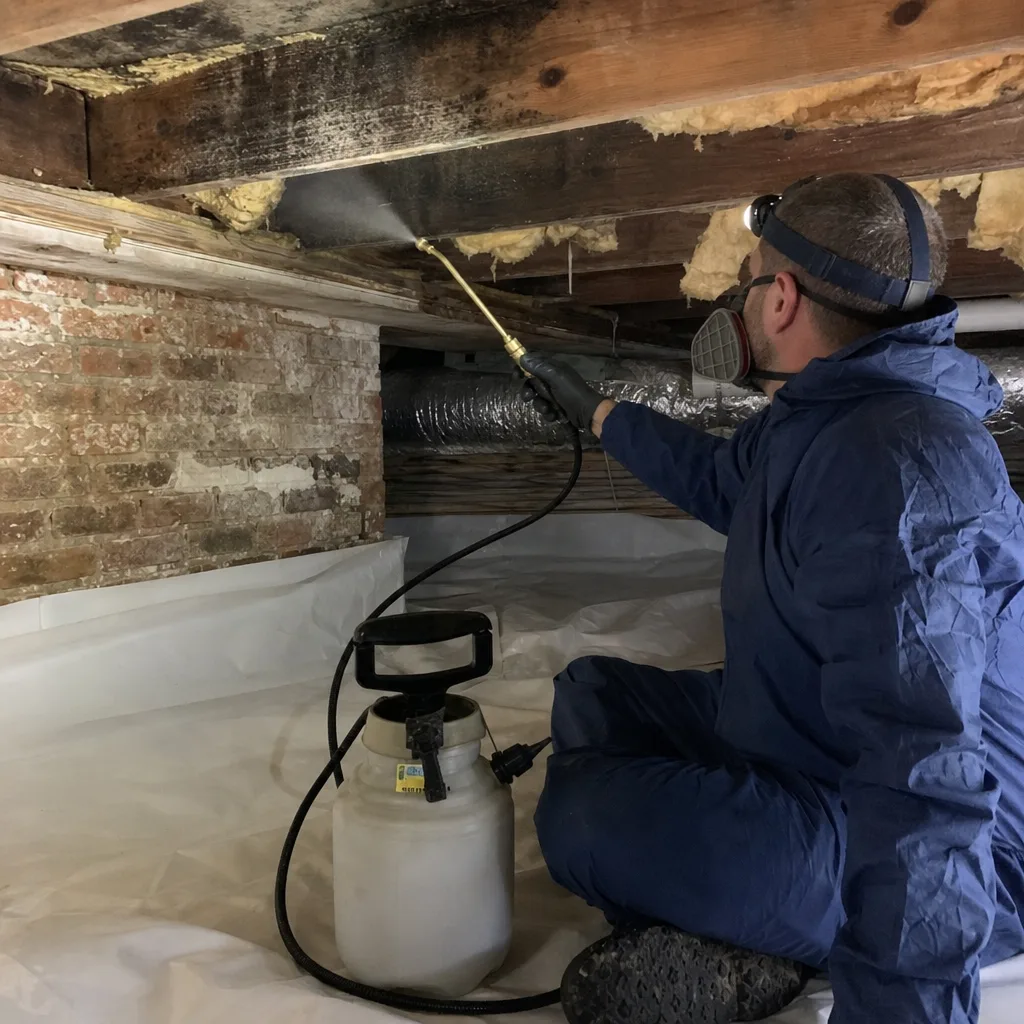
Toilet Overflow Cleanup
Toilet overflows are often dismissed as clean water, but by the time we arrive, they have become Category 2 or Category 3 water, especially in the older bathrooms common in Park Ridge’s 1950s and 1960s homes. We remove saturated flooring and seal the affected area before antimicrobial treatment and drying.
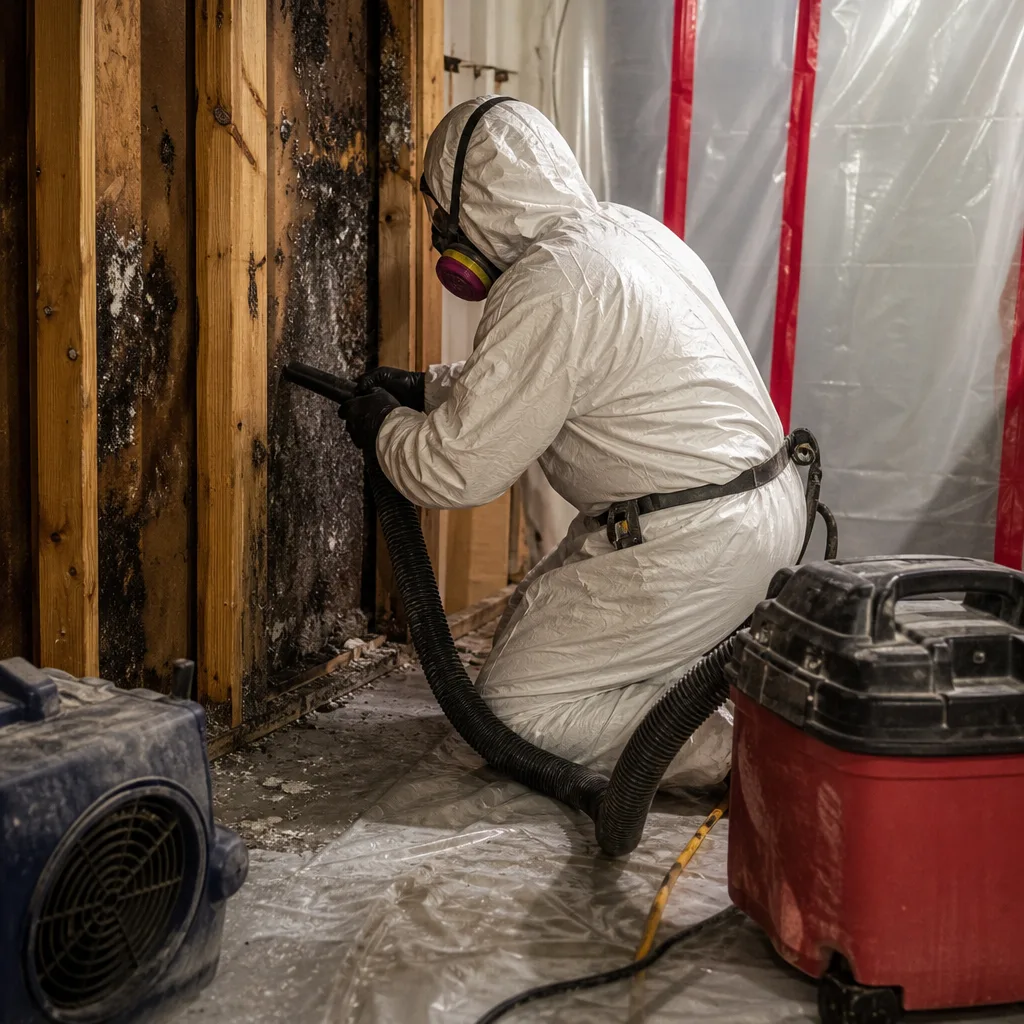
Septic Failure Cleanup
Larger properties near the borough’s edges run on septic systems, and a field failure can be misread as a municipal backup, which delays containment. We identify whether the source is septic or municipal, then handle the interior cleanup while coordinating with your septic contractor for the outside work.
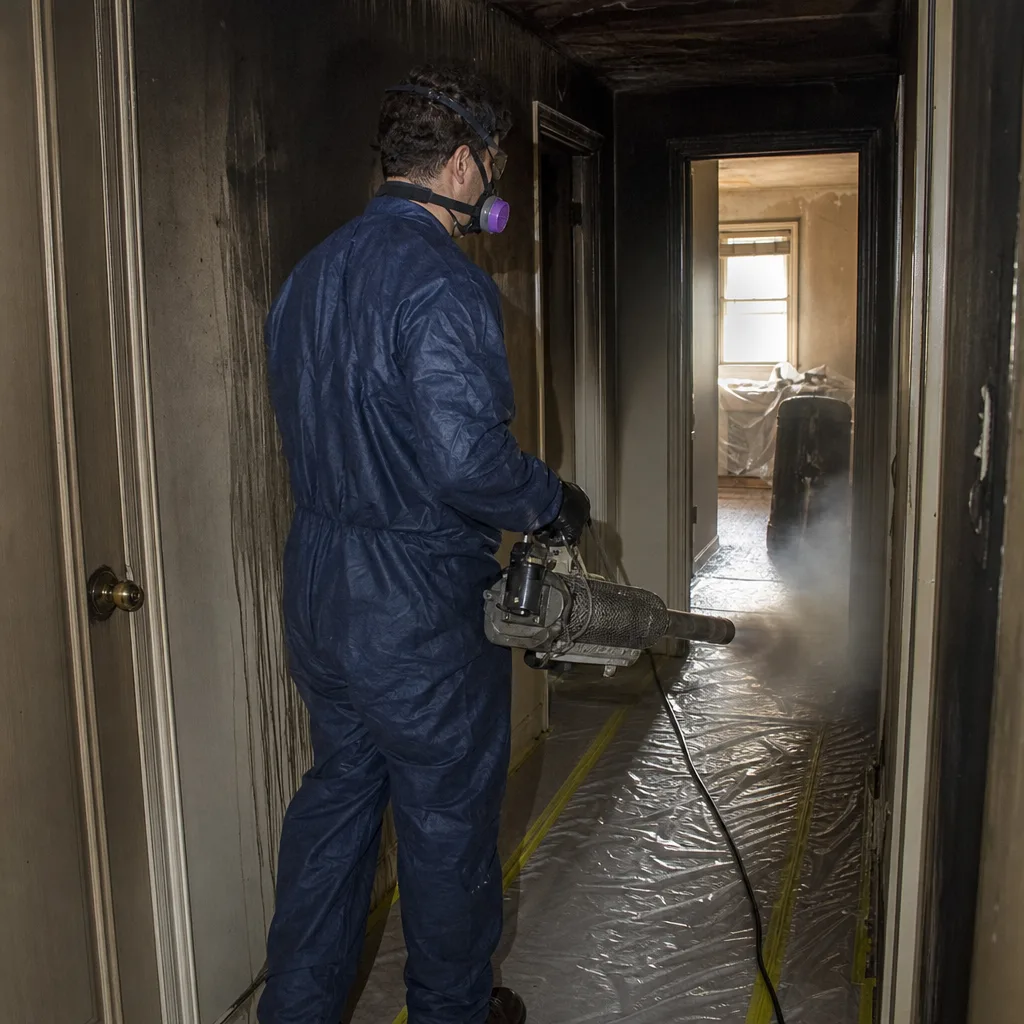
Black Water Extraction
This is the first and most urgent step. Standing sewage continues to damage every material it touches until it’s removed. We use truckmount extraction units in Park Ridge basements and crawl spaces, pulling water fast enough to reduce the scope of teardown and the total restoration cost.
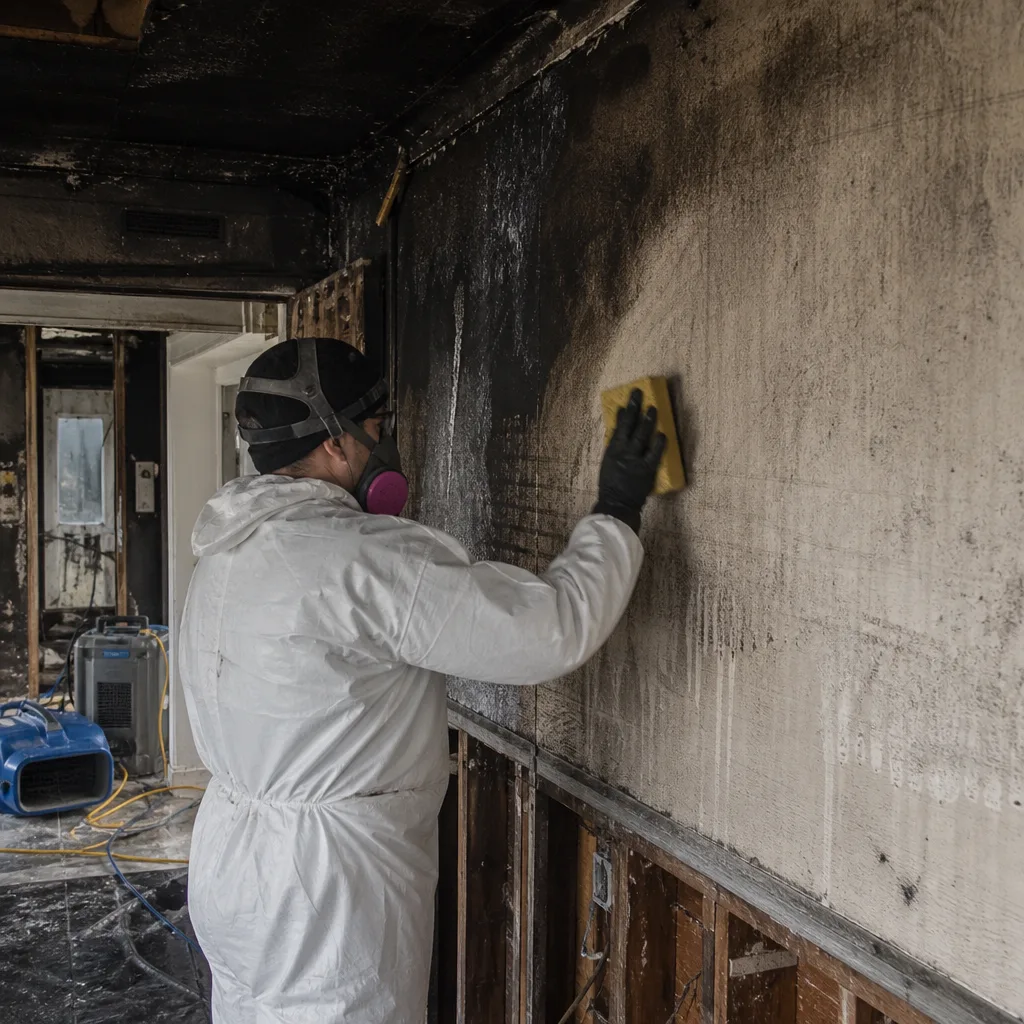
Sanitization & Disinfection
Extraction and drying alone don’t make a sewer spill safe. We apply EPA-registered antimicrobials to all affected hard surfaces and run HEPA air scrubbers during the drying phase. The goal is a home that tests clean, not one that smells clean for a week.
What happens when you call
- 1
A real person answersNo phone trees - you reach a local pro.
- 2
You get an upfront price rangeHonest numbers before anyone is dispatched.
- 3
A background-checked tech heads outLicensed & insured, dispatched right away.
- 4
You approve before work beginsNothing starts until you say go.
Sewage Cleanup Costs in Park Ridge, NJ
A typical sewage backup cleanup in Park Ridge runs $1,800 to $4,500 for a contained basement spill with extraction, containment, drying, and sanitization. Toilet overflow jobs on a single bathroom floor usually start around $1,200 to $2,200. A Park Ridge septic failure that sat overnight and wicked into drywall across a finished basement commonly lands between $3,500 and $7,500, because drywall removal, structural drying, and rebuild scope add up. What moves the price is time and material. The sooner extraction starts, the less teardown. Cast-iron slab breaks on split-levels nearly always require opening the slab, which adds pipe repair and concrete work to the restoration bill. Insurance-covered losses typically pay for the cleanup, drying, and direct repairs, minus your deductible. Out-of-pocket scenarios, like maintenance failures or pre-existing conditions, are priced in writing before work starts. We offer $50 off any repair over $250, plus a 5% discount for seniors and veterans on eligible work. Call (917) 924-4221 for a free visual inspection and a firm scope, no obligation.
We Also Serve Cities Near Park Ridge
Our crews cover the Pascack Valley and nearby Bergen County communities, including Montvale, Woodcliff Lake, Hillsdale, and Westwood. If you’re a homeowner in any of these towns dealing with a sewage backup, the same 45-minute response and written scope applies.
Serving Park Ridge, NJ - Our Local Coverage Area
We’re based in the Park Ridge area and know this community well. Use the map below to see our service coverage - if you’re nearby, we can almost certainly help.
Park Ridge Sewage Cleanup Questions, Answered
What makes sewage cleanup in a Park Ridge, NJ split-level different from a slab ranch?
A split-level’s lower floor sits partially below grade, so sewage flows downhill through the finished space before pooling, which means more affected drywall and flooring. The slab ranch usually contains the spill to one room, but buried cast-iron under the slab can complicate source repair. Both require moisture mapping, but the split-level almost always needs more teardown.
How fast can you be at a sewage backup on a street like Glen Avenue in Park Ridge?
Most Park Ridge addresses are within a 45-minute dispatch window, and Glen Avenue is no exception. A live dispatcher coordinates the nearest available certified crew the moment you call (917) 924-4221, and extraction starts the same visit.
Do I need to replace my carpet after a toilet overflow in a Park Ridge home, or can you dry it?
It depends on the water category and how long it sat. Clean-water toilet overflows caught within an hour can sometimes be dried and saved. Sewage overflows or water that sat long enough to become Category 2 or 3 require carpet and pad removal. We’ll tell you honestly which applies after testing the water and the materials.
Can you dry out my finished basement after a sewage backup without tearing out all the drywall?
Sometimes. We use penetrating moisture meters to find how far the water wicked up the wall cavity. Drywall that absorbed Category 3 water below the saturation line is cut out; drywall above it can often be dried in place with air movers and dehumidifiers. The goal is the minimum teardown that still prevents mold.
Will my homeowner’s insurance cover sewage backup cleanup in Park Ridge, NJ?
Most standard policies cover sudden and accidental sewage backups, but coverage for sump pump failures, septic field damage, or maintenance-related issues often requires a specific endorsement. We document the loss thoroughly and coordinate directly with your adjuster. Whether the claim is accepted or not, you get a written scope before work begins.
How long does sewage cleanup and drying take in a Park Ridge home?
Extraction and initial sanitization happen on day one. Structural drying typically runs three to five days with daily moisture readings. Full restoration including drywall replacement, paint, and any pipe repair depends on the scope, but most contained basements are back to pre-loss condition within one to two weeks.
Can my family stay in the home during sewage cleanup?
If the affected area is contained and the HVAC system is protected, you can often stay in the unaffected parts of the house. If sewage spread through the air system or the damage extends across large open areas, temporary relocation is safer. We’ll tell you honestly before work starts, not after.
What should I do in the first 30 minutes after discovering a sewage backup in Park Ridge?
Shut off the water if the source is a plumbing fixture. Do not flush toilets or run water down drains. Keep people and pets out of the affected area. If sewage is near electrical outlets or appliances, do not enter. Then call (917) 924-4221. Extraction is the single most important step in reducing the final scope.
Written by Curt Bowman, Owner at Floodline Restoration Co. of Manhattan, serving Park Ridge and the Pascack Valley with full-cycle sewage cleanup and restoration since 2010.