
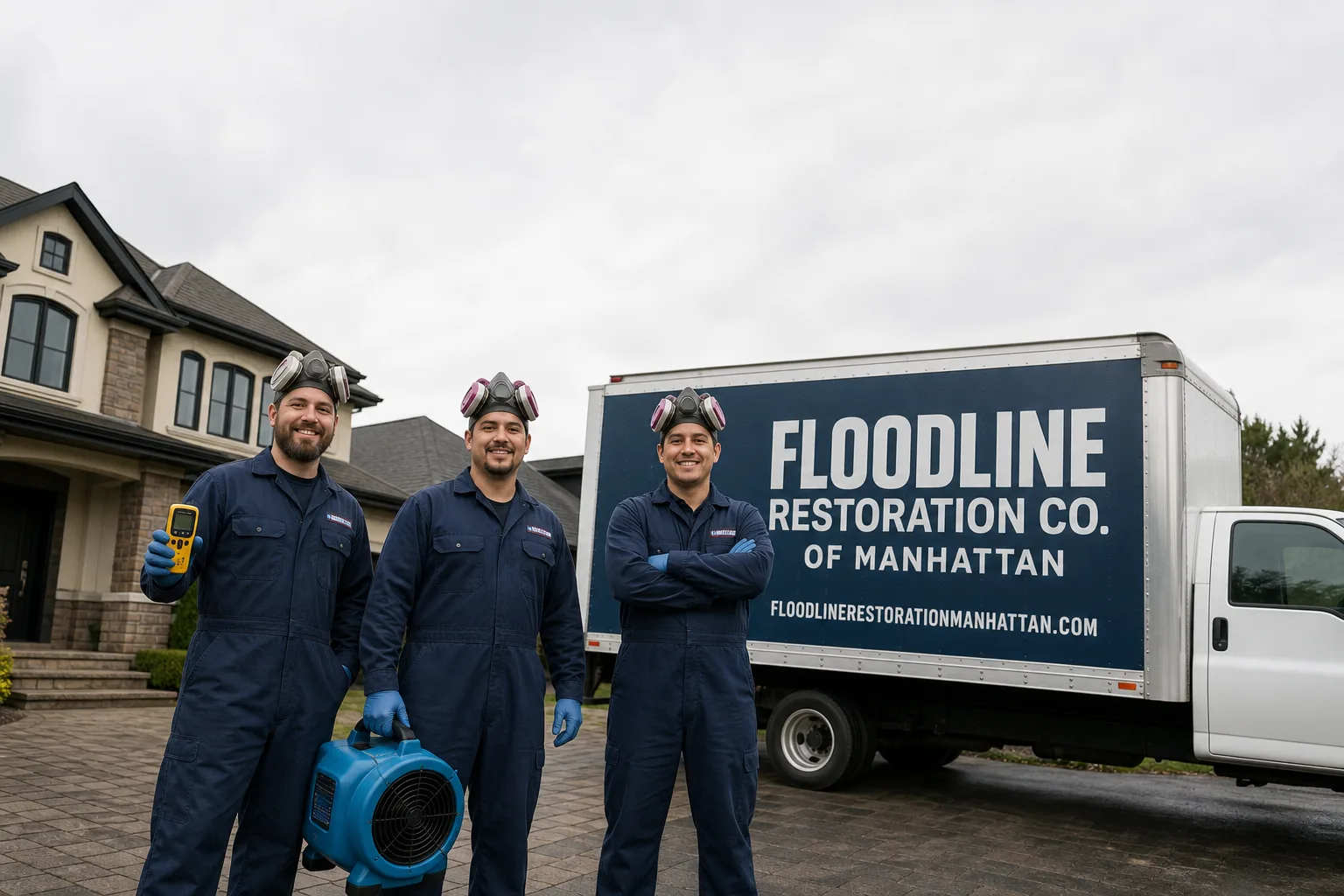
Free visual inspection and a written scope of work before any mitigation begins - photos, moisture readings, and drying logs go in your claim file
The scope we write is the scope we bill. Anything new gets shown to you, in writing, before we touch it.
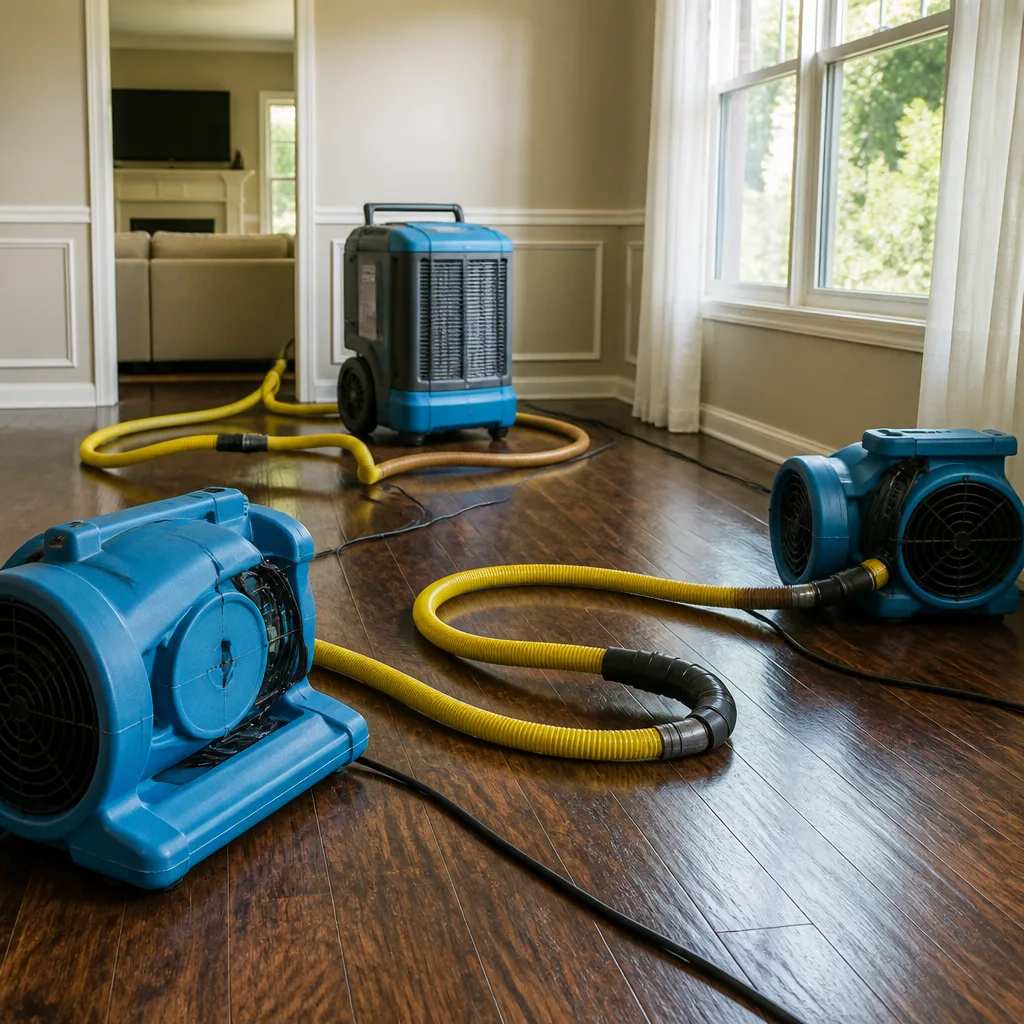
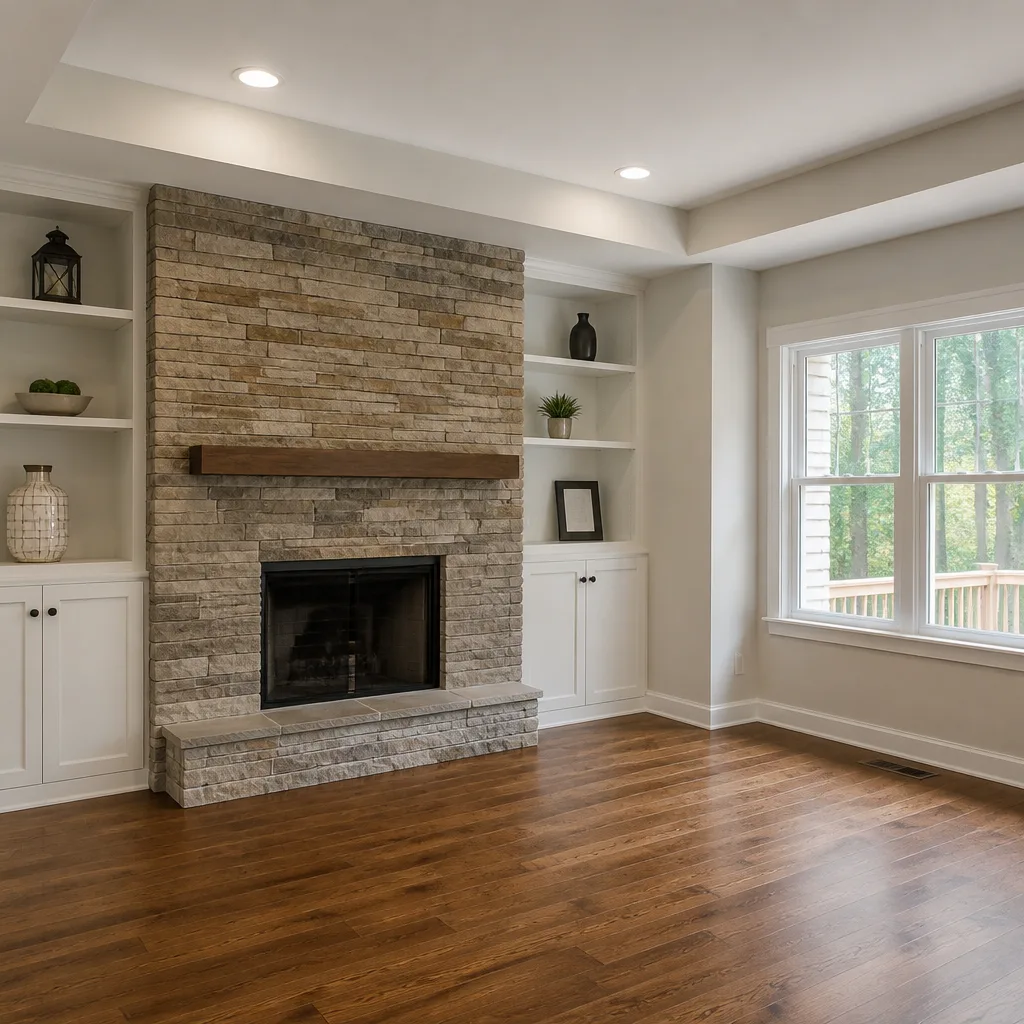
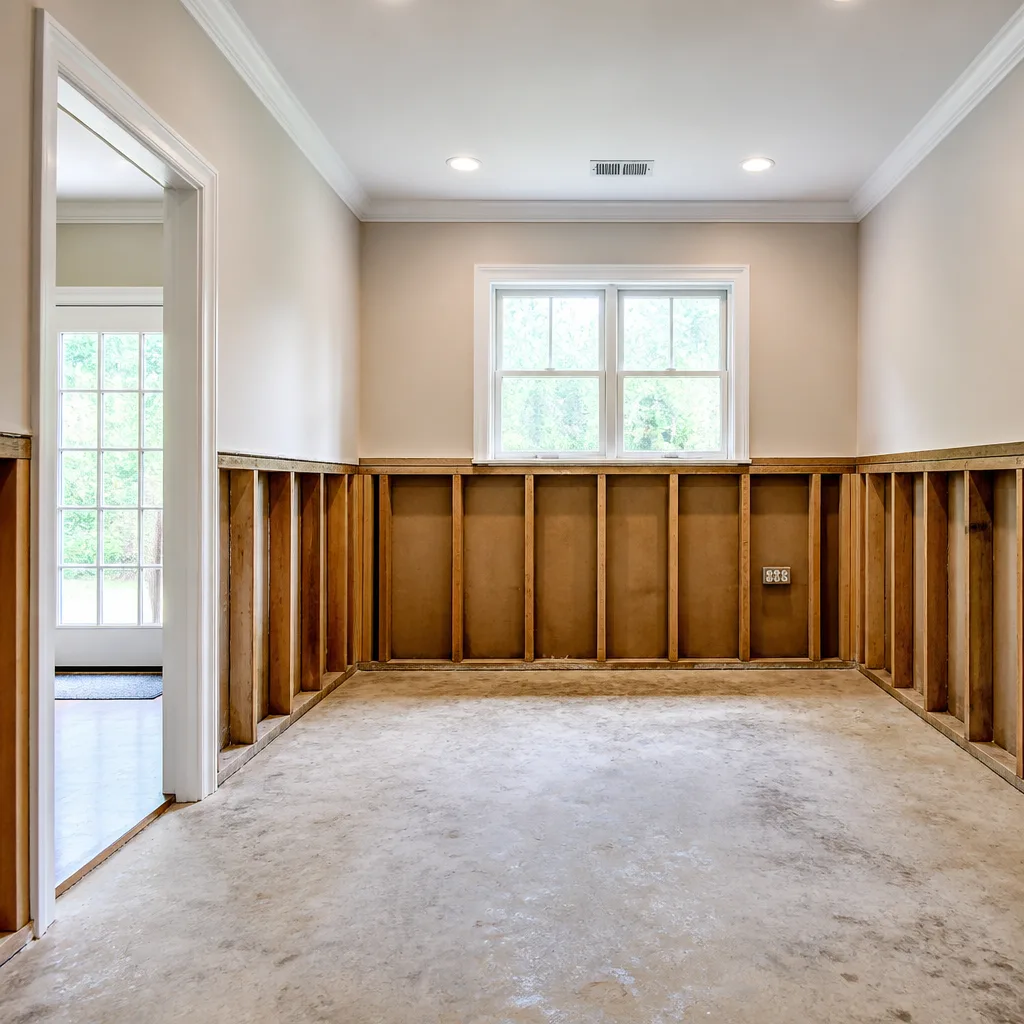
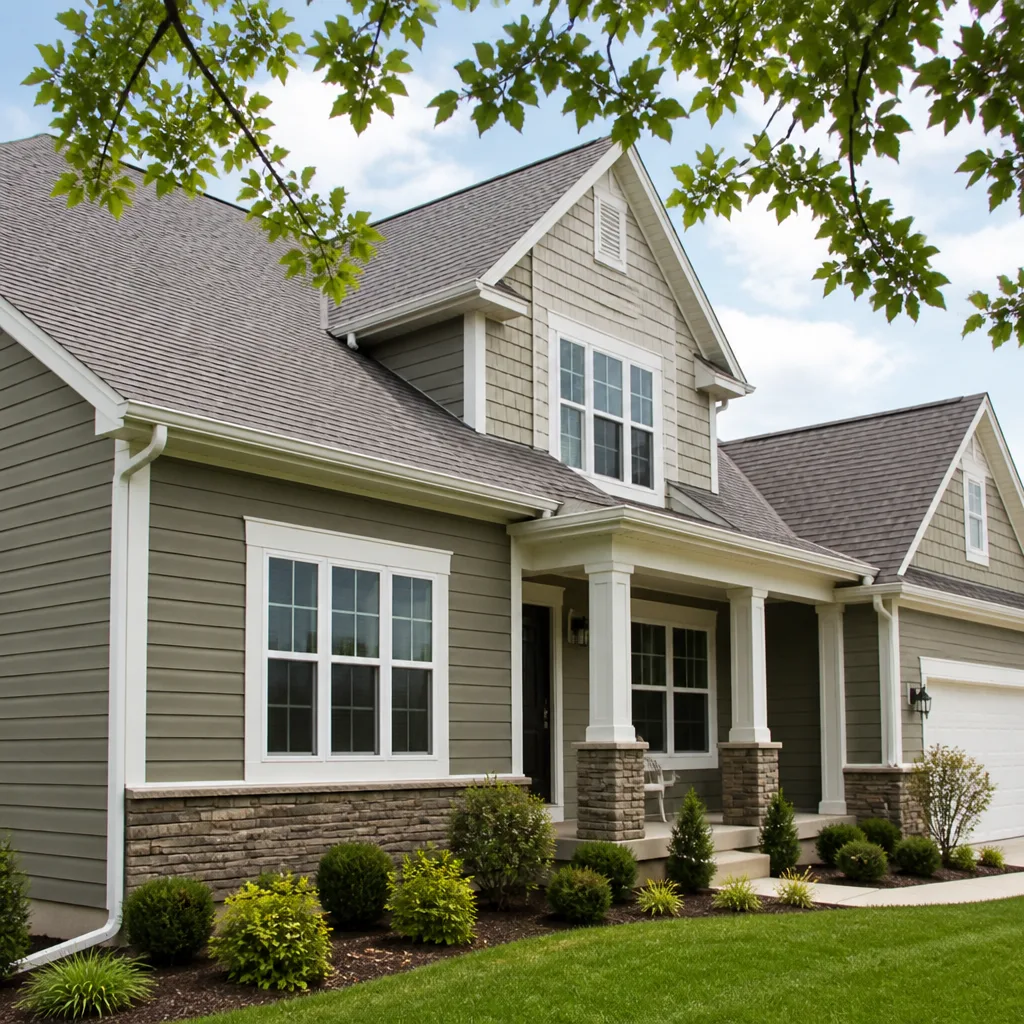
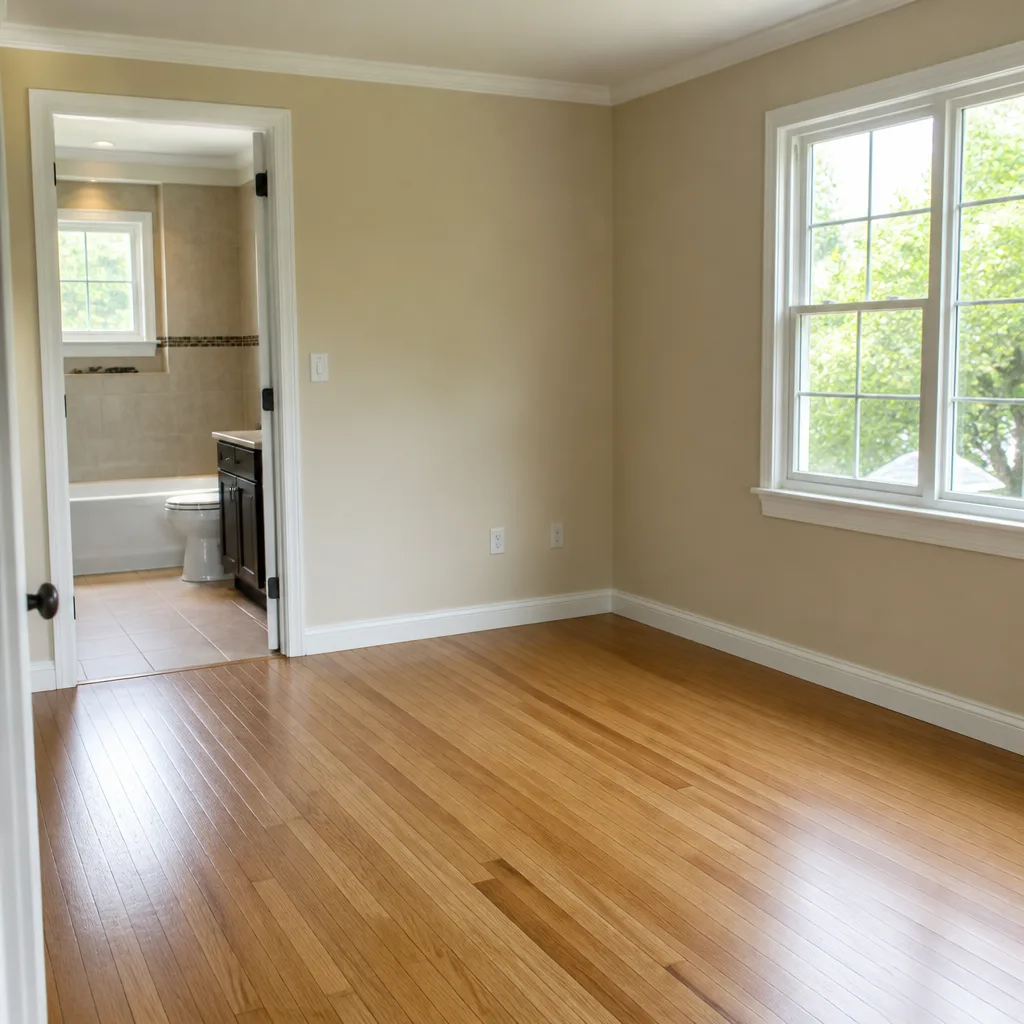
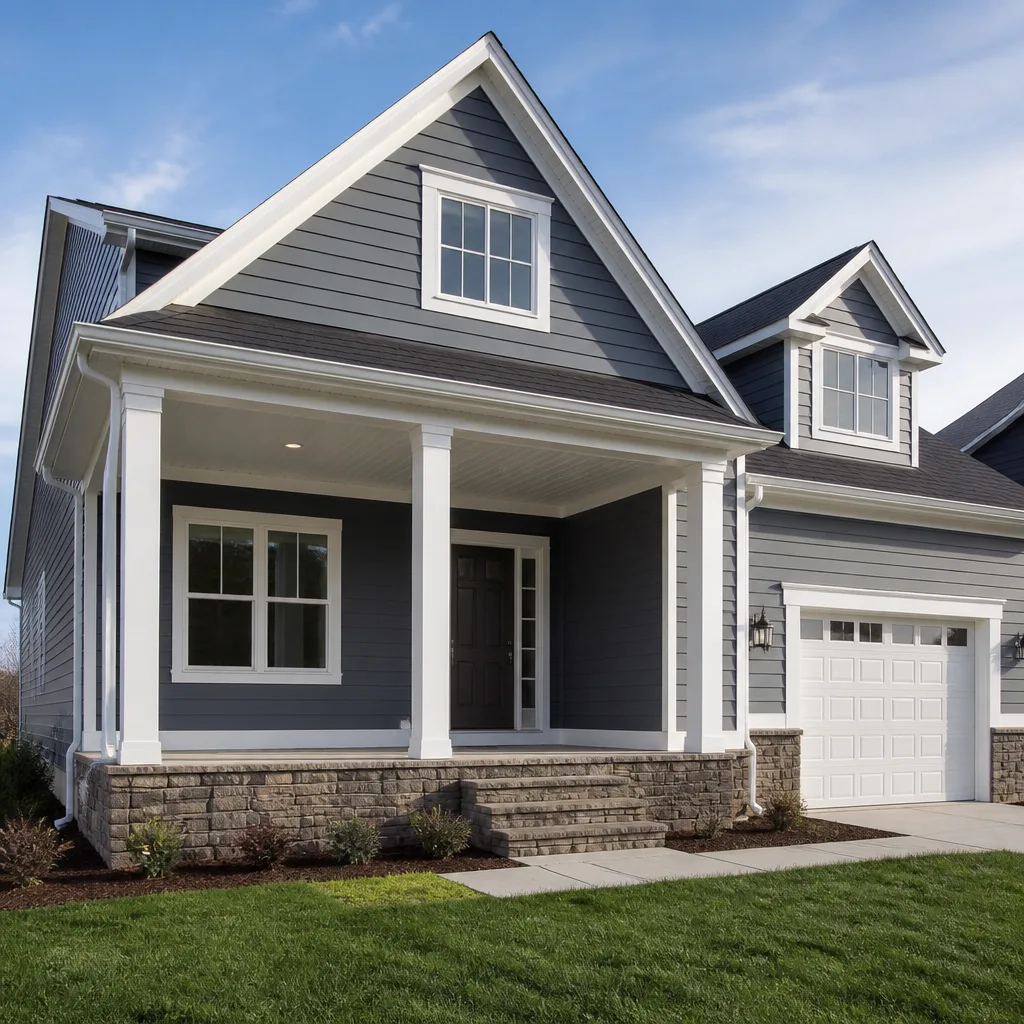
 Before
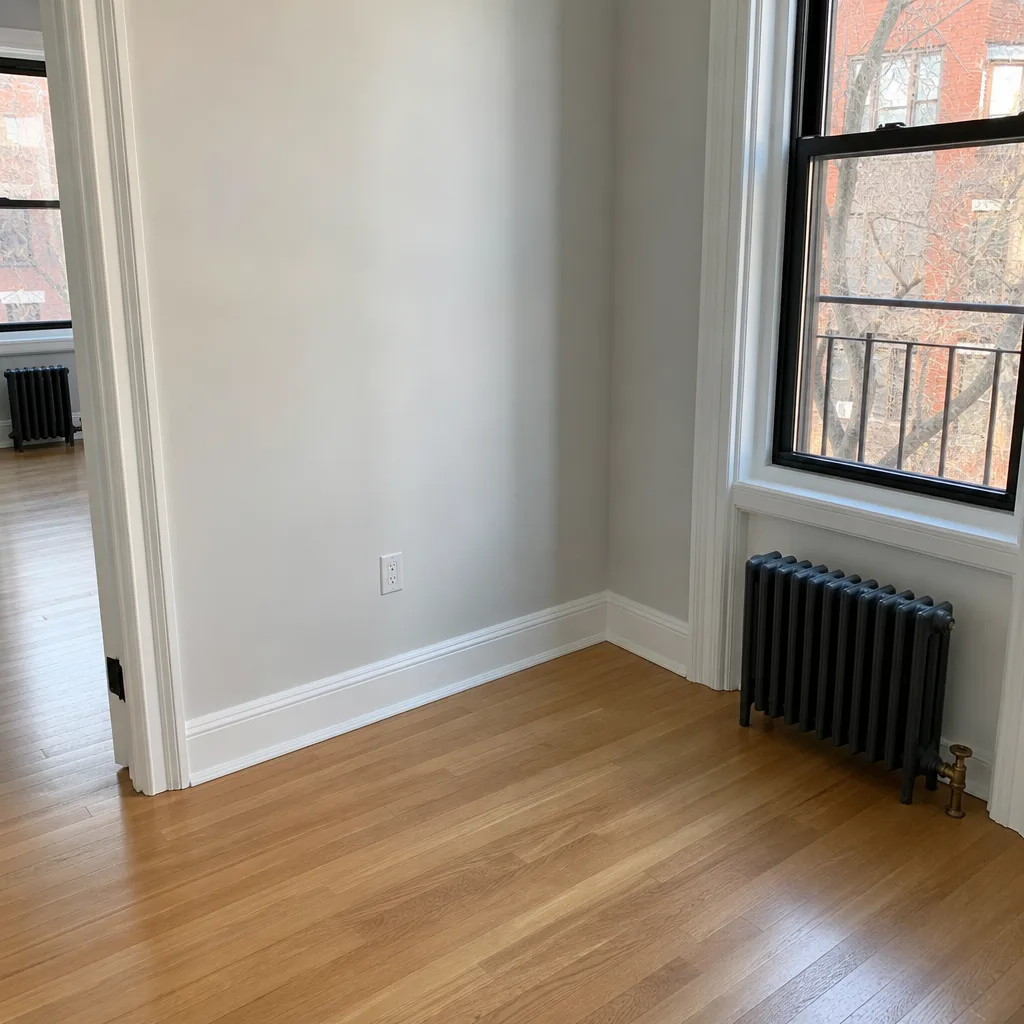 After
After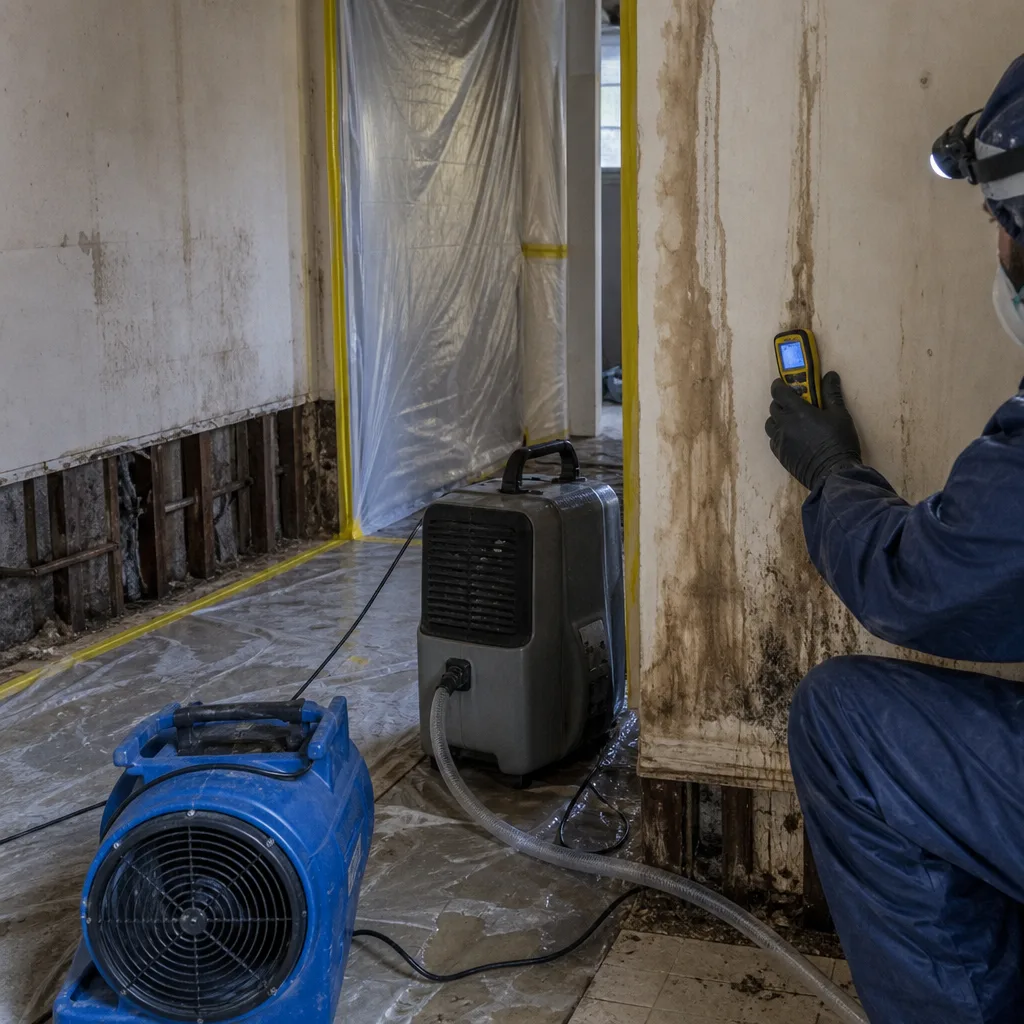 Before
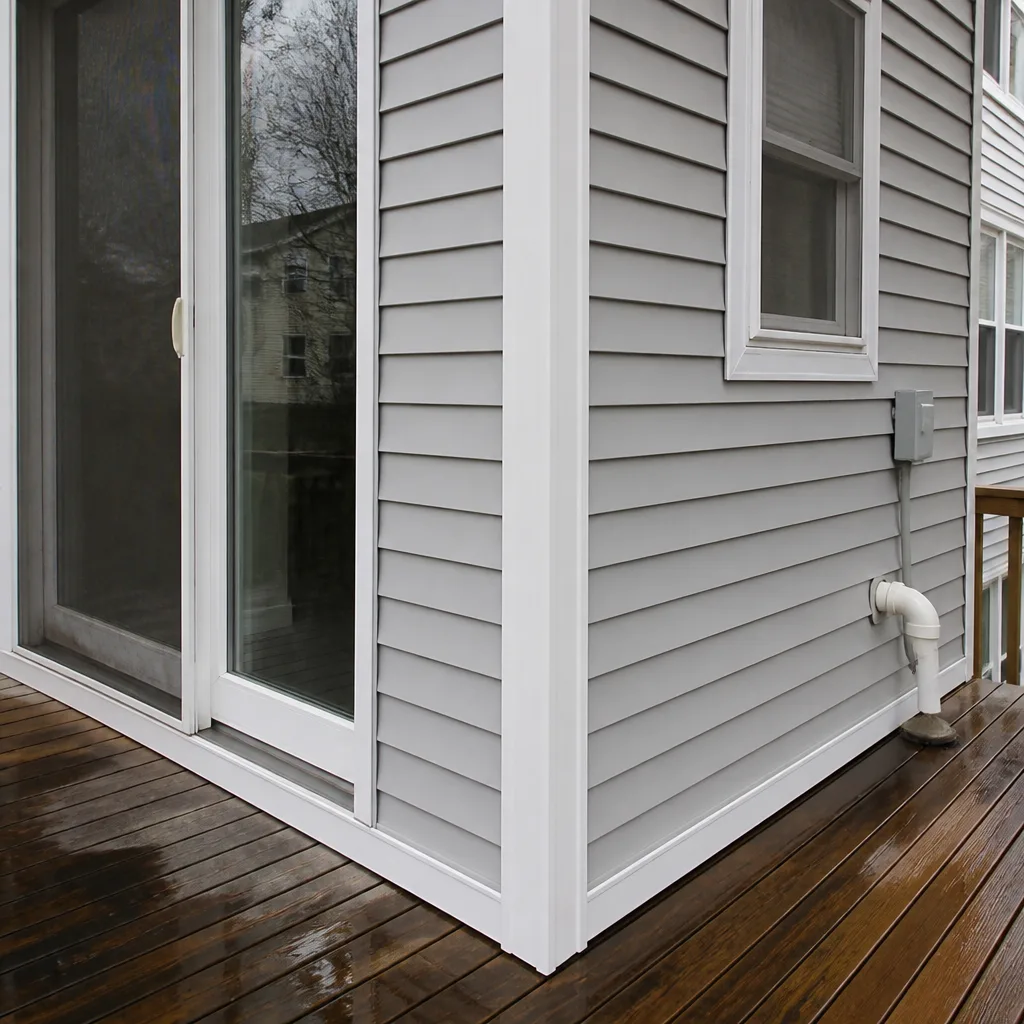 After
After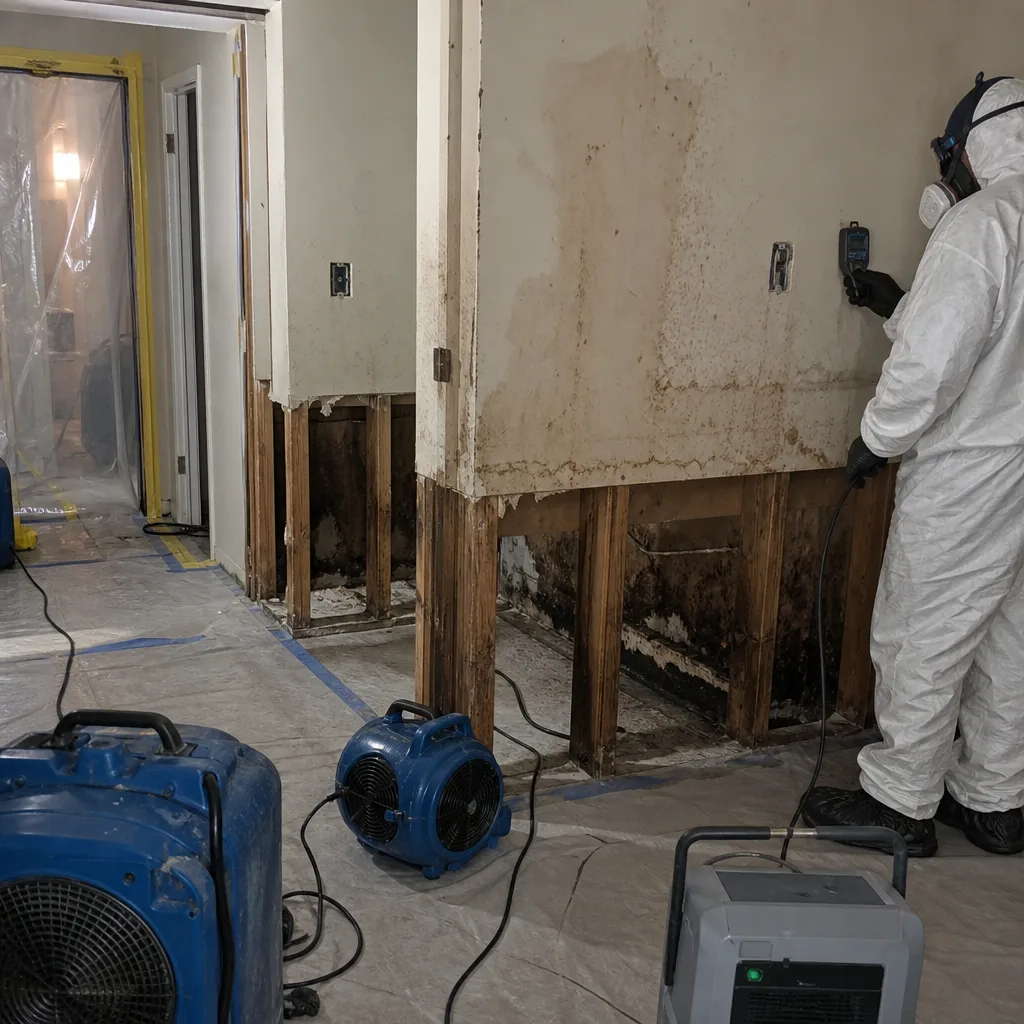 Before
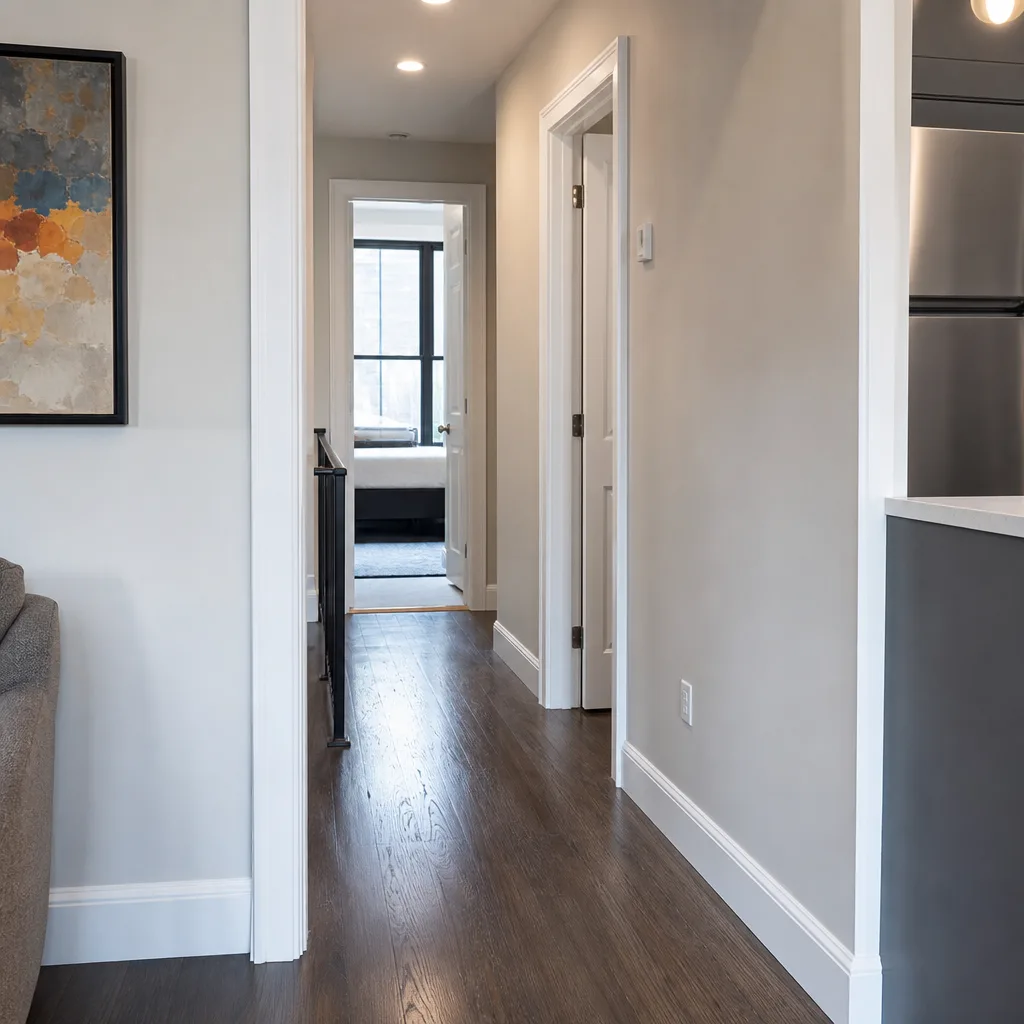 After
After24/7 Emergency Sewage Cleanup in Queens Village
A sewage backup in Queens Village is a Category 3 water event, which means the water carries bacteria, viruses, and parasites that pose a real health risk to anyone in the house. That kind of damage does not wait for business hours, and neither do we. Our crews are dispatched from our New York City office and reach Queens Village properties quickly, with a live person answering the phone at (917) 924-4221 any hour of the day or night. The first hour matters: black water soaks into plaster-over-lath walls, finished basement flooring, and the shared masonry party walls common in this neighborhood’s older twins. The longer it sits, the deeper the contamination travels and the more invasive the cleanup becomes. Call us the moment you see or smell sewage. We will walk you through what to do while we are on the way, and the visual inspection is free.
Understanding Sewage Cleanup Severity in Queens Village Properties
Sewage cleanup falls into the most serious water classification in the restoration trade: Category 3, sometimes called black water. This is water containing human waste, pathogens, and heavy organic matter from backed-up municipal sewers, failed septic systems, or toilet overflows. It is not the same as a clean water pipe break or even a gray water washing machine overflow. Queens Village homes, many built between the 1920s and 1950s, present a specific challenge here. The finished basements with plaster-over-lath walls and old plaster ceilings absorb black water quickly and hide moisture behind surfaces that look dry on the outside. Technicians must run moisture mapping with thermal imaging and penetrating meters to find what is invisible, then set containment so airborne contaminants do not migrate through the rest of the house. In semi-detached brick twins, contamination can even travel laterally through the shared party wall, which means the neighbor’s side often needs assessment too. Sewage cleanup in Queens Village is never a mop-and-fan job. It requires full containment, controlled demolition of saturated materials, antimicrobial application, and drying logs that prove the structure reached a dry standard before rebuild begins.
Why Queens Village Property Owners Choose Floodline Restoration Co. of Manhattan
- 45-minute response commitment. When sewage is spreading, we commit to having a certified crew dispatched toward your Queens Village address within 45 minutes of your call, every time.
- 24/7 live answer, never an automated system. A real dispatcher picks up at 2 a.m. on a Sunday. You will never reach a recording when your basement is flooding.
- IICRC-certified crews, including AMRT and WRT credentials. Our technicians hold applied microbial remediation and water damage restoration certifications, so the protocols for sewage are followed exactly.
- Free visual inspection before any work begins. We assess the damage, explain what we found, and agree on a written scope before we start. No pressure, no surprises.
- Direct insurance billing. We bill your carrier directly and handle adjuster communication, so you are not stuck playing messenger between two parties.
- One team from extraction to reconstruction. The same Floodline crew that extracts the sewage handles drying, sanitization, and the rebuild. No mid-job handoff to a crew you have never met.
Our Sewage Cleanup Process
Inspection & Assessment
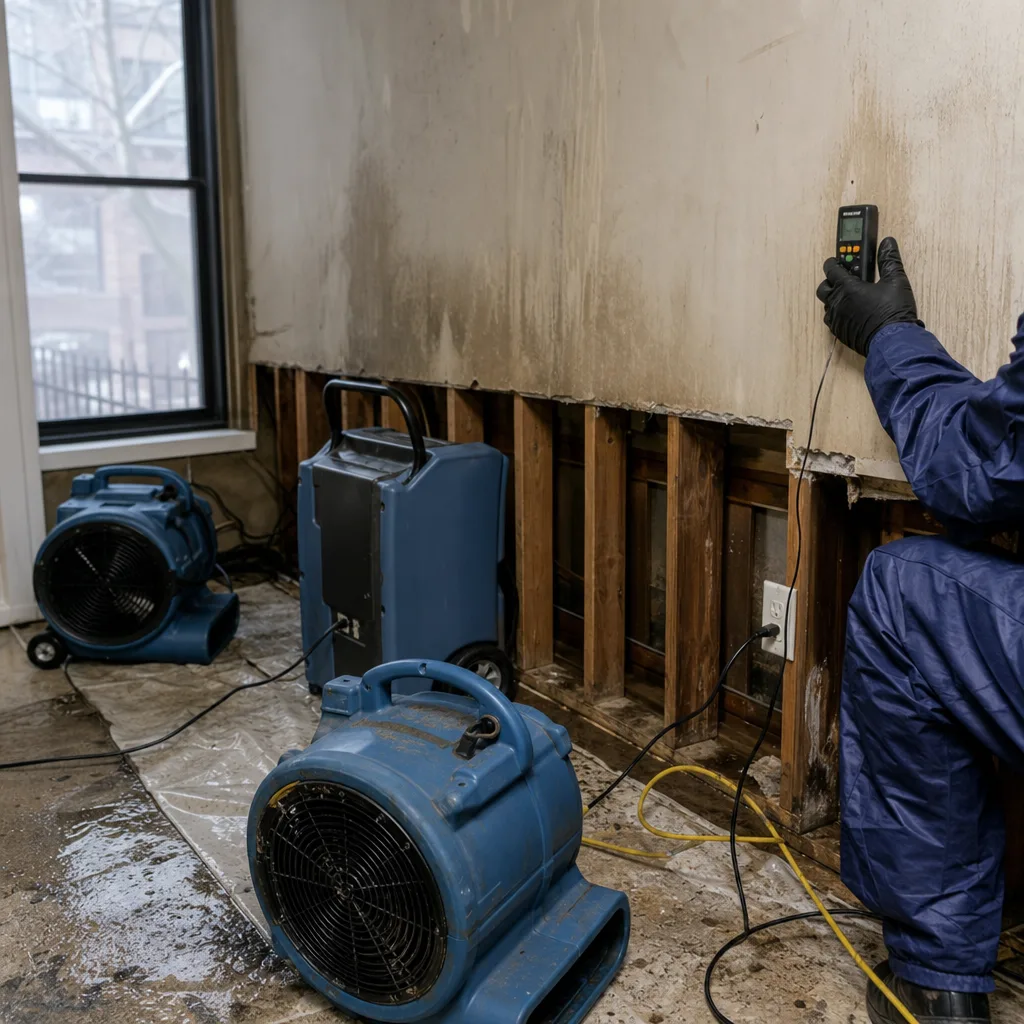
We walk the entire affected area, map moisture with thermal imaging and penetrating meters, and identify the sewage source. In Queens Village twins, that includes checking the shared party wall for lateral wicking into the neighbor’s side. You get an honest, written scope before any work starts.
Extraction & Stabilization
Black water is removed with truck-mounted and portable extraction units. Contaminated carpet, pad, and saturated drywall are cut out and bagged for disposal under containment. We stop the spread before we dry anything.
Drying & Dehumidification
Dri-Eaz dehumidifiers and Phoenix air movers are placed according to a drying plan, not scattered randomly. Daily moisture readings are logged until the structure reaches the dry standard. In plaster-over-lath basements, we may use Injectidry panels to pull moisture from inside wall cavities.
Cleaning & Sanitization
All affected surfaces are cleaned with EPA-registered antimicrobials and sanitizers. HEPA air scrubbers run throughout the process to capture airborne spores and bacteria. Hard surfaces are wiped, not just sprayed.
Crawl Space & Structural Treatment
For homes with crawl spaces, sewage pooling there requires removal of contaminated soil, vapor barrier replacement, and structural drying. We also inspect framing and sills for moisture damage that would otherwise go unnoticed.
Repairs & Restoration
Once the structure is dry and sanitized, we rebuild what was removed. Drywall, trim, flooring, and cabinetry go back in. The same crew that did the extraction does the finish work, and every job carries the 90-Day Done Right Promise.
Need Emergency Sewage Cleanup in Queens Village Now?
Crews minutes away, answering live 24 hours a day. The sooner we start, the less it costs.
Working With Your Insurance Company
Most Queens Village homeowners have never filed a sewage backup claim before, and the process can feel as messy as the damage itself. We handle the paperwork from the first hour. Our team photographs every affected area before demolition begins, logs moisture readings at every drying visit, and writes estimates in the same format your adjuster expects. We speak with your carrier directly, which means you do not have to translate restoration terminology over the phone or argue about a line-item you have never heard of. If your policy includes sewer backup coverage, flooding endorsement, or water backup of sewers and drains, we will help you use it. If it does not, we will tell you that too, before any work starts, so you can make a decision based on real numbers rather than hope.
What We Provide Your Insurer
- Thorough documentation of the loss
- Photos of all damage, room by room
- Moisture readings and drying logs
- A detailed, line-item scope of work
- Direct coordination with your carrier
Built for Queens Village’s Loss Calendar
Sewage backups in Queens Village follow a seasonal rhythm that we have learned to predict over 42 years of serving local communities. January and February bring deep freezes that crack aging cast-iron waste lines under slab foundations, sending sewage up through floor drains in finished basements. Spring thaw saturates the impermeable glacial till beneath eastern Queens, and the aging combined sewer system on streets like Jamaica Avenue and Hillside Avenue struggles to handle the runoff. Summer brings the real trouble: convective storms that dump two inches of rain in an hour, overwhelming neighborhood sewers and sending black water back through basement drains and toilets. Nor’easters in the fall push the same system past its limit, and homeowners along 217th Street, 104th Avenue, and Springfield Boulevard see backups that most of them have never experienced before. The pattern is predictable. What surprises people is how quickly a one-hour backup becomes a two-week restoration, once black water soaks into plaster walls and finished basement flooring.
Sewage Cleanup Across Queens Village’s Neighborhoods
Queens Village is not one uniform housing stock, and the way sewage damage behaves changes from block to block. Around the 217th Street corridor, the semi-detached brick Tudor twins from the 1920s and 1930s dominate, and a single backup frequently crosses the shared party wall into the neighbor’s finished basement. That means two properties, two insurance policies, and two homeowners who may not get along. We handle both sides with separate documentation and separate scopes, which most restoration companies will not do. Near Jamaica Avenue, the commercial storefronts sit on older combined sewer laterals that back up into rear apartments and storage rooms, where cleanup requires containment before any retail space reopens. Up toward Hillside Avenue, many homes still have original knob-and-tube wiring in untouched wall sections, and sewage-saturated drywall removal has to be done carefully around live circuits that were never upgraded. Over by the Bellerose border, homes built in the 1950s often have transite pipe still in the ground, and a collapsed transite lateral causes sewage to surface in the yard before it backs up inside. Different blocks, different failure modes. Same requirement: a crew that knows the difference.
Specialized Sewage Cleanup Services We Offer in Queens Village
Sewage Backup Cleanup
When the municipal combined sewer pushes black water back through your basement floor drain, the cleanup has to go beyond what you can see. We extract, cut out saturated drywall and flooring, and run containment until the space is safe to enter without protective gear. In Queens Village twins, we always check the shared party wall for lateral migration.
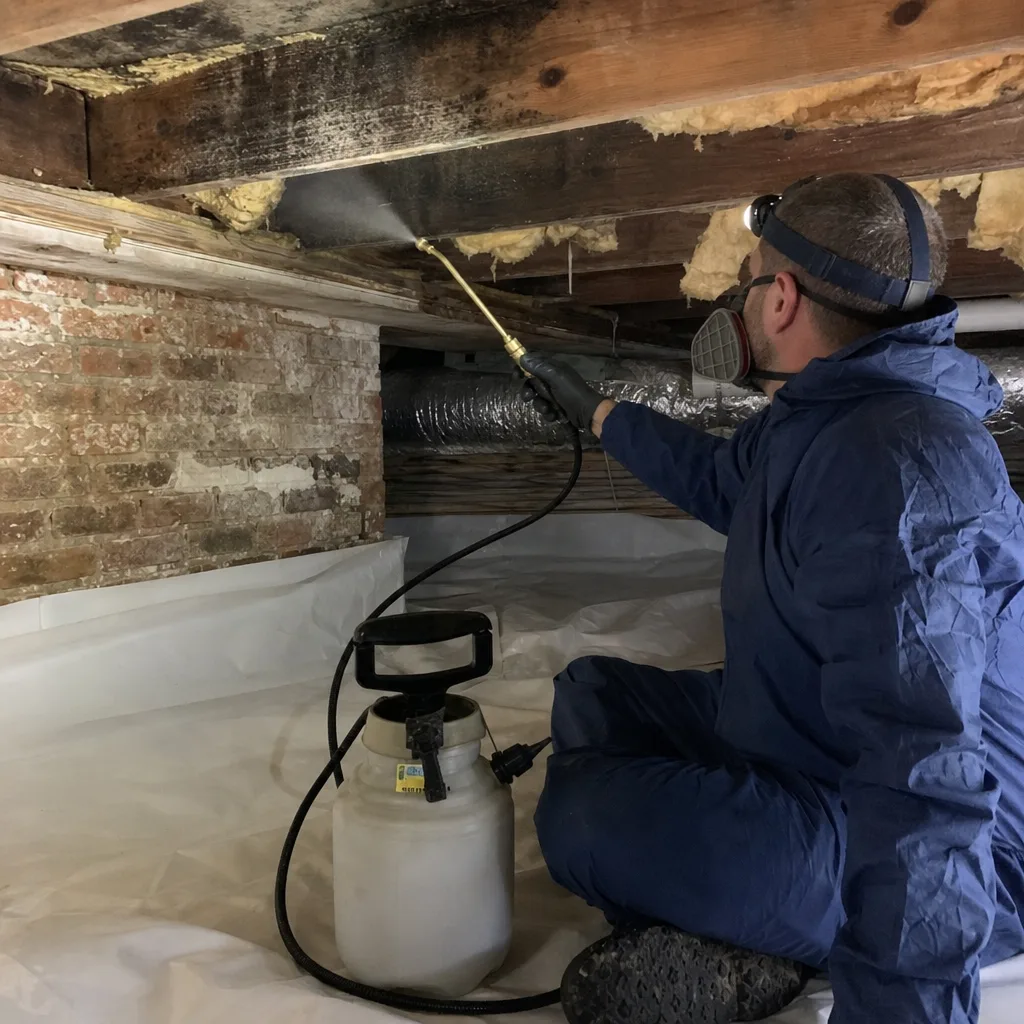
Black Water Extraction
Category 3 water is not something to stand in. Our crews extract it with professional-grade equipment while wearing full PPE, then bag and dispose of contaminated materials under proper containment. The goal is to stop the spread before it reaches clean areas of the house, which happens faster than most homeowners expect.
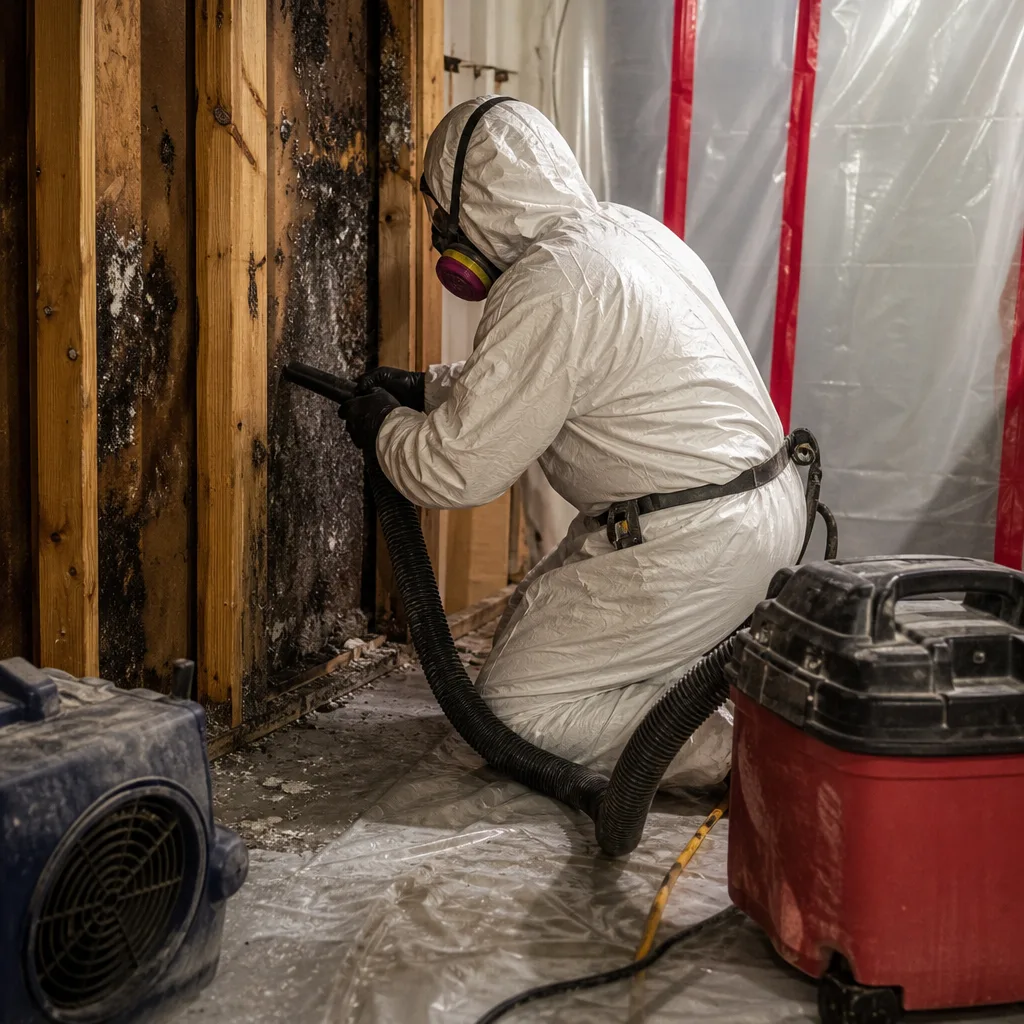
Crawl Space Sewage Removal
Older Queens Village homes with crawl spaces under the front porch or rear addition face a particular problem: sewage pools in the dirt and saturates floor joists from below. We remove contaminated soil, replace vapor barriers, and dry the structure with Phoenix and XPOWER equipment until moisture readings hit the dry standard.
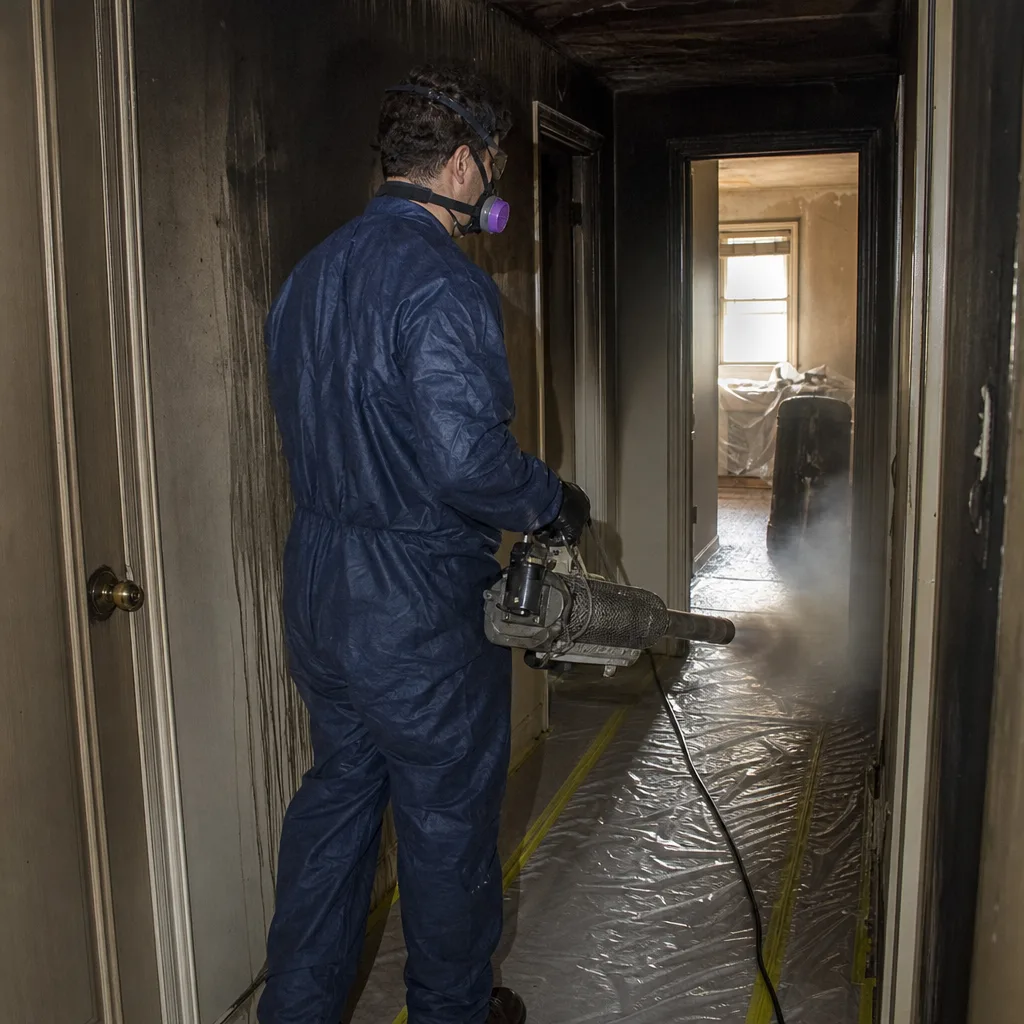
Toilet Overflow Cleanup
A toilet overflow may look small, but the water soaks into bathroom flooring, baseboards, and whatever is below. In older homes with plaster-over-lath walls, water travels down inside wall cavities and shows up as staining in the room directly beneath. We cut out what is saturated, sanitize what is salvageable, and log drying until it is done.
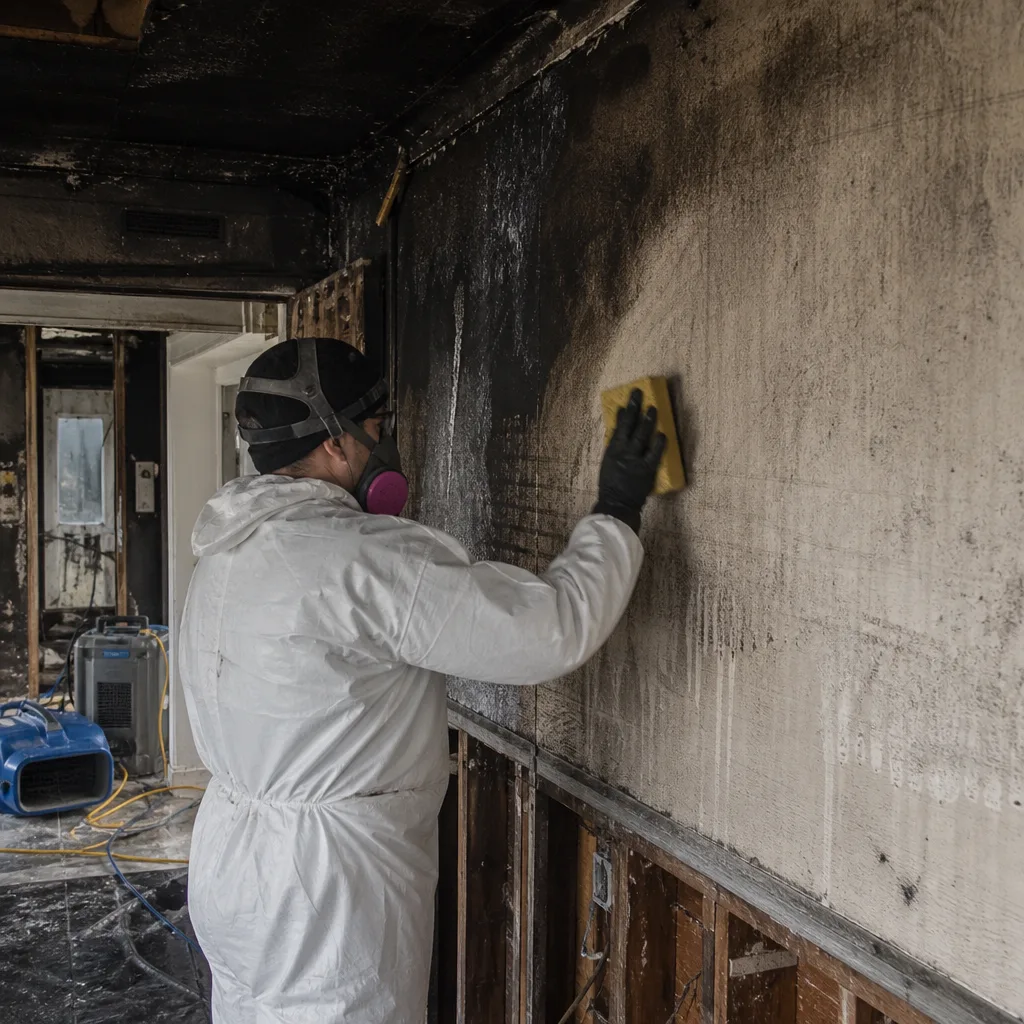
Sanitization & Disinfection
After extraction and demolition, every remaining surface gets treated with EPA-registered antimicrobials. We do not just fog the room and leave. Hard surfaces are wiped, cavities are treated, and HEPA air scrubbers run during the entire process so airborne bacteria and mold spores are removed, not stirred up.
What happens when you call
- 1
A real person answersNo phone trees - you reach a local pro.
- 2
You get an upfront price rangeHonest numbers before anyone is dispatched.
- 3
A background-checked tech heads outLicensed & insured, dispatched right away.
- 4
You approve before work beginsNothing starts until you say go.
Sewage Cleanup Costs in Queens Village, NY
A typical sewage backup cleanup in Queens Village runs between $4,000 and $12,000 for a finished basement, depending on how much flooring, drywall, and cabinetry must be removed and replaced. A smaller toilet overflow confined to one bathroom typically costs $1,800 to $4,500. Crawl space sewage removal adds $2,500 to $7,000 because contaminated soil must be excavated and disposed of. When the backup crosses a shared party wall and the neighbor’s side needs containment and drying, the combined scope can reach $18,000 to $30,000 across two properties. The biggest cost drivers are how long the sewage sat before extraction started, whether finished living space was affected, and whether plaster-over-lath walls require full removal versus targeted drying. Many Queens Village policies include sewer backup coverage, but the coverage limit is often $5,000 to $10,000, not the full loss. Call (917) 924-4221 for a free visual inspection and a written estimate before you decide anything.
We Also Serve Cities Near Queens Village
Our crews respond to sewage backups throughout eastern Queens and into the Nassau border towns. We regularly serve Oakland Gardens, Hollis, Bellerose, and Floral Park, arriving with the same 45-minute response commitment and the same written scope before any work begins.
Serving Queens Village, NY - Our Local Coverage Area
We’re based in the Queens Village area and know this community well. Use the map below to see our service coverage - if you’re nearby, we can almost certainly help.
Queens Village Sewage Cleanup Questions, Answered
How do sewage backups in Queens Village differ from those in detached homes just over the Nassau border?
In Queens Village, the semi-detached brick twins on streets like 217th Street share an un-flashed masonry party wall, which means black water from one side can wick laterally into the neighbor’s finished basement within days. Detached homes in Floral Park or Bellerose do not have that shared wall, so contamination stays on one property and one insurance policy. Our crews set containment on both sides of the wall here and document each property separately, because two carriers are almost always involved.
Can black water from a toilet overflow be dried in place if I have plaster-over-lath walls?
No. Plaster-over-lath walls absorb Category 3 water deep into the lath and the cavity behind it, where drying equipment cannot reach effectively. We cut out the saturated section, remove the contaminated lath, dry the studs and cavity, then replace with new drywall or plaster. Attempting to dry black water in place leaves bacteria and mold behind the wall, where it will surface as staining and odor weeks later.
What happens when a sewage backup on my side wicks into my neighbor’s finished basement?
We treat it as two separate losses with two separate scopes. Your neighbor’s carrier gets its own documentation, photos, and drying logs. Your carrier gets the same for your side. We coordinate both, but we do not combine them into one estimate, because that creates disputes over who pays for what. In Queens Village, where this happens on nearly every multi-unit job, this kind of two-property handling is the only way to avoid a claim denial on one side or the other.
How quickly does mold start after a basement sewage backup in Queens Village’s older homes?
In the finished basements of 1920s to 1950s brick twins, with plaster-over-lath walls and old wood framing, mold can start within 24 to 48 hours of a sewage backup. The black water itself carries mold spores, and the organic material in the water feeds them. That is why our crews arrive fast, extract immediately, and cut out saturated materials on the first visit. Waiting a few days to see if it dries out on its own is how a $6,000 cleanup becomes a $25,000 mold remediation plus rebuild.
Do I need to worry about asbestos or knob-and-tube wiring during sewage cleanup?
Yes. Many Queens Village homes built before the 1960s still have asbestos-containing plaster, transite pipe, or knob-and-tube wiring in untouched wall sections. When sewage-saturated drywall or plaster must be removed, our crews identify these materials before cutting and follow the required protocols for their safe handling. That is part of why a trained, certified crew matters here. A general handyman will cut through whatever is there, and you will be left with a bigger problem than the sewage.
How fast can a crew reach my Queens Village home?
Our commitment is 45 minutes from your call to a dispatched crew, and our live dispatchers answer at (917) 924-4221 around the clock. In practice, crews serving Queens Village are often mounting containment and starting extraction within 60 to 90 minutes of the first call, depending on where in the neighborhood you are and what time of day it is.
Will my insurance cover sewage cleanup in Queens Village?
Standard homeowners policies usually exclude sewer backup unless you added a water backup of sewers and drains endorsement, which many Queens Village homeowners have. That endorsement typically carries a $5,000 to $10,000 limit, which may not cover a full finished basement restoration. We bill your carrier directly and provide the documentation they require, and we will tell you honestly where you stand before work begins.
What should I do in the first 30 minutes after a sewage backup?
Turn off electricity to the affected area if you can do so without stepping in water, move children and pets to a dry floor, and call (917) 924-4221. Do not flush toilets, run the washing machine, or pour anything down drains, because the backup is still connected to the system and you will push more sewage into the house. Do not try to vacuum or mop it yourself. Black water is a health hazard, and the right move is to keep everyone out and let our certified crew handle it.
Queens Village’s older brick twins and aging sewer system make sewage cleanup here a more complicated job than most people expect until they are standing in it. The shared party walls, the plaster-over-lath basements, the two-insurer claims when a backup crosses the property line: these are the realities we deal with on nearly every job in this neighborhood. We handle all of it with one crew, one written scope, and one guarantee. The 90-Day Done Right Promise is in writing, and if it is not done right, we make it right. No arguing. That is the Floodline Restoration Co. standard.
Call (917) 924-4221 for a free visual inspection and a straight answer about your sewage cleanup in Sewage Cleanup in Queens Village. A live person answers, day or night. Our Sewage Cleanup team is ready to dispatch to your home now.
Written by Curt Bowman, Owner at Floodline Restoration Co. of Manhattan, serving Queens Village and the surrounding New York City area since 2010.