
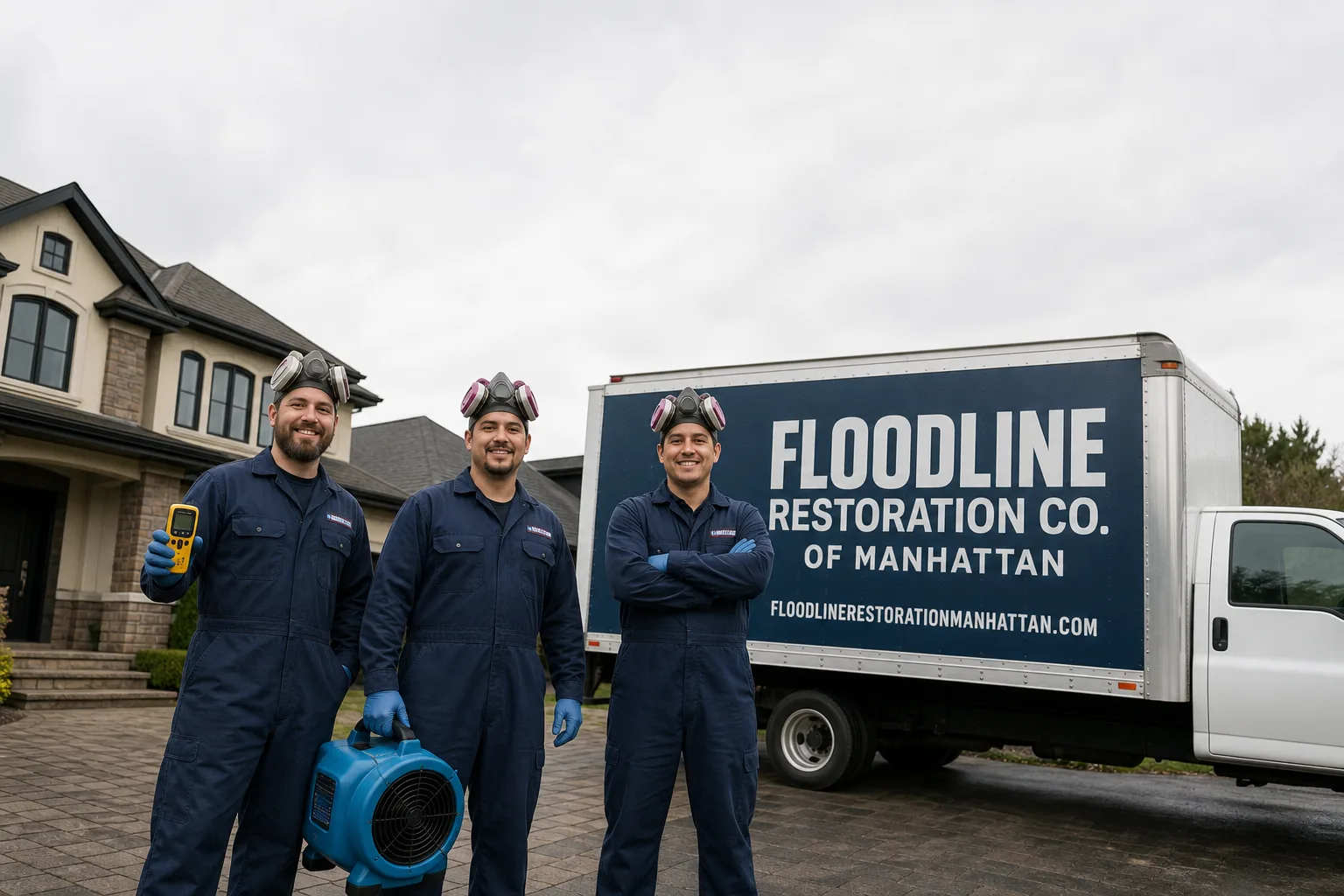
Free visual inspection and a written scope of work before any mitigation begins - photos, moisture readings, and drying logs go in your claim file
The scope we write is the scope we bill. Anything new gets shown to you, in writing, before we touch it.






 Before
 After
After Before
 After
After Before
 After
After24/7 Emergency Sewage Cleanup in Rye
Sewage cleanup in Rye homes typically starts with a phone call to (917) 924-4221, and our crew is dispatched inside 45 minutes, day or night. A live person answers, not a recording. Category 3 black water from a toilet overflow, sewer backup, or tide-driven floor drain backflow carries bacteria, viruses, and parasites that begin soaking into plaster, hardwood, and framing within the first hour. The speed of extraction and the start of structural drying determines how much of your Rye home gets saved versus torn out. We hold the 90-Day Done Right Promise on every job, in writing. We’ll be there when we say.
Understanding Sewage Cleanup Severity in Rye Properties
Rye’s housing stock makes sewage cleanup a different animal than it is in newer Westchester developments. Most homes north of the Boston Post Road predate WWII: plaster-and-lath walls over timber framing, original oak or maple floors, fieldstone foundations. Those materials wick Category 3 water far deeper than gypsum board and engineered lumber. A backup in a 1928 Tudor off Forest Avenue isn’t a mop-up; it’s a moisture-mapping job with daily readings until the dry standard is met. We classify water under IICRC standards: Category 1 is clean supply water, Category 2 carries significant contamination, and Category 3 includes sewage, seawater, and any water entering from outside a structure. In Rye, the coastal factor means a floor drain backup during a nor’easter can be saltwater sewage, which corrodes fasteners and framing joints faster than inland fresh sewage. That distinction changes the treatment protocol, the drying timeline, and the scope of the repair.
Why Rye Property Owners Choose Floodline Restoration Co. of Manhattan
- 45-minute response commitment. We dispatch crews from staging points inside the Rye area, so when a basement is filling, we arrive fast and start extraction the same visit.
- A real person answers, 24/7. Calls to (917) 924-4221 reach a live dispatcher at 2 a.m., not a voicemail tree. The crew that shows up knows your neighborhood.
- IICRC-certified technicians. Our crews are trained to IICRC WRT and ASD standards, with RIA and IFA certifications backing the field work. Uniformed and background-checked, every job.
- Free visual inspection. We assess the loss, photograph the damage, and give you a written scope before any work begins. No surprises on the bill.
- Direct insurance billing. We document from the first hour and bill your carrier directly. You never play messenger between us and the adjuster.
- One team from extraction to reconstruction. We handle the Sewage Cleanup and the rebuild that follows. No mid-job handoff to a third party.
Our Sewage Cleanup Process
Inspection & Assessment
We inspect the affected area, identify the water category, and map moisture with thermal imaging and hygrometers. In Rye’s older homes, that means checking plaster walls, subfloor cavities, and crawl spaces that hold moisture invisibly.
Extraction & Stabilization
We remove standing sewage water with truck-mounted extraction units and set up containment to prevent cross-contamination. In Oakland Beach, where tide-driven backflow pushes seawater and sewage upward through floor drains, we check the drain line condition immediately because saltwater accelerates iron and steel corrosion.
Drying & Dehumidification
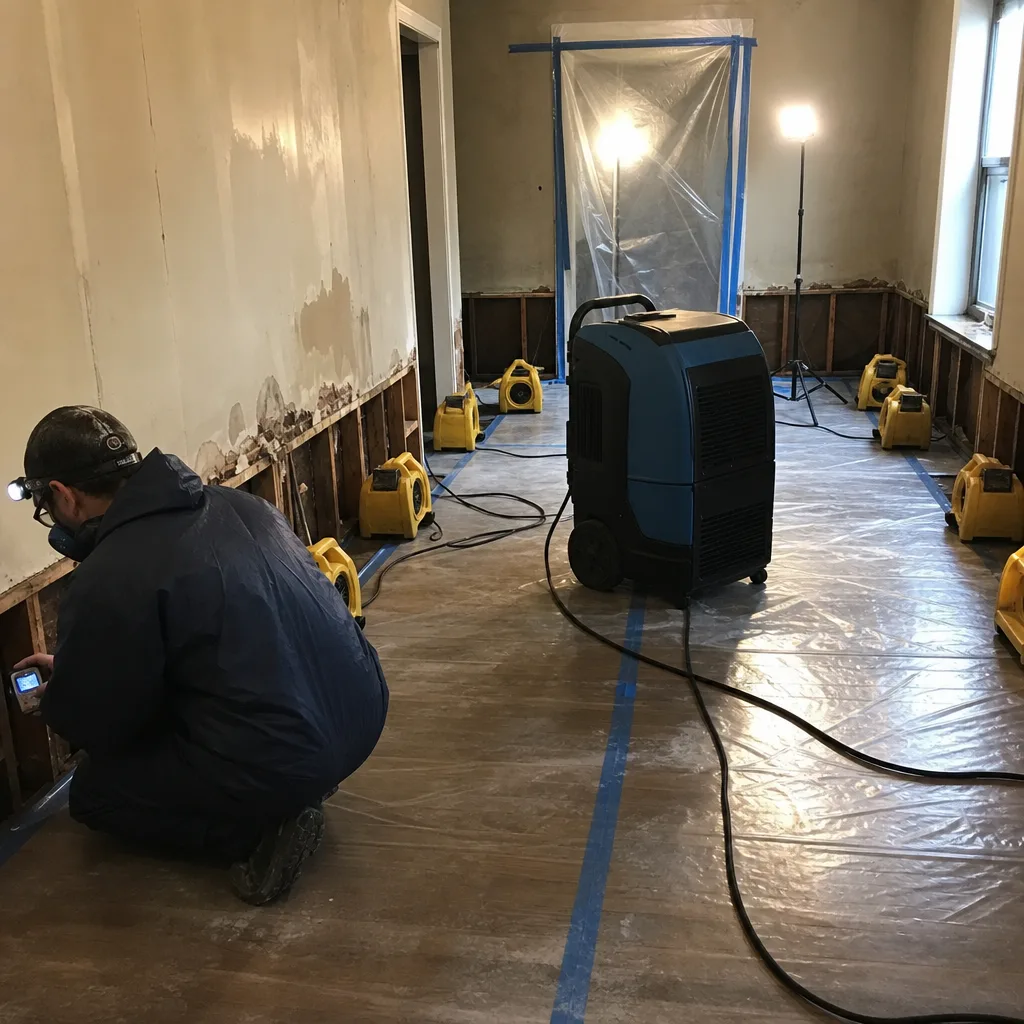
Structural drying begins immediately. We position Dri-Eaz dehumidifiers and Phoenix air movers according to the moisture map, not guesswork. Rye’s post-storm Sound humidity means we track readings every 12 hours, because a surface that feels dry can still hold destructive moisture inside lath and old-growth framing.
Cleaning & Sanitization
All affected surfaces get antimicrobial treatment and HEPA vacuuming. Contaminated porous materials that cannot be dried safely are removed. We log every step so the homeowner and the insurer see exactly what was done.
Crawl Space Sewage Removal
Rye crawl spaces under pre-war homes are tight, dark, and often fieldstone-lined. Sewage pooling there requires extraction, soil remediation, and vapor barrier replacement in many cases. We handle the full scope, including structural drying beneath the floor above.
Repairs & Restoration
The same crew that extracted the water rebuilds what needs rebuilding, from subfloor replacement to trim, drywall, and paint. The 90-Day Done Right Promise covers the whole job. Done right, and backed in writing.
Need Emergency Sewage Cleanup in Rye Now?
Crews minutes away, answering live 24 hours a day. The sooner we start, the less it costs.
Working With Your Insurance Company
Most Rye homeowners have coverage for sudden sewage backups, but the claim lives or dies on documentation. We photograph every square foot of the loss before extraction begins, then log moisture readings, drying progress, and antimicrobial application as the job proceeds. Adjusters get line-item scopes with local labor and material pricing, not inflated national averages. We coordinate with your carrier directly, respond to their follow-up questions, and provide the paper trail they need. Every dollar of work is defensible because every step was documented. If the adjuster pushes back, we stand behind the scope with data, not opinion.
What We Provide Your Insurer
- Thorough documentation of the loss
- Photos of all damage, room by room
- Moisture readings and drying logs
- A detailed, line-item scope of work
- Direct coordination with your carrier
Built for Rye’s Loss Calendar
Rye’s sewage and water damage losses follow a rhythm that local crews know by heart. The January deep freeze cracks supply lines in pre-war homes along Purchase Street. Spring thaw saturates the ground around the Blind Brook corridor, raising the water table and filling basements in neighborhoods east of the brook. Summer thunderstorms dump fast rain on hard-packed soil, overwhelming storm drains. But the meanest season is fall and early winter: nor’easters. A nor’easter surge doesn’t just soak shoreline homes near Oakland Beach and Greenhaven; it backs tide water up through storm drains that connect directly to Long Island Sound, pushing saltwater sewage through basement floor drains in homes that never flooded before. By the time the street drains clear, black water has already spread across old hardwood and into plaster walls. That’s the loss calendar we plan around.
Sewage Cleanup Across Rye’s Neighborhoods
Rye isn’t one street pattern; it’s a collection of distinct neighborhoods, and each one fails differently. Oakland Beach is the most vulnerable: storm drains tie directly to tide-influenced water, so a nor’easter surge backflows Sound water and sewage through basement floor drains hours before peak winds arrive. We’ve seen finished basements there turn Category 3 before the storm even hits full force. Greenhaven, further east along the Sound, faces direct spray and wind-driven rain that pushes saltwater into foundation cracks and crawl spaces. Rye Neck, clustered near the Mamaroneck town line, has a high proportion of older homes on small lots, where a sewer line backup in one house often means the lateral is shared or aging. The Boston Post Road corridor mixes pre-war Colonials with mid-century stock, where cast-iron drain lines have reached the end of their life and fail without warning. We know which blocks flood, which sewers back up, and which crawl spaces hold water. That local knowledge is why Sewage Cleanup in Rye is a different job than the same service ten miles inland.
Specialized Sewage Cleanup Services We Offer in Rye
Sewage Backup Cleanup
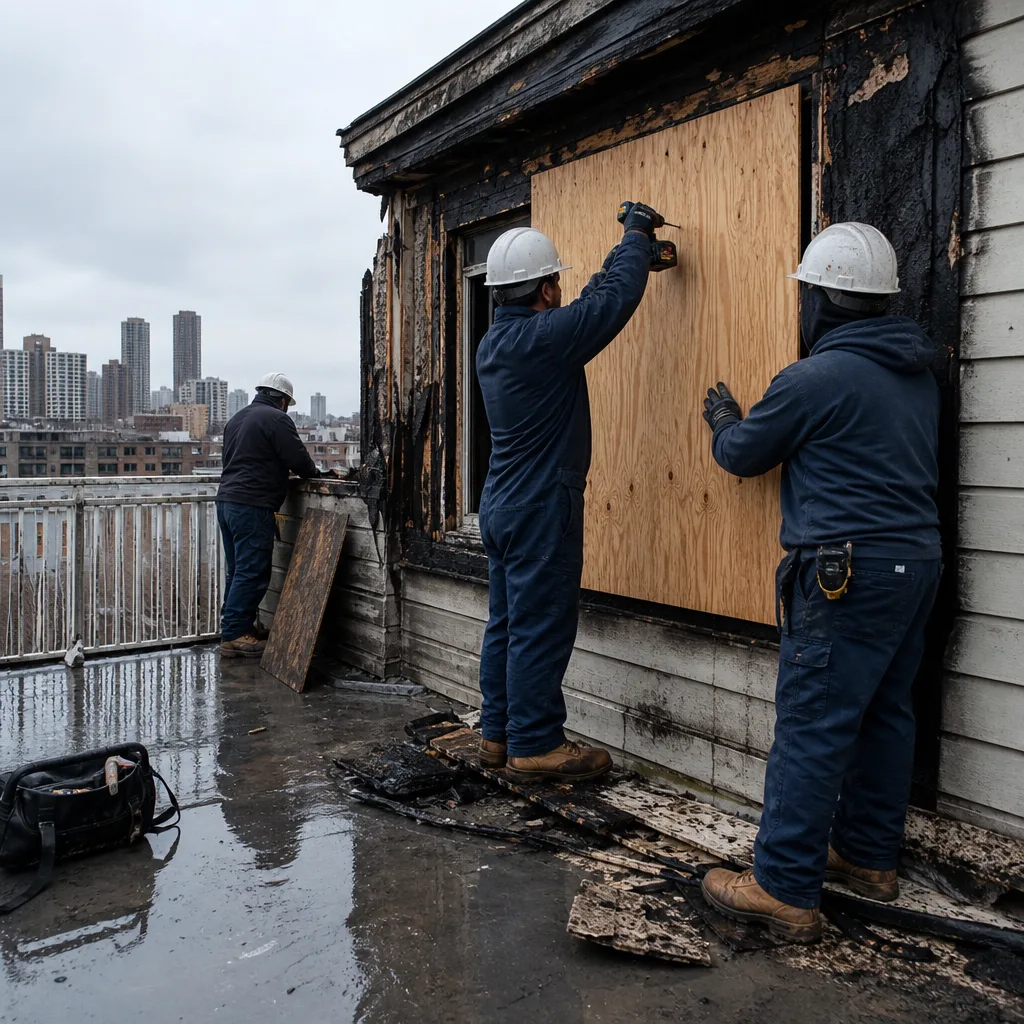
When a municipal line or house lateral backs up, sewage rises through floor drains and toilets. We extract, contain, sanitize, and dry, then repair whatever was damaged. In Rye’s older neighborhoods, that often means pulling baseboards and drilling plaster to check wall cavities.
Toilet Overflow Cleanup
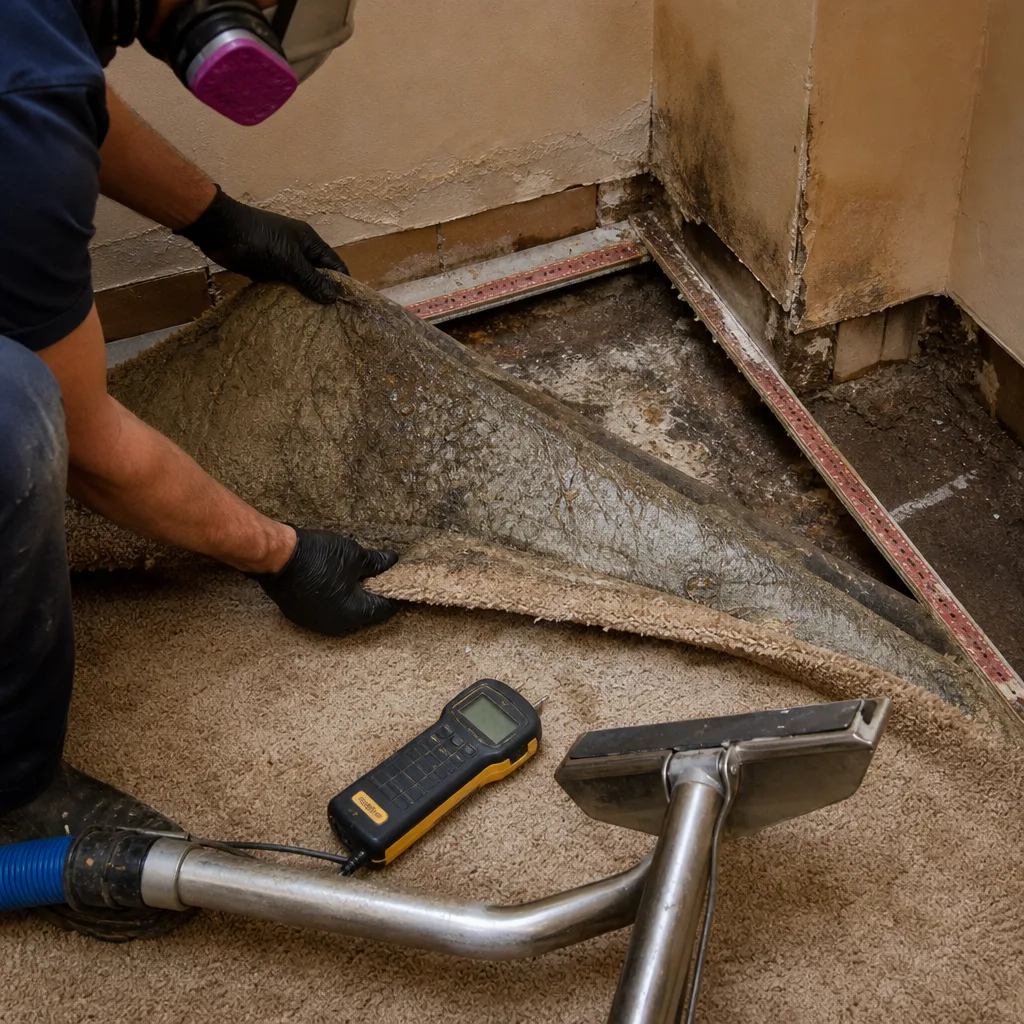
A toilet overflow is rarely just a bathroom problem. We trace the water path, extract from finished floors, and check the joist bays beneath. On pre-war hardwoods, fast action means the difference between refinishing and replacement.
Septic Failure Cleanup
Rye has a mix of municipal sewer and older septic systems, particularly on larger estate properties north of the Boston Post Road. Septic failure sends effluent into yards and basements. We remediate the contamination and coordinate with septic professionals when the tank or leach field is involved.
Black Water Extraction
Category 3 water from sewage, seawater, or mixed floodwater gets extracted with truck-mounted units, not a shop vacuum. In Oakland Beach, where tide-driven backflow mixes saltwater and sewage, our RIA-trained crews account for salt residue that accelerates corrosion if not rinsed and treated properly.
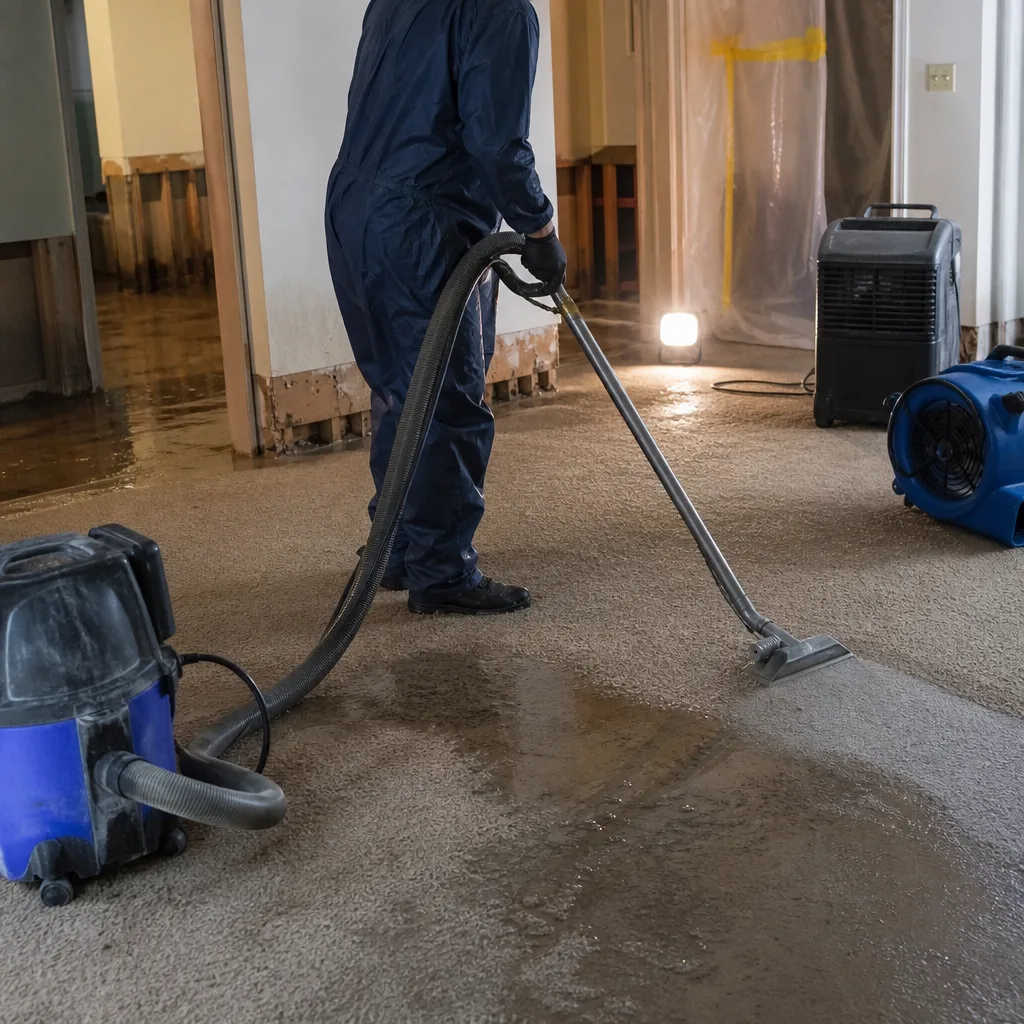
Sanitization & Disinfection
After extraction, we apply antimicrobial agents to every affected surface and run HEPA air scrubbers during containment. Rye’s post-storm humidity means ongoing microbial pressure, so we don’t rush the sanitization phase. The drying log shows that the home was clean and dry before the job closed.
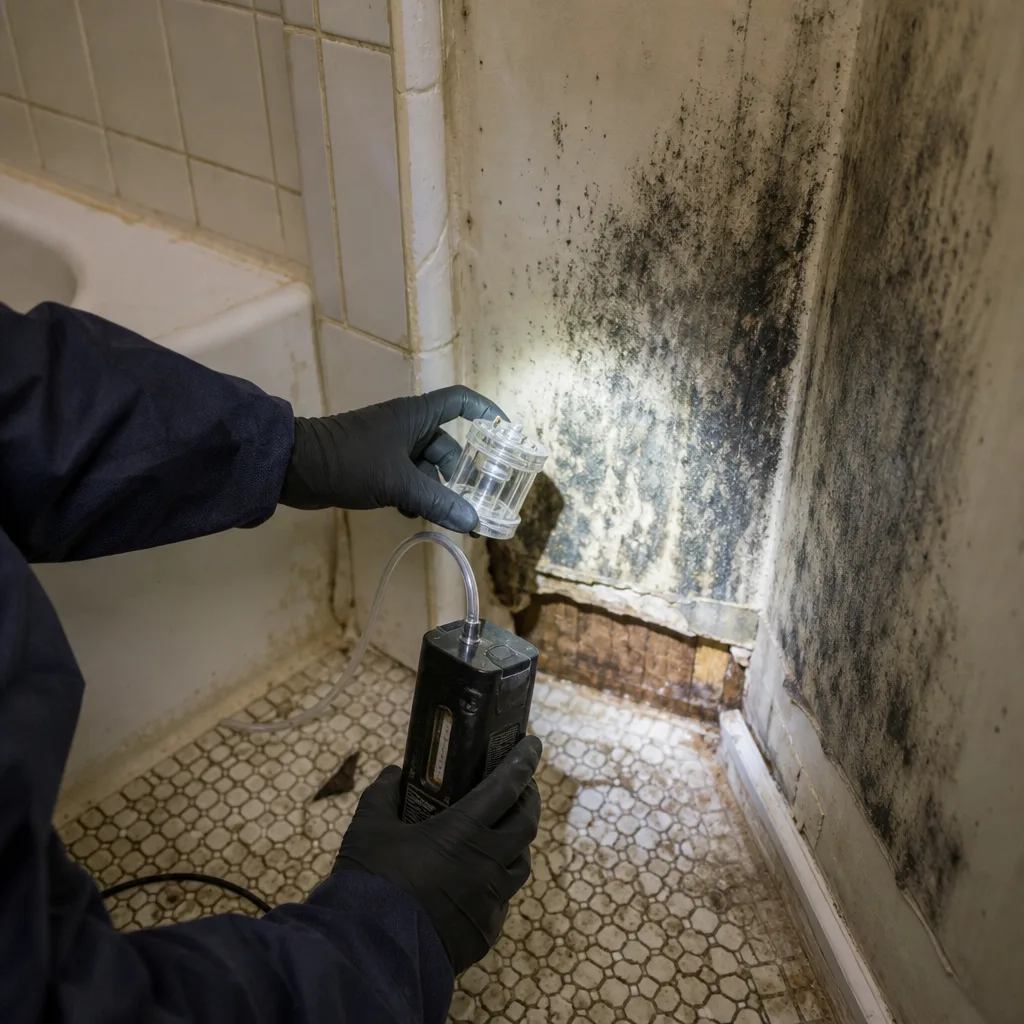
Crawl Space Sewage Removal
Rye’s pre-war homes often have fieldstone crawl spaces, not basements. Sewage pooling there wicks upward into original floors. We extract, remove contaminated soil where needed, treat the framing, and install or replace vapor barriers. If the floor above is original hardwood, we dry it slowly and track moisture daily to avoid cupping and warping.
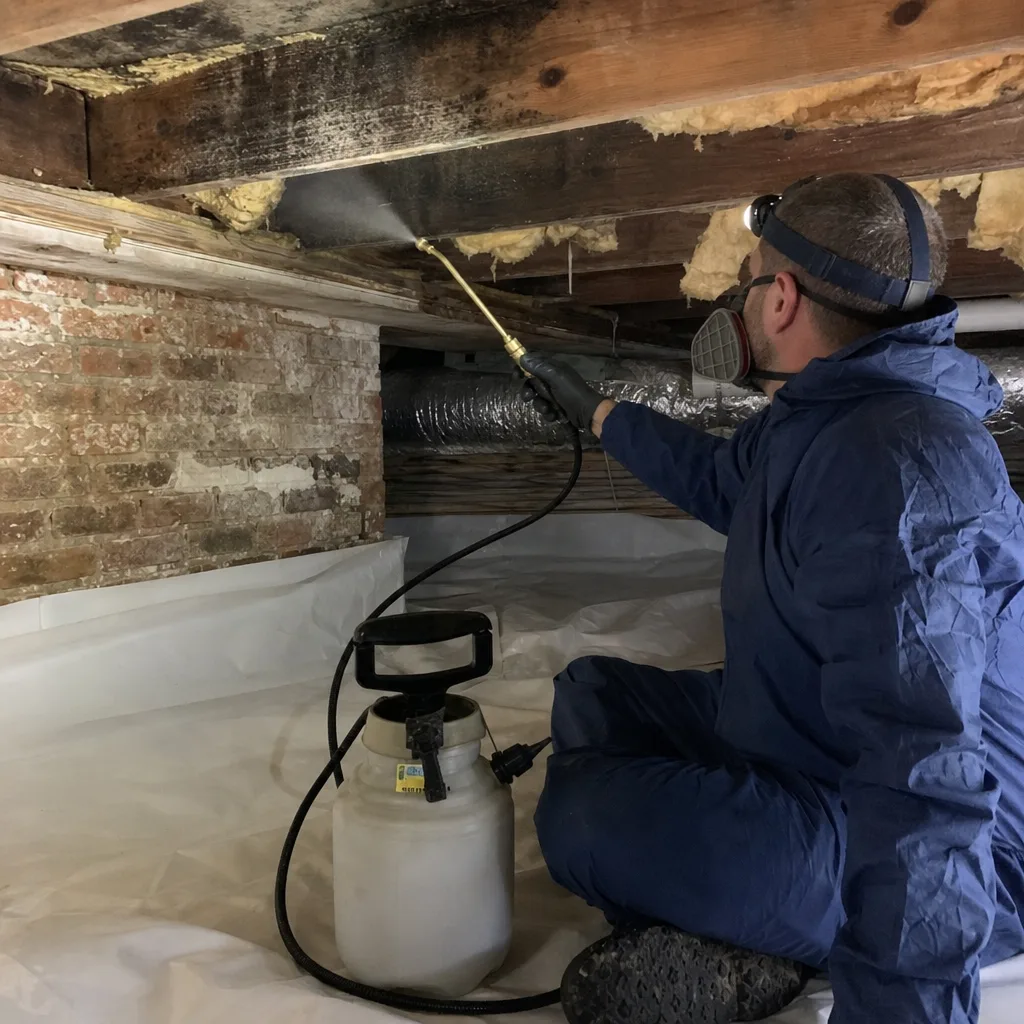
What happens when you call
- 1
A real person answersNo phone trees - you reach a local pro.
- 2
You get an upfront price rangeHonest numbers before anyone is dispatched.
- 3
A background-checked tech heads outLicensed & insured, dispatched right away.
- 4
You approve before work beginsNothing starts until you say go.
Sewage Cleanup Costs in Rye, NY
A typical Category 3 sewage cleanup in Rye runs $2,800 to $6,500, depending on the square footage affected, the materials involved, and whether structural drying extends past three days. A small toilet overflow confined to a bathroom floor may stay under $2,000. A tide-driven floor drain backup that floods a finished Oakland Beach basement and soaks plaster-and-lath walls can run $8,000 to $18,000 once you account for containment, extended drying, antimicrobial treatment, and reconstruction. Crawl space sewage removal usually falls between $3,000 and $7,500, higher if the soil itself needs excavation. Insurance typically covers sudden and accidental sewage backups, minus your deductible. We provide a free visual inspection and a written scope before any work begins, so you know the number before we start. Call (917) 924-4221 for an exact quote, estimates are free.
We Also Serve Cities Near Rye
Our crews cover all of Rye and the surrounding communities: Harrison, Mamaroneck, Port Chester, and Larchmont. Same 45-minute response commitment, same written 90-Day Done Right Promise.
Serving Rye, NY - Our Local Coverage Area
We’re based in the Rye area and know this community well. Use the map below to see our service coverage - if you’re nearby, we can almost certainly help.
Rye Sewage Cleanup Questions, Answered
How does the tide-influenced storm drain system in Oakland Beach change the way you handle sewage backups during nor’easters?
It changes the source identification. In Oakland Beach, we check the floor drain and the street drain connection immediately, because in many homes the drain ties directly to tide-influenced water. During a nor’easter surge, Sound water pushes backward through those drains and rises through basement floor drains as saltwater mixed with sewage. Out-of-area contractors misdiagnose this as a sump pump failure. We recognize it, treat it as Category 3 saltwater sewage, and adjust our corrosion mitigation accordingly. Call (917) 924-4221 and we’ll assess it properly.
What is the biggest mistake contractors make when drying out a pre-WWII Rye home after a sewage backup?
They stop drying when the surface reads dry on a moisture meter and ignore what’s inside the plaster-and-lath walls and old-growth timber. In a pre-war Rye home, those materials hold water for days after extraction. The biggest mistake is ending the drying protocol early and skipping logged moisture readings. We take daily readings, compare against baseline, and keep drying until the structural standard is met, not until the floor feels dry. Call (917) 924-4221 for a free inspection after any sewage loss.
Can a sewage backup in a Rye crawl space be cleaned without tearing out the original floor above?
Often yes, if we extract quickly and start structural drying before the floor absorbs enough moisture to cup or delaminate. Rye’s original oak and maple floors can survive if we get air moving under them and track moisture daily. But if the sewage sat for days, or if the vapor barrier was already compromised, tearing out the flooring may be unavoidable. Our goal is to save the original material whenever possible, and the moisture data guides that call. Call (917) 924-4221 and we’ll tell you honestly which path your floor needs.
Why do sewage cleanup crews in Rye need to account for Long Island Sound humidity even after the water is extracted?
Because the Sound keeps ambient humidity high for days after a storm, especially in shoreline neighborhoods. That humidity works against dehumidification. A home may look dry on day two and still be holding dangerous moisture in the wall cavities. We adjust our drying equipment placement and monitor indoor humidity against outdoor readings until we reach the dry standard. Skip that coastal adjustment and mold becomes the second claim. Call (917) 924-4221 for the full protocol.
What should I do if I see water coming up through my basement floor drain in Rye during a nor’easter?
Shut off the power to the basement if you can safely do so, move people and pets away from the water, and call (917) 924-4221. In Rye, that rising water may be saltwater sewage pushed backward through tide-influenced drains, not a clean sump failure. Do not walk through it if you don’t have rubber boots and gloves. Do not try to plunge or seal the drain. Document with photos from a dry spot and wait for a professional extraction crew. We’ll arrive fast, identify the source, and start extraction the same visit.
How fast can someone actually get to my Rye home for sewage cleanup?
Our response commitment is 45 minutes from your call to (917) 924-4221. Crews stage inside the Rye service area specifically so we can hit that number, day or night, including during a nor’easter. A live dispatcher picks up the phone at 2 a.m. and starts the dispatch, not a recording. The first hour after a sewage backup matters more than the next 24.
Will insurance cover a sewage backup in my Rye home?
Most Rye homeowners policies cover sudden and accidental sewage backups, but the claim depends on documentation. We photograph the loss, log moisture readings, and provide a line-item scope that matches the local market. We bill your carrier directly and coordinate with the adjuster. If coverage is denied, we’ll show you exactly what we submitted and walk you through your options. Call (917) 924-4221 for a free claim-ready assessment.
How long does sewage cleanup and drying take in a Rye home?
A small toilet overflow can be extracted, sanitized, and dried in 24 to 48 hours. A finished basement flooded with Category 3 black water in a pre-war Rye home typically takes 4 to 7 days of structural drying, sometimes longer when the Sound keeps humidity high. We take daily moisture readings and hand you the log at the end. You’ll know exactly when the home is dry enough to repair. Call (917) 924-4221 for an estimate on your specific loss.
Written by Curt Bowman, Owner at Floodline Restoration Co., serving Rye and the Westchester Sound Shore.