
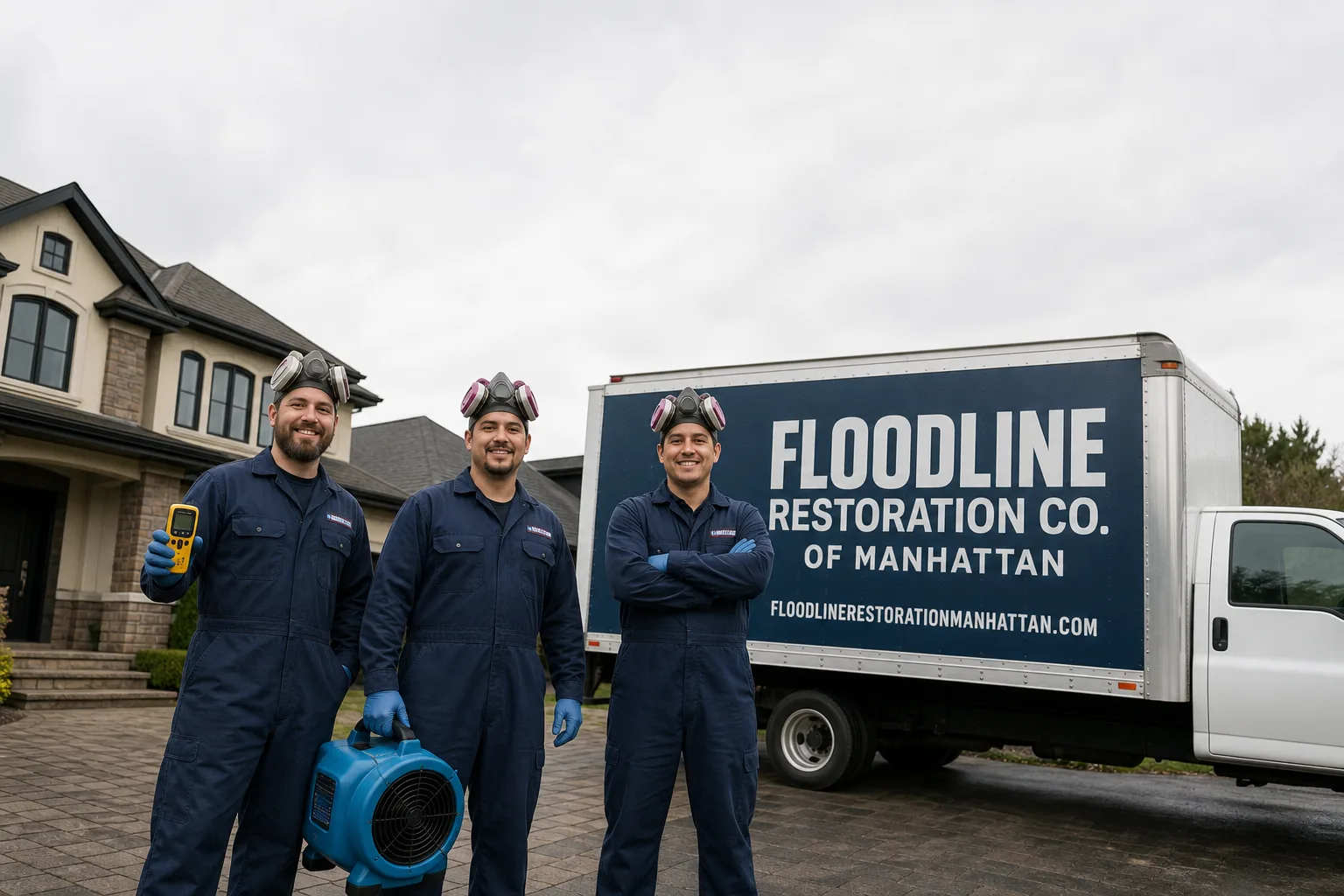
Free visual inspection and a written scope of work before any mitigation begins - photos, moisture readings, and drying logs go in your claim file
The scope we write is the scope we bill. Anything new gets shown to you, in writing, before we touch it.






 Before
 After
After Before
 After
After Before
 After
After24/7 Emergency Reconstruction & Cleanup in Rye
Reconstruction and cleanup after a flood, fire, or plumbing failure in Rye means acting on the first call, not the next business day. Our crews answer live 24 hours a day and dispatch into Rye, Oakland Beach, and the Blind Brook corridor within about 45 minutes. The sooner extraction starts, the less damage spreads into framing, subfloor, and the plaster-and-lath walls that make up most of Rye’s pre-war housing stock. Call (917) 924-4221 for a free visual inspection, and we’ll tell you straight what needs doing and what can wait.
Understanding Reconstruction & Cleanup Severity in Rye Properties
Not all water or fire damage behaves the same way, and Rye’s housing stock makes severity harder to read from the surface. Category 1 water from a burst supply line in a Milton Point Colonial is clean, but Category 3 floodwater pushed up through Oakland Beach floor drains carries salt, sewage, and tidal debris. That saltwater begins corroding fasteners, joist hangers, and garage-door hardware within days, even as the visible floor dries. Plaster-and-lath walls in a pre-WWII Tudor wick moisture upward and hold it behind intact paint for weeks. Without moisture mapping across wall cavities and daily drying-log readings, secondary mold growth starts behind baseboards where nobody sees it until the smell gives it away. The severity question in Rye is rarely whether water entered. It’s whether the salt got to the metal, and whether the plaster is hiding moisture that a surface meter will miss.
Why Rye Property Owners Choose Floodline Restoration Co. of Manhattan
- 45-minute response commitment: We dispatch crews into Rye the moment you call, not after a callback from a sales desk.
- 24/7 live answer: A real person picks up at 2 a.m. during a nor’easter. You’ll never reach a recording.
- IICRC-certified crews: Our technicians hold WRT, FSRT, and AMRT certifications, and we train to RIA and IFA standards.
- Free visual inspection: We walk the property, run initial moisture readings, and give you a straight scope before any work is authorized.
- Direct insurance billing: We bill your carrier directly and handle adjuster communication so you’re never the messenger.
- One team, start to finish: The same certified crew that extracts the water is the crew that rebuilds the wall. No mid-job handoff.
Our Reconstruction & Cleanup Process
Inspection & Assessment
We arrive with thermal imaging and hygrometers, map moisture across every affected room, and identify the water category. In Rye we pay special attention to tide-influenced drains and saltwater backflow, which change the whole protocol from the first hour.
Extraction & Stabilization
Category 3 floodwater is extracted with truck-mounted units and injection drying systems. Salt-contaminated drywall, insulation, and carpet are cut out now, not later, because salt keeps corroding even after the wood dries.
Drying & Dehumidification
Professional-grade Dri-Eaz and Phoenix air movers and dehumidifiers run continuously, with daily moisture readings logged until the dry standard is met. Rye’s post-storm Sound humidity means we extend drying cycles rather than rush the number.
Cleaning & Sanitization
HEPA air scrubbers run during and after demolition to capture airborne particulates. Framing and surviving surfaces are treated with antimicrobial solutions appropriate for saltwater exposure.
Corrosion & Specialty Treatment
We inspect every metal component the floodwater reached: garage-door torsion springs, roller tracks, hinges, fasteners, and opener chains. Salt-damaged hardware gets replaced with galvanized or stainless components before drywall goes back up.
Repairs & Restoration
Drywall, flooring, trim, and paint are rebuilt to match the original profile. For Rye’s older homes, that means careful matching of plaster profiles, antique millwork, and original finishes. The 90-Day Done Right Promise goes in writing when we hand you the keys back.
Need Emergency Reconstruction & Cleanup in Rye Now?
Crews minutes away, answering live 24 hours a day. The sooner we start, the less it costs.
Working With Your Insurance Company
We handle the paperwork side of a Rye loss the same way we handle the physical side: starting immediately and documenting everything. From the first hour on site, we photograph every affected room, log moisture readings, and build a line-item scope of work that your adjuster can read without a phone call. If your carrier disputes a line item, our crews provide the drying logs and photos that settle the question. You do not play messenger between Floodline Restoration Co. and the carrier. We do that directly, and we bill the carrier directly as well.
What We Provide Your Insurer
- Thorough documentation of the loss
- Photos of all damage, room by room
- Moisture readings and drying logs
- A detailed, line-item scope of work
- Direct coordination with your carrier
Built for Rye’s Loss Calendar
Rye’s damage season runs on three tracks. January and February deep freezes burst supply lines in older Colonials and Tudors along Forest Avenue and Milton Road, sending clean water through finished basements while homeowners are asleep. Spring thaw and heavy March rain raise the Blind Brook and saturate the ground, pushing seepage through stone foundations in the neighborhoods east of Boston Post Road. Summer thunderstorms drop two inches of rain in an hour and overwhelm the storm drains, producing flash flooding in low-lying streets. Then comes the long nor’easter season, when surge pushes tide-influenced water up through Oakland Beach floor drains while wind-driven rain works its way under flashing and through old mortar joints. That’s the compound loss pattern we’ve learned to expect in Rye, and our Reconstruction & Cleanup crews schedule around it.
Reconstruction & Cleanup Across Rye’s Neighborhoods
Oakland Beach sees the tide-driven backflow problem more than anywhere else in Rye. The storm drains connect to tide-influenced water, so a nor’easter surge pushes seawater up through basement floor drains hours before the storm peaks. We know to check for salt stains on the garage floor and corrosion on the door springs before we even open the basement door. Milton Point and the shoreline properties east of Stuyvesant Avenue take the direct wind-driven rain and surge, and we see salt spray corrosion on exterior door hardware and garage-door components there every season. The neighborhoods west of the Blind Brook and along Boston Post Road deal with inland flooding when the brook overtops, and the pre-war Colonials near Christ Church carry the classic plaster-hiding-moisture problem. No matter which section of Rye we’re driving to, we carry the same equipment and the same expectation: documented readings, honest scopes, and work that holds up.
Specialized Reconstruction & Cleanup Services We Offer in Rye
Full-Service Reconstruction
When the damage goes beyond drying, we rebuild. For Rye’s older homes that means plasterwork, millwork, and hardwood flooring restored to match the original profile. The same certified crew that extracted the water handles the reconstruction, so the moisture log and scope of work stay in one set of hands.
Drywall & Flooring Repair
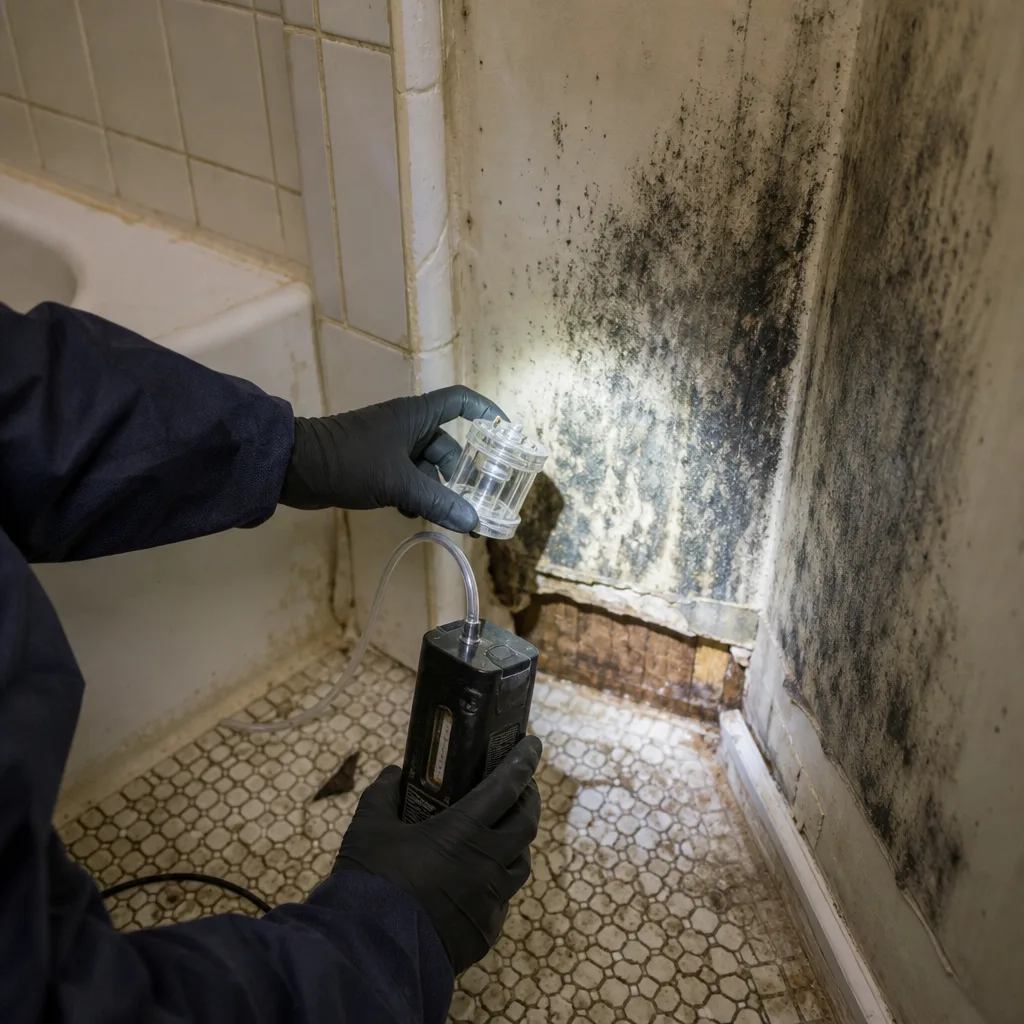
Saltwater damage in Rye basements usually means cutting out drywall and flooring well beyond the visible stain line. Salt wicks upward inside wall cavities, and we cut to clean material rather than leaving a hidden corrosion problem behind. New drywall is matched to the existing thickness and finish, and old-growth hardwood floors get dried, sanded, and refinished where salvageable.
Contents Restoration & Pack-Out
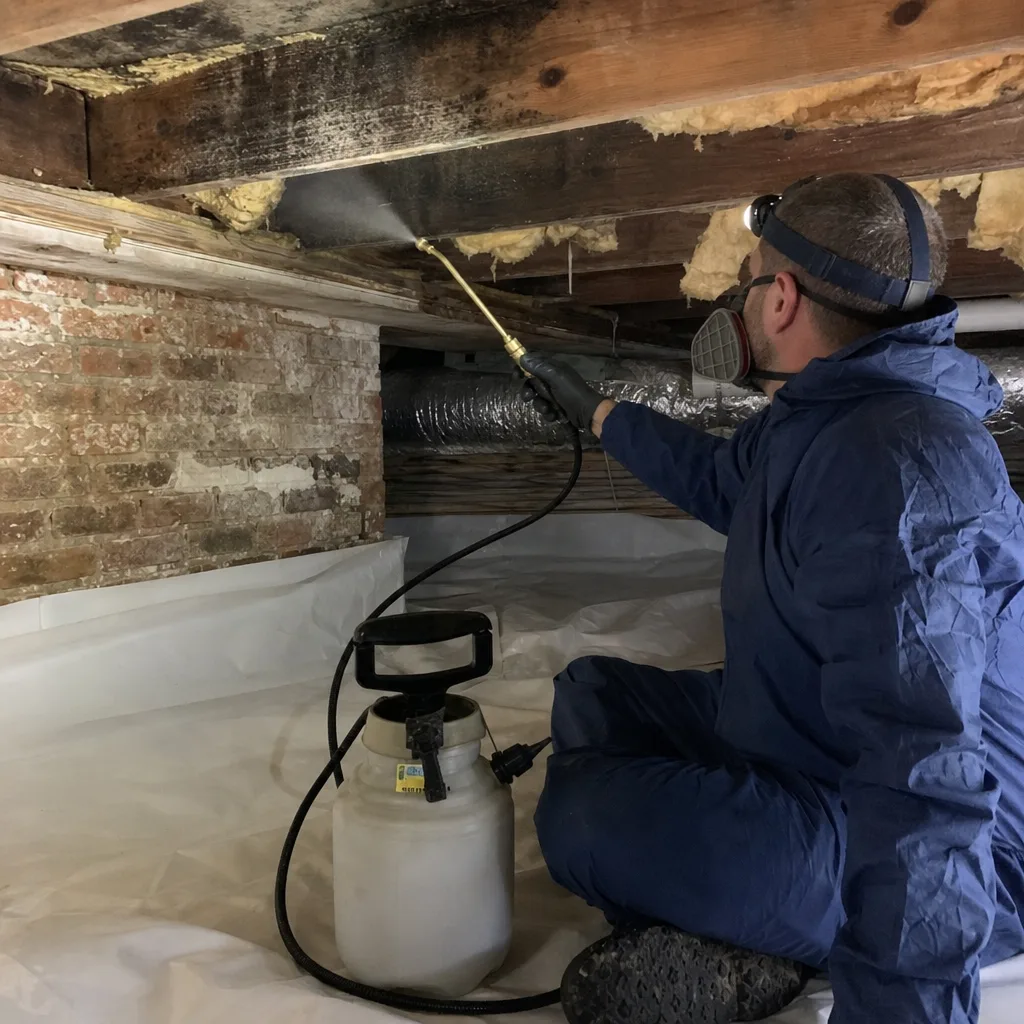
We pack out furniture, rugs, and personal property from flooded basements and storage rooms, then restore what can be saved. Contents with saltwater exposure get priority attention, because salt keeps degrading fabric and wood even after the water is gone. Photo documentation accompanies every item for the insurance file.
Carpet & Upholstery Cleaning
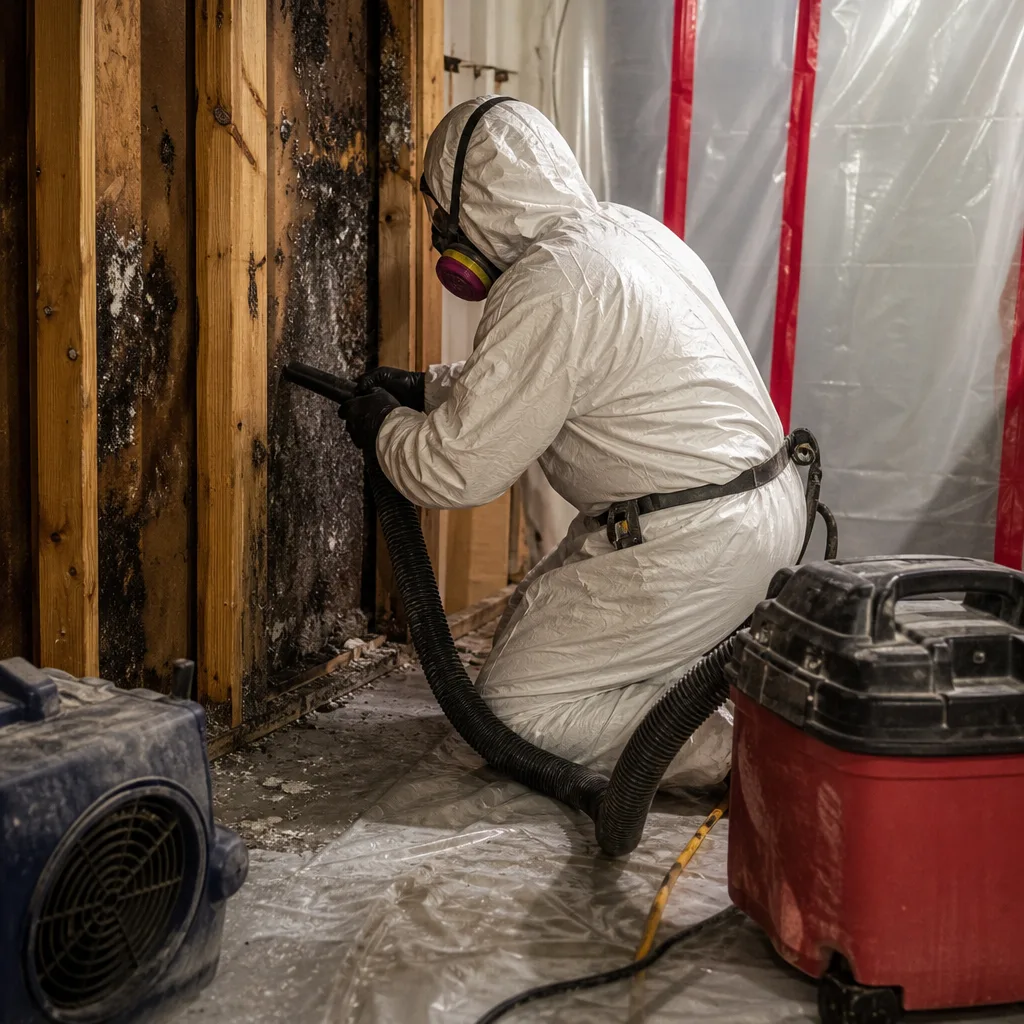
Post-construction and post-flood cleaning in Rye means more than vacuuming. We deep-clean carpets, area rugs, and upholstery using hot-water extraction and HEPA filtration, focusing on the fine silt and salt residue that Long Island Sound storms leave behind. Category 3 water-contact carpet is removed and disposed, never cleaned in place.
Post-Construction Cleanup
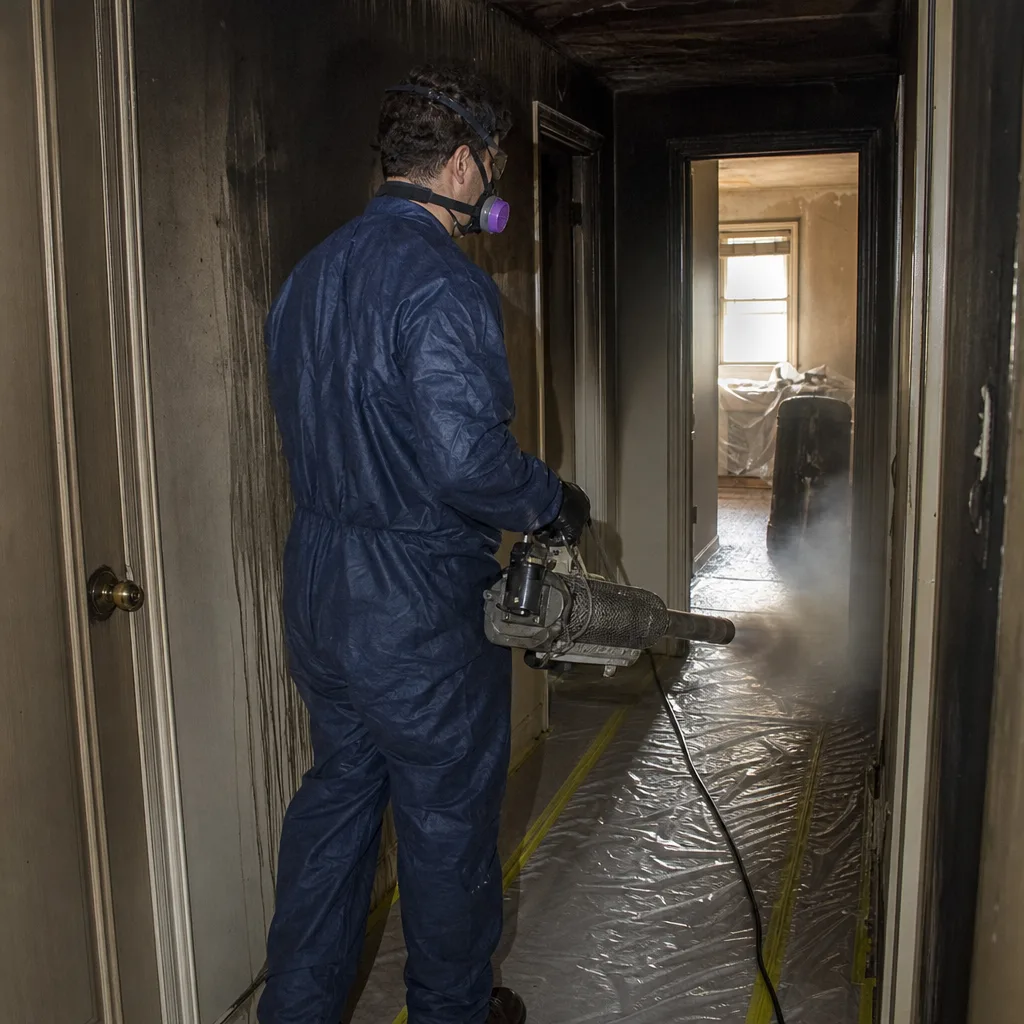
After the rebuild, we clear the dust, debris, and construction residue. That includes HEPA vacuuming of all surfaces, wiping down cabinetry and trim, and leaving the space ready for paint and family again. Rye’s older homes hold plaster dust in registers and sills, and we clean those thoroughly before we call the job finished.
Insurance Claim Documentation
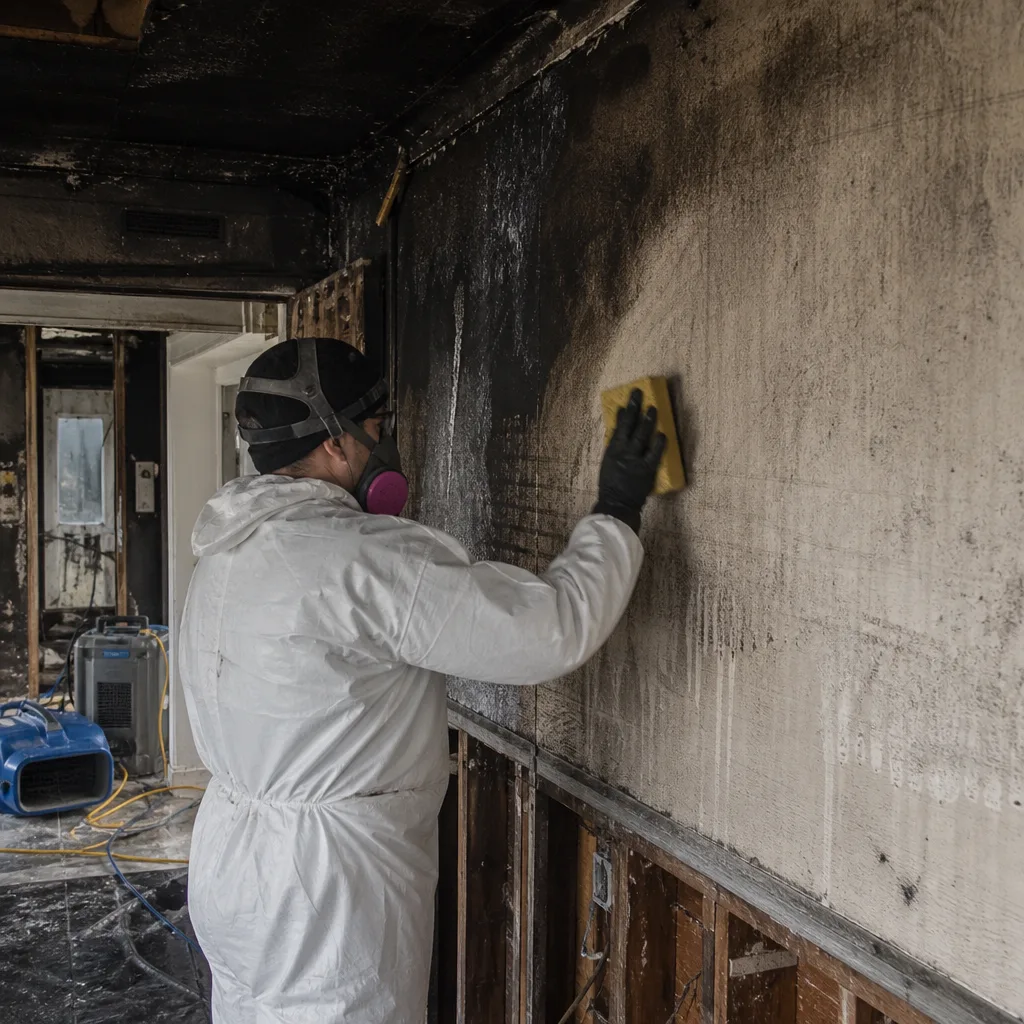
Every Floodline Restoration Co. job includes a documentation trail built for your carrier: room-by-room photos, moisture maps, drying logs, and a scope of work with line items a claims adjuster can verify. For Rye specifically, we document saltwater corrosion on metal components because that line is often the difference between a settled claim and an argued one.
What happens when you call
- 1
A real person answersNo phone trees - you reach a local pro.
- 2
You get an upfront price rangeHonest numbers before anyone is dispatched.
- 3
A background-checked tech heads outLicensed & insured, dispatched right away.
- 4
You approve before work beginsNothing starts until you say go.
Reconstruction & Cleanup Costs in Rye, NY
A typical reconstruction and cleanup job in Rye runs between $4,500 and $18,000 depending on the square footage affected, the water category, and how much of the finish work needs rebuilding. Drywall and flooring repair alone in a finished basement usually lands between $2,800 and $7,500. Contents pack-out and restoration adds $1,500 to $5,000 depending on volume. Post-construction cleanup after a rebuild runs $600 to $1,800 for a standard room-by-room pass. The big variable in Rye is saltwater corrosion: if the floodwater was Category 3 and reached garage-door hardware, framing fasteners, or electrical panels, expect the corrosion inspection and hardware replacement to add $400 to $1,200. If the loss is covered, your carrier pays us directly and you only cover your deductible. A free visual inspection gives you a firm scope and a real number before any work begins.
We Also Serve Cities Near Rye
Our crews regularly cross the city line for reconstruction and cleanup work in Harrison, Mamaroneck, Port Chester, and Larchmont. The building stock and storm exposure are similar, and we bring the same equipment, the same documentation discipline, and the same live 24/7 answer.
Serving Rye, NY - Our Local Coverage Area
We’re based in the Rye area and know this community well. Use the map below to see our service coverage - if you’re nearby, we can almost certainly help.
Rye Reconstruction & Cleanup Questions, Answered
Why does saltwater flooding from Oakland Beach storm drains cause garage-door hardware to fail so fast in Rye?
Saltwater accelerates galvanic corrosion on steel springs, hinges, and roller tracks, and Oakland Beach drains can push Category 3 seawater through floor drains during a nor’easter surge. The salt pits the steel, the torsion spring snaps under tension, and the door slams down, often bending the tracks in the process. We replace damaged components with galvanized springs and stainless fasteners during reconstruction rather than letting the corrosion continue invisibly.
How does the Blind Brook floodplain affect reconstruction timelines compared to inland Westchester?
The Blind Brook corridor floods from rainfall while the Sound pushes surge from the other direction, so a single Rye storm can produce two separate water-intrusion events hours apart. That extends the assessment timeline because we have to confirm which water entered, where it traveled, and whether salt is involved. Homes in the floodplain also stay damp longer after the storm passes, so our drying cycles run longer and daily moisture logs become more important before rebuild work starts.
What should I do if my Oakland Beach basement drain backs up with seawater during a nor’easter?
Do not wade into it. Category 3 water carries sewage and tidal debris, and the salt will start corroding metal within days. Call us immediately at (917) 924-4221. We’ll extract, cut out the salt-contaminated drywall and insulation, and inspect every metal surface the water touched before any drying or rebuild begins. The first 30 minutes matter less than the first inspection, because salt keeps working even after the space looks dry.
Can original plaster medallions and antique millwork in Rye’s older homes be saved after water damage?
In most cases, yes, if the water is addressed quickly and the drying is controlled. Plaster medallions can be stabilized and preserved, and antique millwork can be dried, cleaned, and refinished. The key is moisture mapping and daily drying readings before the plaster starts spalling or mold takes hold behind the ornamental work. We handle preservation of these original finishes as a standard part of reconstruction in Rye’s older homes.
Why do restoration quotes in Rye include corrosion inspection for garage doors even when the floodwater never reached the garage?
Because the salt-air environment along Long Island Sound corrodes exposed metal even without direct flood contact. We’ve seen torsion springs fail within 3 to 5 years of coastal exposure in Rye when the inland lifespan would be 10 to 15. The inspection is a few hundred dollars and tells us whether the springs, hinges, and tracks need galvanized or stainless replacement before they fail on their own terms.
How fast can you actually get to a Rye property in a flood or fire emergency?
We commit to 45 minutes on dispatch into Rye, 24 hours a day. The trucks are staged for Westchester response, and a live dispatcher confirms your address and the nature of the loss on the call itself. During a nor’easter we route crews to the Oakland Beach and shoreline calls first because those properties are taking the surge while the rest of Rye is still waiting for the rain.
Will my insurance cover reconstruction and cleanup after a Rye flood or fire?
Most homeowners’ policies cover sudden and accidental damage from fire, burst pipes, and storm-driven water intrusion, subject to your deductible. Coverage for tidal flooding and storm surge often depends on a separate flood policy. We document everything from the first hour, bill your carrier directly, and communicate with your adjuster so the claim doesn’t stall on missing paperwork.
How long does full reconstruction take after water damage in an older Rye home?
Drying alone typically runs 3 to 7 days in Rye’s older plaster-and-lath homes, longer than a modern drywall build because the plaster holds moisture. After the dry standard is met, reconstruction of a finished basement or first-floor room usually runs 1 to 3 weeks depending on the finish work and the condition of the original millwork. We give you a written timeline after the free inspection.
If you’re dealing with a flood, fire, or storm loss in Rye, call (917) 924-4221 now. The inspection is free, the scope is in writing, and the work is backed by the 90-Day Done Right Promise. We’ll be there when we say.
Written by Curt Bowman, Owner at Floodline Restoration Co., serving Rye and Westchester since 2010.