

Free visual inspection and a written scope of work before any mitigation begins - photos, moisture readings, and drying logs go in your claim file
The scope we write is the scope we bill. Anything new gets shown to you, in writing, before we touch it.






 Before
 After
After Before
 After
After Before
 After
After24/7 Emergency Sewage Cleanup in Travis – Chelsea
When raw sewage backs up into a Travis – Chelsea basement, the clock starts immediately. Category 3 water carries pathogens that move through porous building materials within hours, and the longer it sits, the more wall framing, insulation, and flooring must be removed. Our crews answer the phone live at (917) 924-4221 around the clock, every day, and dispatch a certified team into Travis – Chelsea with professional-grade extraction equipment. We start with a free visual inspection, locate the source, and begin pumping out black water the same visit. The first hour determines whether we’re drying a floor or rebuilding a room.
Understanding Sewage Cleanup Severity in Travis – Chelsea Properties
Not every sewage loss is the same Category 3 event, and Travis – Chelsea’s housing stock makes classification matter more than in most New York City neighborhoods. A toilet overflow that stays on tile and is cleaned within the hour is a far smaller job than a floor drain that pushes black water across a finished basement and wicks into original 1950s plaster. Technicians classify water by category and class, then map moisture through structural materials using thermal imaging and penetrating meters. In Travis – Chelsea’s older ranch and cape-style homes, original batt insulation behind plaster acts like a sponge. Category 3 moisture trapped in that cavity creates mold conditions within 48 hours. The severity question here is rarely about how much water you can see. It’s about how far the water traveled inside the wall before anyone noticed.
Why Travis – Chelsea Property Owners Choose Floodline Restoration Co. of Manhattan
- 45-minute response commitment. A live dispatcher takes your call and a uniformed crew is rolling toward Travis – Chelsea within minutes, not hours. Extraction starts the same visit.
- 24/7 live answer, never an automated system. You call, a real person picks up at two in the morning. No phone trees, no leaving a message while sewage spreads.
- IICRC-certified crews. Our technicians hold current WRT, FSRT, and AMRT certifications through the IICRC, plus RIA and IFA training. The right credentials for Category 3 water.
- Free visual inspection. Before any work begins, we walk the loss with you, explain what we’re seeing, and agree on the scope in writing.
- Direct insurance billing. We bill your carrier directly and handle adjuster communication. You’re never the messenger between Floodline and the insurance company.
- One team from extraction to reconstruction. The same certified crew that pumps out the sewage handles drying, sanitization, and rebuild. No mid-job handoff, no inherited crew that never saw day one.
Our Sewage Cleanup Process
Inspection & Assessment
We locate the source, classify the water, and map moisture through walls, flooring, and the crawl space using thermal imaging and hygrometers. In Travis – Chelsea, we also check for hydrostatic pressure at the slab and tidal backflow from adjacent drainage.
Extraction & Stabilization
Black water is pumped out using professional-grade Dri-Eaz extraction units. Contaminated porous materials like wet carpet and padding are removed and bagged for disposal. We set containment to keep sewage aerosols from migrating into clean rooms.
Drying & Dehumidification
Phoenix air movers and dehumidifiers are placed according to the moisture map, not guesswork. Daily readings track the drying curve in Travis – Chelsea’s slab-on-grade and shallow-basement homes, where sub-grade moisture pulls against the drying process.
Cleaning & Sanitization
All affected surfaces are cleaned with antimicrobial agents and sanitized to Category 3 standards. We treat framing, studs, and hidden cavities that may have absorbed sewage moisture, not just the visible surfaces.
Specialty Treatment for Travis – Chelsea Conditions
Where hydrostatic pressure or recurring tidal backflow is present, we recommend and can install sump systems or backflow prevention. Saturated sub-grade soil in this neighborhood means interior drying alone won’t stop the next event.
Repairs & Restoration
We rebuild what was removed. The same crew that handled extraction handles drywall, insulation replacement, flooring, and trim. The job isn’t finished until the moisture logs close and the Done Right Promise is in your hands.
Need Emergency Sewage Cleanup in Travis – Chelsea Now?
Crews minutes away, answering live 24 hours a day. The sooner we start, the less it costs.
Working With Your Insurance Company
Sewage cleanup claims move faster when the documentation starts in the first hour. We photograph the loss room by room before anything is removed, log moisture readings from day one through the final dry standard, and write a line-item scope of work that adjusters recognize. Our experience with Travis – Chelsea losses means we document the cause, not just the damage. When a sewer backup traces to tidal backflow or a failed cast-iron drain line under a 1960s slab, that distinction drives coverage. We communicate directly with your carrier, provide the evidence they need, and bill directly so you’re not fronting money while a claim stalls. Curt Bowman built Floodline Restoration Co. of Manhattan around a dispatch board, not a sales desk, and that’s how claims get handled: documented, direct, and done.
What We Provide Your Insurer
- Thorough documentation of the loss
- Photos of all damage, room by room
- Moisture readings and drying logs
- A detailed, line-item scope of work
- Direct coordination with your carrier
Built for Travis – Chelsea’s Loss Calendar
Travis – Chelsea doesn’t have one season for sewage backups. It has four, and they each fail differently. Winter brings frozen drain lines in shallow-buried pipes under uninsulated crawl spaces. Spring thaws saturate already-wet fill soil, raising the water table against slab foundations and forcing groundwater through hairline cracks. Summer thunderstorms overwhelm the neighborhood’s poorly-graded drainage, pushing storm water and sewage back through floor drains in minutes. Nor’easters and coastal surge events along the Arthur Kill hit the low-lying western terrain hardest, and Travis – Chelsea’s FEMA Special Flood Hazard Areas mean Category 3 water arrives with salt, silt, and sewage mixed together. Many properties here cycle through water and sewage remediation repeatedly. That’s why our crews arrive expecting recurring inundation, not a single spill. We look for the pattern, not just the puddle.
Sewage Cleanup Across Travis – Chelsea’s Neighborhoods
Travis – Chelsea’s sewage losses follow the neighborhood’s geography. Homes near Victory Boulevard and the older grid around Chelsea Road sit on some of the lowest ground, where shallow basements and slab-on-grade construction meet seasonal water tables that press up from below. Around the William T. Davis Wildlife Refuge, properties border tidal tributaries that feed the former Fresh Kills watershed, and backflow through aging side sewers is a known pattern after heavy rain. The 1950s and 1960s cape-style streets off Travis Avenue have original cast-iron drain lines that have outlived their service life, failing at joints and bellies where fill soil has settled unevenly. Homes near the Arthur Kill shoreline carry the added load of storm-surge history, and many basements there have been rebuilt at least once. Our crews know these routes, and they arrive already familiar with the failure modes behind each one.
Specialized Sewage Cleanup Services We Offer in Travis – Chelsea
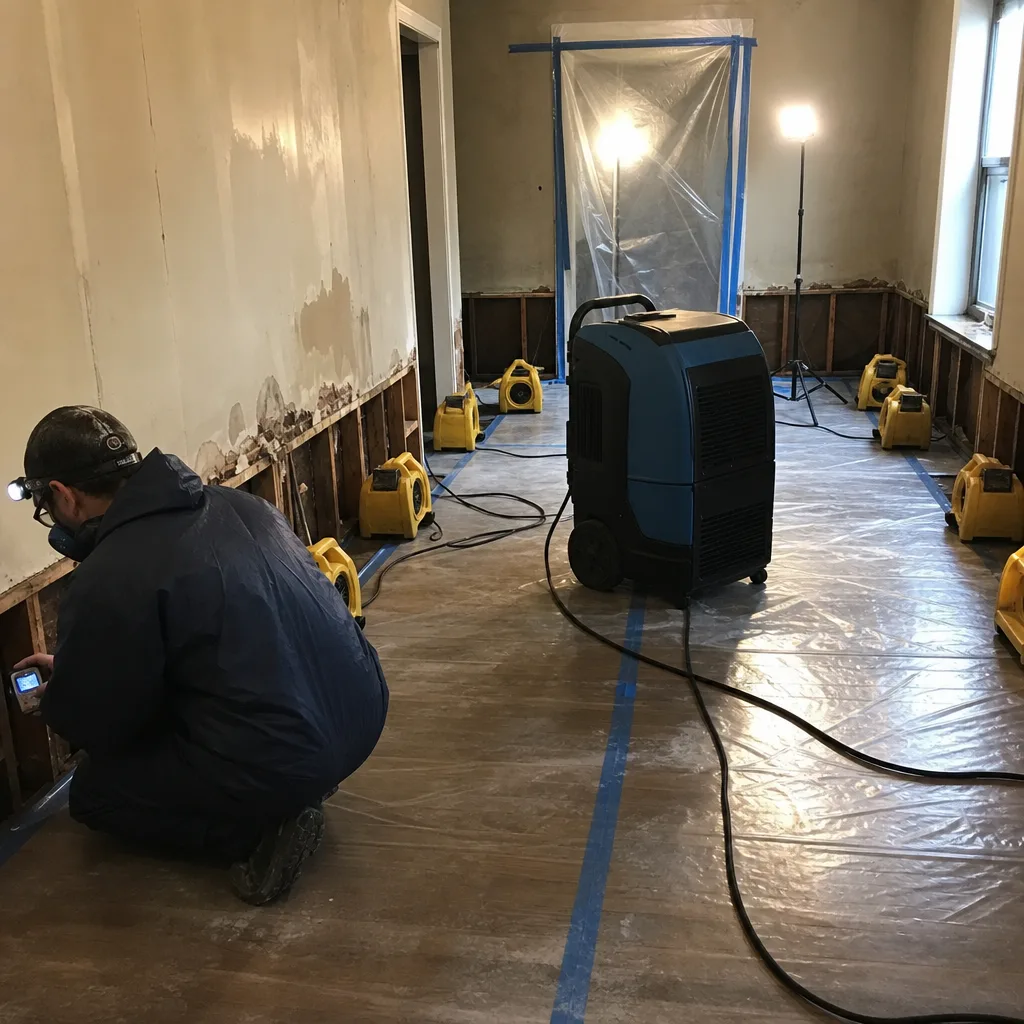
Black Water Extraction
Category 3 water in Travis – Chelsea’s finished basements doesn’t just sit on flooring. It moves under baseboards, into carpet padding, and through the gaps where slab meets framing. We use Dri-Eaz extraction units and truck-mounted systems to pull contaminated water out of porous materials before demolition decisions are made. The goal is removing everything that holds sewage moisture without removing salvageable structure.
Crawl Space Sewage Removal
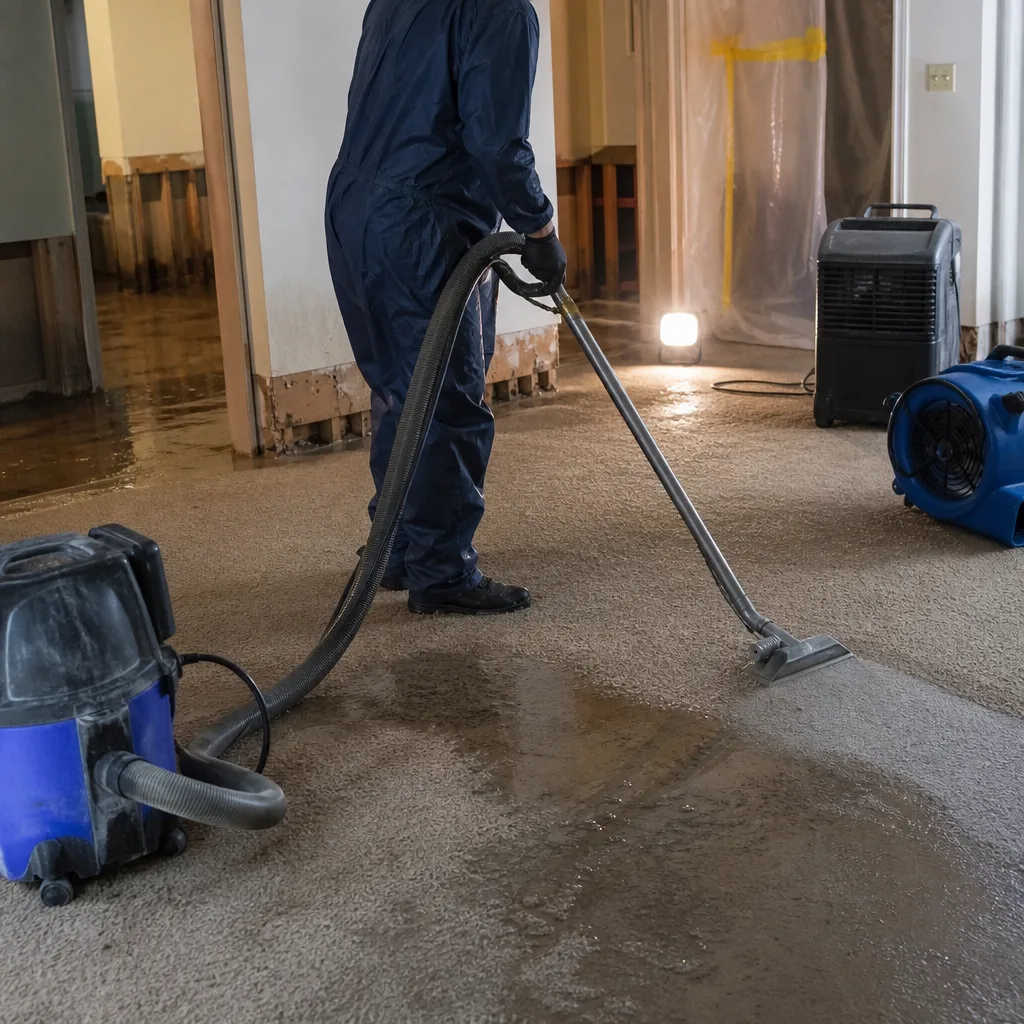
Crawl spaces in Travis – Chelsea ranch homes are low, tight, and often partially below grade. When a drain line fails or tidal backflow pushes sewage under the house, the contaminated area is invisible from the living space. We set containment at the crawl entry, pump out standing black water, remove saturated insulation, and run air movement until the space reaches the dry standard. Then we look at what caused the failure. In this neighborhood, the answer is often hydrostatic pressure, not a clog.
Sanitization & Disinfection
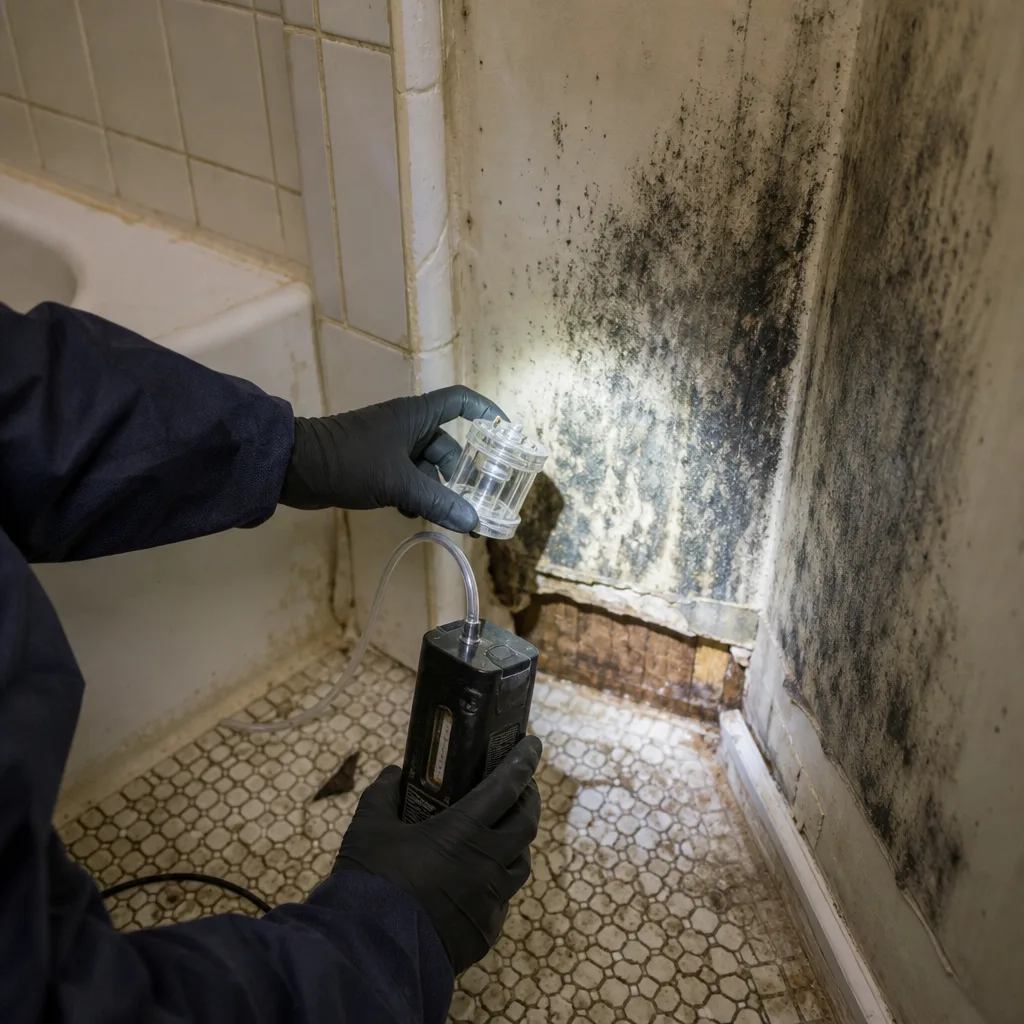
Sewage pathogens survive in wood, drywall, and soil long after the water is gone. We treat every affected surface, including framing cavities and subfloor areas that get missed by surface-only cleaning. The antimicrobial agents we use are applied after extraction and drying, when they’ll hold. In Travis – Chelsea’s 1950s plaster walls, we open cavities where moisture mapping shows Category 3 saturation, treat the interior framing, and only then close the wall.
What happens when you call
- 1
A real person answersNo phone trees - you reach a local pro.
- 2
You get an upfront price rangeHonest numbers before anyone is dispatched.
- 3
A background-checked tech heads outLicensed & insured, dispatched right away.
- 4
You approve before work beginsNothing starts until you say go.
Sewage Cleanup Costs in Travis – Chelsea, NY
Sewage cleanup costs in Travis – Chelsea depend on how far Category 3 water traveled and what it touched. A contained toilet overflow on a tile floor typically runs $800 to $1,800. A floor drain backup across a finished basement with carpet, padding, and saturated drywall will land between $3,500 and $7,500. Crawl space sewage removal with full sanitization and insulation replacement averages $4,000 to $9,000 depending on access and contamination spread. Properties where hydrostatic pressure is the underlying cause often need a sump system or backflow prevention added, which adds $2,500 to $6,000 to the scope. The free visual inspection is how we turn those ranges into a firm, written number. Insurance coverage depends on the source. A sudden internal pipe failure is typically covered. Tidal backflow or rising groundwater may require a specific rider. We document the cause so your carrier can decide correctly, and we bill them directly.
We Also Serve Cities Near Travis – Chelsea
Our crews cover Travis – Chelsea and the surrounding communities across the western shore and into the Bronx. That includes Fairview, Harrison, East Bronx, and Hunts Point. If you’re nearby and have Category 3 water moving through a basement or crawl space, call (917) 924-4221 and you’ll get a live person, not a recording.
Serving Travis – Chelsea, NY - Our Local Coverage Area
We’re based in the Travis – Chelsea area and know this community well. Use the map below to see our service coverage - if you’re nearby, we can almost certainly help.
Travis – Chelsea Sewage Cleanup Questions, Answered
How do I know if the sewage backup in my Travis-Chelsea basement is from my own drain line or from tidal backflow?
You’ll see the difference in timing and water behavior. A failed internal drain line usually backs up without rain, and water rises slowly from a single floor drain or toilet. Tidal backflow in Travis – Chelsea follows heavy rain or nor’easter surge, when multiple drains back up simultaneously and water may rise even after the rain stops. The neighborhood’s low elevation near tidal tributaries means backflow is a recurring pattern, not a rare event. We check the drain system, the slab, and the water table during inspection so the cause gets documented correctly for your insurer. Call (917) 924-4221 and we’ll tell you what we’re seeing.
Will sewage cleanup prevent mold in my 1950s plaster walls?
Only if the drying reaches inside the wall cavity. Sewage cleanup in Travis – Chelsea’s older plaster walls requires opening the saturated area, removing wet batt insulation, treating the framing, and running air movement until moisture readings confirm the dry standard. Surface cleaning alone won’t stop mold when Category 3 moisture is trapped behind original plaster. In this neighborhood’s 1950s homes, hidden saturation turns to mold within 48 hours. That’s why we moisture-map before we start drying, not after. Call (917) 924-4221 for a free inspection.
My slab-on-grade house in Travis-Chelsea floods with sewage every spring. Is that a water damage problem or a foundation problem?
It’s both, and that’s the point most contractors miss here. Travis – Chelsea’s filled marshland means permanently saturated sub-grade soil pushes groundwater up through slab cracks every spring when the water table rises. If the drain line is also failing, sewage rides that same groundwater path. Extracting the water without addressing hydrostatic pressure at the foundation guarantees the backup returns next season. We specify sump systems and backflow prevention where the slab is the real source of the water. The free inspection determines whether you’re facing a plumbing failure, a drainage failure, or both.
What category of water is a toilet overflow in a Travis-Chelsea basement that has seeped into the crawl space?
Category 3. Toilet overflow is always considered Category 3, meaning it contains pathogenic, toxigenic, and other harmful agents. Once that water travels into a crawl space, it saturates insulation, framing, and soil. In Travis – Chelsea, where shallow crawl spaces sit near the water table, the Category 3 water can contact groundwater and spread contamination further. The space requires full extraction, removal of porous materials, sanitization, and drying to standard. We handle this with full containment and proper PPE, every time.
Do I need pack-out services for sewage cleanup in a 1960s cape-style home in Travis-Chelsea?
Sometimes. If Category 3 water reached a finished basement with furniture, stored belongings, or boxed items on the floor, those contents need cleaning or disposal. Non-porous items can often be cleaned and sanitized. Porous items like mattresses, upholstered furniture, and cardboard boxes saturated with sewage water generally cannot be safely restored. In Travis – Chelsea cape-style homes with small basements, pack-out is usually a few rooms of contents, not a full house. We’ll walk the loss with you and tell you what can be saved and what can’t. Estimates are free, and it’s all in writing before work starts.
How fast can a crew actually reach my Travis – Chelsea home?
Within 45 minutes in most cases. Our dispatchers are live 24 hours a day, and crews are staged for the western shore, the Arthur Kill corridor, and the surrounding Travis – Chelsea neighborhoods. A real person answers (917) 924-4221, confirms your address, and gets a certified crew rolling immediately. Extraction starts the same visit. Every hour sewage sits, it moves deeper into porous building materials, so speed isn’t a convenience. It’s the difference between drying a floor and replacing framing.
Will my homeowners insurance cover sewage backup in Travis – Chelsea?
It depends on the source and your policy. A sudden internal drain line failure is usually covered under a standard policy. Sewage backup from outside the home, including tidal backflow from adjacent drainage, often requires a specific sewer backup or flood rider. Travis – Chelsea’s location inside FEMA Special Flood Hazard Areas means tidal surge events may fall under flood coverage entirely. We document the cause at inspection, photograph everything before removal, and provide your adjuster with the evidence they need. We bill your carrier directly and coordinate with them so you don’t have to.
What should I do in the first 30 minutes after a sewage backup in Travis – Chelsea?
Keep everyone out of the affected area, shut off power to the lower level if water is near outlets or the panel, and don’t flush toilets or run water. Don’t try to extract it yourself; Category 3 water requires full PPE and containment to handle safely. Call (917) 924-4221 immediately. Our live dispatcher will talk you through what to check while the crew is en route, and the faster we arrive, the less structure gets removed. The first 30 minutes decide whether you’re facing a cleaning or a rebuild.
Most Travis – Chelsea homes sit on filled marshland. That single fact reshapes how sewage cleanup has to work here, which is why our Sewage Cleanup team treats every backup as a potential structural drying job, not a one-time extraction. The hydrostatic pressure under these slabs never really goes away. When a 1960s ranch near the William T. Davis Wildlife Refuge backed up through a floor drain, our techs found Category 3 water had already wicked into original plaster walls because the slab sat below the seasonal water table. We pumped out the black water, set containment, mapped the saturation, and specified a retrofit sump system before we’d even close the drying logs. That’s the difference between cleaning a mess and fixing a property. On a quiet street off Travis Avenue, where drainage grades poorly and nor’easters push surge up the tidal tributaries, the wrong fix returns in one rainy season. We’d rather do it once. The line the water left is where we start. If you’re in Travis – Chelsea and sewage is moving through a basement or crawl space right now, call (917) 924-4221. A live person answers, a certified crew arrives, and you get a square deal in writing before anything is ripped out.
Written by Curt Bowman, Owner at Floodline Restoration Co. of Manhattan, serving Travis – Chelsea with sewage cleanup, black water extraction, and full reconstruction.