
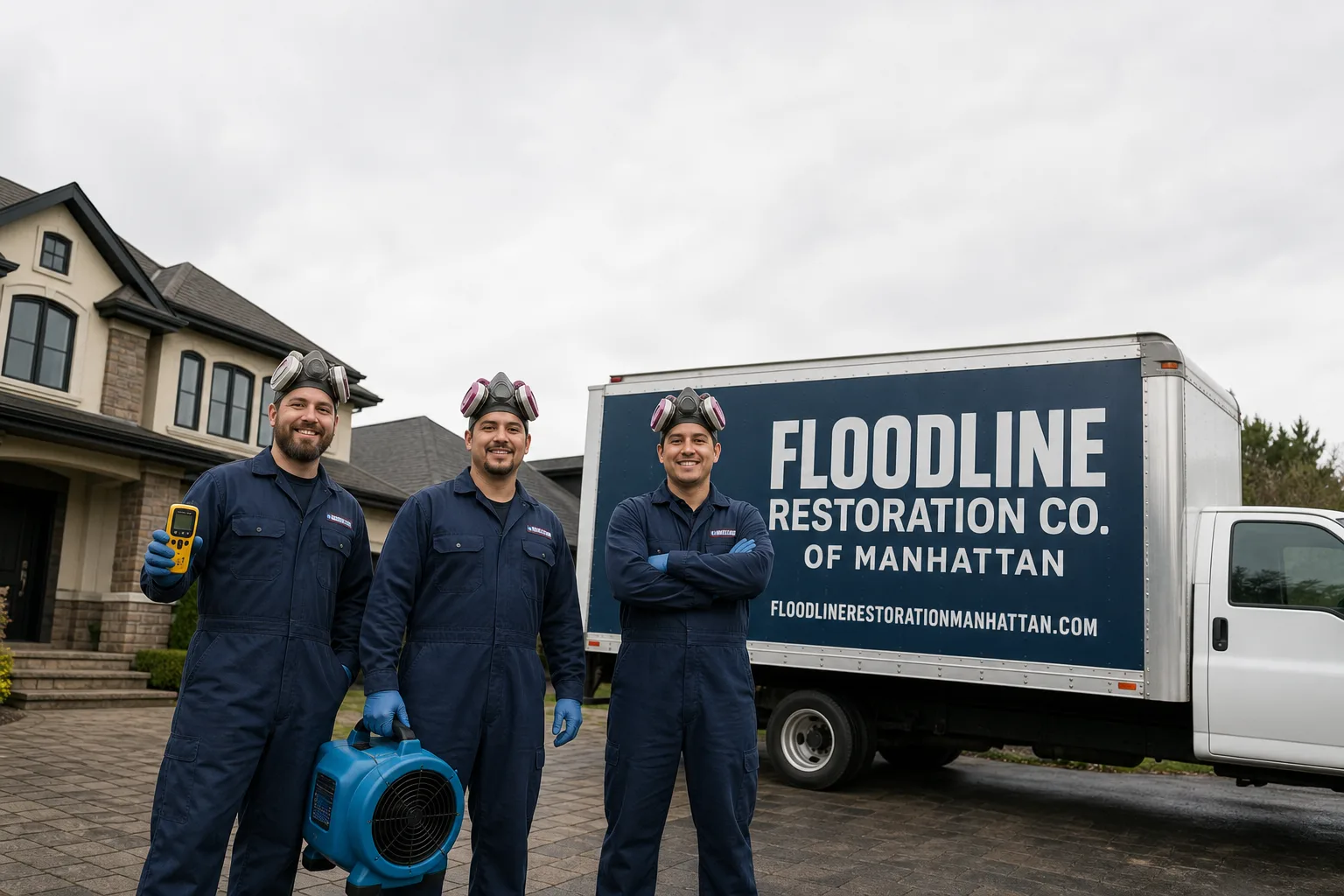
Free visual inspection and a written scope of work before any mitigation begins - photos, moisture readings, and drying logs go in your claim file
The scope we write is the scope we bill. Anything new gets shown to you, in writing, before we touch it.






 Before
 After
After Before
 After
After Before
 After
After24/7 Emergency Biohazard & Crime Scene Cleanup in Chinatown
Biohazard cleanup in Chinatown typically runs $1,500-$5,000 for a contained blood or bodily fluid event in a residential unit, and $3,000-$10,000 when the source traces through party walls from a ground-floor commercial space. Our Biohazard & Crime Scene Cleanup crews reach most addresses in the neighborhood within 45 minutes, any hour of any day. Call (917) 924-4221 and a live dispatcher answers on the first ring, not a recording. The first hour matters here more than most places: in Chinatown’s shared masonry buildings, blood and fluids that sit in wall cavities or under flooring start wicking into lime mortar and brick within hours, spreading the contamination path far beyond the visible scene.
We serve Chinatown with background-checked, uniformed technicians trained to IICRC, RIA, and IFA standards. Every job is backed by the 90-Day Done Right Promise, given in writing, no arguing. Free visual inspection, a firm scope before work starts, and direct insurance billing so you never play messenger between us and your carrier.
Understanding Biohazard & Crime Scene Cleanup Severity in Chinatown Properties
Biohazard contamination in Chinatown rarely stays in one unit. The neighborhood’s housing stock is dominated by late-19th and early-20th century tenement walk-ups, typically five to seven stories of unreinforced brick with lime mortar. That mortar is porous. Blood, bodily fluids, and category 3 water from sewage backups or grease-trap failures don’t just pool on a floor. They wick upward through wall cavities, saturate original plaster, and travel along shared structural members into units above and below. We’ve documented contamination traveling three floors before a neighbor noticed staining on a ceiling.
A third-floor trauma scene in a Mott Street tenement means we run containment on the third floor, but we also open wall cavities on the second and fourth floors to check for fluid migration. In newer drywall construction, you can sometimes cut at the visible edge of contamination and move on. In Chinatown’s brick-and-plaster buildings, the visible edge is almost never the actual edge. That’s why our moisture mapping always includes thermal imaging and hygrometer readings across the full party wall, not just the affected room. Severity here is structural, not cosmetic.
Why Chinatown Property Owners Choose Floodline Restoration Co. of Manhattan
- 45-minute response commitment. Our crews are staged near the Manhattan Bridge and Canal Street. We reach Chinatown addresses fast, because containment time directly determines how much wall gets opened.
- 24/7 live answer. A person picks up at 2 a.m. Not a machine. Not a callback service. The dispatcher who answers knows the neighborhood and starts the crew before you hang up.
- Certified, trained technicians. Our crews hold IICRC certifications including WRT, FSRT, and AMRT, plus RIA and IFA training. They are background-checked, uniformed, and they carry their certifications with them.
- Free visual inspection. We look, we document, we give you a written scope. No charge for the visit, no obligation, no pressure.
- Direct insurance billing. We bill your carrier directly and send adjusters the documentation they need. You don’t run messages between parties.
- One team from start to finish. Extraction, containment, drying, antimicrobial treatment, and structural repair. The same crew that maps the moisture on day one handles the rebuild. No handoffs, no inherited crews.
Our Biohazard & Crime Scene Cleanup Process
Inspection & Assessment
We walk the scene with thermal imaging and moisture meters, mapping contamination across the unit and any adjacent party walls. In Chinatown, this includes checking ceiling cavities and wall bases in units above and below the scene. We give you a written scope before anything gets cut.
Extraction & Stabilization
Standing fluids, saturated materials, and any contaminated porous contents are removed under containment. We use HEPA-filtered extraction equipment and follow IICRC S500 standards for category 3 water and biohazard materials. The goal is simple: stop the spread.
Drying & Dehumidification
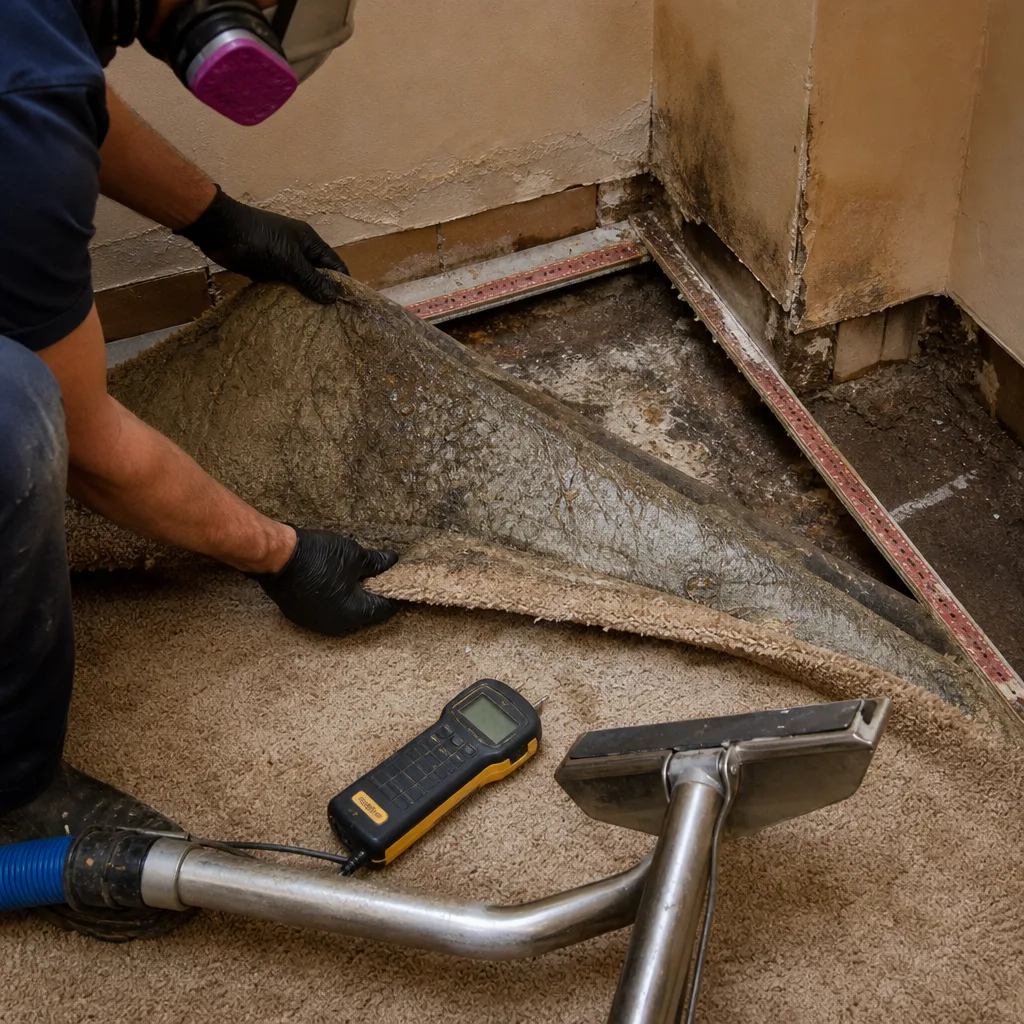
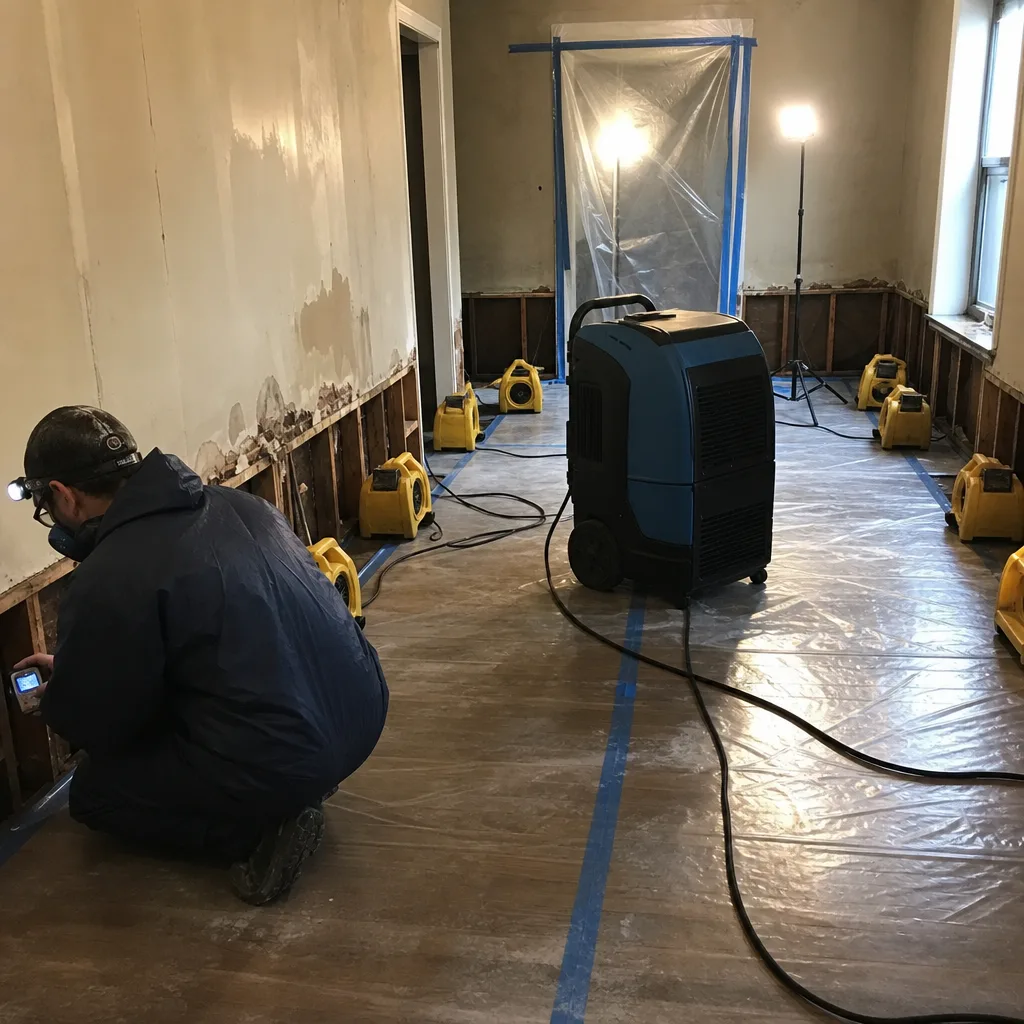
We place Dri-Eaz dehumidifiers and XPOWER air movers inside containment, running 24 hours with daily moisture readings logged. In Chinatown’s masonry buildings, we take readings from inside wall cavities, not just room air, because trapped moisture behind plaster is what re-ignites mold after a cleanup clears.
Cleaning & Sanitization
All affected surfaces get hospital-grade antimicrobial treatment appropriate to the pathogen exposure. Hard surfaces, stud cavities, subflooring, and any remaining plaster that shows no saturation are cleaned and disinfected. We use EPA-registered products matched to the specific biohazard.
Specialty Biohazard Treatment
For bloodborne pathogen events, we follow OSHA 29 CFR 1910.1030 protocols for containment, removal, and disposal. Trauma and unattended death scenes get the same rigor: HEPA air scrubbing, negative pressure where needed, and verified clearance before anyone re-enters without PPE.
Repairs & Restoration
The same crew that opened the wall closes it. We rebuild plaster, replace subfloor, repaint, and restore the unit to pre-loss condition. The 90-Day Done Right Promise covers the whole job, from first cut to final coat.
Need Emergency Biohazard & Crime Scene Cleanup in Chinatown Now?
Crews minutes away, answering live 24 hours a day. The sooner we start, the less it costs.
Working With Your Insurance Company
Biohazard and crime scene claims in older Chinatown buildings get complicated fast, because the damage often spans multiple units and a commercial space below. We document from the first hour: photos of every affected surface, moisture readings from inside wall cavities, a room-by-room log of what was contaminated and what was cleaned. Your adjuster gets a line-item scope of work that matches industry standards, so there’s no back-and-forth about whether a wall needed to be opened or a floor needed to come up. We speak directly with the adjuster, and we’ve handled enough claims in pre-war tenements that we can explain why a third-floor trauma scene required containment on the second and fourth floors. That’s not padding the bill. It’s how these buildings work.
What We Provide Your Insurer
- Thorough documentation of the loss
- Photos of all damage, room by room
- Moisture readings and drying logs
- A detailed, line-item scope of work
- Direct coordination with your carrier
Built for Chinatown’s Loss Calendar
Chinatown’s biohazard losses follow a pattern that changes with the season, but the root causes stay consistent. January deep freezes burst aging supply lines in tenement basements, and when that water mixes with decades of accumulated waste in original cast-iron drains, you get category 3 contamination spreading through shared floor joists. Spring thaw brings basement seepage through unreinforced brick foundations, especially in buildings near the old Collect Pond footprint where the water table sits close to the surface. Summer thunderstorms overwhelm the neighborhood’s combined sewer system, backing up grease traps and floor drains in ground-floor kitchens, which then push sewage-tainted water into the party walls that support occupied apartments above. Nor’easters in fall and winter drive storm surge up from the East River, and we still see buildings with unresolved Sandy-era moisture in their foundation walls, which keeps drying times long and gives mold a starting point after any new biohazard event. Knowing the season helps us reach the source faster.
Biohazard & Crime Scene Cleanup Across Chinatown’s Neighborhoods
We work every block from Canal Street to Worth Street, Bowery to Lafayette. Around Mott Street and Mulberry Street, the older walk-ups have narrow stairwells and shared walls that carry contamination vertically fast; our crews often run containment on three floors at once. Along Division Street and East Broadway, the mix of commercial fish markets and residential units means access negotiation is part of the job before any equipment goes up the stairs. Near Chatham Square and the Manhattan Bridge approach, the buildings are slightly newer but still masonry-heavy, and the East River exposure means basement slabs and foundation walls hold moisture longer than street-level rooms do. In the blocks west of Columbus Park, the tenements are among the oldest in the neighborhood, and original lime plaster means we treat wall cavities with antimicrobial before we even start drying. Each block has a rhythm, and our crews know them.
Specialized Biohazard & Crime Scene Cleanup Services We Offer in Chinatown
Crime Scene Cleanup
We handle trauma scenes inside Chinatown’s residential walk-ups with full containment, bloodborne pathogen protocols, and documentation your insurer accepts. When a scene involves a party wall, we inspect and treat the units above and below before any clearance is given. The 90-Day Done Right Promise covers the full restoration, including plaster rebuild if we had to open the wall.
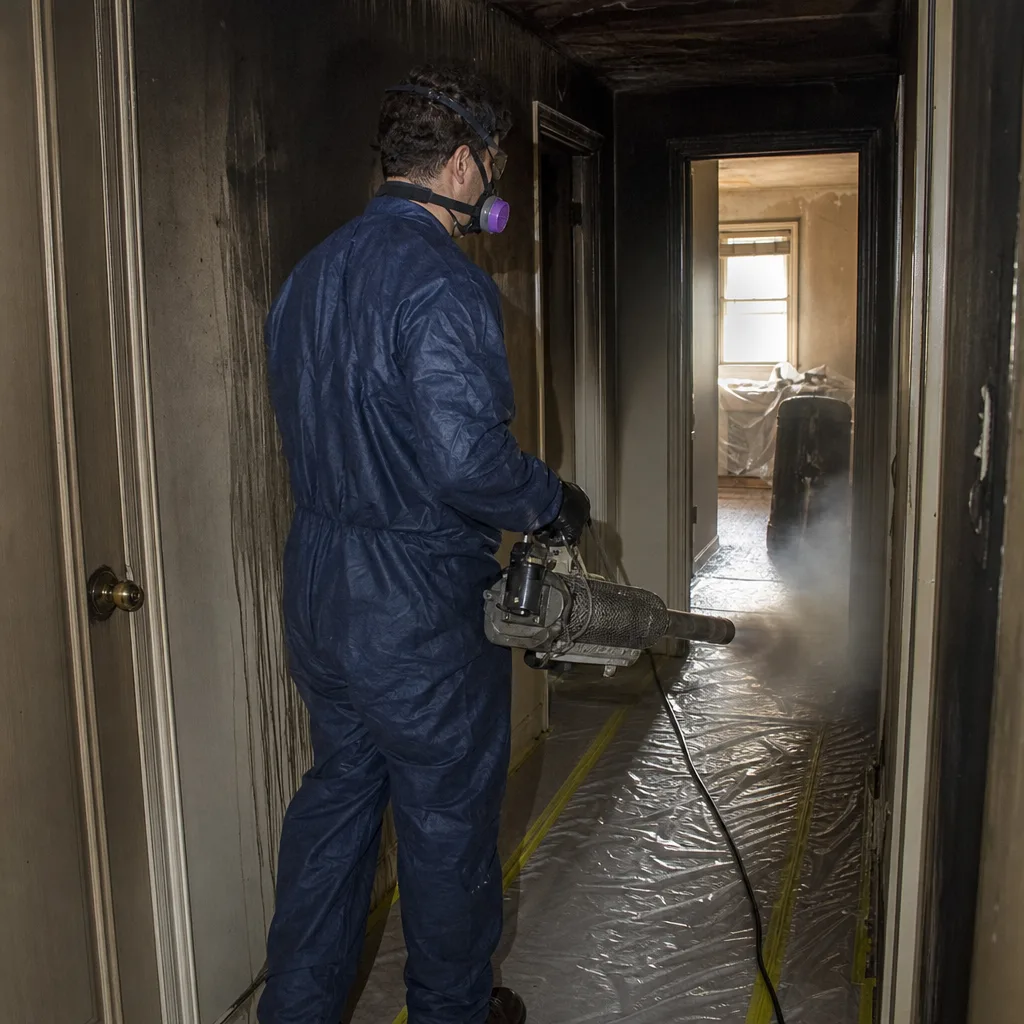
Trauma & Unattended Death Cleanup
These are the calls where time matters most. In a tenement, fluids from an unattended death seep through floorboards and into the unit below faster than most people expect. We isolate the affected area, remove saturated materials under negative air, and run HEPA air scrubbers until air quality readings return to baseline. We treat these scenes with the same plainspoken care we’d want for our own families.
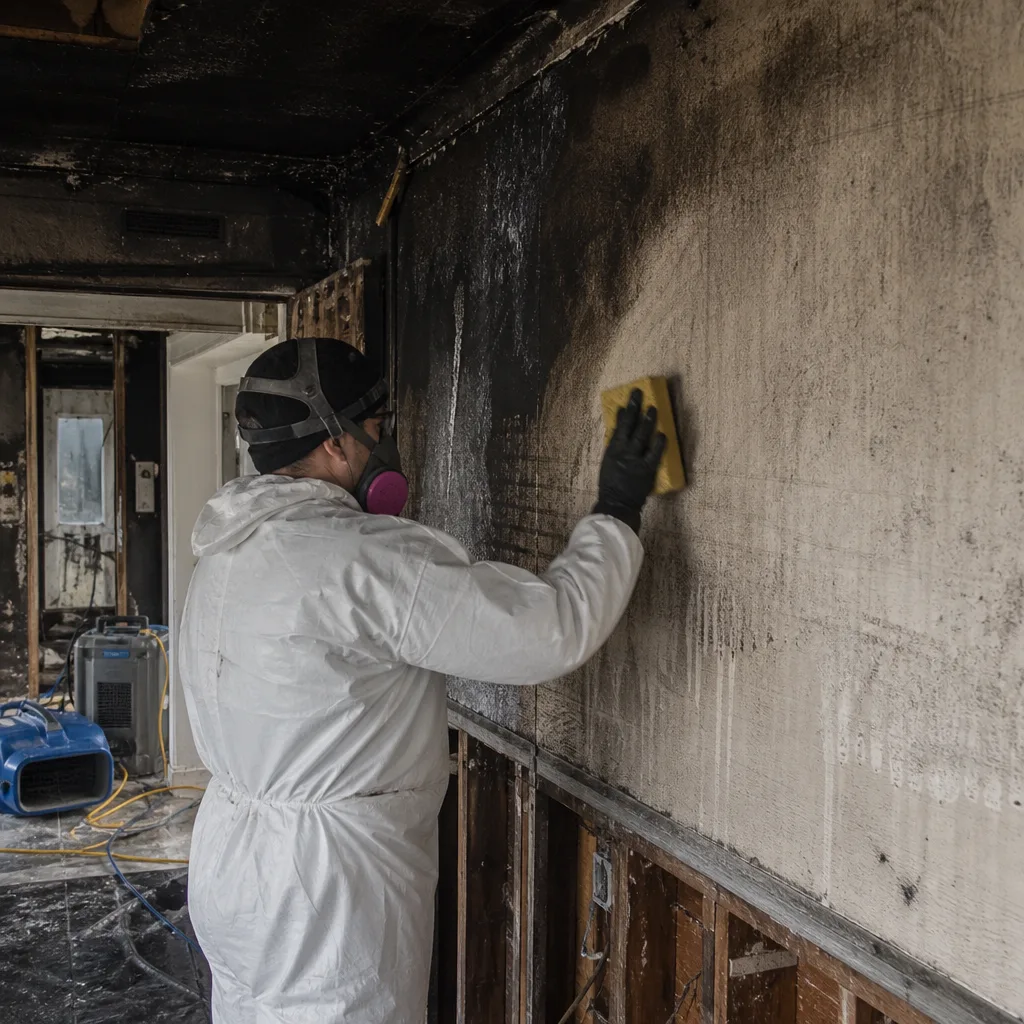
Hoarding Cleanup
Hoarding situations in Chinatown often involve years of accumulated materials inside small pre-war apartments, which means limited access and a careful plan for sorting, disposal, and sanitization. We work with the tenant or family to establish what’s salvageable, then clear, clean, and disinfect the space according to the specific contamination level. This is a long-scope service in this neighborhood; we scope it honestly before work starts.
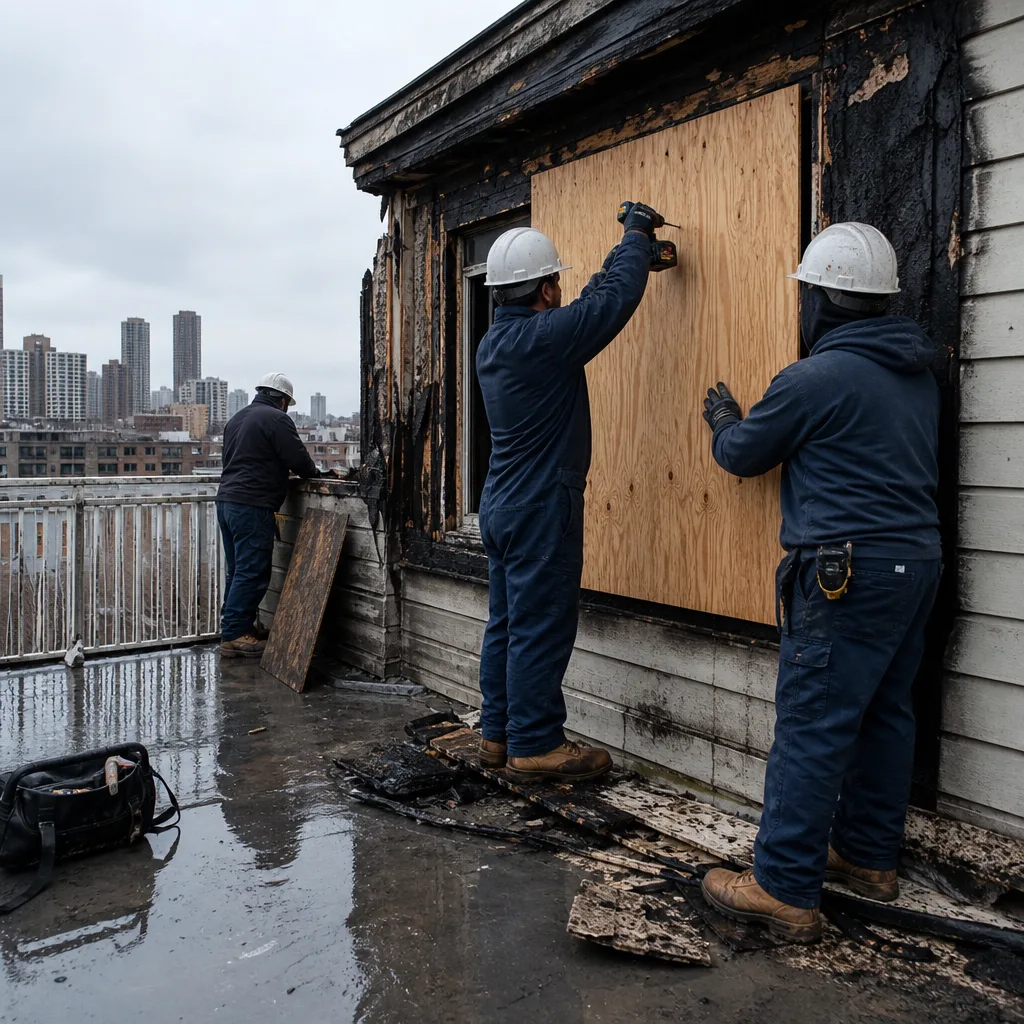
Blood & Bodily Fluid Cleanup
Blood in a Chinatown apartment doesn’t stay on the surface. It moves into floor seams, wicks up plaster, and can contaminate wall cavities beyond the visible stain. Our crews cut only what needs cutting, but we always check behind baseboards and inside wall voids before we call a room clean. Antimicrobial treatment is standard, not optional, on every blood call in this housing stock.
Infectious Disease Disinfection
When a tenant or commercial worker in Chinatown has a confirmed infectious disease, we disinfect according to CDC and IICRC guidelines, using EPA-registered products and treating all high-touch surfaces plus the air. In the neighborhood’s shared stairwells and communal hallways, we coordinate with building management to treat common areas, not just the unit itself, because the exposure path runs through public space.
What happens when you call
- 1
A real person answersNo phone trees - you reach a local pro.
- 2
You get an upfront price rangeHonest numbers before anyone is dispatched.
- 3
A background-checked tech heads outLicensed & insured, dispatched right away.
- 4
You approve before work beginsNothing starts until you say go.
Biohazard & Crime Scene Cleanup Costs in Chinatown, NY
You asked about price, so here are the real ranges. A contained blood cleanup in a single Chinatown apartment without wall involvement runs $1,500-$3,500. A trauma scene requiring wall cavity treatment and treatment of units above or below runs $3,000-$8,000. When the source is a ground-floor seafood market’s grease-trap failure or sewage backup that has wicked through a party wall, the scope runs $5,000-$12,000, because you’re looking at multiple units, commercial access coordination, and structural drying inside masonry cavities. Most of these jobs are covered by insurance, and we bill the carrier directly. The free inspection gives you a written scope with line items, so you know exactly what you’re paying before we cut anything. Call (917) 924-4221 and we’ll put a number in front of you on the first visit.
We Also Serve Cities Near Chinatown
Floodline Restoration Co. of Manhattan serves the full lower Manhattan area around Chinatown, including Fairview, Harrison, East Bronx, and Hunts Point. If you’re just outside the neighborhood and dealing with a biohazard situation, call (917) 924-4221 and we’ll tell you if we can reach you within our response commitment.
Chinatown Biohazard & Crime Scene Cleanup Questions, Answered
How does a ground-floor seafood market’s grease trap failure cause a biohazard in a 4th-floor apartment in Chinatown?
Grease traps and floor drains in ground-floor seafood markets sit below the concrete slab, and when they fail, category 3 water carries fats, blood, and bacteria into the shared foundation and party walls of the building. In Chinatown’s tenements, that contaminated moisture wicks upward through lime mortar and brick, traveling along shared structural members until it surfaces as staining or odor on the 4th floor. We trace the moisture path from the visible scene back to the source using thermal imaging and moisture meters, which is how we find a ground-floor commercial failure from a residential unit far above it.
Why do Chinatown crime scene cleanups often require negotiating with a commercial tenant before we can start work on a residential unit?
Because the contamination source is frequently inside a ground-floor commercial space, and the building’s shared plumbing and masonry mean we can’t fully treat the residential unit without accessing the commercial space below. That means coordinating with the market or restaurant owner, who may work in Cantonese or Mandarin, and who may not understand why a crime scene on the 3rd floor requires us to open a wall in their kitchen. We handle that negotiation as part of the service, and we always get written access approval before we start.
Can we safely dry and restore plaster walls in a Chinatown tenement after a blood contamination event, or do they need to be removed?
It depends on saturation depth. Original lime plaster in Chinatown’s pre-war buildings is porous, and if blood or fluids have soaked into the plaster beyond the surface, the only safe route is removal and replacement. If moisture mapping shows only surface contamination and the plaster is sound, we can clean, disinfect, and seal it. We never guess; we take readings from inside the wall cavity and make the call based on data, not appearance.
How do you handle mold that starts growing after a crime scene cleanup in Chinatown’s humid, masonry buildings?
Mold after a biohazard event is almost always a moisture problem. In Chinatown’s brick-and-brick buildings, trapped moisture inside wall cavities feeds mold within 48-72 hours, even after the visible scene is cleaned. We address it by running containment, removing any saturated organic material, and drying the cavity to IICRC dry standard with Dri-Eaz dehumidifiers and XPOWER air movers. Then we apply antimicrobial treatment and verify with air and surface sampling before we rebuild the wall.
What category of water are we dealing with when a seafood market flood contaminates a residential unit above it?
Category 3, which is the most contaminated classification. It includes sewage, grease-trap waste, standing water that has come into contact with decaying organic matter, and any water carrying pathogens from seafood handling. Category 3 water inside a residential unit requires full containment, removal of saturated porous materials, and antimicrobial treatment. You can’t just dry it out and paint over it; the contamination path through shared masonry must be treated as a biohazard, not a water damage cleanup.
How fast can a crew actually reach my Chinatown building?
Our response commitment is 45 minutes for addresses inside the Chinatown area. For most nights and weekends, we beat that. We stage crews near Canal Street and the Manhattan Bridge, and the dispatcher who answers your call starts the crew before you hang up. In a biohazard situation, that speed matters because fluids in shared walls start spreading the moment they’re released.
Will my insurance cover biohazard and crime scene cleanup in Chinatown?
Most homeowners and commercial policies include coverage for biohazard remediation after a covered event, and many include it specifically for crime scenes and trauma events. The variable is often whether the source is a commercial tenant’s equipment failure in a ground-floor market, which may trigger the commercial policy. We document everything and communicate directly with your adjuster, which is the fastest way to get the claim moving. We bill your carrier directly, so you’re not floating the cost while paperwork sorts out.
What should I do in the first 30 minutes after discovering a biohazard situation in Chinatown?
Call (917) 924-4221. Don’t attempt to clean blood or fluids yourself, don’t move contaminated materials, and don’t enter the area without gloves and eye protection if you must enter at all. The risk in Chinatown’s older buildings is that fluids have already started traveling through shared walls and floors, and early containment is the single biggest factor in keeping the scope small. We’ll talk you through what to do while the crew is on the way.
Serving Chinatown, NY - Our Local Coverage Area
We’re based in the Chinatown area and know this community well. Use the map below to see our service coverage - if you’re nearby, we can almost certainly help.
Chinatown’s Ground-Floor Seafood Markets and the Biohazard Path Upward
Here’s the thing every restoration company in lower Manhattan knows but few property owners understand until it happens to them: Chinatown’s ground floors are saturated with live seafood markets, commercial fishmongers, and high-volume restaurant kitchens that run water continuously. That water is not clean. It carries blood, scales, fats, and bacteria into floor drains and grease traps that sit below the slab. When those fail, or when a pipe bursts in a basement, the resulting contaminated water loads the shared brick masonry of the 100-plus-year-old tenements above. In Chinatown, a 4th-floor apartment with a visible stain on the ceiling is rarely the source of the problem. It’s the end of a moisture path that started two floors below, inside a commercial space you can’t enter without negotiating access in Cantonese or Mandarin.
That’s the layered scope that makes Chinatown unique. A biohazard cleanup near Columbus Park or along Mott Street is not a single-unit job. It’s a commercial food-safety compliance issue on the ground floor, a mold-laden party wall in between, and an occupied residential unit above where someone has to live. We’ve handled this exact diagnostic path more times than we can count, and it never goes the way a generic checklist would suggest.
One call that stays with us came from a 4th-floor walk-up on Mott Street. Blood cleanup, contained to one room, or so it looked from the doorway. Our crew established containment, then started moisture mapping the perimeter walls. The readings spiked near the baseboards, then dropped, then spiked again two floors down. The actual source was a broken grease trap in the ground-floor seafood market. We removed category 3 water from the residential unit, applied antimicrobial treatment to the wick path inside the wall cavities, and ran structural drying with Dri-Eaz dehumidifiers and air movers, all while coordinating access with the market owner in Cantonese. The job closed with a rebuilt wall and a dry standard reading on every floor between the trap and the apartment. That’s the kind of job that can’t be copy-pasted from another city’s page.
In this neighborhood, original cast-iron waste lines under live seafood markets corrode from constant moisture and decades of salt exposure. They seep category 3 water into shared brick party walls, contaminating multiple units before anyone notices. Lime mortar wicks biohazard fluids upward through wall cavities, so a 3rd-floor trauma scene requires containment and antimicrobial treatment on floors above and below. And unresolved Sandy-era moisture in below-grade foundations still holds trapped water, which slows drying and lets mold re-colonize after a cleanup is cleared. These are the failure modes we see week after week in Chinatown, and they’re the reason this page exists. Most restoration content never addresses what happens when the source is two floors away, inside a commercial seafood operation you cannot enter without negotiating in another language. This page does.
Written by Curt Bowman, Owner at Floodline Restoration Co. of Manhattan, serving Chinatown with 24/7 live dispatch and the 90-Day Done Right Promise in writing.