
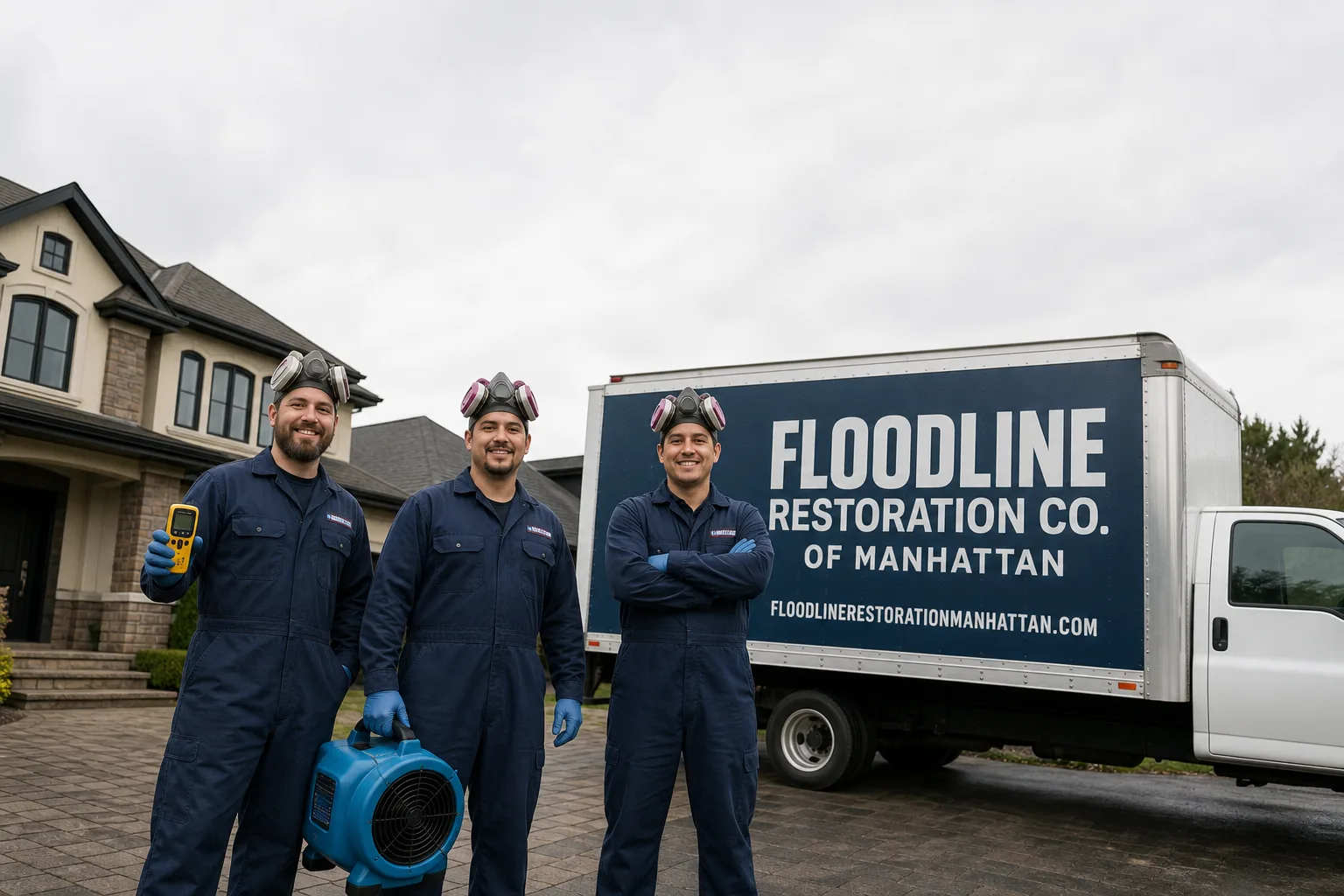
Free visual inspection and a written scope of work before any mitigation begins - photos, moisture readings, and drying logs go in your claim file
The scope we write is the scope we bill. Anything new gets shown to you, in writing, before we touch it.






 Before
 After
After Before
 After
After Before
 After
After24/7 Emergency Biohazard & Crime Scene Cleanup in Closter
Biohazard and crime scene cleanup in Closter typically costs $1,800 to $6,500 depending on the scene’s complexity, and our crews can be on-site within 45 minutes of your call. A live dispatcher answers at (917) 924-4221 around the clock, every day of the year. When blood, bodily fluids, or unattended death contamination sits in a finished basement, the clock matters because Closter’s clay-heavy soils keep moisture pressed against foundation walls, accelerating how fast biological material soaks into drywall and framing. We arrive, assess the full scope, and provide a free visual inspection with a written plan before any work begins.
This is not a cleaning you should attempt yourself. Bloodborne pathogens, category 3 water, and decomposition fluids require containment, medical-grade disinfectants, and proper disposal under Bergen County regulations. Our Biohazard & Crime Scene Cleanup team handles the entire job so you never touch anything that could make you sick.
Understanding Biohazard & Crime Scene Cleanup Severity in Closter Properties
Biohazard scenes fall into distinct severity levels, and Closter’s housing stock makes certain situations worse than the same event would be in a newer house. A 1950s split-level with a finished basement and original cast-iron plumbing holds moisture differently than a modern slab-on-grade home. When a trauma or unattended death occurs in a basement that already has chronic groundwater seepage from clay soil, you now have a mixed-hazard environment: category 3 black water combined with bloodborne pathogens, each requiring different containment, disinfectant chemistry, and disposal protocols. We map moisture with thermal imaging and hygrometers before we ever open a wall, because in Closter, the hidden water intrusion behind the drywall is usually as dangerous as the visible biohazard in front of it. The severity escalates when original French drains from the 1960s have silted up, which we see repeatedly on streets like Durie Avenue, Homans Avenue, and Vervalen Street. That failed drainage keeps the lower level damp enough that biological material never fully dries, and mold colonization begins within 48 hours. Bergen County’s permit requirements for structural drying in flood-adjacent homes mean we document moisture readings daily and coordinate inspections rather than just drying and leaving.
Why Closter Property Owners Choose Floodline Restoration Co. of Manhattan
- 45-minute response commitment. Our crews serving Closter are dispatched the moment you hang up, with a realistic arrival window backed by live coordination, not an answering service.
- 24/7 live answer. A real person picks up at 2 a.m. on Christmas morning. You never leave a message and hope.
- IICRC-certified crews. Our technicians hold WRT, FSRT, and AMRT certifications, plus RIA and IFA training. They document every step in writing.
- Free visual inspection. We look before we quote. You get a written scope of work agreed to before anything gets opened up.
- Direct insurance billing. We bill your carrier directly and document the loss the way adjusters expect, so you never play messenger.
- One team from extraction to reconstruction. The same certified crew that sets containment on day one handles the rebuilding. No mid-job handoff, no inherited subcontractors.
Our Biohazard & Crime Scene Cleanup Process
Inspection & Assessment
We arrive, assess the scene, and identify every affected surface using thermal imaging and moisture meters. In Closter basements, this includes checking for groundwater intrusion behind walls, because biohazard contamination in a damp lower level spreads farther than what is visible.
Containment & Stabilization
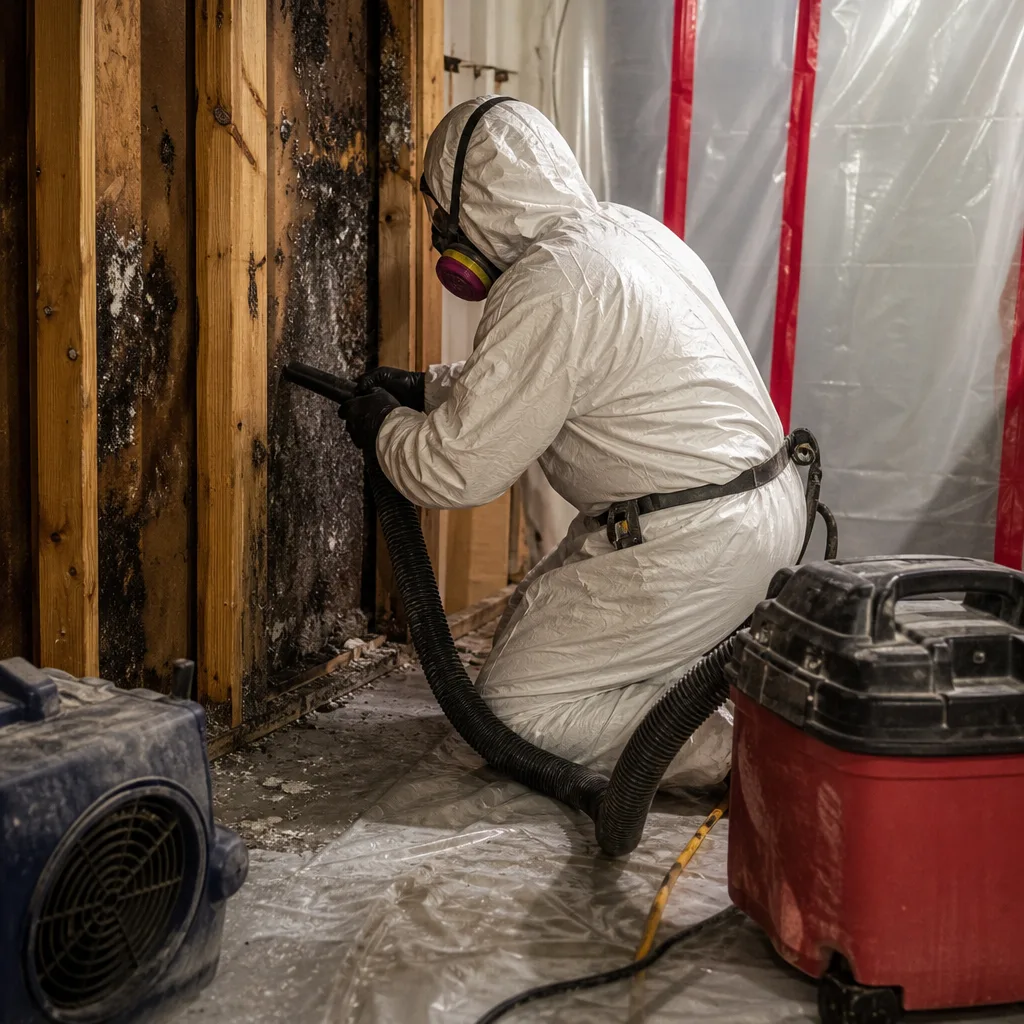
We set up plastic containment barriers and negative air pressure with HEPA air scrubbers to prevent cross-contamination. No pathogen leaves the contained zone on our watch.
Extraction & Water Mitigation
When category 3 water or sewage is present, we extract it with Dri-Eaz and Phoenix pumps before any biohazard material is disturbed. This prevents aerosolizing contaminated water into the air.
Cleaning & Sanitization
We remove all affected materials such as contaminated drywall, carpet, pad, and trim, then apply hospital-grade disinfectants registered for bloodborne pathogens. Every surface gets treated, not just the obvious spots.
Drying & Dehumidification
Closter’s clay soils keep basements damp, so we run professional dehumidifiers and air movers until moisture readings hit the dry standard. In flood-zone homes near the Tenakill Brook corridor, this step runs longer than it would in drier towns because groundwater keeps re-saturating the slab edges.
Repairs & Restoration
The same crew rebuilds what we removed, from drywall to flooring to trim, under Bergen County permits where required. We hand you a moisture log and a written 90-Day Done Right Promise before we leave.
Need Emergency Biohazard & Crime Scene Cleanup in Closter Now?
Crews minutes away, answering live 24 hours a day. The sooner we start, the less it costs.
Working With Your Insurance Company
Homeowners in Closter get nervous about biohazard claims because they worry the insurance company will question whether the loss was sudden or something they should have prevented. The truth is that most homeowner policies cover crime scene, trauma, and unattended death cleanup, and they cover sewage backup when the right endorsements are in place. What determines whether a claim gets paid is documentation quality. We photograph everything before we touch it, log moisture readings daily, and provide a line-item scope of work in the format your adjuster expects. Our team coordinates directly with your carrier so you are not translating technical cleanup language over the phone.
What We Provide Your Insurer
- Thorough documentation of the loss
- Photos of all damage, room by room
- Moisture readings and drying logs
- A detailed, line-item scope of work
- Direct coordination with your carrier
Built for Closter’s Loss Calendar
Closter hears from us in patterns, and the patterns follow the weather. January and February bring freeze-thaw cycles that crack foundation walls and burst supply lines in uninsulated crawl spaces. When a burst pipe floods a finished basement in a 1960s center-hall colonial, the water does not just soak drywall; it reactivates whatever biological material is already embedded in the lower level from years of groundwater seepage. Spring thaw compounds the problem because Closter’s glacial clay soils hold snowmelt against foundation walls for weeks, and an unattended death or trauma scene in that damp environment becomes a category 3 black water situation fast. Summer thunderstorms drop several inches in a few hours, overwhelming original sump systems and French drains that have been silting up since the Eisenhower administration. Nor’easters from late fall through early spring push the Tenakill Brook out of its banks and into the dozens of Closter properties inside FEMA-mapped flood zones. If a biohazard event happens in one of those homes, the cleanup is never just a biohazard job. It is a water-mitigation-plus-biohazard job, and you need a crew that does both without handing the job off between companies.
Biohazard & Crime Scene Cleanup Across Closter’s Neighborhoods
Closter is compact, roughly 3.3 square miles, but the response routes and building types vary block by block. Homes along Durie Avenue and Vervalen Street sit closest to the Tenakill Brook and its flood maps, so our crews expect groundwater intrusion on top of whatever biohazard scene we are called for. The finished basements in these 1950s and 1960s colonials and split-levels hold moisture against block foundations, which changes how we set containment and how long drying takes. Up the hill toward Harrington Park, the homes are newer and set higher, but many still retain original cast-iron plumbing that fails during freeze-thaw cycles. In the neighborhoods north of Closter Dock Road, including the cul-de-sacs off West Street, we see hoarding situations where the volume of stored material has hidden a failed sump pump for months, creating a commingled mess of mold, animal waste, and biohazard contamination. The western edge near Norwood and the Demarest border has many properties with finished lower levels that were renovated in the 1980s and 1990s with drywall directly against foundation walls, no vapor barrier. Blood or decomposition fluids that soak into that assembly require full drywall removal and structural drying, not surface cleaning. When you call us from any part of Closter, the crew we dispatch already knows what your street will throw at us.
Specialized Biohazard & Crime Scene Cleanup Services We Offer in Closter
Crime Scene Cleanup
We remove blood, bodily fluids, and any contaminated materials following the parameters set by law enforcement and the IICRC S500/S520 standards. In Closter homes with finished basements, this often includes cutting out drywall that has wicked contaminants up from the floor line and treating the framing behind it. We coordinate with Bergen County on disposal documentation so nothing gets mishandled.
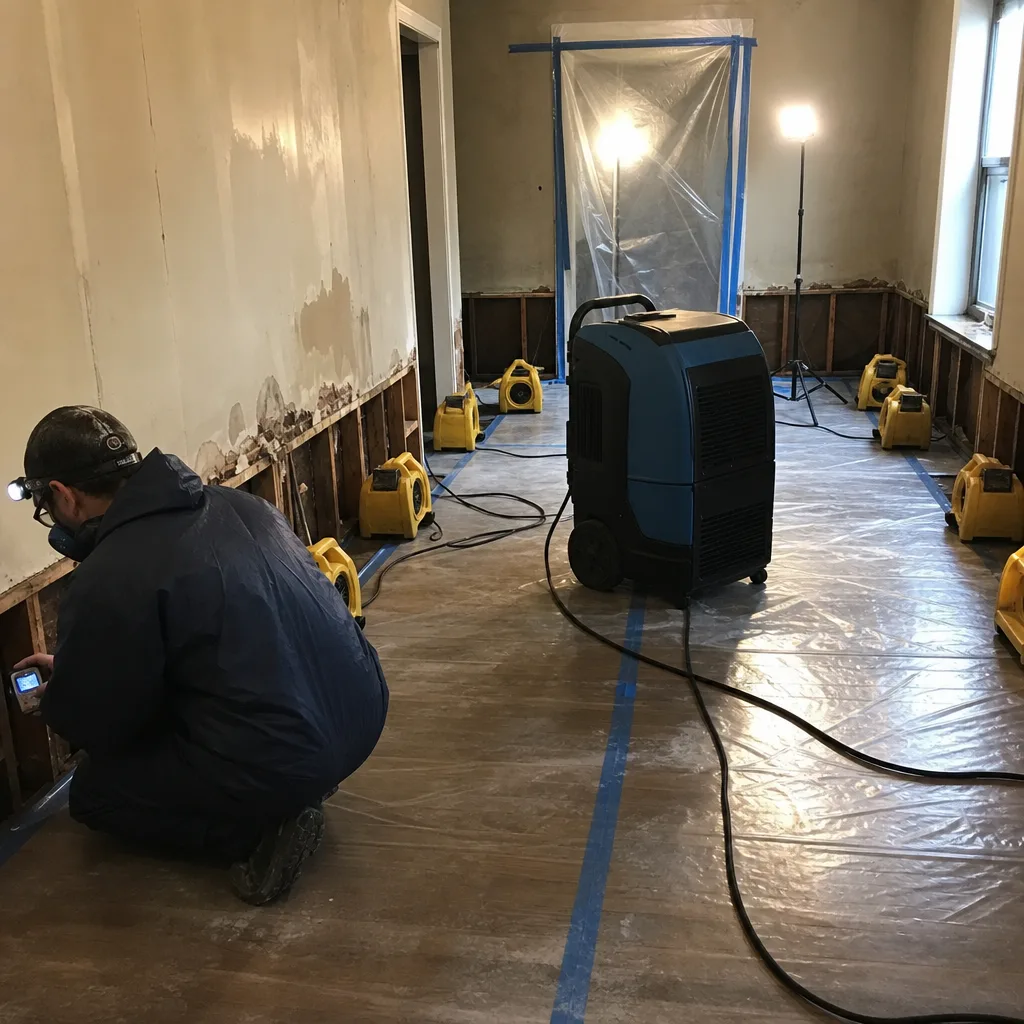
Trauma & Unattended Death Cleanup
This is the call no one wants to make, and we treat it with the care it deserves. Decomposition fluids move downward and outward, meaning a bed on a second floor has likely contaminated the subfloor and the ceiling below in a colonial or split-level. In Closter’s 1950s-1970s housing stock, those subfloors are usually plywood over joists with no sealing layer, so we remove affected sections and dry the cavity before rebuilding. We also handle the odor, which in a damp Closter basement will not dissipate on its own.
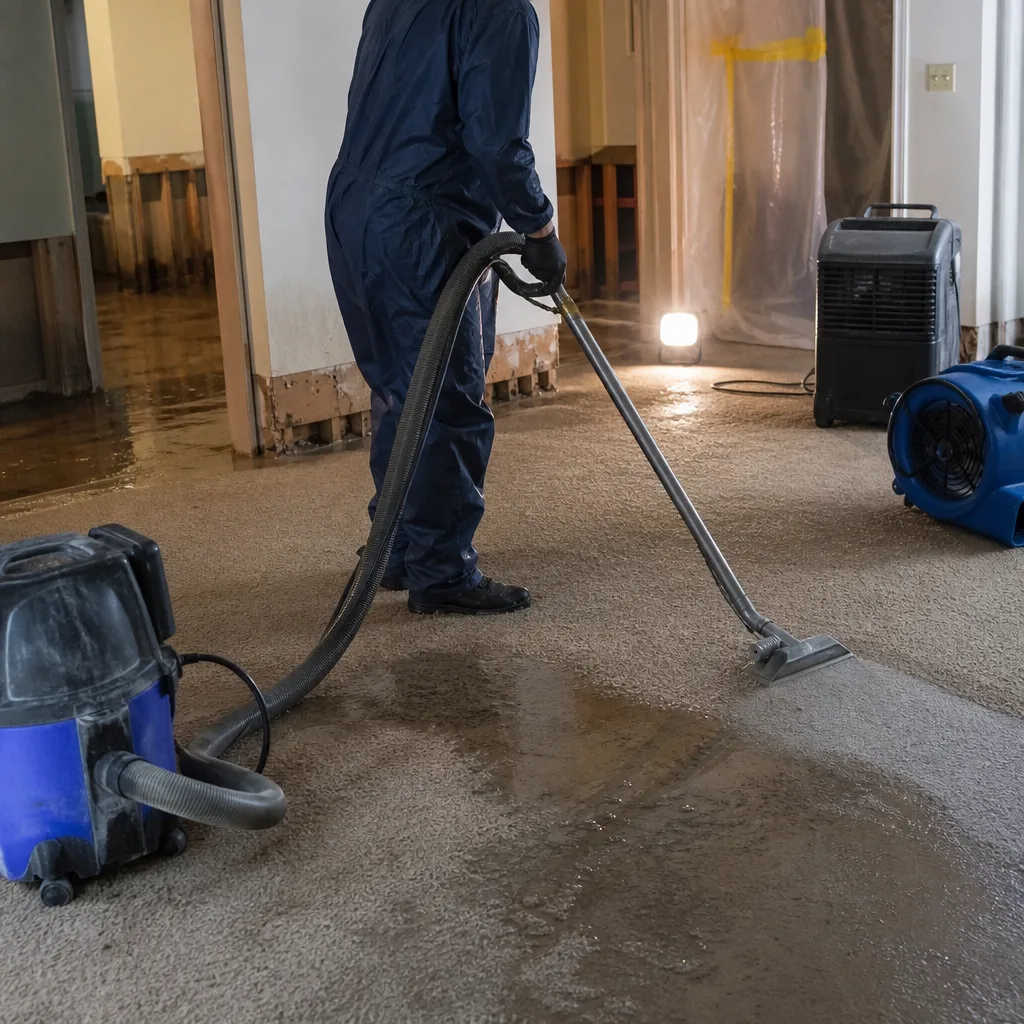
Hoarding Cleanup
Hoarding scenes in Closter split-levels often hide water intrusion, because the lower level is so packed that a failed sump pump or a cracked foundation wall goes unnoticed for months or years. We sort, remove, and dispose of debris while separating items you want to keep. The biohazard layer here is usually commingled with mold, animal waste, and sometimes category 3 water, so the first step is containment and air scrubbing before we move anything.
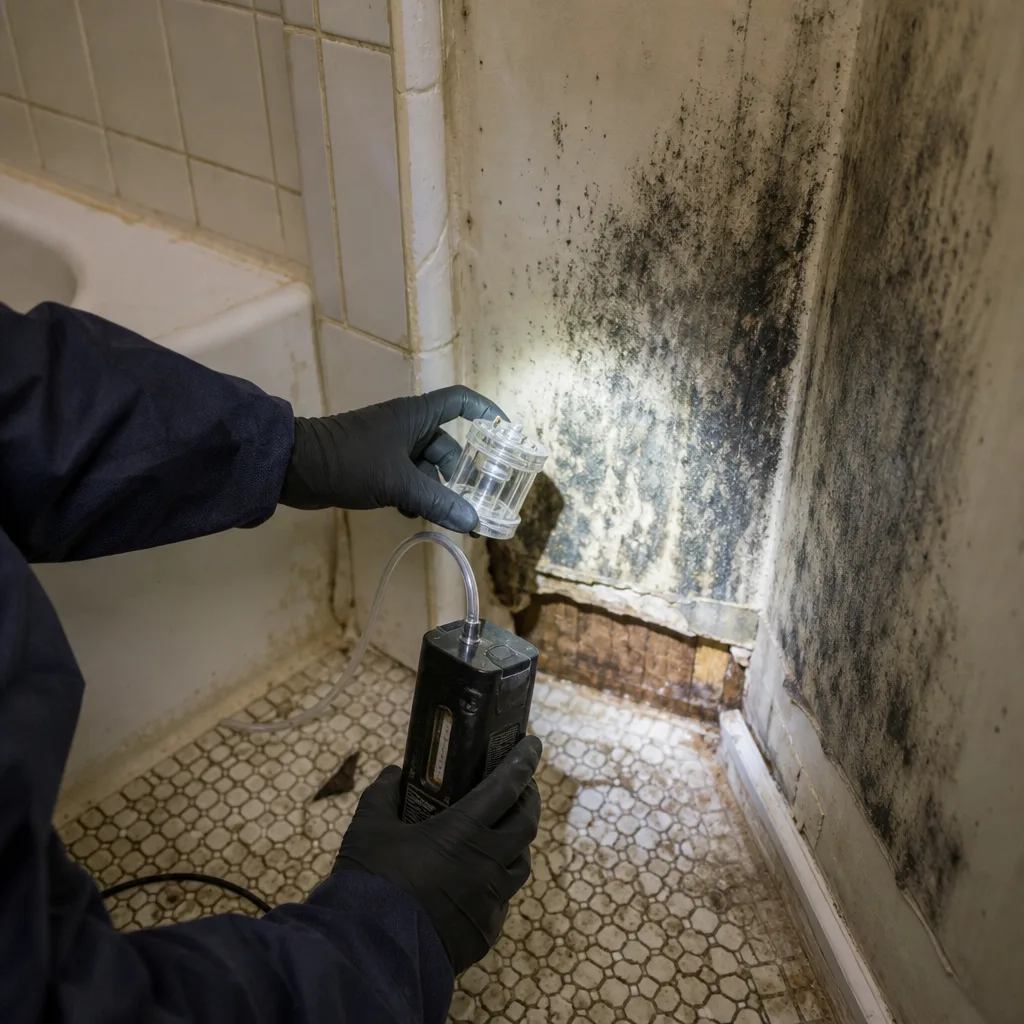
Blood & Bodily Fluid Cleanup
Bloodborne pathogens require more than bleach. We use EPA-registered hospital-grade disinfectants and follow OSHA bloodborne pathogen protocols for handling, containment, and disposal. In Closter homes where blood has soaked into carpet and pad over a basement slab, we remove those layers completely because concrete is porous and bleach will not eliminate pathogens from below the surface.
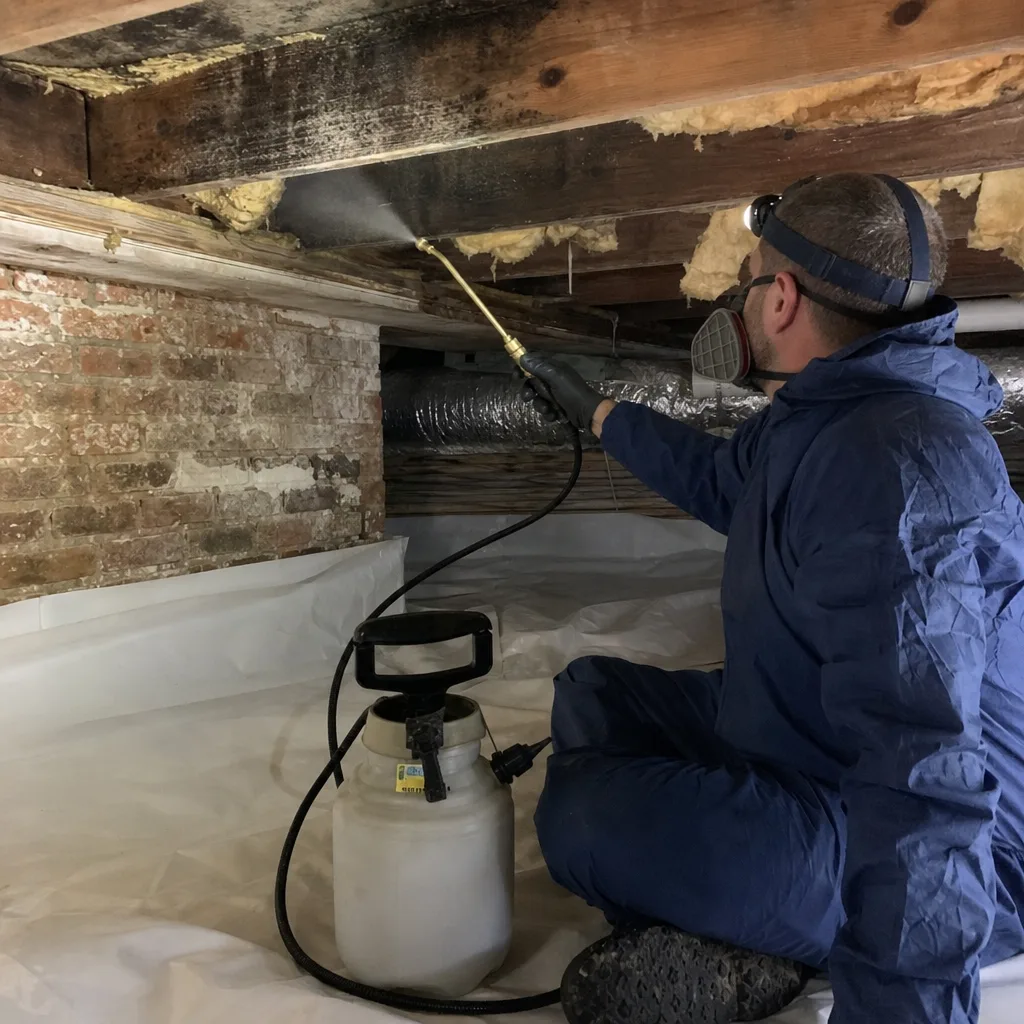
Infectious Disease Disinfection
We are called after a family member returns from a hospital stay with something contagious, or after an illness has left a home uninhabitable. Our teams use electrostatic sprayers and HEPA-filtered air scrubbers in addition to manual cleaning. In older Closter homes with forced-air systems, we also treat the ductwork because pathogens recirculate through original 1960s galvanized ducts that have never been cleaned.
What happens when you call
- 1
A real person answersNo phone trees - you reach a local pro.
- 2
You get an upfront price rangeHonest numbers before anyone is dispatched.
- 3
A background-checked tech heads outLicensed & insured, dispatched right away.
- 4
You approve before work beginsNothing starts until you say go.
Biohazard & Crime Scene Cleanup Costs in Closter, NJ
A straightforward blood cleanup in a single room of a Closter home runs $1,800 to $3,500. An unattended death with decomposition in a finished basement starts around $4,000 and reaches $8,000 or more when structural drying and reconstruction are required. Hoarding cleanup ranges from $3,500 to $15,000 depending on volume, and whenever a failed French drain or groundwater intrusion is also involved, the water mitigation portion adds another $2,000 to $6,000. What moves the price in Closter specifically is the moisture component: because our crews almost always encounter damp basements in this borough, the drying phase takes longer, and Bergen County permits add inspection costs that a drier town would not face. The free visual inspection turns speculation into a firm written scope. We give you the number before you commit, and we bill your insurance company directly whenever coverage applies.
We Also Serve Cities Near Closter
Our crews serving Closter also respond in Demarest, Norwood, Haworth, and Harrington Park. The same 45-minute response commitment and live 24/7 dispatch apply across the region.
Closter Biohazard & Crime Scene Cleanup Questions, Answered
Does Closter require a permit for biohazard cleanup in a finished basement that also has groundwater intrusion?
Bergen County requires permits for structural drying and any reconstruction work in flood-adjacent homes, which includes most Closter properties near the Tenakill Brook corridor. We handle the permit process, coordinate inspections, and document our moisture readings and drying logs so the work meets code before we rebuild. Call (917) 924-4221 and we will tell you plainly whether your specific address needs a permit.
How do you separate category 3 black water from bloodborne pathogen cleanup in a Closter basement?
We treat them as two layers of the same scene. First we extract the contaminated water with Dri-Eaz pumps and contain the room, then we remove blood-soaked materials under OSHA bloodborne pathogen protocols, then we disinfect with hospital-grade chemistry. In Closter basements, the black water often came from a failed French drain or silted sump system, so the biohazard work happens after the water source is stopped. One estimate covers both, with clear line items for each.
Why do Closter homes from the 1950s-1970s take longer to dry after a trauma scene?
Because the clay-heavy glacial soils in Closter hold groundwater against foundation walls year-round. A 1960s split-level with a finished basement never fully dries on its own, so after we remove blood-soaked drywall and treat the framing, the surrounding walls and floor slab are already damp. Our Phoenix dehumidifiers and air movers run longer here than in a town with sandy soils and good natural drainage. We log moisture readings daily until the dry standard is met.
Can you clean a hoarding scene in a Closter home if there is also mold from a failed French drain?
Yes, and we do these jobs regularly. The hoarding debris usually hid the water intrusion for months, so mold, bacteria, and animal waste have commingled. We set containment with HEPA air scrubbers before moving anything, then remove debris, then tackle the mold and water intrusion, then disinfect the entire space. You get one crew for the whole job, not three different companies pointing at each other.
What should a Closter homeowner do immediately after an unattended death in a finished basement?
Do not enter the room. Do not open windows and turn on fans; you will spread aerosols. Call 911 first if it has not been reported, then call us at (917) 924-4221. We handle everything from there, including insurance documentation, permits, and handling materials with the dignity the situation calls for. The first hour is the difference between removing contaminated drywall or treating the entire lower level.
How fast can you actually get to a home in Closter?
Our standard commitment is 45 minutes from the time you hang up. Because we dispatch crews serving Closter locally and coordinate from our office in Manhattan, we know the routes: Closter Dock Road, Knickerbocker Road, and the back roads through Demarest all matter when every minute counts. A live dispatcher is tracking your crew the whole way.
Will my insurance cover biohazard cleanup in Closter?
Most homeowner policies cover crime scene, trauma, and unattended death cleanup, and sewage backup is covered if you have the endorsement. What makes the difference is documentation. We photograph everything before work starts, provide daily moisture logs, and bill your carrier directly with line-item scopes. Let us review your policy and tell you what to expect before you commit.
Do I really need full remediation, or can someone just clean and paint over it?
In a Closter basement, surface cleaning over blood or decomposition fluids does not work, because the damp walls behind the drywall have already wicked contaminants upward. Painting over it seals pathogens in, and the odor returns in a few weeks. We remove the affected material, treat the framing, dry the cavity to standard, and rebuild. If the contamination is truly surface-level, we will tell you that and charge you for a cleaning, not a re-construction. We write it all down before we start.
Serving Closter, NJ - Our Local Coverage Area
We’re based in the Closter area and know this community well. Use the map below to see our service coverage - if you’re nearby, we can almost certainly help.
Call Floodline Restoration Co. of Manhattan for Closter Biohazard Cleanup
A biohazard scene in your home is not something to research for a week. The materials keep spreading, the odor gets worse, and in Closter’s damp basements, mold joins the problem within two days. Call (917) 924-4221 now and a live person answers. We come out, assess the scene, give you a written scope, and start the work the same visit whenever possible. You get a square deal, a written 90-Day Done Right Promise, and a crew that answers to one name: ours.
Written by Curt Bowman, Owner at Floodline Restoration Co., serving Closter with 24/7 live dispatch and certified biohazard crews.