
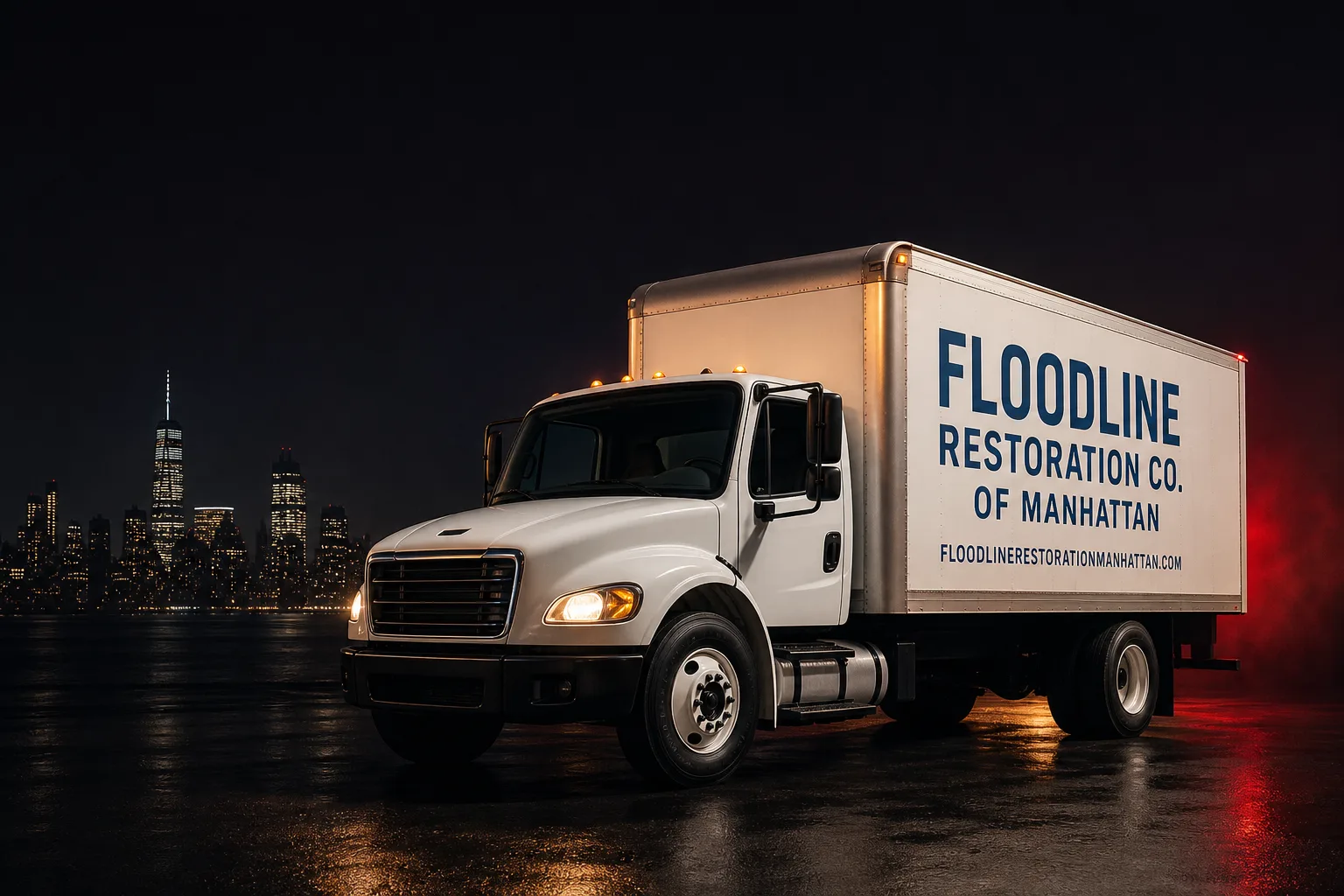
Free visual inspection and a written scope of work before any mitigation begins - photos, moisture readings, and drying logs go in your claim file
The scope we write is the scope we bill. Anything new gets shown to you, in writing, before we touch it.






 Before
 After
After Before
 After
After Before
 After
After24/7 Emergency Biohazard & Crime Scene Cleanup in Great Kills
Biohazard and crime scene cleanup in Great Kills typically costs $1,200-$3,500 for a contained single-room trauma scene and $4,000-$12,000+ for unattended death or hoarding situations requiring full gut-out and structural drying. A live dispatcher answers at (917) 924-4221 around the clock, and a certified crew can reach most Great Kills addresses within 45 minutes of your call. The first hour matters because blood, bodily fluids, and decomposition byproducts sink into grout, subfloor, and drywall fast, especially in the older Cape Cods and ranches that dominate this neighborhood, where original subfloors were never sealed against moisture. We start with a free visual inspection, contain the affected area immediately, and give you a written scope before any paid work begins.
If you’re standing in a house right now facing a trauma scene, an unattended death, or a hoarding condition that has overwhelmed the living space, you don’t need a sales pitch. You need a crew that shows up, treats the situation with respect, and does the work right. That’s what we do. Our Biohazard & Crime Scene Cleanup team handles everything from initial containment to final antimicrobial treatment and structural repair, and we bill your insurance carrier directly so you’re not left holding paperwork while you grieve.
Understanding Biohazard & Crime Scene Cleanup Severity in Great Kills Properties
Biohazard contamination is classified by the type and volume of biological material present. Blood and bodily fluids from a trauma scene are Category 3 biohazards, meaning they can carry bloodborne pathogens like hepatitis B, hepatitis C, and HIV. Unattended death scenes add decomposition fluids that migrate through flooring, wick up drywall, and release volatile organic compounds long after the body is removed. In Great Kills, the severity picture is different from inland Staten Island because of the 2012 Sandy storm surge that pushed Raritan Bay saltwater through residential streets. Homes that flooded and were never fully gutted to the studs often retain hygroscopic salt deposits inside wall cavities and subfloors. Those salts pull moisture from the air continuously, which means biological contamination in a Great Kills home can reactivate weeks or months after the visible cleanup is finished. A 1960s Cape Cod with original cast-iron drains and cellulose insulation is not the same job as a newer inland build. The contamination travels further, the drying takes longer, and the hidden salt load means every biohazard job here has to be evaluated against what’s still living inside the framing.
Why Great Kills Property Owners Choose Floodline Restoration Co. of Manhattan
- 45-minute response commitment. When blood or decomposition fluids are sitting in a Great Kills home, every hour deepens the contamination. Our crews dispatch from within the area and are on site fast.
- 24/7 live answer, always a person. Call (917) 924-4221 at 2 a.m. and a dispatcher picks up. No automated tree, no voicemail, no callback. That’s how we’ve run since Curt Bowman founded this company in 2010.
- IICRC-certified crews, including AMRT and WRT. Applied Microbial Remediation Technician and Water Restoration Technician certifications mean the crew on your job has documented training in contamination control and structural drying, not just a branded polo shirt.
- Free visual inspection. We walk the scene, identify the full extent of contamination including hidden salt-laden framing, and give you a written scope before any work is authorized.
- Direct insurance billing. We document everything from the first hour, send the carrier a line-item estimate and drying logs, and handle adjuster communication so you don’t have to translate restoration terminology for your insurer.
- One team from extraction to reconstruction. Most jobs are completed in a single visit by the same crew that started the work, using professional-grade Dri-Eaz, Phoenix, and XPOWER equipment. No mid-job handoff to a subcontractor you’ve never met.
Our Biohazard & Crime Scene Cleanup Process
Inspection & Assessment
We walk the entire property, not just the visible scene. In Great Kills we specifically check for hidden salt-contaminated framing from Sandy, post-elevation crawl space voids, and the condition of original subfloors in 1950s-to-1970s construction. Thermal imaging and moisture meters show us what’s invisible from the living space.
Containment & Stabilization
Before any cleaning starts, we seal the affected area with negative air pressure and HEPA filtration. In small Cape Cod basements we build full containment barriers to stop airborne pathogens and disturbed salt-laden dust from migrating through the rest of the house.
Extraction & Removal
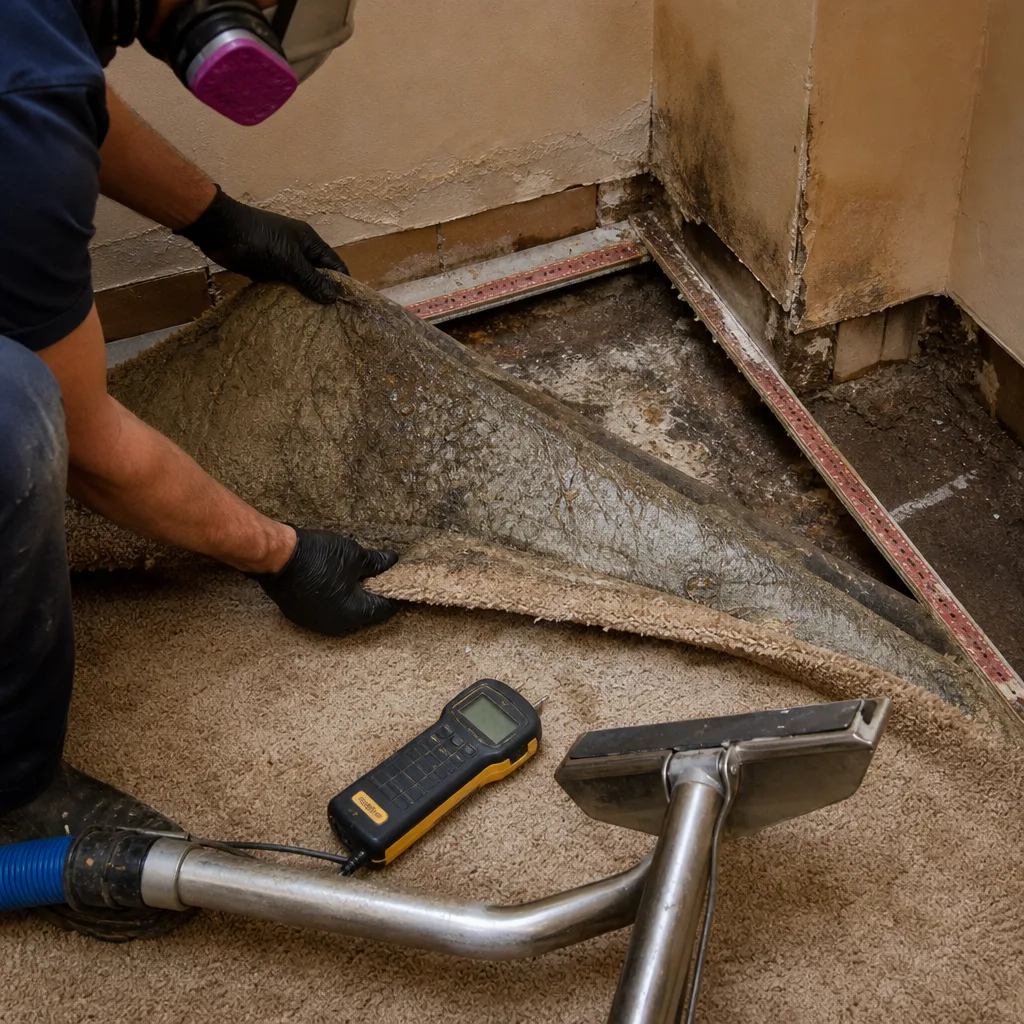
We remove contaminated materials following OSHA bloodborne pathogen protocols. That includes carpet, padding, affected drywall, insulation, and any porous materials that absorbed biological fluids. In Great Kills homes with Sandy-era salt intrusion, this often means cutting drywall back further than the visible staining suggests.
Structural Drying & Dehumidification
Dri-Eaz dehumidifiers and Phoenix air movers run until moisture readings stabilize. In salt-affected framing, we hold the drying stage longer and monitor with daily hygrometer readings, because hygroscopic salts keep pulling humidity back into the wood even after the air feels dry.
Antimicrobial Treatment & Odor Neutralization
We apply EPA-registered broad-spectrum antimicrobials to all cleaned surfaces and use hydroxyl or ozone treatment where odor has penetrated framing. This is where many jobs fail: surface cleaning without structural treatment leaves the smell inside the studs.
Repairs & Restoration
We rebuild what we removed: drywall, flooring, trim, paint. Because we handle reconstruction ourselves, we don’t leave you with a gutted room and a referral to a contractor who never saw the biohazard phase of the job.
Need Emergency Biohazard & Crime Scene Cleanup in Great Kills Now?
Crews minutes away, answering live 24 hours a day. The sooner we start, the less it costs.
Working With Your Insurance Company
Homeowner’s policies usually cover biohazard and crime scene cleanup under the dwelling coverage, but the carrier needs documentation that proves the scope of loss. We provide that from the first hour, with photos of every affected room, moisture readings, a line-item estimate using industry-standard pricing, and direct communication with your adjuster. You never have to translate what we found into insurance language. For Great Kills properties, we also flag FEMA flood zone issues when they’re relevant: if your home sits in a post-Sandy remapped AE or VE zone, certain repairs trigger elevation certificates or compliance reviews that your adjuster needs to see. We handle that conversation so you don’t get a claim denial letter three weeks later over paperwork nobody told you about.
What We Provide Your Insurer
- Thorough documentation of the loss
- Photos of all damage, room by room
- Moisture readings and drying logs
- A detailed, line-item scope of work
- Direct coordination with your carrier
Built for Great Kills’s Loss Calendar
Great Kills sits on Staten Island’s low-lying south shore, directly adjacent to Great Kills Harbor and exposed to Raritan Bay with minimal geographic buffering. That geography shapes the biohazard calendar here in ways an inland Staten Island neighborhood never sees. Winter nor’easters push bay water into low-lying streets near the harbor, and even moderate storms can drive saltwater into basements on Nelson Avenue, Giffords Lane, and streets running down toward the marina. Spring thaw brings basement seepage through original foundation walls in 1950s construction, and the salt left by prior flooding makes that moisture more aggressive than ordinary groundwater. Summer thunderstorms overload original cast-iron drain lines in older homes, causing sewage backups that carry Category 3 biological contamination. And the post-Sandy elevation projects that raised hundreds of Great Kills houses created crawl space voids that were never properly encapsulated. Those voids hold humidity year-round, which means any biohazard event in the living space above has a hidden moisture source beneath it that reactivates contamination. When you call us for a trauma scene or an unattended death, we check what’s under the floor as carefully as what’s on the walls.
Biohazard & Crime Scene Cleanup Across Great Kills’s Neighborhoods
Great Kills is not one uniform housing stock, and the response routes differ by area. Along Hylan Boulevard, the commercial corridor and its adjacent residential blocks include older Cape Cods and small ranches with shallow crawl spaces and original cast-iron lines. Homes here flood through basement floor drains during heavy nor’easters because the storm sewer system backs up when the tide runs high. In the blocks near Great Kills Park and the harbor, post-Sandy home elevations created the crawl space void problem we described earlier, and many of those homes now have open piling foundations that trap humidity beneath the subfloor. South of the Staten Island Railway tracks along Amboy Road, the housing shifts toward compact colonials with full basements that took the worst of the 2012 surge. Those basements almost always have some level of hidden salt contamination in the framing, even if the homeowner had visible water damage “fixed” years ago. We route crews differently depending on which part of Great Kills you’re in, and we know which streets flood first when a nor’easter comes up the bay.
Specialized Biohazard & Crime Scene Cleanup Services We Offer in Great Kills
Crime Scene Cleanup
Crime scenes require more than blood removal. We handle the full scope: biological material extraction, structural cleaning, antimicrobial treatment, odor neutralization, and disposal of contaminated materials under regulated transport protocols. In Great Kills, crime scene work frequently overlaps with Sandy-era salt intrusion, so we check the framing for hidden moisture migration before we call the job finished. A crime scene in a 1960s Cape Cod near Hylan Boulevard is not finished when the visible floor is clean. The subfloor and wall cavities matter just as much.
Blood & Bodily Fluid Cleanup
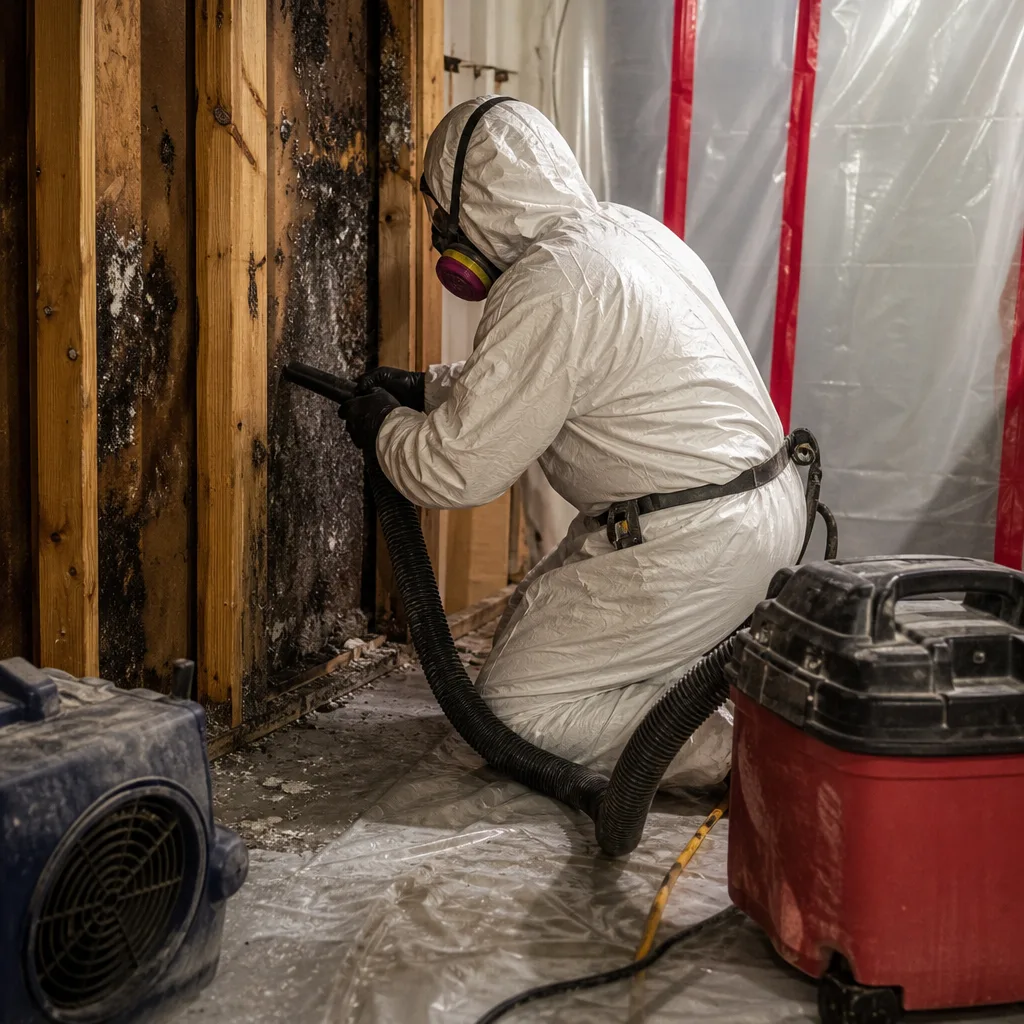
Bloodborne pathogen cleanup requires containment, proper PPE, and disposal through licensed medical waste channels. The risk in Great Kills specifically comes from the porosity of older building materials: original hardwood subfloors from the 1950s and 1960s absorb blood far deeper than modern plywood, and the salt-laden drywall in Sandy-affected homes holds contamination at the molecular level. We cut out what can’t be cleaned and treat what can.
Trauma & Unattended Death Cleanup
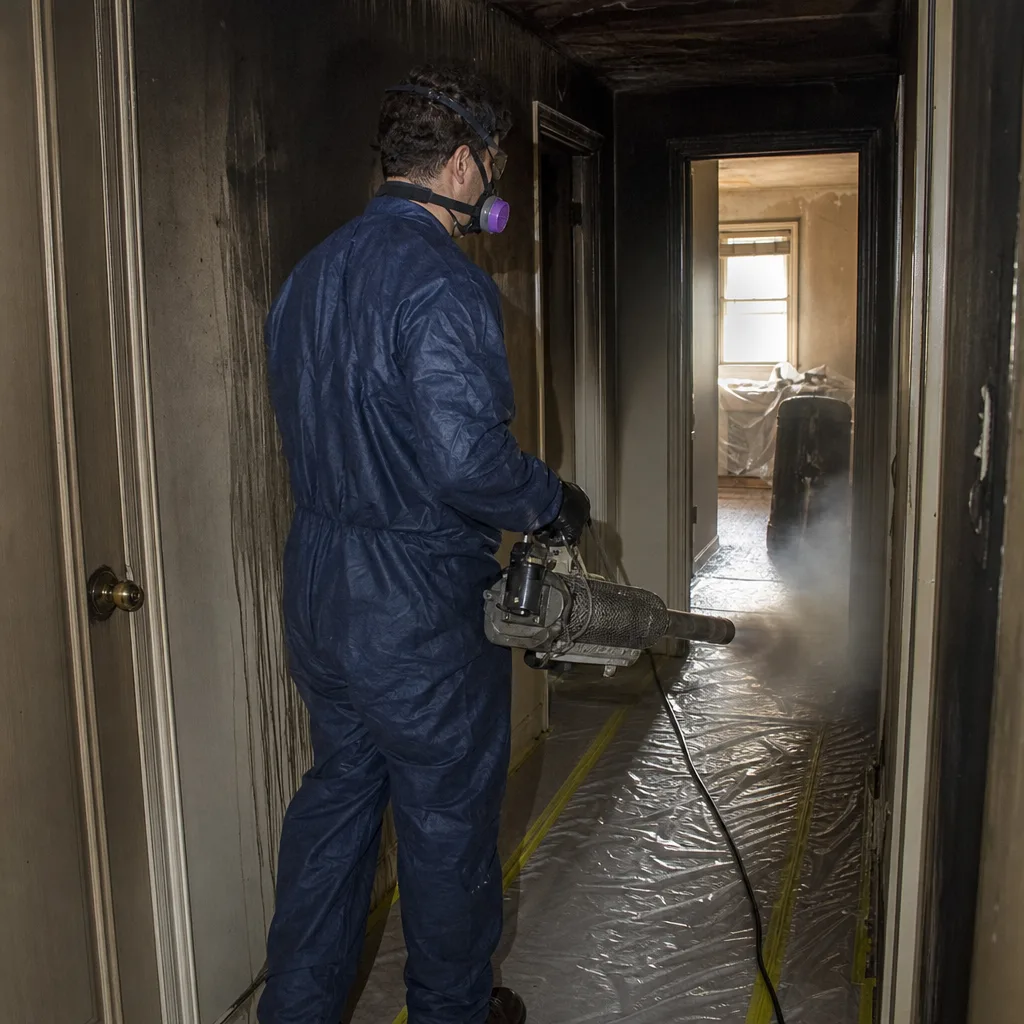
Decomposition fluids are the most invasive biohazard category we handle. They migrate through flooring systems, wick into drywall, and the associated odor compounds embed in framing. In Great Kills homes with post-Sandy elevation work, decomposition fluids can also drain into the crawl space void beneath the house, where trapped humidity spreads the contamination in ways invisible from above. We inspect below the floor line as a standard part of every unattended death cleanup here.
Hoarding Cleanup
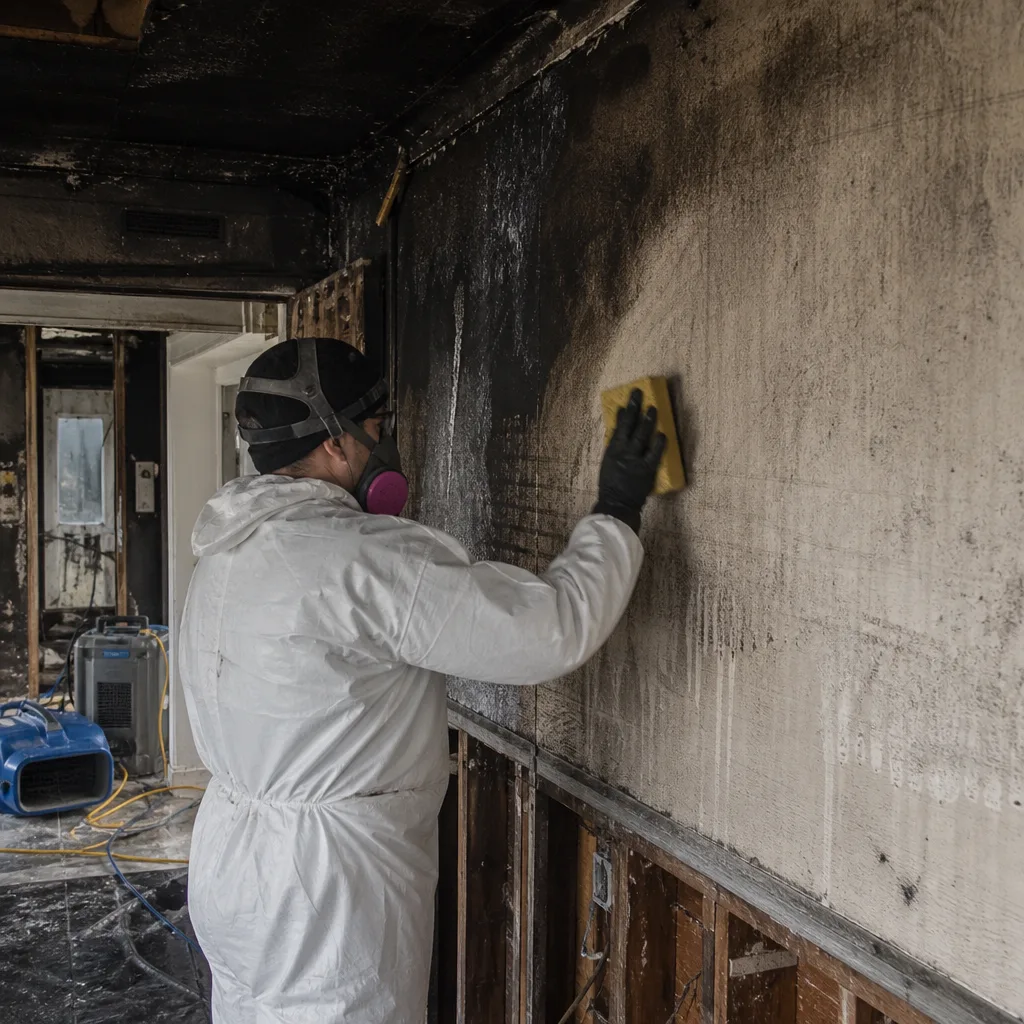
Hoarding conditions combine biohazard exposure, structural overload, and often years of sewage backups, pest infestation, and spoiled food. In Great Kills, hoarding situations in basements are frequently compounded by salt-damaged foundations that were never repaired after Sandy. We work with the homeowner, family, and any social services or code enforcement involvement to clear the space safely and restore it to a clean, dry condition.
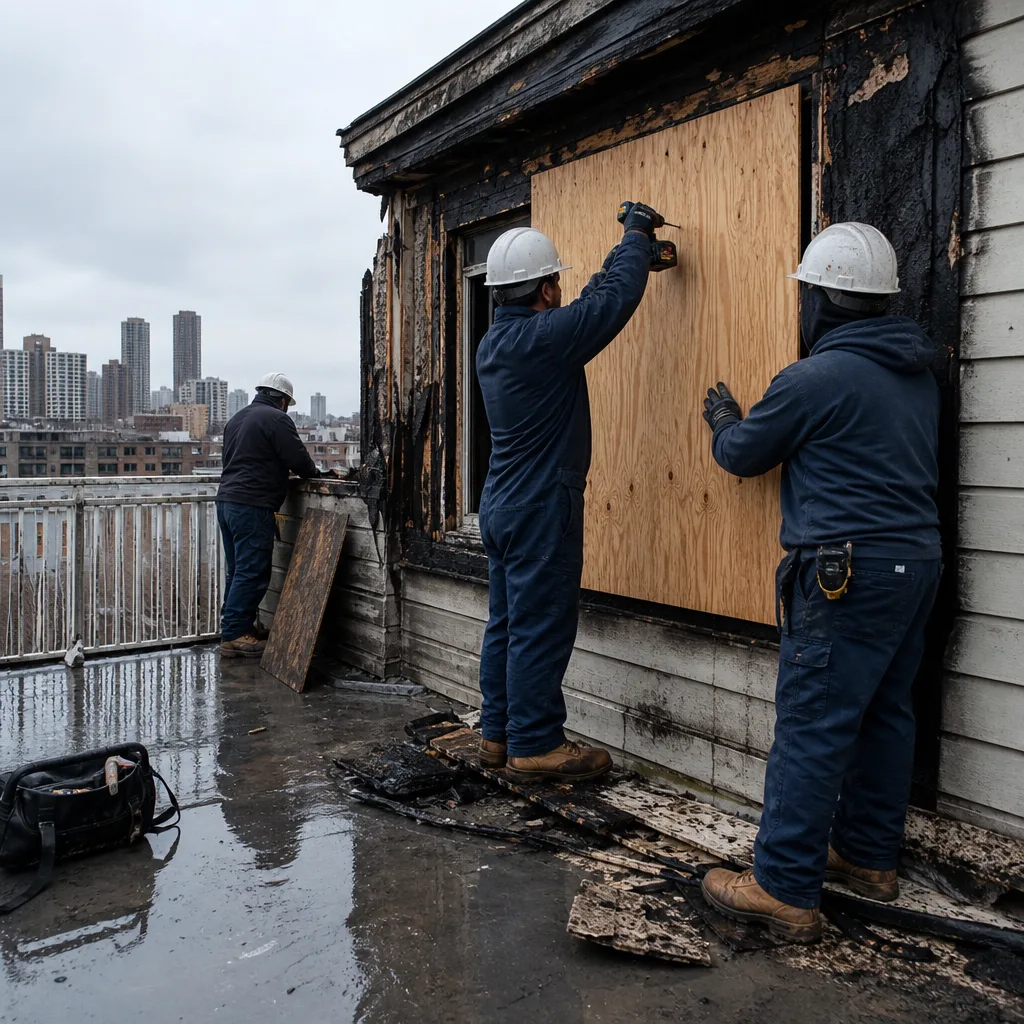
Infectious Disease Disinfection
When a Great Kills homeowner experiences an infectious disease event, whether that’s COVID, norovirus, MRSA, or something else, disinfection has to reach every surface in the occupied zone. We use EPA-registered disinfectants with documented kill claims, apply them with electrostatic sprayers for even coverage, and verify the work with surface sampling where the situation warrants. Salt-damaged drywall and insulation in Sandy-affected homes can harbor pathogens in micro-pores that ordinary cleaning misses. We treat those surfaces structurally, not just cosmetically.
What happens when you call
- 1
A real person answersNo phone trees - you reach a local pro.
- 2
You get an upfront price rangeHonest numbers before anyone is dispatched.
- 3
A background-checked tech heads outLicensed & insured, dispatched right away.
- 4
You approve before work beginsNothing starts until you say go.
Biohazard & Crime Scene Cleanup Costs in Great Kills, NY
Here’s what Great Kills homeowners can expect to pay, based on the jobs we’ve completed in this neighborhood. A contained blood cleanup from a single-room trauma scene runs $1,200-$3,500, depending on whether flooring or drywall removal is required. Unattended death cleanup runs $4,000-$12,000+, driven by how long the body was in place, whether decomposition fluids reached the subfloor or framing, and whether the structure has Sandy-era salt contamination that requires extended drying. Hoarding cleanup in Great Kills starts around $3,000 for a single room and can exceed $20,000 for a full house with structural damage, pest remediation, and debris removal. Infectious disease disinfection of a typical living area runs $800-$2,500. The biggest cost driver in Great Kills that doesn’t exist inland is hidden salt-laden framing: if we find Sandy-era salt deposits during a biohazard job, the scope expands to include cutting out and replacing that material so the contamination doesn’t recur. Most homeowner’s policies cover these losses. Call (917) 924-4221 for a free visual inspection and a written scope with firm numbers before any work is authorized.
We Also Serve Cities Near Great Kills
Our crews reach beyond Great Kills into the surrounding south shore and nearby areas, including Fairview, Harrison, East Bronx, and Hunts Point. If you’re on the edge of the neighborhood and you’re not sure whether you’re in our service area, call and ask. A dispatcher will tell you straight.
Serving Great Kills, NY - Our Local Coverage Area
We’re based in the Great Kills area and know this community well. Use the map below to see our service coverage - if you’re nearby, we can almost certainly help.
Great Kills Biohazard & Crime Scene Cleanup Questions, Answered
Does the historic saltwater flooding from Hurricane Sandy affect how you handle biohazard cleanup in Great Kills?
Yes, and it changes the scope of almost every job we do in this neighborhood. Sandy’s storm surge pushed Raritan Bay saltwater through residential streets, and homes that were never fully gutted to the studs typically retain hygroscopic salt deposits inside framing and drywall. Those salts continuously draw moisture, which means any biological contamination in the home can reactivate weeks after visible cleanup is complete. We check for salt intrusion on every Great Kills biohazard job and cut out contaminated material when we find it.
Do you need to check for FEMA flood zone compliance before starting a crime scene cleanup in Great Kills?
Sometimes, yes. Post-Sandy FEMA flood map revisions placed a large portion of Great Kills properties in AE or VE flood zones. If the cleanup requires structural work like drywall replacement, subfloor repair, or foundation access, the repairs may trigger compliance requirements around base flood elevation. We flag this before we start so your insurance claim doesn’t stall over a paperwork issue.
How quickly can mold start growing after a trauma or unattended death cleanup in a Great Kills basement?
In the right conditions, mold colonization can begin within 24 to 48 hours of a moisture event, and biohazard fluids create exactly those conditions. In Great Kills basements with Sandy-era salt intrusion, the timeline accelerates because the salt pulls additional moisture from the air. That’s why the first hour matters, and why we start structural drying with Dri-Eaz equipment the same visit.
What does ‘category’ mean when you talk about the water removed during a biohazard cleanup?
Water is classified by contamination level. Category 1 is clean water from a supply line. Category 2 has some contamination, like washing machine overflow. Category 3 is grossly contaminated, including sewage, floodwater, and any water that has come into contact with blood, bodily fluids, or decomposition byproducts. Biohazard cleanup always involves Category 3 water, which requires full disinfection and often removal of porous materials rather than simple drying.
Why do you check post-elevation crawl spaces after a biohazard cleanup in Great Kills?
Many Great Kills homeowners elevated their houses after Sandy, creating crawl spaces or open piling voids that were never properly encapsulated. Those voids trap humidity year-round, and they sit directly beneath the living space. If a biohazard event occurs above, fluids can drain into the void, where trapped humidity spreads contamination and reactivates any biological material that found its way down. We inspect these voids as a standard part of biohazard work in this neighborhood because ignoring them means the contamination comes back.
How fast can someone actually get to a Great Kills address for a biohazard emergency?
Our commitment is 45 minutes or less for most Great Kills addresses. A live dispatcher answers at (917) 924-4221 24 hours a day, every day, and the crew is dispatched immediately. No voicemail, no call center script, no waiting for a call back.
Will my homeowner’s insurance cover biohazard and crime scene cleanup in Great Kills?
Most standard homeowner’s policies cover biohazard cleanup under dwelling coverage, but the carrier needs documentation that proves the scope and cause of loss. We handle that for you: photos, moisture readings, line-item estimates, direct adjuster communication. If your property is in a post-Sandy FEMA flood zone and the damage relates to flooding rather than an isolated biohazard event, coverage may fall under a separate flood policy. We’ll lay that out plainly before any work begins.
Do I really need a professional for blood cleanup, or can a cleaning company handle it?
Blood and bodily fluids are regulated biohazardous waste under OSHA standards. A standard cleaning company does not have the training, PPE, containment equipment, or licensed disposal channels to handle bloodborne pathogens safely. In Great Kills specifically, the Sandy-era salt contamination means the job often goes deeper than the visible surface, and a cleaning crew will not identify or address hidden contamination in framing and subfloor. Call (917) 924-4221 for a free inspection and a straight answer about what the job actually requires.
Written by Curt Bowman, Owner at Floodline Restoration Co., serving Great Kills and the surrounding south shore since 2010.