
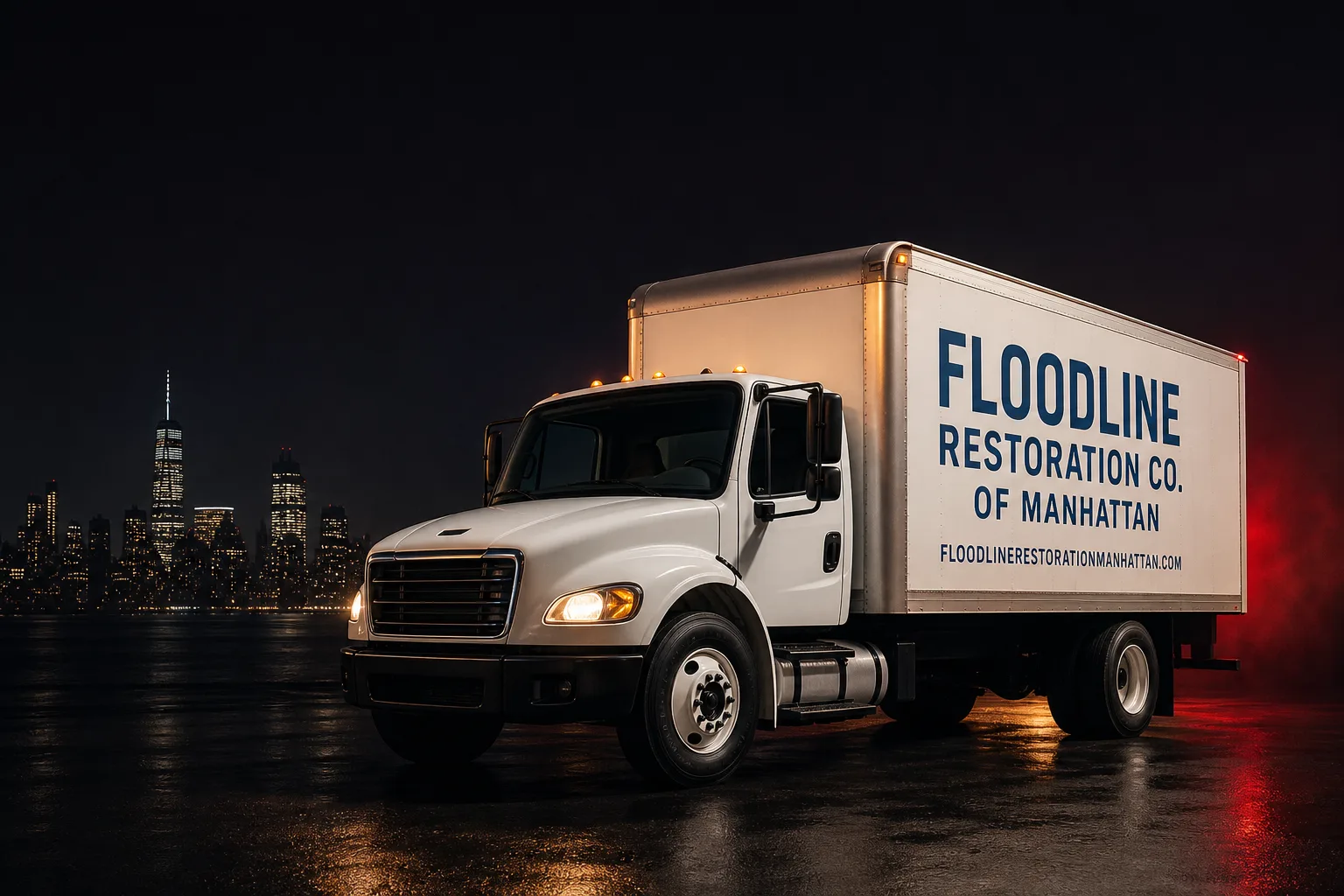
Free visual inspection and a written scope of work before any mitigation begins - photos, moisture readings, and drying logs go in your claim file
The scope we write is the scope we bill. Anything new gets shown to you, in writing, before we touch it.






 Before
 After
After Before
 After
After Before
 After
After24/7 Emergency Commercial Restoration in Great Kills
Commercial restoration in Great Kills costs between $3,500 and $80,000 depending on building size, damage class, and whether saltwater intrusion is involved, and the first call we make after a loss is always the same: get extraction running before the salt and moisture travel further. Great Kills commercial properties sit on Staten Island’s low-lying south shore, directly exposed to Raritan Bay storm surge, which means a nor’easter or hurricane remnant can push saltwater through loading docks, garage-level storage, and mechanical rooms in under an hour. Call (917) 924-4221 and a live dispatcher answers, day or night. We’ll have a certified crew en route to your Great Kills property within 45 minutes, and the first visual inspection is free.
Understanding Commercial Restoration Severity in Great Kills Properties
Not all water damage is the same, and the difference matters enormously in Great Kills. Category 1 water comes from a broken supply line or failed water heater. Category 2 carries contaminants from appliances or sump failures. Category 3 is the one we see most after coastal flooding here: saltwater, harbor water, or sewage-laced storm surge that carries bacteria, petroleum residue, and dissolved chlorides deep into building materials. Saltwater is a different animal chemically. It corrodes copper wiring, degrades electrical connections, attacks steel fasteners and door hardware, and leaves hygroscopic salt deposits in drywall, framing, and concrete that keep pulling moisture from the air long after the visible water is gone. A standard freshwater extraction and dry-down won’t solve that. The building needs desiccant dehumidification, targeted moisture mapping with thermal imaging, and often full removal of salt-loaded materials to the studs. Great Kills’s stock of 1950s-to-1970s commercial buildings with original cast-iron drain lines and aging electrical panels compounds the problem: a saltwater event in an old building with fiberglass or cellulose insulation means that insulation can’t be dried in place. It has to come out.
Why Great Kills Property Owners Choose Floodline Restoration Co. of Manhattan
- 45-minute response commitment. When saltwater is moving through a commercial space, every hour of delay means deeper saturation and more framing that must be removed. Our Great Kills crews are dispatched from staging points near the south shore and reach most properties within 45 minutes.
- 24/7 live answer, never an automated system. Call at 2 a.m. during a nor’easter and a person picks up. Not a phone tree. Not a callback service. A dispatcher who can authorize a crew immediately.
- IICRC-certified crews. Our technicians hold WRT and ASD certifications for water damage, FSRT for fire and smoke, and AMRT for mold remediation. That training matters when a building has saltwater in the walls and a mold bloom starting 48 hours later.
- Free visual inspection. No fee to assess the loss, no obligation to proceed, and a written scope before any work begins. You decide with real numbers in front of you.
- Direct insurance billing. We coordinate with your carrier from day one. You don’t play messenger between our team and the adjuster, and you don’t front the full cost of a commercial loss while waiting on reimbursement.
- One team from extraction to reconstruction. The same certified crew that reads the moisture map on day one handles daily readings, logs everything, and rebuilds what needs rebuilding. No mid-job handoff to a different company.
Our Commercial Restoration Process
Inspection & Assessment
We arrive with thermal imaging cameras and moisture meters, map every affected surface, and identify the water category at play. In Great Kills, we also check the building’s FEMA flood zone designation and whether the structure sits in an AE or VE zone, because that triggers base flood elevation compliance considerations before work proceeds.
Extraction & Stabilization
Professional-grade extraction begins immediately. We run truck-mounted and portable extraction units into the loss area, remove standing saltwater, and assess what can be saved versus what must be discarded. Salt-contaminated drywall and insulation typically come out now, not later.
Drying & Dehumidification
We use Dri-Eaz and Phoenix desiccant and refrigerant dehumidifiers paired with XPOWER air movers to drive moisture out of structural materials. Daily moisture readings are logged until the dry standard is met, and we hand that log to you and your carrier.
Cleaning & Sanitization
HEPA air scrubbers run throughout the affected area to capture airborne particulates and mold spores. All salvageable surfaces are cleaned with antimicrobial agents appropriate to the contamination level. Salt deposits are removed from HVAC drain pans and coils using specialized flushing protocols.
Corrosion Inspection & Hardware Abatement
In Great Kills, salt air attacks commercial garage-door hardware, guide tracks, and fasteners faster than almost anywhere else in the city. We inspect every hinge, spring, roller, and opener chain on the property, replace corroded components with coated or stainless hardware, and install nylon rollers where appropriate. This step prevents a two-year-old spring from failing months after the water damage is closed out.
Repairs & Restoration
The same crew rebuilds what was removed: drywall, insulation, flooring, and any structural components. We install new materials, test systems, and document everything for your insurer. Before we leave, you have a completed job and a written 90-Day Done Right Promise in hand.
Need Emergency Commercial Restoration in Great Kills Now?
Crews minutes away, answering live 24 hours a day. The sooner we start, the less it costs.
Working With Your Insurance Company
Commercial losses in Great Kills often involve flood zone complications, saltwater contamination, and compliance questions that can stall a claim if documentation is thin. We handle the paperwork burden from the first hour. Our team photographs the loss room by room before demolition begins, logs moisture readings daily, and produces a line-item scope that mirrors what carriers expect to see. When the adjuster arrives, we walk the loss together. When the carrier asks for documentation, we send it directly. No games, no drawn-out back-and-forth over what was damaged and when. You have a business to run, and your claim shouldn’t become your second job.
What We Provide Your Insurer
- Thorough documentation of the loss
- Photos of all damage, room by room
- Moisture readings and drying logs
- A detailed, line-item scope of work
- Direct coordination with your carrier
Built for Great Kills’s Loss Calendar
Great Kills takes its restoration hits on a seasonal schedule, and we’ve learned it by working through it. January and February bring deep freezes that burst supply lines in unheated commercial garages and mechanical rooms, and those losses are usually clean Category 1 water until they sit for a weekend. March and April bring thaw and heavy rain, which pushes groundwater into low-lying basements and crawl spaces near the Harbor. Summer thunderstorms drop inches of rain in an hour, overwhelming drainage and sending water into retail floors along Hylan Boulevard. Then comes the coastal season: late summer and fall nor’easters, and the occasional hurricane remnant, pushing Raritan Bay saltwater into garage-level storage rooms, loading docks, and anything built below base flood elevation. Every one of these events in Great Kills carries a saltwater question mark, because the ground itself was soaked with saline storm surge in 2012 and the building stock remembers it. We treat every Great Kills commercial loss as if salt may be present until testing and inspection say otherwise.
Commercial Restoration Across Great Kills’s Neighborhoods
We respond to commercial losses up and down the Great Kills waterfront, and the building types shift block by block. Along Hylan Boulevard near the Great Kills Harbor, retail plazas and professional offices sit close to grade, which makes them first in line for stormwater and surge intrusion. Over in the Bay Terrace section, post-war commercial buildings with slab foundations and shallow mechanical rooms give us different access challenges: less basement to flood, but more slab-level saturation that requires under-floor drying. Properties near the Great Kills train station and along Amboy Road tend to be older mixed-use buildings where a second-floor tenant’s supply line failure can take out everything below, including office equipment and inventory. Around Keegans Lane and the residential-adjacent blocks, HOA-managed clubhouses and multi-unit community buildings face the same coastal exposure as the homes around them. And properties within sight of the harbor itself, where the air carries salt year-round, have hardware that corrodes on a different clock than the rest of Staten Island. Our crews know these routes, and we know which buildings in each pocket are likely to have cast-iron instead of PVC, original panels instead of updated service, and crawl spaces that were never properly sealed after Sandy-era elevations.
Specialized Commercial Restoration Services We Offer in Great Kills
Office & Retail Restoration
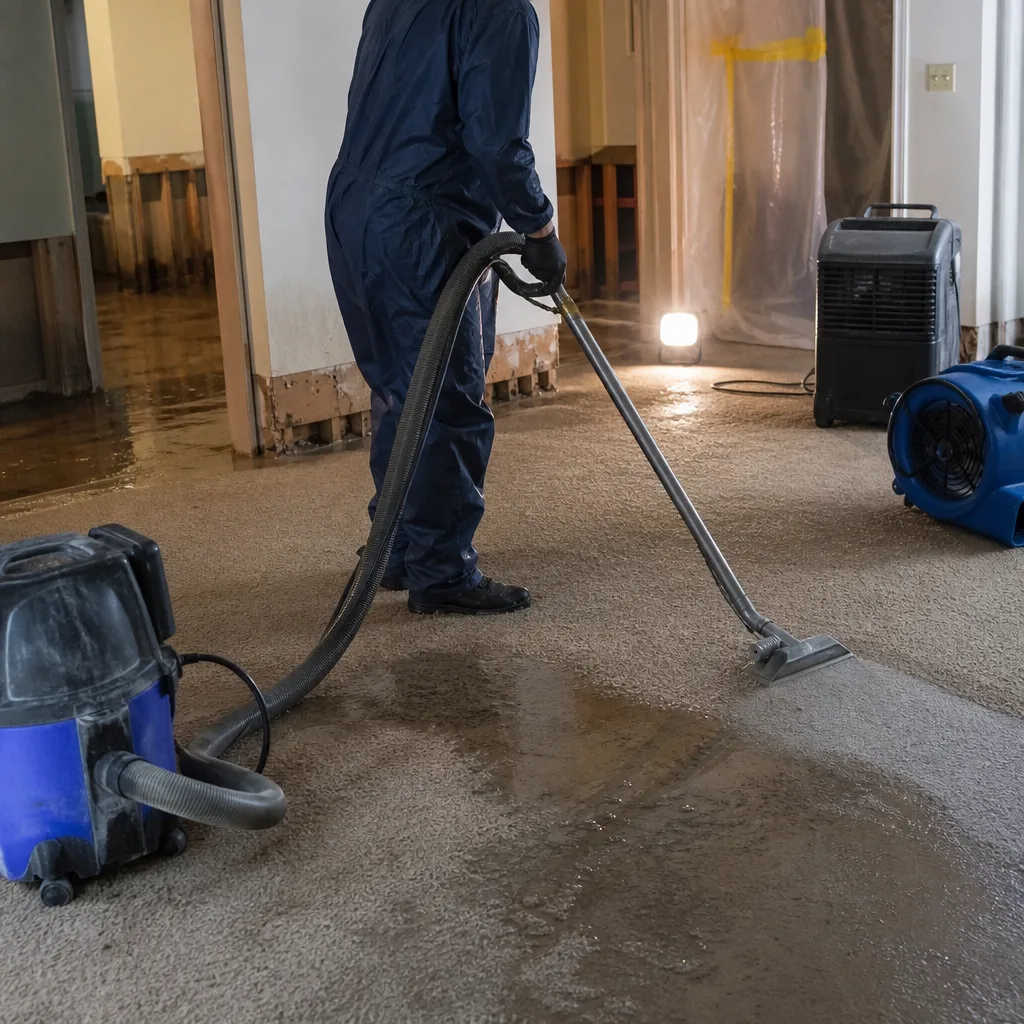
A flooded office or retail space on Hylan Boulevard means lost revenue for every day the doors stay closed. We work nights and weekends when needed, restore what can be saved, and rebuild what can’t, getting you back to business hours as fast as the drying schedule allows. Document recovery, electronics assessment, and hard-surface restoration are included in the scope.
Multi-Unit & HOA Restoration
Great Kills has a large stock of co-ops, condo associations, and community buildings built between the 1950s and 1970s, many with original plumbing still in service. When a unit floods, the association is almost always involved, and so is the question of who pays for what. We work directly with HOA boards and property managers, produce scopes that stand up to board review, and bill carriers directly so individual owners aren’t carrying the burden.
Industrial Facility Cleanup
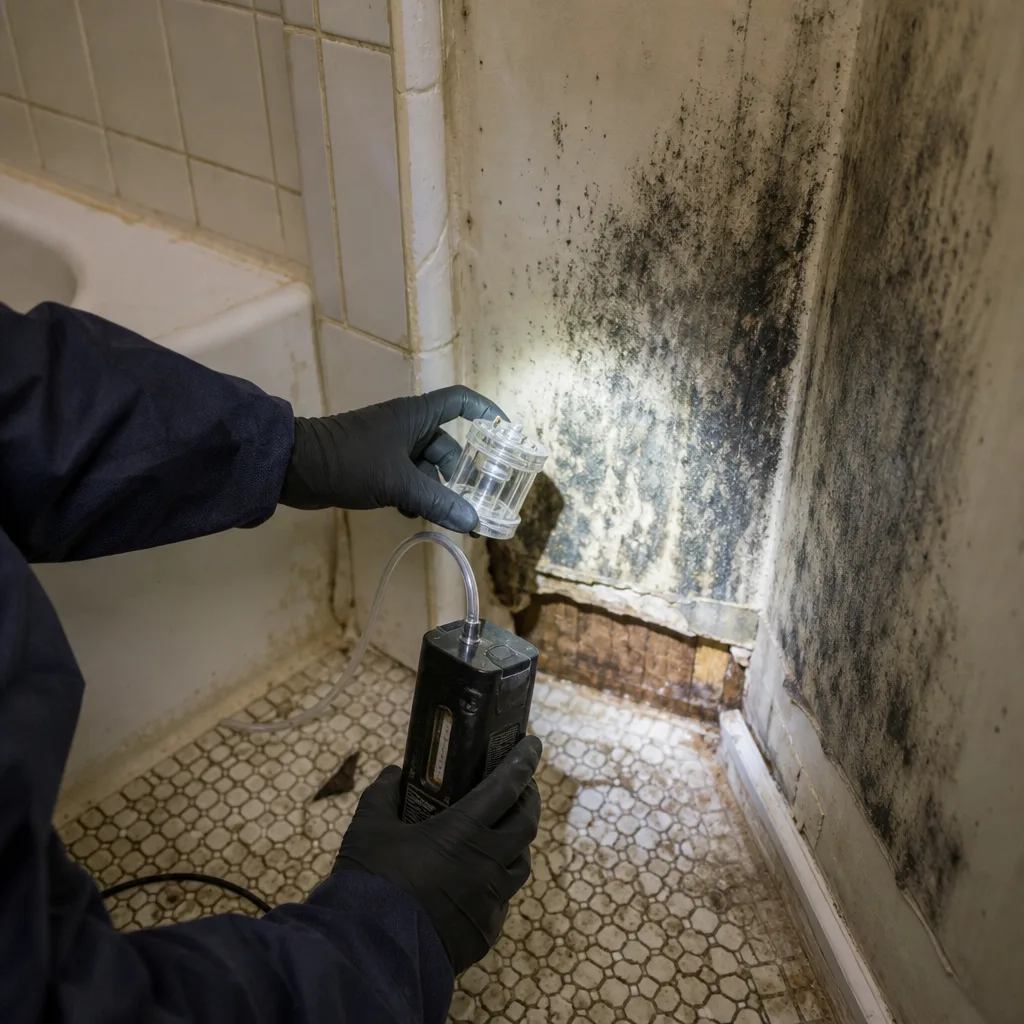
Warehouse and industrial spaces near the harbor face a double threat: floodwater from storm surge and salt-air corrosion on machinery, racking, and door hardware. Our crews are equipped for large-scale extraction and drying, and we bring the corrosion inspection discipline that Great Kills demands: every door spring, hinge, and track fastener gets examined and replaced with coated or stainless hardware where needed.
Large-Loss Response
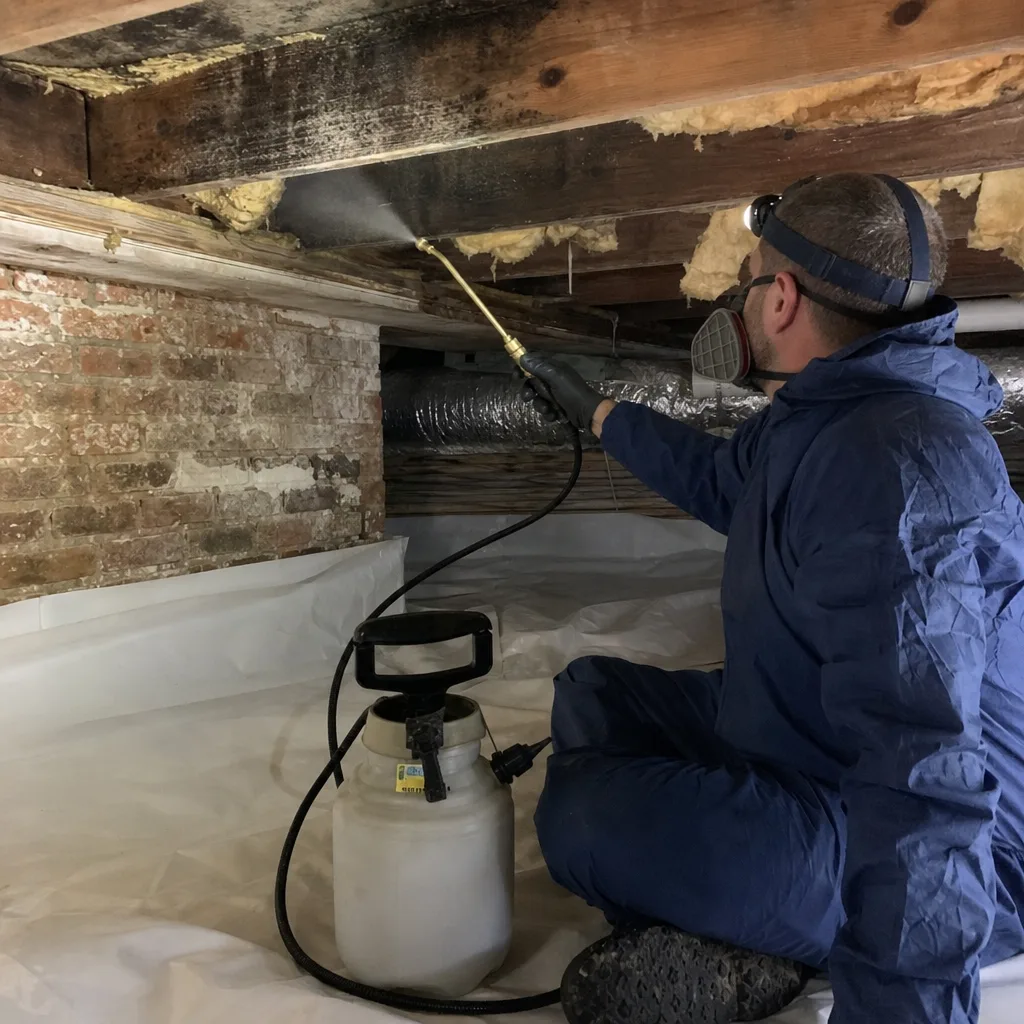
When an entire commercial building takes water, the response has to scale fast. We stage equipment, bring in additional crews from our New York City dispatch, and run multiple drying zones simultaneously. Large-loss commercial restoration in Great Kills often means coordinating with FEMA flood zone requirements at the same time as the physical work, and our team handles both.
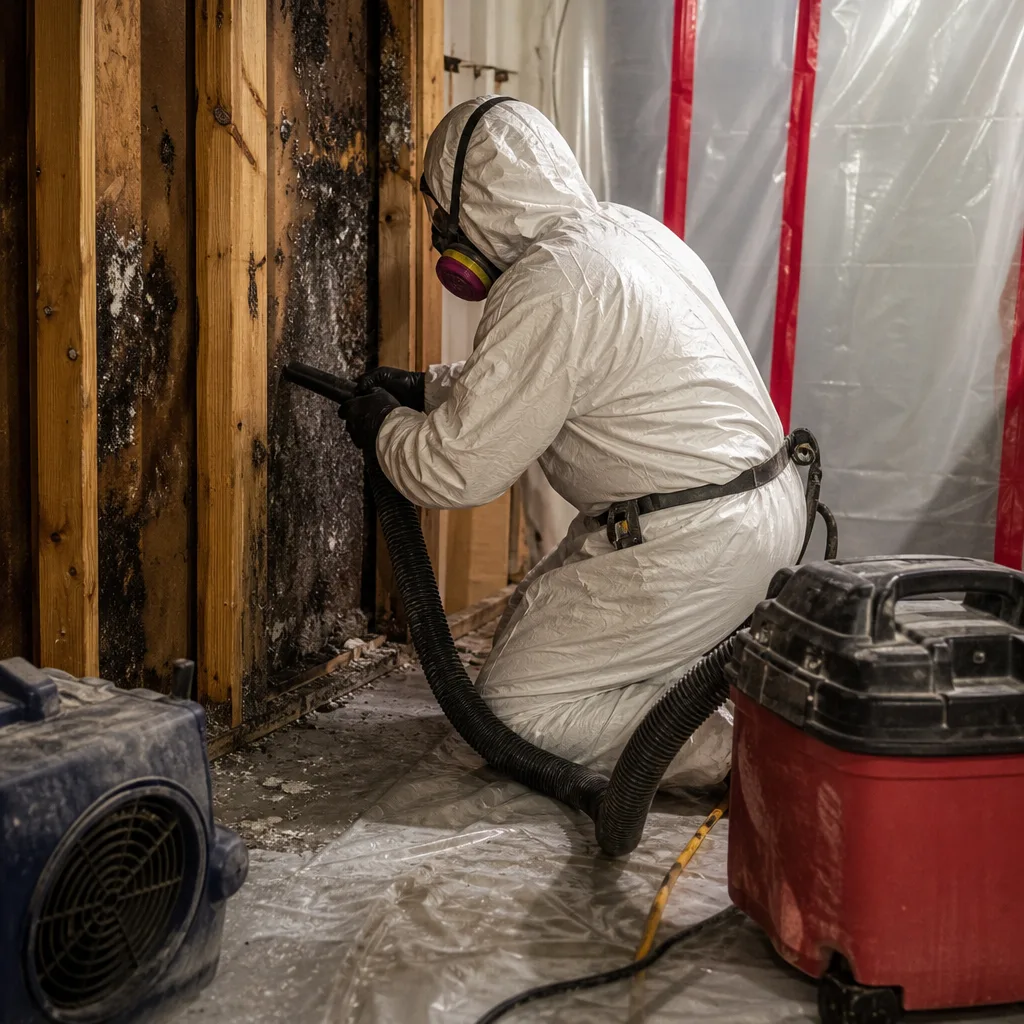
Business Interruption Minimization
The single most important thing we do for Great Kills commercial clients is shrink the timeline from loss to reopening. Every day a retail space, office, or facility sits closed costs real revenue. Our crews work extended shifts when necessary, run desiccant drying to cut days off the schedule, and coordinate reconstruction so your reopening date is a date, not a guess. We bill the carrier directly, and we don’t slow-walk anything.
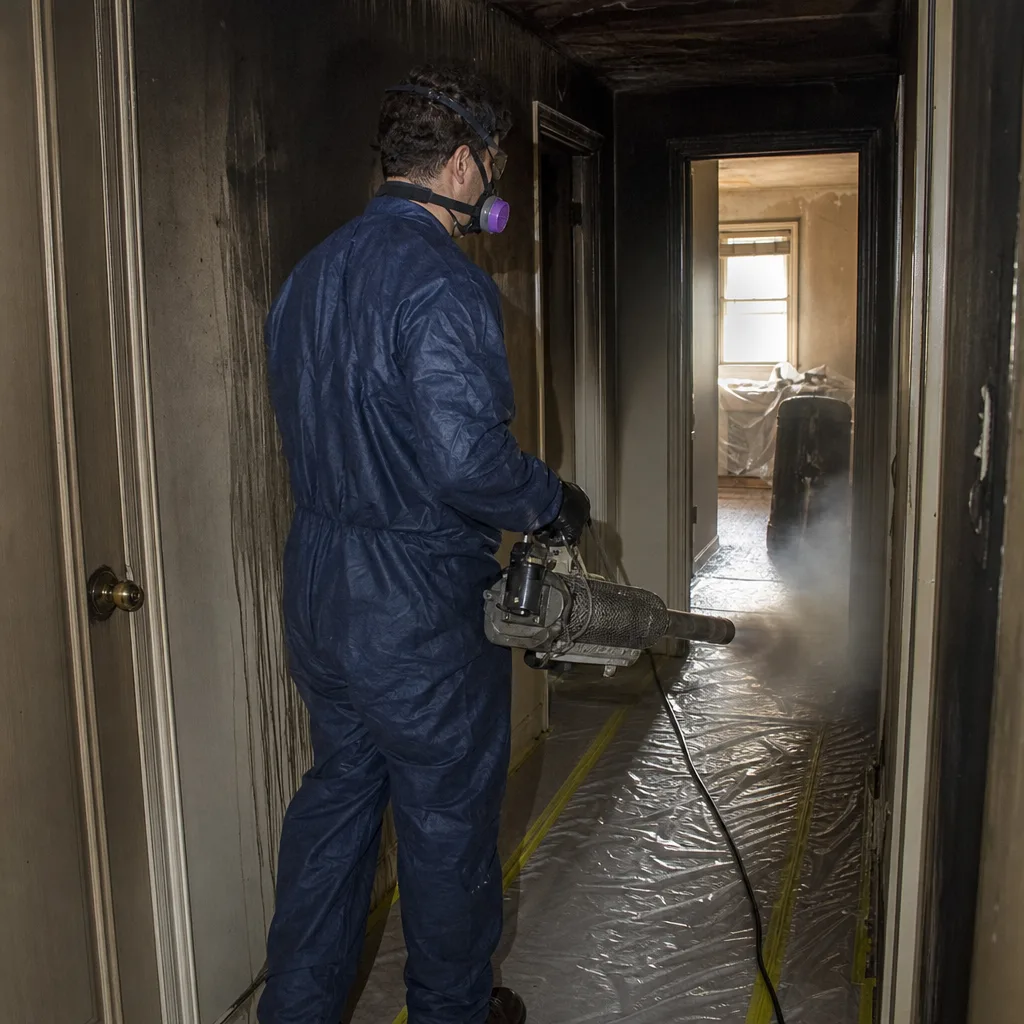
What happens when you call
- 1
A real person answersNo phone trees - you reach a local pro.
- 2
You get an upfront price rangeHonest numbers before anyone is dispatched.
- 3
A background-checked tech heads outLicensed & insured, dispatched right away.
- 4
You approve before work beginsNothing starts until you say go.
Commercial Restoration Costs in Great Kills, NY
A minor commercial water loss in Great Kills, something like a small office with a burst supply line caught early, typically runs $3,500 to $8,000 including extraction, drying, and basic repairs. A moderate loss with saltwater intrusion or Category 2/3 contamination in a retail space or professional office runs $15,000 to $40,000, depending on square footage and how much drywall, insulation, and flooring must be removed. A large multi-unit or industrial loss, the kind we see after nor’easters in Harbor-adjacent buildings, runs $60,000 to $150,000 or more when structural drying, mold remediation, and full reconstruction are required. What moves the price most in Great Kills specifically is salt: if saltwater reached the building, we’re almost always pulling more material than a freshwater loss would require, and the corrosion abatement on door hardware, electrical components, and HVAC adds a line item that inland properties never face. Insurance covers most commercial restoration when the cause is a sudden event. We provide the free visual inspection and a written scope so you’re negotiating from facts, not guesses. Call (917) 924-4221 to schedule yours.
We Also Serve Cities Near Great Kills
Our crews respond throughout the south shore and into the surrounding areas: Great Kills is home base for this page, but we regularly run commercial restoration jobs in Fairview, Harrison, East Bronx, and Hunts Point. Same response time commitment, same IICRC-certified crews, same direct insurance billing.
Serving Great Kills, NY - Our Local Coverage Area
We’re based in the Great Kills area and know this community well. Use the map below to see our service coverage - if you’re nearby, we can almost certainly help.
Great Kills Commercial Restoration Questions, Answered
How does the salt-air environment near Great Kills Harbor affect commercial garage-door hardware on low-lying properties?
Salt air near the Harbor corrodes galvanized springs, steel hinges, rollers, and track fasteners years faster than inland Staten Island properties, often causing roller binding and premature opener motor failure within two to three years of installation. We replace failed hardware with coated springs and stainless components, install nylon rollers to reduce track wear, and include a corrosion inspection in every commercial restoration scope for Great Kills properties.
What FEMA flood zone compliance issues should a commercial property owner in Great Kills expect before restoration work begins?
Many Great Kills commercial properties sit in FEMA-remapped AE or VE flood zones, which means restoration and reconstruction work typically triggers base flood elevation compliance checks before mitigation can proceed. You may need an elevation certificate, and if the building is below base flood elevation, repairs may be subject to substantial improvement rules that affect the scope and cost of the project.
Why do post-Sandy elevated commercial buildings in Great Kills often have hidden mold in their new foundation voids?
After Sandy, many Great Kills commercial buildings were elevated onto new foundation systems, creating crawl spaces or piling voids that were never properly encapsulated. Those voids trap humidity from the coastal air, and because they’re rarely inspected, mold grows unchecked in floor systems above them. Standard moisture mapping from inside the occupied space can miss it entirely, which is why our technicians inspect these voids on every Great Kills commercial job.
How quickly should a commercial property in Great Kills begin saltwater mitigation after a nor’easter or storm surge?
Immediately. Saltwater begins corroding steel fasteners, door hardware, and electrical components within hours, and the hygroscopic salt deposits left in drywall and framing keep attracting moisture for months if not properly addressed. The first 48 hours are critical for extraction and initial drying. Every additional day of delay increases the scope of demolition required.
Can commercial restoration in Great Kills save saltwater-contaminated steel door frames and hardware, or must they be replaced?
It depends on exposure time and the severity of pitting. Light surface corrosion on a steel door frame can sometimes be cleaned, treated, and coated. Springs, hinges, and fasteners with visible pitting are replaced, because a corroded spring under tension is a safety hazard. We’ll tell you exactly what can be saved and what’s cheaper to replace, and the answer goes in writing before work starts.
How fast can Floodline actually reach a commercial property in Great Kills?
Our commitment is 45 minutes from your call. We stage crews near the south shore specifically because Great Kills’s coastal exposure means losses here happen fast and spread faster. A live dispatcher answers the phone 24 hours a day, and a certified crew is on the road within minutes.
Will my commercial insurance cover saltwater damage from a nor’easter in Great Kills?
Most commercial policies cover storm-related water damage, but flood damage from storm surge is often a separate question involving your flood coverage designation. We produce the documentation your carrier needs to sort this out: loss photos, moisture logs, salt contamination evidence, and a detailed scope. We bill directly and coordinate with your adjuster so the determination moves without you acting as middleman.
What’s the first thing a commercial property owner in Great Kills should do after a flood event?
Call us before you move anything or start cleaning. Document what you can with your phone, shut off electricity to affected areas if it’s safe to do so, and keep people out of standing water that may be contaminated. Then get extraction running. The faster water and salt are removed, the less demolition your building will need. Call (917) 924-4221 and we’ll walk you through those first 30 minutes on the phone.
Written by Curt Bowman, Owner at Floodline Restoration Co. of Manhattan, serving Great Kills commercial property owners with full-cycle restoration from first extraction to finished rebuild.