
Free visual inspection and a written scope of work before any mitigation begins - photos, moisture readings, and drying logs go in your claim file
The scope we write is the scope we bill. Anything new gets shown to you, in writing, before we touch it.
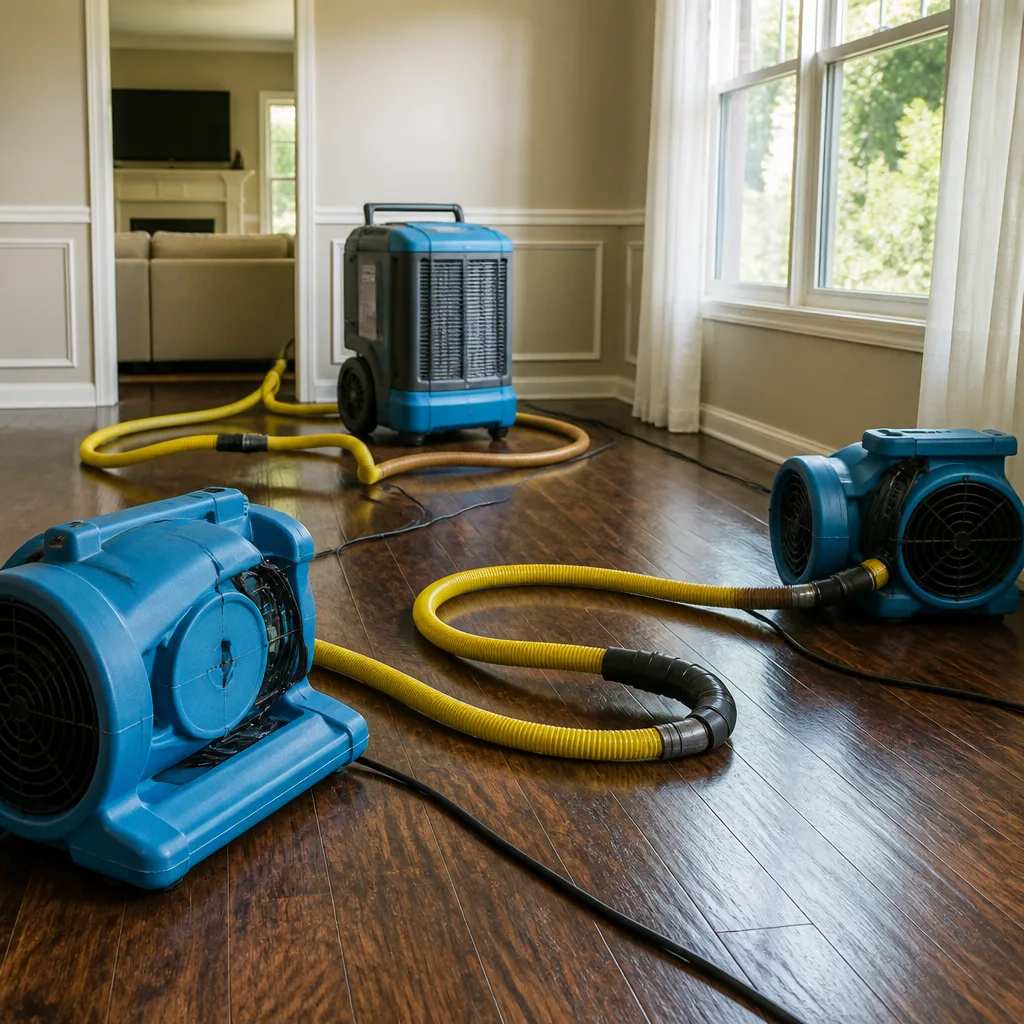
 Before
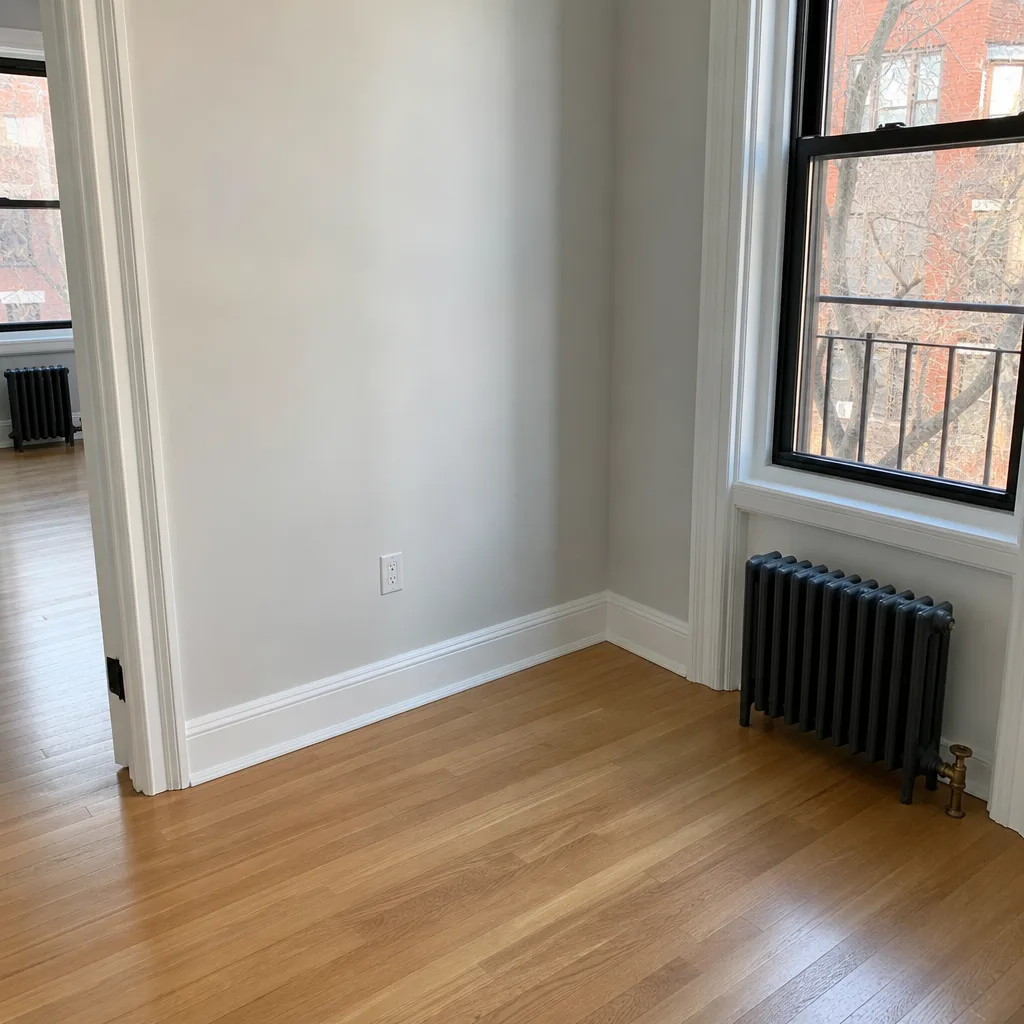 After
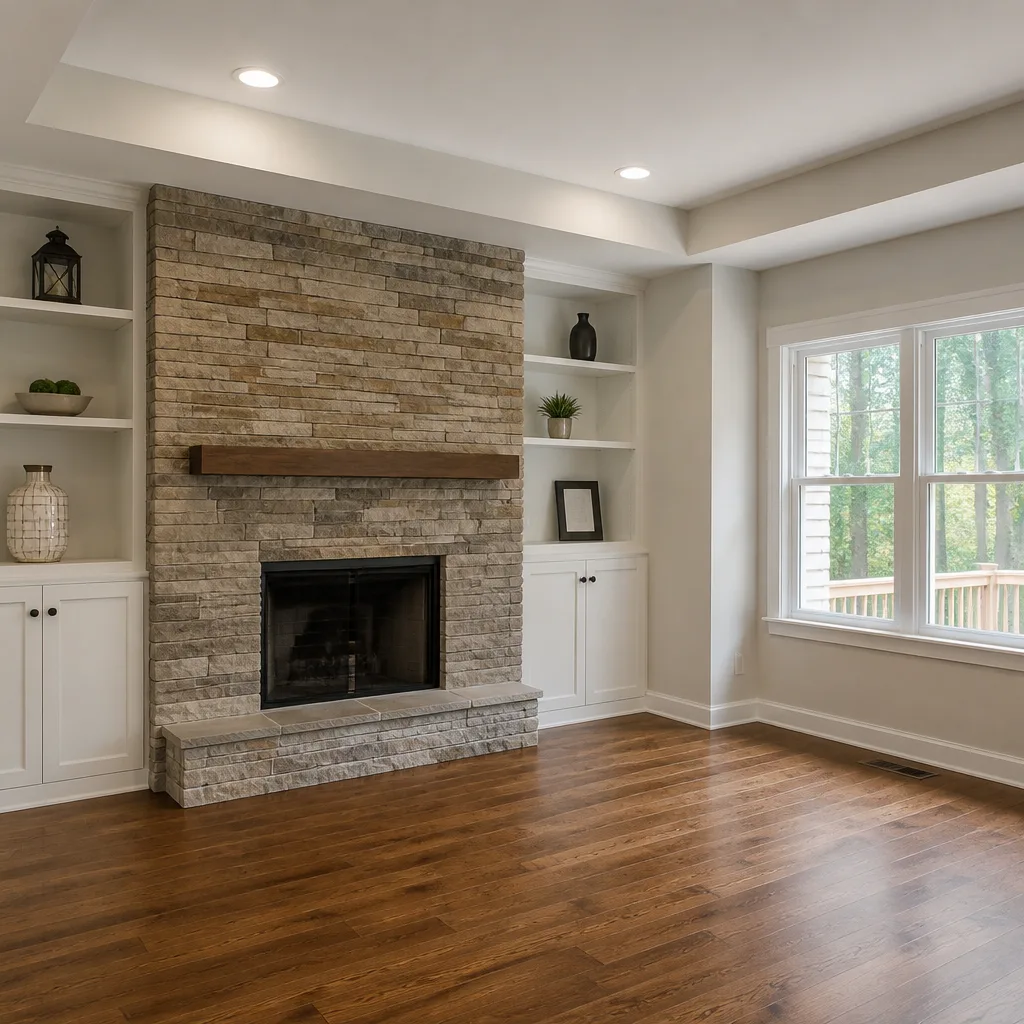
After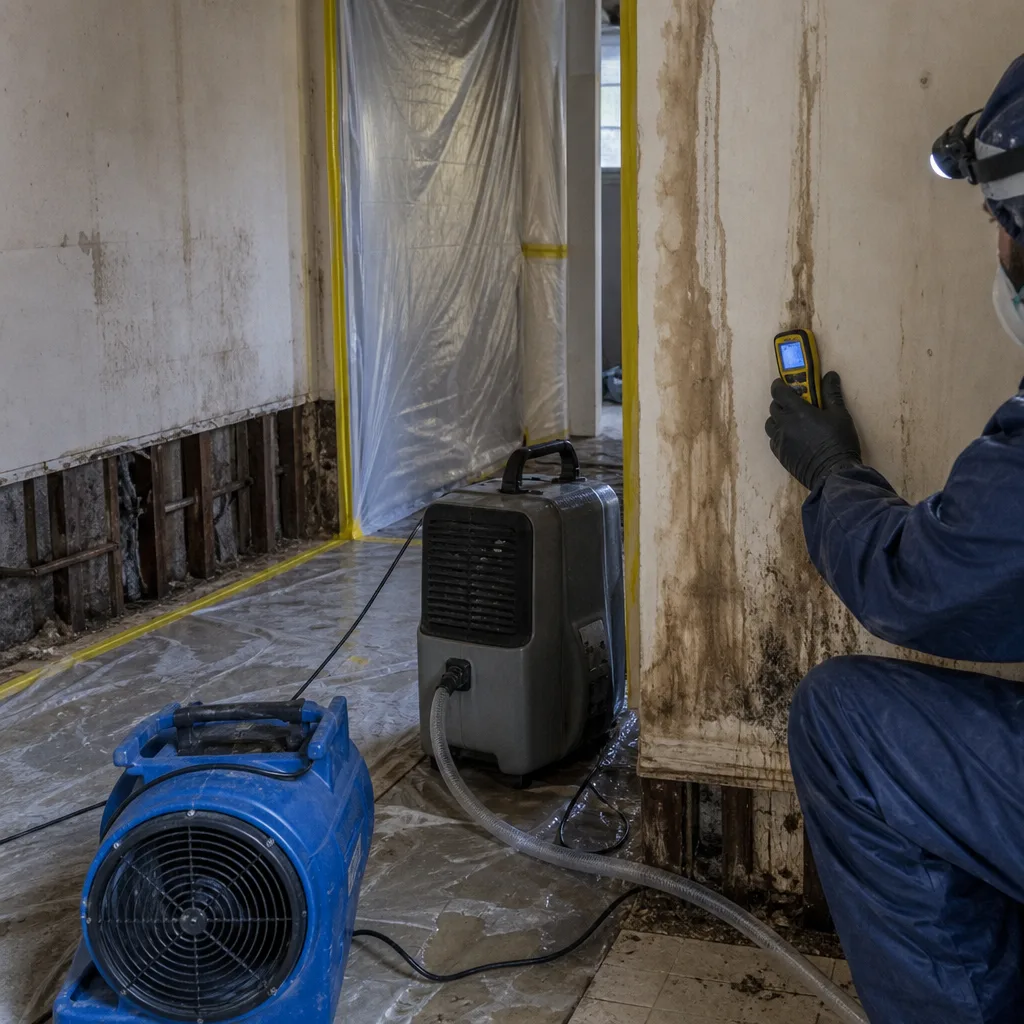 Before
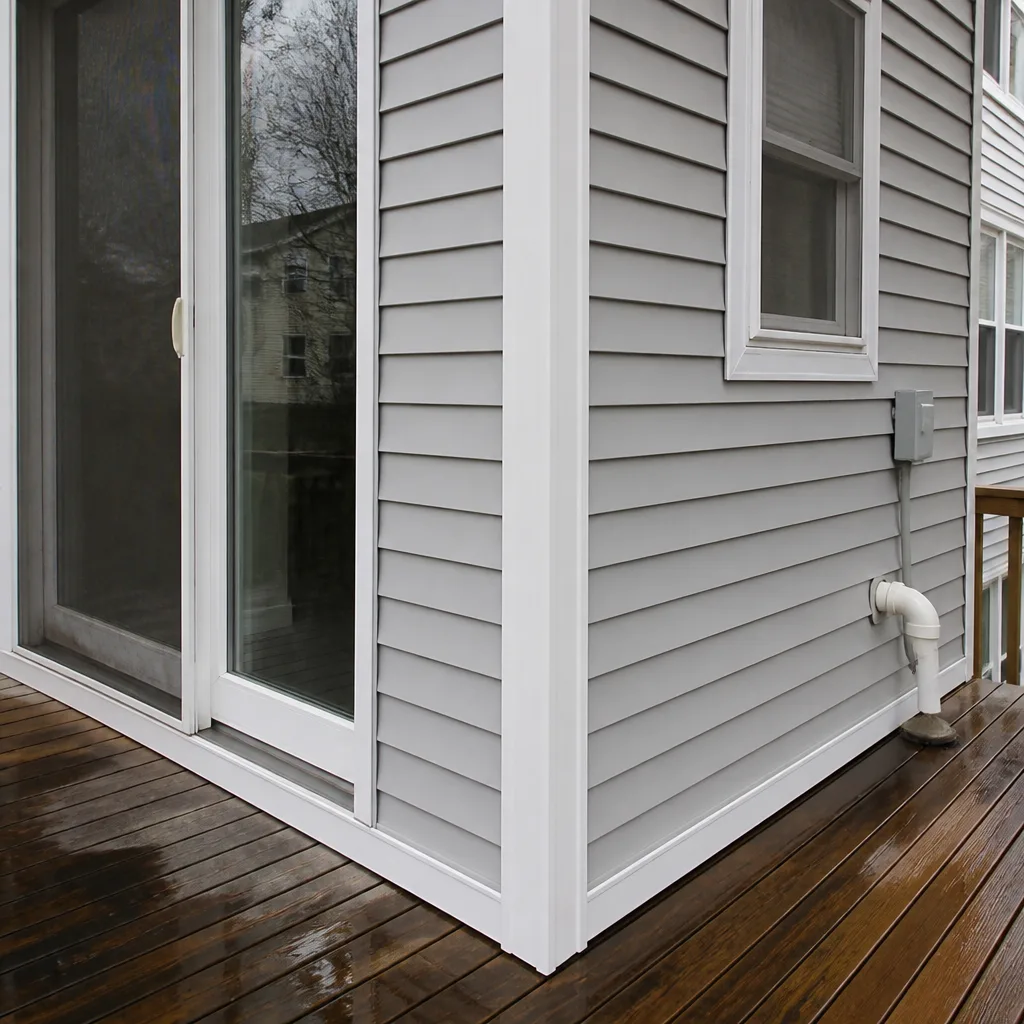 After
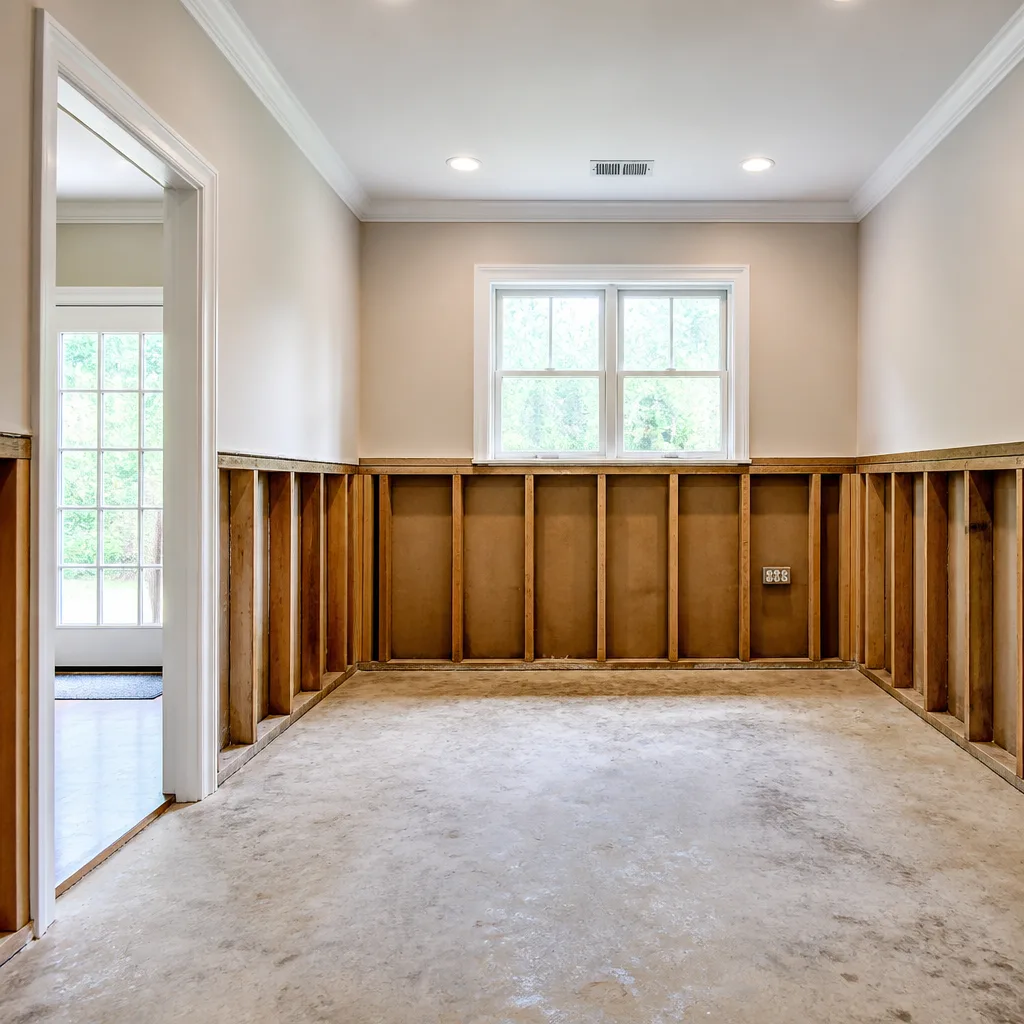
After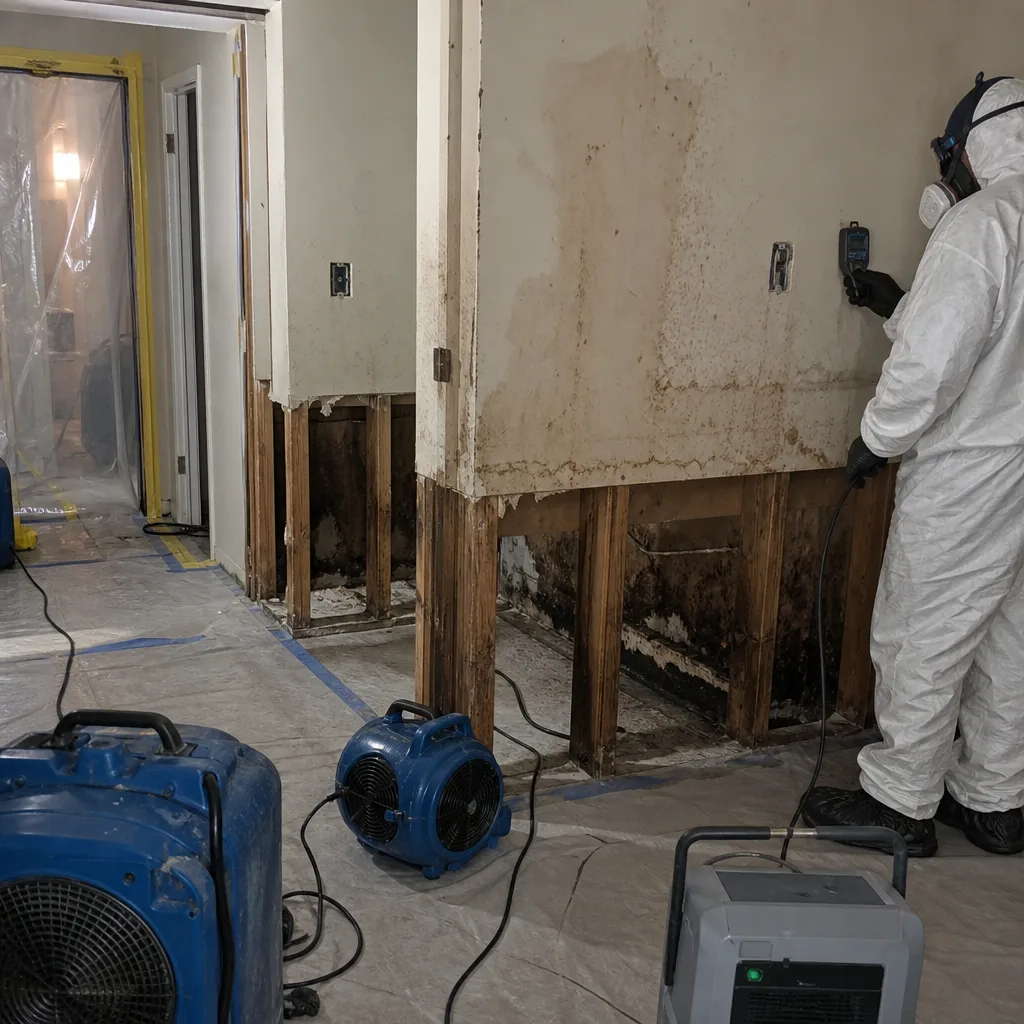 Before
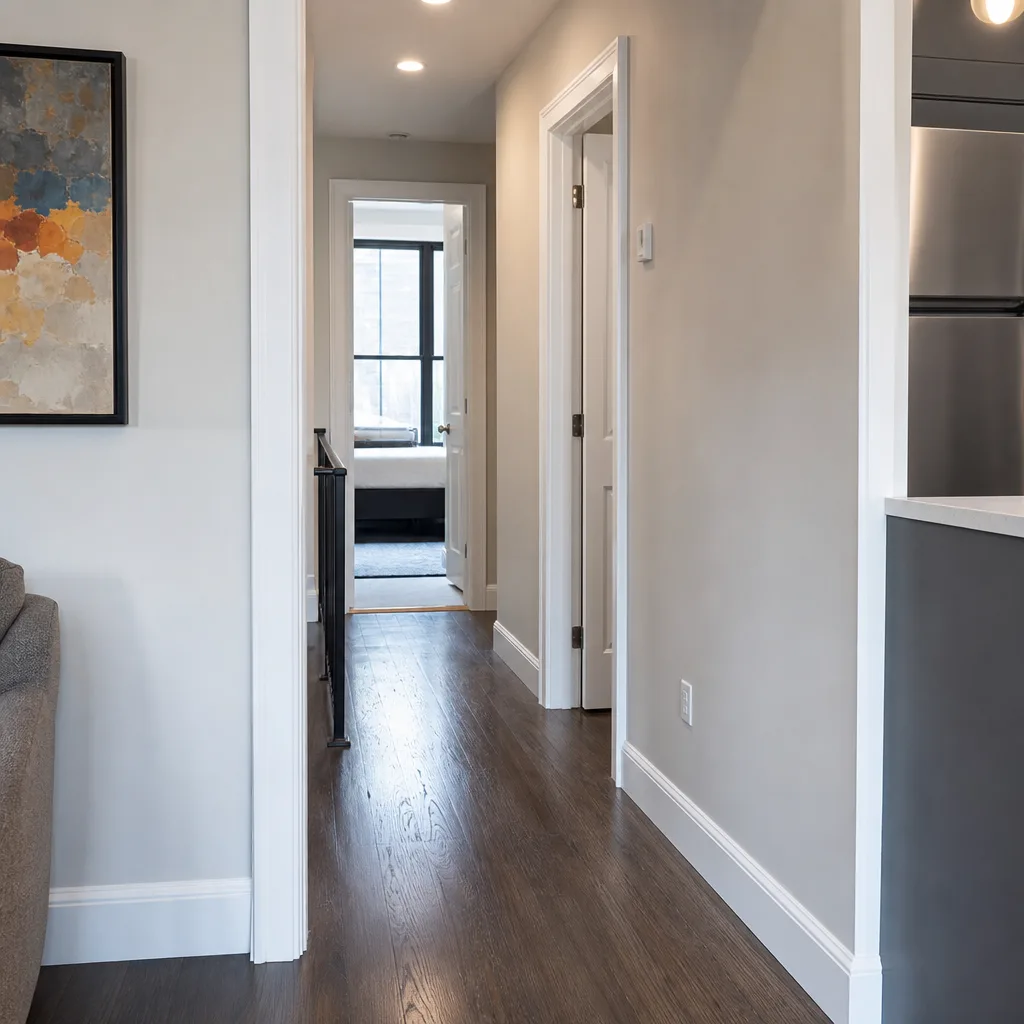 After
After24/7 Emergency Biohazard & Crime Scene Cleanup in Greenwich Village
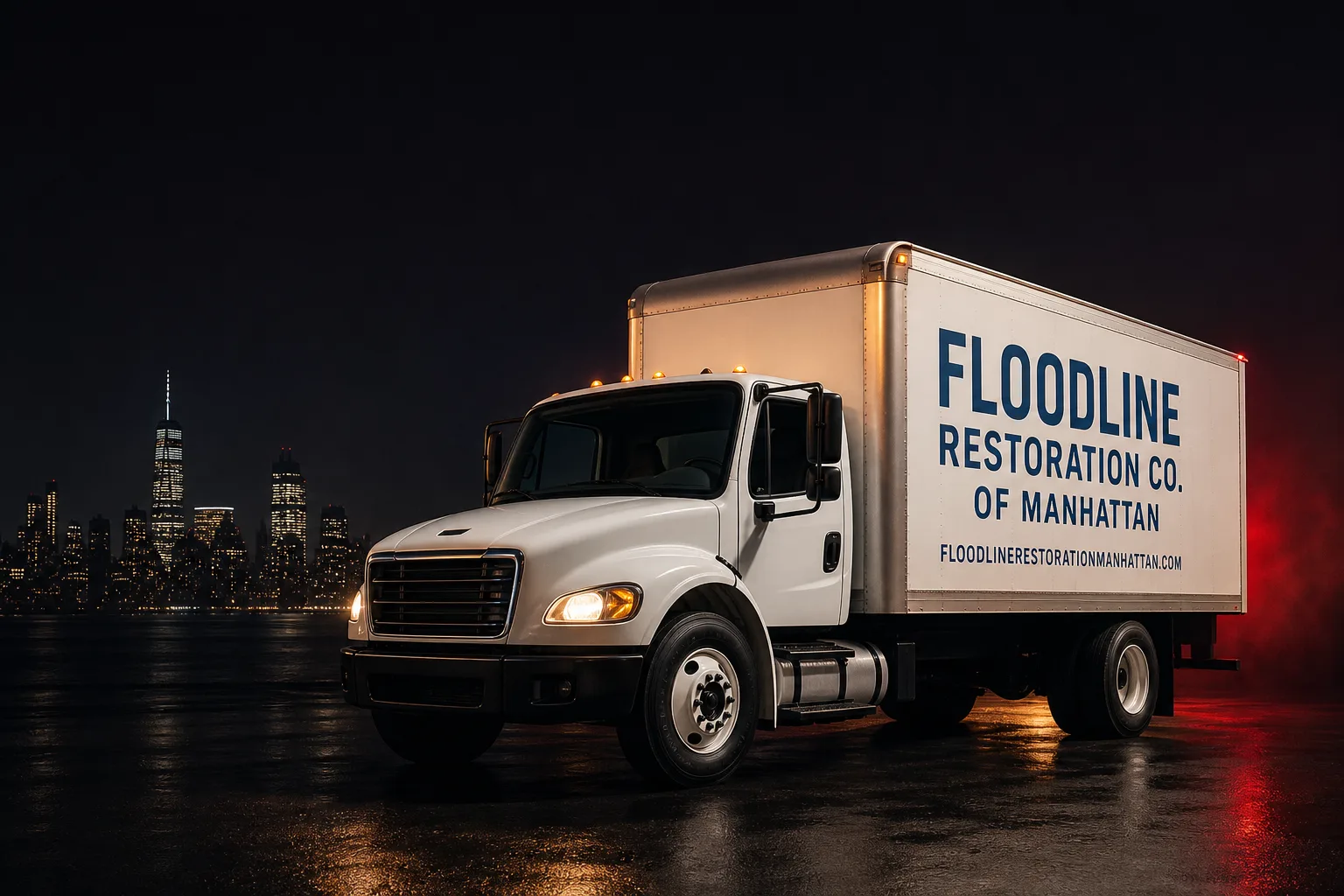
When a traumatic event happens in a Greenwich Village apartment or rowhouse, the first call you make should reach a live person. Ours always does, at any hour. A blood spill, an unattended death, or a sewage backup inside a pre-war building needs containment fast, because pathogens move through shared air paths and porous plaster faster than most people realize. Call (917) 924-4221 and a certified biohazard crew from Floodline Restoration Co. of Manhattan will be dispatched to your block, not put on a call-back list. We arrive with containment barriers, HEPA air scrubbers, and a written scope of work so you know exactly what happens next.
Understanding Biohazard & Crime Scene Cleanup Severity in Greenwich Village Properties
Biohazard work in Greenwich Village is never just about the visible stain. Blood and bodily fluid are Category 3 hazards: they carry bloodborne pathogens like hepatitis B, hepatitis C, and HIV, and they wick into materials that most buildings here still have from the 1800s. Horsehair plaster is highly porous. Old-growth heart pine floors have open grain that traps fluids below the surface. A third-floor railroad apartment with no cross-ventilation holds airborne pathogens longer than a modern loft with central air. And in pre-1900 rowhouses, those fluids move laterally through party walls and vertically through pipe chases, which means contamination in one unit can become an air quality problem in two or three adjoining properties. Severity here is defined less by the initial event and more by the building envelope: shared walls, stacked floorplans, and finishes that predate modern sealants. That’s why our crews classify containment zones before they ever open a wall, and why we run continuous air scrubbers with HEPA filtration during every phase of the job.
Why Greenwich Village Property Owners Choose Floodline Restoration Co. of Manhattan
- 45-minute response commitment for emergency biohazard calls in Greenwich Village, with a live dispatcher confirming your address and the nature of the loss before we hang up.
- 24/7 live answer, never an automated system. You get a person on the line at 2 a.m., and that person can commit a crew to your building immediately.
- IICRC-certified biohazard and trauma crews trained to the current standards for bloodborne pathogen cleanup, containment, and infectious disease disinfection.
- Free visual inspection before any work begins, so you see the condition of the affected materials and understand the scope before signing anything.
- Direct insurance billing. We prepare the claim documentation, meet with adjusters on site, and bill your carrier directly so you don’t front the cost.
- One team from first response to final restoration. No handoff to an unfamiliar subcontractor, no second crew learning the building mid-job. The same certified technicians who set containment also finish the restoration, and our Biohazard & Crime Scene Cleanup division works under one Keystone Standard: the 90-Day Done Right Promise, in writing.
Our Biohazard & Crime Scene Cleanup Process
Every biohazard job in Greenwich Village follows the same disciplined sequence. It protects you, protects neighboring units, and gives your insurer a clean, documented trail.
Inspection & Assessment
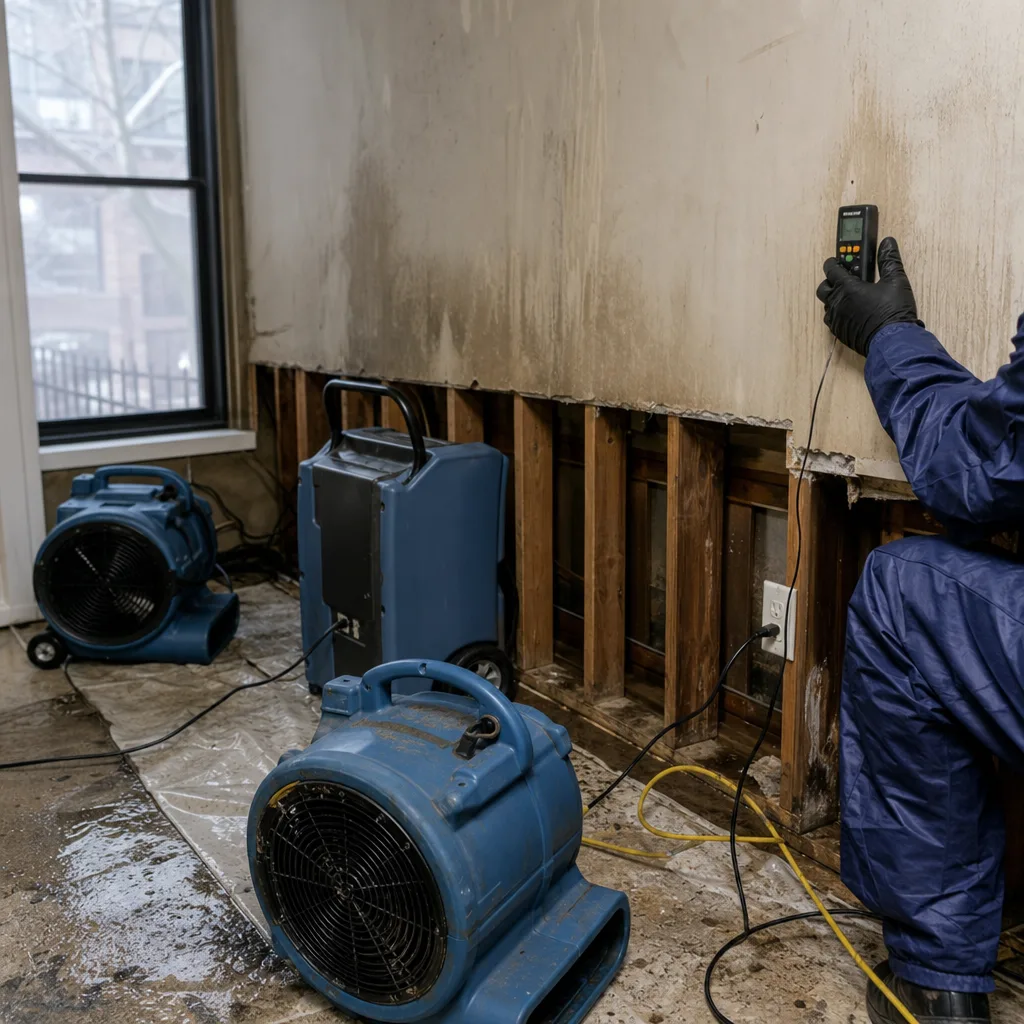
We walk the affected area, identify all contaminated materials, and take moisture and air readings. In rowhouses, we check adjacent walls and floor assemblies for hidden migration. You get a written scope before anything moves forward.
Containment & Stabilization
We seal the affected rooms with polyethylene barriers and establish negative air pressure so airborne pathogens cannot reach common hallways, stairwells, or neighboring apartments. This is the step that prevents a one-unit loss from becoming a building-wide issue.
Removal of Contaminated Materials
Blood-soaked carpet, padding, plaster, insulation, and personal effects are removed under controlled conditions. In landmarked buildings, we follow LPC-approvable removal methods so you don’t inherit a stop-work order.
Cleaning & Sanitization
We use hospital-grade disinfectants registered with the EPA, scrub every surface in the containment zone, and treat porous materials like original framing with antimicrobial solutions appropriate for historic wood.
Air Scrubbing & Drying
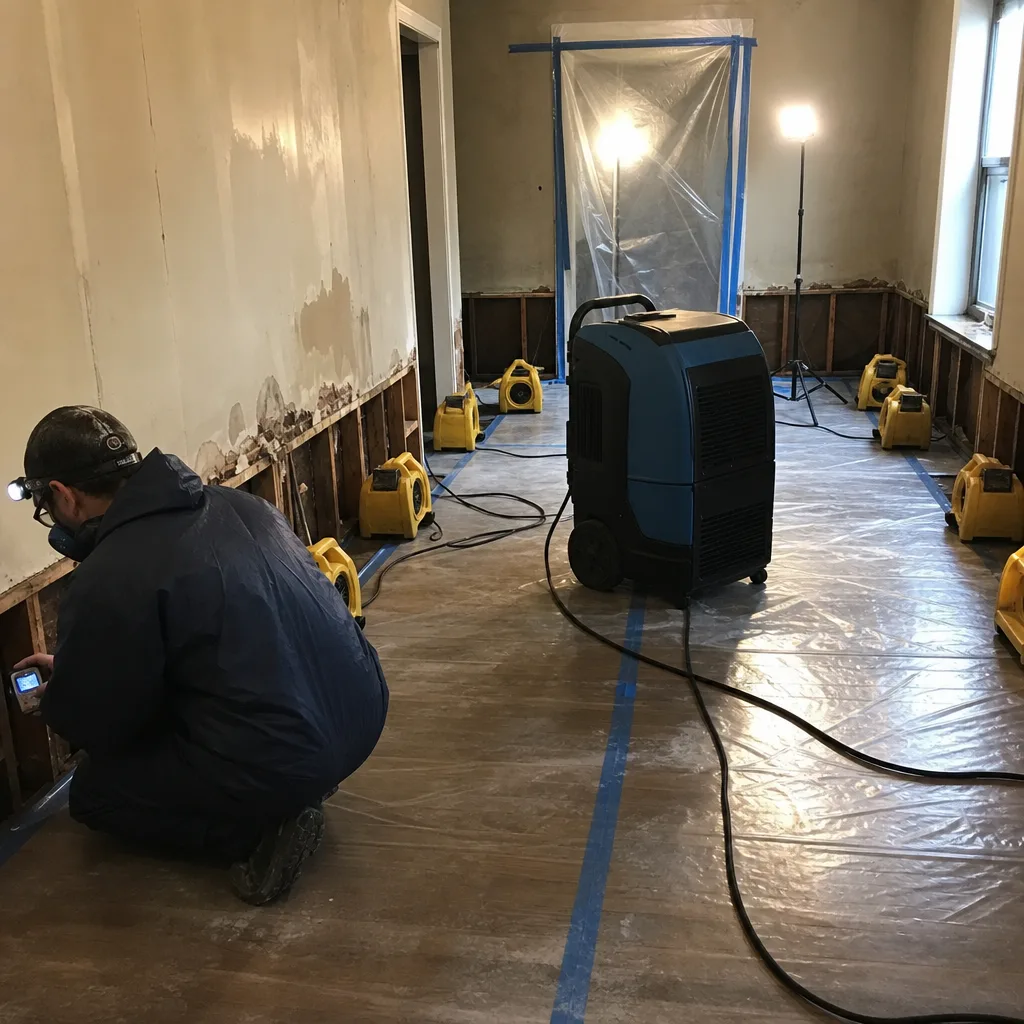
HEPA air scrubbers and XPOWER fans run continuously while hygrometers track moisture in plaster, subflooring, and masonry. Drying below-grade areas on Hudson-facing blocks can take weeks, so we log daily readings until we hit the dry standard.
Repairs & Restoration
Once the space is clean and dry, we rebuild. Horsehair plaster matched to the original mix, heart pine flooring blended with the surrounding boards, millwork reproduced in kind. The same crew, the same standard: done right, and backed in writing.
Need Emergency Biohazard & Crime Scene Cleanup in Greenwich Village Now?
Crews minutes away, answering live 24 hours a day. The sooner containment goes up, the less it costs.
Working With Your Insurance Company
Most Greenwich Village co-op and condo policies include biohazard cleanup coverage, especially for unattended death, crime scene, and sewage backup losses. The insurer wants documentation, and that’s where we do the heavy lifting. From the first hour, we photograph every affected surface, log moisture readings, record the containment setup, and itemize every material removed. Our estimators write scopes in the same format carriers expect, and we talk to adjusters directly. You never play messenger between Floodline and your carrier. The 90-Day Done Right Promise applies to the restoration work, and your claim file gets a clean, defensible paper trail from day one.
What We Provide Your Insurer
- Thorough documentation of the loss, starting with the initial inspection
- Photos of all damage, room by room, before removal begins
- Moisture readings and daily drying logs until the dry standard is met
- A detailed, line-item scope of work with materials and labor
- Direct coordination with your carrier and adjuster, from first call to final invoice
Built for Greenwich Village’s Loss Calendar
Biohazard calls in Greenwich Village follow a seasonal pattern that matches the building stock. January and February deep freezes burst steam supply lines in pre-war rowhouses, and when a line lets go in a vacant apartment, the water sits for days before anyone notices. That water soaks through ceiling plaster into the unit below, and when the leak involves a waste line, the result is Category 3 contamination, not just damp drywall. Spring thaw brings groundwater into below-grade cellars on the Hudson-facing blocks, where the water table sits high and historic fill never fully drains. That’s when we see mold blooms behind old wainscoting and sewage backups through floor drains. Summer thunderstorms overwhelm the Village’s combined storm-and-sanitary sewers, and heavy downpours can push sewage back through basement fixtures in buildings on low-lying streets near the river. Nor’easters in late autumn add wind-driven rain through aging skylights and roof drains. Every one of these failures creates a biohazard when Category 3 water contacts finished surfaces. Knowing the calendar helps us respond fast, and it helps you spot risk before a slow leak becomes a full contamination event.
Biohazard & Crime Scene Cleanup Across Greenwich Village’s Neighborhoods
The Village is not one block pattern; it’s a patchwork, and the response changes by address. Around Washington Square Park, we work in mid-rise apartment buildings with freight elevators and strict superintendent protocols. On Jane Street and the narrow lanes west of Hudson Street, we’re dealing with rowhouses that have no service entrance at all: crews carry containment equipment up narrow staircases and through parlors. In the Far West Village, where the blocks meet the Hudson, below-grade units carry the groundwater risk and the resulting microbial growth. Along Bleecker Street and the commercial corridors, we work late hours to avoid disruption to storefronts and restaurants, coordinating with building management to move equipment through rear doors rather than customer entrances. In the South Village, the old tenement buildings have shared stairwells and rear courtyards that connect air paths between apartments, so containment has to be airtight before any contaminated material moves. We’ve run crews into every corner of Greenwich Village, and we know from experience which block presents which problem.
Specialized Biohazard & Crime Scene Cleanup Services We Offer in Greenwich Village
Crime Scene Cleanup
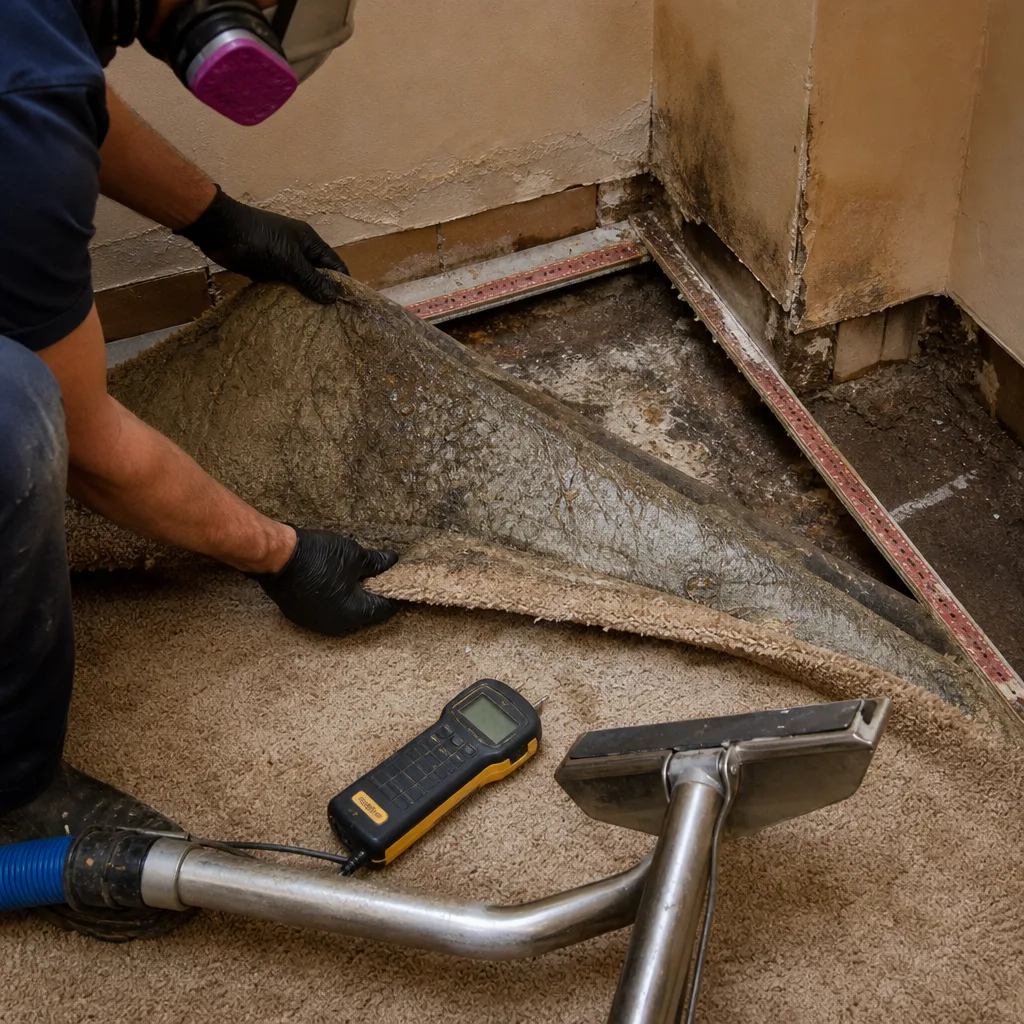
After law enforcement releases the scene, the cleanup is yours to arrange. Blood and tissue remain biohazards even after they’ve dried, and Greenwich Village apartments rarely have disposable finishes. We remove, treat, and restore so the space is safe to use again, not just visually clean.
Trauma & Unattended Death Cleanup
An unattended death in a Village apartment means decomposition fluids sat for days or longer. Those fluids move down through floorboards and into joist bays, and in a rowhouse, that means the apartment below may have a problem too. We assess the full path of migration, not just the room where the body was found.
Hoarding Cleanup
Hoarding conditions in a Greenwich Village walk-up present compounded hazards: biohazardous waste mixed with years of accumulated material, narrow stairways, and neighbors in close quarters. We clear, sort, deodorize, and sanitize, and we coordinate with building management from the first walk-through.
Blood & Bodily Fluid Cleanup
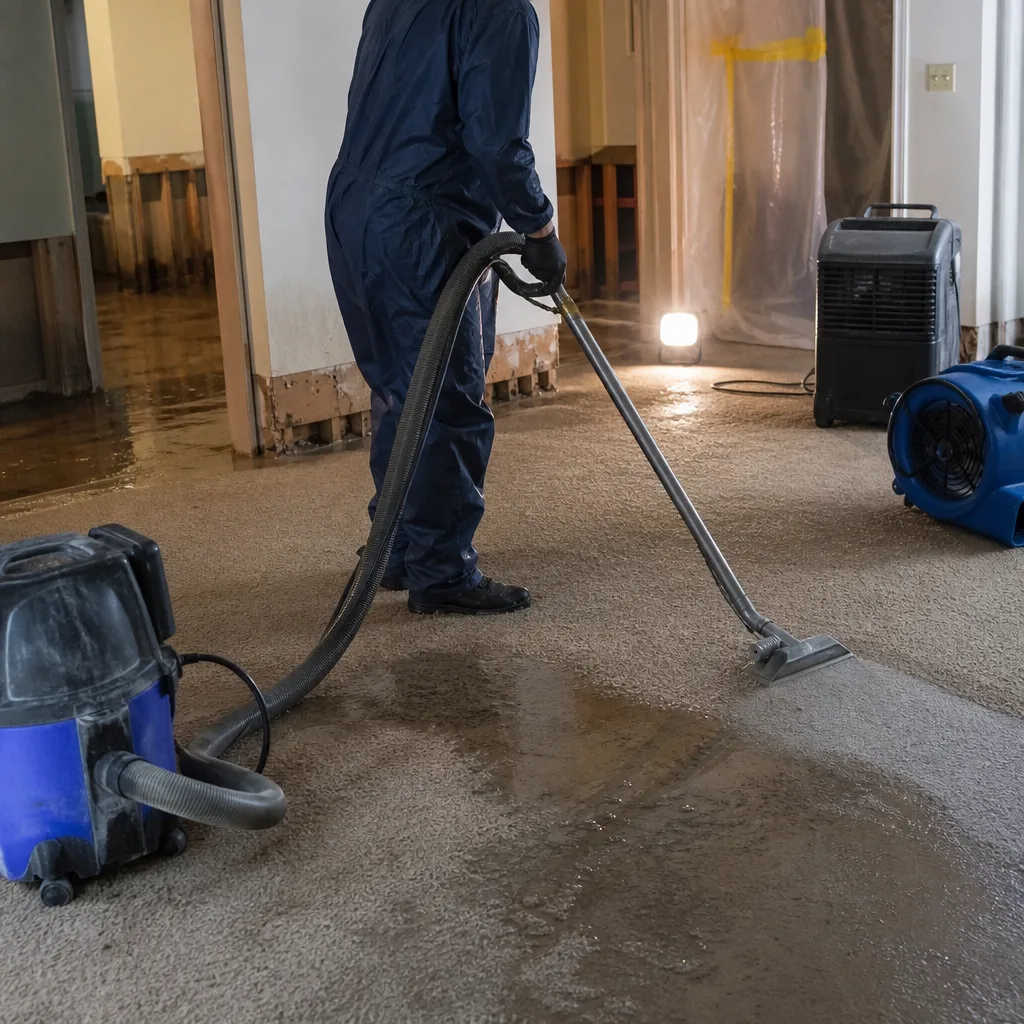
Blood from any event, whether a medical emergency or an accident, carries bloodborne pathogens. In pre-war buildings, blood that reaches the subfloor or the plaster is no longer a wipe-down job. We remove the contaminated substrate, treat the framing, and rebuild to match the original fabric.
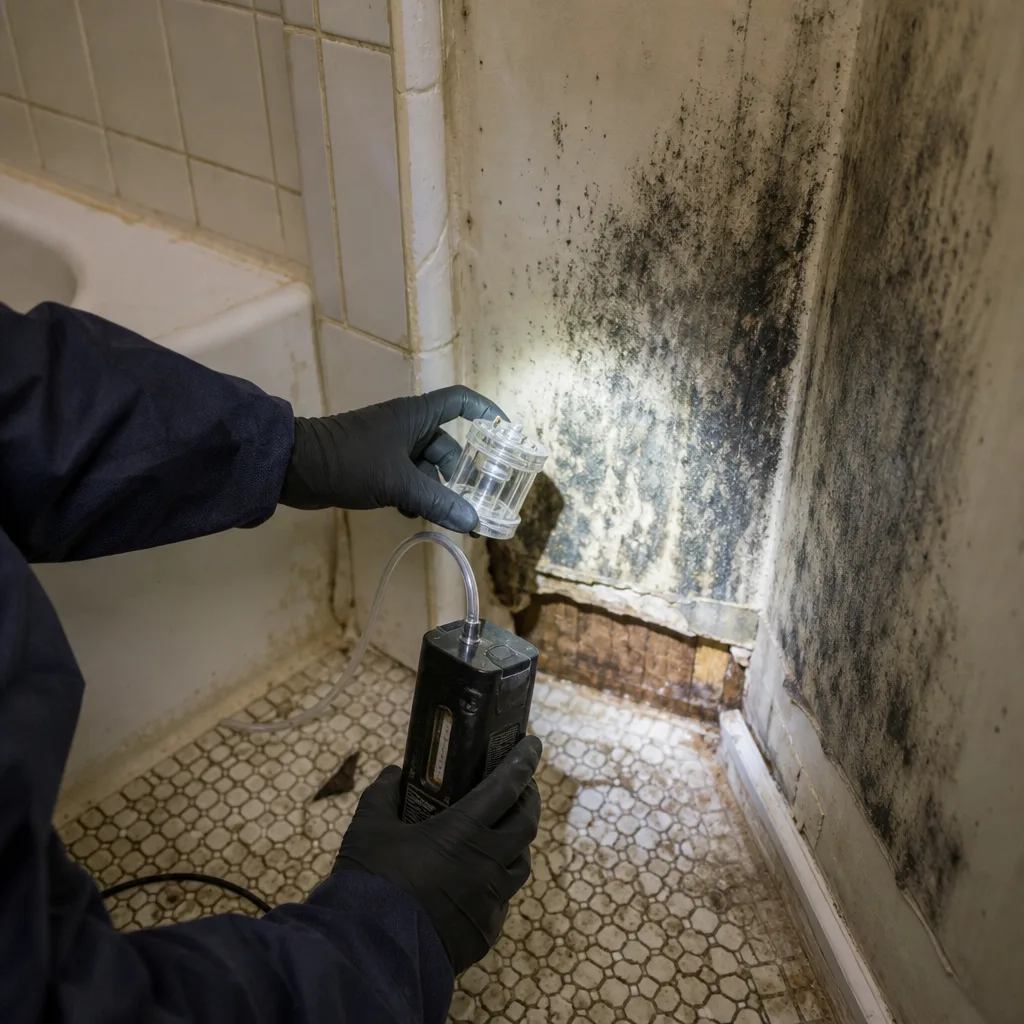
Infectious Disease Disinfection
When a resident has a serious infectious illness, we provide full-surface disinfection using EPA-registered products with documented kill claims, plus air scrubbing to clear residual airborne load. This service is often requested by co-op boards before a unit is reoccupied.
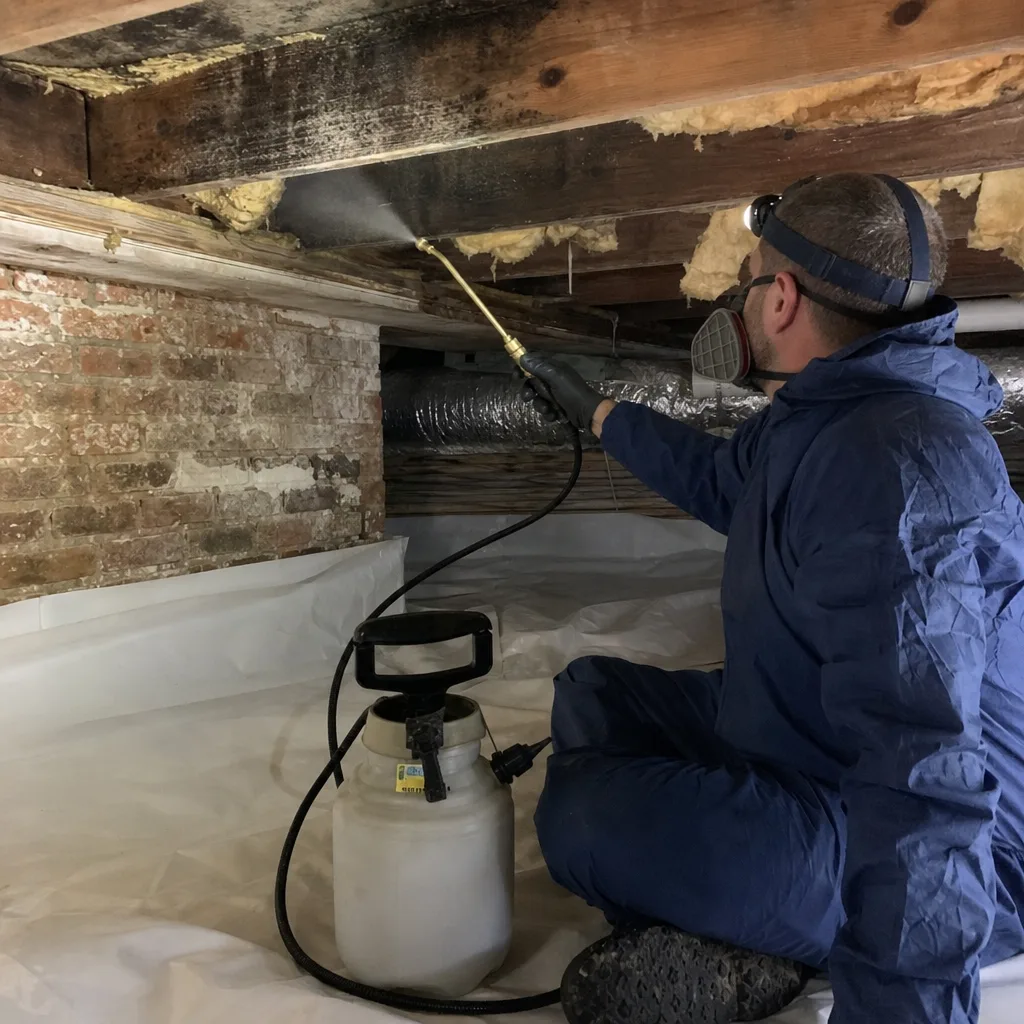
What happens when you call
- 1
A real person answersNo phone trees - you reach a local pro.
- 2
You get an upfront price rangeHonest numbers before anyone is dispatched.
- 3
A background-checked tech heads outLicensed & insured, dispatched right away.
- 4
You approve before work beginsNothing starts until you say go.
Biohazard & Crime Scene Cleanup Costs in Greenwich Village, NY
A straightforward blood cleanup in a single room of a Greenwich Village apartment typically runs $1,200 to $3,500, depending on how far the fluid traveled. An unattended death cleanup, where decomposition has affected flooring, subfloor, and wall materials, commonly runs $4,000 to $12,000 in Greenwich Village rowhouses, and more when multiple rooms or adjacent units are involved. Hoarding cleanups, which combine material removal with biohazard sanitization, often fall between $3,500 and $15,000 depending on volume and access. Sewage backup cleanup from a Category 3 loss starts around $2,000 for a small cellar and scales with the square footage affected. In landmarked properties, the cost of LPC-compliant restoration materials like matched horsehair plaster and period millwork adds a premium over standard drywall replacement, usually 15 to 30 percent. A free visual inspection allows us to give a firm number before work begins, and direct insurance billing means you’re not carrying the balance waiting for reimbursement.
We Also Serve Cities Near Greenwich Village
Our biohazard and crime scene cleanup crews also respond to Fairview, Harrison, East Bronx, and Hunts Point. If your property is just outside the Village proper, call and we’ll confirm availability for your address.
Greenwich Village Biohazard & Crime Scene Cleanup Questions, Answered
How do you handle biohazard cleanup in a Greenwich Village row house without triggering Landmarks Preservation Commission issues?
We identify the building’s landmark status before any material is removed, and we follow LPC-approvable methods: removing contaminated horsehair plaster in sections, preserving intact original millwork, and documenting everything photographically. That documentation goes to the LPC and your co-op board. Call (917) 924-4221 to talk through your specific building.
A neighbor in our shared party-wall building had an unattended death. Can contamination spread to our apartment through the walls?
Yes, and it does happen. Decomposition fluids and airborne pathogens can travel through shared wall cavities, floor joist bays, and vent shafts. In Greenwich Village rowhouses, this is a genuine concern. We inspect the adjoining units for odor, staining, and elevated air readings, and we’ll document everything for the building’s insurer.
My basement on a Hudson-facing block flooded with sewage backup. Is that Category 3 water? What does cleanup involve?
Yes. Sewage backup is Category 3 water: it contains pathogens, bacteria, and possibly parasitic organisms. Cleanup involves extraction of standing water and waste, removal of all porous materials that contacted the sewage, antimicrobial treatment of remaining surfaces, and structural drying of masonry and framing. The high water table on Hudson-facing blocks means drying can take weeks, and we log readings daily until the dry standard is met.
How fast can you respond to a hoarding cleanup in a Greenwich Village walk-up where the building entrance is narrow and there is no service elevator?
For a hoarding cleanup with active biohazards, we can typically have a crew on site within 45 minutes to contain the unit and begin assessment. Narrow entrances and stairs are normal for us in the Village; we stage equipment on the street and carry it up. The full cleanup timeline depends on volume, but the urgent part, containment and safety, happens immediately.
Do I need to notify my co-op board before a crime scene cleanup in my Greenwich Village apartment?
You should notify the board as soon as possible. Most co-op bylaws require disclosure of any major work, and biohazard cleanup, plus any LPC-related removal, qualifies. We help by providing a written scope and photos. Having the board aware from day one prevents stop-work orders and access problems later.
Will my insurance cover biohazard or crime scene cleanup in Greenwich Village?
Most co-op and condo policies include coverage for biohazard cleanup related to crime scenes, unattended deaths, and sewage backups. Coverage varies by carrier and cause of loss. We bill your carrier directly, we speak to the adjuster, and we provide the documentation they need. You don’t handle the claim alone.
Do I need full cleanup or just a cleaning for a small blood spill in my apartment?
A small blood spill on a non-porous surface like tile can sometimes be handled with proper disinfection. Blood that soaked into wood, plaster, carpet, or fabric requires removal of the affected material. We’ll assess first, tell you straight what’s needed, and quote accordingly. No overselling.
What should I do in the first 30 minutes after finding a biohazard situation in my Greenwich Village home?
Stay out of the affected area. Close the door. Do not attempt cleanup with household products. If sewage is still backing up, shut the water supply if you can safely reach it. Call (917) 924-4221 and we’ll walk you through immediate steps while a crew is dispatched. Containment is the first priority, and it should be done by trained professionals with the right PPE.
Serving Greenwich Village, NY - Our Local Coverage Area
We’re based in the Greenwich Village area and know this community well. Use the map below to see our service coverage - if you’re nearby, we can almost certainly help.
Call Floodline Restoration Co. of Manhattan for Greenwich Village Biohazard & Crime Scene Cleanup
This is not a job to postpone, and it’s not a job for a general cleaning crew. In Greenwich Village, the buildings are old, the walls are shared, and the rules are strict. One misstep can cost you a stop-work order or a neighbor’s claim against you. Floodline Restoration Co. of Manhattan has been doing this work since 2010, founded by Curt Bowman and built around a dispatch board rather than a sales desk. Background-checked, uniformed technicians answer your call and do the job right, in one pass, with documentation your insurer and your co-op board will accept. Call (917) 924-4221 for a free estimate, and you’ll talk to a live person who can commit to a response time before the call ends. Done right, and backed in writing.
Written by Curt Bowman, Owner at Floodline Restoration Co. of Manhattan, serving Greenwich Village since 2010.