
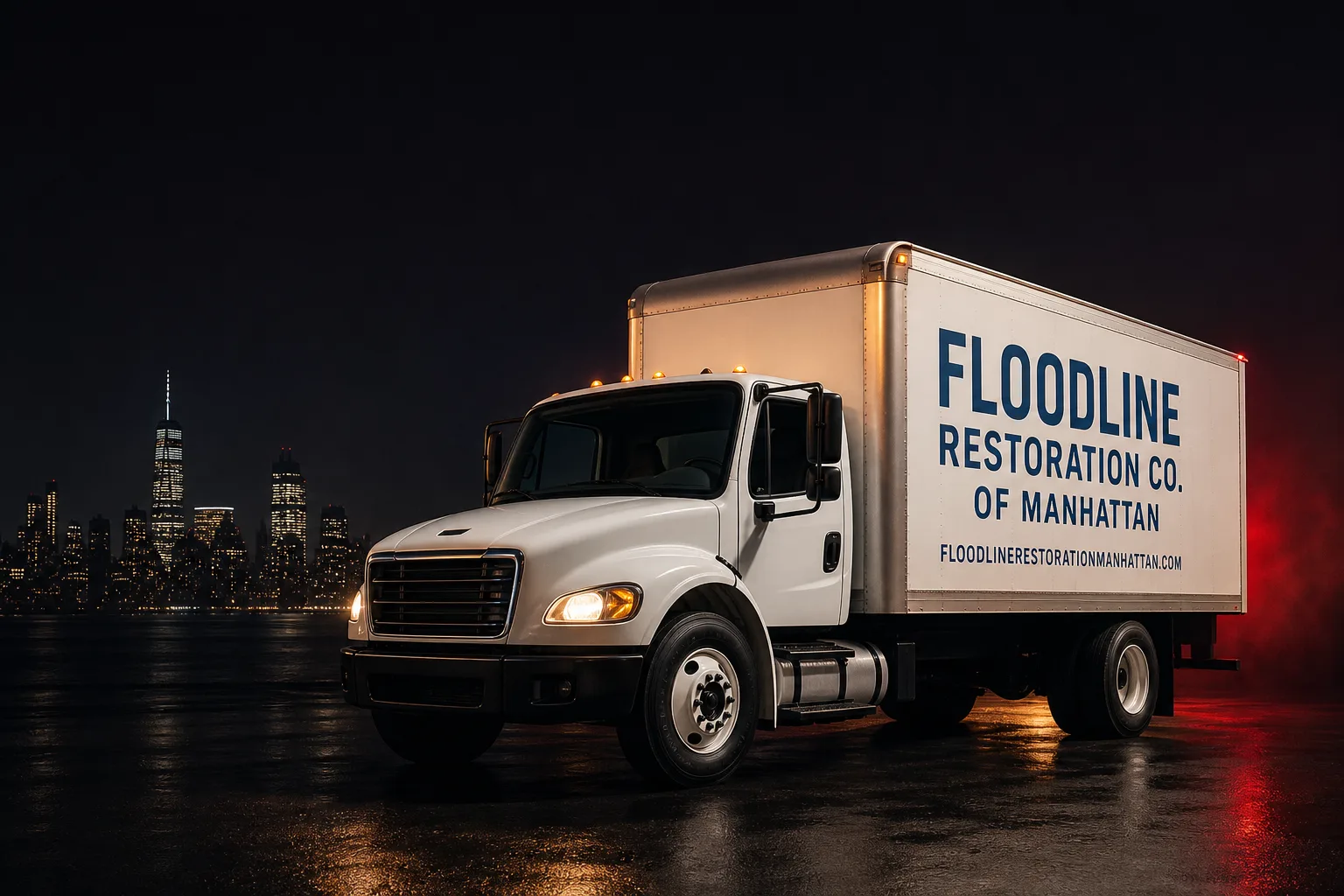
Free visual inspection and a written scope of work before any mitigation begins - photos, moisture readings, and drying logs go in your claim file
The scope we write is the scope we bill. Anything new gets shown to you, in writing, before we touch it.






 Before
 After
After Before
 After
After Before
 After
After24/7 Emergency Biohazard & Crime Scene Cleanup in Lower East Side
Biohazard and crime scene cleanup in Lower East Side requires a crew that understands pre-war tenement construction, because the same airshafts that ventilated these buildings since the 1901 Tenement House Act now move airborne pathogens and odors vertically through shared walls. Our teams answer live at (917) 924-4221 around the clock, every day, and dispatch immediately to the Lower East Side. The first hour matters here more than in most neighborhoods: decomposition fluids and blood wick into horsehair plaster fast, and every hour that passes pushes contamination deeper into porous substrates that were never designed for modern remediation. We arrive, lock down the affected area, and start containment so the damage stops spreading to adjacent units.
Understanding Biohazard & Crime Scene Cleanup Severity in Lower East Side Properties
The severity of a biohazard loss in the Lower East Side is rarely limited to the room where it happened. These 1880s to 1920s brick tenement walk-ups were built with horsehair plaster walls, shared masonry party walls, and narrow interior airshafts. When blood, bodily fluids, or decomposition byproducts saturate a floor or wall assembly, the porosity of that plaster acts like a wick. Liquids travel laterally through the plaster keys and along joists into neighboring apartments, even when the visible staining looks contained. We classify bodily fluids and decomposition residue as Category 3 water, the same classification used for sewage, because the pathogen load and the way it behaves in building materials follow the same physics. Containment in a tenement means negative air pressure at the source, air scrubbers running at all times, and sealing off not just the affected unit but often the stairwell landings and airshaft access points above and below. Skipping that step in a shared-wall building means a single-unit trauma scene becomes a multi-floor odor complaint that persists for months.
Why Lower East Side Property Owners Choose Floodline Restoration Co. of Manhattan
- 45-minute response commitment: When you call our 24-hour dispatch line, a uniformed team is on the way to the Lower East Side immediately, not after a callback.
- 24/7 live answer, always a person: A dispatcher answers the phone at 2 a.m., not a recording. You tell us the address, we start the clock.
- IICRC-certified crews: Our technicians hold current IICRC certifications including WRT, FSRT, and AMRT, plus RIA and IFA training for biohazard and infectious disease protocols.
- Free visual inspection: Before any work begins, we walk the affected areas with you and explain exactly what we see, what it means, and what it will take to fix it.
- Direct insurance billing: We document every step, bill your carrier directly, and never leave you playing messenger between our crew and an adjuster.
- One team, start to finish: From the first extraction to the final coat of paint, the same certified crew handles it. No mid-job handoff, no inherited strangers.
Our Biohazard & Crime Scene Cleanup Process
Inspection & Assessment
We walk the unit and every adjacent space, including airshaft access points and stairwells above and below. We identify where fluids traveled, check for asbestos and lead paint needs before any demolition, and document everything with photos.
Containment & Stabilization
Negative air pressure, HEPA-scrubbed air, and physical barriers seal the contaminated area from the rest of the building. In tenement airshafts, we seal shaft-facing openings to stop vertical migration.
Extraction & Removal
Affected porous materials, including plaster, flooring, and any personal items that cannot be safely decontaminated, are removed as Category 3 waste and double-bagged for licensed disposal.
Structural Drying & Dehumidification
Dri-Eaz dehumidifiers and XPOWER air movers pull moisture from joists, subflooring, and masonry until we hit a dry standard we can log. In horsehair plaster cavities, we monitor daily with hygrometers because those pockets dry slowly.
Cleaning, Sanitization & Odor Removal
Hard surfaces get hospital-grade antimicrobial treatment. We run hydroxyl generators and air scrubbers to break down odor molecules that have absorbed into plaster, wood, and trim.
Repairs & Restoration
Once the drying log is clean and the contamination is gone, we rebuild the affected areas to pre-loss condition, right down to matching the pre-war trim profiles common in Lower East Side walk-ups.
Need Emergency Biohazard & Crime Scene Cleanup in Lower East Side Now?
Crews minutes away, answering live 24 hours a day. The sooner we start, the less it costs.
Working With Your Insurance Company
Most biohazard and crime scene cleanup claims in the Lower East Side are covered under homeowners or commercial property policies, but the carrier needs documentation from the first hour to process the claim cleanly. We handle that for you. From the moment our crew arrives, we photograph every affected surface, log moisture readings daily, and write a line-item scope of work that matches the language adjusters expect. We coordinate directly with your carrier, answer their questions, and bill them directly. You never have to translate between our crew and an adjuster.
What We Provide Your Insurer
- Thorough documentation of the loss
- Photos of all damage, room by room
- Moisture readings and drying logs
- A detailed, line-item scope of work
- Direct coordination with your carrier
Built for Lower East Side’s Loss Calendar
Biohazard and trauma losses don’t follow a season, but the Lower East Side’s aging infrastructure creates predictable pressure points. In January and February, deep freezes burst galvanized supply lines in unrenovated tenement risers, and when a unit above floods, the water doesn’t stay in that apartment. It drips through horsehair plaster and joists into the unit below, saturating walls that may already hold decades of deferred maintenance. That water, combined with the organic material in old plaster, creates exactly the conditions where biohazard contamination from a separate incident, like an unattended death or a hoarding situation, becomes harder to isolate. In summer, thunderstorms overwhelm the neighborhood’s combined sewers, and the low-lying blocks along the East River in FEMA flood zone AE see basement seepage that reactivates old saltwater damage from Hurricane Sandy. Salt-saturated masonry and framing hold moisture differently, and when a biohazard cleanup requires demolition in those areas, we test for any secondary contamination before we cut. The pattern stays consistent: in a neighborhood built before indoor plumbing was standard, the building itself is often part of the loss.
Biohazard & Crime Scene Cleanup Across Lower East Side’s Neighborhoods
The Lower East Side spans distinct sub-neighborhoods, each with its own building stock and response considerations. Around the East Broadway corridor and the blocks near Seward Park, we see mid-rise tenements with narrow stairwells and long interior halls that make containment more complicated; a fifth-floor unit on Grand Street means carrying equipment up multiple flights before a single air scrubber runs. Over by the Williamsburg Bridge approaches and Delancey Street, the mix of pre-1920 walk-ups and mid-century NYCHA developments like the Baruch Houses changes the containment strategy. In older brick buildings, we seal airshafts and treat shared walls; in NYCHA tower blocks, we contend with vertical pipe chases and elevator shaft air movement that can pull odors floor to floor. North of Houston Street around Stanton and Rivington, the tenements are among the oldest in the neighborhood, some dating to the 1880s, and the horsehair plaster there is exceptionally thick. The blocks around the East River Park and FDR Drive side sit lowest and wettest, with basements that have never fully dried from Sandy. Our Biohazard & Crime Scene Cleanup team plans each job around these building realities, not the other way around.
Specialized Biohazard & Crime Scene Cleanup Services We Offer in Lower East Side
Crime Scene Cleanup
After law enforcement releases a scene, we handle the full remediation. That means removing affected materials, decontaminating surfaces that can be saved, and running air scrubbing protocols until the space tests clean. In a Lower East Side walk-up, that almost always includes coordinating with the building super and neighboring tenants, because the work happens behind containment barriers in a shared hallway.
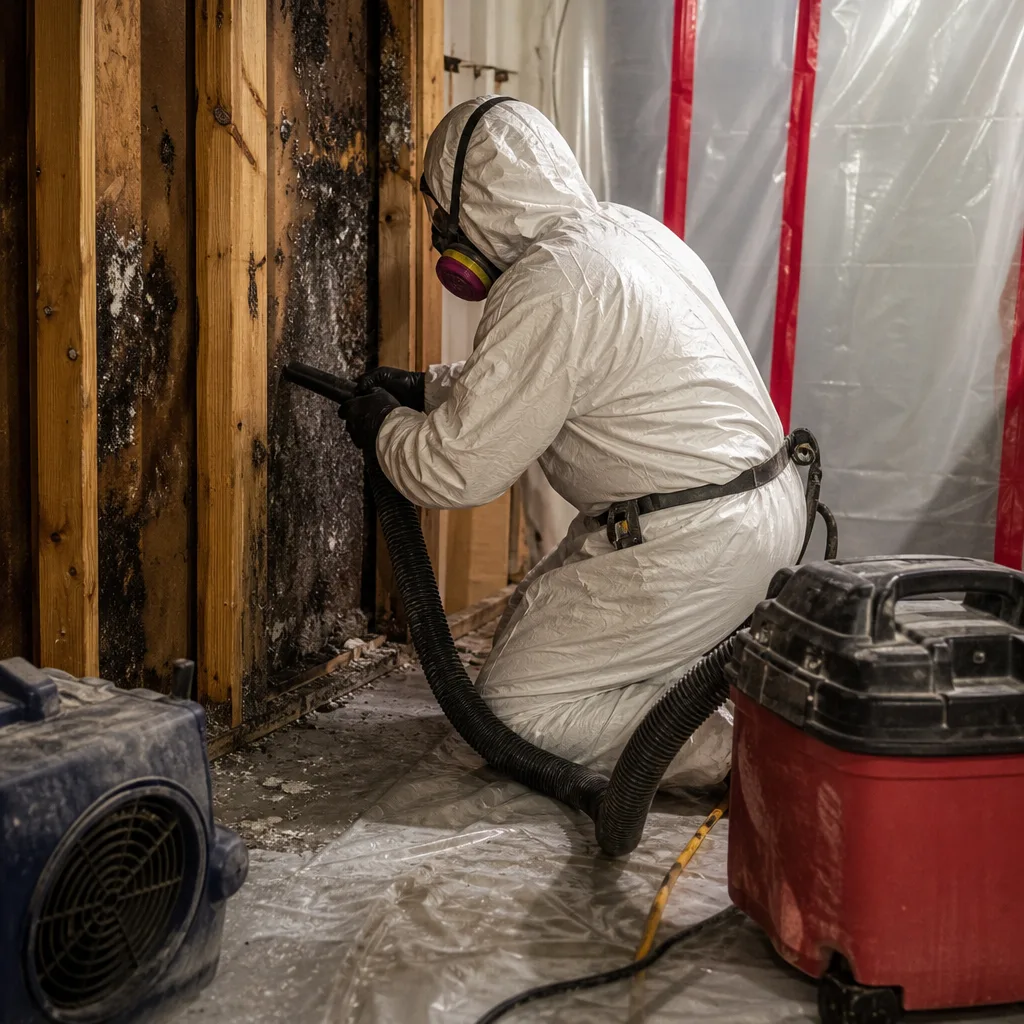
Trauma & Unattended Death Cleanup
Unattended death scenes in pre-war buildings are among the most challenging losses we handle in this neighborhood. Decomposition fluids move downward and outward through horsehair plaster and old-growth timber joists, and by the time we arrive, they have often already reached the unit below. We do not guess about where contamination ends. We moisture-map the floor assembly, remove affected plaster and flooring as Category 3 material, and hold the containment until the drying log shows the cavities are dry. Elevation and layout matter here: a fifth-floor walk-up on Rivington Street means carrying out double-bagged waste down five flights while keeping the stairwell sealed from residents.
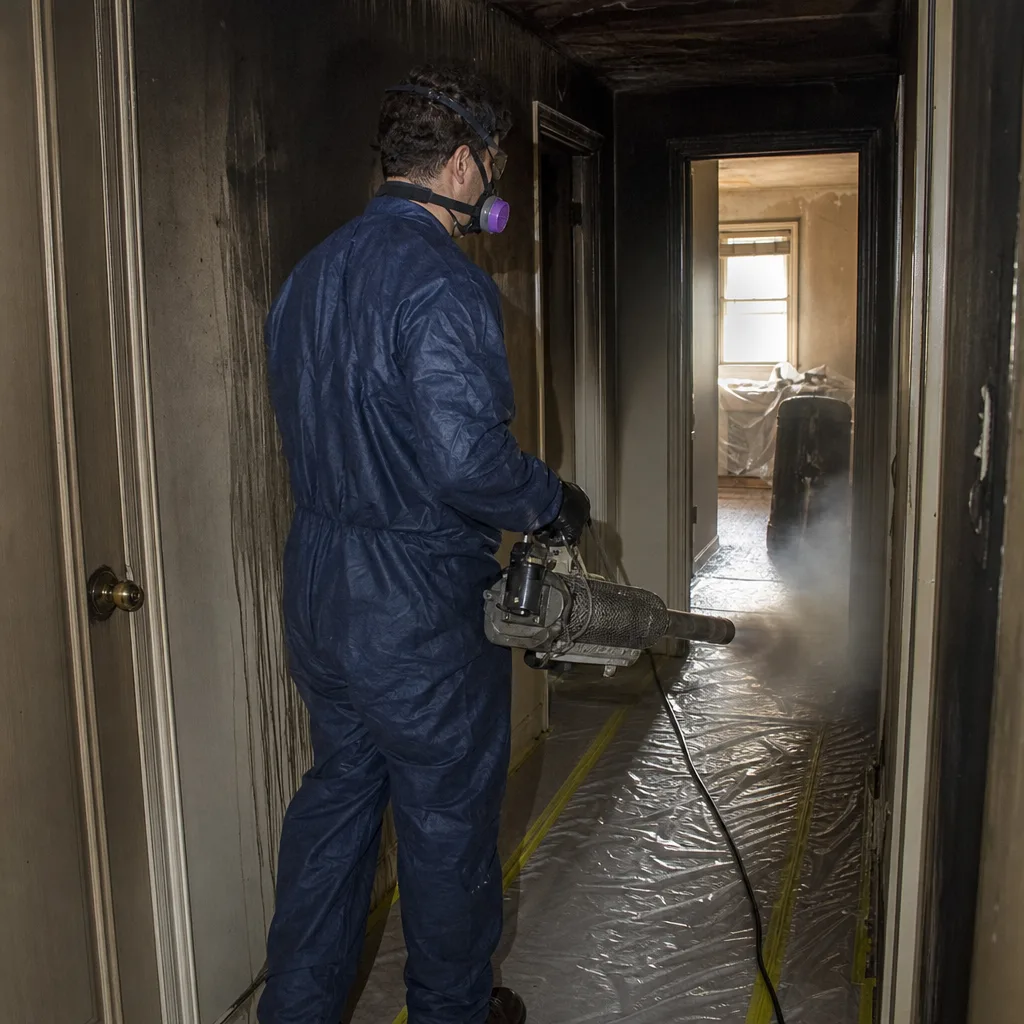
Hoarding Cleanup
Hoarding cleanup in the Lower East Side adds a secondary layer: asbestos and lead testing. Many of these tenement units still have original plaster and paint from before 1920. Before we remove accumulated debris, we test for asbestos in common materials like pipe insulation, vinyl flooring, and plaster patches. If it is present, the crew works under abatement protocols. We work with the tenant or family to identify documents, medications, and valuables, and we handle the removal and disposal of everything else with respect and discretion.
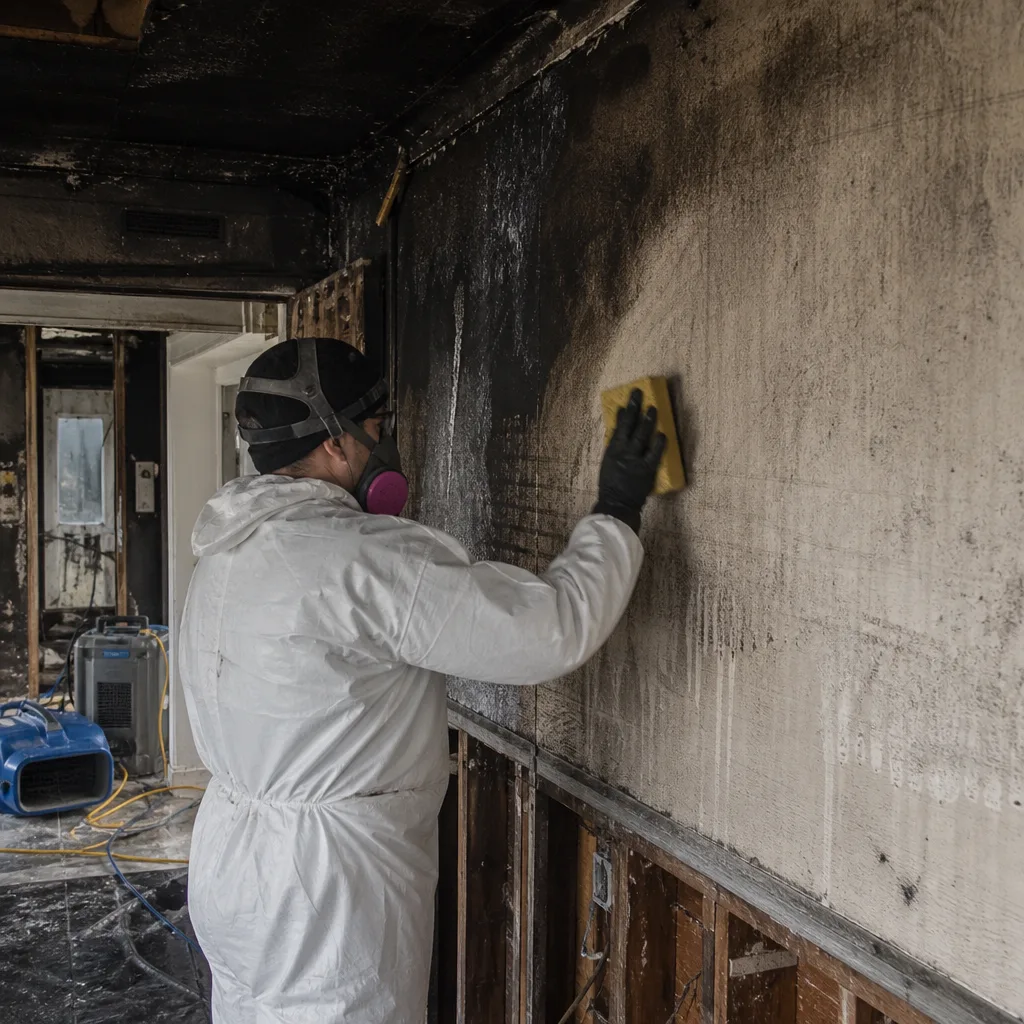
Blood & Bodily Fluid Cleanup
Blood and bodily fluids in a shared-wall tenement do not behave like spills on a modern painted drywall surface. They saturate into horsehair plaster, migrate along lath, and stain old-growth wood flooring. Our process includes removing the affected substrate, not just wiping surfaces, and treating the framing behind it. We run HEPA-scrubbed negative air during the entire process so no aerosolized particles reach the hallway or adjacent units.
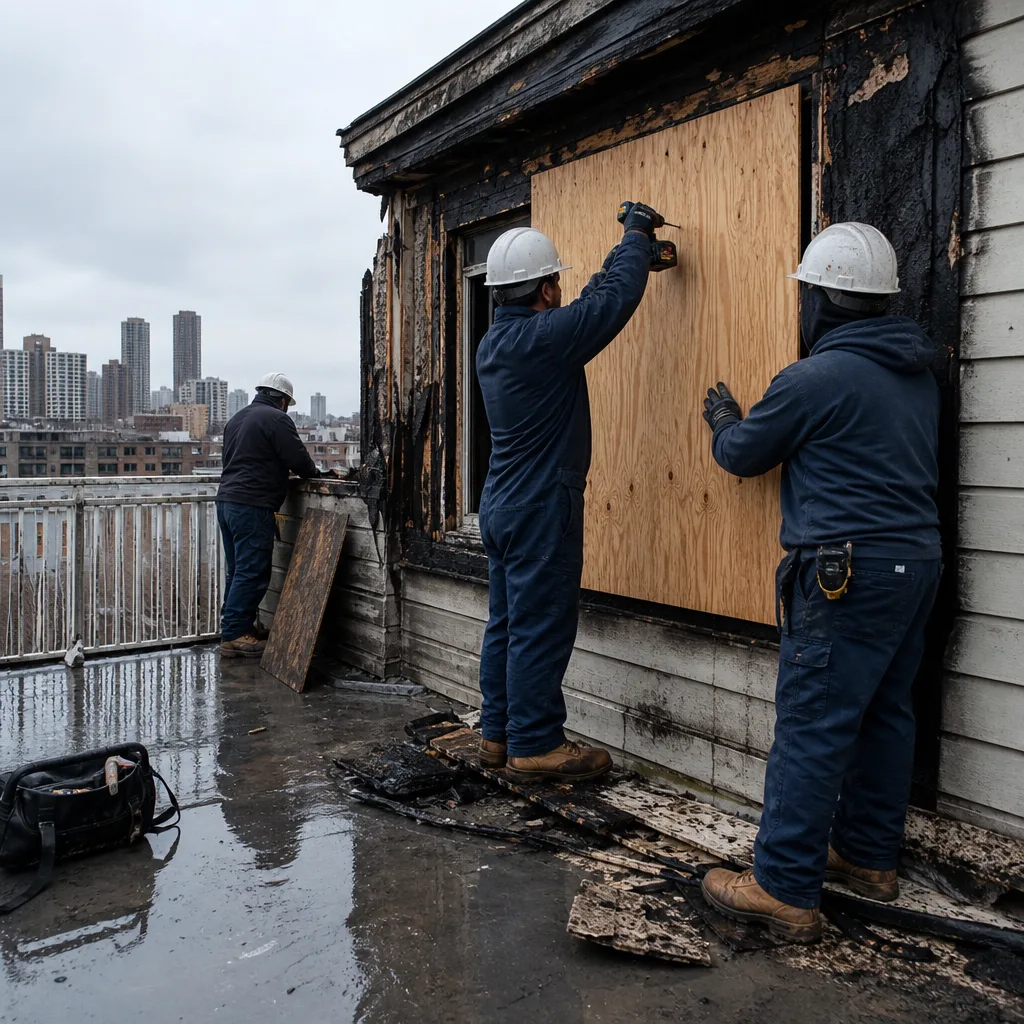
Infectious Disease Disinfection
After a contagious illness in a Lower East Side apartment, the right cleanup is more than a wipe-down. We use hospital-grade disinfectants registered for the specific pathogens involved, fog hard-to-reach surfaces, and run air scrubbers to clear the space. In tenements, that includes disinfecting shared airshaft-facing windows and the front door hardware, because those are surfaces neighbors touch. Our techs hold IFA and IICRC certifications for biohazard protocols, and we document the entire process for your landlord or property manager if needed.
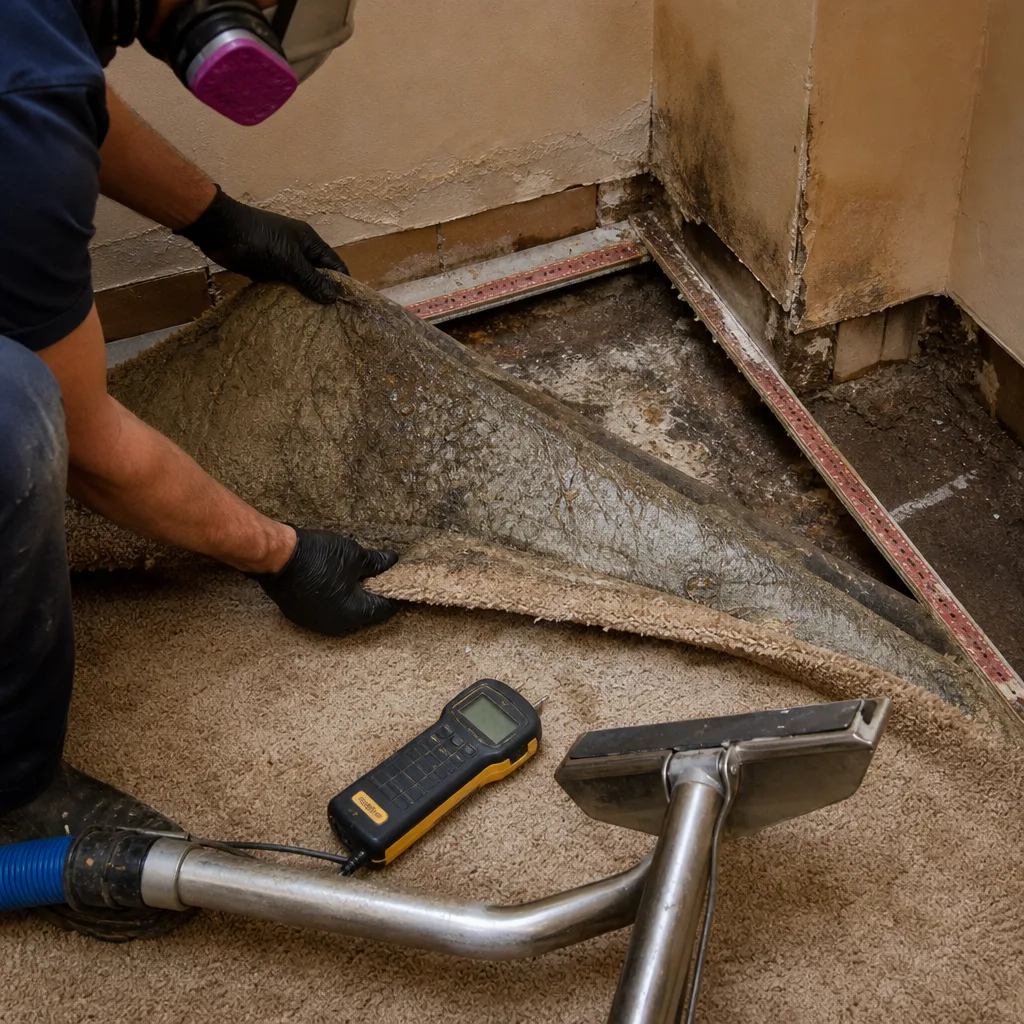
Tear Gas & Chemical Cleanup
Tear gas and chemical residue bond to painted plaster, wood trim, and fabrics, and in a pre-war Lower East Side apartment with original finishes, the wrong cleaning approach can drive the residue deeper. We use specialized neutralizing agents and controlled ventilation to break down the chemical compounds, then clean every horizontal surface, replace HVAC filters where applicable, and run air scrubbing until the space tests clean.
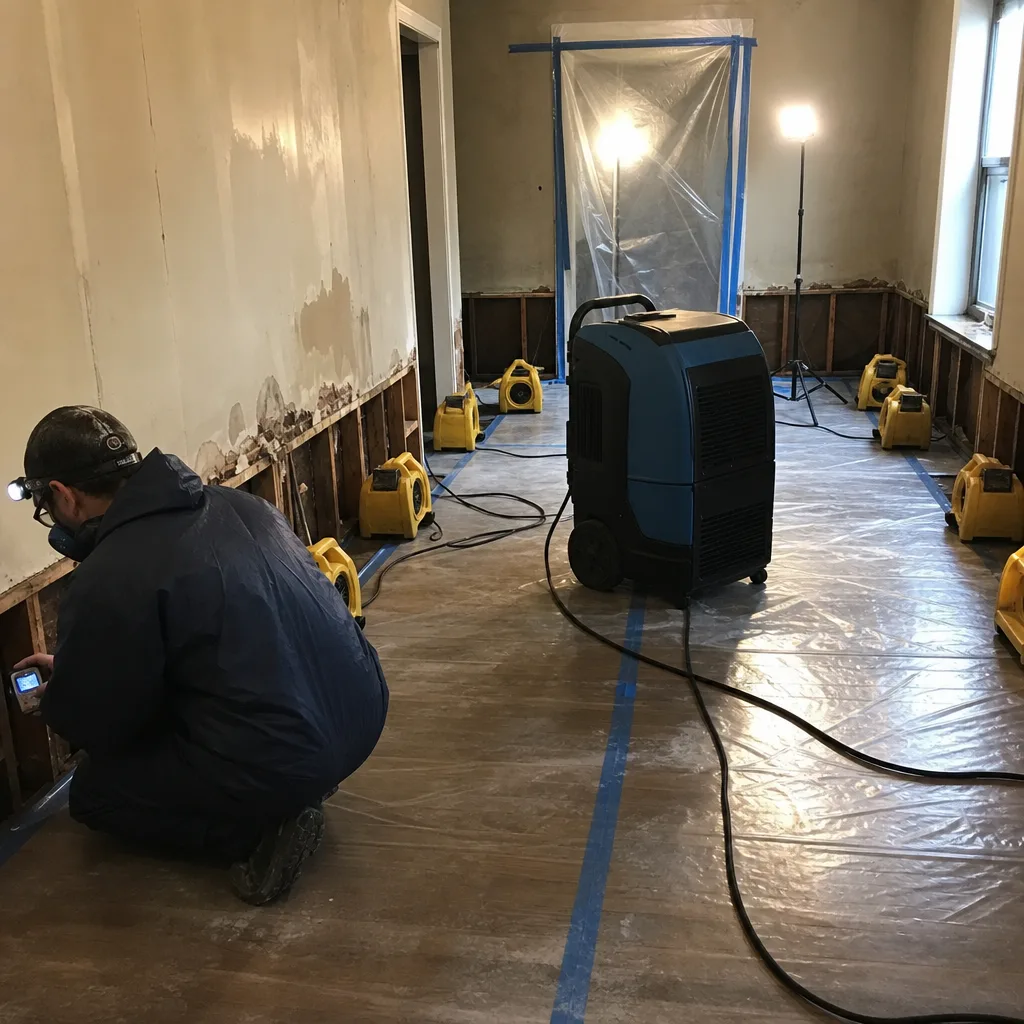
What happens when you call
- 1
A real person answersNo phone trees - you reach a local pro.
- 2
You get an upfront price rangeHonest numbers before anyone is dispatched.
- 3
A background-checked tech heads outLicensed & insured, dispatched right away.
- 4
You approve before work beginsNothing starts until you say go.
Biohazard & Crime Scene Cleanup Costs in Lower East Side, NY
Biohazard and crime scene cleanup isn’t a flat-rate service, but Lower East Side pricing falls into patterns worth knowing. A minor blood cleanup in a single room typically runs $500 to $1,200. An unattended death cleanup in a tenement apartment, including containment, material removal, structural drying, and decontamination, usually runs $3,500 to $8,500, depending on how far fluids have traveled and whether the unit below is involved. Hoarding cleanup with significant debris volume can range from $5,000 to $20,000 or more, driven by the cubic yards removed, asbestos abatement needs, and the condition of the underlying floors and walls. Infectious disease disinfection for a full apartment runs $800 to $2,500. What moves the price in the Lower East Side specifically is the building: horsehair plaster removal, airshaft access, and walk-up logistics all add labor time that a street-level commercial space would not. Your carrier often covers these costs under property and liability policies. Call (917) 924-4221 for a free visual inspection and a firm written scope before any work begins. We stand behind the number.
We Also Serve Cities Near Lower East Side
Our crews regularly run calls in the surrounding area, including Fairview, Harrison, East Bronx, and Hunts Point. The same live-dispatch response, certified technicians, and direct insurance billing apply, and we arrive with the same written guarantee.
Lower East Side Biohazard & Crime Scene Cleanup Questions, Answered
How fast can someone actually get here?
Our commitment is 45 minutes from your call to a crew on-site in the Lower East Side. A live dispatcher answers at (917) 924-4221 any hour, any day, and the nearest available certified team is dispatched immediately, not after a callback or an estimate visit.
Do I need asbestos or lead testing before a crime scene or hoarding cleanup in an old LES walk-up?
In most Lower East Side pre-war buildings, yes. Demolition or material removal that disturbs original plaster, flooring, or pipe insulation requires asbestos and lead testing under city and federal rules. We arrange that testing before any cutting starts, and the results shape the abatement protocols we use.
How do tenement airshafts affect biohazard containment in a Lower East Side apartment?
Airshafts act as vertical air channels between floors. When a unit has a biohazard loss, odor and aerosolized particles can travel up or down the shaft and enter neighboring apartments through shaft-facing windows and wall penetrations. We seal those openings and run negative air pressure inside the affected unit so air moves inward, not outward into the shaft.
Can saltwater from past flooding make a biohazard cleanup worse in the Lower East Side?
Yes. Basements and ground-floor units near the East River in FEMA flood zone AE absorbed saltwater during Hurricane Sandy, and that salt never fully leaves masonry and wood framing. Salt-saturated materials hold moisture longer and can accelerate degradation, which means a biohazard cleanup in those areas often uncovers secondary microbial growth that also needs treatment.
How does moisture mapping work in a shared-wall tenement after an unattended death?
We use thermal imaging and hygrometers to track where bodily fluids have saturated the floor assembly, plaster, and framing. In a tenement, that means taking readings not just in the affected unit but in the walls and floors shared with neighboring apartments. We log those readings daily until every cavity hits a dry standard.
What does structural drying have to do with biohazard cleanup in an LES apartment?
Bodily fluids and decomposition byproducts are classified as Category 3 water. Once we remove the visibly affected materials, moisture still sits in the joists, subflooring, and plaster cavities behind them. Structural drying with Dri-Eaz dehumidifiers and XPOWER air movers pulls that moisture out until we can verify with a moisture log that the framing is dry. Skip this step and the odor and microbial growth come back.
Will insurance cover this?
Most property policies cover biohazard and trauma cleanup as part of the loss, especially when it is connected to a covered peril like a death, crime, or water damage event. We document everything, bill your carrier directly, and coordinate with your adjuster from the first day. Call (917) 924-4221 and we will help you understand your coverage before any work begins.
Do I really need full remediation, or just a cleaning?
If bodily fluids or decomposition residue have penetrated porous materials like plaster, wood, or fabrics, surface cleaning is not enough. The contamination lives inside the material. In a Lower East Side tenement with horsehair plaster walls, that almost always means material removal and structural drying, not just sanitizing. We will show you exactly what we see and give you a straight answer, not a sales pitch.
Serving Lower East Side, NY - Our Local Coverage Area
We’re based in the Lower East Side area and know this community well. Use the map below to see our service coverage - if you’re nearby, we can almost certainly help.
Call Floodline Restoration Co. of Manhattan for Lower East Side Biohazard Cleanup
When a biohazard or crime scene loss hits a Lower East Side walk-up, every hour matters. Our crews know these buildings, from the airshafts to the horsehair plaster to the flood-zone basements along the East River. Dispatch and scheduling are coordinated from our New York City office, and crews serve the Lower East Side locally, arriving fast and working until the job is done right. We back every job with the 90-Day Done Right Promise, in writing, no arguments. Current standing offers include $50 off any repair over $250, the $89 seasonal tune-up, and a 5% senior and veteran discount, always. Call (917) 924-4221 for a free estimate. A live person answers, day or night.
Written by Curt Bowman, Owner at Floodline Restoration Co. of Manhattan, serving Lower East Side with biohazard and crime scene cleanup since 2010.