
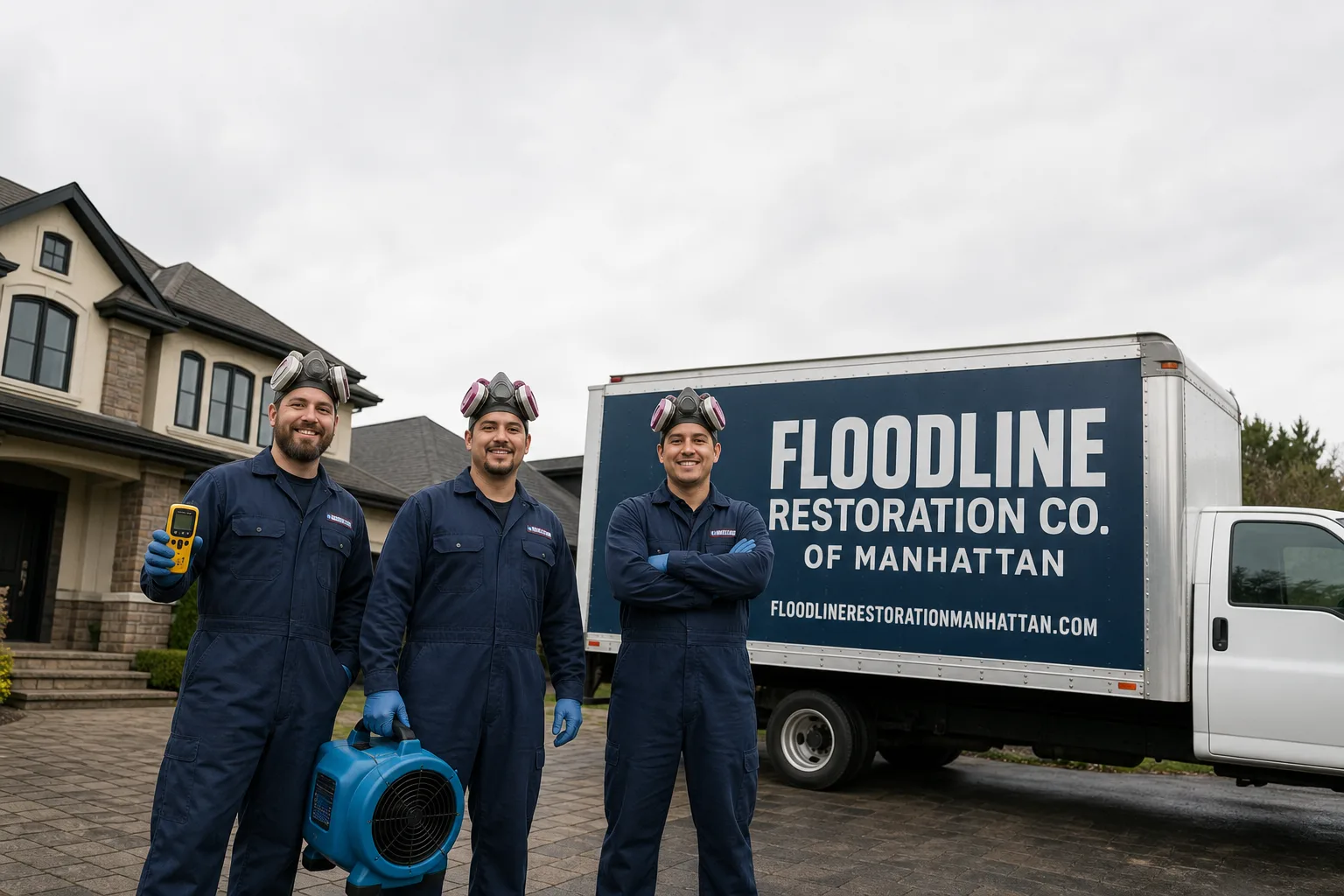
Free visual inspection and a written scope of work before any mitigation begins - photos, moisture readings, and drying logs go in your claim file
The scope we write is the scope we bill. Anything new gets shown to you, in writing, before we touch it.






 Before
 After
After Before
 After
After Before
 After
After24/7 Emergency Biohazard & Crime Scene Cleanup in Theater District
Biohazard and crime scene cleanup in Theater District typically runs $1,800 to $7,500 for a contained single-room incident, and $8,000 to $25,000+ for multi-room or theater-wide contamination involving blood, bodily fluids, or infectious material. Most jobs start within 90 minutes of your call because we keep crews staged within the Theater District area around the clock. Call (917) 924-4221 and a live dispatcher answers, not a recording. The first hour matters because bloodborne pathogens and biological contaminants soak into porous surfaces fast - once they reach a theater’s subfloor, plaster walls, or dressing-room woodwork, containment gets harder and costs climb.
We’re Floodline Restoration Co. of Manhattan. Our Biohazard & Crime Scene Cleanup team handles trauma scenes, unattended deaths, hoarding conditions, and infectious disease disinfection across Theater District. We handle the cleanup, the documentation, and the insurance claim, start to finish. Done right, and backed in writing.
Understanding Biohazard & Crime Scene Cleanup Severity in Theater District Properties
Theater District’s building stock makes biohazard containment more complex than in newer construction. Most structures here went up between 1900 and 1940 - masonry commercial buildings with cast-iron supply lines, aging sprinkler systems, and deep multi-level sub-basements. When blood, bodily fluids, or decomposition fluids penetrate a surface, they don’t stop at the visible stain. They migrate into plaster, original hardwood, subflooring, and the cavities behind lath-and-plaster walls. In a pre-war theater on West 46th Street, that means tracking contamination through costume vault voids, trap rooms, and electrical chase spaces that standard moisture meters don’t reach.
We classify contamination by category and scope, the same way the industry grades water damage - Category 1 through 3. A minor blood spill on a non-porous dressing room counter is contained with EPA-registered disinfectants and surface removal. But a Category 3 event - blood pooled on a stage floor, decomposition fluids in a sub-basement, or tear gas residue in a fly-system counterweight pocket - requires full containment, HEPA air scrubbing, and often removal of saturated building materials. Theater District’s landmarked theaters add another layer: any removal that touches historic fabric may require Landmarks Preservation Commission review before we proceed. We handle that coordination so you’re not left holding a stop-work order.
Why Theater District Property Owners Choose Floodline Restoration Co. of Manhattan
- 45-minute response commitment in Theater District. We stage crews within the neighborhood so a certified technician reaches your building fast, not “sometime tomorrow.”
- A live person answers, 24/7. No automated prompts, no call center in another state. A dispatcher picks up at 2 a.m. and sends a crew.
- IICRC-certified technicians. Our crews hold WRT, FSRT, and AMRT certifications, trained to IICRC, RIA, and IFA standards. Background-checked and uniformed.
- Free visual inspection. We assess the scene, scope the work, and put the plan in writing before you commit to anything.
- Direct insurance billing. We coordinate directly with your carrier and bill them for covered work. You’re not the messenger between adjuster and contractor.
- One team, first extraction to final rebuild. The same crew that sets containment handles the cleanup, the drying, and any reconstruction. No mid-job handoff to strangers.
We stand behind every job with the 90-Day Done Right Promise - the Keystone Standard. If it’s not done right, we make it right, in writing, with no arguing. That’s been our way since Curt Bowman founded this company in 2010.
Our Biohazard & Crime Scene Cleanup Process
Inspection & Assessment
We walk the affected area, identify all contamination - including what’s tracked into HVAC, floor cracks, and wall cavities - and determine containment scope. In Theater District buildings with deep sub-basements and shared freight corridors, we map every path contamination could have traveled. You get a written scope before any work starts.
Extraction & Stabilization
We remove saturated porous materials - carpet, padding, plaster, wood trim - that can’t be safely decontaminated. For liquid biological matter on non-porous surfaces, we use extraction equipment to remove it before it spreads further. The goal in the first hour is stopping migration, not just cleaning what’s visible.
Drying & Dehumidification
Moisture left behind becomes a mold and odor problem later. We run Dri-Eaz dehumidifiers and XPOWER air movers with daily moisture readings until materials hit the dry standard. The moisture log goes to you and your carrier, every day.
Cleaning & Sanitization
We apply EPA-registered hospital-grade disinfectants to all affected surfaces, working from clean zones toward the source to avoid cross-contamination. HEPA air scrubbers run throughout to capture airborne particulates.
Specialty Treatment for Biohazard & Crime Scene Cleanup
Depending on the scene, this includes odor neutralization using hydroxyl or ozone treatment, removal and disposal of biohazardous waste through licensed medical-waste carriers, and - in Theater District specifically - inspection of trap rooms, fly-system pockets, and hydraulic lift pits where contaminated liquid pools below sight lines.
Repairs & Restoration
Any removed drywall, flooring, trim, or structural elements get rebuilt to match the original condition - not just patched. In landmarked properties, we coordinate with the Landmarks Preservation Commission before altering any historic fabric.
Need Emergency Biohazard & Crime Scene Cleanup in Theater District Now?
Crews minutes away, answering live 24 hours a day. The sooner we start, the less it costs.
Working With Your Insurance Company
Most Theater District biohazard and crime scene claims are covered under the property insurance policy, though the specifics depend on the cause of loss and your coverage. We’ve worked with every major carrier in New York and we know what adjusters need to see: documentation from hour one, not a summary written a week later. We photograph everything, room by room, before we touch it. We log moisture readings, containment boundaries, and material disposal manifests. The line-item scope we give you is the same format your adjuster uses to approve payment. We coordinate directly with your carrier so you’re not relaying messages at midnight.
What We Provide Your Insurer
- Thorough documentation of the loss
- Photos of all damage, room by room
- Moisture readings and drying logs
- A detailed, line-item scope of work
- Direct coordination with your carrier
Built for Theater District’s Loss Calendar
Biohazard and crime scene cleanup in Theater District doesn’t follow a tidy seasonal calendar - trauma, unattended death, and crime scenes happen year-round. But the conditions that turn those scenes into severe contamination do shift with the seasons. January deep freezes stress the aging rooftop mechanical penthouses and terra-cotta facades common on these pre-war buildings, sending ice-melt water through ceilings above stage rigging lofts and into wall cavities where biological material gets trapped. Spring brings basement seepage into sub-basements that house mechanical rooms and costume storage - a wet sub-basement beneath a trauma scene means contamination has already found a path downward. Summer thunderstorms can flash-flood first-floor commercial spaces and dressing rooms, mixing stormwater with whatever biological residue is already present. Nor’easters in late fall push wind-driven rain through aging masonry pointing on 8th Avenue facades, saturating plaster that may hold dried biological matter from prior incidents. Every one of these scenarios requires more than surface cleaning - it requires understanding how water and organic material move through Theater District’s specific building anatomy.
Biohazard & Crime Scene Cleanup Across Theater District’s Neighborhoods
Our crews know the difference between a 10 a.m. response on Shubert Alley and a midnight call to a stage door on 9th Avenue. The Shubert Alley corridor - West 44th and West 45th Streets between Broadway and 8th - is dense with active theaters, and any trauma or biohazard scene there must be contained between performances. We route our vehicles to avoid the heaviest foot traffic and stage equipment through freight entrances, not the audience lobby. The Times Square blocks along Broadway from 42nd to 47th carry a different risk profile - transient foot traffic, more unattended-death calls in single-room occupancy units, and narrow service elevators that complicate equipment staging. The residential corridors west of 8th Avenue toward 10th Avenue - including Hell’s Kitchen-adjacent streets - have more mixed-use pre-war buildings with shared plumbing stacks, so a biohazard event on one floor means checking what’s migrated to the floor below through pipe chases. And the hotel blocks between 7th and 8th on West 44th through West 47th require discretion and speed: we use service entrances, unmarked vehicles, and crews who don’t draw attention. This isn’t a template response. It’s routing that comes from answering calls in Theater District for years.
Specialized Biohazard & Crime Scene Cleanup Services We Offer in Theater District
Blood & Bodily Fluid Cleanup
Blood on a Broadway stage or in a dressing room isn’t just a stain - it’s a biohazard that can soak through stage flooring, into the gap between floorboards, and down into trap rooms. On West 45th Street, we’ve had to open trap doors and inspect hydraulic lift pits after a blood spill on stage because the fluid followed the floor channels. Our crews are trained under RIA and IFA standards for bloodborne pathogen handling, and we remove and dispose of contaminated material through licensed medical-waste carriers.
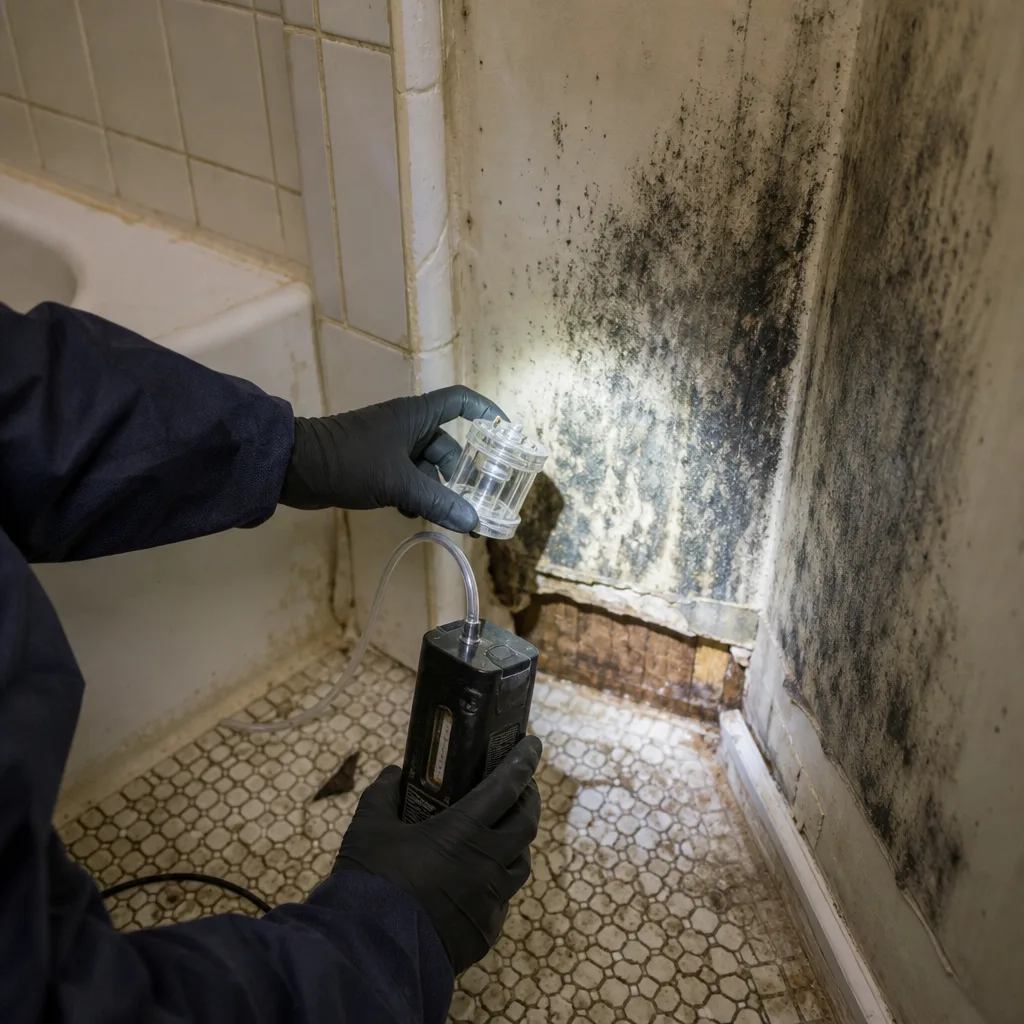
Infectious Disease Disinfection
Older Theater District buildings present a specific challenge: gravity-fed sprinkler systems and shared HVAC returns mean airborne pathogens don’t stay in one dressing room. When we disinfect for infectious disease - norovirus, MRSA, COVID-19, or anything else - we set containment around the affected area, shut down or isolate shared air returns, and run HEPA air scrubbers to prevent cross-contamination into adjacent rooms. The disinfectants we use are EPA-registered for the specific pathogen identified, and we document every surface treated.
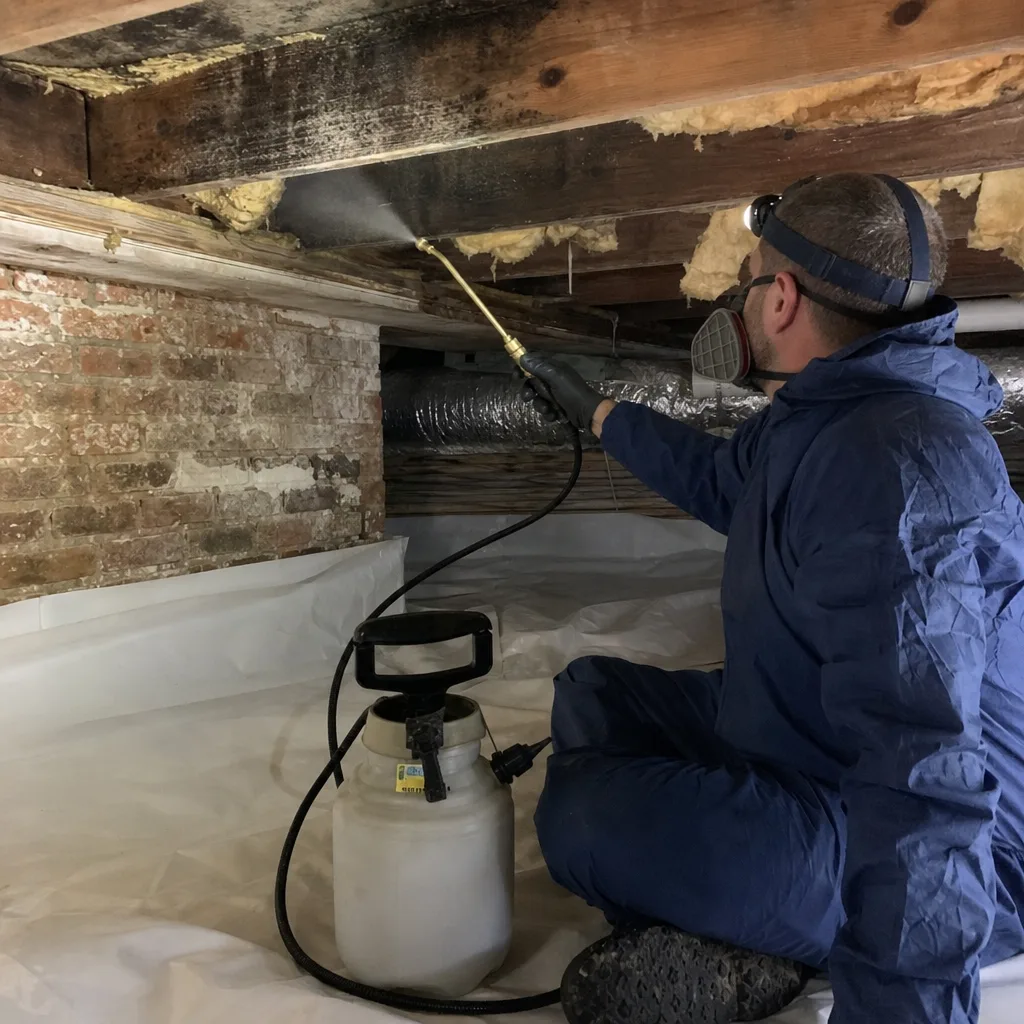
Trauma & Unattended Death Cleanup
An unattended death inside a locked apartment in a pre-war building off 8th Avenue means decomposition fluids have had days to penetrate wood floors, subflooring, and sometimes the ceiling of the unit below. We handle the full remediation: removal of affected materials, structural drying where fluids traveled, odor neutralization, and coordination with the property manager for access. We work quietly and with respect - we understand the building’s other tenants don’t need to know the details.
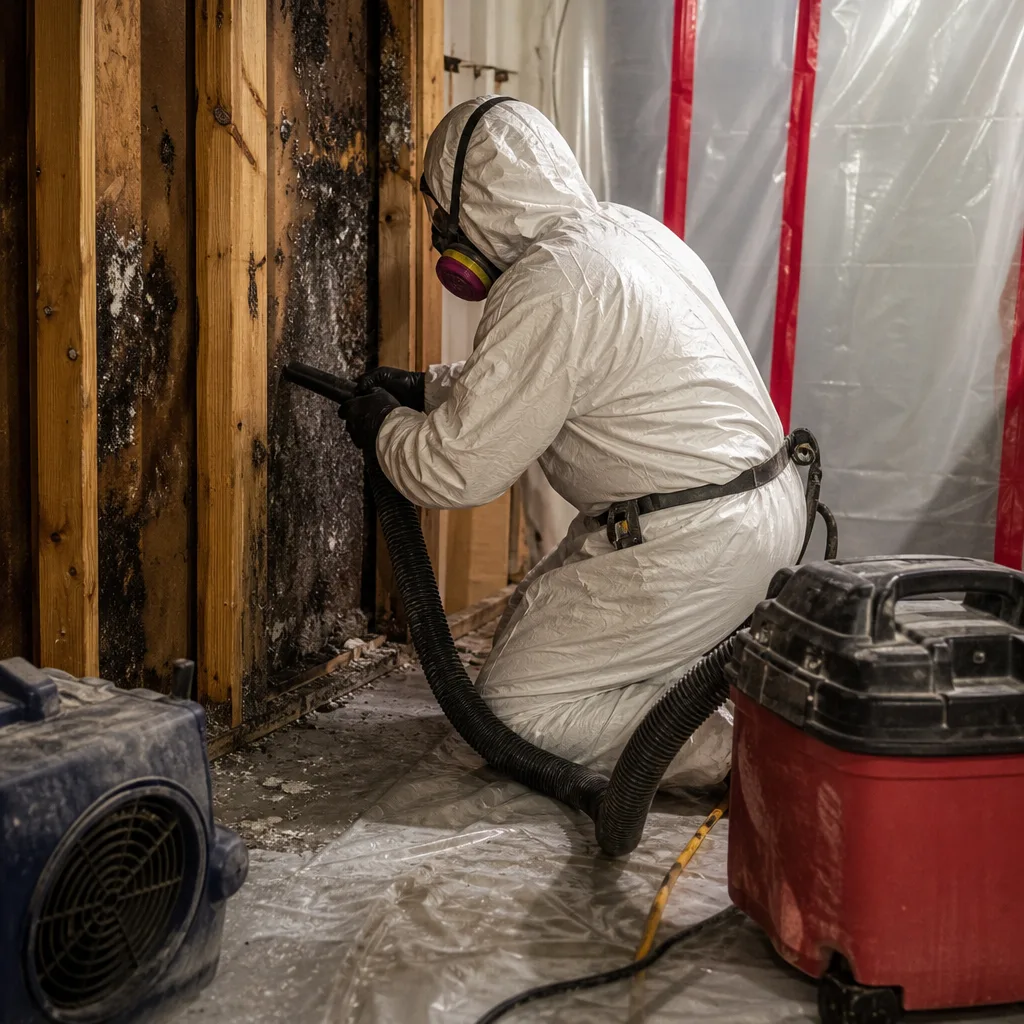
Hoarding Cleanup
Hoarding conditions inside a Theater District walk-up often hide more than clutter. We’ve found Category 3 water damage from long-burst supply lines, rodent and insect infestation, and structural compromise from overloading - all inside spaces that hadn’t been opened in years. Our Biohazard & Crime Scene Cleanup team clears the space in stages, sorting salvageable items from contaminated waste, and then addresses the water damage, mold, and sanitation issues underneath. We bill the carrier directly for covered portions.
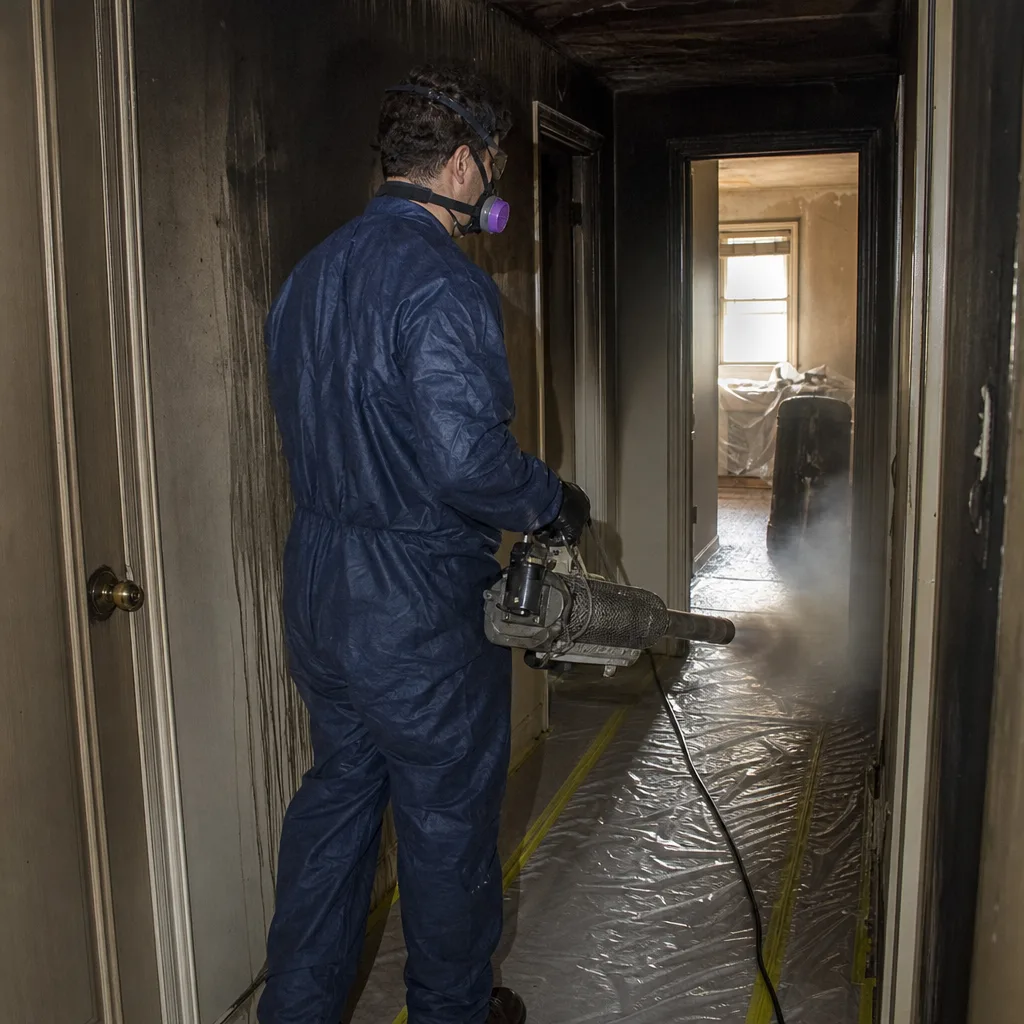
Tear Gas & Chemical Cleanup
Chemical contaminants - tear gas, pepper spray, industrial solvents - behave differently inside masonry buildings than they do in modern construction. The porous plaster and aged wood common in Theater District theaters absorb chemical residue deep, and standard cleaning compounds can drive it further in. We use HEPA air scrubbing to capture airborne particulates, chemical-specific neutralizing agents, and negative air pressure so contamination doesn’t migrate to adjacent productions or dressing rooms.
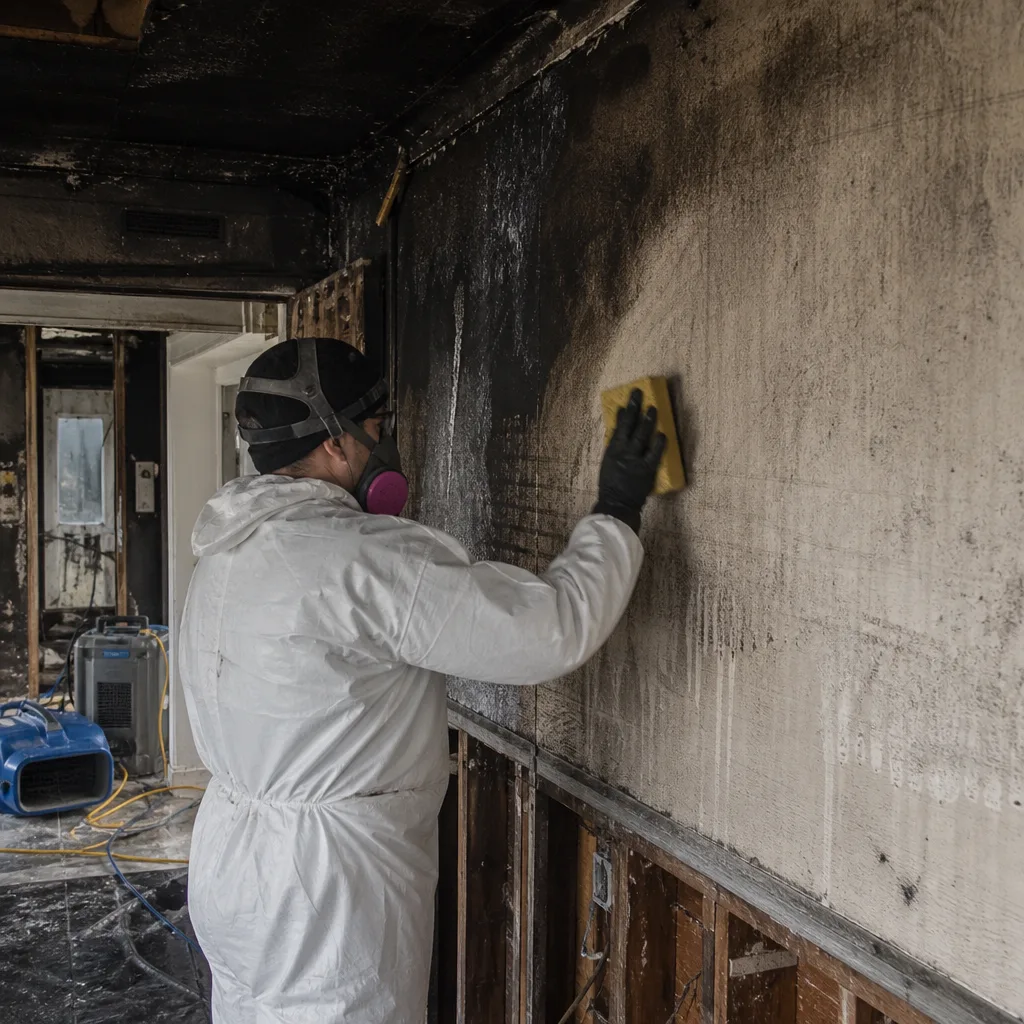
What happens when you call
- 1
A real person answersNo phone trees - you reach a local pro.
- 2
You get an upfront price rangeHonest numbers before anyone is dispatched.
- 3
A background-checked tech heads outLicensed & insured, dispatched right away.
- 4
You approve before work beginsNothing starts until you say go.
Biohazard & Crime Scene Cleanup Costs in Theater District, NY
Here are honest ranges for this market, not national averages. A contained single-room blood or bodily fluid cleanup in a Theater District apartment or dressing room typically runs $1,800 to $4,500. A trauma or unattended death cleanup with subfloor penetration and odor remediation runs $5,000 to $12,000. Hoarding cleanup with underlying water damage runs $4,000 to $18,000 depending on volume and contamination level. Infectious disease disinfection in a pre-war building with shared air returns runs $2,500 to $8,000. Tear gas or chemical cleanup in a theater with stage and rigging involvement runs $6,000 to $25,000+. What moves the price: depth of fluid penetration, whether historic materials require Landmarks Preservation Commission review, access constraints (sub-basements, narrow freight elevators), and disposal volume. Most of this work is covered by property insurance, and we bill your carrier directly. Call (917) 924-4221 for a free visual inspection - you’ll get a written scope with firm numbers, not a verbal guess.
We Also Serve Cities Near Theater District
Our crews respond across the wider metro area daily. Beyond Theater District, we serve Fairview, Harrison, East Bronx, and Hunts Point with the same 24/7 live dispatch and certified-technician response.
Theater District Biohazard & Crime Scene Cleanup Questions, Answered
Can biohazard cleanup in a Theater District theater be done overnight without canceling the next performance?
Yes, and we’ve done it. The overnight window between the ~11 PM curtain call and the ~10 AM morning rehearsal is tight, but our crews are staged nearby and begin containment within 90 minutes of your call. We set full containment around the affected area, run structural drying and HEPA air scrubbing overnight, and complete moisture mapping in trap rooms, fly-system counterweight pockets, and hydraulic lift pits. The key is having crews who know entertainment-venue construction - standard residential drying protocols miss hidden cavities and waste the overnight window. Call (917) 924-4221 the moment you know there’s a problem.
How do you handle blood or bodily fluid cleanup on a Broadway stage without damaging historic flooring or rigging?
We start by sealing the affected area and photographing everything before we touch it - that’s for the insurance claim and the Landmarks Preservation Commission if historic fabric is involved. Stage flooring in pre-1930s theaters is often original hard pine or maple over a subfloor with documented historic value. We work to salvage what we can using extraction and EPA-registered disinfectants designed for porous wood, and we only remove material when it’s saturated beyond safe decontamination. Any removal that touches historic fabric goes through Landmarks Preservation Commission review first. We coordinate that paperwork so you’re not left with a stop-work order.
What if a hoarding cleanup reveals Category 3 water damage in a Theater District sub-basement?
That happens more often than most people expect in these pre-war buildings. A hoarding condition can hide a slow leak or a burst supply line for months, and by the time we clear the space, the water has soaked into the subfloor and migrated down through the building. We handle both problems in one scope: clearance and disposal of hoarded material, then Category 3 water extraction, structural drying with Dri-Eaz and Phoenix equipment, and sanitization of the sub-basement. The insurance claim covers both - we document the water damage separately from the hoarding cleanup so your adjuster sees the full picture.
Is infectious disease disinfection different in older Theater District buildings with gravity-fed sprinklers?
Yes, faster-moving risk. Gravity-fed sprinkler systems in pre-war buildings don’t have the isolation zones that modern zoned sprinkler systems provide, and shared HVAC returns mean airborne pathogens can move from a dressing room into a hallway or an adjacent production’s space. We set containment that includes sealing HVAC registers and returns, and we run negative air with HEPA filtration so nothing migrates during the disinfection. The disinfectant application itself is wall to wall, floor to ceiling, including inside electrical chase spaces and pipe chases - the places airborne biohazards hide in old masonry construction.
How do you prevent a tear gas or chemical cleanup in a theater from contaminating adjacent productions?
Chemical contamination moves through air, not just surfaces, especially in a building with shared ductwork and open fly lofts. We set negative air pressure on the affected area so airborne particles are pulled in, not pushed out, and we run HEPA air scrubbers continuously. All adjacent dressing rooms, corridors, and the stage area get air-quality testing before we break containment. We also coordinate with the building’s stage management to schedule the work around load-in and load-out so we’re not working while another production is in the building.
How fast can someone actually get here?
Within 90 minutes of your call, in most Theater District locations. We stage crews and equipment within the neighborhood specifically because response time matters on biohazard scenes. A live dispatcher answers (917) 924-4221 24 hours a day, 7 days a week, and dispatches the nearest certified crew. The first call at midnight gets a crew on site before 2 a.m.
Will my insurance cover biohazard cleanup in Theater District?
Most property insurance policies cover biohazard and crime scene cleanup as part of the covered loss - trauma, unattended death, blood cleanup, and infectious disease disinfection are typically included under the “loss of use” or “debris removal” provisions, depending on your policy. The key is documentation. We photograph everything, log our moisture readings and containment boundaries, and provide the line-item scope your adjuster needs. We also coordinate directly with your carrier, so you’re not negotiating at 2 a.m. Call (917) 924-4221 and we’ll walk through your coverage with you.
Do I really need full remediation, or just a cleaning?
If blood, bodily fluids, or decomposition fluids have soaked into porous surfaces - wood, plaster, drywall, insulation - a surface cleaning won’t reach the contamination. What’s left behind becomes an odor source, a mold risk, and a potential health hazard. We’ll tell you honestly if the job is surface-level or full remediation. A free visual inspection gives you a written answer, not a sales pitch. If it’s surface-level, we scope it that way. If it’s full remediation, we show you exactly why with photos and moisture readings.
Serving Theater District, NY - Our Local Coverage Area
We’re based in the Theater District area and know this community well. Use the map below to see our service coverage - if you’re nearby, we can almost certainly help.
What to Do in the First 30 Minutes
Don’t touch anything. Don’t attempt to clean blood or bodily fluid yourself - without proper biohazard protocols, you risk spreading contamination into clean areas and putting yourself at risk of bloodborne pathogen exposure. Close off the room or area if you can do so without touching contaminated surfaces. Shut down HVAC to that area if you have access to controls. Call (917) 924-4221. A live dispatcher answers and walks you through the first steps while the crew is en route. We’ll be there when we say.
We were called to a landmarked pre-1930s theater on West 45th Street after a Category 3 black water backup flooded the fly-system counterweight pockets and hydraulic lift pit. Our crew set containment around the stage, ran structural drying with Dri-Eaz dehumidifiers and XPOWER air movers, and completed moisture mapping that caught water in costume vault voids standard meters miss - returning the house to pre-loss condition before the 10 a.m. rehearsal. That’s the standard we hold on every Theater District job, because that’s what this neighborhood requires.
Written by Curt Bowman, Owner at Floodline Restoration Co. of Manhattan, serving Theater District and the surrounding metro area with 24/7 certified biohazard and crime scene cleanup.