

Free visual inspection and a written scope of work before any mitigation begins - photos, moisture readings, and drying logs go in your claim file
The scope we write is the scope we bill. Anything new gets shown to you, in writing, before we touch it.






 Before
 After
After Before
 After
After Before
 After
After24/7 Emergency Biohazard & Crime Scene Cleanup in University Gardens
When a biohazard event occurs in a University Gardens home, time works against you. Our crews answer live at (917) 924-4221 around the clock, every day of the year, and a certified technician is dispatched inside the University Gardens area immediately. The first hour matters because blood, bodily fluids, and contaminated water begin breaking down plaster, oak flooring, and woodwork fast. We arrive with professional-grade containment equipment, a written plan, and the experience to protect what matters most: your home’s original character. A free visual inspection starts every job, and we never leave you waiting on a recording.
Understanding Biohazard & Crime Scene Cleanup Severity in University Gardens Properties
Biohazard severity in University Gardens homes breaks down along water contamination categories. Category 1 is clean water, category 2 carries significant contamination, and category 3 contains pathogens, blood, sewage, or decomposition fluids. In a 1920s Tudor here, a failed supply line or unattended death turns category 1 water into category 2 or 3 within 24 to 48 hours as it saturates original plaster-and-lath walls and oak flooring. The problem compounds because these older homes have no vapor barriers behind the lath; contaminated moisture moves laterally through wall cavities and wicks into period millwork. Our crews use thermal imaging and moisture mapping to trace exactly how far contamination has traveled, not just where it shows on the surface. Skipping that depth of assessment in a University Gardens home means reopening walls in six months.
Why University Gardens Property Owners Choose Floodline Restoration Co. of Manhattan
- 45-minute response commitment to University Gardens. A live dispatcher coordinates the crew nearest to you, and we arrive fast because we know every response route in and around University Gardens.
- 24/7 live answer, every time. A real person picks up at 2 a.m., not an automated system. You’ll speak to someone who can dispatch a crew immediately.
- IICRC-certified biohazard and water technicians. Our crews hold IICRC certifications including WRT, FSRT, and AMRT, which covers antimicrobial remediation and contamination cleanup.
- Free visual inspection before any work begins. We assess the scope, explain what must happen, and put it in writing before we touch anything.
- Direct insurance billing. We document from hour one and deal with your adjuster directly, so you never play messenger between us and the carrier.
- One team from first response to final repair. The same Floodline Restoration Co. crew handles extraction, drying, remediation, and the plaster repair and millwork matching your home requires.
Our Biohazard & Crime Scene Cleanup Process
Inspection & Assessment
We walk the affected rooms with you, identify every contamination point, and use thermal imaging to map moisture behind original plaster-and-lath walls. You get a written scope before work starts.
Extraction & Stabilization
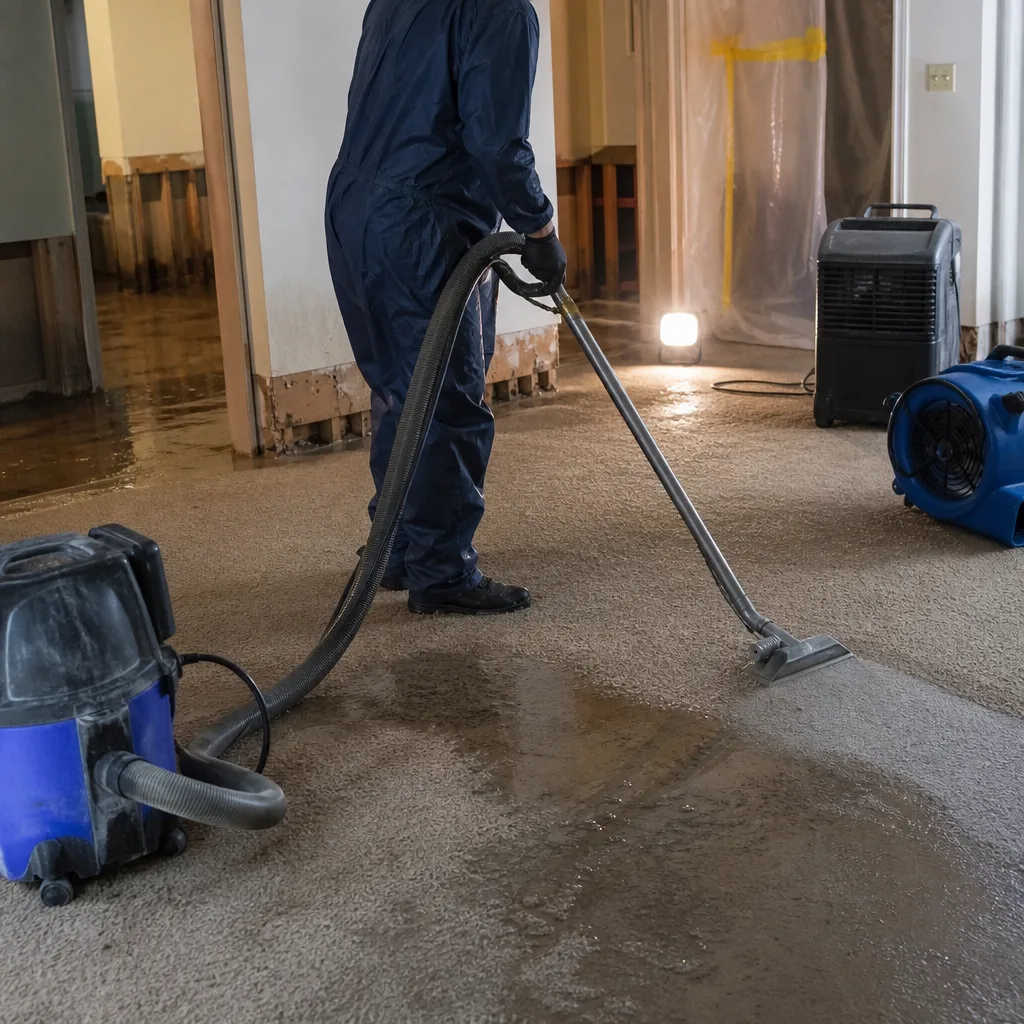
We remove contaminated water, saturated materials, and biohazard waste using professional-grade extraction equipment. Containment goes up first so airborne contaminants don’t reach adjacent rooms.
Drying & Dehumidification
Dri-Eaz dehumidifiers and Phoenix air movers run until structural dry standards are met, with daily moisture readings logged for you and your insurer.
Cleaning & Sanitization
We apply EPA-registered antimicrobial treatments to affected framing, lath, and flooring using methods safe for period materials. HEPA air scrubbers run throughout the process.
Substrate & Millwork Treatment
Original oak baseboards, trim, and plaster surfaces get targeted treatment rather than wholesale removal. We preserve what can be saved and document why anything must go.
Repairs & Restoration
We rebuild to match. That means coordinating with local plasterers skilled in period techniques and sourcing matching millwork profiles, not installing off-the-shelf drywall patches.
Need Emergency Biohazard & Crime Scene Cleanup in University Gardens Now?
Crews minutes away, answering live 24 hours a day. The sooner we start, the less it costs.
Working With Your Insurance Company
Biohazard and crime scene claims in University Gardens often involve multiple coverage layers: property damage, contamination remediation, and sometimes contents loss. We document from the first hour with photos of every affected surface, moisture readings from the initial assessment through final dry-down, and line-item scope documents your adjuster can actually work with. Curt Bowman built this company so homeowners never have to translate between a mitigation crew and an insurer. Our team calls your carrier directly, reviews coverage with you in plain language, and fights for the full scope of work your older home’s plaster and millwork actually requires. That last point matters: standard adjuster pricing often assumes drywall, and we push back with documentation showing why a 1930s plaster ceiling costs more to restore properly.
What We Provide Your Insurer
- Thorough documentation of the loss
- Photos of all damage, room by room
- Moisture readings and drying logs
- A detailed, line-item scope of work
- Direct coordination with your carrier
Built for University Gardens’s Loss Calendar
University Gardens sits on the North Shore of Long Island, squarely in the track of nor’easters that drive wind-driven rain against older low-pitch rooflines. The village’s dense canopy of legacy maples and oaks, planted during the 1920s and 1930s development era, means large-limb roof punctures and flash water intrusion are recurring events. When that happens in a home with original plaster-and-lath walls, the water that comes in travels through lath channels and saturates period trim before it ever shows on the ceiling. Nassau County’s freeze-thaw cycle pushes ice dams under aging shingles in late winter, creating the same hidden saturation pattern. In summer, the same humidity that sustains the tree canopy accelerates mold growth inside wall cavities if drying is delayed even a day. A biohazard event here typically arrives with water, and that combination demands a restoration crew that understands both contamination and preservation.
Biohazard & Crime Scene Cleanup Across University Gardens’s Neighborhoods
University Gardens is compact, but each corner of the village presents slightly different response conditions. The streets running near the Long Island Sound shoreline see the worst wind-driven rain during nor’easter season, and homes there tend to show water intrusion through north-facing plaster walls first. Along the village’s interior blocks, where the oldest 1920s Tudor and colonial revival homes sit close together, our crews navigate narrow driveways and tight side yards while setting up exterior containment. The areas near the village school and the winding residential streets off the main boulevard have seen a steady share of hoarding cleanup calls, where decades of accumulation hide plumbing failures and contamination that only becomes visible once bulk debris is removed. We know the response routes, the parking constraints, and how to stage equipment without disturbing neighbors. That local familiarity shortens response time and keeps a difficult situation as private as possible.
Specialized Biohazard & Crime Scene Cleanup Services We Offer in University Gardens
Crime Scene Cleanup
Crime scenes in University Gardens homes require immediate containment because blood and biological material penetrate porous plaster, oak flooring, and soft woodwork within hours. Our crews remove affected materials surgically, preserve intact period finishes wherever possible, and sanitize remaining surfaces with EPA-registered antimicrobials. We coordinate directly with law enforcement when needed and document everything for your insurer.
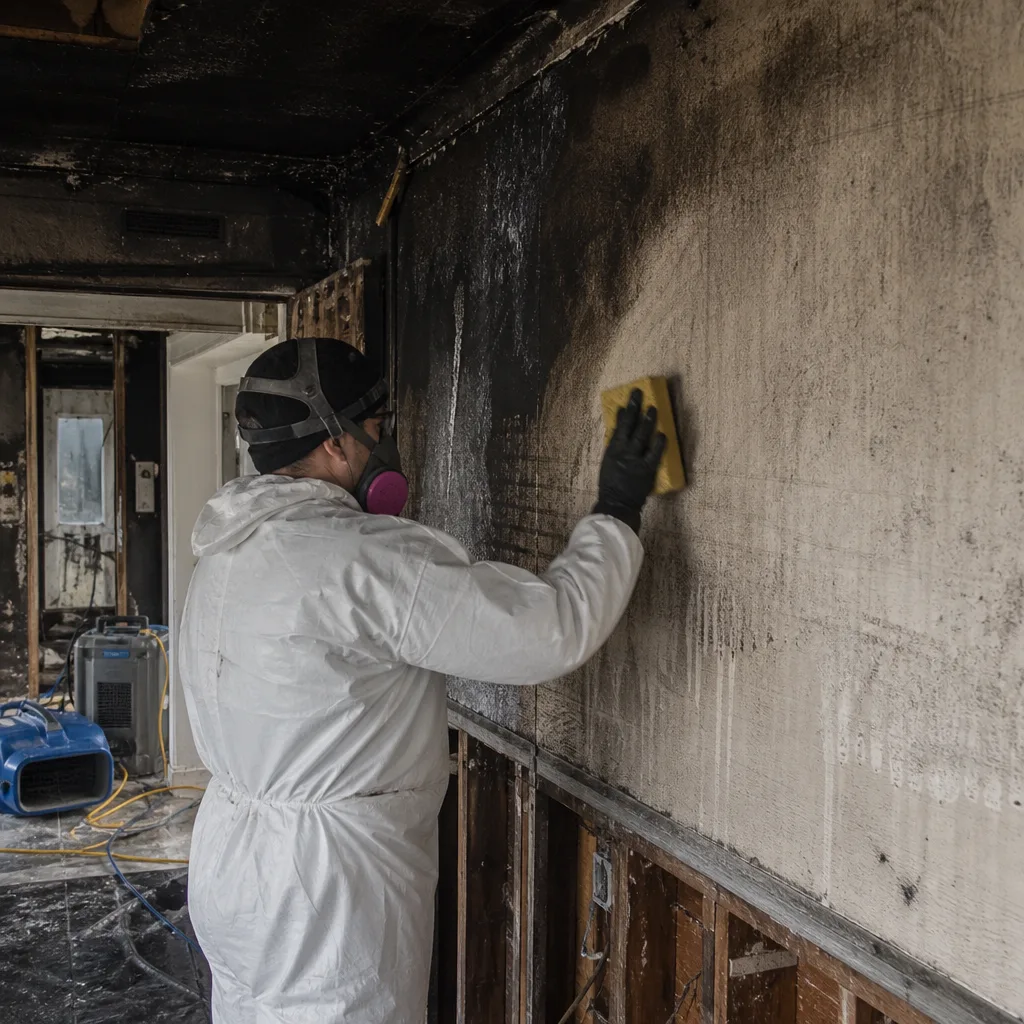
Trauma & Unattended Death Cleanup
On a quiet, tree-lined street near the village’s legacy plantings, our crew responded to an unattended death in a 1930s Tudor with original plaster-and-lath walls and custom oak millwork. We set up full containment in the affected hallway, performed category 3 water extraction from the bathroom where a supply line had failed, and removed only the saturated plaster substrate while preserving the adjacent oak baseboards for millwork matching. After structural drying with Dri-Eaz dehumidifiers and air movers, we applied an EPA-registered antimicrobial treatment to the framing and rewired the space, then coordinated with a local plasterer skilled in period techniques to restore the ceiling to pre-loss condition. That is the standard we bring to every trauma or unattended death cleanup in University Gardens.
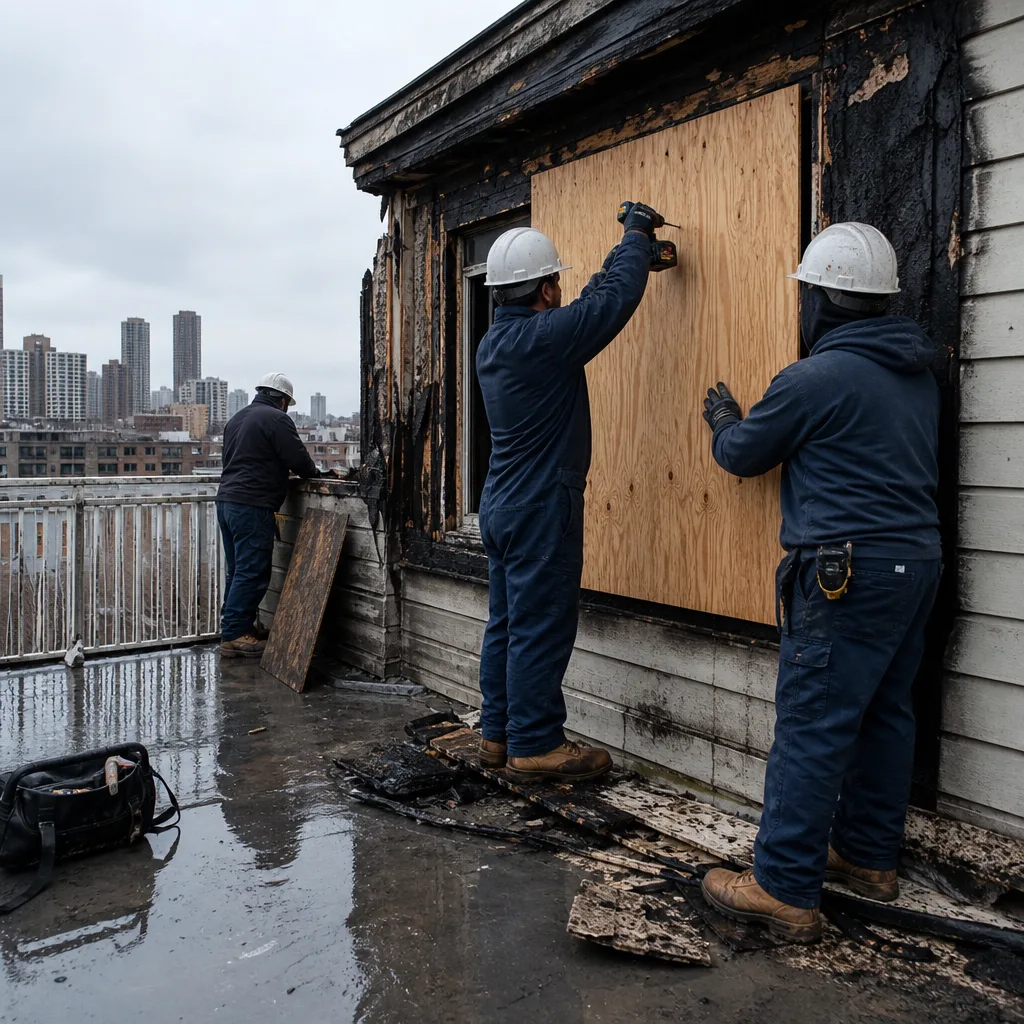
Hoarding Cleanup
Hoarding situations in University Gardens almost always involve hidden water damage, rodent contamination, and serious air quality issues behind accumulated materials. We work methodically: bulk debris removal first, then contamination assessment, then targeted removal of saturated plaster and flooring. Our priority is preserving whatever original millwork and flooring can be saved while safely removing contaminated material. The team works with discretion, and we coordinate with family members and social services where appropriate.
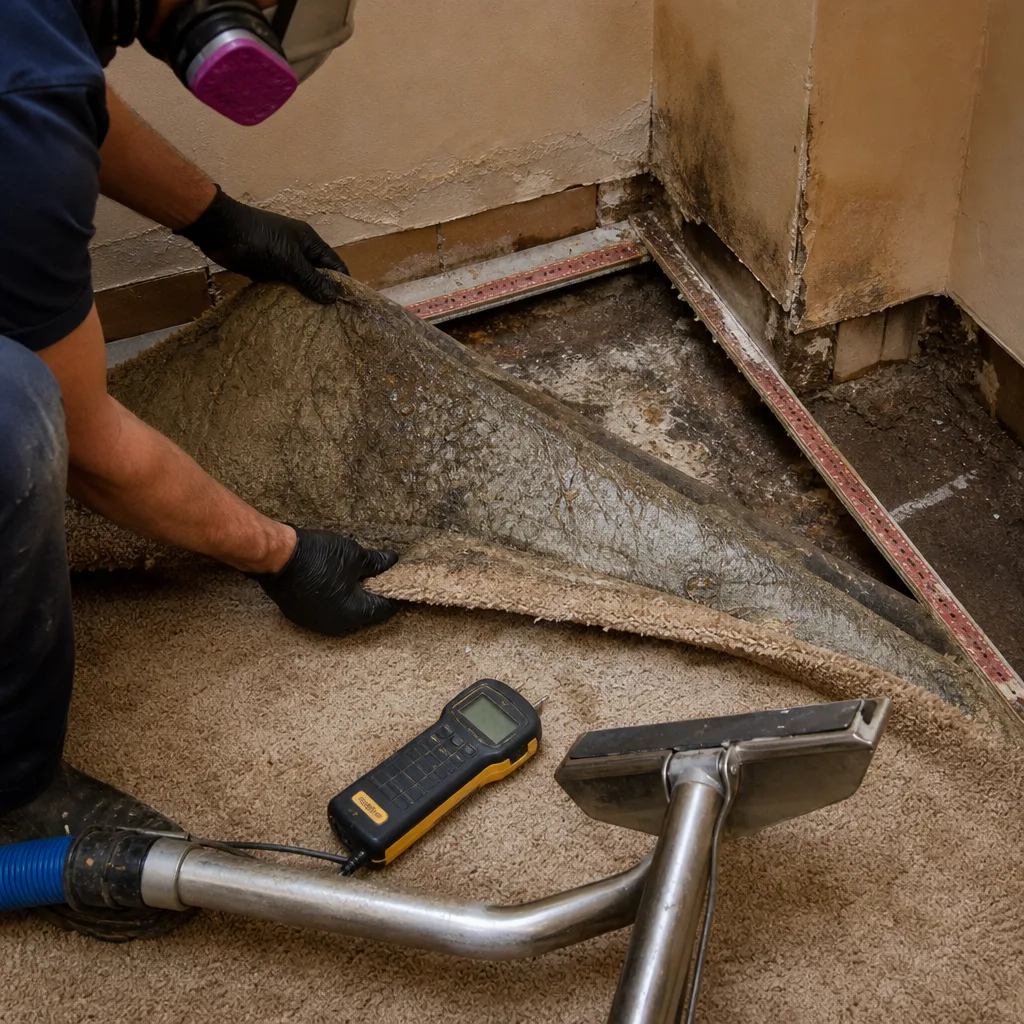
Blood & Bodily Fluid Cleanup
Blood and bodily fluids in a University Gardens home are a pathogen exposure risk that requires full PPE, containment, and proper disposal under state regulations. Our crews are trained to IFA standards for biohazard remediation, and we treat every affected surface, not just the visible area. In older homes, that means checking under baseboards, behind wainscoting, and within wall cavities where fluids travel along lath channels.
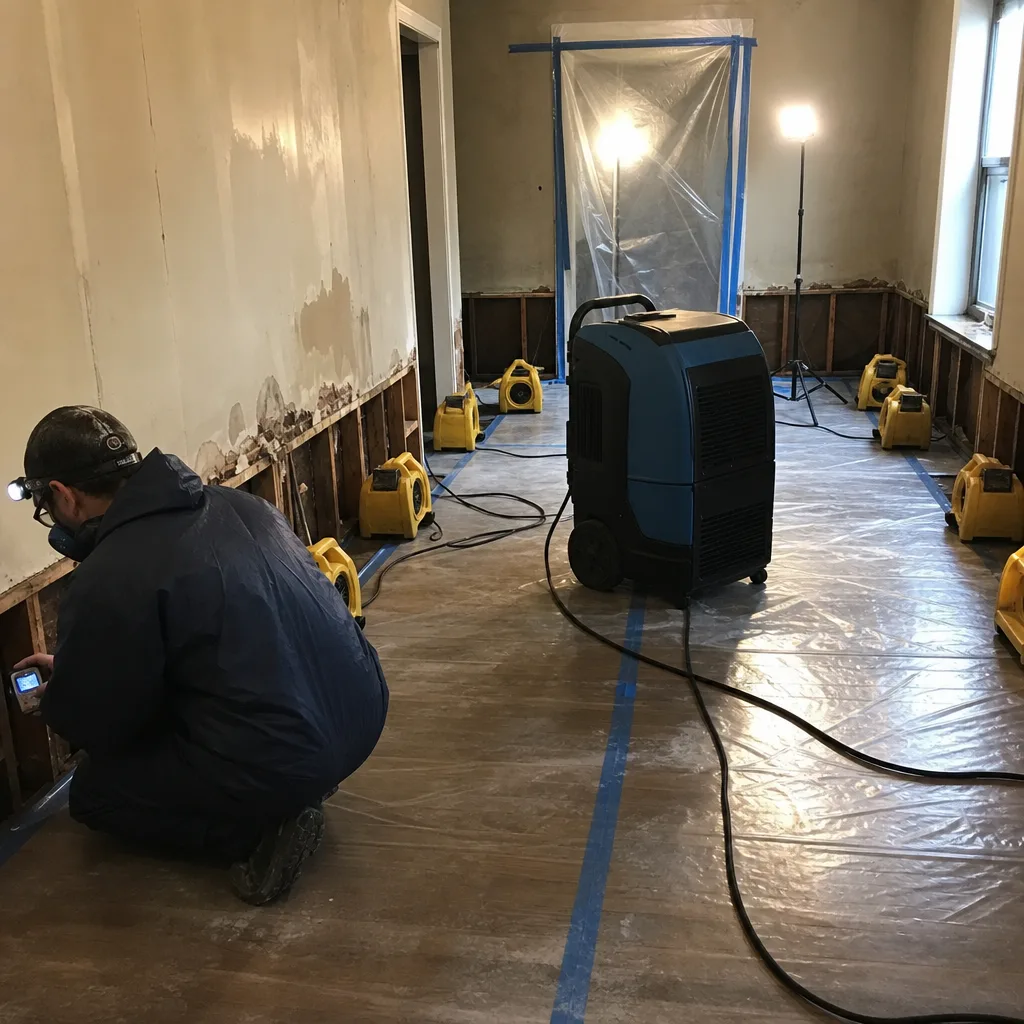
Infectious Disease Disinfection
For infectious disease exposures including MRSA, C. difficile, hepatitis, and COVID-19, we provide whole-room and whole-home disinfection using EPA-registered products appropriate for the specific pathogen. In University Gardens homes, we adjust application methods so disinfectants do not damage period finishes, original shellac, or soft woodwork. A generic spray-and-wipe approach can permanently mark a 90-year-old oak banister. We know how to disinfect without destroying.
What happens when you call
- 1
A real person answersNo phone trees - you reach a local pro.
- 2
You get an upfront price rangeHonest numbers before anyone is dispatched.
- 3
A background-checked tech heads outLicensed & insured, dispatched right away.
- 4
You approve before work beginsNothing starts until you say go.
Biohazard & Crime Scene Cleanup Costs in University Gardens, NY
Biohazard and crime scene cleanup in University Gardens generally runs higher than standard Nassau County pricing because the housing stock demands preservation-grade techniques. A contained trauma or unattended death cleanup in a single room typically runs $2,500 to $6,500. Hoarding cleanup across multiple rooms runs $4,000 to $15,000 depending on debris volume and hidden water damage. Infectious disease disinfection for a whole home runs $1,200 to $4,500. Blood cleanup in a contained area, including flooring and plaster treatment, runs $1,800 to $5,000. What moves the price: the number of affected rooms, whether original plaster or millwork requires specialist matching, and how far contamination traveled behind walls. Most homeowners find insurance covers a significant portion of biohazard remediation when the loss is sudden and accidental. The free visual inspection gives you a firm written scope before anything begins. Call (917) 924-4221 for an exact quote, free estimates included.
We Also Serve Cities Near University Gardens
Our crews regularly respond to biohazard and crime scene cleanup calls in the surrounding communities, including Fairview, Harrison, East Bronx, and Hunts Point. The same certified technicians, the same written guarantee, and the same preservation-first approach apply wherever we work.
University Gardens Biohazard & Crime Scene Cleanup Questions, Answered
How do you protect original plaster-and-lath walls and custom millwork during biohazard cleanup in a University Gardens pre-war home?
We set up containment before any work begins, use moisture mapping to identify exactly where contamination has traveled, and remove only saturated or contaminated material rather than cutting to uniform drywall dimensions. Adjacent millwork gets covered and protected, and any trim that must be removed for access is documented, labeled, and preserved for reinstallation or matching. Our crews understand that a 1930s plaster wall is not disposable, and our biohazard and crime scene cleanup team treats every period surface as irreplaceable. Call (917) 924-4221 to discuss your home’s specific materials.
What is the difference between category 1, 2, and 3 water in a University Gardens unattended death or hoarding cleanup?
Category 1 is clean water from a supply line or faucet. Category 2 contains significant contamination, such as water that has washed through a hoarded room or sat for more than 24 hours. Category 3 is grossly contaminated: blood, bodily fluids, sewage, or decomposition water. In a University Gardens pre-war home, water that starts as category 1 and saturates original lath and plaster for even a day often becomes category 2 or 3, which changes the required remediation and drying protocol. Call (917) 924-4221 and we’ll assess exactly what you’re dealing with.
Can you clean a hoarding situation in a University Gardens home without damaging the historic woodwork and plaster?
Yes. The key is sequencing: bulk debris removal first, then contamination assessment, then surgical removal of affected materials only. We do not gut rooms to studs as a default. Original oak flooring that has not absorbed contamination can be cleaned and retained. Baseboards and trim that must be removed come off carefully, with labeled locations for reinstallation. We work with local plasterers and millwork specialists who understand period construction. Call (917) 924-4221 for a free assessment of your hoarding cleanup scope.
How quickly can mold begin growing in a University Gardens crime scene where blood or fluids soaked into plaster?
Mold can begin colonizing within 24 to 48 hours in a Long Island North Shore climate, and University Gardens summer humidity shortens that window. Blood and bodily fluids are organic material, and when they soak into original plaster-and-lath walls, they create the same warm, moist, nutrient-rich environment mold needs. Our crews respond immediately, extract contaminated water, and get Dri-Eaz dehumidifiers and Phoenix air movers running on the first visit. Call (917) 924-4221 as soon as you know there’s a contamination issue.
What happens to the original oak flooring if it is contaminated during a biohazard incident in my University Gardens home?
Original oak flooring can often be saved if we reach it before contamination penetrates below the surface finish. Solid oak, common in 1920s to 1950s University Gardens homes, can be sanded and refinished if the contamination is surface-level. If fluids have soaked through to the subfloor, we remove only the affected boards, salvage what we can, and match the species, width, and grain pattern for replacement boards. A period home’s flooring is an asset we treat as such. Call (917) 924-4221 for a flooring-specific assessment.
How fast can a biohazard cleanup crew actually get to a University Gardens home?
Our standard response commitment is 45 minutes to University Gardens from the moment you call (917) 924-4221. A live dispatcher routes the nearest available crew immediately, and because we run 24/7 dispatch, that includes nights, weekends, and holidays. The sooner our containment goes up and extraction begins, the less contamination spreads into adjacent plaster walls and period finishes.
Will my insurance cover biohazard and crime scene cleanup in University Gardens?
Most homeowner policies cover biohazard cleanup when the triggering event is sudden and accidental: a crime, an unattended death, a burst supply line that caused contamination. Hoarding cleanup is sometimes covered if underlying water or fire damage is the proximate cause. We bill your carrier directly and send documentation from the first hour: photos, moisture logs, line-item scopes. You never play messenger between Floodline Restoration Co. and your adjuster. Call (917) 924-4221 and we’ll review your specific policy language with you.
Can my family stay in the home during biohazard cleanup?
That depends on the scope. For a contained single-room cleanup with full containment and HEPA air scrubbing running, the rest of the home is generally safe to occupy. For whole-home hoarding cleanup, infectious disease disinfection, or trauma scenes involving widespread contamination, we recommend alternative lodging until clearance. We will tell you straight what is safe, what is not, and why, based on air quality readings and contamination mapping, not guesswork. Call (917) 924-4221 for a site-specific answer.
Serving University Gardens, NY - Our Local Coverage Area
We’re based in the University Gardens area and know this community well. Use the map below to see our service coverage - if you’re nearby, we can almost certainly help.
Get a Free Biohazard & Crime Scene Cleanup Assessment in University Gardens
If you are dealing with a biohazard event in a University Gardens home, call (917) 924-4221 now. A live person answers, any hour of any day. We will dispatch a certified crew immediately, perform a free visual inspection, and put a written scope in your hands before any work begins. Our team is background-checked, uniformed, trained to IICRC, RIA, and IFA standards, and we handle everything from first response to final plaster repair and millwork matching. The 90-Day Done Right Promise applies to every job: if it is not done right, we make it right, in writing, no arguing. Our Biohazard & Crime Scene Cleanup team knows University Gardens homes, and we are ready to help you now.
Written by Curt Bowman, Owner at Floodline Restoration Co. of Manhattan, serving University Gardens with 24/7 emergency response.