
Free visual inspection and a written scope of work before any mitigation begins - photos, moisture readings, and drying logs go in your claim file
The scope we write is the scope we bill. Anything new gets shown to you, in writing, before we touch it.






 Before
 After
After Before
 After
After Before
 After
After24/7 Emergency Biohazard & Crime Scene Cleanup in Washington Heights
When a trauma, unattended death, or biohazard event occurs in Washington Heights, the cleanup cannot wait for regular business hours. Our certified crews are dispatched inside the Washington Heights area around the clock, and a live person answers at (917) 924-4221 no matter the hour. The first hour after a biohazard event determines how far fluids and pathogens can travel through shared wall cavities, original plaster, and cast iron drain stacks. We arrive, assess, and begin containment the same visit, because in a pre-war Washington Heights building, every hour of delay means more apartment units at risk.
Understanding Biohazard & Crime Scene Cleanup Severity in Washington Heights Properties
Washington Heights biohazard work starts with classification. Blood, bodily fluids, and decomposition byproducts are Category 3 contaminants under IICRC standards, requiring full PPE, negative air containment, and regulated disposal. In this neighborhood, severity is amplified by age: the 1910s to 1940s six- and seven-story walk-ups throughout Washington Heights have plaster walls over wood lath, original tongue-and-groove subfloors, and cast iron waste stacks that have been absorbing moisture for eighty to a hundred years. Fluids don’t just sit on a surface; they wick into plaster, follow joists, and travel down shared pipe chases. Odor binds to plaster and old wood. What would be a contained cleanup in a newer single-family home becomes a multi-unit environmental event here, requiring cross-unit inspection, air scrubbing, and often abatement coordination before restoration can legally proceed.
Why Washington Heights Property Owners Choose Floodline Restoration Co. of Manhattan
- Crews minutes away, not hours: Our trucks stage from the New York City dispatch desk and route directly into Washington Heights, aiming to have a certified team on site within 45 minutes of your call.
- A real person, 24/7: You’ll never get a recording. Live dispatchers answer at 2 a.m., because biohazard events don’t keep office hours and neither do we.
- IICRC-certified crews: Our technicians hold current certifications, including AMRT for applied microbial remediation and WRT for water damage restoration, matched to the work Washington Heights buildings actually need.
- Free visual inspection: We assess the scene before any work starts, with no charge and no obligation, so you know exactly what you’re facing.
- Direct insurance billing: We write the scope, document the loss, and bill your carrier directly. You don’t play messenger between us and the adjuster.
- One team, start to finish: Our Biohazard & Crime Scene Cleanup crew handles extraction, drying, deodorization, and the rebuild. No mid-job handoff to strangers.
Our Biohazard & Crime Scene Cleanup Process
Inspection & Assessment
We walk every affected room and any adjacent units we can access. Moisture mapping with thermal imaging and hygrometers shows where fluids have traveled inside walls and floors. We document everything photographically before touching anything.
Containment & Stabilization
Negative air pressure containment goes up before any demolition. HEPA air scrubbers run continuously to capture airborne pathogens. For shared drain stack involvement, we camera-scope the line before cleaning to stop recontamination.
Extraction & Removal
Affected materials, including saturated plaster, carpet, and subfloor sections, are removed under containment. Regulated biohazard waste is bagged, tagged, and disposed through licensed channels.
Structural Drying & Dehumidification
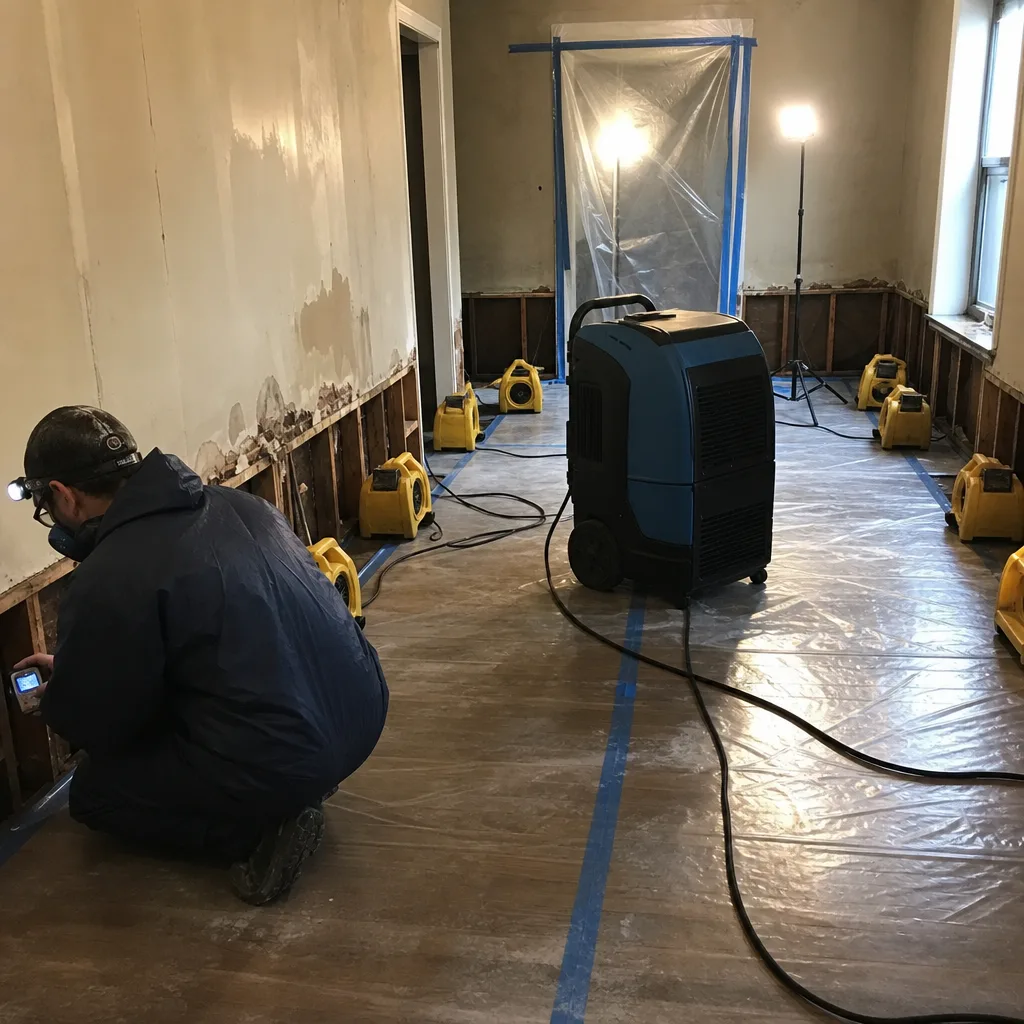
Dri-Eaz and Phoenix dehumidifiers paired with XPOWER air movers pull moisture from remaining structural materials. Daily moisture readings are logged until we hit the dry standard, and that log goes to you and your insurer.
Cleaning, Sanitization & Deodorization
Antimicrobial treatment is applied to all affected surfaces. Hydroxyl generators or ozone treatment, depending on the space, neutralize embedded odors. Every surface is tested before we consider the space cleared.
Repairs & Restoration
We rebuild what we removed: plaster, flooring, trim, paint. The same crew that opened the walls closes them. Finished work is backed by our 90-Day Done Right Promise in writing.
Need Emergency Biohazard & Crime Scene Cleanup in Washington Heights Now?
Crews minutes away, answering live 24 hours a day. The sooner we start, the less it costs.
Working With Your Insurance Company
Most biohazard and crime scene cleanup in Washington Heights is covered under homeowner or building insurance policies, though the claim path is messier when multiple apartments are involved. We’ve handled enough of these claims to know what adjusters need: time-stamped documentation from the first hour, industry-standard line items on the scope, and clear cause-and-effect evidence tying the loss to the covered peril. Our documentation package goes to the carrier while you focus on your family or your tenants. A Floodline Restoration Co. of Manhattan project manager communicates with the adjuster directly, so you’re not interpreting coverage language alone.
What We Provide Your Insurer
- Thorough documentation of the loss
- Photos of all damage, room by room
- Moisture readings and drying logs
- A detailed, line-item scope of work
- Direct coordination with your carrier
Built for Washington Heights’s Loss Calendar
Biohazard and crime scene events don’t follow a season, but Washington Heights does have a calendar of compounding factors. Winter freeze-thaw cycles strip mortar from pre-war brick facades facing the Hudson, opening paths for water that then accelerates decomposition inside wall cavities. Summer heat and humidity speed bacterial growth in any unit where a death goes undiscovered, turning a 48-hour odor problem into a week-long structural contamination issue. August vacations often mean vacant apartments, and a vacant apartment with a failing radiator or slow drain can become a discovery scene weeks later. Our crews work every season with the same equipment and the same protocol, but we know what each month in Washington Heights tends to bring.
Biohazard & Crime Scene Cleanup Across Washington Heights’s Neighborhoods
Washington Heights runs from the Harlem River at 155th Street up to Fort Tryon and Inwood beyond it. The response routes and building types change block by block. Around Wadsworth Avenue, the tenement-era walk-ups sit shoulder to shoulder, and shared drain stacks mean one apartment’s biohazard event can reach four floors within a day. East of Broadway toward Amsterdam Avenue, the Art Deco elevator buildings have thicker plaster walls and larger floor plates, which slows fluid migration but makes odor mapping harder because scent travels along central steam riser chases. Near 181st Street, the mix of commercial ground floors and residential units above means a cleanup often coordinates with multiple stakeholders: the deli owner, the residential tenant, and the building’s management company. Up by Fort Tryon Park and the Cloisters, the buildings are smaller but older, some dating to the 1910s, with original pipe chases that haven’t been opened in decades. Our dispatchers know these routes, and our crews know these floor plans.
One truth from Washington Heights that we’ve learned over hundreds of jobs: a biohazard event here is rarely a single-unit problem. In a neighborhood composed almost entirely of pre-war multi-family buildings, the 1910s to 1940s six- and seven-story walk-ups share cast iron drain stacks and steam risers designed a century ago. When fluids, odors, or pathogens enter those shared assemblies, they can cross floors within hours, and cleanup becomes a building-wide coordination problem. That’s why our Washington Heights crews set up containment before anyone opens a wall, why we camera-scope shared stacks before cleaning, and why we coordinate with building management, the landlord, and rent-stabilized tenants on every job where damage crosses a floor line.
When a third-floor tenant on Wadsworth Avenue passed away and wasn’t discovered for over a week, fluids had seeped into the ceiling cavity of the apartment below. Our crew set up negative air containment before cutting into the original plaster, ran moisture mapping to identify every saturated joist, and used HEPA air movers plus antimicrobial treatment in both units while coordinating with the building’s management and the rent-stabilized tenant below. We completed structural drying and deodorization without displacing either household.
Specialized Biohazard & Crime Scene Cleanup Services We Offer in Washington Heights
Trauma & Unattended Death Cleanup
In Washington Heights pre-war apartments, decomposition fluids don’t stay on the floor. They wick into wood subflooring, follow joists, and can reach the ceiling plaster of the unit below within days. We handle the full scope: containment, removal, structural drying, and deodorization that reaches every cavity the fluids touched.
Blood & Bodily Fluid Cleanup
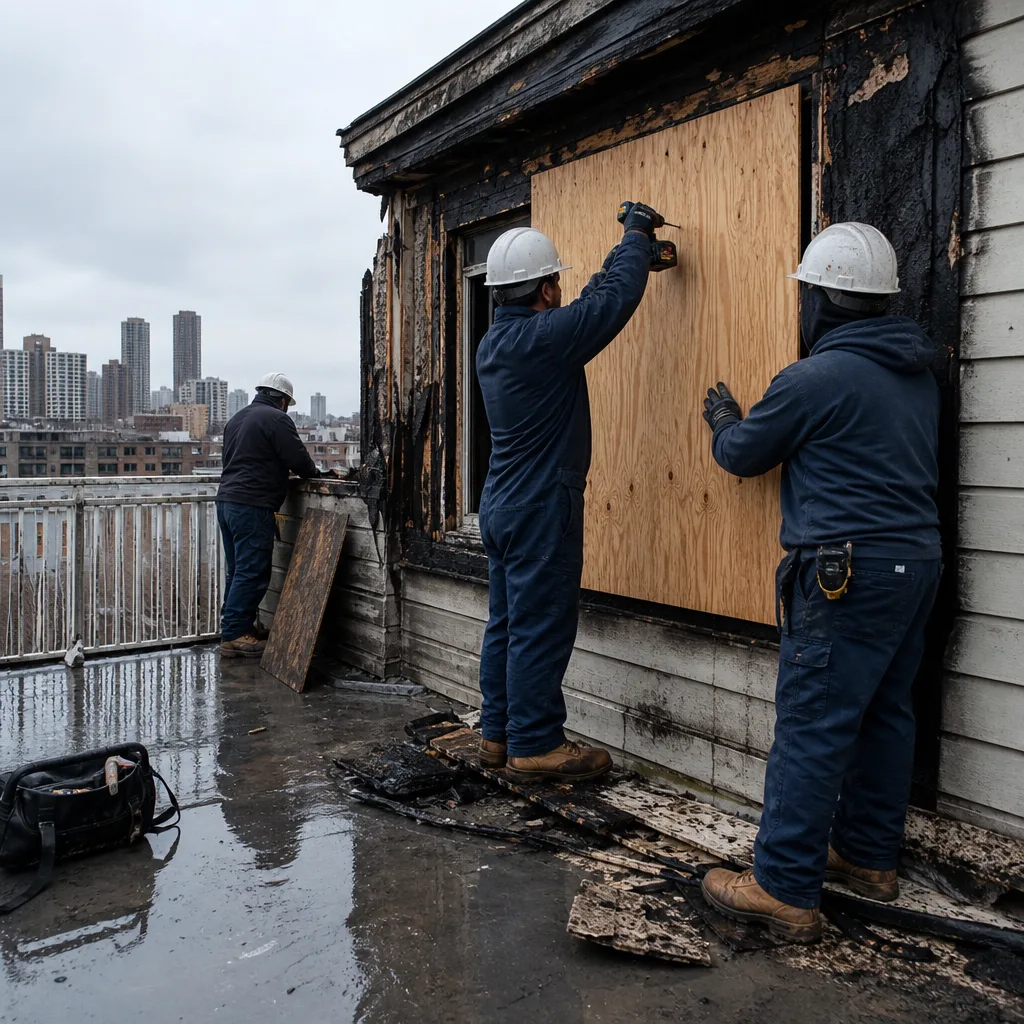
Blood is a Category 3 biohazard. On original wood floors and plaster walls common throughout Washington Heights, it seeps past the surface quickly. We remove saturated material under containment, treat the surrounding structure with antimicrobials, and verify clearance before we call the job done.
Hoarding Cleanup
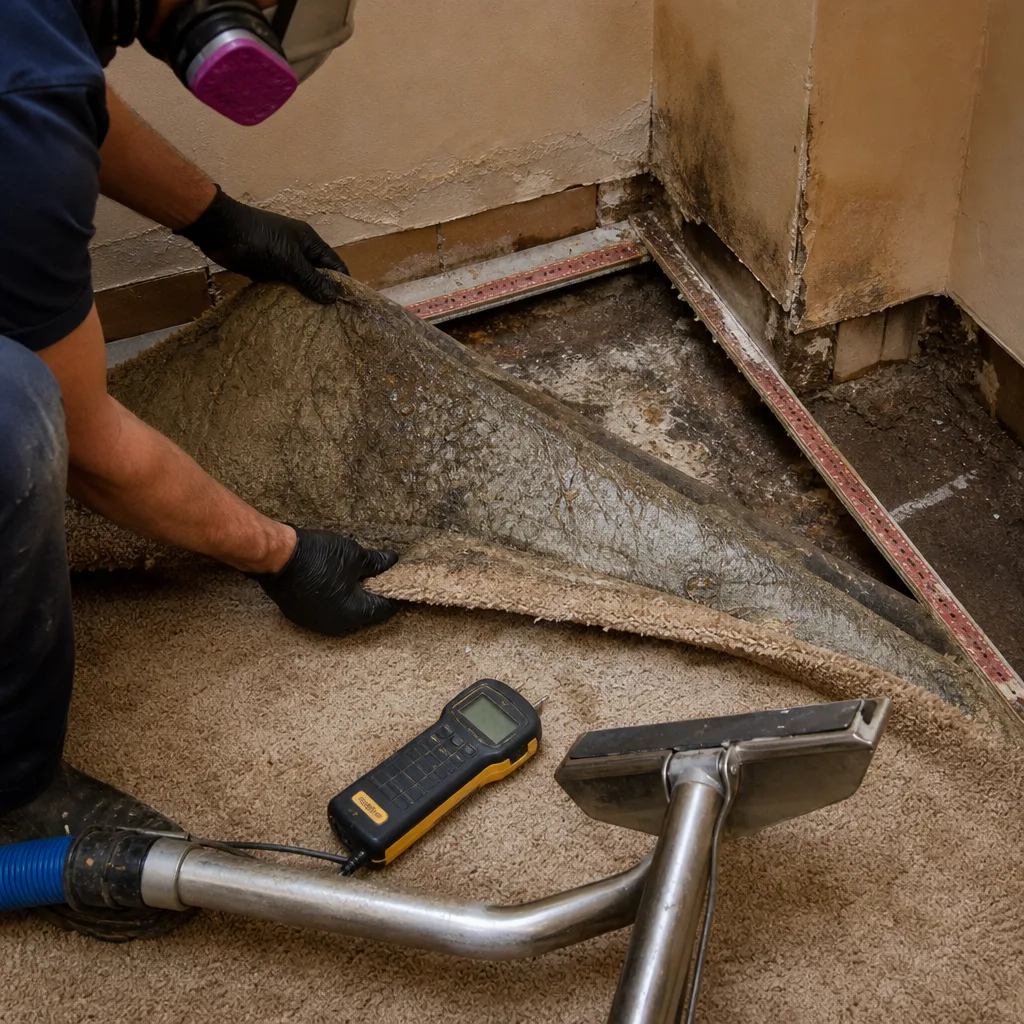
Hoarding conditions in a Washington Heights walk-up create layered hazards: biohazard contamination under the clutter, structural loading on old floor joists, and fire risk. We clear, sort according to what family wants kept, remediate what’s underneath, and deodorize the entire unit, working with building management when shared spaces are affected.
Infectious Disease Disinfection
We apply hospital-grade disinfectants using electrostatic sprayers and HEPA air scrubbing, covering every high-touch surface in the affected Washington Heights unit. Our protocols follow IICRC and RIA standards for contamination control, with verification before the space is cleared for re-entry.
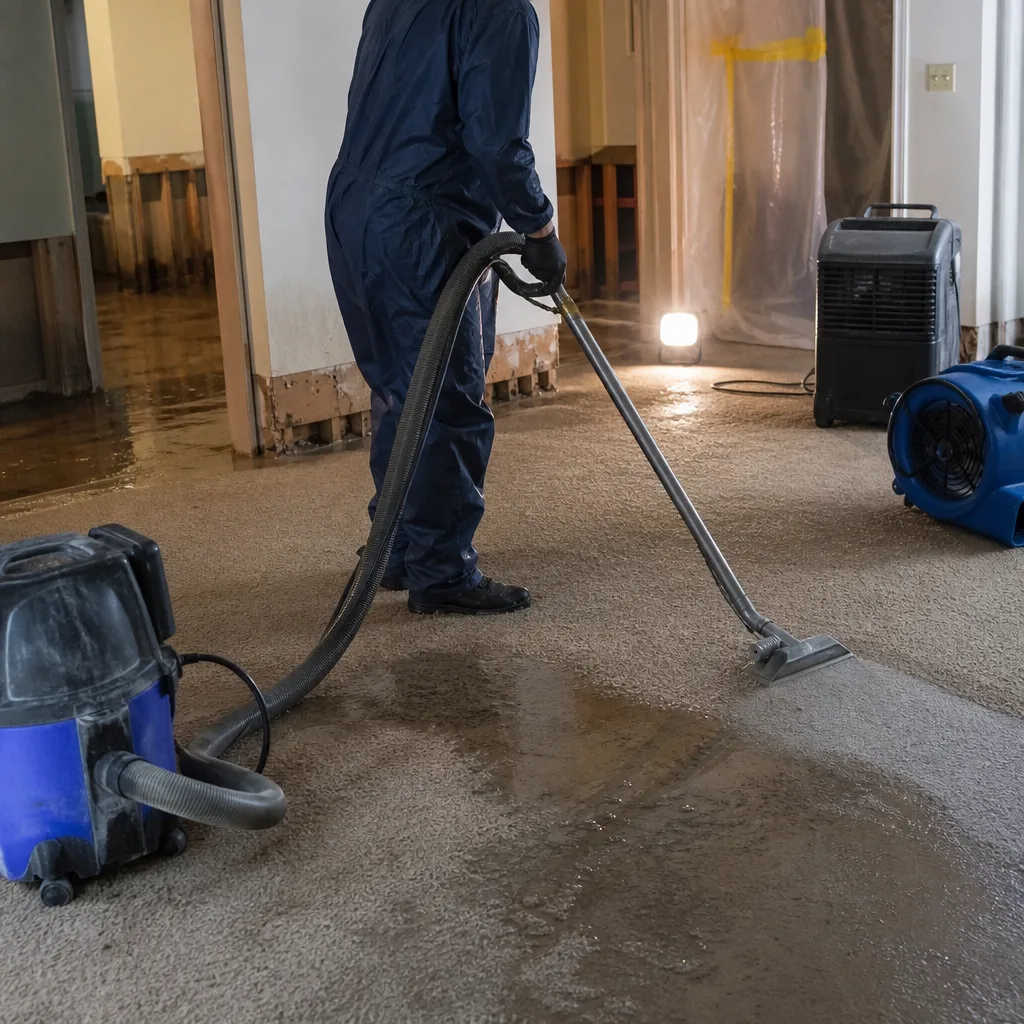
Hoarding Cleanup
Over years, hoarding conditions in a pre-war Washington Heights apartment can hide animal waste, mold, and structural decay. We remove, sort, remediate, and restore while treating the resident and family with the respect this situation deserves. Building management coordination and direct insurance billing are part of every job.
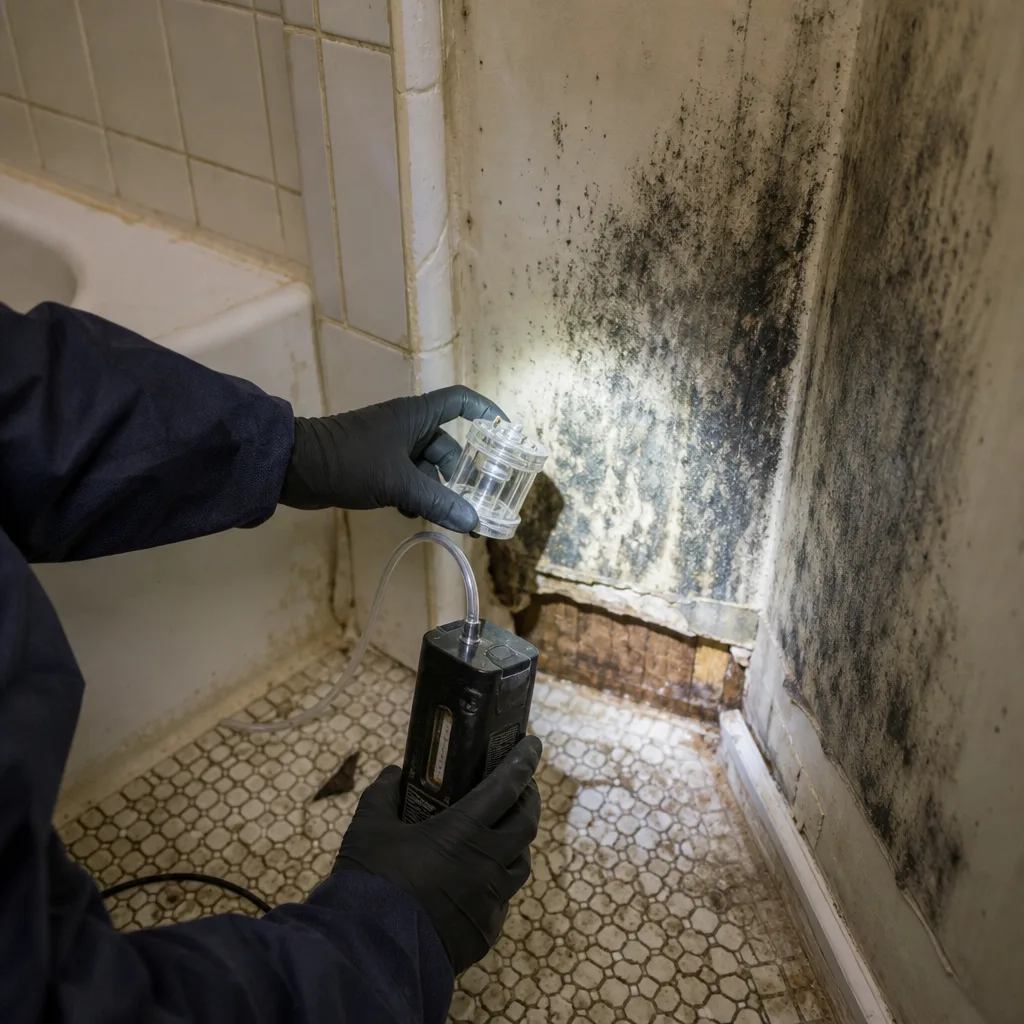
What happens when you call
- 1
A real person answersNo phone trees - you reach a local pro.
- 2
You get an upfront price rangeHonest numbers before anyone is dispatched.
- 3
A background-checked tech heads outLicensed & insured, dispatched right away.
- 4
You approve before work beginsNothing starts until you say go.
Biohazard & Crime Scene Cleanup Costs in Washington Heights, NY
In Washington Heights, a straightforward trauma scene cleanup in a single apartment typically runs $2,800 to $6,500, depending on the square footage affected and how far fluids have migrated. Unattended death cleanup, where decomposition has advanced and odors have saturated walls and subflooring, commonly lands between $5,000 and $12,000. Hoarding cleanup spans wider, from $3,500 for a small one-bedroom to $20,000 or more for a multi-room condition with structural damage. Infectious disease disinfection of a single Washington Heights apartment usually falls between $1,200 and $3,800. What moves these numbers: cross-unit contamination, presumed asbestos or lead abatement, shared drain stack involvement, and the number of floors affected. Most biohazard claims are covered by property insurance, and we bill the carrier directly. Call (917) 924-4221 for a free visual inspection, and we’ll give you a written line-item scope before any work begins, with no surprises on the bill.
We Also Serve Cities Near Washington Heights
Our crews regularly cross the Harlem River and the Cross Bronx for jobs in East Bronx and Hunts Point, and we run north for work in Fairview and Harrison. Wherever you are, the same live-answer dispatch, the same certified crews, and the same written guarantee apply.
Serving Washington Heights, NY - Our Local Coverage Area
We’re based in the Washington Heights area and know this community well. Use the map below to see our service coverage - if you’re nearby, we can almost certainly help.
Washington Heights Biohazard & Crime Scene Cleanup Questions, Answered
How does Washington Heights’ older housing stock change a biohazard cleanup timeline?
The 1910s to 1940s construction adds days, not hours, to most jobs. Original plaster and wood lath hold moisture and odor, so removal and drying take longer than in drywall-and-plywood construction. Presumed asbestos and lead require testing and abatement before any wall openings, which can add one to three days of pre-work coordination. A single-unit cleanup in a newer building might finish in one day; the same event in a Washington Heights walk-up often takes three to five days when cross-unit containment and abatement are involved.
Can you clean a trauma scene in one apartment without disturbing the rent-stabilized units above and below?
We can contain the work to the affected unit when fluids haven’t traveled. But if decomposition has seeped through the subfloor into the ceiling below, or backup has entered the shared stack, access to adjacent units becomes necessary. We coordinate directly with building management and tenants, using negative air containment and HEPA scrubbing so the work we do in one unit doesn’t create exposure in another. Housing court access orders are sometimes needed; we know that process in Washington Heights and handle it without leaving you to manage it alone.
What happens if body fluids have leaked into the cast iron drain stack shared by multiple floors?
We camera-scope the stack before cleaning anything. If biohazard material has entered the shared cast iron line, we coordinate with building management to schedule stack cleaning and decontamination, because any remaining pathogen load can re-enter the affected apartment within days. This is one of the most common complications in Washington Heights pre-war buildings, and it’s a step national franchises often miss. We don’t.
Does Washington Heights require different containment than a single-family home for a hoarding cleanup?
Yes. In a single-family home, containment seals the interior from the outside. In a Washington Heights walk-up, containment also seals the unit from shared hallways, stairwells, and neighboring apartments, because air travels along common corridors and through old walls. We run negative air pressure and HEPA scrubbing at the unit doorway and any shared wall penetrations, protecting neighbors while we work. Building management coordination for shared-space access is standard.
How quickly can mold start after an unattended death in a pre-war Washington Heights apartment?
Mold can begin colonizing within 48 to 72 hours of a death, particularly in summer when heat and humidity are high. In Washington Heights, where many apartments lack central air conditioning and rely on window units or nothing at all, late-spring and summer unattended deaths accelerate mold growth faster than in climate-controlled buildings. That’s why same-visit containment and drying matter: by the time odor is noticed, the mold clock has usually been running for days already.
How fast can you actually get to a Washington Heights address?
Our crews routinely reach Washington Heights addresses within 45 minutes of dispatch, depending on traffic across the 155th or 181st Street bridges. The call goes to a live dispatcher immediately, and a certified team is routed to you in the same call. We don’t put you in a queue or have a service call you back in the morning.
Will my insurance cover biohazard cleanup in a Washington Heights rental building?
Most property insurance policies include coverage for biohazard remediation and crime scene cleanup, including when the loss occurs in a rental unit you own. Coverage specifics depend on your policy’s named perils and the cause of loss, but unattended death and trauma cleanup are generally covered under standard HO-3 and landlord policies. We document everything from the first hour, write the scope in adjuster-ready format, and bill your carrier directly.
What should I do in the first 30 minutes after discovering a biohazard scene in Washington Heights?
Close the door to the affected area and keep people and pets out. Don’t touch anything or attempt to clean it yourself: blood and bodily fluids carry bloodborne pathogens, and disturbing the scene spreads contamination. Call (917) 924-4221 first, then your insurance company. Our dispatcher will walk you through what to do while the crew is on the way.
Written by Curt Bowman, Owner at Floodline Restoration Co. of Manhattan, serving Washington Heights with certified biohazard and crime scene cleanup, backed by the 90-Day Done Right Promise in writing.