
Free visual inspection and a written scope of work before any mitigation begins - photos, moisture readings, and drying logs go in your claim file
The scope we write is the scope we bill. Anything new gets shown to you, in writing, before we touch it.
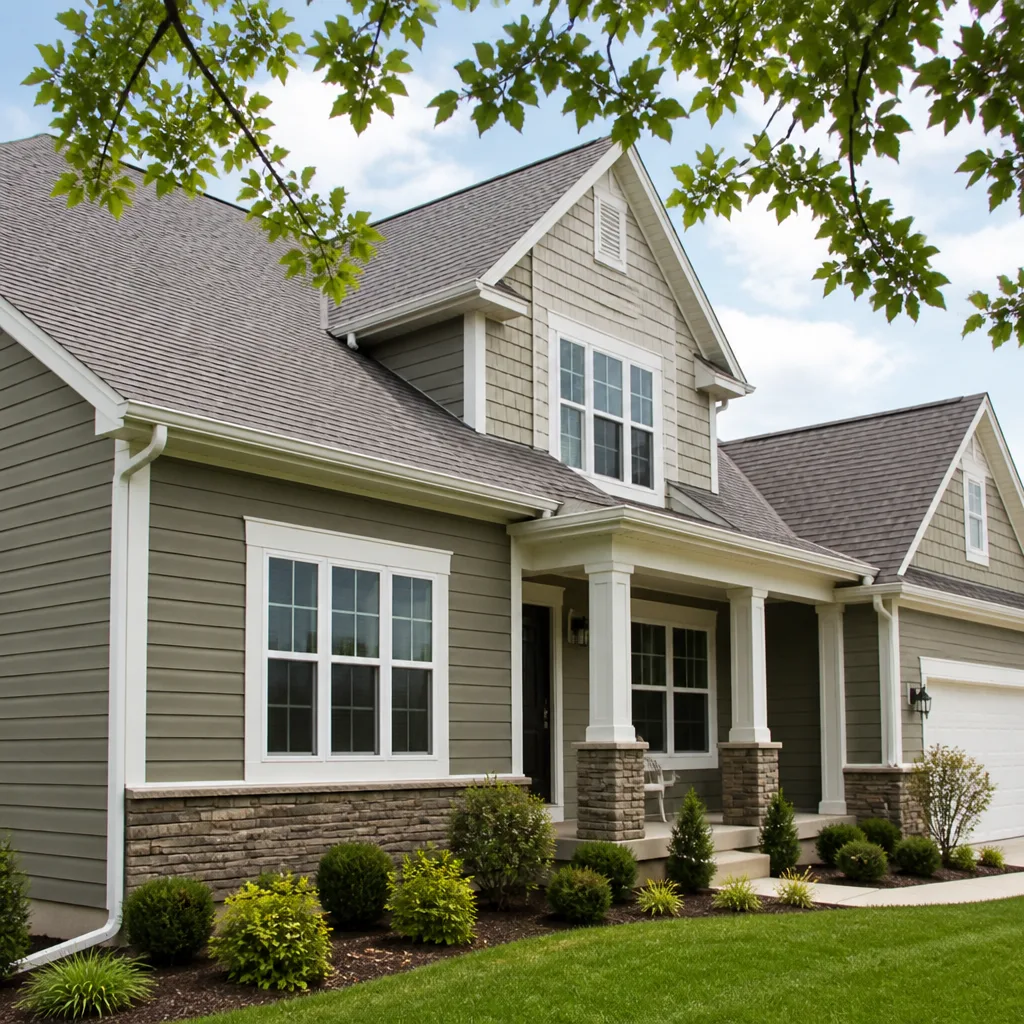
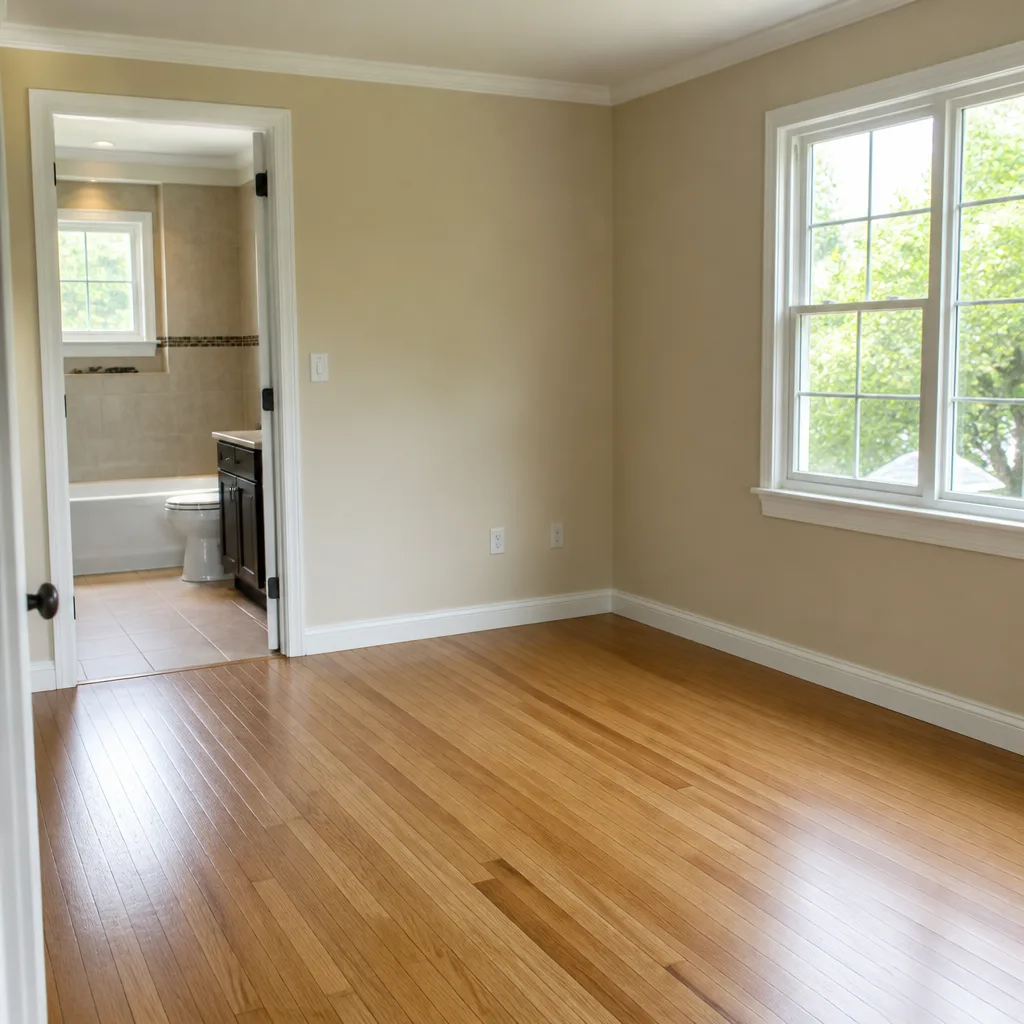
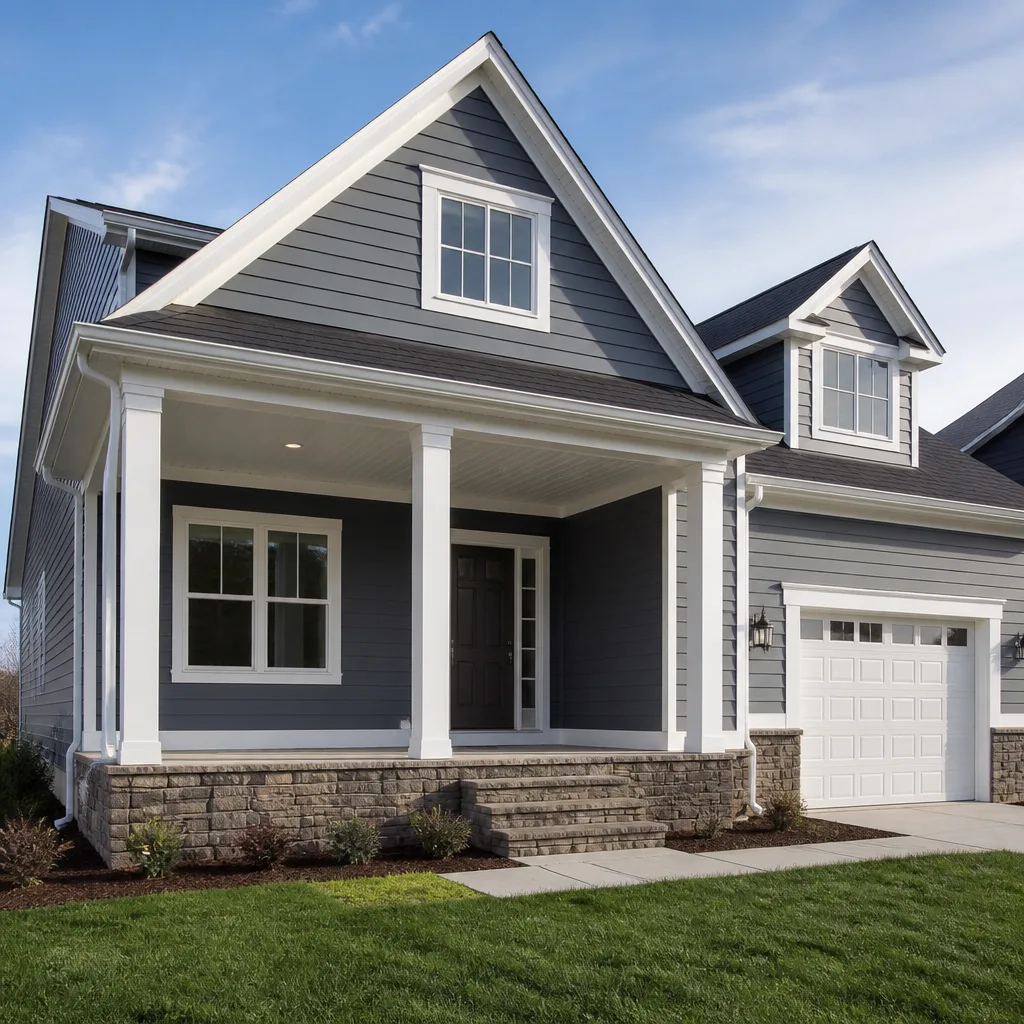
 Before
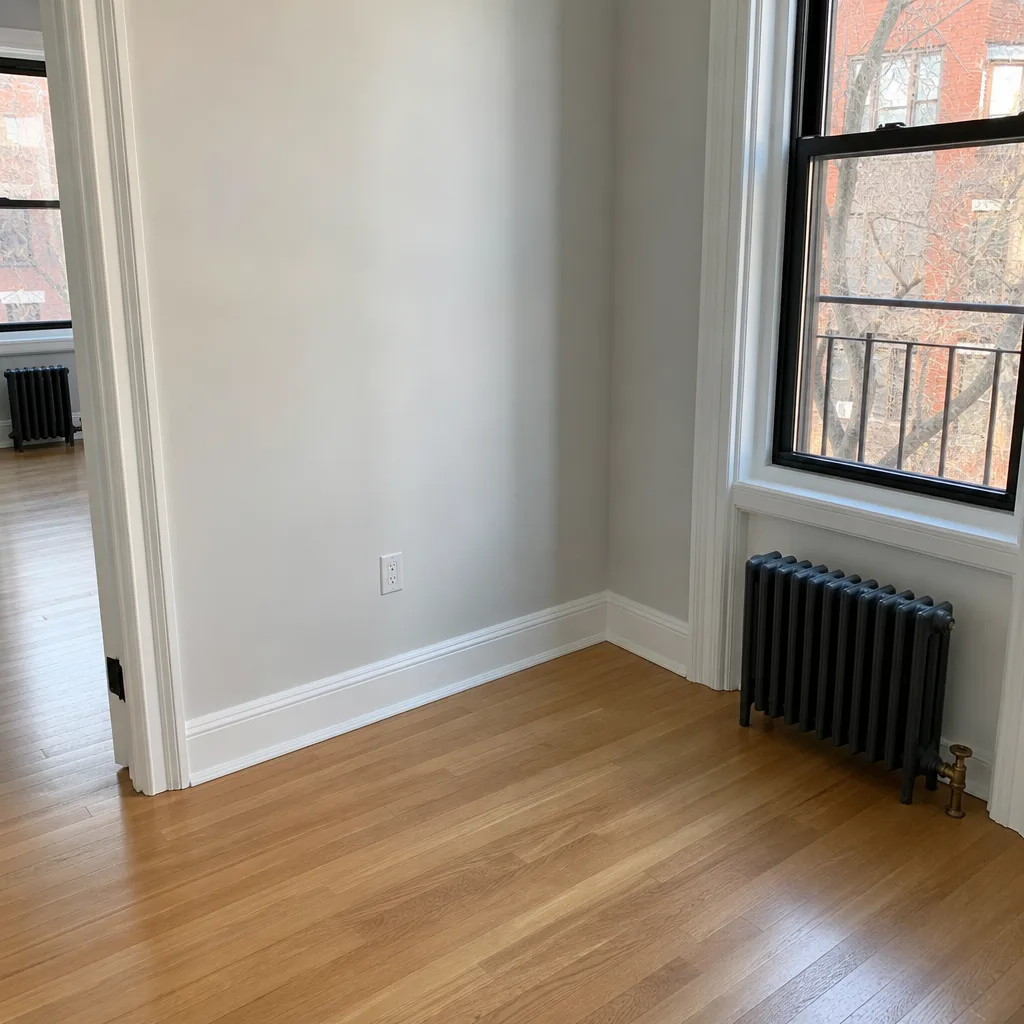 After
After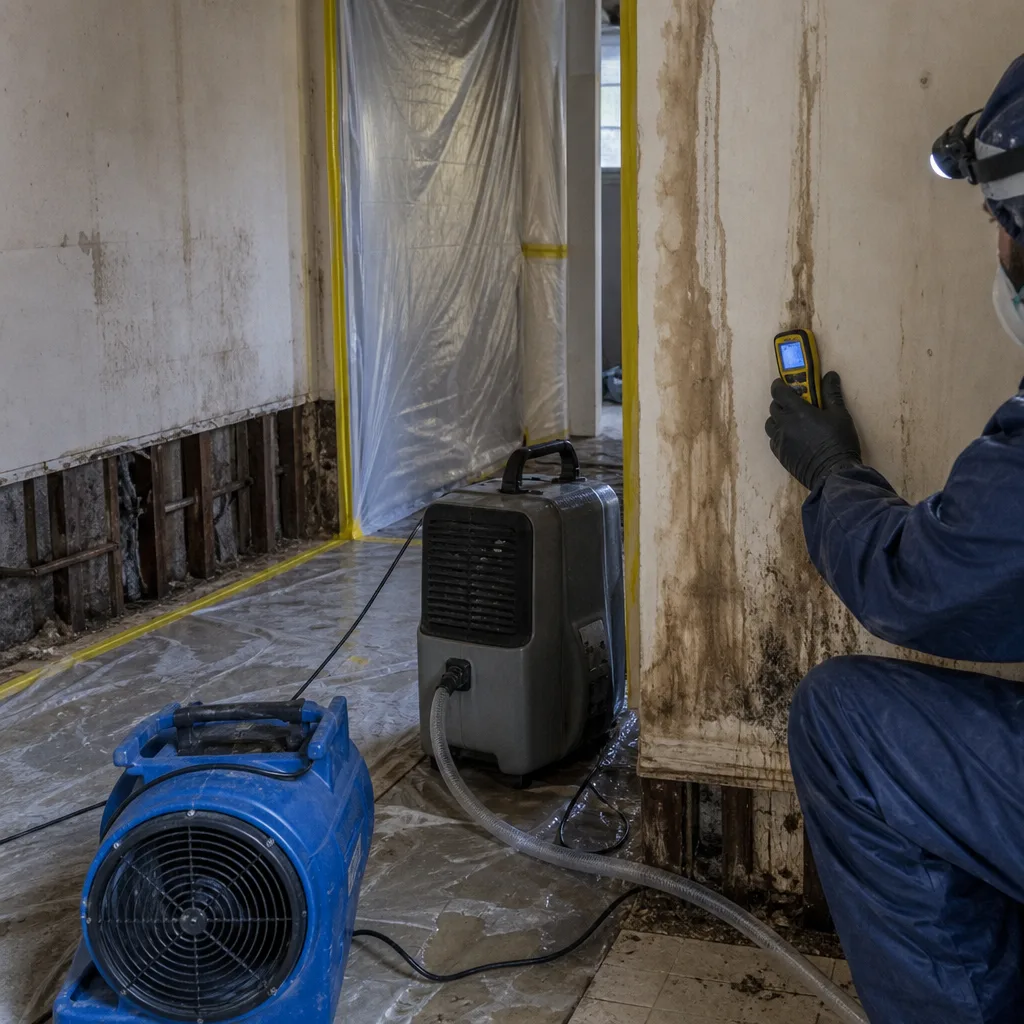 Before
 After
After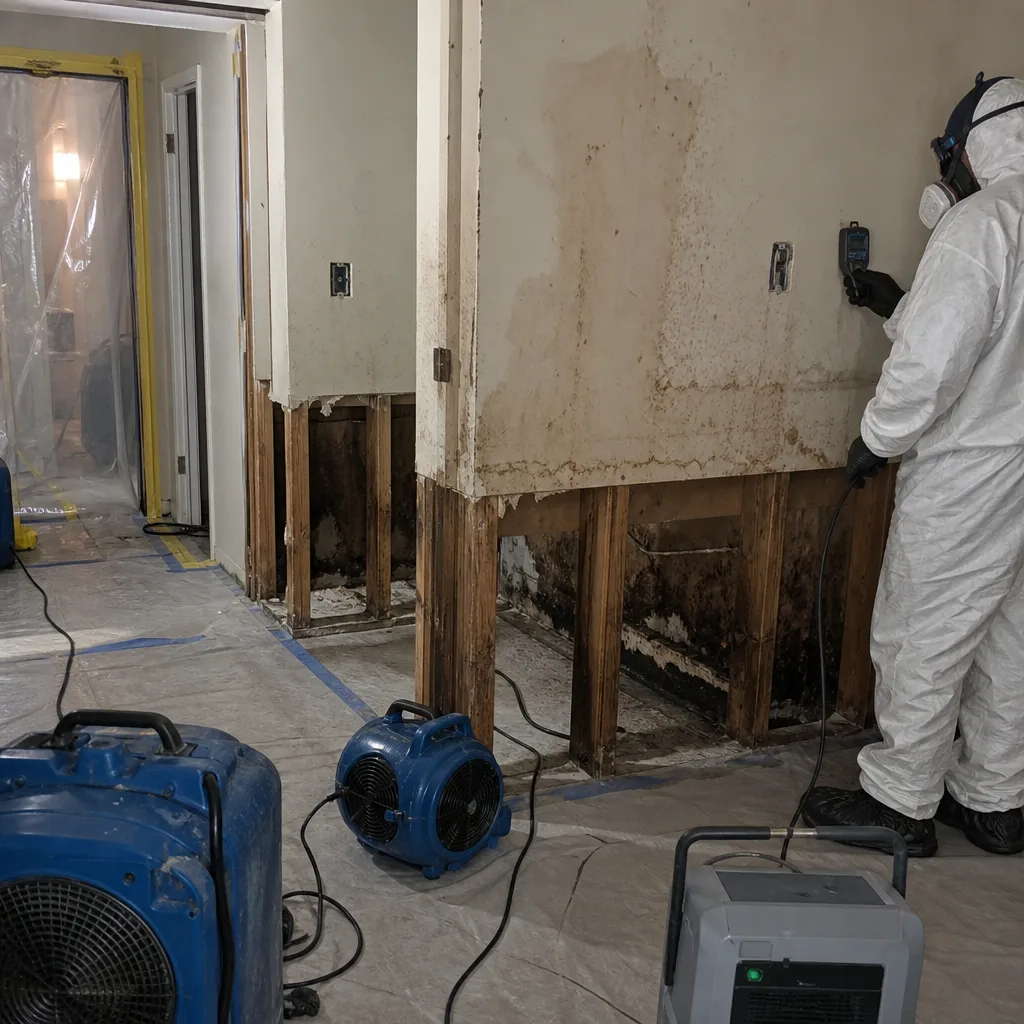 Before
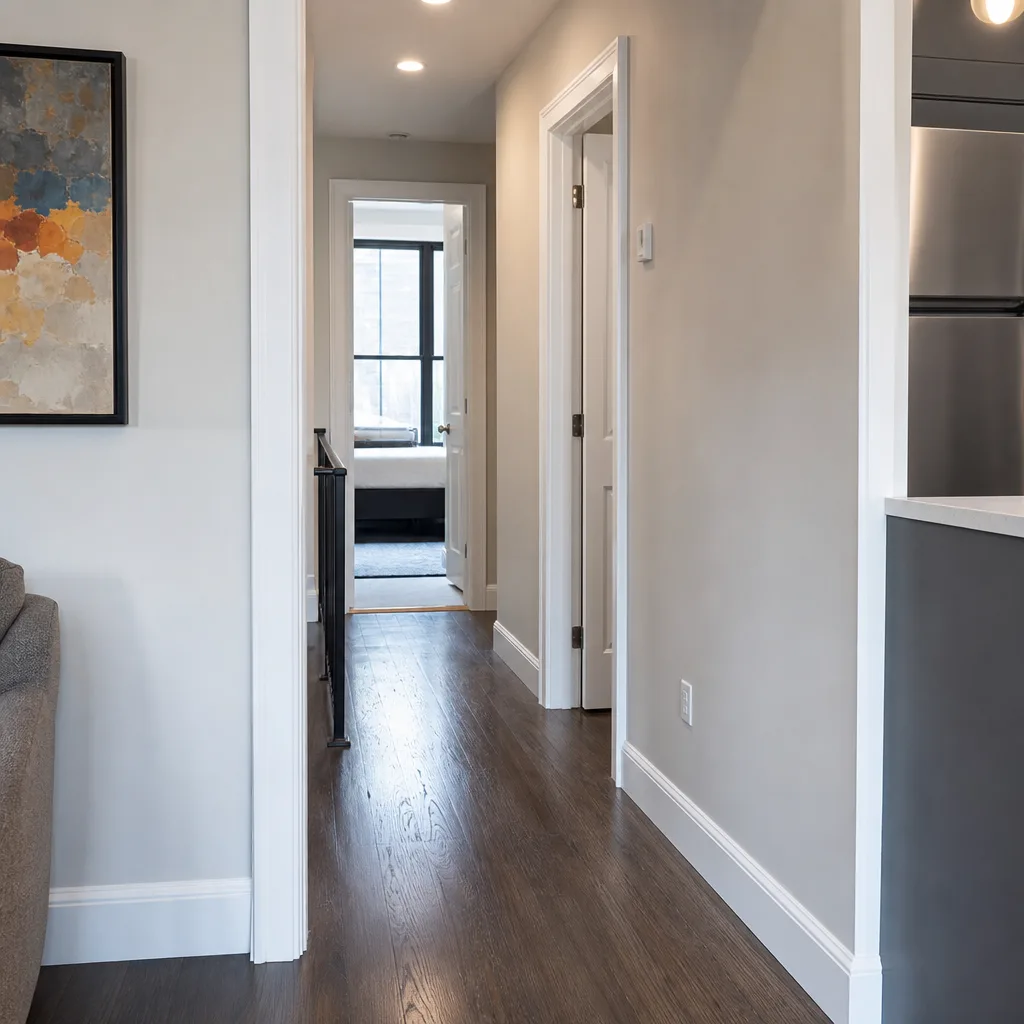 After
After24/7 Emergency Sanitization Services in Washington Heights
We answer the phone at two in the morning. A live dispatcher, every time, not a recording. When sewage water has moved through three floors of a pre-war walk-up on 187th Street, you need a crew that treats the building the way it was built: plaster walls, cast iron stacks, and all. Floodline Restoration Co. of Manhattan runs sanitization crews into Washington Heights around the clock, every day of the year. Call (917) 924-4221 and a certified technician will be on site within 45 minutes for a free visual inspection. The first hour determines whether original plaster and oak flooring get saved or torn to the studs. Sanitization has to start before mold has time to bloom, and in a building where steam risers carry moisture through every apartment, timeline is everything.
What happens when you call
- 1
A real person answersNo phone trees - you reach a local pro.
- 2
You get an upfront price rangeHonest numbers before anyone is dispatched.
- 3
A background-checked tech heads outLicensed & insured, dispatched right away.
- 4
You approve before work beginsNothing starts until you say go.
Understanding Sanitization Services Severity in Washington Heights Properties
Sanitization in Washington Heights rarely means spraying a room and walking away. The neighborhood’s 1910s to 1940s walk-ups and Art Deco elevator buildings share plumbing cores: one cast iron drain stack serves five or six stacked units. When a toilet backup or a corroded waste line releases Category 3 water, the contamination travels down the pipe chase, through the neighbors’ ceilings, and into the baseboards. Category 3 is grossly contaminated, water with sewage, bacteria, and pathogens. Category 2 comes from washing machine overflows or sump failures; it gets treated quickly but still needs antimicrobial work. Category 1 is clean supply water from a burst pipe, though in a 1938 building with decades of dust in the joist bays, even that picks up surface contamination by the time it reaches ceiling plaster. In these buildings, we run thermal imaging before we cut anything, because the moisture path rarely follows the visible stain. Then we contain the affected area with 6-mil poly, run HEPA-filtered air scrubbers, and apply antimicrobial treatment to every surface the moisture touched. The goal is never just dry, it is dry to the pre-loss condition the building had before the water found a way through.
Why Washington Heights Property Owners Choose Floodline Restoration Co. of Manhattan
- 45-minute response commitment: We dispatch from our New York City office and reach Washington Heights within the hour. The window to stop microbial growth is measured in hours, not days.
- 24/7 live answer: A real person picks up. Since 2010, Curt Bowman has run the company around a dispatch board, not a sales desk. No answering service, no callback wait.
- IICRC-certified crews: Technicians hold WRT, FSRT, and AMRT certifications from organizations including the RIA and IFA. They are background-checked and uniformed before they step into your building.
- Free visual inspection: Before any work starts, we walk the affected apartments, read the moisture with thermal imaging and hygrometers, and give you a written scope. No work begins until you see the number and approve it in writing.
- Direct insurance billing: We send your carrier the full documentation package and speak with the adjuster ourselves. You do not play messenger between Floodline and the insurance company.
- One team from extraction to reconstruction: The same crew that sets containment handles the drying, the antimicrobial treatment, the deep disinfection, and the finished rebuild. No handoff, no inherited subcontractor.
Our Sanitization Services Process
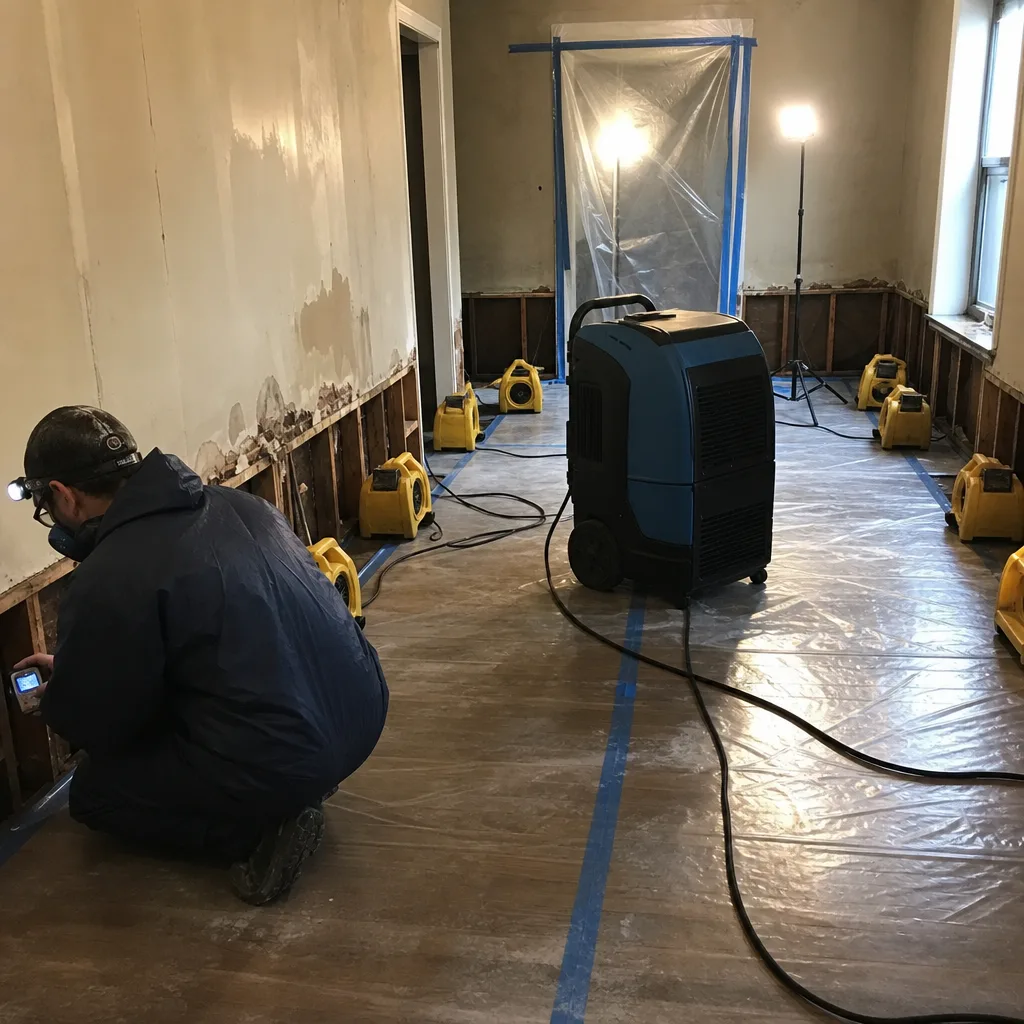
Inspection & Assessment
We start with a full visual walkthrough and thermal imaging. In pre-war buildings, we check the cast iron stacks and steam risers behind the wet walls. You get a written assessment and a firm scope before any tear-out starts.
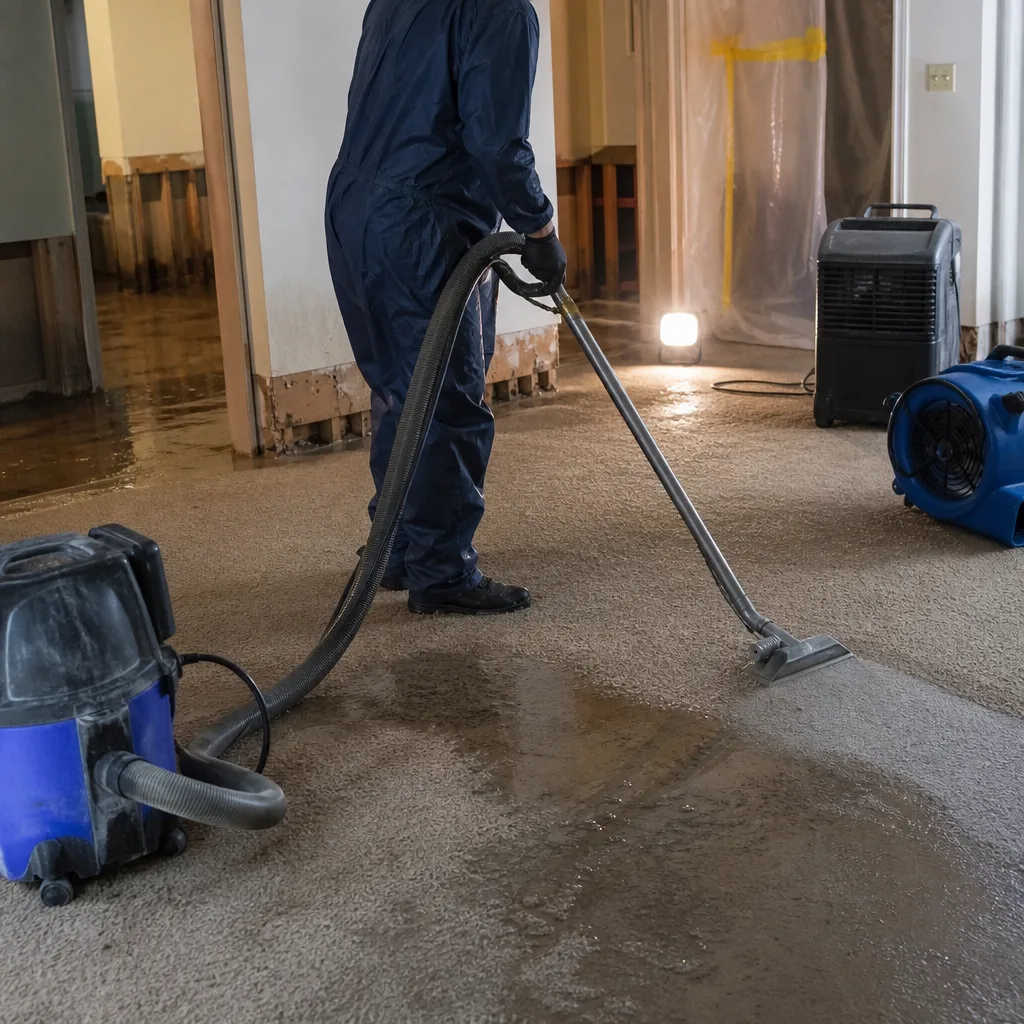
Extraction/Stabilization
Standing water comes out with truck-mounted extractors and XPOWER pumps. Contaminated materials are bagged and removed under containment. If asbestos pipe insulation is present, we coordinate with the abatement contractor before touching those sections.
Drying & Dehumidification
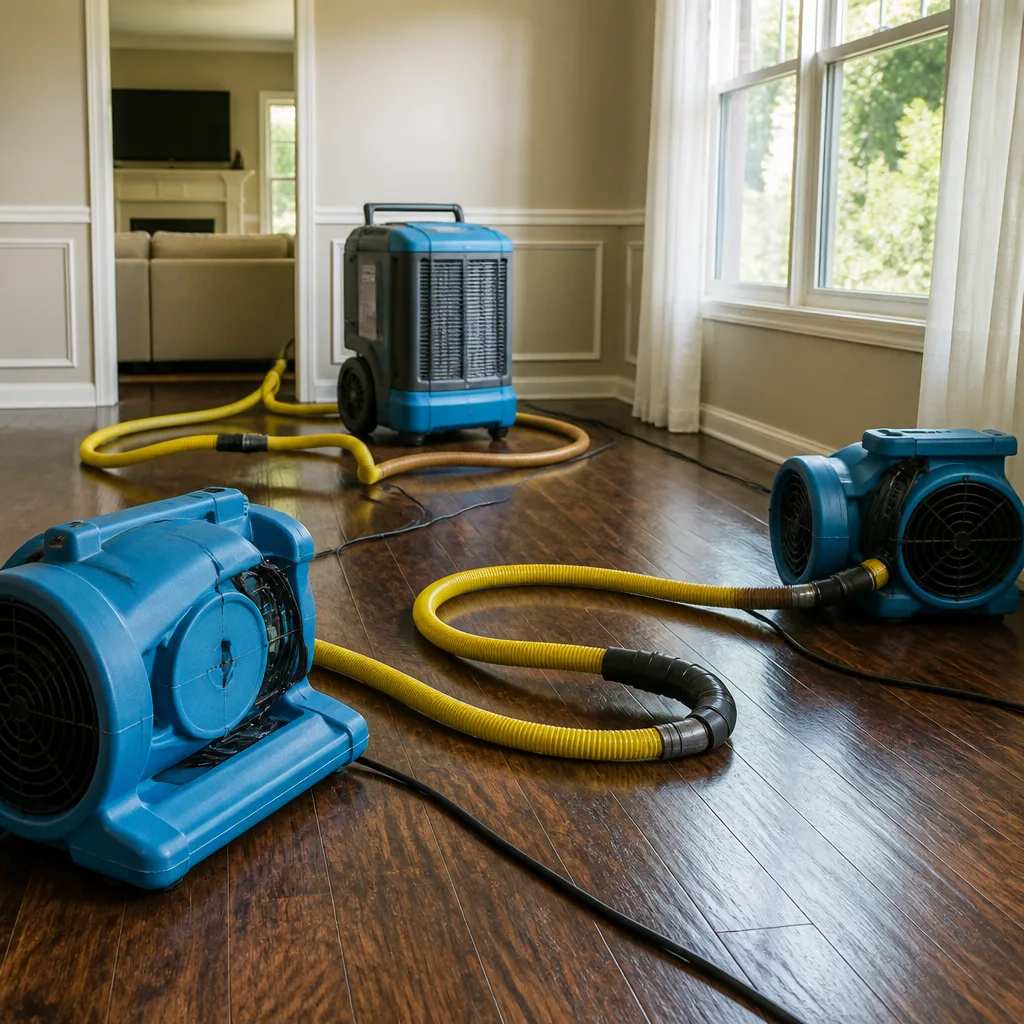
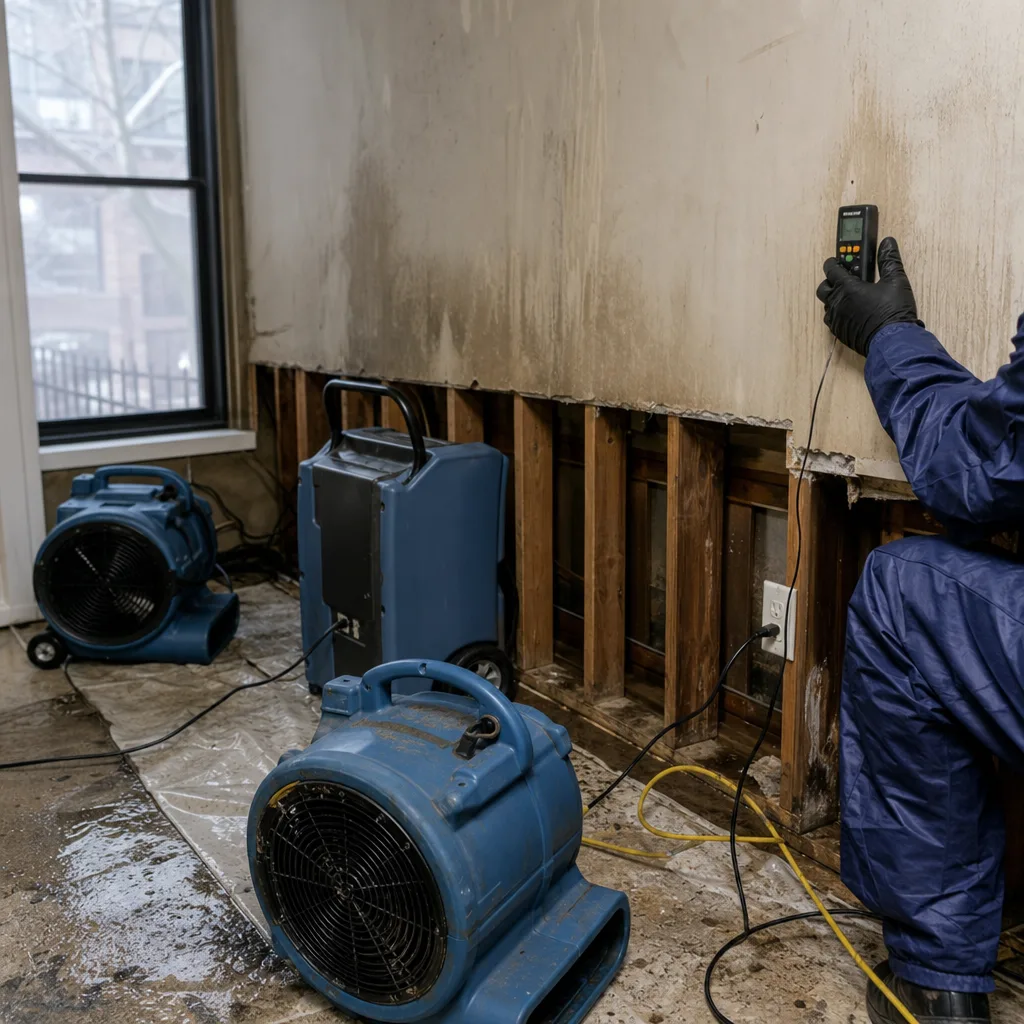
Dri-Eaz dehumidifiers and Phoenix air movers run inside the containment. Daily hygrometer readings go into a drying log that gets shared with you and your carrier. We do not stop until moisture levels return to pre-loss condition.
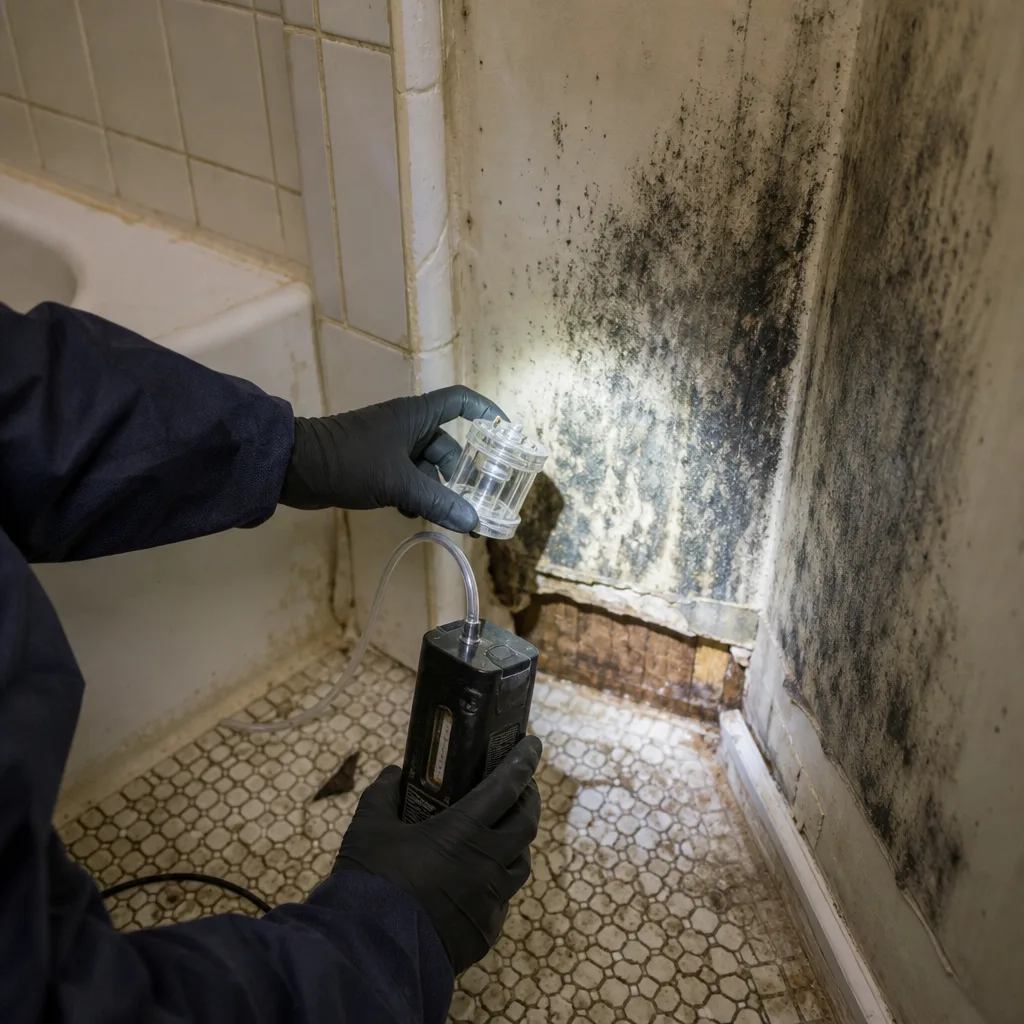
Cleaning & Sanitization
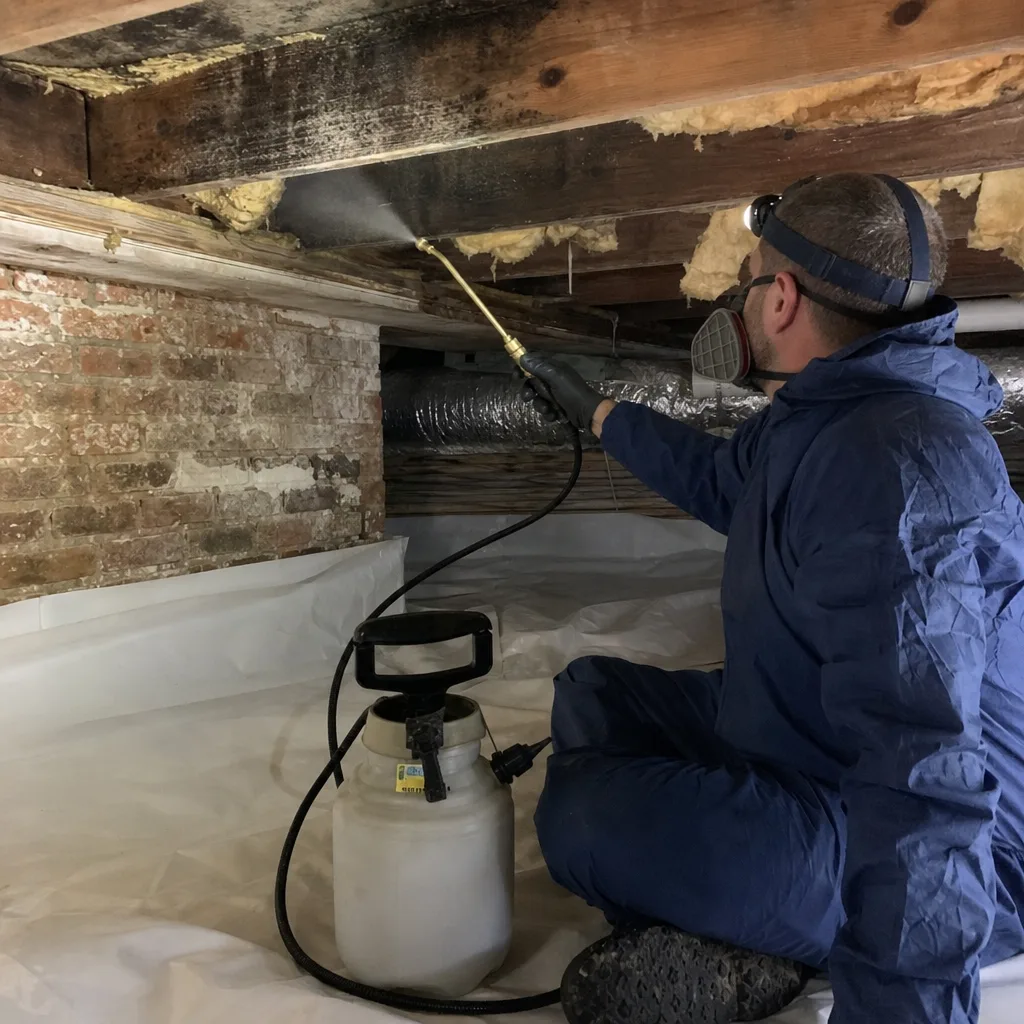
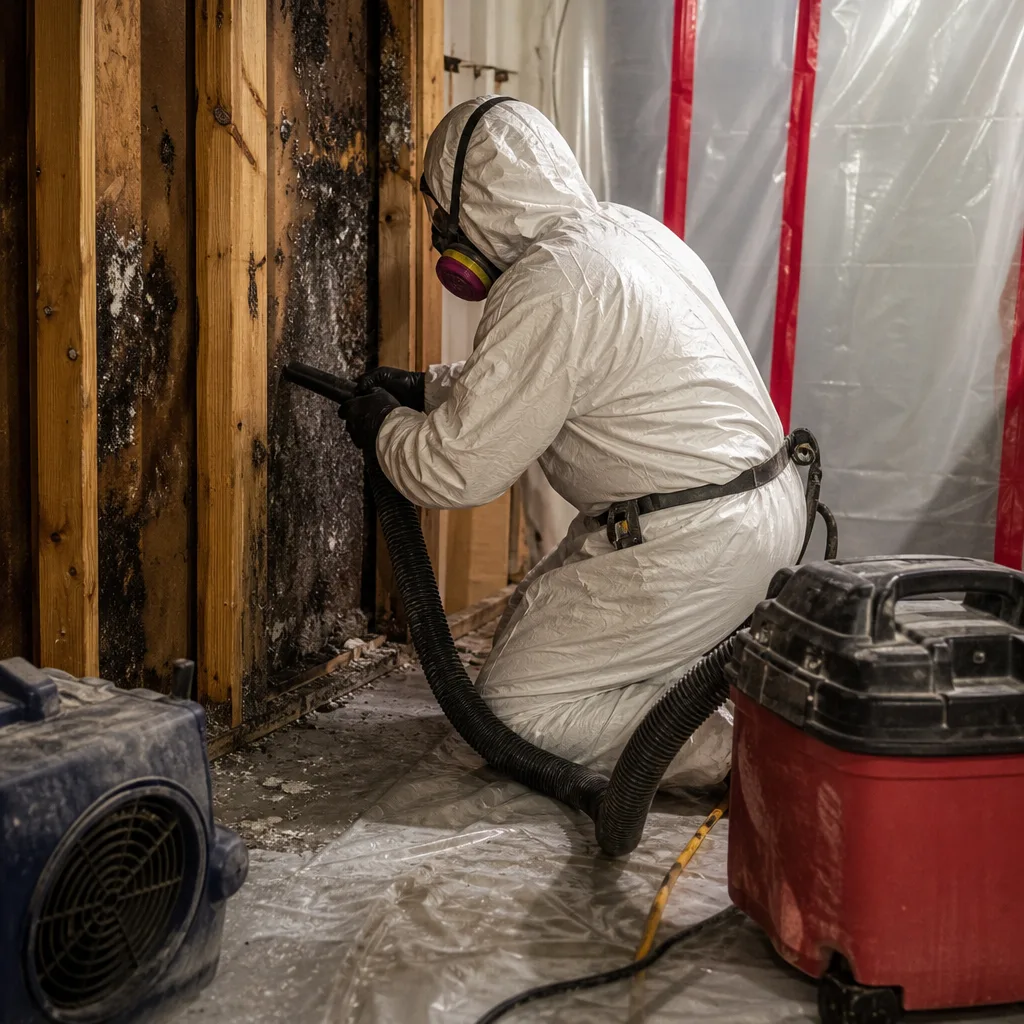
Antimicrobial treatment over every affected surface, followed by HEPA air scrubbing. For sewage losses from cast iron stack failures, this is non-negotiable. Category 3 water leaves pathogens behind even after the surface looks dry.
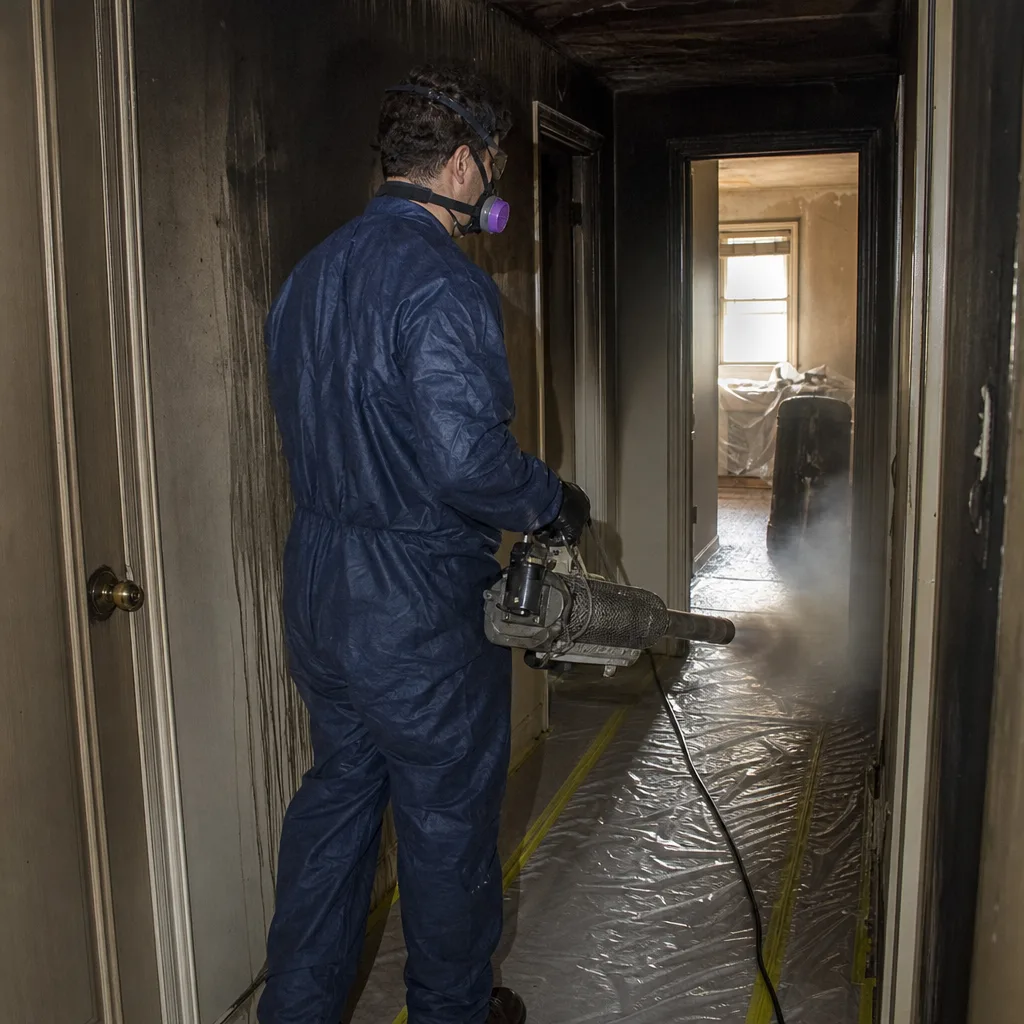
Commercial-Grade Fogging & Odor Neutralization
For Category 3 losses and smoke crossover, we run ULV fogging with EPA-registered antimicrobial and odor-neutralizing agents. The fog reaches pipe chases and joist bays where wiping cannot. Odor is neutralized at the source, not masked.
Repairs & Restoration
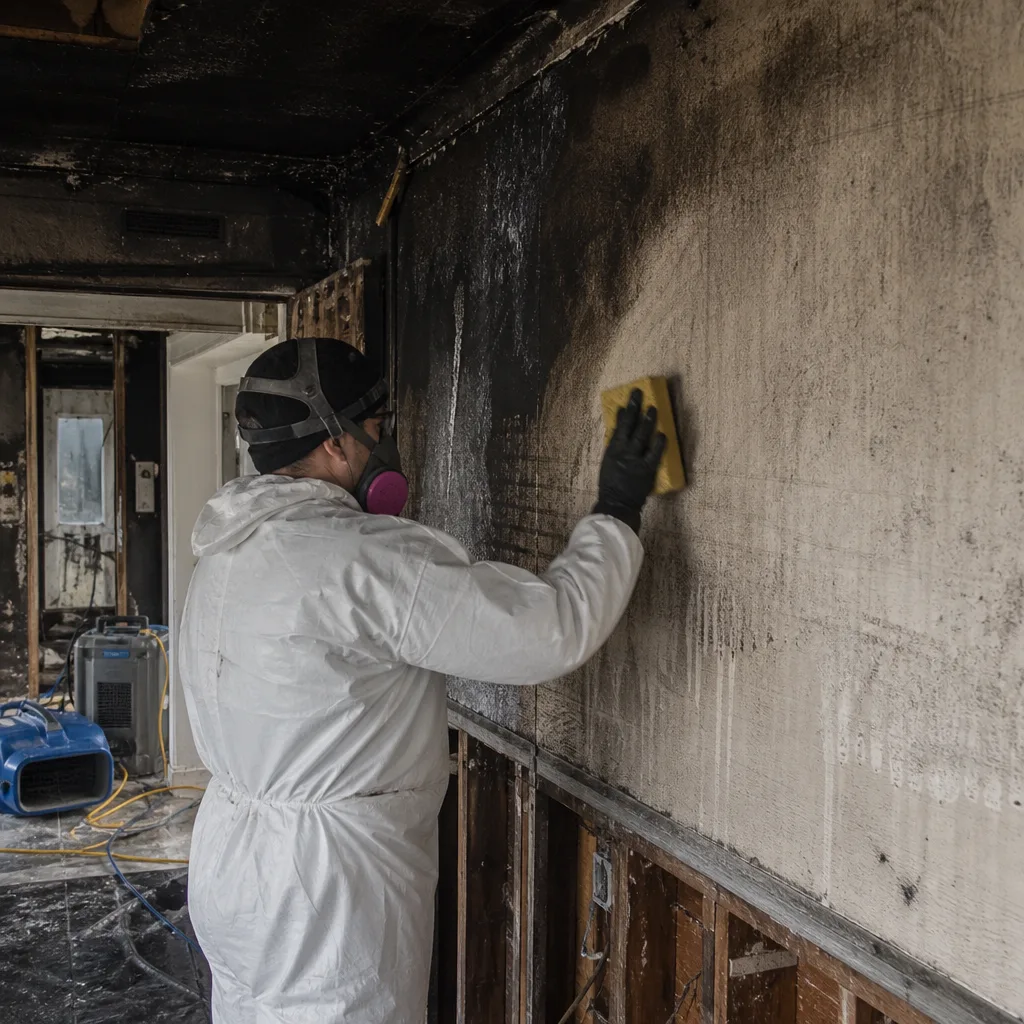
Plaster repair, baseboard replacement, flooring, paint. We rebuild what the water took out, and we do it with the same crew that started the job. You are handed a finished apartment and a moisture log, not a punch list and a subcontractor’s phone number.
Need Emergency Sanitization Services in Washington Heights Now?
Crews minutes away, answering live 24 hours a day. The sooner we start, the less it costs.
Working With Your Insurance Company
Sanitization after a Category 3 loss in a rent-stabilized Washington Heights building frequently involves multiple policies: the tenant’s contents coverage, the landlord’s building coverage, and sometimes a neighboring unit’s carrier. We document from the first hour. Photos of the pipe chase before and after containment, moisture readings, and a line-item scope with every antimicrobial application recorded. That documentation is what gets your claim approved; carriers do not argue with a drying log that has daily readings at hourly intervals. Our team coordinates directly with the adjuster, sends carrier-standard estimates, and handles the calls. You are not the messenger, and you do not have to translate moisture data into insurance language. The 90-Day Done Right Promise we give every client gets attached to the claim file as well: if the work is not done right, we make it right, in writing, no paperwork battle.
What We Provide Your Insurer
- Thorough documentation of the loss
- Photos of all damage, room by room
- Moisture readings and drying logs
- A detailed, line-item scope of work
- Direct coordination with your carrier
Built for Washington Heights’s Loss Calendar
Washington Heights sits on the highest ridge in Manhattan, cresting near Fort Tryon Park. Its west-facing Hudson River exposure throws wind-driven rain against century-old brick and mortar, and every January freeze-thaw cycle opens those joints a little wider. The result is a predictable rhythm of sanitization calls. Winter brings frozen supply lines in buildings where the original heating risers leave cold corners on the north side. When a pipe splits at 181st and Wadsworth, the water runs down five floors and into the closets and kitchens of tenants who were not expecting it. Spring thaw sends meltwater into the sub-grade tiers of hillside buildings on Fort Washington Avenue. Summer thunderstorms overwhelm original clay drain lines that have been settling for ninety years. Nor’easters push rain through worn roof flashing above top-floor apartments. And year-round, the original cast iron stacks fail: a pinhole becomes a crack, a crack becomes a Category 3 release. Sanitization in Washington Heights is not a rare emergency. It is a seasonal certainty for building owners who know the age of their pipes. The key is responding before the 48-hour mold threshold compounds the loss into a full-gut project.
Sanitization Services Across Washington Heights’s Neighborhoods
Crews route to the historic Hudson Heights district above 181st Street, where Art Deco elevator buildings cluster near Fort Tryon and the Cloisters; those buildings carry original steam risers in the walls, and a riser leak can wet three units before anyone notices. Along Broadway from 155th to 181st, the older six-story walk-ups predate 1920 and their drain stacks have service lives that expired decades ago. We work the blocks around J. Hood Wright Park and the 173rd Street corridor, where tenement-era buildings share party walls and a kitchen backup in one unit can soak the neighbor’s apartment through the common joist bays. Near the Cross Bronx Expressway’s elevated deck at 178th Street, moisture from road salt and exhaust accelerates corrosion on cast iron waste lines. Across the 10032 and 10033 ZIP codes, the pattern holds: original plumbing, plaster walls, steam heat, and multi-tenant occupancy. The sanitization sequence in a pre-war Washington Heights building is not the same as a post-war high-rise. It requires more containment, more coordination, and a crew that knows when plaster can be saved and when it has to come out.
Specialized Sanitization Services Services We Offer in Washington Heights
Deep Disinfection
For sewage releases from cast iron stack failures, surface cleaning is not enough. We treat affected rooms with EPA-registered antimicrobials, scrub every horizontal surface, and remove porous materials that cannot be fully decontaminated. Deep disinfection in a Washington Heights pre-war apartment includes the pipe chase itself, because pathogens trapped in the wall cavity will re-contaminate the room. A single Category 3 event off Broadway near 181st Street spread into four stacked apartments; disinfection had to happen in every unit, not just the one where the pipe broke.
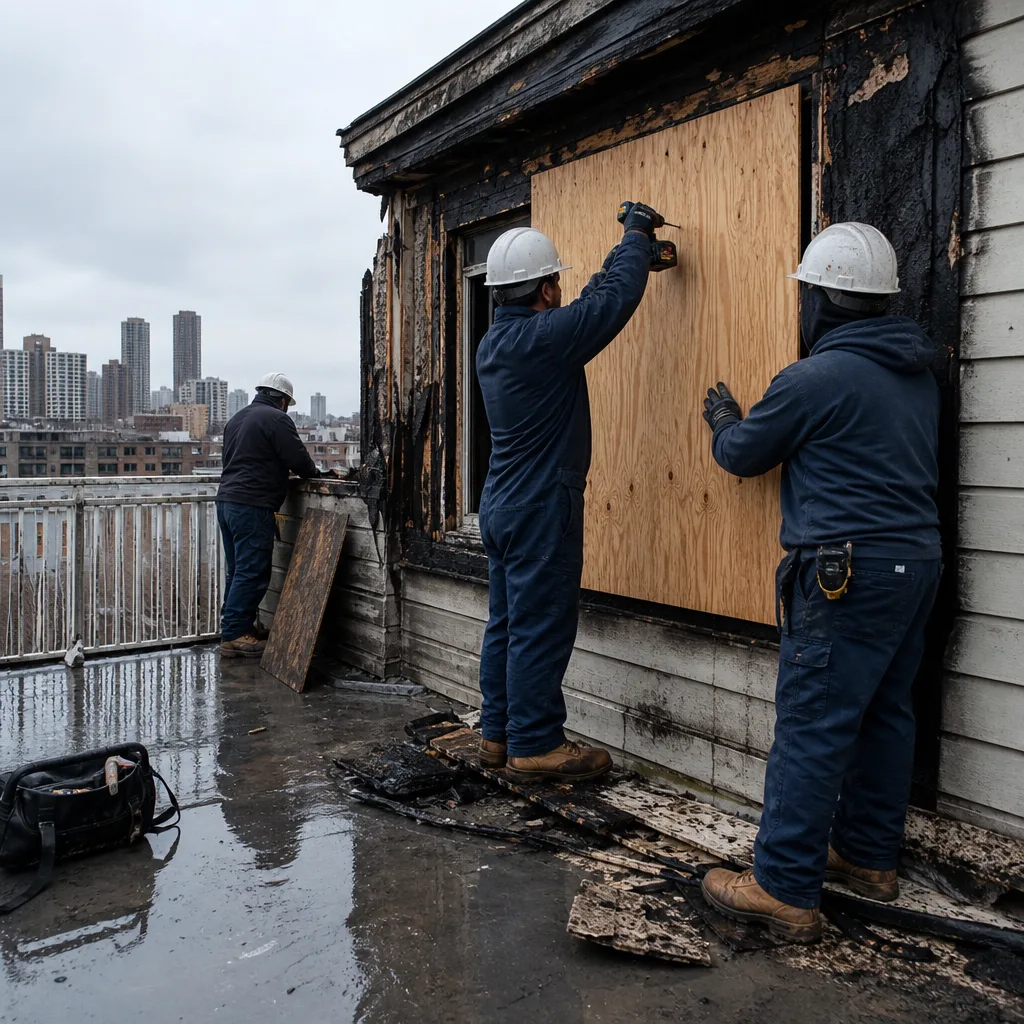
Virus & Bacteria Decontamination
Post-illness cleanup and viral decontamination in multi-dwelling buildings requires attention to shared corridors, stairwells, and mail rooms, the common spaces residents of a six-story walk-up all touch. We use HEPA air scrubbers and contact-time-tested disinfectants, documented for residents and management. In rent-stabilized buildings where older tenants are common, that documentation matters. It shows the work was done, it shows the product, and it shows the dwell time.
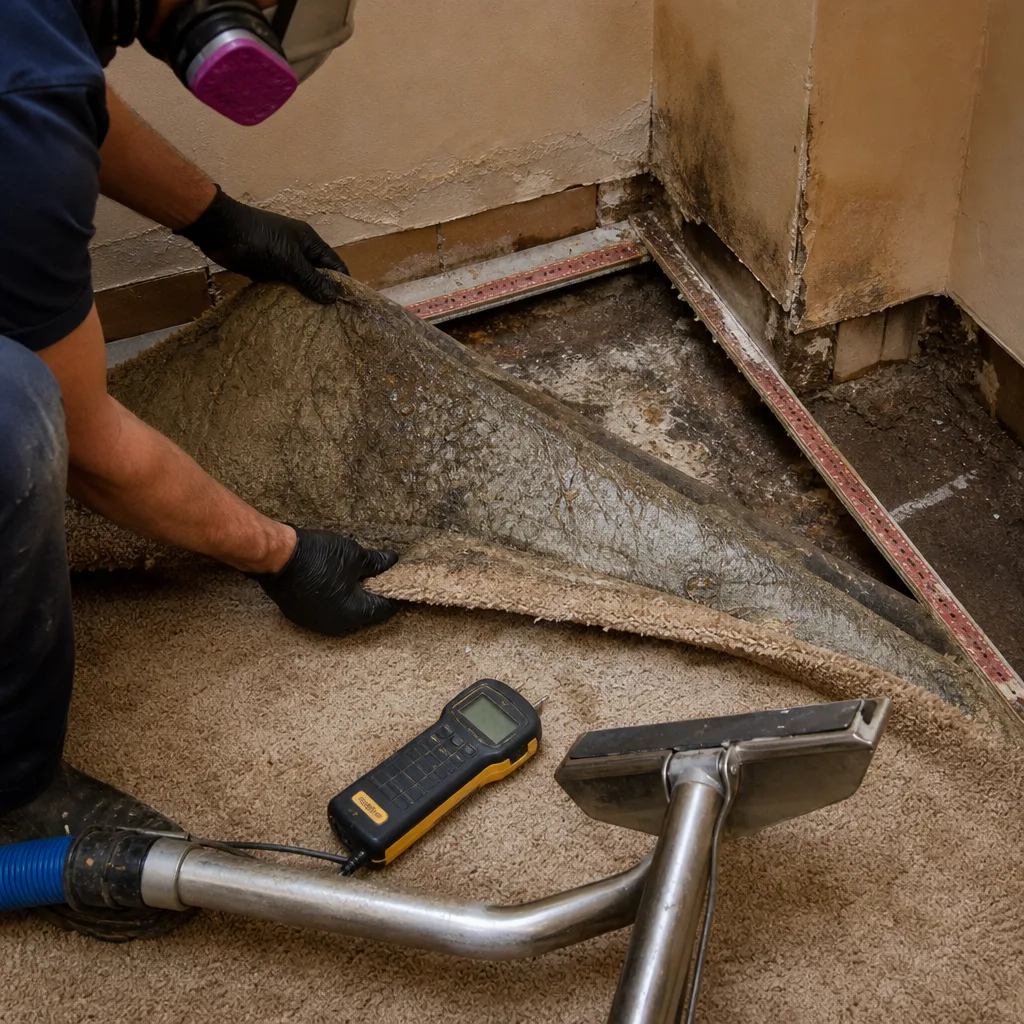
Odor Neutralization
Odor from sewage, smoke, or long-standing moisture hides in plaster, in baseboards, in the dead air behind kitchen cabinets put in during the 1980s. Commercial-grade fogging with thermally activated odor neutralizers is the most effective treatment for these walk-ups because the fog reaches what wiping cannot: the joist bays, the wall cavities, the space above the dropped ceilings. We do not mask odors. We neutralize them at the molecular level, then verify with a post-treatment walkthrough.
Air Duct Sanitization
Many Washington Heights pre-war buildings have original duct runs retrofitted during conversions to individual heating units. Those ducts carry decades of dust, and after a water event they carry moisture and biological growth. We sanitize Duct interiors with HEPA-vacuum equipment and antimicrobial fog, improving air quality in apartments where residents may have lived for thirty years. This is standard practice after Category 3 events; if the air pathway is not treated, the contamination recirculates.
Commercial-Grade Fogging
ULV and thermal fogging equipment distributes antimicrobial and odor-neutralizing agents at a particle size that penetrates plaster, lath, and insulation. This is the right tool for Washington Heights’s pre-war stock because the building assemblies are not tight, they are loose, irregular, full of cavities that ordinary cleaning cannot reach. Fogging covers the entire affected envelope, including the shared wall between two apartments, which matters when the neighbor’s claim is being handled by a different carrier.
Sanitization Services Costs in Washington Heights, NY
A typical Category 3 sanitization in a Washington Heights pre-war apartment runs $1,800 to $4,500 for a single room, assuming full containment, antimicrobial treatment, air scrubbing, and drying. A multi-unit stack failure that crosses four or five apartments off Broadway typically lands between $8,000 and $22,000, depending on how much plaster and flooring must be removed. Plain deep disinfection without major tear-out usually costs $1,200 to $2,800. Air duct sanitization for an average three-bedroom apartment runs $600 to $1,400. Commercial-grade fogging adds $400 to $900 per affected unit. What moves the price: asbestos abatement requirements, unit access delays that push drying past 48 hours, and the amount of original plaster and hardwood the water touched. Insurance typically covers sanitization as part of the covered loss, and we bill the carrier directly. You should get a written scope before any work starts, and we provide one free of charge. Call (917) 924-4221 for a fixed-price quote after a visual inspection.
Current offers apply to every sanitization job: $50 off any repair over $250, and a 5% senior and veteran discount, always. Mention them when you call.
We Also Serve Cities Near Washington Heights
Our sanitization teams reach Fairview, Harrison, East Bronx, and Hunts Point from the same dispatch desk. The same certified crew, the same 45-minute response commitment, and the same written scope before work starts.
Serving Washington Heights, NY - Our Local Coverage Area
We’re based in the Washington Heights area and know this community well. Use the map below to see our service coverage - if you’re nearby, we can almost certainly help.
Washington Heights Sanitization Services Questions, Answered
Why does sanitizing after a pipe burst in a Washington Heights pre-war building take longer than in a newer high-rise?
Original cast iron stacks and steam risers are wedged inside plaster and lath assemblies that are uniquely difficult to dry. Pre-1940 buildings have presumed asbestos pipe insulation and lead paint, which require testing and abatement coordination before structural drying can finish. In a post-war high-rise, you cut drywall, dry the studs, and move on; in a 1930s walk-up, every wall cavity is a different material, shape, and moisture profile. Expect three to seven days for full containment and drying in these buildings, compared to one to three days in newer construction.
How do you handle sanitization when water damage crosses into a neighboring rent-stabilized apartment?
We coordinate with building management, tenants, and multiple insurance carriers. Our bilingual crew members speak Spanish with residents who may not be used to dealing with restoration contractors. When a neighbor refuses entry, we document the access refusal, work the accessible side of the wall cavity, and place drying equipment against the affected wall assembly. In some cases, we involve the landlord’s legal counsel because an access delay past 48 hours can force full tear-out of original plaster instead of a simpler dry-and-disinfect. We know the local housing court process and we use it when it protects your property.
Can you sanitize original plaster walls that got wet from a roof leak in Washington Heights, or do they have to come out?
Plaster walls from the 1920s and 1930s can often be saved if we get to them within the first 48 hours. We run thermal imaging to map the moisture path, cut small inspection holes at the base, and dry the cavity with injected air from B-Air systems. If the plaster has already started to crumble or if the lath behind it is saturated beyond recovery, that section comes out and gets rebuilt with compatible materials. The deciding factor is time: wet plaster past 72 hours in a closed wall cavity usually means mold has started, and salvaging it is not worth the risk. Call us before you open the wall yourself.
Why is commercial-grade fogging important for odor neutralization in these older walk-ups?
Odor molecules from sewage or smoke travel far beyond the visible stain, into joist bays, behind stair stringers, and through the shared walls between units. In pre-war buildings, those cavities are irregular, filled with decades of construction debris and original framing. Fogging reaches what wiping and spraying cannot. The thermally activated mist penetrates plaster, lath, and insulation, neutralizing odor at the source. This is the difference between an apartment that smells clean for two weeks and one that stays clean because the contamination is actually gone.
What should I expect from a sanitization scope of work for a Washington Heights Art Deco elevator building?
A proper scope for an Art Deco elevator building on Fort Washington Avenue includes containment in every affected unit, antimicrobial treatment of the pipe chase, drying logs with hourly readings, and a separate line item for odor neutralization via fogging. It also includes documentation of any required asbestos testing and abatement coordination. If the loss crossed into multiple floors, the scope itemizes each unit separately, because each tenant has a different contents situation and possibly a different carrier. You get a single written document you can hand to the building’s insurance adjuster, not a stack of mismatched bids.
How fast can you actually get to Washington Heights?
Forty-five minutes from the time you call. We dispatch from our New York City office, and our crews run the same streets daily. A live dispatcher takes your call at any hour and sends a certified technician with the equipment on the truck: extractors, air movers, dehumidifiers, thermal imaging. Most Category 3 sanitization jobs begin within two hours of the first call.
Will insurance cover sanitization after a sewage backup from a cast iron stack?
Usually yes, as part of a covered water or sewage backup loss. Coverage depends on your policy and on whether the building’s policy or a tenant’s contents policy is primary. We handle the documentation and communicate with the adjuster directly, and we bill the carrier when coverage is confirmed. What we do not do is let sanitization wait while the insurance conversation happens. Containment starts immediately.
Can we stay in the apartment during sanitization?
For Category 3 losses, no. The affected area is contaminated, and you should not sleep or cook adjacent to it until containment is up, antimicrobial treatment is complete, and air scrubbers have run for the required duration. For Category 1 or 2 clean water events, you can often remain in the unit while the drying equipment runs, though the noise from air movers is substantial. We tell you either way before work starts.
In a six-story pre-war walk-up off Broadway near 181st Street, a corroded cast-iron stack released Category 3 water into four stacked apartments. Our crew set up containment before pulling baseboards and plaster, then ran Dri-Eaz dehumidifiers and Phoenix air movers with drying logs updated hourly. Because the building had presumed asbestos pipe insulation, we coordinated with the landlord’s abatement contractor and spoke Spanish with tenants to gain unit access. Antimicrobial treatment and a deep disinfection pass were completed before the moisture readings confirmed pre-loss condition. That is the job described in the scope, not the exception: it is what Sanitization Services means in Washington Heights.
Floodline Restoration Co. of Manhattan handles sanitization across Sanitization Services in Washington Heights from first extraction to finished rebuild. The line the water left is where we start. The 90-Day Done Right Promise is what we hand you when the moisture log says dry. Done right, and backed in writing.
Call (917) 924-4221 now for a free estimate and immediate dispatch. A live person will answer. We will be there when we say.
Written by Curt Bowman, Owner at Floodline Restoration Co., serving Washington Heights since 2010.
Why Washington Heights Chooses Floodline Restoration Co. of Manhattan
We set the standard for sanitization services in Washington Heights.
Documented for Your Claim
Every job is photographed before, during and after, with moisture logs where they apply. We hand the full file to your adjuster and bill your insurance directly - you are never the one relaying it.
Licensed & Insured
Fully certified technicians who meet all local and state licensing requirements.
Upfront Pricing
No hidden fees, no surprises. You approve the price before any work begins.
Guaranteed Work
Every repair and installation is backed by our workmanship warranty and satisfaction guarantee.
How It Works in Washington Heights
Getting your sanitization services handled is simple and fast.
Call or Request a Free Estimate
Tell us about your sanitization services needs and we provide an upfront, transparent quote - no obligation, no hidden fees.
Licensed Technician Dispatched
A background-checked, certified technician arrives in Washington Heights - typically within 30-60 minutes, with parts stocked on the truck.
Problem Solved, Guaranteed
We complete the job to your full satisfaction, backed by our warranty and 100% satisfaction guarantee.
What happens when you call
- 1A real person answersNo phone trees - talk to a local sanitization services pro.
- 2You get an upfront price rangeHonest numbers before anyone is dispatched. No surprises.
- 3We come out and measureLicensed & insured, at a time that suits you - the visit and the quote are both free.
- 4You get the price in writingLine-itemed, yours to keep, and nothing starts until you say go.
What Washington Heights Customers Say
Trusted by homeowners across Washington Heights and surrounding areas.
"Sewage backed up into the downstairs bathroom on a holiday weekend. The crew arrived in full protective gear, took out everything porous, bagged it, and sanitized the space twice. They treated a disgusting job like it was routine, which for them I suppose it is."
"We had a musty smell in the hall closet for months. He tested first, found the leak inside the wall, sealed the area off with plastic before opening anything, and put the whole scope in writing before asking for a signature."
"Another company told me the whole attic needed mold remediation at a terrifying price. These guys tested, showed me it was surface growth on one sheet of plywood, and charged me for a cleaning instead. That kind of honesty buys a customer for life."
Our Work in Washington Heights
A look at recent damage restoration projects across Washington Heights and surrounding areas.
Ready for Sanitization Services in Washington Heights?
Call now for a free estimate - or request one below. Licensed, insured, and here with fast after-hours help in Washington Heights.
(917) 924-4221Request a Free Estimate in Washington Heights
Tell us about your sanitization services needs - we'll respond within the hour.