
Free visual inspection and a written scope of work before any mitigation begins - photos, moisture readings, and drying logs go in your claim file
The scope we write is the scope we bill. Anything new gets shown to you, in writing, before we touch it.
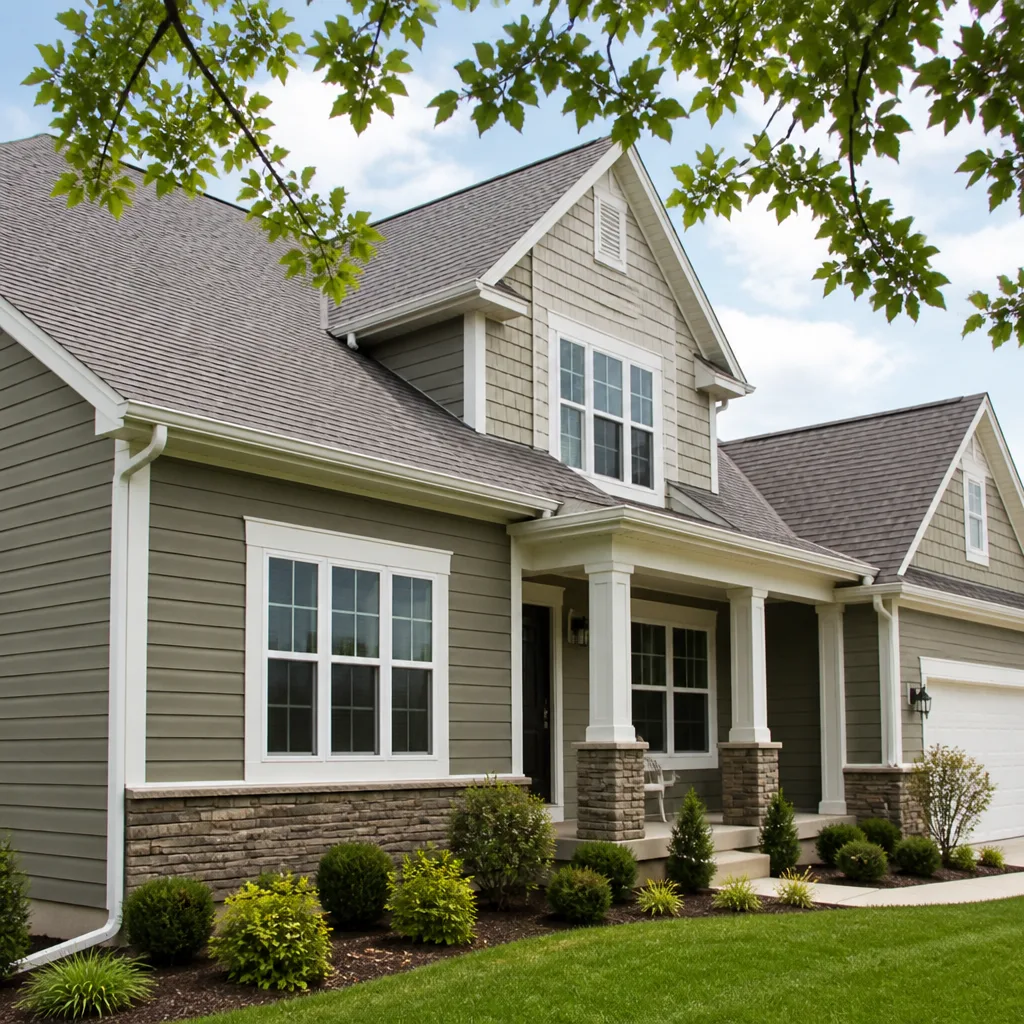
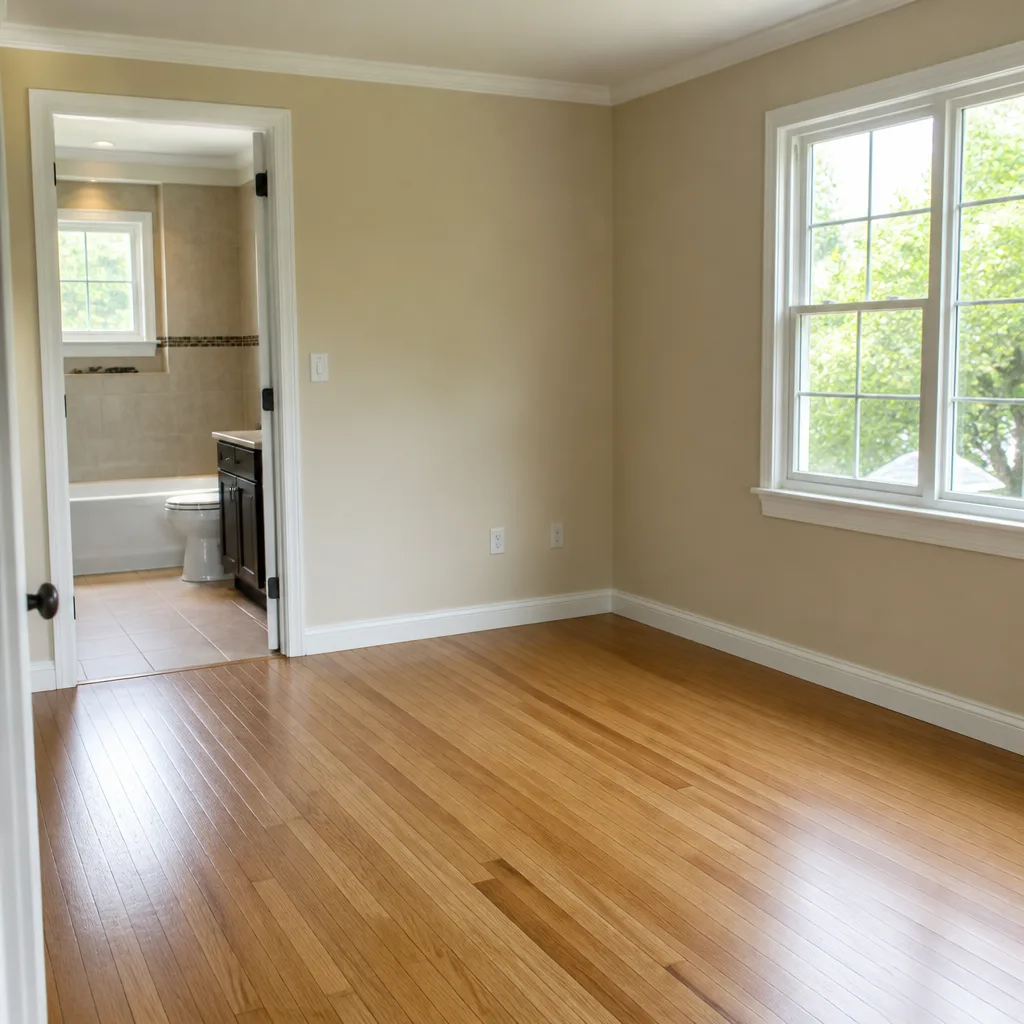
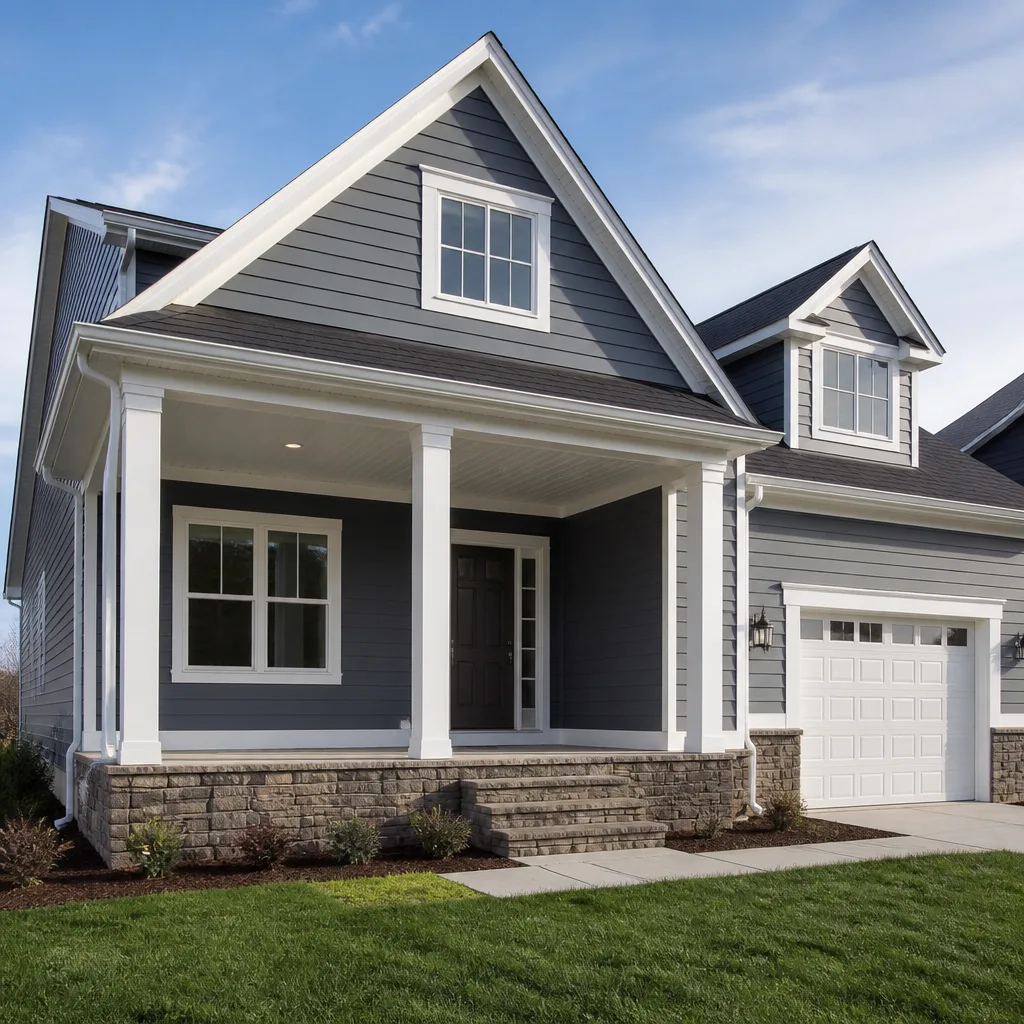
 Before
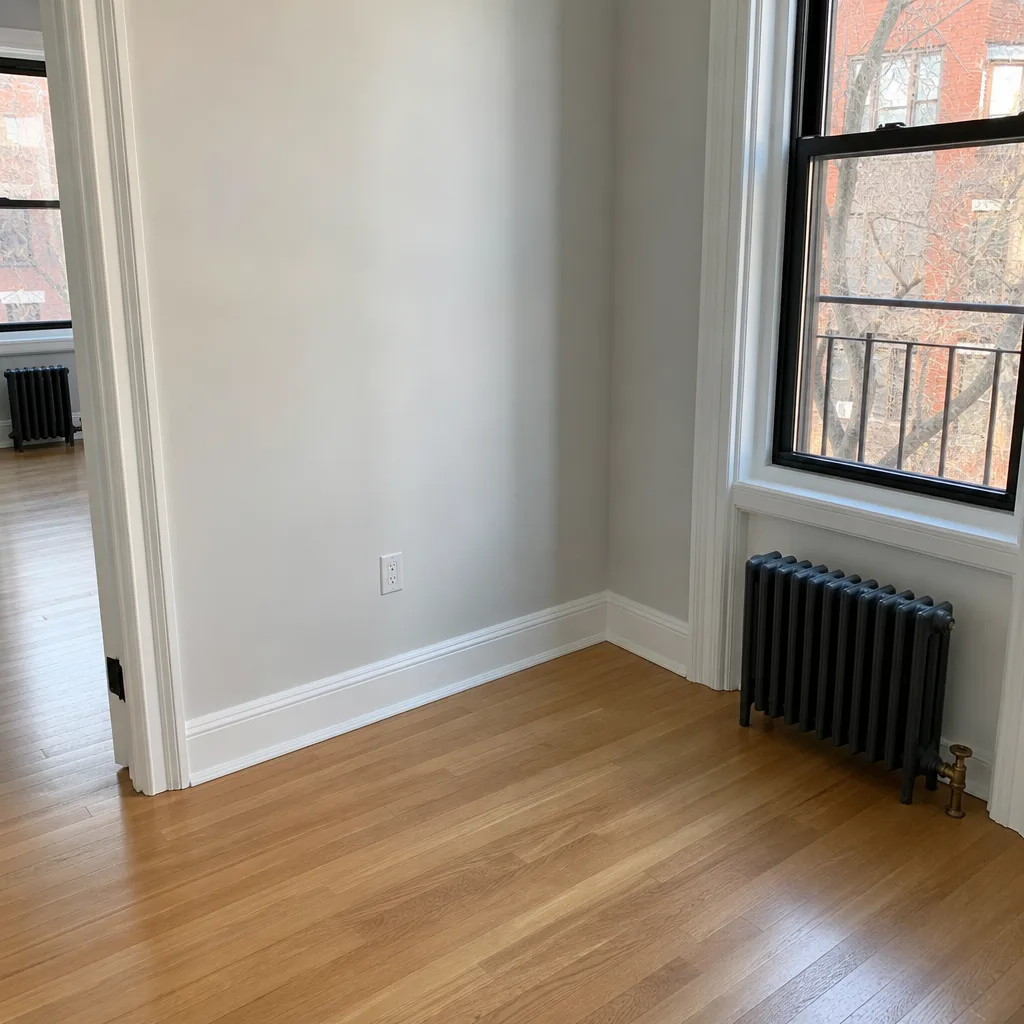 After
After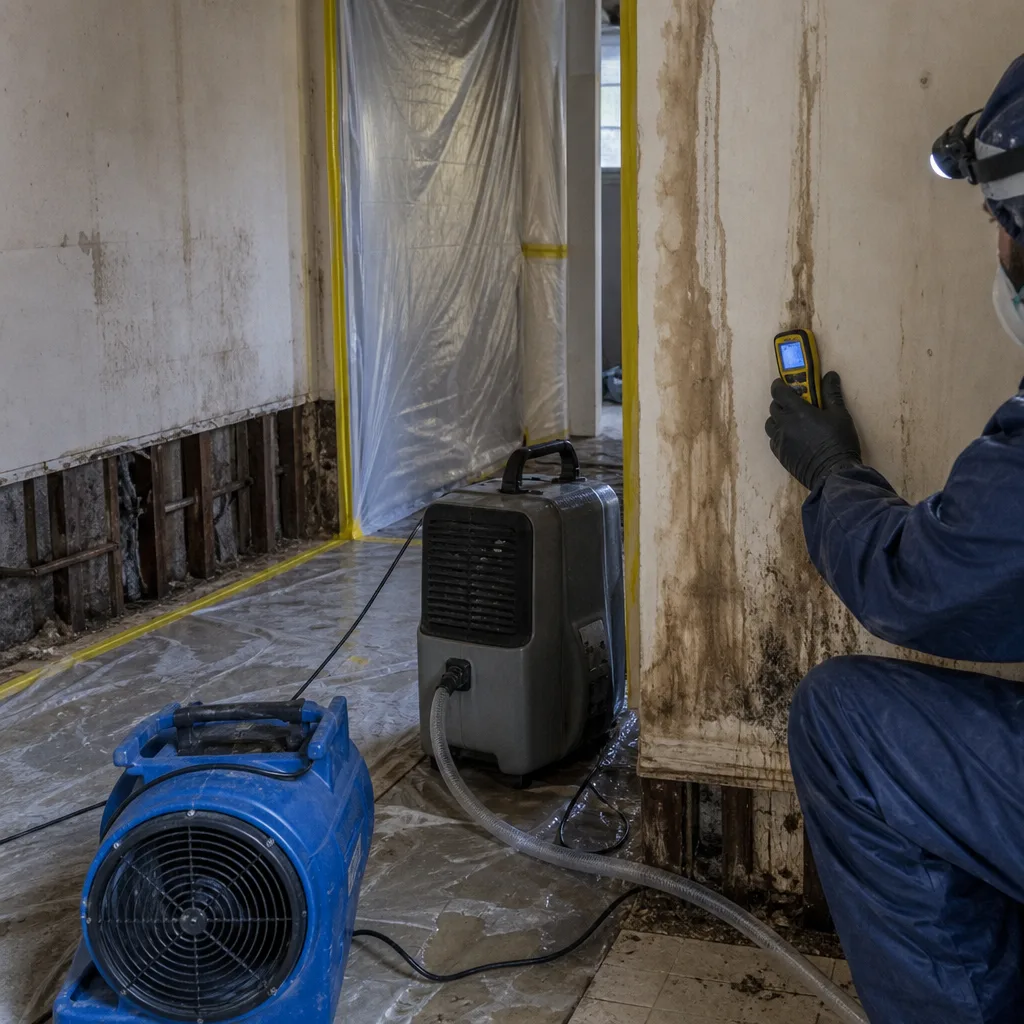 Before
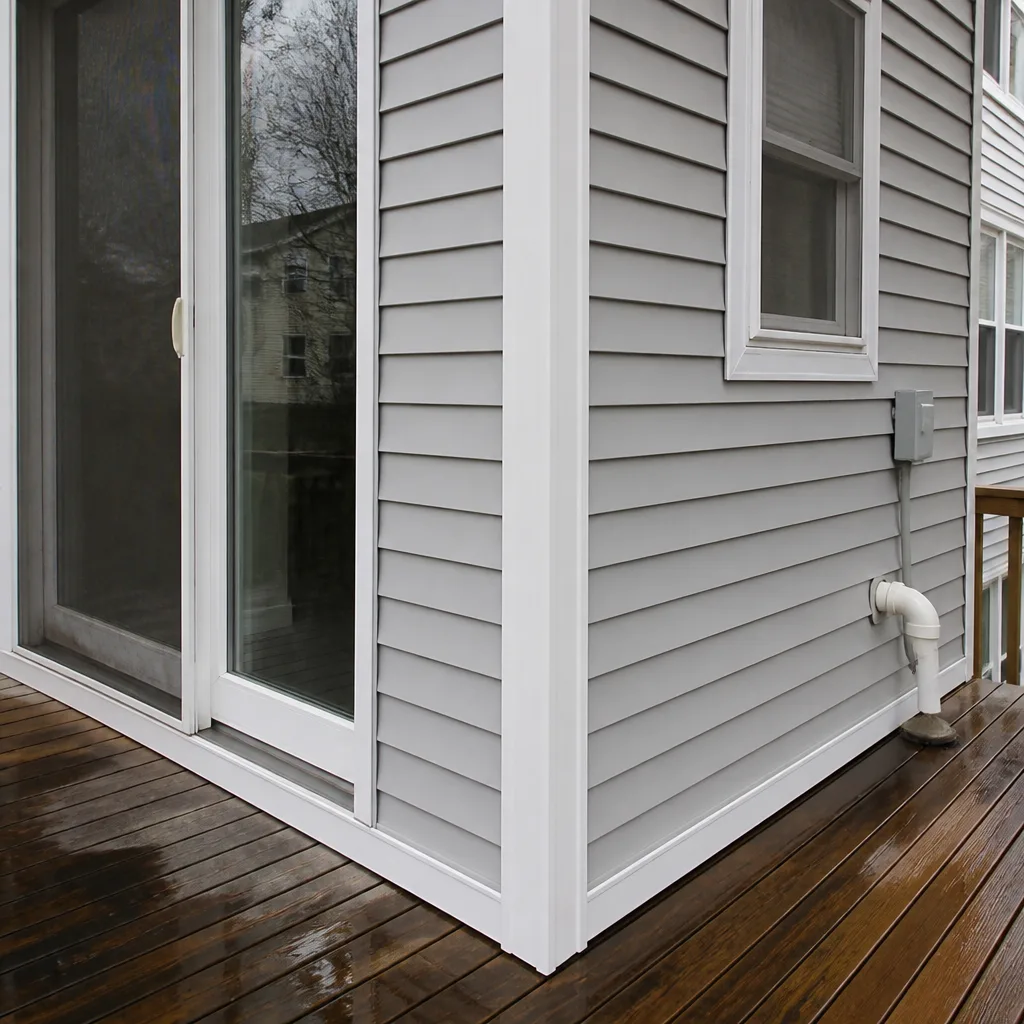 After
After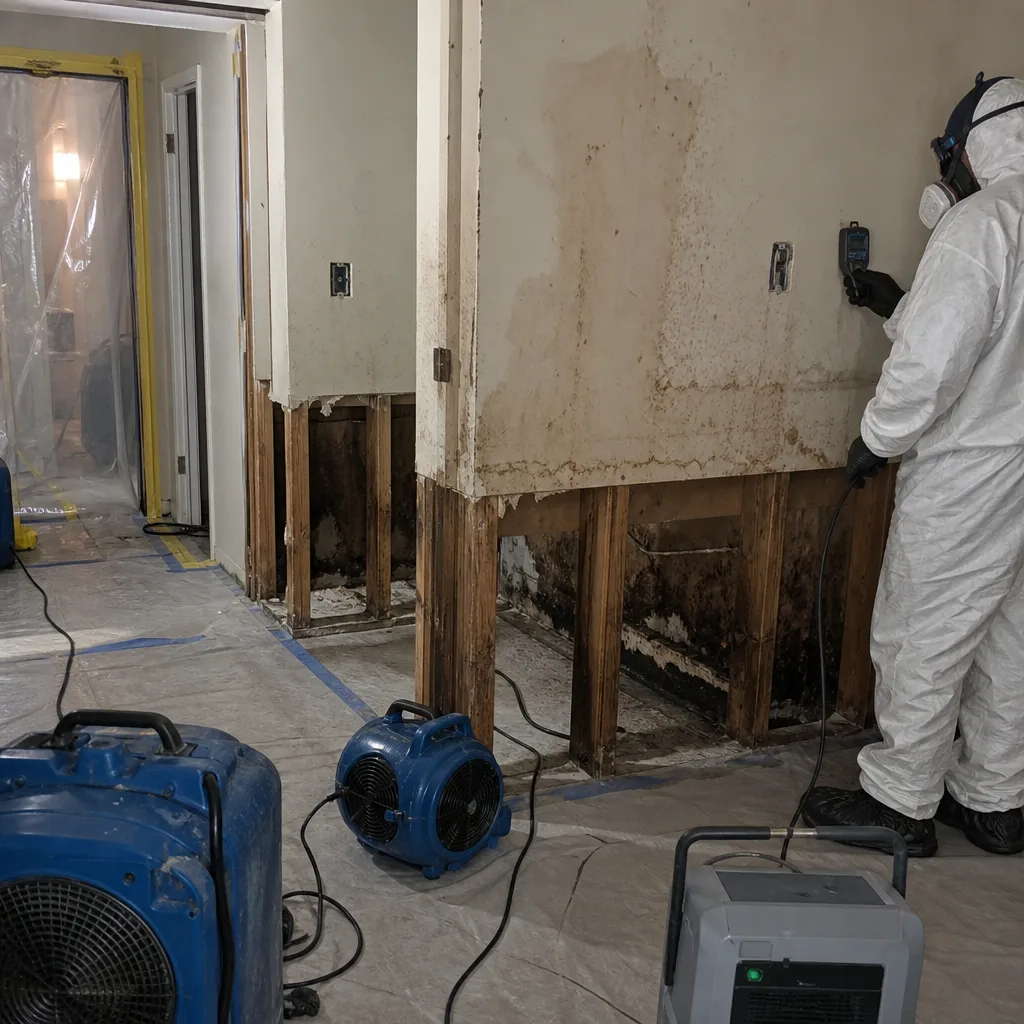 Before
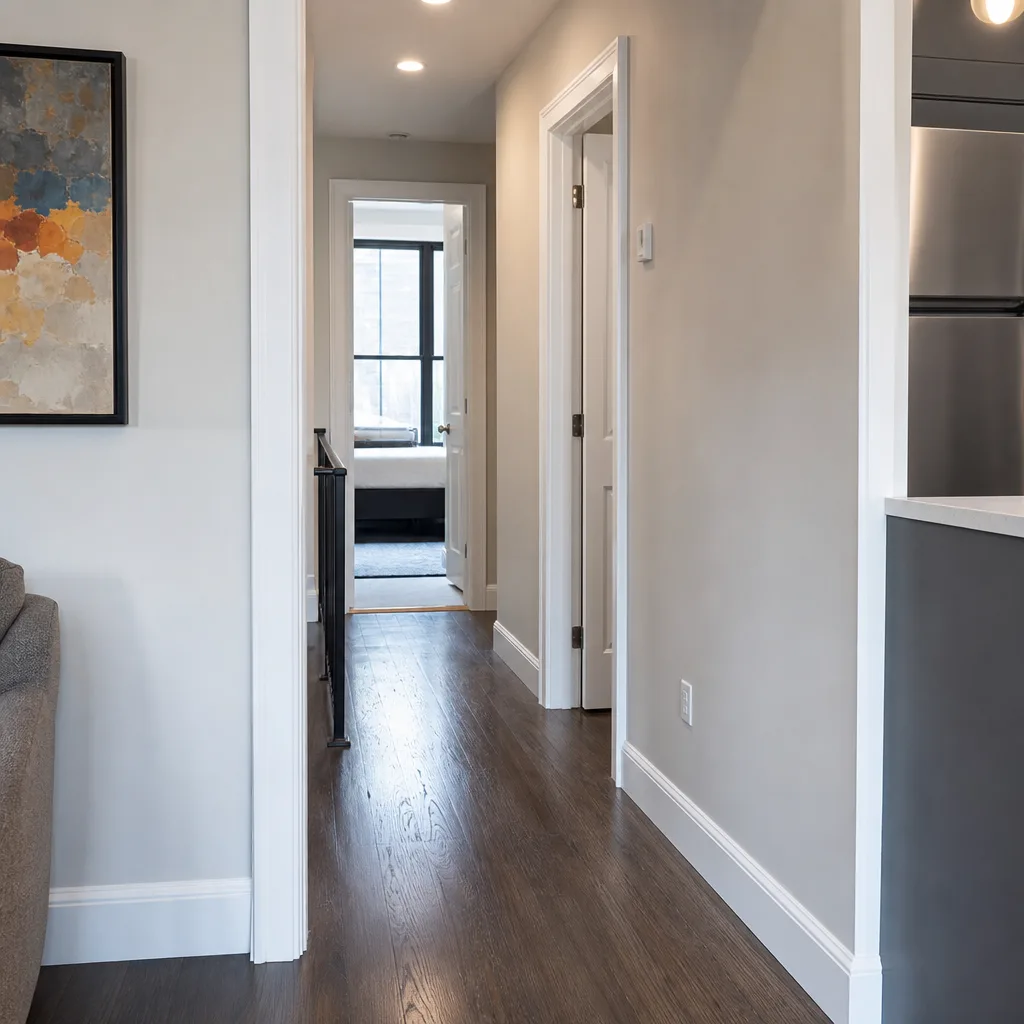 After
After24/7 Emergency Commercial Restoration in West New York
Commercial restoration in West New York means restoring offices, retail spaces, multi-unit residential buildings, and industrial properties after water, fire, or storm damage. A typical commercial water loss in a West New York brick walk-up runs $4,000 to $22,000 depending on the number of stacked units affected, and we answer the phone live at (917) 924-4221 around the clock, every day of the year. The first hour matters more here than almost anywhere else in Hudson County because water moves down through plaster and oak flooring fast, and every hour of delay pushes a category 2 loss toward category 3. Our Commercial Restoration team reaches West New York addresses quickly, stages equipment around the parking and stairwell constraints we already know, and starts extraction the same visit.
Understanding Commercial Restoration Severity in West New York Properties
West New York’s commercial and multi-unit buildings are mostly pre-war brick walk-ups built between the 1920s and 1950s. That matters for restoration because the materials hide damage long before anyone sees it. Plaster-over-lath walls absorb water from a burst supply line and hold it against wood studs and floor joists for days before staining appears. Cast-iron drain stacks in these buildings corrode from the inside, and when one fails it typically affects the units below in a vertical column. We classify water by category: clean water from a supply line is category 1; gray water from a dishwasher or washing machine is category 2; sewage backup or river water intrusion is category 3 and requires full containment, disposal of porous materials, and antimicrobial treatment. In West New York specifically, a category 1 loss on an upper floor becomes category 2 quickly because the water picks up decades of dust, plaster dust, and building debris as it travels down through floor cavities. Moisture mapping with thermal imaging lets us find what’s wet behind walls and under flooring. In a dense stacked-building loss, we map every affected unit, not just the one where the pipe broke.
Why West New York Property Owners Choose Floodline Restoration Co. of Manhattan
- Live answer at 2 a.m., always. A real dispatcher picks up the phone 24/7, not a recording. On a West New York water loss, we start coordinating building access and equipment staging on that first call.
- 45-minute response commitment. Our crews arrive at West New York addresses fast, with equipment loaded for dense-building work: compact staging, stairwell-rated extraction, and containment ready to deploy.
- IICRC-certified crews. Our technicians hold WRT, FSRT, and AMRT certifications and train annually. In pre-war buildings with lead paint and asbestos risk, certification means safe containment and abatement coordination.
- Free visual inspection. We assess the loss, map affected units, and give you a written scope before any work begins. No sales pressure, no upselling hidden damage you don’t have.
- Direct insurance billing. We bill your carrier directly and coordinate with adjusters, landlords, and multiple HOAs. You never play messenger between three insurance companies.
- One team, start to rebuild. The same certified crew that extracts water and runs drying equipment also handles the reconstruction. No handoff to a subcontractor who never saw the moisture log.
Our Commercial Restoration Process
Inspection & Assessment
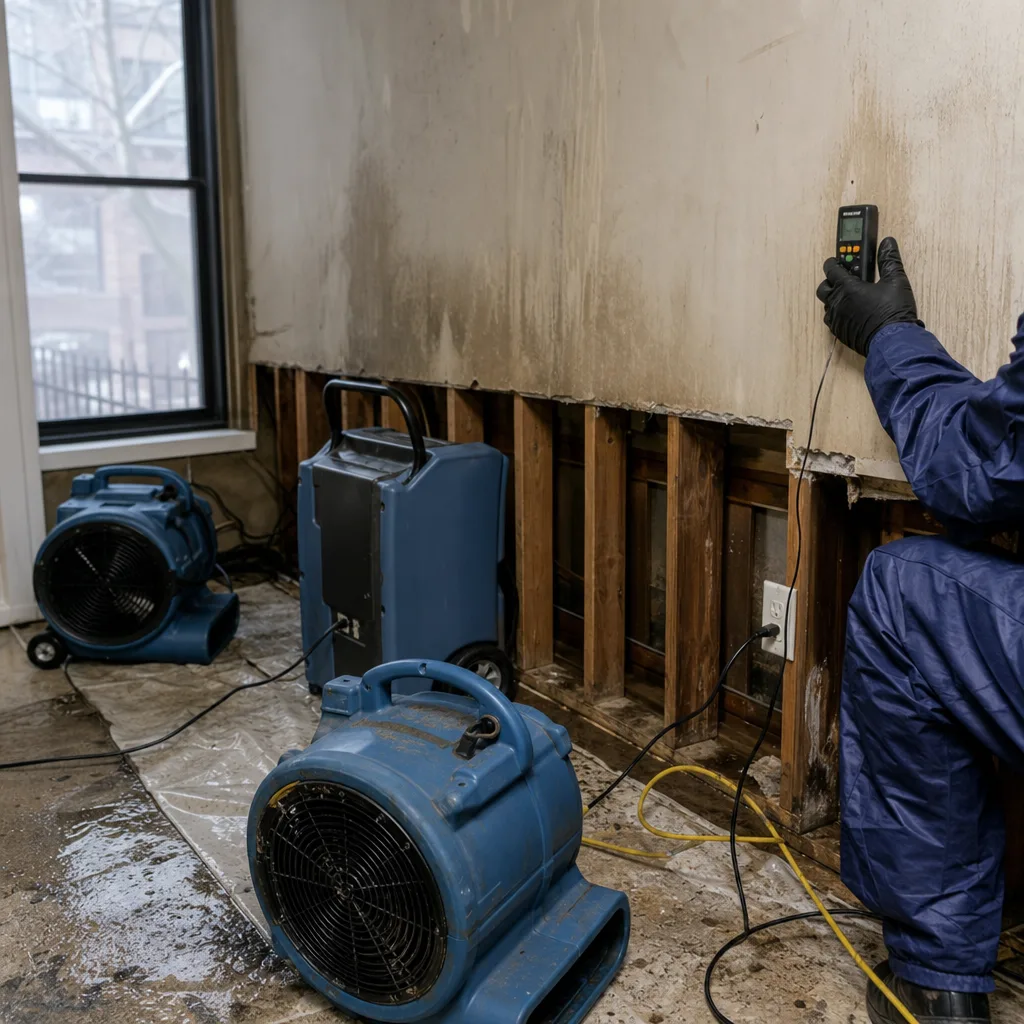
We arrive, map the building, and identify every affected unit. Thermal imaging and moisture meters document what’s wet, including in lower-floor ceilings and wall cavities that look dry. We photograph everything and begin the loss documentation your insurer will need.
Extraction & Stabilization
We remove standing water and stop active spread. In West New York walk-ups, this means working floor by floor, coordinating containment so the narrow stairwell stays passable for residents and other crews. We also identify and isolate any safety hazards like exposed wiring or compromised plaster ceilings.
Drying & Dehumidification
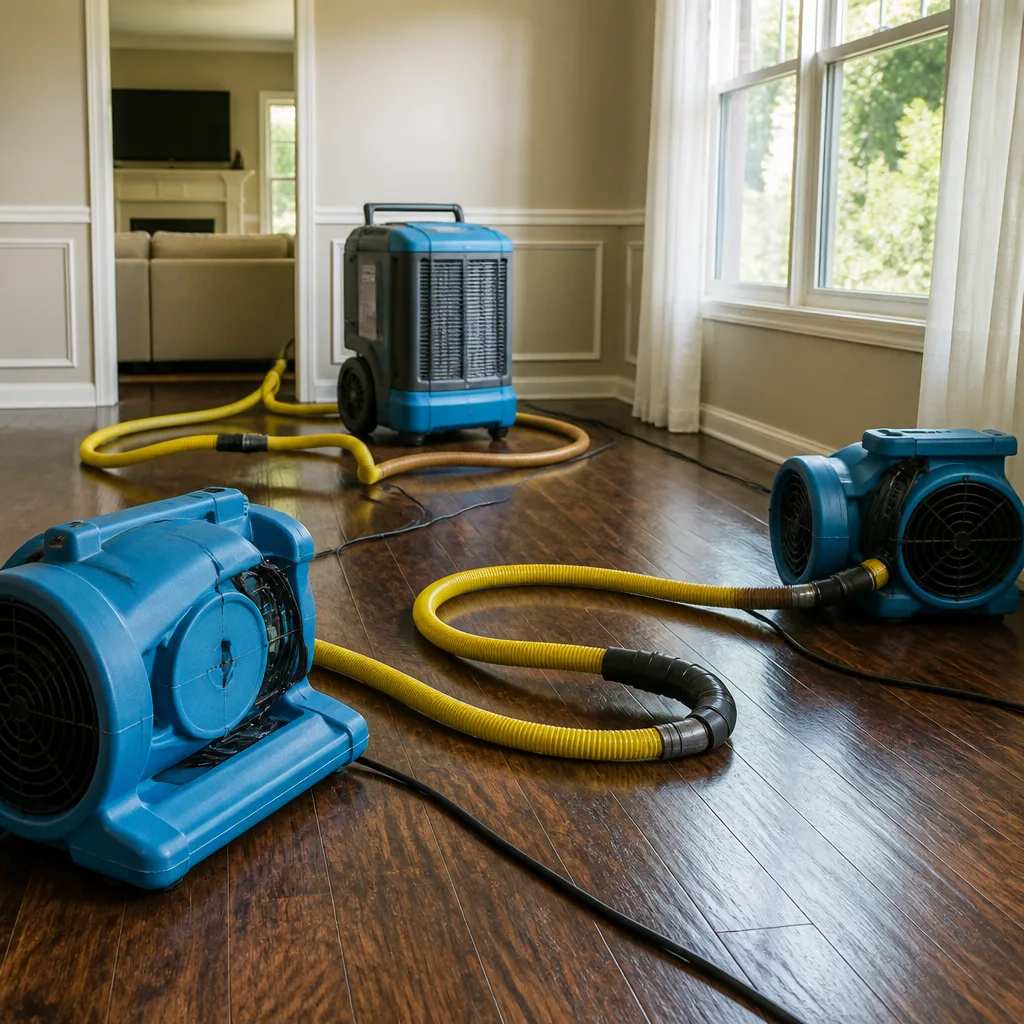
We set a structural drying perimeter with Dri-Eaz dehumidifiers and Phoenix air movers positioned for the building’s actual airflow, not a textbook layout. Daily moisture readings are logged and shared with you and your carrier until the dry standard is met.
Cleaning & Sanitization
We clean salvageable contents, sanitize affected surfaces, and run HEPA air scrubbers where needed. For category 3 losses, we remove porous materials and apply EPA-registered antimicrobial treatments before drying continues.
Specialty Treatment for Commercial Interiors
For retail and office spaces, this includes document and inventory recovery, electronics assessment, and content pack-out. For multi-unit buildings, it includes odor control, plaster stabilization, and coordination with lead or asbestos abatement contractors when pre-1950 materials are present.
Repairs & Restoration
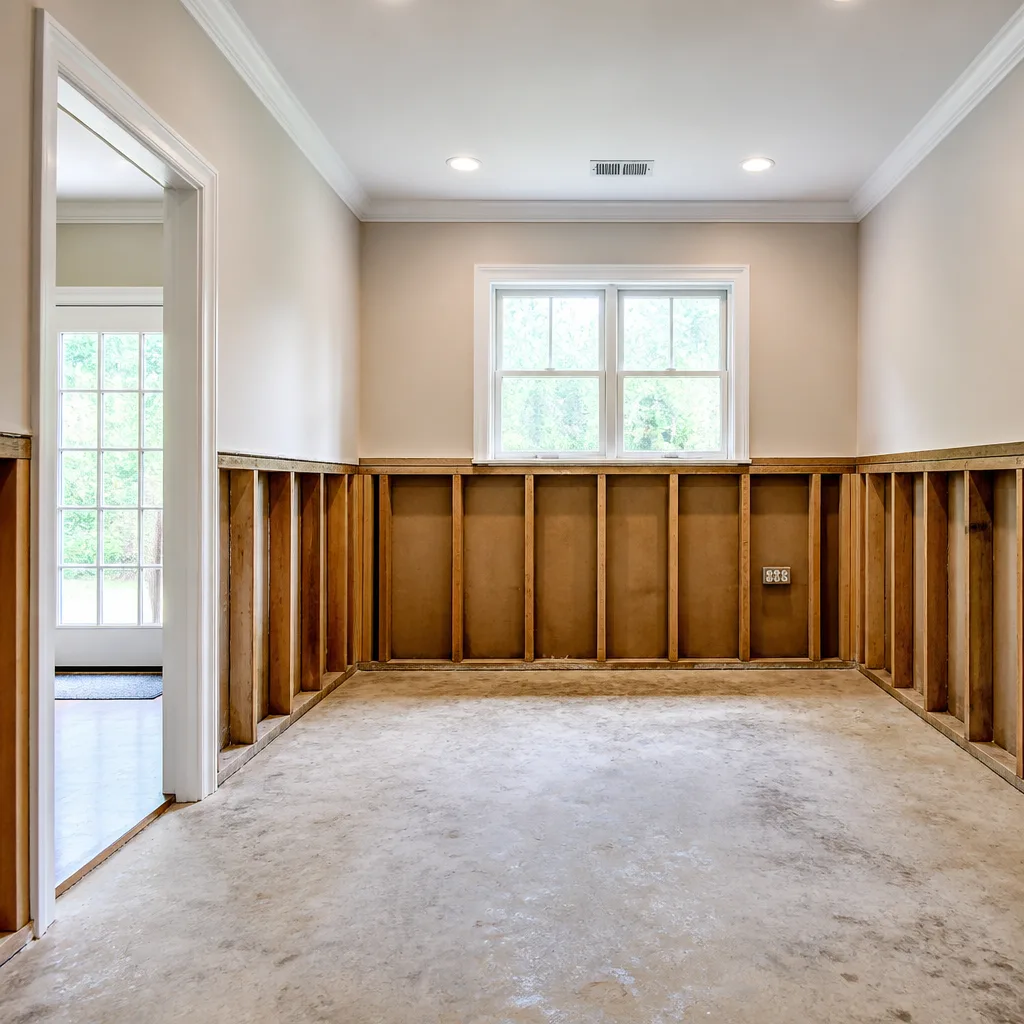
The same crew rebuilds what we tore out: plaster repair, flooring replacement, cabinetry, trim, paint. We match materials to the building’s existing character and handle HOA compliance details so the finish work passes review without violations.
Need Emergency Commercial Restoration in West New York Now?
Crews minutes away, answering live 24 hours a day. The sooner we start, the less it costs.
Working With Your Insurance Company
Commercial losses in West New York routinely involve multiple parties: the unit owner, the landlord or management company, the HOA master policy, and sometimes the tenant’s commercial policy. We handle the paperwork and communication so you don’t have to. From the first hour, we document with photos, moisture readings, and a written scope that follows industry-standard estimating so your carrier recognizes the claim. Our team communicates directly with adjusters, and if the adjuster needs a second look, we walk the site with them. No homeowner or property manager plays messenger on our jobs. The documentation we provide stands on its own.
What We Provide Your Insurer
- Thorough documentation of the loss
- Photos of all damage, room by room
- Moisture readings and drying logs
- A detailed, line-item scope of work
- Direct coordination with your carrier
Built for West New York’s Loss Calendar
West New York’s restoration needs follow a pattern you can set a clock by. January and February bring deep freezes that burst supply lines in unheated stairwells and exterior-facing walls, especially in pre-war buildings where original galvanized piping has thinned from decades of hard Hudson County water. The water travels down through four or five stacked units before anyone notices. March and April thaw the ground, and lower-elevation blocks near the river get groundwater seepage through old foundations. Summer brings thunderstorms that overwhelm combined storm-sewer systems on tight urban streets, backing water into basement-level commercial spaces along Bergenline and Park Avenue corridors. Nor’easters in the fall and early winter drive wind-driven rain against aging brick facades, and we see water entering around window frames and parapet walls. Every season has its loss profile here, and our crews know what to expect before we even arrive.
Commercial Restoration Across West New York’s Neighborhoods
West New York packs about 53,000 people into roughly one square mile, and the restoration challenges shift block to block. Along Bergenline Avenue, the commercial spine, we handle retail and restaurant water losses where every closed day is lost revenue, so our crews stage equipment in off-hours and coordinate extraction around business operations. Up on Boulevard East, the high-rise co-ops and condos facing the Manhattan skyline require freight elevator reservations, union doorman coordination, and building management approval before equipment moves. The 60th Street corridor near Hudson Avenue is dense brick walk-up territory, where a 5th-floor supply line failure cascades into four stacked units below, and building access through a narrow interior stairwell adds real hours to every phase. Down by Donnelly Memorial Park and the lower blocks closer to the river, we work in properties where floor joists sit close to groundwater and relative humidity runs high year-round, meaning drying targets take longer to hit even in good weather. And the residential blocks between Palisade Avenue and Park Avenue house some of the oldest 1920s walk-ups in town, where we encounter knob-and-tube wiring remnants, original plaster ceilings, and floor systems with zero tolerance for saturation. We know the parking restrictions, the one-way streets, and which buildings have alley or rear access for staging. That local knowledge keeps costs down and schedules realistic.
Specialized Commercial Restoration Services We Offer in West New York
Office & Retail Restoration
Closed doors cost money. When a supply line fails in a Bergenline Avenue storefront or a professional office above it, our West New York crews prioritize extraction and containment so business operations can resume in stages where possible. We document inventory losses, coordinate pack-out of salvageable goods, and rebuild tenant improvements so the space is ready for reopening, not just dried out.
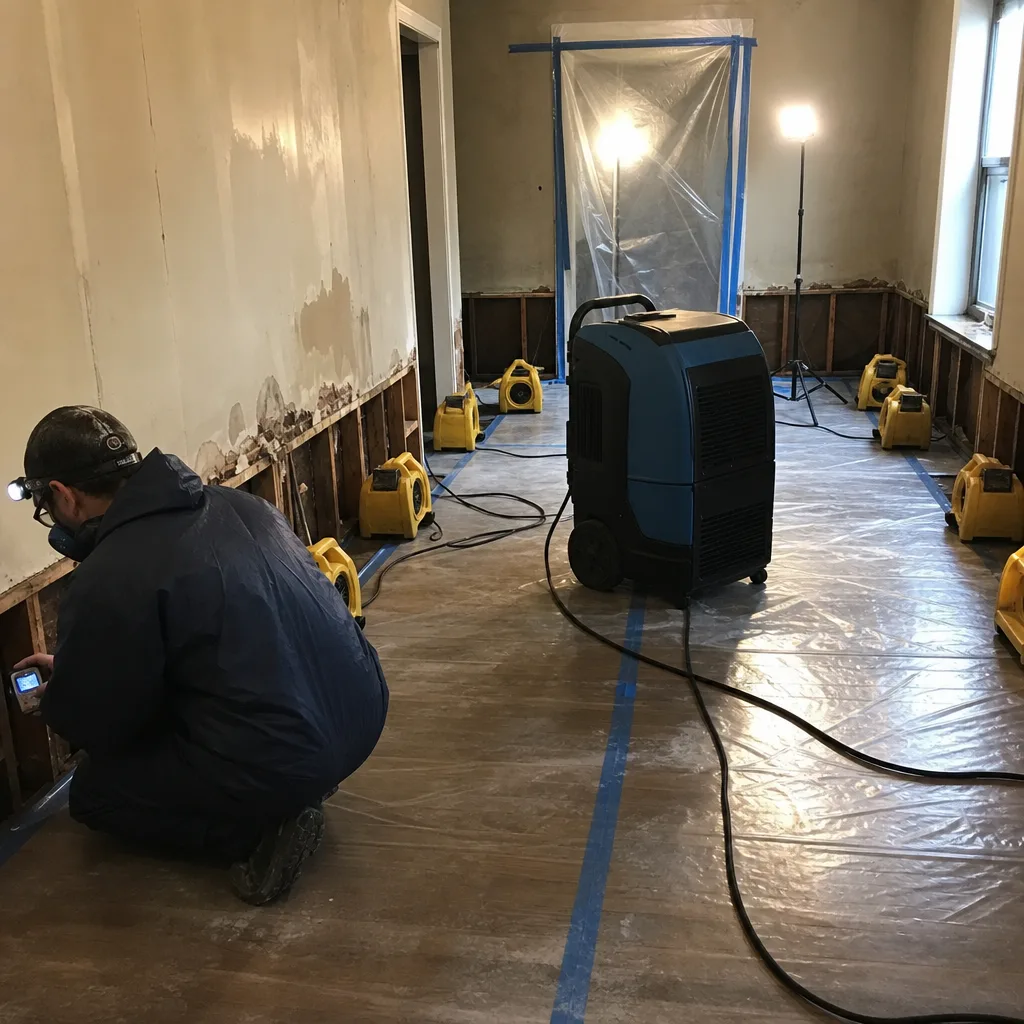
Multi-Unit & HOA Restoration
This is the most common restoration type in West New York, and the most complicated. A single burst pipe in a 5th-floor unit becomes a four-unit loss in three hours. We map every affected unit, coordinate with multiple tenants and owners, and handle the HOA compliance details: approved materials, common-area protection, noise restrictions during drying, and clear communication with building management. One written scope covers the entire column of damage, not just the unit where the pipe broke. That’s the way this work has to be done here.
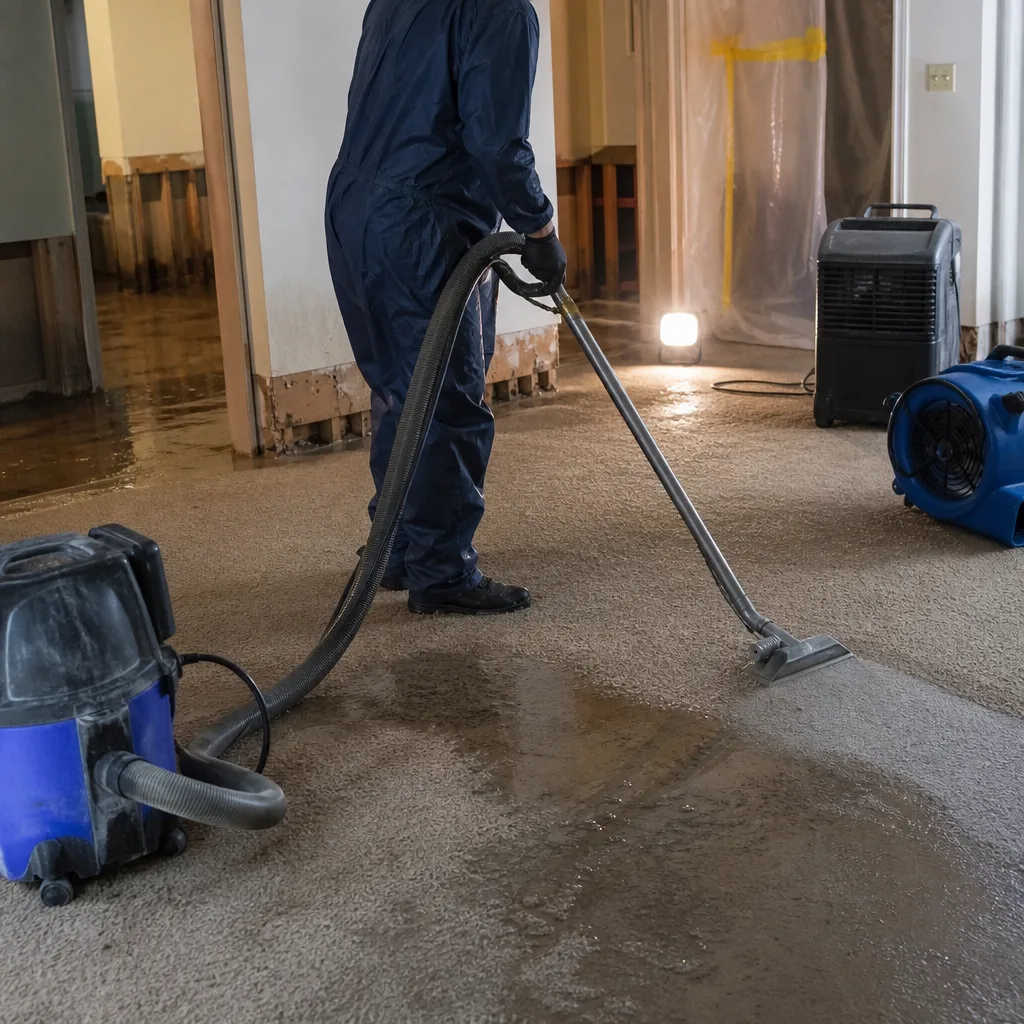
Industrial Facility Cleanup
West New York’s industrial properties cluster near the river and along the town’s western edge, where older warehouse and light manufacturing spaces have flat roofs, overhead doors, and slab-on-grade floors. We handle large square footage losses in these buildings with high-capacity extraction and desiccant dehumidification, and we schedule work around freight access and production hours where possible.
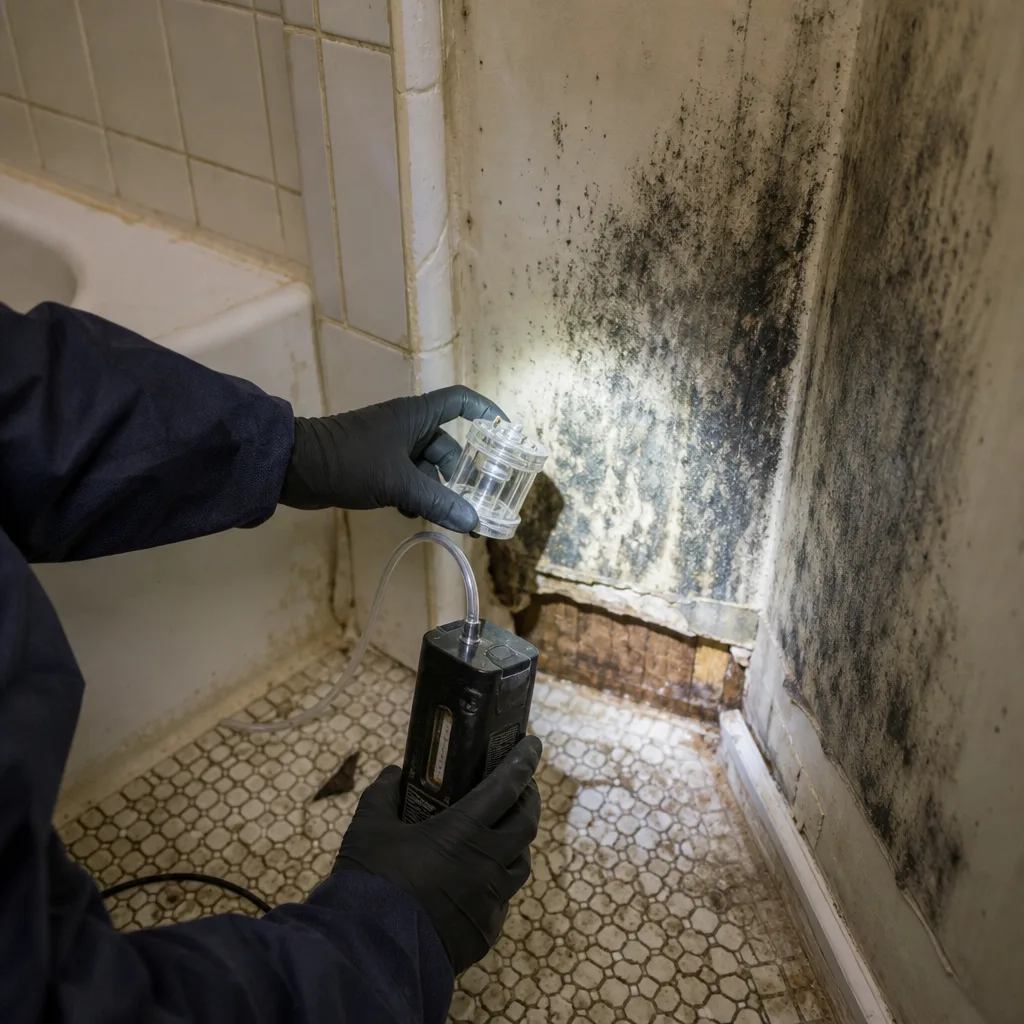
Large-Loss Response
When a building loses its roof section in a nor’easter or a fire sprinkler system floods an entire floor, this is a large-loss event. We dispatch multiple crews with dedicated project managers, establish security and containment, and run a drying perimeter scaled to the building’s actual cubic footage. Our team has handled full-building losses in West New York where building access, parking, and density were all working against us. The 90-Day Done Right Promise applies to every job we take, no matter the size.
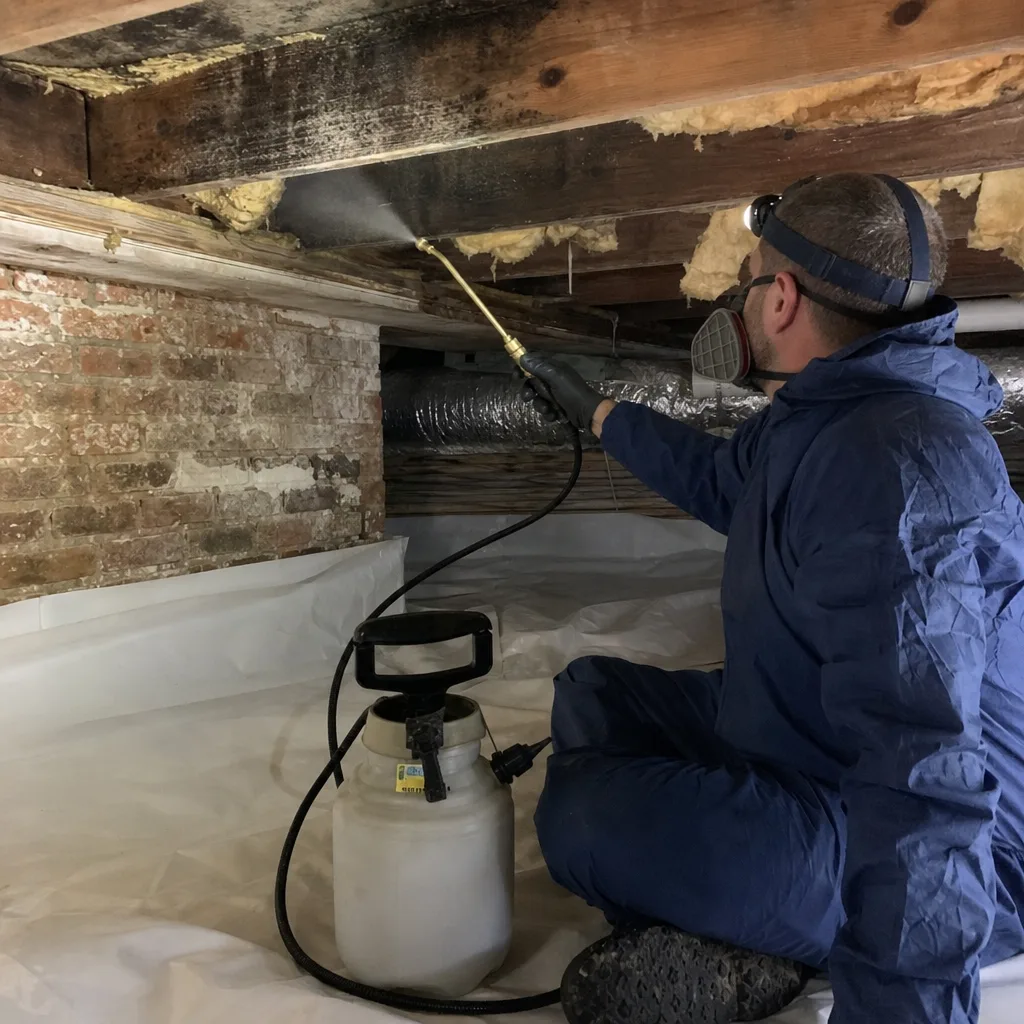
Business Interruption Minimization
The real cost of a West New York commercial loss is often the downtime, not the repair. Our crews work in occupied buildings carefully, contain work areas so adjacent tenants can stay open, and schedule noisy work in agreed windows. We provide a realistic drying timeline on day one so owners and managers can communicate honestly with tenants and insurance carriers. Experience on dense, occupied buildings means we know how to keep a hallway passable and a storefront presentable while structural drying runs behind containment.
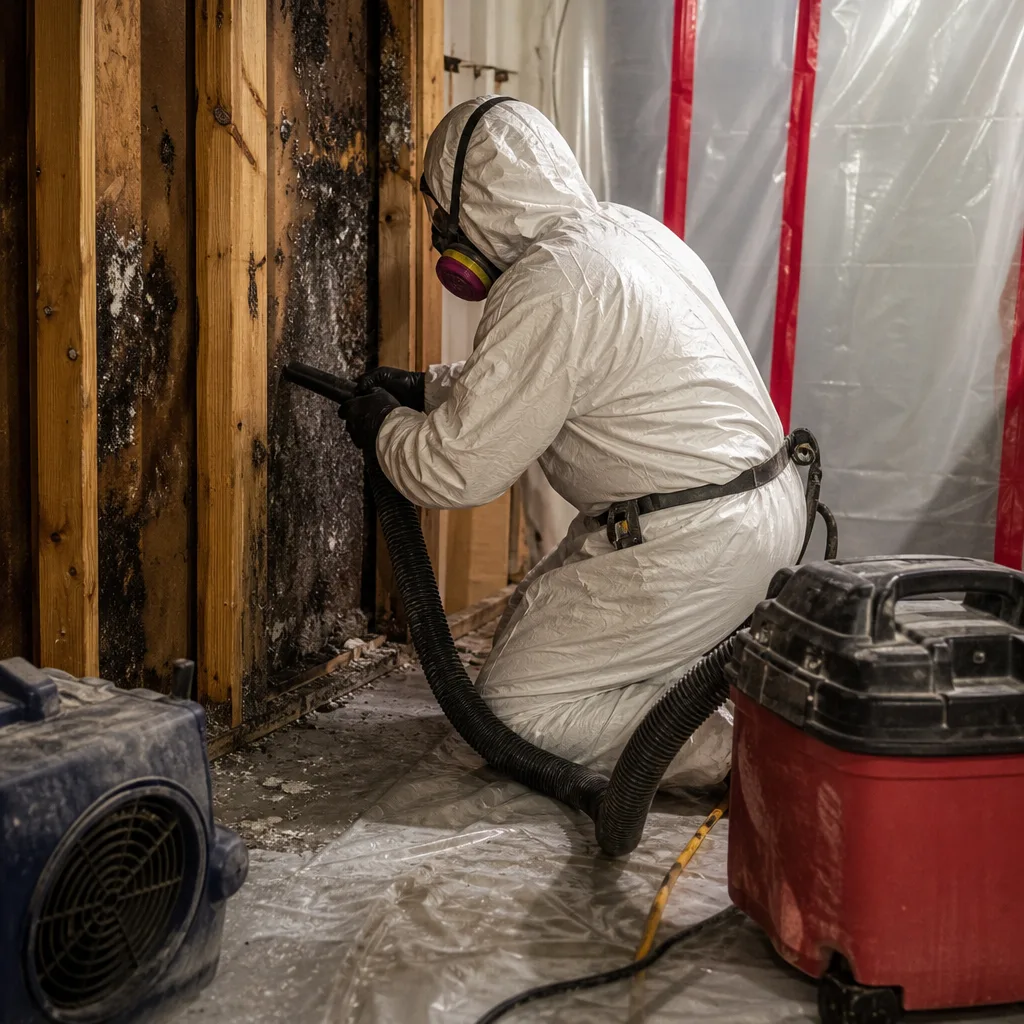
What happens when you call
- 1
A real person answersNo phone trees - you reach a local pro.
- 2
You get an upfront price rangeHonest numbers before anyone is dispatched.
- 3
A background-checked tech heads outLicensed & insured, dispatched right away.
- 4
You approve before work beginsNothing starts until you say go.
Commercial Restoration Costs in West New York, NJ
Costs here run higher than in spread-out suburban towns, for concrete reasons. A category 2 water loss in a single West New York apartment typically runs $3,200 to $8,500. A stacked-unit loss across three to five floors where water traveled through ceilings and walls runs $9,000 to $22,000. If asbestos or lead abatement enters the picture, which happens in a meaningful percentage of pre-1950 buildings, add $2,000 to $6,000 for testing and abatement coordination. Retail spaces with tenant improvements and inventory losses run $8,000 to $30,000 depending on square footage and finishes. The free visual inspection gives you a written scope with line-item pricing before any work begins, so you know the real number. No surprises on the bill. Done right – and backed in writing.
We Also Serve Cities Near West New York
Our commercial restoration crews serve the full Hudson County area, including Alpine, Bergenfield, Bogota, and Carlstadt. If your property sits just outside West New York, the same team and the same 24/7 live dispatch covers you.
West New York Commercial Restoration Questions, Answered
How do you handle restoration when a pipe burst in a West New York apartment building damages multiple units below?
We treat it as one continuous loss event, not four separate jobs. We inspect every unit below the source, map all affected areas with thermal imaging and moisture meters, and produce a single written scope covering every affected apartment, hallway, and common area. Then we set one drying perimeter across the entire column, coordinate containment so residents can still use the stairwell, and bill the appropriate parties separately: unit owner, landlord, and HOA master policy each get their own documentation from the same loss event. Call (917) 924-4221 and we’ll explain how this works for your building specifically.
Why does restoration in West New York’s brick walk-ups take longer than in neighboring towns?
Three reasons: first, water travels down through plaster and oak flooring across multiple stacked units, so the actual affected area is always larger than what’s visible. Second, no service elevators and narrow stairwells mean every air mover, dehumidifier, and piece of debris moves by hand, adding real hours to setup and pack-out. Third, street parking restrictions force careful staging and sometimes off-site equipment marshaling. Our drying timelines account for these realities from the first inspection, so you get an honest schedule instead of a surprise.
What happens if my building has lead paint or asbestos hidden in the walls during a water loss?
We stop, document, and coordinate. In pre-1950 West New York buildings, plaster walls often contain asbestos, and original paint layers may contain lead. Our technicians are trained to recognize these conditions, and we bring in a licensed abatement contractor before disturbing materials. The restoration pauses on those surfaces, but the drying does not wait: we isolate the area and run containment while abatement is scheduled. This keeps the job moving without exposing residents or workers to hazards. HOA rules in most West New York buildings require this approach.
How do you prevent mold when water from an upper unit soaks the units below?
Speed and containment. Mold needs moisture and time, so we start extraction the same visit and establish a structural drying perimeter that pulls moisture from wall cavities and floor systems, not just surface materials. In stacked-unit losses, we place drying equipment in every affected floor from the start, because the water in unit 2’s ceiling is feeding mold risk in unit 1’s apartment. Daily moisture readings tell us when each cavity hits the dry standard. For category 2 and 3 water, we apply antimicrobial treatments to affected surfaces as part of the drying process, not as an afterthought.
Can a single restoration project in West New York involve multiple insurance companies and landlords?
Yes, and it usually does. A 4th-floor pipe burst often triggers the unit owner’s policy, the landlord’s dwelling policy, the HOA master policy for common areas, and sometimes a tenant’s renters or commercial policy. We handle all of it: we document one loss event, assign costs to the correct policies line by line, and bill each carrier directly. Our project managers speak adjuster. You don’t chase anyone. That’s standard practice on our West New York jobs.
How fast can a crew actually get to a West New York commercial property?
Our commitment is 45 minutes to arrival for emergency water extraction calls in West New York, and we answer the phone live 24/7. On a busy weather day we’ll tell you the honest ETA on the first call so you can plan. Emergency response is always available, and most jobs get extraction running the same visit.
Do I really need full commercial restoration, or can we just clean and dry the visible area?
That depends on the water category and what the moisture map shows. Clean water on tile that never touched drywall may need drying and sanitation only. Water that traveled through plaster walls or wood flooring needs structural drying and likely some material removal, because the cavity moisture you can’t see is where mold grows. We tell you the truth on the free visual inspection, with a line-item scope so you see exactly what needs to happen and why. We won’t sell you work you don’t need.
Are your technicians certified for commercial restoration work?
Our crews are trained to IICRC standards, including WRT for water damage, FSRT for fire and smoke, and AMRT for mold remediation, and they’re background-checked and uniformed. We also carry insurance and warranty our work with the 90-Day Done Right Promise: if it’s not done right, we make it right. That’s in writing on every job.
Serving West New York, NJ - Our Local Coverage Area
We’re based in the West New York area and know this community well. Use the map below to see our service coverage - if you’re nearby, we can almost certainly help.
Call Floodline Restoration Co. of Manhattan for West New York Commercial Restoration
When water is moving through a pre-war brick walk-up, every hour changes the scope. Our crews know West New York’s buildings, its stairwells, its parking constraints, and its HOA realities. We show up fast, map the full loss, and give you a written scope before work starts. We bill insurance directly. We stand behind the work with the 90-Day Done Right Promise. Call (917) 924-4221 any hour, any day, and a live dispatcher will answer. The line the water left is where we start.
Written by Curt Bowman, Owner at Floodline Restoration Co. of Manhattan, serving West New York and Hudson County.