
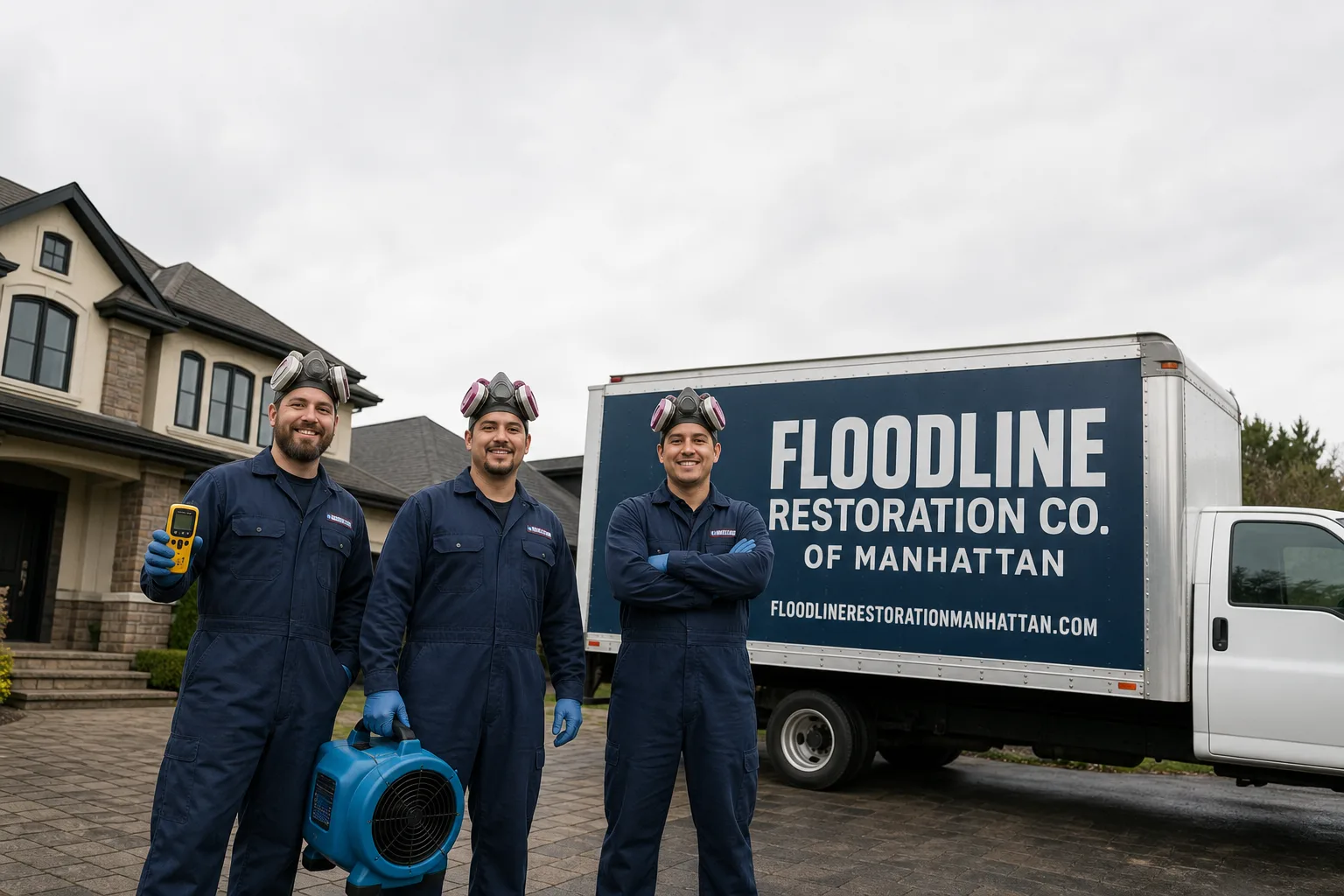
Free visual inspection and a written scope of work before any mitigation begins - photos, moisture readings, and drying logs go in your claim file
The scope we write is the scope we bill. Anything new gets shown to you, in writing, before we touch it.






 Before
 After
After Before
 After
After Before
 After
After24/7 Emergency Commercial Restoration in White Plains
Commercial water damage in White Plains rarely waits for business hours, and neither do we. Floodline Restoration Co. of Manhattan answers live around the clock, every day of the year. When a riser splits in a downtown tower or a Bronx River surge floods a basement mechanical room at 2 a.m., a real dispatcher picks up the phone and a certified crew heads toward your building immediately. Call (917) 924-4221 for a free visual inspection and a straight answer about what you’re facing. The first hour matters: water moving through drop ceilings, elevator shafts, and stacked floors becomes a multi-unit event fast. Extraction running the same visit is how we keep a bad night from becoming a gut job.
Understanding Commercial Restoration Severity in White Plains Properties
Not all water damage is equal. The industry classifies water by contamination level: Category 1 is clean supply-line water, Category 2 carries biological or chemical contamination, and Category 3 is grossly contaminated, the kind the Bronx River leaves behind after it jumps its banks near Mamaroneck Avenue. Severity also depends on what the water touches. In White Plains’s 1970s-1990s commercial towers, water travels downward through drop-ceiling assemblies, wall cavities, and electrical chases, soaking gypsum board and insulation on every floor it passes. That’s why we use Dri-Eaz and Phoenix equipment with thermal imaging and moisture mapping before a single air mover gets placed. You can’t guess where Category 2 water wicked inside a stacked building. We measure it, floor by floor, and log readings daily until the structure hits dry standard.
Key Takeaways
- Live answer 24/7 with crews dispatched into White Plains immediately
- Multi-floor riser failures require separate scopes and insurer coordination
- Direct insurance billing with claim documentation from the first hour
- One team handles extraction, drying, and rebuild; no mid-job handoff
Why White Plains Property Owners Choose Floodline Restoration Co. of Manhattan
- A live person answers, no matter the hour. At 2 a.m. you get a dispatcher, not a recording. Extraction starts the same visit.
- Crews certified to IICRC standards. Our technicians hold WRT, FSRT, and AMRT certifications and train to RIA and IFA standards. Uniformed and background-checked, every job.
- Free visual inspection before any work begins. You get a written scope and firm pricing before equipment rolls in.
- Direct insurance billing. We send documentation to your carrier and talk to the adjuster so you don’t play messenger.
- One team from first extraction through reconstruction. No handing your building to a subcontractor mid-job. We finish what we start.
- The 90-Day Done Right Promise. If it’s not done right, we make it right. In writing, no arguing. That’s the Keystone Standard.
Our Commercial Restoration Process
Inspection & Assessment
We document the loss with photos, thermal imaging, and moisture readings. In a White Plains multi-floor building, that means mapping every affected unit, not just the source floor.
Extraction & Stabilization
Truck-mounted extraction pulls standing water from floors, carpets, and chases. We stabilize ceilings, shut off compromised power where needed, and contain the affected zone.
Drying & Dehumidification
Professional-grade Dri-Eaz dehumidifiers, Phoenix air movers, and XPOWER fans run continuously with daily moisture logs until the structure meets dry standard.
Cleaning & Sanitization
Antimicrobial treatment on affected surfaces, HEPA air scrubbing, and content cleaning. For Category 3 events near the Bronx River, this step includes full pack-out and disposal of unsalvageable materials.
Commercial-Specific Treatment
Document and inventory recovery, server room drying, and deodorization for retail and office spaces. We handle business interruption mitigation, not just water removal.
Repairs & Restoration
Drywall, drop-ceiling tile replacement, paint, flooring, and millwork. The same crew that read the moisture map on day one rebuilds what needs rebuilding.
Need Emergency Commercial Restoration in White Plains Now?
Crews minutes away, answering live 24 hours a day. The sooner we start, the less it costs.
Working With Your Insurance Company
Commercial water losses in White Plains often involve multiple insurers, especially in the stacked towers where a single riser failure affects units owned by five or more different parties. We’ve handled that coordination before, and we handle it the same way every time: document everything from the first hour, produce industry-standard line-item estimates, and talk directly to every adjuster who needs an answer. Our Commercial Restoration team prepares separate scopes of work per unit when ownership is divided, but physically treats the loss as one continuous event. That’s faster, cheaper, and defensible with every carrier involved.
What We Provide Your Insurer
- Thorough documentation of the loss
- Photos of all damage, room by room and floor by floor
- Moisture readings and daily drying logs
- A detailed, line-item scope of work, per unit where needed
- Direct coordination with your carrier and any co-insurers
Built for White Plains’s Loss Calendar
White Plains’s inland valley position shapes its damage seasons. January and February bring freeze-thaw cycles that split cast-iron drains and inadequately insulated chases in pre-WWII buildings near Battle Hill and the Highlands. March and April thaw saturates ground around older foundations, and basement seepage ticks up in the same corridor. July and August thunderstorms dump water faster than the Bronx River’s lower-lying sections can carry it, pushing Category 3 water into basement mechanical rooms and document storage near Mamaroneck Avenue. Add nor’easters in late fall, and you have a commercial restoration calendar where the same building can face a burst riser in February and a river surge in September. Our crews know the patterns. Our equipment is staged accordingly. And our White Plains dispatch routes reflect it.
Commercial Restoration Across White Plains’s Neighborhoods
Downtown White Plains, from Mamaroneck Avenue east to the Metro-North station, is tower country. These 8-to-15-story buildings from the 1970s through 1990s still run original plumbing risers, and when one splits, water travels through drop ceilings on every floor below. Response time there is about access: property managers control entry, and we coordinate sign-offs before equipment goes in. In the Battle Hill neighborhood, pre-WWII commercial buildings and mixed-use storefronts have a different failure profile: cast-iron waste lines and shallow foundations that make freeze-thaw bursts a late-winter constant. Ground-floor retail along Post Road and Main Street sees Category 2 and 3 events when the river corridor floods after heavy rain. The Highlands, uphill to the northeast, drains better but has older flat-roof commercial buildings where clogged roof drains send water down interior chases into offices and stockrooms. Each area has its own loss pattern, and we stage response routes accordingly.
Specialized Commercial Restoration Services We Offer in White Plains
Office & Retail Restoration
We dry office suites, server rooms, and retail back-of-house spaces without tearing out more than necessary. When a downtown White Plains storefront faces a neighboring unit’s riser failure, we contain, dry, and restore while keeping the sales floor operational where code allows. Document and inventory recovery is built into the scope.
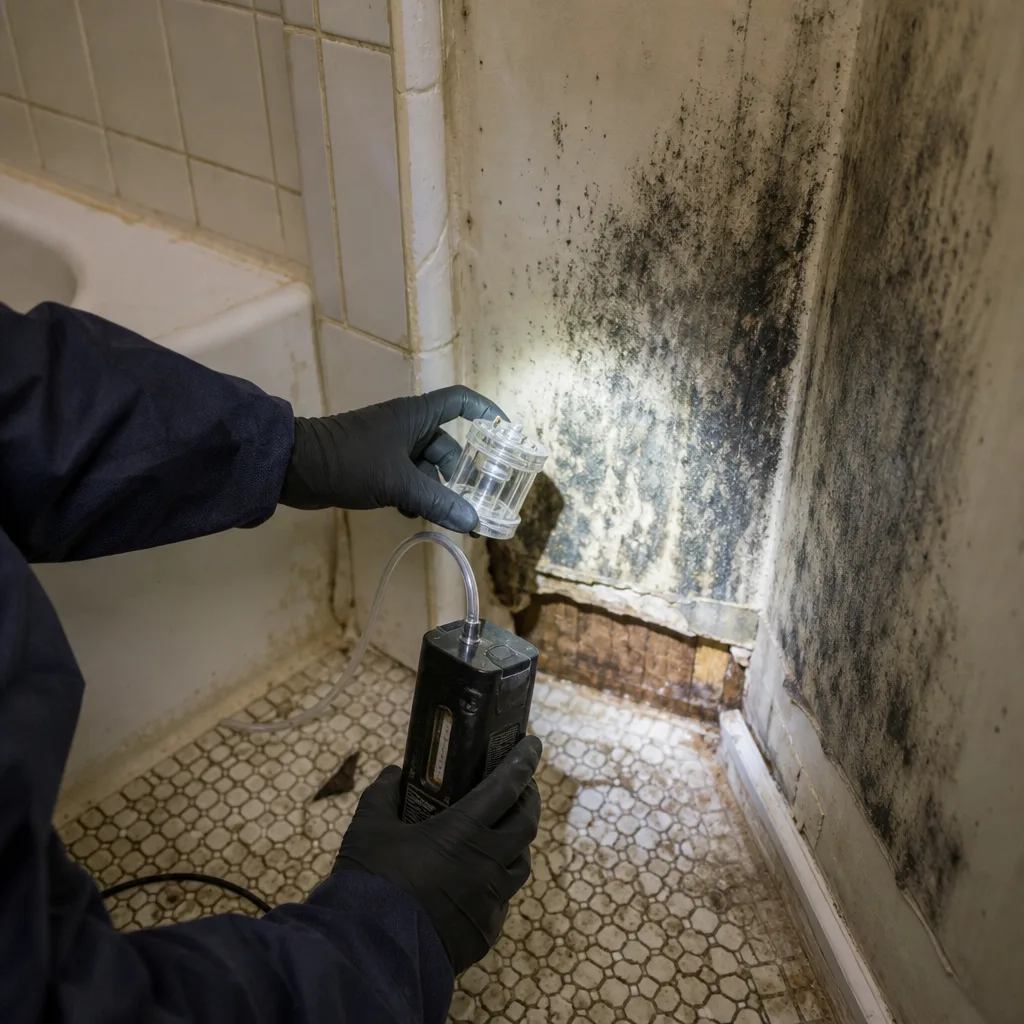
Multi-Unit & HOA Restoration
This is the core of White Plains commercial restoration work. One riser failure means five to ten stacked floors affected, multiple unit owners, and multiple insurance carriers. We produce a separate line-item scope for each unit but run one physical job. Hoarders of paperwork, adjusters, and property managers all get the same daily drying log and the same point of contact.
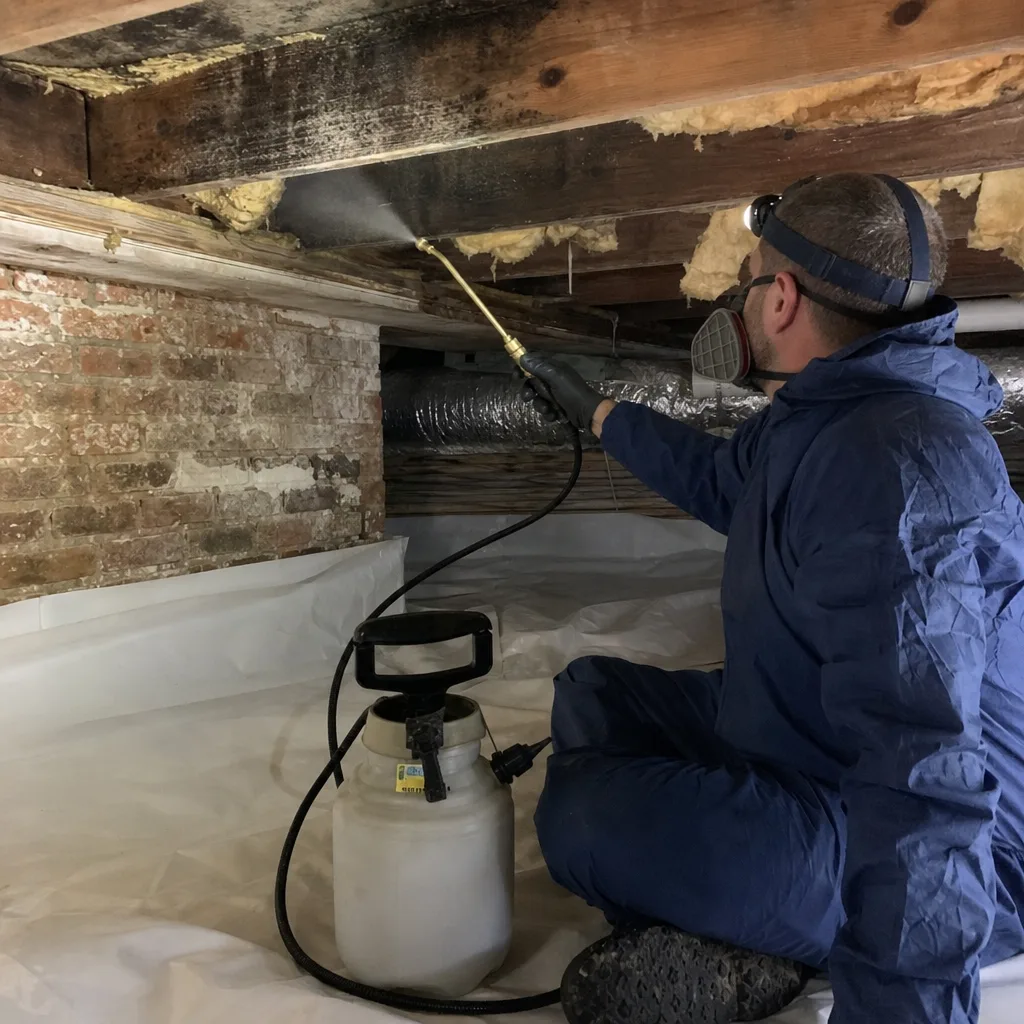
Industrial Facility Cleanup
Basement mechanical rooms, loading docks, and industrial storage near the Bronx River flood corridor need aggressive extraction and antimicrobial treatment after Category 3 events. We handle sewage backups, fuel oil releases, and contaminated water with containment and air scrubbing that meets IICRC standards.
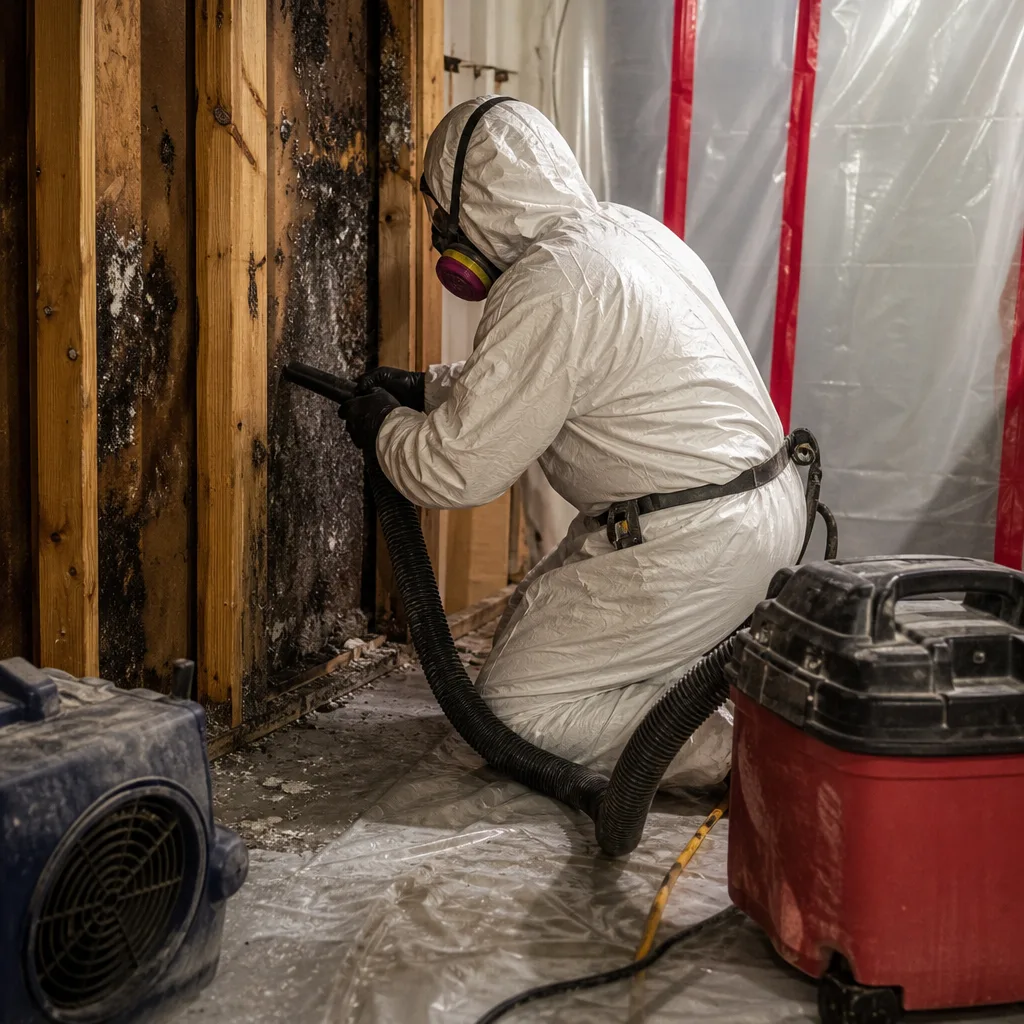
Large-Loss Response
When a pipe freezes on the 12th floor of a White Plains tower and floods 10 floors below, that’s a large-loss event. We scale up with additional certified crews and truck-mounted extraction within hours, not days. Led by Curt Bowman, our large-loss team has run multi-floor commercial dryouts across Westchester County’s only true urban core and understands the scheduling pressure building owners face.
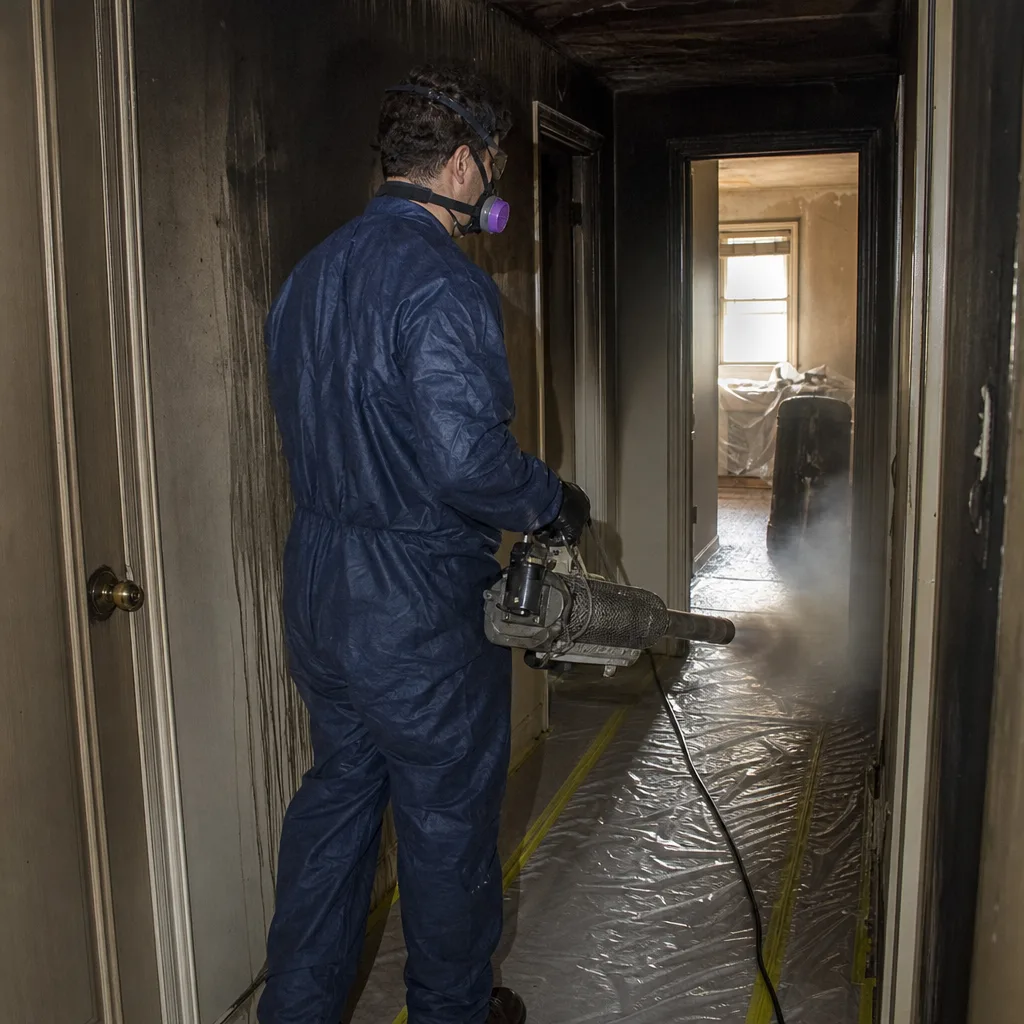
Business Interruption Minimization
Every day a White Plains business is closed costs revenue and customer relationships. We phase work so that the most critical areas get drying first, document loss-of-use claims properly, and push toward reopening as fast as the structure allows. Where code and safety permit, we isolate and seal off damaged zones so unaffected areas keep operating.
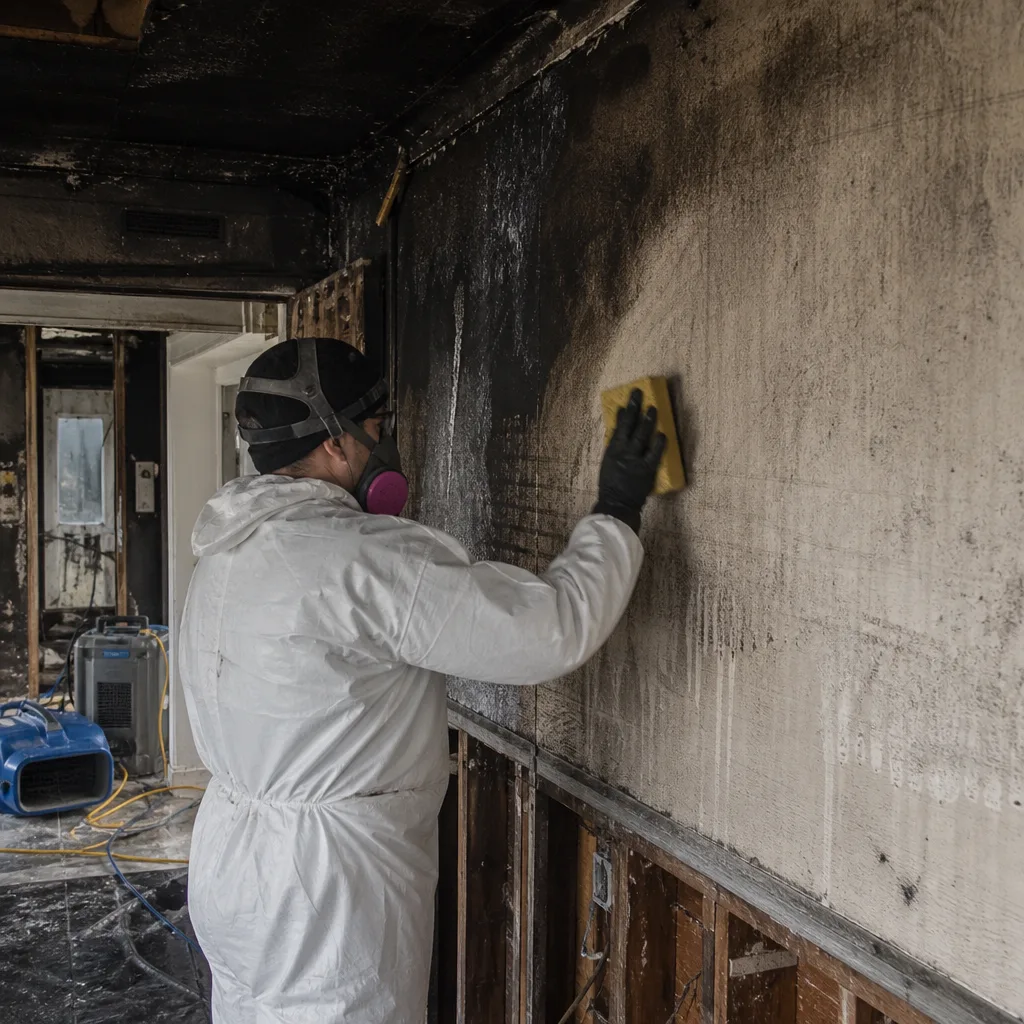
What happens when you call
- 1
A real person answersNo phone trees - you reach a local pro.
- 2
You get an upfront price rangeHonest numbers before anyone is dispatched.
- 3
A background-checked tech heads outLicensed & insured, dispatched right away.
- 4
You approve before work beginsNothing starts until you say go.
Commercial Restoration Costs in White Plains, NY
Here’s what you can realistically expect in White Plains’s market. A single-unit office water extraction with drying runs $2,800-$5,500 depending on square footage and Category. A multi-floor riser failure in a downtown tower, with separate scopes for five or more units, typically lands between $18,000 and $55,000 after insurer coordination. Category 3 flood work near the Bronx River corridor, including full pack-out and antimicrobial treatment, starts around $7,500 and climbs with contents and structural exposure. What moves the price: number of affected floors, ceiling assembly type, contents salvage, and whether reconstruction is needed. Insurance usually covers the bulk when documentation is solid. The free visual inspection gives you a firm written number before you commit to anything. Call (917) 924-4221 and we’ll walk the building with you.
We Also Serve Cities Near White Plains
Our crews cover the surrounding Westchester communities with the same live-answer dispatch and certified response. For commercial restoration in Westchester, we also serve Hartsdale, Elmsford, Scarsdale, and Valhalla. Same team, same equipment, same 90-Day Done Right Promise.
White Plains Commercial Restoration Questions, Answered
How does a plumbing riser failure in a White Plains high-rise differ from a single-family home water loss in Scarsdale or Harrison?
A riser failure moves water through 5 to 10 stacked floors, each potentially owned by a different party with a different insurer. That means multiple scopes of work, multiple adjuster visits, and property manager sign-offs before entry. A single-family home is one owner, one carrier, one contiguous space. The physical drying work is similar in technique but the coordination burden in a White Plains tower is a different job entirely.
Why do White Plains commercial buildings need dry-out faster after a Bronx River flood than buildings on higher ground?
River water is Category 3: contaminated with sewage, chemicals, and organic matter. In the low-lying corridor near Mamaroneck Avenue, that water saturates basement mechanical rooms, elevator pits, and document storage. Every hour of contact spreads contamination deeper into porous materials. Fast extraction and antimicrobial treatment is the difference between a mitigation job and a full pack-out with structural replacement. Call (917) 924-4221 immediately after river water enters a commercial space.
Can you restore a 1980s White Plains office tower’s original plumbing without ripping out drop ceilings on every floor?
Often yes. We use moisture mapping and thermal imaging to identify exactly where water traveled inside the ceiling cavity. We open only the affected sections, dry the cavity with targeted air movement, and replace only the damaged ceiling tiles. Full ceiling removal on every floor is rarely necessary when mapping is done first. That saves days of business interruption and thousands in unnecessary demolition.
What documentation does a multi-unit water loss require in White Plains, where every unit owner may have a different insurer?
Each unit needs its own photo log, moisture readings, and line-item scope of work with clear boundaries stating where one unit’s loss ends and the next begins. The property manager typically needs the same packet for the building’s master policy. We produce separate documentation for each insurer while treating the physical loss as one continuous event. That consistency is what keeps adjusters from fighting over coverage gaps.
How do you keep a downtown White Plains retail business open when a neighboring unit’s riser failure floods their back-of-house?
We set containment barriers and negative air pressure to isolate the affected zone, then dry and restore without contaminating the sales floor. If code and air quality allow, the front of house stays open. We also document loss-of-use for the business interruption claim so the owner doesn’t eat the downtime cost. The sooner containment goes up, the better the odds of staying open.
How fast can you actually get to a White Plains commercial property?
We commit to a 45-minute dispatch window for emergency commercial calls in White Plains. A live dispatcher answers the phone immediately, and crews staging from the metro area reach downtown White Plains, Battle Hill, and the Highlands quickly. For multi-floor tower events, we can have containment and extraction running the same visit.
Is commercial restoration covered by insurance, and who deals with the adjuster?
Most commercial policies cover sudden and accidental water damage, including riser failures and storm flooding, subject to deductibles and exclusions. We bill the carrier directly and communicate with every adjuster on the claim. You never play messenger. Our documentation from the first hour is what makes the claim hold up.
What should a building owner do in the first 30 minutes after discovering water damage?
Call (917) 924-4221. Then shut off water at the source if you can do so safely. Kill electrical power to affected areas only if you can access the panel without standing in water. Do not enter standing water in a commercial space; contaminants and electrical hazards are real. Take photos from a safe distance, notify your property manager, and let our crew handle the rest. Do not attempt to dry a multi-floor commercial loss with box fans and a shop vac. It will not work, and it will make the claim harder to prove.
Serving White Plains, NY - Our Local Coverage Area
We’re based in the White Plains area and know this community well. Use the map below to see our service coverage - if you’re nearby, we can almost certainly help.
One More Thing About White Plains
Nowhere else in Westchester has a built environment quite like downtown White Plains. A single failed riser in a 1980s tower off Mamaroneck Avenue is not a one-unit water loss. It is a multi-floor, multi-owner, multi-insurer restoration event that requires a level of coordination most restoration companies never see. Our crew was called to one such high-rise after a cast-iron riser split during a February freeze-thaw cycle. Water from a Category 2 leak had already wicked through drop-ceiling assemblies on four floors before the property manager granted access. We ran moisture mapping on every affected unit, set containment and air movers within six hours of entry, and produced a separate scope of work for each of the seven unit owners, only two of whom shared the same insurance carrier. Drying logs showed structural drying was complete in five days. The coordination alone took three adjuster visits and two building-superintendent sign-offs. That’s the real job in this city. We’ve done it before, and we’ll do it again, with the 90-Day Done Right Promise in writing when we hand over the final moisture log.
Written by Curt Bowman, Owner at Floodline Restoration Co. of Manhattan, serving the White Plains area since 2010.