
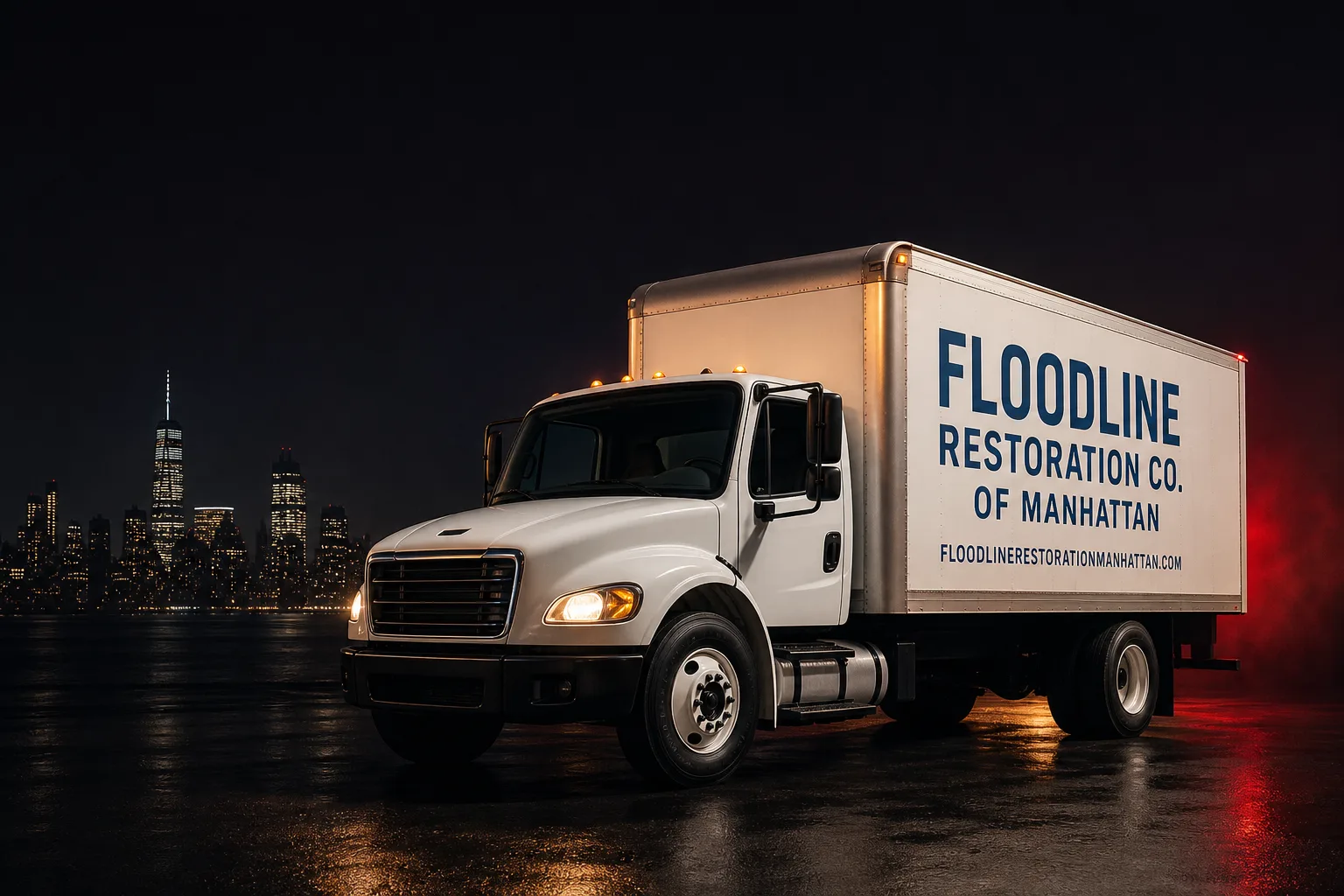
Free visual inspection and a written scope of work before any mitigation begins - photos, moisture readings, and drying logs go in your claim file
The scope we write is the scope we bill. Anything new gets shown to you, in writing, before we touch it.






 Before
 After
After Before
 After
After Before
 After
After24/7 Emergency Fire & Smoke Damage Restoration in Inwood Manhattan
Fire damage in Inwood Manhattan compounds fast. Soot etches surfaces within hours, smoke odor sets into plaster and lath within days, and water from the fire department’s attack keeps wicking through floors and walls long after the trucks leave. Call (917) 924-4221 and a live dispatcher answers, any hour, every day. Our crew reaches Inwood Manhattan properties fast, runs a free visual inspection, and starts containment and extraction the same visit. The first hour after a fire determines what you salvage and what you replace. We don’t make you wait on a call-back while corrosion works deeper into your home.
Understanding Fire & Smoke Damage Restoration Severity in Inwood Manhattan Properties
Fire damage restoration in Inwood Manhattan differs from other borough neighborhoods because of the building stock. The six and seven story pre-war elevator buildings here, most built between the 1920s and 1940s, share structural systems across floors. Steam-heat risers, original cast iron drain stacks, and electrical conduits run vertically through every unit. Soot and smoke don’t just linger in the fire unit. They travel through those chases and pipe penetrations, depositing residue in apartments three, four, even six floors away. A kitchen fire on the fourth floor of a Dyckman Street co-op can leave odor in the sixth-floor hallway because the riser acted as a chimney.
Water severity matters too. Fire suppression water in a low-lying Inwood block near the Harlem River can mix with brackish tidal storm surge during a wet-weather fire event. That creates Category 3 black water conditions: sewage, river sediment, and fire runoff together. You don’t dry Category 3. You remove affected drywall, insulation, and flooring, then sanitize and rebuild. For situations like this, our Inwood Manhattan Sewage Cleanup crews are equipped to handle the full decontamination process. We carry thermal imaging cameras and hygrometers on every Inwood call to map where that water went. Soot residue types matter as well: protein soot from a kitchen fire is nearly invisible and clings with a greasy film, while dry synthetic soot from burning plastics is abrasive and acidic. Each requires a different cleaning agent and technique. We train our crews to identify the residue type before touching a surface, because the wrong cleaner can bake soot deeper into plaster.
Why Inwood Manhattan Property Owners Choose Floodline Restoration Co. of Manhattan
- 45-minute response commitment for emergency fire and smoke calls in Inwood Manhattan. Call us before noon and a crew is on-site that afternoon.
- 24/7 live answer. A real dispatcher picks up at 2 a.m., not a phone tree. We dispatch from our New York City office to Inwood Manhattan crews directly.
- IICRC-certified crews trained to WRT and FSRT standards, plus RIA and IFA protocols. Background-checked and uniformed on every job.
- Free visual inspection with thermal imaging and moisture mapping. You’ll see the scope before any work is authorized.
- Direct insurance billing. We photograph everything from the first hour, build a line-item scope, and talk to your adjuster so you don’t have to.
- One team from extraction to reconstruction. Our Fire & Smoke Damage Restoration crew doesn’t hand your job to a third-party rebuild outfit. The same certified team that tears out damaged drywall rebuilds it.
Our Fire & Smoke Damage Restoration Process
Inspection & Assessment
We arrive with thermal imaging, moisture meters, and a full floor-by-floor walk of the affected area and adjacent units. In pre-war Inwood buildings, we always inspect the riser chases and drain stacks above and below the fire unit. The scope we give you reflects what we find, not what you think happened.
Extraction & Stabilization
Standing water from fire suppression comes out first, using truck-mounted and portable extraction units. We stabilize damaged structural elements, board up openings, and tarp where the roof or windows were compromised. Emergency board-up and tarping in Inwood Manhattan often happens the same hour we arrive.
Drying & Dehumidification
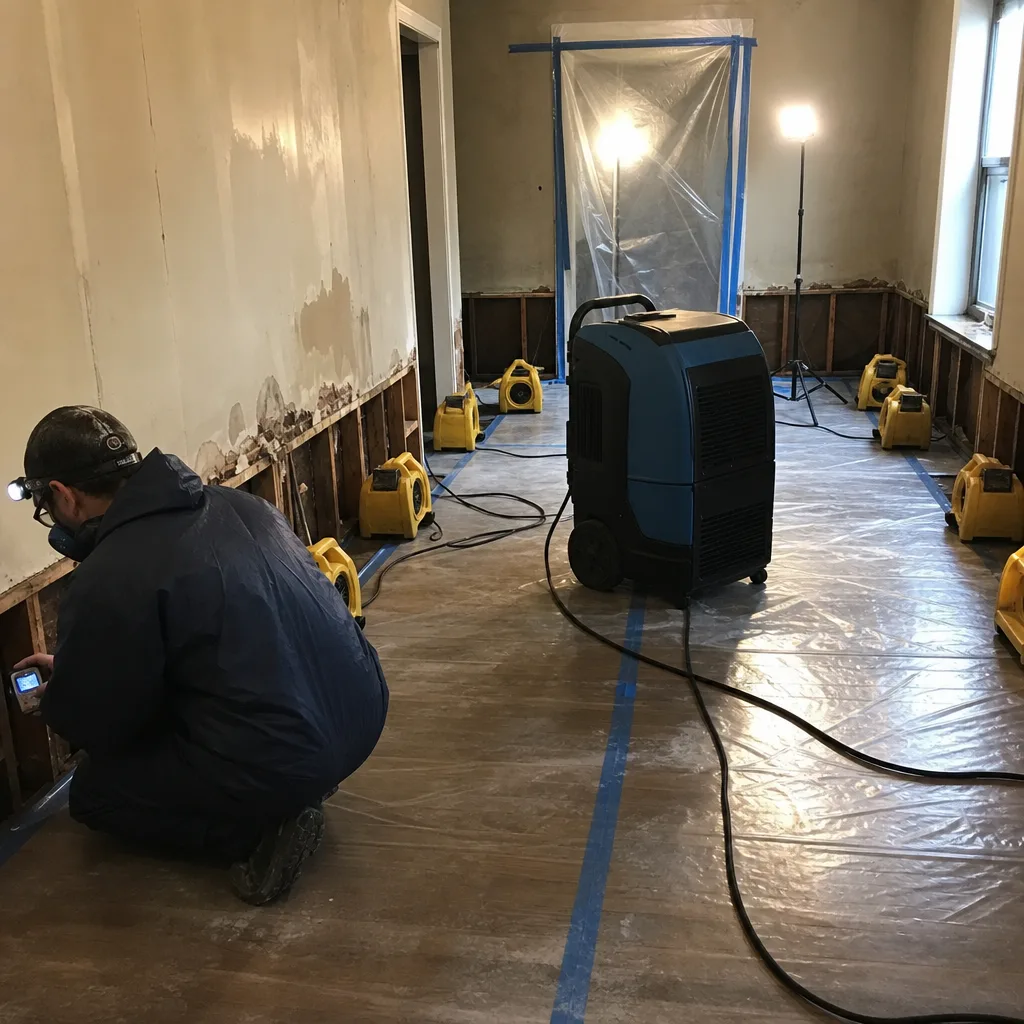
Professional-grade Dri-Eaz dehumidifiers and Phoenix air movers run around the clock, with daily moisture readings logged until the dry standard is met. In old brick buildings near the Harlem River, ambient humidity stays high, so drying takes longer than an inland site. We plan for that.
Cleaning & Sanitization
HEPA air scrubbers clear airborne soot while our crews clean surfaces with residue-specific agents. We don’t mask odor; we remove it at the source, including inside wall cavities and duct runs. Every surface gets sanitized before any rebuild begins.
Smoke & Soot Removal and Odor Treatment
For Inwood’s pre-war buildings, this includes treating the vertical steam riser chases and electrical conduits that carried smoke beyond the fire floor. We use hydroxyl generators and thermal fogging where appropriate, and we verify odor elimination with a walkthrough you attend.
Repairs & Restoration
Drywall, paint, flooring, trim, and cabinetry rebuilt by our own crew. If the job needs structural fire repair, we handle it in-house through our Inwood Manhattan Reconstruction & Cleanup service. You get a finished room, not a punch list of subcontractors to chase.
Need Emergency Fire & Smoke Damage Restoration in Inwood Manhattan Now?
Crews minutes away, answering live 24 hours a day. The sooner we start, the less it costs.
Working With Your Insurance Company
Most fire losses in Inwood Manhattan are covered under standard homeowners and co-op policies, but the paperwork and adjuster negotiation can eat weeks if you handle it alone. We document everything from the first hour: photos of every affected room, moisture readings, thermal imaging scans, and a detailed line-item scope of work. Our team communicates with your adjuster directly. You get copies of everything. No surprises on the bill, and a square deal in writing. Curt Bowman founded this company on that principle, and it hasn’t changed since 2010.
What We Provide Your Insurer
- Thorough documentation of the loss
- Photos of all damage, room by room
- Moisture readings and drying logs
- A detailed, line-item scope of work
- Direct coordination with your carrier
Built for Inwood Manhattan’s Loss Calendar
Fire and smoke losses in Inwood Manhattan follow a seasonal rhythm that’s different from the rest of the city. January and February bring space-heater fires and overloaded circuits in the older apartment stock near Broadway, where original wiring predates modern appliance loads. Spring thaw exposes roof-drain failures in pre-war buildings, and water intrusion from those leaks finds its way into electrical panels, causing short-circuit fires. Summer brings thunderstorms and the occasional kitchen fire from open-window cooking in tight pre-war kitchens. Nor’easter season, late fall through winter, pushes wind-driven rain into window frames and creates the wet-conditions fire aftermath we described above: fire suppression water mixing with stormwater. We don’t staff for this calendar as an afterthought. We plan the dispatch board around it.
Fire & Smoke Damage Restoration Across Inwood Manhattan’s Neighborhoods
Response routes and restoration tactics differ block by block in Inwood Manhattan. Along Dyckman Street and the blocks nearest the Harlem River waterfront, floods and fires often arrive together. A burning appliance near a ground-floor unit can burn while the same building takes on tidal water from two directions. Those jobs need simultaneous extraction and fire containment, which most restoration companies aren’t set up to run. We are.
In the historic district around Isham Park and Park Terrace West, co-op boards demand strict containment and asbestos coordination before any destructive work begins. Our Inwood Manhattan Biohazard & Crime Scene Cleanup protocols ensure we meet those standards on every job. Our crews carry the documentation those boards want, and we coordinate abatement before drywall comes down. Up in the Sherman Avenue corridor, where six-story elevator buildings dominate, smoke travels vertically through original steam risers. We routinely set containment on every floor of the stack, not just the fire floor, because soot and odor cross through common stairwells. Near Fort Tryon Park and the blocks off Broadway north of the 1 train, we see a mix of old walk-ups and a few post-war buildings, where the failure profile shifts to electrical fires in outdated panels. Each zone has its own rhythm, and we dispatch crews who know it.
Specialized Fire & Smoke Damage Restoration Services We Offer in Inwood Manhattan
Smoke & Soot Removal
Soot in Inwood’s pre-war apartments often settles inside steam riser chases and behind radiators, where it resists surface cleaning. We open the right cavities, remove the residue at its source, and seal surfaces with an odor-blocking primer before repainting. A quick wipe-down won’t do it, and every Inwood resident who’s lived through a neighbor’s fire knows the smell returns if you skip this step.
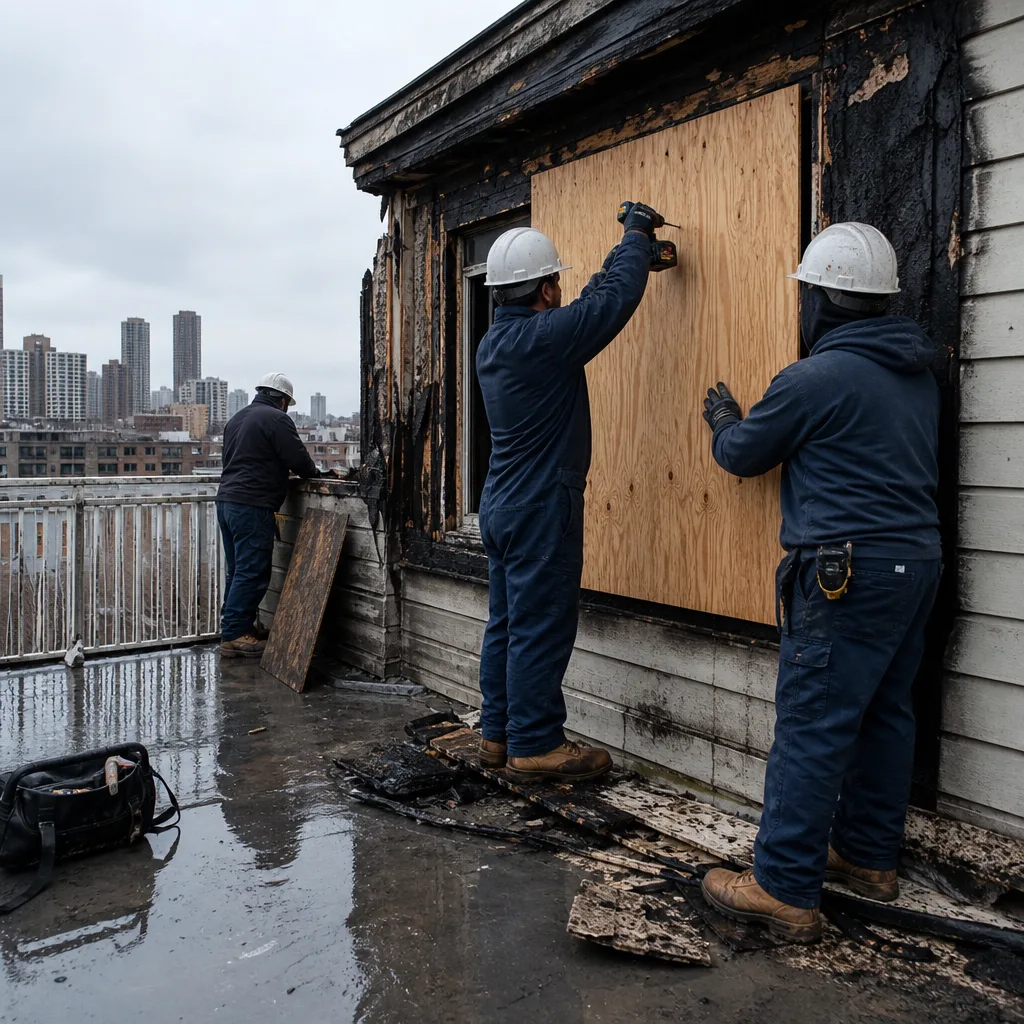
Contents Cleaning & Pack-Out
Your furniture, clothing, books, and keepsakes don’t belong in a dumpster just because they smell like smoke. We pack out salvageable contents, clean them off-site with ultrasonic and ozone treatment where appropriate, and store them until your unit is rebuilt. For co-op shareholders in Inwood with limited storage, this service keeps you from losing what insurance might otherwise declare a total loss. We provide the photo inventory and cleaning log your adjuster will ask for.
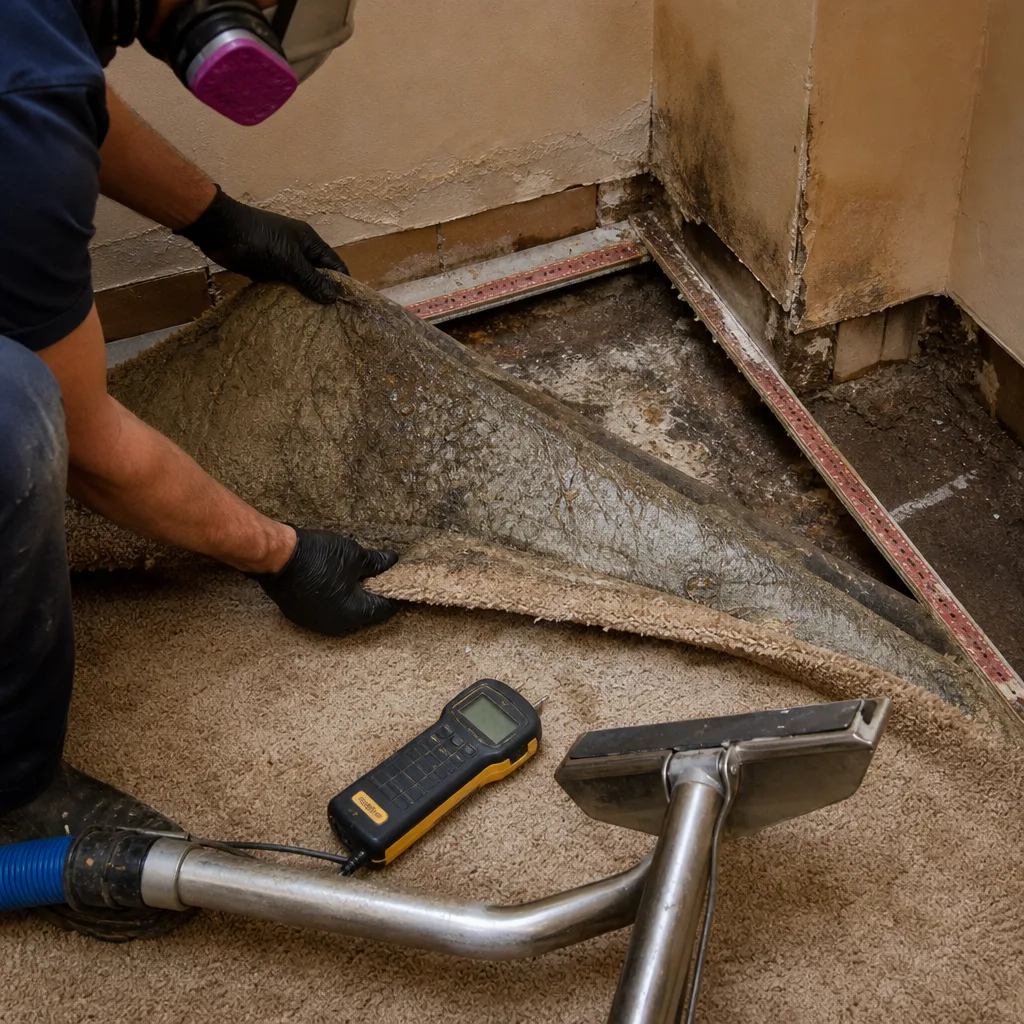
Structural Fire Repair
Charred joists, compromised studs, and fire-damaged masonry in Inwood’s older buildings need more than a patch. We cut out damaged framing, sister in new material, and match finishes to the original where the co-op board or Landmarks Commission requires it. This is our Fire & Smoke Damage Restoration crew’s daily work, not a specialty we sub out.
What happens when you call
- 1
A real person answersNo phone trees - you reach a local pro.
- 2
You get an upfront price rangeHonest numbers before anyone is dispatched.
- 3
A background-checked tech heads outLicensed & insured, dispatched right away.
- 4
You approve before work beginsNothing starts until you say go.
Fire & Smoke Damage Restoration Costs in Inwood Manhattan, NY
Fire damage restoration in Inwood Manhattan typically runs $3,500 to $14,000 for a contained kitchen fire with smoke cleanup on one floor. A fire that spreads smoke through multiple floors of a pre-war building, even without major burn damage, commonly lands between $18,000 and $45,000 because of multi-floor containment, riser cleaning, and contents pack-out. Full structural fire repair on a heavily damaged unit runs $60,000 and up, depending on what the fire compromised.
What moves the price: the number of floors affected by smoke migration, whether water reached Category 3 and forces drywall removal, whether asbestos or lead abatement is triggered, and how quickly extraction begins. Insurance typically covers the restoration scope when documented properly. Out-of-pocket situations usually involve co-op board-mandated upgrades beyond the loss. Our free visual inspection gives you a written scope and a price range before you authorize anything. Call (917) 924-4221 to set that up. Estimates are free, and we don’t oversell work that isn’t there.
We Also Serve Cities Near Inwood Manhattan
Our crews respond to fire and smoke losses in Fairview, Harrison, East Bronx, and Hunts Point with the same 45-minute response commitment and 24/7 live dispatch. If your property sits just outside Inwood Manhattan, call the same number and a live person will route the nearest available crew.
Serving Inwood Manhattan, NY - Our Local Coverage Area
We’re based in the Inwood Manhattan area and know this community well. Use the map below to see our service coverage - if you’re nearby, we can almost certainly help.
Inwood Manhattan Fire & Smoke Damage Restoration Questions, Answered
Why does smoke contamination spread so widely in Inwood’s pre-war apartment buildings even when the fire is contained to one unit?
Smoke travels through the vertical steam riser chases, cast iron drain stacks, and electrical conduits that run continuously between floors in buildings constructed in the 1920s through 1940s. A fire on one floor creates a pressure difference that draws smoke upward, depositing soot and odor in units three to six floors above. That’s why we set containment on every floor of the stack, not just the fire unit. Call (917) 924-4221 and we’ll walk the whole building, not just the burn room.
How does the coastal environment near the Harlem River affect drying after a fire in Inwood?
Ambient humidity stays high near the tidal waterways, so post-fire drying takes longer than an inland site. Worse, on low-lying blocks near Dyckman Street, fire suppression water can mix with brackish tidal surge, creating Category 3 contamination that requires full drywall and insulation removal rather than drying. We account for both conditions on every Inwood job. A free moisture inspection tells you which path your property needs.
What’s the biggest mistake property owners in Inwood make after a fire, before restoration starts?
Wiping soot off walls with a household cleaner. Most soot in a pre-war unit is acidic and greasy. Rubbing it with a generic product bakes the residue into the plaster, and the odor then requires much more invasive removal. The first 30 minutes should be about calling a restoration company and shutting off the HVAC, not DIY cleaning. If you’ve already wiped some surfaces, don’t panic. Just stop, and call us for a real assessment.
Why do fire restoration projects in Inwood often discover water damage on multiple floors not apparent at first glance?
Because fire suppression water runs down the original cast iron drain stacks and through openings in the fire-rated spaces between units. What looks like a one-unit fire on the sixth floor of a Sherman Avenue co-op is almost always a multi-floor water loss by the time we run thermal imaging. Our crew once arrived at a pre-war co-op on Sherman Avenue after a kitchen fire in a sixth-floor unit; smoke had traveled through the building’s original steam-heat risers and common stairwells, while water from the fire department’s attack had wicked down through five floors of cast iron drain stacks. We established containment on each affected floor, ran thermal imaging to map moisture migration, and coordinated asbestos abatement on pipe insulation before structural drying began, ultimately restoring all six units to pre-loss condition in eleven days. That’s the job, every time.
How do you handle odor removal from smoke in a building with central steam heat, like most of Inwood’s apartments?
We treat the riser chases and return-air pathways, not just the rooms where you smell the smoke. That means opening select wall cavities near the steam risers, cleaning the soot off those surfaces, and using hydroxyl or thermal fogging to neutralize odor inside the chases. Then we seal before rebuilding. A surface-level ozone treatment will fail in pre-war buildings. We do it at the source and verify with a final walkthrough you attend.
How fast can a restoration crew actually get to my Inwood Manhattan apartment?
If you’re in the Sherman Avenue corridor, near Dyckman Street, or up by Isham Park, our crews typically arrive within 45 minutes of your call. We answer live 24/7, and dispatch happens while you’re still on the phone. Same-day board-up, tarping, and extraction are common. We’ll be there when we say.
What certifications do your fire restoration technicians hold?
Our crews are IICRC-certified in Water Restoration (WRT) and Fire & Smoke Restoration (FSRT), with additional training through RIA and IFA standards. Every technician is background-checked and uniformed. We don’t send untrained labor into your home. The person who runs your job has handled fire losses in pre-war buildings like yours before.
What should I do in the first 30 minutes after a fire in my Inwood home?
Call (917) 924-4221 first. Then shut off your HVAC system if you can reach it safely. Don’t touch soot-covered surfaces, don’t plug anything back in, and don’t enter rooms with standing water. Wait outside or in a cleared area. Board-up and tarping can happen within hours, and the faster extraction starts, the less total damage you’ll face. Call us now and a live person will guide you through it.
Written by Curt Bowman, Owner at Floodline Restoration Co. of Manhattan, serving Inwood Manhattan and the surrounding boroughs with fire, water, and mold restoration since 2010. Every job is backed by the 90-Day Done Right Promise, known internally as the Keystone Standard: Krafted right, Every time, Your home first, Standing behind it. Done right, and backed in writing.