
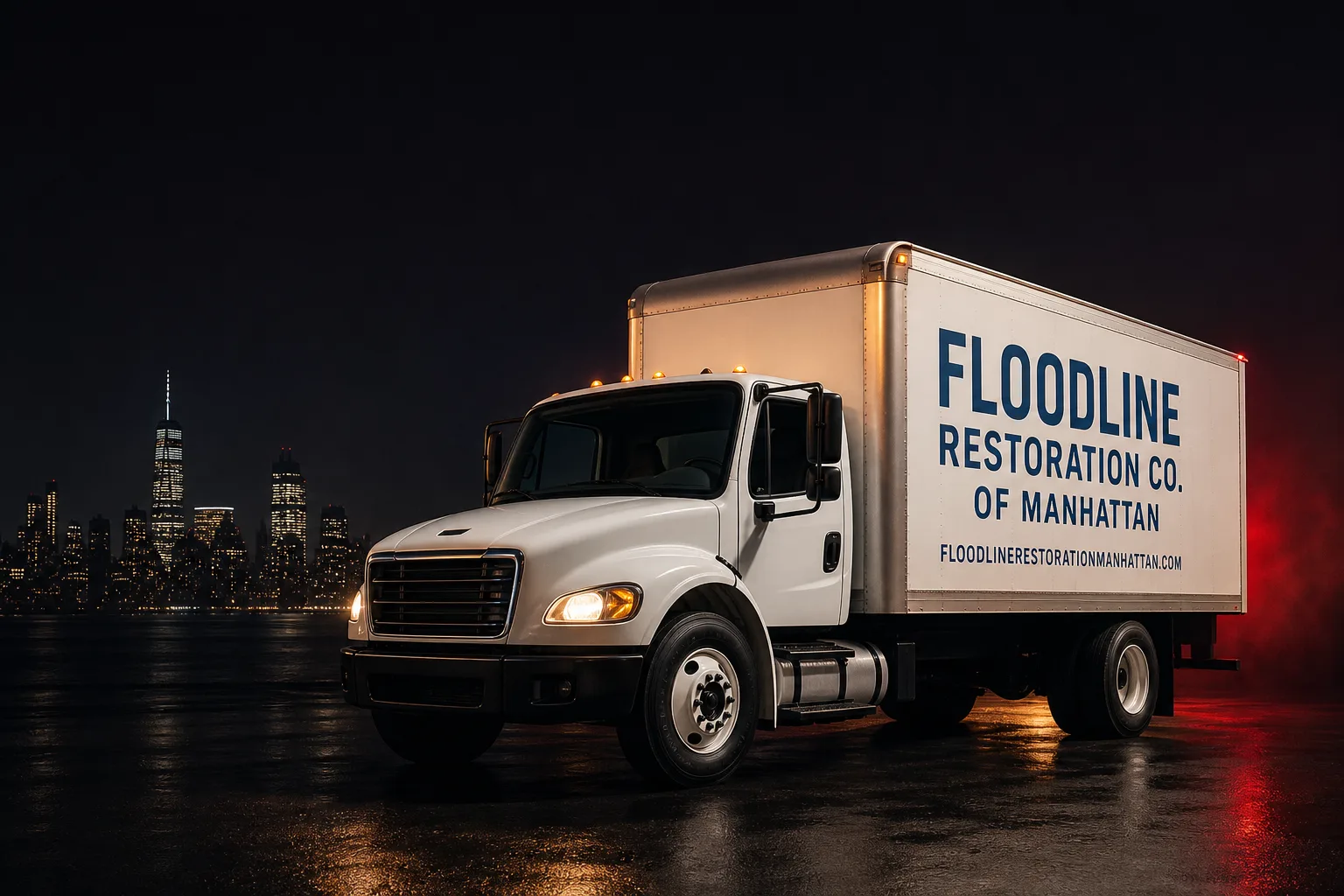
Free visual inspection and a written scope of work before any mitigation begins - photos, moisture readings, and drying logs go in your claim file
The scope we write is the scope we bill. Anything new gets shown to you, in writing, before we touch it.






 Before
 After
After Before
 After
After Before
 After
After24/7 Emergency Reconstruction & Cleanup in Inwood Manhattan
When a nor’easter tears a vestibule door off a Payson Avenue co-op or a failed riser sends water cascading through six floors of a pre-war building on Sherman Avenue, you need a crew that answers the phone at 2 a.m. and gets to work the same visit. Floodline Restoration Co. of Manhattan provides emergency Reconstruction & Cleanup in Inwood Manhattan, from first extraction through finished rebuild, with a live dispatcher on the line 24 hours a day. Call (917) 924-4221 for a free visual inspection, and we’ll have a certified crew headed your way inside 45 minutes.
Inwood’s peninsula geography means water can arrive from the Hudson and Harlem Rivers at once, and the neighborhood’s 1920s-era building stock turns a single door breach into a multi-floor loss faster than most people expect. That first hour matters. The longer water sits in terrazzo lobbies, lath-and-plaster walls, and oak flooring, the deeper the damage runs, and the more reconstruction you’ll eventually need. We start with containment and moisture mapping on the first visit, not after a sales meeting.
Understanding Reconstruction & Cleanup Severity in Inwood Manhattan Properties
Reconstruction severity in Inwood Manhattan tracks closely to building age and water source. Category 1 water from a burst supply line is clean, but even clean water becomes Category 2 within 48 hours as it picks up contaminants from original 1920s building materials. Category 3 water, whether from storm surge off the Harlem River or a sewage backup near Dyckman Street, carries pathogens and requires full containment, antimicrobial treatment, and often removal of affected plaster, flooring, and insulation. Our crews carry IICRC WRT, FSRT, and AMRT certifications specifically because Inwood’s pre-war stacks present all three categories regularly.
The hidden complication in Inwood Manhattan is what we call stack migration. In a six-to-seven-story elevator building from the 1930s, water from an upper-floor loss travels down through cast iron drain stacks, steam-heat riser chases, and original tongue-and-groove subflooring. By the time a building super notices water in the basement, the moisture map often shows damage on five floors, with wicking behind baseboards and into lath-and-plaster walls that never got wet to the touch. Thermal imaging and moisture mapping catch what a visual walkthrough misses, which is why we run them on every job in Inwood Manhattan, not just the big ones.
Why Inwood Manhattan Property Owners Choose Floodline Restoration Co. of Manhattan
- 45-minute response commitment: We dispatch crews from our New York City office to Inwood Manhattan immediately, and we’ll be there when we say. Not a window. A time.
- 24/7 live answer: A real dispatcher picks up at any hour. No recordings, no call-back lists. You talk to a person who can put a crew in motion.
- IICRC-certified crews: Our technicians hold WRT, FSRT, and AMRT certifications, plus RIA and IFA training. Background-checked and uniformed on every job.
- Free visual inspection: We assess the loss, map the moisture, and give you a written scope before any work begins. No charge for the assessment.
- Direct insurance billing: We communicate with your adjuster, send photos and drying logs, and bill the carrier directly. You never play messenger.
- One team, start to finish: The same crew that runs extraction and drying handles the rebuild. No mid-job handoff, no inherited subcontractors, no excuses.
Our Reconstruction & Cleanup Process
Inspection & Assessment
We start with thermal imaging and moisture meters to trace the full path of water or smoke migration through your Inwood Manhattan building. You get a written scope and a straight answer about what needs reconstruction now and what can be dried in place.
Extraction & Stabilization
We remove standing water with truck-mounted extraction units and stabilize the structure. If asbestos-containing floor tile or pipe insulation is present, as it often is in pre-war Inwood buildings, we set up containment before disturbing any materials.
Drying & Dehumidification
Dri-Eaz dehumidifiers and XPOWER air movers run continuously, with daily moisture readings logged until we hit the dry standard. In Inwood’s tidal-adjacent basements, we monitor for humidity rebound and adjust equipment placement as readings demand.
Cleaning & Sanitization
HEPA air scrubbers run in contained zones while we clean salvageable surfaces and remove unsalvageable materials. For Category 3 water, we apply antimicrobial treatments to all affected framing and subflooring before reconstruction starts.
Reconstruction & Wind-Rating Upgrade
When we rebuild entryways, vestibules, and damaged walls, we install impact-rated doors and modern drainage details that meet current code. A 1930s door that failed once will fail again unless it’s replaced, not rehung.
Repairs & Final Walkthrough
Drywall, flooring, trim, and paint go back in, matched to the building’s original character where possible. You walk the finished job with the crew lead, and we hand over the moisture log, photos, and scope for your records.
Need Emergency Reconstruction & Cleanup in Inwood Manhattan Now?
Crews minutes away, answering live 24 hours a day. The sooner we start, the less it costs.
Working With Your Insurance Company
Insurance claims in Inwood Manhattan’s pre-war buildings get complicated fast. The carrier needs to understand that a one-unit water loss on the top floor often requires reconstruction on five floors below, and that asbestos abatement coordination is a legitimate line item, not contractor padding. We document everything from the first hour: photos room by room, moisture readings with time stamps, drying logs updated daily, and a line-item scope of work that uses industry-standard pricing. Our team talks to your adjuster directly, sends the documentation they need, and handles the back-and-forth so you don’t have to translate contractor-speak into insurance-speak.
What We Provide Your Insurer
- Thorough documentation of the loss
- Photos of all damage, room by room
- Moisture readings and drying logs
- A detailed, line-item scope of work
- Direct coordination with your carrier
Done right, and backed in writing. That’s the 90-Day Done Right Promise: if it’s not right, we make it right. No paperwork battles, no arguing. We stand behind it.
Built for Inwood Manhattan’s Loss Calendar
Inwood Manhattan’s reconstruction needs follow a seasonal pattern that anyone who’s lived here twenty years already knows by heart. January and February bring deep freezes that burst uninsulated supply lines in pre-war exterior walls, sending water into bedrooms, hallways, and the apartment below. March and April thaw the ground and push groundwater into low-lying basements along the Harlem River waterfront, where tidal influence keeps humidity high and drying timelines long. Summer thunderstorms dump rain faster than 1920s-era roof drains can handle, and a single clogged drain on a roof above Payson Avenue or Seaman Avenue can wick water through seven floors before anyone notices. Nor’easters in autumn and early winter bring the worst of it: wind-driven rain through original entry doors, storm surge from two rivers, and the full stack of extraction, drying, and reconstruction work. We plan our crews around this calendar, which means we’re ready when Inwood’s buildings need us, not scrambling to find a pump.
Reconstruction & Cleanup Across Inwood Manhattan’s Neighborhoods
The response routes we run in Inwood Manhattan trace the neighborhood’s housing patterns. Along Payson Avenue and the blocks north of Dyckman Street, we’re in six-story pre-war co-ops where a wind-rated vestibule door failure means water in the terrazzo lobby, down the stairwell walls, and into basement storage rooms. In the low-lying blocks near the Harlem River and Spuyten Duyvil Creek, storm surge is the recurring threat, and reconstruction often means pulling original oak flooring, replacing rotted subfloor, and installing drainage details that shed water away from the foundation. Around Sherman Avenue and Isham Park, the buildings are slightly newer but the cast iron drain stacks and galvanized supply lines are just as old, and a burst riser on the top floor shows up as water damage on five floors in the same afternoon. The Fort Tryon area adds another layer: older buildings sitting on sloped lots, where runoff from the park side finds its way into below-grade entryways and mechanical rooms. Every one of these neighborhoods has its own failure pattern, and our crews know them by address, not just by intersection.
One thing we see across all of Inwood Manhattan: contractors who skip impact-rated door replacement and rehang the original 1930s door. It fails again in the next nor’easter, and the building is back on the phone with water in the lobby. We replace what failed with something that won’t fail the same way.
Specialized Reconstruction & Cleanup Services We Offer in Inwood Manhattan
Full-Service Reconstruction
When water or fire damage in an Inwood Manhattan pre-war building requires structural repair, we handle it from framing through finish. That includes replacing rotted joists, rebuilding lath-and-plaster walls with drywall matched to the original profile, restoring terrazzo and oak flooring where salvageable, and installing impact-rated entry doors that meet current wind-load requirements. The same crew that dried the building rebuilds it, so nobody gets to blame the other guy.
Drywall & Flooring Repair
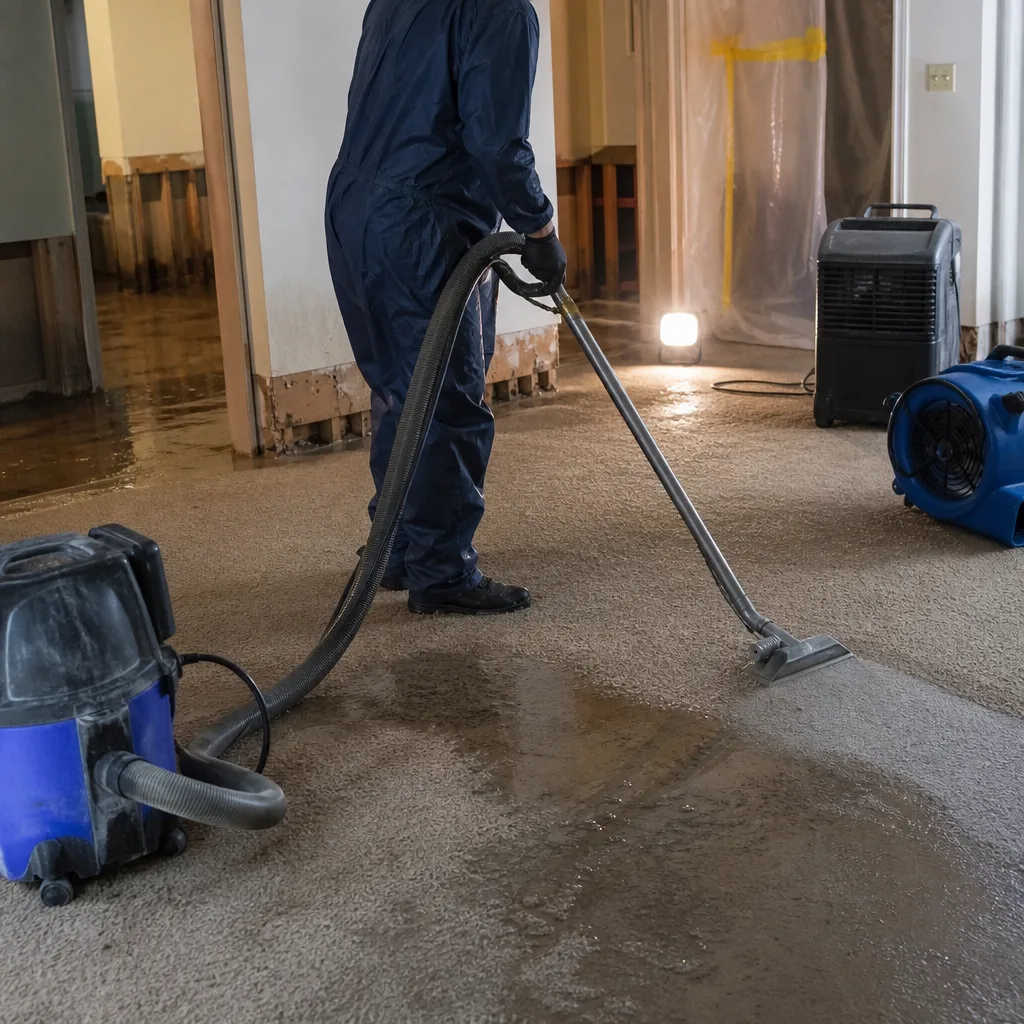
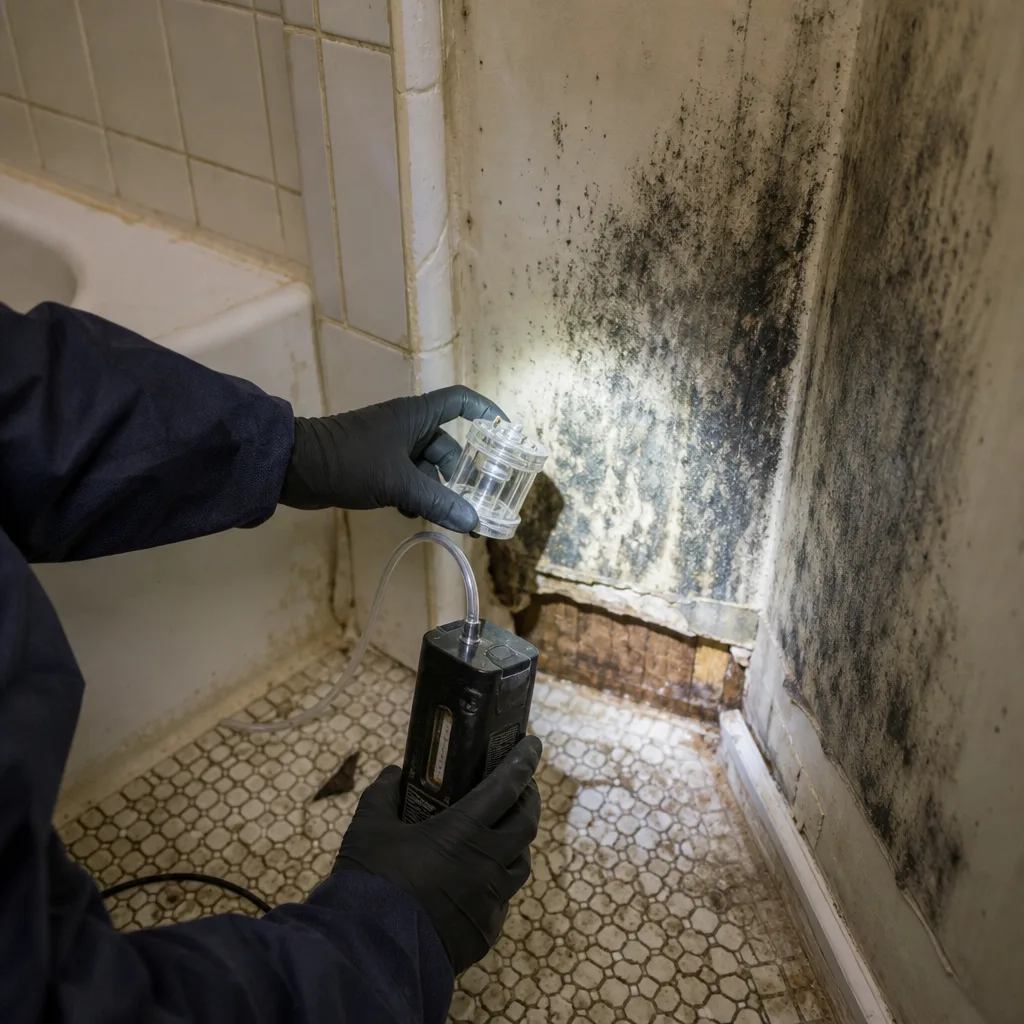
Water wicked into lath-and-plaster or gypsum drywall in Inwood Manhattan buildings often looks fine on the surface while mold grows behind the baseboard. We cut out affected sections, dry the framing, treat for microbial growth, and patch with materials that match the building’s era. Flooring gets the same honest assessment: salvage what we can, replace what we can’t, and document why for your carrier.
Contents Restoration & Pack-Out
When a unit in Inwood Manhattan sustains water or fire damage, we pack out salvageable contents, inventory them with photos, clean and restore what we can, and store the rest until reconstruction is finished. For co-op and condo owners, this keeps your possessions protected while we work on the unit itself, and the inventory serves as claim documentation.
Carpet & Upholstery Cleaning
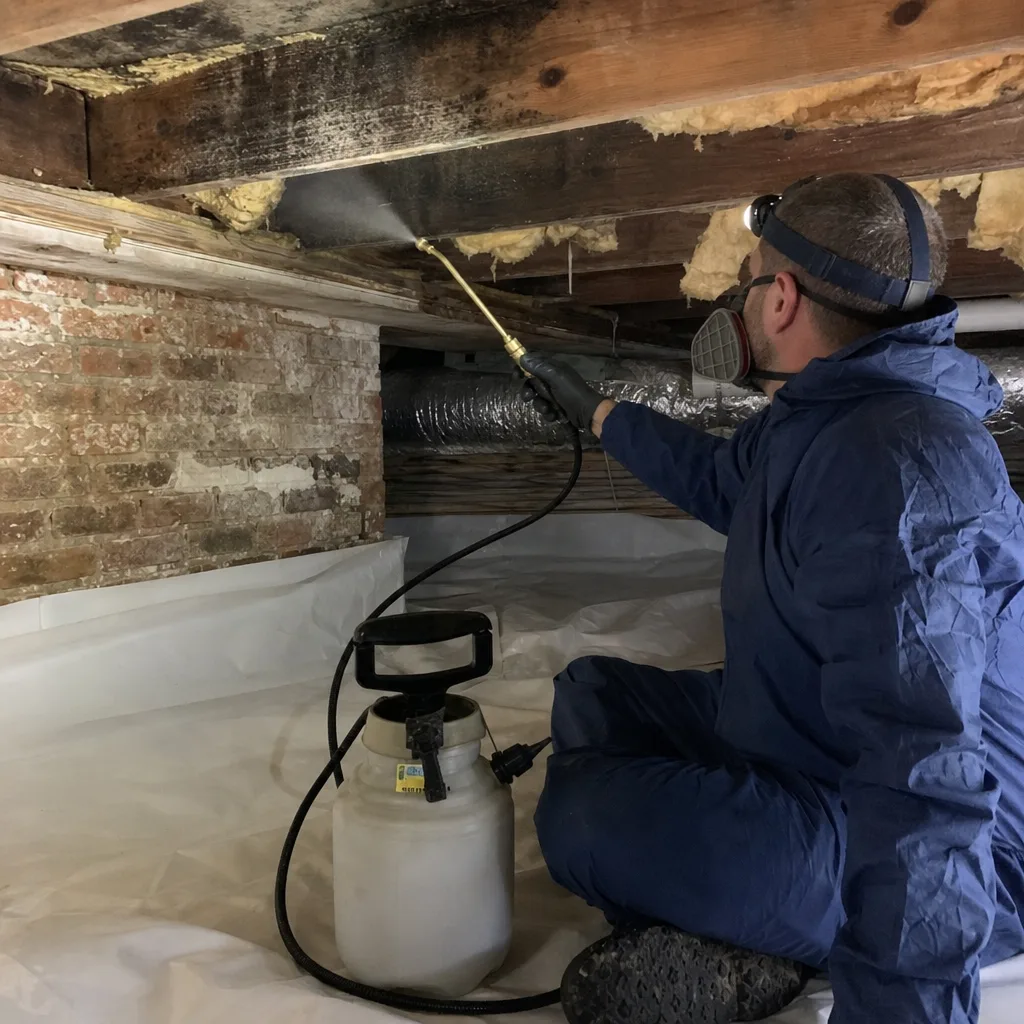
Category 1 water from a burst supply line often soaks carpet and upholstery in Inwood Manhattan apartments. We extract, dry, and clean salvageable soft goods on site, using professional-grade equipment and antimicrobial treatments where the water source warrants. If it’s Category 3 water, we tell you honestly that soft goods need to go, and we document that recommendation in writing.
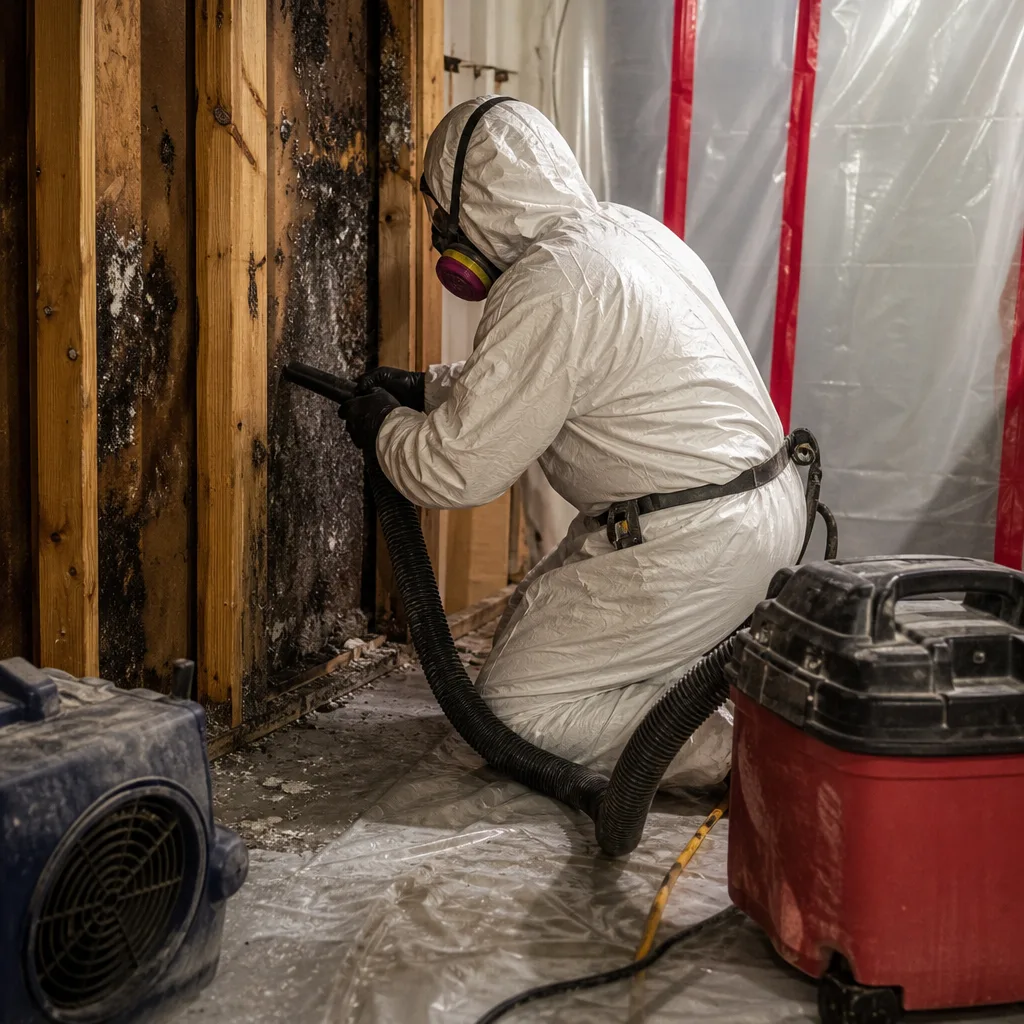
Post-Construction Cleanup
After reconstruction in a pre-war Inwood Manhattan building, the dust is not just on surfaces. It’s in the hallways, the vents, the stairwells. We run HEPA air scrubbers during and after the work, then clean the affected unit and common areas to a standard your neighbors will appreciate. This is part of the job we finish, not an add-on you have to ask for.
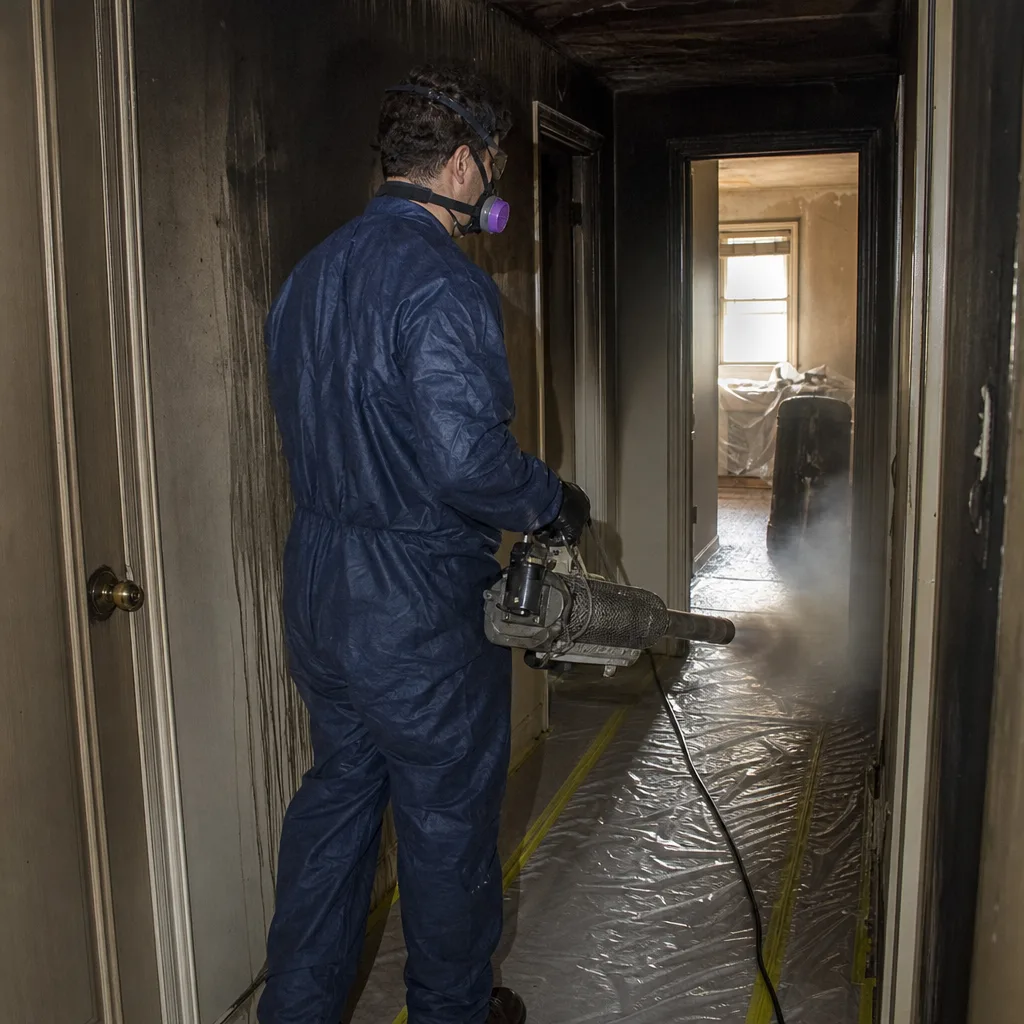
Insurance Claim Documentation
For Inwood Manhattan losses, especially the multi-floor stack migrations common in pre-war buildings, the documentation file is the difference between a claim paid fully and one picked apart for months. We provide dated photos, moisture maps, drying logs, asbestos and lead testing coordination where applicable, and a scope written in language your adjuster can actually use. This is not a separate line item. It’s how we do the job.
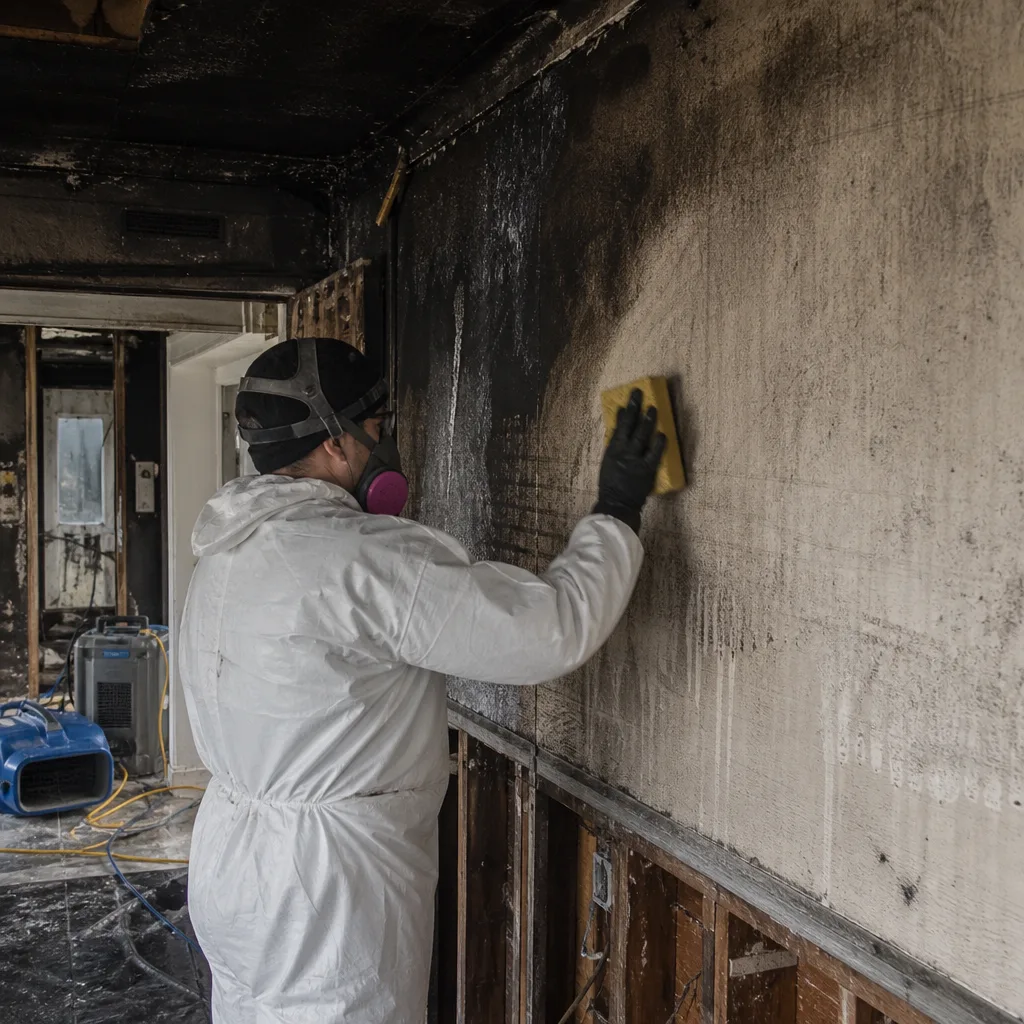
What happens when you call
- 1
A real person answersNo phone trees - you reach a local pro.
- 2
You get an upfront price rangeHonest numbers before anyone is dispatched.
- 3
A background-checked tech heads outLicensed & insured, dispatched right away.
- 4
You approve before work beginsNothing starts until you say go.
Reconstruction & Cleanup Costs in Inwood Manhattan, NY
Reconstruction and cleanup pricing in Inwood Manhattan runs higher than the outer boroughs, mostly because pre-war building materials and abatement coordination add real cost to the scope. A typical single-unit water loss repair, including drywall replacement, baseboard removal, drying, and painting, runs $1,800 to $4,200 depending on floor count and moisture spread. A multi-floor stack migration in a six-story Payson Avenue co-op, with asbestos tile containment, structural drying, and full reconstruction across affected units, commonly falls between $12,000 and $45,000. Wind-rated entry door replacement for a pre-war building vestibule typically runs $3,500 to $9,500 installed, including removal of the failed unit and any structural repair to the door frame. These are Inwood Manhattan figures, grounded in what we see on job sites here, not national averages.
Most of this work is covered by insurance when the loss is sudden and accidental, and we bill the carrier directly. Your out-of-pocket is typically the deductible plus any upgrades you choose beyond like-for-like replacement. The free visual inspection is the path to a firm number: we assess, we scope, and you get a written price before any work starts. Andrew, call us at (917) 924-4221 and we’ll walk the building with you.
How Inwood’s Peninsula Geography Changes the Reconstruction Job
Inwood sits at the northernmost tip of Manhattan, nearly surrounded on three sides by water: the Hudson River to the west, the Harlem River and Spuyten Duyvil Creek to the north and east. No other Manhattan neighborhood has this storm surge exposure, and it shows in the reconstruction work we do here. Basement and ground-floor units along the Harlem River waterfront and near Dyckman Street flood not just from rainfall but from tidal influence, which means the water is often Category 3, the drying conditions are worse than inland structures, and the recurrence risk is real. A building that flooded once during a storm surge event will flood again unless the reconstruction changes the drainage path, seals below-grade entry points, and installs backflow prevention on sewer lines. We build that into the scope because it’s the only honest way to reconstruct in Inwood Manhattan.
The other geographic fact is the wind. Nor’easters that hit the tip of Manhattan come across open water, and the original wood-and-glass entry doors on 1920s-era buildings were never designed for modern wind loads. When wind-driven rain breaches an original entry, water wicks through the terrazzo lobby and down stairwell walls into multiple below-grade storage rooms. This cascade is unique to Inwood’s 1920s-1940s housing stock, and it’s why we emphasize wind-rated door replacement and vestibule reinforcement on nearly every storm reconstruction job here.
We were called to a six-story pre-war co-op on Payson Avenue after a nor’easter tore a wind-rated vestibule door off its hinges, letting Category 2 water flood the lobby and seep into the basement. Our crew set up containment, used moisture mapping to trace migration through the original oak flooring, and ran structural drying with Dri-Eaz dehumidifiers and XPOWER air movers until moisture readings matched the pre-loss condition. Then we replaced the door with an impact-rated unit and documented every step for the insurance claim. That’s the job Inwood requires, and it’s the job we do.
We Also Serve Cities Near Inwood Manhattan
Our crews cover Reconstruction & Cleanup work in Inwood Manhattan and the surrounding area, including Fairview, Harrison, East Bronx, and Hunts Point. If you’re in one of these communities and dealing with water, fire, or storm damage, call (917) 924-4221 and ask for the Reconstruction & Cleanup team.
Serving Inwood Manhattan, NY - Our Local Coverage Area
We’re based in the Inwood Manhattan area and know this community well. Use the map below to see our service coverage - if you’re nearby, we can almost certainly help.
Inwood Manhattan Reconstruction & Cleanup Questions, Answered
How fast can a crew actually reach Inwood Manhattan?
We commit to 45 minutes for emergency response in Inwood Manhattan, with a live dispatcher taking your call 24/7 and a certified crew dispatched from our New York City office immediately. Call (917) 924-4221 and you’ll talk to a person, not a recording.
Will my insurance cover reconstruction after a storm in Inwood Manhattan?
Most sudden and accidental losses from wind, rain, and burst pipes are covered under standard policies, but Inwood’s pre-war buildings often have co-op or condo master policies that interact with your unit policy in specific ways. We bill the carrier directly and provide the photo, moisture, and scope documentation adjusters need to move the claim forward. Call (917) 924-4221 and we’ll help you understand what your policy covers before you commit to anything.
What wind rating should a replacement entry door have for a pre-war building on Payson Avenue?
For a pre-war building on Payson Avenue exposed to Hudson River wind, a replacement entry door should carry a design pressure rating of at least DP 40 to DP 50, with tempered glass and a reinforced frame, and vestibule doors should be impact-rated for wind-borne debris. We’ll specify the exact rating based on the building’s exposure and the current New York City code, and we’ll document it for your insurance claim.
How do you handle asbestos-containing floor tile when reconstructing a lobby after storm flooding?
In Inwood Manhattan’s pre-war buildings, asbestos-containing floor tile is common in lobbies and basement corridors. We set up full containment before disturbing any suspect material, have the tile tested, and if it comes back positive, we coordinate licensed abatement before reconstruction proceeds. Your insurance carrier needs to see this documented, and we handle that paperwork.
Why does a water loss on the top floor often require reconstruction on five floors below?
In Inwood’s six-to-seven-story pre-war elevator buildings, water from an upper-floor loss travels down through cast iron drain stacks, steam riser chases, and original subflooring, wicking into lath-and-plaster walls as it goes. By the time it reaches the basement, the moisture map often shows damage on multiple intermediate floors. Thermal imaging catches this, which is why we run it on every job, not just the ones that look bad from the doorway.
Can we stay in our apartment during reconstruction work?
For single-unit losses where drying and reconstruction are contained to one room or one floor section, most Inwood Manhattan residents stay in place. For multi-floor stack migrations or Category 3 water, we’ll recommend temporary relocation and document the safety reasoning for your carrier, who typically covers it as part of the loss. We’ll give you a straight answer at the first inspection, not after you’ve committed.
How long does drying and reconstruction take in Inwood Manhattan?
Structural drying in Inwood’s pre-war buildings typically runs 3 to 7 days, longer in tidal-adjacent basements where humidity rebounds. Reconstruction adds 2 to 6 weeks depending on scope: a single-unit drywall and flooring job is faster than a multi-floor stack migration with asbestos abatement and wind-rated door replacement. You’ll get a written timeline with your scope, and we’ll update it if site conditions change.
What should I do in the first 30 minutes after water damage in Inwood Manhattan?
Call (917) 924-4221 first. Then, if it’s safe, shut off the water source or building supply, and move small valuables out of standing water. Do not enter standing water in a basement with electrical outlets or appliances. Do not disturb asbestos-containing floor tile. Our dispatcher will walk you through it and have a crew en route immediately.
Written by Curt Bowman, Owner at Floodline Restoration Co. of Manhattan, serving Inwood Manhattan and the surrounding communities. Since 2010, our team has handled water, fire, storm, and reconstruction work the same way: done right, and backed in writing. Call (917) 924-4221 for a free estimate.